


- UPC: 040647005693
- # 15569
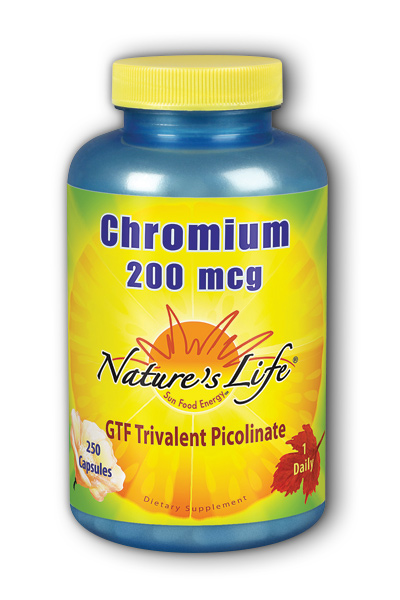
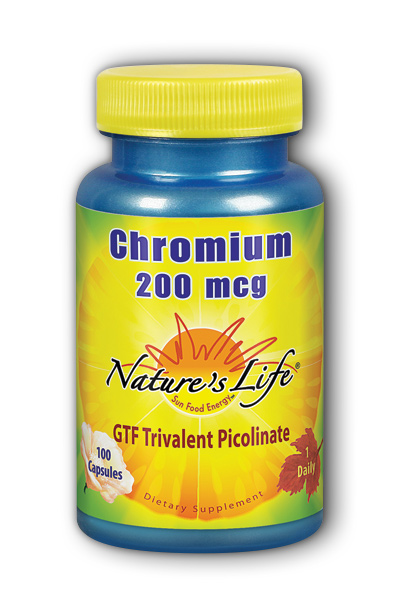
Transform Your Health Regime with Natures Life Chromium 200 mcgExperience the power of Chromium with Natures Life Chromium 200 mcg, your perfect health companion. This supplement is specially formulated with Chromium 200 mcg, an essential mineral known for its unique benefits such as maintaining healthy blood sugar levels, improving metabolism, and enhancing overall health. Chromium was discovered in the late 18th century but its importance in human nutrition was not recognized until the 1960s. Since the discovery, Chromium has been extensively studied and found to play a significant role in glucose metabolism and lipid regulation. Thus, it's an essential mineral that aids our body in maintaining overall wellness. Chromium 200 mcg plays a crucial role in the body. It aids the action of insulin, a hormone critical to the metabolism and storage of carbohydrate, fat, and protein in the body. By enhancing the function of insulin, Chromium helps keep your blood sugar levels normal, promoting overall health. Our customers are individuals looking for a supplement to help maintain normal blood sugar levels. They understand the importance of balanced blood sugar levels in the body and the role it plays in overall health. They're focused on their health journey and are determined to make the right choices for their body.
Chromium 200 mcg is a GTF (Glucose Tolerance Factor) trivalent picolinate, a bioavailable form that's easily absorbed by the body. This form of Chromium is known for its efficacy and has been used in numerous health studies.
Here at Natures Life, we're committed to providing you with the best possible health solutions. Our Chromium 200 mcg is designed to assist you in maintaining a healthier lifestyle. So why wait? Take a step towards a healthier you, because health isn't just about living, it's about thriving. Add the Natures Life Chromium 200 mcg to your cart today!
WARNING: Do not use if safety seal is broken or missing. Keep out of reach of children. Keep your licensed health care practitioner informed when using this product.DIRECTIONS: Use only as directed. Take one (1) capsule daily with food. Store in a cool, dry place.
| ||||||||||||
Helpful Customer Reviews