

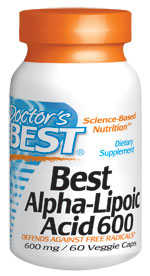
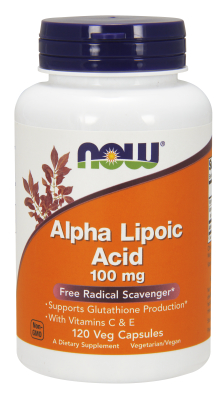

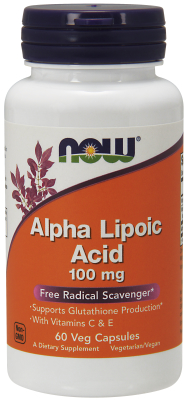
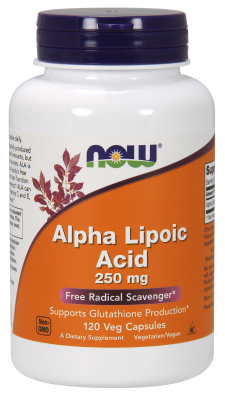
- UPC: 753950001336
- # DRB-00133
| Supplement Facts:
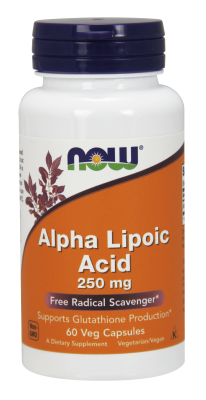
serving size 1 capsule Alpha Lipoic Acid ........ 60mg other IngredientsL Modified cellulose (vegetarian capsule), magnesium silicate, silicon dioxide, rice powder. Suggested adult use: Take 1 or 2 capsules daily, or as recommended by a nutritionally-informed physician. take with or without food. Suitable for vegetarians contains nothing other than listed ingredients Alpha-lipoic acid (ALA, thioctic acid) is a naturally occurring vitamin-like nutrient that has been intensely investigated as a therapeutic agent for a variety of conditions involving the body’s nervous, cardiovascular, immune, and detoxification systems. It exists as two enantiomers or stereoisomers: R-(+)-lipoic acid (RLA) and S-(-)-lipoic acid (SLA). It is produced in small amounts in the liver and other body tissues, where it is needed by enzymes to catalyze numerous essential chemical reactions in the body. For instance, ALA is essential inside the mitochondria of cells, where it is needed to metabolize glucose and direct calories into energy production.
ALA is considered to be a multimodal supplement because, aside from its enzymatic role in energy production, it acts by multiple mechanisms and displays diverse pharmacologic and antioxidant properties. Recently discovered is ALA’s ability to switch the regulation of several genes linked to cell survival, inflammation and oxidative stress. So in addition to its enzymatic role, ALA is a powerful antioxidant and performs a number of other vital functions related to its ability to modify the expression of various genes. ALA is therefore not so much a direct benefit to cells, but rather an indirect aid that "kick starts" declining function in cells, helping them recover the functions that came more easily and naturally in the young.
Researchers at Oregon State University’s Linus Pauling Institute for Micronutrient research have found that our body’s natural lipoic acid levels decline markedly with age, but can be replenished through dietary supplementation. They describe ALA as an "age-essential" micronutrient and have shown that, when fed to rats, it markedly improves mitochondrial function and ameliorates many signs of aging (Hagen et al. 2002; Suh et al. 2004; University 2007). ALA is also being extensively studied in humans by researchers across the globe, and so far has been found to exhibit a number of both confirmed and potential benefits for health and longevity. Prevents oxidative damage by neutralizing free radicals and enhancing the antioxidant activity of Vitamin C, Vitamin E, and glutathione. *
As a potent antioxidant, ALA it not only scavenges free radicals, but also raises the intracellular level of antioxidants by recycling them, and chelates heavy metals to prevent free radical generation. ALA’s antioxidant role also involves protecting cells from damage by preventing the destruction of lipids in cell membranes, and inducing the liver’s detoxification enzymes. Unlike other antioxidants, ALA is soluble in both water and fat. Because of these unique antioxidant functions, ALA is known as the “universal antioxidant” and the “antioxidant of antioxidants”.
Gene dysregulation occurs with age, decreasing resistance to environmental toxins. Treatment with RLA has been shown to re-regulate gene expression, increasing the body’s glutathione and other antioxidant levels and its ability to withstand oxidative insult. Glutathione, vitamin C, and vitamin E are key antioxidants that play major roles in the body’s defense mechanism. These antioxidants exert their activity by cycling between their oxidized and reduced forms. This is necessary to maintain the balance between oxidation and its reverse––the neutralization of free radicals by antioxidants.
In the body, ALA is converted (reduced) to DHLA, or dihydrolipoic acid. Together, these two forms of LA make up a "redox couple," which means that each form can chemically change into the other and back again. DHLA also functions as an antioxidant and is an essential component in the interaction between vitamin C, E, and glutathione (Serbinova et al. 1994). Studies show that the addition of lipoic acid to liver tissue results in increased vitamin C levels (Biewenga et al. 1997). It has been found that DHLA is responsible for regenerating vitamin C, which in turn regenerates vitamin E DHLA also converts glutathione from its oxidized form back into its free radical scavenging reduced form (Bast and Haenen 1988). The LA/DHLA pair is vital for prevention of "oxidative stress," which occurs when the balance is tipped in favor of oxidation in cells. DHLA helps preserve antioxidants in both the watery cell interior and the fatty structure of cell membranes. By regenerating vitamin C, E, and glutathione in tissue, LA/DHLA help reestablish the antioxidant/oxidant balance in the body.
Aging is accompanied by a decreased ability of the liver to recycle ascorbic acid following oxidative stress. Supplementing rats with RLA for two weeks reversed the age-related impairment of ascorbic acid recycling and concentration in liver cells. Researchers determined that an RLA-supplemented diet fed to old rats for two weeks resulted in improved mitochondrial function, decreased free radical damage and increased metabolic rate. Whereas a significant decline was seen in ascorbic acid and glutathione levels in the livers of the control rats, the RLA supplemented group showed no decline in the levels of these critical antioxidants (Hagen et al. 1999).
Supports eye, nerve, and brain health. *
Aging is associated with oxidative damage to the brain and neurons. The brain’s high rate of metabolism and its long-lived neurons make it particularly vulnerable to oxidative stress. Since ALA interrupts cellular oxidative processes in both its oxidized and reduced forms, it plays a modulatory role in the brain and nervous system. Older rats supplemented with RLA showed improvement in mitochondrial function, decreased oxidative damage, increased metabolic rate, and improvement in glutathione status in brain tissue (Hagen et al. 1999) (Suh et al. 2004). ALA prevents memory deficits in aging mice, halting the degeneration of brain neurons (Cui et al. 2006). Pyruvate dehydrogenase complex is an enzyme complex responsible for supplying energy to the central nervous system. Human studies indicate RLA stimulates deficient brain pyruvate dehydrogenase complex in individuals with compromised brain function due to impairment to the brain’s blood supply (Frolich et al. 2004).
A team of German and Australian researchers conducted a review of the in vitro, animal, and human ALA studies and in 2007 published their findings regarding the use of ALA for supporting brain health. They reviewed the multiple mechanisms by which it supports brain health, including anti-inflammatory, antioxidant, metal-chelating, pro-energetic, and neuroprotective properties. In addition, they emphasized the in vitro finding that ALA stimulates the production of acetylcholine, a key neurotransmitter in the central nervous system involved with learning and memory (Holmquist et al. 2007).
High blood sugar is especially damaging to certain parts of the body, especially the nervous system, including the brain and eyes. A group of German researchers compared three doses (600, 1200, and 1800 mg/day) of ALA to placebo in 166 individuals with poor nerve health resulting from chronically high blood sugar. After five weeks, mean total symptom scores were significantly reduced in all three active treatment groups compared to placebo. Since all three dosages worked, but the 1200 and 1800 dosages resulted in increased rates of gastrointestinal side effects, the authors concluded that 600 mg once daily seemed to be the appropriate dose (Ziegler et al. 2006).
Studies also indicate that supplementation with ALA supports eye health. The degeneration of crucial cells in the retina called retinal pigment epithelial cells is often seen at the early stages of common age-related decline in eye health. One of the most toxic chemicals in cigarette smoke, acrolein, is especially harmful to these cells, causing oxidative stress and mitochondrial injury. Rats chronically exposed to low doses of acrolein lose the viability of these cells, showing a decrease in mitochondrial function. Pretreatment of these retina cells with lipoic acid before the acrolein exposure significantly protects them from oxidative damage (Jia et al. 2007).
RLA is exceptionally suitable for supporting the retina of the eye because it can enter the mitochondria, recycle other antioxidants, and is regenerated by high blood sugar. The mechanism by which RLA protects the retina in rats is via prevention of the activation of nuclear factor kappa B, a protein complex found in all cells which is involved in cellular responses to stimuli such as stress, free radicals, ultraviolet irradiation, oxidized LDL, and bacterial or viral antigens (Lin et al. 2006). Studies in rats show that long-term administration of ALA prevents the destruction of retinal capillary cells that occurs with chronically high blood sugar, helping to prevent loss of vision (Kowluru and Odenbach 2004). RLA was also shown to decrease cataract formation induced by the toxin buthionine sulfoximine (BSO) in rats (Maitra et al. 1995). In another in vitro study, brain cells from rats were exposed to two toxins that inhibit synthesis of glutathione, resulting in the degeneration of neurons via oxidative stress. Both R- and S-lipoic acid protected cells against oxidative neurotoxicity induced by the toxin homocystic acid. RLA also protected cells against prolonged exposure to the toxin BSO (Lockhart et al. 2000).
May help maintain healthy glucose metabolism. *
Not only does ALA help protect the nervous system from the damaging effects of unhealthy blood sugar metabolism, it appears to support healthy glucose uptake and utilization directly. As mentioned previously, endogenously produced lipoic acid is a key factor in the cellular process that metabolizes glucose for energy production. In vitro studies have shown that LA has a positive effect on insulin-stimulated uptake of glucose by muscle and fat cells, and acts by activating important molecules in insulin signaling (Estrada et al. 1996; Yaworsky et al. 2000).
Animal studies also indicate RLA stimulates insulin signaling and helps cells take up glucose from the blood. In fat rats bred to have faulty leptin receptors in their brains, so that they have no appetite control, RLA (30 mg/kg body weight daily for 15 days) increased glucose uptake into muscle by 45%. When the rats combined treadmill exercise with the RLA, glucose uptake jumped to 124% (Saengsirisuwan et al. 2004). After helping to initially increase glucose uptake into cells, RLA subsequently increases glucose utilization via activation of an enzyme complex called the pyruvate dehydrogenase complex, a group of enzymes involved in energy production inside the mitochondria of cells (Korotchkina et al. 2004).
Human studies using oral doses of ALA to support healthy glucose metabolism have only recently begun, although a number of studies using intravenous ALA have shown positive results. In one of the few human trials, a randomized, placebo-controlled, multi-center study, 74 individuals with unhealthy blood sugar metabolism were administered LA in oral doses of 600, 1200 or 1800 mg per day. After 4 weeks, the normal lowering of blood sugar levels in response to insulin improved in all of the groups receiving the different doses of LA. Compared to the placebo group, the ALA groups combined showed a significant (p<0.05) 17% improvement in their metabolic clearance rates of glucose, the main indicator of the body’s ability to release insulin in healthy amounts (Jacob et al. 1999). In another human study, researchers examined the effect of oral alpha lipoic acid supplements on 12 individuals with a history of unhealthy blood sugar metabolism, aged 43 to 62, and compared that to the effect on 12 normal subjects (Kamenova 2006). The researchers treated the subjects with 600 mg of ALA twice per day for four weeks. All of the individuals were overweight, with a body mass index (BMI) averaging 34 percent. The amount of glucose metabolized in the treatment group significantly increased and reached a level that was virtually the same as that in the normal subjects.
Resets and normalizes metabolic processes to help maintain cardiovascular health. *
According to Linus Pauling Institute researchers, ALA supplements may offer several different mechanisms to improve cardiovascular health in addition to its antioxidant and glucose metabolism functions. ALA also appears to reset and normalize metabolic processes in a variety of other ways, including helping to support healthy arterial function, helping to maintain healthy weight as part of a healthy diet, and supporting healthy lipid metabolism. High levels of ALA inhibit the formation of the “adhesion molecules”, which normally allow white blood cells called monocytes to enter the walls of arteries. Once there, monocytes become inflammatory cells that, when confronted with LDL cholesterol, they can ultimately transform into arterial fat deposits that contribute significantly to poor cardiovascular health (Zhang et al. 2007).
ALA’s newly discovered ability to help maintain healthy weight may be another mechanism by which it helps support cardiovascular health. This newfound mechanism—so far observed only in animals— appears to be reduction of weight gain via appetite suppression, enhanced metabolic rate, and stimulation of higher levels of physical activity. Mice given lipoic acid supplements simply chose to eat less than a control group that did not receive supplements. They also gained less weight than other mice in a control group that were given identical amounts to eat, suggesting a higher metabolic rate and enhanced activity levels. In this same study, the mice also expressed lower levels of proinflammatory chemical messengers inside the circulatory system, as well as lower levels of triglycerides. These results suggest the potential role of ALA in supporting cardiovascular health via its effects on the immune, and circulatory systems, as well as on the maintenance of healthy weight. Of course, these results need to be reproduced in humans before any firm conclusions about this newly discovered role for ALA are definitively drawn (Zhang et al. 2008). Safety Suggested Adult Use: One to two capsules daily, or as recommended by a nutritionally-informed physician. Take with or without food. DOES NOT CONTAIN: milk, egg, wheat, corn, sugar, sweeteners, starch, or preservatives.
Scientific References 1. Bast, A. and Haenen, G. R. M. M. 1988. Interplay between lipoic acid and glutathione in the protection against microsomal lipid peroxidation. Biochimica et Biophysica Acta 963: 558-561.
2. Biewenga, G. P., Haenen, G. R. and Bast, A. 1997. The pharmacology of the antioxidant lipoic acid. Gen Pharmacol 29: 315-31.
3. Cui, X., Zuo, P., Zhang, Q., Li, X., Hu, Y., Long, J., Packer, L. and Liu, J. 2006. Chronic systemic D-galactose exposure induces memory loss, neurodegeneration, and oxidative damage in mice: protective effects of R-alpha-lipoic acid. J Neurosci Res 84: 647-54.
4. Estrada, D. E., Ewart, H. S., Tsakiridis, T., Volchuk, A., Ramlal, T., Tritschler, H. and Klip, A. 1996. Stimulation of glucose uptake by the natural coenzyme alpha-lipoic acid/thioctic acid. Diabetes 45: 1798-1804.
5. Frolich, L., Gotz, M. E., Weinmuller, M., Youdim, M. B., Barth, N., Dirr, A., Gsell, W., Jellinger, K., Beckmann, H. and Riederer, P. 2004. (r)-, but not (s)-alpha lipoic acid stimulates deficient brain pyruvate dehydrogenase complex in vascular dementia, but not in Alzheimer dementia. J Neural Transm 111: 295-310.
6. Hagen, T. M., Ingersoll, R. T., Lykkesfeldt, J., Liu, J., Wehr, C. M., Vinarsky, V., Bartholomew, J. C. and Ames, A. B. 1999. (R)-alpha-lipoic acid-supplemented old rats have improved mitochondrial function, decreased oxidative damage, and increased metabolic rate. Federation of American Societies for Experimental Biology 13: 411-418.
7. Hagen, T. M., Moreau, R., Suh, J. H. and Visioli, F. 2002. Mitochondrial decay in the aging rat heart: evidence for improvement by dietary supplementation with acetyl-L-carnitine and/or lipoic acid. Ann N Y Acad Sci 959: 491-507.
8. Holmquist, L., Stuchbury, G., Berbaum, K., Muscat, S., Young, S., Hager, K., Engel, J. and Munch, G. 2007. Lipoic acid as a novel treatment for Alzheimer's disease and related dementias. Pharmacol Ther 113: 154-64.
9. Jacob, S., Ruus, P., Hermann, R., Tritschler, H. J., Maerker, E., Renn, W., Augustin, H. J., Dietze, G. J. and Rett, K. 1999. Oral administration of RAC-alpha-lipoic acid modulates insulin sensitivity in patients with type-2 diabetes mellitus: a placebo- controlled pilot trial. Free Radic Biol Med 27: 309-14.
10. Jia, L., Liu, Z., Sun, L., Miller, S. S., Ames, B. N., Cotman, C. W. and Liu, J. 2007. Acrolein, a toxicant in cigarette smoke, causes oxidative damage and mitochondrial dysfunction in RPE cells: protection by (R)-alpha-lipoic acid. Invest Ophthalmol Vis Sci 48: 339-48.
11. Kamenova, P. 2006. Improvement of insulin sensitivity in patients with type 2 diabetes mellitus after oral administration of alpha-lipoic acid. Hormones (Athens) 5: 251-8.
12. Korotchkina, L. G., Sidhu, S. and Patel, M. S. 2004. R-lipoic acid inhibits mammalian pyruvate dehydrogenase kinase. Free Radic Res 38: 1083-92.
13. Kowluru, R. A. and Odenbach, S. 2004. Effect of long-term administration of alpha-lipoic acid on retinal capillary cell death and the development of retinopathy in diabetic rats. Diabetes 53: 3233-3238.
14. Lin, J., Bierhaus, A., Bugert, P., Dietrich, N., Feng, Y., Vom Hagen, F., Nawroth, P., Brownlee, M. and Hammes, H. P. 2006. Effect of R-(+)-alpha-lipoic acid on experimental diabetic retinopathy. Diabetologia 49: 1089-96.
15. Lockhart, B., Jones, C., Cuisinier, C., Villain, N., Peyroulan, D. and Lestage, P. 2000. Inhibition of L-homocysteic acid and buthionine sulphoximine-mediated neurotoxicity in rat embryonic neuronal cultures with alpha-lipoic acid enantiomers. Brain Res 855: 292-7.
16. Maitra, I., Serbinova, E., Trischler, H. and Packer, L. 1995. Alpha-lipoic acid prevents buthionine sulfoximine-induced cataract formation in newborn rats. Free Radic Biol Med 18: 823-9.
17. Saengsirisuwan, V., Perez, F. R., Sloniger, J. A., Maier, T. and Henriksen, E. J. 2004. Interactions of exercise training and alpha-lipoic acid on insulin signaling in skeletal muscle of obese Zucker rats. Am J Physiol Endocrinol Metab 287: E529-36.
18. Serbinova, E., Maitra, I. and Packer, L. 1994. The synergy between vitamin E and alpha-lipoic acid - possible relationship in protection against oxidative stress in vivo. Life Chemistry Reports 12: 17-21.
19. Suh, J. H., Shenvi, S. V., Dixon, B. M., Liu, H., Jaiswal, A. K., Liu, R. M. and Hagen, T. M. 2004. Decline in transcriptional activity of Nrf2 causes age-related loss of glutathione synthesis, which is reversible with lipoic acid. Proc Natl Acad Sci U S A 101: 3381-6.
20. University, O. S. 2007. "Lipoic Acid Explored As Anti-aging Compound." Retrieved Jan 25, 2008, 2008, from http://www.sciencedaily.com/releases/2007/05/070517130823.htm.
21. Yaworsky, K., Somwar, R., Ramlal, T., Tritschler, H. J. and Klip, A. 2000. Engagement of the insulin-sensitive pathway in the stimulation of glucose transport by alpha-lipoic acid in 3T3-L1 adipocytes. Diabetologia 43: 294-303.
22. Zhang, W. J., Bird, K. E., McMillen, T. S., Leboeuf, R. C., Hagen, T. M. and Frei, B. 2007. Dietary {alpha}-Lipoic Acid Supplementation Inhibits Atherosclerotic Lesion Development in Apolipoprotein E Deficient and Apolipoprotein E/Low-Density Lipoprotein Receptor Deficient Mice. Circulation
23. Zhang, W. J., Bird, K. E., McMillen, T. S., LeBoeuf, R. C., Hagen, T. M. and Frei, B. 2008. Dietary alpha-lipoic acid supplementation inhibits atherosclerotic lesion development in apolipoprotein E-deficient and apolipoprotein E/low-density lipoprotein receptor-deficient mice. Circulation 117: 421-8.
24. Ziegler, D., Ametov, A., Barinov, A., Dyck, P. J., Gurieva, I., Low, P. A., Munzel, U., Yakhno, N., Raz, I., Novosadova, M., Maus, J. and Samigullin, R. 2006. Oral treatment with alpha-lipoic acid improves symptomatic diabetic polyneuropathy: the SYDNEY 2 trial. Diabetes Care 29: 2365-70. |
Helpful Customer Reviews
Supplemental Information
- Best Breads -
- New - Best Alpha Lipoic 35 from Doctors Best
- New - t L-Carnitine 855mg from Doctors Best