|
Search Term: " Inner "
Pine Bark vs. Grape Seed: Comparing Antioxidant Absorption   
Date:
September 11, 2026 10:33 AM
The Ultimate Guide to Plant-Based Antioxidants: Pine Bark Extract vs. Grape Seed ExtractIf you have ever left a sliced apple on the counter and watched it turn brown, you have witnessed oxidative stress. The same "rusting" process happens inside our bodies every day due to pollution, stress, poor diet, and natural aging. To fight this, our bodies rely on antioxidants—microscopic defenders that neutralize the damage.While vitamins C and E are famous antioxidants, the plant kingdom offers something much stronger. Two of the most powerful natural antioxidants on the planet are extracted from parts of plants we usually throw away: the bark of pine trees and the seeds of grapes. If you're looking to boost your health, you might find yourself stuck trying to figure out pine bark extract vs grape seed extract. And more specifically, you might be wondering about Pycnogenol vs grape seed extract. Let's break down the science of these plant-based powerhouses, explain what makes them tick, and look at how well your body actually absorbs them—all without needing a degree in chemistry. The Secret Ingredient: What are OPCs?To understand why these two extracts are so powerful, you need to know a very long word: Oligomeric Proanthocyanidins, or OPCs for short.Think of OPCs as the elite special forces of the antioxidant world. They are natural compounds found in the woody, outer parts of plants (like bark, stems, and seed shells). In nature, OPCs protect the plant from harsh weather, bugs, and UV rays. When we consume them, they offer us incredible protection. In fact, OPCs have been shown to be dramatically more powerful at fighting off cellular damage than standard Vitamin C or Vitamin E. Both pine bark and grape seeds are absolutely packed with OPCs, which is why they are so famous in the wellness world. Grape Seed Extract (GSE): The Circulation ChampionJust as the name suggests, Grape Seed Extract is pulled from the seeds of grapes (usually red wine grapes). For decades, scientists wondered why certain European cultures could eat diets high in rich foods and fats but still maintain incredible heart health. Part of the answer was found in the grapes they used to make wine.What it does: Grape Seed Extract is famous for supporting blood vessels. It helps keep your arteries flexible and strong, which promotes healthy blood pressure and reduces swelling (edema) in the legs. The makeup: GSE is highly concentrated with OPCs. It also contains a unique compound called gallic acid, which is excellent for fighting inflammation. Pine Bark Extract and Pycnogenol: The Premium DefenderPine bark extract comes from the Inner bark of pine trees. While there are many generic pine bark supplements, you will almost always see the name Pycnogenol.What is Pycnogenol? Pycnogenol is a patented, highly standardized form of pine bark extract sourced exclusively from the French maritime pine tree. Because it is trademarked, every batch is guaranteed to have the exact same ratio of active ingredients. When scientists study pine bark, they are almost always studying Pycnogenol. What it does: Like grape seed extract, Pycnogenol is fantastic for blood flow. However, it is also famous for its effects on the skin and joints. It actually binds to collagen and elastin - the proteins that keep your skin looking plump and youthful—and protects them from breaking down. The Main Event: Pycnogenol vs Grape Seed ExtractSo, if both of these supplements are packed with OPCs, what is the difference? The real battle comes down to bioavailability (absorption rates).What is Bioavailability?"Bioavailability" is just a fancy way of asking: How much of this actually makes it into my bloodstream?You can swallow 1,000 milligrams of a supplement, but if your body can't absorb it, it just passes through your digestive tract and ends up in the toilet. To get into your bloodstream, antioxidant molecules have to be small enough to pass through the lining of your gut. The Size of the Molecules (Oligomers vs. Polymers)Here is where the comparison between pine bark extract vs grape seed extract gets interesting.OPCs come in different sizes.
The Grape Seed Absorption ProfileGrape seeds naturally contain a very wide mix of both small oligomers and large polymers. If you buy a cheap, low-quality grape seed extract, you might be getting a lot of large polymers that your body cannot absorb. However, high-quality, standardized Grape Seed Extracts are specially filtered to ensure they contain mostly small, easily absorbed OPCs. Once absorbed, the gallic acid in grape seed extract stays in the blood for a long time, providing excellent, long-lasting antioxidant protection.The Pine Bark (Pycnogenol) Absorption ProfilePycnogenol is famous precisely because of its absorption. The natural composition of the French maritime pine tree bark is already heavily skewed toward the smaller, highly absorbable oligomers. Furthermore, because Pycnogenol is a strictly controlled, patented extract, the molecule size is guaranteed. When you take it, you know with absolute certainty that a massive percentage of those OPCs are crossing the gut barrier and entering your system rapidly.Which One Should You Choose?Both extracts are spectacular choices for fighting oxidative stress, but your choice depends on your specific health goals and your budget.Choose Grape Seed Extract if:
The Bottom LineWhen comparing Pycnogenol vs grape seed extract, there is no "loser." Both are incredibly potent sources of plant-based antioxidants that protect your body from cellular rust.If you are looking for an affordable, heart-healthy daily shield, high-quality Grape Seed Extract is a phenomenal choice. If you are willing to spend a little more for a premium, heavily researched extract that targets skin, joints, and guaranteed absorption, Pycnogenol is the gold standard.
(https://vitanetonline.com:443/forums/Index.cfm?CFApp=1&Message_ID=6651) The Ultimate Guide to Cellular Longevity: NAD+, Methylation, and Senolytics 
Date:
September 10, 2026 10:57 AM
Introduction: Understanding Cellular Aging and Energy DeclineBiological aging represents a progressive decline in cellular maintenance, structural repair, and energy generation. Over decades, tissues experience an attrition of functional reserves, compromised stress resilience, and persistent low-grade systemic inflammation. At the cellular scale, biological degeneration is driven by a failure to generate bioenergetic fuel, repair genetic code, and clear metabolic waste.Cellular aging is characterized by interconnected biological disruptions known as the hallmarks of aging. These encompass genomic instability, epigenetic alterations, mitochondrial decay, loss of proteostasis, and cellular senescence. Rather than operating as isolated occurrences, these phenomena establish a self-reinforcing degenerative cycle: declining cellular power generation impairs enzymatic genetic repair, promoting the accumulation of damaged cells that enter irreversible growth arrest and poison surrounding healthy tissues. Mitigating cellular aging requires examining how microscopic bioenergetic pathways deteriorate and evaluating how targeted nutritional and biochemical interventions can restore cellular homeostasis. The Role of Mitochondria and ATP ProductionEvery biological function - from muscular contraction to continuous DNA replication - depends on adenosine triphosphate (ATP), the primary biochemical energy currency of living systems. Cells produce the vast majority of this energy within mitochondria through oxidative phosphorylation. Within these specialized organelles, metabolic intermediates derived from dietary carbohydrates and lipids donate high-energy electrons to the electron transport chain. The flow of these electrons across protein complexes establishes an electrochemical proton gradient across the Inner mitochondrial membrane, driving ATP synthase to manufacture ATP.A youthful cell functions like an efficient municipal power grid, dynamically matching energetic demands with immediate ATP output. However, as biological aging progresses, mitochondrial efficiency declines. The electron transport chain becomes structurally leaky, inadvertently shedding electrons that react with ambient molecular oxygen to produce reactive oxygen species (ROS). While regulated levels of ROS participate in vital intracellular signaling, chronic excess induces widespread oxidative stress. Mitochondria are exceptionally vulnerable to this oxidative burden because they carry their own circular genetic material, known as mitochondrial DNA (mtDNA). Unlike nuclear DNA, mtDNA lacks the protective shielding of histone proteins and possesses rudimentary repair systems. As a result, mtDNA sustains cumulative oxidative damage, encoding increasingly defective electron transport chain proteins. This dynamic generates a bioenergetic deficit: degraded mitochondria synthesize progressively less ATP while emitting greater volumes of damaging free radicals. Deprived of optimal ATP reserves, cells lack the energy necessary to drive vital enzymatic repair cascades, accelerating structural degeneration and functional exhaustion. How Cellular Senescence Accelerates the Aging ProcessWhen healthy cells confront critical physiological damage - such as severe telomere attrition, persistent DNA double-strand breaks, or oxidative stress - they activate protective cell cycle arrest pathways governed primarily by the p53/p21^CIP1 and p16^INK4a/Rb molecular checkpoints. This defensive shutdown, termed cellular senescence, permanently prevents the replication of potentially premalignant or mutated cells.Senescent cells, colloquially known as "zombie cells," enter a state of permanent growth arrest while actively resisting programmed cell death (apoptosis). Over time, these cells accumulate within adipose depots, skeletal muscle, the vascular endothelium, and major organs, largely because immune surveillance and clearance pathways simultaneously lose functional efficiency. The systemic danger of senescent cells stems from their secretome. Rather than remaining biologically inert, senescent cells develop a hyperactive secretory state termed the Senescence-Associated Secretory Phenotype (SASP). The SASP is a destructive mixture of pro-inflammatory cytokines, chemokines, extracellular matrix-degrading matrix metalloproteinases (MMPs), and reactive oxygen species. Through this toxic secretome, even a small burden of senescent cells can impair whole-tissue architecture. SASP factors degrade surrounding structural proteins, induce insulin resistance in neighboring metabolic cells, and biochemically force adjacent healthy cells into secondary senescence. This persistent paracrine signaling fuels chronic, sterile, low-grade systemic inflammation, termed "inflammaging," which accelerates systemic tissue degeneration and elevates susceptibility to degenerative age-related pathologies. Nicotinamide Riboside (NR) and the NAD+ Salvage PathwayThe Biochemistry of NAD+ Depletion Over TimeNicotinamide adenine dinucleotide (NAD+) is an indispensable coenzyme present in every living cell. NAD+ fulfills a dual biological mandate: it serves as a central redox cofactor that shuttles electrons between cellular metabolic reactions, and it functions as an obligatory consumable substrate for regulatory enzymes that preserve cellular viability. In its redox capacity, NAD+ accepts electrons to form NADH during glycolysis, the tricarboxylic acid (TCA) cycle, and fatty acid beta-oxidation, subsequently donating those electrons to Complex I of the respiratory chain to power ATP synthesis.
The primary enzymatic driver of age-related NAD+ destruction is CD38, a membrane-bound glycohydrolase expressed on immune cells that is upregulated in response to chronic SASP exposure. Concurrently, lifelong genotoxic damage causes persistent activation of Poly(ADP-ribose) polymerase 1 (PARP-1), an enzyme that cleaves the glycosidic bonds of NAD+ to assemble branched poly(ADP-ribose) chains at DNA lesion sites. Because PARP-1 consumes NAD+ without directly recycling the molecule, chronic DNA damage depletes intracellular NAD+ pools, impairing bioenergetics and limiting sirtuin activity. How NR Efficiently Boosts Cellular NAD+ LevelsThe mammalian body maintains its NAD+ supply through three distinct biosynthetic routes: the de novo pathway from dietary L-tryptophan, the Preiss-Handler pathway from nicotinic acid (niacin), and the NAD+ Salvage Pathway. The de novo pathway requires substantial energy expenditure, consuming roughly sixty milligrams of dietary tryptophan to yield a single milligram of NAD+. The Preiss-Handler pathway, while effective, can induce cutaneous prostaglandin-mediated flushing at therapeutic intakes. Consequently, the salvage pathway serves as the primary mechanism for maintaining intracellular NAD+ pools.The salvage pathway recycles the breakdown product nicotinamide (NAM), which is released whenever NAD+-consuming enzymes execute their functions. Under normal conditions, cells convert free nicotinamide into nicotinamide mononucleotide (NMN) via the rate-limiting enzyme nicotinamide phosphoribosyltransferase (NAMPT), after which NMN adenylyltransferases (NMNAT1–3) complete the conversion into NAD+. However, NAMPT expression declines with advancing age, chronic inflammation, and metabolic stress, limiting the recycling capacity of the cell. Nicotinamide Riboside (NR) is a naturally occurring pyridine nucleoside that bypasses this enzymatic bottleneck. Upon cellular entry via equilibrative nucleoside transporters, NR is directly phosphorylated into NMN by nicotinamide riboside kinases (NRK1 and NRK2) using a single molecule of ATP. Because the NRK pathway remains intact and robust across the lifespan, NR provides an efficient alternative entry point into the NAD+ salvage cascade. Clinical evaluations in humans confirm the safety, bioavailability, and pharmacokinetics of oral NR supplementation. Randomized, double-blind, placebo-controlled trials reveal that oral NR chloride produces dose-dependent increases in steady-state whole blood NAD+ concentrations. Dosing regimens of 100 mg, 300 mg, and 1,000 mg daily elevate blood NAD+ levels by approximately 22%, 51%, and up to 142%, respectively, within two weeks of administration, maintaining these elevations throughout continuous use. High-resolution metabolomic analyses also demonstrate parallel elevations in nicotinic acid adenine dinucleotide (NAAD), establishing it as a reliable biomarker of active intracellular NAD+ synthesis without hepatic or systemic toxicity. Sirtuin Activation and DNA Repair MechanismsReplenishing intracellular NAD+ supports functions beyond mitochondrial ATP generation. NAD+ functions as an obligatory cofactor for sirtuins (SIRT1 through SIRT7), a family of class III histone and non-histone protein deacetylases that regulate stress resilience, metabolic homeostasis, and cell survival. Sirtuins couple the removal of acetyl groups from target lysine residues to the stoichiometric cleavage of NAD+, producing nicotinamide and O-acetyl-ADP-ribose. In states of NAD+ deficiency, sirtuin enzymes remain inactive regardless of cellular demand.In the nucleus, SIRT1 coordinates defense against cellular decline. When activated by restored NAD+ levels, SIRT1 deacetylates peroxisome proliferator-activated receptor-gamma coactivator 1-alpha (PGC-1a), the master transcriptional coactivator of mitochondrial biogenesis. This deacetylation stimulates mitochondrial replication and assembly, expanding functional respiratory capacity. Concurrently, SIRT1 deacetylates the p65 subunit of nuclear factor-kappa B (NF-kB), suppressing the transcription of pro-inflammatory cytokines. In the mitochondria, SIRT3 utilizes NAD+ to deacetylate metabolic enzymes and superoxide dismutase 2 (SOD2), enhancing the organelle's capacity to neutralize reactive oxygen species. At the same time, cellular NAD+ levels directly regulate genomic integrity through PARP-1. When genotoxic stress or oxidative damage induces single- or double-strand DNA breaks, PARP-1 binds to the damaged termini using its zinc-finger domains. Bound PARP-1 hydrolyzes NAD+ to synthesize extensive, negatively charged poly(ADP-ribose) polymers on itself and adjacent histones. This modification relaxes chromatin architecture and establishes an electrostatic scaffold that recruits base excision repair and homologous recombination complexes. Recent discoveries demonstrate close crosstalk between sirtuins and PARP-1 during DNA repair. PARP-1 recruits SIRT1 to double-strand breaks, where SIRT1 deacetylates the chromatin-remodeling ATPase BRG1 to displace nucleosomes and facilitate homologous recombination. However, because PARP-1 and SIRT1 draw from the same intracellular NAD+ pool, severe NAD+ depletion forces a biological compromise: PARP-1 consumes the scarce remaining cofactor to address DNA damage, leaving sirtuins deactivated. Restoring NAD+ via NR prevents this deficit, enabling concurrent genomic repair and sirtuin-mediated metabolic defense. Quercetin: A Powerful Senolytic and mTOR RegulatorClearing Senescent "Zombie" Cells from TissuesThe accumulation of senescent cells has driven interest in senolytics: molecules that selectively eliminate senescent cells while sparing healthy, non-senescent populations. Senolytic agents exploit a specific vulnerability in senescent cells. Because senescent cells produce cytotoxic, pro-inflammatory SASP factors that would normally induce their own death, they become dependent on upregulated Senescent Cell Anti-Apoptotic Pathways (SCAPs) to survive. The SCAP network involves anti-apoptotic proteins (such as BCL-2 and BCL-xL), the PI3K/Akt kinase cascade, and cyclin-dependent kinase inhibitors.Quercetin is a polyphenolic flavonoid found in capers, red onions, apples, and the flower buds of Sophora japonica. Beyond its classical antioxidant properties, quercetin functions as a senolytic compound that exerts multi-target inhibitory effects across the SCAP network. By inhibiting the upstream PI3K/Akt survival axis and downregulating anti-apoptotic defenses, quercetin disrupts the signaling that protects senescent cells from intrinsic apoptosis. Deprived of these survival signals, senescent cells undergo programmed cell death. Preclinical studies demonstrate that senolytic protocols utilizing quercetin - often combined with the tyrosine kinase inhibitor dasatinib - reduce senescent cell burden across multiple tissues. This targeted clearance lowers circulating SASP factors, attenuates tissue fibrosis, restores endothelial reactivity, and improves functional health span. By removing senescent cells, quercetin mitigates the primary driver of chronic, low-grade inflammaging. Modulating the mTOR Pathway for Optimal AutophagyThe mechanistic Target of Rapamycin (mTOR) is an evolutionarily conserved serine/threonine protein kinase that coordinates cellular metabolism by balancing anabolic growth with catabolic recycling. Operating within two multiprotein complexes - mTORC1 and mTORC2 - the mTOR pathway integrates signals from amino acids, growth factors, and intracellular energy levels. In nutrient-rich environments, mTORC1 promotes protein synthesis, lipogenesis, and cellular growth, while suppressing catabolic breakdown. Conversely, nutrient scarcity downregulates mTORC1, activating autophagy.Autophagy is an intracellular degradation system that packages damaged organelles, misfolded protein aggregates, and biological debris into double-membraned autophagosomes for lysosomal degradation and recycling. A specialized branch of this pathway, mitophagy, selectively targets and clears damaged mitochondria. In modern metabolic conditions characterized by continuous caloric intake, mTORC1 can remain persistently active. This persistent signaling suppresses autophagy, causing damaged organelles and toxic aggregates to accumulate within tissues. Quercetin functions as a natural modulator of mTOR signaling. By inhibiting upstream PI3K/Akt signaling and activating intracellular energy sensors, quercetin attenuates overactive mTORC1, mimicking the metabolic effects of caloric restriction. This down-regulation relieves inhibition on the ULK1 autophagy initiation complex, stimulating both general autophagy and mitophagy. As autophagy proceeds, cells clear protein aggregates and eliminate damaged mitochondria, supporting cellular longevity and proteostasis. Enhancing Absorption: Phytosomes and Dietary FatsDespite the biological activities of quercetin identified in experimental models, its clinical translation has historically been limited by poor oral bioavailability. Raw quercetin aglycone is a crystalline, hydrophobic polyphenol with poor solubility in water and gastrointestinal fluids. When ingested in unformulated powder forms, quercetin molecules aggregate in the gut lumen, resisting dissolution and passive absorption. Consequently, the vast majority of an unformulated dose passes into the colon unabsorbed, where it undergoes microbial degradation without reaching meaningful systemic concentrations.To address these pharmacokinetic limitations, advanced delivery systems such as phytosomes were engineered. A phytosome is a 100% food-grade molecular complex where individual polyphenolic molecules are bound to dietary phospholipids, typically sunflower-derived phosphatidylcholine. Unlike a classical liposome - which encapsulates water-soluble compounds inside an aqueous core enclosed by a lipid bilayer - a phytosome forms an amphiphilic complex at the molecular level. The polar head of the phosphatidylcholine molecule forms hydrogen bonds with the hydroxyl groups of the quercetin molecule, while its lipophilic fatty acid tails extend outward. This structural arrangement shields the polar regions of the flavonoid, creating a lipid-compatible complex that integrates smoothly into the intestinal mucosa.
The Importance of Methylation in Healthy AgingVitamin B-Complex and Choline as Essential Methyl DonorsMethylation is an essential biochemical process occurring billions of times each second across all human tissues. It involves the transfer of a single-carbon unit - a methyl group consisting of one carbon atom bound to three hydrogen atoms - (CH3) - from a donor molecule to diverse recipients, including DNA, RNA, structural proteins, neurotransmitters, and membrane phospholipids. This transfer of one-carbon units is coordinated by the methionine-homocysteine cycle, which sustains genetic stability, detoxification pathways, and cellular repair.At the center of this pathway sits S-adenosylmethionine (SAM), the universal methyl donor in human biology. When a methyltransferase enzyme transfers a methyl group from SAM to an acceptor molecule, SAM is converted into S-adenosylhomocysteine (SAH). SAH functions as a potent competitive inhibitor of intracellular methyltransferases. To maintain functional methylation, SAH is rapidly hydrolyzed into homocysteine, a sulfur-containing amino acid that must be remethylated or cleared through transsulfuration. Homocysteine clearance proceeds through two distinct remethylation pathways. The primary route operates across most tissues via the enzyme methionine synthase, which requires vitamin B12 in its active methylcobalamin form. Methionine synthase transfers a methyl group from 5-methyltetrahydrofolate (5-MTHF, the active form of folate) to homocysteine, regenerating methionine. The ongoing production of 5-MTHF depends on the enzyme methylenetetrahydrofolate reductase (MTHFR), which utilizes riboflavin (vitamin B2) as a cofactor. Alternatively, excess homocysteine can be routed into the transsulfuration pathway by vitamin B6 (as pyridoxal-5'-phosphate) to synthesize cystathionine, cysteine, and ultimately the antioxidant glutathione. A secondary remethylation pathway, active predominantly in hepatic and renal tissues, bypasses folate entirely. In this route, dietary choline is oxidized to betaine (trimethylglycine or TMG). The enzyme betaine-homocysteine S-methyltransferase (BHMT) then transfers a methyl group from betaine directly to homocysteine, yielding methionine and dimethylglycine. When dietary intake of active B-vitamins or choline is insufficient, or when genetic variations like MTHFR polymorphisms reduce pathway flux, the methylation cycle slows. Homocysteine accumulates in circulation, promoting vascular and neurological inflammation, while SAM reserves decline, restricting cellular methylation capacity. Understanding DNA Methylation and Epigenetic HealthEvery somatic cell in an organism carries an identical genetic code. Cellular differentiation and tissue-specific functions are governed by the epigenome: a regulatory layer of chemical modifications that dictates gene expression without altering underlying DNA sequences. DNA methylation represents the primary and most stable epigenetic modification. In this process, DNA methyltransferase (DNMT) enzymes utilize methyl groups donated by SAM to add a methyl tag to cytosine bases adjacent to guanine residues, forming 5-methylcytosine within CpG dinucleotide sites.Under physiological conditions, DNA methylation maintains genomic stability and coordinates transcription. Methylation of promoter regions condenses chromatin, repressing transposable elements and silencing genes inappropriate for a given cell type. Conversely, hypomethylated promoters maintain an open chromatin state, allowing transcription factors to bind and initiate gene expression. During biological aging, this epigenetic landscape undergoes progressive dysregulation, a phenomenon termed "epigenetic drift". Aging cells experience global hypomethylation alongside focal hypermethylation of specific gene promoters. Global loss of methyl tags destabilizes the genome, activating retrotransposons and pro-inflammatory pathways. Simultaneously, hypermethylation at targeted promoter sites silences critical tumor suppressor genes and DNA repair complexes. This systematic change in DNA methylation patterns is consistent across populations, allowing researchers to develop molecular "epigenetic clocks". Algorithms such as the Horvath clock, PhenoAge, and GrimAge quantify biological age by profiling the methylation status of specific CpG sites across the genome. These clocks assess whether individuals are aging faster or slower than their chronological years. Ensuring a steady supply of methyl donors and preventing unnecessary SAM depletion supports DNMT activity, maintaining epigenetic patterns and genomic stability. How the Methylation Cycle Impacts Energy and Cognitive FocusBeyond long-term epigenetic regulation, the methylation cycle directly modulates immediate biochemical processes that govern daily energy, neurotransmission, and cognitive focus. Compromised methylation capacity frequently manifests as cognitive slowing, executive fatigue, and reduced physical stamina.A major consumer of methyl reserves is the endogenous synthesis of creatine. Approximately 40% of all SAM-derived methyl groups in the human body are utilized by guanidinoacetate N-methyltransferase (GAMT) in the liver to synthesize creatine. Creatine then translocates to the brain and skeletal muscle, where it is phosphorylated into phosphocreatine. Phosphocreatine functions as a rapid energy buffer, donating a high-energy phosphate group to regenerate ADP into ATP in milliseconds during demanding physical or cognitive tasks. When methyl donor availability falls, endogenous creatine synthesis drops, depleting phosphocreatine reserves and increasing susceptibility to neuromuscular and cognitive fatigue. Methylation is equally central to central nervous system architecture. SAM provides methyl groups to convert phosphatidylethanolamine into phosphatidylcholine, the predominant phospholipid comprising neuronal cell membranes and the myelin sheaths that insulate axons. Intact myelin preserves rapid action potential conduction throughout the nervous system. Furthermore, free choline derived from this pathway is the direct precursor to acetylcholine, the neurotransmitter required for attention, working memory, and learning. The methylation cycle also governs monoamine neurotransmitter metabolism. SAM is required for the synthesis of adrenaline (epinephrine) from noradrenaline, while catechol-O-methyltransferase (COMT) relies on SAM to degrade dopamine and norepinephrine within the prefrontal cortex. Sluggish methylation disrupts this balance, contributing to cognitive fatigue, mood variability, and impaired mental performance. Building a Comprehensive Longevity ProtocolSynergizing NR, Quercetin, and Methylated B-VitaminsLongevity supplementation often falters when single molecules are administered in isolation, ignoring interconnected metabolic pathways. Designing an effective cellular longevity protocol requires combining complementary mechanisms that reinforce one another while preventing secondary metabolic deficits. The combination of Nicotinamide Riboside, Quercetin Phytosome, and Methylated B-Vitamins illustrates this multi-target synergy.This synergy is grounded in the direct biochemical intersection between the NAD+ salvage pathway and the methylation cycle. When high-dose NR is supplemented to boost systemic NAD+, sirtuins and PARP enzymes consume the newly synthesized cofactor, generating substantial quantities of free nicotinamide (NAM). This intracellular nicotinamide faces two primary metabolic fates: it can be recycled back into NAD+ through the NAMPT-dependent salvage loop, or it can be cleared via methylation. When the influx of nicotinamide exceeds salvage recycling capacity, the excess is cleared to avoid feedback inhibition of sirtuin enzymes. To accomplish this, the enzyme nicotinamide N-methyltransferase (NNMT) transfers a methyl group from SAM directly onto nicotinamide, forming 1-methylnicotinamide (1-MNA/MNAM), which is subsequently excreted in urine. Prolonged, high-dose precursor administration without nutritional methyl support can elevate NNMT flux, depleting intracellular SAM reserves. As methyl groups are consumed clearing nicotinamide, the cellular SAM-to-SAH ratio falls, which can elevate circulating homocysteine and reduce methyl availability for DNA methylation and neurotransmitter synthesis. Co-administering a fully methylated B-complex alongside choline or betaine addresses this potential bottleneck. Providing active methyl donors (such as 5-MTHF, methylcobalamin, and betaine) maintains the one-carbon donor pool. Even during increased NNMT activity, SAM pools remain stable, protecting DNA methylation fidelity and maintaining homocysteine within safe parameters. Quercetin reinforces this protocol through complementary mechanisms. By clearing senescent cells and reducing SASP-mediated inflammation, quercetin downregulates CD38, the primary enzyme responsible for age-related NAD+ degradation. Suppressing CD38 prevents unnecessary breakdown of newly synthesized NAD+, enhancing the efficiency of NR supplementation. Furthermore, while NR provides the NAD+ necessary to activate SIRT1-driven mitochondrial biogenesis, quercetin concurrently modulates mTORC1 to stimulate autophagy. This coordinated action ensures that newly generated mitochondria operate in an environment cleared of proteotoxic cellular debris. The Crucial Role of Magnesium Glycinate and Zinc in Cellular FunctionLongevity protocols require essential mineral cofactors to function efficiently. Without adequate divalent minerals acting as enzymatic cofactors and structural stabilizers, metabolic longevity pathways cannot operate at full capacity. Among these, magnesium and zinc are required for cellular repair, genomic stability, and energy production.Magnesium serves as an obligatory cofactor in over 300 enzymatic reactions, primarily through its interaction with ATP. In biological systems, ATP exists predominantly as a chelate with a divalent magnesium ion, forming biologically active Mg2+ -ATP. Every enzymatic reaction that synthesizes, transfers, or consumes cellular energy - including the enzymes of the NAD+ salvage pathway (NRK and NMNAT) and DNA polymerases - strictly requires Mg2+ -ATP as its substrate. Magnesium deficiency impairs these phosphorylation reactions, reducing the cellular utilization of NAD+ precursors. Additionally, magnesium is an essential cofactor for the enzymes that activate dietary B-vitamins into their active forms. Supplying magnesium as magnesium glycinate provides high gastrointestinal bioavailability, minimal laxative effect, and yields glycine to support inhibitory neurotransmission and restful sleep. Zinc serves as a vital structural component for more than 3,000 human transcription factors and enzymatic proteins. Its most prominent structural role in longevity occurs within zinc-finger motifs. These are specialized protein conformations stabilized by a zinc ion coordinated to cysteine and histidine residues. The DNA damage sensor PARP-1 utilizes three zinc-finger domains to identify, track, and physically bind to single- and double-strand DNA breaks. Without adequate intracellular zinc, PARP-1 cannot properly assemble or dock onto damaged chromosomes, impairing DNA repair and increasing genomic instability. Zinc is also an obligatory structural component of copper/zinc superoxide dismutase (Cu/Zn-SOD or SOD1), the primary cytosolic antioxidant enzyme that dismutates superoxide radicals into hydrogen peroxide, protecting mitochondrial membranes and nuclear DNA from premature senescence. Integrating Prebiotics (like Acacia and Inulin) for Gut-Derived Longevity MarkersA comprehensive cellular longevity framework must extend beyond somatic tissues to encompass the gut microbiome. The intestinal microbiome functions as a central regulator of systemic inflammatory tone, immune development, and metabolic signaling. Age-associated dysbiosis - characterized by the loss of beneficial commensals and an overgrowth of pathobionts - frequently leads to breakdown of the intestinal barrier.The gut epithelium consists of a single-cell monolayer sealed by tight junction proteins, including zonula occludens-1 (ZO-1), occludin, and claudins. When this physical barrier is disrupted by poor dietary fiber intake or dysbiosis, gut permeability increases. This allows lipopolysaccharide (LPS), a component of the outer membrane of Gram-negative bacteria, to enter the portal and systemic circulation. The resulting "metabolic endotoxemia" activates Toll-like receptor 4 (TLR4) on immune cells, inducing NF-kB and systemic pro-inflammatory cytokine production. This persistent gut-derived inflammation exacerbates the SASP, accelerates tissue senescence, upregulates CD38, and drains systemic NAD+ reserves.
These short-chain fatty acids, particularly butyrate, exert direct protective effects on systemic longevity. Butyrate provides the primary metabolic fuel for colonic epithelial cells, supplying more than 70% of their baseline energy needs and supporting mitochondrial function within colonocytes. Furthermore, SCFAs upregulate the expression of epithelial tight junction proteins (ZO-1, occludin, and claudin-1), restoring intestinal barrier integrity and preventing the translocation of inflammatory LPS into systemic circulation. Systemically absorbed butyrate also functions as an endogenous histone deacetylase (HDAC) inhibitor, suppressing pro-inflammatory gene expression and supporting regulatory T cell (T_reg) development. Reducing metabolic endotoxemia dampens systemic inflammation, protecting vascular function and preventing premature NAD+ depletion. Conclusion: The Integrated Cellular Longevity MatrixCellular longevity is achieved not by addressing isolated biomarkers in isolation, but by systematically supporting interconnected biological pathways. As bioenergetic capacity declines, cellular senescence accelerates, epigenetic patterns degrade, and gut barrier integrity weakens. A comprehensive approach addresses these biological vulnerabilities simultaneously.
Quercetin Phytosome clears senescent cells and modulates mTORC1, stimulating autophagy while dampening the inflammatory SASP cascade that accelerates CD38-mediated NAD+ destruction. Methylated B-vitamins, active folate, and choline replenish SAM reserves, balancing the methyl requirements of NNMT-mediated nicotinamide clearance, preserving epigenetic DNA methylation, and maintaining neurotransmitter production. Magnesium glycinate and zinc provide the structural and catalytic foundation required for ATP utilization, B-vitamin activation, and PARP-1 zinc-finger DNA repair docking. Finally, prebiotic fibers generate short-chain fatty acids like butyrate, reinforcing the intestinal barrier and preventing metabolic endotoxemia from fueling systemic inflammation. By coordinating energy replenishment, cellular waste clearance, epigenetic maintenance, and the suppression of systemic inflammation, this unified approach directly addresses the underlying drivers of cellular aging to support long-term physiological vitality.
--
(https://vitanetonline.com:443/forums/Index.cfm?CFApp=1&Message_ID=6650) Unlocking Your Cellular Vitality: Understanding the Role of Mitochondria in Energy and Aging
Date:
September 09, 2026 05:22 PM
Introduction: Understanding Cellular Aging and Energy DeclineHave you ever wondered why you could bounce back from an all-nighter or an intense workout in your twenties, but in your forties or fifties, the same physical effort leaves you feeling drained for days?Most people think aging is something that happens strictly on the outside - fine lines around the eyes, stiff joints, or gray hairs. In reality, aging begins at a microscopic scale inside your cells, the microscopic building blocks that make up every tissue, muscle, and organ in your body. Every single day, your body relies on roughly 30 trillion cells working in unison. When your cells are young and resilient, they operate like a well-oiled machine: they repair minor damage instantly, clear away waste, and produce abundant energy. But over time, two fundamental biological shifts take place:
The Role of Mitochondria and ATP ProductionTo understand where your daily energy comes from, you have to look inside your cells at tiny structures called mitochondria.Often called the "powerhouses" of the cell, mitochondria function like miniature power stations. A single cell can house hundreds or even thousands of them, especially energy-hungry cells like those in your heart, brain, and skeletal muscles. The Body’s Energy Currency: What is ATP?Your body cannot directly use a sandwich or a cup of coffee to power muscle contractions or brain signals. Instead, your mitochondria take the nutrients from your food and combine them with the oxygen you breathe to manufacture a chemical molecule called adenosine triphosphate (ATP).Think of ATP as your body’s universal energy currency:
Why Cellular Energy Production Declines with AgeWhen you are young, your mitochondria are abundant, pristine, and remarkably efficient. However, the very process of creating energy comes with an unavoidable side effect: oxidative stress.Much like an engine produces exhaust fumes while burning fuel, mitochondria produce reactive byproducts known as free radicals (reactive oxygen species). Over decades, these "exhaust fumes" slowly damage the Inner machinery of the mitochondria:
How Cellular Senescence Accelerates the Aging ProcessIf mitochondrial decline is a problem of power shortage, cellular senescence is a problem of biological clutter and pollution.In a healthy body, normal cells follow a strict lifecycle: they divide, perform their jobs, and when they incur significant damage or reach the end of their useful lifespan, they undergo a tidy self-destruction process called apoptosis (programmed cell death). Your immune system then clears away the debris, making room for fresh, vibrant cells. Cellular senescence happens when this cleanup process fails. The "Zombie Cell" PhenomenonWhen a cell experiences extreme stress - such as shortened telomeres (the protective caps on chromosomes), severe DNA breaks, or severe mitochondrial dysfunction - it reaches a biological crossroads. To prevent the damaged cell from dividing uncontrollably (which could lead to tumors), the body puts the brakes on.The cell enters a permanent state of dormancy:
Why Zombie Cells Are So Damaging: The Bad Apple EffectHaving a few retired cells hanging around might not sound catastrophic, but senescent cells do not sit quietly. Instead, they secrete a toxic chemical cocktail known as the Senescence-Associated Secretory Phenotype (SASP).This cocktail is packed with pro-inflammatory cytokines, chemokines, and tissue-degrading enzymes. Picture one spoiled apple sitting in a fruit basket: the ethylene gas it emits quickly causes the healthy apples surrounding it to rot. In the same way, the toxic secretions from zombie cells:
The Vicious Cycle of Cellular AgingMitochondrial decay and cellular senescence are not isolated events; they feed directly into one another:
What This Means for Everyday HealthThe good news from modern longevity science is that cellular decline is not entirely out of our hands. While aging is natural, the rate at which our cellular engines degrade can be influenced by daily habits:
Summary: Aging is fundamentally a microscopic process occurring inside the body's trillions of cells, which naturally become less resilient over time. Central to this decline are the mitochondria, the tiny structures that function as the cell's "power plants" to produce adenosine triphosphate (ATP), the universal chemical currency for everyday energy. While young mitochondria are abundant and pristine, decades of producing ATP generate oxidative stress through byproducts called free radicals, which eventually wear down and damage mitochondrial DNA and machinery. This damage results in fewer, less efficient power generators, lowering total cellular energy output, which individuals experience as real-world physical fatigue and mental fog. Aging is further accelerated by cellular senescence, a condition where damaged cells stop dividing but, instead of naturally self-destructing like healthy ones, linger behind as dormant "zombie cells." These senescent cells secrete a pro-inflammatory chemical mixture known as the Senescence-Associated Secretory Phenotype (SASP), which functions like a "bad apple" by poisoning healthy neighboring cells and tissues, creating a state of chronic biological pollution termed "inflammaging." Mitochondrial decay and senescence feed into one another in a vicious cycle that directly drives overall aging. However, longevity science highlights that healthy lifestyle habits, including regular exercise and periods of fasting, can support continued vitality by encouraging the development of new mitochondria and the clearing of this toxic cellular clutter.
(https://vitanetonline.com:443/forums/Index.cfm?CFApp=1&Message_ID=6649) Clean Your Colon with Now Foods - 7 Day Colon Cleanse Formula!
Date:
August 26, 2026 12:03 PM
The primary health benefits stem from a balanced blend of synergistic ingredients. Psyllium husk (500 mg) provides essential soluble fiber that absorbs water, expands in the intestinal lumen, and binds waste material to facilitate smooth transit. To stimulate colonic motility and relieve occasional constipation, the formula pairs Cascara Sagrada bark (300 mg) with Organic Senna leaf (300 mg), which contain natural anthraquinones that trigger gentle peristaltic contractions. To offset cramping and support intestinal comfort, the blend incorporates Organic Aloe Vera Inner leaf (100 mg) and Licorice root (50 mg) to soothe delicate mucosal linings, alongside Fennel seed (50 mg) to provide carminative action that eases bloating and gas. This protocol is intended for episodic use—taking 1 to 2 capsules at bedtime with at least 8 ounces of water for up to seven consecutive days. Because the formula contains stimulant botanicals, it is designed strictly for short cycles with a recommended six-week break between programs to prevent bowel dependence. When paired with ample hydration and a post-cleanse probiotic or prebiotic routine, it serves as an effective periodic reset to restore digestive regularity and a lighter, less bloated feel.
(https://vitanetonline.com:443/forums/Index.cfm?CFApp=1&Message_ID=6646) Is Your Cinnamon Causing Inflammation? The Hidden Risks of a Common Spice
Date:
July 16, 2026 05:28 PM
Cinnamon is widely praised for its ability to improve cellular glucose uptake and support insulin sensitivity, but the direct answer is yes - under specific conditions, consuming cinnamon can cause or trigger inflammation. While cinnamon naturally contains powerful anti-inflammatory polyphenols (like cinnamaldehyde), its potential to drive inflammation boils down to two distinct triggers: the specific variety you ingest, and your individual immune response to its volatile oils. 1. Coumarin-Induced Liver InflammationThe primary metabolic risk stems from Cassia cinnamon, which is the standard, inexpensive variety found on most grocery store spice racks. Cassia contains significant concentrations of a naturally occurring compound called coumarin.
2. Contact Hypersensitivity (Cinnamon Stomatitis)Cinnamaldehyde gives cinnamon its signature warmth and flavor, but it is also a documented contact allergen.
3. Gastrointestinal Mucosal IrritationBecause concentrated spice powders contain highly concentrated volatile oils, taking large doses on an empty stomach can physically irritate the delicate mucous lining of the upper gastrointestinal tract. This localized chemical irritation can mimic or exacerbate inflammatory discomfort in the stomach wall, resulting in heartburn, acid reflux, or cramping.Mitigating the Risk: Ceylon vs. CassiaIf you are leveraging cinnamon as a daily tool for metabolic health and blood sugar management, switching to Ceylon cinnamon (often labeled as "True Cinnamon") fundamentally changes its biochemical impact.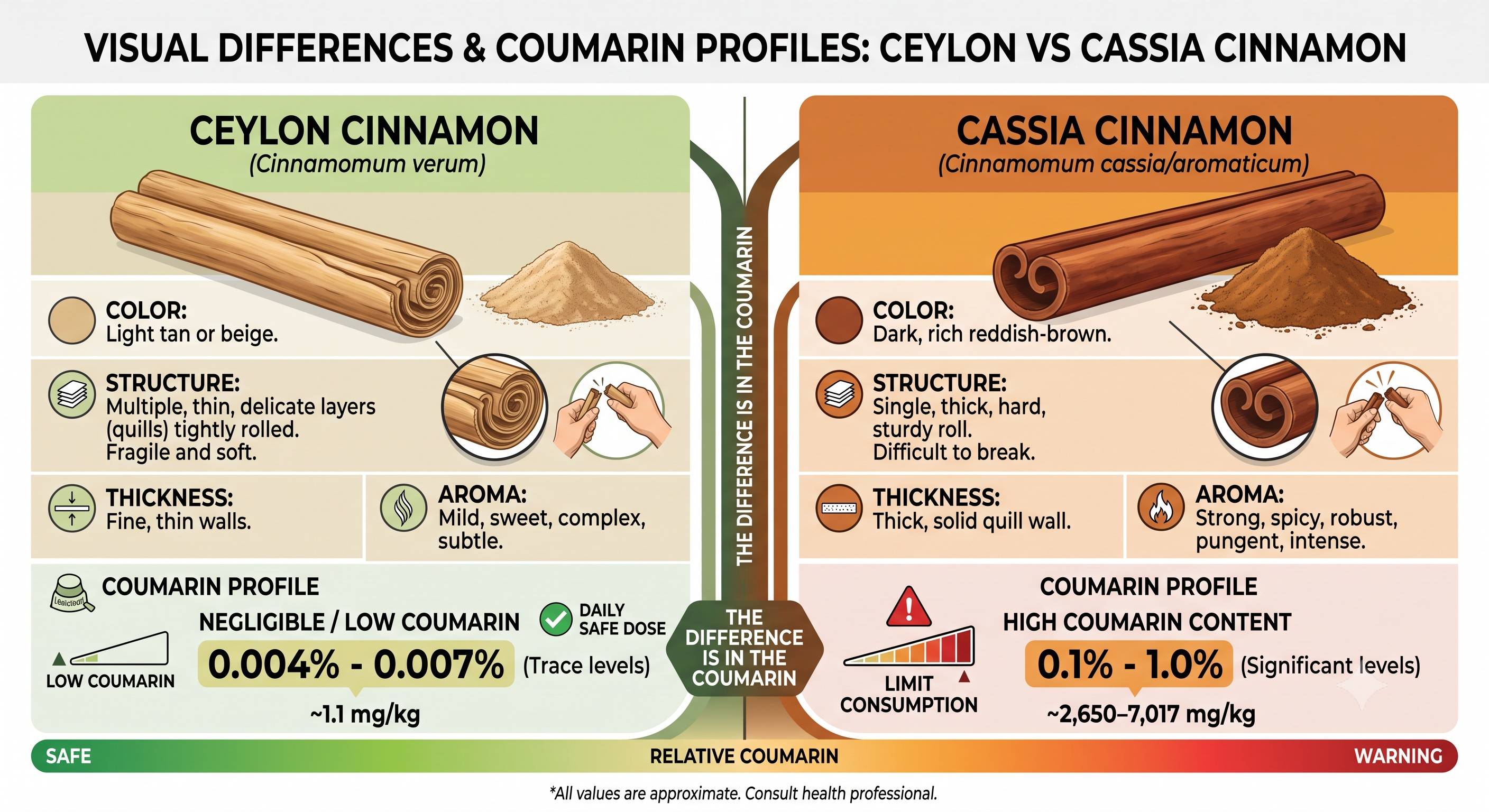
While cinnamon is highly regarded for improving insulin sensitivity and managing blood sugar, it can paradoxically trigger inflammation under specific conditions. The primary systemic risk stems from Cassia cinnamon, the common grocery store variety, which contains high concentrations of a compound called coumarin. When consumed regularly or in large therapeutic doses, coumarin can overwhelm the liver's metabolic pathways, leading to elevated liver enzymes and acute hepatic inflammation. Beyond liver toxicity, cinnamon can also incite localized inflammation; its volatile oil, cinnamaldehyde, can induce a Type IV delayed hypersensitivity reaction known as contact stomatitis - causing painful burning and swelling in the mouth - while concentrated doses can physically irritate the gastrointestinal lining. To safely harness the metabolic benefits of the spice without triggering these inflammatory responses, switching to Ceylon cinnamon ("true cinnamon") is the most effective strategy. Systemically, Ceylon contains only trace, negligible levels of coumarin (0.004% to 0.007%), making it safe for daily medicinal dosing, whereas Cassia contains significant levels (up to 1.0%) that require strict consumption limits to avoid toxicity. Visually and structurally, the two varieties are distinctly different: Ceylon features a light tan color with multiple thin, fragile, and tightly rolled layers, while Cassia is characterized by a dark reddish-brown hue and a single, thick, hard quill that is difficult to break.
(https://vitanetonline.com:443/forums/Index.cfm?CFApp=1&Message_ID=6645) Beyond Choline: How DMAE Flushes Cellular Waste for Longevity
Date:
May 21, 2026 03:43 PM
How is DMAE and Methylation connected?Understanding the relationship between DMAE (dimethylaminoethanol) and the methylation cycle is a nuanced dive into nutritional biochemistry. While DMAE is a popular compound for cognitive and cellular health, its interaction with the body’s methyl pool is a critical factor to consider.DMAE and the Methylation ConnectionBiochemically, it is often considered important to support the methylation cycle when supplementing with DMAE. This is due to how the body processes DMAE to create choline.The "Methyl Drain"DMAE is a precursor to choline, but the conversion process requires the addition of methyl groups. Specifically, the body uses SAMe (S-adenosylmethionine), the universal methyl donor, to methylate DMAE into choline.If you supplement with high doses of DMAE without adequate methyl support, you may inadvertently "drain" your methyl pool. This can lead to:
Strategic Co-factorsTo balance this, many researchers suggest pairing DMAE with methyl donors to ensure the cycle remains fluid. Key co-factors include:
How DMAE Supports LongevityDMAE is often categorized as a "longevity" nutrient because of its impact on cellular waste and membrane integrity.1. Reduction of LipofuscinOne of the most cited longevity benefits of DMAE is its ability to reduce lipofuscin (often called "age spots" or "wear-and-tear pigment"). Lipofuscin is a metabolic waste product that accumulates in the heart, brain, and skin cells over time. High levels of lipofuscin can impair cellular function; DMAE helps the body flush these deposits, potentially slowing the cellular aging process.2. Membrane StabilizationDMAE acts as a free radical scavenger specifically within the cell membranes. By protecting the lipid bilayer from oxidative stress, it helps maintain membrane fluidity. Flexible, healthy membranes are essential for efficient nutrient transport into the cell and waste removal out of the cell.3. Acetylcholine PrecursorWhile its primary longevity mechanism is cellular, DMAE’s role as a precursor to acetylcholine supports cognitive longevity. Maintaining healthy levels of this neurotransmitter is vital for focus, memory, and muscle control as the nervous system ages.4. Skin Health and "Lifting"In the context of physical appearance and anti-aging, DMAE is known for its "firming" effect. It is thought to increase the tone of the underlying skin muscles, providing a subtle "lift" and reducing the appearance of fine lines and sagging.Summary: While DMAE offers potent cellular cleaning and membrane protection, it functions best when the body has a robust supply of methyl donors to handle its conversion without taxing the system. Does DMAE efficiently convert to Acetylcholine?The conversion of DMAE (dimethylaminoethanol) into the neurotransmitter acetylcholine is a multi-step biochemical process. Because DMAE is not a direct precursor to acetylcholine, it must first be integrated into the phospholipid metabolism of the cell.To make this conversion efficient, the body requires specific methyl donors and enzymatic co-factors. The Two-Step Conversion Process1. The Methylation Step: DMAE to CholineDMAE is essentially a "dimethylethanolamine." To become choline (trimethylethanolamine), it requires the addition of a third methyl group.
2. The Acetylation Step: Choline to AcetylcholineOnce DMAE has been methylated into choline (or integrated into phosphatidylcholine), it must be acetylated by the enzyme Choline Acetyltransferase (ChAT).
Optimal Co-factors for EfficiencyTo maximize the "brain-boosting" effects of DMAE, the following nutrients are typically used to support the pathway:
The "Choline Sparer" EffectIt is worth noting that DMAE is often more efficient at crossing the blood-brain barrier than standard choline. However, because it "competes" for the same transport systems and enzymes, taking it alongside a high-quality choline source and a B-complex ensures that the body isn't forced to choose between building cell membranes and creating neurotransmitters.What is it better to consume choline or DMAE?Deciding between DMAE and choline depends entirely on whether your priority is systemic health (liver and cell membranes) or cognitive performance (acetylcholine production and focus). While choline is technically a "cheaper" raw material, the "efficiency" changes once you factor in how the body processes each compound.The Efficiency ComparisonEfficiency in this context is usually measured by how well a compound crosses the blood-brain barrier (BBB) and how many metabolic steps are required to reach the final goal: Acetylcholine.1. Choline Bitartrate (The "Budget" Option)
2. DMAE (The "Specialist")
3. Alpha-GPC & CDP-Choline (The "Premium" Options)
Cost-Efficiency Analysis
Which is better?
Summary: Supplementing with DMAE (dimethylaminoethanol) creates a unique biochemical dynamic in the body, particularly regarding cognitive performance and cellular longevity. While DMAE crosses the blood-brain barrier effectively, its conversion into the crucial neurotransmitter acetylcholine requires an additional methyl group, a process that can significantly drain the body's universal methyl donor, SAMe. To prevent this "methyl drain" and avoid issues like elevated homocysteine, it is highly beneficial to pair DMAE with strategic co-factors and methyl donors such as TMG (trimethylglycine) and methylated B-vitamins. Beyond its role in acetylcholine production, DMAE supports longevity through distinct cellular mechanisms that standard choline cannot replicate, specifically by neutralizing free radicals to stabilize cell membranes and flushing out lipofuscin, an age-related cellular waste product. When evaluating whether to replace DMAE with direct choline supplementation for cost and efficiency, the decision hinges on your specific physiological goals. Standard budget options like choline bitartrate are highly cost-effective for general liver health and systemic cell structures, but they suffer from very poor brain penetration. Conversely, premium forms like Alpha-GPC and CDP-Choline are far more efficient for cognitive optimization and memory because they cross the blood-brain barrier effortlessly without taxing the body's methylation cycle. Ultimately, while cheap choline salts cannot replicate DMAE's unique cellular cleaning properties, choosing a premium choline source is a more direct and biochemically efficient path for raw cognitive enhancement, especially if you want to avoid the multi-step metabolic cost associated with converting DMAE.
(https://vitanetonline.com:443/forums/Index.cfm?CFApp=1&Message_ID=6638) Borage Seed Oil: A Rich Source of GLA with Diverse Health Benefits
Date:
July 16, 2025 11:08 AM
Borage Seed Oil: A Rich Source of GLA with Diverse Health BenefitsBorage seed oil comes from the Borago officinalis plant. It is a nutritional powerhouse because of its high concentration of gamma-linolenic acid (GLA). This omega-6 fatty acid provides many health benefits. These include reducing inflammation, improving skin health, and potentially easing symptoms of hormonal imbalances and arthritis.The Power of GLA: An Anti-Inflammatory AgentThe cornerstone of borage seed oil's efficacy lies in its GLA content. Within the body, GLA is converted into dihomo-gamma-linolenic acid (DGLA), a precursor to anti-inflammatory compounds, most notably prostaglandin E1 (PGE1). This is significant because many chronic diseases are rooted in inflammation. By bolstering the body's production of these anti-inflammatory molecules, borage seed oil can help to counteract inflammatory processes.Soothing Skin AilmentsOne of the most well-documented benefits of borage seed oil is its positive impact on skin health. It is particularly noted for its potential to alleviate symptoms of inflammatory skin conditions such as:
Relief for Rheumatoid ArthritisResearch suggests the anti-inflammatory GLA in borage seed oil can reduce joint tenderness, swelling, and morning stiffness associated with rheumatoid arthritis. Some studies suggest it may even reduce the need for conventional anti-inflammatory medications.Hormonal Harmony and PMS ReliefFor those who experience premenstrual syndrome (PMS), borage seed oil may offer a natural way to manage symptoms. It is thought that fluctuations in hormone levels can influence the body's fatty acid metabolism. The GLA in borage seed oil can help to produce PGE1, which may in turn help to alleviate common PMS complaints such as breast tenderness, mood swings, and bloating.Important Considerations and Potential Side EffectsWhile generally considered safe for most people, it is crucial to choose borage seed oil products that are certified "pyrrolizidine alkaloid (PA) free." PAs are naturally occurring toxins in the borage plant that can be harmful to the liver. Reputable manufacturers will remove these compounds during processing.Potential side effects of borage seed oil are typically mild and may include digestive issues such as bloating, gas, or indigestion. As with any supplement, it is advisable to consult with a healthcare professional before starting to take borage seed oil, especially for those who are pregnant, breastfeeding, or taking other medications, particularly blood thInners or anti-seizure drugs. In conclusion, Borage seed oil, rich in GLA, is a valuable natural supplement with many potential health benefits. Its ability to modulate cellular inflammation makes it a compelling option for supporting skin, managing arthritis, and easing hormonal discomfort. Here are even more concise versions:
(https://vitanetonline.com:443/forums/Index.cfm?CFApp=1&Message_ID=6621) Agave Nectar: A Delicious Alternative
Date:
June 04, 2024 04:57 PM
Agave Nectar: A Delicious AlternativeIn recent years, agave nectar has gained popularity as a natural sweetener, touted for its unique taste and potential health benefits. But what exactly is agave nectar, and how does it stack up against traditional sugar and other sweeteners? In this comprehensive guide, we will delve into the uses and nutritional benefits of agave nectar, comparing it to traditional sugar and other sweeteners to help you make an informed decision.
What is Agave Nectar?Agave nectar, also known as agave syrup, is a sweetener derived from the sap of the agave plant. The agave plant is native to Mexico and has been used for centuries in traditional medicine and as a sweetener. The sap is extracted from the core of the agave plant, then filtered and heated at low temperatures to break down the complex carbohydrates into simple sugars. The result is a sweet, viscous liquid with a taste similar to honey, but with a thInner consistency.
Nutritional Profile of Agave NectarAgave nectar is primarily composed of fructose, a simple sugar found in many fruits. Unlike traditional sugar (sucrose), which is made up of equal parts glucose and fructose, agave nectar usually contains about 70-90% fructose and 10-30% glucose. Here is a quick look at the nutritional content of one tablespoon (21 grams) of agave nectar:
Uses of Agave NectarUse agave nectar in various ways to add versatility to your kitchen. Here are some common uses:
Comparing Agave Nectar to Traditional SugarCaloric ContentBoth agave nectar and traditional sugar contain similar amounts of calories per serving, but agave nectar is sweeter than sugar, which means you can use less of it to achieve the same level of sweetness. This can result in a lower overall caloric intake when using agave nectar as a sugar substitute.
Glycemic IndexOne of the key differences between agave nectar and traditional sugar is their glycemic index (GI). The glycemic index measures how quickly a food raises blood sugar levels. Foods with a high GI cause a rapid spike in blood sugar, while those with a low GI release sugar more slowly and steadily. Agave nectar has a low glycemic index, typically between 13 and 30, which is significantly lower than that of traditional sugar (sucrose), which has a GI of around 65. This makes agave nectar a more suitable option for those trying to manage their blood sugar levels.
Fructose ContentWhile agave nectar's high fructose content may contribute to its low glycemic index, it also raises some concerns. Consuming high fructose intake in large amounts has been linked to obesity, fatty liver disease, and insulin resistance. However, when used in moderation, agave nectar can be a healthier alternative to traditional sugar and high-fructose corn syrup.
Comparing Agave Nectar to Other SweetenersHoneyHoney, often compared to agave nectar, provides a natural sweetener option with similar caloric content, allowing interchangeability in recipes. This sweetener has a higher glycemic index than agave nectar, meaning it can cause a quicker spike in blood sugar levels. However, honey also contains antioxidants, vitamins, and minerals, which can provide additional health benefits.
Maple SyrupMaple syrup, like agave nectar, is a natural sweetener with a lower glycemic index than sugar. It also contains some beneficial nutrients, such as manganese and zinc. However, agave nectar is sweeter than maple syrup, so you may need to use less of it to achieve the desired sweetness.
SteviaStevia, derived from the leaves of the Stevia rebaudiana plant, is a zero-calorie sweetener. It does not affect blood sugar levels and requires only a small amount due to its sweeter taste compared to agave nectar. If you want a super sweet brand of stevia, try Kal brand stevia, it has no after taste and contains over 1800 servings at a reasonable price. While stevia is a good option for those looking to reduce their caloric intake and manage blood sugar levels, some people find its aftertaste less appealing than that of agave nectar.
Potential Health Benefits of Agave NectarLower Glycemic IndexAs mentioned earlier, agave nectar has a lower glycemic index than traditional sugar, making it a potentially better choice for those managing diabetes or trying to maintain stable blood sugar levels.
Antioxidant PropertiesAgave nectar contains some antioxidants, which can help neutralize harmful free radicals in the body. While the antioxidant content is not as high as that found in honey or some fruits, it still provides some benefit.
Digestive HealthFructans, a type of carbohydrate found in agave, can act as prebiotics, promoting the growth of beneficial bacteria in the gut. This can contribute to better digestive health and overall well-being.
Moderation is KeyWhile agave nectar offers several advantages over traditional sugar and some other sweeteners, it is essential to use it in moderation. Its high fructose content can pose health risks if consumed in large amounts, so it's crucial to be mindful of your overall sugar intake.
Are You Ready For a New Kind of Sweetener?Agave nectar is a delicious and versatile natural sweetener that offers some nutritional benefits over traditional sugar and other sweeteners. Its lower glycemic index, antioxidant properties, and potential digestive health benefits make it an attractive option for those looking to reduce their sugar consumption. However, it is essential to use agave nectar in moderation and consider it as part of a balanced diet. By understanding the uses and benefits of agave nectar, you can make an informed decision about incorporating it into your culinary repertoire.
(https://vitanetonline.com:443/forums/Index.cfm?CFApp=1&Message_ID=6611) How to Treat Myocarditis Naturally: Anti-inflammatory Supplements and Herbs for a Strong Heart
Date:
June 23, 2022 01:46 PM
Myocarditis is a condition that affects the heart muscle. It can be caused by a variety of things, including infection, autoimmune diseases, and even certain medications. Left untreated, myocarditis can lead to heart failure or even death. Thankfully, there are many natural ways to treat this condition. We will discuss the anti-inflammatory supplements and herbs that can help strengthen your heart and improve your health! What is myocarditis and what are the symptoms? Myocarditis is an inflammation of the heart muscle. The condition can be caused by a viral infection, autoimmune disease, or exposure to certain drugs or toxins. Symptoms of myocarditis include chest pain, shortness of breath, and irregular and/or rapid heartbeat. In severe cases, myocarditis can lead to heart failure. Treatment for myocarditis typically involves rest and limiting physical activity. In some cases, medication may also be necessary to reduce inflammation and prevent complications. How can anti-inflammatory supplements and herbs help treat myocarditis naturally? Herbs and supplements that have anti-inflammatory properties can be helpful in treating myocarditis, according to recent studies. Myocarditis is an inflammation of the heart muscle, and can be caused by a viral infection, autoimmune disease, or exposure to toxins. The condition can lead to arrhythmias, congestive heart failure, and even death. While there is no cure for myocarditis, treatment focuses on reducing inflammation and preventing further damage to the heart. Several herbs and supplements have been shown to have anti-inflammatory properties, including turmeric, ginger, and omega-3 fatty acids. In addition, these natural remedies are generally well-tolerated and have few side effects. As a result, they may offer a safe and effective way to manage myocarditis. What are some of the best supplements and herbs for treating myocarditis naturally? Treatment for myocarditis typically focuses on relieving symptoms and supporting the heart. However, there are also a number of supplements and herbs that can be beneficial for treating myocarditis naturally. Turmeric is a potent anti-inflammatory agent that has been shown to be effective in treating myocarditis. CBD is another compound with anti-inflammatory properties that can help to reduce inflammation in the heart. Omega-3 fatty acids are also beneficial for reducing inflammation and supporting heart health. Hawthorne berry is a herb traditionally used for the treatment of heart conditions. It helps to improve circulation and reduce strain on the heart. D-ribose is a sugar molecule that is essential for energy production in the cell. It helps to support the metabolism and can be beneficial for those with myocarditis. CoQ10 is an antioxidant that helps to protect the heart from damage caused by free radicals. CoQ10 is also involved in the krebs cycle the energy cycle of each cell. Supplements can be helpful for treating myocarditis naturally. How can I incorporate these supplements and herbs into my treatment plan for myocarditis? Treatment typically involves a combination of medications, rest, and lifestyle changes. Some people also find that supplements and herbs can help to relieve symptoms and promote healing. Turmeric, CBD, omega-3 fatty acids, hawthorne berry, D-ribose, and CoQ10 are all thought to be beneficial for people with myocarditis. Speak with your doctor before taking any supplements, as some can interact with medications you may be taking for your condition. However, when used correctly, these supplements and herbs can be helpful in managing myocarditis. Are there any risks associated with using these supplements and herbs to treat myocarditis naturally? There are a few potential risks associated with using natural supplements to treat myocarditis. Some of these supplements, such as turmeric and omega-3 fatty acids, may thin the blood. As a result, people who are taking blood thInners should have their blood levels monitored regularly. Additionally, Hawthorne berry may lower blood pressure, so people with low blood pressure should use it with caution if on medication. Finally, while CoQ10 is generally considered safe, it can cause upset stomach in some people, always take supplements with food. How can I ensure that I am getting the most benefit from these supplements and herbs in order to improve my heart health? Always start out with the recommended dosage for a week, then slowly increase each as needed. Make sure you spread out the consumption of supplements over the entire day to help reduce inflammation all day and night long. For example, supplements can be taken at breakfast, lunch, dInner and bedtime. Taking supplements spread out through the day ensure you get the therapeutic benefits all day long. Using natural supplements and herbs to treat myocarditis can be a beneficial way to manage the condition. These supplements can help to reduce inflammation, improve circulation, and protect the heart from damage. When used correctly, they can be an effective part of a treatment plan for myocarditis. However, it is important to speak with your doctor before starting any new supplement regimen. It is also important to start out slowly when taking these supplements and increase dosage gradually to ensure you get the most benefit. Taking supplements throughout the day can help ensure that you receive their therapeutic benefits all day long.
(https://vitanetonline.com:443/forums/Index.cfm?CFApp=1&Message_ID=6412) why Curamin
Date:
July 14, 2020 04:47 PM
Features: BCM-95 Curcumin - The most Clinically studied enhanced absorption curcumin in the world! 30 Awards: WInner of 30 awards and counting! Millions of bottles sold worldwide! 60 Studies: Over 60 Published studies on this unique curcumin. 5 Star From the brand customers and retailers trust -- Terry Naturally!
(https://vitanetonline.com:443/forums/Index.cfm?CFApp=1&Message_ID=6358) Understanding the Hemp Plant?
Date:
May 15, 2019 01:49 PM
Cannabis Sativa
Hemp = CannabisTwo Primary Species of Cannabis(though there are hybrids)
Cannabis Indica
The DEA classifies Marijuana as any Cannabis plant grown with more than .3% THC. Cannabis Sativa grown with <.3% THC is legal in the United States, and has many industrial uses including dietary supplements.
(https://vitanetonline.com:443/forums/Index.cfm?CFApp=1&Message_ID=6320) Parsley: An Impressive Herb With Health Benefits
Date:
May 03, 2019 04:24 PM
Parsley isn't just an herb that can be used for garnish on you evening dinner plates. New research is emerging that shows just how many health benefits this thin, leafy herb actually has. Parsley is very rich in vitamins A, K, and C. This means that not only does it boost your immune system and protect you against foreign intruders, but it also helps your eye and bone health as well. Regular consumption of parsley can even reduce acne outbreaks. Key Takeaways:
"Aside from its many culinary uses, parsley is highly nutritious and has been shown to have many powerful health benefits (1, 2)." Read more: https://www.healthline.com/nutrition/parsley
(https://vitanetonline.com:443/forums/Index.cfm?CFApp=1&Message_ID=6257) Exploring the fatty acids that REDUCE your risk of premature death
Date:
April 27, 2019 09:55 AM
According to six separate studies published in the Asia Pacific Journal of Clinical Nutrition, the regular consumption of fatty acids substantially decreases the risk of premature death in adults. When the fatty acids are derived specifically from fish oil, the risk of death from any cause is reduced by 14 percent, compared to low or no consumption. Specifically, the risk of dying from a cardiac event is reduced by a whopping 47 percent. Unfortunately, because these studies don't appear in medical journals, most doctors do not advise their patients to take fish oil. There is also evidence that suggests fish oil decreases the risk of stroke and has potent anti-inflammatory properties. A word of caution, if you are on blood-thinners, consult with an integrative physician before taking fish oils regularly. Key Takeaways:
"In one study, fish oil was associated with better survival rates in heart attack victims, with researchers finding improved heart function and lower levels of inflammatory markers in people who took high-dose fish oil for six months after suffering a heart attack." Read more: https://www.naturalhealth365.com/fatty-acids-nutrition-news-2790.html
(https://vitanetonline.com:443/forums/Index.cfm?CFApp=1&Message_ID=6203) Accumulating evidence suggests curcumin and turmeric can treatpsychiatric disorders
Date:
January 28, 2019 08:10 AM
There are so many people out there that are suffering from mental disorders. There have always been these types of people and the treatment for them has remained largely the same. They go and they talk to people who try to help them deal with their inner demons. However, it is really tough. Now, there are studies that are showing that curcumin and turmeric can actually help treat these individuals who have these disorders. This would be massive for them. Key Takeaways:
"Thankfully, researchers have discovered that a compound in the popular Indian spice turmeric has the potential to effectively treat psychiatric disorders like bipolar disorder and depression." Read more: https://www.naturalnews.com/2018-12-06-accumulating-evidence-curcumin-turmeric-treat-psychiatric-disorders.html
(https://vitanetonline.com:443/forums/Index.cfm?CFApp=1&Message_ID=5992) Cinnamon Lowers Blood Sugar (And Other Reasons to Add It toEverything)
Date:
January 09, 2019 04:05 PM
Did you know that cinnamon lowers your blood sugar levels, helping fight against type 2 diabetes? That is only one of the many amazing, little known health benefits that cinnamon brings when it is consumed. It is easy to enjoy cinnamon on top of your coffee, a donut, and in many of the dishes that you enjoy now. And, when you add just a sprinkle, the improvements to your health that you enjoy are quiet nice! Key Takeaways:
"It is especially helpful for lowering blood sugar levels and increasing “good” HDL cholesterol levels." Read more: https://www.care2.com/greenliving/cinnamon-lowers-blood-sugar-and-other-reasons-to-add-it-to-everything.html
(https://vitanetonline.com:443/forums/Index.cfm?CFApp=1&Message_ID=5949) New research validates using cat's claw to remedy breast cancer
Date:
December 19, 2018 08:03 AM
Scientists and doctors are constantly looking at new ways in which they can combat cancer and all different types of diseases. With that being said, chemotherapy is the main form of treatment at the moment. However, the success rate of it is not the best considering that we are in 2018 and there have been so many technological advances. Now, there have been studies involving cat's claw and what that means moving forward for diseases is very intriguing. Key Takeaways:
"It’s hard to believe that with all the scientific advancements that we have right now, chemotherapy – with its poor efficacy record and very dangerous side effects – is somehow the best treatment option for breast cancer." Read more: https://www.naturalnews.com/2018-11-23-new-research-validates-using-cats-claw-to-remedy-breast-cancer.html
(https://vitanetonline.com:443/forums/Index.cfm?CFApp=1&Message_ID=5910) Stop feeding cancer cells! This is the diet mistake you probablymake that can cause cancer
Date:
September 05, 2018 09:52 AM
Although we tend to associate fashion with things like neckties, the truth is scientific ideas go in and out of fashion as well. Various pet theories their have their moment in the sun and then slip quietly below the radar as another more intriguing idea grabs everyone's attention. In the 2000s it was all about genetics and DNA. The Genome project, which would take on the lofty goal of mapping human DNA, thereby aiding scientists in their search to discover the mutations that lead to cancer, or so it was assumed. In actuality the search for causative mutations petered off into almost nothing. Some tumors had no mutations. Nor was there any sort of common DNA factor. However, it hasn't proven to be a trek back to square one precisely. A Nobel prize winner back in the thirties had a theory that though not conclusive was compelling. This scientist, Warburg, surmised that when the body's mitochondrial cells produced energy as they were supposed to, which is aerobically, the body remains healthy. When energy production became anaerobic, a process that produces lactic acid in the body, then cancer cells would proliferate. To starve these renegade cells, the body would have to re-shift back away from the lactic-acid producing energy style, back to the more positive aerobic method. Some more recent scientists have started to build on Warburg's ideas, even discovering that sugar is a specific for cancer cells, without which they starve. So a best case scenario proposed diet for those with cancer would include high fats, less than fifty percent carbs, and a small amount of protein. Because of the relationship with sugar some diabetes drugs may have secondary use as a way to fight cancer as well. Key Takeaways:
"In 1931, Dr. Otto Warburg won the Nobel Prize Physiology or Medicine for his discovery that cancer cells have a fundamentally different energy metabolism compared to healthy cells." Read more: https://www.healthnutnews.com/stop-feeding-cancer-cells-this-is-the-diet-mistake-you-probably-make-that-can-cause-cancer/
(https://vitanetonline.com:443/forums/Index.cfm?CFApp=1&Message_ID=5747) Perform better mentally AND physically with beets
Date:
April 07, 2018 09:17 AM
Beets may not be the first vegetable you choose to prepare for dinner, but perhaps it is time to add it to the menu. Not only are there are plethora of amazing health benefits offered to those individuals who include beets as a regular part of their diet, new research shows that they also work to improve mental status and physical composure, too! There are tons of ways to prepare beets and it is worthwhile to learn and add them to the menu. Key Takeaways:
"Study findings have also determined that beetroot, or the taproot of the beet plant, can enhance athletic performance and endurance." Read more: https://www.naturalnews.com/2018-04-04-perform-better-mentally-and-physically-with-beets.html
(https://vitanetonline.com:443/forums/Index.cfm?CFApp=1&Message_ID=5573) Kids who consume fish at least once a week may have a sharper IQ: Study
Date:
December 27, 2017 07:59 AM
A new study out of University of Pennsylvania has found a link between brain power, fish and sleep. The omega-3 fatty acids seem to be the real winner here. The link is how they affect sleep. They seem to allow people to sleep sounder. Sleeping better decreases stress levels and allows someone to perform better during the day. The IQ doesn't really increase, but your alertness is better and you are allowed to perform better in school and on these tests and show your skill in the long run. Key Takeaways:
"Many health experts have defined fish as brain food and as it turns out, it is more than just that!" Read more: http://indiatoday.intoday.in/education/story/kids-eat-fish-higher-iq/1/1116668.html
(https://vitanetonline.com:443/forums/Index.cfm?CFApp=1&Message_ID=5456) Is Apple Cider Vinegar Safe to Drink?
Date:
October 18, 2017 10:14 AM
Apple Cider Vinegar a new health trend? The drinking of apple cider vinegar for dietary reasons has been a growing trend in the United States as of late. However, critics are beginning to question if the the health benefits out weigh the consequences. Individuals should consult a doctor if they have experienced stomach problems in the past before beginning this dietary trend. Further, moderation is key with this dietary supplement and it is highly recommend that the individual dilutes a tablespoon of apple cider vinegar to achieve desired results. Key Takeaways:
"Drink a tablespoon of apple cider vinegar diluted in an 8-ounce glass of water about 10 minutes before eating meals to help boost digestion and reap its health benefits. And, if you’re not sure if apple cider vinegar is safe for you based on any health conditions you may have, check with your doctor first." Read more: http://www.care2.com/greenliving/is-apple-cider-vinegar-safe-to-drink.html
(https://vitanetonline.com:443/forums/Index.cfm?CFApp=1&Message_ID=5348) You Might Be Buying the Wrong Cinnamon
Date:
September 02, 2017 09:14 AM
While cinnamon has been linked to many body benefits, such as regulating blood sugar and lowering cardiovascular risk, it does nonetheless have coumarin, a compound that taken in excess amounts could lead to liver damage. For those that wish to continue to reap the benefits of cinnamon usage, without accruing the liver risks, it’s important to understand that there are two varieties of cinnamon. Cassia cinnamon, which has a stronger taste, is the variant most usually found in supermarkets, as well as the variant with the highest amount of coumarin. Meanwhile, Ceylon cinnamon, a native of Sri Lanka, which is also more costly than the Cassia cinnamon, has thinner layers than its more universally used counterpart and also up to 18 times less of the liver-damaging compound. Therefore, despite the cost, Ceylon may be the cinnamon health-seekers should look for. Key Takeaways:
"Many studies have overlooked the bifurcated nature of the spice, investigating both Ceylon and cassia cinnamon as one mutual substance." Read more: https://www.thedailymeal.com/healthy-eating/you-might-be-buying-wrong-cinnamon
(https://vitanetonline.com:443/forums/Index.cfm?CFApp=1&Message_ID=5207) Health benefits of pomegranate
Date:
August 22, 2017 12:14 PM
Pomegranate is one of the most healthiest fruits in the world. It is called a divine fruit because it is the most mentioned fruit in theological books. It is a good source of vitamins especially vitamin A, vitamin C, vitamin E and folic acid as well. Some of the many benefits of pomegranate include that it protects from free radicals from exposure to the sun. It also helps in thinning the blood to help with the prevention of blood clots and coagulation. Pomegranate can also help in the prevention of arthritis by reducing inflammation. Not only that put it can also help the improvement of memory and can help in digestion. Key Takeaways:
"Pomegranate is rich in anti-oxidants and thus protects our body from free radicals, which are responsible for premature ageing." Read more: http://timesofindia.indiatimes.com/life-style/health-fitness/diet/pomegranate-benefits/articleshow/60114168.cms
(https://vitanetonline.com:443/forums/Index.cfm?CFApp=1&Message_ID=5161) Vaporizing Your Way to Health (With Herbs Other Than Cannabis)
Date:
June 23, 2017 04:14 PM
People can actually vaporize their way back to health with herbs other than cannabis. Many people probably are not aware of the variety of things they can vaporize. It can be a life changing moment when you learn what can be vaporized. People can get stuck with cannabis and think that is the only way to cure themselves of asthma, or something like that, but there are other things out there that can help just as good. Key Takeaways:
"As someone who uses cannabis to treat my asthma, I was astounded to learn there were so many other herbs I could vaporize to help treat the same issue." Read more: https://www.marijuana.com/news/2017/06/vaporizing-your-way-to-health-with-herbs-other-than-cannabis/
(https://vitanetonline.com:443/forums/Index.cfm?CFApp=1&Message_ID=4870) Are You Getting Enough Protein in Your Diet?
Date:
June 04, 2017 11:14 AM
Older woman are at a higher risk for not eating enough protein. Studies show that eating a low carb diet and maintaining a healthy lifestyle is the best option tI prevent any health risks. There are increased benefits in spreading protein out in meals, as opposed to eating protein just once a day. One dinner idea for high protein are basil pork chops, which include 30 grams of protein and can be made on a grill with lemon for flavor. Read more: Are You Getting Enough Protein in Your Diet?
(https://vitanetonline.com:443/forums/Index.cfm?CFApp=1&Message_ID=4768) How To Balance Crystals In Your Ear
Date:
May 16, 2017 11:44 AM
Calcium crystals in your ear can travel between the inner ear and the semi-circular canals, causing fluid imbalance and vertigo, a sudden dizzy sensation. If you get suddenly dizzy from abrupt head position changes or wake up dizzy, you probably have them. You should see your doctor who will try to reproduce the vertigo in their office. If crystals are the cause, there are some non-invasive maneuvers that can safely be fine at home to balance the crystals in your ear, preventing vertigo. Key Takeaways:
"When crystals accumulate in one of the ear canals they interfere with the normal fluid movement that these canals use to sense head motion" Read more: http://www.thealternativedaily.com/how-to-balance-crystals-in-your-ear/
(https://vitanetonline.com:443/forums/Index.cfm?CFApp=1&Message_ID=4629) ATTENTION. 5 Things You Should NEVER Do After Eating!!
Date:
May 06, 2017 04:29 PM
What do you do after consuming a big meal? If you are like many people, you are doing one of these five things after you eat, and if you are, it is time to get a new routine. These five items are all important to avoid doing after you've eaten, and the sooner that you make this a priority, the better. What shouldn't you do once you're finished with dInner and up from the table? https://www.youtube.com/watch?v=x3VbSiyTges&rel=0Key Takeaways:
"After a satisfying meal, many of us just want to lay down for the rest of the night and watch a great movie or TV show. But little do we know, this is actually one of worse things you can do after you eat! It’s small bad habits like this that can get in the way of reaching our healthiest potential."
(https://vitanetonline.com:443/forums/Index.cfm?CFApp=1&Message_ID=4548) Natural Home Remedies for Ingrown Toenails - 5 REMEDIES TO TREAT INGROWN TOENAILS AT HOME!!
Date:
April 30, 2017 04:44 AM
Ingrown toenails can be painful and lead to infections. There are some at home remedies to treat infected nails but your factor should still be consulted. Using a few drops of tea tree oil helps infection. An apple cider vinegar wash can help pain and prevent infections before they start. Epsom salt soaks can also relieve pain and prevent infection. Antibiotic ointment with a bandage helps fight infection and keep infection from forming. Finally, using sterile cotton as a barrier between the skin and nail, using floss to lift the nail, can keep the nail and skin comfortable. https://www.youtube.com/watch?v=i3ohVf2YPuw&rel=0Key Takeaways:
"Ingrown toenails cause great discomfort and pain, and occur when a nail starts to grow curved into the skin. It, therefore, leads to swelling, tenderness, irritations, and redness, as well as an infection."
(https://vitanetonline.com:443/forums/Index.cfm?CFApp=1&Message_ID=4507) Daily aspirin found to increase risk of heart attack by 190%
Date:
March 31, 2017 04:44 AM
Aspirin may or may not increase your heart attack risks. Studies widely vary and it seems are not conclusive. It is also unclear whether or not taking NSAID such as Ibuprphen(advil/motrin) may actually increase your risk of a heart attack. These NSAID may actually increase the amounts of water and salt in the bodies system which causes a rise in blood pressure and possibilities of the aforementioned heart conditions. Aspirin may be the best option but it still leaves a magnitude of possible side effects. [video mp4="//www.naturalnews.com/2017-03-26-daily-aspirin-found-to-increase-risk-of-heart-attack-by-190.html"] Key Takeaways:
"Taking aspirin regularly to keep heart disease at bay may do more harm than good, according to a recent study."
(https://vitanetonline.com:443/forums/Index.cfm?CFApp=1&Message_ID=4325) Prebiotics: Tending Our Inner Garden
Date:
March 28, 2017 03:44 PM
Good and bad bacteria in our gut can make a big difference in our lives. The body uses fiber to help suppress our inflammatory response to bad bacteria. Our bodies have problems with discerning bad bacteria from low fiber. The body sees low fiber as bad bacteria and our natural inflammatory response is started. So,to stop our bodies from going into this type of response. We need to eat more fiber, and less processed foods in our diet. Key Takeaways:
"It makes sense that we have good bacteria in our gut that feed us and try to keep us healthy—they have a pretty good thing going." Read more: http://www.care2.com/greenliving/prebiotics-tending-our-inner-garden.html
(https://vitanetonline.com:443/forums/Index.cfm?CFApp=1&Message_ID=4311) Rewires Your Brain and Slashes Anxiety Levels, but Beware
Date:
March 14, 2017 03:59 PM
Thedocumentary, Ride the Tiger: A Guide Through the Bipolar Brain, focused on current concepts treatment. Drugs available don't work in all patients and lifestyle changes are recommended when possible. It's recommended that bipolar patients and people suffering from other disorders There has been some positive outcomes from devices using light and magnets to stimulate the brain but a healthy diet, exercise, vitamin supplements and probiotics can address these disorders. Patients have also received benefits through exercise and proper sleep patterns. Doing all this, patients have found they can slowly get off their drug treatment regimens. Key Takeaways:
""By seeking to understand how the bipolar brain malfunctions, researchers believe they can get closer to understanding the Inner workings of the brain, potentially unlocking treatments for other types of psychiatric problems as well."" Reference: //www.healthnutnews.com/rewires-brain-slashes-anxiety-levels-beware/
(https://vitanetonline.com:443/forums/Index.cfm?CFApp=1&Message_ID=4150) Vitamin C effective in targeting cancer stem cells
Date:
March 12, 2017 03:59 PM
Cancer research has taken a front seat to many research projects over the years. Scientists have studied many different chemicals and how they can affect cancer cells. Vitamin C, which is an essential nutrient the body needs normally, has been found to be effective against some cancer cells in studies. Vitamin C has been shown before to be effective against cancer, but more research still needs to be done to show the best way to use this nutrient in therapy. Researchers want to use it to make chemotherapy and other drug options more effective. Key Takeaways:
""Vitamin C is cheap, natural, non-toxic and readily available so to have it as a potential weapon in the fight against cancer would be a significant step."" Reference: https://www.sciencedaily.com/releases/2017/03/170308083940.htm
(https://vitanetonline.com:443/forums/Index.cfm?CFApp=1&Message_ID=4125) Vitamins And Minerals In Peaches
Date:
March 10, 2017 02:59 PM
The Inner flesh of a peach can range in color from white to yellow or orange. There are two different varieties of peaches: freestone and clingstone, which refer to whether the flesh sticks to the Inner seed or easily comes apart. This MNT Knowledge Center feature is part of a collection of articles on the health benefits of popular foods. It provides a nutritional breakdown of the fruit and an in-depth look at its possible health benefits, along with some ideas for incorporating more peaches into your diet. Key Takeaways:
"As an excellent source of the strong antioxidant vitamin C, peaches can also help combat the formation of free radicals known to cause cancer." Reference:
(https://vitanetonline.com:443/forums/Index.cfm?CFApp=1&Message_ID=4099) According to Chinese technique every area of our face is associated with certain organs of the body
Date:
February 17, 2017 10:19 AM
It seems as though every area of our face is associated with a certain organ in our body. This is according to a Chinese technique. The cheeks are associated with the stomach and lungs. The area under your nose is associated with your heart. It is an ancient method to be able to tell the Inner condition of your body based on the outer appearance. https://www.youtube.com/watch?v=E0HwJtgiycgKey Takeaways:
""every area of our face is associated with certain organs of the body""
(https://vitanetonline.com:443/forums/Index.cfm?CFApp=1&Message_ID=3960) New year, new you: The healthy way to get into shape
Date:
February 16, 2017 02:59 PM
I am writing a summary its anew year and to get into shape bringing it in right .sticking to a diet can be tough . 65 % feel like fai?ure when they don't reach their desired weight . you shouild consume 1900 calories a day and exercise and start each day with a nice breakfast with fruits and veggies .. Make sure you eat at all times of the day breakfast lunch and dInner all nutrisist and healthy with excersise . thank you for reading my summary . Key Takeaways:
"Our two-week plan could not be easier to follow." Reference:
(https://vitanetonline.com:443/forums/Index.cfm?CFApp=1&Message_ID=3956) Eight foods to superpower your immune system
Date:
February 11, 2017 07:59 AM
There are eight foods out there that will superpower your immune system. Soup broth is one of these things. It's not only great for fighting a cold, it has many other benefits besides that. Also, yogurt is a food that will help boost your Inner strength. Yogurt is a great source of probiotics. Key Takeaways:
"If you're feeling under the weather, food might be the last thing on your mind." Reference:
(https://vitanetonline.com:443/forums/Index.cfm?CFApp=1&Message_ID=3921) HEALING HERBS: Sunflower seeds good source of fibre
Date:
January 21, 2017 10:59 AM
Journey with us on a spiritual level to remind ourselves of what our goals are. What are our dreams and how do we get there? Sunflowers could be the answer to our Inner thoughts and questions. A flower, that not only always looks towards it's life source, but that also has excellent herbal healing benefits. Key Takeaways:
"There’s an added bonus to the magnesium in sunflower seeds; it promotes a healthy mood." Reference:
(https://vitanetonline.com:443/forums/Index.cfm?CFApp=1&Message_ID=3810) Iron Deficiency Anemia Tied to Hearing Loss
Date:
January 18, 2017 02:59 PM
Everyone knows Iron is important, but often times people do not get enough of it. Iron deficiency anemia may be linked to hearing loss, new research has found. This can cause major problems so people just need to be aware of the food they eat and if they are not getting enough Iron they need to supplement. Key Takeaways:
"Iron deficiency anemia may be linked to hearing loss, new research has found." Reference:
(https://vitanetonline.com:443/forums/Index.cfm?CFApp=1&Message_ID=3799) Nutrition and Food - Tips for Healthy Diet
Date:
January 02, 2017 11:19 AM
To be healthy, it not only takes a healthy diet, but also good eating habits. The healthy diet consists of reasonable amounts of the basic food groups, but not too much salt, sugar and high energy density foods. Your weight is important, too. Lastly, where you eat can be a significant factor in how your body processes nutrients. In front of the TV watching news is not a good idea. For other pointers, please read the article. Key Takeaways:
"Maintain a healthy weight." Reference:
(https://vitanetonline.com:443/forums/Index.cfm?CFApp=1&Message_ID=3731) Schools are filled with bacteria, causing crippling lung function in children
Date:
December 19, 2016 07:59 AM
Sure, when you send your kids to school you worry about a lot of things: Fitting in, bullying, learning but never did you think that you would have to worry about bacteria from mice and other rodents. Researchers have shown that bacteria in school has caused an increase in asthma in school age kids. This is increasing at such an alarming rate that it finally caught the attention of health officials even though the effects have been happening for years. Key Takeaways:
"Some 284 children from 37 Inner-city public schools located throughout the Northeastern United States were evaluated as part of the research." Reference:
(https://vitanetonline.com:443/forums/Index.cfm?CFApp=1&Message_ID=3670) Top 5 weight loss tips of 2016
Date:
December 16, 2016 10:59 AM
Keeping yourself in a healthy weight range is very important. It can ward off disease and different types of cancer, but it is easier said than done. There are some tips to help lose weight this season. Brushing your teeth after you eat can aid in weight loss, and also making sure the changes you make are not too drastic can help keep you motivated to lose weight. Key Takeaways:
"Weight loss doesn’t start at the dInner table or even at the grocery store; it starts in the kitchen" Reference:
(https://vitanetonline.com:443/forums/Index.cfm?CFApp=1&Message_ID=3657) Where Thanksgiving calories hide -- and how to burn them off
Date:
December 07, 2016 07:59 AM
Thanksgiving is right around the corner, and that means calories, carbs, and fats galore. But there are some easy ways to make your Thanksgiving spread a little bit healthier for you and your family. Watch your serving sizes, eat slowly, and maybe even get some Holiday exercise, and you might just be able to keep this year's Thanksgiving dInner from ruining your waistline. Key Takeaways:
"Normally, people scoop up mounds of stuff on their plate, and that's where it gets to be a problem. But if you can handle small portion sizes, then that's fine," said Sara Haas, a spokeswoman for the Academy of Nutrition and Dietetics." Reference:
(https://vitanetonline.com:443/forums/Index.cfm?CFApp=1&Message_ID=3587) Many Kids Still Eating Too Much Salt
Date:
November 18, 2016 03:04 PM
are you monitoring the foods that your children are eating? Chances are the foods they're consuming contain too much salt. New reports indicate that depsite the warnings, kids are eating too much salt. It is time to take a stand against sodium on your kid's plate and this information is a great place to start. Key Takeaways:
"Foods bought at grocery stores provided 58 percent of children's daily salt intake. Fast-food and pizza contributed 16 percent, and school cafeterias 10 percent, according to the study." Reference:
(https://vitanetonline.com:443/forums/Index.cfm?CFApp=1&Message_ID=3466) Powerful natural ways to relieve stress, anxiety
Date:
November 13, 2016 03:04 PM
Need a few new ways to calm anxiety and stress naturally, without prescription drugs? Here are 10 unique ideas for calming your nerves by activating your senses in new ways. From breathing exercises to keeping a journal and trying some new herbal teas there is sure to be one or two options here that are worth a try for those looking for alternative ways to relax. Key Takeaways:
"When emergency strikes and you feel a panic attack coming, simple breathing exercises can reverse the situation" Reference: //www.naturalnews.com/055926_stress_relief_anxiety_natural_remedies.html
(https://vitanetonline.com:443/forums/Index.cfm?CFApp=1&Message_ID=3438) 6 Easy Ways to Start Eating Vegan
Date:
November 12, 2016 09:54 AM
Eating a Vegan diet is desirable by many people. Not only is it good for you, the diet may also help you lose weight and feel better. No one will deny that making the switch to a Vegan diet is difficult, but with these tips, making the transition just become much easier. If you're ready to change your life, you need this information. Key Takeaways:
"Talk to vegans you know about how they transitioned, what challenges they had and how they overcame them, and what things they love most about their vegan lifestyle." Reference:
(https://vitanetonline.com:443/forums/Index.cfm?CFApp=1&Message_ID=3430) Our Liver Breaks Down Hormones
Date:
September 14, 2016 02:38 PM
The liver is the second largest and most important organ in the human body. Its main function in the body is detoxification of toxic wastes in the blood stream. The endocrine glands are responsible in the production of hormones , which are key to normal functioning of the liver. The liver breaks down hormones like insulin, adrenalin, testosterone and estrogen on a 24/7 basis. If the liver did not break down hormones, these hormones would run unchecked, for example, insulin, if left in the blood would cause sugar levels to drop to dangerously low levels. The liver helps prevent that and other hormones from causing damage to the body.
The liver general plays a major regulatory role in breaking down the excess hormones after they have completed their intended functions in the body. It is important to keep the liver functioning properly, this means do not drink in excess, limit over the counter drugs and prescription drugs, continued use can cause liver damage. Cholesterol medications can hammer the liver, try to clean up diet and take natural remedies to lower cholesterol and protect the liver. Consider taking milk thistle as a liver protector. For years, scientist have been studying milk thistle, and it is proven to be a safe and effective herbal remedy that protects the liver.
//www.ncbi.nlm.nih.gov/pubmed/334126 //www.Innerbody.com/image_digeov/card10-new2.html
(https://vitanetonline.com:443/forums/Index.cfm?CFApp=1&Message_ID=3288) Is Your Blood Pressure Out Of Control? Eat beet roots!
Date:
November 15, 2015 08:38 PM
Today, one of the most serious conditions that people face is hypertension, or as it is commonly known, high blood pressure. This is grave condition, that if not checked, can result to fatalities. This condition is mostly found in people who are over 40 years. However, it is not unlikely to find a teenager with hypertension. This is a worrying trend which means that something must be done to prevent it. Luckily, there is a simple solution that people can apply to control this condition. To start with, it is important to understand what causes the condition so that one may know how to combat it. High blood pressure is primarily caused by the constriction of the arteries which makes it hard to pump blood. The arteries are thInner than the veins and this means that the blood in them is at a higher pressure than in the veins. Due to the narrowness, they are able to pump blood faster and for longer distances. When a person feeds on unhealthy food that is rich in cholesterol and other harmful substances, this causes a deposition of the harmful substances on the endothelium (the interior surface of the arteries). When this happens, the arteries become more constricted thus increasing the pressure of blood that flows in them (hence the term high blood pressure). When the pressure increases, there is insufficient supply of blood to vital organs of the body like the brain. When the brain is not supplied with enough nutrients in the blood, this could lead to brain damage or stroke that may cause paralysis. Again, to ensure enough blood gets to the brain, the heart is forced to pump blood faster. This overworks the heart which may lead to heart attacks. Heart attacks are usually fatal. There is therefore a need to unblock the heart vessels to ensure that blood flows easily. Nitric oxide is one of the best known remedy to people suffering from high blood pressure. It helps lower the blood pressure by unblocking the arteries. It has numerous benefits to the body especially in lowering the blood pressure. Arteries are able to release nitric oxide but as one advances in age, their effectiveness diminishes with time. 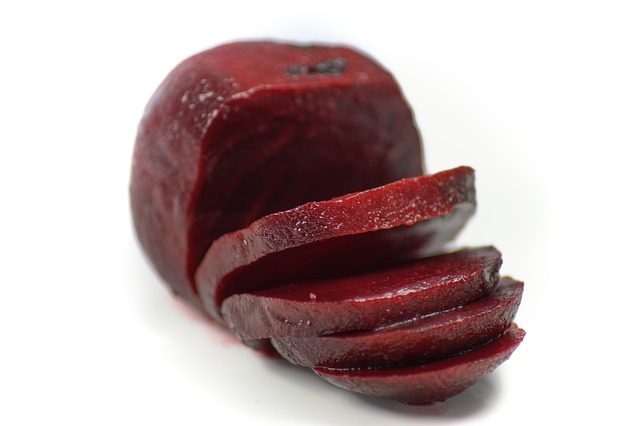 Beet roots are a great source of nitric oxide. Eating lots of them will help supply your body with the nitric oxide it needs to unblock the arteries and thus lower the blood pressure. The whole beet root plant including the leave and the roots provides are rich source of nitric oxide. For those who don’t like eating it raw or cooked, they can juice it and still get the nutrients. Apart from lowering hypertension, beet roots are also known to fight against cancer. These are enough reason why anyone should increase their intake of beet roots whether or not they are suffering from high blood pressure. Beet roots juice is available in stores which could act as a powerful supplement to combat hypertension.
References //www.nutritionexpress.com/showarticle.aspx?articleid=286 //www.medicalnewstoday.com/articles/288229.php
(https://vitanetonline.com:443/forums/Index.cfm?CFApp=1&Message_ID=3232) Importance of Phospholipids and Peptides found in Fish oil
Date:
October 20, 2015 06:21 AM
The demand for fish in the world keeps on increasing as a result of health advantages associated with fish oil. Fish oil is the oil extracted from the tissues of the oily fish, and this oil is known to have some benefits and one of them being the reduction of inflammation in the body. Although fish oil doesn’t contain the omega-3 fatty acids, fish oil supplements contain these acids that are essential in the body. Peptides found in fish oil are organic compounds that are groups of amino acids. The peptides have various medicinal benefits that include the following. The fish peptides found in fish oil help reduce vasoconstriction that gets defined as the narrowing of one’s blood vessels as a result of contraction of the muscular wall. These fish peptides also help to reduce the thickness of the Inner walls of the blood vessels that will affect blood circulation. Lastly, fish peptides found in fish oil always inhibit the aggregation of blood. Fish peptides work in various ways. In their circulatory pressure function, the peptides inhibit the angiotensin converting enzyme. When the formation of angiotensin II gets inhibited, fish peptides help relax arteries and reduce fluid volume hence improving circulation. When one combines fish oil together with fish peptides, it provides higher cardio-protective advantages than using pure fish oil.
The advantages of the fish oil supplement like krill oil revolve around their natural composition. It’s bioavailable as it has omega-3 fatty acids always attached to phospholipids. It, therefore, makes the supplement more effective and enables the body in absorbing more omega-3. The krill oil that contain phospholipids has several advantages. It always promotes one’s cardiovascular health. The main omega-3 fats include EPA and DHA that help to combat inflammation mainly in the blood vessels. In a way, it also helps to lower blood pressure and to some extent prevent strokes and heart attacks. When taken in large quantity during pregnancy, the omega-3 found in these supplements helps a lot in improving neurological development in the newborns. They will help in the child’s development of the eyes, central nervous system and the brain. The phospholipids that contain omega-3 fatty acids are said to be water dispersible. As a result, this makes them gentler on one’s stomach, hence, the body absorbs them more easily. These phospholipids are also natural and important parts of the cells compared to other marine oil omega-3s. They help in both the heart and brain health. As a result of proper blood circulation, it ensures that oxygen is also well supplied within the body. They also have the advantages of a healthy inflammation and play a major role in women’s health. Lastly, phospholipids are safe for taking into the body as they are natural supplements. Phospholipids are absorbed into the body at a faster rate compared to triglycerides found in fish oil. They have a superior absorption rate, and they are more effective in the body. The other reason you should go for phospholipids is that they aren’t chemically altered and are therefore safe for consumption. In conclusion, the benefits of peptides found in the fish oil and phospholipids include protection of one’s brain from oxidative damage, improve focus as well as mental agility and reduce any depression symptoms. They also strengthen the blood vessels and the arteries.
References https://en.wikipedia.org/wiki/Fish_oil https://www.metaponik850.com/en/fishoil.html //www.iffo.net/benefits-marine-ingredients //superbakrill.com/the-phospholipid-advantage/
(https://vitanetonline.com:443/forums/Index.cfm?CFApp=1&Message_ID=3228) What Causes Candida?
Date:
September 18, 2015 03:32 PM
A yeast infection is brought about due to yeast overgrowth. Candidiasis is the most common kind of yeast infection. Usually, there are more than twenty species of candida with the most common or popular being Candida albicans. Under suitable conditions, particularly in moist and warm areas these fungi become numerous and cause infections. Some of these infections like vaginal yeast infections.
What causes candida?
Diet. Unhealthy feeding habits leads to candida overgrowth. Consumption of foods high in sugar contents raises the risk of developing candida. Some of these common foods include juice, honey, ice cream, maple syrup, soda and chocolates among others.
Antibiotics. These class of drugs upsets the Inner bowel ecology and affects body immune system since they are unnatural, artificial and man-made. Usually, antibiotics are designed for short time use. Using antibiotics for longer periods leads to accumulation of their negative side effects that bring about life threatening diseases including candida.
Excessive stress. Stress affects the bowel movement and body immune system resulting in candida overgrowth. Mental stress and emotional nervousness cause nausea, chronic fatigue, diarrhea, ulcers, high blood pressure and many related health problems.
Alcohol. Excessive alcohol consumption kills off friendly bacteria which increases liver toxicity and promotes candida overgrowth dysbiosis. Usually, alcohol is a by-product of yeast escalating the possible hazard.
Toxic metals. For instance, mercury weakens body immune system causing candida among other health problems. Silver amalgam fillings comprises more than 50% mercury which is continuously released in vapor and particle form during grinding, chewing and brushing teeth.
Diabetes. Diabetes, especially among women, causes a yeast infection. An increased blood sugar level nourishes the candida yeast, boosting its growth and dominance of the other microorganisms in the gut.
Immune deficiency. Conditions that weaken the body immune system like cancer, aids, hepatitis, herpes and others causes fungal infections. According to scientific research, most individuals suffering from serious illness are victims of Candida Albicans/ yeast infections.
(https://vitanetonline.com:443/forums/Index.cfm?CFApp=1&Message_ID=3219) How Does Nattokinase Improve Blood Flow?
Date:
July 25, 2015 09:07 AM
An enzyme is a protein that speeds up complex biochemical reactions in the body. Enzymes are substrate-specific catalysts that accelerate these chemical reactions by converting substrates into simpler products. Nattokinase is an enzyme which is extracted from a traditional Japanese delicacy called Natto. Natto is basically boiled soy beans that have been fermented using a bacterium known as Bacillus natto. When the bacteria act on the boiled soy beans, Nattokinase is produced. This is the only method of preparation of natto that results in the production of this enzyme. Many people may not be fond of the nutty flavor and sour taste of natto, but this is probably one of the world’s healthiest foods. Its potency lies in the fact that it contains Nattokinase. Nattokinase was discovered by Dr. Hiroyuki Sumi who was searching for the ultimate natural blood thInner and clot-buster. If he found one, it would be a one of a kind thrombolytic agent that would help in the fight against stroke and heart attacks associated with blood clotting. His Eureka moment came in 1980 when he placed natto in a Petri-dish with a thrombus (blood clot). The clot dissolved completely within 18 hours.
The process of blood clotting occurs naturally when a blood vessel is injured. This happens to stop the bleeding; else we would bleed to death. However, sometimes blood clots form in the blood vessels even when a person is not injured. This poses a great risk as it disrupts the smooth flow of blood. It may block a blood vessel and in a worst case scenario, travel to the heart and gets lodged there. This is where the potency of Nattokinase is best applied. As an excellent and natural clot buster, Nattokinase will dissolve existing blood clots and even prevent them from forming in the first place. Another overlooked problem that often results in high blood pressure and heart disease is hyper viscosity. This thickening of the blood results in a sluggish blood flow – it increases the risk of clot formation and it overworks the heart. Nattokinase benefits helps reinforce the actions of the body’s anti-clotting agent – plasmin. It prevents this abnormal thickening of blood hence promoting improved blood flow.
References: //www.ncbi.nlm.nih.gov/pmc/articles/PMC3879341/ //www.smart-publications.com/articles/nattokinase-powerful-enzyme-prevents-heart-attack-and-stroke
(https://vitanetonline.com:443/forums/Index.cfm?CFApp=1&Message_ID=3182) Aloe vera
Date:
June 16, 2015 01:49 PM
Aloe Vera is not a cactus plant as a lot of people believe, but rather a member in the Lilly family. The official name Aloe barbadensis is named by the botanist Dr Miller who characterized the plant in Barbados, the plant is native to Northern Africa.
Components are obtained within the leaf, the sap along with a mucilaginous gel derived within the Inner cells from the leaf. The Inner Aloe gel contains polysaccharides and a vast array of bio active chemical substances, which play a major role in the healing process.
Youthful Skin
The Inner gel of Aloe is regarded as being extremely good for Skin Care. Because of its natural constituents, it is excellent for all Skin types regardless of whether you have Oily Skin, Dry Skin or a mixture of both.
Inside the leaves there is a Gel-like substance. This gel has a vast number of Vitamins (including Vitamin E which is very nourishing for skin), Minerals, Amino Acids & Enzymes. Aloe is a close match to our Skin's pH balance. Therefore, it's excellent to moisturize and healing.
Aloe Vera enhances the activity of Fibroblasts. Fibroblasts are specific cells observed inside the Skin that produce Fiber, for example Collagen & Elastin. These Fibers give Skin it's structure and make it look fleshy and supple. The more we have of it, the much more YOUTHFUL we Look. Skin is a Vital Organ to take care of. The most common trouble we experience is getting dehydrated (dry) skin.
Application
Exposure to Sun and pollution bring about several Skin problems. A lot of sun exposure can trigger free radical production in the skin, via ultra violet rays. These free radicals can cause wrinkly skin. The best way to fight these free radicals is to rub antioxidants on the skin.
Aloe is a good source of antioxidants which fight against these radicals, which has a rejuvenating effect. .
Most women, particularly pregnant women, consider stretch marks as a major problem. Although stretch marks can disappear after some time, you will find they want to speed up the process. Who wouldn't?
At the very first sight of stretch marks, start applying aloe Vera on all the marks before they grow to be more prominent.
(https://vitanetonline.com:443/forums/Index.cfm?CFApp=1&Message_ID=3169) Why Should I Take Wheat Grass Liquid Concentrate?
Date:
December 10, 2014 11:03 PM
What is a wheat grass Wheat grass benefits Wheat grass concentrate This liquid concentrate is packed with nutrients equivalent to five pounds of raw, green organic vegetables, all in just two ounces of juice. It is higher in vitamins A and C than what you would get in a serving of carrots or oranges, and has a full spectrum of B vitamins as well, and a balanced ratio of calcium, magnesium, sodium, potassium and phosphorus altogether. Wheat grass contains enzymes that detoxify the body, especially the blood and liver, neutralizing harmful pollutants like heavy metals and toxins that enter the body, which could be stored in tissues and organs, therefore cleansing the body from head to toe. This juice is also a resource of life-force energy that gives one renewed spiritual effects on his Inner being. It battles premature aging and it keeps the hair from graying out making you look younger. Not only does it boosts the immune system by giving strength, vitality and endurance, but has wonderful effects on the body. It can cure acne and may help remove scars left if drank regularly for a few months. It acts, as a natural deodorizer hence can be a body deodorant. It can prevent tooth decay and even soothe toothaches and sore throat. It aids in skin problems like psoriasis or eczema. It helps in achieving regular bowel movement. It is gluten-free. Taking wheat grass liquid concentrate has no reported side effects or toxic in any amount given to either humans or animals, mainly because it is at its finest and most natural form, making it the ideal supplement to take nowadays. References
(https://vitanetonline.com:443/forums/Index.cfm?CFApp=1&Message_ID=3163) What Is The African Mango Diet?
Date:
September 16, 2014 08:16 PM
(https://vitanetonline.com:443/forums/Index.cfm?CFApp=1&Message_ID=3158) Anemia Causes, Prevention And Supplements.
Date:
August 07, 2014 05:22 PM
Causes of anemia Causes include loss blood, unreasonable destruction of red platelets or inadequate creation of red platelets. Insufficient creation of red platelets is the most widely recognized class of pallor, and poor sustenance is the most well-known reason. The most successive sorts of supplement inadequate sickness are those identified with an insufficiency of iron, folic corrosive (vitamin B9), copper or vitamin B12. Iron insufficiency pallor is frequently seen in babies more youthful than two years of age, adolescent young ladies, pregnant ladies and the elderly. This kind of weakness incorporate elements connected with poor dietary admission of iron, an expanded requirement for iron, diminished iron assimilation, blood misfortune or a consolidation of these circumstances. Folic corrosive is the most as often as possible discovered vitamin lack on earth. The gatherings of individuals well on the way to have folic corrosive insufficiency are dipsomaniacs, individuals with mal-ingestion conditions or perpetual loose bowels and pregnant ladies. A folic corrosive insufficiency can likewise cause despondency, the runs and a swollen, red tongue. Copper inadequacy is exceptional, be that as it may, it can happen in individuals who take a zinc supplement without expanding their copper admission in light of the fact that zinc can meddle with copper ingestion.  How to prevent anemia? How to prevent anemia?To avoid you have to consume overall adjusted dInners including iron rich nourishment. In the event that you have weakness, keep away from refreshments and sustenance holding juice, it meddles with the body's capacity to ingest iron. Maintain a strategic distance from tannins, they additionally hinder iron ingestion and nourishment high in oxalic acids; which incorporate almonds, asparagus, beans, beets, cashews, chocolate, kale and rhubarb. While most instances of pallor are created by straightforward nourishment lacks, it can additionally be an indication of a more genuine restorative issue. The best way to get a clear judgment of sickness is to get a blood test. In the event that you think you have iron deficiency, don't start a supplement program until you have a finding from your doctor. Supplements Iron - helps avert iron insufficiency weakness. Take 30 milligrams fumarate, gluconate or succinate press twice a day between dInners. In the event that this reasons stomach trouble, switch to 30 milligrams with suppers three times each day. Folic corrosive (vitamin B9) - aides anticipate iron deficiency brought about by folic corrosive inadequacy. Take 800 to 1,200 micrograms three times every day. Vitamin B12 - aides anticipate vitamin B12 inadequacy pallor. Take 2,000 micrograms sublingual (set under the tongue) three times every day for 30 days, then 1,000 micrograms methylcobalamin (the dynamic type of B12) once a day, in addition to folic corrosive. Vitamin C - helps the body assimilate iron. Studies have demonstrated that you can almost twofold your ingestion of iron from plant sources by devouring vitamin C with the iron. Take 1,000 milligrams 3 times each day with dInners. Vitamin B5 (pantothenic corrosive) - assists with the creation of red platelets. Take 100 milligrams every day. Vitamin B6 (pyridoxine) - assists with the creation of red platelets. Take 50 milligrams 3 times each day.
(https://vitanetonline.com:443/forums/Index.cfm?CFApp=1&Message_ID=3154) Can Adrenal Extract Support Adrenal Function?
Date:
April 09, 2014 11:47 PM
As the adrenal organs affect all body forms, a diminishing in their capacity might be seen practically anywhere. The standard first side effect of LAF is regularly weariness. Individuals experiencing issues getting up in the morning or have spurts of exhaustion at diverse times of the day. Frequently, the following side effect is an inclination of shortcoming, discombobulating or expanded heart rate when climbing from a sitting position to standing. In the event that the issue is not tended to, additional manifestations take after: Cause of low adrenal level With adrenal weariness, your body does not process enough cortisol to keep glucose levels consistent as you experience your normal 8-10 hour when we rest. As glucose levels begin to drop throughout the center of the night, ordinarily your adrenal organs discharge cortisol to help push glucose levels move down. These hormones are Central Nervous System stimulants and will wake you up. This is the reason you may appear to get up, wide up and about. It is critical to take a gander at all the elements that help adrenal weakness and hyperactive action. A sleep deprivation prescription will never alter the center issue in this case. The very situation recently portrayed to you is exceptionally normal. There are numerous variables that must be viewed as including circadian musicality of cortisol discharge, lifestyle components, passionate anxiety, and sustenance sensitivities, in addition to everything else. There is nobody size fits all medication for this syndrome however you can have triumph and overcome you’re a sleeping disorder in the event that you discover a specialist who takes a thorough, all common, huge picture methodology, to this advanced disease called Adrenal Stress Syndrome . Types of adrenal stress syndrome Temperament swings: When the cerebrum isn't getting enough sugar, it doesn't work appropriately. A way the cerebrum builds the breakdown fat into sugar is by creating a solid feeling, for example, indignation or great misery. An individual typically feels better a short time later, in the same way that they will be less passionate in the wake of consuming. Desires of desserts: As the adrenal organs tell the pancreas what amount of insulin is required to process in a dInner, when the adrenal organs are not working accurately, they don't correctly correspond with the pancreas, so a lot of insulin has a tendency to sent by the pancreas for anything consumed subsequently glucose levels drop rapidly after supper; this causes the starch longings. Mental burdens: Anything that causes mental or enthusiastic misery will fortify the adrenal organs to transform substances to help with the impacts of the anxiety (epinephrine, norepinephrine, and serotonin). Delayed mental anxiety, for example, needing to meet a due date, last test of the years, being in an oppressive relationship, and so forth will result in the adrenal organs to need to capacity without enough breaks.
(https://vitanetonline.com:443/forums/Index.cfm?CFApp=1&Message_ID=3087) Is Beta Carotene The Safe Vitamin A?
Date:
March 21, 2014 02:29 AM
Beta Carotene is a capable pwerful antioxidant that is useful for the heart and circulatory. In the constitution, it is changed into Vitamin A for the support of solid skin, great vision, and a strong immune system. Vitamin An is fundamental for ordinary structure of epithelial cells that ensures the form from ecological defilement. Sources
(https://vitanetonline.com:443/forums/Index.cfm?CFApp=1&Message_ID=3071) Is Spirutein A Good Meal Replacement?
Date:
March 21, 2014 02:18 AM
What is spirutein
Spirutein provides "green nourishment" for the reason that a portion from the health supplement put into the actual shakes tend to be through spirulina and also the eco-friendly tone, chlorophyll, that is recognized to provide unequalled nutritional revenue. In addition, Spiru-tein proteins lives in a mixture of grain, pea as well as soy meats. Flavorings, mineral deposits, nutritional vitamins, psyllium, guar chewing gum as well as oat feed may similarly appear within the smoothies, depending on the actual taste. The activity blend similarly provides house developed dietary supplements, for instance, Korean ginseng as well as ashwagandha. The actual combination of fixings can make Spiru-tein to some higher degree the supper than the health supplement. Presuming you don't put it to use in order to displace the banquet, you might notice that you'll placed on pounds instead of get healthy. Spiru-tein Activity provides 260 calories from fat for each 64-g details associated with proteins; eighty of these calories from fat tend to be through body fat. If you're trying to reduce your own caloric entrance, the actual caloric high quality from the tremble provides sufficient calories from fat in order to displace the dInner. Be cautious associated with such as too much additional fixings, for instance, items from the dirt, crazy distribute or even yogurt, about the reasons these increment the actual calories from fat. The actual Blueberries as well as Lotion Spiru-tein provides 110 calories from fat with no body fat, therefore when you employ this in order to displace the dInner, you will have to consist of celery as well as grapefruits, yogurt or even whole milk in order to increase the actual caloric really worth. You can similarly choose to eat the vegetables as well as drink the actual healthy smoothie basic.
(https://vitanetonline.com:443/forums/Index.cfm?CFApp=1&Message_ID=3070) The Health Benefits of Flaxseed Oil.
Date:
March 14, 2014 11:00 PM
What is flaxseed
Benefits of flaxseed Flaxseed oil may also be helpful with menopausal signs. Research has proven in which 40 grams daily may be a lot like hormone treatment for improving mild menopause signs, such as sizzling whizzes and nights sweats. Ground flaxseed may also ease constipation. Flaxseed has additionally been shown to improve kidney function in people with lupus. If you have lupus or any other medical condition it’s crucial to talk together with your doctor about almost any supplements you receive. Flaxseed oil, including sea food oil, has been studied for reducing triglycerides. Nevertheless, it is vital to ingest much flaxseed oil (38-60 grams) to have any noticeable consequences. Flaxseed is being studied for several other conditions, between cancers to diabetes to assist osteoporosis. At this factor, there is too few evidence to assistance flaxseed for most of these conditions Flaxseed oil in addition has become found to get beneficial if you happen to suffer from Crohn’s Disease and Colitis. Several studies have found it oil seems to be able to calm the Inner lining to the inflamed intestines. Another benefit exists even as have an excessive written content of mucilage in flax this too is an efficient natural laxative. Flaxseed oil is beneficial in helping to relieve high cholesterol. It’s important to make note of however, that this alone can't be totally effective throughout conserving cholesterol degrees, an overhaul linked to overall diet should work jointly along with flaxseed oil. The probability of heart illness will be leaner in people that take flaxseed petrol. Evidence indicates that those who eat lots associated using ALA are less in danger of suffer a critical heart attack and yes it reduces high leading to help tinnitus pressure. Some men and women endure Sjogren’s syndrome, which is dryness with your sight. Flaxseed oil really helps to improve this concern. Source
(https://vitanetonline.com:443/forums/Index.cfm?CFApp=1&Message_ID=3063) 4 Best Ear Oil That Will Help Improve Hearing And Reduce Ringing.
Date:
March 12, 2014 08:03 PM
Ear ringing
Causes of ear ringing There are many causes of hear ringing, causes varies from one person to another. Some of the causes includes. Inner cell damage, this causes ear drum to echo sound even after the sound has been sent to the brain. This irritates ear and causes ear ringing. Other ear problems including ear diseases are among the major causes ear ringing. Treatment of ear ringing There are many possible treatment of this condition including drugs and allopathic treatments such as removing ear wax, finding any possible vascular disorders and treating them. You can also change medication you are on which may be the cause of Tinnitus. Though drugs themselves cannot cure Tinnitus, they may help reduce the severity of the symptoms. Changing lifestyle can also treat ear ringing and improve earing and ease ringing, for example, stress can exacerbate ear ringing. Reducing alcohol is another effective method to beat tinnitus, alcohol dilates blood vessels causing forceful blood flow to the Inner ear. While those methods though effective, they cannot cure ear ringing, one of the method that has been proved to be efficient is use of essential oil. The aroma of essential oil enters the nose and stimulates the olfactory nerves. This then sends signals to the Limbic system (the control mechanism in the brain for memory and emotions). This sets in series of neuro-chemical impulses and response mechanisms that generate a natural healing response. Many essential oils contain healing properties. They assist in natural, are anti- inflammatory, pain relief, anxiety, reduce stress and assist the endocrine system in improving hearing and reducing ringing. The best oil to arrest ear ringing are;
Source
(https://vitanetonline.com:443/forums/Index.cfm?CFApp=1&Message_ID=3058) What Are The Benefits Of Tangerine Oil?
Date:
February 25, 2014 07:45 AM
What is tangerine
Tangerine oil can mix superbly and effortlessly with other crucial oils to prepare additionally energizing aromas. Ordinarily it utilized within China as a tonic. As a tonic, it helps the figure support its homeostasis and offset. It tones the skin, the muscles and additionally the distinctive inward organs of the form. It checks the irregular characteristics of the figure and amends them. Benefits of tangirine In healthy skin, tangerine oil is likewise broadly utilized. As an influential disinfectant, it can execute microorganisms bringing on illnesses of the skin. Acnes and pimples are treated with it. Sleek skin is likewise one issue that it can offer assistance. What's more like the greater part of the citrus family, it might be phototoxic. Importance one might as well practice compelling consideration when utilizing it on the skin when going outside in the sun. For the most part it is gentle with even a milder lemony aroma however pregnant ladies may as well first counsel their specialists before utilizing it, as they might as well when utilizing any oil so far as that is concerned. Tangerine oil supports in the decontamination of the blood. It helps the evacuation of the poisons in the blood. An intense depurative, it additionally uproots unwanted substances in the figure like kidney or nerve bladder stones. As an against uncontrollable, tangerine key oil unwinds the muscles of the form as well as all the more significantly the Inner organs too. It can help even the respiratory framework and is great as a reciprocal elective medicine for asthma. As it unwinds the organs answerable for the respiratory framework, asthma assaults may be maintained a strategic distance from. Indeed straightforward stomach issues like looseness of the bowels and dyspepsia that brought about us huge issues may be calm by it as it helps the organs of the digestive framework be toned, loose and rinsed.
(https://vitanetonline.com:443/forums/Index.cfm?CFApp=1&Message_ID=3036) Is Egg White Protein A Better Protein?
Date:
January 24, 2014 09:48 AM
You may have been continually hunting down the best protein supplement so as to go down your quality preparing muscle schedule. Here is an incredible and modest proposal for you “Egg White”. You can consume to the extent that you like. There is no specific threat for your health. On the other hand, recollect simply the egg white and not the entire egg. Every one holds no less than 4- 6gm of unadulterated protein. You blend each morning in the shaker four egg white's line with half a spoon of cocoa, simply to enhance the taste of it. That is 20- 25gm of unadulterated protein. It is the protein admission sum you get from one bit of a protein rich supplement. Some individuals can't oversee swallowing crude egg whites. It simply won't go down. In the event that that is the situation attempt to heat up the eggs and expend the bubbled egg white. You might prescribe completing this once a day. Specifically, in the wake of getting off the cot is the perfect opportunity to accomplish better ingestion from the muscle units. All things considered you surely not saying that it ought to be a substitute for protein shakes or amino acids supplements. It is equivalent in protein quality to the protein supplements. Along these lines, take your egg whites in the morning as specified above and keep in mind your protein shakes throughout the day. Take the first segment in the wake of preparing and some place between dInners the second one. That way you will achieve to keep up a steady protein stream into your muscle units. By digging deeper into the discussion, it makes the white protein a better type of protein than any other protein. Try it as a substitute to your other protein intake for better health of you body.
(https://vitanetonline.com:443/forums/Index.cfm?CFApp=1&Message_ID=2982) How calcium can Help Prevent Bone Loss
Date:
November 08, 2013 09:59 AM
Intake a lot of calcium too, as there are two sources of calcium in your body: via your diet and from your bones. It is the latter that is dangerous. Your body will absorb calcium from the bones if there isn't enough in the body. This calcium is really difficult to replace. Intake a diet with magnesium too. It helps in absorption of calcium. If there is excess calcium in the body, one could suffer from arthritis as it will collect in the soft tissues.References:
(https://vitanetonline.com:443/forums/Index.cfm?CFApp=1&Message_ID=2884) Health benefits of Bromelain and its mechanism of fighting inflammation
Date:
April 20, 2013 09:54 AM
Bromelain is a blend of enzymes found in the juice and the stems of pineapples and is often used as a health supplement to assist in various disorders and enhance overall health. Here are the health benefits of Bromelain. Improved Heart health Bromelain functions as a blood thInner by breaking down the fibrins thus helps prevent blood clotting. It allows blood to move more freely throughout the circulatory system. ThInner blood is linked with lower possibilities of stroke, cardiac arrest and other heart problems. Improved Breathing conditions Bromelain is linked to improved breathing conditions that occur as a result of thicker mucus like asthma. It has similar effects on mucus as it has on blood thus making mucus thInner and thus does not clog the bronchial tubes. Improved Immunity It serves as an immunity booster and helps certain immunity boosting receptors within the body. As a result it fortifies the immune response by improving the response of body's front-line immune defense called the T-cells. Improved digestion If the pancreas is not very active, it may produce insufficient quantities of enzymes, making the food we eat just getting digested partially. Consuming a bromelain supplement might help to cure any resulting digestive complaints like stomach upset, heartburn, diarrhea or indigestion. It is especially effective when used in in conjunction with other enzymes such as amylase and lipase because of its protease functions. Wound healing An external application of bromelain might help getting rid of undesirable skin tissues in the third-degree burns. Bromelain could also reduce inflammation due to insect bites and their stings. Alleviates Sinusitis Bromelain helps decreasing congestion and the cough that comes with sinusitis. Its anti-microbial attributes may wipe out viruses and bacteria associated with sinus infections. Relieves varicose veins and Hemorrhoids Bromelain is used as a complementary medicine in treating chronic venous insufficiency, hemorrhoids and varicose veins. Enhanced Acid-alkaline balance Bromelain can help in balancing the acidity and also the alkalinity in the small intestine. The anti-bacterial effects of bromelain helps relieving bacteria-related diarrhea connected with E. coli attacks and inflammatory bowel disease. Bromelain and Inflammation While inflammation aids mending the entire body during an injury, excessive swelling can result in health complications and speed up aging. Bromelain is beneficial in treating inflammation. The mechanism of how bromelain fights inflammation involves the inhibition of many bio-chemical responses and reactions that induce inflammation. Treatment with bromelain manages and regulates the activity of various bio-chemical messengers referred to as cytokines in our body. These cytokines are the chemical substances that trigger inflammation. By inhibiting the activity of cytokines, bromelain reduces the impulses that induce an inflammatory reaction. Bromelain also decreases the deposition of kinins, a by-product of inflammation and also prostaglandins, the hormone-like compounds found through the entire body Thus Bromelain assists fighting the majority of inflammation occurring after having a sports injury or after surgery, or from minor sprains and tendonitis. Certain kinds of arthritis which involve inflammation also benefits from bromelain, particularly in combination with some other typical anti-inflammatory medications. Do you take bromelain daily? If not, why not?
(https://vitanetonline.com:443/forums/Index.cfm?CFApp=1&Message_ID=2836) Can Serrapeptase Help Break Down Cholesterol?
Date:
December 01, 2012 11:22 AM
When we think of silk worm the first thing that comes to our mind is clothing and not disease treatment. The serrapeptase enzyme derived from the silk worm has been used by people around the world to treat various conditions as well as lower the levels of bad cholesterol. The few trials that have been conducted are mixed though it has a future in the reduction of cardiovascular disease. High levels of cholesterol should not be ignored as it is dangerous and serious. Choosing the natural ways will really pay.Formation of plaque in the arteries involves the deposit of fibrin, calcium, cellular waste products, cholesterol and fatty acid in the Inner lining of the artery and would result to complete or partial blockage of the artery. Reduce plaque buildup with silkworm enzymes Medications do have side effects and one has to look for other ways to lower the LDL cholesterol and increase the levels of HDL cholesterol. This enzyme doesn't interfere with the synthesis of the cholesterol, but instead keeps a vital tissue form the wall of arteries and has anti-inflammatory properties. In its pure state the cholesterol is an antioxidant and it is necessary for the hormonal systems of the body. Medications blocking its biosynthesis cause liver damage and compromise the other soft tissues. Serrapeptase is the natural way to clear off this bad cholesterol
(https://vitanetonline.com:443/forums/Index.cfm?CFApp=1&Message_ID=2742) Can Serrapeptase Help Sinus Problems?
Date:
December 01, 2012 11:11 AM
Natural Anti-Inflammatory Enzyme Serrapeptase is a natural enzyme derived from silkworm and it is used as treatment for various diseases. Actually, it is prepared from fermented enzymes gotten from worms. This enzyme known as Serrapeptase has many health benefits especially for treating inflammatory diseases like Sinusitis. Aids In Relieving Sinusitis As you already know, Sinusitis is a medical condition that is caused by the inflammation of the sinuses due to bacteria, viral infection or fungal. However, Serrapeptase has proved to be one of the best treatments for sinus infections. It works by breaking down the mucus found in the nasal cavity which makes it thInner to be remove from the body. Various researches that were carried out in the past showed how effective Serrapeptase is. In fact, about 97.3 percent of sinusitis patients who took part in a clinical trial in Italy experienced positive changes and were relieved of severe pains. Serrapeptase is an anti-inflammatory agent and it has the power to cure various inflammatory diseases like sinusitis, osteoporosis, viral pneumonia and rheumatoid arthritis.
(https://vitanetonline.com:443/forums/Index.cfm?CFApp=1&Message_ID=2741) Guggul, Cholesterol and Your Health!
Date:
February 11, 2012 07:53 AM
Guggul is a secretion substance, usually a yellowish rein, of the mukul myrrh tree botanically known as Commiphora mukul. It has been used for centuries now in the Indian Ayurvedic medicine as a remedy for conditions such as osteoarthritis, obesity as well as some skin conditions. Recent studies have also indicated that guggul can also be used to lower the levels of cholesterol mostly by inhibiting cholesterol synthesis and accelerating the removal of the LDL and triglycerides cholesterol. Besides lowering cholesterol and blood fats, guggulipid extracts have been observed to raise the level of HDL cholesterol ,which are good cholesterols, and thus enhancing the health of your heart by shielding it against artherosclerosis vascular disease. The guggul extract contain a compound that inhibits the functioning of a receptor in the cell known as FXR. This receptor is responsible for regulating the cholesterol in our body by varying the amount of the bile acids in our bodies. Usually, cholesterol in our body is either from synthesis in the liver or from diet. Cholesterol is contained in the bile acids which are made in the liver before being passed to the gall bladder and then to the small intestines. They help in the metabolism of fat in the small intestines before reprocessing and returning to the liver. By preventing the functioning of the FXR receptor implies that more cholesterol becomes excreted. In so doing 14 to 27 percent of LDL cholesterol and 22 to 30 percent of triglycerides cholesterol levels are reduced with use of guggul without need for exercise or diet. Since guggul is instrumental in hardening of the arteries (artherosclerosis) and maintaining gigh levels of HDL (High-density lipoprotein) it has been seen to be a remedy for male erectile dysfunction and impotence. Further, guggul enhances the function of thyroid gland which is responsible in production of hormones that regulate metabolism. This therefore aids in weight loss by altering the thyroid function to increase production of thyroxine metabolite, triiodothyroxine and T3 which enhances the general body metabolism and by extension enhance burning of fats. The action of guggul thus creates a balance between low and high cholesterol which may be in our bodies owing to diet, chronic stress, genetic propensity and also lack of exercise. A number of studies have reported that it is a safe and effective remedy to improving and maintaining a ratio of HDL to LDL cholesterols. In addition to maintaining normal ranges of cholesterol levels, it shields you against heart disease and inflammation. In research, guggul extracts has been observed to clash with CYP3A4 enzyme whose responsibility is to metabolise numerous chemicals in the body. CYP3A4 is also responsible for metabolism of medications and thus guggul use tends to reduce the effectiveness of a number of medications such as diltiazem, propanolol and birth control pills. However, it has been reported that it in fact increases the levels of certain drugs such as statins in the body resulting in an improved effectiveness. Another problem of guggul use is its ability to raise the effectiveness of blood thInners and hence blood clotting becomes a challenge and it results to excessive bleeding. Therefore guggul should be administered only in the event that one is not under medication or the interaction between guggul and the medication is in fact not detrimental. Have your tried Guggul Today?
(https://vitanetonline.com:443/forums/Index.cfm?CFApp=1&Message_ID=2570) The Benefits of Stevia for Diabetics
Date:
February 05, 2012 08:38 PM
No herbal sweetener in the world packs the punch that stevia does. Derived from the plant Stevia rebaudiania, ground stevia leaves have ten to fifteen times the sweetness of sugar, and purified stevia extract has 200-300 times the sweetness of sugar. Stevia is very popular in many countries, especially among diabetics. Diabetics love stevia for a variety of reasons: its safety, its lack of any effect on blood sugar, the fact that stevia has almost zero calories, the wide variety of products it is included in, and its unique ability to enhance citrus flavors and ice cream. Unlike artificial sweeteners, stevia is perfectly safe. Stevia has been used in Japan for decades, and the Japanese have very strict standards governing the use of dietary supplements. They have conducted numerous studies on stevia, and no study to date has ever uncovered any harmful effects. Research conducted in the United States and other countries has also failed to find anything hazardous about stevia. In addition, stevia has been consumed for thousands of years in Brazil and Paraguay with no reported negative effects. Stevia has zero effect on blood sugar. It does not effect insulin secretion in any way, and no diabetic has ever experienced difficulties with stevia. Contrast this with the effects of table sugar and it is clear that stevia is a clear wInner. Unlike table sugar--which is notorious for being calorie laden--stevia contains virtually no calories, which means that no one on a diet has to worry about consuming too much stevia. There are a wide variety of products available for dieters interested in consuming stevia. Liquid stevia extract is quite popular and can be found in flavors like chocolate, vanilla, peppermint, and more. It is relatively inexpensive, because a little stevia goes a very, very long way. If you are a diabetic worried about artificial sweeteners but not yet willing to give up diet soda, stevia is the solution to your problem. While usually only available at health food stores and a few supermarket chains, stevia soft drinks exist. If you can find them, you should give them a try, and if you like them, then you can easily subsitute them for the less healthy aspartame diet drinks. For those interested in ice cream, stevia makes wonderful ice cream. Unlike granulated sugar, which adds a grainy texture to ice cream, stevia adds no irritating textures and leaves ice cream perfectly smooth. If you make your own stevia ice cream you are going to be in for quite a treat, and even more so if you decide to make citrus flavored stevia ice cream. No one yet understands why stevia enhances citrus flavors, but it undoubtedly does. It is difficult to describe, but stevia has a way of intensifying flavors like lime and lemon in a way that makes those flavors more delicious. Of course, individual tastes vary, but it is generally agreed that stevia lemon sorbet is a treat par excellence. Don't hesitate to give stevia a try. This ancient herb is the perfect modern solution for diabetics with a sweet tooth.
(https://vitanetonline.com:443/forums/Index.cfm?CFApp=1&Message_ID=2553) Benefits of Olive Leaf Extract
Date:
December 17, 2011 08:13 AM
Olive Leaf ExtractHistory of Olive Leaf Extracts (Olea Europaea) In Medicinal Use Usage of Olive leaf for medicinal usage dates back to 2925 BC, with the ancient Egyptians. They regarded it as a symbol of power bestowed from the heaven for the benefit of humans. Later, in 776 BC, ancient Greeks awarded "olive leaf wreaths" to the Olympic Games wInners, and it continues till today. It is believed in the Greeks mythology that Olive leaf was created by goddess Athena, who first planted it in Acropolis and endowed it with miraculous powers. The first reported use of olive leaves for Fighting diseases was in year 1811 with Dr. Pallas using liquid extract from olive leaves to treat malaria. In the mid 1850's, olive leaf tea was used to treat fever and malaria in England. In the 1960's, in Italy, it was used to control blood pressure and treat heart problems and intestinal muscle spams. Olive Leaf - An Inexpensive Solution For Diseases Olive leaves are the leaves of olive tree (Olea europaea). Olive leaves are popular for their health benefits and flavor, and the leaves have been medicinally used in various places and times. Olive leaf Extracts (OLE) and natural olive leaf are in markets now as immunostimulator, anti-aging and antibiotic. It has been proven with clinical evidence that it regulates blood pressure and has antibacterial, anti-inflammatory and anti-fungal properties. Recently, a liquid extract made from olive leaves got in international focus, when it was shown that its antioxidant capability was twice as powerful as green tea and much more that than vitamin C. Health Benefits Of Olive Leaf Extracts Olive leaf extracts are commonly used to fight viral infections like flu and cold, yeast infections, herpes and shingles. Olive leaves have also been shown to alleviate bad cholesterol or LDL (low-density lipoproteins). Researchers have established that olive leaf reduces blood pressure and increases blood flow by relaxing the arteries. Olive leaf extracts may also prove helpful in stroke, brain edema, infarct volume and other neurological disorders. Olive leaf has strong antioxidant properties, which help the body from the harmful effects of free radicals. Free radicals can damage the cells due to their reactive chemical nature, if they are not eliminated. Interestingly, a recent research also shows that the antioxidant properties of olive leaf are also effective in treatment of tumors, and in the cancers of breast, skin, liver, colon and prostrate. Olive Leaf Usage Olive leaf extracts are available, and can be consumed in various forms. It is obtainable as dried leaf tea, liquid concentrate, capsule or powder form; however fresh leaves or leaf extract are considered more beneficial. Medicinal Nature Of Olive Leaf Extracts 1. Anti-Inflammatory: It has anti-inflammatory properties, useful to treat gastritis, acidity and other stomach problems. 2. Immunity: It increases immunity power against diseases. 3. Reduce pathogens: It curbs over the generation and spread of pathogens in the body. It controls the growth of viruses and bacteria. 4. Treat obesity: Olive leaf tea reduces obesity when consumed regularly. 5. Acne treatment: The strong antioxidant content s of Olive Leaf Extracts (OLE) clean the skin from inside, and help the skin to remain wrinkle free and maintain a youthful look. 6. Good for Heart: Olive leaf extracts are helpful to control cholesterol and blood pressure.
(https://vitanetonline.com:443/forums/Index.cfm?CFApp=1&Message_ID=2545) How Does Nattokinase Help Improve Cardiovascular Health
Date:
April 29, 2011 04:01 PM
Nattokinase And Your HealthNattokinase is an organic compound that occurs naturally in the Japanese food natto, or fermented soybeans. It is an enzyme that acts on fibrous proteins responsible for blood clothing, and as such has been commercially touted to work like thrombolytic medications to a certain degree. Its synthesis involves fermentation that results from adding the bacterium Bacillus subtilis to boiled soybeans. Natto is a traditional dish in Japan. It has enjoyed long-standing popularity among the Japanese people since feudal times largely owing to its reinvigorating effects on the blood. In recent years, laboratory studies point to the presence of chemical compounds in fermented soybeans. The enzyme nattokinase appears to be the active ingredient, improving fibrinolytic activities in animal subjects. Breaks Down Blood Proteins Proteases are enzymes capable of reducing proteins into smaller peptide chains in the digestive system or anywhere in the body. A special kind of protease called plasmin is found in the blood. It is the primary enzyme that facilitates the catabolism of fibrin clot, or coagulated blood protein. Fibrinolysis is the process initiated by the enzyme plasmin to dissolve compacted red blood cells. Thrombolytic drugs work on the principle of raising the levels of plasmin in the blood. Streptokinase is one of these drugs. It is commonly administered in the treatment of myocardial infarction, or heart attack to avoid complications. Natto has been compared to streptokinase, and oral intake of nattokinase has been observed to stimulate productions of plasmin. Prevents Blood Coagulation Nattokinase has been extensively studied in Japan, though well designed large-scale randomized clinical trials are still needed to establish its purported benefits to human health. There is buzz around nattokinase in the pharmaceutical industry especially as early studies suggested that it may ameliorate complications of cardiovascular diseases, notably in the removal of platelet-fibrin emboli. There have been numerous citations on the blood-thinning capacity of nattokinase. This enzyme is also believed to have an inhibitory effect on platelet aggregation. Thrombocytes, or platelets, are necessary for containing excessive bleeding. However, aggregation of platelets may result in thrombosis in patients with history of atherosclerosis and other disorders of the blood vessels. Nattokinase is a blood thInner that affects both platelets and fibrins. Improves Cardiovascular Health In addition to its thrombolytic and anticoagulant properties, nattokinase has been reported to promote normal flow of blood. Natto has been linked to the alleviation of high blood pressure and has seen desirable outcomes in hypertensive patients. Recent studies have shown that nattokinase is responsible for producing antihypertensive and vasodilator effects when natto enters the systemic circulation. It is postulated that nattokinase inhibits angiotensin-induced vasoconstriction. The Japanese have always believed that natto is good for the blood. Nattokinase remains under scrutiny, but clinical trials are well underway. A growing body of literature devoted on promoting its alleged health benefits draws so much on decades-long anecdotal evidence. If you want to improve cardiovascular health, give Nattokinase a try!
(https://vitanetonline.com:443/forums/Index.cfm?CFApp=1&Message_ID=2285) What Is Slippery Elm Bark and How Does It Help Improve Colon And Digestive Health
Date:
April 08, 2011 11:27 AM
Slippery Elm History.Slippery elm bark is an herbal remedy derived entirely from a tree species of the same name. Its use in maintaining colon health has been associated with Native Americans, who continue to use the Inner bark of the tree as a treatment for skin conditions, gum problems, and sore throats in addition to digestive problems. In recent years, there have been numerous citations of its ability to significantly alleviate illnesses of the gastrointestinal tract, and its use has even been suggested by medical professionals in the treatment of inflammatory bowel disease, or IBD, such as Crohn’s disease and ulcerative colitis, irritable bowel syndrome, peptic ulcers, and abdominal pains. Ulmus rubra is a tree species native to North America, but its range and distribution is limited to Southern Quebec down to Northern Florida and west to eastern Texas. It prefers soils that are rich in moisture, with large populations present in uplands, but it also thrives well in dry regions. This deciduous tree is commonly known by the names Slippery elm, Red elm, Moose elm, and Indian elm. The name Red elm refers to its heartwood that is reddish-brown in color. The leaves and the Inner bark are dried and powdered beforehand, and then made into a tea or packed as supplements. Increases Mucus Secretions Recent studies have observed that slippery elm bark stimulates the nerve endings of the intestinal walls. Excess acidity is thought to result from both the diet and the stomach’s secretions of hydrochloric acid. While peptic ulcers are often caused by invasive pathogens, cases in which the acidic environment in the stomach brings on lesions in the gastrointestinal tract are not uncommon. Slippery elm bark works on the principle of inducing the secretions of gastrointestinal mucosa, which rebalances the pH inside the digestive tract.
Slippery Elm Bark PropertiesExhibits Antioxidant Properties Researchers ascribe the effects of slippery elm bark on inhibiting inflammation of the digestive tract to its antioxidant properties. Free radicals have been tied to many diseases, and inflammatory bowel disease is believed to be influenced by an imbalance between free radicals and the antioxidant defense of the body. Indeed free radicals can cause tissue damage as each cell’s ability to neutralize them is compromised. Unfortunately they are a natural by-product of oxygen metabolism and other chemical reactions, which means the only way to dispose of them is to strengthen cellular antioxidant defense. Heals Lesions and Ulcerations Native Americans have long used slippery elm bark as an ingredient in salves used for wounds and sores. It is widely accepted that medicinal products containing powdered slippery elm bark reduce inflammation and speed up the process of healing. For the same reasons, oral administrations appear to produce similar effects on ulcerations of the alimentary canal, allaying abdominal pains. Slippery elm bark is a known cleanser for the gastrointestinal tract. People who felt benefited from it believe it eases stomach cramps and improve colon disturbances. While more studies are needed for its efficacy, slippery elm bark products are generally considered to be safe. Slippery Elm bark is excellent therapy for the digestive tract. Don’t be with out it!
(https://vitanetonline.com:443/forums/Index.cfm?CFApp=1&Message_ID=2268) Does Aloe Vera Juice Help with Digestive Problems?
Date:
March 28, 2011 02:01 PM
Aloe vera and your ColonAloe vera juice is one of the oldest herbal remedy for digestive problems that up to now remains in common use. It is extracted from the succulent plant aloe vera, which is known for its medicinal properties all over the world. Cultivation of this medicinal aloe predates written history, and its place of origin has eluded scholars for centuries. The fact that it is widely distributed across the globe today makes it a ready source of medicine in treatment of common digestive ailments. Also, large-scale production has contributed to its growing popularity worldwide. You may have heard of aloe vera juice as a health tonic. Folk medicine practices in just every continent highly value this medicinal aloe for its cleansing properties, but the first recorded use for illnesses of the gastrointestinal tract is in an Egyptian medical papyrus. In Greek and Roman antiquity aloe vera extracts in the form of juice were prescribed by physicians who practiced humorism to patients afflicted with constipation, diarrhea, indigestion, and stomach cramps. Both De Materia Medica by Greek botanist and pharmacologist Pedanius Dioscorides and Naturalis Historia by the Roman natural philosopher Gaius Plinius Secundus made mentions of its medicinal powers known to cleanse not only the alimentary canal but also the blood. Heals Ulcerations of the Gastrointestinal Tract It is common knowledge that aloe vera promotes the healing of wounds and other skin lesions. Aloe vera juice works on the same principle when ingested. This medicinal plant contains phytochemicals that increases the rate of healing of skin lesions and damaged epithelial cells of the gastrointestinal tract. There is a growing body of literature devoted to the effects of this medicinal aloe on inflammatory intermediaries present in the processes that are implicated in lesion of body surfaces, including the Inner walls of the alimentary canal. Inhibits Growth of Harmful Strains of Bacteria Aloe vera juice has long been postulated to have antibacterial properties, and scientific evidence in support of this claim has surfaced in the past few years. One of the reasons why aloe vera speeds up the recovery of wounds is the fact that it is both bacteriostatic and bactericidal in nature, which means it inhibits the growth of bacteria and actively eliminates them at the same time. In addition, aloe vera contains polysaccharides that benefit probiotics, or friendly bacteria. By raising the number of helpful strains of bacteria such as lactobacillus, populations of harmful bacteria are curbed. Induces Peristaltic Movement of the Intestines There is strong scientific evidence that aloe vera juice is particularly beneficial for individuals afflicted with constipation. For one, anthroquinone glycosides found in aloe vera have been noted to accelerate defecation by adding bulk to the impacted feces and attracting water to soften the stool. Furthermore, aloe vera stimulates the muscle cells within the intestinal walls, which consequently produce contractions. The resulting peristaltic movement moves the ball of food, leading to the evacuation of the bowels. Aloe vera is an excellent remedy to take daily to maintain good intestinal health as well as skin health. Take your aloe daily!
(https://vitanetonline.com:443/forums/Index.cfm?CFApp=1&Message_ID=2260) Can L-Arginine Really Help with Circulation Blood Flow?
Date:
February 05, 2011 01:43 PM
The incorporation of nutrients from our diet to the parts of the human body is taken care of by the network of blood vessels that make up the circulatory system, including the distribution of oxygen. Blood flow in effect largely contributes to the effective utilization of bioactive substances from digested foods. The muscles that line the Inner walls of blood vessels are responsible for healthy circulation with the aid of a substance that is catalyzed from L-arginine. Arteries, capillaries, and veins are the three primary members of the vascular highway that forms the systematic circulation. The arteries from the heart branch out in smaller vascular tubes called capillaries, which are connected to the system of veins leading back to the heart. Blood continuously flows inside this complex loop of tubes and brings nutrition to the tissues at the end of capillaries.
Endothelium and Smooth Muscle CellsCirculation is a vascular function regulated by the smooth muscle cells within the blood vessel walls that promote streamline flow to avoid turbulence. In a lifetime the flow may result in chaos, depending on the health of blood vessels. A special class of tissues exposed to the blood plasma known as endothelium stimulates the smooth muscle cells that make up most of the systematic circulation to perform its function. However, factors associated with aging interfere with the proper functioning of both the smooth muscle cells and the endothelium. The human body possesses a gene responsible for the encoding of a group of enzymes that aid healthy blood flow in the circulatory system. This gene identified as Endothelial Nitric Oxide Synthase (NOS), as the name suggests, has something to do with the endothelium and the chemical compound nitric oxide. While chronic expression of nitric oxide in the body may lead to inflammatory diseases, this gas actually serves a focal role in preventing damage to all tissues in the human body resulting from the deprivation of blood supply.
Nitric Oxide and L-ArginineHow? Nitric oxide is produced at the right amounts by all mammals for use as a signaling agent at the cellular level. In the circulatory system, nitric oxide is known to display vasodilator properties, that is, it brings about the relaxation of smooth muscle cells that line the blood vessel walls. Vasodilation is central to circulation and blood flow inasmuch as the widening of vascular walls leads to the flow of blood. Since nitric oxide must be manufactured at healthy levels, it is regulated by Endothelial NOS. However, its production depends on the availability of Arginine in the human body. The amino acid L-arginine is not synthesized at sufficient amounts at all times, and thus it must be derived from our diet. No one can really tell what conditions govern the biosynthesis of L-arginine, and for individuals who have poor nutrition, levels of L-arginine are significantly low. This is the reason why medical professionals advocate the use of L-arginine to counter vascular diseases. Supplementation of L-arginine has in fact been associated to healthy circulation.
(https://vitanetonline.com:443/forums/Index.cfm?CFApp=1&Message_ID=2230) Bromelain Supplements why?
Date:
November 06, 2010 10:32 AM
Bromelain Enzyme SupplementBromelain enzyme is a proteolytic digestive catalyst that contains sulfur. From the word “proteolytic”, this substance aids in the digestion of proteins especially when taken with meals. On the other hand, when taken without meals, it is deemed to act as an anti-inflammatory supplement. Ananas comosus or the pineapple plant is the best source of this beneficial enzyme. However, fresh pineapple extract does not contain doses high enough to have a medicinal effect. Hence, a preparation to meet the body’s demand is produced. Bromelain supplements now come in the form of tablets and topical creams. They are now widely available and affordable to counterweigh the several uses it offers. In the Digestive System, bromelain enzyme does not only help in digesting proteins but may also relieve gastric upset and heartburn especially when used together with other digestive enzymes like amylase, a catalyst responsbile for carbohydrate digestion, and lipase which is for the digestion of fats. Diarrhea conditions associated with deficiency in the proteolytic enzymes can also be alleviated with the use of this supplement. In the Immune System, bromelain has been widely considered as an effective relief for pain and swelling caused by both injury and certain infections. Studies frequently show the bromelain’s ability in facilitating the body to restore health more quickly. The mechanism is said to be a reduction of fibrin and leukotriene accumulation, thus regulating the inflammation process. Researchers have demonstrated evidences that a daily intake of 1,200 to 1,800 mg of bromelain may help alleviate painful inflammation just like in rheumatoid arthritis.
In the Cardiovascular System, bromelain supplement is theorized to play a role in the prevention of heart disease caused by atherosclerosis or thickening of the arterial wall due to plaque deposits. It slows down the clumping of platelets thus preventing a possible heart attack.
Bromelain May Also Relieve PainLastly, bromelain may also relieve pain associated premenstrual syndrome and menstraul cramps. Studies reveal that they act as prostaglandin inhibitors. However, bromelain can also increase the bleeding during menstruation. Bromelain supplement has no Recommended Dietary Allowance but doses of up to 1 gram taken 3 times a day showed no toxic effects. Experts also advise to take bromelain on an empty stomach supplemented with magnesium to increase the bromelain’s effects. Just like any other drug or food supplement, bromelain also has side effects, nonlife-threatening to be exact. It may have drug interactions such as increasing the absorption of some medications like antibiotics, chemotherapeutic drugs and specific antihypertensive agents. In addition, it may also bolster the effects of blood thInners such as warfarin (Coumadin), anti-inflammatory drugs and antiplatelet agents such as clopidogrel (Plavix). Since bromelain supplement can cause certain drug interactions, it is important to take this enzyme cautiously or under the supervision of a qualified health care provider.
To find quality bromelain supplements, look to your local or internet vitamin store.
(https://vitanetonline.com:443/forums/Index.cfm?CFApp=1&Message_ID=2193) Agave Nectar
Date:
April 08, 2010 04:31 PM
Reading through the attack articles and blogs that have surfaced recently one could think that using agave is bad for one's health. These claims are utterly false and misleading. They are extreme views drawn from extreme examples and applied way out of context. They are propagandizing and clearly designed to frighten, not educate. All of the fears and concerns associated with the overconsumption of sugars and calories in general have been unfairly cast on agave. What is a "healthy" sweetener? One that you use moderately and sensibly. Health concerns related to fructose and caloric sweeteners are all dependant on the overconsumption of them. All foods have calories and it is the overall consumption of calories that lead to obesity and related issues, not any one food source.
Agave's caloric value is comparable to the other sweeteners in the category. Due to its greater sweetness though, less agave is used compared to the others, so agave actually can reduce caloric consumption per serving. This is due to a higher fructose content. The higher content does not mean higher consumption though, due to the smaller portion used. But, it is not the single serving that matters, it is the number of servings which lead to the overconsumption issues which may result in health concerns. As a reference point, 9-10 teaspoon servings of agave would be the approximate caloric equivalent of one 16 oz soft drink. With this perspective, is agave really being overconsumed as a choice of sweetener for home use? Every single health issue which the attackers have tried to associate with agave is really the result of a caloric overconsumption issue. There are no documented issues with normal, moderate consumption of agave or sweeteners in general as part of our everyday diet. For reasons unknown, some have attempted to isolate agave from the real world and real world conditions with the goal of inhibiting agave's use. They play on people's fears, reference false information and fail to address health issues in any meaningful way. The purpose of this article is to debunk the controversial misinformation surrounding agave. All information debunking the myths and misinformation is based on current science and facts. It is our goal to provide you with useful information so that you can make your personal nutritional choices in a well-informed, science-based manner. The Agave Controversy: Exposing the fraudulent article by Rami Nagel By Dr. Susan Kleiner, PhD, RD, FACN, CNS, FISSN And Craig Gerbore, CEO Madhava
The controversy about agave syrup was manufactured by the publication of a single article on the internet, which has been reproduced and adapted for virtually every other article produced on the internet and other media venues. That article, written by Rami Nagel and published on Naturalnews.com, was highly biased and full of inaccuracies, half-truths and misinformation about agave. Since the Naturalnews.com article has been the sole source of nearly all other popular articles in public media, we want to set the record straight with science-based, reliable information to offer a more balanced resource to those interested in learning more about agave syrup. According to the description on the Naturalnews.com website, Rami Nagel is a "citizen journalist". This means that Mr. Nagel is self-employed, and not employed as an in-house journalist by the website. He wrote and published the article without any editorial or content oversight, and the editor of the website, Mike Adams, makes it clear that the article was not checked for incorrect or inaccurate information or facts. The introduction to the article, written by Mr. Adams, states that readers had written to comment that Mr. Nagel's resources were biased with conflicts of interest due to their financial interests in competing sweeteners, such as brown rice syrup. So even the website editor himself states that the article is not fact-checked, and it is biased and unbalanced. Who is Russ Bianchi? The sole resource interviewed for the article is Russ Bianchi, identified by the author as Managing Director and CEO of Adept Solutions, Inc. Mr. Bianchi has clear conflict of interest ties to the sweetener industry. We have documentation of the fact that Mr Bianchi had plans to market a product named Replace. It was to be touted as a low calorie alternative sweetener composed of natural and artificial ingredients! Mr Bianchi was prevented from marketing this sweetener as the result of a lawsuit against him by the owner of the formula. Mr Bianchi is quoted by Nagel extensively and exclusively. Many, if not all, of his statements are blatantly false or misrepresentations of fact. He is clearly propagandizing against agave nectar. Was anyone else interviewed for this article?
Yes. Craig Gerbore, president and owner of Madhava Agave Syrup, was extensively interviewed by the author but no parts of that interview were included in the article. It is important to note that neither Mr Nagel or Mr Bianchi have not made themselves available for questions on their statements since the articles appearance. They remain out of sight and have entirely avoided the controversy their statements created. What is agave nectar? The opening line of this paragraph in the article by Mr. Nagel states: "The principal constituent of the agave is starch, such as what is found in corn or rice." This is absolutely false. There is no starch in agave. The source of carbohydrate in agave syrup is inulin, a polysaccharide made up primarily of strings of fructose units. Starch is a polysaccharide made up of strings of glucose molecules. They are significantly different, and this difference is why agave syrup is naturally sweet. The very basis of the argument presented by Mr. Nagel is false. The Process The agave plant is a succulent, similar to a cactus. The agave sweetener comes from both the Salmiana agave plant and the agave Tequilana (Blue Agave) which are both organically farmed in Mexico and certified organic by USDA approved certifiers. As the salmiana plant grows it produces a stalk called the "quiote" and when this is removed, a natural liquid called "aquamiel". The liquid is collected from the plant, while Blue agave pinons are harvested and shredded to remove the similar juice. Either can be naturally processed thermally or by enzymes into agave nectar. The juice of the plant is not naturally sweet. The string of connected fructose units that makes up the major proportion of inulin does not have a sweet taste, but when the fructose units are separated (the process is called hydrolysis) by the addition of an enzyme, similar to digestion, or thermally for most blue agave, the syrup becomes quite sweet. That is the entire processing chain for agave nectar. There are no additives, other ingredients or chemicals in Madhava agave nectar. It is absolutely pure and organic and GMO free. ? Mr. Nagel claims that agave syrup is a "refined corn fructose" similar to high fructose corn syrup. This is absolutely false. There is no relationship between agave syrup and high fructose corn syrup in any way, including the source of the product, or the manufacturing process. ? Mr. Nagel refers to a "confidential FDA letter" from Mr. Martin Stutsman, claiming that agave is fraudulently labeled. We contacted Mr. Stutsman at the United States Food and Drug Administration, and his response made it clear that there was never a "confidential FDA letter". He did publish a public letter referenced in an FDA document as "FDA letter from Martin Stutsman to Dr. Eric Wilhelmsen (Wilhelmsen Consulting), May 8, 2000", regarding evaporated cane juice, a topic wholly unrelated to agave syrup. ? He continued in his response to us that the paragraph in Mr. Nagel's article inaccurately reflected the substance of his comments in the document. This link will take you to the original document in which the letter was referenced (reference #2): //www.fda.gov/Food/GuidanceComplianceRegulatoryInformation/GuidanceDocuments/FoodLabelingNutrition/ucm181491.htm In fact, Mr. Nagel fabricated the entire story of the letter. Mr. Stutsman is a lawyer, not a doctor. The quotes were completely taken out of context from the document, and the quotes never referred to agave syrup at any time. Nagel goes on to further misrepresent Mr. Stutsman's intent in the published document by weaving in other inaccurate information that is thoroughly unrelated to the original document. Mr Bianchi's subsequent statements on labeling issues are false and without merit. Mr. Nagel is clearly caught red-handed. He has misrepresented the words of a government official, lied about the facts, and twisted the information to achieve his own agenda. This strategy is repeated throughout the article. ? Mr. Nagel continues his deceptive writing by referring to a quote by the late Dr. Varro Tyler in his book, The Honest Herbal. The first line of the paragraph is a direct quote from the book. Nothing else in that paragraph remotely resembles anything else found in Dr. Tyler's book. Mr. Nagel is trying to claim that agave syrup contains large quantities of saponins, and that they can be harmful to health. Here is the debunking of that paragraph: 1. Dr. Tyler does not include the variety of agave plant used for agave syrup. 2. The entire discussion is about the use of the sword-shaped leaves and the stem. Agave syrup is produced from the natural liquid in the plant. The saponins are isolated from the leaves of the plant. 3. There is no documented evidence to suggest agave syrup contains worrisome levels of saponins and the entire rest of the discussion about health dangers is fabricated and false. Sugars People are going to continue to consume sweet food and drink. There are only three categories of choice to sweeten food. Those are artificial sweeteners, stevia, or caloric sweeteners from natural sources, sugars. Most people will not choose artificial. Many will not choose stevia. That only leaves the category of sugars. In this group, agave is a good choice due to its organic quality, ease of use, neutral flavor, low glycemic index and the fact that less is used to equal the sweetness of the others in the category. The sweeteners in this category are composed of three primary sugars used to sweeten foods: glucose, fructose and sucrose. These sugars belong to a class of compounds known as carbohydrates. "Saccharide" is a term that denotes sugar, or substances derived from sugar. Monosaccharides are simple or single sugars; disaccharides are derived from two joined monosaccharides and when they are hydrolyzed, or separated, they yield two molecules of simple sugar. Strings of more than two sugar molecules are called polysaccharides. This category includes compounds such as starches, cellulose and inulin. Glucose and fructose are monosaccharides. Glucose and fructose are found abundantly in nature in fruits and plants. Sucrose is the disaccharide formed by the joining of glucose and fructose, also known as table sugar. When comparing their relative sweetness, glucose is the least sweet tasting, sucrose is next, and fructose is the sweetest of the three sugars, measured as 1.4 times sweeter than table sugar. Because it is so sweet, people typically use less fructose when sweetening foods compared to sucrose. ? In the article by Mr. Nagel he states , "fructose is not what is found in fruit. Commonly, fructose is compared with its opposite and truly naturally occurring sweetener, known as ‘levulose' (made by nature)..." Another fabrication. In fact, levulose is just another name for fructose. There are various nomenclatures used in the scientific naming of compounds. Fructose and levulose are exactly the same thing; the names are interchangeable. It is no different than if you called your father, "dad", and your sibling called your father, "father". He would still be the exact same person. Fructose and levulose are different names for the exact same thing: a sugar found in nature. Mr. Bianchi also is quoted to say that the body does not recognize the fructose in agave. This is another false piece of propaganda which demonstrates just how far he is reaching. If this were true, it would have no impact on us. He immediately contradicts himself with the claims of detrimental effects caused by the overconsumption of fructose. Using Sugars Sugars can be compared to each other in their ability to raise blood sugar levels by using the Glycemic Index. The scale is set from zero to 100, where low numbers do not have much impact on blood sugar levels, and high numbers raise blood sugar levels quickly. Fructose is very low on the scale. Because agave syrup is high in fructose, it has a rating of 32 or lower. Honey, which has a higher proportion of glucose to fructose, has a Glycemic Index of 58. Sucrose has a Glycemic Index of 68, and glucose, serving as the index standard, is 100. All sugars, whether fructose, glucose, sucrose or others, contribute 4 calories per gram to our total diet. 1 teaspoon of sugar = 4 grams = 16 calories In addition to calories, sugars sweeten our foods offering a desirable taste and adding enjoyment and pleasure to our dining. During cooking and baking, sugars allow for browning and the unique consistencies of syrups, candies, frostings and frozen desserts. The varieties of sugars, such as crystallized table sugar, brown sugar, raw sugar, molasses, honey and agave nectar, among others, contribute different properties and flavors to foods. When you add your own sugar to foods you are in control of how much sugar you use. Most people would never add as much sugar as do the food manufacturers. Moderate amounts of sugar can certainly be enjoyed as part of a healthy diet for an active individual. Natural sugars are easily metabolized and utilized by the body, offering a very efficient source of fuel for physical and mental activity. Of course, sugars should be used in moderation in the diet. This can control calories and help create a diet that is dense in nutrients. Impact of sugar on health and disease ? The remainder of Mr. Nagel's article works to link agave syrup with the increased incidence of obesity, diabetes, metabolic disease, and the general rise of morbidity and mortality in the population. This is an overconsumption issue involving far more than the occasional use of agave. Here are the facts: • Rats that are fed a high fructose diet become obese and will develop the chronic diseases associated with obesity: insulin resistance, diabetes and metabolic disease. • No one should eat a diet that reflects this type of experimental diet. • Too much sugar in the diet, whether from fructose, glucose or sucrose, can be unhealthy. Diets high in sugar promote tooth decay and periodontal disease; create an overabundance of calories and a deficit of nutrients. This scenario typically leads to weight gain and the development of chronic disease. • Active individuals can include a moderate amount of added sugar in their diet without negative health consequences. When calorie intake is balanced with physical activity, sugar serves as an efficient source of fuel for muscles, the brain and the central nervous system. • According to the World Health Organization (2003), individuals can healthfully include 10% of their daily calories from added sugars. This translates into 200 calories for a 2000 calorie diet, or 12½ teaspoons of added sugar daily. Clearly, one can safely add a couple of teaspoons of sweetener to a cup of tea or coffee, or have a little sweetened food without worrying about their risk of developing disease. • Agave syrup, which is sweeter than other sugars and low on the Glycemic Index scale, is a good choice to include as one of the added sugars in your diet because you will use less sugar (and therefore fewer calories) and minimally raise blood sugar levels. Just a teaspoon of agave: the healthy use of sweeteners in your diet We all want to live healthier and longer lives. Diet and nutrition plays a key role, impacting our health and our ability to perform physically and mentally now and into the future. Food offers us not only sustenance, but also pleasure and enjoyment. Food is present in so many parts of our lives: at celebrations, business events, family events, religious and spiritual occasions, sports outings, the focus of our family meals, intimate dInners, and sometimes just the excuse to socialize. Sweet foods make us feel good. Sugar allows for the elevation of serotonin in our brains, the "feel good" neurotransmitter that elevates mood, helps us focus, and in the evening, helps us relax and sleep. Sugar is a source of energy for our muscles, brain and central nervous system. Without sugar our bodies will not function at peak capacity. Too much sugar, however, is not good. In small amounts sugar energizes us, but in large doses, repeated throughout the day, day in and day out, sugar puts stress on the body. The extra calories can lead to weight gain and obesity, which in time can lead to chronic disease. In the short term, high sugar intakes can lead to a nutritionally deficient diet and a sense of being on an emotional roller coaster. So be selective about your use of sugars and use them in moderation in your diet. Just like all foods, a variety will enhance the nutritional content of your diet and the flavor and tastes that you can enjoy. Since sugars come in different forms and have different flavors, they can be used most effectively in specific foods and beverages. For instance, agave syrup is liquid and less viscous than honey, making it easy to mix into cold liquids like iced tea and coffee, and is great to add to cold unsweetened cereals for a little sweet taste. Agave's mild flavor allows chefs and bakers to sweeten foods lightly, without overpowering the taste of the dish. Pay attention to how much sugar is added to your diet every day. Read labels so that you know when sugar is added to manufactured foods. Keep the consumption of added sugars in your diet to no more than 10% of your total daily calorie intake so that you have plenty of room for nutrient dense foods like fruits, vegetables, grains, dairy, protein-rich foods, nuts, seeds and healthy oils. Remember that nutrition is a science based on facts. We are making great advances in our understanding of the science of foods and nutrition. Beware of people with hidden agendas using fear tactics to influence your choices. Don't take their opinion at face value. What are their credentials? What conflicts of interest do they have? If they do not disclose conflicts, then assume that they are manipulating the truth. Most of all enjoy food. Think about what you need to eat to promote whole health. Don't overindulge, but don't deprive yourself of the bounty of wonderful tastes, either. Use celebrations as occasions to enjoy your favorite foods and try new ones. A teaspoon or two of sugar easily fits into the diet of an active, healthy person. Agave syrup offers an organic low-glycemic choice for those looking for that option. Resources for this article: Charley H. Food Science, 2nd Edition. John Wiley & Sons, New York, NY, 1982. Figlewicz DP et al. Effect of moderate intake of sweeteners on metabolic health in the rat. Physiology and Behavior 98:618-624, 2009 Johnson RK et al. Dietary sugars intake and cardiovascular health: A scientific statement from the American Heart Association. Circulation: Journal of the American Heart Association, 2009 Tyler VE. The Honest Herbal, Third Edition. Pharmaceutical Products Press, New York, NY, 1993.
(https://vitanetonline.com:443/forums/Index.cfm?CFApp=1&Message_ID=2152) Vitamins and Herbs to Fight Sunburns, and Sunblock to Prevent it
Date:
February 25, 2010 09:47 AM
The majority of sunburns are first-degree burns that cause the skin to become red, warm, and tender to the touch. Depending on the severity of the burn and the individual’s skin type, the burn may subsequently “cool” into a suntan or thin layers of skin may peel off. More serious sunburn can be categorized as a second-degree burn. A second-degree burn consists of extreme reddening, swelling, pain, and even blisters. This is a sign that the burn has gone deeper than just the surface layer of the skin and has caused damage and the release of fluids from cells in the lower layers of the skin. The result of this is eruptions and breaks in the skin where bacteria and other infectious organisms can enter. In the most severe cases, a burn can be accompanied by chills, fever, nausea, and/or delirium. These types of sunburns are extremely painful and are extremely dangerous for children. Sunburn can often be accompanied by dehydration.
Those people who are fair-skinned are more prone to sunburn than those darker-skinned individuals. However, no matter what your skin color, you will burn if you get enough exposure. Symptoms do not always appear while you are in the sun, as they may begin from one hour to twenty-four hours after sun exposure and they usually reach their peak in two to three days. The effects of sun exposure are becoming an increasing concern today due to the decline in the earth’s ozone layer. The ozone layer is responsible for screening out the most harmful ultraviolet rays, but it is becoming increasingly thInner all over the world. Holes that fluctuate in size have even developed in various places. Additionally, the incidence of skin cancer is growing at an alarming rate. It has been found that having two or more bad episodes of sunburn as a child can make you much more likely to develop skin cancer as an adult. The following nutrients are recommended for prevention and treatment of sunburn: coenzyme Q10, colloidal silver, DMB, a free-form amino acid complex, L-cysteine, a multivitamin and mineral complex, potassium, Pycnogenol, vitamin A with mixed carotenoids, vitamin C with bioflavonoids, an all-purpose bactericide spray, calcium, magnesium, essential fatty acids, silica, a vitamin B complex, vitamin E oil, and zinc. Additionally, the following herbs may be beneficial in treating sunburn. Aloe vera gel has been noted to be remarkably effective in treating any kind of burn. It is responsible for relieving discomfort, speeding healing, and also helping to moisturize the skin and relieve dryness. A salve of calendula flowers and St. John’s wort can act as painkiller for burns and promote healing of skin wounds because these herbs have antiseptic properties. Also, Lavender oil or chamomile oil used in a herbal bath can help to minimize the stinging and pain of sunburn. Comfrey and gotu kola tea can be made it to a compress for the affected area. Horsetail is good for tissue repair, while tea tree oil can help to heal sunburn and other skin irritation. Apple cider vinegar diluted with water is a great wash for sunburned areas. To prevent sunburns, apply sunblock on any exposed skin before going out side to prevent skin damage before it starts.
(https://vitanetonline.com:443/forums/Index.cfm?CFApp=1&Message_ID=2127) Pau d'arco Bark
Date:
November 10, 2009 11:23 AM
Pau d'arco is found growing in a tree high in the Andes and can weather the worst storms because of its hard wood and deep roots. This herb is found in the Inner bark of the red lapacho tree. Most of the trees surrounding this tree eventually become covered with spores, which lead to fungus, and this eventually kills the trees. However, the red lapacho seems to be able to resist the spores. This may be a contributor in pau d'arco's ability to heal the body and resist disease.
There seems to be some evidence of antitumor properties in pau d'arco. Many individuals have taken this herb when they are undergoing radiation and chemotherapy. Pau d'arco helps to strengthen the body and help prevent the side effects that are associated with cancer treatment. Additionally, this herb seems to be a powerful alterative and blood builder. It has the ability to increase the hemoglobin and red corpuscles that are found in the blood. It gives the body a greater vitality by increasing its resistance to disease. Pau d'arco seems to be responsible for giving the body energy and strength to defend itself and resist disease. The herb is also believed to help inhibit the growth of tumors and increase the growth of normal tissue. Furthermore, pau d'arco herb is used to aid in the assimilation of nutrients and the elimination of waste matter. Studies have found that a component of pau d'arco, quinine lapachol, has antimicrobial and antiviral properties. The herb also seems to have an antitumor effect without any toxic side effects. Additional components include beta-lapachone, hydroxyl-napthoquinone, alpha-lapachone, and xyloidone. These are effective against numerous viruses, bacteria, and fungi, including herpes, influenza, poliovirus, and many others. A researcher at the National University of Tucuman in Argentina, Dr. Theodoro Meyer, discovered the substance xyloidin. This substance is able to kill viruses. Xyloidin is also beneficial in inhibiting the causative agent of dysentery, tuberculosis, and anthrax. Pau'd arco is available at your local or internet health food store at discount prices. Look for name brands like Solaray, Source Naturals, and Natures Plus to ensure quality and purity of the product you purchase.
(https://vitanetonline.com:443/forums/Index.cfm?CFApp=1&Message_ID=2111) Cinnamon Bark
Date:
October 15, 2009 10:44 AM
Cinnamon has been known from ancient times, with the first mention of particular spice in the Old Testament being of cinnamon. In this, Moses commanded the use of sweet cinnamon and cassia in the holy anointing oil. Additionally, cinnamon is also mentioned elsewhere in the bible. This herb was so highly prized among ancient nations that it was often looked upon as a gift fit for even God. Cinnamon was imported to Egypt as early as 2000 B.C. The herb is also alluded to by Herodotus and other classical writers. Cinnamon was too expensive to be commonly used in funerals of ancient Rome. However, the Emperor Nero is said to have burned a year’s worth of the city’s supply at the funeral for his wife in 65 A.D. Cinnamon can be harvested by growing the tree for two years and then coppicing it. About a dozen shoots will form from the roots in the next year. These shoots are then stripped of their bark and left to dry. Only the thin Inner bark is used, while the outer woody portion is removed. Each dried strip of cinnamon are then cut into lengths of about five to ten centimeters for sale.
Cinnamon has been around for thousands of years. It is revered as a spice and also as a healing agent. Cinnamon was included in embalming oils by the Egyptians. This herb was used in China to treat fever, diarrhea, and menstrual problems dating as far back as 2000 BC. Cinnamon was a major trade commodity during the ancient times. Cinnamon grew in the southern regions of Asia originally. The dried bark of the cinnamon plant is used to provide alterative, analgesic, antibacterial, antifungal, antiseptic, astringent, carminative, diaphoretic, emmenagogue, febrifuge, sedative, stimulant, and stomachic properties. Primarily, cinnamon is beneficial in treating abdominal pain, candida, diarrhea, gas, gastric disorders, and indigestion. Additionally, this herb is also extremely helpful in dealing with arthritis, asthma, backaches, bloating, bronchitis, cholera, coronary problems, fevers, excessive menstruation, nausea, nephritis, parasites, psoriasis, rheumatism, upset stomach, vomiting, and warts. For more information on the many beneficial effects provided by cinnamon, please contact a representative from your local health food store with questions.
(https://vitanetonline.com:443/forums/Index.cfm?CFApp=1&Message_ID=2102) Figwort
Date:
September 28, 2009 11:10 AM
There are approximately 2800 species and 200 genera of Figword distributed worldwide. Many of these grow in the American Northwest. The name was derived from European species of Scrophularia, which is the common figwort. The plants are used to treat hemorrhoids, which were known as figs. Additionally, figworts were used to treat scrofula, which is a form of tuberculosis that is carried in the milk of infected cows. Figwort finds the majority of its use in the treatment of skin problems. In a broad manner, it acts to help the body function well. This herb brings about a state of Inner cleanliness. Figwort may be used for eczema, psoriasis, and any skin condition where there is itching and irritation. Part of the cleansing that comes from figwort is due to the purgative and diuretic actions that it possesses. The herb may be used as a mild laxative to treat constipation. It can also be used as a heart stimulant. For safety purposes, figwort should be avoided where there is any abnormally rapid heartbeat.
Figwort is typically used as a skin medication for eczema, scabies, tumors, and rashes. The herb also provides hormone-like materials that are helpful in soothing the digestive organs. The herb has diuretic properties and can help to clean the kidneys. Figwort is sometimes used to treat circulatory disorders and may assist with the treatment of varicose veins. The herb is recommended for its ability to lower high blood pressure. Figwort can be used as poultice for ulcers, piles, scrofulous gland sin the neck, sores, wounds, and toothaches. The leaves, stems, and roots of the figwort plant are used to provide alterative, anodyne, anti-inflammatory, antineoplastic, bitter, demulcent, diuretic, purgative, parasiticide, and stimulant properties. Primarily, figwort is extremely beneficial in dealing with abrasions, athlete’s foot, cradle cap, fever, impetigo, indigestion, restlessness, and skin diseases. Additionally, the herb is very helpful in treating anxiety, burns, cuts, eczema, hemorrhoids, insomnia, kidney problems, and light flow in menstruation, nightmares, and worms. For more information on the many beneficial effects provided by figwort, please feel free to contact a representative from your local health food store with questions.
(https://vitanetonline.com:443/forums/Index.cfm?CFApp=1&Message_ID=2089) Oregon Grape Extract
Date:
August 11, 2009 01:21 PM
Oregon grape is an evergreen shrub that is related to the barberry plant. The Oregon grape is not closely related to grapes, but it gets its name from the purple clusters of berries. The color and slightly duster appearance is similar to that of grapes. Often, it is referred to as the “tall Oregon grape” in order to distinguish it from the “creeping Oregon grape” and “dwarf Oregon grape.” The Oregon grape grows approximately one to five meters tall. It has leathery leaves that resemble holly and stems and twigs that have a thick, corky appearance. The flowers, which grow in late spring, are a bright yellow color. This plant is often used in landscaping similarly to barberry. The plant is suited for low-maintenance plantings and loose hedges. This plant is resistant to summer drought, tolerates poor soils, and does not create excessive leaf litter. The berries of the Oregon grape attract birds. The purplish-black fruits found on the Oregon grape plant are quite tart and contain large seeds. Sometimes, they are used locally and mixed with Salal to make jelly. The fruit is bitter and generally not eaten unless it is sweetened first. The leaves of the Oregon grape are holly-like and resist wilting. For this reason, the foliage is often used by florists for greenery. Additionally, the Inner bark of the larger stems and roots yield a yellow dye. The Oregon grape plant grows natively on the North American west coast from British Columbia to northern California. It is also the state flower of Oregon. In some areas outside of its native range, this plant has been classified as an invasive exotic species that may displace native vegetation. Oregon grape tonics were first introduced as a medicinal remedy in the late nineteenth century. The herb was marketed as a blood purifier. Oregon grape is well known for the treatment of skin diseases that are caused by toxins in the blood. This is because it stimulates the action of the liver. It is also one of the best blood cleansers. This herb is also mildly stimulates thyroid function. This herb aids in the assimilation of nutrients, promotes digestions, and is a tonic for all glands. The rhizome and root of the Oregon grape plant are used to provide alterative, antiseptic, blood purifier, cholagogue, hepatic, nephritis, nutritive, and mild purgative properties. The primary nutrients found in this herb are copper, manganese, silicon, sodium, vitamin C, and zinc. Primarily, Oregon grape is extremely beneficial in treating acne, blood conditions, blood impurities, eczema, jaundice, liver disorders, psoriasis, and staph infections. Additionally, this herb is very helpful in dealing with rheumatoid arthritis, bronchitis, chronic constipation, hepatitis, herpes, intestinal problems, kidney problems, leucorrhea, lymphatic problems, rheumatism, lack of strength, syphilis, uterine problems, and vaginitis. In order to obtain the best results when supplementing with this, or any herb, it is important to consult your health care provider before beginning any regimen. For more information on the many beneficial effects provided by Oregon grape, please feel free to consult a representative from your local health food store with questions.
(https://vitanetonline.com:443/forums/Index.cfm?CFApp=1&Message_ID=2050) Slippery Elm Bark
Date:
July 23, 2009 10:35 AM
The slippery elm plant can be found natively growing in eastern North America. It is similar to the American elm in general appearance, but it is more closely related to European Wych Elm. Other common names for this plant are Red Elm, Gray Elm, Soft Elm, Moose Elm, and Indian Elm. The Greek physician Dioscorides used slippery elm in ancient times to help speed up the healing of broken bones. A seventeenth-century herbalist, Nicholas Culpeper, also recommended this herb for healing broken bones, balding, and burns. This herb was known as a survival food by Native Americans and early colonists. These people considered this herb to be extremely valuable. They used the Inner bark of slippery elm as a salve and applied externally for burns and wounds. Slippery elm bark was also used for colds, coughs, sore throats, wounds, as a poultice to bring boils to a head, and also for bowel complaints. This herb was considered to be one of the most valuable remedies in herbal practice by Dr. Edward Shook. This herb contains about the same amount of nutrition as oatmeal. It is responsible for providing a wholesome and sustaining food for those people for young children and invalids. Slippery elm is mainly used to treat gastrointestinal problems. Like stomach and intestinal ulcers, soothing the stomach and colon, indigestion, acidity, and to lubricate the bowels. The mucilage content that is found in this herb is believed to help in healing ulcers and ulcerated colons. The herb has also been used for asthma, bronchitis, colitis, colon problems, and all lung problems. Slippery elm is also a mild purgative, which helps to assist with elimination. Research done on slippery elm has found that it is an excellent demulcent. It is also beneficial for diarrhea, coughs, stomach problems, colitis, and lung problems. The bark of slippery elm contains mucilage which is responsible for swelling in water. This swelled mixture can then be applied to wounds or taken internally to soothe and heal. Some lozenges for throat irritations have powdered bark included in them to help soothe the throat and promote healing. In short, the Inner bark of the slippery elm plant is used to provide antacid, antineoplastic, astringent, demulcent, emollient, expectorant, mucilant, and nutritive properties. The primary nutrients found in this herb are calcium, copper, iodine, iron, phosphorus, potassium, selenium, sodium, vitamins A, F, K, and P, and zinc. Primarily, slippery elm is extremely beneficial in treating abscesses, asthma, bronchitis, burns, colitis, colon problems, constipation, coughs, diaper rash, diarrhea, gastric disorders, and lung problems. Additionally, this herb is very helpful in dealing with appendicitis, bladder problems, boils, cancer, croup, diphtheria, dysentery, eczema, eye ailments, fevers, flu, hemorrhoids, herpes, inflammation, kidney problems, pain, phlegm, pneumonia, sores, syphilis, sore throat, tuberculosis, tumors, ulcers, uterine problems, vaginal irritations, warts, worms, wounds, and whooping cough. In order to obtain the best results when supplementing with this, or any herb, it is important to consult your health care provider before beginning any regimen. For more information on the many beneficial effects provided by slippery elm, please feel free to consult a representative from your local health food store with questions.
(https://vitanetonline.com:443/forums/Index.cfm?CFApp=1&Message_ID=2036) L-Carnitine 
Date:
May 07, 2009 05:45 PM
L-carnitine is amino acid essential for the metabolism of fats into a form of energy necessary for extended aerobic activity. Originally discovered in Russia, and Germany a year later, the structural formulation of carnitine, as it is correctly known, was determined in 1927, although it is physiological and biochemical activity was not understood until the 1960s. The amino acid is biosynthesized in the liver and kidneys from lysine and methionine. The vitamins niacin, B6, C and iron are essential for this reaction to take place. However, the supply of L-carnitine has to be supplemented by the diet, good sources being dairy products, red meat, nuts and seeds, pulses and fruits such as apricots, bananas and avocado. Most of the L-carnitine supply of the body is stored within the muscle tissue. However, it is not unusual for conditions to arise making it difficult for the body to obtain all the carnitine required. L-carnitine enables fatty acids to be transported into the mitochondria, where cell metabolism occurs. The biochemistry is discussed below, although in simple terms the amino acid allows body fats, in the form of triglycerides, to be made more readily available for the generation of energy required for extended exertion. In this way, body fats can be used for energy and the supplies of glycogen stored by the liver can be retained for emergency use. By providing the energy for endurance and stamina in this way, carnitine makes use of an otherwise unavailable energy source, and has the added benefit of reducing body fat stores and reducing strain on the heart. Although there is generally a plentiful supply of L-carnitine available in a healthy diet, supplementation can ensure that a deficiency does not occur. Supplements are available in the form of L-carnitine or its acetylated derivative, acetyl L-carnitine. In order for fatty acids to be used in the production of energy, their long-chain acetyl groups have to get inside the mitochondria where they are oxidized to the acetate to be used for the production of energy via the Citric Acid or Krebs cycle. In order for the biochemistry to take place, fatty acids must be rendered suitable for binding to the carnitine molecule. The chemical grouping with a good affinity for L-carnitine is the acetyl or acetyl group, available in the molecule acetyl coenzyme A (CoA). The free fatty acid, therefore, is attached to coenzyme-A by means of a thioester bond, catalyzed by means of the enzyme fatty acetyl-CoA synthetase. The reaction is then completed by means of in organic pyrophosphatase. In this way, the fatty acid in the form of an acetyL-carnitine derivative can be transported through the mitochondrial wall. This transportation takes place by means of several steps. These are: 1. As explained, the acetyl-CoA is attached to L-carnitine by means of the enzyme carnitine acetyltransferase I. This enzyme is conveniently located on the outer mitochondrial membrane. 2. The enzyme carnitine-acetylcarnitine translocase helps the acetyL-carnitine through the membrane. 3. Another enzyme, carnitine acetyltransferase II, located on the Inner mitochondrial membrane, converts the acetyL-carnitine to acetyl-CoA, liberating the carnitine which returns to the muscle mass. L-carnitine is the only known substance that allows fatty acids to cross the mitochondrial membrane, and therefore deficiencies must be avoided. Another way in which carnitine is used in energy production is in the Krebs cycle itself. Part of this cycle involves the conversion of guanine diphosphate to the higher energy form guanine triphosphate. In this way energy can be stored in much the same way as it is in the conversion of ADP to ATP. Succinyl CoA is involved in this conversion, and one of the by-products of it is a corresponding succinate, that is then converted to a fumarate by the action of L-carnitine fumarate. Carnitine, therefore, has two parts to play in the production of long-term energy from the fatty acids contained in body fats. Since the fatty acid triglycerides contained in body fats are a major source of energy in the heart and skeletal muscles, it is easy to understand how L-carnitine is believed to lead to the increased energy levels required for stamina and staying power. A major reason for its effect on longer-term or extended energy requirements is that in enabling stored body fats to be used for immediate and longer-term energy requirements, L-carnitine allows emergency glycogen stores to be retained for use once immediate fatty acid supplies or those of carnitine have been depleted, and so allows the energy supply to be extended even farther. Research has also suggested that the amino acid can possibly be used to treat liver and kidney disease, diabetes and chronic fatigue syndrome. As with many supplements, the question is often asked how does L-carnitine work in practice as opposed to the claims made for it by the supplement providers? Recent research indicates mixed results, but sufficient to justify its use. It is generally accepted that a supplement is necessary when there is a deficiency, but once that deficiency has been corrected further intake is unnecessary. However, it is also believed that during long and extended periods of exercise a carnitine deficiency does occur as L-carnitine is used up, and the supplement is necessary to ensure sufficient energy supply throughout the period of exercise. There has also been a case reported in the Journal of Clinical Neurology (Negoro, Tsuda, Kato & Morimatsu, 1995) where a deficiency, caused by anorexia nervosa damaging the liver to the extent that it was unable to synthesize L-carnitine, was remedied by means of an oral supplement. Studies on endurance athletes have been mixed, ranging from no effect to L-carnitine being found to promote weight loss. Carnitine has no unknown harmful side effects, and has been studied for medical applications other than as an energy supplement. For example it possesses extensive antioxidant properties, and can be used as a supplement against oxidative stress and the prevention of the lipid peroxidation that is a precursor to atherosclerosis. Its use in osteoporosis and reducing bone mass is also being studied. The concentration of L-carnitine diminishes with age, and affects fatty acid metabolism in a number of tissues. Bones are particularly affected since they require continuous reconstruction. Without detailing the biochemistry involved in this, administration of carnitine helps to reduce the speed by which this occurs. Trials are so far been carried out only on animals. In studies on both healthy volunteers and patients with type II diabetes, L-carnitine was found to improve storage of glucose in both groups, although its oxidation increased only in the group with diabetes. Other studies carried out include improving the function of neurotransmitters in the brains of elderly patients and in the treatment of Alzheimer's and Parkinson's disease, and other neurological disorders. In conclusion then, although the jury is out on the use of L-carnitine is an energy-giving or weight-loss supplement, it appears to be effective where the body's stores of carnitine could be depleted such as with long-term exercise, natural deficiencies or deficiencies caused through age. It is also under study in the treatment of various medical conditions. On balance, it would appear that the prospective benefits of L-carnitine render it worthy of use.
(https://vitanetonline.com:443/forums/Index.cfm?CFApp=1&Message_ID=2004) | ||||||||||||||||||||||||||||||||||||||||||||||||||||||||||||||||||||||||||||||||||||||||||||||||||||||||||||||||||||||||||||||||||||||||||


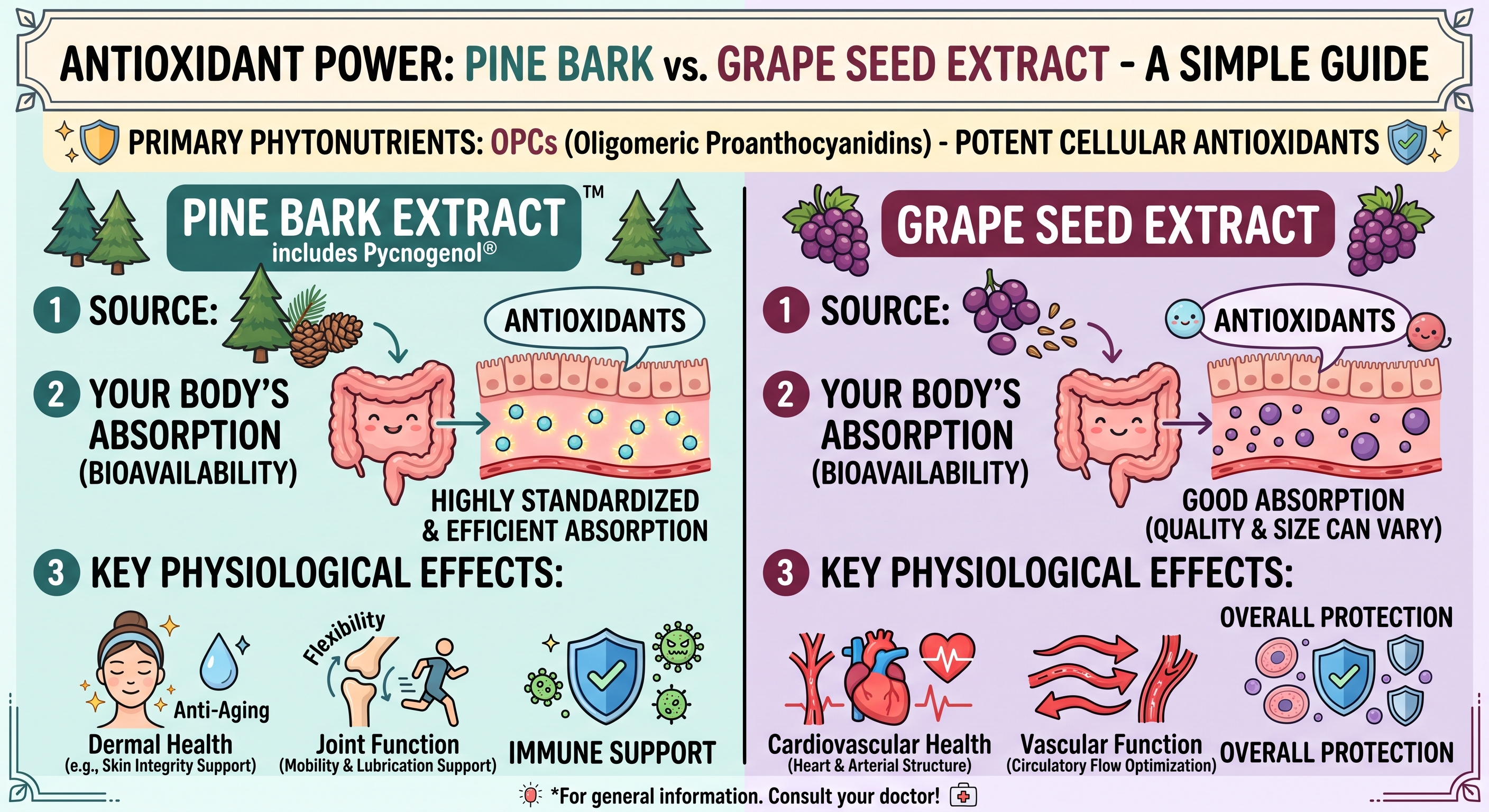
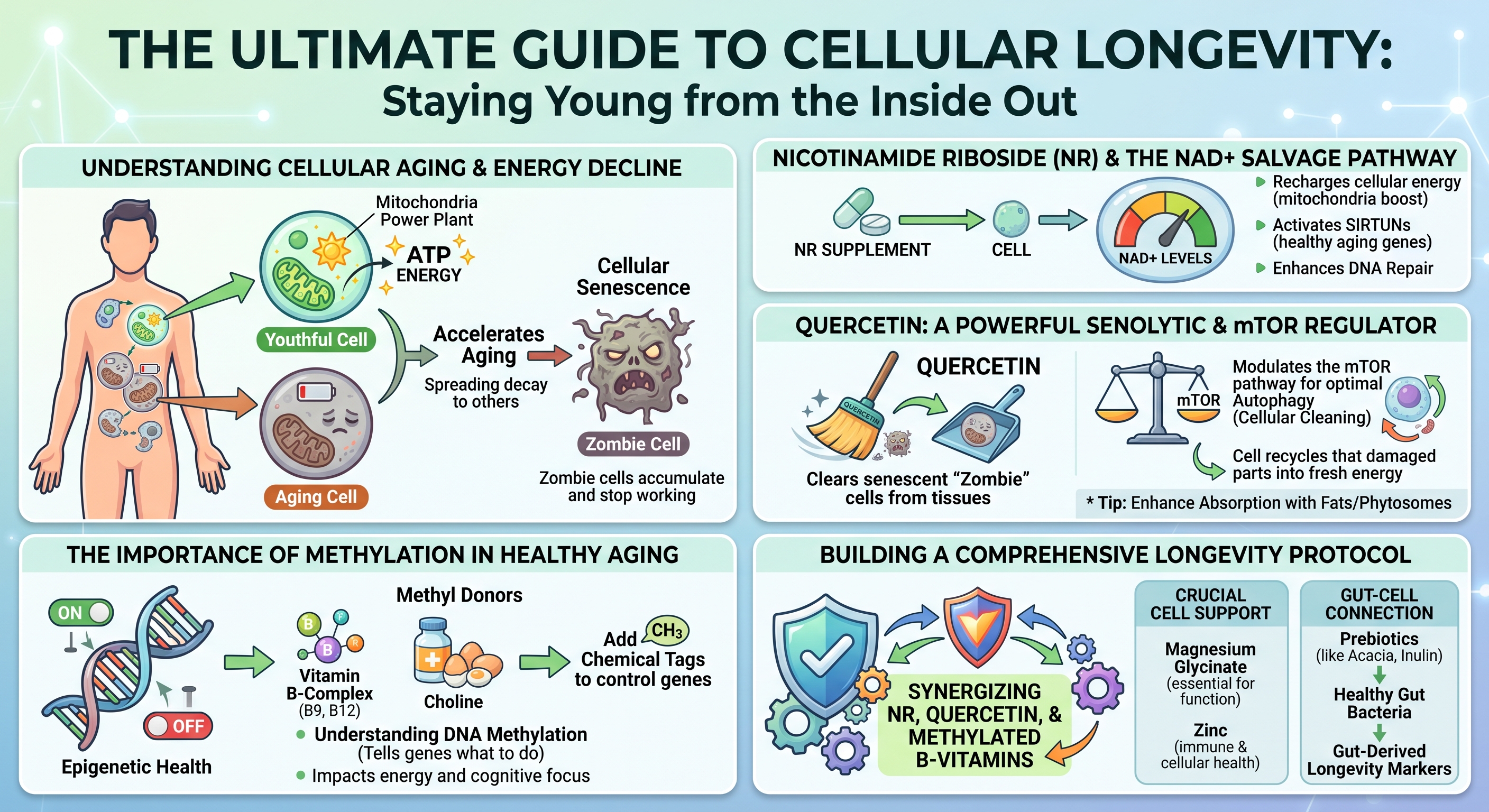
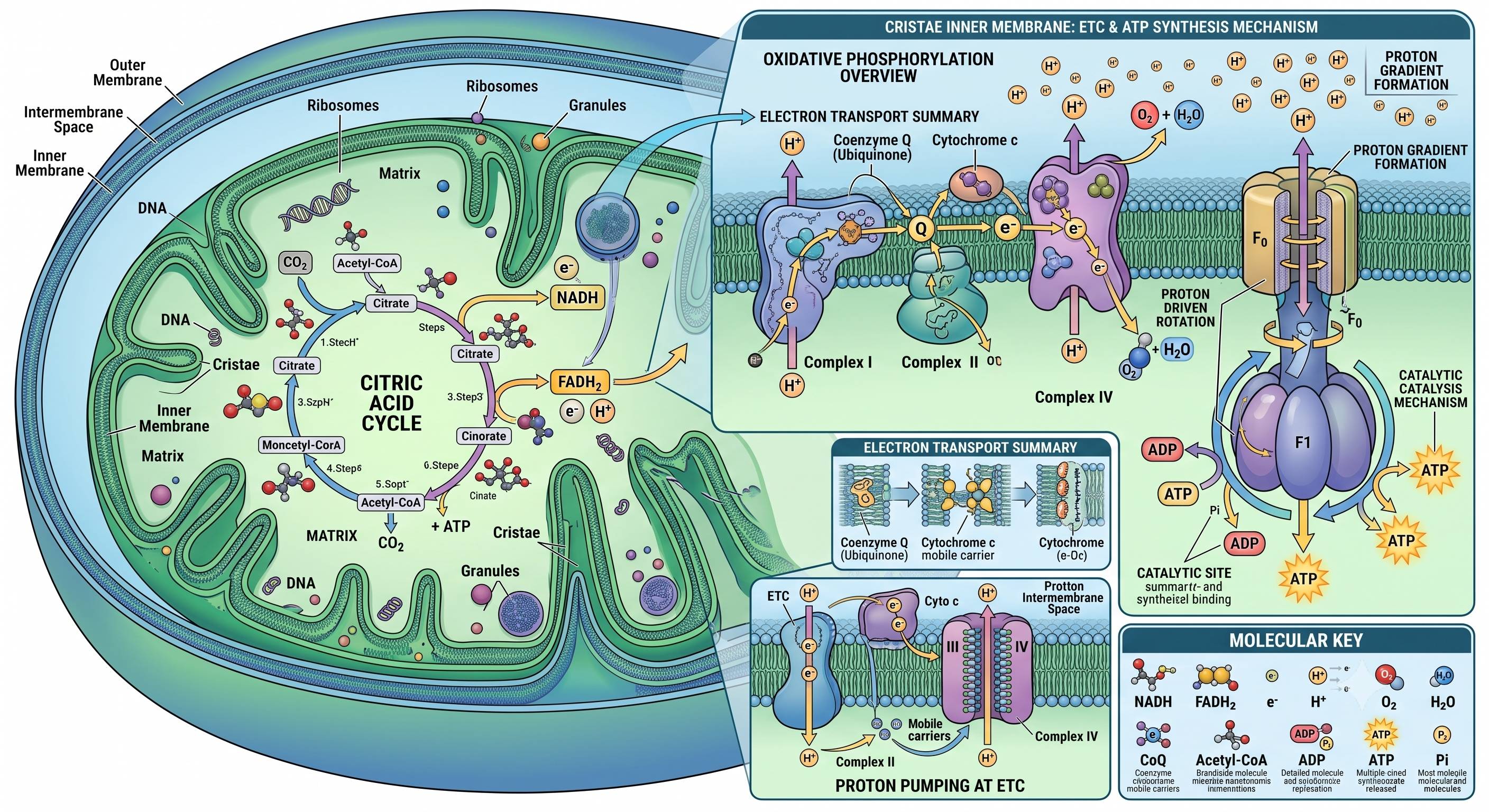
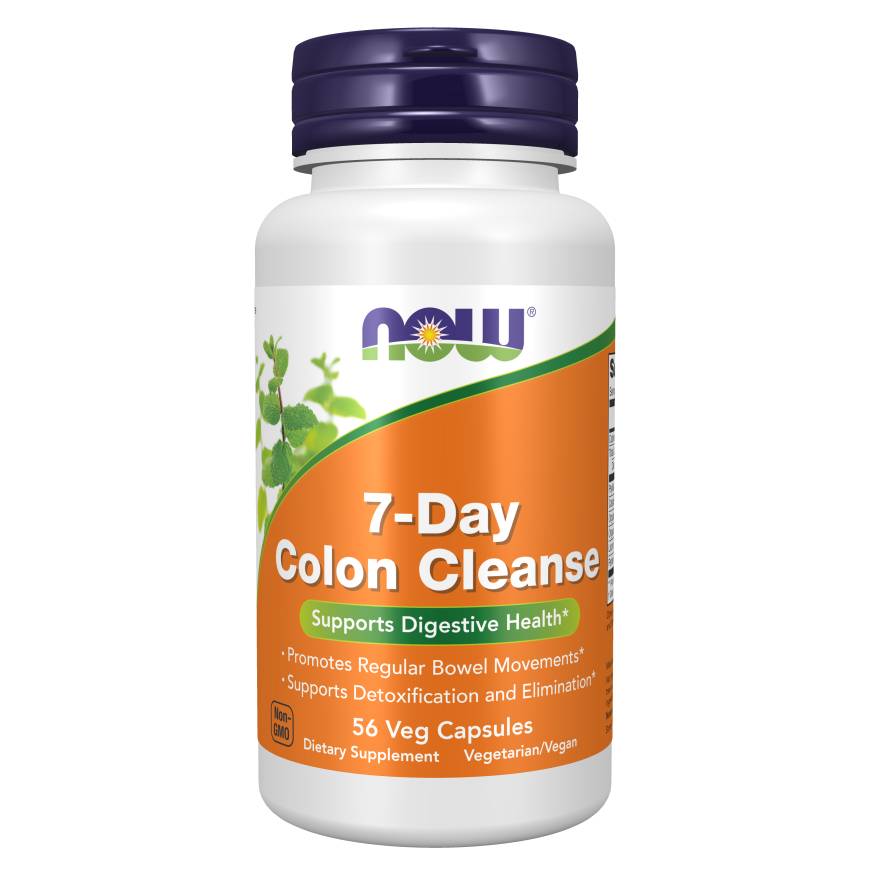
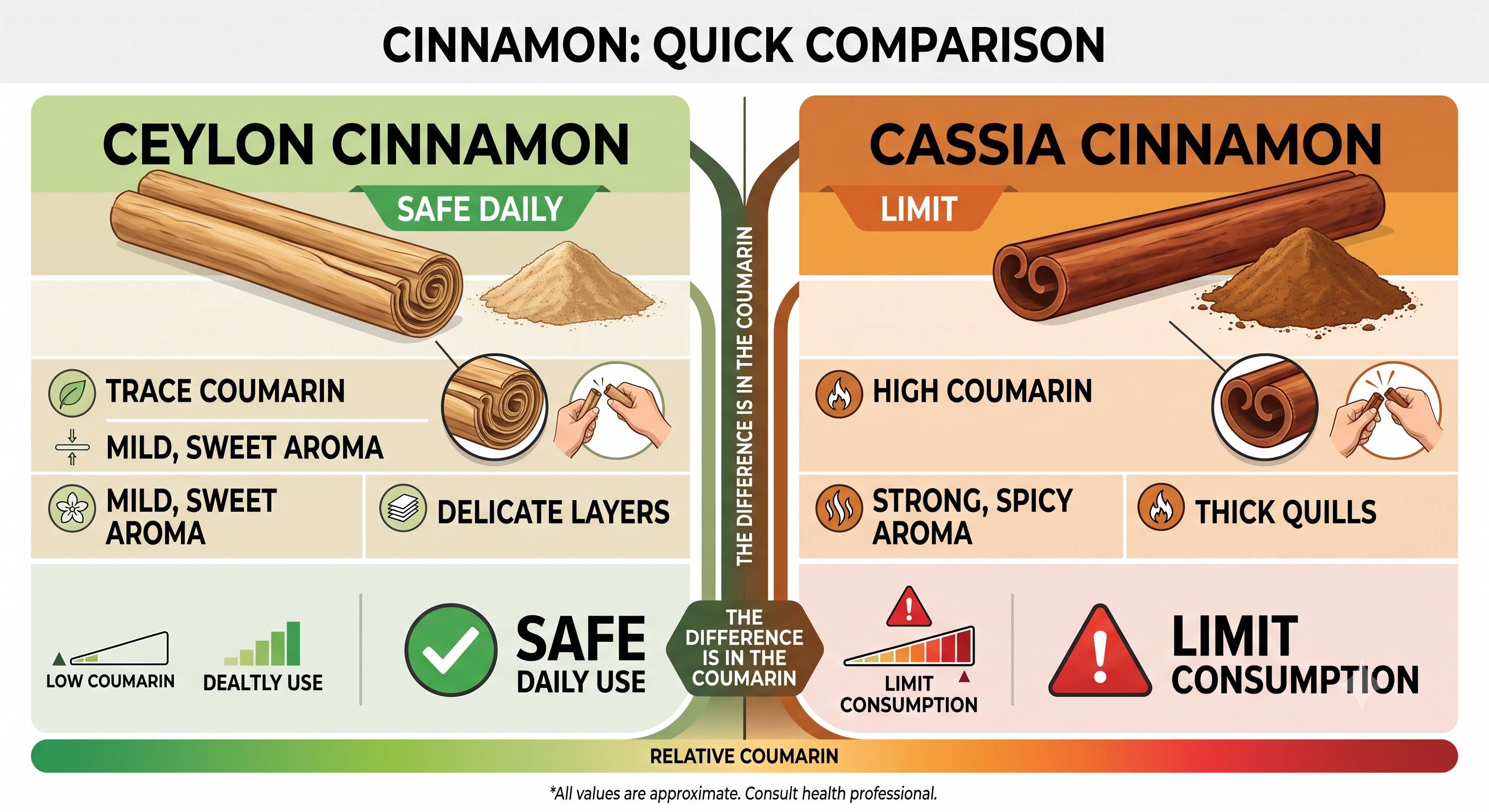

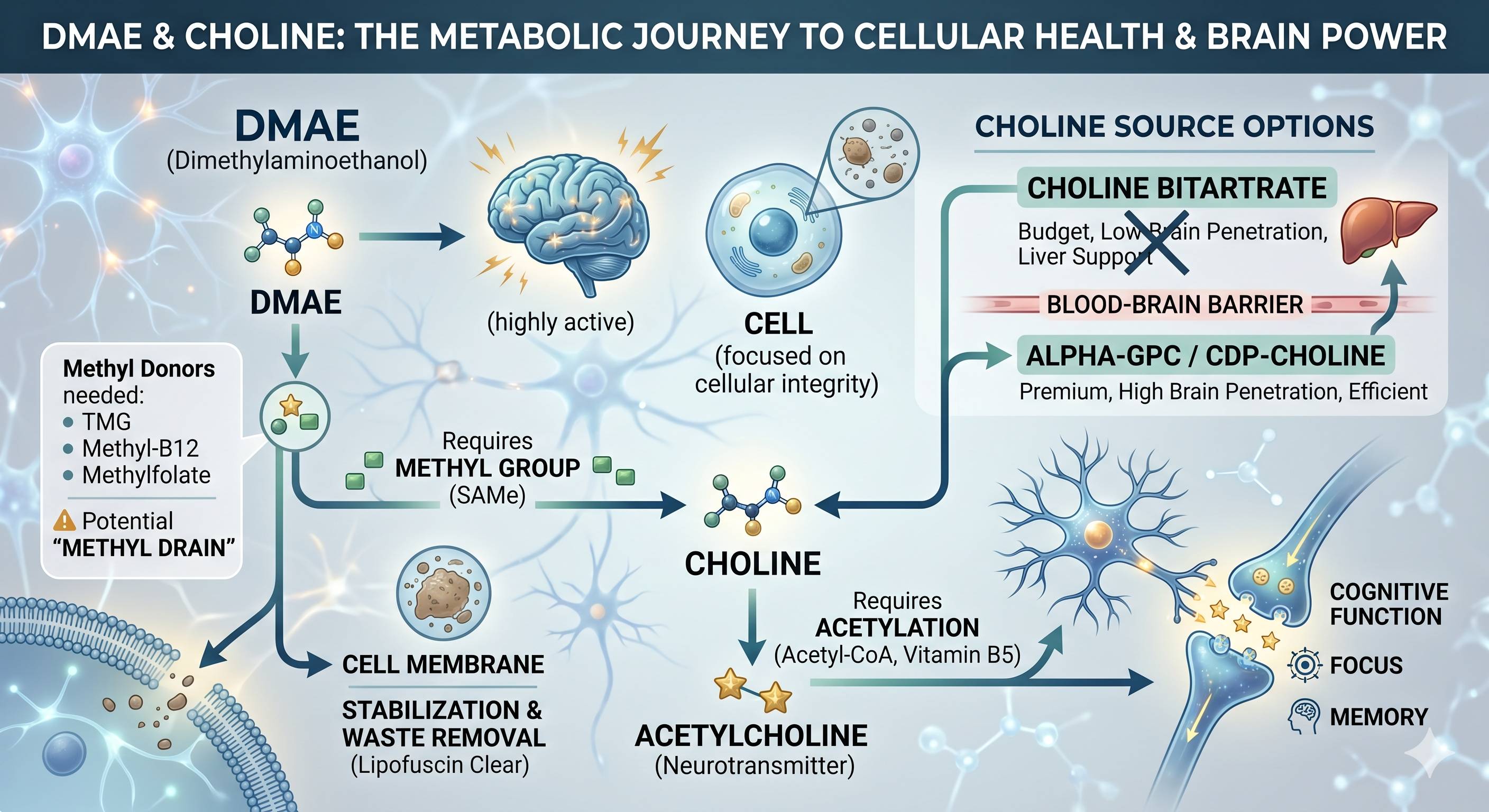

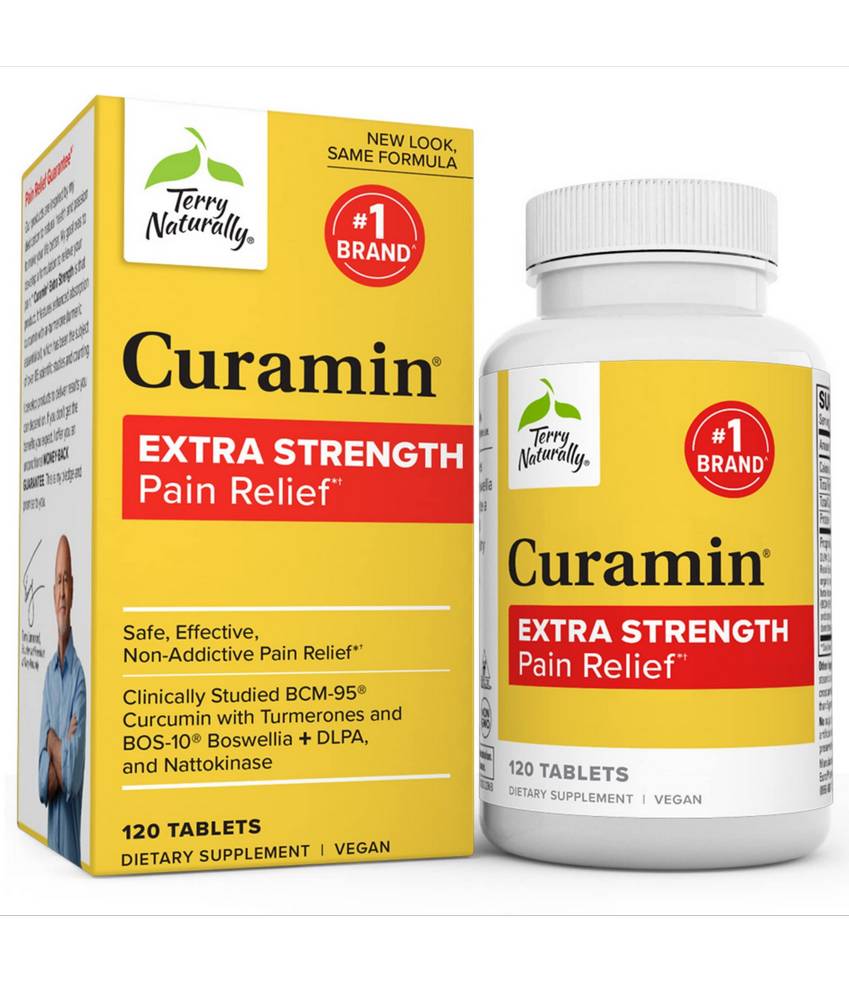





 What is African Mango?
 What is an anemia?
 Effects low adrenal to body
 What is beta carotene
 Spirutein protein shakes are dInner swaps and protein supplements intended to help you meet your nutritional needs. The shakes are accessible in different flavors extending from espresso to berry, and you can buy them in single-serving bundles, in substantial holders or as canned shakes. While protein shakes can supplement your eating methodology or supplant dInners to lessen calories for weight reduction, they ought not reinstate adhering to a good diet.
  Flaxseed and also flaxseed oil incorporate alpha-linolenic chemical p (ALA), a precursor to the primary omega-3 oily acid that to a certain degree and inefficiently turns in to DHA and EPA -- extra active omega-3s -- methods. While flaxseed hasn't yet been proven to improve heart disease risk, there's very good evidence that flaxseed and also flaxseed oil may reduced cholesterol degrees.
 Ear ringing is a clinical problem that affects 1 out of 5 people. It is also known as tinnitus and it can be a symptom of condition such as ear injury, hearing loss and circulatory disorder. There are many causes of this condition which can aggravate to completely hear loss.
 The ordinarily citrus inhaling tangerine fundamental oil is said to have numerous health profits. Initially from China, this crucial oil discovered its route first to Europe then the North America where know they are the most amazing maker of tangerines. Some individuals call it mandarin likewise, the name given by the Chinese. Yet some contended that mandarin and tangerine fit in with diverse species but from the same citrus crew. The Chinese were the first to uncover the numerous health profits of tangerine oil. Actually they were named after the renowned dignitaries and respectability of the then royal China in light of the fact that it was an estimated tree grown foods fit for sovereignty.
  Egg White a Protein?
 What is bone loss?
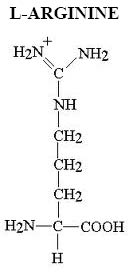
 Bromelain enzyme may not be as familiar as other digestive supplements to most people but this helpful catalyst offers a wide range of benefits not only to the digestive system but also to other systems of the body.
 Comments by Craig Gerbore, CEO of Madhava:
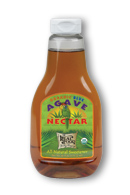 Who is the author, Rami Nagel?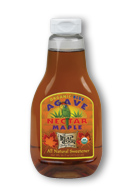
 Sunburn is the result of excessive exposure to the sun’s ultraviolet (UV) rays. The amount of exposure that is required to cause a burn is unique to each individual, the geographical location, the time, and the atmospheric conditions. There are two types of ultraviolet rays, which are designated as ultraviolet-A (UVA) and ultraviolet-B (UVB). Both types of ultraviolet rays are dangerous. UVB rays attack the skin’s outer layers, while UVA rays attack the underlying layers of the skin.
 Pau d'arco is known in South America for its healing powers by the Callawaya tribe. These people called the herb taheebo and have been using it for over one thousand years. This herb was used anciently by the Inca civilization's medicine men. Pau d'arco was included in traditions that were passed down through the generations. Pau d'arco has been used to treat cancer and other illnesses since the 1970s in the Santo Andre Hospital in Rio de Janeiro, Brazil. This herb has become a well-known herb for healing and protecting the body from disease.
  It is often referred to as the “everything” herb due to its uses for many disorders. Pau d'arco has been used by many, along with other medications. There seem to be no problems that are associated with the combination. It is also used to help counteract the side effects of some medications and is believed to reduce the liver damage that is caused by some drugs. Many herbalists have used this herb to treat a variety of conditions. It is effective as an immune system enhancer. It can also aid in treating conditions such as cancer, leukemia, tumors, and blood disorders. Pau d'arco is also used to treat the pain of arthritis and also for diabetes, candidiasis, herpes, liver ailments, hypoglycemia, and assimilation of nutrients.
  The cinnamon plant is a small evergreen tree that grows between thirty two and forty nine feet tall. This plant belongs to the Lauraceae family and is native to Sri Lanka. The leaves of the plant are ovate oblong in shape and approximately two to seven inches in length, while the flowers, which have a distinct odor, are greenish in color. The fruit is a purple berry about one-centimeter and contain a single seed. The flavor of cinnamon is the result of an essential oil which makes up about 1/2% to 1% of its composition. This oil can be prepared by roughly pounding the bark, macerating it in seawater, and quickly distilling the whole. The oil is of a golden-yellow color, with the characteristic odor of
 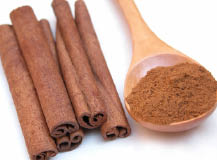 This herb is used to help relieve upset stomachs, reduce milk flow, stop excessive menstrual flow, and alleviate back pain. Research has also determined that cinnamon contains components that possess antifungal and antibacterial capabilities. This herb is found in some toothpaste, which allows it to help some decay-causing bacteria. Cinnamon is also helpful for promoting healthy blood sugar levels.
 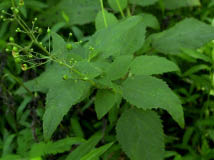 Figwort is the common name for some members of the Scrophulariaceae family, which is comprised mainly of herbs and small shrubs. These plants are distributed widely over all continents, with the family including few types of climbing plants and some parasitic and saprophytic forms.
 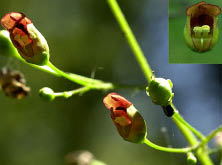 The figwort family is characterized by irregular, bilaterally symmetrical flowers with four to five petal, joined to a calax and four to five petals, joined to a corolla. This forms a tube, with the petals flaring outward at the end. The lower ones form a down turned lip. The flowers are bisexual and are sometimes brightly colored. The leaves of the plant are alternate, opposite, and sometimes whorled. The fruit is typically a two-chambered capsule. Some common hemiparasites can be found in the figwort family. Among these are Indian paintbrush, owl’s clover, lousewort, and bird’s beak. These hemiparasites have green, photosynthetic leaves. A substantial portion of the parasite’s carbon comes from the host plant, which is parasitized from the roots.