|
Search Term: " Nooropic "
Is there anything else DLPA can do be sides Pain management and Mood?   
Date:
May 22, 2026 04:29 PM
Here is what else DLPA can do:
When diving deeper into the physiological applications of DLPA, there are several advanced, highly specific mechanisms that make it particularly interesting, especially regarding athletic performance, metabolic pathways, and cellular recovery.
Here are a few of the more complex, nuanced roles of DLPA in the body:
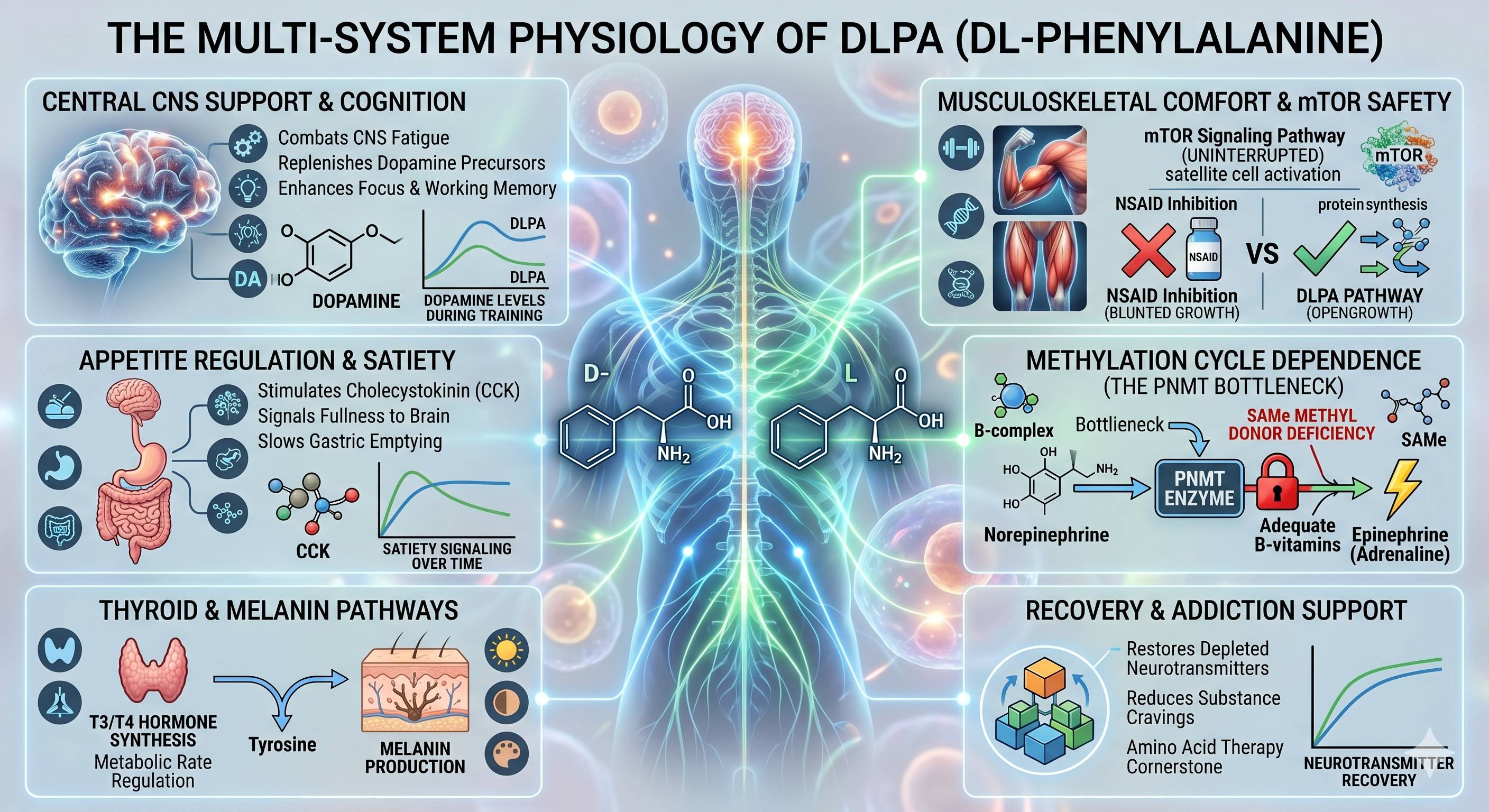
By supplementing with L-phenylalanine, the brain has a steady supply of precursor material to maintain dopamine synthesis. This helps delay the onset of CNS fatigue, allowing for sustained mental drive, higher intensity, and better neurological output throughout a grueling session.
Because the D-phenylalanine in DLPA does not interfere with inflammation or COX enzymes—working entirely by shielding circulating endorphins—it provides musculoskeletal comfort without compromising the cellular signaling required for muscle repair and growth. It allows the body's natural inflammatory repair mechanisms to run their course uninterrupted.
The enzyme responsible for this final step (PNMT) relies entirely on S-adenosylmethionine (SAMe) to donate a methyl group. If the methylation cycle is sluggish or deficient in necessary cofactors (like methylated B-vitamins), the catecholamine cascade bottlenecks at norepinephrine. Therefore, DLPA's ability to fully support the adrenal axis is directly dependent on the efficiency of the body's methylation pathways.
Would you like to explore how to position this mTOR-safe, CNS-supporting angle into a specific educational breakdown for a retail or blog audience?
Summary:
Beyond its foundational role in chronic pain relief, DLPA serves as a versatile precursor that supports several advanced metabolic, cognitive, and physical functions. Because the L-phenylalanine half converts into tyrosine, it provides the essential raw materials required for thyroid hormone synthesis (T3 and T4), melanin skin pigmentation production, and the release of cholecystokinin (CCK), a gut peptide that signals satiety and regulates appetite. Furthermore, by elevating dopamine and norepinephrine, DLPA enhances executive function, working memory, and focus, making it a valuable asset in nootropic protocols and a supportive tool for rebuilding depleted neurotransmitter stores during substance recovery.
In the context of high-intensity athletic performance, DLPA offers unique physiological advantages for training and recovery. It directly combats central nervous system (CNS) fatigue by replenishing the dopamine depleted during heavy resistance training, thereby maintaining neural drive without interrupting muscle protein synthesis. Unlike traditional NSAIDs, which blunt the acute inflammatory response and stall the mTOR pathway, DLPA provides musculoskeletal comfort solely by shielding endogenous opioids (endorphins and enkephalins) from enzymatic breakdown. This allows the natural muscle-repair mechanisms to run their course uninterrupted while simultaneously prolonging the post-exercise "lifter's high." However, its full efficacy remains dependent on a healthy methylation cycle, as the final conversion of norepinephrine to adrenaline requires adequate methyl donors like SAMe.
(https://vitanetonline.com:443/forums/Index.cfm?CFApp=1&Message_ID=6640)
Date:
May 21, 2026 03:43 PM
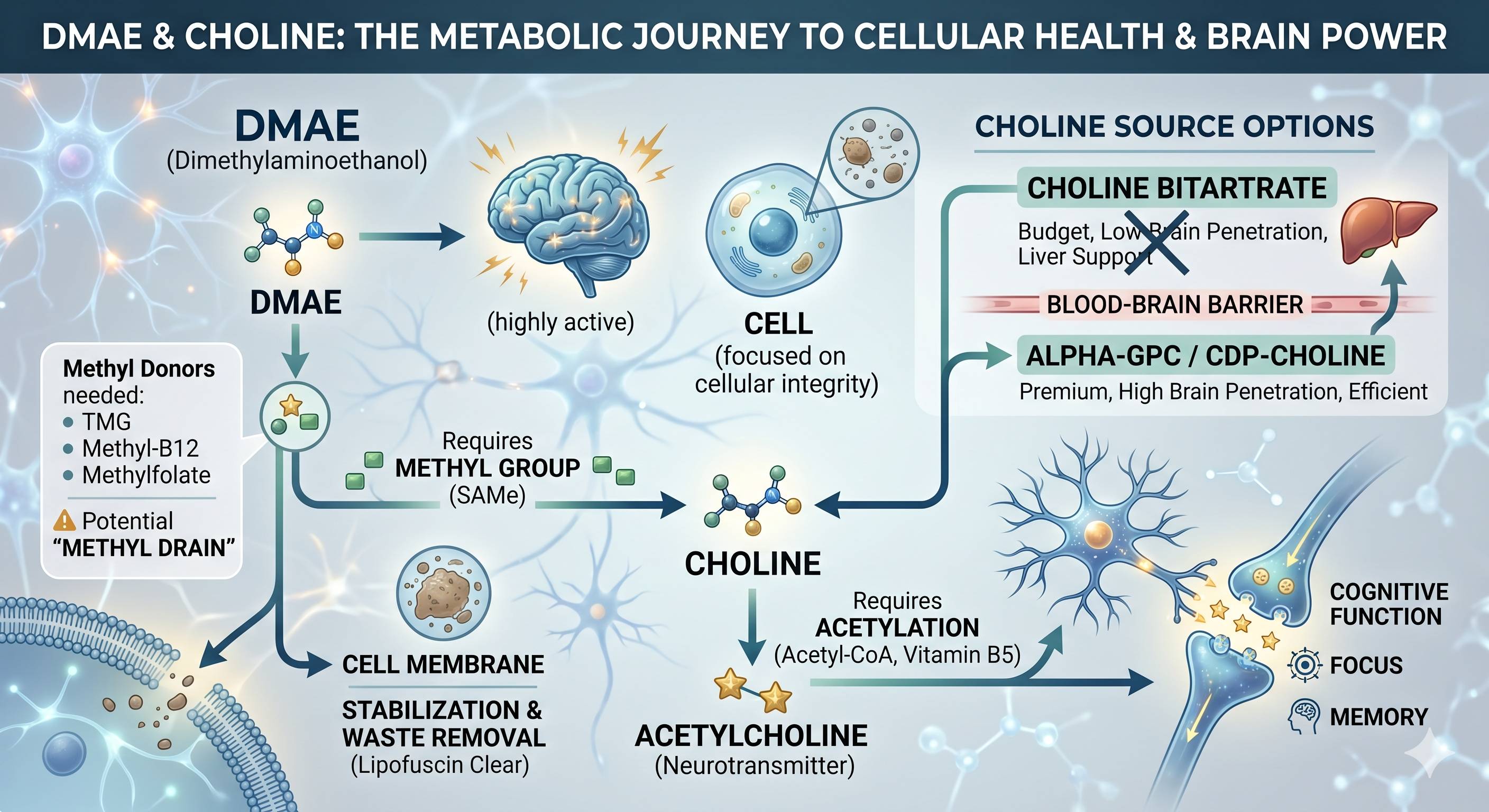
If you supplement with high doses of DMAE without adequate methyl support, you may inadvertently "drain" your methyl pool. This can lead to:
Summary: While DMAE offers potent cellular cleaning and membrane protection, it functions best when the body has a robust supply of methyl donors to handle its conversion without taxing the system.
To make this conversion efficient, the body requires specific methyl donors and enzymatic co-factors.
Summary:
Supplementing with DMAE (dimethylaminoethanol) creates a unique biochemical dynamic in the body, particularly regarding cognitive performance and cellular longevity. While DMAE crosses the blood-brain barrier effectively, its conversion into the crucial neurotransmitter acetylcholine requires an additional methyl group, a process that can significantly drain the body's universal methyl donor, SAMe. To prevent this "methyl drain" and avoid issues like elevated homocysteine, it is highly beneficial to pair DMAE with strategic co-factors and methyl donors such as TMG (trimethylglycine) and methylated B-vitamins. Beyond its role in acetylcholine production, DMAE supports longevity through distinct cellular mechanisms that standard choline cannot replicate, specifically by neutralizing free radicals to stabilize cell membranes and flushing out lipofuscin, an age-related cellular waste product.
When evaluating whether to replace DMAE with direct choline supplementation for cost and efficiency, the decision hinges on your specific physiological goals. Standard budget options like choline bitartrate are highly cost-effective for general liver health and systemic cell structures, but they suffer from very poor brain penetration. Conversely, premium forms like Alpha-GPC and CDP-Choline are far more efficient for cognitive optimization and memory because they cross the blood-brain barrier effortlessly without taxing the body's methylation cycle. Ultimately, while cheap choline salts cannot replicate DMAE's unique cellular cleaning properties, choosing a premium choline source is a more direct and biochemically efficient path for raw cognitive enhancement, especially if you want to avoid the multi-step metabolic cost associated with converting DMAE.
(https://vitanetonline.com:443/forums/Index.cfm?CFApp=1&Message_ID=6638)
Date:
May 12, 2022 04:15 PM
If you're looking for a way to improve your focus, energy, mood, or stress levels, then you may want to consider trying one of Solaray's new SharpMind nootropic formulas. Each formula is designed with clinically studied ingredients that have been shown to support cognitive health. We will discuss the benefits of each formula and how they can help you live a healthier and more productive life!
Solaray SharpMind nootropic formulas
Solaray, the dietary supplement brand dedicated to making products that support optimal health and well-being, is excited to introduce its new line of SharpMind nootropic formulas. Formulated with a unique blend of botanicals, these five formulas (Sleep, Stress, Focus, Mood, and Energy) are designed to support specific areas of cognitive function. Whether you're struggling with occasional sleeplessness, feeling overwhelmed by stress, or simply want to sharpen your focus, Solaray's SharpMind line has a formula to help. And because they're non-GMO, gluten-free, and vegetarian, they can be enjoyed by everyone. So why wait? Give your mind the nourishment it needs to thrive with Solaray's SharpMind formulas.
What are nootropics?
Nootropics are a class of cognitive-enhancing drugs that are designed to improve memory, focus, and other executive functions. Solaray's Sharpmind formulas are one such type of nootropic supplement that contains a blend of botanicals that are intended to support cognitive health.
So, if you're looking for a safe and natural way to improve your cognitive function, Solaray's SharpMind nootropic formulas may be a good option for you. Each formula is designed with clinically studied ingredients that have been shown to support areas of cognitive function such as sleep, stress, focus, mood, and energy. And because they're non-GMO, gluten-free, and vegetarian, they can be enjoyed by everyone. So why wait? Give your mind the nourishment it needs to thrive with Solaray's SharpMind formulas today!
(https://vitanetonline.com:443/forums/Index.cfm?CFApp=1&Message_ID=6408)
Date:
January 15, 2019 04:38 PM
Alpha glycerylphosphoryl choline (alpha GPC) is source of choline that is considered a fatty acid. Alpha GPC has the potential to help cognitive function, as well as aid the body in necessary muscle contraction. Neurologists have found that not only does alpha GPC aid in promoting optimal cognitive function, but it can also help treat memory impairments associated with Alzheimer's and dementia. The muscle-related benefits also lead to higher athletic performance due to an increase in overall muscle strength. Key Takeaways: "Studies suggest that alpha GPC is one of the best nootropic brain supplements on the market." Read more: https://draxe.com/alpha-gpc-the-supplement-that-can-boost-memory-learning-more/
(https://vitanetonline.com:443/forums/Index.cfm?CFApp=1&Message_ID=5962)
Date:
May 23, 2017 03:44 PM
Nootropics are a source of hope for those looking to hone their memory and brain power, but with them come some dissent as well. The FDA currently has no approval on such things so the benefits of using them have not been clinically based for approval by the organization. Although the hope is that these can be leveraged to improve memory power for those surrounding us, it's important to understand the true effects of their nature and making a determination for yourself based on the facts, not simply what you've heard. Key Takeaways: "Regardless of motivation or experience, there is one common thread that connects the Nootropic experience for everyone—balance." Read more: http://www.einnews.com/pr_news/382056043/nootropics-brain-boosting-supplements
(https://vitanetonline.com:443/forums/Index.cfm?CFApp=1&Message_ID=4677)
Date:
October 07, 2016 03:43 PM
Lion’s Mane Mushroom (Hericium erinaceus) also bearded tooth mushroom, bearded hedgehog mushroom, or satyr's beard is an edible and medicinal mushroom indigenous to Europe, Asia, and North America.
Lion’s Mane for neuroprotection, brain function, and enhanced memory
Nootropic effect is perhaps the biggest draw of Lion’s Mane mushroom. Scientifically, the mushroom has been proven to have neuroprotective abilities as well as boost cognitive function such as enhancing memory. It’s also associated with the manufacture of Nerve Growth Factor (NGF) which is a natural antidepressant. All these gives it the ability to help in maintaining attention and focus. It's therefore, a natural supplement for general brain function.
Other health benefits
Digestion aid - Lion’s mane contains glucan polysaccharides which improve stomach mucosa functioning that enhances digestion as well as protect the skin against aging. In addition, it contains cythan that aide in the treatment of esophagus cancer and peptic ulcers.
Enhances Immune System – the mushroom is rich in antioxidants, polysaccharides, beta-glucan and beta-glucoxylan that strengthens the immune system, by exhibiting immune-modulating features that decrease arthritis.
Lowers High Cholesterol – research carried on an animal indicated that the mushroom reduced 45% bad cholesterol and added 31% good cholesterol making it a substantial ingredient in cholesterol-free diets.
Myelin sheaths Repairs- Lion’s mane does not show any toxicity when consumed. It also enhances myelin sheath growth. This explains why it’s used to treat multiple sclerosis and other conditions related to the central nervous system. Lion's Main is a great supplement for older individuals looking to improve mental function.
Reference URLs
https://www.healthbenefitstimes.com/health-benefits-of-lions-mane-mushroom/
https://en.wikipedia.org/wiki/Hericium_erinaceus
//www.huffingtonpost.com/paul-stamets/mushroom-memory_b_1725583.html
(https://vitanetonline.com:443/forums/Index.cfm?CFApp=1&Message_ID=3327)
Date:
July 30, 2011 01:19 PM
Deactivates Pain Chemicals
The nutrient profile of cod liver oil makes it an excellent source of eicosapentaenoic acid, or EPA, and docosahexaenoic acid, or DHA. These omega 3 fatty acids have long been identified by scientists as anti-inflammatory compounds. Numerous studies have documented that they exert an inhibitory effect on chemicals that sensitize tissues to pain, cause excessive inflammation, and bring on rheumatism.
Nourishes Joint Cartilage
Cod liver oil is a traditional treatment for joint pain characteristic of arthritis. In recent years, it has been noted as the leading therapeutic remedy for rheumatoid arthritis and osteoarthritis. Research has shown that it is capable of switching off enzymatic processes responsible for the destruction of cartilage tissue in arthritis. Also, its fatty acid content nourishes the proteins found in joint cartilage.
Protects Nervous Tissue
The myelin sheaths that insulate the axons of nerve cells located in the brain and spinal cord require fatty acids to support their physiological functions. In particular, DHA is the principal fatty acid that nourishes nervous tissue. Cod liver oil has been utilized as an adjunct medication for multiple sclerosis in studies, and reports suggest its potential as a mainstay of treatment for other neurological disorders.
Enhances Brain Function
In addition to their known role in the upkeep of myelin sheaths, fatty acids are directly involved in the development of brain function. In fact, they are a major component of breast milk. For years, nutrition experts have suggested consumptions of cod liver oil to combat neurodegenerative disorders as well as enhance cognitive capacities as it contains high levels of compounds proven as effective nootropics.
Alleviates Skin Conditions
The nutrient profile of cod liver oil is particularly good for the skin. Apart from the fact that it counters inflammatory agents that cause hypersensitive skin conditions, such as eczema and psoriasis, it also promotes tensile strength and maintains skin elasticity. Cod liver oil is a good source of omega 3 fatty acids, essential fatty acids, vitamin A, vitamin, D, and vitamin E, all of which contribute to skin health.
Prevents Heart Disease
Cod liver oil maintains heart health and even reverses cardiovascular disorders. Medical professionals have supported this nutritional supplement as it has been clinically proven to cut the risk of heart disease. It alters the profile of lipids present in the blood and appears to reduce cholesterol. For decades, lower incidence of cardiovascular disorders has been tied to populations that consume high amounts of cod.
(https://vitanetonline.com:443/forums/Index.cfm?CFApp=1&Message_ID=2381)
Date:
July 04, 2011 08:42 AM
Lithium is a chemical element whose ions have been observed to display pharmacological effects. It is best known as a treatment for mania and remains to this day an approved drug for mood disorders in several countries, including the US. It has been associated with countless scientific studies since the latter half of the 19th century. It is one of the most extensively studied of all drugs that alter mood.
Depression is an ancient disease of the mind that was referred to as melancholia in the ancient world. It has been noted in religious writings over the centuries. High energy levels and mental hyperactivity characteristic of bipolar disorder were once associated with supernatural causes. Religious beliefs have historically considered mental disorders as the work of the devil, and melancholia is not an exception.
Mania
Melancholia and mania were two separate mental conditions. The former was always tied to evil forces whereas the latter were thought to be triggered by other supernatural causes. Early Greek and Roman physicians noted that active behavior deemed to be pathological could be cured by drinking spring waters. Research have studied and reported that these spring waters actually contained lithium salts.
Manic depression was first posited in the 1950s to be a mental illness distinct from both melancholia and mania. It was in France when two psychiatrists independently observed the type of insanity that oscillates from between bouts of depression and mania. It was later categorized as a specific type of psychosis in that the condition was acute, and thus the patient functions normally after recovery.
Lithium was introduced as a treatment for manic depressive disorder in the form of lithium carbonate in the first half of the 20th century. Its use was discovered when lithium urate produced tranquilizing effects on animal subjects. Lithium salts were used as tranquilizers shortly after. Human experiments have proven to be effective in controlling patients chronically suffering from bouts of manic disorders.
Bipolar Disorder
Bipolar disorder is now the widely used term in psychiatry, though manic depression is still preferred by many medical professionals. It was first used in the 1950s to describe oscillations between two polar behaviors: mania and depression. It is a subtype of depression, the other one being major depression or unipolar depression. Lithium remains a drug for mania amid its changing descriptions.
Medicinal concentrations of lithium are generally considered safe in that they produce no apparent psychoactive effects. Instead, they work as a therapeutic treatment. It has been widely established that lithium possesses properties that stabilize mood, though its mechanism of action is still a matter of controversy. It is believed that lithium rebalances brain chemicals and alters gene expression.
Lithium appears to have an impact on several neurotransmitters present in the central nervous system, such as glutamate and serotonin Inasmuch as these neurotransmitters are noted for their role in mood and memory, some sources have ascribed nootropic effects to regular intake of lithium supplements.
Lithium is a wonderful supplement available over the counter. Try some Lithium today and feel the difference!
(https://vitanetonline.com:443/forums/Index.cfm?CFApp=1&Message_ID=2358)
Date:
June 18, 2011 12:20 PM
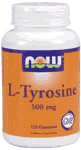
Tyrosine is an amino acid that serves as an immediate precursor to several organic compounds found in the brain and the central nervous system. It is one of the 20 amino acids utilized by cells in protein synthesis. As such, it is an important component of the human diet, albeit not classified as an essential nutrient. Mental infirmities not related to age has been linked to tyrosine deficiency. There is no daily value for tyrosine, but it is an integral part of proteins obtained from both animals and plants. Also, supplementation of tyrosine has not shown any adverse effects. That being said, deficiency in tyrosine is not unheard of. In fact, there is a rare autosomal recessive disorder called phenylketonuria that interferes with the synthesis of tyrosine and leads to brain damage and seizures. Prevents Brain Damage Tyrosine is one of the amino acids necessary for the manufacture of neurotransmitters and proteins that display vital functions in the nervous system. In phenylketonuria, the synthesis of tyrosine from phenylalanine is impaired, causing the build-up of the latter. High concentrations of phenylalanine deprive the brain of other amino acids, such as tyrosine. This results in progressive mental retardation. The presence of tyrosine in the central nervous system is very important in mental development. It works as nutrient for nerve cells that powers neuronal activities. Not surprisingly, regular intake of tyrosine has been observed to display cerebroprotective properties. It has also been linked to the prevention of headaches following an intense physical activity. Improves Stress Tolerance It has long been suggested that supplementation of tyrosine may improve stress tolerance, but studies that support this claim have surfaced only recently. High levels of tyrosine in the brain appear to improve physiological responses to stress in both animal and human studies. Many researchers believe that depleting levels of tyrosine in times of stress contribute to mental fatigue. Tyrosine is a precursor to catecholamines, organic compounds that function as neurotransmitters and hormones. It is converted to epinephrine, or adrenaline, which is responsible for the activities in the peripheral nervous system during stress. It is also converted to norepinephrine, which sends signals to both sides of the brain and forms a neurotransmitter system within the brain and the spinal cord. Promotes Mental Clarity Tyrosine plays a role in sustaining mental clarity, the reason why it is thought to produce nootropic effects. For one, the availability of tyrosine in the brain improves mental function, especially under psychological stress. It is utilized by the brain in the manufacture of brain chemicals involved in cognitive function and even motor skills. More importantly, tyrosine provides a ready pool of levodopa, which increases dopamine levels. Both tyrosine and dopamine levels have been observed to be low in individuals suffering from clinical depression, suggesting that tyrosine may provide mood-altering effects. Since there is no harm in regular intake of tyrosine, it has been promoted as an alternative to other mood enhancers.
(https://vitanetonline.com:443/forums/Index.cfm?CFApp=1&Message_ID=2342)
Date:
March 26, 2011 10:47 AM
Huperzine A is an organic compound naturally occurring in a plant species believed to be one of the oldest vascular plants still in existence. It is derived entirely from the firmoss Huperzia serrata, which is reputed for its memory-enhancing effects in China for the most part of its history. It has gained the attention of researchers and health professionals in the West owing to its purported role as a cholinesterase inhibitor, which delays cognitive decline and brain shrinkage tied to Alzheimer’s disease. It has become popular to people seeking other forms of cholinesterase inhibitors apart from those commonly available in the market, and anecdotal evidence points to its noticeable effects on symptoms of Alzheimer’s disease.
Increases Quantities of Neurotransmitters
Cholinergic neurotransmission makes use of a system of nerve cells that participate in anti-excitatory activities in the central nervous system. These neurons rely on an endogenous compound called acetylcholine, which acts as the primary neurotransmitter in the brain, the brain stem, and the spinal cord. Acetylcholine as a neurotransmitter is synthesized from esterified acetic acid and choline, but its lifespan is cut short by the enzyme cholinesterase.
This enzyme induces the hydrolysis of this neurotransmitter back into choline and acetic acid. Huperzine A works on the principle of inhibiting the enzyme cholinesterase, resulting in a longer acetylcholine lifespan especially those in the brain. By doing so, it also raises the levels of other neurotransmitters that are in the employ of nerve cells.
Affects Chemical Compounds in the Brain
Nerve cells constantly respond to many chemical brains that may induce more neuronal activities that affect cognitive function. The busier nerve cells become, the sooner the brain is able to sustain concentration. An increase in neurotransmitters has been tied to greater neuronal activities. Also, there are exogenous chemical compounds that when ingested pass the blood-brain barrier and act as stimulants to nerve cells, such as caffeine.
It has been postulated that Huperzine A provides a nootropic effects by influencing endogenous brain chemicals and consequently stimulating neuronal activities in a similar way caffeine does. However, unlike caffeine, it is not considered a psychoactive drug. More importantly, a more recent study points to its effects on nerve growth factor, or NGF, a protein responsible for the growth and upkeep of nerve cells. This means Huperzine A not only influences brain chemicals, but also makes sure that nerve cells survive.
Creates Positive Effects on Neuroplasticity
In contrary to former claims that the brain does not change after early developments during infancy, recent studies point to changes in both chemical makeup and cellular structure as we age. These changes are a response to both physiological stimulus and learning experience. New nerve cells are created as we spend more time sharpening our mental skills, much like how the muscles respond to continuous exercise and body toning. This process of change in the brain is called neuroplasticity, which Huperzine A supports by acting as a vitamin-like nutrient to nerve cells and neurotransmitters.
If you want to improve brain function and memory, give Huperzine A a try today!
(https://vitanetonline.com:443/forums/Index.cfm?CFApp=1&Message_ID=2259)
| ||||||||||||||||||||||||||||||||||||||||||||||||||||||||||||||||||||||||||||||||||






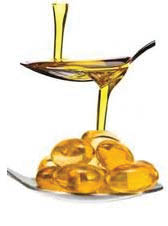 Cod liver oil is a dietary supplement obtained from the liver of a group of fishes collectively known as cod. It is an all natural remedy for a diverse variety of disorders, and as such remains one of the most popular supplements to this day. Recent studies have confirmed many of its age-old health claims. It is now common knowledge that it aids joint health, treats skin conditions, and improves brain function.