|
Search Term: " Quenching "
What Are The Benefits Of Purple Tea (Camellia sinensis)   
Date:
October 06, 2016 01:22 PM
Currently cultivated in the Kenyan rich volcanic mountain soils is the rare purple tea that has a pleasant aroma. It is known for not only its health benefits but is also said to have beautifying properties. Purple tea has a sweet taste that gives it a stronger flavor and provides a rare thirst Quenching element compared to other teas. Purple tea health benefits include:
It also promotes good digestion and an increased metabolism rate that may lead to weight loss. Purple tea will enhance women's' looks. Its extracts have beauty benefits such as; prevention of hair loss, anti-ageing properties and enhances skin tone. It is simple to prepare and the results are visible after a short time making the body feel less tired, look better and feel healthier. Try Purple Tea for Your Self!
(https://vitanetonline.com:443/forums/Index.cfm?CFApp=1&Message_ID=3324) Astaxanthin Protects The Eye And More! 
Date:
November 13, 2013 02:52 PM
Astaxanthin is a carotenoid that is commonly found in the marine environment. It is naturally found in salmon, krill, trout, crayfish, shrimp, crustaceans and yeast. It is the chemical that is responsible for the red color in cooked shellfish and salmon meat. The algae Haematoccus has the richest natural source of astaxanthin. Astaxanthin can also be produced synthetically, but due to the synthetic product consisting of different steriosmers it is not preferred to be used in some cases. Unlike beta-carotene it has two more oxygenated groups on each of its ring structure, these additional functional groups make it a highly potent antioxidant and give it a configuration that is more polar than that of other carotenoids. Vitamin E has been known as the strongest antioxidant both in topical use in cosmetics and in internal use, but research has shown that astaxanthin has a greater antioxidant strength than Vitamin E. For example in the Quenching of singlet oxygen it has an antioxidant strength five hundred times stronger than Vitamin E. Unlike many other antioxidants it has the ability of crossing the blood-brain barrier and enter into the eyes, brain and central nervous system (CNS). Most diseases of the CNS and eye are caused by increased generation of free radicals or by a decrease in the ability to remove free radicals from the body. Some of the diseases that are caused by problems with inflammation and oxidation include Glaucoma, Cataracts, and Huntington’s disease. These can be prevented by taking astaxanthin. It has anti-inflammatory properties that are related to its strong antioxidants properties. It suppresses some of the inflammatory mediators such as, prostaglandin E-2 (PGE-2), tumor necrosis factor –alpha (TNF-a), and nitric oxide. Unlike other anti-inflammatory drugs like acetaminophen that can damage the liver and aspirin that may cause stomach bleeding, astaxanthin doesn’t have any side effects. In people suffering from rheumatoid arthritis and carpal tunnel syndrome it has the ability of reducing pain. Studies have shown that it is able to reduce pain in rheumatoid arthritis by 40% after 8 weeks of continuous use. It prevents Ultra Violet induces oxidative stress of the skin and prevents the photo aging of the skin. It prevents UV induced formation of wrinkles and collagen degradation in the skin. It may be applied on the skin or taken orally. In people participating in sports it eliminates the soreness of joints after exercise, and reduces the pain caused by inflammation. This enables athletes to train harder and as a result increase their endurance, skill, and strength. This is through its ant-inflammatory and ant-oxidant effects in the mitochondria (energy producing organelle). It strengthens the immune system, research by scientists has shown that it causes increase in production of T cells, stimulates the proliferation of lymphocytes, amplify the cytotoxicity of natural killer cells, decrease damage of DNA, and increases significantly delayed type hypersensitivity syndrome. It prevents heart disease and reduces the risk of people already suffering from heart disease form getting a stroke or heart attack. It improves the blood lipid profiles by increasing HDL (high density lipoprotein) and decreasing LDL (low density lipoprotein). The liver main function of the liver and kidney is the detoxification and removal of harmful substances in the body. These activities lead to the formation of free radicals. Astaxanthin being a strong antioxidant helps by destroying these free radicals hence it eliminates their oxidative effects. As a result of its immune benefits Astaxanthin also has anti-tumor properties and as a result it prevents the development of cancer. Its prevention of cancer is also caused by its antioxidant properties and by it regulating gene expression.
References 1. //www.peakhealthadvocate.com/2826/astaxanthin-benefits-include-eye-heart-health/ 2. //articles.mercola.com/sites/articles/archive/2013/02/10/cysewki-discloses-astaxanthin-benefits.aspx 3. //www.lef.org/magazine/mag2013/apr2013_Astaxanthin-Provides-Broad-Spectrum-Protection_01.htm 4. //www.vitguide.com/astaxanthin-benefits/ 5. //www.greenmedinfo.com/blog/astaxanthin-supercharged-health-benefits
(https://vitanetonline.com:443/forums/Index.cfm?CFApp=1&Message_ID=2890) Green Tea
Date:
November 24, 2012 10:28 AM
History of Green Tea. Green tea originated in China and it has been used as a beverage and for medicinal reasons in China and most of Asia. In Asia besides China, green tea is common in Japan, Korea, Vietnam and Thailand. The book written by 'Lu Yu' from the Tang Dynasty in China is to date considered as the most important book in the history of Green tea. The book is called the " Cha Jing" or "Tea Classic". It was written between 600 and 900 AD. The book details the medicinal qualities of green tea which include, Easing effects on alcohol, curing blotchiness, acting as a stimulant, Quenching thirst, curing the beriberi disease, eliminating indigestion, improving the brain and urinary functions and also preventing fatigue. Green tea was used in Asia to help in almost everything, that is from, helping to heal wounds and bleeding to regulating the body temperatures and blood sugars. It was even used to promote digestion.
Recently, green tea has become popular in the west where Black tea was mainly consumed. Green tea today is being used as a raw material for extracts mostly used in beverages, dietary supplements, healthy foods and even in cosmetic items. Green tea varies in varieties depending on the country its grown, the growing conditions, the desired type of green tea, the production process and the harvesting time. How its made. The general process of making a cup of green tea entails, using 2 grams of green tea leaves for 100ml of water or rather, a teaspoon of green tea leaves per a 5 ounce cup of water. When making green tea, the hottest temperature for the water should be between 81 degrees and 87 degrees and the lowest temperature should be between 61 degrees and 69 degrees. Low quality green leaves will mostly require more heating or steeping time than high quality tea leaves, however if you steep or heat for too long it may result in a bitter taste regardless of the quality of the tea leaves. Benefits Of Green Tea. Green tea contains a variety of amino acids, carbohydrates, enzymes, vitamins, sterols, lipids,carotenoids, polyphenols, tecopherols and caffeine among others. In a 2012 scientific study, it was concluded that green tea actually does help in reducing certain types of cancer like prostate cancer, breast cancer, ovarian cancer and endometrial cancer. the study concluded that a compound contained in green tea not only inhibits the growth of cancer cells but also kills then without causing harm to the healthy body cells. A study in the university of Geneva in Switzerland found out that people who drank caffeinated green tea lost more calories than those who drank regular tea which means it can be of great help to dieters. Cholesterol Drinking green tea also helps lower the total levels of cholesterol and improve the ratio of HDL cholesterol (Good) to the LDL cholesterol (Bad). A Dutch study has shown that the more one consumes green tea the less severe the clogging of the heart's blood vessels especially in women. The green tea antioxidants help improve the flexibility of the blood vessels thus making them less vulnerable to clogging. Other studies have shown that green tea can also help prevent tooth decay since it has the ability to destroy bacteria.
(https://vitanetonline.com:443/forums/Index.cfm?CFApp=1&Message_ID=2736) What is Oligonol Good for and How Does It Boost My Health?
Date:
March 22, 2011 03:42 PM
Oligonol is the first ever nutritional supplement to contain low molecule polyphenolic oligomers. These polyphenols are derived from the plant Litchi chinensis, also known as lychee in the vernacular. The name oliginol is a portmanteau for oligomer polyphenol, which is widely touted to display bioavailability far superior to high molecular weight polyphenols present in most antioxidant supplements and the plants that they are extracted from. It boasts the most recent innovation of producing higher biological activity by using the low molecule technology developed by the Faculty of Pharmaceutical Sciences of Nagasaki University in collaboration with Amino Up Chemical Co. Ltd. Polyphenols have long been known to create health effects that are antioxidant in nature. These organic compounds have been tied to Quenching reactive oxygen species, or ROS, a natural by-product of oxygen metabolism. ROS like free radicals are in fact deployed by cells in response to potential threats such as invasive pathogens. Given the high reactivity of free radicals, each cell releases endogenous antioxidants to scavenge ROS. However, the body’s antioxidant defense becomes compromised with continued exposure to stress. At the cellular level, an imbalance between ROS and antioxidants creates a chain reaction termed oxidative stress, which damages cellular organelles and even DNA. This is when antioxidant supplements come to the rescue. Plant-based polyphenols such as those found in teas is widely believed to neutralize free radicals. Those found in lychee are of special note in that they are particularly helpful against oxidative stress. The proprietary low molecule technology of Amino Up Chemical Co. Ltd. processes these already potent polyphenols into more effective monomers and short-chain oligomers. Protects Cardiovascular Health Since oligonol was made available nearly two years ago, there have been a number of studies looking into its medicinal potential. A few of the earliest researches were double-blind, placebo-controlled clinical trials that investigated its effects on the cardiovascular system. It has been observed that oligonol appears to lower platelet reactivity, contributing to dilation of peripheral vessels. By so doing, it effectively promotes blood flow, which results in an increase in body temperature. Counteracts Physical Fatigue Recovery to fatigue induced by physical exertion is one of the benefits of oligonol that have been well investigated. In one single blind, placebo controlled study involving 47 participants, intake of oligonol lowered post exercise fatigue. The oligonol group of amateur athletes between 18 and 22 of age took two 100-mg oligonol capsules in two 26-day periods with a 9-day wash-out period and saw a noticeable improvement in fatigue recovery in comparison with the control group. Reduces Visceral Fat Oligonol continues to excite researchers from around the world with the publication of the study on its effects on visceral fat. There are cell-signaling protein molecules released by adipose tissues that are considered deleterious to human health, and thus called bad factor. Adiposity has been tied to higher mortality, with people having larger waists especially susceptible to many known diseases. Supplementation of oligonol has seen a sharp decrease in abdominal circumference and overall subcutaneous fat.
(https://vitanetonline.com:443/forums/Index.cfm?CFApp=1&Message_ID=2255) Can N-Acetyl Cysteine Boost Liver Health And Function?
Date:
February 10, 2011 12:31 PM
N-Acetyl Cysteine (NAC) And The LiverN-Acetyl Cysteine or NAC is an antidote for poisonous effects of paracetamol overdose. It targets the cells in the liver, raising their capacity to deal with harmful metabolites. There are a number of researches well underway that scrutinizes a variety of medical conditions for which this compound could be of use. It is a known precursor of antioxidants and in itself a scavenger of peroxides and free radicals. Hepatocytes are the cells that take on most of the functions of the liver and account for more than 70 per cent of the liver’s total mass. These cells are responsible for the presystematic metabolism of drugs, also known as the first-pass effect, rendering most drugs innocuous before they are released into the bloodstream. The total amounts of bioactive substances that are distributed to the rest of the body are also largely regulated by hepatocytes, notably carbohydrates. In addition, they are involved in the biosynthesis of protein, cholesterol, phospholipids, and bile salts as well as the functional reserves for protein. Hepatocytes and Toxins Certain drugs produce toxins when broken down by hepatocytes. A classic example is the metabolism of ethanol into acetaldehyde, which is a toxic compound, a probable carcinogen, and an air pollutant emitted by combustion of cars and tobacco smoking. While hepatocytes are known for their detoxifying responses to toxic substances entering the body, the metabolism of toxins actually takes up a great deal of time, resulting in certain toxins getting released into the bloodstream prior to first-pass effect. That being said, continued exposure to toxins wears down hepatocytes, and high concentrations of what we refer to as poisons is certain to bring damage to the liver. This is what happens during overdose of paracetamol, or acetaminophen. In an effort to metabolized excessive amounts of the drug, the liver cells produce by-products that are essentially poisons, which under normal circumstances can be contained well.
NAC and Glutathione ProductionThe major antioxidant synthesized by the human body called glutathione comes to the liver’s defense when toxic by-products are produced. Hepatocytes in particular are so dependent on glutathione in the Quenching of toxins that it has been observed that any challenge to the manufacture of this endogenous antioxidant will ultimately result in liver failure. Glutathione is released by hepatocytes in large amounts especially during the metabolism of alcohol and drugs, but during overdose the ravaging activities of ethanol or drug metabolites overwhelm the detoxifying effects of antioxidant reserves in the body. Simply put, the defense mechanisms in the employ of the body have limits. NAC resolves this problem. The presence of NAC in the body augments the liver’s ability to produce the needed amounts of glutathione to effectively counter the harmful properties of invasive substances. In fact, the liver completely recuperates in a matter of weeks even after life-threatening conditions given that NAC is introduced in the human body in time to avoid subsequent damages to other vital organs. Indeed its application has proven to save lives in fatal cases of paracetamol poisoning. N-Acetyl Cysteine is available at your local or internet vitamin store in capsule or tablet forms. Always choose name brands like Source Naturals to ensure quality and purity of the product you buy for better liver health. Have you had your NAC today?
(https://vitanetonline.com:443/forums/Index.cfm?CFApp=1&Message_ID=2235) Green Tea Extract
Date:
October 23, 2008 01:43 PM
Green tea is a form of tea made from the leaves of the Carmellia Sinensis, a shrub that is native to China and has spread to other areas of Asia including Japan and the Middle East. Drinking it is believed to impart many health benefits, including the prevention of obesity, heart disease and some forms of cancer and it has been used in traditional Chinese medicine for over 400 years. Tea is known to have been consumed in China for around 5,000 years, and used, not only in Chinese medicine, but also in that of Japan, Thailand and India for a number of ailments including regulating blood sugar, treating wounds and digestive problems. The drinking of green tea to benefit the heart and other vital organs is described in the Kissa Yojoki (Book of Tea), written in 1191 by Eisai, a Japanese Zen priest. This two-part book talks about the various medicinal benefits of green tea, such as preventing fatigue, curing beriberi, Quenching thirst, clearing the thoughts, maintaining health of the urinary tract and improving digestive problems. It also explains how to grow tea and how to prepare and use the leaves. The methods of treatment of various ailments and medical conditions are described in the second part of the book. The active ingredients in green tea are catechins, polyphenols with strong anti-oxidant properties. Antioxidants are important components of your diet due to their effect on free radicals. These are small molecules, generally oxygenated, such the superoxide cation and hydrogen peroxide that are generated during normal metabolic processes and also ingested in pollutants such as traffic and factory fumes and insecticides. Free radicals are also formed by the effect of the ultra-violet component of sunlight on your skin and other tissues. The effect of free radicals on your body can be devastating, and they not only destroy cell membranes but also oxidize such molecules as the low density lipids (LDL) that carry cholesterol around your bloodstream. This allows the LDLs to be absorbed by the white blood cells and then deposited as fatty plaques in the walls of your arteries. The end result is a thickening and hardening of the arteries that leads to a condition known as atherosclerosis, where the blood supply to the brain and heart muscle is restricted, which can in turn lead to strokes and heart disease. Their effect on your cells is to cause cancer and premature aging, among others, and free radicals are also believed to play a part in conditions such as Alzheimer’s and Parkinson’s disease and also inflammatory diseases such as arthritis and diabetes. They can also cause damage to your DNA. It is essential, therefore, that these free radicals are destroyed as quickly as they are generated, and that is what antioxidants do. You might be more familiar with the antioxidants Vitamins A, C and E, and phytochemicals such as flavonoids and carotenoids, but there are many substances available to you that are even more powerful such as the polyphenols found in green tea. Epigallocatechin gallate (EGCG) is the most powerful of these with antioxidant properties at least twenty five times that of Vitamin E, and 100 times that of Vitamin C. EGCG comprises around 10-50% of the total catechin content of the tea and studies indicate that it likely helps to protect against DNA damage by free radicals, to protect against oxidation of LDL, provide protection against the damage of ultra-violet radiation and to protect you from the free radicals that are generated by smoking tobacco and general airborne pollution. There are suggestions that the bioavailability of EGCG can be increased by consuming black pepper when drinking green tea, possibly due to the presence of piperine in the pepper. The piperine appears to retard the intestinal glucuronidation of EGCG and so allow more of it to be absorbed as opposed to excreted. So if you are using green tea for health reasons, spice up your food with a small amount of black pepper - that's all it needs. You don't have to smother your food in it! It should be stressed that these tests were carried out on animals, although the biochemistry involved is much the same. The oxidation of fat by your metabolism to provide energy is a very important factor in weight control. If the contribution of the fats you ingest to the energy generated by your metabolism is low, then the fats can go on to be deposited in your body. This is not only unsightly, in that it can basically make you look 'fat', but is also dangerous to your health. Fat deposits around your midriff and round the major organs of your body can be extremely damaging and a severe risk to your health. It has been shown by a recent study in the UK (Birmingham University) that those taking green tree extract displayed a 17% increase in fat oxidation over those given a placebo. Not only that, but the ratio of fat oxidation to the overall energy expenditure showed a similar differential between the study and the control group. This provides evidence of green tea extract being able to control your weight by burning fat, and also to improve the tolerance to glucose and sensitivity to insulin of healthy people. Many other health claims have been made for green tea extract, although many of these have little, if any, scientific basis. Among these are the claims that it can treat multiple sclerosis and be used to treat cancer, although claims that it can prevent the destruction of cell membranes due to its oxidative effect are supported by the biochemistry, if not the medical proof. There are cases where theoretical biochemistry can explain many of the applications of ancient remedies without needing modern day studies to support it. Some of the research supporting the green tea theories include: 1. In 2006, a study was announced that had followed over 40,500 Japanese men and women, aged between 40 and 79, that had no history of coronary heart disease, stroke or cancer starting in 1994. It was found that those who drank at least 5 cups of tea per day had a 16% lower risk of dying from any cause and a 26% less risk of dying from cardiovascular disease than those that drank less than one cup of tea each day. Since cardiovascular disease and cancer are the major causes of death world-wide, these are significant results. 2. Again in 2006, it was reported in the American Journal of Clinical Nutrition that studies indicated that a higher consumption of green tea was associated with a reduction in human mental impairment when compared to the average. 3. Yale University School of Medicine reported later that year that, in spite of smoking more than their western counterparts, Asians suffered lower rates of cancer and heart disease, and put that down to them drinking over 4 pints of green tea daily. It was the polyphenol content of green tea and its antioxidant effect that was proposed for this result, known commonly as the 'Asian paradox'. A specific reason given for this was the antioxidant effect preventing the oxidation of LDL cholesterol, and its subsequent deposition in the artery walls. 4. Another component of green tea is the amino acid L-Theanine that promotes relaxation, and it is believed that this could help to fight stress by inhibiting the excitation of cortical neurons.
There is a lot more evidence for the health benefits of green tea, and once again it appears that the ancients have been proved correct. Perhaps we should pay more attention to ancient remedies, although without the proper evidence much of it is ignored - for the time being at least. Green tea, however, has generally been accepted due to the research and studies carried out on ECGC (Epigallocatechin gallate) and in additional to the traditional form, is also available as a dietary supplement.
(https://vitanetonline.com:443/forums/Index.cfm?CFApp=1&Message_ID=1923) Revita
Date:
March 08, 2007 12:27 PM
Revita, the most efficient hair growth stimulating shampoo available in the market is the final result of DS Laboratories efforts on cutting edge research. Revita is a powerful and unique SLS/SLES free combination of active ingredients specially designed to maintain scalp vitality and act on folicle dysfunctions in order to achieve best results in short periods of time. Sodium Lauryl Sulfate and Sodium Laureth Sulfate, commonly used low cost detergents in shampoos and cleansers, are linked to skin irritation, skin drying and hair loss due to follicle attack. Revita is Sodium Lauryl Sulfate and Sodium Laureth Sulfate free, providing a high quality scalp skin safe shampoo product. Revita was developed with a cost-no-object approach. Revita’s compounds have been chosen based exclusively on their properties, quality and efficacy (in the opposite of the majority of available products, which are usually developed with production costs in mind). The final result is a very high quality shampoo product with absolutely no equivalent competitor in the market. Revita combines costly first line compounds at high concentrations like Caffeine at 4.0%, Pyrus Malus (Apple) Seed Extract at 1.0% and Spin Traps (SOD Mimic) at 0.1% with other top level ingredients which make Revita a unique product in its class. To improve the efficacy of this synergic combination, DS Laboratories developed a unique “chemical free” extraction process that keeps original properties and clinical efficacy of final components. Through gentle mechanical compression, Revita’s compounds are obtained as pure and chemically preserved active molecules. Revita starts acting on your scalp and hair follicle since the first day of use. The time you will need to note the first results will depend of the severity and duration of your hair loss. No matter how long or how intense your hair loss is, using Revita on daily basis will improve the vitality of your scalp, maintaining the quality of your hair and stimulating new hair growth. Through the synergic interaction of very effective compounds, Revita brings you a highly effective product designed to maintain scalp vitality and act on hair loss. By combining an antioxidant effect, anti-DHT properties, powerful hydrating molecules, hair growth stimulants and structural amino acids, Revita brings you the most effective hair growth stimulating shampoo available. Apple Polyphenol (procyanidin B2 and C1) - phytochemical concentrate found in the skin of unripe apples that acts as potent antioxidant. It protects cells against free radicals, reactive atoms that contribute to tissue damage in the body. These chemical compounds are being studied extensively in labs around the world for their health effects in major diseases including treatment of hair growth. Studies showed that after sequential use, an increase of almost 80% of hair diameter and an increase in number of total hairs was shown, with no side effects. In 2000, Japanese researchers presented their findings to the international community on the hair growth effects of apple polyphenols - specifically one known as procyanidin B-2. They identified two successful compounds- one from chardonnay grapes, and one extracted from unripe apples. The procyanidin B-2 fraction clearly outperformed the grape extract. "Procyanidin B-2 purified from apples," stated the research team, "shows the highest activity of more than 300% relative to controls." In the same year, in a double-blind placebo-controlled trial, nineteen men with male pattern baldness were studied with a daily topical application of a 1% procyanidin B-2 solution, extracted from apples. Ten other balding men served as controls, receiving a placebo solution. After 6 months, the study concluded: • The increase in number of total hairs and terminal hairs in the procyanidin B-2 group subjects was significantly greater than controls. • 78.9% of subjects showed an increased mean value of hair diameter. • "Procyanidin B-2 therapy shows promise as a cure for male pattern baldness." Following the revelations, an attempt was made to further understand the mechanism by which the remarkable hair growth effects occurred. The results were published in the prestigious British Journal of Dermatology: Procyanidin B-2, extracted from apples, promotes hair growth: a laboratory study, Br J Dermatol. 2002 Jan;146(1):41-51. In this study, the researchers concluded that procyanidin B-2 acts to diminish protein kinase C isozymes, which play an important role in the hair growth cycle. Procyanidin B-2 seems to promote hair growth by down regulating PKC in both the anagen (active growth phase) and telogen (resting phase) of the hair follicle. When the anagen phase is prolonged, and the telogen phase is shortened, increased hair growth results. Two more clinical trials and a total of seven published studies have now confirmed the surprising hair growth-promoting effects of apple procyanidins. Here is a summary of those findings: • Total Number of Hairs: Significantly Increased • Total Number of Terminal Hairs: Significantly Greater • Increase in Hair Diameter: 78.9% Positive • Ratio of Thicker (terminal) Hairs: Significantly Higher • Hair Follicle Activation: Intensive In the most exciting development yet, Japanese researchers released a new study late in 2005. Once again, procyanidin therapy was proven successful in regrowing hair in subjects with male pattern baldness. The new study, published in the Journal of Cosmetic Dermatology, confirmed the findings of earlier studies, showing clear improvement in the number of hairs and the density of hairs in the treated area. Building on the success of earlier trials, the study was extended to 12 months in the procyanidin group, and proved that longer term procyanidin therapy was even more successful than prior 4 and 6 month trials. Cooper Peptides - Cooper Peptides have two main properties: (1) potent tissue protective anti-inflammatory agents that limit oxidative damage after tissue injury, and (2) tissue remodeling activation agents, that is, the processes for removal of damaged protein and scar tissue and their replacement by normal tissue. Studies at numerous universities and research institutes have found copper-peptides to improve hair transplant success, increase hair follicle size, stimulate hair growth and reduce hair loss. Research scientists at the University of San Francisco Wound Center stumbled upon very interesting results. Their discovery was made while applying a synthetically formulated compound, Copper Peptide, to severe wound areas on several patients. During this process something unusual happened. Not only did the wounds heal about 30 percent faster, but a significant stimulation of the follicular cells occurred. As a side effect, these tripeptide complexes actually grew hair around the wound area. The discovery was so startling that they then applied the same Copper Peptide complex to a female patient who had suffered roughly 90 percent alopecia (hair loss) for years. After about six months of use, she had recovered almost 100 percent of her hair. Dr. Loren Pickart, the leading authority in Copper Peptide technology, describes it as being like a protein injection to the scalp. Tests were then conducted with chemotherapy patients and recent hair transplant recipients, all with great success in stimulating newer and stronger hair follicles. Spin traps – are very special compounds that were originally utilized in measuring free radical activity because they react with free radicals both in vitro and in vivo, producing stable complexes. The most commonly used spin trap and the standard which measures new ones is PBN - alpha-phenyl- N-tert butyl nitrone. Hundreds of studies have been conducted over the last ten years that have tested PBN and other “spin traps” in numerous conditions. Later it was discovered that these spin traps had powerful free radical Quenching abilities in living systems and could treat a variety of conditions. Spin traps could provide unique protection against free radical damage that complements and enhances the activities of the classical antioxidants such as vitamin C and vitamin E. Spin traps modulate NF kappa-B regulated cytokines and inducible nitric oxide synthases that are implicated in pro-inflammatory disease conditions. A method for ameliorating a cellular dysfunction of a tissue such as the treatment of hair loss and stimulation of hair growth comprises administering a nitroso or nitrone spin trap to the affected tissue. These agents inhibit the reaction of superoxide and nitric oxide to produce peroxinitrite. Scientists discovered that nitrone and nitroso spin traps have properties in the body for ameliorating cellular dysfunction in tissue attributed, in part, to high energy oxygen and hydroxyl free radicals, and enhancing recuperation of the tissue. Alpha-phenyl-N-tert butyl nitrone (PBN) can be administered, for example, as an anti-alopecia agent to stimulate hair growth. Spin traps can be administered to the skin to be treated, such as the scalp. Depending on the type of hair loss or alopecia being treated and the conditions thereof, the stimulation of hair growth can usually be obtained by topical application, preferably repeated daily application. The utility of topically applied spin traps is not limited thereto, however, and the stimulation of hair growth can include an increased rate of growth, increased hair diameter, follicular neogenesis, and the like; inhibiting hair loss or alopecia from progressing. Ketoconazole - Topical ketoconazole shows itself to have an anti-DHT binding effect in the scalp. Nevertheless, it is likely that ketoconazole exhibits other methods to its anti-hair-loss effect. One such theory of ketoconazole anti-alopecia effects may be on its activity upon the removal of sebum, a fatty substance that accumulates in the scalp around the hair follicles. In addition, ketoconazole is an antifungal medication and is significant for people combating hair loss since acting as an antifungal agent it reduces scalp irritation caused by fungal colonization or infection. Reduction of the inflammatory process that occurs in male pattern alopecia is crucial. If we first examine the role of androgens, specifically dihydrotestosterone (DHT), we find that this hormone has been thought to slowly "choke" the growth of the hair follicle by inhibiting the function of an enzyme in the hair follicle called adenylate cyclase. Suffice it to say that when DHT concentrations remain high in the scalp, we see terminal (thick, coarse) scalp hair become reduced to vellus hair (fine, thin peach fuzz). On March 04, 2001, at the American Academy of Dermatology Meeting in Washington DC, scientists presented the findings of a study done on 1% ketoconazole shampoo which had good news for hair loss sufferers. In the study presented, one hundred male volunteers with mild to moderate dandruff and somewhat oily scalp, were using in a double-blind fashion either a 1% ketoconazole shampoo or a 1% zinc pyrithione shampoo, 2-3 times a week for 6 months. Analysis of the different parameters set up in the study shows that the hair diameter gradually increased with ketoconazole use (+8.46%) over a 6 month period, whereas the diameter showed a trend to decrease with zinc pyrithione use over the same period (-2.28%). The sebum excretion rate was reduced with ketoconazole (-6.54%) while it increased with zinc pyrithione (+8.2%) over the same period of time. The number of hairs shed over a 24-hour period was reduced by 16.46% with ketoconazole and 6.02% with zinc pyrithione after 6 months. Finally, the percentage of hairs in the anagen phase increased by 6.4% and 8.4% respectively during the study. The results are similar to a previous study done on 2% prescription strength Ketokonazole where it was shown that use of 2% ketoconazol yielded an increase in hair shaft diameter similar to what was achieved by the control group using 2% Minoxidil and a non-medicated shampoo. Rooibos - Rooibos or Red Bush Tea - a hardy shrub indigenous to the North Western Cape of South Africa – is an exciting new botanical ingredient with potent antioxidant and anti-inflammatory properties well documented in medical literature. In alternative medicine Rooibos is often prescribed for nervous tension, allergies, stomach and digestive problems. Results from an independent study also showed a significant improvement in hair loss. Studies were initiated at an independent laboratory (Dermascan, France) to study the effect of the use of Rooibos in a hair lotion on a group of healthy persons who were suffering from the problem of hair loss. A 90 day trial was conducted comparing a hair lotion containing Rooibos with a placebo lotion. After 90 days results showed a significant increase of the hair growth in the lotion containing Rooibos compared with the placebo. An increase in the hair growth was observed with 89% of the volunteers with no undesirable reactions (irritation or allergy). The participants were next asked to fill in a questionnaire. When the results were tallied, 67 percent rated their hair loss as zero or low, 78 percent saw a low to medium improvement, 45 percent saw a low to medium regrowth of hair, and 63 percent considered their hair had become smoother and shinier. Conclusion: results show that most of the volunteers had a remarkable improvement in both the increase of hair growth and the decrease in hair loss. MSM - Sulphur is present in protein-rich foods containing high levels of the amino acids methionine and cysteine. These foods include meat, fish, legumes, nuts, eggs, and vegetables, especially onions. However, sulphur has recently become a popular nutritional supplement and topical treatment thanks to the discovery of methylsulfonylmethane, or MSM. The use of MSM as a nutritional supplement and topical application is relatively recent. An American chemist named Robert Herschler, began studying MSM in 1955. However, another man, Dr. Stanley Jacob with Oregon Health Sciences University in Portland, is considered by many to be the father of MSM. Dr. Jacob found that simple marine life like algae and plankton convert inorganic sulphur to organic sulphur compounds. These compounds are known as dimethylsulfonium salts. These salts are transformed into dimethyl sulfide (DMS), which is released into the atmosphere and is converted by ultraviolet light into dimethyl sulfoxide (DMSO). When DMSO oxidizes, it turns into MSM and is absorbed by plants that become food for animals and humans. MSM is a white, crystalline powder that is odorless and nearly tasteless. When taken as a dietary supplement, MSM proved to have the same health benefits as DMSO without side-effects such as bad breath, itchy skin, nasal congestion, and shortness of breath. Why does MSM help with the development of stronger hair? Various scientific studies have proven that MSM contributes a definite normalizing effect on body functions. The sulfur normally provided to the body by MSM is required for healthy collagen and keratin which are essential for healthy hair, skin and nails. MSM also has proven antioxidant benefits which can disrupt or alter damaging chain reactions of lipid peroxidation in the cell membranes. MSM has been widely used as a dietary supplement without any reports of allergy or intolerance related to its use. Supplements of MSM are comfortably assimilated without side effects. There are no known contraindications. Caffeine 4% - Active caffeine ingredient helps to regulate the effects of testosterone levels. Male pattern baldness is known to occur in individuals with sensitivity to testosterone, causing damage to hair follicles that eventually leads to baldness. Caffeine is a xanthine alkaloid compound that acts as a stimulant in humans. Caffeine is a central nervous system (CNS) stimulant, having the effect of warding off drowsiness and restoring alertness. The independent study at the University of Jena used hair samples from the scalps of young men entering into the first stages of hormone-related hair loss. The study relied on a hair organ culture that used four different types of testing samples. The first was a nutrient-based sample, the second a testosterone only sample, the third was a caffeine only sample and the fourth a mixture of caffeine and testosterone. According to the research, the results showed that the samples containing the caffeine nutrient helped to stave off hair loss and encouraged new hair growth, while the sample that relied on testosterone only led to increased hair loss. But perhaps the most impressive was the testosterone and caffeine sample, which helped to prevent further hair loss. The results showed that using the caffeine treatment average growth was increased by around 46 per cent and the life cycle of the hair was extended by 37 per cent, when compared to the control study. Carnitine Tartrate - L-Carnitine, a vitamin-like nutrient, occurs naturally in the human body and is essential for turning fat into energy. Active energy metabolism is an essential prerequisite for the growth of strong and healthy hair. In biological systems ATP acts as the universal energy currency. One of the most potent bio-actives that significantly increases cellular ATP content is carnitine tartrate. Statistical evaluation demonstrated a significant increase in ATP equivalents in human hair roots treated with carnitine tartrate, showing that carnitine tartrate is an ideal ingredient for hair care formulations, providing energy for the optimal environment to produce strong and healthy hair. Throughout the test period ATP content within plucked hair follicles was determined twice daily using a commercially available test kit. Statistical evaluation of baseline adjusted values demonstrated a significant increase in ATP equivalents in human hair roots treated with carnitine tartrate. These effects were absent in the placebo group, thus underlining the stimulating activity of carnitine tartrate. The outstanding bio-activity of carnitine tartrate was furthermore demonstrated in a second study, assessing the effects after a single application of a shampoo formulation supplemented with carnitine tartrate. Again, ATP levels in plucked human hair follicles were significantly increased. Amino Acids: Ornitine, Taurine, Cysteine - Amino acids are the building blocks of protein, from which hair is created. They are assembled in the correct sequence by stem cells to form keratin, a complex and immensely strong hair protein. Vital amino acids have to be replaced consistently, as damage is accumulated over time. We can replace a combination of these lost amino acids directly into the hair, where they are shown to provide significant tensile benefits to the hair shaft. Hair is composed primarily of proteins (88%). These proteins are of a hard fibrous type known as keratin. Keratin protein is comprised of what we call "polypeptide chains.” The word, polypeptide, comes from the Greek word "poly" meaning many and "peptos" meaning digested or broken down. In essence, if we break down protein, we have individual amino acids. Many (poly) amino acids joined together form a "polypeptide chain". Two amino acids are joined together by a "peptide bond", and the correct number of amino acids placed in their correct order will form a specific protein; i.e. keratin, insulin, collagen and so on. The "alpha helix" is the descriptive term given to the polypeptide chain that forms the keratin protein found in human hair. Its structure is a coiled coil. The amino acids link together to form the coil and there are approximately 3.6 amino acids per turn of the helix (coil). Each amino acid is connected together by a "peptide bond". The peptide bond is located between the carbon atom of one amino acid extending to bond with the nitrogen atom of the next amino acid. In many individuals the extremities, including the top of the head, are the most difficult places to maintain blood flow. Follicles which are constantly deprived of blood, and therefore nutrients, cannot produce hair properly. Lack of proper nutrients, amino acids, minerals and vitamins can certainly hamper hair growth. L-Arginine is a semi-essential amino acid synthesized by the body from L-Ornithine. Arginine + Ornithine support protein synthesis because they are involved in the transport and storage of nitrogen. The usage of taurine corrects the "rigidification" of the connective sheath that surrounds the Pilosebaceous unit and hair follicles, specifically those affected by pattern hair loss. This is a novel and previously undisclosed angle on hair loss treatment that has yet to be touched upon in any of the medical literature or prior publications. The amino acid, l-cysteine speeds up hair growth and increases hair shaft diameter resulting in fuller hair. L-cysteine has been reported to facilitate longer hair growth, beyond what is genetically programmed. L-cysteine also provides potent antioxidant protection to the hair follicle. Users of topical n-acetyl-cysteine have reported hair regrowth. Emu Oil - The emu, dromaius nova hollandiae, is a flightless bird part of a group called ratites which also includes the ostrich and the kiwi. Modern Australians learned early on from the Aborigines the many valuable qualities in the emu and its oil. The earliest research studies in emu oil come from Australia, and Australia continues to export emu oil to this day. In the United States today there is a growing network of research labs interested in emus and their incredible oil. Emu oil is rendered from a thick pad of fat on the back of the bird that was apparently provided by nature to protect the animal from the extreme temperatures in its Australian homeland. Emu oil is deep penetrating and super hydrating to the skin - an all-natural tissue nutrient. Michael Hollick, MD, Ph.D., Professor of Medicine, Physiology, and Dermatology at Boston University School of Medicine conducted a study involving emu oil and hair growth. His study found that there was a 20% increase in growth activity of skin that received emu oil compared to skin that received corn oil. Looking at the hair follicles Dr. Hollick realized they were much more robust, the skin thickness was remarkably increased suggesting that emu oil stimulated skin growth and hair growth. Additionally, the study showed that over 80% of hair follicles that had been "asleep" were woken up, and began growing. Emu oil is anti-inflammatory, which may be in part why it stimulates hair growth. Emu Oil has also been shown to be a 5 alpha reductase inhibitor in target tissues when topically applied, which likely contributes significantly to its hair growth properties. A third important property of emu oil is that it is bacteriostatic. Emu Oil contains a multitude of Essential Fatty Acids (EFA) which helps to "feed" the skin. Consumers who suffer from natural forms of baldness have reported hair re-growth. Since Alopecia Areata only suppresses the hair follicle (vs. killing the hair follicle), emu oil may have an effect to assist with hair regrowth. Biotin – Biotin is a member of the B-vitamin family and a major component in the natural hair manufacturing process -- it is essential to not only grow new hair, but it also plays a major role in the overall health of skin and nails. The beneficial effects of biotin on hair may be linked to its ability to improve the metabolism of scalp oils. Biotin when absorbed by the scalp may promote hair growth and it is able to penetrate the hair shaft making it expand which actually thickens the hair cuticle. Biotin is used in cell growth, the production of fatty acids, metabolism of fats and amino acids. It plays a role in the Krebs Cycle, which is the process in which energy is released from food. Biotin is so important to hair health, that many dermatologists prescribe biotin supplements to their patients as part of their medical treatment for hair loss. After applying Revita with a gentle massage, you should leave it on the scalp from 1 – 2 minutes before rinsing. Then repeat and leave on the scalp for 3 – 5 minutes. If desired, follow with a high quality conditioner. For optimal results, Revita should be used at least 5 times per week. This formulation is contraindicated in individuals with a history of sensitivity reactions to any of its components. It should be discontinued if hypersensitivity to any of its ingredients is noted. Q. Is Revita safe ? A. Revita primarily contains compounds that are not only safe in topical use, but actually dramatically enhance overall skin health. The other active ingredients such as Ketoconazole have been tested in clinical studies and have been shown safe. Q: Can I use hair sprays, mousses, gels, etc.? A: Hair spray, gel, and other styling aids are not recommended since they tend to clog the hair shaft. However, you can use them while using Revita. Q: Can I have my hair colored or permed while using Revita ? A: While there is no evidence that coloring or perming hair can lead to or even worsen hair loss, it is generally not recommended for people with hair loss. If you are experiencing hair loss then perming and coloring hair is not recommended. However, this will not interfere with Revita. Q: What is SLS/SLES free ? A: SLS means Sodium Lauryl Sulfate and SLES means Sodium Laureth Sulfate, commonly used low cost detergents in shampoos and cleansers. They are linked to skin irritation, skin drying and hair loss due to follicle attack. Revita is Sodium Lauryl Sulfate and Sodium Laureth Sulfate free, and that means that Revita does not irritate you scalp and preserves your hair follicale health. Q: Can I blow dry my hair after using Revita ? A: Extreme heat damages the proteins in the hairs making them fragile. Nevertheless, if you need or want to blow dry your hair, you can do it after using Revita. Q: Who is a candidate for Revita ? A: Ideal candidate is someone with little hair loss or at the beginning stages of hair loss, since it is much easier to prevent hair loss then to grow new hair. Someone who is concerned with hair loss prevention should start using Revita immediately. Q: What type of results should I expect with Revita ? A: When deciding to use Revita, it is important to have realistic expectations. Depending of severity and duration of your hair loss, it could take some time to see hair growth. In fact, during the first 2 weeks of treatment you may actually notice increased hair loss as old hairs are being pushed out and the hair follicles start growing new hair. Do not become alarmed with this and just stick to the treatment. Q. Does Revita have any systemic side effects ? A. No, when used as directed, Revita active ingredients have a long history of use both orally and topically. Q. Does Revita work for women? A. Yes. In most cases, the cause of hair loss in women is surprisingly similar to men. Fortunately for women, estrogen helps to protect the hair follicle from the destructive effects of DHT. However, many women develop thinning hair and loss due to fluctuation of estrogen levels and/or over production of DHT. Revita can help protect the hair follicle from DHT resulting in a thicker, fuller and healthier hair. Q. I am using other topical treatments. Can I use Revita at the same time ? A. Yes. Revita has no side effects and does not cross react with other topical treatments. You can safely opt to use Revita with other products, and we strongly recommend the association with Spectral.DNC for more severe hair loss or Spectral.RS for thinning hair. Q. Do I need to use Revita for a long time ? A. Once you have reached the desired results, you should continue to use Revita as your regular shampoo to maintain the revitalized hairs and a healthy scalp. Q: Is stress a factor in hair loss? A: When the body is under significant physical and emotional stress it is possible that the immune system will produce anti-bodies that attack hair follicles, and this results in bald patches or diffuse loss. Stress-induced loss will respond very well to Revita and you should keep using Revita as your regular daily shampoo to keep your scalp healthy.
(https://vitanetonline.com:443/forums/Index.cfm?CFApp=1&Message_ID=1480) Air Defense from Now Foods
Date:
October 03, 2006 01:36 PM
When it comes to good health, you are constantly on the frontline of defense against an Army of environmental invaders. Exhaust, smoke, airborne toxins and a flurry of other environmental antagonists can make it difficult for even the healthiest of individuals to keep their guard up. Factor this into today’s fast paced, on the go lifestyles, and the need for powerful immune supporting nutrition becomes all to real. Introducing New Air Defense Immune Booster, from Now Foods. This optimally balanced immune system supplement was scientifically formulated to provide some of the industry’s most trusted cellular safeguards, in one convenient, easy to use formula. One of its most impressive compounds is Paractin – a patented extract of Andrographis Paniculata that has been shown in studies to significantly increase the immune system’s production of interferon gamma (IFNg). Interleukin-s (IL-2), and T-cells. Collectively, these infection-fighting cells make up the body’s primary line of defense against scores of everyday threats.* Many experts agree that the upcoming flue season could potentially be one of the most devastating and widespread on record. Numerous clinical studies have demonstrated Paractin’s ability to significantly increase cell-mediated immunity (CMI) in response to stresses, such as those commonly encountered during seasonal changes. By stimulating the body’s natural defense mechanisms, Paractin has been shown to increase the body’s production of cytokines – a key factor in healthy immune system response.* Each serving delivers an impressive 1,000 mg of free radical Quenching vitamin C along with an herbal complex of Astragalus, Elderberry, Echinacea, ImmunEnhancer AG (Arabinogalactan, from Larch Tree) and Olive Leaf. Our expert formulators have also included immune-supporting minerals, such as Zinc and Selenium. This advanced, one-of-a-kind formula unites some of the most trusted nutritional compounds available today, and was scientifically formulated to support healthy immune function during seasonal changes and year-around!
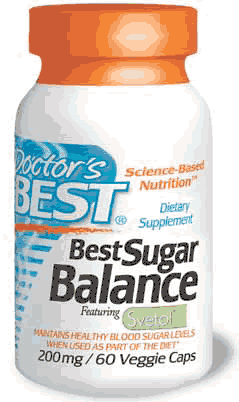
(https://vitanetonline.com:443/forums/Index.cfm?CFApp=1&Message_ID=1397) Best Sugar Balance Svetol (green coffee extract)
Date:
May 05, 2006 06:30 PM
Ingredients Best Sugar Balance featuring Svetol® Svetol® is an extract of green coffee obtained by the use of a traditional patented extraction process from the beans of the species Coffea canephora robusta Pierre. This species is particularly rich in the constituent known as chlorogenic acid. Svetol® green coffee extract contains less than 2% caffeine. The extract is standardized to contain between 45-50% chlorogenic acids. In vitro (test tube) and in vivo research suggests that chlorogenic acids present in coffee may have the ability to regulate blood sugar concentrations after meals by acting on the intestinal absorption of glucose and improving the body's glucose tolerance. Clinical evidence also suggests that Svetol® green coffee extract may help to maintain a healthy blood sugar level when used as a part of the diet.* Benefits Maintains healthy blood sugar levels when used as a part of the diet* CHLOROGENIC ACIDS Chlorogenic acid is the major polyphenol compound found in Svetol® green coffee bean extract. In vitro and animal studies have been conducted to determine the potential actions of this polyphenol. Studies report that chlorogenic acid and related compounds have significant antioxidant potential and are responsible for the high reported antioxidant benefit of green coffee. Several studies suggest that consumption of coffee in the diet is one factor that is correlated to the maintenance of healthy neural function and healthy aging. Coffee has also been shown in vitro to suppress the production of various free radicals. The chlorogenic acid content of coffee has been determined to be a major factor in the free radical Quenching properties of coffee. A study was conducted to assess the activity of coffee extracts against the production of hydroxyl radicals in an in vitro system. It was found that coffee extracts possessed significant suppressive activity against hydroxyl radicals. Of the compounds assumed to be responsible for this effect, the researchers concluded that the chlorogenic acids played a major role with some contributions from other compounds found in the extract. This compound may also strongly contribute to any potential neuroprotective effects seen with coffee consumption.1 Two further studies highlight a possible mechanism by which chlorogenic acid mediates its antioxidant activity. In one study, the FRAP (Ferric Reducing Antioxidant Power) assay was used to measure and compare the iron-reducing capacity of chlorogenic acid and caffeine. It was shown that the chlorogenic acid content of the samples tested was highly correlated with iron-reducing activity in this assay. Moreover, lighter roasted coffee samples (closer in nature to green coffee) had the highest iron-reducing activity. Caffeine did not influence the iron-reducing activity of the coffee samples.2 Iron compounds are known to mediate the production of radicals and often serve as catalysts for their production in the body. A second study shows that chlorogenic acid can bind to and Chelate certain iron compounds, preventing them from catalyzing radical-producing reactions. In this way, chlorogenic acid acts as a powerful antioxidant.3 Chlorogenic acid and related compounds have a dual effect on the production and suppression of free radicals. In the case of the hydroxyl radical, studies outlined previously suggest that chlorogenic acid suppresses the production of the radical due to its ability to chelate iron compounds, while other studies suggest that chlorogenic acid has direct scavenging effects on the hydroxyl radical.4 Dietary intake of this potent polyphenol may confer multiple benefits to human health. Several studies further suggest that chlorogenic acid in coffee can have a beneficial effect on blood sugar levels when consumed as a part of the diet. A recent study assessed the effects of coffee and tea consumption on glucose tolerance in middle-aged Japanese men. In this study, the relationship between daily intakes of green tea or coffee and glucose tolerance status was measured by the oral glucose tolerance test (OGTT). More than 3,400 men participated in the study in which fasting glucose was measured before and 2 hours after administration of an oral glucose load. A self-administered questionnaire was used to establish daily levels of dietary coffee and green tea consumption over the past year. The results showed that those individuals who consumed the highest levels of coffee per day had lower fasting glucose levels (by 1.5%) and lower post-test glucose concentrations (4.3% lower) than those who did not consume coffee Chlorogenic acid and related compounds have a dual effect on the production and suppression of free radicals. In the case of the hydroxyl radical, studies outlined previously suggest that chlorogenic acid suppresses the production of the radical due to its ability to chelate iron compounds, while other studies suggest that chlorogenic acid has direct scavenging effects on the hydroxyl radical.4 Dietary intake of this potent polyphenol may confer multiple benefits to human health. Several studies further suggest that chlorogenic acid in coffee can have a beneficial effect on blood sugar levels when consumed as a part of the diet. A recent study assessed the effects of coffee and tea consumption on glucose tolerance in middle-aged Japanese men. In this study, the relationship between daily intakes of green tea or coffee and glucose tolerance status was measured by the oral glucose tolerance test (OGTT). More than 3,400 men participated in the study in which fasting glucose was measured before and 2 hours after administration of an oral glucose load. A self-administered questionnaire was used to establish daily levels of dietary coffee and green tea consumption over the past year. The results showed that those individuals who consumed the highest levels of coffee per day had lower fasting glucose levels (by 1.5%) and lower post-test glucose concentrations (4.3% lower) than those who did not consume coffee on a daily basis. In this study, green tea consumption was not associated with any benefits on glucose concentrations.5 It is likely that the chlorogenic acid found in coffee plays a role in supporting healthy glucose metabolism, whereas the role of caffeine is not clear, with some reports suggesting an adverse effect on sugar metabolism. A second study further confirms an effect of chlorogenic acid at inhibiting the absorption of glucose from the diet. This effect occurs in the small intestine. In this study, nine healthy fasted volunteers consumed 25 grams of glucose in 400 ml of water (the control group), caffeinated coffee, or decaffeinated coffee. Frequent blood samples were taken over the next 3 hours. It was found that glucose and insulin concentrations were higher 30 minutes after the consumption of caffeinated coffee than with either decaffeinated coffee or control (water).While caffeine has specific biological effects on raising glucose levels and impacting insulin profiles, chlorogenic acid was shown to have an antagonistic effect on glucose transport. Previous studies have also shown that chlorogenic acid significantly delays glucose uptake from the small intestine.6 RESEARCH ON SVETOL® Svetol® is a unique extract of Coffea canephora robusta green coffee beans containing between 45 and 50% chlorogenic acids with less than 2% total caffeine concentration. As outlined above, many studies highlight the potential benefits of coffee compounds, including chlorogenic acid, for providing protection against free radicals and promoting healthy glucose metabolism. A number of other potential benefits have been discovered for these compounds. Svetol® has also been the subject of preliminary clinical studies that have shown exciting results. In a pilot study, the effect of Svetol® on sugar concentrations after meals was evaluated in 15 individuals. In the same trial, the longer-term effects of Svetol® on weight management were also evaluated. Blood sugar concentrations were measured on two separate occasions. Patients were administered an oral glucose tolerance test (OGTT) in which they consumed a standard amount of sugar and had their blood sugar levels measured 1 hour after sugar intake. The first measurement was made on day 1 prior to taking Svetol® and the second OGTT was performed on day 2, after beginning the Svetol® regimen in which one tablet (200 mg per tablet) was administered 3 times during the day. Patients were fasted for at least 8 hours prior to the testing. The results showed that Svetol® was able to reduce blood sugar concentrations in 60% of the subjects. The mean reduction of blood sugar concentration in these individuals was 50%. The treatment was continued following the same regimen for 6 weeks to assess the impact of Svetol® on weight. The average weight loss of the participants was 1.5 kg (3.3 lbs) over the treatment period. 7 Based on the studies mentioned above and other related research on the ingredients in Svetol®, scientists have proposed two mechanisms of action whereby Svetol® may influence the metabolism and processing of glucose. The first mechanism seems to be an inhibitory action on glucose absorption from the diet. Svetol® may affect the uptake of glucose in the small intestine by modulating factors needed for sugar absorption. The second mechanism relates to possible effects of Svetol® in the liver's ability to produce glucose. Chlorogenic acids have been shown in vitro and in animal studies to modulate the effects of certain enzymes in the liver that catalyze the production of glucose. By having this dual effect on sugar absorption and sugar production, Svetol® is an effective product for maintaining healthy blood sugar levels when used as a part of the diet.* SAFETY Svetol® is a natural food extract from green coffee beans containing a standardized amount of chlorogenic acid. Studies have shown that chlorogenic acid (up to 500 mg/kg/day) given to pregnant rats from the 5th through 12th day of gestation caused no maternal or fetal mortality and no adverse effects on the nervous system. Chlorogenic acids have also been shown to be non-mutagenic in tests on bacteria such as the Ames test. The LD50 of chlorogenic acids has been determined to be higher than 2500 mg/kg body weight. Svetol® is also extremely low in caffeine, with less than 2% caffeine contained in the extract, and is not expected to have any of caffeine's stimulant effects. Svetol® is extremely safe with no adverse effects having been reported while taking Svetol® at the recommended dosage.7 *This statement has not been evaluated by the Food and Drug Administration.This product is not intended to diagnose, treat, cure or prevent any disease. Scientific References 1) Daglia M, Racchi M, Papetti A, Lanni C, Govoni S,Gazzani G. In vitro and ex vivo antihydroxyl radical activity of green and roasted coffee. J Agric Food Chem.2004 Mar 24;52(6):1700-4. 2) Moreira DP, Monteiro MC, Ribeiro-Alves M, Donangelo CM, Trugo LC. Contribution of chlorogenic acids to the iron-reducing activity of coffee beverages. J Agric Food Chem. 2005 Mar 9;53(5):1399-402. 3) Kono Y, Kashine S,Yoneyama T, Sakamoto Y, Matsui Y, Shibata H. Iron chelation by chlorogenic acid as a natural antioxidant. Biosci Biotechnol Biochem. 1998 Jan;62(1):22-7. 4) Zang LY, Cosma G, Gardner H, Castranova V, Vallyathan V. Effect of chlorogenic acid on hydroxyl radical. Mol Cell Biochem. 2003 May;247(1-2):205-10. 5) Yamaji T, Mizoue T, Tabata S, Ogawa S, Yamaguchi K, Shimizu E, Mineshita M, Kono S. Coffee consumption and glucose tolerance status in middle-aged Japanese men.Diabetologia. 2004 Dec;47(12):2145-51. Epub 2004 Dec 15. 6) Johnston KL, Clifford MN, Morgan LM. Coffee acutely modifies gastrointestinal hormone secretion and glucose tolerance in humans: glycemic effects of chlorogenic acid and caffeine. Am J Clin Nutr. 2003 Oct;78(4):728-33.
7) Berkem.Text on Svetol®.Gardonne, France: November 2005.
(https://vitanetonline.com:443/forums/Index.cfm?CFApp=1&Message_ID=1258) Astaxanthin - PHYTONUTRIENT ANTIOXIDANT
Date:
December 28, 2005 10:20 AM
"PHYTONUTRIENT ANTIOXIDANT" Astaxanthin
Carotenoids are a class of lipid-soluble natural pigments found in plants, as well as in phytoplankton and certain fungi and bacteria. The red, orange and yellow colors seen in fruits and vegetables are from carotenoids. When various aquatic animals such as salmon and shrimp eat plants containing some of the over 700 compounds that make up the carotenoid class, those animals are also decorated with the same brilliant colors. However, carotenoids do more than provide color - they’re powerful phytonutrient antioxidants. Beta carotene, lutein, and lycopene are some of the more well-known carotenoids, but the most powerful found to date is astaxanthin. Astaxanthin is a fat-soluble carotenoid with a unique molecular structure that makes it an extremely effective antioxidant. The PDR® Medical Dictionary 2nd Edition defines an antioxidant as, “An agent that inhibits oxidation; any of numerous chemical substances, including certain natural body products and nutrients, that can neutralize the oxidant effect of free radicals and other substances.” Not only is astaxanthin a potent free radical scavenger, but it also can protect against oxidation, which limits the number of free radicals produced. Additionally, it’s very effective at Quenching a molecule called singlet oxygen, a harmful reactive oxygen species formed through normal biological processes. Singlet oxygen possesses a high amount of excess energy that must be released to keep it from damaging other cells. Astaxanthin absorbs this energy and dissipates it as heat, and in the process returns the singlet oxygen to a grounded state. A growing body of research is showing that astaxanthin is the creme de la creme of phytonutrient antioxidants. Studies comparing astaxanthin to other carotenoids have shown it to possess antioxidant activity up to 10 times stronger than that of beta carotene, canthaxanthin, lutein and zeaxanthin.4 A study published in 1990 conducted by Kurashige and associates compared the effectiveness of vitamin E and astaxanthin for the prevention of lipid peroxidation. The results showed that astaxanthin is 100-500 times more effective in preventing lipid peroxidation in vivo than vitamin E.5 Astaxanthin in algae provides protection against the effects of ultraviolet (UV) light exposure, and studies are showing that this protective effect is also imparted with dietary astaxanthin. Scientists believe that astaxanthin effectively scavenges the oxygen radicals produced through photo-oxidation caused by UV exposure. A 1995 study by Savoure and associates studied the protective effects of astaxanthin, beta carotene and retinol against UVinduced photo-oxidative stress. The results showed that astaxanthin is extremely effective in preventing increases of certain polyamines created through photo-oxidation, which damages skin. A particular polyamine was found to increase only 1.5-fold in subjects fed astaxanthin, whereas subjects in the control group experienced a significant 4.1- fold increase. It was concluded that astaxanthin works through a particular enzyme, increasing this enzyme’s consumption of polyamines in response to irradiation. Research has shown that astaxanthin also offers cardioprotective effects through its ability to decrease oxidation of HDL (“good” cholesterol), which is a cholesterol transporter in the blood. It‘s well established that high levels of HDL and low levels of LDL (“bad” cholesterol) are desirable for healthy cardiovascular function, so protecting HDL from oxidation means there’s more circulating in the bloodstream. In a 1992 study by Murillo, subjects were fed dietary astaxanthin for 30 days. HDL cholesterol increased 57mg/dL, compared to the control diet (42.4 mg/dL). LDL cholesterol decreased from 12.5 mg/dL to 9.6 mg/dL. Clearly, astaxanthin exhibited an influence on the ratio of these two lipoproteins. We can thank the lobster for the discovery of astaxanthin. Researchers working with an extract of the lobster Homarus astacus first characterized astaxanthin in 1938. It was soon discovered that astaxanthin is abundant in nature, although mostly in very low concentrations. The greatest source found is in green algae called Haematococcus pluvialis, which also contains other carotenoids such as beta carotene and lutein. NOW® Foods Astaxanthin supplies 4mg of this effective phytonutrient antioxidant and is an excellent source of this outstanding member of the carotenoid family. The astaxanthin used for our product is BioAstin® supplied by the Cyanotech Corporation, one of the premier suppliers of highquality astaxanthin taken from Haematococcus pluvialis, the richest natural source discovered. In addition to Astaxanthin, NOW® offers other carotenoids, including Lutein, Beta Carotene and Lycopene. Research continues to support the inclusion of carotenoids in the diet to support overall health. This is even truer for those with less than perfect diets and for those who smoke or spend any time with someone who does.
References
(https://vitanetonline.com:443/forums/Index.cfm?CFApp=1&Message_ID=1100) Zeaxanthin with Lutein - The clearly-seen benefits of advanced eye protection
Date:
August 03, 2005 06:27 PM
Zeaxanthin with Lutein The clearly-seen benefits of advanced eye protection In the U.S. and other developed nations, the worst enemy of eyesight is not disease, it is the natural aging process. But even if the advance of years is unstoppable, new research shows that eyesight can be protected as we age. Two little-known carotenoids have been found to protect eyesight and combat the effects of aging upon the retina. Zeaxanthin and lutein, naturally found in many fruits and vegetables, form a natural filter on the retina, protecting the delicate photoreceptor cells from the damaging effects of blue-wave light and the UV radiation of sunlight. The two nutrients have also been found to be a natural antioxidant, further protecting the retina from the oxidation that arises from normal body functions as well as exposure to cigarette smoke, air pollutants, radiation, and environmental toxins. Source Naturals unites the benefits of both of these nutrients in ZEAXANTHIN WITH LUTEIN, offering one of the most advanced approaches to eye protection available.
Key to Healthy Vision
Vision-Specific Nutrients
Pigment Density A Harvard-led study found that eating lutein-rich foods five days per week meant subjects were eight times more likely to have healthy macular pigment density than those who consumed the same foods just once a month. Another study at the University of Florida found that diets rich in lutein and zeaxanthin could substantially (82%) protect the macula. A number of companies offer either lutein or zeaxanthin, Source Naturals combines the benefits of both, just as both are used in the eye.
Part of Your Wellness Program -30- Bone, RA, et al. (2003). Journal of Nutrition. 133:992-998. Gail, C, et al. (2003).Investigative Opthalmology & Vis. Sci. 44:2461-246. Krinsky N, et al (2003). Annual Review of Nutrition. 23:171-201. Source Naturals Strategies for Wellness sm The above information has not been evaluated by the Food and Drug Administration. This product is not intended to diagnose, treat, cure or prevent any disease.
(https://vitanetonline.com:443/forums/Index.cfm?CFApp=1&Message_ID=726) Anti-Aging Nutrients
Date:
June 18, 2005 09:07 AM
Anti-Aging Nutrients by Edward C. Wallace, DC, ND Energy Times, February 3, 2000 What's the big deal about trying to live longer? As you grow older (and the American population grows older alongside you) you may want to postpone the inevitable. Few wish to hasten "the journey from which no traveler returns." But as we approach that final bon voyage, chances are we desire clear sailing-aging without disability and with a peaceful, easy feeling. How Do We Age? Science has long puzzled about what causes the wrinkles, pains and deterioration of aging. In the search for causes, two basic theories have won over the most proponents: The first holds that cells are programmed with biological clocks that predetermine how many times they can reproduce before becoming non-functional. This theory has been largely formulated by the researcher Leonard Hayflick, MD. The second basic theory, introduced by Denham Harman, MD, PhD, in the mid 1950s, holds that cells eventually break down due to attack by caustic molecules called free radicals that cause oxidative stress. Programmed Cell Theory In the early '60s, Dr. Hayflick observed that human fibroblasts (cells from connective tissue) in the laboratory refused to divide more than about 50 times. Dr. Hayflick also found that even if he froze the fibroblasts after 20 divisions, they would remember that they only had 30 divisions left after thawing. Fifty cell divisions have been called the "Hayflick limit." Based on this research, scientists theorize that cells maintain a genetic clock that winds down as old age ensues. Many researchers believe the hypothalamus gland is the force behind our aging clocks, signaling the pituitary gland to release hormones that cause aging. Free Radical/Oxidative Stress Theory The other popular theory of aging pictures the human body as a cellular battlefield where attackers called free radicals damage our cells and tissues, making them age. In this scenario, a process called oxidation is the chief aging villain. On a microscopic level, oxidation generally entails molecules or atoms losing electrons. (Gaining electrons is called reduction.) The molecules or atoms that take these electrons are oxidizing agents. Free radicals are substances that can exist with missing electrons, making them readily able to donate or accept electrons and damage structures in cells. As such, they are highly reactive, binding with and destroying important cellular compounds. Most of the free radicals in your body are made during metabolic processes. More are added from the food you eat and environmental pollution. Most of these free radicals contain oxygen molecules. As each cell makes energy in little structures called mitochondria, free radicals result. These oxidant by-products can damage DNA, proteins and lipids (fats). Consequently, toxic by-products of lipid peroxidation may cause cancer, inhibit enzyme activity and produce mutations in genetic material that make you age faster. DNA Repair Theory Free radical damage to DNA can cause cells to mutate or die. Your body makes enzymes that can repair this damage and slow aging. But, over time, the amount of damage overwhelms the body's ability to fix things. As cells grow older, their ability to patch up DNA diminishes and the rate of damage proceeds faster than repair. The result: We age and eventually die. What Can We Do? The free radical theory of aging suggests that taking antioxidants (compounds known to prevent free radical damage) in our food or as supplements may slow aging. In the publication Age (18 [51] 1995: 62), it was reported that "aging appears to be caused by free radicals initiated by the mitochondria at an increasing rate with age. Superoxide and hydrogen peroxide radicals formed by the mitochondria during normal metabolism are major risk factors for disease and death after about the age of 28 in developed countries. Antioxidants from the diet lower the production of free radicals without impairing essential reactions to maintain body function." Antioxidant Protection Common dietary antioxidants include: vitamins E and C, carotenes, sulphur containing amino acids, co-enzyme Q10 and flavonoids (a group of plant compounds or pigments responsible for the color in fruits and flowers). In addition, melatonin, DHEA and the amino acid compound glutathione may also prove of benefit. Glutathione along with the enzyme glutathione peroxidase are an essential part of free radical "Quenching." (Quenching means changing free radicals into benign substances no longer capable of harm.) Deficiencies may suggest a decreased capacity to maintain detoxification and metabolic reactions in which glutathione plays a role, resulting in increased free radical stress and/or lipid peroxidation. Drinking too many alcoholic beverages can result in glutathione deficiency. In a study in which 39 healthy men and 130 healthy women between the ages of 20 and 94 were evaluated for glutathione levels, the older subjects had significantly decreased levels (especially in the 60 to 79-year-old group). The authors felt that physical health and longevity were closely related to glutathione levels (Jrnl Lab & Clin Sci 120(5), Nov. 1992: 720-725). Poor nutrition and/or deficiencies in essential micronutrients and many prescription medications may contribute significantly to detoxification capacity in an aged individual. All of these circumstances are common in the elderly. Eating a poor diet that contains too many processed foods without many fruits and vegetables can compromise your body's ability to detoxify pollutants, toxins and other harmful compounds. That can set off metabolic processes capable of fomenting large increases in free radical stress that can accelerate aging. Unfortunately, even in a country as prosperous as our own, nutrient deficiencies are frequent, especially in older citizens. Nutrition Deficiencies A study that looked at what elderly people consumed compared their reported intake with the 1989 Recommended Dietary Amount (RDA) and 1980 RDA: One of four people consumed only two-thirds of the RDA for calories and 60% consumed less than two-thirds of the RDA for vitamin D. As for other nutrients, 50% were found to have inadequate zinc levels (less than two-thirds of the RDA), 31% lacked calcium, 27% were short of vitamin B6, 25% didn't get enough magnesium, 7% missed out on folate and 6% ate less than two-thirds of the requirement for vitamin C (Nutrition Reviews (II), September 1995: S9-S15). When researchers examine what everyone in the U.S. eats, they find that only 9% of Americans consume the recommended five servings of fruits and/or vegetables per day (Proceedings of the National Academy of Sciences, Sept 1993). A diet high in fruits and vegetables is naturally high in antioxidant compounds and is believed to help you live longer. Unfortunately, if you buy your produce in the supermarket, those fruits and vegetables may also be rich in pesticide and herbicide residues (Consumer Reports, March 1999). Obviously, organic produce lacks these residues. But, in any case, research continues to indicate that a diet low in meats and animal fat and high in vegetables protects against antioxidant damage. Longevity Diets A six-year study of 182 people over age 70 in rural Greek villages found that those following their traditional diet of olive oil, whole grain breads, fresh fruits and vegetables and wine were less likely to die during the study than those who consumed more red meat and saturated fat. The most important foods in lowering the risk of early death included fruits, vegetables, legumes (peas and beans), nuts, dairy products and cereals (BMJ 311, 1995: 1457-1460). Another article in Epidemiology highlights the evidence that eating a vegetarian diet increases your chances of living longer. Included in this survey is a recent country-wide study of diet and health in China, showing that the traditional near vegetarian diet of 10% to 15% of calories coming from dietary fat reduced the chances of heart disease, diabetes and many types of cancers (Epidemiology 3[5], 1992: 389-391). Staying Alive Staying skinny and limiting what you eat may also increase longevity. Scientific studies have previously shown that being overweight can theoretically curtail your life, increasing the risk of heart disease, diabetes and other life-shortening conditions. Animal studies have also shown that restricting food can slow diseases associated with aging. Researchers believe that cutting calories helps your immune system stay younger by reducing the formation of substances that are called proinflammatory cytokines. Specifically reducing your intake of fatty foods may decrease your chance of coming down with autoimmune diseases. Researchers think omega-6 fatty acid vegetable oils (like corn oil) may increase free radical formation and decrease levels of antioxidant enzyme messenger RNA in addition to other effects (Nutrition Reviews 53[4], 1995: S72-S79). Another study found that cutting calories lowers the levels of oxidative stress and damage, retards age-associated changes and extends maximum life span in mammals (Science 273, July 5, 1996: 59-63). In yet another study, it was shown that caloric restriction early in the life of lab animals increased their life span by a whopping 40% (Australian Family Physician 23[7], July 1994: 1297-1305). Today's modern higher-fat, low-fiber diet with substantial sugar consumption represents everything the longevity researchers say you shouldn't eat. Longevity and Exercise Exercise may slow aging. When researchers looked at the exercise habits of 17,000 men, average age of 46, they found that those who took part in vigorous activity lived longer. Exercise can improve both cardiac and metabolic functions within the body, while also decreasing heart disease risk. Even modest exercise has been shown to improve cholesterol and blood sugar levels (JAMA 273[15], April 19, 1995: 1179-1184). In a study of how exercise affects your chances of living longer, 9,773 men underwent preventive medicine examinations on two different occasions. When the researchers looked at who lived longest, they found the highest death rate was in men who were unfit during both physical exams. The Treadmill of Life The lowest death rate was in the men who worked out and were in good shape. The researchers concluded that for each minute increase in how long a man could keep treading on a treadmill (between the first and second exam) there was a corresponding 7.9% decrease in the risk of dying (JAMA 273 [14], April 12, 1995: 1093-1098). Since exercise can increase oxygen consumption up to 10 times, boosting the rate of production of free radicals, researchers believe that older individuals need more antioxidant nutrients to protect them. In a paper published in Aging Clinical and Experimental Research (1997), researchers stated that if you regularly exercise in your golden years, you should take more antioxidant vitamins to compensate for this risk. Longevity Supplementation Melatonin is not often thought of as an antioxidant, but, instead, as a sleep aid. Melatonin, however, is an effective and efficient free radical scavenger and may help stave off the effects of aging. Melatonin protects against what are called hydroxyl free radicals. Research shows that older people's lack of melatonin may make them more susceptible to oxidative stress. In one study, researchers felt that new therapies aimed at stimulating melatonin synthesis may eventually lead to therapies for the prevention of diseases related to premature aging (Aging and Clinical Experimental Research 7[5], 1995: 338-339). Melatonin was shown to provide antioxidant protection in several ways. Toning Down Enzymes Melatonin can ease the effects of enzymes that generate free radicals, enhance the production of glutathione peroxidase (an antioxidant) and defuse the caustic action of free radicals that contain hydroxyls. In several studies, DHEA supplementation has been shown to potentially revive immune function in older adults (Exp. Opin. Invest. Drugs 4[2], 1995: 147-154). In a study of 138 persons older than 85 years compared to 64 persons 20 to 40 years of age, scientists found that the younger people had four times as much DHEA in their bodies. The researchers believe that our bodies make less and less DHEA as we get older. The authors of this study raise the possibility that declining DHEA may be partly to blame for our biological clocks running down (New York Academy of Sciences 1994: 543-552). Vitamins E & C A growing body of research also supports the benefits of taking vitamins E and C to hold off the effects of getting old. Researchers writing in Free Radicals and Aging (1992: 411-418) point out that as you get older your body is home to more and more free radical reactions that may lead to degenerative diseases like heart disease and arthritis. Research has found that in older people with exercise-induced oxidative stress, taking vitamin E every day may significantly fight off free radicals. (To investigate this effect, scientists measured waste products in urine that result from free radical reactions.) Their conclusion: Dietary antioxidants such as vitamin E may be beneficial. Chronological Age Vs.Biological Age Vitamin C also looks to scientists like a good anti-aging bet. Research in the Journal of Advancement in Medicine, (7[1], Spring 1994: 31-41) showed that folks consuming larger amounts of vitamin C were less likely to experience clinical problems at all ages. Those taking in less than 100 mg of vitamin C per day also suffered the most problems. In this research, individuals over 50 years of age who daily consumed the largest amount of vitamin C were as healthy or healthier than the 40 year olds who were taking the least amount of vitamin C. Similar Relationship A similar relationship appears to exist for vitamin E and serum cholesterol levels. In a study of 360 physicians and their spouses, researchers found that people in their 50s who consumed more vitamin E had lower cholesterol than those in their 30s who were taking less. And the longevity beat goes on: In a study evaluating environmental tobacco smoke and oxidative stress, researchers divided 103 people into three groups. Researchers blew smoke at 37 of these folks without protection while 30 of them got to breathe tobacco smoke but took antioxidant supplementation. Another 36 of them merely had to read magazines from doctors' offices. The results: After 60 days of supplementation the antioxidant folks had a 62% reduction in evidence of oxidative damage to their DNA. Cholesterol levels dropped and so did antioxidant enzyme activities. The researchers concluded that taking antioxidants provided a modicum of protection against environmental poisons. The range of antioxidant nutrients used in this study included: beta-carotene, vitamin C, vitamin E, zinc and selenium as well as copper (Cancer Epidemiol Biomarkers Prev 7, November 1998: 981-988). Carotenoids When you mention carotene or carotenoids, most people think of the beta carotene that makes carrots orange. But more than 600 carotenoids are present in colorful vegetables and many of these misunderstood substances are more potent antioxidants than beta-carotene. Carotenoids have been shown to destroy oxygen free radicals in lipids (fats), help protect our cells from the sun's ultra violet radiation and enhance our natural immune response (J. Nutr 119[1], Jan. 1989: 112-115). Some evidence seems to show that how much carotenoids you (and other mammals) have in your cells may be the predominant factor in determining life span (Proc Natl Acad Sci 82 [4], 1985: 798-802). Therefore, a diet rich in carotenoids (leafy green vegetables, carrots, yams, sweet potatoes, squash, citrus fruits and tomatoes) along with supplementation seems to be just what the fountain of youth ordered. Flavonoids Flavonoids, a group of antioxidant plant pigments, seem to be able to protect specific organs. For instance, the flavonoids in milk thistle (Silybum marianum) have been used for ages for liver problems. Bilberry has been found protective for the eye and hawthorn for the heart and circulatory system. Numerous studies have shown the many beneficial effects of flavonoids with perhaps the best known being the ability of anthocyanidins in wine and grape seed extract to help protect your blood vessels and capillaries from oxidative damage (Phytotherapy 42, 1986: 11-14; Am J Clin Nutr 61, 1995: 549-54). Flavonoids are found in vegetables and such fruits as blackberries, blueberries, cherries and grapes. A diet rich in these foods helps ensure an adequate intake of these important nutrient compounds. Amino Acid Health Methionine and cysteine are sulphur containing amino acids (protein building blocks), both of which are essential in maintaining levels of glutathione, a substance that plays a major role in quelling free radicals. Studies have found that as we age, the level of these important amino acids in our bodies decreases. (NEJM 312 [1], 1985: 159-68). As it has been shown that adding cysteine to the diet of test animals can increase their life expectancy considerably, researchers believe these amino acids can help us live longer too. Attitude & Behavior Get more sleep! A recent study showed that men who habitually napped were less likely to have a heart attack. The men in this research who regularly napped for at least 30 minutes per day had about a 30% reduction in heart problems while those who napped for a full hour had a 50% reduction compared to non nappers. Naps of longer duration did not seem to increase the benefit. In the same research, investigators also found that spending time with a pet or merely contemplating nature could also improve cardiac health. Sensuality, optimism and altruism also appeared to have health benefits (Family Practice News, December 15, 1998: 14-15). In another study, this one in American Psychologist, researchers from the University of California found that people who are self-indulgent, pampered and achieve by running roughshod over the competition are less likely to outlive their healthy peers. Being egocentric, impulsive, undependable and tough-minded were predictors of poor physical health and a shorter life. So loosen up and be nice to your fellow humans! (U.C. Davis Magazine, Fall 1995: 14). Longevity at Last While no one has suggested that taking supplements, eating vegetables or exercising can, as of yet, extend the human life span past the generally recognized limit of about 120 years, researchers believe they can improve your odds of longer life. And by staying healthier, your old age will be more enjoyable, too.
(https://vitanetonline.com:443/forums/Index.cfm?CFApp=1&Message_ID=377) Nutrients for Longevity
Date:
June 10, 2005 09:59 PM
Nutrients for Longevity by Edward C. Wallace, ND, DC Energy Times, September 1, 1999 What's the big deal about trying to live longer? As you grow older (and the American population grows older alongside you) you may want to postpone the inevitable. Few wish to hasten "the journey from which no traveler returns." But as we approach that final bon voyage, chances are we desire clear sailing-aging without disability and with a peaceful easy feeling. How Do We Age Science has long puzzled about what causes the wrinkles, pains and deterioration of aging. In the search for causes, two basic theories have won over the most proponents: The first holds that cells are programmed with biological clocks that predetermine how many times they can reproduce before becoming non-functional. This theory has been largely formulated by the researcher Leonard Hayflick, MD. The second basic theory, introduced by Denham Harman, MD, PhD, in the mid 1950s, holds that cells eventually break down due to attack by caustic molecules called free radicals that cause oxidative stress. Programmed Cell Theory In the early '60s, Dr. Hayflick observed that human fibroblasts (cells from connective tissue) in the laboratory refused to divide more than about 50 times. Dr. Hayflick also found that even if he froze the fibroblasts after 20 divisions, they would remember that they only had 30 divisions left after thawing. Fifty cell divisions have been called the "Hayflick limit." Based on this research, scientists theorize that cells maintain a genetic clock that winds down as old age ensues. Many researchers believe the hypothalamus gland is the force behind our aging clocks, signaling the pituitary gland to release hormones that cause aging. Free Radical/Oxidative Stress Theory The other popular theory of aging pictures the human body as a cellular battlefield where attackers called free radicals damage our cells and tissues, making them age. In this scenario, a process called oxidation is the chief aging villain. On a microscopic level, oxidation generally entails molecules or atoms losing electrons. (Gaining electrons is called reduction.) The molecules or atoms that take these electrons are oxidizing agents. Free radicals are substances that can exist with missing electrons, making them readily able to donate or accept electrons and damage structures in cells. As such, they are highly reactive, binding with and destroying important cellular compounds. Most of the free radicals in your body are made during metabolic processes. More are added from the food you eat and environmental pollution. Most of these free radicals contain oxygen molecules. As each cell makes energy in little structures called mitochondria, free radicals result. These oxidant by-products can damage DNA, proteins and lipids (fats). Consequently, toxic by-products of lipid peroxidation may cause cancer, inhibit enzyme activity and produce mutations in genetic material that make you age faster. DNA Repair Theory Free radical damage to DNA can cause cells to mutate or die. Your body makes enzymes that can repair this damage and slow aging. But, over time, the amount of damage overwhelms the body's ability to fix things. As cells grow older, their ability to patch up DNA diminishes and the rate of damage proceeds faster than repair. The result: We age and eventually die. What Can We Do The free radical theory of aging suggests that taking antioxidants (compounds known to prevent free radical damage) in our food or as supplements may slow aging. In the publication Age (18 [51] 1995: 62), it was reported that "aging appears to be caused by free radicals initiated by the mitochondria at an increasing rate with age. Superoxide and hydrogen peroxide radicals formed by the mitochondria during normal metabolism are major risk factors for disease and death after about the age of 28 in developed countries. Antioxidants from the diet lower the production of free radicals without impairing essential reactions to maintain body function." Antioxidant Protection Common dietary antioxidants include: vitamins E and C, carotenes, sulphur containing amino acids, co-enzyme Q10 and flavonoids (a group of plant compounds or pigments responsible for the color in fruits and flowers). In addition, melatonin, DHEA and the amino acid compound glutathione may also prove of benefit. Glutathione along with the enzyme glutathione peroxidase are an essential part of free radical "Quenching." (Quenching means changing free radicals into benign substances no longer capable of harm.) Deficiencies may suggest a decreased capacity to maintain detoxification and metabolic reactions in which glutathione plays a role, resulting in increased free radical stress and/or lipid peroxidation. Drinking too many alcoholic beverages can result in glutathione deficiency. In a study in which 39 healthy men and 130 healthy women between the ages of 20 and 94 were evaluated for glutathione levels, the older subjects had significantly decreased levels (especially in the 60 to 79-year-old group). The authors felt that physical health and longevity were closely related to glutathione levels (Jrnl Lab & Clin Sci 120(5), Nov. 1992: 720-725). Poor nutrition and/or deficiencies in essential micronutrients and many prescription medications may contribute significantly to detoxification capacity in an aged individual. All of these circumstances are common in the elderly. Eating a poor diet that contains too many processed foods without many fruits and vegetables can compromise your body's ability to detoxify pollutants, toxins and other harmful compounds. That can set off metabolic processes capable of fomenting large increases in free radical stress that can accelerate aging. Unfortunately, even in a country as prosperous as our own, nutrient deficiencies are frequent, especially in older citizens. Nutrition Deficiencies A study that looked at what elderly people consumed compared their reported intake with the 1989 Recommended Dietary Amount (RDA) and 1980 RDA: One of four people consumed only two-thirds of the RDA for calories and 60% consumed less than two-thirds of the RDA for vitamin D. As for other nutrients, 50% were found to have inadequate zinc levels (less than two-thirds of the RDA), 31% lacked calcium, 27% were short of vitamin B6, 25% didn't get enough magnesium, 7% missed out on folate and 6% ate less than two-thirds of the requirement for vitamin C (Nutrition Reviews (II), September 1995: S9-S15). When researchers examine what everyone in the U.S. eats, they find that only 9% of Americans consume the recommended five servings of fruits and/or vegetables per day (Proceedings of the National Academy of Sciences, Sept 1993). A diet high in fruits and vegetables is naturally high in antioxidant compounds and is believed to help you live longer. Unfortunately, if you buy your produce in the supermarket, those fruits and vegetables may also be rich in pesticide and herbicide residues (Consumer Reports, March 1999). Obviously, organic produce lacks these residues. But, in any case, research continues to indicate that a diet low in meats and animal fat and high in vegetables protects against antioxidant damage. Longevity Diets A six-year study of 182 people over age 70 in rural Greek villages found that those following their traditional diet of olive oil, whole grain breads, fresh fruits and vegetables and wine were less likely to die during the study than those who consumed more red meat and saturated fat. The most important foods in lowering the risk of early death included fruits, vegetables, legumes (peas and beans), nuts, dairy products and cereals (BMJ 311, 1995: 1457-1460) Another article in Epidemiology highlights the evidence that eating a vegetarian diet increases your chances of living longer. Included in this survey is a recent country-wide study of diet and health in China, showing that the traditional near vegetarian diet of 10% to 15% of calories coming from dietary fat reduced the chances of heart disease, diabetes and many types of cancers. (Epidemiology 3[5], 1992: 389-391). Staying Alive Staying skinny and limiting what you eat may also increase longevity. Scientific studies have previously shown that being overweight can theoretically curtail your life, increasing the risk of heart disease, diabetes and other life-shortening conditions. Animal studies have also shown that restricting food can slow diseases associated with aging. Researchers believe that cutting calories helps your immune system stay younger by reducing the formation of substances that are called proinflammatory cytokines. Specifically reducing your intake of fatty foods may decrease your chance of coming down with autoimmune diseases. Researchers think omega-6 fatty acid vegetable oils (like corn oil) may increase free radical formation and decrease levels of antioxidant enzyme messenger RNA in addition to other effects. (Nutrition Reviews 53[4], 1995: S72-S79). Another study found that cutting calories lowers the levels of oxidative stress and damage, retards age-associated changes and extends maximum life span in mammals (Science 273, July 5, 1996: 59-63). In yet another study, it was shown that caloric restriction early in the life of lab animals increased their life span by a whopping 40% (Australian Family Physician 23[7], July 1994: 1297-1305). Today's modern higher-fat, low-fiber diet with substantial sugar consumption represents everything the longevity researchers say you shouldn't eat. Longevity and Exercise: Exercise may slow aging. When researchers looked at the exercise habits of 17,000 men, average age of 46, they found that those who took part in vigorous activity lived longer. Exercise can improve both cardiac and metabolic functions within the body, while also decreasing heart disease risk. Even modest exercise has been shown to improve cholesterol and blood sugar levels (JAMA 273[15], April 19, 1995: 1179-1184). In a study of how exercise affects your chances of living longer, 9,773 men underwent preventive medicine examinations on two different occasions. When the researchers looked at who lived longest, they found the highest death rate was in men who were unfit during both physical exams. The Treadmill of Life The lowest death rate was in the men who worked out and were in good shape. The researchers concluded that for each minute increase in how long a man could keep treading on a treadmill (between the first and second exam) there was a corresponding 7.9% decrease in the risk of dying. (JAMA 273 [14], April 12, 1995: 1093-1098). Since exercise can increase oxygen consumption up to 10 times, boosting the rate of production of free radicals, researchers believe that older individuals need more antioxidant nutrients to protect them. In a paper published in Aging Clinical and Experimental Research (1997), researchers stated that if you regularly exercise in your golden years, you should take more antioxidant vitamins to compensate for this risk. Longevity Supplementation Melatonin is not often thought of as an antioxidant, but, instead, as a sleep aid. Melatonin, however, is an effective and efficient free radical scavenger and may help stave off the effects of aging. Melatonin protects against what are called hydroxyl free radicals. Research shows that older people's lack of melatonin may make them more susceptible to oxidative stress. In one study, researchers felt that new therapies aimed at stimulating melatonin synthesis may eventually lead to therapies for the prevention of diseases related to premature aging (Aging and Clinical Experimental Research 7[5], 1995: 338-339). Melatonin was shown to provide antioxidant protection in several ways. Toning Down Enzymes Melatonin can ease the effects of enzymes that generate free radicals, enhance the production of glutathione peroxidase (an antioxidant) and defuse the caustic action of free radicals that contain hydroxyls. In several studies, DHEA supplementation has been shown to potentially revive immune function in older adults (Exp. Opin. Invest. Drugs 4[2], 1995: 147-154). In a study of 138 persons older than 85 years compared to 64 persons 20 to 40 years of age, scientists found that the younger people had four times as much DHEA in their bodies. The researchers believe that our bodies make less and less DHEA as we get older. The authors of this study raise the possibility that declining DHEA may be partly to blame for our biological clocks running down (New York Academy of Sciences 1994: 543-552). Vitamins E & C A growing body of research also supports the benefits of taking vitamins E and C to hold off the effects of getting old. Researchers writing in Free Radicals and Aging (1992: 411-418) point out that as you get older your body is home to more and more free radical reactions that may lead to degenerative diseases like heart disease and arthritis. Research has found that in older people with exercise-induced oxidative stress, taking vitamin E every day may significantly fight off free radicals. (To investigate this effect, scientists measured waste products in urine that result from free radical reactions.) Their conclusion: Dietary antioxidants such as vitamin E may be beneficial. Chronological Age Vs. Biological Age Vitamin C also looks to scientists like a good anti-aging bet. Research in the Journal of Advancement in Medicine, (7[1], Spring 1994: 31-41) showed that folks consuming larger amounts of vitamin C were less likely to experience clinical problems at all ages. Those taking in less than 100 mg of vitamin C per day also suffered the most problems. In this research, individuals over 50 years of age who daily consumed the largest amount of vitamin C were as healthy or healthier than the 40 year olds who were taking the least amount of vitamin C. Similar Relationship A similar relationship appears to exist for vitamin E and serum cholesterol levels. In a study of 360 physicians and their spouses, researchers found that people in their 50s who consumed more vitamin E had lower cholesterol than those in their 30s who were taking less. And the longevity beat goes on: In a study evaluating environmental tobacco smoke and oxidative stress, researchers divided 103 people into three groups. Researchers blew smoke at 37 of these folks without protection while 30 of them got to breathe tobacco smoke but took antioxidant supplementation. Another 36 of them merely had to read magazines from doctors' offices. The results: After 60 days of supplementation the antioxidant folks had a 62% reduction in evidence of oxidative damage to their DNA. Cholesterol levels dropped and so did antioxidant enzyme activities. The researchers concluded that taking antioxidants provided a modicum of protection against environmental poisons. The range of antioxidant nutrients used in this study included: beta-carotene, vitamin C, vitamin E, zinc and selenium as well as copper (Cancer Epidemiol Biomarkers Prev 7, November 1998: 981-988). Carotenoids When you mention carotene or carotenoids, most people think of the beta carotene that makes carrots orange. But more than 600 carotenoids are present in colorful vegetables and many of these misunderstood substances are more potent antioxidants than beta-carotene. Carotenoids have been shown to destroy oxygen free radicals in lipids (fats), help protect our cells from the sun's ultra violet radiation and enhance our natural immune response (J. Nutr 119(1), Jan. 1989: 112-115). Some evidence seems to show that how much carotenoids you (and other mammals) have in your cells may be the predominant factor in determining life span (Proc Natl Acad Sci 82 [4], 1985: 798-802). Therefore, a diet rich in carotenoids (leafy green vegetables, carrots, yams, sweet potatoes, squash, citrus fruits and tomatoes) along with supplementation seems to be just what the fountain of youth ordered. Flavonoids Flavonoids, a group of antioxidant plant pigments, seem to be able to protect specific organs. For instance, the flavonoids in milk thistle (Silybum marianum) have been used for ages for liver problems. Bilberry has been found protective for the eye and hawthorn for the heart and circulatory system. Numerous studies have shown the many beneficial effects of flavonoids with perhaps the best known being the ability of anthocyanidins in wine and grape seed extract to help protect your blood vessels and capillaries from oxidative damage (Phytotherapy 42, 1986: 11-14; Am J Clin Nutr 61, 1995: 549-54). Flavonoids are found in vegetables and such fruits as blackberries, blueberries, cherries and grapes. A diet rich in these foods helps ensure an adequate intake of these important nutrient compounds. Amino Acid Health Methionine and cysteine are sulphur containing amino acids (protein building blocks), both of which are essential in maintaining levels of glutathione, a substance that plays a major role in quelling free radicals. Studies have found that as we age, the level of these important amino acids in our bodies decreases. (NEJM 312 [1], 1985: 159-68). As it has been shown that adding cysteine to the diet of test animals can increase their life expectancy considerably, researchers believe these amino acids can help us live longer too. Attitude & Behavior Get more sleep! A recent study showed that men who habitually napped were less likely to have a heart attack. The men in this research who regularly napped for at least 30 minutes per day had about a 30% reduction in heart problems while those who napped for a full hour had a 50% reduction compared to non nappers. Naps of longer duration did not seem to increase the benefit. In the same research, investigators also found that spending time with a pet or merely contemplating nature could also improve cardiac health. Sensuality, optimism and altruism also appeared to have health benefits (Family Practice News, December 15, 1998: 14-15). In another study, this one in American Psychologist, researchers from the University of California found that people who are self-indulgent, pampered and achieve by running roughshod over the competition are less likely to outlive their healthy peers. Being egocentric, impulsive, undependable and tough-minded were predictors of poor physical health and a shorter life. So loosen up and be nice to your fellow humans! (U.C. Davis Magazine, Fall 1995: 14). Longevity at Last While no one has suggested that taking supplements, eating vegetables or exercising can, as of yet, extend the human life span past the generally recognized limit of about 120 years, researchers believe they can improve your odds of living longer. An added benefit: By staying healthier, your old age won't only be longer, it will be more enjoyable, too. And, who knows, if you hang around long enough, taking your nutrients and getting a comfortable amount of consistent exercise, while meditating and refusing to succumb to stress, that magic bullet that will keep you alive for centuries may be discovered. Some day a new antioxidant or other substance may finally prove to provide the elusive fountain of youth. Stay tuned.
(https://vitanetonline.com:443/forums/Index.cfm?CFApp=1&Message_ID=283) Mega H- Hydrogen (H-)The Fuel of Life 
Date:
June 03, 2005 05:00 PM
Our universe is composed of millions of compounds, all derived from just 106 atoms. Of these elements, hydrogen is the first and most fundamental. Hydrogen is also the most abundant element, comprising 90% of all atoms in the cosmos. In our sun and stars, hydrogen nuclei fuse to produce helium, the second element. This generates the enormous energy that powers life on earth. And just as hydrogen fuels the sun, so, in the human body, it is the essential factor in the electrochemical process that produces ATP, the energy molecule. Virtually all the millions of biochemical processes that occur every second of our lives are powered by ATP. These facts are well established. But they are so basic that, until now, they have been overlooked in the world of nutritional science. It took the dedicated research of Dr. Patrick Flanagan to harness the power of active hydrogen for health and human development. Introducing a revolutionary breakthrough in the field of nutritional science: MEGA H-™ Active Hydrogen (H-), the Fuel of Life. The Creation of Mega H- For 30 years Dr. Patrick Flanagan’s life work has been to discover the health and longevity secrets of the Hunza people of the Himalayas. It is believed a much greater percentage of people there live past the age of 100, with far less of the diseases that ravage the West. The locals claimed that their secret was the cloudy, mineral-rich water that rushes down from the Himalayan glaciers. In studying the properties of this Hunza water, Dr. Flanagan found that silica crystals dissolved in the water were able to hold negatively charged hydrogen ions (H-). These compounds are technically called silica hydrides. This makes Hunza water a power source, filled with the same active H- that powers the human body. Typically hydrogen has one positively charged proton in the nucleus and one negatively charged electron orbiting the nucleus. The two opposite charges balance each other, resulting in no charge. Active hydrogen, on the other hand, contains two electrons orbiting the nucleus, creating a negative charge. It is this active hydrogen in its charged form that the body needs to carry out its crucial functions. Dr. Flanagan has recreated this silica hydride compound as MEGA H-™. Cellular Energy: ATP, Hydrogen and Mega H-™ ATP, adenosine triphosphate, is composed of three phosphates. The breaking of the bond between the second and third phosphates releases the energy to power virtually all cellular processes. Amazingly, we all generate enough metabolic energy to produce our own body weight in ATP every day just to function! Every second, each of our approximately 50 trillion cells consumes and regenerates 10 million molecules of ATP. This massive energy generation (ATP production) is the fundamental core function of every human cell. Without it, basic activities such as cellular repair, and protein, enzyme, hormone and neurotransmitter synthesis would not occur. DNA repair and cell reproduction would cease. Thoughts, feelings, communication, and our ability to experience the world through our senses and change it through our actions would stop. The negative implication of poor energy generation for our health and vitality levels is significant. Many factors such as aging, poor nutrition and pollution can impede this critical energy generation. Negatively charged electrons from hydrogen are the source of the energy needed to generate this staggering amount of ATP. This energy production takes place in the mitochondria of the cells at the final stage of the Krebs Cycle, called the electron transport chain. Typically, the hydrogen comes from the breakdown of carbohydrates from food, which yields hydrogen as well as carbon and oxygen. But MEGA H-™ is an alternative, electron- rich source of hydrogen to power energy generation. In fact, MEGA H-™ has been shown to double the production of ATP and NADH, according to in vitro studies. (NADH is the coenzyme form of vitamin B-3, niacin, that carries hydrogen to the production site of ATP.) If this alone was all that MEGA H-™ could accomplish, it would be the most significant nutritional compound yet discovered. But its properties go far beyond energy generation. It is the body’s most efficient and effective antioxidant. MEGA H-™ also increases cellular hydration and the uptake of nutrients into each cell by lowering the surface tension of water (making water “wetter”). And it can improve athletic performance by lowering lactic acid levels after strenuous workouts. Aging and Antioxidant Defense Energy Decline: As we age, there is a decrease in our bodies’ ability to generate cellular energy—and oxidative damage may be a primary factor. Many scientists now accept the theory of aging first proposed by noted scientist Denham Harman, M.D., Ph.D., who argued that “aging changes are induced by free radical reactions, largely initiated by the mitochondria … the rate of damage to the mitochondria determines our life span.” Why is this? While oxygen is necessary for human life, the very act of breathing generates free radicals. Our mitochondria— tiny energy production plants—are the chief source of oxidants produced in our bodies. It is believed these oxidants damage the mitochondria in which they are produced, including the inner mitochondrial membrane, which is the site of ATP production. This would seriously impair the ability of mitochondria to meet cellular energy demands. The result: signs of normal aging such as impaired memory, hearing, vision and stamina. DNA Damage: Oxidants also can damage the cell’s DNA. Hydroxyl radicals cause DNA strands to break; if breaks occur in both strands of DNA, the cell cannot repair the damage and will die. Normally, the body has mechanisms to correct or remove damaged cells. However, as we age and cellular energy production declines, the ability to correct these errors is significantly reduced. Left unrepaired, DNA errors may be passed on when cells divide. Over time, these errors can silently accumulate, leading to cellular changes that go unnoticed until body system imbalances become evident. World’s Most Elemental Antioxidant MEGA H-™ may be the world’s most powerful antioxidant. It is possible to measure the Oxidation Reduction Potential (ORP) of any compound. This rating, which measures the number of electrons present in relation to protons, ranges from (plus) +1,200 to (minus) -800 millivolts; the stronger an antioxidant is, the closer its ORP would be to -800. The more positive the ORP reading, the fewer the number of available electrons from active hydrogen. In chemistry, active hydrogen is defined as hydrogen with an extra electron, also known as the hydrogen anion, negative hydrogen or H-. The strongest natural antioxidants up until now, such as grape seed and green tea, have ORP’s of -100. But Mega H-™ has an ORP of -778 millivolts, as compared to distilled water, making it the most potent natural antioxidant available today. What’s more, MEGA H-™ is in a class by itself, compared to other antioxidants, due to its electrochemical structure. Free radi-cals—unstable molecules that are missing one or more electrons—damage cells by taking electrons from healthy molecules to balance themselves. When other antioxidants donate electrons to quench free radicals, they in turn become reactive free radicals and require electrons from other antioxidants to become stable. The new antioxidant also requires an electron to return to stability. This process continues, resulting in an inefficient and energy-consuming free radical cascade. But MEGA H-™’s negatively charged hydrogen molecule possesses two electrons instead of the typical one. This extra electron can be donated without generating the inefficient free radical cascade. Dr. Flanagan’s profound contribution was his discovery of a method for stabilizing and delivering negatively charged hydrogen (H-). Unlike taking other antioxidants, supplementing with MEGA H-™ provides a net gain of free radical-Quenching electrons into the system. Additional Health Benefits MEGA H-™ has been the subject of additional positive research: Increases Cellular Hydration: Water is important to cells, interstitial fluids (surrounding joints, muscles and organs), and the matrix of blood. As the body’s primary fluid, water serves as a solvent for nutrients. Since water is used to carry nutrients into the cell, it is theorized that increased cellular hydration also increases the bioavailability of nutrients. Water also eliminates toxins and waste products from the body. From energy production to joint lubrication, all our systems depend on water. It has been theorized that aging results in cell dehydration. A study done by Gary Osborn and H. Salinas, M.D. of the Texas Institute of Functional Medicines suggests that silica hydride supplements like MEGA H-™ increase intracellular, extracellular and total body water levels. It is theorized they work by decreasing water’s surface tension, which allows water and nutrients to more easily enter cells and become available for use by the body. Assists In Exercise Recovery: During strenuous exercise, the oxygen supply to muscle cells is insufficient to meet energy demands. Muscle cells then turn to anaerobic respiration to continue to generate energy. This creates lactic acid, which diffuses into the blood, causing muscle fatigue, soreness and loss of endurance. A placebo-controlled study on six healthy males showed that blood lactate levels significantly decreased after exercise when silica hydride supplements were taken for one week before an exercise trial. The Scientist Behind Mega H-™ This revolutionary approach to nutrition and health is the brain child of Dr. Patrick Flanagan. Dr. Flanagan was a child prodigy with an intense interest in electronics, biochemistry and physics. At the age of 12, he invented a guided missile and atom bomb detector. This technology was subsequently adopted for use by the U.S. government. At 14 he developed the Neurophone®. This device transmits acoustic information to the brain by means of radio waves into the skin, bypassing the eighth cranial nerve, and may allow some deaf people to hear. By the age of 18, he was named one of the Top Ten most promising young scientists in America by Life Magazine. Dr. Flanagan’s work with MEGA H-™ has its roots in his collaboration with Dr. Henri Coanda, a respected scientist who died in 1972. Dr. Coanda passed along his investigation into Hunza water to Dr. Flanagan. MEGA H- is the culmination of decades of research to bring the energizing and anti-aging benefits of active hydrogen (H-) to the world. Mega H-™ Hydrogen (H-)The Fuel of Life MEGA H-™ is the first supplement available in the natural foods industry to provide a large reservoir of freely available electrons to power the body’s diverse energy functions.
(https://vitanetonline.com:443/forums/Index.cfm?CFApp=1&Message_ID=169) | ||||||||||||||||||||||||||||||||||||||||||||||||||||||||||||||||||||