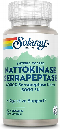
 Serrapeptase is a powerful proteolytic enzyme that has many potential health benefits. This enzyme is derived from the silkworm, and has been used traditionally in Chinese medicine for its wide range of therapeutic properties. Serrapeptase is a powerful proteolytic enzyme that has many potential health benefits. This enzyme is derived from the silkworm, and has been used traditionally in Chinese medicine for its wide range of therapeutic properties.
Serrapeptase is known to have anti-inflammatory and analgesic effects, making it useful for treating pain and swelling associated with various conditions such as arthritis, injuries, and surgery. This enzyme is also thought to help break down mucus and other debris in the body, making it a potential treatment for respiratory conditions such as bronchitis and sinusitis.
There is a growing body of evidence to support the use of serrapeptase for these and other conditions. This natural remedy may offer a safe and effective alternative to conventional treatments, with few side effects.
- 1. Introduction to serrapeptase and its potential health benefits
- 2. How serrapeptase works to reduce inflammation and pain
- 3. How to take serrapeptase for best results
- 4. Potential side effects of serrapeptase
How serrapeptase works to reduce inflammation and pain
Serrapeptase is thought to work by reducing inflammation and pain in the body. This enzyme is thought to break down proteins that are involved in the inflammatory response. By doing this, serrapeptase may help to reduce swelling and pain associated with conditions such as arthritis, injuries, and surgery. In addition, serrapeptase may help to break down mucus and other debris in the body, making it easier to breathe. This makes serrapeptase a potential treatment for respiratory conditions such as bronchitis and sinusitis.
Serrapeptase is thought to be a safe and effective alternative to conventional treatments for inflammation and pain. This natural remedy has few side effects and is available without a prescription.
How serrapeptase works to reduce inflammation and pain
Serrapeptase may help to break down mucus and other debris in the body, making it easier to breathe. This makes serrapeptase a potential treatment for respiratory conditions such as bronchitis and sinusitis.
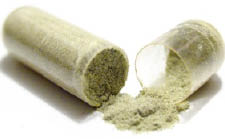 Serrapeptase is thought to be a safe and effective alternative to conventional treatments for inflammation and pain. This natural remedy has few side effects and is available without a prescription. Serrapeptase is thought to be a safe and effective alternative to conventional treatments for inflammation and pain. This natural remedy has few side effects and is available without a prescription.
How to take serrapeptase for best results
Serrapeptase is available in supplement form. It can be taken orally or applied topically to the skin. When taking serrapeptase orally, it is important to take it with food and plenty of water. The recommended dose of serrapeptase varies depending on the condition being treated. For most conditions, a dose of 20-60 mg per day is recommended.
Potential side effects of serrapeptase
Serrapeptase is generally well tolerated, with few side effects reported. The most common side effect is gastrointestinal discomfort, such as nausea, vomiting, and diarrhea. If you experience any adverse reactions after taking serrapeptase, stop taking the supplement and talk to your healthcare provider.
Serrapeptase is a powerful proteolytic enzyme with many potential health benefits. This enzyme is thought to work by reducing inflammation and pain in the body. It may also help to break down mucus and other debris in the body, making it a potential treatment for respiratory conditions such as bronchitis and sinusitis. Serrapeptase is generally well tolerated, with few side effects reported. If you have chronic inflammation consider trying this enzyme to ease the pain. | 


 Serrapeptase is a powerful proteolytic enzyme that has many potential health benefits. This enzyme is derived from the silkworm, and has been used traditionally in Chinese medicine for its wide range of therapeutic properties.
  Serrapeptase is thought to be a safe and effective alternative to conventional treatments for inflammation and pain. This natural remedy has few side effects and is available without a prescription.