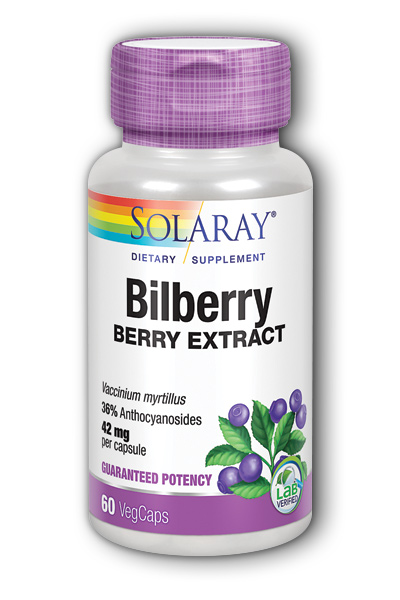
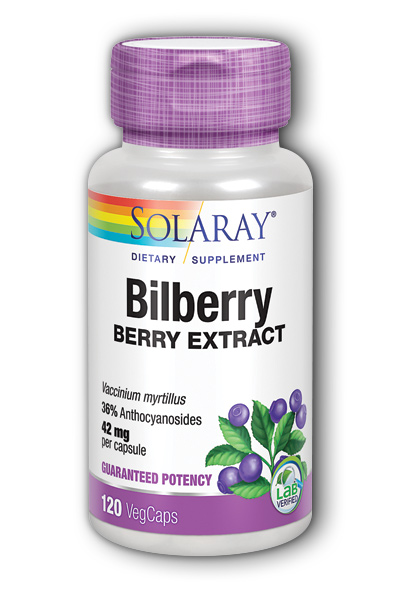
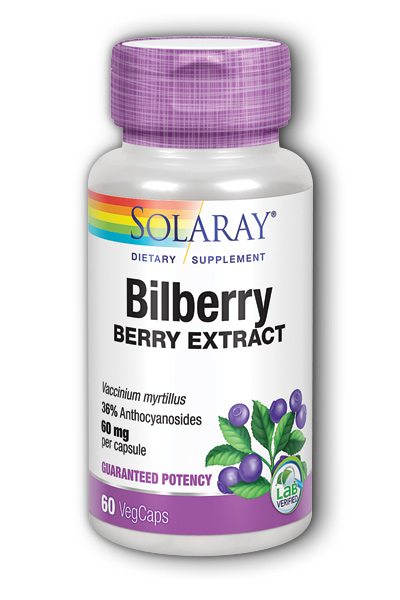
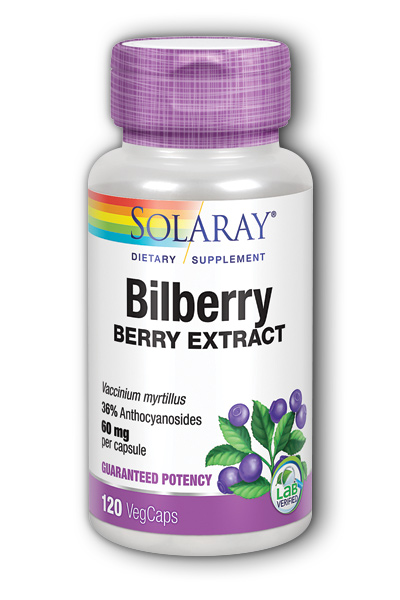


Review of Bilberry Extract - Solaray Product 3110
Reviewed by
Saturday, October 10, 2009


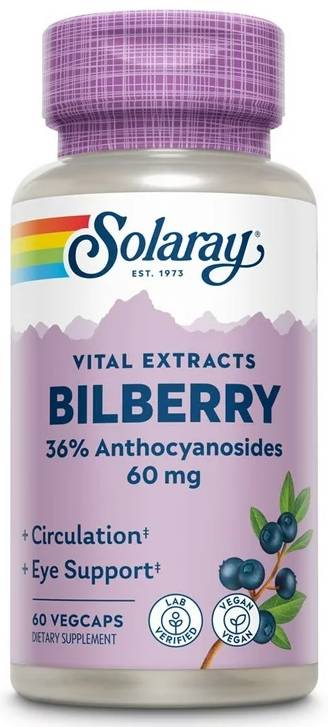
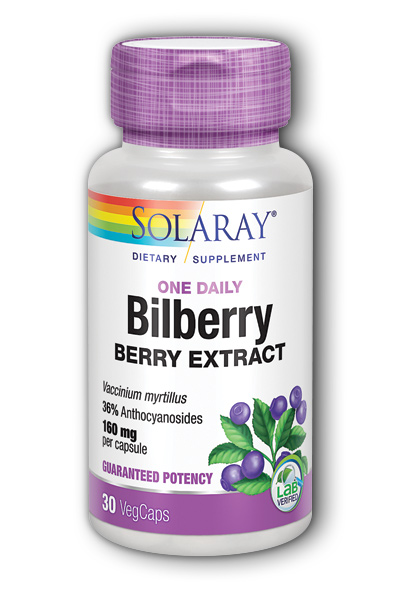
| Solaray Bilberry: Eye and Circulation Support If you are looking for a natural way to support your eyes and circulation, look no further than Solaray Bilberry! This supplement has been shown to provide nutritive support for normal, healthy eyes and circulation. Bilberry contains anthocyanosides, which are plant pigments that have powerful antioxidant properties. This means that they can help protect your cells from damage caused by free radicals. Additionally, bilberry may improve blood flow and help keep your veins and arteries healthy. Solaray Bilberry and its benefits Bilberry is a fruit that has been used for centuries as a natural remedy for a variety of ailments. The active ingredient in bilberry is anthocyanin, which is a powerful antioxidant. Antioxidants help to protect cells from damage and may also help to reduce inflammation. Bilberry has traditionally been used to treat eye problems such as macular degeneration, night blindness, and cataracts. It is also thought to improve circulation and to boost the immune system. Solaray Bilberry is extracted from the berries of the Vaccinium myrtillus plant and is standardized to contain 36% anthocyanins. This product is vegan, non-GMO, and free of gluten, soy, dairy, and artificial colors and flavors. The anthocyanosides found in bilberry The primary benefit of bilberry is derived from its anthocyanoside content. Anthocyanosides are plant pigments that have powerful antioxidant properties. Bilberry is especially rich in a type of anthocyanoside known as delphinidin. In test-tube studies, delphinidin has been shown to protect cells from damage by neutralizing harmful free radicals (1). Additionally, delphinidin has been shown to inhibit the growth of cancer cells and promote cell death in certain types of cancer (2). These findings suggest that bilberry may help to protect against various forms of cancer. However, further research is needed to confirm these effects in humans. Additionally, bilberry also contains other antioxidants like quercetin and catechin, which may contribute to its health benefits (3). Therefore, bilberry appears to be a promising natural remedy for various health conditions. Bilberry can support normal, healthy eyes and circulation Bilberry is a popular herb that has been used for centuries to support normal, healthy eyes and circulation. The active ingredient in bilberry, known as anthocyanidins, is thought to be responsible for its beneficial effects. Anthocyanidins are powerful antioxidants that can help to protect the cells of the eyes from damage caused by free radicals. In addition, bilberry extract has been shown to improve microcirculation in the capillaries of the eye, which helps to maintain normal, healthy vision. Bilberry is also traditionally used to support healthy circulation. The anthocyanidins in bilberry can help to protect capillaries from damage and improve microcirculation throughout the body. As a result, bilberry may help to support normal, healthy blood pressure levels and reduce the risk of varicose veins. The research on bilberry Besides eye health, some studies suggest that bilberries may help to improve cognitive function and protect against age-related memory decline. Additionally, bilberries contain high levels of anthocyanins, which are powerful antioxidants that can help to reduce inflammation and protect cells from damage. Bilberries are also a good source of fiber, vitamin C, and manganese. While more research is needed to fully understand the potential health benefits of bilberries, they may offer a range of benefits for overall health and well-being. Offer tips for taking Solaray Bilberry When taking Solaray Bilberry, it is important to follow the dosage instructions on the bottle. Bilberry supplements are typically taken two or three times per day, depending on the severity of the condition being treated. It is also important to take Solaray Bilberry with food or a light meal, as this can help to reduce the risk of gastrointestinal side effects which are few. Commitment and Guarantee Solaray is committed to providing the highest quality supplements to support optimal health and well-being. All Solaray products are manufactured in accordance with Good Manufacturing Practices (GMP), and are backed by our Quality Guarantee. Give it a try today! |
| Supplement Facts Serving Size: 1 VegCap
| |||||||||||||||
| Other Ingredients: Cellulose, Vegetable Cellulose Capsule, Organic Rice Extract Blend and Silica. | |||||||||||||||
Review of Bilberry Extract - Solaray Product 3110
Reviewed by
Saturday, October 10, 2009