|
Search Term: " DDS "
The Versatility of Coconut Sugar: A Dive into its Culinary Uses, Glycemic Index, and Nutritional Profile   
Date:
June 05, 2024 03:40 PM
The Versatility of Coconut Sugar: A Dive into its Culinary Uses, Glycemic Index, and Nutritional ProfileIn the world of health-conscious eating, coconut sugar has been gaining traction as a natural sweetener that boasts several benefits over traditional table sugar. Derived from the sap of coconut palm tree flowers, coconut sugar offers a unique flavor and versatile uses in a variety of culinary applications. This article delves into the numerous ways coconut sugar can be utilized in the kitchen, its glycemic index, and its nutritional profile, shedding light on why this sweetener has captured the hearts of many health enthusiasts.
Culinary Uses of Coconut SugarBaking and DessertsOne of the most popular ways to incorporate coconut sugar into your diet is through baking. Coconut sugar can be used as a one-to-one replacement for white or brown sugar in recipes, making it an easy swap for those looking to reduce their intake of refined sugars. Its caramel-like flavor enhances the taste of cookies, cakes, muffins, and other baked goods. For example, coconut sugar can add depth to chocolate chip cookies or provide a rich, molasses-like sweetness to gingerbread.
BeveragesCoconut sugar can also be a delightful addition to both hot and cold beverages. It easily dissolves in liquids, making it a great sweetener for coffee, tea, smoothies, and even cocktails. For instance, adding a spoonful of coconut sugar to your morning coffee or afternoon chai tea can give your drink a subtle, tropical sweetness without the overpowering taste that sometimes accompanies artificial sweeteners.
Cooking and SaucesIn the realm of savory dishes, coconut sugar works exceptionally well in marinades, sauces, and dressings. Its ability to balance flavors makes it a staple in many Asian cuisines, particularly in Thai cooking. Use it to create a luscious teriyaki sauce or add it to a spicy barbecue marinade. Coconut sugar’s mild sweetness can complement and enhance the umami elements of soy sauce, ginger, and garlic, resulting in a harmonious blend of flavors.
Toppings and CondimentsDon’t overlook coconut sugar as a topping for breakfast or snacks. Sprinkle it over oatmeal, yogurt, or fresh fruit for a burst of flavor and a touch of sweetness. You can also use coconut sugar in homemade granola or energy bars. Its granular texture aDDS a pleasant crunch, and its rich taste pairs well with nuts, seeds, and dried fruits.
Glycemic IndexOne of the significant advantages of coconut sugar is its lower glycemic index (GI) compared to regular table sugar. The glycemic index is a measure of how quickly a food raises blood sugar levels after consumption. Foods with a high GI can cause rapid spikes and crashes in blood sugar levels, which can be particularly problematic for individuals with diabetes or those managing their weight. Coconut sugar has a GI of approximately 35, which is considerably lower than the GI of table sugar, which hovers around 60-65. This lower GI means that coconut sugar causes a slower, more gradual rise in blood sugar levels. As a result, it can help maintain more stable energy levels throughout the day and prevent the sudden energy crashes that often follow high-sugar snacks or meals.
Nutritional ProfileAside from its lower glycemic index, coconut sugar also offers a more nutrient-dense alternative to refined sugars. While it is still a type of sugar and should be consumed in moderation, coconut sugar contains trace amounts of vitamins and minerals that can contribute to overall health.
Vitamins and MineralsCoconut sugar retains some of the nutrients found in the coconut palm sap. These include small amounts of iron, zinc, calcium, and potassium, all of which play crucial roles in maintaining bodily functions. For example, iron is essential for oxygen transport in the blood, while calcium supports bone health.
AntioxidantsCoconut sugar also contains antioxidants, which help combat oxidative stress and reduce the risk of chronic diseases. Antioxidants can neutralize free radicals, unstable molecules that can damage cells and contribute to aging and diseases like cancer and heart disease.
Inulin ContentAnother noteworthy component of coconut sugar is inulin, a type of dietary fiber. Inulin acts as a prebiotic, feeding the beneficial bacteria in the gut and promoting a healthy digestive system. Its presence in coconut sugar can further contribute to its lower glycemic index by slowing down glucose absorption.
Choosing and Storing Coconut SugarWhen purchasing coconut sugar, it’s essential to select high-quality brands that don’t mix the sugar with other sweetening agents like cane sugar. Always check the label to ensure you’re buying 100% pure coconut sugar.
Storage TipsStore coconut sugar in an airtight container in a cool, dry place to maintain its texture and flavor. It’s important to keep it away from moisture, as this can cause clumping and affect its usability.
Ready to Sweeten up Your Life?Coconut sugar presents a versatile and nutritious alternative to traditional sweeteners, offering a wide range of culinary uses while providing a lower glycemic index and additional vitamins and minerals. Whether you’re baking your favorite dessert, sweetening your morning coffee, or enhancing a savory dish, coconut sugar can be a valuable addition to your pantry. Its unique flavor and health benefits make it an excellent choice for those looking to enjoy sweetness in a more wholesome form. By understanding and embracing the versatility of coconut sugar, you can make more informed and health-conscious decisions in your culinary endeavors.
(https://vitanetonline.com:443/forums/Index.cfm?CFApp=1&Message_ID=6612) Agave Nectar: A Delicious Alternative 
Date:
June 04, 2024 04:57 PM
Agave Nectar: A Delicious AlternativeIn recent years, agave nectar has gained popularity as a natural sweetener, touted for its unique taste and potential health benefits. But what exactly is agave nectar, and how does it stack up against traditional sugar and other sweeteners? In this comprehensive guide, we will delve into the uses and nutritional benefits of agave nectar, comparing it to traditional sugar and other sweeteners to help you make an informed decision.
What is Agave Nectar?Agave nectar, also known as agave syrup, is a sweetener derived from the sap of the agave plant. The agave plant is native to Mexico and has been used for centuries in traditional medicine and as a sweetener. The sap is extracted from the core of the agave plant, then filtered and heated at low temperatures to break down the complex carbohydrates into simple sugars. The result is a sweet, viscous liquid with a taste similar to honey, but with a thinner consistency.
Nutritional Profile of Agave NectarAgave nectar is primarily composed of fructose, a simple sugar found in many fruits. Unlike traditional sugar (sucrose), which is made up of equal parts glucose and fructose, agave nectar usually contains about 70-90% fructose and 10-30% glucose. Here is a quick look at the nutritional content of one tablespoon (21 grams) of agave nectar:
Uses of Agave NectarUse agave nectar in various ways to add versatility to your kitchen. Here are some common uses:
Comparing Agave Nectar to Traditional SugarCaloric ContentBoth agave nectar and traditional sugar contain similar amounts of calories per serving, but agave nectar is sweeter than sugar, which means you can use less of it to achieve the same level of sweetness. This can result in a lower overall caloric intake when using agave nectar as a sugar substitute.
Glycemic IndexOne of the key differences between agave nectar and traditional sugar is their glycemic index (GI). The glycemic index measures how quickly a food raises blood sugar levels. Foods with a high GI cause a rapid spike in blood sugar, while those with a low GI release sugar more slowly and steadily. Agave nectar has a low glycemic index, typically between 13 and 30, which is significantly lower than that of traditional sugar (sucrose), which has a GI of around 65. This makes agave nectar a more suitable option for those trying to manage their blood sugar levels.
Fructose ContentWhile agave nectar's high fructose content may contribute to its low glycemic index, it also raises some concerns. Consuming high fructose intake in large amounts has been linked to obesity, fatty liver disease, and insulin resistance. However, when used in moderation, agave nectar can be a healthier alternative to traditional sugar and high-fructose corn syrup.
Comparing Agave Nectar to Other SweetenersHoneyHoney, often compared to agave nectar, provides a natural sweetener option with similar caloric content, allowing interchangeability in recipes. This sweetener has a higher glycemic index than agave nectar, meaning it can cause a quicker spike in blood sugar levels. However, honey also contains antioxidants, vitamins, and minerals, which can provide additional health benefits.
Maple SyrupMaple syrup, like agave nectar, is a natural sweetener with a lower glycemic index than sugar. It also contains some beneficial nutrients, such as manganese and zinc. However, agave nectar is sweeter than maple syrup, so you may need to use less of it to achieve the desired sweetness.
SteviaStevia, derived from the leaves of the Stevia rebaudiana plant, is a zero-calorie sweetener. It does not affect blood sugar levels and requires only a small amount due to its sweeter taste compared to agave nectar. If you want a super sweet brand of stevia, try Kal brand stevia, it has no after taste and contains over 1800 servings at a reasonable price. While stevia is a good option for those looking to reduce their caloric intake and manage blood sugar levels, some people find its aftertaste less appealing than that of agave nectar.
Potential Health Benefits of Agave NectarLower Glycemic IndexAs mentioned earlier, agave nectar has a lower glycemic index than traditional sugar, making it a potentially better choice for those managing diabetes or trying to maintain stable blood sugar levels.
Antioxidant PropertiesAgave nectar contains some antioxidants, which can help neutralize harmful free radicals in the body. While the antioxidant content is not as high as that found in honey or some fruits, it still provides some benefit.
Digestive HealthFructans, a type of carbohydrate found in agave, can act as prebiotics, promoting the growth of beneficial bacteria in the gut. This can contribute to better digestive health and overall well-being.
Moderation is KeyWhile agave nectar offers several advantages over traditional sugar and some other sweeteners, it is essential to use it in moderation. Its high fructose content can pose health risks if consumed in large amounts, so it's crucial to be mindful of your overall sugar intake.
Are You Ready For a New Kind of Sweetener?Agave nectar is a delicious and versatile natural sweetener that offers some nutritional benefits over traditional sugar and other sweeteners. Its lower glycemic index, antioxidant properties, and potential digestive health benefits make it an attractive option for those looking to reduce their sugar consumption. However, it is essential to use agave nectar in moderation and consider it as part of a balanced diet. By understanding the uses and benefits of agave nectar, you can make an informed decision about incorporating it into your culinary repertoire.
(https://vitanetonline.com:443/forums/Index.cfm?CFApp=1&Message_ID=6611) The Benefits of Vitamin C for Skin Health
Date:
May 24, 2024 04:34 PM
The Benefits of Vitamin C for Skin HealthVitamin C, also known as ascorbic acid, plays an essential role in maintaining overall skin health. This potent nutrient offers numerous benefits, making it a staple ingredient in many skincare products. Below, we explore some of the key advantages of incorporating Vitamin C into your skincare routine.
Promotes Collagen ProductionCollagen is a structural protein that maintains the skin's firmness and elasticity. As we age, collagen production declines, leading to signs of aging such as wrinkles and fine lines. Vitamin C is a crucial co-factor in the synthesis of collagen, helping to keep the skin plump and youthful. Regular application of Vitamin C can stimulate collagen production, making the skin look smoother and more resilient.
Accelerates Wound HealingVitamin C's role in collagen production also extends to wound healing. This nutrient supports the repair of damaged skin by promoting new tissue growth. Whether dealing with minor cuts, abrasions, or post-surgical wounds, applying Vitamin C can expedite the healing process and reduce the risk of scarring.
Antioxidant ProtectionEnvironmental factors like pollution and UV radiation generate free radicals, molecules that damage skin cells and accelerate aging. Vitamin C is a powerful antioxidant that neutralizes free radicals, protecting the skin from oxidative stress. By incorporating Vitamin C into your skincare routine, you can shield your skin from environmental damage and maintain a healthier complexion.
Boosts Immune FunctionA robust immune system is vital for overall skin health. Vitamin C bolsters the immune system, making it an essential component of both internal and external treatments. A well-functioning immune system can better fend off skin infections and inflammatory conditions, contributing to clearer, more radiant skin.
Reduces HyperpigmentationHyperpigmentation occurs when certain areas of the skin produce excess melanin, resulting in dark spots or patches. Vitamin C can inhibit melanin production, helping to lighten hyperpigmented areas. Over time, consistent use of Vitamin C can promote a more even skin tone, reducing the appearance of age spots, sun spots, and melasma.
Enhances Skin RadianceOne of the most sought-after benefits of Vitamin C is its ability to enhance skin radiance. By improving skin texture and tone, Vitamin C can give your complexion a noticeable glow. Regular use of Vitamin C serums or creams can help achieve a brighter, more luminous look.
Prevents SaggingLoss of skin elasticity leads to sagging, which is a common sign of aging. By promoting collagen synthesis and offering antioxidant protection, Vitamin C can help maintain the skin's structural integrity. This results in tighter, firmer skin, reducing the likelihood of sagging.
Combats Environmental DamageExposure to environmental pollutants can wreak havoc on your skin, causing premature aging and damage. Vitamin C acts as a protective barrier, reducing the detrimental effects of pollutants. Adding Vitamin C to your skincare regimen helps combat environmental damage, ensuring your skin remains healthy and vibrant.
Supports HydrationMaintaining adequate moisture levels is crucial for healthy skin. Vitamin C can support skin hydration by enhancing the skin barrier function and reducing water loss. This ensures that your skin stays supple and well-moisturized, reducing the risk of dryness and irritation.
Skin Repair and Protection Against Oxidative StressVitamin C not only protects against oxidative stress but also aids in repairing the skin. By promoting cell regeneration and improving skin texture, Vitamin C helps to rejuvenate and restore damaged skin.
Are You Ready to Experience What Vitamin C Can Do?Ready to experience the transformative benefits of Vitamin C for your skin? Don't wait any longer. Invest in a high-quality Vitamin C serum or cream today and take the first step toward healthier, more radiant skin. Visit our store now to explore our range of Vitamin C products tailored to meet your skincare needs. Enhance your skin's vitality and glow with the power of Vitamin C – your skin will thank you!
Food Sources of Vitamin CIncorporating Vitamin C into your diet is a great way to boost your skin health from within. Here are some excellent food sources of this essential nutrient:
Including these foods in your diet can help ensure you receive adequate Vitamin C, supporting both your overall health and your skin's vitality.
Convenience of Taking Vitamin C: Supplements vs. Food SourcesWhile both food sources and supplements offer ways to meet your daily Vitamin C needs, supplements provide unmatched convenience. Incorporating Vitamin C-rich foods such as oranges, strawberries, and bell peppers into your diet requires careful meal planning and preparation and aDDS calories to your diet. In contrast, Vitamin C supplements offer a quick and efficient alternative, allowing you to ensure adequate intake regardless of your dietary habits. This convenience makes supplements particularly appealing for busy individuals or those with specific dietary restrictions, enabling them to maintain optimal Vitamin C levels effortlessly.
(https://vitanetonline.com:443/forums/Index.cfm?CFApp=1&Message_ID=6602) Are you getting enough fiber daily? Add fiber and essential fatty acids with Flax Seeds each day!
Date:
October 14, 2022 04:31 PM
Flax seeds are a versatile and nutritious addition to any diet. These small, brown seeds have a mild, nutty flavor and can be added to a variety of dishes, from cereals and pancakes to meatballs and yogurt. Flax seeds are also a good source of essential fatty acids and fiber. In this blog post, we'll take a closer look at the nutritional benefits of flax seeds. The Nutritional Benefits of Flax Seeds Flax seeds are a versatile and nutritious addition to any diet. These small, brown seeds have a mild, nutty flavor and can be added to a variety of dishes, from cereals and pancakes to meatballs and yogurt. Flax seeds are also a good source of essential fatty acids and fiber. In this blog post, we'll take a closer look at the nutritional benefits of flax seeds. Flax seeds are an excellent source of both soluble and insoluble fiber. Soluble fiber absorbs water and turns into a gel-like substance, which helps slow down digestion. This type of fiber is beneficial for those who suffer from constipation or other digestive disorders. Insoluble fiber, on the other hand, does not dissolve in water. This type of fiber aDDS bulk to stools and helps food move through the digestive system more quickly. Both types of fiber are important for maintaining a healthy digestive system. Flax seeds are also a good source of omega-3 fatty acids. Omega-3 fatty acids are considered "essential" because they cannot be produced by the body; they can only be obtained through diet or supplements. Omega-3 fatty acids play an important role in brain function and development as well as heart health. Research has shown that omega-3 fatty acids can help reduce inflammation throughout the body, which is beneficial for those who suffer from conditions like arthritis or Crohn's disease. Flax seeds are also rich in lignans, which are plant compounds that have estrogenic properties. Lignans may offer protection against breast cancer and other hormone-related cancers. They may also help reduce hot flashes during menopause andosteoporosisby increasing bone density. In Summary: Flax seeds are a versatile, nutrient-rich addition to any diet. These small, brown seeds offer numerous health benefits thanks to their high levels of fiber, omega-3 fatty acids, and lignans. Adding flax seeds to your diet is an easy way to boost your intake of these important nutrients!
(https://vitanetonline.com:443/forums/Index.cfm?CFApp=1&Message_ID=6505) 5 Ways to Use Carob Powder
Date:
September 26, 2022 03:41 PM
Carob powder is a flavorful and versatile substitute for chocolate. Use in place of cocoa powder in your favorite recipes for delicious chocolate flavor without the fat, caffeine or theobromine found in chocolate. Carob powder is also a great way to add natural sweetness and flavor to baked goods and snacks. Here are 5 ways to use carob powder:
Carob powder is a healthy, delicious and versatile substitute for chocolate. Used in place of cocoa powder, it aDDS rich chocolate flavor without the fat, caffeine or theobromine found in chocolate. Carob powder can be used in smoothies, baking recipes, as a sprinkle on top of breakfast foods or mixed with nuts and dried fruit for snacks. Get creative and have fun experimenting with this unique ingredient!
(https://vitanetonline.com:443/forums/Index.cfm?CFApp=1&Message_ID=6465) The key nutrients needed to prevent heart attacks, strokes andheart failure
Date:
May 08, 2019 04:33 PM
The CDC assesses that more than 5,100,000 Americans have some variant of heart disease, and that 610,000 will die from it this year alone. While the conventional range of treatments mostly relies on medications, micronutrient-based Cellular Medicine provides an alternative. Cellular Medicine pioneer Dr. Matthias Rath has carried out some very promising clinical research involving micronutrient supplementation. Dr. Rath believes that the American diet, medication side effects and modern food handling and production practices mean that many people are deprived of a range of important micronutrients, with very bad consequences for heart health. Key Takeaways:
"With the odds of surviving past the five-year mark currently standing at 50 percent, it’s clear that more effective prevention and treatment options are needed." Read more: https://www.naturalhealth365.com/prevent-heart-attacks-2913.html
(https://vitanetonline.com:443/forums/Index.cfm?CFApp=1&Message_ID=6287) 5 ways aged garlic can slash your risk of heart disease
Date:
May 07, 2019 02:49 PM
Aged garlic may be remarkably effective at protecting you from heart disease, the number one killer of Americans over the last eight decades. Aged garlic extract can help protect your arteries from low-attenuation (or “soft”) plaque, even if you work in a high-stress field. Aged garlic can also help counter and neutralize the effects of C-Reactive Protein and Interleukin, both associated with the inflammation linked to cardiac disease. Aged garlic can also help prevent harmful blood clots, and may also moderate your blood pressure. Key Takeaways:
"However, as unlikely as it sounds, an extract from an everyday kitchen staple – garlic – has the potential to drastically cut your odds of becoming a medical statistic." Read more: https://www.naturalhealth365.com/reverse-heart-disease-2778.html
(https://vitanetonline.com:443/forums/Index.cfm?CFApp=1&Message_ID=6270) Study shows that a diet full of fiber and whole grains can helplower your risk of disease
Date:
May 06, 2019 03:36 PM
As everyone knows, fiber is an important part of the diet of what we consume. The more whole healthy grains we eat, the better off we are. Fiber first acts like a broom through the body system. It helps to keep our colons and cardiovascular system functioning and debris free. This is critical to avoid events such as colon cancer, heart attacks and strokes. Grains also are a rich source of vitamins and minerals one cannot get from meat of vegetation. Key Takeaways:
"New research adds another benefit of fiber and whole grain consumption: They may lower the risk of non-communicable diseases." Read more: https://www.naturalnews.com/2019-03-31-fiber-and-whole-grains-can-help-lower-your-risk-of-disease.html
(https://vitanetonline.com:443/forums/Index.cfm?CFApp=1&Message_ID=6265) Women with acute uncomplicated cystitis can benefit from green tea
Date:
April 27, 2019 10:12 AM
The health benefits of green tea have long been praised by scientists and health practitioners, and new research actually adds to the current body of knowledge regarding green tea. Recently, it has been found that green tea can aid in the symptoms of acute cystitis. Acute cystitis is categorized as inflammation in the bladder that is prompted by bacterial infection. Green tea has antimicrobial effects, which can help reduce symptoms of acute cystitis with the exception of blood in the urine. Other health benefits of green tea include weight loss, the prevention of cancer, lowering of stroke risk, and improved memory function. Key Takeaways:
"For this study, researchers from Kerman University of Medical Sciences in Iran carried out a blinded randomized trial to assess the efficacy of green tea as adjunctive therapy to standard antimicrobial treatment in women with acute uncomplicated cystitis." Read more: https://www.naturalnews.com/2019-03-06-women-with-acute-uncomplicated-cystitis-can-benefit-from-green-tea.html
(https://vitanetonline.com:443/forums/Index.cfm?CFApp=1&Message_ID=6207) Fiber doesn't just do wonders for your gut: It also can also keepbreast cancer at bay
Date:
April 23, 2019 03:29 PM
We're all well aware of the digestive benefits associated with high amounts of fiber in out diets, but research is now showing that increasing your fiber can actually reduce one's vulnerability to breast cancer. Problems with insulin and glucose levels are often a primary culprit in the development in breast cancer, and fiber actually has the ability to regulate glucose levels. Since glucose levels remain more stable after regularly taking in fiber, the odds of developing breast cancer can be reduced. Key Takeaways:
"On its way out, insoluble fiber brushes the insides of the colon. This helps eliminate harmful substances so that they don’t accumulate in the body." Read more: https://www.naturalnews.com/2019-02-28-fiber-keeps-breast-cancer-at-bay.html
(https://vitanetonline.com:443/forums/Index.cfm?CFApp=1&Message_ID=6166) A diet rich in nuts like almonds is found to drastically improvecolon cancer survival
Date:
April 23, 2019 03:10 PM
The antioxidant properties of just 100 grams of walnuts astoundingly has the antioxidant properties of over one-hundred oranges! Consuming walnuts, pecans, and almonds routinely can help decrease your risk of colorectal cancer due to these antioxidants that are naturally present within their makeup. Even those who had advanced stages of colorectal cancer were shown to be able to halt spreading through an in increase of healthy eating and nuts in their diet paired with regular physical activity. Key Takeaways:
"Almonds have immense health benefits and are ideal in improving bowel cancer." Read more: https://www.naturalnews.com/2019-03-06-nuts-like-almonds-drastically-improve-colon-cancer-survival.html
(https://vitanetonline.com:443/forums/Index.cfm?CFApp=1&Message_ID=6164) Cannabis can reverse the effects of alcohol-induced liver damage
Date:
April 23, 2019 02:27 PM
Even though they refer to both types of cannabis, it should be noted that the two types are not interchangeable and have only a slightly different chemical compound. The study showed that active cannabis use provides a profound protective effect against non-alcoholic fatty liver disease, independent of other known metabolic risk factors. Unfortunately they haven't yet uncovered how precisely how it provides benefit to the patient in need, it does provide a reduction in pain. Key Takeaways:
"The study found that using cannabis correctly significantly lowered the odds of various liver diseases such as hepatitis, cirrhosis, and even hepatocellular carcinoma, a type of liver cancer." Read more: https://www.naturalnews.com/2019-03-01-cannabis-can-reverse-the-effects-of-alcohol-induced-liver-damage.html
(https://vitanetonline.com:443/forums/Index.cfm?CFApp=1&Message_ID=6159) The CBD Oil Debate: Is It Safe For Your Dog?
Date:
February 22, 2019 08:54 AM
Cannabis oil (CBD) is becoming more and more prevalent among adults in order to treat ailments such as anxiety and chronic pain. Many dog owners notice that their canine friends are experiencing similar issues, and begin to wonder if CBD could also be beneficial to man's best friend. Fortunately, research is showing that since CBD contains little to no traces of THC, the odds are pretty high that it is safe for canine consumption within reason. Key Takeaways:
"The final product includes very little to no THC trace, giving your dog all the benefits with the least potential for risk." Read more: https://dogtime.com/dog-health/dog-alternative-health/73881-cbd-oil-safe-for-dogs
(https://vitanetonline.com:443/forums/Index.cfm?CFApp=1&Message_ID=6050) CBD Oil Is the 'Wellness Vitamin' Everyone Can Benefit From, Experts Say
Date:
July 22, 2018 11:53 AM
Unlike its cousin marijuana, which is psychoactive in nature, the hemp plant has very minute amounts of the intoxicant found in marijuana. It's therefore legal to consume and sell in all of the fifty states, as long as the sellers can show their product has less than .03% of THC, the intoxicating element in marijuana. CBD oil, or cannabidiol, which is a hemp extract, is not just legal it's sexy and offered to eager consumers in pills, powders, liquids, even smoothies. CBD popularity undoubtedly arises from the fact that the hemp variant has many of the calming feel-good effects of the marijuana variant, but without the intoxicant. Besides its mood-elevating and tranquilizing effects, CBD also has been shown to help pain-sufferers and lower inflammation. Many nutrition gurus are advocating use of the oil as a daily wellness regiment. Meanwhile, product uses multiply in everything from salad dressing to chocolate. Key Takeaways:
"Currently, CBD is being added to everything from smoothie powders, coffee, tinctures, gummies and tablets to salad dressing. Despite its lack of psychoactive components, which is typically credited for cannabis’ feel-good benefits, when taken internally, CBD has a similar effect — just without the high." Read more: https://www.usmagazine.com/celebrity-body/news/cbd-oil-the-wellness-benefits-explained-by-experts/
(https://vitanetonline.com:443/forums/Index.cfm?CFApp=1&Message_ID=5671) CBD helps relieve anxiety without the high
Date:
June 07, 2018 05:16 PM
CBD is being used in a variety of ways. One of the most popular is to treat drug addiction, which means it may be the key to ending the opiod crisis. CBD is being used to treat chronic illnesses as well as for pain management. It contains cannabindiol, but not the THC for the 'head high' but rather a 'body high' that relaxes muscles, relieves inflammation, and has even been credited with relieving gastrointestinal issues. Key Takeaways:
"New York University (NYU) researcher Dr. Esther Blessing states that CBD shows potential as a means of treating addiction and anxiety. She adds that full clinical trials will be needed to determine its effects." Read more: https://www.naturalnews.com/2018-06-04-cbd-helps-relieve-anxiety-without-high.html
(https://vitanetonline.com:443/forums/Index.cfm?CFApp=1&Message_ID=5629) CBD 101: Everything You Need To Know About Giving Your Cat CBD
Date:
June 01, 2018 09:16 AM
Hemp, which hails from the genus cannabis, as does its far better known cousin marijuana, is distinct from marijuana for a variety of reasons, the most important undoubtedly being that the substance which makes marijuana a psychoactive substance, capable of producing its signature high' is all but missing in hemp. So, while both plants have components with healing properties, hemp offers users the benefits without the addictive component. Today, these benefits are being actively pursued by pet owners and not just humans. In the case of cat-owners, CBD as an oil is the best way to administer CBD, although humans have the option of sprays and other means. This is because with oil the dose can be titrated over time, to ensure that the smallest health-giving dose is administered. The odds of any side effects of note are rare, but erring on the side of caution is best. For the sake of legality do make sure that the oil you are using is derived from phytocannabinoids hemp. Know that a reputable provider will make a lab report available too. Key Takeaways:
"Cannabidiol(CBD is found) in all cannabis plants. Both hemp and marijuana plants come from the genus Cannabis. Hemp has no THC unlike marijuana, and as such, it can’t get you high. Therefore, you should always get your CBD oil from hemp ensuring you never get your cat high unless it’s with catnip—that’s completely fine." Read more: http://www.tgdaily.com/health/cbd-101-everything-you-need-to-know-about-giving-your-cat-cbd
(https://vitanetonline.com:443/forums/Index.cfm?CFApp=1&Message_ID=5622) Prevent vision loss by protecting your heart with a healthy diet
Date:
May 03, 2018 09:17 AM
The amount of those suffering from eyesight across our nation is expected to reach over a staggering 22 million by the year 2050. Many physicians are now recommending that their patients adhere to healthier diets in order for the odds to be in their favor when it comes to keeping their eyesight long-term. It is important to eat healthy foods due to them being high in antioxidants which can help fight harmful bacteria in our body that can lead to disorders that cause vision loss. Key Takeaways:
"Joshi’s colleague, Dr. Nancy Kunjukunju, M.D. gets even more specific. She states that a heart-healthy diet and lifestyle are essential for those who are afraid of getting AMD because the disease runs in the family." Read more: https://www.naturalnews.com/2018-05-01-prevent-vision-loss-by-protecting-your-heart-with-a-healthy-diet.html
(https://vitanetonline.com:443/forums/Index.cfm?CFApp=1&Message_ID=5591) Use coconut oil daily
Date:
January 30, 2018 03:59 PM
Coconut oil is becoming more and more seen as a superfood, not only for its health but its beauty purposes as well. Its health can be seen with its anti-bacterial qualities. There is also a link to cardiovascular health. In Polynesia, where the coconut is the main staple, rates of heart disease are incredibly low. You can also use it to replace many of the fats in your pantry, since it cooks well and even adds great flavor to coffee. Key Takeaways:
"Coconut products, particularly coconut oil, have been used by certain populations around the world for millennia, and in places where coconut oil is consumed as part of the standard diet, people seem to thrive." Read more: https://www.healthnutnews.com/use-coconut-oil-daily/
(https://vitanetonline.com:443/forums/Index.cfm?CFApp=1&Message_ID=5515) I Drink This 5-Ingredient Coffee Recipe Every Day To Fight Inflammation
Date:
December 04, 2017 09:14 AM
A simple change to your morning coffee routine can have wide-ranging health benefits. Adding three simple ingredients- and switching out two others- will help combat inflammation, which has been linked to almost every major disease- from heart disease, cancer, and diabetes to Alzheimer's, depression, and even hair loss. A couple shakes of a mixture of turmeric, cinnamon, and just a little ground pepper (which helps your body to properly absorb the active ingredient in tumeric) is a great way to work anti-inflamatories into your daily routine, as well as add a nice flavor to your daily coffee. In addition, substituting sugar with raw honey and cream with coconut oil will add antioxidants, help you to absorb MORE antioxidants, and adds additional antifungal, antibiotic, and antibacterial properties (along with those contained in the spice mixture!) Evidence of anti-inflammatory (as well as other) benefits to these ingredients can be found in the journals "Cancer Prevention", "Evidence-Based Complimentary and Alternative Medicine" and "The Journal of Pharmacology and Experimental Therapeutics," as well as from the Arthritis Foundation. Key Takeaways:
"Curcumin, the main compound found in turmeric, is widely known and accepted for its antioxidant, antiviral, antifungal and anti-inflammatory properties." Read more: https://www.thealternativedaily.com/i-drink-this-turmeric-coffee-recipe-every-day-to-fight-inflammation/
(https://vitanetonline.com:443/forums/Index.cfm?CFApp=1&Message_ID=5425) Annatto: Is This Natural Food Dye Safe?
Date:
October 06, 2017 10:14 AM
Annato is something that has been used for a very long time. It has a very distinct peppery taste. It gives dishes the extra kick they need to be something very worthwhile. Food coloring has gotten a very bad reputation over the years because of the effects it can create, but Annato does not have any added chemicals in it. It is safe to add to food and just gives it a better look and taste. Key Takeaways:
"A case study published in the Annals of Allergy reported on a patient who suffered from symptoms like hives, swelling and low blood pressure just 20 minutes after eating a type of cereal that contained annatto dye." Read more: https://draxe.com/annatto/
(https://vitanetonline.com:443/forums/Index.cfm?CFApp=1&Message_ID=5313) 5 reasons you might wanna switch from iced coffee to iced tea
Date:
September 04, 2017 12:14 PM
There are five reasons you may want to switch from iced coffee to iced tea. One reason is all the antioxidants that are present in iced tea. The antioxidants that are found in iced tea will help to fight inflammation and it also helps the development of plaque in coronary arteries. There are so many different health benefits that iced tea offers. The people who drink tea regularly have less of a chance of having a stroke. Key Takeaways:
"Glatter says, “People who drink tea regularly have a lower risk of heart disease and stroke.” He adds, “Tea is also known to improve brain health." Read more: http://hellogiggles.com/lifestyle/food-drink/reasons-switch-iced-coffee-iced-tea/
(https://vitanetonline.com:443/forums/Index.cfm?CFApp=1&Message_ID=5219) Is cannabis the cure-all for migraines? Scientists think so
Date:
July 10, 2017 12:14 PM
So many people suffer from the excruciating pain of a migraine headache and look for ways they can eliminate the issue from their life once and for all. o far, many people are unable to find such a product. But now, new evidence shed light on cannabis as the cure-all for migraine headaches and those who are suffering from the headaches. What do you need to know about cannabis and migraine headaches? The information is here. Key Takeaways:
"New research further validates the efficacy of cannabis in the alleviation of migraine symptoms. Researchers have found that a combination of tetrahydrocannabinol-cannabidiol (THC-CBD) was effective in reducing the severity and number of cluster headaches and migraines compared to prescription medicine" Read more: http://www.naturalnews.com/2017-07-05-is-cannabis-the-cure-all-for-migraines-scientists-think-so.html
(https://vitanetonline.com:443/forums/Index.cfm?CFApp=1&Message_ID=4951) How to make a delicious detox cleanse using maple syrup
Date:
June 11, 2017 07:14 PM
The Master Cleanse is a drink that can be made at home and helps clear out the body. Maple syrup is a key ingredient because it has lots of antioxidants. Other additives like magnesium and MSM flakes assist in cell activities that are important to health. Lemon, which is a very common cleanser, adds flavor and provides more antioxidants in the form of vitamin C. The recipe for Master Cleanse is simple, but yet very effective. Read more: How to make a delicious detox cleanse using maple syrup
(https://vitanetonline.com:443/forums/Index.cfm?CFApp=1&Message_ID=4814) THE CANCER WILL DISAPPEAR IF YOU DRINK THIS WATER EVERY DAY!
Date:
April 21, 2017 11:44 AM
It's known to the medical community that changing your body chemistry from acidic to alkaline eliminates cancer. Diet in the west causes increased acidity and aDDS to many health risks. By drinking water with a higher, more alkaline pH you can bring your body into a more alkaline state. A mixture of lemon and salt dissolved in the water creates a more beneficial pH than water alone. This can be done easily at home as shown in the video. https://www.youtube.com/watch?v=n0vOKsg1zmg&rel=0Key Takeaways:
"The medical community has agreed on the fact that cancer thrives in an acidic environment, and creating an alkaline environment within your body with a pH value of 7.36 or more will eliminate it. Unfortunately, the western diet makes our bodies highly acidic and increases the risk of cancer and other diseases."
(https://vitanetonline.com:443/forums/Index.cfm?CFApp=1&Message_ID=4451) Foods that lower triglycerides naturally
Date:
April 09, 2017 10:59 AM
Eating in abundance sums adds to this issue also, as when you take in a bigger number of calories than you require, the body changes those calories into triglycerides, getting put away as fat. Omega-3 unsaturated fats found in fish can help bring down triglyceride levels Fish rich in omega-3 are a portion of the best sustenances that lower triglycerides and cholesterol. Entire grains additionally give some protein and are for the most part low in soaked fat, cholesterol, and aggregate fat. In a perfect world, they ought to substitute nourishments that are high in immersed fat, cholesterol, and aggregate fat. Read more: Foods that lower triglycerides naturally
(https://vitanetonline.com:443/forums/Index.cfm?CFApp=1&Message_ID=4383) Study: Turmeric can Slash your Heart Attack Risk by 56%
Date:
March 16, 2017 02:44 PM
Tumeric is a colorful herb that is used in many dishes, particularly Asian foods. It adds awesome flavor to a dish, which hints at a kick of spice. What makes a dish better? New evidence suggests that consumption of tumeric has an array of health benefits for you to enjoy. One of the best is a reduction in your risk of heart attack. Studies show that you decrease heart attack risk considerably when you consume Tumeric. What are you waiting for? Key Takeaways:
"This incredible ability of curcumin has been particularly helpful for postmenopausal women who reach the age where heart problems can arise and become a health concern." Read more: http://www.healthnutnews.com/study-turmeric-can-slash-heart-attack-risk-56/
(https://vitanetonline.com:443/forums/Index.cfm?CFApp=1&Message_ID=4179) Argan Oil For Hair Growth | 10 Argan Oil Benefits For Skin And Hairs
Date:
March 02, 2017 10:19 AM
Argan oil is a popular, all-natural moisturizer for hair and skin. When applied directly to your skin, argan oil helps reduce inflammation and aDDS important nutrients that support a healthy, youthful look. There are many methods you can use to incorporate argan oil into your beauty routine to replenish damaged areas and promote healing. https://www.youtube.com/watch?v=x0hFPEKLd88Key Takeaways:
"Argan oil is most commonly used as a skin moisturiser to hydrate and soften skin. With its high vitamin E and fatty acid content, argan oil is the ideal product to give skin a natural boost."
(https://vitanetonline.com:443/forums/Index.cfm?CFApp=1&Message_ID=4056) Skipping breakfast may be bad for your heart, doctors say
Date:
February 08, 2017 12:59 PM
Are you eating your breakfast? It has long been reported that breakfast is the best meal of the day, and new research suggests that going without it may do even more damage, particularly to your heart. What should you know about breakfast and the risks of not enjoying this meal as you should? Key Takeaways:
"Eating more calories earlier in the day and consuming less food at night may also reduce the oDDS of a heart attack, stroke or other cardiac or blood vessel diseases, according to the scientific statement from the American Heart Association." Reference: https://www.yahoo.com/news/skipping-breakfast-may-bad-heart-doctors-194756265.html?ref=gs
(https://vitanetonline.com:443/forums/Index.cfm?CFApp=1&Message_ID=3909) Does depression boost the risk of cancer death?
Date:
February 08, 2017 10:59 AM
Depression is a serious condition affecting millions of people around the world. While treatment options for depression is available, for many the condition is one they'll battle for the rest of their lives. Now, some researchers say that depression increases the oDDS that you'll die from cancer. Don't miss this important information. Key Takeaways:
"Medical records of more than 160,000 adults in England and Wales showed that those describing themselves as psychologically distressed were more likely to succumb to cancer, especially of the colon, prostate and pancreas." Reference: https://www.yahoo.com/news/does-depression-boost-risk-cancer-death-100013257.html?ref=gs
(https://vitanetonline.com:443/forums/Index.cfm?CFApp=1&Message_ID=3908) Skipping Breakfast Could Increase Your Risk Of Heart Disease
Date:
February 06, 2017 10:59 AM
It turns out that you actually need breakfast because not having it could enhance your risk of having heart disease. Planning your meals and snacks and eating a healthy breakfast everyday will help to lower the risk of you getting heart disease. It's also important to eat less during the night time and eating more calories during the day. Key Takeaways:
"Eating more calories earlier in the day and consuming less food at night may also reduce the oDDS of a heart attack, stroke or other cardiac or blood vessel diseases, according to the scientific statement from the American Heart Association. “When we eat may be important to consider, in addition to what we eat,” said Marie-Pierre St-Onge, chair of the group that wrote the guidelines and a nutrition researcher at Columbia University Medical Center in New York." Reference:
(https://vitanetonline.com:443/forums/Index.cfm?CFApp=1&Message_ID=3895) How to start the new year with new eating habits
Date:
January 14, 2017 02:59 PM
One of the most popular New Years resolution is losing weight. Often times this can be easier said than done. One of the best way to lose weight and eat better is to understand how cravings actually work. This can make it possible to eat better and make healthier choices, making your resolution work. Key Takeaways:
"Where appearances are concerned, it’s very hard to lose a substantial amount of weight and keep it off. There is the danger of yo-yo dieting. You can end up gaining more weight than you lost." Reference:
(https://vitanetonline.com:443/forums/Index.cfm?CFApp=1&Message_ID=3783) Dietary magnesium tied to lower risk of heart disease and diabetes
Date:
January 12, 2017 02:59 PM
Recently there has been a tie shown between dietary magnesium and a lowered risk of heart disease and diabetes in general. The increase in magnesium intake was shown to be associated with a nineteen percent reduction with the risk of diabetes in general. An increase with the intake in magnesium also showed a ten percent reduction in the oDDS of death from various causes during the study itself. Key Takeaways:
"When researchers looked at the effect of increasing dietary magnesium by 100 milligrams a day, they didn’t find a statically meaningful impact on the total risk of cardiovascular disease or coronary heart disease." Reference: //www.reuters.com/article/us-health-diet-magnesium-idUSKBN14J1DG?feedType=RSS&feedName=healthNews
(https://vitanetonline.com:443/forums/Index.cfm?CFApp=1&Message_ID=3774) Why Everyone is Talking About Turmeric
Date:
December 16, 2016 06:59 AM
Turmeric, the main spice in curry, is arguably the most powerful herb on the planet at fighting and potentially reversing disease. It has so many healing properties that currently there have been 6,235 peer-reviewed articles published proving the benefits of turmeric and one of its renowned healing compounds curcumin. This puts turmeric on top of the list as one of the most frequently mentioned medicinal herbs in all of science and the next most popular studied herbs include garlic, cinnamon, ginseng, ginger and milk thistle. Key Takeaways:
"The bright yellow spice is not only an important antioxidant, but it is also an anti-inflammatory, soother of irritations and a skin brightener." Reference:
(https://vitanetonline.com:443/forums/Index.cfm?CFApp=1&Message_ID=3654) The Top 15 Natural Appetite Suppressants
Date:
December 07, 2016 10:59 AM
It is often difficult to control your appetite. We all wish there was a pill or supplements that would make it easy to control cravings. JetFuel Accelerator aDDS to our list as one of our top appetite suppressing supplements. Obesitrol placed on our list because of its impressive ingredients. Animal Cuts is designed and formulated by Universal Nutrition to create 9 different complexes earning itself a place on this list. Key Takeaways:
"These supremely healthy drinks, foods, and spices can curb your hunger, help you lose more weight, and stick to your diet plan." Reference: //www.mensfitness.com/nutrition/what-to-eat/top-15-natural-appetite-suppressants
(https://vitanetonline.com:443/forums/Index.cfm?CFApp=1&Message_ID=3589) It's not all in the genes: Clean living can cut heart risks
Date:
December 02, 2016 10:59 AM
Moderate physical activity lowers your chances of getting a heart attack by 30% to 50%. If you stick to a healthy diet you could lower your oDDS of getting heart disease by 25%. Fill your plate with different kinds of fruits, veggies, whole grains, fish, and lean meats. Stay away from processed or prepared foods that often are high in salt and filled with preservatives. Key Takeaways:
"The study was discussed Sunday at an American Heart Association conference in New Orleans and published online in the New England Journal of Medicine." Reference:
(https://vitanetonline.com:443/forums/Index.cfm?CFApp=1&Message_ID=3552) Vitamin D levels tied to breast cancer survival
Date:
November 21, 2016 02:47 PM
We’ve all heard that we should be getting plenty of vitamin D in our diet. Now there may be an even better reason to keep our vitamin D levels up. A recent study has shown a link between high levels of the vitamin and a better prognosis for breast cancer. They claim that boosting levels during treatment didn’t change the outcomes. Patients who had high levels at the time of diagnosis had the best results in the end. They were less likely to die of any cause from the cancer. It is recommended that adults get 600-800 IU of vitamin D each day. Key Takeaways:
"For women diagnosed with breast cancer, high vitamin D levels in the blood may be tied to better oDDS of surviving and having tumors with less deadly characteristics, suggests a new study." Reference:
(https://vitanetonline.com:443/forums/Index.cfm?CFApp=1&Message_ID=3482) Benefits Of Having Dried Plums For Health
Date:
November 21, 2016 06:54 AM
Prunes are not just for older people anymore. Along with vitamins A and C, prunes are also abundant in soluble and insoluble fiber. This helps clean out and strengthen the intestines, which will ease constipation and help lower cholesterol, blood pressure, and blood sugar. It is recommended that each adult consume 3-6 prunes each day to help keep the body performing optimally. Key Takeaways:
"It emphasizes on how prunes can promote your cardiovascular health, help alleviate your constipation, control your blood sugar, prevent osteoporosis, avert cataract, help in anemia, fight obesity and ward off cancer." Reference:
(https://vitanetonline.com:443/forums/Index.cfm?CFApp=1&Message_ID=3479) 10 Questions You Should Ask Your Doctor
Date:
November 17, 2016 04:59 PM
When you make a visit with the doctor, take the time to get to know your health a little bit better. After all, that is what the doc is there for. To get you started, these 10 important questions all should be included on the list of things that you ask your doctor. Getting the conversation started is always the hard part, but it doesnt need to be. Key Takeaways:
"Tests typically involve a quick blood draw or saliva swab, and it's best to have it done during the first few days of your period." Reference:
(https://vitanetonline.com:443/forums/Index.cfm?CFApp=1&Message_ID=3461) Use these simple tricks to pack more nutrition into every meal
Date:
November 17, 2016 09:54 AM
There is a common misconception floating around that organic food is more expensive. While it does have a higher sticker price than most junk foods, factoring in the amount of money that you save by not having as many medical issues aDDS up. It can be hard to incorporate fresh fruits and veggies into your diet, but every little bit helps. Try rotating the fruits and vegetables you eat and discover new ones to keep things interesting. Don’t forget about nuts and seeds that are not in the “fresh produce” aisle. Key Takeaways:
"Despite the numerous campaigns to make us eat more vegetables and fruits, obesity remains an epidemic among the American population." Reference: //www.naturalnews.com/055902_nutrition_obesity_healthy_eating.html
(https://vitanetonline.com:443/forums/Index.cfm?CFApp=1&Message_ID=3458) Yogurt and probiotics
Date:
September 09, 2016 05:07 PM
The Question is can you get all the probiotics you need from yogurt? Well, you'll get some probiotics from yogurt, but it won't be the same as what you'll get in a name brand probiotic supplement. While most yogurts measure their probiotic count in the millions, by the time it gets through the digestive system, it'll be a lot less. By contrast, name brand probiotics like Europharma's colon & bowel probiotic provide 20 billion probiotic bacteria in just one capsule. For reference, it takes 1,000 million to make even one billion. Don't forget calories, consuming yogurt aDDS calories to ones diet, with todays overweight America, why should you have to consume calories to get your beneficial bacteria? Taking Enteric Coated probiotic, provides the probiotics where it is needed in the small and large intestines, and contains zero calories. High potency Probiotics Can Relieve:
This product is free from common allergies: No sugar, No Salt, No Yeast, No Wheat, No Gluten, No Corn, No Soy, No Dairy Products, No Artificial Flavoring, No Artificial Coloring, and No Artificial Preservatives.
(https://vitanetonline.com:443/forums/Index.cfm?CFApp=1&Message_ID=3278) Improve Your Skin Naturally with Tamanu Oil
Date:
May 18, 2014 11:36 AM
Tamanu oil is originated from Polynesia and prefers a salty and sandy soil, which is why it grows profusely near the sea. According to the native people, the best Tamanu oil comes from trees that grow near the coastal regions, better than those that grow inland. Benefits of tamanu oil The Tamanu oil is well known because of its healing properties, which can actually equal or even surpass contemporary skin care products. There are already scientific studies that the oil produce new skin tissues, as well as studies that support the natural antibiotic, anti-inflammatory, anti-neuralgic, and antioxidant properties. Some of the ailments that Tamanu oil can treat include ringworm, itching, athlete's foot, dermaphytosis of the scalp or beard, burns and wounds. It also has a superb cicatrizing capacity that is far from other substances. Cicatrization is the term coined for the process of forming new tissue. It is also amazingly effective for healing acne and acne scars, stretch marks, psoriasis, diabetic sores, blisters, sunburn, abrasions, cuts, burns, eczema, insect bites, herpes sores, fissures, and dry or scaly skin. It can even reduce or completely remove age spots! One of the leading reasons tamanu oil profits skin is because of the oil holding an extent of lipids, including glycolipids, nonpartisan lipids and phospholipids, notwithstanding an exhibit of components not normally connected with different oils, including calophyllolide, that helps stop aggravation, lactone, which performs like an anti-infection, and calophyllic corrosive, which is an extraordinary type of vital unsaturated fat. An alternate segment, coumarin, aDDS to the mitigating impact of this astounding oil. Generally, tamanu oil has received as being a germicide, a diuretic, an expectorant, an astringent in addition to a laxative. An alternate of the various tamanu oil ascribes is its ability to help mend skin conditions including sunburn, rankles, players foot, dermatitis, pimple inflammation, dried-out skin, rash, little cuts and bug chomps. In Europe, now and again called Domba oil, it is been demonstrated to have a 70 to 75 percent rate of achievement in diminishing stiffness and scabies. In the Philippines, it’s utilized as an astringent for hemorrhoids. It is likewise significant on for administering to gout and ringworm. Loads of individuals additionally rub this oil into your skin to help for the torment coming about because of neuralgia; in addition to it can positively help decrease the visual appearance of scars and stretch imprints. It can help to treat diaper rash on a child. Tamanu oil is normally utilized in numerous diverse skincare items as it is overall ingested by the skin and serves to keep skin feeling delicate. Unlike some other crucial oils, tamanu oil does not desert an oily film once you utilize it, in addition, it will not exacerbate slick skin. Some methods you do not generally need to hold up quite a while so you can get dressed in the wake of utilizing it to help make skin look velvety. Many individuals think about the emanation of this oil as being satisfying, then again it is just a mellow fragrance so it will not clash with any viable aroma you decide to utilize. Against maturing items, some of the time holds tamanu oils, because they are accepted to help recover your skin.
(https://vitanetonline.com:443/forums/Index.cfm?CFApp=1&Message_ID=3122) Why Is Turbinado A Better Sugar?
Date:
May 04, 2014 09:33 PM
What is a turbinado sugar
Utilization and storage Formulas that call for turbinado sugar have a tendency to utilize it as a trade for conventional tan sugar. It holds more dampness than customary white or tan sugars, which might be gainful in things like treats or biscuits. Interestingly, one ought not to supplant table sugar with turbinado in formulas that as of recently have a few parts giving dampness, to abstain from making the finished item saturated. It is now and again conceivable to utilize turbinado sugar within formulas like these by lessening the measure of an alternate saturating fixing or utilizing less sugar than is called for, yet it may take some experimentation to get the last item to turn out accurately. Turbinado sugar is a famous fixing for cinnamon treats and toast, and is normally utilized as a part of graham saltine pie-crusts. Gourmet experts might additionally utilize it on creme caramel, since it melts and caramelizes well. Provided for its higher dampness content, it can solidify if presented to a lot of air. Makers suggest putting away it in a hermetically sealed holder in a cool, dull spot. Producing turbinado sugar Turbinado sugar is made by taking the first pressing of juice from sugar stick and gradually warming it to vanish the water out of it. This makes it solidify. To finish the drying process, the precious stones are then spun in turbines or rotators. Conversely, white sugar is regularly substantially all the more vigorously transformed, and is for the most part made white by utilizing a decolorizing channel like bone burn to uproot its characteristic shade. Similarly, much tan sugar is really white sugar with molasses added goes into it to shade it. Benefits of turbinado sugar Some accept that turbinado sugar is a healthier elective to different sweeteners on the grounds that it experiences less transforming, along these lines holds a greater amount of the supplements found in sugar stick juice. What's more, its system for handling makes it suitable for vegetarians, since no creature repercussions are utilized. A teaspoon (about 4 grams) holds around a considerable measure of calcium and potassium not with standing an insignificant measure of iron. A measure (250 g) of this sweetener likewise holds magnesium, phosphorus, and sodium. Comparable Products Different items like turbinado sugar incorporate demerara and muscovado sugar. Both are foul and daintily transformed, yet demerara is much lighter in color than muscovado, and marginally less sodden. Every one of the three can by and large be substituted for one another in formulas, in spite of the fact that muscovado has a ton of dampness and an exceptionally solid flavor, along these lines can some of the time be utilized as a part of more diminutive aDDS up to attain the wanted impact. In the event that going the other route, from turbinado/ demerara to muscovado, then cooks need to include a tad bit of molasses to the sugar to make it wet enough.
(https://vitanetonline.com:443/forums/Index.cfm?CFApp=1&Message_ID=3110) WHAT YOU DIDN'T KNOW ABOUT COCONUT OIL
Date:
February 06, 2014 07:56 AM
Introduction to coconut oil
Benefits of Coconut oil Coconut oil's reputation had been blemished by inconclusive studies that had suggested that due to its 90 percent concentration of saturated fats, it couldn't pass for a healthy oil. High saturated fat content is usually associated with artery clogs and this, in the case of coconut couldn't be any further from the truth. Coconut oil is arguable the richest source of saturated fat. Contrary to popular belief, during digestion, the fatty acids in the oil are sent to the liver where they are converted to energy or into ketone bodies that help counter brain disorders such as Alzheimer's. Coconut oil has also wound its way to the breakfast table as a spread. It beats butter hands down as the healthy alternative when taken on toast. It aDDS a remarkable nutty flavor to your food when used as a cooking fat. The fact that it does not exhibit any signs of rancidity under high temperatures as most cooking oils do, only underpins its reliability. Whether you use it to fry an egg or make a fuller meal, the health benefits it brings to the table are unparalleled. Coconut oil has also crept into the snack world. Movie theatres have pioneered this trade by using it to prepare popcorn. Australian snack producers have also incorporated it into some of their beloved treats such as chocolate crackers. Bakers are opting for it as they also caught in this healthy food revolution. We have also seen coconut oil used in massages, as an anti-dandruff and also as skin moisturizer. The comprehensiveness of this oil makes it the ultimate everyday supplement to you as an individual and even your home. Source 1. //www.swansonvitamins.com/blog/natural-health-tips/using-coconut-oil
(https://vitanetonline.com:443/forums/Index.cfm?CFApp=1&Message_ID=3004) CLA in Weight Loss
Date:
January 21, 2014 10:05 AM
What is CLA
Scientists accept CLA helps square fat cells that are in the figure from topping off with fat by meddling with a fat-archiving compound regarded as lipoprotein lipase, and additionally, by expanding the affectability of units to the hormone insulin. Creature studies have likewise demonstrated an expansion in lean bulk and fat lessening, or fat blazing; furnishing positive progressions to form sythesis, a decline in general muscle to fat ratio ratios. It is known as a "fat eliminator" on the grounds that it revs up muscle metabolism, in this way, helping increment lean tissue, bringing about the figure to need more calories to capacity (since fat units smolder next to zero calories), accordingly accelerating the fat smoldering procedure to make vigor.
(https://vitanetonline.com:443/forums/Index.cfm?CFApp=1&Message_ID=2977) Grapefruit Pectin And Soluble Fiber Health Benefits?
Date:
January 26, 2013 11:28 AM
Do you want to know, what are the benefits you're likely to reap from consuming grapefruit pectin? If yes, then this write up is for you. Scroll down to know more on this. Typically consumed as for break-fast, grapefruits usually are a favorite for the dieters who are tirelessly working on the various tactics that can assist them in the fat burning process. Grapefruits are well known for their minerals and vitamins, but they are also very great sources of fiber. Grapefruit pectin which is unique form of the soluble fiber has got a number of the health benefits that it carries along. Let us now have a look at some of these benefits that it carries. Benefits of Grapefruit Pectin The following are some of the benefits of grapefruit pectin. They include;
Last but not the least; as you have seen, grapefruit pectin fiber has got very many benefits. However, before you include grapefruit to your diet, ensure that you consult an experienced dietitian or doctor to know whether it is ideal for your diet or not.
(https://vitanetonline.com:443/forums/Index.cfm?CFApp=1&Message_ID=2820) Can Butcher's Broom Help Fight Varicose Veins?
Date:
January 11, 2013 12:36 PM
Varicose Veins are abnormally thick veins that are twisted and enlarged. This problem occurs mostly in the leg and thigh veins. The thickened and twisted veins are called varicose veins. They can occur anywhere, but they mostly form in the legs because the legs work against gravity. Standing all day can increase the pressure on leg veins and cause varicose veins. Causes The normal function of veins is to carry blood from the outer body parts to the heart and lungs. The veins are provided with one-way valves, which prevent the blood from flowing backward within the vein. Defective or damaged valves are the main reason for varicose veins, as they allow the blood to flow backward, when it should be actually flowing up towards the heart. As the muscles contract to empty the veins, pressure builds up and this causes in the flow of more blood in the wrong way. Thus the pressure on the veins is increased and this causes varicose veins. Factors that Aggravate Varicose Veins
Treatment There are different types of treatments available to shrink varicose veins and to improve circulation, from simple home remedies to surgeries or medications for severe cases. Natural supplements like Butcher's broom are considered to be a very effective treatment for varicosities. Butcher's Broom Butcher's broom is a small, clump-forming evergreen shrub with tiny green flowers. It is an aromatic, diuretic and mildly laxative herb that helps reduce inflammation, increase perspiration and constrict the veins. The whole plant, young shoots and roots are used medically. Young shoots can be eaten like asparagus. It grows commonly in woodlands and hedgerows, and also on coastal cliffs. It is widely grown from Iran to the Mediterranean and the United States. Its scientific name is Ruscus aculeatus, but it is commonly known as butcher's broom because butcher's used the stiff twigs to clean their cutting boards. The herb has been used for nearly 2000 years, but its medicinal uses have become common only from the last century. Investigations conducted in the 1950s indicated that butcher's broom can induce vasoconstriction and thus might be useful in treating circulatory diseases. How It Works? The two primary chemicals in butcher's broom, ruscogenin and neoruscogenin, can cause the blood vessels to narrow or constrict. Their anti-inflammatory properties help improve blood circulation in legs by preventing pooling of blood and reduce swelling.
Therapeutic Uses Butcher's broom is used internally to treat venous problems that vary from varicose veins to hemorrhoids. It is also used to strengthen the veins and capillaries. Butcher's broom may be the best natural solution for varicose vein treatment, because it helps with blood flow and circulation.
(https://vitanetonline.com:443/forums/Index.cfm?CFApp=1&Message_ID=2810) Can Glutathione Taken Orally Be Effective?
Date:
December 28, 2012 04:12 PM
One of the main antioxidant found in the human body is glutathione. The chemical nature of it is made up of three amino acids together bound with tripeptide bonds. The many functions of glutathione in human body include gene expressions, DNA synthesis, protein synthesis, etc. It has been noted that deficiency of this chemical in human body gives rise to diseases and problems like Parkinson's diseases, AIDS, epilepsy, sepsis, Alzheimer's disease, cardiovascular troubles, trauma, Schizophrenia and many others. The amino acid that is extracted from the protein containing food consumed by an individual helps in the formation of glutathione in the body itself. Many medical personalities might suggest the consumption of oral glutathione pills by those who have glutathione deficiency. It must however be noted that the answer to the question can glutathione taken orally be effective is a widely debated topic. Most of the recent medical tests and experiments suggest that although no forms of side effects are caused by oral consumption of this chemical as pills, but effectiveness of the medicine is not 100%. The chemicals and organic supplements present in glutathione are not 100% absorbed by the body when it is taken orally. Without intravenous administration, this chemical would never provide the required results in maintaining a healthy body. The glutathione, when taken down orally, is partly broken in the digestive canal, especially in the small intestines through the enzymes that are present. Hence most of the benefits of this chemical would be lost adding to the cellular toxicity of the body if consumed orally. Most doctors and medical professionals suggest that instead of taking glutathione orally as pills, one should have food that is protein rich. Consumption of protein rich food, especially protein shakes, in turn, aDDS to the intravenous glutathione production which is best suited for the body. Consuming NAC can help boost glutathione levels as well.
(https://vitanetonline.com:443/forums/Index.cfm?CFApp=1&Message_ID=2789) Does CLA Help With Weight Loss?
Date:
November 21, 2012 03:27 PM
Millions of people are suffering due to obesity. Obesity brings along various diseases such as diabetes, cardiovascular problems, hypertension, joint problems, and much more. It seems everywhere you look, you will finds over weight people. If you are overweight, you already know how difficult it is to lose weight. Wouldn't it be great if you can get some help in this endeavor? Now you can easily increase the amount of weight you can lose by just popping a pill. CLA (conjugated linoleic acid) Benefits CLA (conjugated linoleic acid) is a good fatty acid that is very important for your body metabolism. When you supplement your diet with significant amount of CLA, it can increase your body metabolism and the rate at which your body burns fat. However, you must keep in mind that these supplements work only when you follow a strict exercise and diet regime. The reason why CLA works is because it has an ability to disrupt the process of fat storage in human body. The storage of fast cells aDDS pounds to one's weight and within a short time, one becomes obese. Stubborn Fat These fat cells stubbornly holds onto their fat stores and it becomes very difficult to get rid of this abdominal fat. CLA has the ability to move this fast and convert them into muscle cells where they are burned off during exercises. Once fat cells have been destroyed, it prevents the rebound weight gain. All fat calories are directly sent to muscles for being burned away and are not stored as fasts. In fact, regular intake of CLA can easily maintain a prefect balance between body fast and muscles. However, you must keep in mind that you won't get immediate results by taking CLA supplements. For instance, if you are 60 pounds overweight, then you cannot lose 40 pounds in a month. These supplements can show results when you take them on long term basis and combine it with workouts. A good CLA supplement can make the difference when you are interested in getting rid of your excess fat. Add this supplement to your diet and follow an exercise routine and within a short time you will notice a considerable difference in the way you look and feel.
(https://vitanetonline.com:443/forums/Index.cfm?CFApp=1&Message_ID=2726) Why Is DDS Acidophilus A Better Form Of Friendly Bacteria?
Date:
April 03, 2012 10:34 PM
lactobacillus DDS Every day, there is constant battle going on between the healthy bacteria who try to create a healthy environment in the digestive tract and the bad bacteria who try to establish dominance. Along with healthy, beneficial bacteria, your gastro-intestinal tract is susceptible to many harmful bacteria that can enter the body through food and water. And if these bad bacteria keep on multiplying unchecked, they create a bacterial imbalance that can affect your digestive health and lead to problems such as bloating, gas pain, constipation, belching or diarrhea. These harmful bacteria cannot be completely eliminated from the digestive system, but healthy bacteria can be added to the environment of your digestive tract that can counteract the action of bad bacteria. These healthy bacteria also known as probiotics give relief from many types of digestive discomfort, defend your GI tract from free radicals and thus support your immune system function. Many Bacterial Strains There are many strains of healthy bacteria such as lactobacillus DDS, lactobacillus fermentum, Bifidobacteria bifidum etc. which boost your digestive health. DDS Acdiophilus is by far the most popular strain commonly used due to its multiple benefits in promoting the digestive health. Researched by Metchnikoff and Dr. Shahani's, L. acidophilus DDS is grown and produced under specific conditions and has properties of great significance for digestion and nutrition as well as other physiological conditions like health and prophylaxis. Till now, this strain is well studied to find its beneficial role in achieving optimal digestive health. It works as a prophylactic, nutrient and antibiotic. Beneficial Properties Of DDS The beneficial properties of DDS acidophilus, based on proper research and documentation are: 1. Lactobacillus DDS helps in production of enzymes such as proteases and lipases which help in digestion of proteins and fats. 2. It helps in production vitamin B (and folic acid), which plays the role of biocatalyst in digestion of food. 3. DDS acidophilus produces natural antibiotics such as acidophilin that protect digestive gut from harmful bacteria. 4. It helps in maintaining the integrity of intestinal walls so that maximum absorption of nutrients can occur. 5. It aids digestion and helps you prevent digestion related problems. Lacyobacillus DDS inhibits the growth of toxic producing microorganism in the body, such as yeast and hence inhibits recurrent yeast infections.
6. L. acidophilus DDS helps in alleviating the symptoms of lactose 7. Intolerance by producing large quantities of lactase enzyme, which help in digestion of milk based products.
8. Studies have shown that DDS acidophilus contain antitumor and anti-carcinogenic properties.
9. Due to their antibiotic properties, lactobacillus inhibits several gastrointestinal and uropathogens, thereby preventing many urinary, digestive and vaginal infections.
It helps in metabolism of calcium and reduction of serum cholesterol levels. Hence lactobacillus supplementation helps in preventing as well as curing osteoporosis. The benefits of DDS acidophilus are not only limited to digestive system but this exceptionally powerful strain of probiotic bacteria helps in supporting your immune system, energy levels and overall well-being. Lactobacillus is widely researched than any other strain of healthy bacteria that promote optimal digestion. DDS acidophilus strain is available in supplement form that can be taken to enhance digestive health.
(https://vitanetonline.com:443/forums/Index.cfm?CFApp=1&Message_ID=2627) What Are The Health Benefits Of Saffron Extract?
Date:
February 23, 2012 07:08 AM
SaffronSaffron is an expensive spice that is commonly used to add color and flavor to food. It is used in many cuisine especially Mediterraean, Italian and Indian. The high cost of saffron is due to the fact that 150 flowers are required to make 1 g of saffron strands. This culinary spice grows on aflowering plant, Crocus Sativa. It is grown in Southwest Asia, especially in areas with wet springs and hot dry summers.It contains high amounts of minerals such as copper, calcium, magnesium, potassium, zinc, iron and selenium. It is a rich source of vitamins such as vitamins A, C and B2, folic acid and niacin. Saffron contains carotenoidcompounds- crocin, crocetin, lycopeneand safranel, which are known to possess many health benefits. This expensive herb not only aDDS flavor to food but also offers variety of health benefits. Spices have been used as medicines for centuries because of their anti-inflammatory, anti-cancer and anti-oxidant properties. Therapeutic usage of saffron is 3000 years ago when it was used as an natural aphrodisiac. Some of the health benefits of saffron extract are: Saffron Benefits 1. Saffron contains anti-tumour and anti-mutagenicproperties due to the presence of carotenoid, crocetin. Studies on mice indicated that saffron extract delays tumor growth and delays papilloma carcinogenisis and inhibits squamous cell carcinoma. It helps in treating and preventing certain types of cancer such as skin cancer, sarcoma and liver cancer. 2. Because of its anti-inflammatory properties, saffron can control inflammation in the body and speed up the healing of burns and cuts. It helps in treating arthritis and other inflammatory joint diseases. 3. For thousands of years in Persian and other Arabian countries, saffron was used as a potent aphrodisiac. It was used to increase libido and erectile dysfuntionby improving the blood flow to the pelvic region. It was also used to treat many female health conditions. 4. Studies have shown the effects of saffron on several eye conditions. Saffron extract helps to slow down retinitis pigmentosa and macular degenration. It alsoprotects the eye from direct effect of bright light. 5. Saffron has been proved to be effective in treating mild to moderate depression. According to studies, saffron has shown equivalent results as given by therapeutic doses of fluoxetine and imipramine., anti-depressants. 6. Saffron acts as a painkiller in treating many painful conditions such as kidney pain, stomach pain and menstrual pain. 7. According to French researchers, saffron extract can reduce the hunger in between meals. It does that by controlling the levels of serotonin in the blood, which is responsible for signaling hunger pangs. Studies have found the effects of saffron on weight loss by reducing feelings of hunger and compulsion to eat between meals. 8. Some animal studies on saffron indicate cognitive enhancement and improved memory . However human trials are still to be conducted to find out the potential effects of saffron on memory. It is believed that regular use of saffron can delay demetia and prevent Alzheimer's disease. 9. It is used in many cosmetics such as skin lightening agents. A sprinkle of Saffron extract not just aDDS spice to your food, but also prevents many health conditions.
(https://vitanetonline.com:443/forums/Index.cfm?CFApp=1&Message_ID=2590) The Benefits of Stevia for Diabetics
Date:
February 05, 2012 08:38 PM
No herbal sweetener in the world packs the punch that stevia does. Derived from the plant Stevia rebaudiania, ground stevia leaves have ten to fifteen times the sweetness of sugar, and purified stevia extract has 200-300 times the sweetness of sugar. Stevia is very popular in many countries, especially among diabetics. Diabetics love stevia for a variety of reasons: its safety, its lack of any effect on blood sugar, the fact that stevia has almost zero calories, the wide variety of products it is included in, and its unique ability to enhance citrus flavors and ice cream. Unlike artificial sweeteners, stevia is perfectly safe. Stevia has been used in Japan for decades, and the Japanese have very strict standards governing the use of dietary supplements. They have conducted numerous studies on stevia, and no study to date has ever uncovered any harmful effects. Research conducted in the United States and other countries has also failed to find anything hazardous about stevia. In addition, stevia has been consumed for thousands of years in Brazil and Paraguay with no reported negative effects. Stevia has zero effect on blood sugar. It does not effect insulin secretion in any way, and no diabetic has ever experienced difficulties with stevia. Contrast this with the effects of table sugar and it is clear that stevia is a clear winner. Unlike table sugar--which is notorious for being calorie laden--stevia contains virtually no calories, which means that no one on a diet has to worry about consuming too much stevia. There are a wide variety of products available for dieters interested in consuming stevia. Liquid stevia extract is quite popular and can be found in flavors like chocolate, vanilla, peppermint, and more. It is relatively inexpensive, because a little stevia goes a very, very long way. If you are a diabetic worried about artificial sweeteners but not yet willing to give up diet soda, stevia is the solution to your problem. While usually only available at health food stores and a few supermarket chains, stevia soft drinks exist. If you can find them, you should give them a try, and if you like them, then you can easily subsitute them for the less healthy aspartame diet drinks. For those interested in ice cream, stevia makes wonderful ice cream. Unlike granulated sugar, which aDDS a grainy texture to ice cream, stevia aDDS no irritating textures and leaves ice cream perfectly smooth. If you make your own stevia ice cream you are going to be in for quite a treat, and even more so if you decide to make citrus flavored stevia ice cream. No one yet understands why stevia enhances citrus flavors, but it undoubtedly does. It is difficult to describe, but stevia has a way of intensifying flavors like lime and lemon in a way that makes those flavors more delicious. Of course, individual tastes vary, but it is generally agreed that stevia lemon sorbet is a treat par excellence. Don't hesitate to give stevia a try. This ancient herb is the perfect modern solution for diabetics with a sweet tooth.
(https://vitanetonline.com:443/forums/Index.cfm?CFApp=1&Message_ID=2553) What Is The HerbThyme Good For?
Date:
December 16, 2011 02:28 PM
What is Thyme?Thyme is the common name for the plant known as Thymus vulgaris. This herb has a sharp aroma. Its leaves are small and curled in appearance. Such leaves measure about 3 to 5 millimeters in length and 1 to 3 millimeters in width. The color of the leaves is green to gray on the upper part and pale green to whitish in the proximal part. This herb is abundantly found in several places in Asia, Europe and Mediterranean countries. And because of influences, nowadays, thyme is also widely cultivated in North America. It grows best in tropical areas with humid soils. It can thrive even in drought and can also grow in mountain areas.Thyme has many culinary uses as well as health benefits to the human body. During the ancient times, thyme is commonly used as an embalming agent. It is popularly used in Egypt to preserve the mummies of their deceased rulers or pharaohs. In Greece, it was widely employed in temples because of its soothing and relaxing aromatic property. For the Romans, thyme is widely used as a flavoring to their cheese and liquors. It aDDS an aromatic flavor to the food or beverage, making it more palatable. Other traditions use this herb as incense for the dead to guide the soul of the dead and guarantee its journey into the next life. In addition, thyme also has an antiseptic property. During wars in the ancient times, this herb is popular as a topical application on wounds. Today, this herb can is also used as a mouthwash for sores and oral wounds. The active ingredient in thyme is called thymol. An oil extract of thyme consists of about 15 to 60 % thymol. The most promising property of thymol is its antiseptic quality. In fact, thymol is the considered to be the main ingredient of many popular mouthwashes and toothpastes. Before the discovery of many antibiotics, thyme extracts was popularly used as a medication for wounds and certain skin irritations. Also, thyme extracts can also be employed as an anti – fungal agent on conditions such as Athlete’s foot and toenail fungal infections. Commercially, thymol is also used as an ingredient among many hand sanitizers and cleansers which are alcohol – free and all – natural. Aside from it external use as an antiseptic, thyme extracts can also be made into tea and used as a relief treatment for respiratory problems such as coughs and bronchitis. And because of its antiseptic property, thyme extract made into a tincture has a promising effect to improve inflammations of the throat. This can also be used as gargles about three times per day to improve sores in the oral mucous membranes. It cans show improvement after three to five days of use. Another health use of thyme is that it can also be used to help in maternal labor and childbirth. Clinical studies have shown that thyme has an oxytocin – like property which can induce uterine contractions during labor. After childbirth, it can also be useful in facilitating a faster delivery of the placenta. Its antiseptic property is also useful in the prevention of maternal infections brought about by childbirth.
(https://vitanetonline.com:443/forums/Index.cfm?CFApp=1&Message_ID=2544) What can you get from Too Much Fiber?
Date:
October 11, 2011 12:57 PM
Dietary fibers are plant food particles which cannot be digested and absorbed by the body. Fiber only aDDS roughage or bulk to the stool making it easier to pass out. It cannot be broken down into simpler compounds then absorbed by the body for cellular consumption. Therefore, dietary fiber is generally intact inside and outside the body. However, despite this fact, certain fiber may be dissolved in certain kinds of solvent such as water. Fiber is categorized into two, insoluble and soluble fiber. The former is a fiber which does not dissolve in water while the latter is a fiber which dissolves in water. Insoluble fiber significantly promotes the movement of digestive contents by increasing its bulk. This normal intestinal peristalsis then promotes regular bowel movement, thereby, lowering the risk of constipation or irregular bowel movement. Great sources of this kind of fiber include whole wheat flour, wheat bran, nuts and leafy vegetables. On the other hand, soluble fiber dissolves in water but is not absorbed by the body. After being dissolved, the fiber forms into a gel – like substance which alters the absorption of cholesterol and excess sugar thus regulating the blood levels of cholesterol and glucose. Popular sources of soluble fiber include oats, beans, apples, carrots, oranges and barley. There are many great sources of dietary fiber. However, there are misconceptions on what fruit or vegetable contains rich amount of fiber. Among the commonly mistaken food items are lettuce, tomatoes and celery in the forms of fresh salads. Chemically, these fruit and vegetable contains little amount of fiber only. Another mistaken belief is that a food may be high in dietary fiber just because of its tag which states wheat, multi – grain, natural and enriched. Like for example, oat – bran doughnuts, cookies and grain chips are commonly low in oat bran fiber but instead high in fat and sugar. Therefore, be careful of commercial labels. Great sources of dietary fiber mainly include fruits, vegetables, whole grains, nuts and legumes. Dietary fiber is important to the body because it can significantly normalize the individual’s bowel movement. Aside from such primary purpose, fiber can also greatly help in lowering the risk of certain diseases such as diabetes and cardiovascular diseases. Indeed, fiber is beneficial and important to the body. However, many questions have come out whether consuming more fiber can be good or bad to the body. Certain clinical studies have revealed that consuming greater than 35 grams of fiber everyday can significantly influence the digestion and absorption of several vitamins and minerals. This may be technically valid. However, that certain amount of fiber is rarely eaten since most people eat only a small amount of dietary fiber. Therefore, this is not a significant threat to the health of an individual. The benefits of dietary fiber far outweigh the little possibility of adversely altering nutrient absorption and assimilation. Also, rarely in certain individuals, consumption of more than 50 grams per day of fiber may cause intestinal obstruction. However, this chance is only very little since in most individuals this amount of fiber can improve instead bargain the health of the intestines.
(https://vitanetonline.com:443/forums/Index.cfm?CFApp=1&Message_ID=2499) Can Tea Tree Oil Reduce Scarring?
Date:
September 16, 2011 03:50 PM
Overview Scarring can be traumatic for any person and yet it may be a source of pride for others, in fact many native cultures in the world that is still left untouched by the modern world still has scarring as part of decorating their bodies. However we also need to look at it in a different view, it is a fact of life that we do not live in a native world, we need to adhere to common beliefs in terms of what beauty is and let’s face it, being full of scars is not something that many people look for and deem as beautiful. How does it happen? The formation of scars is a natural process. It simply is our body healing itself after injury. The main difference though is that when the skin is the part of the body that is injured it leaves a mark that we can see and I say that because like all healing processes in the body their always is a small mark left and the problem never really gets completely repaired unless the injury happens while you are very young or if you have amazing regenerative gifts. There are a lot of factors that could influence scars and of course depth and size of the injury are the ones that play a major role in shaping the scars characteristics. Types of Scars First and most common are Keloid scars. This is a result of a very aggressive healing process by the body and in some cases it even can affect mobility as it extends beyond the normal wound or injury. Second would be Hypertrophic scars. These types of scars are a little similar to keloid but the main difference is that it does not extend out of the injury zone but in terms of look and texture it is very similar to keloid. The third are contracture scars. This is commonly caused by the burning of the skin. It also has the ability to impair your mobility as this has a characteristic of going deeper into your muscles and nerves to impede its functionality. Lastly you have the scars that result from acne and which is appropriately named as acne scars. Tea Tree Oil and Scars This oil has been known to have wondrous effects to the health with even just one drop. Studies have shown that the use of Tea Tree Oil or also known as meleleuca alternifolia on scars is one of the most effective ways to aid in the treatment of scars. Its strong cell regenerative properties are what makes tea tree oil important and potent in healing scars. It also could help in preventing other skin problems and acne. Another reason why it is so effective is it has a natural antiseptic effect for skin infections and problems and it is able to penetrate the epidermis to do its healing from within which aDDS to its potency. Plus, the best thing about it is that, it is mild on the skin, it does all this without any side effects that other skin treatments has like drying the skin or causing minor irritations.
(https://vitanetonline.com:443/forums/Index.cfm?CFApp=1&Message_ID=2434) How Does N-Acetyl L-Carnitine Help Energy Levels?
Date:
August 03, 2011 11:47 AM
N-Acetyl L-Carnitine And Cellular HealthN-Acetyl L-Carnitine refers to the ester form of the organic compound carnitine. It has been linked to many different health benefits largely owing to the fact that it is quite ubiquitous at the cellular level. It plays an important role in keeping cells in prime working condition as derivatives of this compound protect cells from oxidative stress as well as contribute to reactions responsible for energy production. Increases Cellular Energy The biochemical energy that powers cellular activities comes in the form of adenosine triphosphate. All types of tissues in the human body are capable of manufacturing this chemical compound, the reason why it is often called the molecular unit of currency. The human diet provides the biological precursors of cellular energy, but adenosine triphosphate is obtained from the sugar glucose more often than not. Cells make use of N-acetyl L-carnitine in the synthesis of adenosine triphosphate. Research has shown that the presence of acetylated carnitine appears to modulate the metabolic processes leading to the manufacture of cellular energy. In recent years, endurance athletes and body builders have relied on supplements that contain this compound to boost their energy levels. Human trials support its safety. Aids Healthy Metabolism Glucose is the principal precursor of chemical energy in the form of adenosine triphosphate. Complex carbohydrates are digested to simple sugars such as glucose, which enters the circulation. Insulin is a hormone that induces the uptake of glucose by cells, which convert glucose to usable energy. Studies have observed that N-acetyl L-carnitine improves the activity of insulin and consumption of glucose. It is a well established fact that carnitine is involved in the breakdown of fats, waxes, and sterols, and their consequent utilization in the production of cellular energy. For this reason, N-acetyl L-carnitine is marketed as a nutritional supplement that promotes fat loss and aids weight loss. Human trials have noted that regular intake upregulates the conversion of fats and other lipids to adenosine triphosphate. Prevents Oxidative Stress Lysine and methionine are amino acids that act as immediate precursors of carnitine, which the body synthesizes on a regular basis to support a number of physiological functions. In particular, carnitine plays a major role in supplying cells with a steady supply of chemical energy during intense physical exertion. At the same time, they protect the cells from the harmful effects of reactive oxygen species. N-acetyl L-carnitine is a very good source of carnitine as it is widely believed to be more bioavailable than L-carnitine. It aDDS to the number of carnitine in cells, boosts energy levels, and combats free radicals and other reactive oxygen species. Free radicals are natural by-products of energy production, and thus carnitine produces a twofold effect. It promotes cellular longevity and raises chemical energy.
(https://vitanetonline.com:443/forums/Index.cfm?CFApp=1&Message_ID=2386) Fish Oil and your Health
Date:
December 08, 2010 03:17 PM
Fish oil Health Benefits
Fish oil is rich in what are known as Omega-3 fatty acids, of which the main two are EPA or eicosapentaenoic acid, and DHA or docosahexaenoic acid. Not only do these oils help to regulate your immune system and its response to inflammation, but also protect your cardiovascular system and help maintain a healthy heart. The health of your heart will become increasingly more important as you age, and while it is not too late later on to help improve that, it is much more beneficial if you look after your heart when you are young. By taking fish oil supplements when you are younger, you are building a stronger and more positive future for yourself by helping prevent heart disease, lowering your cholesterol and triglyceride levels and lowering your blood pressure. A healthy heart aDDS years to your life expectancy! Essential fatty acids such as Fish oil is a great addition to anyone's diet, have you had your fish oil today?
(https://vitanetonline.com:443/forums/Index.cfm?CFApp=1&Message_ID=2200) Natural Anxiety Remedies
Date:
November 11, 2010 05:44 PM
Anxiety disorder is a much more common problem than what was once thought. It often affects people in their teenage years through middle age and later. Anxiety disorder appears to affect twice as many women as men. However, there may not be that wide of a disparity between the sexes. Psychologists simply believe that men are far less prone to report or even acknowledge that they have a problem of this nature. Anxiety disorders can either be acute or chronic. Acute anxiety disorder manifests itself in episodes that are commonly known as panic attacks. A panic attack occurs when the body’s natural “fight or flight” reaction occurs at the wrong time. This is a complex response in which the body prepares itself to deal with an emergency situation. Stress can often cause the body to produce more adrenal hormones, especially adrenaline. The increased production of adrenaline causes the body to step up its metabolism of proteins, fats, and carbohydrates to quickly produce energy for the body to use. Additionally, the muscles tense up and the heartbeat and breathing become more rapid. When faced with an assault, accident, or a natural disaster, this type of reaction is perfectly normal. However, the symptoms that are caused by the surge in adrenaline can be distressing and frightening when they occur at the wrong time. A person having a panic attack is often overwhelmed by a sense of impending disaster or death, which makes it impossible to think clearly. Other feelings that can accompany a panic attack include shortness of breath, a smothering, claustrophobic sensation, heart palpitations, chest pain, dizziness, hot flashes or chills, trembling, numbness or tingling sensations in the extremities, sweating, nausea, a feeling of unreality, and a distorted perception of the passage of time. This disorder can eventually have other cumulative effects such as generalized aches and pains, muscular twitching and stiffness, depression, insomnia, nightmares and early waking, decreased libido, and abnormal feelings of tension with an accompanying inability to relax. Panic attacks are usually abrupt and intense, occurring at any time of the day or night, and lasting from several seconds up to half an hour. To the panic sufferer, it often feels as though they are much longer. A person having a panic attack sometimes believes that he or she is experiencing a heart attack or stroke. The attacks themselves are very unpredictable, with some people experiencing one every few weeks, and others having several each day. Panic attacks are often triggered by stress or certain emotions, but they can also be a response to certain foods, drugs, or illness. Many people with acute anxiety disorder become afraid of being alone and visiting public places because they fear having a panic attack. This only aDDS to the level of anxiety and leads to abnormally restricted lives. Psychologists often believe that at least in some cases, panic attacks are self-induced, meaning that the fear of the panic attack is the very thing that brings it on. The following nutrients are recommended for dealing with anxiety disorders: calcium, magnesium, B1, B12, multivitamin and mineral complex, SAMe, vitamin B, vitamin C, vitamin E, zinc, chromium picolinate, DLPA, L-glutamine, coenzyme A, essential fatty acids, GABA, melatonin, bilberry, ginkgo biloba, milk thistle, catnip, chamomile, cramp bark, kava kava, hops, linden flower, motherwort, passionflower, skullcap, fennel, lemon balm, willow bark, feverfew, St. John’s wort, skullcap, valerian root, and mandarin oil. Natural vitamins and herbs can be found at VitaNet ®, LLC Vitamin Store.
(https://vitanetonline.com:443/forums/Index.cfm?CFApp=1&Message_ID=2197) Take Control Of your Inflammation With Supplements
Date:
May 27, 2010 12:40 PM
Chronic inflammation is often induced by uncontrolled oxidative stress (free radical damage). It is the principle mechanism by which degenerative disease takes hold. By reducing oxidative stress and changing the balance within the body to favor the production of anti-inflammatory chemical messengers, one can lower their levels of inflammation. This can be achieved through conscious changes to diet and lifestyle, which includes appropriate supplementation. By consuming foods that are rich in omega-3 essential fatty acids, EPA, and DHA, derived from fish oil or flax seeds, one can greatly influence and reduce inflammation. When the body has appropriate balances of omega-3 and omega-6 essential fats, the production of anti-inflammatory prostaglandins is favored and inflammation is kept in check. Increasing the consumption of foods that are rich in omega-3s or supplementing with a high quality fish oil suppresses the formation of harmful prostaglandins and also promotes the synthesis of beneficial prostaglandins. Since the average North American diet contains 10 to 20 times the amount of omega-6 oils that we need, the most sensibly dietary approach is to reduce sources of omega-6 oils and supplement with a high dose of omega-3 oils in order to achieve the optimal 4:1 ratio of omega-6 to omega-3. Supplementing with flaxseed oil is another effective way to optimize your omega-6 to omega-3 ratio. Anti-inflammatory EPA can be manufactured in the body by converting the alpha-linolenic acid that is often found in flaxseed oil. Supplementing with this oil, along with restricting omega-6 fatty acid intake, raises tissue EPA levels to those comparable to fish oil supplementation. It should even be noted that flaxseed oil contains more than twice the omega-3 fats as fish oil. Additionally, alpha-linolenic acid can be found in a variety of other plant source including pumpkin seeds, walnuts, and other nuts. However, flaxseed is by far the richest source of omega-3 oil, carrying 58% by weight. Another nutrient that plays a crucial role in inflammation is gamma tocopherol. This nutrient acts through a mechanism that is unavailable to alpha tocopherol by reacting with RNO radicals to subdue inflammation. Gamma tocopherol also has the ability to reduce inflammation by inhibiting COX-2 , which is an enzyme that has a central role in the inflammatory process as it controls the synthesis of the inflammatory prostaglandin. The consuption of gamma tocopherol has been found to reduce several other inflammatory protagonists at the site of inflammation. Strong evidence has found that this form of vitamin E exhibits potent anti-inflammatory properties that are extremely important for human disease prevention and therapy. Similar to essential fatty acids is resveratrol and green tea polyphenols each of which have the ability to inhibit the activation of NFkB and control a wide variety of inflammatory pathways. Green tea polyphenols are also believed to be neuroprotective, as they invoke a spectrum of cellular mechanisms such as the chelation of metals, scavenging of free radicals, and modulation of mitochondrial function in nerve tissues. Green tea polyphenols are now considered to be therapeutic agents that can alter brain processes and serve as neuroprotective agents in the progression of neurodegenerative disorders like Alzheimer’s and Parkinson’s disease. There are a wide variety of nutrients that are involved in fighting systemic inflammation. These nutrients and nutrient categories include EPA and DHA, linolenic acid, gamma tocopherol, alpha-lipoic acid, vitamin C, flavonoids, procyanidolic oligomers, and the phenolic compounds found in green tea, turmeric, and olive extracts. When changing your diet from saturated fats to unsaturated fats and aDDS more fruits and vegetables to their diet along with antioxidant vitamin supplements, one can successfully reduce inflammation naturally and live a healthier happier life.
(https://vitanetonline.com:443/forums/Index.cfm?CFApp=1&Message_ID=2162) Vitamins Herbs And Antioxidants
Date:
October 17, 2008 09:48 AM
Grilling meat over an open fire is something our ancestors have been doing for thousands of years. But people today who are indulging in chicken and cheeseburgers face a lot of concerns that our ancestors never even dreamed of. These include air pollutants and cancer-causing compounds. Research has proven that grilling meats creates two types of compounds that can lead to cancer. More so, both briquettes and lump charcoal spew hydrocarbons and soot particles as they burn, which encourage global warming contribute to many health problems. However, the majority of us cannot resist barbeque. So instead of dodging barbequed food, learn to grill without the guilt and fewer health risks. Barbeque emissions are well below those from motor vehicles and the industry in rank, but its environmental effects are just as harmful given that burning charcoal contributes to smog and global warming. Lump charcoal is actually made from charred wood, which is a factor in deforestation. It can be compared to fuels that we use in furnaces and water heaters, such as oil, gas, and wood. Like these other fuels, charcoal produces soot when it is burned. These particles in soot are air pollutants and microscopic solids which are inhaled and deposited in the lungs. Particle pollution is associated with asthma, strokes, heart attacks, lung cancer, and reduced life expectancy. Once animal fat drips onto the flame of a charcoal or gas grill, carcinogenic compounds rise with the smoke and are deposited on the meat. Other harmful chemicals are then formed on the food as it continues to char. The more time the meat spends on the grill, the more harmful chemicals that are created. These compounds do not form on vegetables, as it is a reaction with animal-based foods that generates the harmful effects. However, any food that is over-charred contains other types of cancer-causing substances. Grilling is a method of cooking that aDDS to the formation and deposit of cancer-causing substances on meat, as both substances deposited are undesirable and carcinogenic. The high heat of grill cooking produces more harmful chemicals than oven roasting or baking a lower temperature, but beef and chicken must both be cooked at temperatures high enough to destroy E. coli and other harmful bugs. Because cancer risk is influenced much more by long-term patterns than occasional patterns, the goal is to have a diet that balances calories you take in with calories you put out, and to eat a diet containing many fruits and vegetables. Grilling less meat and more vegetables can reduce pollution on many levels. Also, vegetarian sources of protein, such as veggie burgers, contain few or no harmful chemicals when grilled. So for those summer days when a barbecue is irresistible, be sure to use natural charcoal, which is made from environmentally friendly wood sources and low-emission plant wastes. Thankfully, all natural charcoals are chemical-free. In order to minimize cancerous compounds on the grill, cook at lower temperatures and flip meat every one to two minutes. Marinating meat or precooking it in a microwave for two minutes will also reduce hazardous compounds and carcinogenic compounds can be reduced by grilling lower-fat meats with fewer fat drippings.
By simply limiting the animal protein portion and making vegetables and grains a larger part of the meal, you can minimize the carcinogens and maximize your intake of cancer-protective vitamins and natural compounds. For most eliminating meat is undesirable, so supplementing with herbs and vitamins that help boost the immune system and act as antioxidants such as grape seed extract, vitamin c, and bioflavonoids can help the body fight off those nasty carcinogens produced from grilling.
(https://vitanetonline.com:443/forums/Index.cfm?CFApp=1&Message_ID=1919) Echinacea Root
Date:
June 04, 2008 02:39 PM
Every year people get bogged down with stuffy noses, watery eyes, congestion, sore throats, headaches and sneezing. The common cold rears its ugly head when the snow finally melts away and the trees get their tiny buds. Spring is normally a time when a lot of colds and viruses are passed around. It is inconvenient not only because of the annoying symptoms; it also makes us miss days of work or school. It interrupts our lives for days at a time. Few people can afford the luxury of taking off from everything they are expected to do for that period of time. The springtime cold season doesn’t have to be a problem for you, though. You can boost your immunity to cold and flu symptoms with echinacea. This herb can reduce the time you spend nursing a cold and get you back on your feet much faster than waiting it out or taking prescription drugs. What is Echinacea? Echinacea is a flowering plant, also known as the purple coneflower, found in the North American plains. This powerful plant has long been used as a medical alternative to stimulate the immune system and protect the body from infection and disease. Echinacea is most commonly found in herbal teas and in extract form and is used as a home remedy for the spring time cold season. How Echinacea Boosts Immunity Echinacea works like a natural antibiotic. It attacks toxins in the blood to fight off disease and strengthen the immune system. It also reduces inflammation in the body. Typically, it is more effective if you start taking it at the first sign of a cold. The most popular use for echinacea is to reduce the duration and severity of colds, respiratory infections and sinus problems. Inconclusive Data and Controversy about Echinacea There are a large number of studies that have been done of the echinacea herb to determine if it is actually helpful in reducing the common cold. The problem is the results are not consistent. Part of this is because different parts of the flower have been used in different studies. Some report that echinacea is effective at boosting immunity and speeding up recovery from the springtime cold. Others say there is not a significant difference in the duration of a cold when using Echinacea. One thing to consider about the herb is the possible side effects. No major side effects have been cited regarding the use of echinacea; however, it could cause an allergic reaction. It is also possible to develop rash or asthma from taking echinacea. Recently, researchers have started to look at the collective data on echinacea to determine if it is truly effective at treating colds and preventing diseases. According to a review in The Lancet Infection Diseases, "published evidence supports echinacea’s benefit in decreasing the incidence and duration of the common cold." The review went on to state: "Echinacea decreased the oDDS of developing the common cold by 58 percent and the duration of a cold by 1.4 days." This is promising news, which confirms the use of Echinacea can reduce the severity of a cold and speed the recovery process along so you can get back to your regular routine that much faster.
Reference:
(https://vitanetonline.com:443/forums/Index.cfm?CFApp=1&Message_ID=1809) L-Carnitine For Health And Wellness
Date:
April 16, 2008 03:25 PM
Research continues to mount evidence that l-carnitine can help boost energy and quality of life. Carnitine comes from the Latin word for flesh: caro or carnis. L-carnitine was discovered and isolated from meat in the early 1900s. At that time, scientists thought that l-carnitine played a role in muscle function; this was many years before technology would advance so that this theory could be proved. Today, we know that this amino acid is found mostly in tissue of the body that requires lots of energy such as the heart, skeletal muscles, and liver. L-carnitine is considered a non-essential amino acid since the body manufactures it from l-methionine and l-lysine. Depending on one’s diet, the body manufactures most of, not all, the l-carnitine it needs every day. There are circumstances where a rare genetic disease can cause the body to not manufacture its own l-carnitine resulting in a deficiency which can cause secondary diseases such as cirrhosis of the liver, chronic renal failure, diabetes, heart failure or Alzheimer’s disease. Some medications can cause a deficiency as well, check with your doctor about prescriptions. The primary energy source for the body is long-chain fatty acids. L-carnitine plays an essential role in energy production process. This amino acid transports long-chain fatty acids into the mitochondria, where it is used to produce energy for each cell in the body. l-carnitine then removes the “acyl” group by products out of the mitochondria as they accumulate. Both the transporting in and out of the cells mitochondria is vital for continued muscle function to occur. Researchers suggest that the limiting factor in high intensity exercise is from the availability of l-carnitine in the muscle tissue. Studies conducted with this amino acid suggest that athletes experience improved performance when supplementing with l-carnitine by reducing post exercise lactate acid levels and improving recovery from exercise stress. Some research suggests that l-carnitine can help chronic fatigue individuals by shuttling long-chain fatty acids into the mitochondria where the body manufactures energy. The bulk of this research was done on chronic fatigue patients who consumed 2 grams per day of l-carnitine. Additional research was performed on individuals over 100 years of age and the results were these individuals experiences increase physical endurance and improved cognitive activity. L-carnitine can help cardiovascular conditions including angina, congestive heart failure, and peripheral artery disease. Recent studies showed male fertility improvement when l-carnitine was consumed on a regular basis. Men participating had better sperm motility which increases the changes of one reaching an egg and improving the oDDS of fertilization. Research also demonstrated that 1 gram of this amino acid daily over three months can help one reduce weight by improving fat metabolism. This holds consistent with the findings that l-carnitine transports long-chain fatty acids (fat) into cellular mitochondria so it can be burned as energy. With a good diet and exercise plan, reports suggest that even more weight loss can be achieved.
Safety is of particular concern when adding extra supplements to one’s diet such as l-carnitine. Good news, l-carnitine is very safe at 1 – 3 grams each day, even higher doses are safe with no side effects. With the mounting evidence on the benefits of l-carnitine consumption, what is stopping you from adding l-carnitine today to your supplement diet to improve health and wellness?
(https://vitanetonline.com:443/forums/Index.cfm?CFApp=1&Message_ID=1758) Astaxanthin, a Member of the Carotenoid Family, is a Powerful Antioxidant
Date:
January 31, 2008 09:00 AM
Astaxanthin is a member of the carotenoid family responsible for the red color of many types of algae. Being a carotenoid, it is a powerful antioxidant and free radical scavenger as well as support proper eye function. However, such a bland statement belies the true worth of astaxanthin in its fight against free radicals. It is of particular benefit in its ability to absorb the high energy of singlet oxygen, releasing it as heat, and returning the singlet oxygen to its ground neutralized state. Singlet oxygen is a particularly harmful and reactive oxygen species of free radical that is formed in the body as part of our normal metabolism, and that contains a high level of free energy that can be used to oxidize and destroy the cells of your body. In achieving this, astaxanthin is regarded as one of the most potent plant derived antioxidants known, being up to ten times more active than beta carotene, Lutein or its cousin canthaxanthin. So why are antioxidants so valuable to our biochemistry and what would happen if they did not exist? Free radicals are thieves that use your body as their operating ground. They operate by stealing an electron from a molecule that comprises part of you, and in some cases when this occurs the cell from which the electron is removed is destroyed. Generally electrons go around in pairs, but occasionally an electron pair can lose one of the electrons during a chemical reaction. Many such reactions occur naturally inside the body, especially during the production of energy from blood sugars in the mitochondria, and such a molecule containing a single unpaired electron is called a free radical. Free radicals are also generated by the reactive components of many pollutants such as traffic fumes and cigarette smoke, tars and pesticides, and also by the effect of UV radiation in sunlight. The only purpose of a free radical is to steal an electron from the first source it can find. Such reactions occur very rapidly after the free radical has been generated, and if this electron belongs to another body cell, then the cell is destroyed leading to effects such as premature aging or even cancers. Free radical oxidation of the LDL lipids that carry cholesterol around the blood causes the deposition of fatty plaques inside arterial walls that eventually become constricted or even blocked, leading to heart disease or strokes. That is why antioxidants that destroy these free radicals are so prized, and the more of them that there are in your body then the less affect the free radicals will have on you. You will retain your youthful looks longer, and will be less liable to suffer from heart disease, cancers, circulation problems and conditions such as diabetes. Many abnormal conditions can be laid at the door of free radicals. The stronger the free radical, the more harm it can do to you and a strong antioxidant such as astaxanthin is a very powerful weapon in your armory against them. Astaxanthin is a member of the oxygenated xanthophylls, and its high level of antioxidant power likely comes from the ketonic and hydroxyl functional groups of the ionone ring structure. It is more polar than most carotenoids, and this is a likely reason for its ability to span the cell membrane layers, with the active groups close to the hydrophilic-hydrophobic interface. They are thus more readily available at the sites where most free radicals tend to be found and provide immediate protection to the cell membrane and also to the intracellular mitochondrial membrane. Many antioxidants destroy free radicals by donating an electron, and become oxidized themselves. Astaxanthin, however, does not do this, but instead aDDS the free radicals to its long double bonded chain hence avoiding oxidation and rendering it much more powerful than normal antioxidants. It is unusual among antioxidants in that it is also able to cross the blood-brain barrier, and so reduces oxidative stress that can cause neurological disorders in general, and also problems with eyesight. It can also attach itself to lipoproteins to enable it to be carried throughout the bloodstream, being available anywhere that free radicals are generated. The carotenoid is also active against active oxygen species that are responsible for inflammation. Another property is its ability to neutralize the oxygenated free radicals formed by the photo-oxidation properties of UVA and UVB radiation. Included in these are the previously mentioned highly reactive singlet oxygen and also triplet oxygen that astaxanthin is able to neutralize without becoming oxidized. In fact reactive oxygen species in general can cause oxidative stress, and they have been thought responsible for many forms of disease and health conditions, and the powerful effect of astaxanthin in targeting many of these has led it to be regarded as highly beneficial to the immune system and to health in general. Another benefit is the ability of the substance to help prevent the oxidation of high density lipoproteins (HDL) that are responsible for carrying cholesterol in the blood back to the liver for destruction. Free radical oxidation of HDL impairs its ability to transport cholesterol, and so decreasing the level of such free radical oxidation will by definition increase the quantity of good HDL available, and hence reduce the concentration of cholesterol in the blood. Studies have proved this to be the case, and astaxanthin supplements are very beneficial to those suffering from high blood cholesterol levels, and helps protect them from heart disease and strokes. The substance is naturally available from a wide range of marine sources, such as lobsters (where it was first discovered), shrimp, salmon, trout and in a wide variety of red and green algae. The substance is also used as a red pigment. Carotenoids are essential, meaning that they are not produced in the human body and can only be obtained in our diets. For that reason, the most convenient way to take it, apart from continually eating shrimp and lobster, is as a supplement. Astaxanthin is available either as a powerful antioxidant in its own right, or in combination with other substances with which it acts to provide a very strong deterrent to any free radicals that think they can freely roam your body.
(https://vitanetonline.com:443/forums/Index.cfm?CFApp=1&Message_ID=1711) 10 Top Winter Cold & Flu Supplements
Date:
January 14, 2008 10:01 AM
As the winter weather continues to keep people close together indoors, viruses causing influenza and the common cold are able to more easily multiply. However, there are ways to prevent these unwanted germs from invading your body. Here is a list of the top ten dietary supplements that help the immune system fight and repel cold and flu bugs.
Andrographis has long been used in Ayurvedic and Traditional Chinese Medicine to boost the immune system. Actually, andrographis was first used during the Indian flu epidemic of 1919, where it was credited with stalling the spread of the disease. According to research, andrographis works better than a placebo for reducing the symptoms of respiratory infections and it may even prevent the infection in the first place. These studies used a proprietary andrographis product which combines the herb with a Siberian ginseng.
Beta glucan is a fiber-like complex sugar that can be found in oats, barley, and the cell walls of mushrooms. It provides a boost to the immune system which enhancing resistance to viruses and bacteria. In fact, beta glucan has been shown to boost the activity of phagocytes, special immune system cells which engulf and destroy germs.
Echinacea has a long history of traditional use; with it actually being one of the most widely used herbs in Native American medicine. Instead of having a direct germ-killing effect, Echinacea stimulates the body’s own immune defenses. Many studies go back as far as 1970 have shown that Echinacea boosts the immune system so that it can protect against infections invaders. A new study has found that Echinacea can reduce the oDDS of developing a cold by 58 percent and shortens the length of a cold to 1.4 days.
Elderberry was considered in Roman times to be a flu remedy. Recently, elderberry extract has been researched for its role in treating influenza infections, especially when it is taken with in the first 24 hours of developing symptoms. One recent study proved that individuals who were taking elderberry recovered four days sooner from influenza than those taking a placebo. Additionally, the use of other medications was less for those who used elderberry.
Garlic improves resistance to disease by boosting immune function. Many studies have found that garlic stimulates immunity because it increases the number of white blood cells and other immune system team members. A recent study proved that a group of individuals taking garlic caught significantly fewer colds and recovered more quickly from the colds they did come down with than the other group which was taking a placebo.
Ginseng boosts immune function in all of its forms. A study of adults who were taking American ginseng daily during the winter months found that those people, compared to those taking a placebo, caught fewer colds and needed less sick days. Additionally, Siberian ginseng and Asian ginseng can also build defenses against winter germs.
Propolis is created by bees when resins from plants are mixed with wax. This propolis coats the inside of the beehive with an antiseptic layer and it can have similar benefits when taken by humans. Propolis stimulates the body’s immune system. It has been proven in studies that taking propolis extract can protect against colds and other upper respiratory infections. Children who take propolis daily for three winter months have been proven to catch fewer colds than those kids who are taking a placebo.
Zinc lozenges, when they are taken within 24 hours of the first cold symptom, can keep cold viruses from taking ground in the respiratory tract. The use of a zinc lozenge every couple of hours also causes colds to resolve more quickly and symptoms to be less severe.
Our immune system is out first line of defense against the cold and flu, as well as the diseases we may come down with. Keeping our immune system in tip top shape is key to a happier and healthier life. The above herbs can help boost the immune system along with a dietary change and exercise plan one can reduce the length of or prevent sickness over a life time.
(https://vitanetonline.com:443/forums/Index.cfm?CFApp=1&Message_ID=1687) Digestive Enzymes To Improve Wellness For Kids
Date:
November 04, 2007 03:19 PM
It is very safe to say that most people experience some type of digestive difficulty, as digestive disturbances are very common, especially for those who do not practice healthy eating. The numerous advertisements for antacids and acid blockers clearly identify the degree of this problem. But, what about our children? It has been proven that kids are suffering from digestive problems more than ever before due to unhealthy eating habits and nutritionally deficient diets that are high in saturated fats and processed sugars and carbohydrates. The food that is served in school cafeterias often contains too much fried food and not enough fresh produce. Additionally, parents have to constantly fight a losing battle against advertisements for junk food. Many children follow in the footsteps of their parents, picking up the same bad eating habits, which frequently leads to poor digestion and health problems. Overeating, eating too fast, or not chewing food well hinders digestive capability leading to symptoms such as gas, heartburn, bloating, burping, bad breath, diarrhea, constipation, and general discomfort or fatigue after meals. Although these symptoms are common, they should not be considered normal as they are distress signals sent by our body telling us that the digestive process is not going smoothly and we are not receiving the full nutritional benefit of the food we eat. If digestion is not efficient or complete, inflammation may develop, which causes “leaky gut syndrome,” leading to various allergic reactions. The brain is especially susceptible to protein fragments, which come from the incomplete digestion of grain gluten and dairy casein. Researchers believe that these fragments, which are called exorphins, are the main factors in the cognitive symptoms and abnormal behaviors of those kids with ADHD and autism. A recent study on thirty-six autistic children found that a majority of these children had digestive disorders including esophageal reflux and inflammation, gastritis, duodenitis and low carbohydrate digestive enzyme levels. Some doctors believe that seventy-five percent of the children that they treat have major deficiencies of pancreatic enzymes. Enzymes are often called the spark of life or the missing link in nutrition because no plant or animal can exist without them. Digestive enzymes are protein catalysts which break down food so the body can absorb nutrients. Therefore, enzyme supplementation can be extremely helpful, especially when it is done in conjunction with dietary changes. And, yes, kids can take enzymes supplements, too. In children with digestive symptoms, enzyme supplements help to establish proper weight because better assimilation of nutrients helps growth and repair while still supporting a healthy metabolism. Digestive enzymes come in mild-potency enzyme formula which covers all of the food groups for children. Children should take a powder which is safest so there are no caps to swallow and chock on and powdered enzymes allow children to get their digestive enzymes through one scoop which can be added to your child’s favorite juice. Some formulas add potassium carbonate, this form of potassium aDDS a fun fizz to whatever beverage is used, but is not recommended in milk or water. Look for a powdered supplement that is sweetened with xylitol, a safe and natural sugar substitute which supports tooth and gum health. Since more children than ever suffer from the consequences of incomplete digestion, digestive enzymes are a safe and effective way to support digestion and assimilation of important nutrients into your child’s diet in an enjoyable way.
(https://vitanetonline.com:443/forums/Index.cfm?CFApp=1&Message_ID=1618) About George’s and Warren Laboratories
Date:
April 21, 2007 01:58 PM
George Warren, and independent research chemist in Houston Texas, developed the special processing method that prevents the spoilage with out diminishing the essential properties of the Aloe Vera Plant. This new method completely eliminates the aloins, which gives a bitter taste (and the greenish color) to Aloe Vera juice. He also successfully removed the starches and sugars from the polysaccharide molecular chain and thus George’s “Always Active” Aloe requires no refrigeration, will not spoil in its natural state. This method aDDS no water, no preservatives, no chemicals of any kind. The finished product looks and tastes like spring water. In 1965 George Warren began analytical chemical separation studies that led to the development of a procedure for separating aloe vera juice into 34 component parts. At the time plants in a commercial aloe vera field were numbered. Eight leaves from each plant were harvested. Bagged and labeled. The leaves were then chemically analyzed under laboratory conditions. The results of this testing concluded that six distinct groups were found, and for field testing, were designated as aloe plants A, B, C, X, Y, and Z. this procedure was used to analyze over 2,000 aloe vera plants and it was determined that the aloe vera field contained six different types of aloe vera plants. The chemical make-up of each plant fell into one of six aloe plant groups designated. Aloe-X exerted a very pronounced and measurable effect upon the digestive system. The ability of the digestive system to convert food to energy was greatly improved, but only when Aloe-X juice was consumed daily. The other aloe groups (A, B, C, Y, and Z) did not exert this effect. The improved digestion typified only by group X seemed to occur regardless of the type of digestive system. Listed below are Warren’s findings by daily consumption of Aloe-X. During these animal feed experiments it was noted that in the control group the digestive system was often swollen and the animal’s hide and carcass did not appear to be healthy. In the Aloe-X test group this was very noticeably not the case. In fact, the digestive system, meat, hide and hair all seemed very healthy. During the seven years of working with the farm animals the Aloe-X plants originally harvested were growing and multiplying. The chemical analysis of each plant-X offspring revealed that they indeed were only Aloe-X plants. Up to this point, investigators found that aloe vera did not seem to always work. They were hindered by trying to correlate chemical structure to clinical performance. The primary and reasonable deduction for aloe vera not performing consistently was the fact that only Aloe-X had the ability to cleanse the membranes in the digestive system. If Aloe-X was not present in sufficient concentrations then the aloe vera juice did not seem “active” and did not perform. Also noted was the phenomenal ability of the plant to quickly reduce swelling and bruised, swollen tissue. Thus, it is further hypothesized that Aloe-X exerts a pronounced effect on the digestive system, rejuvenation the tissue system. By making the digestive system work properly the body appeared to be capable of repairing itself and reverting back to a healthy state. Consequently, it is the firm and un-contradicted belief of Warren that allergies, asthma, emphysema, migraine headaches, and digestive problems are improved by Aloe-X through the membranes in the digestive system. In the early stages of experimentally using Aloe-X, it was noted that other chemical compounds were present which should not be consumed on a regular basis. In fact, the work of the University of California Professor Bruce Ames clearly points out that all plants have their own toxin defense system against predators. Therefore, not all chemical compounds of plants are good for your health. With this thought in mind, standard conventional pharmaceutical chemical engineering principles were used to remove many undesirable components. Aloe vera by nature spoils easily requiring preservatives to be added to most commercial brands to extend the shelf life of the product. This short shelf life has consistently been a problem for the exploitation of the many benefits of this remarkable plant. Thus, in Warren’s products, starches and sugars of the mucopolysaccharide molecular chain have been removed. These starches and sugars act as an energy source for undesirable micro-organisms. Several other components which earlier testing revealed to be undesirable have also been removed. These substances are removed by a proprietary purification and filtering method. Consequently, preservatives are not required. The micro0organisms picked up in the processing and handling are removed immediately prior to packaging. Testing performed by Warren supports its finding that the purification system does not destroy the active components in the company’s aloe products. Such tests, as well as the votes of confidence (indicated by the thousands of humans and confirmed by testing on chickens, pigs, birds, cows, horses, fish, dogs and cats) confirm that findings. Warren has been successful in developing and proving a unique fractional distillation process that allows for capturing the therapeutic benefits of Aloe Vera.
(https://vitanetonline.com:443/forums/Index.cfm?CFApp=1&Message_ID=1526) Aloe Vera’s Healing Properties Recognized 1500 years before Christ
Date:
April 21, 2007 01:53 PM
Fifteen centuries before the birth of Christ, Egyptian writings acclaimed the miracle plant we know as Aloe Vera, even then referred to as an ancient cure. Cleopatra, Alexander the Great and Aristotle were fans of this strange succulent prized for its soothing, healing and analgesic ability. Indians in central and South America used it to treat burns, kidney and bladder infections, dysentery, stomach and intestinal disorders. The pulp of the plant has been used to reduce swelling and pain from injuries, while in Mexico its used to treat arthritis and gout. For many years people have kept aloe plants around for emergency burns. We took a good look at this fascinating botanical wonder. Of the 200 plus varieties, we quickly found that only five or six fit the enzymatic structure for the cosmetic and so-called “medicinal properties” mentioned. Then while we were studying these succulents in their natural desert setting, we observed the roadrunner bird drinking the juice of the aloe vera, passing up many aloe plants to get to a particular variety, Aloe Barbadensis Miller. We then studied acre after acre and found the roadrunner “peck marks” only on one particular species. The other aloe plants were untouched. In studying this species of plant more carefully, our Houston lab found that, indeed it had much different gel than other aloes. The products now labeled as Georges “Always Active” Aloe are exclusively from Aloe Barbadensis Miller, the Roadrunners’ choice. George Warren, an Independent research chemist in Houston, Texus developed the special processing method that prevents the spoilage without diminishing the essential properties of the Aloe Vera plant. This new method completely eliminates the anthraquinones that are mildly toxic and can cause irritation to the digestive tract. Aloins are also removed, which give a bitter taste (and the Greenish color) to Aloe Vera juices along with the starches and sugars from the polysaccharide molecular chain and thus, George “Always Active” Aloe requires no refrigeration, and will not spoil in its natural state. This method aDDS no water, no preservatives and no chemicals of any kind. The finished product looks and tastes like spring water.
(https://vitanetonline.com:443/forums/Index.cfm?CFApp=1&Message_ID=1524) Supplements for Sexual health!
Date:
April 17, 2007 02:35 PM
Improving Sexual Performance Naturally
Sex. It’s everywhere. It’s on TV (a lot!). It’s in the books we read and the movies we watch. Even the radio seems a veritable hot bed of sex. (what would hard rock, soft jazz, or Motown classics be without songs about sex?) Magazines are full of sex and it’s not just the “naughty” ones with glossy centerfolds. From Sports Illustrated to Good Housekeeping, sex makes for titillating headlines and cover stories. In fact, 21st Century
No one really knows for sure how many of the 113 million married Americans are living as couples with DINS (dual income, no sex). Estimates range from 15 to 50 percent. Even couples who have sex fairly often feel like they’re not having enough sex or that it’s not as enjoyable as it was in the past, or both. And while women are stereotyped as the sex refusers and avoiders, surveys show that both women and men decline spousal advances fairly equally.
What’s really interesting about this lack of sexual activity in
As a medicine hunter, I have discovered effective plants and herbs al over the planet that really do improve orgasms in women and erections in men. Now it’s your turn. I’m going to teach you how to enhance your sexuality and introduce you to an entire arsenal of libido lifting plants to help make sex fun, vibrant, and satisfying for both you and your partner.
Q. These plants sound too good to be true. Do they really work?
A. Yes, they do. Part of their success is their ability to work with your body’s innate mechanisms for healthy sex. Good sex is much more than just stimulated body parts. But it’s a good place to start!
A man needs an erect penis that remains firm past foreplay and on into intercourse. He also needs to sustain that erection and experience forceful and pleasurable ejaculation when he and his partner are both ready for his orgasm. A woman needs to feel desire and feel desired for her nipples to be aroused, her clitoris stimulated, and her vagina lubricated – the basics leading to her orgasm.
Plants that enhance sex can help men and women obtain these bare necessities of sex. And unlike other supplements, you’ll know if the medicinal plant you’ve purchased is actually doing what it promised to do. You can’t really tell if the calcium supplement you take each day is making your bones stronger. But you will be able to tell pretty soon if Catuaba, for example, is increasing your sexual desire.
Q. Night after night, my husband falls asleep on the sofa. And the honest to goodness truth is that I’m too tired for sex, too. I love my husband and once upon a time I loved sex. But my job, the kids, those never-ending errands, and trying to keep up with the laundry are too exhausting. Is there a plant that can rev us up?
A. Many women are in the same sexless boat you’re sailing around in and they don’t like it any more than you do. In fact, women all over the world put their family’s needs before their own, leading to some very tired moms and wives.
Life’s demands can also impair sexual performance in men. Work stressors, family demands, and home maintenance result in fatigue and lack of energy. Men find that they have no energy left to devote to to sex at the end of the day.
But, over 80 percent of married couples in the world have at their disposal a health care system that integrates sex into their personal health and well being. For centuries, millennia actually, practitioners of traditional medicine have prescribed Maca and Rhodiola to reduce “sexual fatigue” in women and men who are just too tired to make love.
Q. Since I had a baby four months ago, I have no desire for sex. This is making my husband pretty frustrated and me too, actually. I’d love to want sex again.
A. A married woman with a baby and a toddler or two can feel that her body isn’t really hers. So much for feeling sexy! While this fact can be a source of great pride and joy, it can also drain desire.
As women enter perimenopause – those years when they are still menstruating despite fluctuating estrogen levels – they often have no desire for sex. Since estrogen is the engine that drives women’s reproductive function, when it starts to go, sex goes too. Women who have reached menopause may find their minds wandering during sex. Pondering the car’s need for an oil change or if the milk in the refrigerator has reached its expiration date makes for pretty blah sex. It also makes it nearly impossible to achieve orgasm.
Once more, traditional medicine has some answers:
Q. My husband has a desire for sex, but sometimes it’s not enough. Even if we’re both in the mood, he can’t maintain his erection very long. It’s very frustrating for us both.
A. For men it’s often their equipment that lets them down. As men age, they find they can’t get an erection hard enough or keep an erection long enough to satisfy their partners and themselves.
While women can fake an orgasm if they’re tired, men have to perform every single time they have sex. Luckily, Mother Nature can help:
Q. There are hundreds of supplements that claim to make men hard and women weak with desire. I’ve tried some of these, and they don’t do anything. When should I believe that the herbs and plan medicines you have discovered are nay better?
A. There are a lot of “snake oil” companies out there pitching products that promise to improve our sex lives but do absolutely nothing. One reason for this glut of useless supplements is simple demand. Men and women trying to make their sex lives better, are willing to give most products the benefit of the doubt and buy one or two. Sex sells – and even products that are purchased one time only will make big profits.
To get the most for your money, make sure the sexual supplement you are considering is from a well-respected manufacturer. Ask store staff, surf the Internet, and do some searching for the best nutraceutical companies. Make sure the herbs are standardized and that the extracts are concentrated fro optimal benefit.
Q. Are these sex-enhancing plants safe?
A. Despite years of use by practitioners of traditional medicine, significant adverse effects have not been reported for most sex-enhancing plants. However, men who have already been diagnosed with certain health conditions such as high blood pressure, thyroid disease, prostate problems, or other illnesses should use caution when selecting any health supplement. The same advice applies to women, especially women who are pregnant or nursing. And always remember to keep your doctor informed about the supplements you are using, especially if you are also taking prescription drugs. But the sex-enhancing plants have been traveling on planet Earth for a long, long time. And hopefully they’ll be here for lot longer, continuing to work effectively and go about their business of safely improving orgasms and erections and making sex great for men and women all over the world.
Q. OK, exactly how did early native healers figure out which plants improve sex? Was it just simple trial and error?
A. It does seem pretty remarkable that tribal peoples have discovered the right plants to treat diseases and improve health without modern day scientific advances.
From my many years as a “medicine hunter” in rainforests and grasslands and marshes and mountains, I’ve learned that healing plants exist for virtually every health need. It’s up to the medicine man or women to put the plant into practice. These healers have been able to do this successfully for thousands of people, by intensively studying and working with the plants. By putting themselves into the plant’s world, becoming part of the world around them, native healers have intuitively discovered which plant helps which disease. It wasn’t mere luck that brought all those plants and all those healers together. It was the natural and spiritual connection existing between the two.
Q. Are there other “natural” remedies we can use to improve our sex lives?
A. The easiest way to naturally enhance your sex life is to practice, practice, practice! Because if you don’t use it, you might lose it. Studies have shown that couples in the Amazon rainforest as well as couples in the concrete jungle of New York City have better sex lives if thy make sex a priority. All the sex-enhancing plants in the world are useless if the men and women taking them don’t put them to the test.
Men who smoke need to quit. Research has shown that cigarettes send men’s sex lives up in smoke. Men who smoke more than 20 cigarettes daily have a 60 percent higher risk of erectile dysfunction compared to men who never smoked. That’s because smoking decreases blood flow making it difficult for men to obtain an erection.
And finally, since sex is a visual and tactile endeavor, there are quite natural and creative ways to give it a boost. Visually stimulating images can arouse even the tiredest of the tired. Premiere Magazine recently compiled a list of the most erotic movie sex scenes ever. You don’t have to feel embarrassed when renting these movies (as you might with pornography) at the video store and they are guaranteed to light up your life:
1.
2. Hilary Swank pleasuring Chloe Sevigny in BOYS DON’T CRY (1999)
3. Brad Pitt and Claire Forlani making love in MEET JOE BLACK (1998)
4. Leonardo DiCaprio drawing Kate Winslet in the nude in TITANIC (1997)
5. Sharon Stone uncrossing her legs while she is being interrogated in a room full of en in BASIC INSTINCT (1992)
6. Patrick Swazye and Demi Moore in the pottery secene early on in GHOST (1990)
7. Michael Douglas and Glenn Close having sex in an elevator in FATAL A TTRACTION (1987)
8. Mickey Rourke caressing Kim Basinger’s body with an ice cube in 9 1.2 WEEKS (1986)
9. William Hurt and Kathleen Turner having sex in BODY HET (1981)
10. Julie Christine and Donald Sutherland making love in DON’T LOOK NOW (1973)
11. Rita Hayworth flipping back her hair and singing “Put The Blame on Mame” in FILDA (1946)
One Important Last Point
Sex always has consequences. And improving your sex life does not eliminate the requirement to practice it responsibly. Sexually transmitted diseases, hepatitis, and HIV/AIDS must be prevented, pregnancy must be considered and consent between partners must exist.
Conclusion
Sexual activity keeps us connected – both tangibly and spiritually to our heart’s desire. It helps us feel secure and well loved and aDDS to our self esteem. In other words, good sex is important to good life.
But all of us need a little help now and then. Sex-enhancing plants that have been used for thousands of years by millions of people provide that help. You can have actual sexual healing with effective sexual supplements and maybe find out what you’ve been missing.
After all, 80 percent of the world’s married couples can’t be wrong!
(https://vitanetonline.com:443/forums/Index.cfm?CFApp=1&Message_ID=1513) Growing Older, Feeling Better
Date:
March 28, 2007 02:15 PM
Growing Older, Feeling Better Not long ago, when a man turned sixty-five, he became officially old – the best years of his life far behind him. The milestone meant his working days were done and if he was lucky, he might get four or five years to spend as he wished before illness and infirmity set in. It was simply expected and accepted that the older a man got, the sicker he got. Well, not anymore. Today, a man age 65 is just as likely to be found hiking in the hills, running in a marathon, or even dancing in the streets than rocking in that proverbial front porch rocker. Because it’s becoming more and more evident that the older a man gets, the healthier that man has been. Eating healthy, exercising, and kicking harmful habits (like smoking) can add years to a man’s life. Aging research is proving over and over again, that we can prevent and delay heart disease, cancer, diabetes, and Alzheimer’s disease – the major causes of disability and death in men over 50. Now, it’s very true that good clean living from early on is preferable to sixty five years of bad habits and five years of good. But it’s also true that it’s never too late for men to make changes and vow to take better care of themselves. And one of the easiest and most effective ways men can improve their health is the addition of high quality nutritional supplements. In this issue of Ask the Doctor, we’ll talk about specific dietary supplements that have been scientifically shown to improve the health of men over fifty, prevent the diseases that often strike at this crucial time in men’s lives, and actually slow the aging process. Q. I just turned 50 and I’d like to begin taking nutritional supplements, but they seem so confusing. Where should I begin? A. Many men feel the same way. There are literally hundreds and hundreds of nutritional supplements on health food store shelves. Figuring out which supplements provide the best health benefits for a 50+ man can be overwhelming.
The best foundation supplement is a high quality multivitamin. Research is repeatedly finding that even very healthy men who take daily multivitamins can significantly improve their health. In fact, an article published in the Journal of the American Medical Association (JAMA) recommends that all adult Americans take a vitamin supplement. Look for solid doses of vitamin supplement. Look for sol doses of vitamins and especially minerals. Multivitamins designed to be taken once a day are often woefully deficient in calcium, magnesium, and potassium. The only mineral a man should avoid is supplemental iron. Iron should only be in formulas for women prior to menopause. Men over 50 get all the iron they need from food and too much iron can cause health problems. Look for men’s multivitamins that contain lycopene in the formula. Lycopene is the pigment that makes tomatoes red. The redder the tomato, the more lycopene is present. Numerous studies have shown that when men have high lycopene levels in their blood, they have a much lower risk of heart disease, age-related macular degeneration (a leading cause of vision loss) and prostate cancer. Other important considerations are antioxidant blends, especially fruit- and tea-derived extracts; ginseng for energy and stamina; and digestive enzymes to aid in absorption and compensate for age-related decreased enzyme levels. In fact, years of research has shown the foods a man chooses to eat (or not to eat) can have a profound impact on the health of his prostate gland. Because of this close nutritional link, prostate cancer may be the most preventable type of non-smoking related cancers. Q. Aside from taking a quality multivitamin for general health, what nutritional supplements prevent and treat prostate cancer? A. Six vital and all-natural nutrients can prevent prostate cancer from developing and even help fight the disease. Calcium D-Glucarate When men are exposed to excess levels of hormones, their risk of prostate cancer increases. A natural substance found in fruits and vegetables called calcium D-glucarate (or CDG), helps men’s built-in detoxification systems get rid of these harmful excess hormones. Selenium This antioxidant has powerful effects on the prostate gland. In a recent study, researchers recruited 974 men to take part in a large clinical trial to determine if selenium could prevent cancer. The researchers found that selenium cut the rate of prostate cancer by 63%! Green Tea Green tea is the most widely consumed liquid in the world, after water. Men in Maitake Mushroom For many years, maitake mushrooms, or dancing mushrooms, have been linked to good health in those who eat them. That’s because maitakes contain an important compound called D-fraction. A recent study showed that maitake D-fraction destroyed 95% of human prostate cancer cells in lab experiments. Lycopene Promising preliminary reports demonstrate that lycopene can actually kill prostate cancer cells, so there has been an explosion of lycopene and prostate cancer research. Q. What exactly happens to men’s hormones as they get older? A. Just as women experience significant hormonal changes as they age, so do men. In fact, the term andropause has been used to describe men’s mid-life changes. Similar to menopause in women (where the decline of estrogen causes a myriad of symptoms), andropause in men signals the slow decline of testosterone, the chief sex hormone in men. While estrogen levels decline faster and more abruptly in women than testosterone levels do in men, testosterone decline can cause a number of unpleasant symptoms. These include abdominal weight gain, hair loss, reduced energy and sex drive, heart disease, and prostate enlargement. Whether a man labels these age-related changes as andropause or just the consequences of aging, most men will unfortunately experience some or all of them as their birthdays mount. Q. So, is there a supplement that can give me the hormone level of a 20 year old? A. Sadly, no, at least not yet! But there is a nutrient that can help the testosterone in a man over fifty “behave” more like a younger man’s testosterone. A study that took place at the The secret of DIM’s prostate cancer prevention is its ability to metabolize estrogen. While estrogen is generally thought of as a “female” hormone, a precise ratio of testosterone-to-estrogen is needed to maintain a man’s healthy sexual response, effective sexual function (erection of the penis and intercourse), strong bones and muscles, viable sperm, and a well-functioning prostate gland. As men enter their fifties, this ratio begins to change. When men take DIM, however, their estrogen metabolism improves, testosterone metabolism accelerates, and the unwanted conversion of testosterone into estrogen is eliminated. This results in higher testosterone levels, similar to those seen in young men. As a result, DIM may speed weight loss, reduce prostate gland enlargement (benign prostatic hyperplasia or BPH), and help men over 50 feel stronger and leaner. Some supplements on the market today contain indole-3-carbinol (I3C), a precursor to DIM. However, I3C is unstable and requires activation in the stomach to be converted into DIM. This means I3C must be taken at a much higher amount and can undergo unpredictable and undesirable chemical reactions in your stomach and colon. DIM is by far the preferred supplement. Q. What is saw palmetto? Does it reduce symptoms of Benign Prostate Hyperplasia (BPH)? A. Yes it does and very effectively too. Saw palmetto is a small palm tree native to
The prostate gland is about the size of a walnut and is located below the bladder and in front of the rectum. It wraps around the upper part of the urethra and its primary job is the production and storage of semen, the milky fluid that nourishes sperm. BPH is one of the most common health conditions in older men. Half of all men aged 40-60 and more than 90 percent in men over 80 have BPH. BPH causes the prostate gland to enlarge, putting pressure on the urethra. Men have trouble starting or maintaining a stream of urine, find they can’t completely empty their bladders, and have to urinate frequently, even during the night. They may also have episodes of uncontrollable dribbling or complete loss of urine. BPH is caused by the conversion of estrogen to a very potent form of testosterone called, dihydrotestosterone (or DHT). When prostate cells are exposed to DHT, they multiply in number and get much larger. BPH rarely improves. It most often remains the same for years or gets gradually worse. The need to continually urinate, interrupted sleep, dribbling, and loss of urine can significantly interfere with a man’s quality of life. Prescription medications that have been developed to treat BPH are only partially effective. And surgical removal of the prostate gland may result in even more persistent urinary incontinence and the inability to achieve an erection (ED). However, saw palmetto berry extract relieves the symptoms of BPH by inhibiting the production of DHT. And, in study after study after study, saw palmetto caused none of the side effects that happen with prostate surgery or medications. Q. There seem to be plenty of ads for supplements that claim they make men into Sexual Superheroes. Is there an “honest” nutritional supplement to help me sexually? A. That’s a very good observation. And yes, there are honest nutritional supplements for men’s sexual health. Sexual intimacy is an important, complex, and lifelong need. It makes us feel better physically and mentally and aDDS to our sense of security, belonging, and self-esteem. But just like other changes that happen to men as they get older, men’s sexual response most often changes, too. Declining testosterone levels, changes in blood flow to the penis, certain medications that older men are prescribed, and the presence of diabetes or heart disease can all affect men’s ability to engage in sexual activity. When men have a chronic inability in obtaining and/or maintaining an erection, it’s called erectile dysfunction (ED). While ED is not an inevitable part of getting older, it does occur more frequently as men age. About 5% of 40-year-old men have ED, but more than 23% of 65-year-old men have difficulty maintaining erections. The development of prescription medication Viagra (sildenafil citrate) has revolutionized ED treatment. When a man is sexually stimulated, Viagra helps the penis fill with enough blood to cause an erection. Like all medicines, Viagra can cause some side effects, including headache, flushing of the face, and upset stomach. But because Viagra is a prescription medication, it requires a visit to a licensed healthcare practitioner. For many men, telling anyone (even a professional) that they are having trouble getting or keeping an erection is simply too embarrassing. Viagra is also fairly expensive and many older men do not have prescription drug health insurance. These reasons may explain that while an estimated 30 million men in the United States – 10% of the male population – experience chronic ED, as few as 5% of men with chronic ED seek treatment. Not every man can take Viagra, either. Men who use nitrate drugs, often used to control chest pain (also known as angina), must not take Viagra. This combination can cause their blood pressure to drop to an unsafe or life-threatening level. Men with serious liver and kidney problems who take Viagra must be monitored closely for possible serious side effects. The good news is there is a nutritional supplement that’s formulated with vitamins, herbs, and glandular products that targets male sexual organs. The formula contains vitamin E, liver fractions, wheat germ, beta-sitosterol, and herbal extracts of muira puama, Mexican damiana, saw palmetto, cola nut, ginseng, and ginkgo biloba. Vitamin E is a powerful antioxidant and men’s testicles, adrenal glands, and pituitary glands need high levels of this fat-soluble vitamin for proper functioning. Extracts of Muira puama, Mexican damiana, and cola nut have been studied for their beneficial effects on male hormones. Study of ginkgo in sexual response came about when a patient in a nursing home who was taking the herb for memory enhancement noted that his erections were improved. Since then, study of ginkgo has shown it helps blood flow to the penis. Sexual response research in one ginkgo study showed that 76% of men taking ginkgo experienced improved sexual desire, erections, and orgasms. While other nutritional supplements sold to improve sexual stamina often make outrageous claims, reputable manufacturers rely on science and results to sell their products. An important note Most often sexual problems are simply part of the aging process. They can also be signs of serious health problems. If the use of nutritional supplements for two months does not improve your erections, you do need to see your healthcare practitioner. Almost all practitioners understand how difficult this problem is for men to discuss and are experienced in getting the information as quickly and as painlessly as possible. Conclusion No man has the power to stop the passage of time. But every man has the power to make aging more healthy and less harmful. Research conducted on men who live to be 100 and beyond, has determined that those who reach extreme old age do so by avoiding ill health, rather than by enduring it. As I like to remind my patients, “Age is not determined by years, but by function.” And it’s never too late for men to detour around the major illnesses of getting older. With good nutrition, healthy habits, and high quality nutritional supplements, the best years of a man’s life can absolutely and positively be those he spends in his 70s, 80s and even his 90s.
(https://vitanetonline.com:443/forums/Index.cfm?CFApp=1&Message_ID=1502) Fruit and Vegetable Lightning drink mixes from Natures Plus
Date:
February 06, 2007 02:41 PM
Enjoy the Rainbow – the Color Wheel of Fruits and Vegetables
We’ve all heard the statistics, and have probably seen the signs in the produce section of our favorite grocery store: eating 5 servings of fruits and veggies a day is important,
Chances are also pretty good that we’ve also seen the newest food pyramid, encouraging Americans to “eat a rainbow of frits and vegetables.” That is, choose from the rich variety of colors for the best all-around health benefits.
In this Ask the Doctor, we’re going to look at the unique health components of different colored fruits and vegetables, and why they’re so important. Plus, we’ll learn about supplemental options, like fruit and vegetable drink mixes, for those days when our diets just aren’t that great.
Q. What’s the big deal about fruits and vegetables?
A. Well, for the main reason that they are whole foods – created by nature (or at least generations of farming) and are rich in a variety of nutrients. Processed foods can’t match the health benefits of strawberries or broccoli – items that have fiber, vitamins, and enzymes built right in.
Q. What does “eating a rainbow” of fruits and vegetables really mean?
A. This is simply an easy way of remembering to get as much color variety in your diet as possible to maximize your intake of a broad range of nutrients. The colors of fruits and vegetables are often a tangible clue to the unique vitamins and other healthy substances they contain. Getting a variety of colors, therefore, means getting a variety of the essential nutrients your body needs to stay healthy and strong.
Enjoying the Rainbow: Fruit and Vegetable Benefits:
Q. Can you tell me a little more about the healthy components of fruits and vegetables?
Let’s take a look at some of the most well-studied and important nutrients:
Quercetin is found in apples, onions and citrus fruits (also is hawthorn and other berries and apple-related fruits usually used in traditional herbal remedies and modern supplements). It prevents LSL cholesterol oxidation and helps the body cope with allergens and other lung and breathing problems.
Clinical studies show that quercetin’s main points of absorption in the body appear to be in the small intestine – about 50%. The rest – at least 47% is metabolized by the colonic micro flora – the beneficial bacteria such as Lactobacillus acidophilus and Bifidobacterium longum. You may consider adding these beneficial bacteria (found in yogurt) either through the diet or a supplemental form.
Ellagic Acid is a component of ellagitannins – dietary polyphenols with antioxidant (and possibly anticancer) properties. Polyphenols are the basic building blocks of many plant-based antioxidants. More complex phenolic compounds, such as flavonoids are created from these molecules.
Ellagic acid is found in many fruits and foods, namely raspberries, strawberries, pomegranates, and walnuts. Clinical studies suggest that ellagitannins and ellagic acid act as antioxidants and anticarcinogens in the gastrointestinal tract.
Ellagitannins are durable antioxidants, and happily, they do not appear to be diminished by processing, like freezing. This means the benefits are still strong, even in frozen packs of raspberries or strawberries, or some of the better multi-ingredient supplement drink mixes.
In scientific studies, ellagic acid also showed an anti-proliferative effect on cancer cells, decreasing their ATP (adenosine triphosphate) production. ATP is the molecule that provides the primary energy source for the cells in our bodies. In a sense, ellagic acid seems to deprive cancer cells of their fuel.
Beta-Carotene: Probably the best-known of the carotenoids, beta-carotene is converted by the body into vitamin A. Many vegetables, especially orange and yellow varieties, are rich in this nutrient. Think summer squash, yams and of course, carrots.
Beta-carotene has long been associated with better eyesight, but it has other benefits, too. In a scientific study, beta-carotene decreased cholesterol levels in the liver by 44% and reduces liver triglycerides by 40%.
Lycopene is a carotenoid mostly found in tomatoes, but also in smaller amounts in watermelon and other fruits. Clinical studies have shown that lycopene consumption may decrease the risk of prostate cancer. In fact, high intakes of lycopene are associated with a 30% to 40% reduced risk. And, as good as beta-carotene is, its cousin, lycopene, seems to be an even stronger nutrient, protecting not just against prostate cancer, but heart disease as well.
Lutein is found in many fruits and vegetables, including blueberries and members of the squash family. Lutein is important for healthy eyes, and in fact it is found in high concentrations naturally in the macular region of the retina – where we see fine detail. It is one of the only carotenoids, along with its close sibling zeaxanthin, that is found in the macula and lens of the eye.
Lutein also supports your heart, too. In a scientific study, lutein reduced atherosclerotic lesion size by 43%. In other words, high intakes of lutein may actually help prevent coronary artery disease!
Interestingly, as is the case with lycopene, cooking or processing foods with lutein may actually make it more easily absorbed.
In clinical studies, men with high intakes of lutein (and its close cousin, zeaxanthin, found in broccoli and spinach) had a 19% lower risk of cataract, and women had a 22% decreased risk, compared to those whose lutein intakes were much lower.
Vitamin C: One of the best-known nutrients out there, vitamin C keeps our immune system strong; speeds wound healing, and promote strong muscles and joints. A free-radical fighter, vitamin C prevents oxidative damage to tissues, builds strength in collagen and connective tissue, and even reduces joint pain.
Sources of vitamin C are scattered throughout the spectrum of fruits and vegetables.
Potassium: Most Americans are deficient in potassium. For the most part, it’s hard to get too much of this valuable mineral. Potassium does great things for our hearts. Higher intakes of dietary potassium from fruits and vegetables have been found in clinical research to lower blood pressure in only 4 weeks.
Many researchers believe that the typical American diet has led to a state of chronic, low-grade acidosis – too much acid in the body. Potassium helps change pH balance to a more alkaline environment in the body and increases bone density.
This was proven in the long-running Framingham Heart Study which showed that dietary potassium, (along with magnesium and fruit and vegetable intake) provided greater bone density in older individuals.
Fiber is another food component many just don’t get enough of – especially if they’re eating a “typical American diet.” Fruits, vegetables and whole grains are excellent sources of fiber. However, fiber from a good fruits and vegetable drink mix should be derived from inulin and chicory root. This soluble fiber source not only aDDS to the overall amount of fiber you need (25 to 38 grams a day), but also provides a nice “nesting ground” for the beneficial bacteria that populate the intestines. And, even though some fiber has a bad rap for inhibiting mineral absorption, inulin and chicory root are “bone building” fibers – they actually help the body absorb calcium.
Flavonoids are an overarching term that encompasses flavonols, anthocyanidins, and flavones, isoflavones, proanthocyanidins, Quercetin and more. They are almost everywhere: in fruits, vegetables, grains, herbs, nuts and seeds – even in the coffee, wine and tea we drink. Flavonoids are responsible for the colors in the skins of fruits and the leaves of trees and other plants.
Flavonoids have many health benefits. They can help stop the growth of tumor cells and are potent antioxidants. Additionally, flavonoids have also been studied for their ability to reduce inflammation.
Anthocyanins: High on the list of important “visible” nutrients are anthocyanins. They color fruits and vegetables blue and red.
Anthocyanins are members of this extended family of nutmeats, the flavonoids. Typically found in high amounts in berries, anthocyanins are readily absorbed in the stomach and small intestine.
As antioxidants, anthocyanins dive deep into cell membranes, protecting them from damage. IT may be one reason why the anthocyanins from blueberries are considered such an important component in battling neuronal decline, like Alzheimer’s. Blackberries, raspberries, and strawberries are also excellent sources of this flavonoids group.
SDG lignans, (short for secoisolariciresinol diglucoside) are polyphenolic components of flaxseed, pumpkin and other herbal sources. Much of the recent research surrounding lignans has focused on flaxseed. In scientific and clinical studies, lignans from flaxseed support hormonal balance and may have cancer-preventing abilities. In fact, in one study, flaxseed lignans reduced metastatic lung tumor by 82% compared to controls.
The lignans in pumpkin seed, also considered a major source, target 5-alpha reductase activity.
This enzyme catalyzes the conversion of testosterone into the more potent dihydrotestosterone (DHT). DHT, like testosterone, is a steroid hormone or androgen. Androgens are responsible for the development and maintenance of masculine sex characteristics in both men and women. Excess levels of DHT can cause serious problems with prostate or bladder health. That’s why modulation of the 5-alpha reductase enzyme is so important – it helps maintain healthy testosterone and DHT levels. By balancing the levels of these key hormones, pumpkin seed lignans provide protection for prostate and bladder cells.
In addition, pumpkin seed has been shown to modulate the enzyme aromatase. Aromatase is present in the estrogen-producing cells of the adrenal glands, ovaries, testicles, adipose tissue, and brain. Aromatase converts testosterone, an androgen, into estradiol, and estrogen.
Inhibition of the aromatase conversion can help maintain a balance of healthy testosterone levels in women, which has been shown to strengthen pelvic muscles and reduce incidence of incontinence.
In fact, a clinical study, involving a pumpkin extract in conjunction with soy, resulted in significant support for bladder health. After two weeks of supplementation, 23 of the 39 postmenopausal women enrolled in the study showed great improvement in urinary frequency and sleep. By the end of the six week study, 74.4 percent of participants found pumpkin extract safely and significantly improved “nocturnia,” that is, the need to urinate frequently at night. For individuals with 2 to 4 episodes of nocturnia prior to the stud, and 81.8% improvement was seen – also showing great improvement in sleep quality. After all, if you don’t have to wake up every couple of hours to go to the bathroom you’re bound to get better sleep.
Beta glucan: Mushrooms are intense immune-boosting powerhouses due to their beta-glucan content. Three well-studied power-house mushrooms that contribute beta glucan to the diet include maitake, reishi and shiitake.
The most significant constituents of mushrooms are long chain polysaccharides (molecules formed from many sugar units) known as beta-glucan. These huge molecules act as immunoregualtors in the human body, helping to stabilize and balance the immune system.
This includes specific support of white blood cells, or lymphocytes, the primary cells of the immune system. Lymphocytes fall broadly into three categories: T cells, B cells, and natural killer (NK) cells.
In one clinical study, 165 patients with various types of advanced cancer were given maitake mushroom compounds alone or with chemotherapy. Cancer regression or significant symptom improvement was observed in 58% of liver cancer patients, and 62% of lung cancer patients. Plus, when maitake was taken in addition to chemotherapy, the immune cell activities were enhanced 1.2 to 1.4 times, compared with chemotherapy alone.
In another clinical study, researchers determined that Reishi increased the number of cancer killing white blood cells and made them more deadly to cancer cells.
And, in a scientific study of human breast cancer and myeloma cancer and myeloma cancer cell lines, shiitake compounds provided a 51% antiproliferative effect on the cells – inducing “apoptosis’ – the programmed cell death that should occur naturally.
While beta-glucan are distributed throughout the mushroom body, the beta-glucan concentrations are significantly higher in the mycelium – the interwoven fibers or filaments that make up the “feeding structure” of the mushroom.
Bioflavonoids are commonly found in bright yellow citrus fruits, including lemons, limes and oranges. They are responsible for the bright pigment found in the skin of the fruit, and are considered a “companion” to vitamin C, seeming to extend the value of the nutrient within the body.
Hesperidin is just one of the valuable bioflavonoids found in citrus. Hesperidin appears to lower cholesterol levels, as well as support joint collagen in examples of rheumatoid arthritis.
Epigallocatechin gallate (EGCG):
Polyphenols, most notably EGCG, or epigallocatechin gallate, are well-studied and powerful components of tea. EGCG has been shown to reduce colon and breast cancer risk. Green tea also boosts the immune system and encourages T-cell formation – part of the front-line defense of our bodies against sickness and disease.
Q. I’ve been seeing articles about fruits, vegetables and supplements touting “high ORAC value.” What does this mean?
ORAC is an acronym for Oxygen Radical Absorption Capacity, and is simply a measurement of antioxidant activity of nutrients. Oxygen radicals, or free radicals, are unstable molecules. They grab electrons from other cells to use for themselves, and in the process can damage them. It is believed that free radical activity plays a role in the development of many diseases such as heart disease and cancer, and also plays a role in aging.
Antioxidants help prevent this damage by “loaning out” extra electrons to stabilize free radicals/ Consider any fruit or vegetable with a high ORAC rating as having a lot of “antioxidant power.”
I know I should eat more fruits and vegetables, but it just seems so hard to get five servings a day.
The number one excuse I hear for not buying frits and veggies is that “fruits and vegetables are too expensive.” But are they really? Certainly, fresh foods that aren’t in season and have to be shipped a distance can be a bit pricey. If anyone added up how much spend on fast food, or prepackaged or processed snacks, it would probably be shocking.
Luckily, there are many ways to get your “Daily 5”. For instance, frozen fruits and veggies retain much of their nutrient profile. They can be an excellent alternative when certain foods are out of season. So too, are fruit and vegetable drink mixes – excellent supplemental sources of some of the nutrients our bodies need most.
More recently, the American
Of course, for people not accustomed to the fiber in fruits and veggies, there is some reason to think it’ll increase gas. When cell walls break down, and fiber passes through the system, it can create flatulence. Folks who eat fruits and vegetables every day generally don’t have this problem. Their systems are already accustomed to it.
For those just starting out on a better diet, however, start slowly – it helps your body adapt. Cooking vegetables can help, too, because it begins breaking down the cell walls early on.
One thing is certain, however. The “Typical American Diet” and good health are mutually exclusive. The increase in type 2 diabetes, heart disease, high cholesterol, and hypertension all point to the abuse our bodies suffer by eating diets high in fatty meats, processed sugars, and refined grains.
Q. Can I just drink fruit and vegetables drinks in place of 5 servings of fruits and vegetables?
Green drinks and fruit and vegetable drink mixes aren’t meant to replace whole foods, but they can be an excellent substitute when you’re rushed or traveling or just trying to fill everyday nutritional gaps. Their whole food ingredients absorb very easily and gently in the gut, and many of these drink mixes contain healthy doses of fiber, too.
Green drink mixes and food-based drink mixes combine many colorful fruits and vegetables and sometimes grasses in a healthy, mixable supplement assortment. While there have been many advancements in the field of green drinks, there are only a few that take the primary reason we eat into consideration: taste!
Happily, there are some companies out there with great-tasting drink mixes that also formulate based on the color concept, ensuring you get the broadest assortment of nutrients from a full range of fruit and vegetable colors to promote optimal health.
High-quality fruit and vegetable drink mixes offer the best from nature’s color wheel in a convenient and great-tasting supplement. So, the next tie you feel like taking a coffee break – try a fruit and veggie break instead. Your body and spirit will thank you.
(https://vitanetonline.com:443/forums/Index.cfm?CFApp=1&Message_ID=1451) Medical Tourism Adopted by Businesses
Date:
September 19, 2006 05:46 PM
(NewsTarget) A number of U.S. employers that fund their own health insurance plans have started sending their employees to countries such as India and Thailand for operations that can cost tens of thousands of dollars more in the United States. “the hospitals have a monopoly,” says North Carolina based Blue Ridge Paper Products Inc. benefits director Bonnie Blackley. “They don’t care, because where else are patients going to go? Well, we’re going to go to India.” “This accelerating trend of medical tourism,” aDDS Mike Adams, a medical industry watchdog and critic to conventional medicine, “is the free markets way of overcoming the anti-competitive, monopoly practices that have now become accepted as standard in the U.S. medical industry. Despite the industry’s best efforts to exploit patients by limiting their options, smart consumers are realizing that U.S. meical costs are, indeed, a sham, and that they can get the same level of care – plus a free vacation to Asia – for a fraction of what they’d spend in the U.S.”
(https://vitanetonline.com:443/forums/Index.cfm?CFApp=1&Message_ID=1389) How to deal with Stress and Cortisol...
Date:
August 30, 2006 09:36 AM
Beating the Aging ODDS All of us grow older, but aging is a choice. You have it in your power to retain much of the health, vitality and beauty of your youth. It boils down to a simple fact – retard oxidative stress and you’ll retard the aging process. The 70 million people who make up the “boomer” generation and are getting ready for an active retirement welcome this news. Stress and Cortisol The early twentieth century “stress doctor” Hans Selye, M.D. was renowned for his work on the human adaptive response and the effects of stress on aging. He taught that every stress leanves an indelible scar, and the organism pays for its survival after a stressful situation by becoming a little older. That’s because stress raises levels of the adrenal hormone cortisol. It increases internal generation of free radicals, disrupts normal metabolism and leads to aging conditions. Because of this, cortisol has been dubbed the age-accelerating hormone. The more stressful our lifestyle and the level of environmental hazards we are exposed to, the higher cortisol levels will climb in an effort to jump-start our adaptive response. Coupled with a poor diet, this is a recipe for pre-mature aging. At least eleven major aging factors are related to high cortisol levels:
So, there you have it. Now let’s see how to tame cortisol and reduce oxidative stress. Reducing Cortisol and Oxidative Stress Be in the moment – stress reducing techniques such as meditation, prayer, visualization, yoga, chi gong, and listening to inspirational tapes induce calmness and a sense of balance. Eat right for your genes – as we get older, we don’t digest animal protein as efficiently as when younger. Shifting to plant source proteins that are easier to digest and contain the full complement of vitamins and minerals is most desirable. We are accustomed to thinking of dairy, meat, poultry, and fish as “protein.” All vegetables are good sources of protein. Along with legumes, whole grains, and nuts, daily protein needs are easily fulfilled. Meals that combine a variety of tastes from plant foods also require less salt for flavor enhancement and this helps keep hypertension at bay. So, explore just how good meals can be that either do not contain meat or use it as a condiment. If you do need some salt, try substituting table salt with NOW Vitamins Potassium Chloride crystals. Enzymes Increase Digestion Use digestive enzymes such as Optimal Digestive System to insure that you are absorbing all the nutrients in your food. This product has been clinically tested for its digestive effectiveness helping to digest fats, carbs, proteins and even gas producing beans and cruciferous vegetables. Other enzymes, Serrazimes is a systemic enzyme that will help keep lymphatic’s clear of debris, support immune function, and boost your adaptive response to stress. Tame Cortisol As many people reach middle age they have a tendency to gain weight around the navel. High stress amps up levels of cortisol that results in increased girth. Middle body fat is considered a significant risk factor for impaired glucose metabolism and cardiovascular disease. Check your waist to hip ratio by dividing your waist measurement in inches by your hip measurement. If you have a ratio of 0.85 or below, you have lower risk of insulin resistance and cardiovascular disease. This measurement is one of the best indicators of cortisol induced metabolic syndrome and weight gain. Super cortisol support with Relora is an herbal, vitamin and mineral formula that’s designed to fight mid-body fat by taming cortisol. Its key ingredient is Relora which is a blend of the herbal extract of Phellodendron amurense and Magnolia officinalis. A small double blind clinical trial found that pre-menopausal obese women – half of whom took Relora – lost a significant amount of weight. These were women who eat in response to stress. Thus the researchers proposed that Relora appeared to reduce cortisol and perceived stress, resulting in weight loss. Super cortisol support also contains Ashwagandha and Rhodiola, herbs traditionally use for increasing adaptive response and reducing stress. You can read about these herbs and other nutritional products in the book 7-syndrome healing: supplement essentials for mind and body. Written by myself and coauthor Jayson Kroner. This book can be ordered from Now Foods. Additionally, Chinese scientists found that the active components in Relora called honokiol and magnolol delayed gastric emptying, which would make you feel full longer. An additional anti-aging benefit was observed by another group of Chinese scientists. They reported that honokiol is a potent arterial thrombosis inhibitor because it inhibits prostacyclin release; a promoter of platelet adhesion. Platelet stickiness increases stroke risk. Phellodendron and Magnolia have been used in Chinese medicine for centuries. Quell Free Radicals Health and longevity essentially rests on the body balance between free radical load and antioxidant reserves. Toxic exposure depletes some of your antioxidant reserves. Eating a diet rich in antioxidant fruits, vegetables, legumes and grains, helps you rebound. Continued toxic exposure will challenge your antioxidant status and may overwhelm your reserves. VitaBerry Plus+ is a powerful antioxidant formula that contains a range of high ORAC fruits that naturally augment the diet. ORAC stands for oxygen radical absorbance capacity. It is a measure of the ability of a food to quell oxygen free radicals, the most dangerous kind. VitaBerry Plus+ is a product after my own heart. In my book The Anti-Aging Solution, I wrote about how different color foods protect DNA and prevent aging. VitaBerry Plus+ contains the important colors described in my bood. You can order your copy from Now Vitamins. True-E Bio Complex rounds out the antioxidant colors. It contains all eight tocopherols and eight tocotrienols in the natural ratio found in “tan” foods such as whole grains and legumes. It is the only natural vitamin E that is produced from soy that has not been genetically modified. The best anti-aging advice I can pass on is from my friend and food columnist Joan Jackson. “Take Pleasure in Your Life TODAY and Enjoy What You Eat”
(https://vitanetonline.com:443/forums/Index.cfm?CFApp=1&Message_ID=1362) Molecularly Distilled Omega-3 fish Oil Fact Sheet
Date:
January 12, 2006 03:28 PM
Molecularly Distilled Omega-3 fish Oil Fact SheetNeil E. Levin, CCN, DANLA 10/26/04
LIKELY USERS: Everyone consuming fast foods or diets high in vegetable oils; People with family history of heart disease or diabetes; People with inflammatory conditions KEY INGREDIENT(S): Molecularly distilled fish oil concentrate MAIN PRODUCT FEATURES:
OTHER IMPORTANT ISSUES: Molecular distillation removes impurities such as pesticides (PCBs, PCDFs, PCDDS, Dioxin) and heavy metals (mercury, lead) AMOUNT TO USE: One teaspoon a day provides 740 mg. of EPA and 475 mg. of DHA. Use one or more teaspoons per day. SYNERGISTS: Other supplements used as cardiotonics include Vitamin E, CoQ10, magnesium, antioxidants, garlic, ginger, cayenne pepper, L-carnitine and hawthorn leaf and flower extract. CAUTIONS: Pregnant and lactating women and people using prescription drugs should consult their physician before taking any dietary supplement. But no cautions have been noted to date for pregnant or nursing women using fish oils, which are often recommended for pregnant and nursing women. Disclaimer: These statements have not been evaluated by the FDA. This product is not intended to diagnose, treat, cure or prevent any disease.
(https://vitanetonline.com:443/forums/Index.cfm?CFApp=1&Message_ID=1182) Guys should forget the six-pack abs and just lose the beer belly.
Date:
September 24, 2005 12:00 PM
Time for a Gut Check Guys should forget the six-pack abs and just lose the beer belly. When a woman noticed her husband standing on the bathroom scale and sucking in his stomach, she said, “I don’t think that’s going to help.” “Sure it will,” he responded. “It’s the only way I can see the numbers.” Funny line, sure. But whether you’re talking about “love handles,” a “spare tire” or the proverbial “beer belly,” having a tummy that hangs over your belt buckle is no laughing matter. It’s not even a matter of the quest for “six-pack abs” or a “washboard stomach.” It’s a matter of health. Consider this: A recent study appearing in the American Journal of Clinical Nutrition showed that a man’s waist size can be a good predictor for the development of type 2 diabetes. A Harvard Health Professionals team, led by Dr. Youfa Wang, an assistant professor at the John Hopkins University Bloomberg School of Public Health, analyzed data from more than 27,000 men who were tracked for more than 13 years. The team found that men with larger waists or a higher body mass index (BMI) were both at greater risk for type 2 diabetes than slimmer men. (You find your body mass index by dividing your weight in kilograms by the square of your height in meters. If your waist size is 40 inches or less, a BMI of 25 or over means you’re overweight.) “Abdominal fat measured by waist circumference can indicate a strong diabetes risk, whether or not a man is considered overweight or obese according to his BMI,” says Wang. The Harvard team found that men with waist sizes of 40 to 62 inches were 12 times more likely to develop diabetes and suggested that the current recommended waistline of 40 inches or below for men may need to be lowered. Flatten Up Okay, now that we’ve scared the bejeezes out of all you guys under 6-foot-4 who by your pants in the big-man store, let’s talk about what you have to do to shop anywhere in the mall. Again, this is not about looking like a Greek ab god. This is about diminishing your risk for a myriad of health problems and being able to comfortably bend over for a ground ball during the pickup softball game. And there are no shortcuts, so forget about liposuctioning those years of accumulated lard. Despite what all those TV makeover shows say, liposuction can only really enhance your body aesthetic if you lose a large chunk of the surface fat first. “Those makeover shows have it all backwards,” says Dr. Bruce Nadler, a fitness trainer who also happens to be a plastic surgeon. “They do surgery on someone’s midsection and then have them doing intense workouts when they are supposed to be recuperating from surgery. I wouldn’t do liposuction until you see what diet and exercise can accomplish. When you have all the weight in the midsection the dangerous fat is deep within the body. So liposuction may make you look better but it won’t necessarily improve your health.” The Gut Check Plan Talk to any exercise expert worth their weight in body fat, including Nadler, and they will tell you that on of the biggest fitness fallacies is the notion that intense abdominal workouts and use of abdominal machines (like those sold through those interminable infomercials) are the keys to getting a flatter and more “ripped” midsection. In fact, for many people it’s not physiologically possible to achieve a flat tummy because abdominals are not designed to be flat. And the idea of “spot reduction,” exercising the area where you want to lose the fat, is now considered a myth. Research has shown that fat is lost all over your body, not just in the area that you work. It’s not that you can’t benefit from doing abdominal exercises. Crunches, situps and leg raises, when done properly, are great for muscle tone and endurance (and you do burn calories), but the real key to achieving a wonderful waist size is losing body fat. How do you do that? “Dropping a few inches from your midsection,” says Nadler, “depends on four things- calorie reduction through proper diet (eating very little fat, consuming complex carbohydrates and doing it all in smaller portions), stepping up aerobic activity (such as running an bicycling, which burns excess calories quickly and safely), and resistance weight training (which not only increases metabolism and helps burn more excess calories, but also builds and strengthens the abdominal wall).” Then, aDDS Nadler, when you’ve just about reached your waist=reduction goal, but genetics still won’t give you a flatter stomach, “that’s where plastic surgery may come in as icing on the cake.” Nadler also advises men not to panic if they don’t notice a substantial weight reduction during a training program. “When people are doing weight and resistance training they are too hung up on the scale,” insists Nadler. “Muscle weighs more than fat so don’t judge your progress by what you weigh, but on what your percentage of body fat is. That’s the number you want to see going down.”
So how long does it take for men with an oversized gut to lose the excess? “Depending on how much they have to lose,” Nadler says, “it takes anywhere from three to six months.” By the way, for men in their 30s and up, there are also two important side benefits to decreasing the waist size and firming up the gut: better overall posture and diminishing the potential for chronic back pain. So get to work guys; suck it up so you can stop sucking it in. -Stephen Hanks
(https://vitanetonline.com:443/forums/Index.cfm?CFApp=1&Message_ID=796) In men under 65, prostate surgery can save lives.
Date:
July 27, 2005 03:32 PM
10. In men under 65, prostate surgery can save lives. When it comes to treating prostate cancer, one question prevails: To have surgery or not to have surgery? Since many cancers are slow growing, doctors often suggest that patients take a wait-and-see approach, opting to monitor tumor growth instead. While this gamble can pay off, those with faster-growing cancers may not be so fortunate. A new study, published in the New England Journal of Medicine, determined that when men under age 65 opt for surgery, the oDDS of surviving prostate cancer increase while chances of the cancer recurring decrease. At a glance, the findings may seem to contradict research that urges men to watch and wait, but the study targeted patients with localized tumors large enough to be felt during a manual rectal exam. Following radical prostatectomy, when surgeons remove the prostate, surrounding tissue and lymph nodes, cancer was less likely to spread locally or to distant sites. After 10 years, 19.2% of the men in the surgery group had local progression, compared to 44.3% in the watchful waiting group. Among the surgery group, 15.2% experienced distant cancer progression, while 25.4% of those who eschewed surgery had their cancer spread. Now that you know the ins and outs of this complex but treatable disease, there’s really no good excuse to avoid getting regular screenings and following prevention guidelines. Being proactive about your prostate could save your life.
(https://vitanetonline.com:443/forums/Index.cfm?CFApp=1&Message_ID=709) HDL and LDL Cholesterol
Date:
June 25, 2005 07:42 PM
HDL and LDL Cholesterol There are both “good” and “bad” forms of cholesterol. The “good” form of cholesterol is found in the form of high-density lipoproteins (HDLs). The ‘bad” forms of cholesterol are the low-density lipoproteins (LDLs). The types of fats we eat influence how much and what type of cholesterol we make. Saturated fats are particularly good at raising low-density lipoprotein or LDL cholesterol. The more of this type of cholesterol we have floating around in our bloodstream, the greater our risk of developing atherosclerosis, heart attack and stroke. The more HDL cholesterol we have (high-density lipoproteins) the lower our risk of coronary heart disease. The liver is constantly trying to clear out the bad cholesterol by dumping it into the intestines. If we have sufficient amounts of the right kinds of fiber in our diet, our bodies dispose of cholesterol waste rather than reabsorbing it back into the blood stream. If we don’t eat sufficient amounts of the right kinds of fiber, the cholesterol waste is reabsorbed and aDDS to the toxic stress on the body—especially the liver. The obesity factor is emerging as much more important than previously thought.23, 24 New findings strongly suggest that even a relatively small amount of excess weight (between 10 and 20 pounds) can predispose one to the development of heart disease.25
(https://vitanetonline.com:443/forums/Index.cfm?CFApp=1&Message_ID=495) REFERENCES
Date:
June 22, 2005 09:57 PM
REFERENCES
(https://vitanetonline.com:443/forums/Index.cfm?CFApp=1&Message_ID=401) CLA and Cows
Date:
June 22, 2005 09:52 PM
CLA and Cows Nutritional developments like that of CLA couldn’t come at a better time. America is a nation obsessed with weight, but successes in battling weight seem harder and harder to come by. Is there a nutritional reason for this? Have we been barking up the wrong tree in recent years, starving ourselves for fear of gluttony rather than looking at broader nutritional reasons for fat accumulation? For example, Dr. Cook says that modern nutritional dogma is that fat is bad. “I’m not sure the dogma’s right. We need to get down to very specific fatty acids.”51 One of the most exciting developments coming from CLA research is that modern animal-raising techniques may be partially responsible for those of us who eat meat getting fat around the middle, even though our consumption of meat may have declined or, at least, stayed about the same in recent years. CLA has been declining in our diet. This one nutrient’s lack may mean many of us are gaining fat, despite eating less overall fat.52 This desire to simply eliminate fats without looking at the broader nutritional picture has its roots deep in our culture. The desire to starve ourselves to lose weight goes back centuries. We have often thought weight gain came solely from lacking self-control when, often, nothing could be further from the truth. Take for example the experiences of conscientious objectors during World War II. These men who chose, for religious reasons, not to fight in the war, contributed in other ways. One group at the University of Minnesota underwent forced starvation to help scientists learn ways to help concentration camp victims recover after liberation. Science learned many useful things, but one thing stands out. The objectors grew more hungry as they recovered and ended up weighing five percent more after they recovered than before the experiment began. (The same can be said for refugees and concentration camp victims, who also weighed more, on average after their ordeals than before.)53 This idea of dieting being the full answer to weight loss still persists, often tragically. Many have died of anorexia, obsessed with self-image. Others have died directly from ill-conceived meal replacement programs.54 In the 1980s, Americans spent $15 billion on diet soft drinks alone,55 but consumers weighed more on average when the decade was over than when it began. You’d think all of this energy and dieting spent on the effort would have helped people lose weight. (Thankfully, many people have succeeded in losing weight and keeping it off. According to Dr. Pariza, this may well be the most significant part of CLA, not so much in losing the weight, but in helping people keep it off.56) To drive the point home further, consider your parents. They ate a diet that was likely higher in fat than yours. They never saw “lite” versions of snacks in the store. Yet they, in general, weighed less than we do. Why? Surely exercise may have had something to do with it, but, no one has the complete answer. It seems likely that nutrition too played a role. CLA itself may hold part of the reason. As we have seen, CLA nutrition means less fat and more protein in our bodies. Recent research is showing that the amount of CLA in cows has dropped substantially since the times of our parents. In 1963, scientists found that CLA was as much as 2.81 percent of milkfat. The amount of CLA in the milk products varied with the seasons. At some times during the year, cows ate grass. At other times, they ate feed. However, in 1992, Pariza and his colleagues did a large food survey and found that this variation in CLA is no longer occurring. Furthermore, the amount of CLA in dairy products rarely gets above 1 percent of the milkfat. 57 In another research paper in 1994, scientists noticed that Australian cows have as much as three or four time the amount of CLA in the meat from similar American animals. Why? These differences probably “reflect different feeding conditions.” 58 Today, farmers use more efficient feeding methods that rely less heavily on natural grasses. This means less CLA in the meat we eat, and less CLA can mean a higher percentage of fat on our bodies. Consider too that skim milk contains virtually no CLA with its no fat content. This lack of CLA may actually hinder some people’s efforts to lose weight. The lesson here seems to be that gluttony guilt would be better focused on balanced living. Healthy lifestyles coupled with the right supplementation can make a difference. CLA, though no magic bullet, aDDS to this lifestyle and could be the key that finally opens many weight (and fat) management doors. It could help many people keep the weight off.
(https://vitanetonline.com:443/forums/Index.cfm?CFApp=1&Message_ID=398) Anti-Aging Nutrients
Date:
June 18, 2005 09:07 AM
Anti-Aging Nutrients by Edward C. Wallace, DC, ND Energy Times, February 3, 2000 What's the big deal about trying to live longer? As you grow older (and the American population grows older alongside you) you may want to postpone the inevitable. Few wish to hasten "the journey from which no traveler returns." But as we approach that final bon voyage, chances are we desire clear sailing-aging without disability and with a peaceful, easy feeling. How Do We Age? Science has long puzzled about what causes the wrinkles, pains and deterioration of aging. In the search for causes, two basic theories have won over the most proponents: The first holds that cells are programmed with biological clocks that predetermine how many times they can reproduce before becoming non-functional. This theory has been largely formulated by the researcher Leonard Hayflick, MD. The second basic theory, introduced by Denham Harman, MD, PhD, in the mid 1950s, holds that cells eventually break down due to attack by caustic molecules called free radicals that cause oxidative stress. Programmed Cell Theory In the early '60s, Dr. Hayflick observed that human fibroblasts (cells from connective tissue) in the laboratory refused to divide more than about 50 times. Dr. Hayflick also found that even if he froze the fibroblasts after 20 divisions, they would remember that they only had 30 divisions left after thawing. Fifty cell divisions have been called the "Hayflick limit." Based on this research, scientists theorize that cells maintain a genetic clock that winds down as old age ensues. Many researchers believe the hypothalamus gland is the force behind our aging clocks, signaling the pituitary gland to release hormones that cause aging. Free Radical/Oxidative Stress Theory The other popular theory of aging pictures the human body as a cellular battlefield where attackers called free radicals damage our cells and tissues, making them age. In this scenario, a process called oxidation is the chief aging villain. On a microscopic level, oxidation generally entails molecules or atoms losing electrons. (Gaining electrons is called reduction.) The molecules or atoms that take these electrons are oxidizing agents. Free radicals are substances that can exist with missing electrons, making them readily able to donate or accept electrons and damage structures in cells. As such, they are highly reactive, binding with and destroying important cellular compounds. Most of the free radicals in your body are made during metabolic processes. More are added from the food you eat and environmental pollution. Most of these free radicals contain oxygen molecules. As each cell makes energy in little structures called mitochondria, free radicals result. These oxidant by-products can damage DNA, proteins and lipids (fats). Consequently, toxic by-products of lipid peroxidation may cause cancer, inhibit enzyme activity and produce mutations in genetic material that make you age faster. DNA Repair Theory Free radical damage to DNA can cause cells to mutate or die. Your body makes enzymes that can repair this damage and slow aging. But, over time, the amount of damage overwhelms the body's ability to fix things. As cells grow older, their ability to patch up DNA diminishes and the rate of damage proceeds faster than repair. The result: We age and eventually die. What Can We Do? The free radical theory of aging suggests that taking antioxidants (compounds known to prevent free radical damage) in our food or as supplements may slow aging. In the publication Age (18 [51] 1995: 62), it was reported that "aging appears to be caused by free radicals initiated by the mitochondria at an increasing rate with age. Superoxide and hydrogen peroxide radicals formed by the mitochondria during normal metabolism are major risk factors for disease and death after about the age of 28 in developed countries. Antioxidants from the diet lower the production of free radicals without impairing essential reactions to maintain body function." Antioxidant Protection Common dietary antioxidants include: vitamins E and C, carotenes, sulphur containing amino acids, co-enzyme Q10 and flavonoids (a group of plant compounds or pigments responsible for the color in fruits and flowers). In addition, melatonin, DHEA and the amino acid compound glutathione may also prove of benefit. Glutathione along with the enzyme glutathione peroxidase are an essential part of free radical "quenching." (Quenching means changing free radicals into benign substances no longer capable of harm.) Deficiencies may suggest a decreased capacity to maintain detoxification and metabolic reactions in which glutathione plays a role, resulting in increased free radical stress and/or lipid peroxidation. Drinking too many alcoholic beverages can result in glutathione deficiency. In a study in which 39 healthy men and 130 healthy women between the ages of 20 and 94 were evaluated for glutathione levels, the older subjects had significantly decreased levels (especially in the 60 to 79-year-old group). The authors felt that physical health and longevity were closely related to glutathione levels (Jrnl Lab & Clin Sci 120(5), Nov. 1992: 720-725). Poor nutrition and/or deficiencies in essential micronutrients and many prescription medications may contribute significantly to detoxification capacity in an aged individual. All of these circumstances are common in the elderly. Eating a poor diet that contains too many processed foods without many fruits and vegetables can compromise your body's ability to detoxify pollutants, toxins and other harmful compounds. That can set off metabolic processes capable of fomenting large increases in free radical stress that can accelerate aging. Unfortunately, even in a country as prosperous as our own, nutrient deficiencies are frequent, especially in older citizens. Nutrition Deficiencies A study that looked at what elderly people consumed compared their reported intake with the 1989 Recommended Dietary Amount (RDA) and 1980 RDA: One of four people consumed only two-thirds of the RDA for calories and 60% consumed less than two-thirds of the RDA for vitamin D. As for other nutrients, 50% were found to have inadequate zinc levels (less than two-thirds of the RDA), 31% lacked calcium, 27% were short of vitamin B6, 25% didn't get enough magnesium, 7% missed out on folate and 6% ate less than two-thirds of the requirement for vitamin C (Nutrition Reviews (II), September 1995: S9-S15). When researchers examine what everyone in the U.S. eats, they find that only 9% of Americans consume the recommended five servings of fruits and/or vegetables per day (Proceedings of the National Academy of Sciences, Sept 1993). A diet high in fruits and vegetables is naturally high in antioxidant compounds and is believed to help you live longer. Unfortunately, if you buy your produce in the supermarket, those fruits and vegetables may also be rich in pesticide and herbicide residues (Consumer Reports, March 1999). Obviously, organic produce lacks these residues. But, in any case, research continues to indicate that a diet low in meats and animal fat and high in vegetables protects against antioxidant damage. Longevity Diets A six-year study of 182 people over age 70 in rural Greek villages found that those following their traditional diet of olive oil, whole grain breads, fresh fruits and vegetables and wine were less likely to die during the study than those who consumed more red meat and saturated fat. The most important foods in lowering the risk of early death included fruits, vegetables, legumes (peas and beans), nuts, dairy products and cereals (BMJ 311, 1995: 1457-1460). Another article in Epidemiology highlights the evidence that eating a vegetarian diet increases your chances of living longer. Included in this survey is a recent country-wide study of diet and health in China, showing that the traditional near vegetarian diet of 10% to 15% of calories coming from dietary fat reduced the chances of heart disease, diabetes and many types of cancers (Epidemiology 3[5], 1992: 389-391). Staying Alive Staying skinny and limiting what you eat may also increase longevity. Scientific studies have previously shown that being overweight can theoretically curtail your life, increasing the risk of heart disease, diabetes and other life-shortening conditions. Animal studies have also shown that restricting food can slow diseases associated with aging. Researchers believe that cutting calories helps your immune system stay younger by reducing the formation of substances that are called proinflammatory cytokines. Specifically reducing your intake of fatty foods may decrease your chance of coming down with autoimmune diseases. Researchers think omega-6 fatty acid vegetable oils (like corn oil) may increase free radical formation and decrease levels of antioxidant enzyme messenger RNA in addition to other effects (Nutrition Reviews 53[4], 1995: S72-S79). Another study found that cutting calories lowers the levels of oxidative stress and damage, retards age-associated changes and extends maximum life span in mammals (Science 273, July 5, 1996: 59-63). In yet another study, it was shown that caloric restriction early in the life of lab animals increased their life span by a whopping 40% (Australian Family Physician 23[7], July 1994: 1297-1305). Today's modern higher-fat, low-fiber diet with substantial sugar consumption represents everything the longevity researchers say you shouldn't eat. Longevity and Exercise Exercise may slow aging. When researchers looked at the exercise habits of 17,000 men, average age of 46, they found that those who took part in vigorous activity lived longer. Exercise can improve both cardiac and metabolic functions within the body, while also decreasing heart disease risk. Even modest exercise has been shown to improve cholesterol and blood sugar levels (JAMA 273[15], April 19, 1995: 1179-1184). In a study of how exercise affects your chances of living longer, 9,773 men underwent preventive medicine examinations on two different occasions. When the researchers looked at who lived longest, they found the highest death rate was in men who were unfit during both physical exams. The Treadmill of Life The lowest death rate was in the men who worked out and were in good shape. The researchers concluded that for each minute increase in how long a man could keep treading on a treadmill (between the first and second exam) there was a corresponding 7.9% decrease in the risk of dying (JAMA 273 [14], April 12, 1995: 1093-1098). Since exercise can increase oxygen consumption up to 10 times, boosting the rate of production of free radicals, researchers believe that older individuals need more antioxidant nutrients to protect them. In a paper published in Aging Clinical and Experimental Research (1997), researchers stated that if you regularly exercise in your golden years, you should take more antioxidant vitamins to compensate for this risk. Longevity Supplementation Melatonin is not often thought of as an antioxidant, but, instead, as a sleep aid. Melatonin, however, is an effective and efficient free radical scavenger and may help stave off the effects of aging. Melatonin protects against what are called hydroxyl free radicals. Research shows that older people's lack of melatonin may make them more susceptible to oxidative stress. In one study, researchers felt that new therapies aimed at stimulating melatonin synthesis may eventually lead to therapies for the prevention of diseases related to premature aging (Aging and Clinical Experimental Research 7[5], 1995: 338-339). Melatonin was shown to provide antioxidant protection in several ways. Toning Down Enzymes Melatonin can ease the effects of enzymes that generate free radicals, enhance the production of glutathione peroxidase (an antioxidant) and defuse the caustic action of free radicals that contain hydroxyls. In several studies, DHEA supplementation has been shown to potentially revive immune function in older adults (Exp. Opin. Invest. Drugs 4[2], 1995: 147-154). In a study of 138 persons older than 85 years compared to 64 persons 20 to 40 years of age, scientists found that the younger people had four times as much DHEA in their bodies. The researchers believe that our bodies make less and less DHEA as we get older. The authors of this study raise the possibility that declining DHEA may be partly to blame for our biological clocks running down (New York Academy of Sciences 1994: 543-552). Vitamins E & C A growing body of research also supports the benefits of taking vitamins E and C to hold off the effects of getting old. Researchers writing in Free Radicals and Aging (1992: 411-418) point out that as you get older your body is home to more and more free radical reactions that may lead to degenerative diseases like heart disease and arthritis. Research has found that in older people with exercise-induced oxidative stress, taking vitamin E every day may significantly fight off free radicals. (To investigate this effect, scientists measured waste products in urine that result from free radical reactions.) Their conclusion: Dietary antioxidants such as vitamin E may be beneficial. Chronological Age Vs.Biological Age Vitamin C also looks to scientists like a good anti-aging bet. Research in the Journal of Advancement in Medicine, (7[1], Spring 1994: 31-41) showed that folks consuming larger amounts of vitamin C were less likely to experience clinical problems at all ages. Those taking in less than 100 mg of vitamin C per day also suffered the most problems. In this research, individuals over 50 years of age who daily consumed the largest amount of vitamin C were as healthy or healthier than the 40 year olds who were taking the least amount of vitamin C. Similar Relationship A similar relationship appears to exist for vitamin E and serum cholesterol levels. In a study of 360 physicians and their spouses, researchers found that people in their 50s who consumed more vitamin E had lower cholesterol than those in their 30s who were taking less. And the longevity beat goes on: In a study evaluating environmental tobacco smoke and oxidative stress, researchers divided 103 people into three groups. Researchers blew smoke at 37 of these folks without protection while 30 of them got to breathe tobacco smoke but took antioxidant supplementation. Another 36 of them merely had to read magazines from doctors' offices. The results: After 60 days of supplementation the antioxidant folks had a 62% reduction in evidence of oxidative damage to their DNA. Cholesterol levels dropped and so did antioxidant enzyme activities. The researchers concluded that taking antioxidants provided a modicum of protection against environmental poisons. The range of antioxidant nutrients used in this study included: beta-carotene, vitamin C, vitamin E, zinc and selenium as well as copper (Cancer Epidemiol Biomarkers Prev 7, November 1998: 981-988). Carotenoids When you mention carotene or carotenoids, most people think of the beta carotene that makes carrots orange. But more than 600 carotenoids are present in colorful vegetables and many of these misunderstood substances are more potent antioxidants than beta-carotene. Carotenoids have been shown to destroy oxygen free radicals in lipids (fats), help protect our cells from the sun's ultra violet radiation and enhance our natural immune response (J. Nutr 119[1], Jan. 1989: 112-115). Some evidence seems to show that how much carotenoids you (and other mammals) have in your cells may be the predominant factor in determining life span (Proc Natl Acad Sci 82 [4], 1985: 798-802). Therefore, a diet rich in carotenoids (leafy green vegetables, carrots, yams, sweet potatoes, squash, citrus fruits and tomatoes) along with supplementation seems to be just what the fountain of youth ordered. Flavonoids Flavonoids, a group of antioxidant plant pigments, seem to be able to protect specific organs. For instance, the flavonoids in milk thistle (Silybum marianum) have been used for ages for liver problems. Bilberry has been found protective for the eye and hawthorn for the heart and circulatory system. Numerous studies have shown the many beneficial effects of flavonoids with perhaps the best known being the ability of anthocyanidins in wine and grape seed extract to help protect your blood vessels and capillaries from oxidative damage (Phytotherapy 42, 1986: 11-14; Am J Clin Nutr 61, 1995: 549-54). Flavonoids are found in vegetables and such fruits as blackberries, blueberries, cherries and grapes. A diet rich in these foods helps ensure an adequate intake of these important nutrient compounds. Amino Acid Health Methionine and cysteine are sulphur containing amino acids (protein building blocks), both of which are essential in maintaining levels of glutathione, a substance that plays a major role in quelling free radicals. Studies have found that as we age, the level of these important amino acids in our bodies decreases. (NEJM 312 [1], 1985: 159-68). As it has been shown that adding cysteine to the diet of test animals can increase their life expectancy considerably, researchers believe these amino acids can help us live longer too. Attitude & Behavior Get more sleep! A recent study showed that men who habitually napped were less likely to have a heart attack. The men in this research who regularly napped for at least 30 minutes per day had about a 30% reduction in heart problems while those who napped for a full hour had a 50% reduction compared to non nappers. Naps of longer duration did not seem to increase the benefit. In the same research, investigators also found that spending time with a pet or merely contemplating nature could also improve cardiac health. Sensuality, optimism and altruism also appeared to have health benefits (Family Practice News, December 15, 1998: 14-15). In another study, this one in American Psychologist, researchers from the University of California found that people who are self-indulgent, pampered and achieve by running roughshod over the competition are less likely to outlive their healthy peers. Being egocentric, impulsive, undependable and tough-minded were predictors of poor physical health and a shorter life. So loosen up and be nice to your fellow humans! (U.C. Davis Magazine, Fall 1995: 14). Longevity at Last While no one has suggested that taking supplements, eating vegetables or exercising can, as of yet, extend the human life span past the generally recognized limit of about 120 years, researchers believe they can improve your oDDS of longer life. And by staying healthier, your old age will be more enjoyable, too.
(https://vitanetonline.com:443/forums/Index.cfm?CFApp=1&Message_ID=377) Vision Quest - help fight eye problems.
Date:
June 18, 2005 08:34 AM
Vision Quest by Phyllis D. Light, RH Energy Times, February 11, 2004 Since your eyes are in constant use every day, exposed to the damaging energy of sunlight and pollutants that waft through the air, these delicate orbs are often in danger of wearing out. To keep this vital part of your anatomy functioning as you age, you have to feed and care for your eyes properly. Otherwise, you are in real danger of losing your vision and independence. Your vision may be in danger. Experts estimate that 8 million Americans over the age of 55 are at serious risk of blindness linked to a condition called age-related macular degeneration (AMD). AMD can wipe out your central vision and is the primary cause of blindness in Western society. While AMD causes no pain, it blurs the sharp, central vision necessary for driving, reading and other activities where you need to see either up close or straight ahead. During AMD, the macula, the part of the eye that allows you to pick out fine detail, is destroyed. The macula sits at the center of your retina, the nerve center at the back of your eye that senses light and sends optic signals to the brain. Age is not the only risk factor for AMD. Scientists have isolated a genetic defect that can lead to some forms of macular degeneration (Nature Genetics 2001; 27:89-93). Smoking and excessive exposure to sunlight are other hazards best avoided if you want to save your sight. In many cases, AMD progresses so slowly that victims of this condition don't even notice that their vision is deteriorating until much of it is irrevocably gone. Dry and Wet AMD Wet AMD occurs when blood vessels in back of the retina start to overgrow and leak blood. As this occurs, blood and other fluids push on the macula and quickly damage its sensitive nerve endings. When wet AMD occurs, you lose your central vision rapidly. If straight lines appear wavy to you, you may be suffering from wet AMD. If you notice this or other unusual vision changes, contact an eye care specialist as soon as possible. You need what is called a comprehensive dilated eye exam that can uncover signs of AMD. Dry AMD strikes the eye when light-sensitive cells in the macula slowly deteriorate, gradually blurring central vision in the affected eye. As dry AMD progresses, a blurry spot in the center of your vision may appear. Eventually, as more of the macula becomes dysfunctional, the central vision in the eye can gradually disappear. The most common sign of dry AMD is slightly blurry vision. This can make it hard to recognize faces and also make it harder to read without very bright light. Dry AMD generally attacks both eyes, but vision can be lost in one eye while the other eye stays normal. In the early stages of dry AMD, drusen, yellow deposits that gather under the retina, may form. Dry AMD progresses in three stages:
Vitamins and Minerals for AMD Fortunately, scientists have found ways to combat AMD: An analysis of a study called the national Age-Related Eye Disease Study (AREDS) shows that more than 300,000 Americans could avoid losing their sight to AMD if they took daily supplements of antioxidant nutrients and zinc. This conclusion, reached by scientists at Johns Hopkins' Wilmer Eye Institute, is based on research involving more than 4,500 adults suffering various stages of AMD. The study demonstrated that people who already had some AMD could lower their risk of the more advanced form of this condition by 25% when they took vitamin C, natural vitamin E and beta carotene along with zinc. Those suffering from advanced AMD lowered their chances of losing vision by about 19%. (Supplements did not affect the risk of cataracts or the chances of some vision loss for people in the early stages of AMD.) " Without treatment to reduce their risk, we estimate that 1.3 million adults would develop the advanced stage of AMD," says Neil M. Bressler, MD, professor of ophthalmology at Johns Hopkins and author of the current study, published in Archives of Ophthalmology (11/03). According to Dr. Bressler and the other researchers, people who now have intermediate AMD (some vision loss) in one eye have about a 1 in 16 chance of having their vision deteriorate until they have advanced AMD. They also calculate that about 1 in 4 of those with intermediate AMD in both eyes and 43% of those with advanced AMD in one eye will develop advanced AMD in five years without treatment. In their view, older people at risk of AMD blindness should take daily supplements of 500 milligrams of vitamin C, 400 milligrams of natural vitamin E, 15 milligrams of beta carotene, 80 milligrams of zinc as zinc oxide and 2 milligrams of copper as cupric oxide. Evidence also exists that a diet which is high in fat can cause AMD to progress to an advanced stage. The exceptions: The healthy fats found in fish and nuts (Archives of Ophthalmology 2003; 121:1728-37). Lutein Protection Oddly enough, some of the same pigments that color vegetables and other foods also color your eyes. And scientists believe that those pigments, which are classified as carotenoids, help protect the eyes by helping them fight off the negative effects of caustic molecules called free radicals. Free radicals are formed when the energy from sunlight strikes the eyes and disrupts the composition of natural chemicals found there. When scientists compared healthy eyes with eyes suffering from AMD, they found that AMD eyes contained lower levels of lutein and zeaxanthin, carotenoid pigments contained in egg yolk, spinach, broccoli and other dark green vegetables (Ophthalmology 2003; 109:1780). Furthermore, they found that levels of these chemicals generally decline as you grow older. " This research is a major step toward large-scale clinical studies to prove the extent to which lutein and zeaxanthin protect against age-related macular degeneration," says Paul S. Bernstein, MD, PhD, at the University of Utah School of Medicine at Salt Lake. "We know that these carotenoids are specifically concentrated in the macula of the human eye." Dr. Bernstein aDDS that, as you age, taking supplements containing lutein and other antioxidants may lower your AMD risk. In his investigation, people with AMD who did not take lutein had one-third less lutein in their eyes than older people whose vision was normal. Avoiding Cataracts Another eyesight hazard is cataracts, in which the eye's lens-the part that focuses incoming light onto the retina-becomes cloudy. Cataracts form when the proteins found in the normally clear lens become damaged; signs include progressively blurred vision (especially outdoors), focusing problems, seeing streaks of light from headlights and stoplights, and colors that look faded. Cataract is the leading cause of blindness worldwide, according to the World Health Organization. One of every six Americans 40 and older suffers from some degree of cataract; it affects half of all Americans who reach age 80. Nuclear cataracts, the most common form of this disorder, develop in the center of the lens and tend to grow slowly. Cataracts may also develop at the back of the lens; this form is linked to eye trauma and long-term use of certain medications, including steroids. Like AMD, cataracts become more common as people age. Up to 40% of individuals between the ages of 75 and 85 have them, compared with only 5% to 10% of those folks under the age of 65. And like AMD, sunlight exposure and smoking increase the risk of developing cataracts, as does the presence of diabetes. Lutein and zeaxanthin, the carotenoids that are so plentiful in the macula, are also found in the lens (although in lower concentrations), leading many researchers to believe that these nutrients may help drop your risk of cataract development. Early studies indicate that an increased intake of lutein and zeaxanthin reduces one's chances of needing cataract surgery, the most common surgery in the United States (American Journal of Clinical Nutrition 1999; 70(4):509-16; 517-24). Antioxidants and the Lens Scientists believe that free-radical damage is a leading cause of cataracts, and so it isn't surprising that antioxidants have proved useful in preventing this problem. Almost 500 women filled out diet questionnaires as part of a very large research effort called the Nurses' Health Study; those who had taken vitamin C supplements for 10 years or longer enjoyed the lowest rates of nuclear cataracts (Archives of Ophthalmology 2001; 119:1009-19). So the answer to lowering your risk of eye problems is clear, whether you are already in your mature years or plan to be someday: Lead a healthy, eye-friendly lifestyle, eating a diet filled with colorful fruits and vegetables. Take frequent walks and jogs around the block. And yes, when you kick back and take your just-as-frequent doses of antioxidant supplements, you're allowed to take your sunglasses off and see the world clearly.
(https://vitanetonline.com:443/forums/Index.cfm?CFApp=1&Message_ID=374) Bromelain Sinus Ease - Nature's Life 
Date:
June 16, 2005 10:57 AM
Bromelain Sinus Ease™
Nature's Life Sinus Products:
Sinus cavities are lined with delicate mucous membranes, which act as filters for your respiratory system. Normal sinuse tissues are pink and healthy. For many people, when their sinuses come in contact with allergens, pollutants or harmful micro-organisms, histamines are released as a protective measure by the immune system. Sinuses naturally respond by becoming irritated, red, and inflamed with these healing histamines. This process, called the natural inflammatory response, helps to neutralize and remove the irritants in sinuses cavities. Sometimes, however, the immune system continues to flood the sinuses even after the irritants are removed. Bromelain Sinus Ease™ contains three ingredients that have been shown to enhance the body’s ability to reduce this natural inflammatory response and help clear up sinuses.* Bromelain Bromelain is a group of protein-digesting enzymes extracted from pineapples (Ananassa sativa). Bromelain breaks down fibrin—a key component of the body’s natural inflammatory response to allergens and other foreign stimuli.* Bromelain also appears to inhibit the natural formation of prostaglandins (hormone-like substances) that trigger the natural inflammatory response.*1 It makes mucus less thick,2 allowing the mucus to drain more easily.* Human trials have shown that by breaking down and helping to remove fibrin, bromelain reduces the discomfort of irritated tissues.*3 Double-blinded trials in patients with irritated sinuses show that the natural inflammatory response is reduced more effectively by concentrated bromelain than by placebo.*4 ,5 ,6 ,7 In all cases, a majority of people responded well to bromelain supplements.* Bromelain has also helped reduce the duration of the natural inflammatory response after nasal procedures by over 70% in a controlled trial.*8 The recommended daily amount of Nature’s Life Sinus Ease™ utilizes 1,200 mg a very high potency bromelain enzyme which has an activity of 2,880 GDU (Gelatin Digestive Units), or 4,320 MCU (Milk Clotting Units) per serving. Vitamin C Vitamin C also helps reduce histamine release.*9 Some studies have reported that vitamin C is useful in reducing the natural inflammatory response in nasal passages.*10, 11, 12 The effectiveness of vitamin C in reducing histamine release is still debated, however, because a controlled trial was unable to show consistent effects.*13 Doses up to 2 grams per day have been used by researchers. It may be difficult to show these effects in research trials because vitamin C appears to help only some people without affecting others.*14 Studies, however, clearly show that vitamin C supplementation can lower elevated blood levels of histamines.*15, 16 Nature’s Life aDDS naturally-buffered vitamin C to Sinus Ease due to its safety, immune-supporting effects and potential efficacy to reduce histamine release.*
Quercetin is a bioflavonoid found in many natural foods including citrus fruits, onions, apples, tea and lettuce. As with bromelain, quercetin helps reduce the natural inflammatory response by inhibiting the natural formation of the pro-inflammatory agents, prostaglandins and leukotrienes (white blood cells).*17,18 Quercetin also helps lessen the natural inflammatory response for children with sensitivities to inhalants.*19 Additionally, quercetin may help reduce the effects of harmful micro-organisms *20 Bioflavonoids at doses of 1,200 mg per day have reduced the natural inflammatory response in human studies in combination with 1,200 mg vitamin C,21 an outcome confirmed in double-blinded research using 600 mg/day of bioflavonoids and 450 mg/day of vitamin C.*22 Substances which inhibit the natural inflammatory response rarely target just one part of the body.* While quercetin has yet to be tested in reducing the natural inflammatory response in sinuses specifically, doctors of natural medicine frequently use it for that purpose because of its proven ability to lessen the natural inflammatory response elsewhere in the body.* Nature’s Life Sinus Ease™ Nature’s Life has combined these powerful phytonutrients to make Sinus Ease™. High potency Bromelain, Quercetin and vitamin C work to inhibit the natural pro-inflammatory response and encourage adequate sinus drainage.* No safety concerns have been identified with any of these ingredients.23, 24 It is recommended to take the three capsules per day between meals. Since bromelain is a proteolytic enzyme, if taken with a meal it will act on the protein in the food rather than the natural pro-inflammatory fibrin, so remember to take it between meals.* Enjoy the winter season and find relief from allergens throughout the year! Nature’s Life Sinus Ease™ can help. References:
| ||||||||||||||||||||||||||||||||||||||||||||||||||||||||||


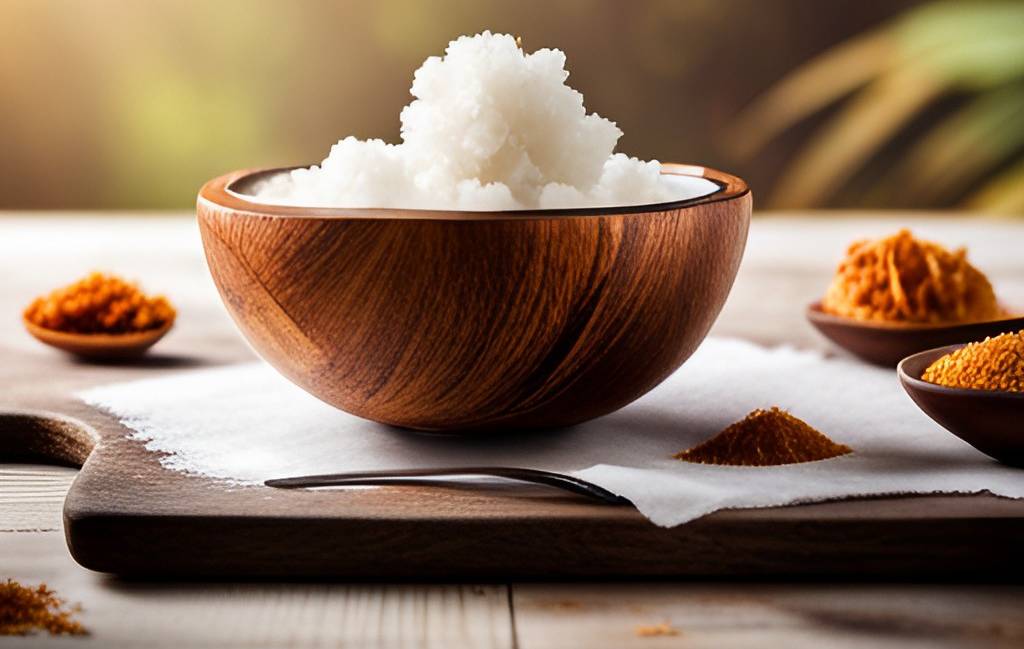
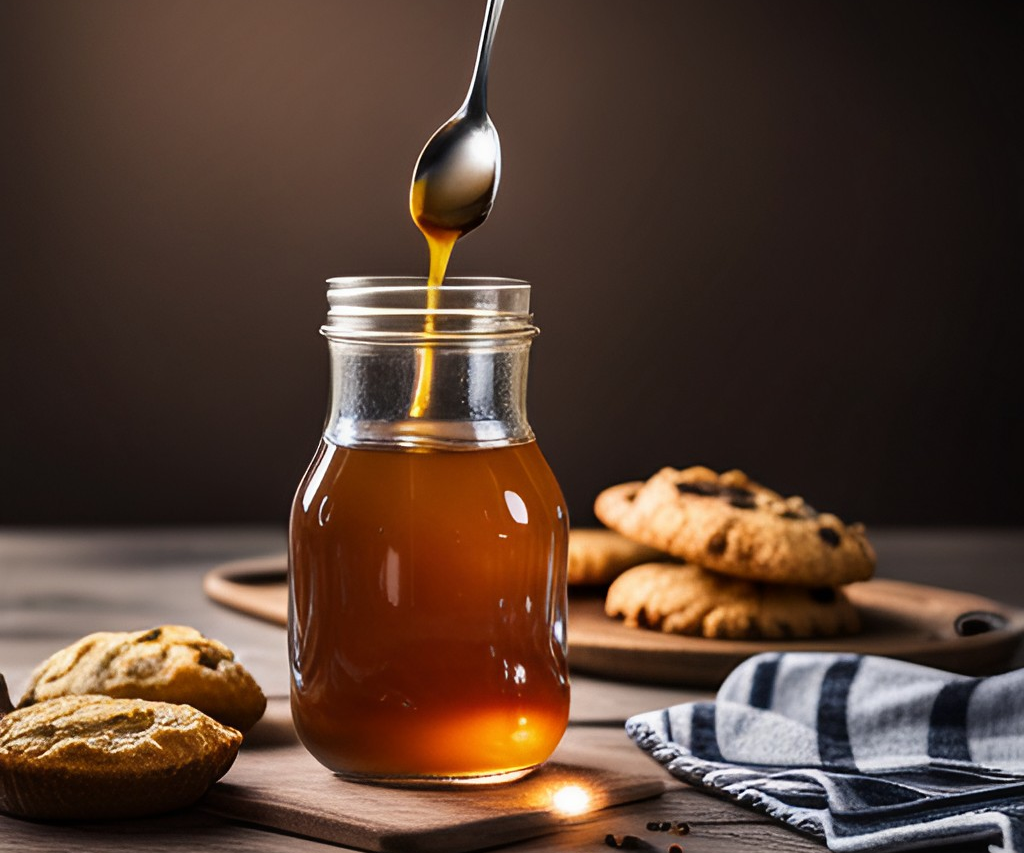
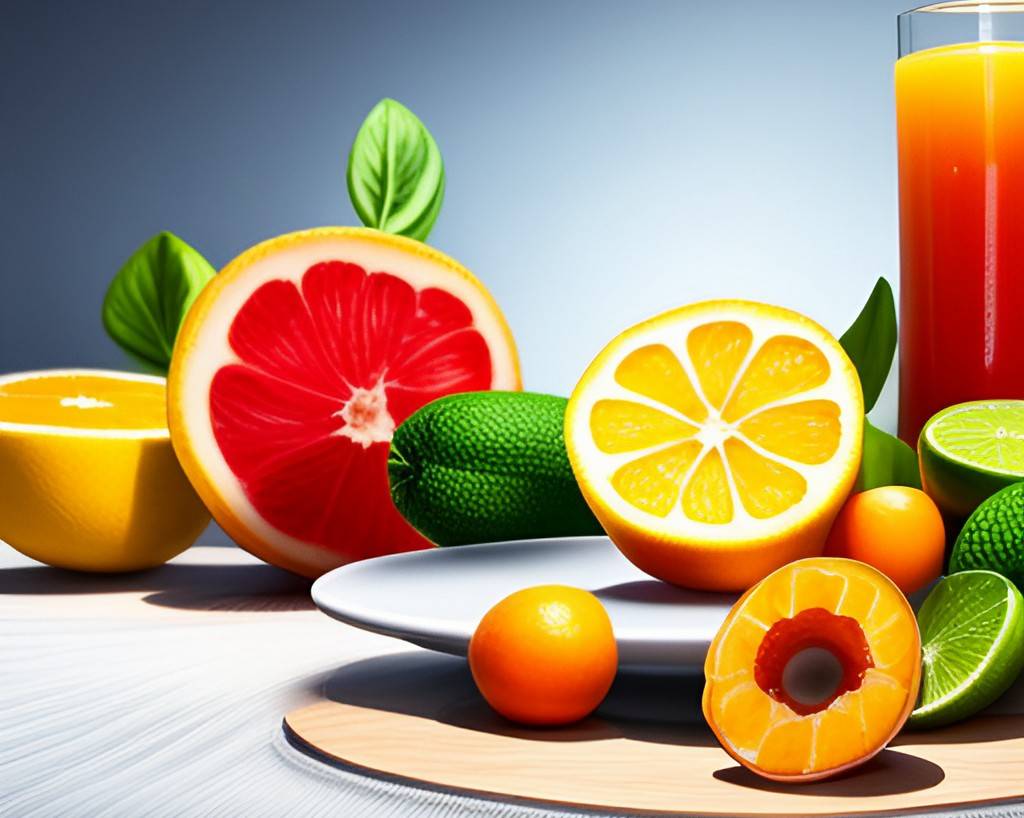





 What is a tamanu?
 Turbinado sugar is a sugar stick based, insignificantly refined sugar. It is medium tan in color and has substantial precious stones. It's frequently mixed up for customary tan sugar due to its light tan shade, however it’s made in an alternative manner. Numerous individuals think as of it to be healthier than both white and tan sugars, since it is for the most part less transformed and refined.
  Coconuts have come under close scrutiny by health experts and enthusiasts alike. The popular nut that is favored by the climates at the tropics is slowly cementing its place in household shelves worldwide. The white fleshy part has given us a healthy oil with a diverse resourcefulness.
  CLA, or conjugated linoleic harsh corrosive, has been the subject of an assortment of exploration in the previous numerous years. Over 200 studies have indicated that it may assume an exceptionally vital part in weight reduction, as well as in serving to battle disease, diabetes, and atherosclerosis (solidifying of the corridors). It is not made in the human figure, and is discovered commonly in meat and dairy fats, or as an over-the-counter supplement. Artificially, it is a marginally changed type of the fundamental greasy harsh corrosive, linoleic harsh corrosive, and an omega-6 fattening harsh corrosive. The CLA discovered regularly in the sustenance sources is most astounding in dairy cattle and bovines that expend an eating methodology rich in grasses, and the individuals who are nibbling in pastures; instead of the aforementioned bolstered monitored food, for example, grain, feed or silage. To quote Larry Satter, an Agricultural Research Dairy Scientist, "Pasture-nibbled cows had 500% more CLA in their milk than those nourished silage." Since the fat is the particular bearer of the CLA, the substance of the fat in the milk is extremely paramount. The higher the fat substance, the more stupendous the CLA sum is in the milk. This is as opposed to what is proposed when drinking milk. Skim or 1% is constantly proposed over the entire or 2%, to maintain a strategic distance from the overabundance calories and fat, since normally drain was tanked for the calcium content (or the protein). This aDDS an entire new profit to drain and dairy items, clearing a path for science to control the CLA substance of milkfat, and may open the entryway the CLA-improved sustenances.
 There are many fish oil benefits that can help maintain a good quality of life as you grow older. Most people do not think ahead far enough, but a time may come when you wish you had paid more attention to your diet and your health when you were younger because good health in middle age and older comes from the groundwork you lay when you are younger. Take fish oil for example.