|
Search Term: " Germany "
Understanding the many benefits of cannabis in cancer treatment   
Date:
April 24, 2019 01:42 PM
Did you know that three out of four doctors claim that they, themselves would not undergo chemotherapy as a form of treatment if they were diagnosed with cancer? It makes you think about what this invasive treatment method really does to the body if physicians will not even take part themselves. Cannabis has the ability to kill cancer cells in many situations, without causing the same weakening of the body that is seen when patients undergo chemotherapy. Key Takeaways:
"While doctors like to promote the idea that there are no treatments scientifically proven to work besides the usual surgery/chemotherapy/radiation regimen, the truth is there is a strong body of evidence that many natural, non-invasive treatments are effective in the fight against cancer." Read more: https://www.naturalnews.com/2019-02-28-benefits-of-cannabis-in-cancer-treatment.html
(https://vitanetonline.com:443/forums/Index.cfm?CFApp=1&Message_ID=6168) Why I Never Travel Anywhere Without Dr. Bronner’s 
Date:
October 11, 2017 10:14 AM
Dr. Bronner's can help with many things. If you are traveling you should include it according to this author. It should be among your travel necessities along with money and clothes. It is important to think about your health while you travel because you never know what might occur. Many people don't feel their best while they travel as it is so thinkig of what to bring to combat that is important and can make a big difference. Key Takeaways:
"If you use Dr. Bronner’s exclusively as a body soap, your bottles will last for ages." Read more: http://www.thealternativedaily.com/why-i-never-travel-anywhere-without-dr-bronners/
(https://vitanetonline.com:443/forums/Index.cfm?CFApp=1&Message_ID=5327) Medical News Today: How does the immune system know friend from foe in gut bacteria?
Date:
March 21, 2017 02:44 PM
Microorganisms in the human digestive tract are necessary for proper nutrition, metabolism and immune functioning. However, because the human body has mechanisms to destroy pathogens, cooperating scientists in Germany and Italy conducted research as to how the body differentiates between necessary micro-biotic organisms in the gut and detrimental invaders. They found that dendritic cells (DC) act as messengers that either repress immune responses, or promote these responses. When DC are functioning properly, they deliver protein-encoded messages to the immune system that certain types of microorganisms found in the gut are desirable, thus not to be destroyed. However, if DC cease carrying this message, the body will treat the friendly gut microbiota as pathenogenic, causing a number of undesirable symptoms in the human host. Key Takeaways:
"a type of cell called dendritic cells (DCs) that have evolved two distinctive - and what may appear to be opposite - roles in the human body, in that they can both promote and inhibit immune response." Read more: http://www.medicalnewstoday.com/articles/316335.php
(https://vitanetonline.com:443/forums/Index.cfm?CFApp=1&Message_ID=4252) Eat more fruit and veg for a longer life, researchers say
Date:
February 28, 2017 02:59 PM
Eating loads of fruit and vegetables - 10 portions a day - may give us longer lives, say researchers. The study, by Imperial College London, calculated such eating habits could prevent 7.8 million premature deaths each year. The team also identified specific fruit and veg that reduced the risk of cancer and heart disease. The analysis showed even small amounts had a health boon, but more is even better. Key Takeaways:
"Fruit and vegetables have been shown to reduce cholesterol levels, blood pressure, and to boost the health of our blood vessels and immune system." Reference: //www.cnn.com/2017/02/23/homepage2/ten-portions-fruit-vegetables-study/index.html
(https://vitanetonline.com:443/forums/Index.cfm?CFApp=1&Message_ID=4045) Development of castor oil.
Date:
January 03, 2017 09:46 PM
There are about hundreds of castor oil factories in China, of which only about 10% castor oil manufacturers start working; large processing plants have around 20; only nine plants have tens of thousands processing capacity. About 70% of Chinese castor oil processing factories in stop production or semi-shutdown state, because there are no adequate, high-quality raw material castor sources. At the end of the 1980s, China extends and built several large scale castor oil factories, each factory's total amount of annual output of castor oil are in 10 -15 thousand tons, total production capacity is about 55,000 tons per year. The world's major markets of castor oil were concentrated in North America and Europe, of which the France, Britain, Netherlands, United States, Germany, five countries accounted for 61% of annual fuel consumption. India castor oil used in making soap has about 1.6-1.8 million tons, the textile industry uses 2-3 thousand tons, chemical industries use 2-3 thousand tons, lubricating oil use 5-6 thousand tons, the rest for exporting. In Japan's castor oil use amount, paints accounted for 28.6%, the surfactant is 12.3%, cosmetic raw material is 8.2%, resin is 5.7%, hardened oil is 17.8%, sebum oil is 12.9%, others is 14.5%. Japan needs to import large quantities of castor beans every year; they are mostly imported from China, Pakistan, Indonesia, Sri Lanka, Philippines, Vietnam, Ethiopia, Brazil and other countries. Castor oil in the United States for the production of plastics and resins was accounted for 25.9%, fatty acids accounted for 12.7%, lubricating oil accounted for 6.3%, paint accounted for 23.7%, cosmetics (mainly synthetic waxes) accounted for 2.1%, others such as inks, surfactants accounted for 29.1%, these castor oils are imported from foreign countries. Every year, the world needs 700 thousand tons of castor oil, convert into 1.6 million tons castor beans. Nowadays, gasoline resource was gradually reduced, transportation, live used gasoline was rapidly increasing, use gasoline as a raw material for synthetic material will be increasingly constrained in cost. And the United States study found that long-term exposure to polymers which synthesized by gasoline was harmful to human health. California and some other states have enacted laws and regulations for this, to restrict and gradually prohibit using synthetic resin in city buildings, interior facilities and human health-related sites and articles, which is polymerized from petroleum, natural gas cleaved into monomers raw materials, it makes castor oil's demand was rising sharply. Castor cultivation in China is very commonly; there is no open planted regional division. South from Hainan Island, north to Heilongjiang is cultivated. Because castor hybrids with drought resistance, thin ridge resistant, saline-alkaline tolerance, well-adapted, simple to manage, less invest, high efficiency and other salient features, no matter grain field or hills, rocky land, saline-alkali soil and even around the house can be grown it. So anywhere in China can be planted castor. Related Products 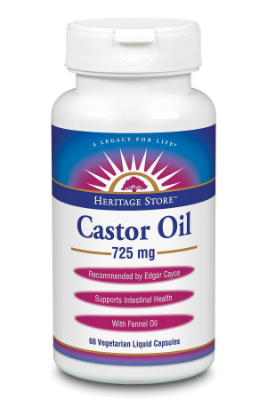
(https://vitanetonline.com:443/forums/Index.cfm?CFApp=1&Message_ID=3738) Peruvian Maca
Date:
September 17, 2014 05:25 PM
Maca Root is one of the roots and tuber harvests of higher protein content. Until late years, this nutritious base of the Andes was little or nothing known for the lion's share of the individuals thereof, Peru (aside from the tenants of the Andes) and obviously overlooked by whatever is left of the world. Maca (otherwise called Peruvian Maca or Maca Andina) has an astonishing quality to develop to remarkable statures: from 3800 to 4800 meters high in the most cold Andes mountains, where temperatures are amazing, from exceptional hotness morning to ice on the night, frigid winds, snow and persevering high power of daylight. In this antagonistic region, where there is little oxygen, there is uncommon vegetation develop just potatoes and maca sharp. There are no trees, no plants, just a couple of centimeters tall. This tuber, irrelevant part of the tuberous root size and state of a typical radish, is effectively dried under the sun and keeps up its nutritious qualities, with elevated amounts of iron, for a few years stockpiling. It is brilliant nourishment and Incas additionally utilized it for its richness improving activity and its impact on sexual conduct. There have been various effective studies on the action manure Peruvian maca creatures and people. In 1980, researchers from Germany and North America who were doing investigations of the herbs in Peru, rekindled enthusiasm toward its momentum Maca, naming it "the lost products of the Incas." A percentage of the elements that have been recognized: amino acids, proteins, vitamins, minerals, follow components and auxiliary metabolites. Maca - History: Anthropological confirmation has been found in the development of maca in Peru since 1600 BC. The Incas considered Maca as a blessing from the divine beings. They additionally develop maca as nourishment, Lamac - developed in the Andes utilized for religious services and custom moves. Spanish accounts report that amid the victory of Peru, creatures brought from Spain not play ordinarily as of right now, the locals cautioned the vanquishers who nourished their creatures with maca, with what they got the levels of typical generation. Concerning the stretcher, Father Cobo, amid the pilgrim time, he said: "Maca develops in the most rough and frosty of the good countries where there are chances to develop any plant sustenance." Maca - Morphology and plant science Maca is a biennial plant statures conduct, being pollinated toward oneself, cleistogamous, with a five-month conceptive stage and with a blossom that keeps going two roots. Maca Root: Roots have shades extending from light yellow to dark through the tan, purple, and so on with sizes of 3-6 cm. transverse measurement of 4-7 cm. longitudinal, in the same way as a radish (reversed cone). The root is first in the improvement of items. There is no true distinction in taste or substance organization as the color of the root. Stem: Short, subtle, in the same way as a carrot or radish. Leaves: rosette, made with flanges sheath, petiole length with the top leveled. Limbo compound, has a length of 6 to 9 cm; the basal and cauline pinnatifid are somewhat lessened. Inflorescence: group compound and infrequently basic. The blooms structure bunches, are helper bisexual, actinomorphic, green light and little, white pre-flowering calyx and corolla with 4 free petals somewhat bent at the peak. Soil grown foods: units somewhat amagrinado. With a solitary seed in each one cell, ovoid, yellowish-red, 1-2 mm. wide. Maca – Cultivation Cultivola Maca is developed fundamentally for its tuberous root is naturally known as hipocolito (eg radish, turnip). The maca plant has the astonishing quality to develop to unprecedented statures (from 3800 to 4800 meters) in the unfriendly Puna Peruvian where temperatures are great: the serious high temperature of the morning to the sub zero frost of the night. The puna is a pleasant yet great condition in this environmental locale is uncommon vegetation, just potatoes become astringent and maca. The air contains little oxygen, the sun is amazingly exceptional and extremely solid winds, it is consequently that no trees and plants have just a couple of centimeters tall. Maca planting is carried out from September to December. The seeds are scattered in the fields to be reaped in 6 to 8 months. After Recolta the roots to dry in the sun for 2 months, amid which they lose 75% of its unique weight. This moderate drying methodology causes the maca change of taste: an intense hot taste with a caramel flavor. The dried root could be put away for 4 years without losing its properties.
(https://vitanetonline.com:443/forums/Index.cfm?CFApp=1&Message_ID=3159) Homeopathic Remedies
Date:
June 30, 2014 09:54 PM
Homeopathic remedies
(https://vitanetonline.com:443/forums/Index.cfm?CFApp=1&Message_ID=3142) Can ButterBur Extract Help Fight Migraine Headaches?
Date:
November 25, 2013 06:21 PM
What is Butterbur?
What are the Benefits of Butterbur? The plant contains two very active chemicals namely petasin and isopetasin. This chemicals are believed to be beneficial in treating headaches, the highest concentration of this chemicals mainly occurs in roots. Root extracts of the plant have been discovered to be very effective in the reduction of frequency and severity of migraines. Migraines are caused by rapid change in the blood flow to the head, they are characterized by episodes of headaches, sensitivity to light and sound and nausea. Treatment includes pain relievers and other medication that affect the openness of the blood vessels. Medication can help ease the pain as a short term measure but in the long run the may cause more headaches as a result of a condition known as medication overuse headaches. These resultant headaches are more difficult to treat than migraines; these medicines may also lead to other problems for people with other chronic illness. Butterbur root extracts presumably contains isopetasin and/or petasin that are effective in relieving and preventing migraine, since the compound prevents blood vessel inflammation, although it’s said to have gastrointestinal side effects. From research it was discovered that petasin contains anti-spasmodic properties which helps in reducing spasms in vascular walls and smooth muscles. It also contains a powerful anti-inflammatory agent that prevents the synthesis of leukotrienes that is the pro-inflammatory agent in the blood vessel walls. Isopetasin also contains an anti-inflammatory by modulating prostaglandin metabolism. The two together have an antispasmodic effect on vascular walls. Migraine According to a survey carried out in Germany where two hundred and two people who had migraines attacks three months prior to the survey and those who had stopped medication three months before were randomly assigned to receive 75mg of butterbur extract twice a day, the other group was assigned 50 mg or placebo. The results were recorded and it was discovered that people using a higher dosage of butterbur experienced a greater reduction in the frequency in migraines. Other Treatment of Butterbur Other than being used in migraine treatment butterbur have several other uses and benefits such as allergy relief without antihistamine side effects, while antihistamines have advance side effects such as fuzzy head and fatigue, when butterbur was used no side effects were evident. Butterbur extracts are also used to treat asthma; this is as a result of anti-inflammatory properties combined with bronchodilating properties. References:
(https://vitanetonline.com:443/forums/Index.cfm?CFApp=1&Message_ID=2904) Benefits Of Saw Palmetto To Prostate Health
Date:
March 28, 2012 08:23 AM
Saw Palmetto And The Prostate Some men experience a decline in prostate health because of aging and unhealthy lifestyle. For instance, they can suffer from prostatic hypertrophy or swollen prostate glands. This condition is characterized by several symptoms such as frequent urination, weakened urinary stream, and painful experience when urinating. The swelling can affect men's well-being and overall health, and it could eventually lead to prostate cancer. Doctors and researchers have been studying several, possible remedies for prostate disorders. These specialists have discovered the effectiveness of saw palmetto in treating the disease. The plant extract is used by several medical specialists in Italy, Austria, and Germany as treatment for prostate gland enlargement. Saw palmetto has also been noted for the excellent benefits in preventing the symptoms of cancers that are hormone-related. Saw Palmetto and Prostate Health Prostatic hypertrophy is a prevalent among aging men, particularly those in their eighties. Men experience symptoms linked with this medical condition when they reach forty, and the disorder can worsen if left untreated. They can develop severe infections in their lower urinary tract systems, which can affect the quality of their life. Studies Several studies were made regarding the benefits of saw palmetto to prostate health. Researchers have discovered that the plant releases certain enzymes that reduce the swelling of prostate glands. Aside from the production of essential enzymes, saw palmetto also offers anti-inflammatory effects that prevent prostate symptoms. The controlled study on the effects of saw palmetto was done to men who suffered from moderate to severe prostate symptoms. The researchers recommended patients to have a daily intake of 160 mg of saw palmetto for two years. The dosage was taken two times a day, and these patients were monitored every six months. At each evaluation, researchers have observed a great improvement in urine flow among these patients. They have also discovered a reduction in symptoms linked with swollen prostate glands. Saw Palmetto And PSA Saw palmetto also helps reduce the levels of PSA or prostate specific antigens. When these enzymes are elevated, men are likely to suffer from infections and serious ailments such as prostate cancer. Because of the essential contents of saw palmetto, many doctors use the plant's extract in reducing PSA levels in cancer patients. Several patients have experienced complete recovery from the disease, particularly those who received treatment at the onset of their disorder. Dosage and Several Considerations The herb has been used by many doctors in treating patients with prostate infections. Typically, the recommended dosage ranges between 300 mg and 350 mg. Saw palmetto extract is available in liquid, dried berry or capsule form. The dosage depends on the patient's condition and concentration levels of the herb. Some prostate cancer patients treated with saw palmetto have experienced a decrease in symptoms and improvement in their overall health. Moreover, the herb was found effective as recovery medication for those who have undergone radiation and surgery. Nevertheless, it is ideal for patients to consult their doctor before they consider taking saw palmetto extract. They should make sure that they take the right dosage depending on their condition.
(https://vitanetonline.com:443/forums/Index.cfm?CFApp=1&Message_ID=2622) History And Uses Of Xylitol
Date:
February 07, 2012 07:50 AM
Xylitol is the 5-carbon sugar which is found within the birch tree sap and it's naturally found in the fibers of various vegetables and fruits. This is a sugar-alcohol sweetener commonly used as the sugar substitute. History of xylitol Although discovered in the 19th century during the Second World War, Xylitol has been recognized ever since the tardy 1800s. The researchers from Germany and France were the first individuals to try to produce this product approximately 100 years ago, but ended up creating syrup-like consistency mixture. This product became commercially available in the 1960s and the commercial process is still the same as it was during the 1960s. Before 1943, the scientists' categorized this sugar with various sugary carbohydrates (polyols) and it lingered so till the beginning of the war-associated deficiency of sugar which initiated the call for an alternate sugar. This initiated further research in to the xylitols insulin-independent properties, this resulted in discovery of its other biological benefits. In 1962 this chemical was introduced in the infusion therapy demonstrating that it can be introduced to ill individuals. The commercial production process involves extraction of Polysaccharides rich in Xylose from various agricultural by-products and hardwoods. These are hydrolyzed with various intense acidic treatments and then it is purified before hydrogenation is done. This process needs a lot of harsh chemicals and is quite expensive and inefficient. It was until 1970 that the odontological benefit of xylitol was ascertained in Finland, Turku. The initial study of the effects of this sugar on the dental plaque began during the same year. This resulted in large scale production of xylitol, in 1974 by the Finnish sugar company. Sugar-free dental product was first launched in Finland which was a xylitol chewing-gum. How xylitol works This sugar can prevent cavity in various ways by actually blocking the tooth decaying process. The bacteria causing decay cannot ferment this sugar into acids as it does with other sugars including dextrose, fructose, glucose and sucrose. This results in production of less acidic by-product thus interfering with the dental plaque environment which favors decaying. This results in prevention of tooth demineralization. The high pH condition caused by xylitol sugar is not favorable for the cariogenic bacteria which are responsible for decaying. This results in fewer bacteria in the plaques and long-term exposure has an effect on which type of bacteria will prevail within the plaque. This also inhibits the growth of specific xylitol-sensitive bacteria strain. Since they cannot breakdown this sugar, they end up not reproducing and growing in population. The lack of fermentable sugars results in creation of anti-cavity effect. The starvation effect created by this sugar prevents accumulation of cariogenic bacteria in the plaques. Long term xylitol exposure results in change of predominant cariogenic bacteria to xylitol-resistant strains from xylitol-sensitive. This xylitol-sensitive strain of bacteria cannot colonize the plaque since they have less adhering capabilities. The less acidic condition in the dental plaque interface created by this sugar can initiate demineralization. Demineralization occurs when the plaque interface is at a pH of 5.5 or below since fewer bacteria live in the plaques. Studies have showed that demineralized tooth samples immersed in a solution containing 20% xylitol experienced a great remineralization degree. This is noted in the deep and middle tooth layers.
(https://vitanetonline.com:443/forums/Index.cfm?CFApp=1&Message_ID=2558) Can Nettle Leaves Help with Allergies?
Date:
July 12, 2011 12:48 PM
Nettle And AllergiesNettle leaf is a traditional medication for excessive inflammation in many European countries. It is valued for its hollow hairs called trichomes, which work as a counter-irritant. In addition to its putative effect on allergic rhinitis or hay fever, it remains extensively used as a treatment for joint pain, muscle spasms, back ache, osteoarthritis, atopic eczema, gout, and other disorders induced by inflammation. Urtica dioica is the plant species referred to as the common nettle or stinging nettle, from which nettle leaf is harvested from in general. It is an herbaceous shrub that grows up to 2 meters in height. It is botanically noted for its trichomes, which inject list of inflammatory agents into the skin upon contact. In alternative medicine, these organic compounds are processed to combat excessive inflammation.
Nettles enjoy a wide distribution in almost all continents, with the exception of Antarctica and South America. In particular, stinging nettle has been successfully naturalized in all regions outside the Frigid Zone. It prefers soils that retain moisture and receive high rainfall. Hence, it thrives well in tropical and subtropical regions. In temperate zones, it is often found in the wild and abandoned settlements. Nettle leaf has had a centuries-old association with folk medicine of England, Germany, Sweden, and much of Northern Europe. It is mentioned in the Old English poem called Nine Herbs Charm, which describes the common nettle as a treatment for poison and infection. In Germany, herbal preparations that contain nettle extracts are among the leading adjuvant remedies for allergic rhinitis and joint pain. Hypersensitivity disorder of the immune system in the form of allergies is a reaction to otherwise harmless substances called allergens. These reactions include eczema, hives, hay fever, asthma, anaphylaxis, insect bites, and even systemic allergic reactions. Modern herbalists have long employed nettle leaf for the prevention, amelioration, and cure of hay fever and related allergic reactions. The hollow stinging hairs of nettle leaf are a natural source of organic compounds that are similar to the chemicals released by the body during allergic reactions, such as histamine and acetylcholine. It produces optimum results when applied directly, as is the case with topical creams and alcoholic tinctures. Allergies subside when these compounds are introduced to local tissues underneath the skin. Extracts of nettle leaf contain phytochemicals that display anti-inflammatory activities when ingested. The exact mechanism of action is still under investigation. Based on initial results, researchers are positive that nettle leaf exerts an inhibitory effect on pro-inflammatory cell-signaling protein molecules known as cytokines, which are directly involved in hypersensitivity disorder, especially hay fever. More importantly, nettle leaf has been observed to inhibit the transcription of tumor necrosis factor alpha, which is responsible for a diverse variety of inflammatory responses of cells and tissues. As a results, it downregulates the production of cytokines and interleukins incriminated in excessive inflammation during joint pain, back ache, food allergies, asthma attacks, and allergic rhinitis.
(https://vitanetonline.com:443/forums/Index.cfm?CFApp=1&Message_ID=2366) What are Homeopathic Remedies and How do They Work?
Date:
March 25, 2011 11:28 AM
Homeopathic remedies have been in use for over a century in treatment of diseases. Homeopathy is considered a forerunner of modern medicine, but today largely classified as a form of alternative medicine. Medications prepared by practitioners of homeopathy are still widely available. Moreover, there has been a resurgence of interest in homeopathy in the past few decades. Germany in particular grants the title Physician of Homeopathy after a training program of three years while other countries require professional training in more accepted conventional medicine. Potentization and Succussion Repertories are the primary source of information for practitioners of homeopathy. These reference books point to a process called potentization, which works on the principle of systematic dilution of substances in a solution. Homeopathic remedies administered today use distilled water or alcohol as major solvents, with proponents of this alternative medicine believing that water has the capability of retaining properties of substances even when the molecules of the substance are no longer present in the solution. However, this effect is only achieved through succussion, the proper shaking of solution, which must be applied between each process of dilution. On the other hand, desirable dilutions of insoluble solids are possible to achieve by first reducing the size of the substance with the use of a mortar and a pestle. Potentization and succussion produce homeopathic remedies that are believed to display their well-documented potent pharmacological effects. Law of Similars Modern scholars consider Samuel Hahnemann to have single-handedly invented the alternative medicine practice of homeopathy. In fact, he coined the term homeopathy and outlined procedures known as homeopathic provings. He was a German physician who studied in several German universities and practiced conventional medicine before he developed the law of similars in response to medical practices of the time that are harmful in general, such as bloodletting. He gave up his medical practice amid the conviction that information on medicine was very limited and often conflicting. All the homeopathic provings that followed the rise of homeopathy depends on the most important principle he called law of similars, which is believed to govern diseases and their treatment. Substances that produce symptoms similar to a known disease when taken by an individual in large amounts ought to bring about curative effects when taken in small amounts by an individual afflicted with the disease. Homeopathic repertories document the effects of a host of substances and their identified sources in a process called homeopathic proving in an effort to support the laws of similar. Modern Homeopathic Remedies The continued support for homeopathy comes from people who are seeking alternative forms of healing. Also, homeopathic remedies that follow standard preparation procedures of potentization and succussion have never been associated with any known adverse effects. While present-day doctors and medical professionals are particularly critical of homeopathic remedies, which they generally consider as placebo, they also believe that homeopathic remedies are the safest among all forms of alternative medicine.
(https://vitanetonline.com:443/forums/Index.cfm?CFApp=1&Message_ID=2258) Herbs For Depression
Date:
December 13, 2010 12:34 PM
Fight Depression with Natural Herbs Before discussing treating depression with natural herbs we should first consider depression itself: what is it and what causes people to become depressed? Psychiatrists and psychologists will suggest a number of definitions although most experts agree that there are two forms of depression. Causes of Depression Exogenous depression comes about as a result of external factors such as bereavement, heavy debt, job loss, etc, while endogenous depression comes from within and is believed to be due to biochemical problems, including food allergies, hormonal changes, thyroid problems, nutritional deficiencies, particularly Vitamin B deficiency, and addictions. There are many other reasons for people becoming depressed, some of which can be established by the particular symptoms of the individual. In many cases of depression the external factors are often easier to treat than those due to internal factors. Many exogenous causes of depression such as bereavement are alleviated through time, while causes such as job loss and debt can be resolved once the cause has been rectified: thus, if the patient is no longer in debt or is re-employed, the depression tends to disappear with the cause. Symptoms of Depression Depression is not diagnosed from a single symptom, but from a number of symptoms that can point to a person being clinically depressed and requiring treatment. Among the symptoms of depression are:
Prolonged periods of sadness or despair Forms of Depression Many normal people can suffer one or two of the above systems, and would not be diagnosed as depressed because of it. We can all get mood swings, feel a bit worthless now and again or be unable to concentrate or focus at times, but that does not mean we are clinically depressed. Depression would not be diagnosed in a patient with just one of these symptoms but five or more likely would be. In fact, the American Psychiatric Association in the Diagnostic and Statistical Manual of Mental Disorders deem the patient suffering clinical depression if displaying 5 or more of the bottom 8 symptoms above for a month or more. This is believed to be the case with around 17 million Americans so it is a significant problem. Manic depression is otherwise known as bipolar disorder, where patients have large mood swings from high and extreme hyperactivity and excitability to very low deeply depressive moods and is a clinical condition generally treated using drugs. Treatment of Depression With Natural Herbs The usual treatments are drugs that often have undesirable side effects; so many people are trying natural remedies instead. There are a number of herbs that can be used to treat depression, one of the most familiar being St. John's Wort. However, there are others, and here is a synopsis of each. St. John's Wort
However, it can also be used in cases of severe depression, and a report in the Cochrane Database Review[8(4)] by K. Linde, M.M. Berner and L. Kriston in 2008 stated that of 29 separate tests carried out on a total of over 5,000 patients, the conclusion was that St. John's wort extracts were at least as good in treating severe depression with 5 times lower side-effects as tricyclic antidepressants and twice lower than the new selective serotonin reuptake inhibitors (SSRI).
It should be stated, however, that one trial on 340 subjects indicated no improvement over a placebo. However, the anti-depressive drug sertraline (Zoloft) was also shown to be no better than the placebo in this test, so some doubts must lie regarding its accuracy. Of all the herbal treatments, St. John's wort has had most testing carried out and it seems to be effective in treating mild to severe depression although not all experts are yet agreed. Kava Kava Root
However, it is doubtful if its effects are permanent and so it may be less of a depression cure as a short-medium term treatment. Its effects are also variable on different people, some describing it as making them feel relaxed and 'dreamy', while others find it therapeutic and making them feel better in themselves.
Kava kava should not be taken without your doctor knowing about because there have been concerns about its effect on the liver if taken in excess. A European-wide ban was lifted about two years ago after testing found the risks of taking it to be very low. It has been used for centuries as an intoxicating drink on islands such as Fiji. Passion Flower
Through the intervention of GABA, passion flower extract helps in reducing anxiety levels and makes you feel a lot calmer. If you suffer forms of depression that make you hyper or excitable, passion flower will help to reduce this and also helps to cure insomnia. It is a component of many natural sleeping pills. These are just three natural substances that can be used to treat depression. However, you must inform your doctor or physician if you decide to take them since they may interfere with or change the effect of any antidepressant drug you are currently taking.
Call today for natural remedies for depression
(https://vitanetonline.com:443/forums/Index.cfm?CFApp=1&Message_ID=2207) Horse Radish
Date:
October 28, 2009 11:39 AM
Horseradish has been cultivated since ancient times. The Delphic Oracle in Greek mythology told Apollo that horse radish was worth its weight in gold. Horseradish was known in Egypt by 1500 BC and has been used by Jews from Eastern Europe traditionally in Passover. The plant is discussed by Cato in his treatises on agriculture. It is thought that horseradish is the plant known as Wild Radish by the Greeks. Both the root and leaves of the horseradish plant were used as a medicine during the Middle Ages, with the root used as a condiment on meats in Germany, Scandinavia, and Britain. This herb was taken to North American during Colonial times. It is not certain as to where the name horseradish come from. Some believe that it derives by misinterpretation of the German Merettich as mare radish. Others think the name comes from the coarseness of the root. The common thought in Europe is that it refers to the old method of processing the root called hoofing, in which horses were used to stamp the root tender before grating it.
For at least two thousand years, horseradish has been cultivated. It was brought to America by early settlers and used to treat conditions such as pain from sciatic, colic, and intestinal worms. Horseradish provides antibiotic action that is recommended for respiratory and urinary infections. The volatile oil in horseradish has the ability to work as a nasal and bronchial dilator. Internally, it has been used to clear nasal passages, alleviate sinus problems, help with digestion, work as a diuretic, aid with edema and rheumatism, and cleanse various body systems. Also, horseradish has been used to stimulate digestion, metabolism, and kidney function. The root of the horseradish plant can be used to provide antibiotic, antineoplastic, antiseptic, bitter, caminative, diaphoretic, digestive, diuretic, expectorant, hepatic, parasiticide, mild purgative, rubefacient, sialagogue, stimulant, and stomachic properties. The primary nutrients found in this herb are calcium, iron, phosphorus, sodium, and vitamins A, B-complex, and P. Primarily, horseradish is extremely beneficial in dealing with loss of appetite, circulation, coughs, edema, excessive mucus, sinus problems, internal and skin tumors, and worms. Additionally, this herb is very helpful in treating arthritis, asthma, bronchitis, congestion, gout, jaundice, kidney problems, irritated membranes, neuralgia, palsy, rheumatism, skin conditions, water retention, and wounds. For more information on the many beneficial effects provided by horseradish, please feel free to contact a representative from your local health food store with questions.
(https://vitanetonline.com:443/forums/Index.cfm?CFApp=1&Message_ID=2107) Kombucha
Date:
August 19, 2009 03:31 PM
Kombucha is also known as Manchurain tea or mushroom. It is not an official member of the fungi family. Actually, it is a symbiotic culture of genus Saccharomyces yeast and xylinum bacteria. Kombucha dates back as far as two thousands years in East Asia. Originally, it was used for healing in Japan, China, and Korea. Kombucha use spread with the beginning of trade. Merchants took the kombucha plant to Russia and then to Eastern Europe. Although it is not technically a fungus, it contains many similar healing properties. Because of this, it is often recommended along with members of the mushroom family. This herb is usually placed in a nutrient solution of distilled water, black tea, and sugar. The process of brewing kombucha was introduced in Russia and Ukraine at the end of the 1800s. However, it did not become popular until the early 1900s. The kombucha culture is known locally as chayniy grib and the drink itself is referred to as grib, tea kvass, or simply kvass. Then, it undergoes chemical changes which make it beneficial for human consumption. The chemical reactions that occur in this process are very complex. The kombucha feeds on sugar, thus producing glucuronic acid, lactic acid, vitamins, amino acids, and some antibiotic solutions. The healing properties are thought to be due to the production of glucuronic acid, B-complex vitamins, C vitamins, and lactic acid. Like all foods, there must be some care taken when preparing and storing kombucha, or else contamination may result. Keeping this herb safe and contamination-free is a concern to many home brewers. Key components of food safety when brewing kombucha include a clean environment, proper temperature, and low pH. Russian studies have uncovered the presence of substances in the kombucha tea that contain antibiotic properties. The tea was found to prevent the growth and colonization of other yeasts and bacteria. The kombucha plant is also believed to help with a wide variety of conditions. It seems to have a detoxifying effect on the entire body, which makes it extremely beneficial for invigorating the whole body. Research done in Germany led by Dr. Valentin Koehler found that kombucha has the ability to increase the function of the immune system. It does this by boosting levels of interferon. Kombucha contains many different cultures along with several organic acids, active enzymes, amino acids, and polyphenols. Due to the acidic fermentation process used in it’s brewing. Kombucha contains ethyl alcohol in amounts that vary from 0.5% to 1.5%. The range depends on the anaerobic brewing time and proportions of microbe. Commercial preparations of this herb are typically 0.5% in order to comply with distribution and safety procedures. The entire kombucha plant is used to provide antibacterial, antibiotic, antifungal, and immuno-stimulant properties. Primarily, this herb is extremely beneficial in dealing with immune deficiencies and effects of toxins. In order to obtain the best results when supplementing with this, or any herb, it is important to consult your health care provider before beginning any regimen while on medications. For more information on the many beneficial effects provided by kombucha, please feel free to consult a representative from your local health food store with questions.
(https://vitanetonline.com:443/forums/Index.cfm?CFApp=1&Message_ID=2059) Buckthorn Of The Sea
Date:
August 05, 2009 04:05 PM
Sea buckthorn is also known as sea berry or Siberian pineapple. It is a small shrub that can be found growing natively in a wild swath across Europe and Asia. This plant has been used by southeast Asians to treat various diseases for hundreds of years. The ancient Greeks are believed to have used the berries of the sea buckthorn plant in order to promote weight gain and shiny fur in horses. After analyzing the orange berries of sea buckthorn, an abundance of vitamins C and E, carotenoids, flavonoids, glucose, fructose, several amino acids, and fatty acids have been found. The berries of this herb are used in order to produce juices, jams, liquors, and lotions. The oil that comes from the berries of sea buckthorn has been used to treat ailments that are related to inflammation. Included in these ailments are canker sores, esophagitis, cervicitis, peptic ulcers, and ulcerative colitis. Horticulturalists from the Soviet Union and East Germany came up with new varieties of sea buckthorn during the Cold War years that produce bigger berries and better nutrition. Traditional Chinese medicine uses sea buckthorn to boost energy. Olympic athletes in the country have recently used sea-buckthorn-based sports drinks as part of their training. This herb is used in Russia in ointments to help shield cosmonauts from radiation damage while in orbit. The oil found in sea buckthorn contains high amounts of palmitoleic acid, which is a rare fatty acid that is found in skin fat. This fatty acid aids cell tissue and wound healing. Some U.S. cosmetic firms put this herb into their skin creams in order to provide protectant and anti-aging properties. Sea buckthorn is recommended by herbalists in order to boost energy levels, promote wound healing, and shield the skin from the damage caused by ultraviolet rays. Some research on the wound-healing and tissue-protecting properties of this herb has provided positive results. The extract was shown to strengthen cardiac pump function and myocardial contractility in animal studies where dogs with heart failure were tested. The herb also seems to improve oxygen use in the hearts of dogs and animal heart cells in test tubes. Generally, sea buckthorn oils are used externally for burns and other skin damage. They are also used internally for stomach and duodenal ulcers. Anecdotal reports of sea buckthorn extract have shown it being used to fight tumor growth, high blood pressure, and high cholesterol. The berries of the sea buckthorn plant are used to provide anti-inflammatory properties. The primary nutrients found in this herb are amino acids, carotenoids, fatty acids, flavonoids, fructose, glucose, and vitamins C and E. Primarily, sea buckthorn is extremely beneficial in treating burns, canker sores, cervicitis, colitis, lack of energy, esophagitis, skin protection, ulcers, and wounds. In order to obtain the best results when supplementing with this, or any herb, it is important to consult your health care provider before beginning any regimen while on medications. For more information on the many beneficial effects provided by sea buckthorn, please feel free to consult a representative from your local health food store with questions.
(https://vitanetonline.com:443/forums/Index.cfm?CFApp=1&Message_ID=2045) Blue Vervain
Date:
June 08, 2009 10:39 AM
For thousands of years, blue vervain has been used as an herbal remedy. The Chinese used this herb to treat malaria, dysentery, and congestion. It was also used during the middle Ages to help cure plagues. Blue vervain was also used by Native Americans as a natural tranquilizer for treating nervous conditions, along with female problems. In Germany, modern research has been found to support the use of blue vervain for the nervous system and for pain relief. Because of its bitter taste, vervain is used by herbalists to improve digestion. Additionally, this herb was used to treat people with depression and spastic pains in the gastrointestinal tract. Blue vervain was also used as a mild diaphoretic and for all manner of female reproductive system problems that are associated with melancholy or anxiety. Physicians in the United States during the early 20th century believed that vervain may be helpful for mild digestive problems. This herb also had a reputation of being a traditional remedy for stimulating the production of breast milk. Although the active constituents of vervain have not been thoroughly demonstrated, it is believed that glycosides such as verbenalin and acucubin, as well as a volatile oil may be the key contributors to its activity. Additional research shows that blue vervain has pain-relieving and anti-inflammatory properties that can help to relieve respiratory inflammation. These properties are also calming for coughs. This herb works to fight mucus, especially for coughs that are associated with colds. Dr. Edward E. Shook, a herbalist, recommended using blue vervain to treat all diseases of the spleen and liver. This herb is also used to restore circulation and alleviate menstrual symptoms, epilepsy, indigestion, and dyspepsia. A vervain tea made from leaves and flowers can be prepared by adding one to two teaspoons to a pint of hot water. This is then left to steep, covered for ten to fifteen minutes. Doctors typically recommend that a person takes three cups each day. Because the taste of the tea is somewhat disagreeable, the majority of people prefer to take this extract in a tincture or pill form. A tincture of one to two teaspoons, three times daily, is also suggested to consume this extract. No adverse effects of vervain have been reported to this date. However, vervain should be avoided during pregnancy. Even though it was used traditionally during the last two weeks of pregnancy to facilitate labor, if it is used during pregnancy, one should only do so under the guidance of a healthcare professional that is experienced in herbal medicine. The entire herb is used to provide alterative, anti-inflammatory, antiperiodic, antispasmodic, diaphoretic, expectorant, nervine, and purgative properties. The primary nutrients found in blue vervain include calcium, manganese, and vitamin C and E. Primarily, blue vervain is extremely beneficial in dealing with asthma, bronchitis, poor circulation, colds, colon problems, congestion, convulstions, coughs, fevers, flu, gastric disorders, indigestion, insomnia, liver disorders, lung congestion, nervous conditions, pneumonia, seizures, upset stomach, sore throat, uterine problems, and worms. Additionally, this herb is extremely helpful in treating catarrh, constipation, diarrhea, dysentery, earaches, epilepsy, gallstones, headaches, kidney problems, malaria, menstrual symptoms, excessive mucus, pain, skin diseases, sores, and spleen ailments. For additional information on the many beneficial effects of blue vervain, please contact a representative from your local health food store. Always purchase name brands to ensure quality and purity of the product you buy. *Statements contained herein have not been evaluated by the Food and Drug Administration. Blue vervain is not intended to diagnose, treat and cure or prevent disease. Always consult with your professional health care provider before changing any medication or adding Vitamins to medications.
(https://vitanetonline.com:443/forums/Index.cfm?CFApp=1&Message_ID=2014) L-Carnitine
Date:
May 07, 2009 05:45 PM
L-carnitine is amino acid essential for the metabolism of fats into a form of energy necessary for extended aerobic activity. Originally discovered in Russia, and Germany a year later, the structural formulation of carnitine, as it is correctly known, was determined in 1927, although it is physiological and biochemical activity was not understood until the 1960s. The amino acid is biosynthesized in the liver and kidneys from lysine and methionine. The vitamins niacin, B6, C and iron are essential for this reaction to take place. However, the supply of L-carnitine has to be supplemented by the diet, good sources being dairy products, red meat, nuts and seeds, pulses and fruits such as apricots, bananas and avocado. Most of the L-carnitine supply of the body is stored within the muscle tissue. However, it is not unusual for conditions to arise making it difficult for the body to obtain all the carnitine required. L-carnitine enables fatty acids to be transported into the mitochondria, where cell metabolism occurs. The biochemistry is discussed below, although in simple terms the amino acid allows body fats, in the form of triglycerides, to be made more readily available for the generation of energy required for extended exertion. In this way, body fats can be used for energy and the supplies of glycogen stored by the liver can be retained for emergency use. By providing the energy for endurance and stamina in this way, carnitine makes use of an otherwise unavailable energy source, and has the added benefit of reducing body fat stores and reducing strain on the heart. Although there is generally a plentiful supply of L-carnitine available in a healthy diet, supplementation can ensure that a deficiency does not occur. Supplements are available in the form of L-carnitine or its acetylated derivative, acetyl L-carnitine. In order for fatty acids to be used in the production of energy, their long-chain acetyl groups have to get inside the mitochondria where they are oxidized to the acetate to be used for the production of energy via the Citric Acid or Krebs cycle. In order for the biochemistry to take place, fatty acids must be rendered suitable for binding to the carnitine molecule. The chemical grouping with a good affinity for L-carnitine is the acetyl or acetyl group, available in the molecule acetyl coenzyme A (CoA). The free fatty acid, therefore, is attached to coenzyme-A by means of a thioester bond, catalyzed by means of the enzyme fatty acetyl-CoA synthetase. The reaction is then completed by means of in organic pyrophosphatase. In this way, the fatty acid in the form of an acetyL-carnitine derivative can be transported through the mitochondrial wall. This transportation takes place by means of several steps. These are: 1. As explained, the acetyl-CoA is attached to L-carnitine by means of the enzyme carnitine acetyltransferase I. This enzyme is conveniently located on the outer mitochondrial membrane. 2. The enzyme carnitine-acetylcarnitine translocase helps the acetyL-carnitine through the membrane. 3. Another enzyme, carnitine acetyltransferase II, located on the inner mitochondrial membrane, converts the acetyL-carnitine to acetyl-CoA, liberating the carnitine which returns to the muscle mass. L-carnitine is the only known substance that allows fatty acids to cross the mitochondrial membrane, and therefore deficiencies must be avoided. Another way in which carnitine is used in energy production is in the Krebs cycle itself. Part of this cycle involves the conversion of guanine diphosphate to the higher energy form guanine triphosphate. In this way energy can be stored in much the same way as it is in the conversion of ADP to ATP. Succinyl CoA is involved in this conversion, and one of the by-products of it is a corresponding succinate, that is then converted to a fumarate by the action of L-carnitine fumarate. Carnitine, therefore, has two parts to play in the production of long-term energy from the fatty acids contained in body fats. Since the fatty acid triglycerides contained in body fats are a major source of energy in the heart and skeletal muscles, it is easy to understand how L-carnitine is believed to lead to the increased energy levels required for stamina and staying power. A major reason for its effect on longer-term or extended energy requirements is that in enabling stored body fats to be used for immediate and longer-term energy requirements, L-carnitine allows emergency glycogen stores to be retained for use once immediate fatty acid supplies or those of carnitine have been depleted, and so allows the energy supply to be extended even farther. Research has also suggested that the amino acid can possibly be used to treat liver and kidney disease, diabetes and chronic fatigue syndrome. As with many supplements, the question is often asked how does L-carnitine work in practice as opposed to the claims made for it by the supplement providers? Recent research indicates mixed results, but sufficient to justify its use. It is generally accepted that a supplement is necessary when there is a deficiency, but once that deficiency has been corrected further intake is unnecessary. However, it is also believed that during long and extended periods of exercise a carnitine deficiency does occur as L-carnitine is used up, and the supplement is necessary to ensure sufficient energy supply throughout the period of exercise. There has also been a case reported in the Journal of Clinical Neurology (Negoro, Tsuda, Kato & Morimatsu, 1995) where a deficiency, caused by anorexia nervosa damaging the liver to the extent that it was unable to synthesize L-carnitine, was remedied by means of an oral supplement. Studies on endurance athletes have been mixed, ranging from no effect to L-carnitine being found to promote weight loss. Carnitine has no unknown harmful side effects, and has been studied for medical applications other than as an energy supplement. For example it possesses extensive antioxidant properties, and can be used as a supplement against oxidative stress and the prevention of the lipid peroxidation that is a precursor to atherosclerosis. Its use in osteoporosis and reducing bone mass is also being studied. The concentration of L-carnitine diminishes with age, and affects fatty acid metabolism in a number of tissues. Bones are particularly affected since they require continuous reconstruction. Without detailing the biochemistry involved in this, administration of carnitine helps to reduce the speed by which this occurs. Trials are so far been carried out only on animals. In studies on both healthy volunteers and patients with type II diabetes, L-carnitine was found to improve storage of glucose in both groups, although its oxidation increased only in the group with diabetes. Other studies carried out include improving the function of neurotransmitters in the brains of elderly patients and in the treatment of Alzheimer's and Parkinson's disease, and other neurological disorders. In conclusion then, although the jury is out on the use of L-carnitine is an energy-giving or weight-loss supplement, it appears to be effective where the body's stores of carnitine could be depleted such as with long-term exercise, natural deficiencies or deficiencies caused through age. It is also under study in the treatment of various medical conditions. On balance, it would appear that the prospective benefits of L-carnitine render it worthy of use.
(https://vitanetonline.com:443/forums/Index.cfm?CFApp=1&Message_ID=2004) Passion Flower
Date:
March 26, 2009 03:13 PM
Passion flower has been long known and appreciated for its nervine abilities. The Aztecs used this herb as a sedative as well as for pain. From 1916 until 1936, it was listed in the National Formulary as a sedative. During the early twentieth century, passionflower was included in many over-the-counter sedative and sleep aids. Today, passionflower is available as an over-the-counter sedative in Germany. It is also used in many German homeopathic medicines to treat pain, insomnia, and nervous restlessness. Professional herbalists use passionflower today in combination with other calming herbs to help treat insomnia, tension, and other health problems that are related to anxiety and nervousness. Passion flower is a perennial climbing vine that grows to a length of nearly ten meters. Each leaf on the passionflower has petals that vary in color from white to pale red. It possesses a fruit that is orange-colored, multi-seeded, and egg-shaped. This fruit is edible, containing a sweetish yellow pulp. According to folklore, the passionflower was given its name because it resembles the crown of thorns worn by Jesus during the crucifixion. Recent research on passion flower has concluded that it is also useful for insomnia, fatigue, spasms, and nervous tension. The majority of the research done on this herb has focused on its sedative action and found good results. Studies have even found that an extract of passionflower can reduce locomotor activity and prolong sleeping. Some additional tests indicate that this herb has pain reliving abilities as well as sedative effects. It also contains anti-inflammatory properties which make it useful for those who are suffering from arthritis. This plant contains passiflorine, which is thought to be the active ingredient, as its principles are similar to that of morphine. This herb is even occasionally referred to as the nonpoisonous, safe opium of the natural physician. It is extremely soothing to the nervous system. It is a good way to treat hysteria, anxiety, and hyperactivity. This herb possesses the ability to depress the central nervous system and also lower high blood pressure. Herbal combinations that contain valerian and passionflower are considered to be very useful as a natural tranquilizer. Additionally, passionflower contains calcium and magnesium, both of which are essential for the nervous system. This herb has been proven safe for both children and the elderly. Passion flower remedies are made from either fresh or dried flowers as well as other ground parts of the plant. Whole and raw plant materials are used. The flowering shoots, which grow 10 to 15 centimeters above the ground, are harvested after the first fruits have matured. They are then either air-dried or hay dried. Passion flower is available as an infusion, tea, liquid extract, or tincture. For adults taking an infusion, the recommended amount is 2 to 5 grams of dried herb three times a day. Fluid extracts should be taken three times a day, using about 10 to 30 drops, while a tincture should also be taken three times a day using 10 to 60 drops. For children, the recommended adult dose should be adjusted to account for the child’s weight. Since most herbal dosages for adults are calculated on a 150 pound adult, a child who weighs 50 lbs should receive an appropriate dose of passionflower of 1/3 of an adult dosage. Generally speaking, passionflower is considered to be safe and nontoxic. Passionflower should not be taken if you are pregnant or breastfeeding. Passion flower can be found at your local and internet health food store and available in capsule, tablet, and powder form. When looking to purchase this supplement, stick with name brands such as Solaray and Source Naturals. Name brand companies back their product for any reason and put in pure quality ingredients in each bottle.
(https://vitanetonline.com:443/forums/Index.cfm?CFApp=1&Message_ID=1982) EDTA
Date:
January 03, 2009 12:27 PM
Calcium is the most damaging mineral that is involved in the calcification of the blood vessel system. Ionic calcium, which is a floating form of calcium, is used by the body in daily functions like muscle contraction and relaxation, nerve impulse transmission, blood coagulation, and others. Calcium is a mineral that is capable of forming complexes with other components, such as proteins. These complexes can eventually lead to the formation of lesions, plaque, and the overall hardening of the blood vessels. There are four different components that are found mainly in arterial walls which often combine with calcium. Elastin, a type of protein that makes up a good amount of the blood vessel wall, is the substance that allows the arterial wall to be elastic. During the process leading to atherosclerosis, elastin often forms complexes with ionic calcium, which results in a loss of elasticity. Collagen, another type of protein that works with elastin to make up the bulk of arterial walls, forms complexes with ionic calcium, which leads to hardening of the blood vessel. MPCs, which are carbohydrates that contain a number of agents including amino acids, uronic acids, and chondroitin sulfate, are found within the arterial wall where they form complexics with ionic calcium to promote the formation of atherosclerosis. Beta lipoproteins and pre-beta lipoproteins transport a fatty acid and glycerol combination for storage in the liver, muscles, and other areas of the body. Although beta and pre-beta lipoproteins form ionic calcium complexes and initiate the onset of arteriosclerosis, there are lipoproteins that do not form complexes with calcium, but interferes with the formation of ionic calcium complexes instead. It is clear that ionic calcium plays a huge role in the formation of arterial plaque and the actual hardening of arteries, due to the complexes it forms with components of the arterial wall. Because EDTA effectively ties up calcium complexes so that it can be eliminated through the urine, it is also clear why EDTA chelation therapy is a successful way to reduce the levels of atherosclerotic plaque and reverse the hardened condition that so often occurs in the artery walls. EDTA chelation therapy was patented in Germany in 1930 and first used in medicine in 1941 to help with lead poisoning. It wasn’t patented in the United States until 1949, with several papers being published on its therapeutic effects following in the early 1950s. EDTA chelation therapy has been used in the U.S. to treat atherosclerosis since 1952, but was also used for lead poisoning and heavy metal toxicity before that. After its initial use for lead and heavy metal poising, it was noted that EDTA resulted in the reduction of severe pressure and pain in and around the chest, which led to the discovery of its abilities to treat atherosclerosis. Since then, thousands of scientific articles have been written concerning the many aspects of EDTA chelation therapies as well as its safety, which has been proven by its use on thousands of patients in over three million intravenous treatments by over one thousand doctors in the last fifty years. Not one fatality has been documented when established protocol has been followed, while the FDA approved the new drug application for EDTA without requiring any additional safety studies to determine its safe use. Have you tried oral EDTA?
(https://vitanetonline.com:443/forums/Index.cfm?CFApp=1&Message_ID=1956) Bilberry
Date:
September 05, 2008 09:02 AM
Bilberry has been used most commonly for centuries as a food, with the English traditionally eating bilberries with a rich cream. Large amounts of bilberries were imported annually from Holland, Germany and Scandinavia for use by pastry cooks and restaurant keepers to make jams, liqueurs, wines, and desserts up until World War II. Bilberry’s use is not only limited to food, as the juice of bilberry yields a clear, dark blue or purplish dye that has often been used to color wool in England. Over the years, the bilberry fruit has gained recognition for its medicinal properties. Decoctions of the leaves and bark of the root have been used for a topical application to treat mouth and throat ulcers. Syrups have also been made from a mixture of the berries and honey to treat intestinal issues. Additionally, the berries are very rich in vitamin C, with their astringent action explaining their historical use for diarrhea and dysentery. Many believe that the berries contain a pigment that can kill many strains of bacteria. Bilberry fruit and tea that are dried have been used to treat nausea as well as indigestion. Along with the above, other traditional applications of bilberry include inflammation of the mucous membranes in the mouth and throat, eyestrain or fatigue, and as a circulatory tonic. The leaves and berries have also been used for a homeopathic treatment of diabetes. One of the main reasons that bilberry’s medicinal value came to attention in the Western world was because of its legendary ability to improve the nighttime vision of the British Royal Air force pilots during World War II. After consuming bilberry, it was found that they experienced improved visual acuity, making it easier to carry our nighttime bombing raids. It was also found that their eyes could adjust to darkness quicker and their vision was able to better correct after the effects of prolonged glare. In the proceeding years, scientific research found that bilberry offered a wide range of benefits for both vision and other vascular disorders. French studies found that bilberry supplementation significantly enhanced the ability to adjust for glare and darkness. Bilberry can help to prevent compromised vision for anyone who is susceptible to eyestrain. In the last few decades, more studies have confirmed the medicinal value of bilberry for a variety of eye disorders. Bilberry is routinely used by European medical practitioners for patients with cataracts, venous insufficiency, visual disorders, peptic ulcers, capillary fragility, and even dysmenorrheal.
Finally, bilberry has a great effect on the activity of many enzymes that participate in inflammatory responses. Those who bruise easily or have trouble with capillary weakness can benefit from the anthocyanidin content of bilberry. These anthocyanidins offer many actions including: stimulating the production of collagen; protecting existing collagen stores in the connective tissue; preventing the formation and release of inflammatory compounds including histamine, prostaglandins, and leukotrines; preventing certain enzyme reactions that occur as a result of inflammatory conditions; and scavenging for free radicals to reduce cellular damage from oxidizing agents.
(https://vitanetonline.com:443/forums/Index.cfm?CFApp=1&Message_ID=1883) Bromelain Enzymes
Date:
May 01, 2008 02:45 PM
Bromelain consists of two enzymes that digest proteins, otherwise known as proteases or proteolytic enzymes. These enzymes are obtained from different parts of the plant, one from the stem and the other from the fruit. It also includes protease inhibitors, acid phosphatase, peroxidase and calcium. First used as a supplement in 1959, bromelain is particularly popular in Germany, where a lot of the recent research has been carried out. Because the stem enzyme is in the greatest amount, eating pineapple will not give a great deal of bromelain, and you will have to take the supplement which is extracted from the stem in order to get the greatest benefits. Bromelain has several therapeutic effects on the body, and is a good aid to digestion. The enzyme can boost the digestive processes and so reduce the incidence of problems such as heartburn, acid reflux and any other condition caused by the incomplete digestion of foods. It does this by breaking down proteins so they are more easily digested. In fact its potency is sometimes measured in GDUs (Gelatin Digesting Units), gelatin being a common protein that is easily used for the measurement of bromelain activity. It is also measured in MCU (Milk Clotting Units), since bromelain can also be used to clot milk, and a standardized dose should contain 2 MCU per milligram. The dosage to use depends a great deal on the condition being treated, but a good general average for digestive problems is 500 mg three times daily. Bromelain works best at an optimum pH of 4.5 – 5.5 and can therefore help to balance the pH in its environment. It is extremely important to the immune system that the pH of the body is balanced and controlled to within certain limits, and bromelain can help to achieve that. In helping to reduce the excessive acidity caused by poor digestion, a balanced pH of the stomach is also maintained, helping to reduce the feeling of nausea, common with some digestive defects. The overall result of bromelain supplement is to help to maintain a better digestive system and ease the discomfort of many people for whom a meal is frequently not the pleasure it should be. Bromelain is also an anti-inflammatory, and used for temporary relief of the inflammation caused by surgical procedures, arthritis and various injuries and forms of disease It is commonly used for the treatment of sports injuries and also immediately after surgery to reduce the risk of inflammation. It appears to have an inhibiting effect of the production of pro-inflammatory metabolites in the body, although the mechanism by which it works is not yet fully understood. In fact many of the therapeutic benefits of bromelain have been show to be only partially due to its proteolytic activity, and it is now believed that there are also as yet unidentified non-protein factors present in bromelain that contribute to these forms of health benefit. The biochemistry of bromelain has yet to be fully characterized. Notwithstanding that, the substance has been recommended for the treatment of a wide range of connected conditions, such as gout, arthritis, hemorrhoids, ulcerative colitis, autoimmune disorders, hay fever and sinusitis. It is particularly useful where there is pain, where tissues have become swollen and when tissue repair is needed. It appears to inhibit pain-inducing prostaglandins and is also believed in some way to induce the biochemical production of other prostaglandins that have an anti-inflammatory effect. All of this knowledge has come as a result of studies carried out on the biochemical activity of bromelain, but have not yet been proved and is indicative of the lack of biochemical knowledge on this substance and the chemicals it contains. What have been demonstrated, however, are its effects on platelets and blood clots in arteries. It appears to do this by the inhibition of the formation of high levels of fibrinogen from which clots are made, and also inhibits the aggregation of blood platelets and their ability to stick to the endothelial cells of blood vessels, particularly the arteries. The fibrin that is produced from fibrinogen not only promotes blood clotting but is also associated wit the retention of fluid. It is a protein, and the proteolytic effect of bromelain also breaks this down. Bromelain therefore works in a number ways to reduce fluid retention, prevent blood clotting and inhibit the aggregation of blood platelets on artery walls. The measurable effect of this is the thinning of the blood that such activity promotes. It is logical that if fibrin contributes to the viscosity of blood, then its destruction will result in thinner blood, and hence lower blood pressure. It is also used in the treatment of burns, where it helps to remove the dead skin that can delay recovery after third degree burns. It also appears to promote the absorption of many antibiotics, which again helps in recovery. Bromelain is relatively safe to use with few side effects, although, curiously, among the side effects are some conditions it is also used to treat. Among these are nausea and allergic reactions, along with diarrhea and excessive menstrual flow. One of its successes has been in the control of menstrual pain. Bromelain has been proposed for cancer therapy, its potential use being recommended due to its effect of the adhesion of cells, its regulation of the immune function and its effect on the immunosuppressive cytokine TGF-beta that is involved in several types of cancer and their metastasis (spread to other parts of the body). However, a lot more work is needed on this for definite conclusions to be drawn. On a more practical note, the effect of bromelain on proteins is put to use as a steak tenderizer. If the product is sprinkled in powdered form onto meat, and then forked into the tissue, the enzymes will break down the protein of the meat and make it tender when cooked. However, don’t overdo it or you will end up eating a meaty mush more akin to a soft meatloaf than a good steak!
All in all, bromelain is a useful supplement for many medical conditions, and does to food in your stomach what it does to steak on the plate. It is generally used in supplement form because the active enzyme is not in a high enough concentration in the fruit itself, but in the stem from which it is extracted after the fruit has been harvested. It is also easier to standardize a supplement than a fruit.
(https://vitanetonline.com:443/forums/Index.cfm?CFApp=1&Message_ID=1779) ButterBur Extract
Date:
April 29, 2008 10:49 AM
Butterbur extract is taken mainly from the rhizome, root and leaves of the butterbur, a member of the daisy family. They are very hardy and have creeping underground rhizomes and large leaves like those of rhubarb. Another name given to it is the sweet Coltsfoot, and they generally grow in the temperate climates of Europe, North Africa and South west Asia. They like damp conditions, specifically marshes and ditches, and also riverbanks where there are always plentiful supplies of moisture. It has been used by Native Americans for headaches and inflammation, and has been shown to be an effective remedy for hay fever and to provide relief from painful menstrual cramps. Butterbur has also been used throughout the middle Ages to treat fever and the plague, and has been recorded in the seventeenth century as being used for asthma, wounds and coughs. However, one of its most important applications is in restore bladder function in the incontinent and semi-incontinent. Urinary incontinence is typified by an unusually high frequency of urination – more than 8 times a day, an immediate strong urge to pass water or leaking and involuntary urination. Any two of these three indicates urinary incontinence. As people age their bladders become smaller, and by definition the periods between urination will reduce. This does not, however, suggest that bladder size is the cause of urinary incontinence. Urination is caused by the contraction of the smooth layered muscle that surrounds the bladder, called the detrusor, a contraction in turn caused by neurons both in the brain and in the detrusor itself. This naturally contracts and expands according to the volume of urine in the bladder, and once the bladder is about half full the brain will tell you that the detrusor is ready to contract to expel the urine. However, if the time is not convenient, the cortex will suppress this desire until a more convenient time. In incontinence, the desire is suppressed but the neurons still fire to contract the detrusor, expelling urine at inconvenient moments. Butterbur contains the sesquiterpenes petasin and isopetasin, which are known to reduce spasms in smooth muscle tissue and in vascular walls. It can therefore be used to control the involuntary spasms that cause urine leakage or expulsion against the patient’s wishes. These sesquiterpenes are at highest concentration in the roots of the plant. The effect that the sesquiterpenes have in inhibiting the synthesis of leukotriene in leukocytes tends to support this effect, since leukotrienes can cause contraction of vascular and smooth muscle tissue. Not only this, but the spasmolytic effect could also be explained by the inhibition of cellular calcium caused by the petasin isomers. Many studies have indicated that the effectiveness of butterbur extract is also useful in the prevention of migraines. There has been a lot of research carried out on the use of butterbur extract on migraine sufferers, and the effective dose appears to about 75 mg twice daily. There is little evidence of it being a cure but as a prophylactic there appears no doubt of its efficacy: there have been too many positive results against placebos for its effect to be deniable. It is significant that leukotriene can cause constriction of the small blood vessels in the veins, and so affect the flow of blood. Butterbur, in inhibiting its biochemical production, helps to keep these blood vessels open. Lekotrienes are also important components of inflammation, and altogether it appears that whatever the real cause of migraine, the petasin isomers in butterbur have an effect in inhibiting its initiation. Add to that the potential reduction in calcium content that can cause blood vessels to become less flexible, and the argument for its effectiveness is both irrefutable and well explained. In one example of such a double blind study that is representative of many, a group of patients given 50 mg butterbur extract twice a day for twelve weeks experienced a 60% reduction in the frequency of attacks, a reduction in the severity of the attacks they did have, and a reduction in the length of the attacks. Although the vascular theory of the cause of migraine is no longer supported, maintenance of the vascular system appears to at least reduce the likelihood of attacks. The effect of butterbur on asthma and other allergic reactions is also well documented. This again is due to its anti-spasmodic properties and inhibitory effect on the inflammatory immune response through the inhibition of leukotriene synthesis and the consequent positive effect on the metabolism of prostaglandin. Prostaglandins also constrict vascular smooth muscle cells, regulate the mediation of the inflammatory response and constrict general smooth muscle cells. All of these can lead a to a variety of disorders cause by smooth muscle spasms in additional to urinary incontinence, such as menstrual cramps, liver and gastrointestinal disorders and asthmatic conditions. In one study of allergic rhinitis, administration of butterbur extract appeared to result in a reduction in the histamine and leukotriene content of nasal fluids and no difference was noticed between this treatment and histamine treatment. This was a useful study because histamines causes drowsiness and butterbur can be used as a substitute for histamine without the sedative effect. A study in Germany in 1993 has shown that the stomach ulceration caused by the anti-inflammatory medications for arthritis was reduced by the administration of butterbur extract Cetirizine is a commonly prescribed prescription treatment for allergic conditions, and studies comparing that with butterbur demonstrated them to be equally effecting in reducing the symptoms typical of allergic reactions such as sneezing, runny nose and nasal congestion. 50% of the patients in the group took each and there was no difference in results. Again it was explained by the petasin limiting the production of leukotriene and histamine, both of which are produced by the immune response and promote mucous secretions and inflammation. They also constrict airways that can be serious to asthma sufferers
These studies are simply providing scientific evidence and explanations for the tradition use of this plant for such conditions. Butterbur has been used for centuries to treat such conditions all over Western Europe, and once again the use of traditional medicine has been supported by modern investigative techniques.
(https://vitanetonline.com:443/forums/Index.cfm?CFApp=1&Message_ID=1776) Natural Sweeteners: Which One Should You Take?
Date:
December 09, 2007 03:23 PM
There are many natural sweeteners to choose from if you want to avoid sugar, but don’t want any of the artificial sweeteners over which there are a few questions. You can choose from xylitol, luo han, stevia and others, but before discussing these, let’s have a look at the problems with sugar, artificial sweeteners and the American sugar industry. Sugar as most people know it originates either from sugar cane or sugar beet, though by far the biggest American industry is in the cane. There are many different types of sugar, though that obtainable from cane sugar is sucrose. Sucrose is a disaccharide and carbohydrate, stored by plants as a reserve energy source to be used when needed. Humans cannot directly use sucrose, and it is metabolized in the body to glucose which needs the hormone insulin to help convert it into energy. Insulin is produced in the pancreas, and a lack of it, or the body’s failure to use it properly, is referred to as diabetes. There are two types of diabetes: Type 1: A total lack or deficiency of insulin due to the pancreas producing insufficient quantities of insulin, or even none at all. This is often seen in young people and is generally cause by the immune system attacking the insulin-producing sells in the pancreas. The treatment for type 1 diabetes is to introduce insulin to the blood, normally by means of injections, plenty exercise and the adoption of a high carbohydrate low fat diet. Type 2: This is strongly associated with obesity and weight, and is due either to insufficient insulin production by the pancreas (but not as deficient as for Type 1 diabetes) or an inability of the cells of the body to properly use insulin. Type 2 diabetes does not always require insulin injections, and can be treated by exercise, diet and weight control. However, there are occasions where insulin injections are also required. It tends to affect people older than those with Type 1 diabetes and 90% of cases are of this type. Both types, however, are connected with an excess of glucose in the blood, into which most sugars are converted. A diet low in sucrose will go a long way towards helping people that suffer from either type of diabetes, and control of carbohydrate intake should include a reduction in the intake of sucrose in the form or beet or cane sugar. This accepted, then if you need a sweetener, a saccharide free natural sweetener would appear to be the logical choice. You could opt for a synthetic sweetener, but they also have their problems. There is evidence that saccharin could be a carcinogen, and ‘aspartame’ disease is not a myth. The other artificial sweeteners also have sufficient questions that natural sweeteners would appear to be the obvious choice. But which? That is the question. Let’s have a look at some and check out their pros and cons. The first is Stevia. This is a South American herb that is 400 times sweeter than sucrose and yet is very low in calories and does not affect diabetics. Used throughout most of the world, it has not been approved by the FDA as a food additive due mainly, it would appear, to lobbying by the American sugar corporations. This is understandable, since mass substitution of sugar by stevia in processed foods is entirely possible, but would cost the sugar corporations billions. However, it is available to purchase from health food stores, and does not appear to possess the problems that aspartame does. Unlike that sweetener, it can be used in baking and cooking, and is ideal for diabetics and people suffering from yeast infections such as candida. Such infections are aggravated by sugar in the colon, since yeasts love sugar, but they cannot survive on stevia. The safety of stevia has been proven through hundreds of years of popular use without any problems. However, there are others. Luo Han Guo is a sweet Chinese fruit of which extracts are marketed as a natural sweetener. The plant it comes from is the Momordica grosvenori, a member of the cucumber squash family that grows in the mountainous areas of southern China. The sweeteners it contains are called mogrosides that are terpene glycosides, of which there are five different forms, the main one being termed mogroside-5. The extract is available in the form of a powder consisting of around 80% mogrosides, and possesses around 250% of the sweetness of sucrose. This, too, can be used in cooking; because it is stable to heat and contains about 2% of the calories of ordinary sugar (one half teaspoon is equivalent to 25 teaspoons sugar). You can help 50 medicines go down for the same calories of getting one down using sugar! Not only that but, like stevia, there are no known side effects. It has been used for many centuries in Chinese medicine in the treatment of gastrointestinal conditions and conditions of the respiratory tract. Unlike natural sweeteners, luo han has been found to be useful in helping to manage diabetes since it does not cause insulin levels to rise and are not involved in energy production, so have no effect on your weight. The mogrosides from luo han are also under study as inhibitors of certain tumors, and might be able to inhibit skin tumor growth. Other possible medical advantages include helping to reduce atherosclerosis and heart disease, so would appear to be a useful sweetener to use in your coffee! Finally, xylitol. It was during World War II that Finnish scientists rediscovered xylitol that had been previously used in Germany as a sweetener in the late nineteenth century. The sugar shortage resurrected this substance that can metabolize without the need for insulin. Xylitol is a substance that is found in some fruits and vegetables and also in corn cobs. In fact, it is a product that appears in animal metabolism, and so is perfectly safe. It is known to help support the immune system, and to help reduce the effects of aging. It possesses antibacterial properties due to its 5-carbon ring and has been approved by the FDA. Xylitol can replace sugar in most of its domestic uses, including in baking and as a natural sweetener. It is also used extensively in chewing gum as a sweetener that does not cause dental cavities due the acid caused by bacterial attack on the sugar. However, one use to which xylitol cannot be put, nor any of the other natural sweeteners mentioned here, is in fermentation. Try these for your wine or beer and you will be very disappointed at the low alcohol level of your brew! This is also, however, one of the benefits of xylitol: it cannot feed the yeasts that cause candida or any other yeast infection. Although it is a saccharide, it is the same as the others in this respect. So, which of these natural sweeteners should you take? The choice is yours since each has its own benefits with very few disadvantages and certainly no recorded side effects that we know of. Use stevia for superior sweetening effects, and make up a concentrated solution of it in water for your cooking. Use luo han if you have gastrointestinal problems, and use xylitol if you want fresher breath and to protect your teeth. Use none for brewing or winemaking, and use any of them if you are diabetic. The choice is yours. These sweeteners are available at your local or internet health food store.
(https://vitanetonline.com:443/forums/Index.cfm?CFApp=1&Message_ID=1651) Peppermint Oil for IBS
Date:
March 24, 2007 11:01 AM
Irritable bowel syndrome (IBS) is a painful and frequently frustrating disorder of the intestines that’s often difficult to treat. Fortunately, there are scientifically studied natural products that effectively reduce the distressing symptoms of IBS. Q. What is IBS? A. IBS causes crampy pain, gassiness, bloating, and alterations in bowel habits. IBS is termed a functional disorder, because when the colon is examined, there is no visible sign of disease. While IBS causes significant pain and distress, no actual damage is occurring in the intestines. There is a wide variability in IBS. Symptoms may be mild and fairly well tolerated. Or, the pain, discomfort, and bowel dysfunction may be disabling, limiting social interactions, employment, or travel.
While some individuals with IBS have diarrhea (frequent, loose stools with an urgent need to move the bowels), others have constipation (hard, infrequent stools that are difficult to pass). And, still others may experience both. Individuals with IBS also may have painful abdominal cramps and feel an urgent need to move the bowels, but are unable to do so. A. The small intestine receives digestive material from the stomach and delivers it to the large intestine (colon). About two quarts (2,000 ml) of digestive material enter the colon from the small intestine every day. The colon absorbs water and salts from the material, which is progressively moved through the colon. This progressive movement continues until most of the fluid and salts are absorbed into the body and stool is formed. The stool passes to the left side of the colon, where it is stored until a bowel movement occurs. Because researchers haven’t been able to find actual damage in the colon, it once was suggested that individuals with IBS have emotional problems or are overly susceptible to stress. While stress may cause symptoms of IBS to intensify, it doesn’t cause the condition. Recent study has determined the colon muscle of an individual with IBS spasms after only mild stimulation. It’s thought the symptoms of IBS are produced by hyperactivity of the intestines. In other words, the intestines of individuals with IBS are more reactive to stressors and diet than usual. Almost everyone has experienced abdominal queasiness in response to everyday stress or certain foods. This may result in a brief bout of diarrhea or an upset stomach. However, this response is exaggerated in individuals with IBS. Q. How prevalent is IBS?
A. IBS is very common. In fact, it’s one of the most frequent problems seen by family physicians. It’s the most common disorder diagnosed by gastroenterologists (physicians specializing in the treatment of digestive disorders). The overall prevalence rates range from 10% to 20% of the general population in most industrialized countries. As a result, the pain and disabling symptoms associated with IBS result in significant socioeconomic costs, as wall as reduction in quality of life for many individuals. A. Normal bowel function varies from person to person. Some people move their bowels daily, while others may only have two to three stools a week. A normal bowel movement is soft, formed, and is easily passed without cramping or pain. IBS, however, causes abdominal cramps and pain, which are often severe and disabling. Bowel movements may be irregular and alternate between diarrhea and constipation. The diarrhea may be quite loose and watery. Mucous may be passed. There is often much straining, urgency, and feeling of incomplete evacuation (emptying). Abdominal bloating and passing of gas is common. Nausea, lack of appetite, heartburn, and belching may also be present. Sleep may be disrupted resulting in fatigue and lack of energy. Understandably, persons with IBS often feel anxious and depressed. Diagnosis of IBS is usually based on the continuous presence or recurrence of these symptoms for at least three months. Other intestinal conditions must be ruled out. These include Chron’s disease, ulcerative colitis, inflammatory bowel disease, colon cancer, inflammatory conditions of the stomach or pancreas, ulcers, infectious disease, or gastroesphageal reflux disease. Q. Are there clinically demonstrated natural alternatives to the over-the-counter drugs prescribed by my doctor? A. Yes, both enteric-coated peppermint oil and clown’s mustard (in combination with other herbs) have significant scientific research behind them. Both have been demonstrated to benefit individuals with IBS. Q. What is clown’s mustard and what does it do? A. The scientific name for clown’s mustard is Iberis amara. Other names for this herb are wild candytuft and bitter candytuft. Clown’s mustard is a white-flowering plant from Spain, where it grows in dry soil on hillsides and in cornfields. It is also grown in Britain, France, and the United States. Iberis amara is a member of the Brassicaceae family. Iberis refers to its place of origin, the Iberian Peninsula. Amara means bitter. The key components of clown’s mustard are glycosides and flavonoids that have specific actions on gastrointestinal tract tone. Q. Is there scientific evidence that clown’s mustard benefits people with IBS? A. There has been very impressive research on clown’s mustard (in combination with other herbs). And, it has been used with great success in Germany for many years to treat IBS and other gastrointestinal diseases. In a study of an herbal combination containing clown’s mustard, 20 patients were given the herbal combination for three to 32 days. They all had been diagnosed with chronic functional disorders for at least one to 20 years. The symptoms the patients experienced included pressure and pain in the abdomen, belching, heartburn, vomiting, nausea, fullness, lack of appetite, constipation, and diarrhea. The patients have been treated for their problems with a variety of antacids, anti-spasmodic agents, and motility-inducing substances. For the purposes of the study, the patients stopped taking these medications and received treatment only with the herbal combination. Abdominal pressure and pain in the abdomen was the most common of all the experienced symptoms, with 11 of the patients rating it as severe. After six days of treatment, only sic of the patients continued to rate their abdominal pain and pressure as severe. After two weeks, this symptom had completely resolved for 16 of the patients. Diarrhea had been rated as severe in five of the patients. By day 14, only one patient continued to have moderate diarrhea. Medications prescribed and taken for cardiovascular diseases, arthritis, and autoimmune diseases often cause gastrointestinal problems. Because these conditions are chronic, these medications must be taken for a long time, often for life. With long-term use, these medications can cause erosion of the stomach lining and actual ulcers. Many of these medication-caused symptoms are similar to IBS symptoms: pressure and pain in the upper abdomen, nausea, abdominal fullness, and lack of appetite. Most, if not all, of the individuals who have gastrointestinal problems caused from medications experience two or more of these IBS symptoms. Forty patients who were taking medications for various types of cardiovascular disease and arthritis, and who are experiencing gastrointestinal problems related to their medications, were enrolled in a study. These symptoms included pressure and pain in the upper abdomen, nausea, abdominal fullness, and lack of appetite. Twenty patients received clown’s mustard combined with other herbs that support gastrointestinal motility. Three days after the trial started, a significant improvement of all s symptoms was noted in those taking this combination. By day 14, abdominal pressure and pain, nausea, and heartburn were completely eliminated in the herbal combination group. Several other clinical trials that were conducted in Germany report similar results. Q. How does this herb compare to prescription drugs? A. A study compared clown’s mustard (combined with other herbs) to Reglan (metoclopramide), which is frequently prescribed to reduce the symptoms of IBS. While metoclopramide is a very effective medication, it also has numerous side effects. Metoclopramide can cause fatigue, anxiety, agitation, jitteriness, insomnia, yellowing of the skin or eyes, changes in vision, hallucinations, and seizures. Because of these serious side effects, metoclopramide must not be taken longer than 12 weeks. In comparison study, 77 subjects were randomized to receive treatment of either clown’s mustard in a combination with other herbs, or metoclopramide. All subjects had pain and pressure in the abdomen, cramping, abdominal fullness, nausea, heartburn, and lack of appetite. The subjects took 20 drops of their assigned treatment after meals three times daily. The duration of treatment was one to two weeks. In both groups, a parallel improvement of all symptoms was observed. At no point in the study was a statistically significant difference in symptoms found. Both treatments significantly reduced pain and pressure in the abdomen, cramping, abdominal fullness, nausea, heartburn, and lack of appetite. In short, both metoclopramide and the clown’s mustard herbal combination worked well at reducing the symptoms of IBS.
However, side effects occurred more frequently and severely in the metoclopramide group. Given the lack of differences noted between the products at reducing symptoms of IBS, it would seem sensible to choose the treatment with the fewest reported side effects and no limits on duration of use. A. Peppermint oil has been shown to relax intestinal smooth muscle. In Great Britain, peppermint oil is currently being prescribed for IBS by physicians and it has been used as a digestive aid and to soothe upset stomachs for generations. Peppermint oil has also been studied for use in an important examination of the colon. A colonoscopy is a procedure of viewing the interior lining of the large intestine (colon) using a colonoscope, a slender, flexible, hollow, lighted tube about the thickness of a finger. A study published in the New England Journal of Medicine supports the idea that even people who are not at risk for colon cancer should have this test. The American Cancer Society recommends that men and women at average risk of colon cancer should have a colonoscopy every 10 years, beginning at age 50. During a colonoscopy, individuals are sedated and almost no discomfort is experienced. The insertion of the colonoscope into the rectum and up through the colon causes some spasming. This is a natural and expected event and the physician performing the exam administers medications that effectively reduce the spasms. A recent study compared the use of peppermint oil and commonly used medications to reduce the colonic spasming in colonoscopy. The peppermint oil was introduced directly into the colon. Effective reduction of colon spasming was observed in 88% of the patients. In a critical review and meta-analysis of peppermint oil for irritable bowel syndrome published in The American Journal of Gastroenterology, eight randomized controlled trials were identified. The studies collectively showed peppermint oil is superior to placebo in improvement of the symptoms of IBS. Because of the good results of these trials, the authors of the review urged additional study of peppermint oil in IBS. However, straight peppermint oil is rapidly absorbed into the blood stream from the stomach. In recent studies comparing enteric-coated peppermint oil capsules and non-enteric coated oil, both preparations provided effective symptom relief. However, the studies concluded the enteric-coated capsules delivered the benefit of the peppermint oil directly to the intestines. In the treatment of IBS, enteric-coated supplemental peppermint is most definitely preferred. In fact, an enteric-coated peppermint oil capsule containing rosemary and thyme is extremely effective in the treatment of IBS. All three of these oils are classified as volatile oils, derivatives found in plants that impart taste and aroma. The combination of peppermint, thyme, and rosemary oils in enteric-coated capsules provides significant relief in IBS-related pain. Q. Can clown’s mustard and other herbs be taken with enteric-coated peppermint oil? A. Yes, peppermint oil capsules and clown’s mustard can be used together. However, depending on the symptoms, individuals with IBS may want to start with one supplement and then add the other if needed. Q. How do consumers find these formulas? A. Fortunately, herbal combinations containing clown’s mustard and enteric-coated peppermint oil capsules are both available at health food stores, natural product supermarkets, pharmacies, and from health professionals. Most knowledgeable sales personnel and health professionals can direct consumers to the most effective products. Q. What should customers look for when purchasing peppermint oil? A. As mentioned before, enteric coating of the peppermint oil is extremely important. The coating prevents the oil from being absorbed in the stomach. The enteric coated-capsule moves through the stomach to the small intestine and eventually to the colon, where it is released for maximum benefit. Q. What is the dosage for peppermint oil? A. The German Commission E approved peppermint oil for the treatment of irritable colon. In enteric-coated form, the Commission E recommends 0.6 ml per day. Enteric-coated peppermint capsules are available. Q. Are there side effects or other contraindications? A. Sometimes, the enteric-coated peppermint oil capsules may cause a transient burning sensation in the rectum when moving bowls. Reducing the dose will correct this. Individuals who must refrain from alcohol should not take clown’s mustard in an herbal tincture, which may contain alcohol. Q. What else can IBS patients do to feel better? A. Food allergies or food intolerance may be associated with IBS. Dairy products and certain grains may trigger a painful episode of IBS. Determining those foods that initiate the problems and eliminating them from your diet can be very helpful. Many people report their symptoms occur after a meal. Hyperactivity of the intestine of IBS is the response. Often, the strength of this response after a meal is in direct relation to the number of calories and he amount of fat in the meal. Reducing saturated fat, limiting calories, and increasing fiber intake may be helpful. Stress also stimulates the intestinal hyperactivity. Relaxation training may reduce some IBS symptoms. Listening to therapeutic audiotapes, hypnosis, counseling, and biofeedback all have been shown to improve the healing response in persons with IBS. Conclusion IBS can be painful and frustrating, capable of causing much distress. While currently there is no cure for IBS, the symptoms can be managed. The pain, abdominal discomfort, and bowel problems of IBS all respond well to treatment with the use of key herbs, including clown’s mustard, and enteric-coated peppermint oil. These herbal combinations can be both effective and safe in treating IBS. Clown’s mustard and enteric-coated peppermint oil are both effective front-line natural alternatives for IBS treatment.
(https://vitanetonline.com:443/forums/Index.cfm?CFApp=1&Message_ID=1494) Pycnogenol: Heart, Blood Sugar and Cellular Health
Date:
November 03, 2006 12:16 PM
Pycnogenol (pronounced pic-nojen-all) is a natural plant extract originating from the bark of the maritime pine that grows along the coast of southwest France. Pycnogenol® consists of particularly bioactive flavonoid species and its purity is in strict accordance with the United States Pharmacopoeia. Pycnogenol® was initially developed 35 years ago in Europe. During the past years it evolved as one of the most thoroughly researched nutritional supplements, with over 200 studies published in peer-reviewed journals. Seventy of these studies were clinical with in total more than 4,000 patients. Pycnogenol® taken in dosages from 25mg to 300mg is well tolerated and Pycnogenol® was attributed “generally recognized as safe” (GRAS) by the FDA. Pycnogenol® supports healthy capillaries The “Career” of Pycnogenol® began in Europe, where it was first used to maintain vein and capillary health. Pycnogenol® has been shown to strengthen blood vessel walls, with 15 clinical trials showing fast relief from ankle and foot discomfort. A recent study with 200 passengers on long-haul flights showed that Pycnogenol® taken before departure and again during the flight supports foot comfort and healthy circulation. Travelers typically comment that with Pycnogenol® it is much easier to put shoes on again upon arrival. Clinicians in Germany discovered that Pycnogenol® also supports healthy capillaries in the eyes. Retinal capillaries may be affected by imbalanced blood sugar levels. In a multi-center field study with 1169 subjects Pycnogenol® supported healthy capillaries in the retina and improved visual acuity to some extent. Pycnogenol® benefits the cardiovascular system More detailed investigation of the interaction of Pycnogenol® with blood vessel walls at the University of Florida, Tampa led to an amazing discovery. Pycnogenol® stimulates an enzyme in blood vessel walls that is responsible for generating the most important vascular mediator, known as “nitric oxide” (NO). NO triggers relaxation of the arteries and supports clear blood flow. Hence, NO is the body’s mediator for maintaining healthy blood pressure levels and circulation. NO plays such an important function for cardiovascular health that Dr. Louis Ignarro (UCLA) and his co-workers received the Nobel Prize for this discovery in 1987. A number of factors, including aging, can interfere with the body’s efficient production of NO. Supplementation with Pycnogenol® for four weeks was shown to restore NO production and improve blood supply to the fingertips of elderly people in a Japanese study. Microscopic evaluation of blood vessel diameter at the root of fingernails showed an increased diameter of capillaries allowing better blood perfusion. Specific sensors applied to the legs showed increased oxygen and decreased carbon dioxide presence. Better blood, nutrient and oxygen supply with Pycnogenol® benefits everybody. Italian researchers were able to show that regular intake of Pycnogenol® helps defy muscle cramps and minor pain in athletes. The relaxation of arteries has a favorable effect on blood pressure. In two clinical studies Pycnogenol® taken for at least eight weeks was found to significantly support normal blood pressure. Pycnogenol® stimulated NO generation directly translates into clear blood flow. This was first demonstrated at the University of Arizona, Tucson in smokers. Pycnogenol® dose-dependently, starting at a single dose of 25mg, countered the typical effects of cigarette smoking on the blood. Also, Italian vascular specialists found that Pycnogenol® supported the circulation of individuals on flights between New York and London. Pycnogenol® supports healthy blood sugar levels Pycnogenol® can support normal glucose levels when taken as part of a healthy diet and lifestyle plan. A clinical investigation has confirmed the significant glucose-lowering effect of Pycnogenol®. It was noted that Pycnogenol® did not affect insulin levels. Pycnogenol® appears to facilitate previously insulin-resistant cells to uptake sugar from the blood stream by yet unknown mechanisms. Pycnogenol® limits cellular irritation Two clinical studies carried out in Germany this year with student volunteers demonstrated that Pycnogenol® has a potent effect in preventing cellular irritation. Pycnogenol® inhibits a molecular “main-switch” in immune cells that triggers the onset of cellular irritation in any part of the body. Moreover, Pycnogenol® was found to inhibit so-called COX enzymes, which are involved with minor pain-sensation related to cellular irritation. Pycnogenol® sooths menstrual pain Japanese gynecologists discovered in 1999 that regular supplementation with Pycnogenol® soothes the normal discomfort of menstrual pain, particularly during cramping. Another clinical investigation of 47 women in year 2004 confirmed the effect of Pycnogenol® in addressing menstrual pain. This year a double-blind, placebo-controlled, multi-center field study with 116 women again confirmed these results. Pycnogenol® is not suitable for on-demand relief during menstruation. The studies show that Pycnogenol® reached highest efficacy when taken regularly for months. Pycnogenol® helps to support respiratory health Challenges to normal respiratory function may result from incidents the immune system perceives as harmful. Pycnogenol® offers valuable help in supporting respiration due to its immune-modulating effect and its ability to limit cellular irritation. A study at the University of Arizona found that Pycnogenol® supports clear breathing and lowers mediators of cellular irritation in the blood stream. More recently, a placebo-controlled clinical study at the University of California, Loma Linda described how Pycnogenol® supported healthy respiration in 60 children aged 6-18 years. Pycnogenol® needs to be taken continuously for prolonged periods of time for maximum benefit to the respiratory system. Pycnogenol® is investigated in clinical trials all over the world. New findings are posted on the website www.pycnogenol.com. Frank Schonlau Ph.D. is a biochemist who has spent nine years in medical research at the University Clinic of Munster Germany. His area of expertise covers vascular disorders, inflammation and dermatology. He has published more than 20 studies and review articles in the medical literature. Since entering the dietary field in 1999 he was involved in numerous studies on Pycnogenol® and communication of new health discoveries.
(https://vitanetonline.com:443/forums/Index.cfm?CFApp=1&Message_ID=1414) PsoriaClear New from Source Naturals
Date:
August 01, 2006 12:10 PM
Strangely enough, the secret of soft, smooth, silky skin may be a prickly, thorny bush from the inhospitable mountains of Russia and northern China. The berries of sea buckthorn (Hippophae rhamnoides) are so rich in vitamins and nutrients that they were legendary in China, Russia, and Europe for centuries, but then were forgotten. After many years of being planted as a protective hedge— the thorns are apparently quite vicious—the sea buckthorn is being rediscovered for its nutrients, and particularly, for its amazing properties in skin regeneration. The oil of the sea buckthorn is one of numerous compounds in Source Naturals PSORIACLEAR ointment, a formula that moisturizes and replenishes the skin cells. The bounty of the earth has been gathered for this unusual and effective topical ointment— a convenient, natural aid for healthy, glowing skin. Legendary benefits Pegasus, the magnificent flying horse of Greek mythology, was said to have obtained his phenomenal strength from sea buckthorn—berries and leaves so nutritious, they must have been cultivated by the gods on Mount Olympus. The plant became so identified with Pegasus and legendary racehorses, that sea buckthorn’s botanical name, Hippophae means “shiny horse.” But beyond legend, the benefits of sea buckthorn were discussed in ancient texts such as the Tibetan Rgyud Bzi, by Greek healers Theophrastus and Dioskorid, as well as noted by the court physicians of the Tang Dynasty of China. Used in Russia, Poland, Germany, the Himalayas, and Scandinavia, the sea buckthorn was known throughout the eastern hemisphere and used in traditional herbalism for centuries. Products made from sea buckthorn are valued for their rejuvenating and restorative properties. Scientific Confirmation Modern studies confirm the nutritious qualities of sea buckthorn. The berries are a natural source of vitamins A, E, B- 1, B-2, K, and P, as well as several carotenes, tocopherols, and flavonoids. The berries are second only to rose hips and acerola in vitamin C content. Most importantly for skin, however, the seeds of the sea buckthorn contain a very high content of essential fatty acids, oleic (C18:1), linoleic (C18:2), pentadecenoic (C15:1), palmitoleic (C16:1), heptadecenoic (C17:1), linolenic (C18:3), eicosenoic (C20:1), eicosadienoic (C20:2), erucic (C22:1) and nervonic (C24:1). Its antioxidant qualities have also been confirmed in modern studies. Natural Ingredients The additional ingredients in PSORIACLEAR are natural components that could be found in many farms and forests worldwide: beeswax, animal fat, fatty acids, vitamin C and carotenoids. Source Naturals is pleased to bring you PSORIACLEAR, an easy-to-use topical ointment that has had tremendous success in supporting smooth, healthy, silky skin. Unlike many skin ointments, it is made with natural products; it contains no corticosteroids, hydrocortisone, nor paraffin. Use it as part of your own wellness program, taking charge of your own health and well-being. Reference Rosch D, et al.2004. J Agric Food Chem 52 (22):6712-8. Chen, Y, et al. 2003. Formation and Development of New Blood Cells 26(8):572-5. Rosch D, et al. 2003. J Agric Food Chem 51 (15):4233-9. Chopra RN, et al. 1986. Glossary of Indian Medicinal Plants.
(https://vitanetonline.com:443/forums/Index.cfm?CFApp=1&Message_ID=1336) Serrapeptase a modern marvel in cardiac research!
Date:
April 15, 2006 08:49 PM
(https://vitanetonline.com:443/forums/Index.cfm?CFApp=1&Message_ID=1252) Coenzyme Q10 and Cardiovascular Health.
Date:
December 13, 2005 11:34 AM
CoQ10 is a vitamin-like compound that is produced naturally in the human body and is also found in most living organisms. It is also called ubiquinone, a combination of quinone, a type of coenzyme, and ubiquitous, meaning it exists everywhere in the human body. CoQ10 plays an important role in your body’s energy production and is an essential component of the mitochondria, where it helps to metabolize fats and carbohydrates and maintain cell membrane flexibility. CoQ10 is also involved in the production of several key enzymes that are used to create ATP, which is burned by your body for energy, and used in the energy transfer between mitochondria and cells. Without CoQ10, you would not be able to function! CoQ10 is also an effective antioxidant that may beneficially affect the aging process. As we age, our body’s production of CoQ10 declines by as much as 80 percent. Because it is so important to energy production, and therefore life, researchers believe that this decline may be a factor in the effects of aging on the human body. Clinical trials on both animal and human subjects have revealed a marked decrease in CoQ10 levels in relation to a wide variety of diseases. As a free radical scavenger, CoQ10 inhibits lipid peroxidation – a normal aspect of the aging process that is implicated in certain agerelated diseases. Studies conducted in the last fifteen years suggest CoQ10 is important for maintaining healthy intracellular activity, and some researchers have compared its efficiency to that of vitamin E, one of the most effective of all dietary antioxidants. Research has shown that CoQ10, along with glutathione and selenium, works to regenerate or recycle vitamin E after it’s capacity to fight radicals has been diminished, thereby allowing vitamin E to remain active as an antioxidant for a longer period of time in your body. CoQ10 was first discovered by Dr. Frederick Crane of the University of Wisconsin in 1957. One year later, Professor Karl Folkers and others at Merck Inc. identified and recorded CoQ10’s chemical structure, and were the first to produce it through fermentation. Intermittent research led to its use in Japan for cardiac insufficiencies during the 1960’s. Dr. Folkers championed more intensive research into CoQ10’s role in cardiovascular health in 1972, after he and an Italian scientist, Gian Paolo Littarru, discovered that persons with cardiac insufficiencies had very low levels of CoQ10, and supplementation increased CoQ10 levels and positively affected heart health. Soon afterwards, the Japanese developed a method that allowed pure CoQ10 to be produced in quantities large enough for significant clinical trials. During the 1980’s this method was perfected in Japan, and medical technology finally allowed scientists to measure CoQ10 levels in blood and tissues, leading to a surge in further research. It was during this time that a Swedish researcher, Lars Ernster, drew attention to CoQ10’s role as a free radical-scavenging antioxidant. Today a multitude of research supports CoQ10’s health benefits. As a result of the overwhelmingly positive reports from studies conducted since CoQ10’s discovery, the Japanese were the first to approve widespread use of CoQ10, granting market approval for it in 1974. From 1974 to 1982, CoQ10 use in Japan grew rapidly until it was one of the most widely used products in the Japanese pharmaceutical industry. It is still widely used today, and has a long history of safe use. In “An Introduction To Coenzyme Q10” by Peter H. Langsjoen, M.D., F.A.C.C., he lists the substantial amount of scientific evidence that supports CoQ10’s benefits. “Internationally, there have been at least nine placebo controlled studies on the treatment of heart disease with CoQ10: two in Japan, two in the United States, two in Italy, two in Germany, and one in Sweden. All nine of these studies have confirmed the effectiveness of CoQ10 as well as it’s remarkable safety. There have now been eight international symposia on the biomedical and clinical aspects of CoQ10 (from 1976 through 1993). These eight symposia comprised over 3000 papers presented by approximately 200 different physicians and scientists from 18 countries.” “The majority of the clinical studies concerned the treatment of heart disease and were remarkably consistent in their conclusions: that treatment with CoQ10 significantly improved heart muscle function while producing no adverse effects or drug interactions.” There are many CoQ10 supplements on the market today, and it can be difficult to choose the best brand and dosage. CoQ10 is a fat-soluble substance, which means it is more easily absorbed and used by your body in the presence of fat. CoQ10 supplements that include lecithin or another dietary fat will be more effective, and CoQ10 in a softgel form should be in an oil base, usually soybean oil. The dosage most commonly used in research is 30 mg, but higher doses are optimal and may be required to maintain optimal levels as we age. Always remember to consult your health practitioner before taking dietary supplements if you have current health problems or are taking prescription medication. Now Foods continues to be a leading supplier of high-quality, low cost CoQ10 products. In 1999 and 2003 NOW Foods CoQ10 was voted the best-selling brand in health food stores nationwide, earning the Vity Award from Vitamin Retailer magazine. NOW carries eight different effective potencies of CoQ10, ranging from 30mg to 400mg, in lonzenges, softgels, and vegetable capsules. Many of our formulas are complexed with other synergistic nutrients like vitamin E, selenium, lecithin, and hawthorn for greater absorption and efficiency.
(https://vitanetonline.com:443/forums/Index.cfm?CFApp=1&Message_ID=1012) GliSODin® (The Antioxidant Catalyst) 100 mg Fact Sheet
Date:
December 07, 2005 12:47 PM
GliSODin® (The Antioxidant Catalyst) 100 mg Fact Sheet Neil E. Levin, CCN, DANLA 01/31/05 LIKELY USERS: People with exposure oxidizing chemicals; People wanting to increase their body’s production of antioxidants. KEY INGREDIENT (S): SOD (Superoxide Dismutase antioxidant enzyme) from melons Organic Wheat Grass leaf MAIN PRODUCT FEATURES: Patented, clinically tested form of SOD to ensure absorbability; Protects cell mitochondria from oxidative stress that leads to genetic damage the cells; Reduces markers of cellular oxidative damage in the blood; May increase the body’s production of important antioxidants including SOD, Glutathione and Catalase. OTHER IMPORTANT ISSUES: This product contains wheat protein as an aid to protecting the SOD and increasing its absorption. The base of organic wheat grass synergistically provides additional, naturally occurring levels of SOD and other nutrients, though this additional SOD is not well absorbed. AMOUNT and HOW TO USE: One to three capsules a day, preferably between meals. If taken at mealtime avoid taking non-chelated (alkaline) forms of minerals at the same meal and take this capsule at the beginning of the meal to speed its transit time through the stomach and minimize exposure to alkaline foods and supplements that may cause the capsule to break down prematurely. That could potentially reduce the effectiveness of this form of SOD. The coating is designed to survive stomach acid and dissolve in the more alkaline conditions of the small intestine. COMPLEMENTARY PRODUCTS: Alpha Lipoic Acid, EGCg Green Tea Extract, Whey Protein Isolate, Selenium, NAC, Vitamin C, other Antioxidants. CAUTIONS: Contains wheat and wheat proteins, should not be used by people who are gluten-intolerant. Gluten intolerance may manifest with neurological, not abdominal symptoms, so please consider having a gluten intolerance test if you do have any neurological problems. Please notify your physician about your supplement use if you are using any drugs! Disclaimer: These statements have not been evaluated by the FDA. This product is not intended to diagnose, treat, cure or prevent any disease. REFERENCE: Free Radic Res. 2004 Sep;38(9):927-32. Influence of an orally effective SOD on hyperbaric oxygen-related cell damage. Muth CM, Glenz Y, Klaus M, Radermacher P, Speit G, Leverve X. Sektion Anasthesiologische Pathophysiologie und Verfahrensentwicklung, Universitatsklinikum Ulm, D-89073 Ulm, Germany. PMID: 15621710 [PubMed - in process]
(https://vitanetonline.com:443/forums/Index.cfm?CFApp=1&Message_ID=981) Utah's Inland Sea Minerals – Topical Application
Date:
November 22, 2005 09:23 AM
Minerals provide a bounty of healing properties that have scientifically validated their use for topical applications. These applications have been shown to have powerful local and systemic effects. The health of ones skin and hair reflects inner health. Indeed, we judge the health of animals and humans alike by their outward appearance of fur or skin, respectively. The human skin is the largest organ of the body and is highly involved in the detoxification and maintenance processes of health. Skin not only excretes and eliminates toxins; it also has a tremendous capacity to absorb health supportive substances. The pharmaceutical industry frequently takes advantage of the skin’s absorptive capacity with drug therapies. Such therapies include the transdermal delivery of drugs like nicotine, hormone patches, progesterone creams and so forth. Thus, it is apparent that natural therapies can have pronounced and powerful health effects. Clinical researchers have continued to document the clinical findings that have been observed for decades when it comes to the healing properties of topical minerals. Many of the studies on therapeutic baths have used minerals from the Dead Sea, an ancient inland sea. However, a similar and impressive array of minerals occurs in the other inland sea, the Great Salt Lake. Indeed, the high presence of magnesium from both inland seas appears to be the foremost active mineral. A comparison chart below clearly reflects the mineral analysis and similarity (see chart below). The following survey of medical research reflects a few of the many therapeutic roles for mineral salt baths. Of particular interest are the powerful effects of magnesium salts that are prevalent to both Utah’s Inland Sea and the Dead Sea that exhibit favorable effects in inflammatory disease. Arthritis: 103 patients with arthritic symptoms were treated for 1-2 weeks. They received various bath treatments with the ionic trace minerals. The study showed that the higher concentration baths offered the most impressive results. Those with the greatest physical limitation had the most pronounced improvement. Over 80 percent of the patients reported having less pain, 70 percent reported improved mobility and 60 percent were able to decrease analgesic use (i). In a different double-blind study, the use of warm mineral baths with Dead Sea salt demonstrated a lasting effect for patients suffering from degenerative arthritis. (ii) Skin: In a clinical trial conducted by a leading research university in Germany, patients with atopic (eczema) skin disorders immersed their arms in a magnesium chloride rich bath. The participants immersed one arm in tap water the other in the therapeutic magnesium rich bath. The findings showed that skin hydration was improved and skin roughness and inflammation was reduced. The researchers stated “magnesium salts are known to bind water, influence epidermal proliferation and differentiation and enhance barrier repair.” (iii) Another study showed that magnesium salts when exposed to both psoriatic and healthy skin cells provided an important anti-proliferative effect (iv). Yet another study showed that the effects of mineral baths from the Dead Sea had lasting effects for upwards of a month after treatment. (v) Head to Head Comparison (vi) (vii)
Utah’s Inland Sea Composition Dead Sea Composition By: Dr. Chris Meletis N. D.
References:
(https://vitanetonline.com:443/forums/Index.cfm?CFApp=1&Message_ID=959) Results of GM Foods...
Date:
October 18, 2005 12:37 PM
In a study in the early 1990’s rats were fed genetically modified (GM) Tomatoes, the rats refused to eat them. The rats were force fed and Several rats developed stomach leasions and seven out of 40 died within two weeks. Whats is GMO? GMO, Genetic Modified Organism, definition Genetic Modified Organisms according to the Gentechnikgesetz (GenTG)from 20.06.90 (Genetic Technique Law) in Germany are organisms whose genetical material were modified in a way which is not found in nature under natural conditions of crossbreed or natural recombination. The genetic Modified Organism must be a biological unit which is able to multiply itself or to transmit genetic material. Examples of modifications covered by this law are DNS recombination techniques in which vector systems are used; techniques by which genetic material prepared outside of the cell is introduced directly in the organism. These techniques include microinjection, macroinjection and micro encapsulation, cell fusion as well as hybridization procedures by which living cells are formed with a new combination of genetic material using methods which are not found under natural conditions. Rats fed GM corn had problems with blood cell formation and rats fed GM soy had problems with liver cell formation and livers of rats fed GM Canola had were heavy. Cows in Germany were fed GM Corn died with out reason and pigs fed GM corn became steril. The more awareness a population has on GM foods the less the population trusts these types of foods, many Americans believe they have never eaten GM foods but little did they know they eat it daily, the long term effect of this sort of foods may take a decade of more to show up, do you want to take that chance? Not me.
(https://vitanetonline.com:443/forums/Index.cfm?CFApp=1&Message_ID=853) DEPRESSION—STANDARD AND ALTERNATIVE TREATMENTS
Date:
July 15, 2005 09:13 AM
DEPRESSION—STANDARD AND ALTERNATIVE TREATMENTS Depression is a commonly occurring disorder; according to one recently published report, it affects nearly 17 percent of all Americans for the length of their lives.7 Because depression often involves a complex mixture of severity, length, and mode of treatment, it is often a difficult decision for doctors and patients alike to decide how to treat the depression. Many practitioners and patients are reluctant to use antidepressant drugs because of associated side effects. It seems logical, then that any additional forms of treatment with little risk, credible benefit, and moderate cost would be a useful addition to depression management. Extracts of St. John’s wort have long been used in “folk” medicine for a range of symptoms and problems, including mood and depression disorders. Extracts of St. John’s wort are licensed in Germany for the treatment of “anxiety and depressive and sleep disorders.” In 1993, more than 2.7 mil-lion prescriptions of Hypericum were counted in the seven most popular preparations in Germany.8 In the past ten years, several randomized clinical trials have compared the effects of pharmaceutical preparations of Hypericum with placebo and common antidepressants, with nearly all showing favorable practical application of Hypericum treatments for depression and other related disorders.
(https://vitanetonline.com:443/forums/Index.cfm?CFApp=1&Message_ID=626) FUNCTIONS
Date:
July 12, 2005 09:54 AM
FUNCTIONS The active ingredients in Milk Thistle consist of a complex of compounds which are referred to as silymarin. These substances can actually protect the liver against certain toxins, while simultaneously boosting the function of the liver. Milk Thistle contains some of the most potent liverp rotecting substances known. For this reason, it is an invaluable herb for the treatment of hepatitis, cirrhosis, jaundice and fatty degeneration of the liver. In addition, silybin, one of the compounds found in Milk Thistle, has been used as an antidote to the lethal deathcap mushroom whose toxin targets liver cells. Because of this action, in Germany, Milk Thistle has been used to block the action of amanita mushroom poisoning. In the case of mushroom poisoning, the herb is administered intravenously. Studies have indicated that Milk Thistle has valuable therapeutic merit for severe liver disorders and acts as liver restorative as well.1 Not only does it promote new cell growth in the liver, it also prevents the formation of damaging leukotrienes. Because the liver plays a vital role in maintaining a healthy immune system, Milk Thistle can contribute to increased disease resistance. This link may explain why it also has value for anyone suffering from psoriasis or chronic fatigue syndrome. In addition, Milk Thistle can legitimately be called an antioxidant. It helps protect the cells from free radicals by scavenging them before they can cause cellular damage. Flavonoids have tremendous value as antioxidants and Milk Thistle is rich in them. The flavonoid-like compounds of this herb help to promote cell membrane integrity and to reduce its permeability. Milk Thistle also acts to protect the kidneys, brain and other vital organs from toxin damage, treats allergic reactions, reduces inflammation and promotes healing. It also helps to emulsify fats and enhance bile flow, making it a good remedy for indigestion.
(https://vitanetonline.com:443/forums/Index.cfm?CFApp=1&Message_ID=580) HERBAL FORMS
Date:
July 12, 2005 09:48 AM
HERBAL FORMS
NOTE: Most health food stores stock this herb under the name of Milk Thistle, however, it may also be found as Thisilyn, Silymarin or Silybum STORAGE: Keep in a dark container in a cool, dry environment. REGULATORY STATUS:
US: None RECOMMENDED USAGE: Because Silymarin is not very water soluble, decoctions are not as effective as extracts and powder forms of Milk Thistle. The advantages of bound silymarin should be investigated. Obtaining the best results with Milk Thistle depends on taking higher dosages three times daily before meals. For bound silymarin, dosages are less. In cases where poisoning or alcoholism is severe, dosages may be increased without toxicity, side effects or allergic reactions. Alcohol based extracts are not recommended. The best forms of Milk Thistle are guaranteed to contain 80% silymarin. NOTE: A new form of silymarin has recently become available, which may be even more absorbable than other types. It is silymarin that has been bound to phosphatidycholine. Apparently this binding makes silymarin compounds more clinically effective in the body. SAFETY: No contraindications are associated with this herb even in substantial dosages. Milk Thistle has been extensively used in Europe and numerous studies have shown very little if no toxicity. Taking silymarin can p roduce looser stools, although the effect is not that common. At high dosages, it may be desireable to add a source of fiber to the diet to prevent loose stools or digestive tract irritation. Suggested fibers include: psyllium, oat bran or pectin. Long term use of Milk Thistle poses no problem because of its non-toxicity. The long-term safety and advisability of the use of Milk Thistle extracts in pregnant or nursing women has not been established.
(https://vitanetonline.com:443/forums/Index.cfm?CFApp=1&Message_ID=578) Digestion - Keeping The Digestive System Balanced
Date:
June 30, 2005 09:23 AM
Digestion By Ellen J. Kamhi, Ph. D. with Dorie Greenblatt Digestion is the foundation for the health and balance of the whole body system. In a very real sense our physical body is formed by the molecules we eat and absorb. As the old adage says, “we are what we eat.” Our eating habits, lifestyle choices and state of mind as well as the foods we choose to consume all directly influence the effectiveness of our digestion. Ideally, a diet of good whole organically grown foods eaten at regular intervals in a stress-free environment would be wonderful. The reality is that few of us actually ever attain this ideal. Herbs have been used traditionally by civilizations around the world to aid the digestive system in several different ways. Herbs may act as digestive tonics, bitters, carminatives, vermifuges (killer of parasites), laxatives and astringents, which all benefit the digestive system in different ways. Digestive Tonics Digestive tonics can help to balance stomach acidity. Their tonic actions may be in part due to their ability to protect and soothe the mucous membranes of the digestive tract. Nature’s Answer® has many digestive tonic herbs available in the form of fast-absorbing liquid extracts. Nettle Leaf (alcohol-free, organic alcohol) is a mild digestive tonic that is highly nourishing. It tones the walls of the intestinal lining as well as the veins that supply nutrients to the digestive system. Cat’s Claw (alcohol-free, organic alcohol), often called Una del Gato in the Amazon rainforest where it is harvested, is a tonic herb for the entire system. Scientists believe that its overall positive influence on the body is directly related to its healing effect on the digestive system. Bitters Bitters act to stimulate digestion through the increased production of digestive juices, from saliva to the release of bile. The Standard American Diet is sorely lacking in foods that taste “bitter”. There is actually a message sent via the nerves in the tongue to the digestive system to release enzymes and other digestive fluids when bitters are consumed. Herbal bitters can help, such as Nature’s Answer®’s Gentian Root(organic alcohol), Barberry Root (organic alcohol) and Oregon Graperoot (organic alcohol) liquid extracts. Bitters with Ginger (alcohol-free) is a combination “bitters” formula that blends several herbs together for ease of use and extra “bitters” benefits. Carminatives Carminatives are a classification of herbs that contain certain volatile oils well-known for their calming and relaxing actions to the stomach (leading to gas relief). Nature’s Answer® offers a variety of carminative herbs in liquid form, rich in the herbs’ roots, seeds, leaves and flowers: Ginger Root (alcohol-free, organic alcohol) is a common spice used throughout the world. It has outstanding medicinal properties that help to relieve conditions such as nausea, “morning sickness” (due to pregnancy), motion sickness (due to traveling in cars and boats) and other digestive complaints. Fennel Seed (organic alcohol) has a licorice like flavor. It is always available when leaving Indian Restaurants because it is a popular digestive aid. Peppermint leaf (alcohol-free,organic alcohol) is one of the most highly recognized and effective herbal treatments for bloating, gas, and “tummy-aches” in adults and children alike. Chamomile Flowers (alcohol-free, organic alcohol) is a popular herb in the United States. In Germany, the name for Chamomile translates to “Mother of the Stomach” because of its usefulness for many digestive complaints. Finally, Di-Jest™ (alcohol-free) is an example of an outstanding combination formula for digestion, featuring a synergistic blend of both carminative and bitter herbs for optimum support. Vermifuges Vermifuges, also referred to as anthelmintics, are herbs that help rid the body rid itself of worms and other parasites. The presence of these “pests” was a well-known health concern until recent times, when advances in modern medicine essentially relegated these ailments to “the back burner.” It is an erroneous assumption to disregard the presence of parasites, especially in those who suffer from chronic digestive disorders. Nature’s Answer® provides several liquid herbal extracts which are quite effective vermifuges. Black Walnut Hulls (alcohol-free, organic alcohol) has been used historically to help get rid of worms. The combination formula, Black Walnut & Wormwood, combines Black Walnut with the appropriately named Wormwood and other herbs that are useful to help rid the body of parasites. Laxatives Laxatives aid with the common problem of constipation. Sufferers of this chronic ailment should examine their diets to be sure it includes a predominance of whole grains, fruits and vegetables. For occasional use, Nature’s Answer®’s Cascara Sagrada (organic alcohol) serves as an excellent laxative that not only stimulates peristalsis (movement of the intestines), but also tones the muscles of the digestive system. Astringents Astringents are useful for diarrhea. They help by firming the tissue in the digestive system. One noteworthy herb in this category offered by Nature’s Answer® in a convenient liquid herbal extract form is Bayberry Bark (organic alcohol).
These statements have not been evaluated by the FDA. These products are not intended to diagnose, treat, cure or prevent any disease.
(https://vitanetonline.com:443/forums/Index.cfm?CFApp=1&Message_ID=538) HISTORY
Date:
June 25, 2005 10:57 AM
HISTORY Ginkgo has achieved unprecedented popularity within the last decade and has become a familiar household term. Because interest in treating diseases like Alzheimer’s has escalated over the last decade, the biochemical capabilities of ginkgo in regard to brain function have been investigated and are still being researched. Ginkgo is one of those herbs that has become intrinsically connected with notions of herbal elixirs capable of pre s e rving youth and promoting longevity. Ginkgo comes from the oldest species of tree in the world dating back some 200 million years. Some ginkgo trees have been known to live well over an average of 1000 or more years. The ginkgo tree is also known as the “maidenhair tree” and would have probably become extinct if the trees had not been cultivated in Far Eastern temple gardens and nurtured by Oriental monks. Ginkgo is a deciduous conifer with separate male and female types. It resembles the pau d’arco tree and like pau d’arco, possesses an unusual immunity to insects and diseases. Ginkgo’s remarkable hardiness enabled it to survive the atomic blast at Hiroshima. Because of its unprecedented longevity, ginkgo biloba has sometimes been referred to as a living fossil. Ginkgo has been used in China for over 5000 years. The Chinese refer to the fruit of the ginkgo tree as pa-kwo. This fruit is sold in markets throughout China and resembles dried almonds. Ginkgo fruit is pleasant tasting when fresh, but can become quite disagreeable if allowed to get overly ripe. Asians have relied on extracts of the fan-shaped ginkgo leaf since 3,000 B.C. to heal a wide variety of ailments. The Chinese have been acquainted with the curative powers of ginkgo for centuries and have typically used the herb for ailments related to aging, such as circulatory disorders, mental confusion and memory loss. In China, ginkgo seeds, called baigou, are considered lung and kidney tonics and are used in conjunction with acupuncture. Ginkgo seeds also help to tonify the urinary system, so they are used in cases of incontinence and excessive urination.1 Practitioners of Chinese medicine routinely use ginkgo leaves. Ginkgo was introduced into Eu rope in 1730 and was we l l received, not for its medicinal value, but for its ornamental appeal. It is used extensively in landscaping because of its lovely fern-like leaf. It was brought to America in 1784 to the garden of William Hamilton who lived in Pennsylvania. Decades passed before the healing properties of ginkgo we re investigated. Consequently, it has been part of the herbal repertoire only since the 1980s. During this time, it became technically feasible to isolate the essential components of ginkgo. Pharmacologically, there are two groups of substances which are significant compounds found in ginkgo: the flavonoids, which give ginkgo its antioxidant action, and the terpenes, which help to inhibit the formation of blood clots. The majority of scientific interest has focused on Ginkgo’s ability to improve the circulation of blood. O ver the past twenty years, scientific testing on the plant has dramatically escalated. Ha rva rd professor Elias J. Core y, Ph . D , synthesized ginkgo’s active ingredient, ginkgolide B, for the first time in the laboratory. Consequently, stepped-up research in this country and in Eu rope resulted. Ginkgo has been the subject of over 300 scientific studies and continues to intrigue scientists. Much modern research has confirmed ancient applications of ginkgo as well as discovered new ones. Ginkgolide, the active component of the herb, is what creates most of ginkgo’s biochemical attributes. Exactly how ginkgolide B functions is not yet known. One theory is that the compound somehow interferes with a chemical found in the body called PAF (platelet activating factor). PAF has been implicated in cases of graft rejection, asthma and other immune disorders. PAF antagonists have been identified from a variety of medicinal plants. These compounds help to explain the pharmacological basis of several traditional medicines and provide a valuable new class of therapeutic agents. Particular attention has been paid to ginkgo’s powerful actions on the cardiovascular system. Thousands of Europeans use this herb for peripheral circulatory disorders. As a circulation booster, ginkgo has accumulated some impressive credentials. Because proper circulation is vital to each and every body function, virtually all body systems can benefit from ginkgo therapy. Ginkgo’s relationship to brain function has also spawned considerable interest. In 1985, Rudolf Weiss said of ginkgo, “ Significant improvement in mental states, emotional lability, memory, and the tendency to tire easily, have been reported.” Ginkgo is currently planted in groves and used for a number of medicinal purposes. It is harvested in the summer and can be used in extract, tincture or infusion forms. The therapeutic properties of ginkgo seem endless. Continuing re s e a rch promises to further uncover additional health benefits of this remarkable botanical. Ginkgo extracts are among the leading prescription medications in France and Germany. Currently, millions of prescriptions for ginkgo are written by physicians worldwide.
(https://vitanetonline.com:443/forums/Index.cfm?CFApp=1&Message_ID=447) Herbal Forms
Date:
June 25, 2005 10:52 AM
Herbal Forms Extract: An extract made from ginkgo leaves is available in Europe and is used for cerebral arteriosclerosis in peripheral circulatory disorders of the elderly. Tincture: Ginkgo tincture is often combined with other herbs such as periwinkle and used for circulatory problems and venous disorders. Infusion: Infusions of ginkgo are used for arteriosclerosis, varicose veins and hemorrhoids. Capsules: Powd e red forms of ginkgo can be used to enhance brain function and memory. Storage: Keep in a dark container in a cool, dry environment.
Regulatory Stauts: Recommended Usage: Ginkgo should be taken in normal dosages and, if possible, at the same times eve ry day. In the case of ginkgo, taking it consistently for 12 weeks is recommended. Although injections of Gingko have sometimes been used, oral ingestion of a tablet or capsule is therapeutically effective. More advanced p reparations of ginkgo make it possible to obtain higher concentrations of flavoglycosides in smaller amounts of extract. Safety: Ginkgo extracted from the leaves of the ginkgo tree is considered nontoxic and is virtually without side-effects. It can be safely used with other supplements without interaction and has no reported toxicity. In rare cases, some gastric upset or incidence of headache or skin rash have occurred, which may indicate that the individual is allergic to the substance. The fruit pulp of ginkgo can produce seve re contact dermatitis and other allergic reactions. The leaf extract of ginkgo is usually the only form that is available and is extremely safe.
(https://vitanetonline.com:443/forums/Index.cfm?CFApp=1&Message_ID=446) FUNCTIONS
Date:
June 25, 2005 09:58 AM
FUNCTIONS Garlic can rightfully be called one of nature’s wonders. It can inhibit and kill bacteria, fungi, parasites, lower blood pressure, blood cholesterol and blood sugar, prevent blood clotting, protect the liver and contains anti-tumor pro p e rties. If that wasn’t impre s s i ve enough, garlic can also boost the immune system to fight off potential disease and maintain health. Garlic has the ability to stimulate the lymphatic system which expedites the removal of waste from the body. It is considered an effective antioxidant and can help protect cells against free radical damage. In addition, it nourishes and supports the heart, stomach, circulation and the lungs. Current research suggests that garlic may help prevent some forms of cancer, heart disease, strokes and viral infections. Garlic alone can provide us with over two hundred unusual chemicals that have the capability of protecting the human body from a wide variety of diseases. The sulphur containing compounds found in garlic afford the human body with protection by stimulating the production of certain beneficial enzymes. Most experts agree that garlic does not have to be eaten in its raw form to be effective. Cooked garlic or various aged extracts and oils can in some cases provide better protection against free radicals and infection than raw garlic. In countries like Germany and Japan, it is customary for large segments of the population to take a garlic supplement on a daily basis.
(https://vitanetonline.com:443/forums/Index.cfm?CFApp=1&Message_ID=428) HERBAL FORMS
Date:
June 25, 2005 09:56 AM
HERBAL FORMS Fresh Rub: A fresh clove of garlic can be used directly on warts and verrucae. When added to the diet, it works as a prophylactic against infection, helps to reduce high blood cholesterol and improves the cardiovascular system. Eating garlic regularly can also help to lower blood sugar levels. Juice: Garlic juice can be taken for digestive disorders, infectious diseases and for atherosclerosis (hardening of the arteries). Capsules: Powdered garlic can be taken in capsules and can be purchased in deodorized form. Garlic capsules are a convenient way to supplement the diet with garlic and are good for heart disease, high blood pressure and to fight infections of any kind. Pearls: Pearls are capsulized garlic oil which have been deodorized and are sometimes used as an alternative to the capsules. (Note: Garlic pearls which have been deodorized are sometimes less potent in their biochemical action. Garlic’s strong, pungent odor compounds are excreted through the lungs and the skin. Eating fresh parsley and lemon juice can help to neutralize garlic odor on the breath.) Maceration: Garlic cloves can be steeped in water overnight and taken as a treatment for intestinal parasites. Aged Oil: Considered by some to be a superior form of garlic. Storage: Fresh garlic can be stored in a cool, dry, dark place. Garlic extracts and oils should be kept in dark bottles and can be refrigerated.
Regulatory Status Recommended Usage: Garlic pills and extracts should be taken as recommend on their labels. If using garlic in cooked form, it can be eaten abundantly. Raw garlic is stronger and should not be eaten indiscriminately as gastric upset might occur. Capsules and pills are best taken with meals. Safety: Garlic is considered safe when taken in reasonable amounts however it is very heating and when ingested in excess can irritate the stomach. Taken in therapeutic doses during pregnancy or while nursing may cause some gastric upset. Placing fresh, raw garlic or garlic oil directly on the skin may also cause irritation or contact dermatitis. When using garlic externally, apply a layer of olive oil to the skin first. Very high dosages of garlic tincture have been known to cause leukocytosis. Garlic does not have to be consumed raw to be effective. Moreover, the typical odor of garlic does not always have to be present in order for it to still posses health benefits. If you experience side effects such as a burning sensation when urinating, heartburn, flatulence or belching, you may want to use a processed garlic extract. To avoid garlic breath, deodorized forms of garlic are available. If taken properly, the safety and efficacy of garlic has been well established.
(https://vitanetonline.com:443/forums/Index.cfm?CFApp=1&Message_ID=426) Echinacea
Date:
June 24, 2005 01:07 PM
ECHINACEA (Echinacea angustifolia) Common Names: Black Sampson, Purple Coneflower, Rud beckia , Missouri Snakeroot, Red Sunflower Plant Parts: roots, rhizome Active Compounds: echinacoside, polysaccharides (echinacin), antibiotic polyacetylenes, betaine, caffeic acid glycosides, inulin, isobutyl amides, ess ential oil (humulene, caryophylene), isobutyl-alkylamines, resin, flavonoids (in leaves and stems), sesquiterpene esters (echinadiole, epoxy - echinadiole, echinax-anthole, and dihydor-xynardole). Pharmacology: Echinacea contains a variety of chemical compounds which have significant pharmacological functions. It has been the subject of hundreds of clinical and scientific studies which have primarily used an extract of the plant portion of the botanical. The rich content of polysaccharides and phytosterols in echinacea are what make it a strong immune system stimulant. The sesquiterpene esters also have immunostimulatory effects. Glycoside echinacoside is found in the roots of the plant. Echinacin has also been found to possess anti-fungal and antibiotic properties. This component of echinacea also has cortisone-like actions which can help promote the healing of wounds and helps to control the inflammatory reactions of allergies. Vitamin and Mineral Content: vitamins A, E, C, iron, iodine, copper, sulphur and potassium Regulatory Status
US: None Recommended Usage: Echinacea works best if it is taken right at the onset of an infection in substantial doses and then tapere d off. It can be used in higher quantities as a preventative during winter months when colds and flu are prevalent. If using it to maintain the immune system, periodic use is believed to be more effective than continual usage. Typically, one should use echinacea for seven to eight weeks on followed by one week off. Guaranteed potency echinacea is currently available in capsule form only. Safety: High doses can occasionally cause nausea and dizziness. Echinacea has not exhibited any observed toxicity even in high dosages. Anyone who is suffering from any type of kidney disorder should restrict taking echinacea to one week maximum. Very heavy use of echinacea may temporarily cause male infertility.
(https://vitanetonline.com:443/forums/Index.cfm?CFApp=1&Message_ID=411) The important role the liver plays in maintaining health
Date:
June 21, 2005 04:56 PM
Most practitioners who practice various forms of natural medicine know the important role the liver plays in maintaining health in general. The liver is involved in thousands of biochemical mechanisms making it second only to the brain in importance and complexity. Natural health practitioners are also acutely aware of the detrimental effects on the liver of modern living, with its chemicals, excessive fat intake, pesticides, hormones, and stress. This suggests that we as a culture are in need of liver support. History suggests, and modern research is supporting, that botanicals have an important role to play in supporting a healthy liver. Mechanistic Overview The liver has an almost miraculous ability to biochemically transform, break down, store, eliminate, and build up the plethora of chemicals to which it is exposed. Many botanicals have a very specific effect of modifying these biochemical processes. Some botanicals can enhance the liver?s phase I (cytochrome P450) and phase II (glutathione conjugation) detoxification processes, promote the flow and production of bile (one means of eliminating toxins), inhibit the attachment of viruses or chemical antagonists to hepatocytes, strongly enhance the liver?s powerful antioxidant systems, or promote the regeneration of liver tissue-the liver being the only organ in the body except the skin able to regenerate itself. Many botanicals have been used historically for promoting liver health. Today, modern research is confirming these benefits while shedding light on their mechanisms of action. Following is an overview of a number of these botanicals. Milk Thistle Silybum marianum The extract of the seeds of milk thistle is perhaps the most well researched of all the liver supportive botanicals. Part of its benefit has been in its ability to scavenge free radicals and to stimulate the regeneration of hepatocytes. In Germany, it is the botanical extract of choice for use in supporting a healthy liver. Typically, an extract yielding a minimum of 70% silymarin (a specific class of flavonoids) is used clinically at a dose of approximately 420 mg of the extract daily (Morazzoni and Bombardelli 1995). Schizandra Schisandra chinensis Schizandra, known as bei wu wei zi in China, is one of the most widely used tonics of Chinese herbalism. Its original use was to support the health of the heart, kidneys and lungs and as a longevity tonic. Modern research has focused attention on its role as an adaptogen and for supporting a healthy liver. Adaptogens are substances that positively affect overall health by reducing stress mechanisms which can contribute to a number of biochemical reactions that can be detrimental to health. While the mechanism of action of adaptogens has not been definitively determined, the existing literature suggests they work endocrinologically through the pituitary and adrenals and substantially reduce the negative effects that stress has on the system (Wagner et al. 1994). In China and Japan, the modern use of schizandra has focused on its benefit in those in need of liver support. In one review of its pharmacological activity, stabilization of liver enzymes was reported in more than 5,000 people. The benefits were experienced within 20 days of administration of schizandra with 75% of patients returning to normal values (Chang and But 1986). A limited number of controlled studies similarly reported on the beneficial effects of the equivalent of 1.5 grams of schizandra for reducing elevated liver enzymes (Liu 1991). There are three primary mechanisms of action of schizandra reported with regards to its ability to support a healthy liver: 1) its ability to reduce lipid peroxidation induced by a number of different antagonists (antioxidant activity); 2) induction of hepatomicrosomal cytochrome P-450; 3) stimulation of protein biosynthesis and liver glycogen (Liu 1991). Such mechanisms make schizandra ideal as a liver-supportive botanical that is underutilized in the West. Bupleurum Bupleurum chinense, B. falcatum Bupleurum, also known as chai hu in China, is perhaps the most important of liver-supportive botanicals in China and Japan, and, like schizandra, is far underutilized in the United States, except by traditional Chinese herbalists. Traditionally, it has been regarded as an herb that helps to normalize the function of the liver from a traditional Chinese perspective. Modern research has identified a group of compounds known as saikosaponins that strongly support liver health (in humans and rats). Mechanisms of action specifically regarding liver health identified for bupleurum include anti-inflammatory activity, as well as its ability to stimulate the production and release of bile, thus facilitating the detoxification process (Wagner et al. 1996). Sho-Saiko-To Minor Bupleurum In Chinese herbalism, herbs are seldom prescribed singularly. Rather they are combined according to very sophisticated principles of formulation based on the differential diagnosis of the patient. One of the most widely used and researched botanical formulas for the health of the liver used in China and Japan is Sho-Saiko-To, known in China as Xiao Chai Hu Tang (Minor Bupleurum). This classic formula consists of the following botanicals: ginger, scutellaria, jujube, ginseng, licorice, pinellia and bupleurum. It is widely used throughout Asia for supporting liver health and currently is the subject of phase II clinical trials at Sloan Kettering. The formula with its main ingredient, bupleurum, was first introduced in Japan by Chinese Buddhist priests between the 6th and 8th centuries. Modern research suggests that Sho-Saiko-To modulates the immune response, specifically in addition to other mechanisms, by increasing levels of interleukin and interferon (Huang et al. 2001). Holistic Context To the same extent that herbs are seldom used singularly in Chinese herbalism, they are similarly used within a broader context that incorporates dietary and other lifestyle changes to support the botanicals. In my clinic, I routinely recommend that patients eliminate alcohol, coffee, sugar, and refined foods from their diet and eat whole grain foods, fish, and several servings of green vegetables daily along with their herbal program. For these individuals this is a simple program to follow, and many are able to live a normal productive life with a greater level of liver health. Such a liver-supportive program must be maintained as a way of life to lessen the burden that modern society and exogenous factors put on our livers. Conclusion The herbal world offers a potential natural health care approach that focuses on protecting and restoring the health and functioning of the liver. Both traditional experience and modern investigation suggest that botanicals can play a role in world health, specifically in promoting liver health. Caution The use of botanicals should be used under the guidance of a qualified health care professional. The combined use of conventional and natural therapies may not be appropriate. Before attempting to combine such therapies, discuss your therapeutic options with your primary health care provider. References Chang HM, But PH. 1986. Pharmacology and applications of Chinese materia medica. World Science. Singapore. Huang et al. Semi-quantitative analysis of cytokine mRNA expression induced by the herbal medicine sho-saiko-to (TJ-9) using a gel doc system. J Clin Lab Anal 15: 199-209. Liu GT. 1991. Pharmacological actions and clinical uses of Fructus schizandrae in recent advances in Chinese herbal drugs-actions and uses. Scientific Press Beijing. Morazzoni P, Bombardelli E. 1995. Silybum marianum (Carduus marianus). Fitoterapia LXVI (1):3-42. Wagner H, Noerr N. Winterhoff K. 1994. Plant adaptogens. Phytomedicine 1: 63-76. Wagner H, Bauer R, Peigen X, Jianming C, Offermann F. 1996. Chinese Drug monographs and analysis: Radix Bupleuri (chaihu). Verlag fuer Ganzheitliche Medizin Koetzting/Bayer. Wald, Germany.
Michael Tierra, L. Ac., O.M.D., is a clinician and world-renowned author of the best-selling Way of Herbs and Planetary Herbology. As product formulator for Planetary Formulas, he draws on 30 years of clinical experience to create formulas renowned for their dependability and effectiveness.
(https://vitanetonline.com:443/forums/Index.cfm?CFApp=1&Message_ID=381) Menopause: Disease or Condition?
Date:
June 13, 2005 03:44 PM
Menopause: Disease or Condition? by Mary Ann Mayo & Joseph L. Mayo, MD Energy Times, September 4, 1999 It's front-page news. It's politically correct and socially acceptable. Talking about menopause is in. Suddenly it's cool to have hot flashes. Millions of women turning 50 in the next few years have catapulted the subject of menopause into high-definition prominence. It's about time. Rarely discussed openly by women (what did your mother ever advise you?), meno-pause until recently was dismissed as "a shutting down experience characterized by hot flashes and the end of periods." Disparaging and depressing words like shrivel, atrophy, mood swings and melancholia peppered the scant scientific menopausal literature. What a difference a few years and a very vocal, informed and assertive group of Baby Boomers make. Staggered by the burgeoning numbers of newly confrontational women who will not accept a scribbled prescription and a pat on the head as adequate treatment, health practitioners and researchers have been challenged to unravel, explain and deal with the challenges of menopause. Not An Overnight Sensation Menopause, researchers have discovered, is no simple, clear cut event in a woman's life. The "change of life" does not occur overnight. A woman's body may begin the transition toward menopause in her early 40s, even though her last period typically occurs around age 51. This evolutionary time before the final egg is released is called the perimenopause. Erratic monthly hormone levels produce unexpected and sometimes annoying sensations. Even as their bodies adjust to lower levels of estrogen, progesterone and testosterone, some women don't experience typical signs of menopause until after the final period. A fortunate one-third have few or no discomforts. Hormonal Events According to What Your Doctor May Not Tell You About Premenopause (Warner Books) by John R. Lee, MD, Jesse Hanley, MD, and Virginia Hopkins, "The steroid hormones are intimately related to each other, each one being made from another or turned back into another depending on the needs of the body...But the hormones themselves are just part of the picture. It takes very specific combinations of vitamins, minerals and enzymes to cause the transformation of one hormone into another and then help the cell carry out the hormone's message. If you are deficient in one of the important hormone-transforming substances such as vitamin B6 or magnesium, for example, that too can throw your hormones out of balance. Thyroid and insulin problems, toxins, bad food and environmental factors, medication and liver function affect nutrient and hormone balance." The most important reproductive hormones include: Estrogen: the female hormone produced by the ovaries from puberty through menopause to regulate the menstrual cycle and prepare the uterus for pregnancy. Manufacture drops significantly during menopause. Estradiol is a chemically active and efficient form of estrogen that binds to many tissues including the uterus, breasts, ovaries, brain and heart through specific estrogen receptors that allow it to enter those cells, stimulating many chemical reactions. Estriol and estrone are additional forms of estrogen. Progesterone: also produced by the ovaries, it causes tissues to grow and thicken, particularly during pregnancy, when it protects and nurtures the fetus. Secretion ceases during menopause. Testosterone: Women produce about one-twentieth of what men do, but require it to support sex drive. About half of all women quit secreting testosterone during menopause. Estrogen's Wide Reach Since estrogen alone influences more than 400 actions on the body, chiefly stimulating cell growth, the effects of its fluctuations can be far-reaching and extremely varied: hot (and cold) flashes, erratic periods, dry skin (including the vaginal area), unpredictable moods, fuzzy thinking, forgetfulness, fatigue, low libido, insomnia and joint and muscle pain. Young women may experience premature menopause, which can occur gradually, as a matter of course, or abruptly with hysterectomy (even when the ovaries remain) or as a result of chemotherapy. Under such conditions symptoms can be severe. In the 1940s doctors reasoned that if most discomforts were caused by diminishing estrogen (its interactive role with progesterone and testosterone were underestimated), replacing it would provide relief. When unchecked estrogen use resulted in high rates of uterine cancer, physicians quickly began adding progesterone to their estrogen regimens and the problem appeared solved. For the average woman, however, hormone replacement therapy (HRT) became suspect and controversial, especially when a link appeared between extended use of HRT (from five to 10 years) and an increase in breast and endometrial cancers (Journal of Clinical Pharmacology 37, 1997). The result: Women have drawn a line in the sand between themselves and their doctors. Resolving The Impasse Since hormone replacement reduces the risk of major maladies like heart disease, osteoporosis, Alzheimer's, colon cancer and diabetes that would otherwise significantly rise as reproductive hormone levels decrease, most doctors recommend hormone replacement shortly before or as soon as periods stop. Hormone replacement also alleviates the discomforts of menopause. But only half of all women fill their HRT prescriptions and, of those who do, half quit within a year. Some are simply indifferent to their heightened medical risks. Some are indeed aware but remain unconvinced of the safety of HRT. Others complain of side effects such as bloating, headaches or drowsiness. Women's resistance to wholesale HRT has challenged researchers to provide more secure protection from the diseases to which they become vulnerable during menopause, as well as its discomforts. If the conventional medical practitioners do not hear exactly what modern women want, the complementary medicine community does. Turning to centuries-old botanicals, they have validated and compounded them with new technology. Their effectiveness depends on various factors including the synergistic interaction of several herbs, specific preparation, the correct plant part and dosage, harvesting and manufacturing techniques. Research demonstrates that plant hormones (phytoestrogens) protect against stronger potentially carcinogenic forms of estrogen while safely providing a hormone effect. Other herbs act more like tonics, zipping up the body's overall function. Help From Herbs Clinical trials and scientific processing techniques have resulted in plant-based supplements like soy and other botanicals that replicate the form and function of a woman's own estrogen. The complementary community also can take credit for pushing the conventional medical community to look beyond estrogen to progesterone in postmenopausal health. Natural soy or Mexican yam derived progesterone is formulated by pharmacologists in creams or gels that prevent estrogen-induced overgrowth of the uterine lining (a factor in uterine cancer), protect against heart disease and osteoporosis and reduce hot flashes (Fertility and Sterility 69, 1998: 96-101). A quarter of the women who take the popularly prescribed synthetic progesterone report increased tension, fatigue and anxiety; natural versions have fewer side effects. These "quasi-medicines," as Tori Hudson, a leading naturopathic doctor and professor at the National College of Naturopathic Medicine, Portland, Oregon, calls them, are considered "stronger than a botanical but weaker than a medicine." (Hudson is author of Gynecology and Naturopathic Medicine: A Treatment Manual.) According to Hudson, the amount of estrogen and progesterone in these supplements is much less than medical hormone replacement but equally efficacious in relieving menopausal problems and protecting the heart and bones. According to a study led by Harry K. Genant, PhD, of the University of California, San Francisco, "low-dose" plant estrogen derived from soy and yam, supplemented with calcium, prevents bone loss without such side effects as increased vaginal bleeding and endometrial hypoplasia, abnormal uterine cell growth that could be a precursor to endometrial cancer (Archives of Internal Medicine 157, 1997: 2609-2615). These herbal products, including natural progesterone and estrogen in the form of the weaker estriol or estrone, may block the effect of the stronger and potentially DNA-damaging estradiol. Soy in its myriad dietary and supplemental forms provides a rich source of isoflavones and phytosterols, both known to supply a mild estrogenic effect that can stimulate repair of the vaginal walls (Journal of the National Cancer Institute 83, 1991: 541-46). To enhance vaginal moisture, try the herb cimicifuga racemosa, the extract of black cohosh that, in capsule form, builds up vaginal mucosa (Therapeuticum 1, 1987: 23-31). Traditional Chinese herbal formulas containing roots of rehmannia and dong quai have long been reputed to promote vaginal moisture. Clinical research in Germany also confirms the usefulness of black cohosh in preventing hot flashes and sweating, as well as relieving nervousness, achiness and depressed moods caused by suppressed hormone levels. It works on the hypothalamus (the body's thermostat, appetite and blood pressure monitor), pituitary gland and estrogen receptors. Green tea is steeped with polyphenols, mainly flavonoids, that exert a massive antioxidant influence against allergens, viruses and carcinogens. The risks of estrogen-related cancers such as breast cancer are particularly lowered by these flavonoids, as these substances head directly to the breast's estrogen receptors. About three cups a day exert an impressive anti-inflammatory, antiallergenic, antiviral and anticarcinogenic effect. Other phytoestrogen-rich botanicals, according to Susun Weed's Menopausal Years: The Wise Woman Way (Ash Tree Publishing), include motherwort and lactobacillus acidophilus to combat vaginal dryness; hops and nettles for sleep disturbances; witch hazel and shepherd's purse for heavy bleeding; motherwort and chasteberry for mood swings; dandelion and red clover for hot flashes. Our Need For Supplements Adding micronutrients at midlife to correct and counter a lifetime of poor diet and other habits is a step toward preventing the further development of the degenerative diseases to which we become vulnerable. At the very minimum, you should take: a multivitamin/mineral supplement vitamin E calcium Your multivitamin/mineral should contain vitamins A, B complex, C, D, E, calcium, magnesium, potassium, copper and zinc. Look for a wide variety of antioxidants that safeguard you from free radical damage, believed to promote heart disease and cancer, as well as contribute to the aging process. Also on the list: mixed carotenoids such as lycopene, alpha carotene and vitamin C; and folic acid to help regulate cell division and support the health of gums, red blood cells, the gastrointestinal tract and the immune system. Studies indicate a deficiency of folic acid (folate) in 30% of coronary heart disease, blood vessel disease and strokes; lack of folate is thought to be a serious risk factor for heart disease (OB.GYN News, July 15, 1997, page 28). Extra vitamin E is believed to protect against breast cancer and bolster immune strength in people 65 and older (Journal of the American Medical Association 277, 1997: 1380-86). It helps relieve vaginal dryness, breast cysts and thyroid problems and, more recently, hit the headlines as an aid in reducing the effects of Alzheimer's and heart disease. It is suspected to reduce the thickening of the carotid arterial walls and may prevent the oxidation of LDL (bad) cholesterol, which contributes to the formation of plaque in arteries. Selenium also has been identified as an assistant in halting cancer (JAMA 276, 1996: 1957-63). The Omegas To The Rescue Essential fatty acids found in cold water fish, flaxseed, primrose and borage oils and many nuts and seeds are essential for the body's production of prostaglandin, biochemicals which regulate hormone synthesis, and numerous physiological responses including muscle contraction, vascular dilation and the shedding of the uterine lining. They influence hormonal balance, reduce dryness and relieve hot flashes. In addition, the lignans in whole flaxseed behave like estrogen and act aggressively against breast cancer, according to rat and human studies at the University of Toronto (Nutr Cancer 26, 1996: 159-65). Research has demonstrated that these omega-3 and omega-6 fatty acids can reverse the cancer-causing effects of radiation and other carcinogens (Journal of the National Cancer Institute 74, 1985: 1145-50). Deficiencies may cause swelling, increased blood clotting, breast pain, hot flashes, uterine and menstrual cramps and constipation. Fatigue, lack of endurance dry skin and hair and frequent colds may signal EFA shortage. Plus, fatty fish oils, along with vitamin D and lactose, help absorption of calcium, so vital for maintaining bone mass. In addition, studies show that the natural substance Coenzyme A may help menopausal women reduce cholesterol and increase fat utilization (Med Hyp 1995; 44, 403, 405). Some researchers belive Coenzyme A plays a major role in helping women deal with stress while strengthening immunity. Still Suffering? Can't shake those menopausal woes? Menopause imposters may be imposing on you: The risk of thyroid disease, unrelenting stress, PMS, adrenal burnout, poor gastrointestinal health and hypoglycemia all increase at midlife. Menopause is a handy hook on which to hang every misery, ache and pain but it may only mimic the distress of other ailments. For this reason every midlife woman should have a good medical exam with appropriate tests to determine her baseline state of health. Only with proper analysis can you and your health practitioner hit on an accurate diagnosis and satisfying course of therapy. And if menopause is truly the issue, you have plenty of company. No woman escapes it. No woman dies from it. It is not a disease but a reminder that one-third of life remains to be lived. Menopausal Baby Boomers can anticipate tapping into creative energy apart from procreation. If not new careers, new interests await. An altered internal balance empowers a menopausal woman to direct, perhaps for the first time, her experience of life. She has come of age-yet again. Gone is the confusion, uncertainty, or dictates of a hormone driven life: This time wisdom and experience direct her. There is no need to yearn for youth or cower at the conventional covenant of old age. Menopause is the clarion call to reframe, reevaluate and reclaim. Mary Ann Mayo and Joseph L. Mayo, MD, are authors of The Menopause Manager (Revell) and executive editors of Health Opportunities for Women (HOW). Telephone number 877-547-5499 for more information.
(https://vitanetonline.com:443/forums/Index.cfm?CFApp=1&Message_ID=330) Health Movements - Joining mind and body with healthy movement generates harmony
Date:
June 12, 2005 05:49 PM
Health Movements by Sylvia Whitefeather Energy Times, December 6, 2003 Mind/body exercises like yoga (especially the super-popular Bikram variety), tai chi and Pilates aren't just trendy, they're custom made to soothe the rough edges of modern life. So often does today's fast-paced world emphasize the mental and competitive aspects of existence that its inhabitants frequently neglect the necessity of gentle movement for the body. But these exercises are an antidote to the tendency to view the mind and body as separate entities. Modern science is validating what traditional teachers have always known: The mind dwells in every cell. Joining mind and body with healthy movement generates harmony, lowers your chance of chronic illness and promotes emotional stability. Yoga No one knows when yoga first appeared. Historians and archaeologists figure the practice was initiated in India somewhere between 3,000 and 1,500 BCE. But the father of the modern forms of yoga is considered to be a man named Patanjali, who wrote the Yoga Sutra around 200 CE. The literal translation of the word yoga is "union." As Jennifer Schwamm Willis notes in her book The Joy of Yoga (Marlowe), this practice represents "the union of body, mind and spirit." The purpose of learning the fundamental movements of yoga is to connect with your body, release knots of tension and improve strength and flexibility. In that way, the physical balance during a yoga session translates into inner balance during times of crisis or distress. Schwamm points out that ancient yoga practitioners believed "the aim of yoga is to quiet the fluctuations of the mind, to create stillness in order to hear one's inner voice..." Yoga is used by many for stress relief. But it has other important uses: In a study presented by Oregon Health & Science University at the American Academy of Neurology meeting in April 2003, yoga was shown to benefit folks with multiple sclerosis. The researchers found that participants who regularly attended yoga class for six months suffered less fatigue and improved their quality of life. A yoga class generally begins with warm-up postures, moves on to a core group of basic postures, and ends with poses meant to cool you down. An important aspect of yoga is breath work and control. Movement in and out of poses involves carefully orchestrated breath work. Inhalation and exhalation in timed sync with movement lies at the heart of yoga's benefits. Yoga beginners often feel stiff and inflexible. But with gentle, patient, regular practice, greater flexibility, strength and balance can be had. Experts say that a yoga session does not demand struggle; it asks for surrender. If one pose causes discomfort, try another. Bikram Yoga One particular form of yoga, Bikram, is hot in terms of both popularity and room temperature: Not only is it one of the biggest trends in the fitness world, this demanding, aerobic take on yoga is conducted in heated rooms designed to maximize muscle relaxation and minimize injury risk. The heat also helps facilitate cleansing and detoxification. It was created by Bikram Choudhury, a four-time Indian yoga champ who founded the Yoga College of India in Beverly Hills, California. As in other types of yoga, Bikram uses asanas, or poses, handed down through generations of yoga teachers. In this case, though, 26 asanas are done in a prescribed order over a 90-minute period. Everyone, from novice to expert, works out together, the idea being that each individual is working to stretch his or her own limits by becoming stronger, more flexible and less prone to illness. Bikram yoga stresses the tourniquet effect, in which blood floods through vessels after they've momentarily been squeezed shut. This pressurizing effect is supposed to flush out debris, quickening circulation and releasing stress. The tourniquet effect also helps cleanse the lymphatic system. Proponents say Bikram improves balance, concentration and posture; increases energy; and eases sleep. Like any other exercise program, Bikram yoga requires diligence: one center says a minimum of 10 classes over 30 days is needed for maximum benefits. And while hydration is important during all fitness routines, consuming adequate water is crucial when you're exercising in a hot room. Tai Chi Tai chi (also known as taiji or tai chi ch'uan) consists of a series of fluid movements that build endurance, increase flexibility and balance, and foster alertness of mind and spirit. Tai chi developed around the 13th century as a form of martial arts in China based on the power of flow and grace, rooting and yielding, flexibility and endurance. To the onlooker, a person practicing the movements of tai chi has the quality of someone swimming in air. This gentle form of movement can be practiced by people of almost all ages and physical conditions. Tai chi does not require special equipment, props or a floor mat. As a non-impact form of exercise, tai chi delivers minimal stress to the joints. Tai chi emphasizes proper body alignment and uses the large muscles in the legs to relieve stress from the hips, back and shoulders. It strengthens joints, increases range of motion and improves circulation of all body fluids. Like many other forms of mind/body exercise, tai chi relieves stress. Tricia Yu, author of Tai Chi: Mind and Body (DK), has been practicing tai chi for over 30 years. She believes that tai chi not only has benefits as a health exercise, but that it "can have a beneficial effect on your mental and emotional states, as well as help you to feel connected with your surroundings." Yu adds, "Like yoga, tai chi originated in a culture that views the mind and body not as separate but rather as different expressions or states of qi-vital energy or life force." Current research has validated the health benefits of tai chi. One study found that the knee strength of elderly people practicing tai chi improves significantly (J Gerontol A Biol Med Sci 2003 August; 58:M763-6). Participants in this study, whose average age was 72 years, benefited significantly after five months of tai chi. For the elderly, this extra strength and control translates into fewer falls and injuries. Tai chi may help immunity. In a study published in the September 2003 issue of Psychosomatic Medicine, researchers reported that elderly folks who participated in a tai chi class for a period of 15 weeks "saw an improvement in factors that suppress shingles [a painful viral condition] increase by 50%." They also showed an increased ability to move throughout the day and a significant improvement in their general health. Pilates Joseph Pilates (1880-1968) was a sickly child afflicted with asthma, rickets and rheumatic fever. Determined to recover his health, Pilates studied both Eastern and Western forms of exercise, incorporating moves from gymnastics, yoga and wrestling, along with controlled breathing. With his wife, Clara, Joseph Pilates developed the form of exercise known today as simply Pilates. In the 1920s, Joseph left his native Germany and came to New York City and began teaching his exercise style in dance studios. Today, Pilates has gained acceptance both as an exercise style for fitness and as a system for physical rehabilitation. Because of its benefits, Pilates is practiced in hospitals, wellness centers, gyms and specialized Pilates studios. It is used by athletes, dancers and anyone looking to increase endurance and improve flexibility, balance and muscle tone. The basic principle of Pilates focuses on increasing what is called core strength. Core muscle groups include the abdominal, pelvic floor and back muscles. If these muscle groups are strong, then the body is balanced and strong. The Pilates method also encourages flexibility by building long, strong muscles without bulk. The Stott method is one of the most popular forms of Pilates. This technique combines traditional Pilates exercises with movements updated to conform with modern knowledge about the biomechanics of the human body. By stabilizing muscles in the pelvis and shoulders, and keeping the spine and pelvis in safe, neutral positions, knowledgeable Pilates instructors minimize the chance of injury during these exercises. Pilates exercises have been shown to help reduce back pain. Researchers report that "Pilates method can be useful for patients with chronic low back pain and deconditioning" (J Manipulative Physiol Ther 2002 May; 25/4:E3). According to Ken Endelman, the founder of Balanced Body, maker of Pilates equipment, "Pilates is a full-body exercise. It focuses on flexibility and control, not adding bulk; bulk defeats flexibility. This flexibility is particularly important as we age. Staying flexible is key, and Pilates is good at those types of things." A Pilates routine can be structured to fit your specific physical needs or goals. Instructors use specially designed equipment along with mat work to improve fitness. The human body was designed to move. Again and again, research shows that exercise maintains health, vitality, longevity, weight and quality of life. If you match your exercise with your physical needs and goals, and your personality, you are more likely to stay with that program whether it is aerobics, walking, Pilates or yoga. For real benefits, physical fitness has to be a lifetime endeavor.
(https://vitanetonline.com:443/forums/Index.cfm?CFApp=1&Message_ID=313) The Blood Sugar Blues - help lower blood sugar
Date:
June 12, 2005 08:08 AM
The Blood Sugar Blues by Carl Lowe Energy Times, July 10, 2003 The cells in your body run on the sugar they get from blood. Normally, this energy distribution system functions efficiently. When things go awry, however, blood sugar fluctuations can cause serious problems. If your blood sugar stays too high, your pancreas, heart and other organs suffer. But stabilize your blood sugar and you can stabilize your health. Problems linked to too much blood sugar are widespread. Diabetes, in which the body becomes increasingly unable to regulate blood sugar levels, is one of the most serious and widespread conditions. Plus, researchers now know that elevated blood sugar, even if you don't suffer diabetes, elevates your risk of heart disease and pancreatic cancer (JAMA 5/17/00). Researchers at the Northwestern University Medical School have shown that with every bump up in your blood sugar levels, your chances of contracting pancreatic cancer rises significantly. "Because the prevalence of type 2 (adult onset) diabetes and obesity, including childhood obesity, is steadily increasing, identifying a potential causal association between hyperglycemia (high blood sugar) and pancreatic cancer could have important preventive and prognosticative implications for this cancer," notes Susan M. Gapstur, MD, a professor at Northwestern. In other words, measuring your blood sugar can go a long way towards measuring the odds of developing this devastating condition. In the United States, pancreatic cancer is the fifth most deadly cancer. The disease is difficult to discover, and tumors in the pancreas usually remain hidden until the cancer has spread throughout the body. Blood Sugar and Heart Problems A collection of researchers now believes your blood sugar level so closely predicts your heart disease risk that blood sugar may be a more accurate heart disease predictor than cholesterol. According to a study in England (BMJ 2001; 322:15), the higher your blood sugar level, the higher your risk of heart disease and other serious health problems. In particular, a type of blood sugar called glycated hemoglobin may provide an indication of what kind of trouble your heart and arteries may face in the future. Glycated hemoglobin is blood glucose (sugar) that has latched onto your red blood cells. The levels of this type of attached sugar climbs when blood sugar levels consistently stay too high. After a while, this sugar not only sticks to blood cells, it also starts sticking to other tissues, an occurrence that can lead to cardiovascular disease. While about one in twenty people in their late 40s or older has diabetes, experts estimate that almost three out of four have at least some degree of elevated glycated hemoglobin. Higher and Higher Men and postmenopausal women are at highest risk for elevated blood sugar. Your blood sugar also generally increases:
You can lower your risk of forming glycated hemoglobin by taking the antioxidant vitamins C and E and drinking three or four alcoholic drinks a week (American Journal of Clinical Nutrition 2000: 71(5)). In addition, losing weight and exercising also drops your glycated hemoglobin. Helpful Chromium When glucose enters the bloodstream after a meal, it has a variety of possible destinations. It can be picked up by brain cells, which use glucose as their only source of fuel (this explains why low blood sugar can cause headaches, dizziness and shakiness). Glucose also can enter muscles, which can burn either glucose or fat for energy. Or glucose can enter fat cells for storage-not a desirable option for someone who is already overweight. One reason blood sugar may rise to unhealthy levels is a condition called glucose resistance or intolerance, which occurs when insulin, the hormone-like substance that shepherds glucose into the body's cells, can't do its job efficiently. That leads to blood which is too rich in both sugar and insulin. Researchers believe that the element chromium can help the body use insulin more effectively, which, when combined with adequate exercise, allows glucose to more easily enter muscle cells. "In experiments, chromium supplementation has actually been found to improve glucose tolerance in some diabetics and in people with impaired glucose tolerance," says nutrition researcher and teacher Shari Lieberman, PhD, in The Real Vitamin and Mineral Book (Avery/Penguin). In a number of investigations, chromium has not only helped improve glucose tolerance, but it has also decreased circulating insulin, glycated hemoglobin and cholesterol levels (Journal of the American College of Nutrition 1998; 17:548-55). (People with elevated glucose levels often suffer from elevations in cholesterol as well. In the search for ways to improve cholesterol levels, Germany's Commission E, an herbal authority respected around the world, has approved the use of garlic to help support healthy cholesterol.) Ginseng and Blood Sugar American ginseng, an herb known as an adaptogen (which means it helps the body cope with everyday stress) is another tool for controlling blood sugar. Research at St. Michael's Hospital and the University of Toronto shows that taking American ginseng (Panax quinquefolium) about 40 minutes before you eat can reduce your blood sugar (Archives of Internal Medicine 4/9/00). According to Vladimir Vuksan, MD, lead investigator for the research team, these findings may have important implications for the treatment and prevention of diabetes. "Although preliminary, these findings are encouraging and indicate that American ginseng's potential role in diabetes should be taken seriously and investigated further. Controlling after-meal blood sugar levels is recognized as a very important strategy in managing diabetes. It may also be important in the prevention of diabetes in those who have not yet developed the disease," says Dr. Vuksan. Fat vs Sugar Supplemental helpings of the fatty acid conjugated linoleic acid (CLA) have also been shown to control blood sugar and lower your risk of diabetes (Journal of Nutrition 1/03). "In previous work, we found that CLA delayed the onset of diabetes in rats," says Martha Belury, PhD, the senior author of the investigation and an associate professor of human nutrition at Ohio State University. "In (our latest) study, we found that it also helped improve the management of adult-onset diabetes in humans." Dr. Belury's research shows that CLA may help lower levels of leptin, a hormone believed to regulate fat levels. By reducing leptin, CLA may help reduce body fat, which, in turn, may lower the risk of diabetes and high blood sugar. Sweet Workouts A consistent, long-term exercise program is one of the single best ways to convince your body to temper blood sugar levels and lower your risk of developing diabetes (Clinical Exercise Physiology 2/15/02). "It now appears that there is...a long-term beneficial effect from regular exercise, most likely due to the fact that a significant amount of fat is lost," says exercise physiologist Cris Slentz, PhD. "Long-term exercise leads to loss of fat in the gut (stomach) region, which is especially beneficial since this fat is thought to be directly linked to increased risk of diabetes and heart disease." Dr, Slentz's study examined how exercise influences the way the body uses sugar in people who have a high risk of diabetes. In this research, five overweight individuals who had never exercised before engaged in an intensive workout program for nine months. Afterwards, they went back to their couch potato lives. Dr. Slentz and other investigators measured their blood sugar before they started the exercise program and then remeasured these levels at one day, five days and thirty days after the nine-month regimen ended. The researchers also looked at these people's insulin sensitivity, a measure of how well their bodies controlled blood sugar. "Insulin sensitivity, or its ability to stimulate glucose metabolism, was higher after nine months of exercise, and the fasting insulin levels were lower," Slentz said. "Just as importantly, 30 days after stopping exercise, insulin sensitivity was still 24% higher than pre-exercise levels, indicating that beneficial effects of exercise persisted." In this study, people pedaled exercise bikes, walked on treadmills and climbed stairs. By the end of the research, they were working out about an hour a day. So if you've put off devoting yourself to an exercise program and taking care of your blood sugar, you now have more reason to start as soon as possible. Paying attention to blood sugar pays off.
(https://vitanetonline.com:443/forums/Index.cfm?CFApp=1&Message_ID=301) Diabetes
Date:
June 10, 2005 09:37 PM
Diabetes by , February 5, 2002 Lack of exercise and being overweight boosts your chances of developing diabetes. So, as America's epidemic of obesity grows, the number of people afflicted with the condition called type II diabetes is expected to soar. If you follow the typical US pattern of not getting enough exercise while indulging in a diet of too many calories from cookies, cakes, fast food and saturated fat as your waistline gradually expands, your chances of encountering this health menace grow every day. According to the most recent estimate by health researchers, "more than half of all US adults are considered overweight or obese"(JAMA, 10/27/99). Those same researchers, who examined the health history and weights of more than 16,000 Americans, confirmed a fact well-understood by health practitioners who understand the chemistry of blood sugar: being overweight greatly increases your chances of not only diabetes but also high blood pressure, gall bladder disease, coronary heart disease, high cholesterol and arthritis. (If you suffer or think you suffer from diabetes, or any of these conditions, consult a knowledgeable health practitioner.) Insulin Insurrection While Type I diabetes is a relatively infrequent disease that often strikes kids, Type II diabetes is a much more widespread (and increasing) health problem experienced by 9 out of 10 adults with what is now called adult-onset diabetes. The popular image of someone with diabetes is, ironically, often of someone who is suffering with Type I. In simplistic terms, Type I diabetes occurs when your pancreas stops producing insulin, a hormone-like substance that, among its several tasks, helps deliver sugar from the bloodstream into the body's cells. When your body is functioning normally, insulin helps steady blood sugar levels and keeps tissues fed with nutrients. People with Type I diabetes often have to inject themselves with insulin. Otherwise, a lack of insulin causes dangerously increased blood sugar levels, cellular damage to blood vessels and nerves plus a high risk of heart attack, blindness, kidney failure and serious damage to your extremities that may, in the long-term, lead to amputation. Insulin Resistance On the other hand, someone beginning to suffer Type II diabetes usually has plenty of insulin being produced by the pancreas, but may be insulin resistant: for a variety of physiological reasons, the hormone is unable to do its job. That allows blood glucose to reach levels where it can wreak metabolic havoc. When you gain weight, drastically increase the amount of your bodyfat and lead a sedentary, couch potato existence without engaging in very much exercise, you boost your risk of becoming insulin resistant. Consequently you also boost the chances of eventually suffering Type II diabetes. However, a consistent exercise program (and losing weight) can alleviate or moderate some of the blood sugar problems brought on by diabetes or insulin resistance. When you exercise, your working muscles may take in more glucose from the bloodstream and stabilize your blood sugar level. That is one reason physical exercise helps to modify your body's response to blood sugar. (Of course, if you have diabetes or have not exercised in a long time, be sure to consult your health practitioner before engaging in strenuous physical activity.) Supplemental Help One of the most useful supplements employed to help control diabetes is chromium, a mineral that plays an integral role in the body's metabolism of sugar. In the Natural Health Bible, Steven Bratman, MD, and David Kroll, PhD, discuss a study in China of 180 people with Type II diabetes. In that study, those who took chromium enjoyed better blood sugar levels than the people who took no supplements (Diabetes 46(11): 1786-1791, 1997). In addition, a double-blind study of chromium found that the supplement could reduce the necessary oral medication by more than half in many cases (Harefuah 125(5-6): 142-145, 1993). In this study, women seemed to benefit from chromium more than men. Relief with Alpha Lipoic Acid Alpha lipoic acid, an antioxidant nutrient, helps defend nerve cells against painful damage-a condition called neuropathy-that can result from diabetes. Consequently, in Germany, doctors have been prescribing lipoic acid to people with diabetes for more than two decades. According to Dr. Bratman and Dr. Kroll, studies show that lipoic acid may be particularly helpful when taken with gamma-linolenic acid (GLA), a fatty acid found in evening primrose oil and borage oil. Studies of GLA have found that this fat can soothe numbness and pain and slow nerve injuries (Diabetes Care 16(1):8-15, 1993). Taken together, GLA and lipoic acid may synergistically improve nerve function (Diabetologia 41(4): 390-399, 1998). Blood sugar control may also improve. Healthy Mouth Two signs that you may be suffering diabetes are excessive thirst and a dry mouth. This missing liquid, especially in the mouth when the flow of saliva slows, can lead to a lack of lactoferrin, a naturally-occurring protein that fights infection in the mouth by binding iron (Jrnl of Diab Comp 7, 57-62). Lactoferrin's iron-binding ability destroys harmful micro-organisms like bacteria. In addition, lactoferrin stimulates the body's production of a substance called secretory IgA, which keeps disease-causing organisms out of the body and helps stabilize blood sugar (colostrum also produces this effect). Spice Health Fenugreek, a spice, has had long use as a medicine and food ingredient in the Middle East and Asia. And now modern science has begun to accumulate evidence supporting its traditional use: Several studies have shown that this seed can benefit blood sugar levels and keep blood cholesterol down. In laboratory animals, researchers found that fenugreek kept blood sugar levels under control and also increased HDL (good cholesterol) while dropping triglycerides, blood fats that increase the risk of heart disease (Eur Jrnl Clin Nut 44 (1990):301-306). Fortuitously, studies on people have supported fenugreek's benefits. In people with Type I diabetes, studies show that fasting blood sugar levels were reduced and glucose tolerance tests (measures of how well the body handles sugar) were closer to normal (Eur Jrnl Clin Nut 42 (1988):51-54). Bilberry for Eye Health Retinopathy, eye damage resulting from diabetes, is a serious complication of this disease and can cause blindness. Bilberry, a botanical that has been used as a folk treatment for eye health for centuries, may be able to lower the risk of this kind of vision destruction. Bilberry, a dark berry that grows in Europe, has been shown in a collection of laboratory tests to hold down blood sugar levels (Quart Jrnl Cr Drug Res 17(1979):139-196). Bilberry has traditionally been used to protect eyesight. According to the Encyclopedia of Natural Medicine (Prima), natural substances called flavonoids, found in bilberry, "have been shown to increase intracellular vitamin C levels, decrease the leakiness and breakage of small blood vessels, prevent easy bruising and exert potent antioxidant effects." Apparently, the body uses these flavonoids to protect the eyes' blood vessels and to keep the retina (central part of the eye crucial to preserving sight) functioning normally (Arch Med Int 37 (1985):29-35). Consequently, bilberry has been used by health practitioners in France to treat diabetic retinopathy ever since the 1940s. Diabetes Research As medical researchers look more closely into how insulin functions throughout the body, much more light will be thrown on how supplemental nutrients and your diet interact to promote the healthiest blood sugar levels. But, today, what we already know about how the body functions can help you: a low-fat, high fiber diet, moderate, consistent exercise and healthy doses of insulin-friendly supplements may help keep your blood sugar under control. And keep those pounds from accumulating around your waist. That way, you can keep from singing that nasty old, down and dirty, blood sugar, syncopated ragtime blues.
(https://vitanetonline.com:443/forums/Index.cfm?CFApp=1&Message_ID=280) The Latest Breakthroughs in Garlic Research on Cancer and Cardiovascular Disease
Date:
June 09, 2005 05:22 PM
The Latest Breakthroughs in Garlic Research on Cancer and Cardiovascular Disease Presented at the 2005 World Garlic Symposium
Many of the world’s top-level scientists gathered in Washington D.C. this week for the 2005 Garlic Symposium, entitled, “Significance of Garlic and its Constituents in Cancer and Cardiovascular Disease.” The conference provided current scientific information about the effect of garlic and its constituents on health and performance. The symposium was held at the Georgetown University Conference Center on April 9-11, 2005. “For the first time in seven years authorities in various fields of garlic research from all over the world to provide the latest updates, specifically regarding aged garlic extract and its actions in diseased states including heart disease and cancer,” commented Dr. Matthew Budoff, M.D. cardiovascular researcher at UCLA. “Garlic has been used medicinally for thousands of years in virtually all ancient cultures. Now, new metabolic roles for garlic are being proposed and there are many promising lines of research.” Presentation highlights included:
Effect of aged garlic extract (AGE) has been tested in the placebo-controlled double blind randomized clinical study that determined that the atherosclerotic plaque burden detected by electron beam tomography (EBT) changed significantly with the use of aged garlic extract, Patients in Dr. Budoff’s study were able to significantly lower their total cholesterol, blood pressure, homocysteine and LDL cholesterol oxidation levels with aged garlic extract supplementation.
“Garlic is turning out to be a major player in cancer and heart disease prevention and control, especially in combination with drug treatments,” said Richard Rivlin, M.D. of Strang Cancer Prevention Center at Cornell. “It’s also showing us that we can start early. It’s madness to treat cancer and heart disease in their advanced stages. We need to start early and aged garlic extract is an excellent way to do that.” Almost 400 scientific studies have been completed on aged garlic extract, done in major universities worldwide. These studies have focused on a variety of heart disease risk factors such as cholesterol, high blood pressure, homocysteine levels, inhibiting LDL oxidation, anti-platelet aggregation and adhesion, stimulating blood circulation; in addition to other studies on immune stimulation, cognitive effects, liver function and anti-tumor effects. . Abstracts PRECLINICAL PERSPECTIVE ON GARLIC AND CANCER. John A. Milner, National Cancer Institute, Rockville, MD 20892 Mounting evidence points to the anticancer properties of fresh garlic extracts, aged garlic, garlic oil, and a number of specific organosulfur compounds from garlic. These prevention characteristics arise through both a dose and temporal related change in several cellular events including those involving drug metabolism, immunocompetence, cell cycle regulation, apoptosis and angiogenesis. A block in carcinogen activation through modulation of cytochrome P450-dependent monooxygenases and/or acceleration of carcinogen detoxification via induction of phase II enzymes likely account for some of this protection. The block in preneoplastic lesions and/or tumors in several sites suggests a generalizable mechanism. The efficacy of water- and lipid-soluble allyl sulfur compounds against chemical carcinogenesis appears comparable, although more studies are needed. A shift in sulfhydryl groups, redox status or enzyme catalysis may account for some of the phenotypic changes. They may also account for the observed hyperphosphorylation of specific cell cycle related proteins and histone hyperacetylation; both of which have been correlated with suppressed tumor cell proliferation. Several forms of allyl sulfur compounds are effective in blocking cell division and inducing apoptosis, but notable differences in the efficacy among these various compounds and across tumor types are evident. While the expression of many genes and proteins can be influenced by allyl sulfides; the challenge is to determine which is responsible for a phenotypic change. Additional studies are needed with more modest exposures and over prolonged periods and that utilize transgenic and knockout models to assist in the identification of molecular targets. Finally, additional research is needed to identify sensitive “effect” and “susceptibility” biomarkers that can ultimately be used to identify responders from non-responders. INHIBITION OF CORONARY ARTERIAL PLAQUE ACCUMULATION BY GARLIC. Matthew Budoff, Harbor-UCLA Medical Center, UCLA School of Medicine, California, USA Effect of Aged garlic extract (AGE) has been tested in the placebo-controlled double blind randomized clinical study to determine whether the atherosclerotic plaque burden detected by electron beam tomography (EBT) will change at a different rate under the influence of AGE or placebo. EBT can non-invasively quantitate the amount of coronary calcification and track atherosclerotic plaque over time. Nineteen of 23 patients completed the study protocol. The patients were well matched for age, gender, statin use and cardiac risk factors. Patients underwent EBT and blood testing at baseline, and then again after 12 months of randomization. The average change in the calcium score (Volumetric method) ± SD for the AGE group (n = 9) was 7.5 ± 9.4% over the one year. The placebo group (n = 10) demonstrated 22.2 ± 18.5% annual progression, significantly greater than the treated cohort (p = 0.01). While there were no significant changes in cholesterol parameters, or C Reactive protein between the groups, high density lipoproteins and plasma homocysteine in the AGE group demonstrated a trend toward improvement compared to the placebo patients. Thus, although this is a small-scale trial, it demonstrates the potential of AGE to inhibit the rate of atherosclerosis (progression of coronary calcium), as compared to placebo over one year. Larger studies need to be performed to assess this potential anti-atherosclerotic therapy and the impact on coronary events. INFLUENCE OF GARLIC ON ENDOTHELIAL DYSFUNCTION IN HYPERHOMOCYSTEINEMIA. N. Weiss, N. Ide, T. Abahji, L. Nill, C. Keller, U. Hoffmann. Klinikum der Universität München, D-80336 Munich, Germany Endothelial dysfunction (ED) due to decreased bioavailable nitric oxide (NO) by increased vascular oxidant stress plays a critical role in the vascular pathobiology of hyperhomocysteinemia (hhcy). Aged Garlic Extract (AGE) minimizes intracellular oxidant stress and stimulates NO generation in endothelial cells. We performed a placebo-controlled, blinded, cross-over study to examine whether AGE prevents macro- and microvascular ED during acute hhcy induced by an oral methionine challenge in healthy subjects. Acute hhcy leads to a significant decrease in flow-mediated vasodilation of the brachial artery as determined by vascular ultrasound, indicative of macrovascular ED, as well as a decreased number of recruited nailfold capillaries during postischemic reactive hyperemia as determined by videomicroscopy, and to a decreased ratio of acetylcholine (endothelium-dependent) vs. sodium nitroprusside (endothelium-independent) iontophoresis induced skin perfusion as measured by laser doppler flowmetry, indicative of microvascular ED. Preliminary results show that pretreatment with AGE for six weeks diminishes the adverse effects of acute hhcy on endothelium-dependent brachial artery vasodilation and on acetylcholine-induced stimulation of skin perfusion. Whether or not this is accompanied by changes in biochemical parameters of ED is still under investigation. It is concluded that AGE may at least partly prevent a decrease in bioavailable NO during acute hhcy.
Bibliographies David Heber, MD, PhD, FACP, FACN Professor, UCLA Department of Medicine - Division of Clinical Nutrition, at the David Geffen School of Medicine, UCLA, and UCLA School of Public Health; Director, UCLA Center for Human Nutrition; Director, NIH Center for Dietary Supplement Research in Botanicals (CDSRB); Director, NCI-funded Clinical Nutrition Research Unit; Vice Chair, UCLA Collaborative Centers for Integrative Medicine; Member, UCLA's Jonsson Comprehensive Cancer Center Matthew Budoff, MD, FACC Matthew Budoff, MD, FACC, is an associate professor of medicine at the UCLA School of Medicine and program director for the Division of Cardiology, as well as director of the Electron Beam CT Laboratory at Harbor-UCLA Medical Center in Torrance, Calif. He completed his undergraduate work at University of California, Riverside, and earned his medical degree at George Washington University in Washington D.C. Dr. Budoff’s efforts to identify and modify risk factors for cardiovascular disease using electron beam CT have been extensively published. His latest research focuses on the progression of arteriosclerosis.
(https://vitanetonline.com:443/forums/Index.cfm?CFApp=1&Message_ID=257) St. John’s Wort - Natural Solutions For A Positive Outlook
Date:
June 06, 2005 08:59 AM
Stress, tension and anxiety are common in our fast-paced environment. The need for a safe, natural alternative to help one maintain a positive sense of well-being has never been greater. St. John’s wort, a traditional European botanical, is now being upheld by modern science as having uniquely beneficial constituents for supporting a positive outlook. Planetary Formulas offers you four St. John’s wort formulas. Each offers the modern consumer time-tested herbal supplementation, formulated in light of the latest advances in scientific research. Modern Research Validates Traditional Use St. John’s wort, in use since the middle ages, is native to Europe but is now found throughout North America. Most modern research into the properties of St. John’s wort has been conducted in Germany, where the use of this herb is widespread. In 1994, almost 66 million daily doses of standardized St. John’s Wort extract were dispensed in Germany. Clinical interest in St. John’s wort reached new heights in 1996, when the British Medical Journal published a summary of research findings, concluding that it had a beneficial effect on mental well-being. Beneficial Compounds The key constituents of St. John’s wort include naphthodianthrones (hypericin and pseudohypericin), a broad spectrum of flavonoids, and phloroglucinols (especially hyperforin and adhyperforin). An Array of Botanical Formulas Planetary Formulas’ St. John’s wort family is available in four exceptional forms: ST. JOHN’S WORT EXTRACT tablets are standardized to consistently yield 0.3% hypericin. Three tablets, the suggested use, contain 900 mg of St. John’s wort extract, yielding 2.7 mg hypericin. This is the characterization of products found in studies to support a positive outlook and overall sense of well-being. FULL SPECTRUM™ ST. JOHN’S WORT EXTRACT combines standardized hypericin extract (0.3%) with a flavonoid-rich (4:1) concentrate of flowering tops, in order to capture the broadest array of constituents associated with St. John’s wort’s positive effects. Each tablet yields a minimum of 1.0 mg of pure hypericin, a marker reflective of St. John’s wort quality, along with valuable secondary consituents. FULL SPECTRUM™ ST. JOHN’S WORT LIQUID EXTRACT. This leaf and flower extract is rich in the broad spectrum of St. John’s wort constituents, which are reflected in its deep burgundy color. It is at least twice as strong as a typical tincture. ST. JOHN’S WORT EMOTIONAL BALANCE™ unites a standardized St. John’s wort extract with Chinese herbs from the classic formula Xiao Yao Wan, or “Relaxed Wanderer,” and with the Western herb, lemon balm (Melissa officinalis), historically used to raise spirits. Planetary Formulas St. John’s wort supplements integrate modern biochemistry with traditional wisdom. The result is a positive and balanced approach to mental well-being, backed by the 30 years of experience of renowned author, herbalist and acupuncturist, Michael Tierra, L.Ac., O.M.D.
References:
(https://vitanetonline.com:443/forums/Index.cfm?CFApp=1&Message_ID=197) St. John's Wort Emotional Balance - The Natural Solution For Mental Well-Being
Date:
June 06, 2005 08:53 AM
Planetary Formulas ST. JOHN’S WORT EMOTIONAL BALANCE features the European botanical legend St. John’s wort (Hypericum perforatum). This traditional herb has long been known for supporting a positive mood and healthy outlook. These properties have now been confirmed by modern research. ST. JOHN’S WORT EMOTIONAL BALANCE combines St. John’s wort with classic Chinese and Western herbs to promote a balanced state of mental well-being. St. John’s Wort: Modern Clinical Research Most research into the properties of St. John’s wort has been conducted in Germany, where the use of this herb is widespread. The plant contains a number of important compounds including hypericin, pseudohypericin, hyperforin and a wide variety of flavonoids. Clinical interest in St. John’s wort reached new heights in 1996, when the British Medical Journal published a summary of research findings, concluding that it had a beneficial effect on mental well-being. Classic Chinese Herbs Blended with this key botanical are Chinese herbs drawn from the classic formula Xiao Yao Wan, or "Relaxed Wanderer," developed during the Song Dynasty (960-1279). These special herbs are bupleurum root, peony root, atractylodes root, dong quai root, poria cocos sclerotium, licorice root, cyperus rhizome and ginger root. This formula was created more than 300 years ago to promote a balanced state of mental well-being. Completing the blend is lemon balm (Melissa officinalis), historically used to raise spirits, as noted by Shakespeare’s, "Lemon balm doth make the heart merrieth." Formula by Michael Tierra These botanicals are only now being recognized by modern science as having those unique characteristics well-known to our ancestors. ST. JOHN’S WORT EMOTIONAL BALANCE has been created by the renowned clinical herbalist and licensed acupuncturist Michael Tierra. Over 30 years of herbal study led to his selecting the botanicals in this unique blend. Planetary Formulas now offers this herbal supplement, which integrates modern biochemistry with the classical wisdom of traditional Chinese and Western herbology. The result is a balanced and natural approach to mental well-being. Its unique properties offer an alert, clear and positive alternative to life’s often distressing circumstances.
References Also Available: Full SpectrumTM and Standardized St. John’s Wort Extract Tablets This blend combines a concentrated 600 mg of St. John’s wort extract standardized to 0.3% hypericin, the primary qualitative marker of St. John’s wort, with a concentrated flavonoid-rich extract (4:1) of St. John’s wort flowering tops. Combining the standardized hypericin extract with flowering top extract assures that all of the components naturally occurring in St. John’s wort are present. Also available are pure 300 mg St. John’s Wort extract tablets standardized to 0.3% hypericin. Full SpectrumTM St. John’s Wort Liquid Extract This Full SpectrumTM liquid extract is prepared in the same careful manner to capture the vital components of St. John’s wort, which are reflected in the rich burgundy color of the liquid.
(https://vitanetonline.com:443/forums/Index.cfm?CFApp=1&Message_ID=196) Pycnogenol Complex - The Next Generation of Antioxidant Protection
Date:
June 04, 2005 02:14 PM
If there’s one factor that has the greatest negative impact on our health, it is the damage done to our cells by free radicals. These highly unstable molecules disrupt the biochemical processes that regulate life. Although a natural product of oxygen metabolism in the body, free radicals are also produced in vast quantities by modern technology. Our bodies’ natural defenses simply have not been able to keep up with the onslaught of these dangerous products of civilization. On the other hand, technology has offered help by identifying some of nature’s most powerful weapons against free radical attack. Source Naturals PYCNOGENOL® COMPLEX is an unprecedented combination of these extremely potent plantbased antioxidants, or Plantioxidants™. Consider them your antidote to the industrial revolution. How free radicals are formed and their effect on the body Oxygen both makes life, and takes life. The energy that animates us comes from the biochemical reactions that burn oxygen within our cells. And though carefully regulated by the body, this biological combustion, over time, inevitably leads to cellular damage. If oxidation is not carefully controlled, tissues are damaged faster than the body can repair them. This is caused by an excess of over-reactive, electron hungry molecules called oxidants or “free radicals,” which tend to disrupt normal cellular activity. Free radicals attack a cell’s membrane and can even damage its hereditary blueprint (DNA). Since free radicals are a natural result of certain metabolic reactions, the body synthesizes several types of antioxidant enzymes to neutralize them. In addition, we get essential antioxidants from the foods we eat. Vitamins C, E and beta carotene are the ones found most often in our diet. During this century, our environment has become a perpetual source of free radical contamination, primarily from radiation and the chemical pollution in our air, water and food. Today, we are literally overwhelmed with more free radicals than our bodies are accustomed to handling. Fortunately, science has found that certain plants contain special antioxidants that are far more powerful than the vitamins we typically get in our diet. With this knowledge, Source Naturals formulated PYCNOGENOL® COMPLEX, the most advanced combination of Plantioxidants available today in one product. Pycnogenol® is the proprietary name of a natural plant product made from the bark of the European coastal pine, Pinus maritima. Natural protection against free radicals Pycnogenol® Complex – A Cornucopia of Health Our knowledge of pine bark goes back nearly 500 years, to when the French explorer, Jacques Cartier, reported that a tea made from pine tree bark by Native Americans saved the lives of his crew who were dying of scurvy. Nutrition scientists have since isolated the extraordinary antioxidant compounds of pine bark. They have also discovered many other unique antioxidants throughout the plant kingdom. Plants have evolved bioflavonoids to protect themselves from free radical damage. One of the most abundant compounds in the plant kingdom, bioflavonoids are found in the pigments of bark, rinds, seeds, leaves and flowers. Natural antioxidants in Pycnogenol® Complex The active ingredients of Source Naturals PYCNOGENOL® COMPLEX are derived from a diverse range of nature’s plenty: pine bark, green tea, turmeric spice, rosemary, grape seeds, milk thistle seeds, bilberries, hawthorn berries and ginkgo leaves. Each of these Plantioxidants is an exceptional free radical scavenger, and each has a tendency to concentrate in a different organ of the body, thus providing targeted protection. And since their primary function is to capture free radicals, these Plantioxidants free up vitamin C, so it can perform its many other vital functions. Defense Plants The two headliners of Source Naturals PYCNOGENOL® COMPLEX are the pine bark extract, Pycnogenol®, and an extract from grape seeds, Proanthodyn™. Their unsurpassed antioxidant activity – up to 20 times that of Vitamin C and up to 50 times that of Vitamin E – comes from a high concentration of proanthocyanidins. Why Pycnogenol® Complex is formulated with extracts of pine bark and grape seed These highly bioavailable flavonoids are able to cross the Blood-Brain Barrier, and can stay in the bloodstream for up to 72 hours. Few other nutritional antioxidants cross this barrier, and none do it as well. Proanthocyanidins therefore offer the brain and central nervous system unparalleled antioxidant protection. In particular, proanthocyanidins may help reduce the formation of lipofuscin, a brown waste material made of free radical-damaged proteins and fats. Over time, lipofuscin deposits form in the brain, heart, and skin. The “age” or “liver” spots that develop on the backs of some elderly peoples’ hands are made of lipofuscin. Because they’re rich in unsaturated fatty acids, cell membranes are the primary site of free radical attack. Proanthocyanidins are able to protect against both water- and fat-soluble free radicals. Also, their chemical structure is incorporated within cell membranes, making proanthocyanidins very effective in preventing damage to the cell’s interior. This is vital, because if a cell’s DNA is disrupted, it could lead to the abnormal reproduction of that cell. For many years now, Europeans have used pine bark and grape seed extracts to maintain vein and capillary health. Proanthocyanidins support the circulatory system by helping to keep collagen and elastin, the essential constituents of vessel walls, from breaking down during times of imbalance. And most importantly, proanthocyanidins can help prevent the oxidation of LDL cholesterol in the bloodstream. Scientists now recognize that it’s not cholesterol itself, but the oxidation of cholesterol that can be problematic. How Plantioxidants benefit different organs in the body The Power of Diversity In addition to the broad protection offered by Pycnogenol® and Proanthodyn, Source Naturals PYCNOGENOL® COMPLEX offers an outstanding array of other Plantioxidants. Each has unique abilities to protect the body from oxidants. For several thousand years, Green Tea has been enjoyed in the Orient, not only for its taste, but also as a health tonic. Upon analysis, it contains several strong antioxidants, called Polyphenols, with exceptional free radical scavenging abilities. Polyphenols have been shown to be over 200 times more effective than vitamin E in preventing oxidative damage to brain cells. Source Naturals uses a potent extract of green tea that concentrates 2,000 pounds of fresh green tea leaves into one pound of finished product. This extract has been awarded 30 patents for its protective effects. The ancient Ginkgo Biloba tree has long been prized for its beneficial qualities. Like proanthocyanidins, ginkgo’s compounds are able to cross the Blood-Brain Barrier, and support cell membrane and capillary integrity. Its particular antioxidant constituents have been associated with superior oxygen transport to the brain. This is important because the brain uses 20% of all inhaled oxygen. Source Naturals PYCNOGENOL® COMPLEX uses a superior 50 to 1 extract, providing 24% Ginkgoflavoneglycosides and 6% Terpenoids. Bilberries were first studied for their capacity to heighten visual acuity in normal subjects under poor light conditions. In fact, to increase their night vision, RAF pilots ate bilberry jam during WW II. Its antioxidant compounds, Anthocyanosides, have an affinity for delicate eye tissues, where it quenches free radicals and supports capillary strength. Source Naturals utilizes a standardized bilberry extract with 25% anthocyanosides, 80 times more potent than regular bilberry. The wide range of natural antioxidants in Source Naturals PYCNOGENOL® COMPLEX Milk Thistle Seed Extract has been researched and used for over 20 years in Europe. Its antioxidant compound, called Silymarin, has a special preference for the liver. It’s one of the few nutrients that can support the liver’s natural regenerative processes. By enhancing DNA activity, liver cells can regenerate up to five times faster. Turmeric Extract contains 95% Curcumin, the active ingredient of this traditional East Indian spice. Curcumin promotes the body’s own production of antioxidant enzymes, including glutathione peroxidase, an important protector of the liver. Curcumin also increases the production and secretion of bile, which is used to remove cholesterol from the body. Quercetin has been well-researched for its free radical scavenging activity. Because of its ability to stabilize cell membranes, quercetin helps prevent damage and discomfort from reactionary (histamine- and leukotriene-related) processes in the body. Source Naturals quercetin has been isolated from plant sources. Rosemary and Hawthorn Berries both contain bioflavonoid antioxidants that have the unique ability to neutralize the hydroxyl radical, a particularly dangerous type of free radical. Hydroxyls are produced by exposure to excessive radiation and pollution from burned fossil fuels. The body has no innate defense system against it. Vitamin C is one of the most active and abundant antioxidants in the body, so it must be frequently replenished. Since it works in conjunction with bioflavonoids, each tablet of Source Naturals PYCNOGENOL® COMPLEX contains 500 mg of vitamin C, bound to Magnesium for increased bioavailability. A World of Help As we better understand how free radicals affect our health and well being, it’s important that we take advantage of the wonderful protective qualities found in certain plants. These Plantioxidants provide the appropriate means to counteract the destructive effects of excessive free radicals, which have become part and parcel of modern life. Source Naturals PYCNOGENOL® COMPLEX brings the diverse and concentrated power of the plant world into your world of wellness.
References
(https://vitanetonline.com:443/forums/Index.cfm?CFApp=1&Message_ID=189) PYCNOGENOL ® - The Ultimate Antioxidant
Date:
June 04, 2005 02:04 PM
Pycnogenol® is a breakthrough in antioxidant protection that demonstrates how important natural nutrition can be for your health. Antioxidants are a class of biological molecules that function to scavenge and neutralize free radicals. Free radicals are molecules with unpaired electrons that cause damage at the cellular level, and which unfortunately are unavoidable. Antioxidants – the most famous of which thus far have been Vitamin C and Vitamin E – work to protect living tissue by neutralizing free radicals, thereby interrupting many of their harmful activities. Pycnogenol®, one of the most powerful antioxidants yet discovered, is the proprietary name of a natural plant product made from the bark of the European coastal pine, Pinus maritima. It is 20 times more potent an antioxidant than Vitamin C, and 50 times more so than Vitamin E. Free radicals are a real threat Uniquely vulnerable targets of free radical attack that require a regular supply of antioxidants just to maintain a basic level of function include fatty acids – especially those in cell membranes – and sulfhydral proteins, which form one of the most common types of chemical bonds found in biological organisms. The importance of these substances for overall health cannot be overstated, as they are critical components not only of tissues throughout the body, but most importantly, of the principal regulatory organs – the brain and liver – and every blood vessel. Free radical attack on fatty acids – known as lipid peroxidation – and related destruction of sulfhydral proteins can lead to diminished function of cell membranes and whole organs. This, in turn, can contribute significantly to decreases in quality of life. Free radicals are believed to be active in the development of cumulative damage to the system, as well as in many of the undesirable effects of aging. Free radicals are constantly being produced due to the natural intake of oxygen and generation of energy by the body’s cells. However, their production is heightened by pollutants such as tobacco smoke, alcohol, solvents, and oxidized cholesterol from foods. Therefore, health scientists suggest we may need to increase our intake of antioxidants either from foods or from supplements – such as Vitamin A and Beta Carotene, Vitamins C and E, Selenium, Cysteine, and now, Pycnogenol®. Potent antioxidant protection from nature - Pycnogenol® Originally discovered by renowned scientist Jacques Masquelier, Pycnogenol® is a natural 85% to 95% concentrate of proanthocyanidins extracted from the bark of the Maritime Pine. Proanthocyanidins are a special class of highly bioavailable, water-soluble bioflavonoids with unparalleled free radical scavenging activity. They readily cross the Blood-Brain Barrier to provide antioxidant protection to the central nervous system, and stay in the bloodstream for approximately 72 hours. Thirty years of sound European research shows that proanthocyanidins from Pycnogenol® are highly beneficial with no evidence of adverse effects, even after more than ten years of use. They also show no loss in potency after 12 years of storage. Better health for an active life As a potent antioxidant, Pycnogenol® is valuable for protecting the liver from free radical attack. Since the liver is the main detoxifying, nutrient-assimilating, and energy-generating organ of the body, this may mean more potential for activity in your life. Pycnogenol® may also aid recovery for athletes on strenuous workout regimes and in competition. Healthy capillaries through healthy collagen A major beneficiary of the protective actions of Pycnogenol® is collagen, the most abundant protein in the body. Collagen is responsible for maintaining the integrity of “ground substance,” the basic material in functional fluids, mucus linings, and connective tissue such as tendons, ligaments, cartilage, and most importantly, blood vessels linings. It is highly vulnerable to free radical attack, and a number of discomforting and depreciating processes are associated with its destruction. There is evidence showing that Pycnogenol® can provide remarkable support for the prevention of collagen destruction, and it has received much attention for its special affinity for capillaries, the smallest blood vessels. Pycnogenol® helps strengthen capillary linings in three key ways. First, Pycnogenol® functions to scavenge the free radicals that may compromise the integrity of collagen. Second, Pycnogenol® contains catechin, which is thought to stabilize collagen by forming hydrogen bonds and cross-linking collagen. Third, Pycnogenol® is Vitamin C-sparing, meaning it can fill in for C in a number of functions; this frees some Vitamin C – required for the synthesis of hydroxproline, a major structural amino acid of collagen – for use in building collagen. People who smoke and women who take oral contraceptives can reduce their heightened risk of Vitamin C depletion by taking advantage of Pycnogenol®’s Vitamin C-sparing activity. Look to Source Naturals® for 25 mg, 50 mg, 75 mg, & 100 mg tablets of this natural wonder!
References
(https://vitanetonline.com:443/forums/Index.cfm?CFApp=1&Message_ID=188) Hangover Formula - Fight Hangovers with this formula...
Date:
June 02, 2005 11:37 AM
Whether you plan to “tie one on” during a holiday, or just sip a little wine with dinner, you should be aware that you may experience a form of low-level toxicity. When you drink, your body converts alcohol into toxic by-products, especially one called acetaldehyde. These toxins cause free radical damage and other problems, and are to blame for the hangover experience. HANGOVER FORMULA from Source Naturals may help to prevent and relieve some of the causes of hangovers. Its potent combination of antioxidants and Western and Chinese herbs is designed to help neutralize the negative effects of alcohol and replenish the nutrients it destroys. Fight Free Radicals Acetaldehyde causes the creation of free radicals, which can disrupt cellular activities throughout your body. This causes damage that accumulates with continued use, and is particularly threatening in its effect on the liver. But research shows that Vitamins C and E, and the amino acid Cysteine, act as an antioxidant force to counter the acetaldehyde-produced free radicals, helping to protect against long-term damage. HANGOVER FORMULA provides substantial amounts of these nutrients, and includes Cysteine both in its free form and as the powerful N-Acetyl Cysteine. Help Counteract the Energy Drain Acetaldehyde also poisons the energy-generating processes in our cells, the Krebs and glycolytic cycles. It breaks down the protein fraction of enzymes needed to keep these energy generation cycles going. It also damages enzymes that help carry nutrients through the intestinal walls, and others used by the liver to activate vitamins so they can be used in the body. This destruction of critical enzyme systems causes the intense fatigue and the feeling of literally being poisoned that are associated with hangovers and with too much drink, too fast. HANGOVER FORMULA provides the vitamins and minerals necessary to replace the damaged enzymes and keep the Krebs and glycolytic energy cycles going. The result? You feel better — stronger and healthier — than you might otherwise. Guard Against Severe Depletion of Critical Vitamins and Minerals Alcohol impairs absorption of a wide range of essential vitamins and minerals by the intestines. Many of the vitamins at particular risk are BVitamins such as B1, or Thiamine. Alcohol also disrupts the kidneys’ ability to conserve the mineral Magnesium, which is then flushed out in the urine. To help reduce the risk of severe depletion, HANGOVER FORMULA provides two of the principal minerals related to nerve function — Calcium and Magnesium — plus substantial amounts of all the B-Vitamins, with an especially high level of Thiamine. The Acetylcholine Connection Another major effect of alcohol in the body is the destruction of acetylcholine, one of the body’s most important neurotransmitters. HANGOVER FORMULA includes Phosphatidyl Choline, Choline Bitartrate, and DMAE (dimethylaminoethanol), which are precursors for acetylcholine. Alcohol also causes the brain’s sensitive cell membranes to get very “puffy” (or “fluidized” in scientific terms). This is followed by a rebound effect, and thecell membranes get too “thin,” which can result in a lack of coordination and focus. The acetylcholine precursors in HANGOVER FORMULA also help restore the normal levels of fluidity to these cell membranes, and assist in clearing and focusing the mind again. Herbal Approaches Naturopaths worldwide address hangovers with cleansing herbs that help the body regain its natural balance. HANGOVER FORMULA employs a sophisticated selection of these powerful herbs. Chinese Herbology contributes Pueraria Flowers (Ko Hua), specifically to cleanse; Magnolia Bark (Hou Pu), to relieve food stagnation; and Gastrodiae Root (Tien Ma), to relieve tension and excessive “liver yang.” Western Herbology provides Gravel Root, Slippery Elm, and Peach Leaves to restore fluid balance, plus Fennel Seeds, Cloves, and Mint to enhance assimilation. Other herbs of benefit include Germinated Rice, Crysanthemum Flowers, Marshmallow Root, and most importantly, Feverfew Leaf and Milk Thistle Seeds. Numerous studies in the scientific publication Lancet have demonstrated the amazing efficacy of the Feverfew Leaf. This traditional herbal remedy apparently helps to block the effects of hormone-like biochemicals called leukotrienes, which — when out of control — cause intense discomfort, until the body can once again get in balance. Three tablets of HANGOVER FORMULA provides 100 mg of a very potent Feverfew Extract. Silymarin, an extract of Milk Thistle Seeds, is the most popular herb in Germany for the liver. It helps keep this major cleansing organ in optimal working order by fighting free radicals and thus minimizing damage. In addition, Silymarin enhances the unique self-regenerative properties of the liver by helping accelerate repair when damage has been done. Complete Nutritional & Herbal Support To counter nutrient depletion and ease discomfort during hangover miseries, HANGOVER FORMULA is here to help.
(https://vitanetonline.com:443/forums/Index.cfm?CFApp=1&Message_ID=153) GABA to improve memory ... 
Date:
May 23, 2005 10:44 AM
Cerebral glutamate/GABA system to regulate learning and memory. Zhang, S. S.; Zhang, L.; Zhang, D. S. Pharmacol. Lab., Wenzhou Coll. Med., Wenzhou, Peop. Rep. China. Yaoxue Xuebao (1997), 32(8), 638-640. CODEN: YHHPAL ISSN: 0513-4870. Journal; General Review written in Chinese. CAN 131:111463 AN 1999:485466 CAPLUS Abstract A review with 28 refs., on pharmacol. of stimulation and injury of learning and memory, discussing the involvement of neurotransmitters GABA, glutamate, and piracetam, with the emphasis of glutamate/GABA system in regulation and maintenance of learning and memory.
Study done in laboratory on male rats state that Gaba increases memory and LearningGABA involvement in memory consolidation: evidence from posttrial amino-oxyacetic acid. Katz, R. J.; Liebler, L. Ment. Health Res. Inst., Univ. Michigan Med. Cent., Ann Arbor, MI, USA. Psychopharmacology (Berlin, Germany) (1978), 56(2), 191-3. CODEN: PSCHDL ISSN: 0033-3158. Journal written in English. CAN 88:164675 AN 1978:164675 CAPLUS Abstract In order to assess the possible effects of central GABA [56-12-2] activation on the consolidation of shock avoidance, the GABA inhibitor aminooxyacetic acid (I) [645-88-5] was administered posttrial to adult male rats. Learning was assessed over 9 widely spaced sessions of 20 trials each. I-treated animals showed learning within sessions and a lack of consolidation across sessions. Controls, on the other hand, showed learning both within and across sessions. This evidence agrees with previous reports suggesting GABA involvement in memory processes.
(https://vitanetonline.com:443/forums/Index.cfm?CFApp=1&Message_ID=96) | ||||||||||||||


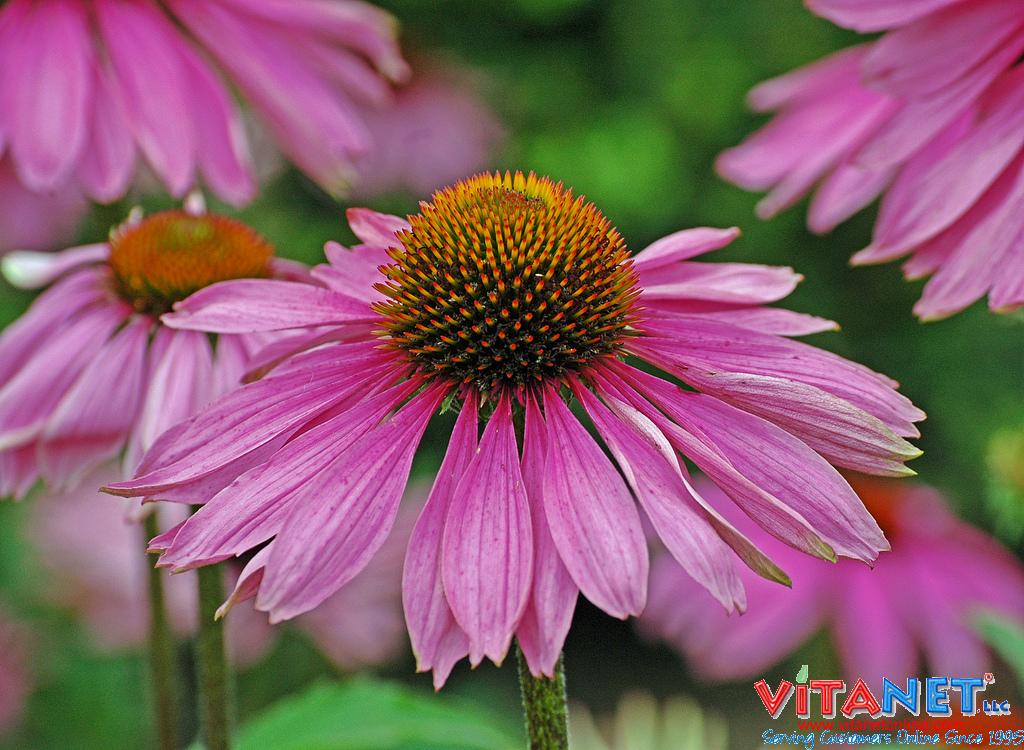
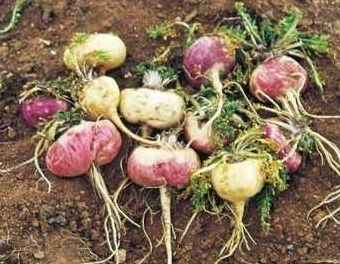 What is a Maca Root?
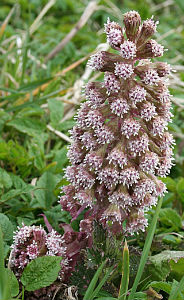 Butterbur is a plant found in the daisy asteraceae and is in genus petasites. They are also known as sweet coltsfoot. They are mainly found in the temperate zones of the northern hemisphere in areas such as riverbanks, ditches and marshes it’s also found in Europe, Asia and North America. The plant was mainly used by Native Americans as a remedy for inflammation, coughs, asthma allergies and headaches. For many years its leaves and roots have been used as an important medicinal herb. In recent research, researchers have found out that extracts of butterbur contains an active ingredient that can be used to prevent migraines and also act as an antispasmodic supporting chronic cough or asthma.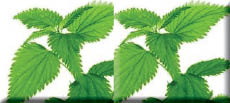

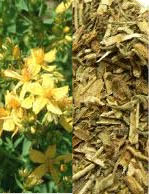
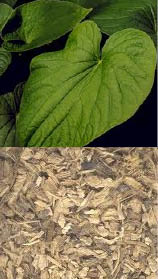 Kava kava can be used to treat depression and anxiety, largely due its content of kavalactones that are believed to increase the amount of a number of neurotransmitters in the blood, including the feel-good neurotransmitter serotonin.
 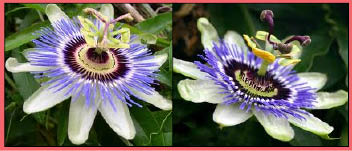 Passion flower has been used for centuries to treat anxiety, stress and depression, its active ingredients believed to be maltol and ethylmaltol that help to increase the level of gamma-aminobutyric acid (GABA) in the brain. GABA is one of the brain's key neurotransmitters and has been described by some as the brain's own 'Valium' supply.
 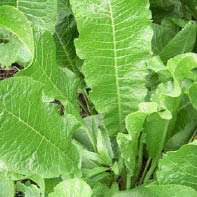 The horseradish plant is a perennial plant that is part of the Brassicaceae family, which includes mustard, wasabi, broccoli, and cabbages. Native to southeastern Europe and western Asia, the plant is popular around the world today. The horseradish plant grows up to five feet tall and is mainly cultivated for its large, white, tapered root. The intact horseradish root has hardly any aroma. However, when cut or grated, enzymes from the damaged plant cells break down to produce allylisothiocyanate, which often irritates the sinuses and eyes. Once grated, if the plant is not mixed with vinegar or used immediately, the root darkens and loses its pungency. It quickly becomes unpleasantly bitter when exposed to air and heat.
 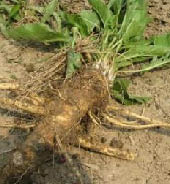 This herb helps promote stomach secretions to aid in digestion. Horseradish can be used as a compress for neuralgia, stiffness, and pain in the back of the neck. Additionally, this herb can be used as a parasiticide.