|
Search Term: " Plans "
Stevia: A Zero-Calorie Sweetener   
Date:
June 03, 2024 04:15 PM
Stevia: A Zero-Calorie SweetenerIn a world where health consciousness is increasingly important, finding the right sweetener can be a game changer. One such alternative that has gained significant attention is Stevia. Known for its zero-calorie content, Stevia offers a natural sweetness without the drawbacks associated with sugar. This article examines the properties of Stevia, how it’s harvested, its sweetness compared to sugar, and its benefits for those managing diabetes.
What is Stevia?Stevia is a natural sweetener derived from the leaves of the Stevia rebaudiana plant, native to South America. Unlike artificial sweeteners, Stevia is completely natural and has been used for centuries by indigenous people in countries like Brazil and Paraguay. The leaves of the plant contain sweet-tasting compounds known as steviol glycosides, which are the primary components used in Stevia sweeteners found on shelves today.
How Stevia is HarvestedTraditionally, Stevia leaves are harvested by hand. Farmers usually pluck the mature leaves, which are then dried to maintain their sweetness. Once dried, these leaves can be used in their whole form, or they can be processed to extract the steviol glycosides. Modern extraction methods involve soaking the leaves in water and then processing the extract to remove impurities. This results in a highly concentrated sweetener that is hundreds of times sweeter than sugar.
Sweetness Compared to SugarWhen it comes to sweetness, Stevia stands out. Stevia is approximately 200 to 300 times sweeter than sucrose (table sugar). This means a very small amount of Stevia is needed to achieve the desired level of sweetness, which also makes it an efficient option for those looking to cut down on sugar intake. However, it’s important to note that Stevia doesn’t have the exact same taste profile as sugar. Some people describe its sweetness as having a slight, licorice-like aftertaste, which not everyone finds appealing.
Benefits for Those Managing DiabetesFor individuals managing diabetes, Stevia can be an invaluable part of their diet. One of the primary concerns for people with diabetes is managing their blood sugar levels. Traditional sugar can cause spikes in blood glucose, making it difficult to control diabetes symptoms. Stevia, on the other hand, does not contain carbohydrates and has no impact on blood glucose levels. This makes it a suitable alternative for those who need to keep their sugar levels in check. Moreover, using Stevia can help diabetic individuals enjoy sweet foods and beverages without the fear of negatively affecting their health. The zero-calorie aspect of Stevia also contributes to maintaining a healthier weight, which is a crucial factor in managing diabetes.
Nutritional and Health BenefitsIn addition to its zero-calorie feature, Stevia also offers several nutritional and health benefits. Some research suggests that Stevia may help in lowering blood pressure and improving cholesterol levels. These potential benefits make Stevia not just a sugar substitute, but a supplement that can contribute to overall well-being.
Antioxidant PropertiesStevia leaves are rich in antioxidants, which help to combat oxidative stress in the body. Oxidative stress is linked to various chronic diseases, including heart disease and cancer. By incorporating Stevia into your diet, you might benefit from its antioxidant content, aiding in the reduction of inflammation and promoting better health.
Culinary UsesStevia is versatile and can be used in a variety of culinary applications. It’s available in different forms such as powders, liquid extracts, and even whole leaves. You can use Stevia to sweeten beverages like tea and coffee, baked goods, desserts, and even savory dishes that require a touch of sweetness. However, due to its high sweetness level, it is recommended to start with a small amount and adjust according to taste. Keep in mind that Stevia might behave differently than sugar in recipes, particularly in baking. Sugar contributes to the texture and volume of baked goods, while Stevia does not. Therefore, recipes using Stevia may require additional adjustments for the best results.
Economic and Environmental ImpactGrowing and harvesting Stevia can be advantageous from both economic and environmental perspectives. Stevia plants require less land and water compared to sugar cane or beet crops, making it a more sustainable option in the long run. Additionally, Stevia farming can provide economic opportunities for communities in developing countries where the plant is grown.
Are You Ready For a Zero-Calorie Sweetener?Stevia stands out as an exceptional zero-calorie sweetener, especially beneficial for those managing diabetes and looking to reduce their calorie intake. Its natural origin, coupled with its impressive sweetness and array of health benefits, make it a compelling alternative to traditional sugar and artificial sweeteners. Whether you are looking to alter your dietary habits or manage a health condition like diabetes, Stevia offers a promising solution for a healthier sweetening choice.
(https://vitanetonline.com:443/forums/Index.cfm?CFApp=1&Message_ID=6610) Magma Plus: The Power of Fruits and Veggies in a Drink 
Date:
May 24, 2024 02:51 PM
Magma Plus: The Power of Fruits and Veggies in a DrinkImagine if you could get all your daily fruits and vegetables in just one drink. Magma Plus is a fruit and veggie powder supplement designed to provide natural energy and boost overall health. This drink mix, made from barley grass juice powder and 57 other natural ingredients, is a convenient way to get many essential nutrients all in one go. Magma Plus gives your body the vitamins, minerals, and antioxidants it needs for energy, immunity, and more.
What Is In it?Magma Plus is a dietary supplement that is rich in active enzymes, antioxidants, vitamins, minerals, amino acids, protein, and chlorophyll. Dr. Yoshihide Hagiwara discovered that "young barley grass is one of the most nutritionally balanced foods in nature." With this in mind, the creators of Magma Plus added barley grass juice powder along with a blend of other nutritious fruits, vegetables, plants, and herbs to create a potent energy drink. The product is available in two sizes: 150 grams (16 servings) and 300 grams (33 servings). Each serving contains 1.8 grams of barley grass juice extract, making it a nutrient-dense option for anyone looking to improve their daily nutrition.
Why Choose Magma Plus?Unlike many energy drinks that rely on sugar and caffeine, Magma Plus is a natural booster that contains important nutrients for energy production. It is packed with various fruit and vegetable extracts, including Siberian ginseng and barley grass. These ingredients energize you without the crash that often comes with caffeinated drinks. Some of the key benefits include:
IngredientsHere is a list of the natural ingredients found in Magma Plus:
Health BenefitsMagma Plus provides various health benefits:
How to Use Magma PlusIt's simple to add Magma Plus to your daily routine. Just stir three teaspoons into an 8 oz. glass of water or your favorite juice. Be sure not to mix it with hot liquids, as heat can neutralize the active enzymes. For best results, take it once or twice daily on an empty stomach, about 20 minutes before meals.
Customer TestimonialsDon't just take our word for it. Here are what some of our satisfied customers have to say:
Research and SourcesScientific studies support the benefits of many of the ingredients found in Magma Plus. Research shows that barley grass is rich in vitamins, minerals, and antioxidants that can help improve health. Studies have also shown the benefits of ginseng, Echinacea, and other herbs in boosting energy and immunity.
Brand InformationGreen Foods Corp., the company behind Magma Plus, has been in the health food business for many years. They are committed to providing high-quality, natural products that support a healthy lifestyle. Their gentle, temperature-controlled processing techniques ensure that the nutrients in Magma Plus remain intact and effective.
Are You Looking for Convenience When Consuming Fruits and Veggies?If you're looking for a convenient, natural way to boost your energy and support your overall health, Magma Plus is an excellent choice. With its unique blend of fruits, vegetables, and herbs, it provides a multitude of nutrients in each serving. Try Magma Plus today and experience the benefits for yourself! Buy Magma Plus Now!
(https://vitanetonline.com:443/forums/Index.cfm?CFApp=1&Message_ID=6600) six top-notch supplements that can help you achieve your goals.
Date:
December 06, 2023 04:55 PM
If you're looking to stay in the game longer and improve endurance while promoting rapid recovery, we've got you covered! six top-notch supplements that can help you achieve your goals.For most of us, life can feel like quite the balancing act. In an ideal world, we would all have ample time throughout the day to dedicate to our health and well-being. However, reality paints a different picture, where 24 hours can seem like an insufficient amount of time to squeeze in work, school, family, and the countless responsibilities that life throws at us. In recent years, the use of supplements for recovery has gained popularity, becoming more common than ever before. Our bodies face a barrage of daily stresses, including exposure to environmental toxins, electromagnetic pollution, and the strain of intense physical activity. These factors increase our body's demands for antioxidants and essential nutrients that aid in the process of recovery. While consuming antioxidant-rich foods can certainly make a difference, it can be challenging to meet these requirements solely through our diet. That's where a well-rounded supplement regimen can play a crucial role in promoting optimal health and aiding in recovery. Even with our best efforts to exercise regularly, eat nutritious meals, and get sufficient sleep, life in the 21st century can be incredibly demanding, depleting our bodies on a cellular level. For athletes, consistent training is key to reaching desired performance levels. It's important to understand that the muscle recovery and building process primarily occurs between gym sessions. Developing a comprehensive recovery strategy during this crucial window, through the use of supplements, proper nutrition, and adequate rest, can help athletes perform at their best week in and week out. Failing to make the most of this recovery period may result in free radical damage and delayed onset muscle soreness (DOMS). To maximize the benefits, it's important to prioritize food as the primary source of vital nutrients, while also recognizing the significant role supplements can play in providing the necessary building blocks for muscle repair due to their rapid absorption rate. However, it's essential to ensure that any chosen supplements are clinically validated, demonstrating efficacy and supported by solid scientific evidence. In today's fast-paced world, there is a growing demand for quick and convenient solutions to jumpstart the recovery process. Nevertheless, when it comes to choosing supplements, it's important to remember that one size does not fit all. The market offers an overwhelming array of options, often leaving individuals feeling bewildered about which products to select. Before diving into my recommendations for the top six supplements to aid in recovery, I believe it's crucial to emphasize the significance of cellular renewal and its direct impact on the recovery process. This, in my opinion, serves as the key to achieving a quick and effective recovery. Oxidation and Free Radical DamageA fundamental key to staying young and maintaining optimal health is cellular renewal and minimizing the damage to cells over time. We all age, but studies have shown that some individuals age better than others. Have you ever wondered why? Well, recent research has linked oxidative stress to the aging process. So, what exactly is oxidative stress? Allow me to explain in simple terms – oxidation occurs when the body produces by-products commonly known as free radicals. It's almost like a machine rusting, but instead of rust forming on iron, our bodies experience the effects of aging and age-related diseases. Now, our bodies naturally produce free radicals as part of our daily metabolism, and they can also be produced as a result of environmental pollutants from everyday things like air, water, and even sun exposure. As we age, our bodies become more vulnerable to the long-term effects of oxidative stress, which simply means we accumulate too many free radicals and experience increased inflammation at the cellular level. As interesting as it may sound, the process of oxidation is actually abundant and can be beneficial for our bodies to function properly. But, and this is an important "but," this very process can also cause potential harm. You see, the oxidizing process creates these molecules called free radicals, which are electrically charged. These free radicals interact with our cells, and this interaction can lead to both positive and negative outcomes. For example, our immune system utilizes free radicals to help fight infection. However, when LDL cholesterol (often referred to as bad cholesterol) is oxidized, it can become a concern (cholesterol buildup). Let's talk about oxidative stress. It occurs when the level of free radicals overwhelms the body's natural antioxidant defense system, resulting in cell damage. As I mentioned earlier, while free radicals serve useful functions in the body, they are highly unstable molecules. If they remain uncontrolled, they have the potential to wreak havoc by causing damage to cells, enzymes, and even our DNA, which ultimately accelerates the aging process. In addition, these free radicals can also contribute to the development of various age-related diseases, including arthritis, cancer, and heart disease Now, inflammation is triggered by free radical damage, and it is this inflammation that leads to the negative effects of free radicals due to oxidation. The question then becomes, how can we address this in our daily nutritional regimen? The answer lies in the incorporation of antioxidants, which play a vital role in combating oxidative stress and minimizing the damage caused by free radicals in our bodies. You'll be glad to know that there are foods rich in antioxidant content that can help us on this journey. In fact, certain foods contain phytonutrients that, according to many health professionals, hold the potential to unlock the secrets of longevity and overall well-being. So, my dear friend, let's take a proactive approach, nourish our bodies with antioxidant-rich foods, and strive to minimize the effects of oxidative stress caused by free radicals. It's never too late to make positive choices for our health and age gracefully. Phytonutrients, also known as health boosters, are substances produced by plants to protect themselves from harmful bacteria and viruses. However, these compounds also offer significant benefits to the human body. Packed with essential nutrients, phytonutrients play an active role in promoting good health. They belong to the antioxidant family, responsible for eliminating harmful free radicals and thus slowing down the aging process. Incorporating a diet rich in high antioxidant foods like fresh fruits and vegetables is crucial as the first line of defense against aging. While vitamins A, C, and E are commonly known antioxidants, there are other antioxidants available in both food and supplement form. These antioxidant supplements play a vital role in bridging the nutritional gap left by processed foods, lacking the necessary antioxidants and nutrients to combat free radicals effectively. Let's take a closer look at my top six supplement recommendations, known for their efficacy in fighting oxidative stress and promoting optimal recovery: Beta Alanine: As an amino acid derivative, Beta Alanine is proven to enhance intramuscular carnosine content, improving the body's ability to buffer hydrogen ions. During exercise, the body accumulates hydrogen ions, contributing to fatigue and lowering pH levels. Beta Alanine supplementation can reduce fatigue, enhance exercise performance, and increase training volume. Whether it's interval training or weightlifting to improve running economy, incorporating beta-alanine can have a positive impact on endurance performance and overall training results. BCAAs: Branched Chain Amino Acids (BCAAs) have become a staple supplement for athletes due to their role in muscle and energy production during exercise. Consisting of three essential amino acids - leucine, isoleucine, and valine - BCAAs have been shown to significantly reduce muscle soreness and expedite the recovery process. Supplementing with BCAAs helps prevent muscle breakdown, as the body does not need to rely on its own muscle tissue for energy. Consequently, protein synthesis remains high, supporting muscle growth and repair. Creatine, a natural molecule found in muscle cells. When engaging in high-intensity workouts like weightlifting, Creatine helps your body produce adenosine triphosphate (ATP), a vital energy source. This amazing compound improves strength, boosts lean muscle mass, and aids in faster muscle recovery. Flavonoid Root, a breakthrough extract known for its cardiovascular benefits. This extract is packed with potent antioxidants and acts as a nitric oxide booster, promoting increased endurance during workouts. Studies have shown that it fights against free radical damage and increases the flow of oxygen-rich blood, ensuring optimal cardiovascular health. You can also boost nitric oxide with beet root, and l-citruline. Speaking of studies, a published research paper in Food and Nutrition Research (April 2016) highlighted the effects of the unique flavonoid root extract on arterial health. The study revealed that after one year of consumption, participants experienced a decrease in artery wall thickness, total cholesterol, LDL levels, and blood pressure. This indicates that the extract may help reduce the risk of oxidation-related cerebral vascular issues and improve overall cardiovascular health Glutamine. It's the most abundant amino acid in the human body and plays a vital role in muscle recovery and repair. Glutamine aids in preventing muscle soreness, optimizing post-workout recovery, and supporting muscle rebuilding. By facilitating nitrogen transport, regulating acid-base balance, and acting as an antioxidant, Glutamine ensures faster post-workout muscle recovery, giving you the freedom to train harder for better results. Protein plays a crucial role in replenishing and repairing your muscles after a workout, making it a key nutrient to consume alongside carbohydrates. By opting for a protein shake as a post-workout option, you can efficiently supply amino acids to your muscles, stimulating muscle protein synthesis, enhancing recovery, and promoting growth. It's important, though, to choose a protein shake that contains high-quality ingredients, as prioritizing quality over quantity is key when it comes to protein. Apart from protein, there are several other supplements that work through various mechanisms to provide natural, broad-spectrum antioxidant and nutrient support, ultimately contributing to optimal health and recovery. Taking preventative measures to protect the health of different body systems is much easier than trying to restore their function after damage has occurred. With this in mind, retailers should suggest a preventive program to their customers, aiming to limit free radical damage and promote recovery. As the adage goes, "an ounce of prevention is worth a pound of cure," emphasizing the significance of protecting and preserving one's health. In conclusion, the role of antioxidants, particularly phytonutrients, in maintaining overall health and combating oxidative stress cannot be overstated. These beneficial compounds not only slow down the aging process, but also enhance the body's ability to recover from physical exertion. Various supplements, including Beta Alanine, BCAAs, Creatine, Flavonoid Root, Glutamine, and Protein, each offer distinct benefits in supporting muscle growth, improving athletic performance, and promoting quicker recovery. The incorporation of these supplements into one's regimen can effectively bridge the nutritional gap left by processed foods. A preventive strategy, emphasizing a diet rich in antioxidants and high-quality supplements, holds the key to optimal health and longevity. As the saying goes, 'an ounce of prevention is worth a pound of cure'.
(https://vitanetonline.com:443/forums/Index.cfm?CFApp=1&Message_ID=6591) Sweeten Your Life Without Risk with Kal Sure Stevia Liquid Extract
Date:
May 19, 2023 03:11 PM
Kal Sure Stevia Liquid Extract is a zero-calorie natural sweetener with a low glycemic index. This means that it won't cause sudden spikes in blood sugar levels, making it an ideal option for people with diabetes and those who want to maintain a healthy weight. It's also perfect for those who are looking for ways to cut calories from their diet without sacrificing taste. Unlike other stevia products, Kal Sure Stevia Liquid Extract is made from pure stevia extract without any additives or fillers. This means that you're getting the full benefits of stevia without any harmful or unnecessary ingredients. Kal Sure Stevia Liquid Extract is highly versatile and can be used in a wide variety of dishes and beverages. You can use it to sweeten your morning cup of coffee or tea, your smoothie, or even your baked goods. Its natural and clean taste makes it an ideal alternative to sugar in recipes. Kal Sure Stevia Liquid Extract is produced using high-quality standards that are certified by independent labs. The stevia plants are grown without pesticides and undergo a rigorous extraction process to ensure a pure and natural product. This attention to quality ensures that you are getting the best possible product for your health. Many customers have reported positive experiences with Kal Sure Stevia Liquid Extract, but if you prefer to go with powder, Kal offers a dry powdered stevia extract that has zero fillers and no after taste. They have praised its natural and clean taste, versatility, and health benefits. Many also appreciate the fact that it's an affordable and sustainable option for sweetening their lives. Choosing a high-quality stevia product like Kal Sure Stevia Liquid Extract is an excellent way to sweeten your life without risking your health. With zero calories, a low glycemic index, and no additives or fillers, it's the ideal option for those who are looking for a healthier alternative to sugar and artificial sweeteners. Its versatility in sweetening and high-quality standards make it a top choice for many health-conscious consumers. If you haven't tried Kal Sure Stevia Liquid Extract yet, we highly recommend you giving it a try today!
(https://vitanetonline.com:443/forums/Index.cfm?CFApp=1&Message_ID=6576) Support Healthy Gastroinesteinal Tract, Blood Sugar, And Cholesterol With Berberine
Date:
November 08, 2022 05:37 PM
Berberine is a substance that has been shown in clinical studies to support multiple body systems. It is found in the roots, stems, and bark of certain plants and has a long history of traditional use. Berberine supplements are a convenient way to get the benefits of this substance, and they can support gastrointestinal health, healthy blood glucose levels, and healthy blood cholesterol levels.* Let's take a closer look at the benefits of berberine. Gastrointestinal Health Berberine has been shown in human clinical trials to support gastrointestinal health. This is likely due to the fact that it can help regulate the growth of certain bacteria in the gut.* In addition, berberine has been shown to stimulate production of mucus, which can help protect the gut lining.* Blood Glucose Levels Several clinical trials have demonstrated that berberine can help support healthy blood glucose levels.* This is likely due to the fact that berberine can help improve insulin sensitivity and decrease insulin resistance.* In addition, berberine can help stimulate production of glucose-6-phosphate dehydrogenase (G6PD), an enzyme important for regulating blood sugar levels.* Blood Cholesterol Levels Clinical trials have also demonstrated that berberine supplementation can help support healthy blood cholesterol levels already within the normal range.* This is likely due to the fact that berberine can help decrease low-density lipoprotein (LDL) cholesterol and increase high-density lipoprotein (HDL) cholesterol.* As you can see, there are many reasons to consider adding a berberine supplement to your daily routine. If you are looking for a convenient way to support gastrointestinal health, healthy blood glucose levels, and healthy blood cholesterol levels,* a berberine supplement may be right for you. As always, be sure to talk to your healthcare provider before starting any new supplement regimen.
(https://vitanetonline.com:443/forums/Index.cfm?CFApp=1&Message_ID=6562) The Benefits of Horse Chestnut Extract
Date:
October 25, 2022 04:43 PM
Horse chestnut extract is a popular ingredient in European herbalism. It has many active constituents, including saponins and flavones, which have been scientifically shown to support the integrity of the vascular system and connective tissue.* Rutin, a powerful free radical scavenger, has been added to complete this formula.* Horse chestnut helps support healthy vascular system. What is Horse Chestnut? Horse chestnut is an flowering plant that is native to the Balkans. The tree can grow up to 30m tall and flowers in early summer. The fruit is a glossy brown nut that contains saponin. The Benefits of Horse Chestnut Horse chestnut extract is rich in saponins, flavones, and tannins, which are all substances that have been shown to support the health of the vascular system.* In addition, horse chestnut extract also contains rutin, a potent antioxidant.* Together, these nutrients work to help maintain healthy circulation and support the structure of connective tissue.* How to Use Horse Chestnut Extract Horse chestnut extract can be found in capsules or liquid extracts. For best results, follow the dosage instructions on the product label. Rutin and its potential benefits Rutin is a phytochemical that can be found in a wide variety of plants. Rutin-rich foods include apples, blackberries, buckwheat, chokeberries, cranberries, fonts, grapefruit, lemons, limes, onions, oranges, pineapples, tangerines, and many more. This nutrient is known for its anti-inflammatory properties and has been linked to a number of potential health benefits. Some of the potential benefits associated with rutin intake include:
While research on the effects of rutin is ongoing, there is some preliminary evidence to suggest that this nutrient could offer a wide range of health benefits. If you are looking for an herbal supplement to support healthy circulation and connective tissue, consider horse chestnut extract.* This potent formula contains saponins, flavones, tannins, and rutin—all of which have been shown to support vascular health.* Try horse chestnut extract today and see for yourself how this herb can help you maintain optimal health.
(https://vitanetonline.com:443/forums/Index.cfm?CFApp=1&Message_ID=6525) New from NOW FOODS, Quercetin supplement
Date:
October 19, 2022 10:17 AM
The Many Health Benefits of QuercetinQuercetin is a nutrient that is found in many plants and foods. It is classified as a flavonoid and is known for its powerful antioxidant properties. Quercetin has been shown to provide numerous health benefits, including supporting a healthy immune system. Let's take a closer look at quercetin and its many health benefits. The Health Benefits of Quercetin As an antioxidant, quercetin scavenges harmful toxins and free radicals from the body. This helps to protect cells and DNA from damage. Free radicals are believed to contribute to the development of chronic diseases such as heart disease and cancer. By reducing the amount of free radicals in the body, quercetin can help to reduce the risk of these chronic diseases. In addition to its antioxidant properties, quercetin also has anti-inflammatory effects. Inflammation is a normal physiological response that helps to protect the body from infection and injury. However, chronic inflammation can lead to the development of various diseases such as arthritis, autoimmune disorders, and cancers. Quercetin's ability to reduce inflammation makes it a potential therapeutic agent for the treatment of these conditions. Another health benefit of quercetin is its role in supporting a healthy immune system. Quercetin has been shown to increase the production of cytokines, which are proteins that play an important role in immunity. Quercetin has also been shown to improve the function of natural killer cells, which are a type of white blood cell that helps to protect the body from infection. These effects make quercetin an important nutrient for supporting a healthy immune system. Quercetin is a nutrient that is found in many plants and foods. It is classified as a flavonoid and is known for its powerful antioxidant properties. Quercetin has been shown to provide numerous health benefits, including supporting a healthy immune system, reducing inflammation, and scavenging harmful toxins from the body. These effects make quercetin an important nutrient for overall health and well-being.
(https://vitanetonline.com:443/forums/Index.cfm?CFApp=1&Message_ID=6508) Support the Cardiovascular System, Promote Health Aging, and Reduce Stress with Resveratrol
Date:
October 13, 2022 03:25 PM
Resveratrol is a polyphenol naturally found in the skin of red grapes, certain berries, and other plants. This substance has received a lot of attention in recent years due to its many potential health benefits. Here's a closer look at some of the ways resveratrol may be able to help support your health. Cardiovascular Support One of the most well-known potential benefits of resveratrol is its ability to help support healthy cardiovascular function.* This substance has been shown to help promote healthy blood flow, as well as healthy levels of cholesterol and triglycerides in the blood.* All of these factors contribute to a healthy heart and circulatory system. If you're looking for a way to help keep your heart healthy, resveratrol may be worth considering. Anti-Aging Properties In addition to its cardiovascular benefits, resveratrol is also best known for its cellular anti-aging properties.* This substance has been shown to help protect cells from damage caused by free radicals.* Free radical damage is one of the main causes of cellular aging, so resveratrol's ability to protect cells from this type of damage may help slow the aging process. If you're concerned about aging gracefully, resveratrol may be worth adding to your regimen. Promotes Healthy Stress Response* Biological stress is a normal part of life, but it's important to maintain a healthy response to it.* When our bodies are constantly in a state of stress, it can lead to serious health problems over time. Fortunately, resveratrol has been shown to promote a healthy stress response.* So if you're looking for a way to help your body better cope with stress, resveratrol may be worth considering. Resveratrol is a naturally occurring substance with many potential health benefits. These benefits include supporting healthy cardiovascular function, promoting a healthy cellular aging process, and helping the body maintain a healthy response to biological stress.* If you're looking for a way to support your overall health and wellness, resveratrol may be worth considering. Talk to your healthcare provider today to see if adding this substance to your regimen is right for you.
(https://vitanetonline.com:443/forums/Index.cfm?CFApp=1&Message_ID=6503) How to Get Rid of Age Spots on Your Face? Try Dark Spot Serum!
Date:
October 08, 2022 10:26 AM
Have you ever looked in the mirror and noticed dark spots on your face that weren't there before? If so, you're not alone. Age spots are a common skin concern for people over the age of 40. But what are age spots, exactly? Age spots are flat, brown, or black patches of pigmentation that occur when your skin is exposed to too much sun. While they pose no health risk, age spots can be unsightly and make you look older than you actually are. Fortunately, there are treatments available that can help improve the appearance of age spots. One such treatment is Dark Spot Serum. This serum is clinically tested and shown to significantly improve the appearance of age spots and even out skin tone over a 12-week time period. Dark Spot Serum contains an extract of alpine plants that is clinically proven to reduce the appearance of age spots. Additionally, licorice extract, vitamin C, and a multi-fruit extract aid in evening skin tone. So, if you're looking for a way to get rid of those pesky age spots, Dark Spot Serum may be just what you need! Dark Spot Serum is easy to use; simply apply it to your face and neck twice daily after cleansing. For best results, use Dark Spot Serum in conjunction with sunscreen as sun exposure can exacerbate age spot formation. Give Dark Spot Serum a try today and see for yourself how it can help restore your skin's youthful glow! Do you have dark spots on your face? If so, Dark Spot Serum may be able to help. This serum is clinically tested and shown to significantly reduce the appearance of age spots and even out skin tone over a 12-week time period. So, if you're looking for a way to get rid of those pesky age spots, give Dark Spot Serum a try today!
(https://vitanetonline.com:443/forums/Index.cfm?CFApp=1&Message_ID=6490) D-Flame - Herbal Support for a Healthy Response to Stress
Date:
October 07, 2022 10:26 AM
Feeling stressed? You're not alone. In today's fast-paced world, it's more important than ever to find natural ways to support our bodies in responding to stress. Introducing D-Flame, a carefully crafted blend of herbal extracts that may help to support a healthy response to physiological stress. Read on to learn more about the key ingredients in D-Flame and how they work together to keep your body operating at its best. The Science Behind D-Flame D-Flame contains a unique blend of botanical extracts that work together to support the body's natural response to stress. Here's a closer look at some of the key ingredients in D-Flame and how they contribute to its ability to promote a healthy stress response: Holy Basil Extract - Holy basil is an ayurvedic herb that has been used for centuries in India for its many purported health benefits. Among these is the ability to help the body adapt to stress by supporting the activity of key stress mediators. Ursolic Acid - Ursolic acid is a type of triterpenoid compound that is found in a variety of plants. It has been shown to possess anti-inflammatory and antioxidant properties, which may help to protect cells from damage caused by oxidative stress. Turmeric Extract - Turmeric is a well-known spice with powerful antioxidant activity. Its active ingredient, curcumin, has been shown to modulate the activity of enzymes involved in inflammation, helping to keep inflammation levels in check. Ginger Extract - Ginger has long been used as a natural remedy for digestive issues like nausea and indigestion. It also possesses potent anti-inflammatory activity, which may help to reduce pain and swelling associated with occasional overexertion or injury. Green Tea Extract - Green tea is rich in antioxidants and polyphenols, which may help protect cells from damage caused by free radicals. It also contains caffeine, which has been shown to increase alertness and focus while also reducing fatigue. Boswellin® - Boswellin® is an extract of the herb boswellia serrata that has been shown to inhibit the production of pro-inflammatory molecules known as leukotrienes. This action helps to reduce inflammation throughout the body. Bromelain - Bromelain is an enzyme found naturally in pineapple that possesses powerful anti-inflammatory activity. It works by inhibiting the production of pro-inflammatory cytokines, helping to reduce inflammation and pain associated with conditions like joint pain and arthritis. Baikal Skullcap - Baikal skullcap is an herb native to Southeast Asia that has traditionally been used as a remedy for digestive issues and skin ailments. It also possesses potent anti-inflammatory activity, which makes it ideal for alleviating occasional pain and swelling associated with injury or overexertion. Resveratrol - Resveratrol is a type of phytonutrient that is found in grapes, berries, and other plant foods. It has strong antioxidant activity and has also been shown to modulate the activity of genes involved in inflammation, making it an effective tool for reducing chronic inflammation throughout the body.* Berberine - Berberine is a bitter alkaloid compound that is found in a variety of plants including goldenseal, barberry, and Oregon grape root. It has powerful antimicrobial activity against bacteria, viruses, and fungi.* Additionally, berberine has strong anti-inflammatory activity, making it ideal for alleviating occasional pain and swelling associated with injury or overexertion.* In Summary: D-Flame is an all-natural blend of botanical extracts that have been traditionally used for centuries to support the body's response to stress.* These herbs work together synergistically to modulate key enzymes and mediators involved in inflammation.* This action helps reduce chronic inflammation throughout the body.* Additionally, these herbs also help protect cells from damage caused by oxidative stress.* If you're looking for an herbal supplement to help support your body during times of stress, look no further than D-Flame!*
(https://vitanetonline.com:443/forums/Index.cfm?CFApp=1&Message_ID=6487) D-Flame - Herbal Support for a Healthy Response to Stress
Date:
October 06, 2022 04:01 PM
Feeling stressed? You're not alone. In today's fast-paced world, it's more important than ever to find natural ways to support our bodies in responding to stress. Introducing D-Flame, a carefully crafted blend of herbal extracts that may help to support a healthy response to physiological stress. Read on to learn more about the key ingredients in D-Flame and how they work together to keep your body operating at its best. The Science Behind D-Flame D-Flame contains a unique blend of botanical extracts that work together to support the body's natural response to stress. Here's a closer look at some of the key ingredients in D-Flame and how they contribute to its ability to promote a healthy stress response: Holy Basil Extract - Holy basil is an ayurvedic herb that has been used for centuries in India for its many purported health benefits. Among these is the ability to help the body adapt to stress by supporting the activity of key stress mediators. Ursolic Acid - Ursolic acid is a type of triterpenoid compound that is found in a variety of plants. It has been shown to possess anti-inflammatory and antioxidant properties, which may help to protect cells from damage caused by oxidative stress. Turmeric Extract - Turmeric is a well-known spice with powerful antioxidant activity. Its active ingredient, curcumin, has been shown to modulate the activity of enzymes involved in inflammation, helping to keep inflammation levels in check. Ginger Extract - Ginger has long been used as a natural remedy for digestive issues like nausea and indigestion. It also possesses potent anti-inflammatory activity, which may help to reduce pain and swelling associated with occasional overexertion or injury. Green Tea Extract - Green tea is rich in antioxidants and polyphenols, which may help protect cells from damage caused by free radicals. It also contains caffeine, which has been shown to increase alertness and focus while also reducing fatigue. Boswellin® - Boswellin® is an extract of the herb boswellia serrata that has been shown to inhibit the production of pro-inflammatory molecules known as leukotrienes. This action helps to reduce inflammation throughout the body. Bromelain - Bromelain is an enzyme found naturally in pineapple that possesses powerful anti-inflammatory activity. It works by inhibiting the production of pro-inflammatory cytokines, helping to reduce inflammation and pain associated with conditions like joint pain and arthritis. Baikal Skullcap - Baikal skullcap is an herb native to Southeast Asia that has traditionally been used as a remedy for digestive issues and skin ailments. It also possesses potent anti-inflammatory activity, which makes it ideal for alleviating occasional pain and swelling associated with injury or overexertion. Resveratrol - Resveratrol is a type of phytonutrient that is found in grapes, berries, and other plant foods. It has strong antioxidant activity and has also been shown to modulate the activity of genes involved in inflammation, making it an effective tool for reducing chronic inflammation throughout the body.* Berberine - Berberine is a bitter alkaloid compound that is found in a variety of plants including goldenseal, barberry, and Oregon grape root. It has powerful antimicrobial activity against bacteria, viruses, and fungi.* Additionally, berberine has strong anti-inflammatory activity, making it ideal for alleviating occasional pain and swelling associated with injury or overexertion.* In Summary: D-Flame is an all-natural blend of botanical extracts that have been traditionally used for centuries to support the body's response to stress.* These herbs work together synergistically to modulate key enzymes and mediators involved in inflammation.* This action helps reduce chronic inflammation throughout the body.* Additionally, these herbs also help protect cells from damage caused by oxidative stress.* If you're looking for an herbal supplement to help support your body during times of stress, look no further than D-Flame!*
(https://vitanetonline.com:443/forums/Index.cfm?CFApp=1&Message_ID=6486) Propolis Extract: Immune System Support for Everyday Wellness
Date:
August 15, 2022 12:26 PM
Propolis Extract is a natural supplement that has been used for centuries to support the immune system. It is made from the resin of trees and bees use it to seal up their hives and protect the hive against infection. Propolis Extract contains a variety of antioxidants, minerals, and vitamins that help keep your immune system functioning properly. Lets discuss the benefits of Propolis Extract and how you can add it to your daily routine! What is Propolis Extract and where does it come from? Propolis extract is a natural substance that is derived from the resin of certain trees and plants. It has been used for centuries in Traditional Chinese Medicine and other healing modalities for its wide range of therapeutic properties. Propolis extract is known to contain flavonoids, which are powerful antioxidants that help to protect cells from damage. It also contains anti-inflammatory and antibacterial compounds, which makes it an effective treatment for a variety of conditions. In recent years, propolis extract has gained popularity as a natural remedy for sore throats, colds, and other respiratory infections. It is also said to boost the immune system and promote wound healing. Propolis extract can be found in many health food stores as a dietary supplement or a spray. The benefits of Propolis Extract? People have been using propolis for centuries, and there are many benefits to using it. Some of the key health benefits of propolis include:
The benefits of Propolis Extract are vast and varied. It is a powerful anti-inflammatory, antibiotic, and antiseptic that can help to fight infection and disease. It also helps to boost the immune system, making it a vital part of your daily health routine.
(https://vitanetonline.com:443/forums/Index.cfm?CFApp=1&Message_ID=6430) Propolis: The Miraculous Healing Medicine of Antiquity
Date:
May 16, 2022 03:10 PM
What is propolis and where does it come from Propolis is a resin-like substance that bees use to build and repair their hives. It is made from a variety of plant materials, including tree sap, buds, and flowers. Propolis is also known as "bee glue" because of its sticky consistency. bees collect propolis from plants and then add their own enzymes to it, which helps to cure it. Once cured, propolis is used to seal cracks in the hive and fight off bacteria and other invading organisms. Propolis also has antioxidant and anti-inflammatory properties, which is why it is often used in natural medicines. How does propolis benefit your health This natural substance is also rich in antioxidants, making it beneficial for human health. Numerous studies have shown that propolis can help to boost the immune system, fight inflammation, and improve gut health. Additionally, propolis has been shown to have anti-cancer properties and to be effective against a variety of infections. As a result, this unique substance can be an important part of a healthy lifestyle. While more research is needed to fully understand the potential benefits of propolis, there is no doubt that this natural substance can have a positive impact on your health. How to use propolis for good health Propolis is a sticky substance that bees use to build and repair their hives. It is also known for its wide range of health benefits. Propolis has antimicrobial and anti-inflammatory properties, making it an effective treatment for wounds and skin conditions. It can also help to boost immune system function and fight off infection. When taken internally, propolis can help to soothe the throat and relieve congestion. In addition, propolis has been shown to have cancer-fighting properties. To get the maximum health benefits from propolis, it should be taken in capsule form or as a tincture. Are there side effects? Propolis can cause side effects in some people. The most common side effects include itching, redness, and swelling at the site of application. In rare cases, propolis can also cause an allergic reaction. If you experience any side effects after using propolis, discontinue use. Propolis FAQ's Q: Can propolis be used on open wounds? A: Yes, propolis can be used on open wounds. It has antimicrobial and anti-inflammatory properties, which makes it an effective treatment for cuts and scrapes. Q: How long does it take for propolis to work? A: The time it takes for propolis to work varies depending on the condition being treated. For example, if you are using propolis to treat a skin condition, you may see results within a few days. However, if you are taking propolis to boost your immune system or fight off infection, it may take a week or two to notice any benefits. Q: Is propolis safe for children? A: Yes, propolis is safe for children. However, it is important to note that children may be more likely to experience side effects from propolis than adults. Q: Can I take propolis if I'm pregnant or breastfeeding? A: There is no evidence that propolis is harmful to pregnant or breastfeeding women. As you can see, propolis has a wide range of health benefits. It is a powerful antimicrobial and anti-inflammatory agent, making it effective for treating wounds and skin conditions. It can also help to boost immune system function and fight off infection. When taken internally, propolis can help to soothe the throat and relieve congestion. In addition, propolis has been shown to have cancer-fighting properties. To get the most out of propolis, it is best to take it in capsule form or as a tincture.
(https://vitanetonline.com:443/forums/Index.cfm?CFApp=1&Message_ID=6409) Could quercetin be the answer to your allergies?
Date:
April 30, 2022 10:34 AM
It's that time of year again, when the sneezing and sniffling starts. Seasonal allergies can make life miserable for millions of people. But what if there was a natural way to lessen your symptoms? Quercetin, a flavonoid found in many plants, might be the answer. What are seasonal allergies and what causes them? Seasonal allergies, also known as allergic rhinitis, are a type of inflammation of the nose that occurs when the immune system overreacts to airborne particles such as pollen, dust, or mold spores. The most common symptoms include sneezing, runny nose, and itchy eyes. Seasonal allergies can occur at any time of year, but they are most common in spring and fall. There are a number of different factors that can contribute to seasonal allergies, including genetics, weather patterns, and air pollution. In addition, people who suffer from other conditions such as asthma or eczema are more likely to develop seasonal allergies. treatment for seasonal allergies typically involves avoiding triggers and managing symptoms with medication. In severe cases, allergy shots may be recommended. With proper management, people with seasonal allergies can enjoy symptom-free days. What is quercetin and where can it be found? Quercetin is a plant-based flavonoid that has been shown to have potent anti-inflammatory and antioxidant effects. It is found in many fruits and vegetables, including apples, onions, and berries. Quercetin supplements are also available. Studies have shown that quercetin can help to reduce the symptoms of allergies, such as hay fever and seasonal allergies. It does this by inhibiting the release of histamine, which is a chemical that triggers allergy symptoms. In addition, quercetin can help to reduce inflammation and swelling. For these reasons, it is often recommended as a natural treatment for allergies. How does quercetin work to alleviate allergy symptoms? Quercetin has a wide range of health benefits, including reducing inflammation and acting as an antioxidant. Quercetin also has the ability to block histamine, which is one of the main molecules involved in allergic reactions. When histamine is released, it causes the symptoms of allergies such as runny nose, watery eyes, and hives. By blocking histamine, quercetin can help to reduce these symptoms. In addition, quercetin can also help to reduce the production of inflammatory molecules such as cytokines. This helps to further reduce the symptoms of allergies and inflammation. How much quercetin should you take to see results? So, how much quercetin should you take to see results? Studies on quercetin supplementation have used dosages ranging from 500 mg to 1,000 mg per day to start and go up as needed. Generally, the higher doses are used to treat specific conditions, while the lower doses are more typically used for preventative purposes. Are there any other natural remedies that can help with allergies? There is no doubt that allergies can be a real nuisance, causing symptoms such as itchy eyes, sneezing, and skin rashes. While medications such as antihistamines are commonly used to manage these symptoms, there may be other natural remedies that can help as well. For instance, researchers have found that medicinal herbs such as nettle and astragalus may help to reduce inflammation associated with allergies. Additionally, changing your diet to include more antioxidant-rich foods may make you less prone to allergic reactions. Overall, while medications can be an important part of managing allergies, there are many other natural strategies that may be helpful as well. By incorporating a variety of these strategies into your treatment plan, you can hopefully minimize the impact of allergies on your life. How can you reduce your exposure to allergens in your environment? Allergens are substances that can trigger an allergic reaction in certain individuals. While different allergies manifest themselves in different ways, the main goal for anyone who is trying to reduce their exposure to allergens is to create a healthier environment for themselves and their loved ones. There are a number of tactics you can use to do this, starting with some simple steps that can be implemented at home. These include installing high-efficiency particulate air (HEPA) filters in your HVAC system, thoroughly cleaning surfaces and dusting regularly, and eliminating any indoor plants. Other steps involve avoiding exposures outside of the home, such as limiting time spent in dusty places like construction sites or opting to stay indoors on high-pollen days during allergy season. Overall, by making a few small changes to your lifestyle, you can greatly reduce your risk of exposure to allergens and take back control of your health. Can allergy medication be safely taken while taking quercetin supplements? Many people experience the unpleasant symptoms of allergies, such as a runny nose, coughing, or itchy eyes. Fortunately, there are many different medications that can help to relieve these symptoms and allow you to live a more comfortable life. However, for some people, allergy medication does not provide adequate relief. In this case, taking quercetin supplements may be an effective alternative. Additionally, some research has suggested that quercetin may actually enhance the effects of allergy medication. So is it safe to take allergy medication while taking quercetin supplements? The answer is yes, but quercetin can affect the way certain medications are absorbed by the body and should never be taken without consulting a medical professional. By doing so, you can safely reap the benefits of both treatments and enjoy a more comfortable life free from pesky allergies. The quick answer Allergy sufferers often have to contend with a host of different symptoms, from itchy eyes and a runny nose to sneezing fits and anxiety. While there are a variety of over-the-counter medications available to provide relief, many people are hesitant to take them on a regular basis due to concerns about side effects. Quercetin is a natural compound that has been shown to be effective in reducing allergy symptoms. It is generally considered safe to take quercetin along with other over-the-counter allergy medications. While there is always the potential for interactions between different substances, quercetin and most over-the-counter allergy medications are unlikely to cause any problems when taken together. As always, it is best to speak with a healthcare professional before starting any new medication regimen while consuming natural vitamin and herbal supplements.
(https://vitanetonline.com:443/forums/Index.cfm?CFApp=1&Message_ID=6403) Delta-8 THC Shows Promise in Combating Myocarditis
Date:
April 29, 2022 12:41 PM
Heart disease is the leading cause of death in America, and myocarditis is one of the most common causes. Researchers are constantly looking for new ways to combat this deadly disease, and Delta-8 THC may be a promising treatment. A recent study found that Delta-8 was able to slow down heart rate and reduce inflammation in mice with myocarditis. While more research is needed, these findings suggest that Delta-8 could be a valuable tool in the fight against heart disease. What is myocarditis and what are the symptoms? Myocarditis is a term used to describe inflammation of the heart muscle. This can occur for a variety of reasons, including infection or injury, and it can cause a wide range of symptoms. Some of the most common signs of myocarditis include shortness of breath, chest pain, and chest tightness. Other possible symptoms include dizziness, lightheadedness, fatigue, nausea, and weakness. If you experience any combination of these symptoms along with changes in your heart rate or blood pressure, it is important to seek immediate medical attention to determine whether you are suffering from myocarditis. Treatment will depend on the specific cause of your condition, but it typically involves anti-inflammatory medications and rest. Early diagnosis and treatment are essential for preventing the progression of the disease and reducing the risk of cardiovascular complications. What causes myocarditis and how is it diagnosed? Myocarditis is a condition characterized by inflammation and swelling of the heart muscle. This can lead to a number of symptoms, such as shortness of breath, chest pain, increased heart rate, and cough. There are many possible causes of myocarditis, including infections, autoimmune disorders, metabolic or nutritional disorders, or exposure to toxins or other irritants. In order to diagnose myocarditis properly, doctors will typically perform several different tests. These may include blood tests, scans of the heart using ultrasound or MRI technology, and electrocardiograms to assess heart activity. Ultimately, the treatment for myocarditis will depend on its underlying cause and the severity of symptoms. With proper care, however, most people can recover fully from this condition. How is myocarditis treated and what are the potential complications? Myocarditis is a condition that occurs when the heart muscle becomes inflamed. This can be caused by a viral infection, an autoimmune reaction, or other factors. Treatment for myocarditis generally involves addressing the underlying cause, if possible. For example, if the inflammation is due to a viral infection, antiviral medications may be prescribed. Corticosteroids may also be used to reduce inflammation. In some cases, heart surgery may be necessary to repair damage to the heart muscle. Complications of myocarditis can include heart failure and arrhythmias. With prompt and appropriate treatment, however, most people with myocarditis recover fully. What is Delta-8 THC and how does it work? Delta-8 THC is a chemical compound that is found in the Hemp plant. Unlike other forms of THC, which produce psychoactive effects by binding to cannabinoid receptors in the brain, Delta-8 simply activates these receptors without producing any noticeable effects on cognition or perception. While the precise mechanism of action for this compound remains somewhat unclear, scientists believe that Delta-8 works by interacting with specific neuroreceptors in the brain and body, thereby triggering a series of responses that ultimately lead to changes in mood or behavior. Furthermore, research suggests thatDelta-8 may also have antioxidant properties and may be effective at reducing inflammation in certain tissues. Overall, while more research is needed to fully understand the pharmacological effects of this compound, it seems clear that Delta-8 has great potential as a therapeutic agent and may hold benefits for patients suffering from certain mood disorders or neurological conditions. Delta-8, inflammation and relaxation Delta-8 is a cannabinoid that is found in hemp plants. This compound has a similar structure to Delta-9 THC, the main psychoactive compound in cannabis. However, Delta-8 is much less potent than Delta-9 and does not produce the same psychoactive effects. Instead, Delta-8 provides a more mild physical response that is associated with relaxation and relief from anxiety and pain. Research suggests that Delta-8 may also be effective in reducing inflammation. This anti-inflammatory effect may be due to the ability of Delta-8 to bind to CB2 receptors, which are found in high numbers in the immune system. As a result,Delta-8 may offer a unique combination of anti-inflammatory and relaxant effects. What are the findings: The results of recent studies suggest that delta-8, a type of cannabinoid found in cannabis plants, may play a role in reducing the symptoms of myocarditis. Myocarditis is a condition characterized by inflammation and damage to the heart muscle, which can lead to serious complications such as cardiac arrest if left untreated. Early research has shown that delta-8 may be able to help protect against this deterioration, as it was found to reduce levels of oxidative stress and inhibit pro-inflammatory signaling pathways. As more studies continue to explore the mechanisms underlying myocarditis, it is hoped that delta-8 will become an important tool for managing this deadly disease.
(https://vitanetonline.com:443/forums/Index.cfm?CFApp=1&Message_ID=6398) Astaxanthin can boost your health
Date:
April 22, 2022 04:19 PM
Astaxanthin is a nutrient that has tremendous potential for improving human health, but it's not well known. Most people have never even heard of astaxanthin, let alone know how beneficial it can be for their health. Astaxanthin is a uniquely powerful nutrient that can improve your health in ways you never imagined. It's hundreds of times more potent than some of the world's strongest nutrients at stopping oxidative stress, and it offers a wide range of other benefits as well. There are a variety of natural astaxanthin sources. The most well-known source is the microalgae haematococcus pluvialis, which is often used as a dietary supplement. Other natural sources include shrimp, lobster, and crab. Salmon, trout, and other red-fleshed fish get their pink color from astaxanthin, which they acquire by eating krill and other small crustaceans. Astaxanthin is also found in certain plants, including spirulina and chlorella. In addition, some fungi produce astaxanthin, and it is sometimes added to poultry feed to provide a healthy pigment for the flesh. Astaxanthin is a powerful antioxidant that has a range of potential health benefits. It is thought to protect against heart disease and cancer, and it may also help to reduce inflammation.
(https://vitanetonline.com:443/forums/Index.cfm?CFApp=1&Message_ID=6387) New CV Science Plus CBD 10mg Gummies
Date:
October 13, 2020 04:21 PM
CV Science just came out with new 10mg CBD gummies that taste great. These gummies contain True hemp with not only CBD but the minor cannabinoids and terpenes giving a full spectrum of benefits from the hemp plant. Each gummie is pre measured to contain 10 mgs of CBD. great tasting flavors, Mango and Citrus, these pack a punch in an easy to consume square cube. You will always find quality in CV Science CBD products:
try these great flavors and affordable sizes today:
(https://vitanetonline.com:443/forums/Index.cfm?CFApp=1&Message_ID=6369) Facts About Hemp / Many Uses of Hemp
Date:
November 30, 2019 12:11 PM
Many Uses of Hemp The Stalk
Roots of The Hemp Plant
Hemp Seeds / Flowers
Hemp Leaves
As you can see there are many uses of the Hemp Plant. Aside from the uses of CBD.
(https://vitanetonline.com:443/forums/Index.cfm?CFApp=1&Message_ID=6350) What is the Endocannabinoid System?
Date:
May 15, 2019 02:00 PM
38538 51781 46968 14364 65121
(https://vitanetonline.com:443/forums/Index.cfm?CFApp=1&Message_ID=6323) What is CBD?
Date:
May 15, 2019 01:54 PM
Cannabidiol (CBD) is a cannabinoid
(https://vitanetonline.com:443/forums/Index.cfm?CFApp=1&Message_ID=6322) Shiitake mushrooms are a powerful medicinal superfood
Date:
May 09, 2019 02:09 PM
A new study has found that adding fermented shiitake mushroom to rice bran is effective in inhibiting the growth of Salmonella typhimurium. The study was conducted on mouse organs and it was published in the journal BMC Complementary and Alternative Medicine. This formulation has been hailed as a new antimicrobial food-compatible formulation. The study was conducted on murine macrophage cells and in mice. Before this, it was known that the bioactive compounds in rice brans and in shiitake mushrooms have a lot of potential health benefits in mice, cells, and rodents. When the mycelia cells were compared against non-fermented ones, it was found that the bioactive compounds present in the fermented shiitake mushrooms could not be found in the ones that had not fermented. Further findings showed that the pathogen, Salmonella, was inhibited in infected macrophage cells and in organs in the mouse such as the cecum, mesenteric lymph node, spleen, and the liver. Another finding was that there was increased secretion of the bacteria in the feces in mouse. Overall, this findings show that fermented shiitake mushrooms with rice brans can be used as an antibiotic and antimicrobial food. Key Takeaways:
"A study published in the journal BMC Complementary and Alternative Medicine found that a formulation of fermented shiitake mushroom with added rice bran can inhibit the growth of Salmonella typhimurium in infected mouse organs." Read more: https://www.naturalnews.com/2019-04-16-shiitake-mushrooms-are-a-powerful-medicinal-superfood.html
(https://vitanetonline.com:443/forums/Index.cfm?CFApp=1&Message_ID=6292) These Essential Oils Beat Commercial Products Hands Down
Date:
May 08, 2019 01:35 PM
Mixtures of plant essential oils can be surprisingly powerful cleaning agents that will keep your dwelling pristine without harsh chemicals. Lemon oil excels at cutting grease. Tea tree oil is a powerful antimicrobial that can handle the toughest bathroom germs, and can be mixed with thyme oil to create a superb all-purpose cleaner and disinfectant. Lavender oil can be added into laundry to make it smell fresh and pleasant. Clove essential oil can be mixed with water and rubbing alcohol to make a sprayable air freshener. Key Takeaways:
"Essential oils are compounds that are extracted from plants. These oils engulf the plant oil and flavor, which is also called the “essence.” Each oil contains special aromatic compounds that give it a unique essence." Read more: https://www.thealternativedaily.com/essential-oils-beat-commercial-products-hands-down/
(https://vitanetonline.com:443/forums/Index.cfm?CFApp=1&Message_ID=6282) This hemp variety from Finland exhibits significant antioxidant properties thanks to its high flavonoid content
Date:
May 07, 2019 04:15 PM
According to a study published in Phytotherapy Research, Cannabis sativa L., otherwise known as the hemp plant, has a wide variety of health benefits. Because it is high in antioxidants, it offers significant protection from heart disease, diabetes, and cancer. Furthermore, the hempseed is very high in omega-3 and omega-6 essential fatty acids, which make it beneficial for the skin, heart, and joints. Hemp is often mistakenly confused with marijuana. While both plants contain Cannabis sativa, hemp does not have any THC, which is the psychoactive ingredient in marijuana that causes a "high". Hemp is also packed with beneficial nutrients and supports optimal brain and GI health. Key Takeaways:
"In the study, the researchers attribute this biological effect to the presence of flavonoid compounds in hempseed oil, which include flavanones, flavonols, flavanols, and isoflavones." Read more: https://www.naturalnews.com/2019-03-14-hemp-from-finland-has-antioxidant-properties-high-flavonoid-content.html
(https://vitanetonline.com:443/forums/Index.cfm?CFApp=1&Message_ID=6273) Anthocyanins from grape skins could potentially be used a colorant
Date:
May 06, 2019 03:16 PM
Commercial food industries have long used artificial colors to enhance the look of their products. With consumers now trending toward wanting more natural ingredients in their food and beverages, natural colors attained from plants is an easy solution. For example, the anthocyanins, which give grape skins their various colors, can be used to make colas several different colors. They also have a beneficial health component, as they contain anti oxidants that are know to aid in several areas of health and nutritional balance. Key Takeaways:
"Anthocyanins from grape skins can be used as a safe and natural food colorant, according to a study published in the Journal of Food Processing and Preservation." Read more: https://www.naturalnews.com/2019-03-29-anthocyanins-from-grape-skins-could-potentially-be-used-a-colorant.html
(https://vitanetonline.com:443/forums/Index.cfm?CFApp=1&Message_ID=6260) The Differences Between Hemp Seed Oil and Hemp CBD Oil
Date:
April 29, 2019 02:49 PM
With the increasing popularity of legalizing marijuana and CBD, along with many sates’ hopes of doing so, it will be imperative for the general public to understand the differences between Hemp Seed Oil and CBD oil. Becky Garrison has compiled a short recap on why consumers need to pay attention to the letters CBD when shopping. Hemp as a general term is more focused on skin care routines, vitamin supplementation and household products, CBD would help more with medical ailments such as pain and anxiety. Key Takeaways:
"Due to this confusion in which "hemp seed oil" is often mistakenly called "hemp oil," consumers should check the label to ensure they are purchasing the correct product for their needs. If you're looking for CBD, hemp seed oil isn't what you want; and if you're looking for hemp-based products for their nutritional content, then you may be disappointed in a hemp oil CBD product." Read more: https://www.civilized.life/articles/the-difference-between-hemp-seed-oil-and-hemp-cbd-oil/
(https://vitanetonline.com:443/forums/Index.cfm?CFApp=1&Message_ID=6213) How eating bitter herbs can fix digestive system problems
Date:
April 24, 2019 02:01 PM
Gastroesophagael reflux disease (GERD) is a common, vexing and potentially serious condition, but bitter herbs can sometimes help reduce its severity. The “bitters” used by herbalists usually include extracts from a variety of different plants. While plants produce bitter tastes to deter animals (including humans) from eating them, that bitterness can also indicate high concentrations of antioxidants and other compounds with valuable health benefits. Bitters can trigger the digestion-stimulating hormone called gastrin, as well as the release of bile and enzymes that break down protein. Key Takeaways:
"However, appropriate amounts of edible bitter greens, spices and herbs can provide important health benefits, and should be included in the diet." Read more: https://www.naturalhealth365.com/bitter-herbs-digestive-system-2779.html
(https://vitanetonline.com:443/forums/Index.cfm?CFApp=1&Message_ID=6173) Plant proteins found to help prevent Type 2 diabetes
Date:
April 22, 2019 04:18 PM
A recent study published in the British Journal of Nutrition analyzed the diets of more than 2,000 men. It specifically sought to find a correlation between protein sources and diabetes. It found that, in general, men with a higher intake of protein from plants were less likely to develop Type 2 diabetes. Conversely, men who got most of their protein from processed or unprocessed meats were more likely to develop Type 2 diabetes. Several other studies from Harvard have reached parallel conclusions. Key Takeaways:
"According to the study, men who had the highest intake of plant proteins were 35 percent less likely to develop Type 2 diabetes compared with those who had the lowest consumption." Read more: https://www.naturalnews.com/2019-02-17-plant-proteins-found-to-help-prevent-type-2-diabetes.html
(https://vitanetonline.com:443/forums/Index.cfm?CFApp=1&Message_ID=6149) Study looks at anti-diabetes properties of a barberry plant nativeto Africa
Date:
April 09, 2019 10:19 AM
Type 2 diabetes is a major health concern, but the drugs healthcare professionals currently turn to are expensive and have negative side effects. As an alternative, researchers in Kenya have found that the spiny evergreen shrub Berberis holstii has anti-diabetic properties. It is traditionally used as a medicine against a wide variety of ailments. The researchers found that, in rats, the plant could reduce blood glucose level. Berberis holstii isn't the only alternative substance that has anti-diabetic properties, other plants/foods include fatty fish, leafy greens, cinnamon, eggs, chia seeds, and turmeric. Key Takeaways:
"This spice reduces hemoglobin A1c, a marker of long-term blood sugar levels. It is also known to reduce cholesterol and triglyceride levels." Read more: https://www.naturalnews.com/2019-02-06-study-looks-at-anti-diabetes-properties-of-barberry-plant.html
(https://vitanetonline.com:443/forums/Index.cfm?CFApp=1&Message_ID=6123) Botanical study concludes the antioxidant potential of small nettle
Date:
March 22, 2019 03:54 PM
Researchers from the University of Sfax conducted a study on small nettle to determine it’s antioxidant potential. The small nettle plant can improve nutrition, livelihood, and overall health. It is also rich in flavonoids, fatty acids, and vitamins. Small nettle has already been in use for medicinal purposes as it can serve as a natural remedy for allergies, asthma, and bacterial infections. To conduct the study the researchers used extracts from small nettle leaves and watched for antimicrobial activity. They observed antioxidant activity along with high concentrations of flavonoids and shows that the plants are very important for health applications. Key Takeaways:
"A study conducted by researchers from the University of Sfax in Tunisia was the first to show not just the antioxidant potential of small nettle (Urtica urens) but its antimicrobial activity as well." Read more: https://www.naturalnews.com/2019-01-19-botanical-study-concludes-the-antioxidant-potential-of-small-nettle.html
(https://vitanetonline.com:443/forums/Index.cfm?CFApp=1&Message_ID=6090) Caraway Uses – What To Do With Caraway Plants
Date:
March 21, 2019 01:25 PM
Caraway — a relative of such culinary staples as cumin, fennel and dill — has a number of different applications in the kitchen and beyond. Caraway typically grows from Europe to parts of Western Asia, and is a biennial herb with a natural sweetness to it. Widely associated with rye bread, caraway seeds can be used to flavor a variety of pork, fish and vegetable dishes, including sauerkraut. The leaves and roots can be eaten as well, and the essential oil can be added to cosmetics. Key Takeaways:
"There are a plethora of caraway uses, primarily for use in cooking but also to cure medical woes." Read more: https://www.gardeningknowhow.com/edible/herbs/caraway/what-to-do-with-caraway-plants.htm
(https://vitanetonline.com:443/forums/Index.cfm?CFApp=1&Message_ID=6087) Health benefits of inulin.
Date:
March 08, 2019 08:02 AM
Fiber can improve digestion and promote a healthy gut. Inulin is a type of soluble fiber that is found in plants and contains a variety of health benefits, such as acting as a critical source of prebiotic bacteria in the digestive system. On top of this, inulin can support weight loss, help prevent bowel disorders such as IBS or colon cancer, and has the potential to control blood sugar. Side effects of inulin are incredibly rare- so be sure to fill up on inulin-rich foods, such as leeks, asparagus, wheat, or oats to get your daily fix. Key Takeaways:
"Here, learn everything you need to know about inulin fiber's health benefits, where it’s found naturally in food, and how to incorporate more into your diet." Read more: https://www.mindbodygreen.com/articles/inulin-foods-and-benefits
(https://vitanetonline.com:443/forums/Index.cfm?CFApp=1&Message_ID=6068) Powerful organic compounds in cannabis can slash some cancers by 50%, researchers say!
Date:
January 19, 2019 10:52 AM
Terpenes is a compound found in citrus fruits, rosemary, frankincense, and cannabis. Because it includes many compounds including THC, ketones, esters, lactones, and THC not found together in the same rate in other plants, it is a better health treatment than anything created by the pharmacy companies. Terpenes also has limonene and pinene, which help with anti-inflammation in healing cancers, and reducing stress. Joy Smith shares a story of having cancer, trying chemotherapy and being given just weeks to live, but attributes cannabis oil to saving her. Key Takeaways:
"Medical marijuana is a booming industry, and the use value of cannabis just continues to expand as we learn more about this heavily prohibited, but clearly medicinal, plant." Read more: https://www.naturalnews.com/2018-11-23-organic-compounds-in-medical-cannabis-slash-some-cancers.html
(https://vitanetonline.com:443/forums/Index.cfm?CFApp=1&Message_ID=5978) Why people love CBD - the cannabis product that won't get you high
Date:
January 19, 2019 10:48 AM
The CBD market is booming after the recent legalization of marijuana in many states. CBD is short for cannabidiol which is a compound found in cannabis and hemp plants. It is not a psychoactive- you do not get high from ingestion. It is commonly used to treat anxiety and insomnia. Further studies are being conducted to research its efficiency against arthritis and epilepsy. CBD is normally extracted into an oil or cream, but can be sold in a variety of products. Key Takeaways:
"So, what exactly is CBD — and why are you able to get your hands on it even if you don't live in a state where cannabis is legal?" Read more: https://www.cnbc.com/2018/11/09/what-is-cbd-these-popular-cannabis-products-wont-get-you-high.html
(https://vitanetonline.com:443/forums/Index.cfm?CFApp=1&Message_ID=5977) Alpha GPC: the Supplement that Can Boost Memory, Learning & More?
Date:
January 15, 2019 04:38 PM
Alpha glycerylphosphoryl choline (alpha GPC) is source of choline that is considered a fatty acid. Alpha GPC has the potential to help cognitive function, as well as aid the body in necessary muscle contraction. Neurologists have found that not only does alpha GPC aid in promoting optimal cognitive function, but it can also help treat memory impairments associated with Alzheimer's and dementia. The muscle-related benefits also lead to higher athletic performance due to an increase in overall muscle strength. Key Takeaways:
"Studies suggest that alpha GPC is one of the best nootropic brain supplements on the market." Read more: https://draxe.com/alpha-gpc-the-supplement-that-can-boost-memory-learning-more/
(https://vitanetonline.com:443/forums/Index.cfm?CFApp=1&Message_ID=5962) Study: PQQ (pyrroloquinoline quinone) may prevent and even reverseAlzheimer's
Date:
January 04, 2019 08:12 AM
Pyrroloquinoline quinone (PPQ) is a microbe that is derived from plants, and it is showing to have neurological benefits that are associated with the prevention of Alzheimer's progression. This particular microbe is able to reduce inflammation in the brain, which can lead to several neurological conditions. It also helps patients in post-stroke recovery because it is able to reduce the area of the brain that is impacted by stroke activity. Most importantly, it helps in the prevention of Alzheimer's due to how it can neutralize levels of oxidative stress. Key Takeaways:
"Glutamate is an important chemical in the brain, but too much of it results in excitotoxicity, a risk factor in both stroke and neurodegenerative disease. PQQ protects the brain from overstimulation by glutamate and the resulting death of brain cells." Read more: https://www.naturalnews.com/2018-12-15-ppq-can-prevent-alzheimers.html
(https://vitanetonline.com:443/forums/Index.cfm?CFApp=1&Message_ID=5928) Nutritionists say you should eat more cinnamon if you're diabetic
Date:
December 20, 2018 08:01 AM
For people who are suffering from diabetes, it is a really hard thing. There are a lot of people out there that are naive to what it actually means to be diabetic. These people do not have it easy at all and over time, it only gets harder. The process becomes more routine but it does not get any less taxing on the body. Also, cinnamon is something that is recommended by nutritionists for people who are diabetic. Key Takeaways:
"Now that the holidays are fast approaching, the smell of cinnamon will fill the air once again. This spice, commonly added to baked goods, is well loved around the world because of its delicious taste. In a recent study, a group of Malaysian researchers from the Asian Institute of Medicine, Science and Technology (AIMST) University has found more reasons for people to enjoy foods with this spice." Read more: https://www.naturalnews.com/2018-12-06-nutritionists-say-you-should-eat-more-cinnamon-if-youre-diabetic.html
(https://vitanetonline.com:443/forums/Index.cfm?CFApp=1&Message_ID=5913) Stevia leaves: Health benefits and uses for diabetes
Date:
December 18, 2018 04:04 PM
Stevia, a sweet extract from the plant Stevia Rebaudiana, has been used as a sugar substitute for years. Roughly 40 times sweeter than sugar but low in calories, Stevia can help in weight loss and blood sugar control. Stevia leaves also contain antioxidants, including kaempferol, which can, according to a study published in the American Journal of Epidemiology, lower the risk of pancreatic cancer by 23%. Stevia has also been reported to lower blook pressure, and is used in Brazil to treat diabetes. Stevia plants can be grown at home. The leaves can be stored like other herbs. Key Takeaways:
"Stevia is low-calorie, and much sweeter than sugar. If used as a substitute, it helps in weight-loss and controlling blood sugar levels, which may be beneficial for people with diabetes." Read more: https://www.timesnownews.com/health/article/stevia-leaves-health-benefits-and-uses-for-diabetes/331510
(https://vitanetonline.com:443/forums/Index.cfm?CFApp=1&Message_ID=5908) Chlorella A powerful medicinal plant that can preventinflammation-related diseases
Date:
December 05, 2018 02:53 PM
Medicine around the world is changing. Doctors and scientists are constantly looking at new ways in which they can develop something that can help people. If you are looking to prevent some inflammation diseases, there is a way to do it. However, you need to be smart and figure it out for yourself. These certain types of medicinal plants that are found in remote places in the world are working really well. Chlorella is one of those things that is getting great reviews. Key Takeaways:
"Researchers in France have found that chlorella can reduce inflammation and prevent inflammation-related diseases. In their study, the researchers looked at the benefits of chlorella on visceral pain and associated inflammatory parameters related to cystitis, an inflammation of the bladder, in mice." Read more: https://www.naturalnews.com/2018-12-03-chlorella-can-prevent-inflammation-related-diseases.html
(https://vitanetonline.com:443/forums/Index.cfm?CFApp=1&Message_ID=5874) Arjuna tree found to have medicinal properties, includingantioxidant, hypotensive, anti-inflammatory, anti-carcinogenic benefits
Date:
November 25, 2018 02:11 PM
There are some medicinal properties that are found in arjuna trees in nature. These things are a great scientific find as they have been proven to be very helpful to certain individuals. Some people do not believe in their use cases and do not think they work. However, these properties that are being found to work include anti-inflammatory and anti-carcinogenic benefits. That is some pretty serious stuff that deserves to be looked into a bit further. Key Takeaways:
"Medicinal plants have always surrounded us since the beginning of time. History has shown that our ancestors heavily relied on these plants to treat a lot of ailments." Read more: https://www.naturalnews.com/2018-10-29-arjuna-tree-found-to-have-medicinal-properties.html
(https://vitanetonline.com:443/forums/Index.cfm?CFApp=1&Message_ID=5858) Cranberries prevent cancer and many other chronic diseases
Date:
November 24, 2018 11:13 AM
There are a lot of myths out there that are associated with the preventing of cancer. People who have come out and stated that they have the cure are immediately shot back down to Earth when their findings reveal almost nothing. However, doctors think that cranberries are actually important when it comes to preventing cancer. They have used them on many different subjects and the results are good. Not only do they help in preventing cancer, they help combating other chronic disease also. Key Takeaways:
"These not only support your immune system and cellular health, but they also help your body flush bacteria like E. coli from your urinary tract, which is why cranberry is often recommended for those prone to urinary tract infections." Read more: https://www.naturalnews.com/2018-11-15-cranberries-prevent-cancer-and-many-other-chronic-diseases.html
(https://vitanetonline.com:443/forums/Index.cfm?CFApp=1&Message_ID=5856) The potential antidiabetic benefits of moringa
Date:
November 19, 2018 10:56 AM
Estimates from the World Health Organization place the possible tally of worldwide diabetics at over 400 million. That figure was established almost 5 years ago. Truly, diabetes is on the rise and rightfully considered an epidemic. All of which explains why scientists around the world are always on the lookout for natural, effective, low-cost treatment modalities that afford minimal to no side effects for the user. This is especially crucial because diabetes is a leading cause of blindness and loss of limbs. The most prevalent form, type 2 diabetes, is manageable with diet and drugs, but many drugs come with the cost of potentially dangerous side effects. Moringa, a native of India and a popular Asian vegetable, is gaining buzz as a superfood. One Cambodian study used obese rodent subjects and garnered some compelling evidence that the superfood could be used to benefit diabetics. For example, the mice used, that were also moringa recipients, had lower fasting glucose levels. The moringa recipients also had lower triglyceride levels and lessened renal impairment. Study suggests that moringa protects the human body from oxidative stress, from inflammation, and even from arsenic. It also acts to reduce cholesterol. Key Takeaways:
"Researchers from different parts of the world are setting their sights on moringa (Moringa oleifera), a plant native to India and widely cultivated in different parts of Asia, and its potential health benefits, with many being focused on its antidiabetic effects." Read more: https://www.naturalnews.com/2018-11-11-antidiabetic-benefits-of-moringa.html
(https://vitanetonline.com:443/forums/Index.cfm?CFApp=1&Message_ID=5845) Learn how moringa, just like hemp, is a miracle healing plant.
Date:
November 17, 2018 10:25 AM
Natural plants are getting more and more press due to the healing abilities that many have shown to have. Doctors truly do use some of these plants as they have received a lot of great feedback. This new plant from India, moringa, is just like latest healing plant that is being deemed a miracle. Though some may find these things to be a little bit of a stretch, the truth of the matter is that they work for people. Key Takeaways:
"Anna explains why moringa is rightfully known throughout the world as the “plant of decades,” or even the “plant of centuries,” because of its amazing healing benefits." Read more: https://www.naturalnews.com/2018-11-12-learn-how-moringa-miracle-healing-plant.html
(https://vitanetonline.com:443/forums/Index.cfm?CFApp=1&Message_ID=5841) Natural remedies to alleviate nasal allergies
Date:
October 30, 2018 09:51 AM
There are so many people out there that really struggle from natural allergies. They wake up some days, and due to the environment around them, they can immediately start coughing and sneezing. They are not sick but they are allergic to the natural environment. It is very bothersome to some people. If you want to get rid of these allergies, then you need to look into some of the natural remedies that are said to help people. Key Takeaways:
"Anyone can develop this condition, which can be triggered by animal dander, feathers, plants, pollen, or other environmental elements." Read more: https://www.naturalnews.com/2018-10-25-natural-remedies-to-alleviate-nasal-allergies.html
(https://vitanetonline.com:443/forums/Index.cfm?CFApp=1&Message_ID=5806) Research finds medicinal plants, such as nettles, have potentialfor fighting diabetes
Date:
October 23, 2018 09:51 AM
For the people that suffer with diabetes, they all wish that they could find something that gets rid of their disease. It is not as if the disease is unbearable but it definitely causes some issues for the people who have it. People who do not have diabetes do not know how hard it can be to live with it so they have no right to talk. Now there are ideas that some plants can help combat diabetes. Key Takeaways:
"The scientists noted that the Urtica diocia L., more commonly known as nettle, was used across eight regions. Likewise, the Teucrium polium L. or poleigamandar was traditionally used in five regions." Read more: https://www.naturalnews.com/2018-09-14-research-finds-medicinal-plants-such-as-nettles-have-potential-for-fighting-diabetes.html
(https://vitanetonline.com:443/forums/Index.cfm?CFApp=1&Message_ID=5800) Natural remedies for osteoporosis: Several medicinal plants havebeen found to improve bone health without the side effects of medication
Date:
October 21, 2018 12:52 PM
Osteoporosis is the most common bone disease, but common medicinal treatments can come with negative and unpleasant side effects. Osteoporosis means "porous bone" and refers to reduced bone density resulting in weakness. Recent research has identified a number of medicinal plants that appear to improve bone health, including black cohosh, Veld grape, Siberian ginseng, horny goat weed, soybean, Panax ginseng, Kwao Krua, and red sage. These treatments have shown promise in aiding bone formation and accelerating bone healing. Key Takeaways:
"The medicinal plants that have been included in clinical studies showed potential in promoting bone formation and acceleration of bone healing in osteoporosis." Read more: https://www.naturalnews.com/2018-09-23-natural-remedies-for-osteoporosis-medicinal-plants.html
(https://vitanetonline.com:443/forums/Index.cfm?CFApp=1&Message_ID=5798) 8 Essential Oils for Burns and Cuts
Date:
October 19, 2018 10:52 AM
If you need help for minor cuts or burns, instead of reaching for the medicine cabinet, why not reach for your garden - or rather, essential oils from the garden. The oils of several garden plants(as well as others) can help ease pain, inflammation and promote healing. Some of the common garden plants include rosemary, lavender, oregano and peppermint. But these are not the only plants you have available: the oils of rose geranium, myrrh, eucalyptus and helichrysum are also helpful for cuts and burns. Key Takeaways:
"In this article, we will walk you over the best essential oils for burns and cuts, take note study shows that they really work." Read more: https://t2conline.com/8-essential-oils-for-burns-and-cuts/
(https://vitanetonline.com:443/forums/Index.cfm?CFApp=1&Message_ID=5796) Sea buckthorn oil can promote liver health and decrease the storageof body fat
Date:
September 06, 2018 09:52 AM
More study is now being done regarding lesser known fruits and vegetables, not only for the betterment of human understanding, but also to potentially augment the list of natural alternatives to pharmaceuticals for the improvement of human health. Healthy lipids and fatty acids have been on the nutrition radar for a while now, as these items are known for having useful bioactive ingredients, including high vitamin content, making them useful for human consumption. Sea buckthorn oil is a new face on the lipid list, but offering some impressive credentials. For example, the plant shows high levels of vitamin A and E, phytosterols and unsaturated fatty acids. One study suggests that the type of oil used by humans effects how much vitamin A the liver stores. The ware-housing effect was considerably upped when rats were given sea buckthorn oil as opposed to soybean oil. Sea buckthorn oil has other pluses too. It can reverse GERD and possibly ulcers, also lower cholesterol and promote heart health. It also reduces inflammation, making it useful for sore inflamed, reddened skin. Key Takeaways:
"Lesser known fruits and plants have been gradually taking the spotlight in alternative medicine as natural remedies to various health conditions and improving overall nutrition." Read more: https://www.naturalnews.com/2018-09-01-sea-buckthorn-oil-can-promote-liver-health.html
(https://vitanetonline.com:443/forums/Index.cfm?CFApp=1&Message_ID=5749) Fulvic Acid- The Key To Health
Date:
August 27, 2018 05:53 PM
Fulvic acid is a mineral found in plants but has been overlooked greatly for aiding humans. Fulvic acid helps to break down basic fats, amino acids, and minerals. It also helps in transporting these items to their intended cells. Fulvic acid helps to get rid of poisons, heavy metals acquired in the circulatory system, and helps to rebuild the body's immunity. Research has shown it helps make supplements absorb. It contains the basic 70 minerals. Key Takeaways:
"Not to be mistaken for folic acid, fulvic acid is thought to be one of the general key parts for your general wellbeing." Read more: https://reportshealthcare.com/fulvic-acid-the-key-to-health/
(https://vitanetonline.com:443/forums/Index.cfm?CFApp=1&Message_ID=5727) Okra is a gut-friendly vegetable you need to be eating more often
Date:
August 19, 2018 05:53 PM
Okra is so good for you. Many people do not realize the benefits of vegetables and what they offer you. People need to have vegetables as part of their daily diet due to the nutrients that they provide. Overall, they are so healthy for the mind and for the physical body. They help speed up the metabolism and allow for fats to be released from the body. The more people eat things like okra, the better they will feel! Key Takeaways:
"Multiple studies have also shown that the benefits of okra aren’t limited solely to improving overall digestive health. A study made by the Agricultural Research Service of the USDA indicated that okra, together with other vegetables like beets, asparagus, eggplants, and cauliflower, handled the binding of bile acids better than the reference drug cholestyramine." Read more: https://www.naturalnews.com/2018-08-18-okra-is-a-gut-friendly-vegetable-you-need-to-be-taking-more-often.html
(https://vitanetonline.com:443/forums/Index.cfm?CFApp=1&Message_ID=5714) Can CBD Help with Chemotherapy Treatments?
Date:
July 22, 2018 11:53 AM
The potency of chemotherapy has long been considered a mixed blessing for cancer-sufferers, because while it can obliterate cancer cells, sometimes very effectively, it also has the effect of annihilating healthy cells along the way. Because of the unintended second effect, users often experience nasty side issues, including nausea, hair-loss, swelling of the extremities, and diarrhea. Canabidiol is a derivative from the hemp plant. Unlike oil culled from its relative, marijuana, the hemp derivative is not an abundant source of THC, the psychotropic element that gives marijuana its buzz. Good news for cancer sufferers undergoing chemo, because study suggests the oil can mitigate many of the bugbears affiliated with chemo use. Gains were seen across the side-effect spectrum, in fact. Study showed nausea was ameliorated, swelling contained, weight loss prevented, pain mitigated, and a better mood induced. Key Takeaways:
"Fortunately there are studies which suggest that cannabidiol (CBD), one of the chemicals derived from cannabis plants , can actually help manage the debilitating side effects of chemotherapy." Read more: https://sectorhealthcare.com/can-cbd-help-with-chemotherapy-treatments/
(https://vitanetonline.com:443/forums/Index.cfm?CFApp=1&Message_ID=5672) Edible or poisonous? Tips on how to determine which wild plants are safe to consume
Date:
June 30, 2018 05:54 PM
If you're an avid nature lover, it is important to familiarize yourself with which plants and flowers can be potentially toxic to you and your family's health. A good rule of thumb is to always be on the lookout for white, flowered buds. They typically appear in groups, and they indicate that the plant is either a Cicuta or a Conium plant. Both are known to be super toxic to human health, and should be avoided at all costs. Key Takeaways:
"If you find yourself forced to survive in the woods, it is important to know which plants are safe to forage." Read more: https://www.naturalnews.com/2018-06-28-tips-on-how-to-determine-which-wild-plants-are-safe-to-consume.html
(https://vitanetonline.com:443/forums/Index.cfm?CFApp=1&Message_ID=5651) CBD oil: the cannabis supplement taking the wellness world by storm
Date:
June 22, 2018 08:10 AM
Cannabis oil, despite having proven medicinal properties, is currently illegal in many parts of the world, because it also has high levels of an intoxicating substance. The same cannot be said for cannabidiol oil, which unlike cannabis, which comes from the marijuana plant, is a derived from hemp. Cannabidiol oil, or CBD oil, affects neural receptors in a positive way, boosting brain chemicals, like serotonin, but without psychoactive elements. This makes the oil a boon for those suffering from various forms of anxiety, as well as PTSD and panic attacks. CBD oil is anti-inflammatory and it promotes REM sleep, which makes it invaluable for joint-pain relief and insomnia. CBD oil is generally sold as both a capsule and an oil-specific product. It's recommended that users start with small doses, building up slowly. 6.4 mgs 3x a day is a good amount to enhance overall health. However, to address specific concerns, up to three times that amount many be needed. Again, one should only take such a high dose after taking the time to build up to it in increments. Key Takeaways:
"Cannabidiol (CBD) oil (derived from the stems and leaves of hemp plants) is currently flying off shelves at the moment due to its wide range of purported health benefits that include better sleep and the relief of joint pain, stress and anxiety." Read more: https://www.getthegloss.com/news/cbd-oil-its-health-benefits-explained
(https://vitanetonline.com:443/forums/Index.cfm?CFApp=1&Message_ID=5639) CBD 101: Everything You Need To Know About Giving Your Cat CBD
Date:
June 01, 2018 09:16 AM
Hemp, which hails from the genus cannabis, as does its far better known cousin marijuana, is distinct from marijuana for a variety of reasons, the most important undoubtedly being that the substance which makes marijuana a psychoactive substance, capable of producing its signature high' is all but missing in hemp. So, while both plants have components with healing properties, hemp offers users the benefits without the addictive component. Today, these benefits are being actively pursued by pet owners and not just humans. In the case of cat-owners, CBD as an oil is the best way to administer CBD, although humans have the option of sprays and other means. This is because with oil the dose can be titrated over time, to ensure that the smallest health-giving dose is administered. The odds of any side effects of note are rare, but erring on the side of caution is best. For the sake of legality do make sure that the oil you are using is derived from phytocannabinoids hemp. Know that a reputable provider will make a lab report available too. Key Takeaways:
"Cannabidiol(CBD is found) in all cannabis plants. Both hemp and marijuana plants come from the genus Cannabis. Hemp has no THC unlike marijuana, and as such, it can’t get you high. Therefore, you should always get your CBD oil from hemp ensuring you never get your cat high unless it’s with catnip—that’s completely fine." Read more: http://www.tgdaily.com/health/cbd-101-everything-you-need-to-know-about-giving-your-cat-cbd
(https://vitanetonline.com:443/forums/Index.cfm?CFApp=1&Message_ID=5622) What Is CBD Oil Really Used For?
Date:
May 30, 2018 05:16 PM
CBD is a non-psychoactive substance found in hemp and cannabis plants. CBD oil is the most commonly used form of cannabidol and the most widely studied. People use CBD oil for a range of health issues, including pain, addiction, and mental health problems. Others claim that CBD oil can decrease seizures, improve sleep, and reduce anxiety. More research on CBD oil is definitely needed to determine which conditions it can really help and what dosages are optimal. The American Academy of Pediatrics has issued a warning against CBD use in children due to concerns around healthy brain development. Key Takeaways:
"CBD, or cannabidol, is one of the non-psychoactive components found in the cannabis or hemp plant." Read more: https://www.huffingtonpost.com/entry/what-is-cbd-oil-used-for_us_5b044f27e4b003dc7e46fef1
(https://vitanetonline.com:443/forums/Index.cfm?CFApp=1&Message_ID=5619) 3 Science-backed nutritional benefits of echinacea
Date:
May 10, 2018 09:16 AM
The echinacea is a coneflower that is not only wonderful to look at in it's pink aura, but it is also a species that provides our bodies with substantial health benefits. The plant is known to help boost our immune systems, especially when it comes to ailments or symptoms that involve our respiratory systems. Experiments on lab rats have also shown that regularly taking in echinacea can help decrease anxiety levels quite a bit as well. Key Takeaways:
"The deliciously pink coneflower, otherwise known as echinacea, is one of nature’s power plants (pun intended). Healers from all disciplines recognize the healing potential of echinacea and often prescribe it as an alternative treatment for various conditions." Read more: https://www.naturalnews.com/2018-05-08-3-science-backed-nutritional-benefits-of-echinacea.html
(https://vitanetonline.com:443/forums/Index.cfm?CFApp=1&Message_ID=5594) NBC: Doctor researching cancer says common plant may hold cancer cure
Date:
December 25, 2017 07:59 AM
A researcher at Stephen F. Austin State University has found a new link between giant salvinia, a pest in Texas waterways, and a reduction in lung and pancreatic cancer. There are no details on what exactly in the plant is causing this decrease but the numbers are clear and hope is out there. This is part of a vanguard of disease and immunological studies to find cures from common plants and this looks to be promising Key Takeaways:
"Dr. Li says they found eight new compounds, with one of them showing anti-tumor activity." Read more: https://www.healthnutnews.com/doctor-researching-cancer-says-common-plant-may-hold-cancer-cure/
(https://vitanetonline.com:443/forums/Index.cfm?CFApp=1&Message_ID=5453) Why cannabis oil should be available on the NHS
Date:
November 28, 2017 03:59 PM
An article in an online English newspaper argues that cannabis oil should be made readily available for patients. The writer states that cannabis and hemp plants have a substance, Cannabidiol (CBD), which does not get a person high, but can be used to treat pain. He states that CBD is legal and is used by as many as 25,000 people in the UK. The author argues that further development of this product as an alternative to opioids is hindered by the perception of cannabis as dangerous. Key Takeaways:
"Cannabis is a plant that has been used effectively for thousands of years, causes no physical dependency, and has never been shown to cause a single fatality." Read more: http://metro.co.uk/2017/11/27/why-cannabis-oil-should-be-available-on-the-nhs-7105262/
(https://vitanetonline.com:443/forums/Index.cfm?CFApp=1&Message_ID=5421) Mulberry: The Fruit that Protects Your Heart & Liver
Date:
November 27, 2017 07:59 AM
All around the mulberry tree, the mulberry is good for the heart and liver, pop, goes the mulberry. The mulberry tree is from the same family of plants that produce figs and breadfruit. Mulberry fruit comes in a variety of colors. Black, purple, red or white, they are all delicious. This fruit is sweet with a slight tart after taste. Mulberry is a super food that is high in nutrients. It protects the body from cancer and free radical damage. Studies have shown that it even promotes weight loss. Bake them into treats, mix them into smoothies, or pop them straight into your mouth. No matter how you eat them mulberry fruit packs a knock out nutritional punch. Key Takeaways:
"The mulberry fruit may be tiny, but it provides some pretty big health benefits. It can aid in weight loss, keep your liver healthy, and even provide a hefty dose of vitamins and minerals with each serving." Read more: https://draxe.com/mulberry/
(https://vitanetonline.com:443/forums/Index.cfm?CFApp=1&Message_ID=5419) Dandelion Root Benefits vs. Dandelion Greens Benefits
Date:
November 26, 2017 07:59 AM
Dandelions have a bad reputation as weeds and pest plants. In fact, dandelions have been considered healing greens in many ancient cultures. Both root and leaves are edible and contain healing properties. They contain high levels of vitamin A and other nutrients and are used as diuretics and pain relievers. You can cook greens like any leafy vegetable and the root can be baked or roasted and used as a coffee drink. Dandelion is also common as a tea. Key Takeaways:
"Both the root and the greens of the dandelion are high in nutrients and commonly used as both natural remedies and versatile ingredients." Read more: https://draxe.com/dandelion-root/
(https://vitanetonline.com:443/forums/Index.cfm?CFApp=1&Message_ID=5417) CBD for Fibromyalgia and Opioid Withdrawal
Date:
November 12, 2017 07:59 AM
CBD is an alternative to the THC seen in marijuana plants, coming with all of the pain relief but with none of the psychoactive properties. It has been shown that this can help with opioid withdrawal. The author is a 70+ woman who used it daily as a tincture in olive oil to combat her dependence on opioids. It allowed her to kick that habit and develop healthier habits through the use of CBD and her pain management techniques. Key Takeaways:
"I hope the efficacy of CBD in aiding opiate withdrawal becomes more commonly known. It’s truly incredible." Read more: https://www.projectcbd.org/science/patient-experience-surveys/cbd-fibromyalgia-and-opioid-withdrawal
(https://vitanetonline.com:443/forums/Index.cfm?CFApp=1&Message_ID=5392) Interaction of turmeric (Curcuma longaL.) with beneficial microbes
Date:
October 09, 2017 01:14 PM
Turmeric is a trendy item now. Many people are beginning to add it to their diets. It is supposed to have important health benefits. This talks about how it interacts with the body's beneficial microbes. Since these do matter it is good to kow if what we're eating will have a negative effect on them. If it does you may find your body out of balance. You will be able to feel the difference when that happens. Key Takeaways:
"The present review focuses on the rhizobacterial and endophytic bacterial and fungal populations associated with the turmeric." Read more: https://link.springer.com/article/10.1007/s13205-017-0971-7
(https://vitanetonline.com:443/forums/Index.cfm?CFApp=1&Message_ID=5323) Why this "medicine plant" is so heavily revered for optimal health
Date:
September 24, 2017 09:14 AM
Many North American physicians prescribe drugs to treat medical ailments that do not address the underlying cause of the disease and leaves patients with toxic chemicals from prescription drugs in their systems. Nature has medicinal plants that are healthier and safer. The Aloe Vera plant is a prime example of a medicine plant. The plant is packed with nutrients and disease fighting compounds. Find out here what Aloe Vera can do for you either in it's natural or supplement form. Key Takeaways:
"Since many natural health professionals proclaim that all illness begins in the gut and up to 80 percent of our immune system resides there, it makes perfect sense to use a highly medicinal plant like aloe vera to support those key functions." Read more: http://www.naturalnews.com/2017-09-14-f-why-this-medicine-plant-is-so-heavily-revered-for-optimal-health.html
(https://vitanetonline.com:443/forums/Index.cfm?CFApp=1&Message_ID=5276) Research pilot explores industrial hemp
Date:
September 07, 2017 12:14 PM
Although the Washington state legislature has allowed hemp to once again be grown in the state, there are still some questions and uncertainties about growing the product. For now, those growing hemp are doing it for research purposes to monitor what the future growers will need it to do in order to create an industrial hemp harvest. Despite the four different types of licenses being granted, there is still some caution because of the plants close relationship it to marijuana. Hopefully some restrictions will change and beneficial aspects of the hemp can be produced, such as CBD oil. Key Takeaways:
"Hector Castro, Olympia-based communications director for the WSDA, says although the program is new, it’s generated a lot of interest from farmers and others who see potential in harvesting hemp." Read more: https://www.spokanejournal.com/local-news/research-pilot-explores-industrial-hemp/
(https://vitanetonline.com:443/forums/Index.cfm?CFApp=1&Message_ID=5234) Why do we need fiber?
Date:
September 03, 2017 09:14 AM
There are actual reasons why we need fiber. Fiber is neither a vitamin, nor a protein, yet we still need it in our diet. If you eat the right amount of it, fiber has a lot of different benefits that you will gain for your body. If you eat foods that are very high in fiber, then you can stop having constipation as well as hemorrhoids. Dietary fiber can also help you lower your cholesterol. Key Takeaways:
"Fiber is sometimes referred to as “nature’s broom” because it helps “clean out” the intestinal tract." Read more: http://www.phillyvoice.com/why-do-we-need-fiber/
(https://vitanetonline.com:443/forums/Index.cfm?CFApp=1&Message_ID=5212) Finding a market for hemp: More than 2000 acres of industrial hemp planted in Minnesota this year
Date:
August 31, 2017 04:14 PM
Growing industrial hemp to harvest for food, fiber and other uses is becoming more common especially in Canada. Now Minnesota wants to begin allowing the cultivation of Hemp. Thanks to legislations, Hemp crops have doubled in Minnesota in the last few years and are continuing to grow. The Ag and Renewable Energy Committee of the Kandiyohi County as well as the City of Willmar Economic Development Commission have been working hard to increase production to help farmers while assuring the public that there is no danger from getting high off this particular type of crop. Key Takeaways:
"According to the Minnesota Department of Agriculture, there is a 101-acre field of hemp being grown in Chippewa County." Read more: http://www.wdaz.com/news/4318205-finding-market-hemp-more-2000-acres-industrial-hemp-planted-minnesota-year
(https://vitanetonline.com:443/forums/Index.cfm?CFApp=1&Message_ID=5201) Top 10 Calcium Rich Foods (Dairy Free) | Natural Cures
Date:
August 25, 2017 12:14 PM
Calcium is a vital ingredient that we must consume to maintain proper bone and teeth health, among other things. Calcium isn’t just important for growing kids, either. In fact, it might even be more important for adults, as bone tissue begins to deteriorate as we grow into old age. Calcium helps to fight off diseases like osteoporosis, which make bones brittle and fragile. Luckily, calcium is found in a number of places besides just dairy milk, so people who are dairy-free do not need to worry. Some alternative options to milk include almonds, kale, oranges, white beans, and more. https://www.youtube.com/watch?v=DOqpY6bl7T4&rel=0Key Takeaways:
"There are several plants that can provide the necessary amount of calcium that our bodies need."
(https://vitanetonline.com:443/forums/Index.cfm?CFApp=1&Message_ID=5176) Full of antioxidants and anti-inflammatory compounds, cabbage needs to be a regular in your kitchen
Date:
August 23, 2017 09:14 AM
For anyone interested in healthy eating, cabbage is a useful vegetable to have handy around the kitchen. Cabbages have anti-inflammatory properties, are packed full of antioxidants, and help to fortify the body against cancerous cells. They are versatile vegetables that can easily be prepared as part of a side dish, appetizer, or even the main course. Cabbage plants are low maintenance and can be grown easily from seed, so it is possible to always have a fresh and abundant supply on hand. Once the cabbage plant is harvested, it can be used to make Cabbage Crunch Salad or as an ingredient in numerous other nutritious recipes. Key Takeaways:
"With its high concentrations of antioxidants and anti-inflammatory compounds, cabbage is one of the healthiest vegetables you can eat." Read more: https://www.healthnutnews.com/full-of-antioxidants-and-anti-inflammatory-compounds-cabbage-needs-to-be-a-regular-in-your-kitchen/
(https://vitanetonline.com:443/forums/Index.cfm?CFApp=1&Message_ID=5164) 7 Health Benefits of a Plant-Based Diet
Date:
August 19, 2017 07:14 PM
Many choose a diet based on plants rather than meat. Many do so for moral reasons but there are also health benefits to think about. Seven are listed here. If you have been considering a plant based diet this can help you by telling you the good it will do you rather than focusing on what you'll be missing by not eating so much meat. Plant foods contain a lot of nutrients and are very good for you. Read more: 7 Health Benefits of a Plant-Based Diet
(https://vitanetonline.com:443/forums/Index.cfm?CFApp=1&Message_ID=5151) Anti-cancer breakthrough: 52 herbs were tested, and only these three were found to effectively fight cancer
Date:
August 19, 2017 12:14 PM
Natural herbs have been used medicinally for centuries. Ancient civilizations have used them to cure many minor and major ailments. These herbs are now being studied to treat strains of cancer. Scientists from King Abdullah University of Science and Technology have reviewed the high contrast image screening of 52 herbs to test their properties that may affect cancer. In all of these 52 herbs three have showed promising results. They all originate in the middle east and include Citrullus colocynthis, Anastatica hierochuntica, and Juniperus phoenicea. More testing is necessary. With the discovery of these herbs' possible treatment powers, more people are hopeful to discover new herbs in such places as the Amazon Rainforest. Although recent deforestation is an issue. Key Takeaways:
"The three plants that showed a lot of promise were Anastatica hierochuntica, Citrullus colocynthis, and Juniperus phoenicea. All of these had potent anti-cancer substances known as topoisomerase inhibitors that could potentially be used to develop anti-cancer inhibitors." Read more: http://www.naturalnews.com/2017-08-15-anti-cancer-breakthrough-52-herbs-were-tested-and-only-these-three-were-found-to-effectively-fight-cancer.html
(https://vitanetonline.com:443/forums/Index.cfm?CFApp=1&Message_ID=5149) The Best Natural Treatments And Medicinal Plants For Liver Detoxification
Date:
August 06, 2017 09:14 AM
There are some great natural treatments and medicinal plants for liver detoxification. The liver is a very vital organ and it detoxifies your entire body. It synthesizes proteins and removes blood waste and it is responsible for the metabolism as well as the immune system. It also is responsible for processing all sorts of toxic substances. The good news is that the liver is actually the only organ that has the ability to regenerate and can function even when it is affected in a proportion of 80 to 90 percent. Key Takeaways:
"The good news is that the liver is the only organ that has the ability to regenerate and can function even when it is affected in a proportion of 80-90%." Read more: https://www.healththoroughfare.com/medicine/best-natural-treatments-medicinal-plants-liver-detoxification/1142
(https://vitanetonline.com:443/forums/Index.cfm?CFApp=1&Message_ID=5093) 5 Reasons Food is More Effective than Medicine
Date:
July 29, 2017 12:14 PM
A whole foods diet is one in which foods are eaten in their natural, minimally processed state. There is scientific evidence that diets incorporating plants and un-processed ingredients are correlated with reduced disease. This is particularly true in cases of the modern ills of humanity including high blood pressure, cancer, and current childhood disorders like ADHD. By avoiding processed foods and incorporating more plant foods into the diet, disease can be prevented, halted, and even reversed. Key Takeaways:
"The food choices we make will either feed our health or our sickness, and there is a growing body of evidence that suggests the key to improving the chronic diseases of the world can be found in the produce section of your local grocery store." Read more: http://vegnews.com/articles/page.do?pageId=9772&catId=2
(https://vitanetonline.com:443/forums/Index.cfm?CFApp=1&Message_ID=5056) The Best Ways To Eat Chia Seeds
Date:
July 26, 2017 07:14 AM
Chia seeds come in two different colors of seeds; white and black. They have been grown as "pet" plants for quite some time. But people now are realizing that they have huge health benefits when added to ones daily diet. Chia seeds are full of omega 3 acids that help as an anti inflammatory and are a great source of fiber. They are also high in protein. There are many more benefits to consuming chia seeds in your diet. You can enjoy chia seeds in many different ways, such as adding them to your favorite beverage or drink or tossing them on a salad. Read more: The Best Ways To Eat Chia Seeds
(https://vitanetonline.com:443/forums/Index.cfm?CFApp=1&Message_ID=5037) This Juice Prevents Cancer, Cleanses Your Liver & Lowers High Blood Pressure
Date:
July 25, 2017 12:14 PM
Beets and beet extract have powerful health benefits which indicate health-conscience consumers should emphasize them as important parts of one's diet. Beets aid human wellness in six ways: 1) Beets are high in fiber and promote healthy colon functioning; 2) Scientific studies show that eating beets helps to lower the risk of a variety of cancers, including breast cancer and pancreatic cancer; 3) beets act as an anti-inflammatory agent which promotes heart health and further reduces the risk of cancer; 4) the folate benefits of Vitamin B within beets helps reduce the chance of birth defects; 5) beets lower blood pressure because of the copious amounts of nitrates present; and lastly, 6) beets act in a way to help rid the body of toxins accumulating in the liver. https://www.youtube.com/watch?v=LW4nu4jjM6w&rel=0Key Takeaways:
"Beets are dynamic little power plants, stuffed with phytonutrients that serve as antioxidant and anti-inflammatory secret agents."
(https://vitanetonline.com:443/forums/Index.cfm?CFApp=1&Message_ID=5032) 5 Must-Know Benefits Of Tea Tree Oil (And How To Use It)
Date:
July 02, 2017 04:14 PM
Tea Tree oil (also known as melaluka) is an amazing oil and once you learn how to use it you will be amazed by the benefits. There are thousands of studies performed to evaluate this essential oil. it can be used to treat acne, and eczema. mixed with coconut oil, it can be a great treatment for your hair. it is an antifungal, and additionally can be used to brush your teeth. It is very concentrated so use caution. Key Takeaways:
"Tea tree oil is a strong anti-inflammatory agent, meaning it can help to soothe and treat many ailments of the skin." Read more: http://www.thealternativedaily.com/health-benefits-of-tea-tree-oil/
(https://vitanetonline.com:443/forums/Index.cfm?CFApp=1&Message_ID=4916) Cannabinoids and Terpenes: What is the Difference?
Date:
June 29, 2017 04:14 PM
THC and CBD are known as cannabinoids, they are the two compounds found in marijuana plants that serve medicinal purposes. Terpenes, found in marijuana and other plants can provide aroma and flavor as well as enhancement to THC and CBD. The amount and kinds of terpenes can differ per plant , creating different results for different people. Understanding and testing for terpenes will allow dispensaries to cater more specifically to what each customer may be looking for. Key Takeaways:
"However, terpenes are not unique to cannabis and are found in other plants and fruits as well as herbs." Read more: http://terpenesandtesting.com/cannabinoids-terpenes-difference/
(https://vitanetonline.com:443/forums/Index.cfm?CFApp=1&Message_ID=4906) 5 Reasons you should NEVER use canola oil, even if its ORGANIC
Date:
June 27, 2017 09:14 AM
Canola oil is a popular cooking oil that is attractive to customers and the restaurant industry. Canola oil is believed to have benefits such as a smaller waistline and a cleaner environment. It is now believed that Canola oil may not be as healthy as once thought. Canola oil must undergo many chemical processes in its original form before it can be converted into Canola oil. Also, since the Canola plant is one of the first plants that was genetically modified, it may be subject to exposure by a large amount of pesticides. Key Takeaways:
"Even canola oils deemed organic still undergo various production processes, and may not have a healthier fatty acid profile compared with commercial varieties." Read more: http://www.naturalnews.com/2017-06-24-6-reasons-you-should-never-use-canola-oil-even-if-its-organic.html
(https://vitanetonline.com:443/forums/Index.cfm?CFApp=1&Message_ID=4890) This Plant Surely Has It In Your Yard And Could Save The Life More Than Once!!
Date:
June 11, 2017 12:14 PM
the video spoke about the money plant or crassula, as it is actuallythe named, and the wonderful medicinal properties that it has. it went into detail about several medical conditions a person might have such as, arthritis, tonsillitis, and ulcers,and the proper way to apply the crassula to treat it. lastly it mentioned a warning against digesting too much of the crassula orally as it has a high amount of arsenic so treatments should be brief and not prolonged. the information was presented in scrolling text and recited verbally by and automated female voice as the text moved. https://www.youtube.com/watch?v=33jmTeuMgLM&rel=0Key Takeaways:
"Having plants in our home is something very beautiful because thanks to our plants the air is purified."
(https://vitanetonline.com:443/forums/Index.cfm?CFApp=1&Message_ID=4812) The REAL SCIENCE behind carbon dioxide: Plants use CO2 to create CBD, THC, curcumin and all medicinal molecules
Date:
June 09, 2017 07:14 PM
Most of us learned about photosynthesis in school or at least have heard of it. It talks about plants using carbon dioxide to make oxygen. It's not as simple as that, though. Plants do this but that's not all they do. They make other things out of the carbon dioxide as well which help the environment and which also serve other purposes. Plants are even more useful than we first thought. Some of the molecules they make are medicinal. Read more: The REAL SCIENCE behind carbon dioxide: Plants use CO2 to create CBD, THC, curcumin and all medicinal molecules
(https://vitanetonline.com:443/forums/Index.cfm?CFApp=1&Message_ID=4801) Bioperine: Powerful Synergistic Compound
Date:
May 29, 2017 12:14 PM
Bioperine is an extract found in many pepper plants. It is related to the turmeric family. It has been tested in animals to possibly lower cancer rates in humans. It can also possibly boost your metabolism and encourage weight loss. It is easier to introduce in the market as a food rather than a pharmaceutical supplement. The product can also warm internal body levels and improve digestion which helps your body absorb more nutrients. Bioperine is a relatively safe product. Key Takeaways:
"This novel compound is one of several bio-active alkaloids found in these plants, and offers a slew of remarkable health benefits" Read more: https://www.organicnewsroom.com/bioperine/
(https://vitanetonline.com:443/forums/Index.cfm?CFApp=1&Message_ID=4724) 23 Medicinal plants you need to know about when SHTF 
Date:
May 22, 2017 11:44 AM
Native Americans, for over 40,000 years, have used plants for medicinal purposes and for healing a variety of illnesses. Their belief is that man is part of nature, and health is about achieving balance. Several such plants they use include: Blackberries (presence of antioxidants), Mint, Yarrow, Rosemary, Sumac, Black Gum Bark, Cattail, Red Clovers, Wild Rose, Greenbriar, Buck Brush, Wild Ginger, Saw Palmetto, Sage, Prickly Pear Cactus, Slippery Elm, Lavender, Mullein, Honeysuckle, Uva Ursi, Licorice Root, Devil's Claw, and Ashwagandha. These natural remedies are used to treat anything ranging from inflammation, to chest pain, insomnia, tumors, and diabetes. Key Takeaways:
"Native American healers used red clover to treat inflammation and respiratory conditions." Read more: http://www.naturalnews.com/2017-05-16-23-medicinal-plants-you-need-to-know-about-when-shtf.html
(https://vitanetonline.com:443/forums/Index.cfm?CFApp=1&Message_ID=4668) | ||||||||||||


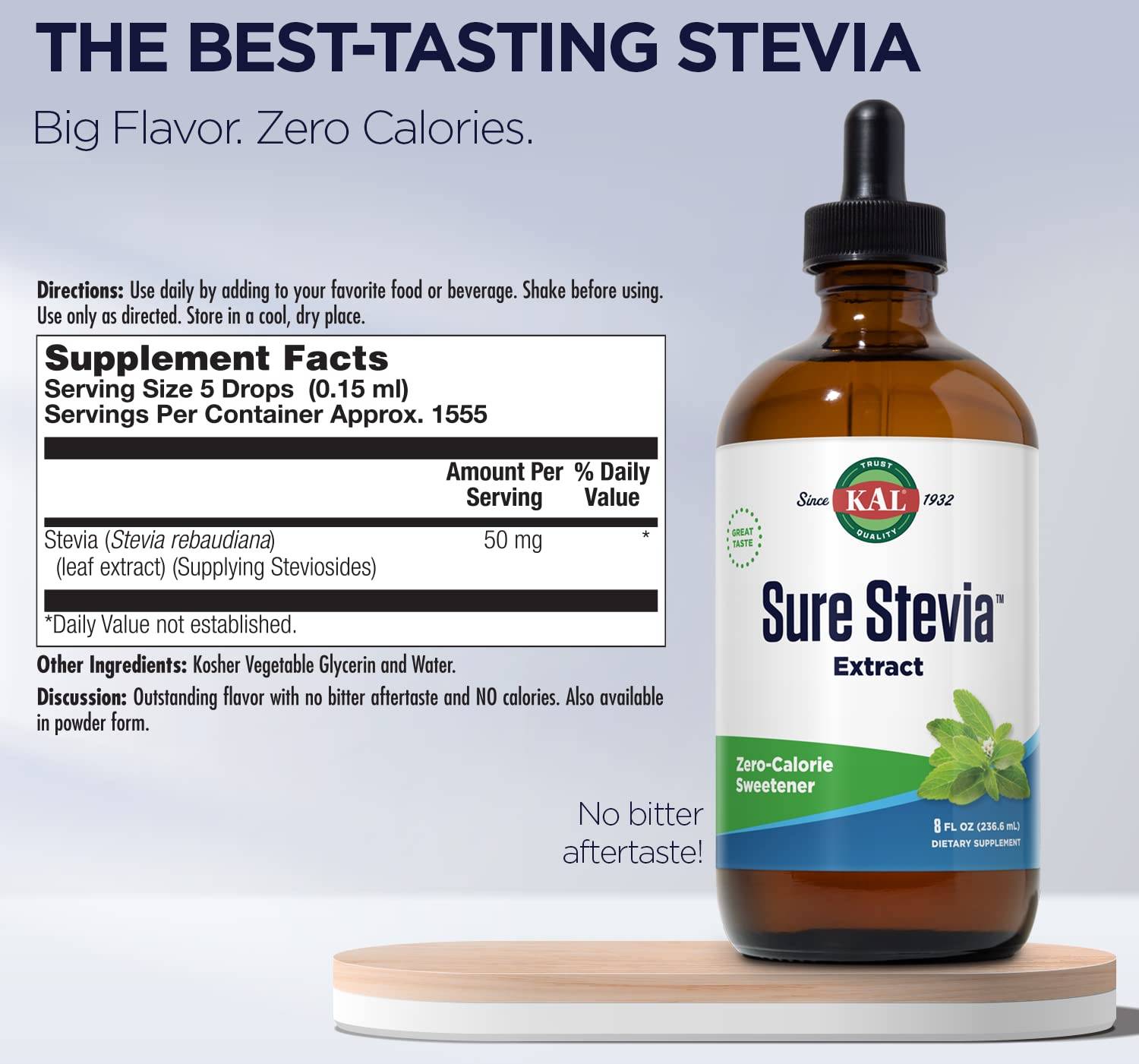 Stevia is a natural sweetener extracted from the leaves of the Stevia rebaudiana plant. It is a healthier alternative to processed sugar and artificial sweeteners, making it a popular choice for many health-conscious people. However, not all stevia products are created equal. Some stevia sweeteners contain additives or fillers that can be harmful to your health. That's why it's important to choose a high-quality stevia product, like the Kal Sure Stevia Liquid Extract.
  Imagine a natural medicine that is antiviral, antibacterial, and capable of conquering chronic allergies, preventing and treating cancer, and eliminating fungal and parasitic infections. This medicine exists! It is called propolis, and it has been used as a healing remedy for centuries. We will explore the miraculous properties of propolis and how it can benefit your health!