|
Search Term: " Pregnan "
Love Your Liver With Milk Thistle   
Date:
October 13, 2022 03:47 PM
You may have heard of milk thistle before, but you might not be familiar with all of the ways that this traditional herbal remedy can be used. Studies have shown that milk thistle extract can help to maintain healthy liver function and support the body's normal detoxification processes.* In addition, milk thistle has also been traditionally used to support digestive health. Keep reading to learn more about the many benefits of milk thistle. The liver is a vital organ that plays an important role in detoxification and metabolism. Milk thistle has long been used as a natural way to support liver health. The active compound in milk thistle, silymarin, is a potent antioxidant that helps to protect cells from damage.* Clinical studies have shown that milk thistle may help to maintain healthy liver function and support the body's natural detoxification processes.* In addition to its liver-supporting properties, milk thistle has also been traditionally used to support digestive health. Silymarin can help to reduce inflammation in the gastrointestinal tract and promote a healthy gut environment.* One clinical study showed that milk thistle extract was effective in relieving symptoms of functional dyspepsia, such as bloating, abdominal discomfort, and belching.* Milk Thistle is a Traditional Herbal Remedy with Many Benefits As you can see, milk thistle is a traditional herbal remedy with many potential benefits. If you are looking for a natural way to support liver function or digestive health, milk thistle may be worth trying. Be sure to talk to your healthcare provider before taking any new supplements, especially if you have a medical condition or are taking medication. *These statements have not been evaluated by the Food and Drug Administration (FDA). This product is not intended to diagnose, treat, cure or prevent any disease. Consult your healthcare provider before taking this or any other dietary supplement if you are Pregnant, nursing or have a medical condition or take medication as directed on the label.
(https://vitanetonline.com:443/forums/Index.cfm?CFApp=1&Message_ID=6504) Propolis: The Miraculous Healing Medicine of Antiquity 
Date:
May 16, 2022 03:10 PM
What is propolis and where does it come from Propolis is a resin-like substance that bees use to build and repair their hives. It is made from a variety of plant materials, including tree sap, buds, and flowers. Propolis is also known as "bee glue" because of its sticky consistency. bees collect propolis from plants and then add their own enzymes to it, which helps to cure it. Once cured, propolis is used to seal cracks in the hive and fight off bacteria and other invading organisms. Propolis also has antioxidant and anti-inflammatory properties, which is why it is often used in natural medicines. How does propolis benefit your health This natural substance is also rich in antioxidants, making it beneficial for human health. Numerous studies have shown that propolis can help to boost the immune system, fight inflammation, and improve gut health. Additionally, propolis has been shown to have anti-cancer properties and to be effective against a variety of infections. As a result, this unique substance can be an important part of a healthy lifestyle. While more research is needed to fully understand the potential benefits of propolis, there is no doubt that this natural substance can have a positive impact on your health. How to use propolis for good health Propolis is a sticky substance that bees use to build and repair their hives. It is also known for its wide range of health benefits. Propolis has antimicrobial and anti-inflammatory properties, making it an effective treatment for wounds and skin conditions. It can also help to boost immune system function and fight off infection. When taken internally, propolis can help to soothe the throat and relieve congestion. In addition, propolis has been shown to have cancer-fighting properties. To get the maximum health benefits from propolis, it should be taken in capsule form or as a tincture. Are there side effects? Propolis can cause side effects in some people. The most common side effects include itching, redness, and swelling at the site of application. In rare cases, propolis can also cause an allergic reaction. If you experience any side effects after using propolis, discontinue use. Propolis FAQ's Q: Can propolis be used on open wounds? A: Yes, propolis can be used on open wounds. It has antimicrobial and anti-inflammatory properties, which makes it an effective treatment for cuts and scrapes. Q: How long does it take for propolis to work? A: The time it takes for propolis to work varies depending on the condition being treated. For example, if you are using propolis to treat a skin condition, you may see results within a few days. However, if you are taking propolis to boost your immune system or fight off infection, it may take a week or two to notice any benefits. Q: Is propolis safe for children? A: Yes, propolis is safe for children. However, it is important to note that children may be more likely to experience side effects from propolis than adults. Q: Can I take propolis if I'm Pregnant or breastfeeding? A: There is no evidence that propolis is harmful to Pregnant or breastfeeding women. As you can see, propolis has a wide range of health benefits. It is a powerful antimicrobial and anti-inflammatory agent, making it effective for treating wounds and skin conditions. It can also help to boost immune system function and fight off infection. When taken internally, propolis can help to soothe the throat and relieve congestion. In addition, propolis has been shown to have cancer-fighting properties. To get the most out of propolis, it is best to take it in capsule form or as a tincture.
(https://vitanetonline.com:443/forums/Index.cfm?CFApp=1&Message_ID=6409) Reduce the effects of chemotherapy with safflower seeds
Date:
May 08, 2019 04:35 PM
Chemotherapy which is often shortened to chemo is the use of drugs to eliminate and reduce cancer cells. Because of its systemic effects and ability to kill cancer cells despite the site they are found, it has been widely used in conventional medicine and oncology to fight cancer. But the treatment is not without risks since it can include long term damage to sensitive organs in the body like the lungs, heart, and kidneys. A recent study that was published in the American Journal of Chinese Medicine took a look at the effect of chemotherapy on the kidneys. They studied the effectiveness of safflower seeds against the side effects of cisplatin, a chemotherapy drug used against cancer. They used animal models and compared the effect on damages to the kidneys. Cisplatin is not only used to treat cancer, it is used to prevent the spread of cancer to other parts of the body. It has some side effects which include nausea, vomiting, hair loss, dry skin, and hiccups. It is advisable that pregnant women and breastfeeding women not take it because it can harm the baby. When safflower seeds effect were studied, there were remarkable results discovered leading to the conclusion that safflower seeds were effective in reducing the effects of renal damage caused by cisplatin. Key Takeaways:
"The treatment, despite being touted as “effective against many forms of cancer,” isn’t without risk, which can include both acute and long-term damage to organs like the lungs, heart, nerves, and kidneys." Read more: https://www.naturalnews.com/2019-04-17-reduce-the-effects-of-chemotherapy-with-safflower-seeds.html
(https://vitanetonline.com:443/forums/Index.cfm?CFApp=1&Message_ID=6288) Discover the benefits of biotin, a little known B-vitamin that cangive you that natural, healthy look
Date:
May 02, 2019 10:42 AM
The vitamin B7, often known as Biotin is normally advertised as a supplement to help with the growth of hair and nail tissue. In a new write up by Zoey Sky, she provides the general public with a few different symptoms that may indicate your body has a Biotin deficiency, such as dry and itchy skin or constant bouts of fatigue. She also provides a few benefits that come along with taking a Biotin supplement such as a positive change in thyroid health, better digestion and ability to absorb nutrients as well as support for your nervous system. Key Takeaways:
"The average recommended daily intake for biotin is five micrograms (mcg) for infants and small children, 30 mcg for adults, and 35 mcg for pregnant and breastfeeding women." Read more: https://www.naturalnews.com/2019-03-14-biotin-can-give-you-that-natural-healthy-look.html
(https://vitanetonline.com:443/forums/Index.cfm?CFApp=1&Message_ID=6233) The many benefits of red raspberry leaf tea
Date:
April 26, 2019 02:16 PM
Red raspberries are a popular fruit, but what many people don't know is that the leaves of its plant can be used to make herbal tea. In fact, people have been doing so for thousands of years. Red raspberry leaf tea contains compounds that help women relax pelvic muscles, leading to shorter labor periods during pregnancy. Well before labor, this tea can help reduce nausea and vomiting during the first trimester. Aside from pregnant women, others can benefit from red raspberry leaf tea's high Vitamin C content and ability to replenish potassium in the blood. These are just some of the benefits to drinking this natural herbal tea. Key Takeaways:
"The most common use of red raspberry leaf tea is to provide natural support for pregnant women. Drinking it helps shorten the labor period, prevents complications, and reduces the need for medical intervention during birth." Read more: https://www.naturalnews.com/2019-03-12-the-many-benefits-of-red-raspberry-leaf-tea.html
(https://vitanetonline.com:443/forums/Index.cfm?CFApp=1&Message_ID=6193) Pregnant diabetic women are encouraged to take propolis
Date:
April 24, 2019 01:58 PM
A recent study took pregnant rats who were suffering from gestational diabetes, and they gave them propolis to see if it had a beneficial impact on regulating their glucose levels. The results showed that propolis did, in fact, help regulate blood sugars, and it also helps in several other areas as well. Taking propolis consistently can also help protect you against hypertension during your pregnancy, as well as promote faster wound healing which is extremely important in diabetic patients. Key Takeaways:
"Their study, which was published in BMC Complementary and Alternative Medicine, showed that the superfood propolis not only improves pregnancy outcomes but also placental oxidative stress." Read more: https://www.naturalnews.com/2019-02-26-diabetic-pregnant-women-should-take-propolis.html
(https://vitanetonline.com:443/forums/Index.cfm?CFApp=1&Message_ID=6172) 6 Benefits of Chia Seed During Pregnancy
Date:
April 18, 2019 01:48 PM
Chia seeds are a super food that have multiple health benefits for you when you are pregnant. They are easy to add to your diet as well. Chia seeds can be added to yogurt or smoothies. It is not necessary to soak them prior to digestion, but it is helpful. Chia seeds are full of Omega 3s, vitamins, minerals and antioxidants. This includes being a good source of iron which is especially important during pregnancy. They also are a good source of fiber which can help blood sugar levels. Key Takeaways:
"Chia seeds contain essential vitamins and nutrients, plus they’re so easy to incorporate into your diet on a daily basis." Read more: https://draxe.com/chia-seed-during-pregnancy/
(https://vitanetonline.com:443/forums/Index.cfm?CFApp=1&Message_ID=6140) Health Benefits of ginger tea
Date:
April 13, 2019 11:20 AM
Ginger tea’s smell and hot taste is widely used in home remedies. There are many health benefits, including treatment of nausea. Drinking a cup may prevent nausea while traveling. Ginger tea improves digestion. The tea increases the absorption of food and reduces stomach pain. The respiratory system also benefits. Ginger tea can combat viruses that can cause cold, cough, and flu. The tea also improves blood circulation that can prevent fever, sweating, and chills. Curing menstrual cramps is another use for ginger tea. Simply dip a towel in ginger tea and place it over the lower abdomen. Remember doctors recommend consuming three to four grams maximum, too much ginger tea can cause gas and heartburn. Key Takeaways:
"Ginger tea may help with everything from motion sickness to cardiovascular diseases." Read more: http://www.apnlive.com/lifestyle/health-benefits-ginger-tea-56216
(https://vitanetonline.com:443/forums/Index.cfm?CFApp=1&Message_ID=6132) How much omega-3 should you take each day?
Date:
March 27, 2019 10:28 AM
Many of us are well aware of the benefits surrounding omega-3 fatty acids, but exactly how much should we take on a routine basis in order to experience the most potent advantages? To receive benefits such as improved heart health, enhanced cognitive function, and inflammation reduction, people should be consuming 250 grams each day. This recommendation excludes pregnant women and children who should have around 300 grams each day due to their brains still being at a developmental milestone. Key Takeaways:
"DHA is essential for the eyes, brain and sperm cells. EPA is beneficial in reducing inflammation in the body." Read more: https://timesofindia.indiatimes.com/life-style/food-news/how-much-omega-3-should-you-take-each-day/articleshow/67672802.cms
(https://vitanetonline.com:443/forums/Index.cfm?CFApp=1&Message_ID=6095) BREAKTHROUGH: Vitamin D supplements taken during pregnancy found toprevent autism in children
Date:
March 04, 2019 02:26 PM
Autism is a condition that affects thousands of children across the world. It is believed that autism begins during pregnancy. New research suggests that using Vitamin D supplements during pregnancy is a good way to prevent this devastating condition from occurring. It is exciting news for parents who are trying to conceive who want to ensure their baby has a great start from the very beginning. Learn how much Vitamin D to take and the best supplements to begin! Key Takeaways:
"Taking vitamin D supplements during pregnancy can prevent the onset of autism spectrum disorder in children, a recent animal study showed." Read more: https://www.naturalnews.com/2019-01-19-vitamin-d-supplements-taken-during-pregnancy-prevent-autism-in-children.html
(https://vitanetonline.com:443/forums/Index.cfm?CFApp=1&Message_ID=6061) Is vitamin C the key to fighting pneumonia?
Date:
February 14, 2019 09:49 AM
As a whole, most individuals in society know that once those cold feels start kicking in, it is time to reach for your Vitamin C, juice, powder, pill, it doesn’t matter. This article, however, highlights the use of Vitamin C to fight pneumonia as well. It provides basic education on what the vitamin does and also lists a few fruits and vegetables the vitamin can be often found in. This general informational blurb will be just the thing you need to learn more about vitamin C and pneumonia. Key Takeaways:
"Pneumonia, an infection of the lungs caused by either a virus or bacteria, is the leading cause of death from infection in the U.S." Read more: https://www.naturalnews.com/2019-02-10-is-vitamin-c-the-key-to-fighting-pneumonia.html
(https://vitanetonline.com:443/forums/Index.cfm?CFApp=1&Message_ID=6027) Prevent allergies before birth: Taking fish oil while pregnantfound to reduce allergies in children
Date:
October 15, 2018 07:52 AM
There are a variety of different ways in which you can reduce the chances of your child having allergies. If you simply take fish oil while you are pregnant, your child will have a lower chance than others of developing allergies. Some people are skeptical of this and honestly, not many people can blame them. However, there have been a lot of clinical studies done and it is being proven that it is in fact very true. Key Takeaways:
"They followed up on children who were born to mothers who took fish oil supplements containing DHA and those who did not for six years. The researchers found that at the age of one, children of mothers who had consumed a large amount of fish oil in pregnancy had less allergy to egg." Read more: https://www.naturalnews.com/2018-09-12-taking-fish-oil-while-pregnant-found-to-reduce-allergies-in-children.html
(https://vitanetonline.com:443/forums/Index.cfm?CFApp=1&Message_ID=5793) Health Benefits of Vitamin B9
Date:
September 01, 2018 09:53 AM
Vitamin B9, which naturally occurs in food as folate and is artificially added to food in the form of folic acid, is a crucial and versatile nutrient. Natural dietary sources include green, leafy vegetables, liver and mushrooms, but many other foods can be fortified with Vitamin B9 in the form of folic acid. Vitamin B9 plays an important role in cardiac health, mood, production of red blood cells and other bodily processes. It is also very important during pregnancy, when a deficiency can harm both mother and baby. Key Takeaways:
"Vitamin B9 is a member of the B-vitamin family and is essential for amino acid metabolism, cellular homeostasis, DNA methylation and neurotransmitter synthesis." Read more: https://www.healthaid.co.uk/healthaid-blog/vitamin-b9-benefits
(https://vitanetonline.com:443/forums/Index.cfm?CFApp=1&Message_ID=5737) The Best Vitamins for Women
Date:
August 05, 2018 09:53 AM
Almost 75 percent of women would have a vitamin deficiency if not for multivitamins, and even with multivitamins many women still have at least one. Water-soluble vitamins like A, C, and E play roles that include boosting immunity and protecting both skin and vision. Vitamin K improves cardiac health and blood clotting. Folate is especially crucial during pregnancy, but folate and other B vitamins are always important to many body systems. It is also important to get adequate supplies of iron, iodine and other minerals and fatty acids, too. Key Takeaways:
"While it’s possible to get all of the vitamins and minerals you need from careful food selection and a nutrient-dense diet, research shows many women still experience at least one type of nutrient deficiency, if not more." Read more: https://draxe.com/best-vitamins-for-women/
(https://vitanetonline.com:443/forums/Index.cfm?CFApp=1&Message_ID=5691) Did you have a C-section or take antibiotics while pregnant? Give babies probiotics to avoid diseases like asthma, diabetes
Date:
December 27, 2017 03:59 PM
Probiotics have many benefits when given to newborns, especially those delivered by c-section. These probiotics when added to either brestmilk or formula help aid in digestion and replace many healthy bacteria that were not acquired due to the c-section. These probiotics helped relieve the onset of several ailments, making early life for the infant much easier and enables him to grow strong and have a better quality of life. Several studies were conducted to confirm this and it will be utilized more often I the future. Key Takeaways:
"The study is extremely important in that it shows how important a healthy gut microbiome is. The work had major implications for reduced infection rates and atopic issues like eczema and asthma." Read more: https://www.naturalnews.com/2017-12-22-c-section-or-antibiotics-while-pregnant-give-babies-probiotics.html
(https://vitanetonline.com:443/forums/Index.cfm?CFApp=1&Message_ID=5457) I Did Not Think That Folic Acid, Something They Only Prescribe To Pregnant Women, Was So Beneficial
Date:
October 17, 2017 12:14 PM
It has been a common practice that folic acid is highly recommended by the doctors to Pregnant women. However, the application of folic acid should not be limited to the Pregnant women, and everyone could benefit from taking folic acid. One could obtain folic acid from legumes, grain, fruits, whole grain, vegetables with dark or green leaves, meat of poultry and pork, liver, etc. The Vitamin B9 could help generate red blood cell, DNA, tissue growth, new cells, body break down, reduce suffering from heart disease, etc. https://www.youtube.com/watch?v=Tn71qsb1CxM&rel=0Key Takeaways:
"Vitamin B9 plays a role in the synthesis of blood cells such as platelets, leukocytes, and erythrocytes."
(https://vitanetonline.com:443/forums/Index.cfm?CFApp=1&Message_ID=5346) Can You Drink Kombucha Everyday?
Date:
October 17, 2017 10:14 AM
Kombucha is fermented. It has its own health properties. Many fermented foods and drinks do. This discusses whether or not you could have it every day. Many enjoy the taste but too much of a good thing can sometimes harm us. It's important to make sure that won't happen to you. Kombucha is often sold at grocery stores now so you should be able to find and try it for yourself so you know if you want to have it daily. Key Takeaways:
"The study found that kombucha is detoxifying, rich in antioxidants and energizing potencies, and able to boost immunity." Read more: http://www.organicauthority.com/can-you-drink-kombucha-everyday/
(https://vitanetonline.com:443/forums/Index.cfm?CFApp=1&Message_ID=5345) Zinc supplements found to protect against esophageal cancer
Date:
October 15, 2017 10:14 AM
esophageal cancer is yet another kind of cancer which can have major negative effects on the body, but there is hope. Zinc supplements could make a difference, and there are other treatments as well. If you have this cancer you should at least try zinc. It's natural and is safer than many cancer medications. It won't hurt even if you don't notice a huge difference, but many are happy with the results from their trials of it. Key Takeaways:
"It now appears that zinc and calcium can have a cross talk, meaning that they can be linked." Read more: https://www.naturalnews.com/2017-10-08-zinc-supplements-found-to-protect-against-esophageal-cancer.html
(https://vitanetonline.com:443/forums/Index.cfm?CFApp=1&Message_ID=5339) Pregnant women are not getting enough omega-3
Date:
September 30, 2017 01:07 PM
Omega-3 fatty acids are important for everyone. Pregnant women need them but aren't getting enough. This may be due to the fact that women are told to avoid certain fish during pregnancy but that is a common source of these important fatty acids. They are found in other foods, though, so it is still possible to get enough of them. If you are pregnant and don't know what to eat you can ask a doctor or dietician. You need to be healthy so the baby inside you can also be healthy. Key Takeaways:
"The first ever study on the intakes of omega-3 polyunsaturated fatty acids in pregnant women in New Zealand, has found only 30 per cent are getting the recommended daily amount." Read more: https://medicalxpress.com/news/2017-09-pregnant-women-omega-.html
(https://vitanetonline.com:443/forums/Index.cfm?CFApp=1&Message_ID=5295) Coconut Oil For Constipation? 8 Natural Laxatives To Get You Going #2
Date:
September 16, 2017 12:14 PM
All of us are backed up from time to time, while others suffer from chronic constipation. The good news is that there are many ways to alleviate this common problem without the use of drugs. For prevention and management of constipation, a plant-based, whole foods diet minus any processed foods is best. When diet isn’t enough, there are many natural laxatives available, including coconut oil, plums, prune juice, flax seeds, and berries. Consuming probiotics is also beneficial because they improve your microbome, which supports better digestion. Key Takeaways:
"Coconut oil is a natural, nutrient-rich fat, and getting more into your diet can help to ease chronic constipation over time." Read more: http://www.thealternativedaily.com/natural-laxatives-to-ease-constipation
(https://vitanetonline.com:443/forums/Index.cfm?CFApp=1&Message_ID=5253) 4 Foods to Keep High Blood Pressure in Check and Prevent Heart Disease Risk
Date:
August 25, 2017 04:14 PM
High blood pressure is not something to take lightly. It can lead to stroke and heart problems if it is prolonged. There is medicine you can take but there is also a dietary way to help lower it. This talks about four foods you can eat to help you get there. Changing your diet is often a good way to control your health since putting good things into your body will help you to get good out of it. Key Takeaways:
"This study highlights the need for long-term follow-up of women with a history of hypertension during pregnancy to provide early management of risk factors for cardiovascular disease" Read more: http://www.ndtv.com/food/4-foods-to-keep-high-blood-pressure-in-check-and-prevent-heart-disease-risk-1739973
(https://vitanetonline.com:443/forums/Index.cfm?CFApp=1&Message_ID=5177) Ask Well: Should We Be Buying Iodized Salt?
Date:
July 25, 2017 04:14 PM
The question has been raised and it asks if we should be buying iodized salt. There have been tests done that have come to the conclusion that were are sufficient in the United States, when it comes to our iodine consumption. Most people from America get enough iodine, even if they do not use any iodized salt in their meals. They have a very small risk for having an iodine deficiency, which can lead to them getting goiters. Key Takeaways:
"Most Americans who eat a varied diet get enough iodine even if they don’t use iodized salt. They are at little risk of iodine deficiency, which can lead to goiters (swollen thyroid glands in the neck) and dwarfism and is a leading cause of mental impairment worldwide." Read more: https://www.nytimes.com/2017/07/21/well/eat/should-we-be-buying-iodized-salt.html?partner=rss&emc=rss
(https://vitanetonline.com:443/forums/Index.cfm?CFApp=1&Message_ID=5035) The Health Benefits of Matcha Tea
Date:
July 25, 2017 09:14 AM
A major tv network has come out with a story about matcha. This is a green tea that has been ground into powder. Matcha has become a favorite with models and is offered at Starbucks. The article explored whether the item is really healthy or just another "in" thing that will fade over time. The article cited a study which showed matcha resulted in higher levels of alertness. Another study found matcha reduced stress in mice. Several photos and links are included. Key Takeaways:
"Mind you, green tea is caffeinated and matcha is an even more caffeinated form of green tea, containing approximately 34mgs of caffeine where traditional green tea averages at about 30mgs and an espresso has around 60mgs, but the L-theanine in matcha prolongs its mood-boosting effects" Read more: https://www.nbcnews.com/better/health/much-ado-about-matcha-it-really-healthy-ncna783886?cid=public-rss_20170720
(https://vitanetonline.com:443/forums/Index.cfm?CFApp=1&Message_ID=5031) Plant protein found to reduce reproductive health problems in women
Date:
July 08, 2017 09:14 AM
Proteins are the building blocks of life. Every cell in the human body contains protein. The basic structure of protein is a chain of amino acids. You need protein in your diet to help your body repair cells and make new ones. Protein is also important for growth and development in children, teens, and pregnant women. Amino acids are found in animal sources such as meats, milk, fish, and eggs. They are also found in plant sources such as soy, beans, legumes, nut butters, and some grains (such as wheat germ and quinoa). You do not need to eat animal products to get all the protein you need in your diet. Key Takeaways:
"Researchers of the study found that women whose daily calorie intake consisted of 6.5 percent of vegetable protein lowered their risk of experiencing early menopause by 16 percent, compared to women whose daily intake of vegetable protein amounted to only four percent of calories." Read more: http://www.naturalnews.com/2017-07-02-plant-protein-found-to-reduce-reproductive-health-problems-in-women.html
(https://vitanetonline.com:443/forums/Index.cfm?CFApp=1&Message_ID=4942) What Is Taurine? Separating Myth from Reality
Date:
June 03, 2017 09:14 AM
Taurine is is an amino acid naturally found in meats and dairy products. If a person consumes a normal balanced diet, they are probably meeting their daily taurine requirements. It is regarded as safe to consume, as long as it is used responsibly in moderation. It does have numerous health benefits, including improved heart health, sedative effects for those afflicted with neurological disorders, lowering of cholesterol and blood pressure, combating gum disease, and improvement of athletic performance (although there seems to be some disagreement on this point). A growing source of Taurine is in energy drinks. While usage of energy drinks has resulted in a rise in emergency room visits, the amount of taurine used within should pose no health risk and is not considered a contributing factor. It should be noted that taurine is not completely understood at this time. Its effects on pregnant/breast-feeding women are unknown at this time, and the safe decision would be to avoid usage. It is also theorized that taurine may be detrimental to those battling bipolar disorders. Only further scientific studies will clarify the benefits/risks associated with taurine. Key Takeaways:
"The only amino acid with its own zodiac sign, it’s falsely been associated with the myth of coming from bull urine or bull semen, probably because its name stems from taurus, meaning bull." Read more: https://draxe.com/what-is-taurine/
(https://vitanetonline.com:443/forums/Index.cfm?CFApp=1&Message_ID=4759) My Constipation Completely Disappeared When I Cleaned My Bowels With This Before Going To Bed!!
Date:
April 24, 2017 06:44 PM
Abdominal fat, the fat around your stomach that can make you look overweight or pregnant, might not be fat at all but waste built up in our bodies. Fast food is one of the biggest contributors to waste build up, it is not easily digestible and can contribute to cancer and poor health. A mixture of water, crystal of aloe, apple cider vinegar and bee honey can help eliminate this waste. Repeating this mixture nightly for 15 days will clear your bowels and make you feel better overall. Read more: My Constipation Completely Disappeared When I Cleaned My Bowels With This Before Going To Bed!!
(https://vitanetonline.com:443/forums/Index.cfm?CFApp=1&Message_ID=4470) Iodine-free salt create 'national health problem'
Date:
March 31, 2017 06:44 AM
Studies show that iodine deficiency is has lead to a number of complications in Israel, including harm to pregnant women. Such complications impede the successful development of children after birth as well. The culprit has been identified as de-iodized salt. Consequently, policy makers and researchers are sounding the alarm so that the problem is corrected. According to them, the health of the nation is at stake. Moreover, according to experts, consuming certain foods would help to alleviate the problem as well as purchasing iodized salt. The problem is that it is difficult to acquire and is only offered at a premium price. Read more: Iodine-free salt create 'national health problem'
(https://vitanetonline.com:443/forums/Index.cfm?CFApp=1&Message_ID=4327) Fluoridated water found to be a factor in the development of ADHD
Date:
March 22, 2017 06:44 AM
In the article, experts are stating that they believe that water that is "infected" with fertilizers, and other chemicals could cause ADHD in children. This statement was made with some evidence, and research to backup the claims. Exposing your children to such drinking water could put them at a substantial risk to get ADHD. Fluoridated water could also possibly lead to a lowered IQ according to studies. This fluoridated water could also effect pregnant women. Read more: Fluoridated water found to be a factor in the development of ADHD
(https://vitanetonline.com:443/forums/Index.cfm?CFApp=1&Message_ID=4256) The surprising health benefits of hot spring baths
Date:
February 28, 2017 10:59 AM
A dip in a hot springs is a phenomenal way to relax and unwind, but the benefits are far more exciting. Are you aware of the health benefits that come your way when you use hot spring baths? If not, you've come to the right place to learn this information. What you learn here has the power to change the way that you live. Key Takeaways:
"The hot spring water promises to relieve muscle pain and stress apart from giving you a rejuvenating experience." Reference:
(https://vitanetonline.com:443/forums/Index.cfm?CFApp=1&Message_ID=4043) Evidence points to fish oil to fight asthma
Date:
February 11, 2017 02:59 PM
Based on evidence, it turns out that fish oil can help fight asthma. The omega 3 fatty acids found in fish oil can help to fight asthma. This is what a lot of scientists at universities are saying. There was a study published in the New England Journal of Medicine in December of 2016 that showed Pregnant women, who ate fish, or took fish oil supplements had a lower risk of having kids with asthma. Key Takeaways:
"Steroids are usually a very effective treatment for asthma." Reference:
(https://vitanetonline.com:443/forums/Index.cfm?CFApp=1&Message_ID=3925) top 5 vitamin d benefits for women
Date:
January 19, 2017 07:59 AM
Everyone needs vitamin D, but with this super vitamin often times women are missing out. There are great health benefits to women who take or eat enough vitamin D. Stronger bones and increased fertility are just a few of the benefits of women who choose to supplement with vitamin D every day. Key Takeaways:
"Vitamin D should be a staple supplement for everyone, especially women. If you want to get Pregnant, it’s essential." Reference:
(https://vitanetonline.com:443/forums/Index.cfm?CFApp=1&Message_ID=3800) Powerful Health Benefits of Pomegranate
Date:
January 13, 2017 01:03 AM
The abundant skinned seedy fruit, Pomegranate offers a variety of health, beauty and clinical benefits. Apart from eating the food raw, people even use pomegranate juice that helps both skin and health in some ways. Pomegranate is one of the healthy foods and should be included in the regular diet. The peel of the fruit contains the highest amount of antioxidants that are released when Pomegranate is squeezed. Drinking the juice of the fruit helps assimilate all the nutrients by the body. Experts say that one glass of pomegranate juice offers forty percent of the routine requirement of vitamin A, vitamin C, vitamin E and folic acids as well. However, one should not sweeten the juice as sugar is inflammatory and counteract the health benefits of the juice. Pomegranate juice is recommended for Pregnant women because it enables the healthy flow of blood. It is even crucial for the overall development of the fetus as well. The content of potassium in pomegranate juice prevents leg cramps. The highlight is pomegranate benefits health in many ways. The juice is considered to be a secret of vibrant skin. The juice helps reduce wrinkles on the face that are a result of continuous exposure to the sun. The juice works wonder for all types of skin and penetrates easily. The fruit helps in cell regeneration and quickens the course of wound healing. Pomegranate is known to improve the texture of skin by offering strength to the skin. Drinking a glass of pomegranate juice daily helps not just the skin but most of the organs of the body. Related Products
(https://vitanetonline.com:443/forums/Index.cfm?CFApp=1&Message_ID=3775) Top five health benefits of ginger
Date:
December 30, 2016 02:59 PM
The phenolic compounds in ginger are known to help relieve gastrointestinal irritation, stimulate saliva and bile production. Ginger helps in controlling nausea. Ginger helps in cold weather to keep warm. As per a study involving 74 volunteers carried out at the University of Georgia, daily ginger supplementation reduced exercise-induced muscle pain by 25%. Key Takeaways:
"As per a study involving 74 volunteers carried out at the University of Georgia, daily ginger supplementation reduced exercise-induced muscle pain by 25%." Reference:
(https://vitanetonline.com:443/forums/Index.cfm?CFApp=1&Message_ID=3721) Food with avocado extract could prevent bacterial illness
Date:
December 09, 2016 10:59 AM
A recent study has found that extracts from avocado seeds can potentially be used as a natural additive incorporated into ready-to-eat foods to control microbes that cause Listeria. Listeria is a foodborne bacterial illness that can be very serious for Pregnant women and people with impaired immune systems. Researchers from Tecnologico de Monterrey in Mexico compared enriched acetogenin extract from avocado seeds with two name-brand synthetic antimicrobials. While humans already consume acetogenins from avocado pulp that are above antilisterial levels, bioavailability and safety of the extracts from avocado seeds need further assessment. Key Takeaways:
"A recent study has found that extracts from avocado seeds can potentially be used as a natural additive incorporated into ready-to-eat foods to control microbes that cause Listeria." Reference:
(https://vitanetonline.com:443/forums/Index.cfm?CFApp=1&Message_ID=3605) Texas reports first case of Zika spread by local mosquitoes
Date:
December 09, 2016 06:59 AM
The Zika virus has become one of the biggest concerns in the United States lately. Texas recently became the second state in the country to report a locally spread case of the virus. To date, Florida has had 238 cases of Zika virus infection, and they have been battling against mosquitoes since summer 2016. The Zika virus can be hard to detect due to 80 percent of those infected being symptom-free. It is mostly dangerous for Pregnant women, since it can cause birth defects. Key Takeaways:
"Texas health officials on Monday reported the state's first case of Zika likely spread by local mosquitoes, making Texas the second state within the continental United States to report local transmission of the virus that has been linked to birth defects." Reference:
(https://vitanetonline.com:443/forums/Index.cfm?CFApp=1&Message_ID=3602) Maternal B12 deficiency may increase child's risk of type-2 diabetes
Date:
November 30, 2016 06:59 AM
A study presented at the Society for Endocrinology’s annual conference has shown that Pregnant women who do not consume enough vitamin B12 may be putting their children at risk of developing type 2 diabetes. It is believed that these women have higher BMI’s due to a poor diet and deliver babies with lower birth weight and higher cholesterol. The babies also have a higher chance of having a higher insulin resistance. Key Takeaways:
"Vitamin B12 is naturally found in animal products, including fish, meat, poultry, eggs and milk, meaning deficiency is more likely in those following a vegan diet." Reference: https://www.sciencedaily.com/releases/2016/11/161107111017.htm
(https://vitanetonline.com:443/forums/Index.cfm?CFApp=1&Message_ID=3536) How much protein you need a day
Date:
November 06, 2016 10:09 AM
According to dietician Robbie Clark, there is a certain amount of protein that each person should consume each day. The amount does depend on several different factors, such as gender, age, weight, health status, and physical activity. The general rules are that women should have 0.75 grams of protein per kilogram of body weight and men should have 0.84 grams per kilogram of body weight. Children vary according to their age and weight, and Pregnant women should have at least 1 gram per kilogram of weight. Physically active and elderly people require more protein than others. Key Takeaways:
"There are multiple factors that play a role in determining how much protein you need in your diet." Reference:
(https://vitanetonline.com:443/forums/Index.cfm?CFApp=1&Message_ID=3396) Did You Know That Folic Acid Can Help Prevent Birth Defects
Date:
September 23, 2016 01:40 PM
There is continuing good press for folic acid in several aspects of human health, but the foremost health issue it addresses is a human reproduction. The popular belief that folic acid removes serious birth defects is supported by incontrovertible scientific facts. If a woman plans on getting Pregnant, eating foods rich in folic acid is among other things that have to take priority. Folate is an indispensable component of life in that it is directly connected to DNA and RNA processes, most notably in inhibiting changes to DNA. Folate deficiency results in the limited production of cells such as erythrocytes, also called red blood cells, bringing about abnormalities of cells in the body.
The fact that folate sustains the enhanced rate of cell division promotes the correct developments of body tissues and organs during Pregnancy, significantly reducing the number of reported congenital malformations. Folate stabilizes DNA synthesis in red blood cells, hence the prevalent opinion that it is a must-have prior to conception. The employment of red blood cells is important to the first half of Pregnancy as this time covers the central nervous system including the brain and spinal cord in the fetal development, leading to a drop in folate levels before and during this stage. If you are planning or currently Pregnant, supplementing folic acid is a must, consider taking a prenatal multiple vitamin that has folic acid added!
(https://vitanetonline.com:443/forums/Index.cfm?CFApp=1&Message_ID=3309) Chemicals In Makeup That Lower Vitamin D Levels
Date:
September 22, 2016 05:01 PM
Vitamin D is a steroid derived hormone that impacts the calcium levels in the body. It also is produced in the skin upon exposure to UV light.Vitamin D can be useful addition to a sunscreen product, and it is used to treat psoriasis. It is lowered by the following chemicals in makeup:
Bisphenol A (BPA) and phthalates are chemicals found in most of cosmetics, plastics, and food packaging may reduce vitamin D level. BPA,phthalates, and other endocrine disrupting chemicals (EDCs) have been linked to health and reproductive problems.they appear to be risky for young children and Pregnant women. But this is the first research to find a link between them and vitamin D levels in a large group of adults. Avoid These chemicals:
Vitamin D is important for brain, bone, and heart health. Low levels of vitamin D in the blood have a whole host of problems including mental decline in older adults,chronic magraines in young people, and severe outcome in people diabetes and cancer. If you wear makeup, check it for the above chemicals or switch to Mineral Makeup that is safe and natural. It Doesn't Hurt to take extra Vitamin D-3 as well.
Reference: www.newshealth.com
(https://vitanetonline.com:443/forums/Index.cfm?CFApp=1&Message_ID=3308) 7 Amazing Benefits Of Alfalfa Leaf
Date:
September 03, 2016 09:54 AM
Alfalfa is an amazing plant with many health benefits. Many cultures, mainly in Asia, have long used this plant as an appetite stimulator, as well as a healing digestive remedy for alleviating ulcers. 10 Benefits of this excellent plant:
There are many other amazing health benefits of Alfalfa Leaf, but these are the most important. Like all detoxification herbs, alfalfa may have minor side effects when taken in the beginning. These small effects are the result of your body detoxing and cleansing itself and are short-lived. Always consult your health care provider before using this, or any other herb, if you're Pregnant or if you're taking any other medications. Do you wanna feel better? Give Alfalfa a try!
(https://vitanetonline.com:443/forums/Index.cfm?CFApp=1&Message_ID=3261) Rhodiola an ancient medicinal plant to help you cope with modern life
Date:
September 08, 2015 09:28 PM
The plant Rhodiola Rosea, most commonly known as Rose Root, and also by the names Golden Root, King's Crown, Lignum Rhodium,Racine Dorée or Rodia Riza, is recognized throughout the world for its many proprieties and has been used since antiquity to treat and prevent a number of conditions - it has even been featured in De Materia Medica written by the ancient physician Dioscorides. This Scandinavian herb, is native to the arctic regions of Europe, Asia, and even Alaska.
It is an adaptogen, a substance that can normalize bodily functions and augment resistance to physical, chemical and environmental stress. It is also neuroprotective, thus, promoting longevity. There has been evidences of its use as a medicinal plant, under many names, in both Greek and Chinese medicine, but there are also accounts of its use by other past populations like the Vikings. Rhodiola has been used to promote vitality both physical and psychological, since it can reduce fatigue and exhaustion, and conversely increase stamina, strength and mental capacity. Nowadays, it has been used to improve daily life: for increasing sexual performance and hearing, to treat depression and to counter, aging and certain heart disorders. It is also used by athletes to reduce recovery time after long workouts. There are even some that use the rhodiola plant to prevent against common colds. However, since there hasn't been long term studies on humans, there isn't of yet confirmation of some of the benefits of this medicinal plant. While there isn't reliable information pertaining to side effects, Pregnant and lactating women should consult their physicians prior to taking rhodiola or avoid it for the duration of the Pregnancy and breastfeeding.
References //www.herbwisdom.com/herb-rhodiola.html //examine.com/supplements/rhodiola-rosea/
//www.webmd.com/vitamins-supplements/ingredientmono-883-rhodiola%20%28roseroot%29.aspx?activeingredientid=883&activeingredientname=rhodiola%20%28roseroot%29
(https://vitanetonline.com:443/forums/Index.cfm?CFApp=1&Message_ID=3213) What is Ferrochel And Why Do I Need It?
Date:
August 25, 2015 07:43 PM
Ferrochel is a powerful iron supplement, which is considered safer for use by Pregnant and breastfeeding mothers, infants, and teenagers. It does not cause nausea and gastric upset like other options. Iron is a vital mineral in the human body. The mineral promotes cognitive development, cardiovascular health, and immune function. Some people do not get adequate amounts of this mineral from their diet, making supplementation necessary. The human body finds it difficult to absorb minerals such as iron through the intestines. But this is not a concern with ferrochel. This supplement has a chelated structure that makes it easy for the iron to go through your intestinal wall. Its structure also reduces the risk of taking in more than you need. Your body will absorb about 90% of the ferrochel if you are iron deficient and only take in what is required if you have no deficiency. Ferrochel is not associated with any gastrointestinal problems. Nausea and constipation are two of the most common side effects for people who use iron supplements. This can be particularly distressing if you are Pregnant. It has no taste, making it easy for individuals who are prone to nausea and vomiting to use the supplement. You need ferrochel if you find other products nauseating. Research has demonstrated that the supplement is more effective when compared to other products even when it is used in lower doses. This is because it is chelated, making it easier for the body to take it in. It is a great choice if you are concerned about blocking absorption of other nutrients when you supplement iron. Your body will still be able to absorb vitamin C and E and calcium when you use ferrochel. You should use this supplement if you have had an allergic reaction to any other iron supplement. It can be used by at any age without side effect concerns.
References: //www.ncbi.nlm.nih.gov/pubmed/11688081 //www.albionferrochel.com/ https://www.pureformulas.com/ferrochel-iron-chelate-120-vegetarian-caps-by-designs-for-health.html
(https://vitanetonline.com:443/forums/Index.cfm?CFApp=1&Message_ID=3201) What Is the Malibu Miracle Weight Loss Program?
Date:
August 21, 2015 08:16 PM
If you want to shed some pounds quickly and easily, then Malibu Miracle weight loss program is what you need. The exotic berry Malibu Miracle formula produces amazing noticeable results that will get you slimming sooner than you thought. Malibu Miracle contains a blend of highly effective and concentrated blend of succulent fruits including Gogi, Noni, Mangosteen, Pomegranate and Acai. With this, you can have a wholesome nutrition that will support your body cleansing as well as experience an exhilarated state of well-being. Malibu Miracle juice is delicious and is charged with metabolism-supporting botanicals which include L-Carnitine, Super Citimax, Green Tea, Red wine, prebiotic fructooligosaccharides and Grape seed extract.
How Does The Malibu Miracle Weight Loss Program Work? The Malibu Miracle formula contains oxygen-enhanced revitalized water that has vitality-enhancing, rehydrating and energizing properties that work naturally. That way, you can experience superior hydration, cellular health as well as an improved body health. However, when managing your weight, don’t expect miracles to happen from nowhere. It will take your hard work, determination, healthy diet and exercise program for you to realize the desired results. Malibu Miracle only serves as a supplement for a comprehensive diet and exercise program. Malibu Miracle’s line has cutting-edge formulas that will produce lightning-fast results for better living. It is amazing how you can be on your way to an improved body size and shape in as little as 48 hours. The products contain exotic natural ingredients that are combined with the latest advancements in weight nutrition. In addition to that, the Malibu Miracle juice is incredibly sweet so you have every reason to buy one for your weight loss program. Where Malibu Miracle 48-hour juice didn’t do better, the Exotic Oxyjuice introduced Ultra Malibu Miracle. The breakthrough juice fast program comes in 6,000 mg each of real antioxidant-rich red super fruit juices ranging from Mangosteen, Noni, Goji, Pomegranate and Acai. These combination of juices kick-start the rapid weight loss in your body and also deliver nutrients which catalyze cascading full-body cleansing. On top of that, the Ultra Malibu Miracle contains Slendesta - a potato protein extract with ultimate appetite control properties- which helps you feel full and completely satisfied all day long. All other competing juice fasting products can’t match Malibu Miracle and Ultra Malibu’s ability to deliver excellent results. These two products work great in suppressing appetite, providing anti-oxidant protection, supplying health-supporting nutrients and cutting weight within the shortest time. All that is contained in the lusciously delicious and mixed-berry juice concentrates.
Does Malibu Miracle Have Any Side Effects? Malibu Miracle contains no artificial colors nor sweeteners. All the ingredients are naturally sourced and so you should expect minimal or no side effects while on your weight loss program. It is always advisable that during juice fasting diet, you abstain from food, alcohol, caffeine and smoking. Juice fasting is not recommended for Pregnant women, lactating mothers or people with medical conditions or those that are on medication of any kind. As with all diets, results might vary with each individual. It also depends on how much you exercise so you need to balance things out to get the desired results. However, it is important to remember that juice fasting for consecutive 48-hour periods is not recommended.
(https://vitanetonline.com:443/forums/Index.cfm?CFApp=1&Message_ID=3199) Aloe vera
Date:
June 16, 2015 01:49 PM
Aloe Vera is not a cactus plant as a lot of people believe, but rather a member in the Lilly family. The official name Aloe barbadensis is named by the botanist Dr Miller who characterized the plant in Barbados, the plant is native to Northern Africa.
Components are obtained within the leaf, the sap along with a mucilaginous gel derived within the inner cells from the leaf. The inner Aloe gel contains polysaccharides and a vast array of bio active chemical substances, which play a major role in the healing process.
Youthful Skin
The inner gel of Aloe is regarded as being extremely good for Skin Care. Because of its natural constituents, it is excellent for all Skin types regardless of whether you have Oily Skin, Dry Skin or a mixture of both.
Inside the leaves there is a Gel-like substance. This gel has a vast number of Vitamins (including Vitamin E which is very nourishing for skin), Minerals, Amino Acids & Enzymes. Aloe is a close match to our Skin's pH balance. Therefore, it's excellent to moisturize and healing.
Aloe Vera enhances the activity of Fibroblasts. Fibroblasts are specific cells observed inside the Skin that produce Fiber, for example Collagen & Elastin. These Fibers give Skin it's structure and make it look fleshy and supple. The more we have of it, the much more YOUTHFUL we Look. Skin is a Vital Organ to take care of. The most common trouble we experience is getting dehydrated (dry) skin.
Application
Exposure to Sun and pollution bring about several Skin problems. A lot of sun exposure can trigger free radical production in the skin, via ultra violet rays. These free radicals can cause wrinkly skin. The best way to fight these free radicals is to rub antioxidants on the skin.
Aloe is a good source of antioxidants which fight against these radicals, which has a rejuvenating effect. .
Most women, particularly Pregnant women, consider stretch marks as a major problem. Although stretch marks can disappear after some time, you will find they want to speed up the process. Who wouldn't?
At the very first sight of stretch marks, start applying aloe Vera on all the marks before they grow to be more prominent.
(https://vitanetonline.com:443/forums/Index.cfm?CFApp=1&Message_ID=3169) CHANGING YOUR LIFE WITH MAGNESIUM
Date:
October 31, 2014 06:05 AM
Do you want to get some information about Magnesium? Magnesium has been found to be working in other ways to contribute in preserving the nervous system. Before the end of 20th Century, specialized doctors had established that injection of magnesium in our bodies exerts a depressant effect on the nerves. In fact, the main use of this mineral in early times was to induce sleep. Significantly, any hibernating animal have high levels of magnesium. The mineral has also shown effectiveness in control of convulsion in Pregnant women, the shakes in alcoholic and epileptic seizure. MAGNESIUM CALMING THE NERVOUS SYSTEM One of paradoxical effect is that, a magnesium deficient person who end up taking magnesium will feel energetic than never before yet the mineral is not a stimulant but rather a depressant. Actually, magnesium normally relieves the irritability of nervous system and the excessive energy, which will result to fatigue. With this, it will not be surprising to say that when an individual magnesium levels is sub-normal then the nerves will not be in a position of controlling functions such as muscle movement, mental processes and respiration. Irregular heartbeat, twitching, irritability and largely nervous fatigue are the most frequent symptoms of magnesium depletion. Often, deficiency of magnesium is because of failure on individual side to obtain to use dietary sources such as eggs, wheat germ, green vegetables, cocoa, almonds, soybeans, desiccated liver among many other. However, in some instances, coexisting illness can impair absorption of this mineral, for example the intestinal infections. In such an instant, ingested magnesium may be lost completely in the body and majorly in the nervous system. PENN of Columbia University published the information of essential of magnesium to nervous system first in 1966. He studied the conduction of electricity by the nerves. The main finding was that calcium is the prime conductor mineral of the electrical current. It was concluded from the finding that Magnesium would in turn maintain the required level of calcium in the nervous system. Actually, Magnesium is Do you want to get some information about Magnesium? The nutrient that is likely to change your living standards by improving your nerve health. References
1. THE MAGNESIUM ONLINE LIBRARY. 2. // WWW.MGWATER.COM/
(https://vitanetonline.com:443/forums/Index.cfm?CFApp=1&Message_ID=3162) Anemia Causes, Prevention And Supplements.
Date:
August 07, 2014 05:22 PM
Causes of anemia Causes include loss blood, unreasonable destruction of red platelets or inadequate creation of red platelets. Insufficient creation of red platelets is the most widely recognized class of pallor, and poor sustenance is the most well-known reason. The most successive sorts of supplement inadequate sickness are those identified with an insufficiency of iron, folic corrosive (vitamin B9), copper or vitamin B12. Iron insufficiency pallor is frequently seen in babies more youthful than two years of age, adolescent young ladies, Pregnant ladies and the elderly. This kind of weakness incorporate elements connected with poor dietary admission of iron, an expanded requirement for iron, diminished iron assimilation, blood misfortune or a consolidation of these circumstances. Folic corrosive is the most as often as possible discovered vitamin lack on earth. The gatherings of individuals well on the way to have folic corrosive insufficiency are dipsomaniacs, individuals with mal-ingestion conditions or perpetual loose bowels and Pregnant ladies. A folic corrosive insufficiency can likewise cause despondency, the runs and a swollen, red tongue. Copper inadequacy is exceptional, be that as it may, it can happen in individuals who take a zinc supplement without expanding their copper admission in light of the fact that zinc can meddle with copper ingestion.  How to prevent anemia? How to prevent anemia?To avoid you have to consume overall adjusted dinners including iron rich nourishment. In the event that you have weakness, keep away from refreshments and sustenance holding juice, it meddles with the body's capacity to ingest iron. Maintain a strategic distance from tannins, they additionally hinder iron ingestion and nourishment high in oxalic acids; which incorporate almonds, asparagus, beans, beets, cashews, chocolate, kale and rhubarb. While most instances of pallor are created by straightforward nourishment lacks, it can additionally be an indication of a more genuine restorative issue. The best way to get a clear judgment of sickness is to get a blood test. In the event that you think you have iron deficiency, don't start a supplement program until you have a finding from your doctor. Supplements Iron - helps avert iron insufficiency weakness. Take 30 milligrams fumarate, gluconate or succinate press twice a day between dinners. In the event that this reasons stomach trouble, switch to 30 milligrams with suppers three times each day. Folic corrosive (vitamin B9) - aides anticipate iron deficiency brought about by folic corrosive inadequacy. Take 800 to 1,200 micrograms three times every day. Vitamin B12 - aides anticipate vitamin B12 inadequacy pallor. Take 2,000 micrograms sublingual (set under the tongue) three times every day for 30 days, then 1,000 micrograms methylcobalamin (the dynamic type of B12) once a day, in addition to folic corrosive. Vitamin C - helps the body assimilate iron. Studies have demonstrated that you can almost twofold your ingestion of iron from plant sources by devouring vitamin C with the iron. Take 1,000 milligrams 3 times each day with dinners. Vitamin B5 (pantothenic corrosive) - assists with the creation of red platelets. Take 100 milligrams every day. Vitamin B6 (pyridoxine) - assists with the creation of red platelets. Take 50 milligrams 3 times each day.
(https://vitanetonline.com:443/forums/Index.cfm?CFApp=1&Message_ID=3154) Uses, Dosage and Side effects of Antimonium Tartaricum.
Date:
July 03, 2014 08:02 AM
It is not safe for Pregnant, breast feeding or for child below 10 years to use Antimonium tartaricum without doctor’s consent. If pain is persistent, seek medical care immediately.
(https://vitanetonline.com:443/forums/Index.cfm?CFApp=1&Message_ID=3144) Homeopathic Remedies
Date:
June 30, 2014 09:54 PM
Homeopathic remedies
(https://vitanetonline.com:443/forums/Index.cfm?CFApp=1&Message_ID=3142) Things to Know Before Using Arnica Cream for Pain Relief or Bruise Treatment
Date:
April 26, 2014 09:36 PM
The medicinal qualities of Arnica, or scientifically Arnica Montana, are known since long. This is a plant indigenous to Northern Europe. This herbal medicine is widely used as pain reliever. Rich in antioxidants. Arnica contains high amount of flavonoids such as carotenoids, tannins and inulin. It helps to alleviate pains of arthritis, bruises and injuries in short period of time. Since it has some dominant side effects, it is recommended that arnica should be taken under prescription of medics. However, arnica cream is available for common usage. Healing qualities of arnica ointment:
Uses of Arnica
Things to Consider
(https://vitanetonline.com:443/forums/Index.cfm?CFApp=1&Message_ID=3104) Can Ivy (Hedra helix) Support Healthy Airways And Lungs?
Date:
April 19, 2014 05:48 AM
Respiratory tract
Benefits of ivy Ivy (Hedra helix) is a plant that has been clinically proven an excellent cough medicine especially for those with asthma or bronchitis. The Ivy leaf extract has various modes of action. As an expectorant. This mode of action acts in that it helps bring mucus up from the lungs. This ensures that there are minimal problem ingredients entering the lungs. As a mucolytic.This means it, helps dissolve mucus. Some types of coughs thicken mucus leading to blocked tracts. As a bronchial dilator. This means that the medicine helps in opening up the air passageway for easier breathing. The Ivy leaf extract has been termed as a solution to painful coughing though it does not really block out the action. Through the mucolytic action, it dissolves the mucus thus easing constriction. As opposed to other solutions, the Ivy is tolerable to children thus making it suitable for both adults and children. Most importantly, it works efficiently with all age groups. Where it grows. The Ivy can be described as a climbing plant, evergreen and fast growing. It grows in woodland and hedgerows especially in winter gardens. It is not a threat to healthy trees and requires regular trimming to avoid it becoming too heavy. In a close up, lung health is paramount for easier and safe breathing. Ivy leaf extract is a medicine that we count can on for excellent results. If Pregnant or nursing, consult health care practitioner before use.
(https://vitanetonline.com:443/forums/Index.cfm?CFApp=1&Message_ID=3098) Silica Supplements for Healthy Bones
Date:
April 19, 2014 05:36 AM
Silica
Health benefits of silica This mineral helps the body to develop the bones, the teeth, the cartilages, the tendons and the hair, giving further safety. Silica additionally gives the skin suppleness and the vascular dividers versatility. An eating regimen rich in silica can avoid osteoporosis, atherosclerosis (thickening of blood vessel dividers), skin wrinkling, diminishing and balding, broken nails and tooth rot. It makes the teeth, the nails and the hair to sparkle. Silica exists in lung tissue, so it is prescribed for the re-mineralization handle in tuberculosis patients. Since it serves to develop bone and cartilage, this mineral must not be absent from the eating methodologies of Pregnant women and kids experiencing rickets. Additionally it helps acclimatize phosphorus, which is exceptionally imperative for the cerebrum wellbeing. Silica sources Luckily, silica is found in numerous nourishments we consume regularly, and particularly in leafy foods. A percentage of the wealthiest sources are the entire grains, the pieces of fruit and oranges, lemons, grapes, raisins, almonds, peanuts, nuts, grains by and large, cabbage, carrots, squash, green beans, cucumbers, mushrooms, onions, leeks, parsnips, weeds and radishes. From these, the entire grains hold a type of silica, which is not difficult to absorb. Corn shelled and results of it (white bread, for instance) do not hold silica. Besides, all refined or prepared items lose their supplements, including silica. Lager and nectar have additionally a substantial amount of this mineral in their creation. It exists even in water in diverse amounts, depending from on the land zone. Around the creature sustenance sources, fish is the particular case that holds silica. Since the nourishments holding this mineral are such a large number of, we can give our body, for the most part without issues, the everyday necessity. Silica lack is uncommon. It happens in individuals who consistently consume foods grown from the ground and the elderly, because the mineral is more troublesome to absorb with age. The vicinity of silica in the body is exceptionally imperative. The mineral is fundamental for calcium ingestion especially in the early phases of bone development, additionally for supporting skeletal wellbeing all around life. It is included in framing collagen and that is the reason it is vital for the strength of nails, skin and hair. Silica is additionally important to keep the adaptability of corridors, and assumes a real part in averting cardiovascular illnesses. It animates the insusceptible framework and deferrals the maturing procedure of tissues. The level of this mineral in the body diminishes with age. In this way, more seasoned individuals require a higher admission of silica, contrasted with ones that are more youthful.
(https://vitanetonline.com:443/forums/Index.cfm?CFApp=1&Message_ID=3097) Prenatal Vitamins: Why are They Important for Pregnant Women?
Date:
April 01, 2014 06:42 PM
Prenatal vitamins
Being a mother is the most exciting life event of a woman, which is why it is important that you do not just take care of yourself but on the life inside your womb as well. Here are the reasons why prenatal vitamins are important for Pregnant women: It provides a boost for expectant mothers to prevent from suffering from nausea and vomiting. As you know, morning sickness is common in Pregnant women and this symptom may cause extreme fatigue preventing them to eat or even move a muscle. It reduces the risk of your child to have the three common childhood cancers such as brain tumors, leukemia, and neuroblastoma. It also prevents neural tube defects that develop in the first 28 days of Pregnancy. It provides the important vitamins that you lack. This is important if you are on a vegetarian diet or if you are meticulous on the foods that you eat, most especially if you are in your first trimester. These vitamins have iron. Iron is important to maintain a healthy blood during Pregnancy. A lack of this while Pregnant may result to some serious problems encountered during deliver. So, it is important that you take prenatal vitamins with iron to make you and your baby healthy.
(https://vitanetonline.com:443/forums/Index.cfm?CFApp=1&Message_ID=3084) Does The Red Raspberry Have Healing Properties?
Date:
March 26, 2014 11:54 AM
Raspberry provides some of the very best results when it comes to the medicinal values especially in herbal medicine. The usefulness of the plant delivered from roots, bark, leaves and the fruit. Due to the wide range of minerals that found in red raspberry, which includes vitamins, potassium, calcium, sulphites and phosphate. The leaves contain important acids like citric, malic, tartaric and citrate, which are very good for the body. Red raspberry used in many cases to treat and prevent certain digestive system related diseases like diarrhea and dysentery. Health benefits of raspberry In many cases, raspberry in form of vinegar is used to cure sore throats and different cough related complications. The flowers of red raspberry used for the treatment of pimples in adolescents as well as poultice for eye inflammation. The juice made from red raspberry used as laxatives or as a remedy for children with fever, as well as the treatment of cystitis. Raspberry products are used worldwide by women who are Pregnant or have menstrual complications. The underlying factor in this case is that raspberry used to stop or reduce mucous discharge from genitals hence reducing the pain experienced during menstruation. For Pregnant women red raspberry products used to prevent postpartum depression and hypertension while boosting breast milk production during lactation. In other cases, the leaves of red raspberry used to promote fertility in both men and women and prevent the causes of miscarriages. Raspberries mixed with other products to produce medicines that can cure diseases like malaria, gonorrheal, leukemia and other dangerous diseases. This achieved through the ability of raspberry fruits having constituents that act like anti-septic, anti-gonorrhea, anti-malaria and anti-leucorrhea. Sources
(https://vitanetonline.com:443/forums/Index.cfm?CFApp=1&Message_ID=3079) Benefits associated with Argan Oil
Date:
March 11, 2014 05:35 PM
Argan oil
Argan oil as moisturizer The reason why argan oil really is a good moisturizer is mainly because it is rich in fats. It's a nice addition to the beauty regimen of Pregnant women mainly because it's safe and it is effective of reducing the possible appearance of stretch scars on the skin. It also presents protection for the skin because it maintains the pH level of the skin keeping it shielded from the harmful radiation of the sun, smoke, dust and pollutants amongst others. One of the most efficient uses of this oil is its potential to maintain healthy skin when it is used on a regular basis. Some benefits of argan oil Just one of the many argan oil benefits is its power to actually prevent the incidence of acne and its potential to slow down the aging of the skin. The oil inhibits acne by regulating an oil made by the body called sebum, which when produced on an increased quantity can cause acne breakout. The oil can promote faster renewal of the skin, keeping it hydrated, moisturized and well-nourished. It is present in the beauty regimen of many women simply because it keeps their skin free from wrinkles and young-looking. The value of argan oil when it comes to excellent nutrition and overall health is also highly noteworthy. It pretty much keeps the body's immune defense strong giving the body great protection against diseases. Not only that, argan oil can be applied as a preventive agent to defend the body from particular types of cancers such as prostate cancer. It can also stabilize the sugar level in the body, hence, it can be used by those who are suffering from diabetes. It also keeps the the circulation of blood going preventing heart attacks, strokes and also other heart problems and keeping the body healthy. It could also actually lower down cholestrerol levels in the body. There are still numerous argan oil benefits which makes it a popular commodity among the folks of Morocco and the rest of the world. Many are still not educated on the many benefits this oil can deliver to the body but it has been tested by the people of Morocco and by researchers who have conducted a study on the benefits of this miracle oil.
(https://vitanetonline.com:443/forums/Index.cfm?CFApp=1&Message_ID=3057) What Are The Benefits Of Tangerine Oil?
Date:
February 25, 2014 07:45 AM
What is tangerine
Tangerine oil can mix superbly and effortlessly with other crucial oils to prepare additionally energizing aromas. Ordinarily it utilized within China as a tonic. As a tonic, it helps the figure support its homeostasis and offset. It tones the skin, the muscles and additionally the distinctive inward organs of the form. It checks the irregular characteristics of the figure and amends them. Benefits of tangirine In healthy skin, tangerine oil is likewise broadly utilized. As an influential disinfectant, it can execute microorganisms bringing on illnesses of the skin. Acnes and pimples are treated with it. Sleek skin is likewise one issue that it can offer assistance. What's more like the greater part of the citrus family, it might be phototoxic. Importance one might as well practice compelling consideration when utilizing it on the skin when going outside in the sun. For the most part it is gentle with even a milder lemony aroma however Pregnant ladies may as well first counsel their specialists before utilizing it, as they might as well when utilizing any oil so far as that is concerned. Tangerine oil supports in the decontamination of the blood. It helps the evacuation of the poisons in the blood. An intense depurative, it additionally uproots unwanted substances in the figure like kidney or nerve bladder stones. As an against uncontrollable, tangerine key oil unwinds the muscles of the form as well as all the more significantly the inner organs too. It can help even the respiratory framework and is great as a reciprocal elective medicine for asthma. As it unwinds the organs answerable for the respiratory framework, asthma assaults may be maintained a strategic distance from. Indeed straightforward stomach issues like looseness of the bowels and dyspepsia that brought about us huge issues may be calm by it as it helps the organs of the digestive framework be toned, loose and rinsed.
(https://vitanetonline.com:443/forums/Index.cfm?CFApp=1&Message_ID=3036) Myrrh oil health benefits
Date:
February 21, 2014 05:04 PM
Know what Myrrh essential oil is
Why take myrrh oil? Modern scientific research has found evidence suggesting that myrrh has a wide range of uses that are beneficial to boost the health condition of an individual. Myrrh is an amazing extract that can be used in aromatherapy to effectively treat colds, coughs, insomnia and sore throat. In the digestive system, the oil is widely used for indigestion and ulcers treatment. Women and young girls find it necessary to increase their menstrual flow using normal remedies but have failed. However, this sap-like oil does not only increase the menstrual flow but it also relieve painful periods and ease difficult labor in childbirth. For all medical dental infections, the oil is included when mixing a mouthwash. On the skin, it has great success when wiping out bedsores, boils, cracked skin, skin ulcers, athlete's foot and eczema. As a matter of fact, it is sometimes used as an ingredient in many skincare products, creams and lotions. Myrrh is also purported to treat certain cancers and tumors. The extract from Commiphora trees is highly effective against the gynecologic cancer cells. When used as an anti-oxidant, amazing results are achieved in protecting against lead induced hepatotoxicity. When can you start taking myrrh resin? It is recommended to take myrrh essential oil three times in a day or as needed. Pregnant and nursing women should start using it after consulting a qualified practitioner. It can be used as a dietary supplement for children when they reach the age of six years. Sources
(https://vitanetonline.com:443/forums/Index.cfm?CFApp=1&Message_ID=3030) What Health Benefits Juniper Berry Oil Posses
Date:
February 19, 2014 03:18 PM
What is juniper berry
Organically talking, the juniper berry isn't a real tree grown foods yet the juniper's seed cone. It's viewed as a berry as a result of its scales. The juniper is an evergreen tree and there are obviously 6 types of this tree whose berries are palatable and utilized for a ton of useful purposes. Juniper berries oil are widely utilized within European cooking, particularly meat based arrangements as it gives one of a kind quality. Gin significant others likewise may be amazed to discover that juniper berries are the essential element in gin. However the juniper berry is eminent for its notoriety as a home grown answer for an unimaginably long rundown of conditions and afflictions. How it makes a difference The juniper is truth be told a helpful tree as a large portion of its parts are utilized for a medicinal readiness or the other. In this way, the berries, leaves, bark and even oil determined from the berries and wood are utilized within different ways. Benefits of juniper berry Basically a severe berry, the juniper berry holds various unpredictable oils or key oils, strand, vitamin C, flavoring and entire parcel of dynamic fixings that makes it the achievement healer that it is. Note that juniper berries might be taken as teas and the squashed berries could be connected on the skin also for an assortment of sicknesses. Here is a glance at a portion of the employments of the juniper berry and how it can help us lead healthier lives: Juniper is recognized to be a herb with the most astounding consequences for kidneys. It is additionally used to cure different urinary tract contaminations and it can uproot uric harsh corrosive from the figure. Juniper makes the kidneys work rapidly and the form transforms more pee, making it a great diuretic additionally. People confronting water maintenance issues can feel a great deal of alleviation with the juniper berry and its oil due to its diuretic lands. Oil from the juniper berry has a disinfectant impact and it comes as an extraordinary easing to individuals experiencing urethritis and cystitis. Suffering from digestive issues? The Berry may very well be your reply as it can help diminish tooting and colic and help processing. It additionally moves issues, for example, bloating, belching and acid reflux. As a digestive help, it is remarkable as it expands the longing, soothes gas and expansions the generation of gastric harsh corrosive. Juniper berry oil additionally has calming qualities and it is of superb assistance to those experiencing joint inflammation, gout and different conditions, for example, ailment. These joint related ailments happen due to the liquid maintenance around these joints and the juniper berry with its diuretic activity assuages this weight extensively. Skin afflictions, for example, dandruff, skin inflammation and contender's foot can additionally be treated with topical provision of the juniper berry. Juniper helps in invigorating the muscle tone and discernibly decreasing the impacts of ageing for generally individuals. Menstrual spasms are frequently a significant number of the most troublesome parts of a lady's life; however these can additionally be lessened fundamentally with the assistance of the juniper berry. Numerous cultivators even utilize the juniper to enhance the uterus tone and to help the individuals who have moderate or late beginning periods. Concentrated oils of the juniper are utilized topically for lung clogging and hack while it is additionally pivotal in helping those experiencing respiratory contaminations. The unpredictable oils help in clearing up bronchial entries and disposing of bodily fluid. It has a high convergence of insulin and aides in mending the pancreas. Essential oils extricated from juniper berries can help in soothing toothache and making gums stronger. It can additionally be utilized to oversee hair fall. Finally, the juniper berry is utilized by numerous to thin down and since it even scrubs the poisons from the form, it is an extraordinary general purifier also. Safety measures Juniper does have some noteworthy symptoms and its vital that you're attentive to them before you begin utilizing them as any type of medicine. Avoid the juniper berry oil in the event that you have extreme kidney issues as it can disturb the issue and cause further harm. If you utilize more than the endorsed sum, chances are that you could experience the ill effects of loose bowels, kidney torment, high circulatory strain, quick pulse and purplish pee. When taken inside, it can affect the assimilation of iron and different minerals. Open wounds are best not treated with juniper on the grounds that it can cause inconvenience and swelling. Juniper causes uterine fits and could prompt brought down ripeness, so ladies who are endeavoring to get Pregnant must escape juniper. Pregnant ladies ought not to utilize juniper as it can cause uterine compressions and reason a premature birth. Diabetics must be cautious while utilizing juniper as it can raise the levels of glucose in the form. Juniper when taken in prudent sums and with individuals, who don't have the shown issues as said above, could be a blessing as it furnishes them with a considerable measure of help.
(https://vitanetonline.com:443/forums/Index.cfm?CFApp=1&Message_ID=3025) The Health Benefits Of Cypress Oil
Date:
February 16, 2014 02:30 AM
What is cypress
Health Benefits of Cypress Oil Diuretic – Cypress oil holds diuretic lands, which animate the excretory framework and thusly wipes out the gathered poisons from the form. If not uprooted, these poisons can prompt the onset of life undermining maladies and issue, which turn lethal with time. Cypress oil encourages the sound stream of pee and guarantees that all the advanced poisons in the figure are flushed out of the framework before they make inside confusions. Circulation – Cypress oil has been discovered to be extremely gainful in controlling and pushing the productivity of the form's circulatory framework. The oil controls haemostatic and styptic lands, which empower the optimal conveyance of supplements all around the figure. The haemostatic lands held in the oil are a characteristic coagulant that accelerates the clotting of blood. The styptic lands avert the constriction of veins for standardized blood flow. Cosmetic - Cypress oil has regenerative lands and has been discovered to be exceptionally restorative for the skin. It is extremely powerful in mending scars and appalling imprints brought on by pimple inflamation on the face. Its extraordinary astringent lands assistance lessen extreme sleekness in the skin. Skin contaminations, for example, perpetual pimple inflamation, which emerge because of the over emission of oil from the sebaceous organs can in this manner be regulated utilizing Cypress oil. Pain Relief - Cypress oil is a common pain relieving and is extremely powerful in alleviating ache. The oil is adequately used to assuage constant ache initiated by ailment or osteoarthritis. Its pain relieving lands are upgraded when it is mixed with helichrysum. Weight Loss – Cypress oil has been found to advertise weight reduction in ladies by lessening the gathering of cellulite in the form. Being a common diuretic, the oil invigorates and increments the recurrence of pee and thus flushes out the overabundance fats from the figure through the pee. Detoxifier – Cypress oil is a common detoxifier. It disposes of the development of unsafe poisons in the form through discharge and sweat. In spite of the fact that overabundance sweat is destructive for the form, breaking into a sound sweat through activity has dependably been energized by M.d.s and health specialists for the support of great health. Cypress oil invigorates the sweat organs, consequently flushing out the poisons in the form through the pores of our skin. The range of health profits inferred from Cypress oil had been known since medieval times when the Greeks and Assyrians misused its healing lands to treat an assortment of disquietudes. Today, analysts keep on disentangling its restorative uses and have made noteworthy revelations relating to the enthusiastic and mental health profits got from the use of this wonderful oil. Caution: Please evade Cypress oil throughout Pregnancy because of its circulatory and hormonal impacts. When you would like to utilize Cypress oil while you are Pregnant please counsel a qualified proficient aromatherapist, as it might be particularly gainful in certain circumstances. There are numerous modest, manufactured duplicates of sweet-smelling oils, yet these are not proposed for remedial utilization. For best comes about buy the most noteworthy quality oils you can conceivably find. Use confirmed natural fundamental oils, or oils that have been tried and are free from pesticide.
(https://vitanetonline.com:443/forums/Index.cfm?CFApp=1&Message_ID=3020) Advantages of taking Multiple Vitamin and Mineral Pills
Date:
January 16, 2014 06:19 AM
Multiple Vitamin and Mineral pills
Enhancing nutrient intake For people who cannot get the recommended nutrient amounts, these people are urged to take supplements so as to boost their diet. Processed and inorganically grown food have been depleted of their vitamins and essential minerals. It is for this reason that it is suggested to take multivitamins and minerals daily to supplement your dietary intake. People essentially take dietary supplements to back up their food intake. Improving your health and suppression of recurrent diseases Specific supplements can be very helpful for individuals with particular diseases. Increasing your daily dose of vitamins and minerals is likely to slow down loss of vision. Studies have also indicated that taking multivitamins lowers the risk of developing growth in the large intestines. The folate in multivitamins is thought to be responsible for this protection. In as much as multivitamins cannot take the place of real food, it is imperative to get extra vitamins and nutrients for people taking incomplete diets. One advantage of these supplements is that they offer higher nutrient returns with low calories unlike regular food. They are also recommended for Pregnant, breastfeeding and post-menopausal women. References:
(https://vitanetonline.com:443/forums/Index.cfm?CFApp=1&Message_ID=2967) Why Should I Be Taking The Supplement PABA?
Date:
January 11, 2014 04:05 PM
What Is PABA?
Health Benefits of PABA Supplement The great benefits of taking of Para-AminoBenzoic acid include, but not limited to treat, cure or improve arthritis, vitiligo, anaemia, headache, and hair loss. PABA is used to treat vitiligo which is a skin disorder caused by the local destruction of the pigment-producing cells of the skin. A person with vitiligo loses his or her skin pigmentation, resulting in the appearance of the white skin patches. Experts suggest that a regular intake of 100 mg of PABA supplement 3 – 4 times each day along with the PABA injections can help in the repigmentation and improvement of the skin area affected by vitiligo. According to many experts, including medical practitioners, infertile women may become Pregnant by taking the regular intake of PABA supplement. Taking 100 mg PABA four times a day will contribute to the maintenance of good health. However, how much PABA supplement your body requires will depend on your overall health. More and more people are using PABA supplement to PABA has been tested and proven to help to shield the skin against UV (Ultra Violate) ray of the sun. This nutritional supplement has been used to treat other skin disorders such as sunburns and eczema. In Conclusion Para-AminoBenzoic Acid is a food or nutritional supplement that is available from both bold natural and synthetic sources but it is not considered an essential nutrient. Do not take more than 400 mg of PABA supplement without consulting your doctor. Finally, PABA supplement is natural and can be taken by both children and adults. So, use this great nutritional supplement to fight certain health problems and improve your health and mind. References:
(https://vitanetonline.com:443/forums/Index.cfm?CFApp=1&Message_ID=2960) What Is Vitamin B-6 And What Is Its Health Benefits?
Date:
January 05, 2014 09:19 AM
Introduction
The benefits of vitamin B-6 include:
The amount of vitamin B-6 that is needed daily by the body depends on age and sex. Men and women between the ages of 19 and 50 need 1.3mg/day, women who are 51 years and older need 1.5 mg/day, Pregnant women need 1.9 mg/day, and men over 51 years need 1.7 mg/day. Below are some of the foods that contain vitamin B6 (the amount of vitamin B6 they contain is in mg) Fruits- per carrot juice contains 0.27 mg per 125mls, prune juice contains 0.30mg per 125 mls. and one avocado fruit contains 0.26 mg. Grains- 30 g of wheat bran contains 0.35 mg of vitamin B6, 30 g of bran contains 0.20 mg Meats- 75 g of cooked beef liver contain 0.76-0.78 mg, 75g of cooked beef contains 0.14-0.26 mg, 75 g of salmon or tuna contain around 0.67 mg, and other fish (trout, cod, mackerel, snapper, bluefish, and herring contain 0.30-0.39 mg. Legumes- 0.75 of a cup of soybean contains 0.30 mg, 0.75 of a cup of chickpeas contains 0.84 mg, and 0.75 of a cup of lentils contains 0.26 mg. The symptoms and signs of vitamin B6 deficiency include: anemia, depression, convulsion, irritability, morning sickness, and sore tongue. You can easily meet your daily requirements of vitamin B-6 by taking vitamin B-6 supplements. Athletes who are taking protein and amino supplements should also take vitamin B6 supplements to improve their body’s intake of the proteins and amino acids consumed. References:
(https://vitanetonline.com:443/forums/Index.cfm?CFApp=1&Message_ID=2953) Castor oil
Date:
December 29, 2013 05:08 PM
What is Castor Oil
Benefits of castor oil Castor oil have been found to help in many day to day problems, they include: Yeast infection constipation: Castor oil has strong laxative thus very effective when it comes to constipation, you can mix with some juice to take away the bitterness. Arthritis Natural remedy: Castor oil contains anti- inflammatory properties making it an excellent massage for reliving arthritic joints, nerve inflammation and sole muscles. Acne: The medicinal content in castor oil makes the skin healthy and minimizes a menstrual disorder castor oil consist of ricinolec acid which is anti-inflammatory, oral consumption of 2 spoonful will reduce menstrual pains and other body pains. Hair growth: Fatty acids and vitamin E aids in hair growth. Anti allergic: Castor oil is anti allergic in nature thus helps in allergies related to skin ans naso-pharyngeal. Increases immunity: Castor oil increases white blood cells thus fights infections. Labor induction: When castor oil is given to Pregnant female who are at full time Pregnancy it induces labor by pushing of uterus contraction giving easy child birth. Chemotherapy drugs: Castor oil acts as medium chemotherapy drug to some cancerous tumors. Castor oil is used to reduce warts, moles and cysts, apply castor oil with a pinch of banking soda and wait for the desired results. Ringworm's known to be the most stubborn fungal infection castor oil has a compound known as undercylenic acid which is known to be effective in treating the fungal infections. Castor oil thickens eye brows and eye lashes, since castor oil enhances hair growth just apply castor oil in your eye brows and lids everyday. References:
(https://vitanetonline.com:443/forums/Index.cfm?CFApp=1&Message_ID=2941) Increase energy levels with the help of iron
Date:
December 25, 2013 04:17 PM
If you feel tired around the clock or you find it very difficult to do any physical activity even if you are in proper shape, then it is very much possible that you are lacking iron in your body. Many people do not know that iron is the most important mineral that help you to get higher energy level and better healthy. Iron Deficiency Since iron is necessary for producing the energy from sugar or glucose that gives energy to body and brain both, so if you have iron deficiency then you may face low energy level. Other than this iron deficiency can also lead you to anemia, poor oxygen supply and lack of immunity system of your body. As a result of this problem, you may feel fatigue and you also remain vulnerable to all kind of illness as well. So, if you are having any of these problems and you are not able to get enough iron from your food, then you can take iron supplement tablets or other solution to increase the iron mineral in your body. In a normal situation you don’t have to worry about the prescription and you can easily buy iron tablets from you local pharmacy store and you can consume it according to suggested guideline to get rid of iron deficiency and to increase the energy level of your body. Precaution on Iron Intake However, it is very important that if you are taking any other medicine or you are Pregnant then you should not take it without having a proper diagnosis and consultation from your doctor. Other than this, it is also suggested that you should consume it according to specific guideline only so you can get the best result from your iron consumption and you can increase your energy level in a safe and effective manner.
References:
(https://vitanetonline.com:443/forums/Index.cfm?CFApp=1&Message_ID=2939) Melatonin CAn Help You Sleep Better in a natural way
Date:
December 22, 2013 04:58 PM
If you find that you are not able to sleep on any particular day, then you are not alone who experienced this problem because many other people are also there that face this problem on regular basis. In most of the cases this problem appears due to lack of melatonin hormone that plays an important role in regulation of sleep cycles. Disturbed Sleep In case you disturbed your natural sleep cycle because you traveled to some other time zone or you are in work that requires you to work in night, then it can reduce the natural production of melatonin in your body and you may find trouble in sleeping. However, melatonin supplements are available there that can help you sleep naturally. All you have to do is you need to consume it 30 minute before you go to bed. The best thing about melatonin Is that it works on almost every individual and within 30 minute of its consumption you start feeling drowsy and you find it impossible to stay awake. After that it take you in some deep sleep where you can see some vivid dream and when you wake up you find yourself completely fresh and energetic. Another great thing about melatonin is that it does not introduce any external chemical in your body to make you feel sleepy, but it does it in a natural way and that’s why you don’t even need a prescription for using it. However, it is very important that if you have any particular health problem or if you are Pregnant, then it is suggested that you should consult with doctor before consuming melatonin. Other than this, it is also very important that you should consume it with guidelines only because if you take it more than suggested quantity you may feel sleepy and tired for rest of your day as well. References:
(https://vitanetonline.com:443/forums/Index.cfm?CFApp=1&Message_ID=2936) Various health Benefits of Oregano
Date:
December 03, 2013 01:59 AM
What is Oregano  Oregano is one of those herbs that not only increase the taste and smell of food, but it also has so many health benefits for every individual. In case you don't know what are the health benefits of oregano, here are some of these health benefits out of so many of them. Good source of Vitamin K: Oregano is very rich source of vitamin K that is overlooked by most of the dieticians and other food experts. However, Vitamin K is one of the fat soluble vitamins and it protects the cardiovascular system from a number of diseases or problems. Other than this, it also play a key role in strength of bone density and it helps you to fight against osteoporosis. It is also responsible for blood clotting and if you have lack of vitamin K in your body, then your blood may not clot in case of any injury and you can understand the result of excessive blood loss by yourself. Antibacterial in nature: Oregano has so many antibacterial properties and that's why many health shops sell the oregano oil as a health product in their shop. This oil of this particular herb has amazing power to fight against all kind of bacterial issue and infection and researchers found that it can treat the giardia much better than any other prescribed medicine. It is A Proven Antioxidant: It contains Thymol and romsarinic acid that are known as one of the best natural antioxidants. If we talk about its antioxidant value, then a research proved that antioxidant value of oregano is 42 time more compared to apple, 30 time higher compared to potatoes, 12 time higher compared to organs and 4 time higher compared to all the blueberries. High in Minerals: Oregano contain high amount of iron, manganese, and other essential minerals required for healthy body. So if you are Pregnant women, then don't hesitate to include a lot of oregano in your meal. It is full of fiber: Oregano is a good source of fiber as well and everyone knows that fiber is the most important food substance that can help you to get the amazing digestive system and if your digestive system is excellent, then you can stop worrying about so many health problems. So it can help you to get an excellent digestive system as well. In addition to all the above-mentioned benefits oregano can also help you in a lot of other health conditions including various skin diseases such as psoriasis, athletes foot, rosaeca and many other skin problems. You can also use it for treating gum diseases, toothache, muscles pain and it is a good insect repellent as well. References:
(https://vitanetonline.com:443/forums/Index.cfm?CFApp=1&Message_ID=2914) What Are The Health Benefits Of The Herb Motherwort?
Date:
November 29, 2013 10:40 PM
What is Motherwort Herb 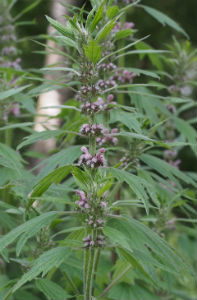 Motherwort is a herb known for its properties of calming the nerves and relaxing the heart by reducing the harmful effects of stress. It is mostly used by women, but also works for men who have heart and nervous system maladies that relate to stress. It’s scientific name is “Leonurus cardiaca” and its native location is Europe and Asia. The common name comes from the fact that is has been prescribed to Pregnant stressed women throughout history as a cardio tonic and nervine tonic. It strengthens and gladdens the heart thus transforming user from dull and bitter moods to relaxed, comfortable and happy ones. Motherwort is a herb known for its properties of calming the nerves and relaxing the heart by reducing the harmful effects of stress. It is mostly used by women, but also works for men who have heart and nervous system maladies that relate to stress. It’s scientific name is “Leonurus cardiaca” and its native location is Europe and Asia. The common name comes from the fact that is has been prescribed to Pregnant stressed women throughout history as a cardio tonic and nervine tonic. It strengthens and gladdens the heart thus transforming user from dull and bitter moods to relaxed, comfortable and happy ones.Benefits of Motherwort Herb The herb includes tincture that elevates a persons mood and acts as a sedative. As a result, the user gets better sleep on using heavy doses and a good energy balance when using small doses spread out through the day. When combined with linden flower and ginger tinctures it also helps to tackle postpartum depression. By acting as a galactagogue, it promotes the flow of mother’s milk and it also helps soothe the uterine before and after giving birth. For those who are not Pregnant, consumption of motherwort leads to better menstrual flow as a result of the regulation of the menstrual cycle. Women with cramps, nervousness and digestive disturbances during PMS benefit most from the consumption of this herb as tea or in other forms. As a cardio tonic, it is injected so that it can halt the clotting of blood as results to a better blood flow. Improved blood flow in the body is good for prevention of other diseases and health risks such as heart attacks and stroke. People with thyroid disease and hypoglycemia or low blood sugar tend to develop heart palpitations, but this is greatly reduced by the use of motherwort. Lastly, other useful uses of motherwort herb include the relieving of lung problems such as asthma and bronchitis. References:
(https://vitanetonline.com:443/forums/Index.cfm?CFApp=1&Message_ID=2910) Can Butcher's Broom Boost Cardiovascular Health?
Date:
October 30, 2013 09:48 PM
Where to find Butchers Broom
It is mainly recurrent in woodland as a result of bird-spread though is now grown as a garden plant in regions across the world. It has general names like the pettigree, Jews’myrtle, sweet broom, petit houx and knee holly. Its roots are deployed as medicines in different remedies.
Application
It has been used as an effective tool to constrict capillaries and blood vessels by herbal and alternative medicine practitioners. Its efficiency in constricting blood vessels is considered to result from the constituent chemicals. This prevents the veins from pooling blood thereby improving the flow of blood in the hands, brain and legs. It has been used to heal fractures and reduce swelling, as well as treatment for hemorrhoids and gallstones. It is reputed for constipation relief and ease of urine ejection.
Result
As a result of its wide application and effectiveness, the German Health Commission listed it as a useful for the treatment of hemorrhoids. It is advised in medical circles that its use by Pregnant women should be subject to consultation of a qualified medical practitioner to avoid possible contraindications and safeguard the fetal balance.
Clinical research is still open in several fronts to ascertain its virility and possible side effects as a result of the widespread usage across the globe by alternative medicine practitioners for a variety of medical conditions. This evidently will provide clues as to acceptable dosage and prescription in the years to come.
References:
1. //www.rxlist.com/butchers_broom-page2 2. //en.wikipedia.org/wiki/Ruscus_aculeatus 3. //www.webmd.com 4. botanical.com: Broom, Butcher's
(https://vitanetonline.com:443/forums/Index.cfm?CFApp=1&Message_ID=2866) The Role of Glycine in Collagen and Its Remarkable Health Benefits
Date:
March 17, 2013 08:41 AM
Collagen is basically made up of several amino acids and one of which is glycine. This particular amino acid accounts 1/3 of the entire composition of collagen. It can be found in the third position in the sequence of the amino acids. One of the fundamental roles of this amino acid is that it reduces the water solubility of collagen by a hundred folds. Contrary to the fact that it's considered as a non-essential amino acid, glycine has many health benefits aside from being a part of the collagen synthesis. The details below present some of the most essential information that you ought to know about this collagen component. Here they are: Glycine Synthesizes Normal DNA and RNA DNA and RNA are genetic materials necessary for the proper cellular formation and function. Glycine prevents the breakdown of the muscle tissues by increasing the body's creatine levels which is a compound that builds muscle mass. High concentration of this amino acid can also be found in the skin and connective tissues in the body and it keeps them flexible and firm. Without glycine, the body won't be able to repair damaged tissues. Glycine Keeps the Central Nervous System Healthy Studies had shown that this amino acid is an inhibitor of the neurotransmitters that can cause seizures, hyperactivity and bipolar depression. As a matter of fact, it can be converted into serine which is a neurotransmitter beneficial in the treatment of schizophrenia. Researchers found out that schizophrenic patients exhibited significant improvements after adding glycine with their anti-psychotic medication. It was also found out that it improves memory. Glycine Promotes Proper Function of the Digestive System This amino acid is known to induce bile acid production which is used to digest fats. It is also often included in most over-the-counter gastric antacid agents to prevent and treat acid reflux. Glycine Provides Glucose Specifically, this non-essential amino acid is also considered as glucogenic amino acid. That simply means that it provides glucose in the body. One of its benefits includes regulation of blood sugar levels, so it can be helpful in treating symptoms manifested by low energy and fatigue. Glycine May Help With Cancer Preliminary studies considered this amino acid as another breakthrough in cancer treatment. Results suggested that it can prevent the development of cancerous cells as it acts as an inhibitor of angiogenesis which is a process in which tumors, benign or malignant, develop their own blood supply. Sources of Glycine High-quality protein foods such as white meat from fish and chicken, beans, legumes, eggs and milk are known to be the main sources of this amino acid. Glycine supplements are also available in tablet or powder forms and can also be one of the components of many amino acid supplements. Except for some people complaining about having stomach upset and dizziness after taking glycine supplements, there are no other noted adversarial or severe side effects of glycine. If taken properly, such supplementation is extremely safe. Who Should Not Take Glycine? Those individuals suffering from kidney and liver diseases should never take glycine. Pregnant women should never take as well. People taking antispatic medication are not allowed also since there could be interference between the drugs and glycine. It's always best to consult a doctor first before taking such supplement. Those are all the most notable benefits of glycine. The point here is that it is not just a mere part of a collagen but it also has a number of health benefits.
(https://vitanetonline.com:443/forums/Index.cfm?CFApp=1&Message_ID=2831) What Is 2000fu In Nattokinse?
Date:
December 29, 2012 11:48 AM
Nattokinase: History And Health Benefits Nattokinase is a proteolytic enzyme that naturally occurs in natto. It is a traditional fermented soybean dish and a well-known staple food in Japan. Natto is fairly easy to make since it only requires water, straw and soybeans. The straw that has the bacterium called bacillus subtilis natto will be mixed with the freshly steamed soybean and water. After that, it will be set for fermentation. During fermentation, natto develops its mild taste and it has a very strong odor like that in the blue cheese. In the year 1980, Dr. Hiroyuki Sumi was looking for a food that can effectively break up blood clots like those that can cause cardiac arrest and stroke. He discovered that natto can dissolve fibrin which is the type of protein that builds up in blood clots. In his laboratory experiment, he discovered that natto has the ability to completely dissolve fibrin clots after almost about 18 hours. Natto is low in cholesterol and it contains high quality protein and an excellent source of vitamin K, copper, iron, magnesium and manganese. Nattokinase works similarly like blood-thinning agent coumadin. People who have had vascular injury or those people who are in risk of elevated fibrinogen level formation can benefit from the fibrin-digesting effects of nattokinase. It also reduces the thickening of the arteries and helps to heal damaged blood vessels. What Does "FU" Mean in terms of Nattokinase? Companies that manufacture nattokinase supplements express its activity in terms of "FU" or fibrin units. This is entirely different from the IU measurement since it only indicates nattokinase activity base on the degradation of fibrin. But as of today, IU is being officially adopted by the Japanese when measuring nattokinase. The FU method doesn't have exact measure of nattokinase activity and is suspected to be erroneous. Because of that, IU standard is being used to accurately measure nattokinase. However, the FU measurement is still being widely used in labels. Most nattokinase supplements nowadays are in 100 mg capsule with 2,000-4,000 FU. As a precaution, it's best to consult a doctor first before taking nattokinase supplements for appropriate guidance and supervision with regards to its proper usage. Pregnant women including those people who have had stroke before or any other bleeding disorders must not take nattokinase supplements.
(https://vitanetonline.com:443/forums/Index.cfm?CFApp=1&Message_ID=2795) Benefits Of Blue Cohosh Root
Date:
December 27, 2012 10:38 AM
The Blue Cohosh Root is a perennial flowering plant belonging to the family 'Berberidaceae'. It is also known as 'Squaw Root' and produces fruits that resemble blue-berries. The foliage too has a bluish hue to it. History Of The Blue Cohosh Blue Cohosh is the native plant of North America. In the ancient times, it was commonly referred to as the 'Womens Herb' believed to bring relief during menstruation, relieve cramps, regulate erratic periods and facilitate or induce labour before delivery. Studies suggest that women consumed an infusion of the root a couple of weeks before they were due for giving birth.The plant, supposedly, acted on the uterus in some way. Also, the root was decocted into a strong drink which was then used as a contraceptive. Health Benefits Blue Cohosh root may be used for certain medicinal purposes though its safe use is still a contentious issue. It might have a role in stimulating the uterus or acting as a laxative and relieving painful colic conditions. Some people believe it to be a beneficial remedy for sore throat, hiccups, muscular spasms, epileptic cases, joint problems etc. The root has similarities to the hormone called 'estrogen' which is found in the female body. The root can be used in its fresh or dried form both. It can be used alone or as a blend of other herbs. Some people also use it as a coffee bean substitute. Those who should avoid blue cohosh are: However, it is recommended that it should be taken under professional advice and supervision of a physician to prevent any untoward side-effects. People suffering from heart ailments, diabetes or diarrhoea and Pregnant women should avoid the root. There are incidents that prove the negative effect of the Blue Cohosh on the kidneys if used excessively. It is best to use the Blue Cohosh in a controlled and supervised manner.
(https://vitanetonline.com:443/forums/Index.cfm?CFApp=1&Message_ID=2778) Benefits Of Blue Cohosh Root
Date:
December 21, 2012 05:04 PM
The Blue Cohosh Root is a perennial flowering plant belonging to the family 'Berberidaceae'. It is also known as 'Squaw Root' and produces fruits that resemble blue-berries. The foliage too has a bluish hue to it. History Of The Blue Cohosh Blue Cohosh is the native plant of North America. In the ancient times, it was commonly referred to as the 'Womens Herb' believed to bring relief during menstruation, relieve cramps, regulate erratic periods and facilitate or induce labour before delivery. Studies suggest that women consumed an infusion of the root a couple of weeks before they were due for giving birth. The plant, supposedly, acted on the uterus in some way. Also, the root was decocted into a strong drink which was then used as a contraceptive. Health Benefits Blue Cohosh root may be used for certain medicinal purposes though its safe use is still a contentious issue. It might have a role in stimulating the uterus or acting as a laxative and relieving painful colic conditions. Some people believe it to be a beneficial remedy for sore throat, hiccups, muscle spasms, epileptic cases, joint problems etc. The root has similarities to the hormone called 'estrogen' which is found in the female body. The root can be used in its fresh or dried form both. It can be used alone or as a blend of other herbs. Some people also use it as a coffee bean substitute. However, it is recommended that it should be taken under professional advice and supervision of a physician to prevent any untoward side-effects. People suffering from heart ailments, diabetes or diarrhea and Pregnant women should avoid the root. There are incidents that prove the negative effect of the Blue Cohosh on the kidneys if used excessively.
(https://vitanetonline.com:443/forums/Index.cfm?CFApp=1&Message_ID=2769) Dangers of Rhodiola Rosea? First Lets Look at The Benefits
Date:
December 20, 2012 08:02 PM
Rhodiola rosea also referred to as golden root or roseroot grows in the extremely cold parts of the world. Although there are over 200 different species of roseroot rhodiola rosea is the popularly specie due to its health benefits. It is currently widely used in Asia and Europe to treat several health conditions. Improves Depression and Mood According to a study in the Nordic Journal of Psychiatry Rhodiola rosea extracts helps improve mood as well as lifts depression. It is also known to help improve sleep, lower moodiness as well as lift mild to moderate depression. It is known to help relieve fatigue on the patients suffering from stress associated fatigue. It not only decreases fatigue it increases mental performance particularly concentration and reduces cortisol production in people suffering from fatigue syndrome. It is therefore important to note that supplementation with rhodiola rosea robustly cancels out physiological and behavioral changes induced by persistent exposure to gentle stressors. Functions as an Adaptogen It is also a known adaptogen meaning that it helps in strengthening your endocrine and immune nervous system, thus improves your ability to defend against internal and external stress. It works a little different from other adaptogens such as ginseng, it works on neurotransmitters such as serotonin, norepinephrine and dopamine which are associated with several illnesses such as seasonal affective disorders and fibromyalgia. It helps you to withstand stress as well as stress related diseases such as lowered immunity and hypertension. It has also been noted to increase the ability to exercise, reduces lactate levels as well as skeletal muscle damage mainly after vigorous exercise. Dangers It is advisable that you consult your doctor before you start taking any rhodiola rosea supplement. Despite its numerous health benefits it has several negative side effects especially if high doses are consumed. The dangers include irritability, insomnia, dry mouth and dizziness. Pregnant women, breast feeding mothers and people suffering from manic depressive and bipolar disorders should not take rhodiola. This Herb is considered generally safe for most individuals with many mood boosting properties.
(https://vitanetonline.com:443/forums/Index.cfm?CFApp=1&Message_ID=2760) dolomite powder
Date:
November 07, 2012 05:22 PM
There are a number of different vitamins, minerals and supplements available to purchase today. Dolomite powder is an example of a mineral that is often overlooked by most people. It is made up of calcium magnesium carbonate, which is great for the body and health. It is also used in a number of different products available on store shelves, including: ink, soap, pain and ceramics. Some of the most important health benefits of dolomite powder include: Calcium The bones, teeth and many major body functions rely heavily on calcium. The body stores this to use for the vital functions, but when there is a deficiency, problems can arise. Dolomite powder has 1,100 mg of calcium in just one teaspoon of it, which means it's a great source for anyone who needs more calcium in their diet. 1,000 mg per day is the recommended amount for most individuals that are between the ages of 19 and 70. Having an adequate supply of calcium can mean staying healthy and avoiding a lot of health issues, especially with the teeth and bones. Magnesium Magnesium is just as important for the body as calcium is. It is stored in the bones and helps with hundreds of different chemical functions that happen on a daily basis inside of the body. Without an adequate supply of magnesium, the cells would not move through the body as they are supposed to. This could end up causing muscle twitches, headaches, hearing loss and a range of other health issues. Dolomite powder is an excellent source of magnesium and has 630 mg of it just in that one teaspoon that is also full of calcium. Pregnancy During Pregnancy this powder can help an expectant mother to maintain healthy teeth and bones. It can even help menopausal women avoid muscle cramps that can be very painful. An abundance of calcium through dolomite powder is very healthy for Pregnant women and will ensure her body is able to properly process enzymes and metabolize food.
(https://vitanetonline.com:443/forums/Index.cfm?CFApp=1&Message_ID=2703) What Are The Health Benefits Of Vitamin B-12?
Date:
November 06, 2012 04:46 PM
This water-soluble vitamin has a lot of use for the heath of the body. First of all, it helps in the maintenance of healthy nerves and blood cells. Some people require Vitamin B-12 supplements more than others do. Some of these include Pregnant women, smokers, drinkers, elderly, and even those who have strict vegetarian diet and tendencies. In other cases, our own bodies hinder the absorption of the vitamin. The most common reasons for this include when you have celiac disease, anemia, bacteria growth, crohn's disease, etc. Those that find themselves in this situation need not fret for there is way to handle the Vitamin B-12 deficiency. B-12 vitamin deficiency These include weight loss, memory reduction, fatigue, weakness, appetite loss, asthma, eyesight issues, sore mouth, etc. This lack of adequate Vitamin B-12 in your body is of course not a very common occurrence. Why? Well your liver acts as a store of the vitamin for your body. Health benefits of vitamin B 12: Assists in the conversion of carbohydrates to glucose needed for energy Aids in regeneration of nervous system Has effects on the reduction of stress, fatigue, depression and even brain shrinkage Used in maintaining healthy skin/hair and nails. Protection against cancer cells (breast, colon, prostate, lung) The best foods for you to get the Vitamin B-12 from are in variety of fish, milk, cheese, liver. These foods should be incorporated into your diet to keep your vitamin levels up.
(https://vitanetonline.com:443/forums/Index.cfm?CFApp=1&Message_ID=2702) Can D-Mannose Help Fight Bladder Infections?
Date:
November 03, 2012 11:48 AM
D-Mannose Mannose is a naturally occuring sugar found in cranberries, blueberries, and apples. It works by keeping bacteria in urinary area from adhering to the walls of the bladder. In supplement form (D-mannose) is used for treatment of bladder infections. It is absorbed much slower than other sugars. It travels directly to the bloodstream from the upper gastrointestinal tract ridding the body of E. coli. which is known to stick to the bladder and urinary areas. It is considered a safe alternative to antibiotics and can be used by children and adults (including Pregnant women, the elderly and diabetic patients). Symptoms of a bladder infection include foul smelling urine and frequent and/or burning sensation during urination. If any of these symptoms occur, it is a good time to begin taking a D-mannose supplement. The recommended dose of D-mannose in supplement form is 500mg in capsule form or one teaspoon of powder mixed in a glass of water or juice. The dosage should be repeated approximately every three hours over a five day period. Urinary tract and bladder infections caused by E. coli. that are treated with D-mannose are generally gone in as little as 48 hours. However, it is advised to continue to do the full five day treatment to be sure the infection is eliminated. The advantage of taking the supplement over drinking cranberry or other juices containing mannose is avoiding the fructose often causes health problems and weight gain. It is strongly advised to see a physician if symptoms do not improve within 48 hours of taking D-mannose. This is because it is likely the symptoms are not cause by E. coli. and require medical treatment. D-mannose along with other preventative measures such as drinking plenty of fluids (especially water), emptying the bladder frequently, and wearing cotton underwear (allows ventilation) are all key components in avoiding future bladder infections.
(https://vitanetonline.com:443/forums/Index.cfm?CFApp=1&Message_ID=2699) How Chromium Picolinate lowers blood sugar
Date:
October 07, 2012 05:21 PM
Chromium Picolinate Chromium Picolinate is an essential mineral/metal that is involved in the metabolism of fats and carbohydrates in the human body. It is often referred as a trace element since it is only required in small amounts in our bodies and is not produced by our bodies. However, Pregnant or nursing women may require a slightly higher level of chromium Picolinate. Blood Sugar Chromium Picolinate has been used for some time to control and improve body sugar in patients suffering from diabetes type two and prediabetes type one. It achieves this by improving how our body handles insulin. Deficiencies of chromium Picolinate results in impaired insulin activity and thus more glucose remain in your body and this will lead to uncontrolled weight gain. Insulin Remember insulin binds to body cell to siphon sugar from our bloodstream. The sugar is then used to as a fuel by our body cells. We need to keep our blood sugar at manageable levels. If the blood sugar lever is high, we might suffer from laziness and fatigue among other dangerous effects to our health. Chromium Picolinate is one way of stabilizing our blood sugar levels.
(https://vitanetonline.com:443/forums/Index.cfm?CFApp=1&Message_ID=2679) benefits of aloe vera
Date:
October 06, 2012 09:34 PM
Aloe vera Aloe vera has been used for medical reasons for many years now. This is because it has several health benefits; contains numerous minerals, vitamins, enzymes that may have some anti-microbial and anti-inflammatory effects. Some health related benefits which Aloe vera has: • One of the health benefits of this substance is the effect it has on one's digestive track. Aloe vera helps in facilitating proper digestion process. • Aloe vera acts as a cellular regulator and has anti- fungal and anti- bacterial effect; thus helps in treating bacterial and fungal infections. • Aloe Vera helps in the moisturizing and softening of one's skin; thus it is today used by many manufacturing companies which deal in the production of cosmetics. • Aloe vera also has some anti- aging properties. Thus, is used on improving one's looks and health. Despite all the benefits, there is a word of caution for the users. Aloe vera should not be used as an alternative treatment for serious emergencies, particularly for Pregnant women or those who have a diabetes diagnosis.
(https://vitanetonline.com:443/forums/Index.cfm?CFApp=1&Message_ID=2677) Hair health
Date:
July 16, 2012 08:39 AM
Hair health Caring for your hair can be quite tricky sometimes, especially if you happen to own a little longer strands than average. The joy of keeping hair is seeing it shinny, silky, strong, consistent and admirable luster that it comes with. However, archiving these properties is next to impossible if there happen to be one to two hair disorders or diseases interacting with your hair. The commonest and perhaps most frustrating of the hair disorders is hair loss, whichever the cause, the results are nowhere near to pleasing. Other disorders and diseases that make our hair loss its admirable beauty and luster include; trichodystrophy, alopecia areata, Telogen effluvium, Androgenetic alopecia, Infectious folliculitis, Lichen planus, Lupus erythematosus, Ringworms just to name but a few. You must have noted that a lot of hair shampoos, conditioners and “hair food” gels use a lot of herbal additives nowadays for improvinng hair health. Use of herbs is a natural way that can restore dry damaged or diseased hair and stimulate faster growth of stronger hair strands. You may apply hair herbal solutions directly to your hair and scalp or you may consume them for shiny and healthy hair depending on the formulation. Herbs can also go as far as treating dandruff, hair loss and restoring your luscious locks. Are hair herbal products safe? Herbs are a natural and safe way of treating and restoring hair health unlike their synthetic counterparts, this does not however mean that they are completely safe for everyone. Some people may have allergic reactions from use of some herbs so if you suspect any possibility of an allergic reaction you may want to perform a little test before using the herbs. You can apply a small amount on your wrist and check after two days to see if there is any reaction before proceeding to use the particular herb. Be sure to consult with your physician especially if you are Pregnant. Common herbs used to restore hair health Rosemary: according to experts, rosemary helps fight dandruff, stimulate rapid and strong hair growth, and bring back luster to your hair. To get the above benefits from this herb, you can add rosemary in foods, or formulate rosemary water through socking the foliage in a cub of warm water for some times. You can then use the resulting water to rinse your hair. Horsetail: this herb is an excellent source of silica. Silica is good at strengthening the hair from its core while restoring the shine. Horsetail herb can be used through deriving a shampoo from its foliage. Add 2-3 table spoons of crashed horsetail leaves into ½ cup of hot water. The mixture is the added to baby shampoo. Use this to shampoo your hair regularly. Aloe Vera: aloe Vera gel extract is known for its numerous medicinal properties such calming irritated skin in addition to its antioxidant and anti-inflammatory properties. When the gel is massaged into the scalp, it has the ability to restore the hair's PH balance while sealing in the hair moisture content and consequently acting as a perfect natural conditioner. Additionally, aloe Vera also stimulates hair growth and therefore used for Alopecia treatment. Ginkgo Biloba: this is a well known herbal remedy for quite a number of health issues including improving blood circulation to the skin and brain. Due to this medicinal property, Ginkgo Biloba helps in delivering of extra nutrients to the hair follicles and promotes hair growth. It's therefore recommended by most health practitioners for hair loss treatment. Stinging nettle-this herb stops conversion of testosterone to DHT which is the major contributor of hair lose in men. Stinging nettle extracts and powders are available commercially and are most effective when used together with pygeum or palmetto. You can also make green tea from the dried and ground powder of its leaves. Other similarly useful herbs for restoring your health include marigold, licorice, chamomile, parsley, birch and burdock.
(https://vitanetonline.com:443/forums/Index.cfm?CFApp=1&Message_ID=2667) The Features Of The Fenugreek Seed
Date:
July 13, 2012 08:10 AM
Fenugreek Seed Introduction The fenugreek seed is used to make supplements and comes from a plant which grows in England, Egypt, India and Morocco amongst other regions. The seed is usually harvested from the plant's pod, crushed and then made into pills, capsules and also as tea. However many users prefers the pill and capsule since the tea is bitter and hence is not conveniently consumed. The seed popularity is attributed to believe that it is a galactagogue which is commonly used by lactating women to increase their milk supply. Records show that the women have been using the seed to improve their milk production since ancient times. How the seed is used Different studies have shown that the Fenugreek seed processes the potential to stimulate breast milk production. The stimulation is approximated to range from just a small quantity to about nine hundred percent increased production. Those who use the seed experiences increased milk production within twenty four to seventy two hours thus making it a popular supplement amongst women who in normal conditions do not produce adequate breast milk to feed their children. However women using the seed do not keep using it for the entire period they will be breast feeding. Instead, the seed is used until the mother is able to reach the quantity of milk that is sufficient after which the use of the seed is discontinued and the mother can stimulate their milk production on their own until they stop breast feeding. Most women who use the seed just take a single capsule three times a day which is thought to be the enough quantity to effectively stimulate enough milk production. However some who feels that these are not effective can increase the quantities of capsules to a maximum of three capsules in one go. This should be done under the supervision of a doctor who can recommend an increase or a decrease in the quantities of the seed used. Side effects and precautions Even though many women who use the Fenugreek seed do get positive results, there are some who experiences some side effects. Amongst the most common side effects include; Skin irritation, Reduced blood sugar, Diarrhea, Uterus contraction. There are also categories of people who have diverse health problems and hence can not use the seed, amongst them include; Pregnant women because it might lead to uterus stimulation resulting to contractions. It is also paramount to ascertain the blood sugar levels prior to using the seed since it is known to reduce the sugar levels. Thus it is important to visit a doctor before using the seed so as to determine whether there is anything that can stop it from working or react negatively with it. Availability Women interested in using the Fenugreek seed can readily get it from diverse health food stores. It can also be acquired through ordering online from recommended sellers who have been allowed to sell the seed in the correct manner and in the right quantities. Hence Fenugreek seed has the capability to increase women milk production if properly used.
(https://vitanetonline.com:443/forums/Index.cfm?CFApp=1&Message_ID=2666) What Are The Health Benefits Of Taking Kelp? 
Date:
June 25, 2012 08:24 AM
Common people came to know about kelp only after the nuclear war, which demolished two beautiful cities of Japan. How kelp is related to nuclear war? How it helped people after the nuclear bomb explosion? The Co-relation between Kelp and the Nuclear War After the nuclear explosion the radioactive iodine spread through the air. People, who were completely unaffected by the nuclear explosion, fell sick by absorbing the radioactive iodine. The medical scientists come up with a fantastic idea to save people from the fatal iodine then. They advised people to take kelp pills. Kelp is highly rich in iodine. So, if a person is taking kelp pills, then he or she would require no more iodine, hence their would be no absorption. This miraculous idea saved millions of people from the harmful radioactive iodine after the Second World War. Now, whenever there is a need of iodine, physicians recommend to go for kelp. You would find kelp pills in the medicine boxes of most of homes. Other Health Benefits of Kelp Apart from the radiation poisoning, kelp pills could help a person's body in many other ways. Iodine is required for the normal functioning of the thyroid gland. Kelp pills could be used in case of thyroid malfunction. The iodine content of kelp could be used for female hormone regulation. The immune system requires iodine to function properly. If the immune system of any person is getting weaker or not functioning as it should be due to low iodine concentration in body, then the patient could avert the situation by taking iodine-rich kelp pills. Kelp is probably the only natural product, which helps a person to fight against the most fatal disease, cancer. Fucoidan, which has the potency to induce cell death in cancerous cells, is found only in kelp. Apart from the ability to start cell death, Fucoidan possess anti-inflammatory properties also, may reduce pain. In fact, Fucoidan is considered as one of the strongest natural anti-inflammatory agents. Kelp is not only rich in iodine but it contains iron too. If any person is suffering from iron deficiency, then he should go for kelp instead of anything else, as it is a natural source of iron. Pregnant women could take the help of kelp pills to meet the extra requirement of iron in their bodies. One could reduce the danger of suffering from estrogen cancer by regular taking of kelp, either in diet or by in taking kelp pills. Generally, the diet of Japanese people is rich in diet. If you look at the estrogen related cancer cases in Japan, then you would find it is one of the lowest in the world. Kelp has pain killing properties. Kelp is used specially in case of endometriosis. Any woman suffering from endometriosis could get rid of pain by taking one 700 mg capsule of kelp. Do you have kelp pills in your medicine box? If yes, it is well and good. If you are yet to keep kelp along with you, then don't waste any time. Go ahead and keep kelp pills in your home.
(https://vitanetonline.com:443/forums/Index.cfm?CFApp=1&Message_ID=2658) | ||||||||||||


 Imagine a natural medicine that is antiviral, antibacterial, and capable of conquering chronic allergies, preventing and treating cancer, and eliminating fungal and parasitic infections. This medicine exists! It is called propolis, and it has been used as a healing remedy for centuries. We will explore the miraculous properties of propolis and how it can benefit your health!






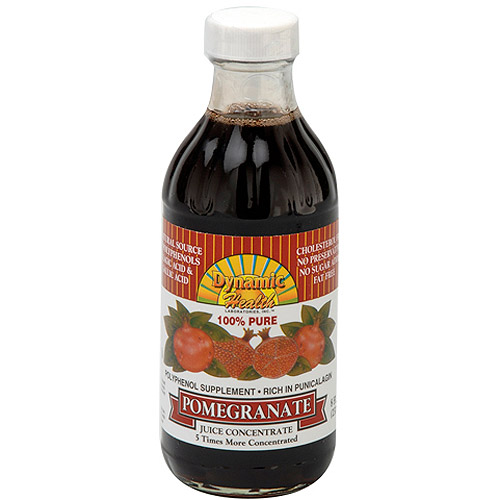


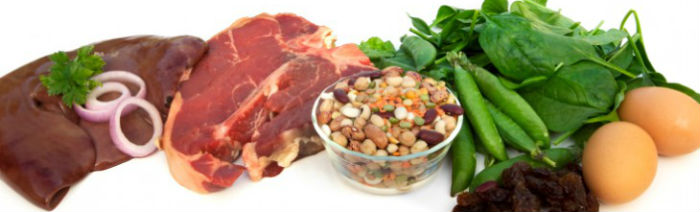 What is an anemia?
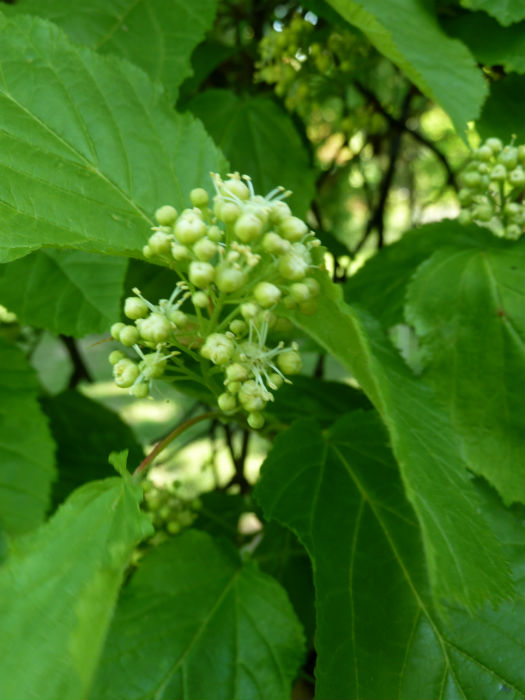 What is an antimonium tartaricum?
 Arnica medicinal qualities
 The fact is that we cannot live without oxygen. Our respiratory tract acts as the link or rather the airway between the outside environment and our lungs. This explains why it is of much importance to ensure optimum health for our respiratory tract. The respiratory system being very sensitive, our lung health is largely enforced by the cilia, which keeps bacteria, dust particles and viruses at bay.
  For a long lasting, the part of silica in the body was not known. Right away, it is around the paramount minerals. It can luckily be found in the vast majority of the vegetables and apples and oranges. Analysts have named silica as of late into the class of the most essential minerals for the body. Nutritionists assess that a grown-up might require 20 to 30 mg for every day.
 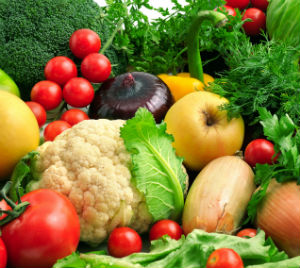 If you have any plans of getting Pregnant, then you have to ensure that you are taking prenatal vitamins regularly from day one until the postpartum period. Women today have less time to eat a healthy meal, which is why it is important for them to take vitamins most especially if they are expecting a baby.
 Red raspberry fruit
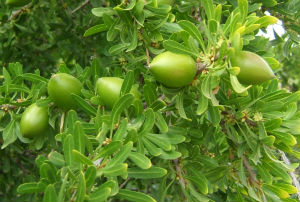 Argan oil has become quite popular in Morocco and across the world owing to the numerous argan oil benefits equally in the field of beautification and nutrition. Argan oil may be taken internally by incorporating it as an ingredient in cooking meals and dishes and likewise it can also be applied externally upon the skin and other areas of the body. This type of oil is important in the maintenance of a vibrant and well-nourished skin. It is regarded as a better moisturizer than commercially-made ones mainly because it's all-natural and safe for anyone, even for youngsters and Pregnant women.
  The ordinarily citrus inhaling tangerine fundamental oil is said to have numerous health profits. Initially from China, this crucial oil discovered its route first to Europe then the North America where know they are the most amazing maker of tangerines. Some individuals call it mandarin likewise, the name given by the Chinese. Yet some contended that mandarin and tangerine fit in with diverse species but from the same citrus crew. The Chinese were the first to uncover the numerous health profits of tangerine oil. Actually they were named after the renowned dignitaries and respectability of the then royal China in light of the fact that it was an estimated tree grown foods fit for sovereignty.
 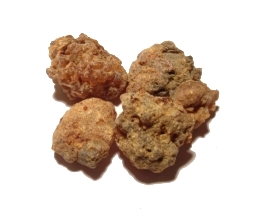 As you have probably read somewhere else, Myrrh oil is an aromatic resin that comes from trees belonging to the genus commiphora. It has a unique sweet and smoky aroma. Myrrha, hirabol myrrh and bola are other alternative names that people use frequently when referring to myrrh oil. Known to contain cadinene, cuminaldehyde, a-pinene, acetic acid, m-cresol, eugenol and formic acid, this pale yellow oil has been the source of debate due to its many benefits which go back to the time of ancient Egyptians.
 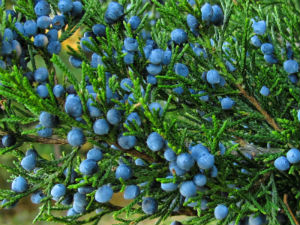 With regards to Super foods, berries are right on top of the agenda on the grounds that they are packed with gainful cell reinforcements. One such berry that can help you a great arrangement is the juniper berry oil and through the years, experimental exploration has indicated what a wonder it is.
  Cypress oil is extracted from a plant animal types that is local to the Mediterranean district. The taxonomic name of the plant is Cupressus Sempervirens. It is an enduring bush, which develops to something like 28 meters in tallness and is described by a tapered shape and dim takes off. The oil is concentrated from the twigs and stems of the tree, through a procedure reputed to be steam refining. Cypress oil justifies a wide show of health profits, and has been utilized since time immemorial to treat various sicknesses and health issue. Give us a chance to elucidate some of these profits.
  Multiple vitamins, also known as multivitamins are dietary supplements containing vitamins and dietary minerals, among other important elements. These supplements often are in the form of capsules, tablets, injections and syrup. They are normally provided in conjunction with dietary minerals. The minerals provided by these supplements fulfill various roles in the body. Research findings have indicated that taking multiple vitamins does not protect you from diabetics, heart attacks, cancer, among other lifestyle diseases. Nonetheless, some categories of people like malnourished people and people with an increased chance of macular deterioration. Overally, the benefits of taking a multivitamin daily exceed the probable risks associated with them.
 PABA, which is the acronym for Para-AminoBenzoic Acid, is an antioxidant that is made in the human body by friendly intestinal bacteria. It is considered by some people as a B complex Vitamin. But it is actually an amino acid, not really a vitamin. Sometimes it is called Vitamin Bx. PABA is non-essential nutrient found in liver, mushrooms, whole grains, molasses, spinach and brewer’s yeast. PABA offers many health benefits. An ever increasing number of people are turning to this nutritional supplement for its beneficial properties.
 Vitamin B6 is a water soluble vitamin that is part of the vitamin B complex group that consists of pyridoxal (PL), pyridoxine (PN), pyridoxal 5 phosphate, pyridoxine 5 phosphate, 4-pyridoxic acid (PA), pyridoxamine 5 phosphate, and pyridoxamine. Pyridoxine is the form that is commonly given as a vitamin B-6 supplement. Vitamin B6 is also found in most multivitamin mineral supplements.
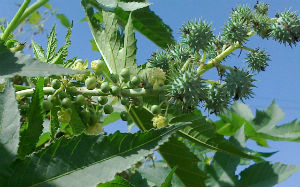 Castor oil is an inflammatory and anti oxidant oil. A very pale yellow liquid extracted from castrol seed, with high concentration of unsaturated fatty acid,although with unpleasantand strong taste castor oil is used as medicine.
 Iron
Iron Melatonin
 The butcher’s broom also known as ruscus aculeatus is an evergreen low shrub that grows in the Eurasian region. It is known to produce greenish flowers that are small sized and blooms during Spring. It has leaves that produce red berries after the falling off of its female flowers. It is reputed among native cultures as much as asparagus, with the roots been eaten in various preparations.