|
Search Term: " Spice "
How to Cleanse the Spike Protein Out of the Body   
Date:
June 11, 2024 05:22 PM
How to Cleanse the Spike Protein Out of the BodyThe spike protein has recently become a topic of major concern, especially in light of the COVID-19 pandemic. Understanding what it is and how to manage its effects is crucial for overall health. In this article, we will explore what the spike protein is, its possible impacts on the body, and how natural substances like curcumin, bromelain, and nattokinase can help reduce its presence in the body.
Understanding the Spike ProteinThe spike protein is a key component of the novel coronavirus SARS-CoV-2, which causes COVID-19. This protein is responsible for allowing the virus to enter human cells and initiate infection. The spike protein binds to receptors on the surface of human cells, facilitating the virus's entry and subsequent replication within the body. While the immune system typically destroys these proteins, lingering spike proteins can pose health risks, including inflammation and abnormal blood clotting.
The Role of CurcuminCurcumin is a bioactive compound found in turmeric, a Spice widely used in cooking and traditional medicine. This compound has powerful anti-inflammatory and antioxidant properties, making it a beneficial ally in combating various health issues, including the presence of spike proteins.
How Curcumin WorksCurcumin works by modulating several biochemical pathways in the body. One of its primary functions is to inhibit pro-inflammatory cytokines and enzymes that contribute to inflammation. Additionally, curcumin boosts the activity of antioxidant enzymes, which helps neutralize harmful free radicals. By reducing inflammation and oxidative stress, curcumin can help minimize the damage caused by spike proteins.
How to Use CurcuminTo harness the health benefits of curcumin, it's best to incorporate turmeric into your diet or take curcumin supplements. Curcumin supplements often come in combination with piperine, a compound found in black pepper that enhances curcumin absorption. Curcumin is also combined with turmeric oil to enhance its absorption, consider using either one in supplement form to help the body rid itself of the spike protein.
The Benefits of BromelainBromelain is a mixture of enzymes found in pineapples. Known for its anti-inflammatory and immune-modulating properties, bromelain can also help address the lingering effects of spike proteins.
How Bromelain WorksBromelain works by breaking down proteins and minimizing inflammation. It inhibits the production of pro-inflammatory cytokines, helping to reduce swelling and discomfort. The proteolytic (protein-digesting) enzymes in bromelain can also help to break down and clear spike proteins from the body.
How to Use BromelainBromelain can be consumed through fresh pineapple or as a dietary supplement. If you opt for supplements, ensure that you follow the recommended dosage and consult your healthcare provider beforehand.
The Power of NattokinaseNattokinase is an enzyme extracted from natto, a traditional Japanese dish made from fermented soybeans. This enzyme has gained attention for its ability to support cardiovascular health and promote the breakdown of fibrin, a protein involved in blood clotting.
How Nattokinase WorksNattokinase helps to break down fibrin in the blood vessels, thereby preventing clots from forming. Additionally, this enzyme supports the degradation of spike proteins, potentially reducing the risk of clot-related issues. Nattokinase also helps to improve blood flow and enhance overall cardiovascular health.
How to Use NattokinaseNattokinase is available in supplement form. When choosing a nattokinase supplement, look for a product with a high level of activity units, which measure enzymatic activity. Generally, nattokinase comes in 2000FU, and is taken 2 - 3 times daily.
Combining Natural RemediesCombining curcumin, bromelain, and nattokinase can provide a comprehensive approach to managing spike proteins in the body. Each of these natural substances works in different ways to reduce inflammation, enhance immune response, and clear harmful proteins. However, it's essential to adopt a holistic approach to health that includes a balanced diet, regular exercise, proper hydration, and adequate sleep.
Diet and Lifestyle Tips
Additional Recommendations
Maintain Good HealthUnderstanding and managing the presence of spike proteins in the body is vital for maintaining overall health. Natural compounds like curcumin, bromelain, and nattokinase offer promising benefits in reducing the harmful effects of these proteins. By incorporating these substances into your diet and following a holistic approach to wellness, you can support your body's natural defences and promote optimal health. So, it is essential to prioritize healthy habits and consider incorporating natural remedies as part of a comprehensive approach to maintaining good health.
Final thoughtsSpike proteins play a significant role in the infection process of viruses, making it crucial to address their lingering effects in the body. Natural compounds like curcumin, bromelain, and nattokinase offer promising benefits in reducing inflammation and clearing spike proteins from the body. Additionally, adopting a balanced diet and lifestyle can support the effectiveness of these natural remedies in promoting overall health. By taking a holistic approach to wellness, we can work towards managing spike proteins and supporting our
(https://vitanetonline.com:443/forums/Index.cfm?CFApp=1&Message_ID=6615) CuraMed Coupon 
Date:
November 18, 2023 10:26 AM
The Magic of Turmeric Unleashed: Terry Naturally CuraMed (Save with our Coupon)Terry Naturally CuraMed Curcumin has a rich history dating back thousands of years. This golden Spice was widely used in Ayurvedic medicine and applauded for its anti-inflammatory properties. Modern science has corroborated these ancient practices, supporting the benefits of curcumin for brain, heart, and liver health, as well as immune system support. Curcumin works in the body by modulating numerous molecular targets and signaling pathways. It is known to inhibit the production of inflammation-causing enzymes, thus reducing inflammation in the body. This makes Terry Naturally CuraMed an ideal choice for those seeking an effective, natural anti-inflammatory supplement with no side effects. Our customers are health-conscious individuals seeking a reliable, natural supplement to reduce inflammation and optimize their overall health. Terry Naturally CuraMed is perfect for these needs. Its patented formula ensures enhanced absorption and sustained release, ensuring the curcumin stays in the blood for as long as 8 hours. CuraMed Features:
Additional Benefits of CuraMed:
Tips for Using CuraMed:
Special Offer for CuraMed 750mg in 120 Size only!We are thrilled to announce a special offer for our esteemed customers. Currently, we are offering a discount coupon of $20.00 off on each bottle of CuraMed 750mg in the 120 size. If you mention this page while making your purchase, you can avail this additional $20.00 off each bottle! Moreover, we are sweetening the deal with free shipping on your order. This is a fantastic opportunity to continue your wellness journey with CuraMed, so don't miss out. Grab your bottle while this offer lasts! at checkout, just mention $20 off or copy and past the URL into the comments and we will remove $20 off each bottle purchased and always rememeber, Free shipping with Terry Naturally products. This offer good through end of 2023. Are you ready to unlock the health-boosting secrets of turmeric? With Terry Naturally CuraMed, you are not just purchasing a supplement; you are investing in your health. This is your chance to harness the power of the most clinically studied, enhanced absorption curcumin in the world. And right now, we're offering a special deal: mention this page and get $20 Off each bottle plus free shipping. Do not wait.
(https://vitanetonline.com:443/forums/Index.cfm?CFApp=1&Message_ID=6590)
Date:
January 19, 2023 04:43 PM
As the weather starts to cool down, there’s no better way to warm up than with a cup of hot cocoa. Cocoa Lovers™ Organic Hot Cocoa is the perfect treat for those crisp fall and winter days. Here are five reasons why you’ll look forward to the cooler months with Cocoa Lovers™ in your cupboard.
1. Crafted for Quality – Cocoa Lovers™, we believe that quality always comes first. That’s why our organic hot cocoa is made from only the best ingredients available, including premium organic Dutch-processed cocoa powder, organic sugar and natural flavors like vanilla, cinnamon and nutmeg. Everything is blended together until it forms a rich and creamy concoction that will have you coming back for more!
2. Natural Goodness – If you’re looking for something to indulge in without having to worry about putting your health at risk, then our organic hot cocoa is perfect for you. Not only is it free of artificial preservatives, colors and flavors but it also contains no added trans fats or hydrogenated oils so you can feel good about what you put into your body.
3. Versatility – Our hot cocoa mix isn't just good for making hot chocolate — it can also be used in baking recipes such as cakes, cookies and brownies! And if you're feeling adventurous, why not try adding some Spices like chili powder or cardamom for a unique twist? The possibilities are endless!
4. Convenience – No need to spend hours slaving away over a stove because our organic hot cocoa mixes come ready-to-go that make preparing your drink quick and easy, you can mix it thick or thin, it tastes good both ways! Just add water (or milk!) and heat until desired temperature is reached — it's that simple!
5. Great Taste – But of course, all of this would be meaningless if our product didn't taste great — which thankfully it does! Our customers rave about the sweet yet complex flavor profile that's sure to please even the pickiest palates out there; plus, each packet makes two servings so you can share with friends or family members who may not like their drinks as sweet as yours.
So if you’re looking for an easy way to warm up during these cooler months while also indulging in something delicious without compromising on quality or nutrition value, then Cocoa Lovers'™ Organic Hot Cocoa should definitely be on your list! Whether enjoyed alone or with friends and family around the fireplace; whether stirred into cakes or cookies; whether served with marshmallows or topped with whipped cream—enjoying some hot cocoa during these chilly days has never been easier (or tastier)!
(https://vitanetonline.com:443/forums/Index.cfm?CFApp=1&Message_ID=6574)
Date:
October 07, 2022 10:26 AM
Feeling stressed? You're not alone. In today's fast-paced world, it's more important than ever to find natural ways to support our bodies in responding to stress. Introducing D-Flame, a carefully crafted blend of herbal extracts that may help to support a healthy response to physiological stress. Read on to learn more about the key ingredients in D-Flame and how they work together to keep your body operating at its best.
The Science Behind D-Flame
D-Flame contains a unique blend of botanical extracts that work together to support the body's natural response to stress. Here's a closer look at some of the key ingredients in D-Flame and how they contribute to its ability to promote a healthy stress response:
Holy Basil Extract - Holy basil is an ayurvedic herb that has been used for centuries in India for its many purported health benefits. Among these is the ability to help the body adapt to stress by supporting the activity of key stress mediators.
Ursolic Acid - Ursolic acid is a type of triterpenoid compound that is found in a variety of plants. It has been shown to possess anti-inflammatory and antioxidant properties, which may help to protect cells from damage caused by oxidative stress.
Turmeric Extract - Turmeric is a well-known Spice with powerful antioxidant activity. Its active ingredient, curcumin, has been shown to modulate the activity of enzymes involved in inflammation, helping to keep inflammation levels in check.
Ginger Extract - Ginger has long been used as a natural remedy for digestive issues like nausea and indigestion. It also possesses potent anti-inflammatory activity, which may help to reduce pain and swelling associated with occasional overexertion or injury.
Green Tea Extract - Green tea is rich in antioxidants and polyphenols, which may help protect cells from damage caused by free radicals. It also contains caffeine, which has been shown to increase alertness and focus while also reducing fatigue.
Boswellin® - Boswellin® is an extract of the herb boswellia serrata that has been shown to inhibit the production of pro-inflammatory molecules known as leukotrienes. This action helps to reduce inflammation throughout the body.
Bromelain - Bromelain is an enzyme found naturally in pineapple that possesses powerful anti-inflammatory activity. It works by inhibiting the production of pro-inflammatory cytokines, helping to reduce inflammation and pain associated with conditions like joint pain and arthritis.
Baikal Skullcap - Baikal skullcap is an herb native to Southeast Asia that has traditionally been used as a remedy for digestive issues and skin ailments. It also possesses potent anti-inflammatory activity, which makes it ideal for alleviating occasional pain and swelling associated with injury or overexertion.
Resveratrol - Resveratrol is a type of phytonutrient that is found in grapes, berries, and other plant foods. It has strong antioxidant activity and has also been shown to modulate the activity of genes involved in inflammation, making it an effective tool for reducing chronic inflammation throughout the body.*
Berberine - Berberine is a bitter alkaloid compound that is found in a variety of plants including goldenseal, barberry, and Oregon grape root. It has powerful antimicrobial activity against bacteria, viruses, and fungi.* Additionally, berberine has strong anti-inflammatory activity, making it ideal for alleviating occasional pain and swelling associated with injury or overexertion.*
In Summary:
D-Flame is an all-natural blend of botanical extracts that have been traditionally used for centuries to support the body's response to stress.* These herbs work together synergistically to modulate key enzymes and mediators involved in inflammation.* This action helps reduce chronic inflammation throughout the body.* Additionally, these herbs also help protect cells from damage caused by oxidative stress.* If you're looking for an herbal supplement to help support your body during times of stress, look no further than D-Flame!*
(https://vitanetonline.com:443/forums/Index.cfm?CFApp=1&Message_ID=6487)
Date:
October 06, 2022 04:01 PM
Feeling stressed? You're not alone. In today's fast-paced world, it's more important than ever to find natural ways to support our bodies in responding to stress. Introducing D-Flame, a carefully crafted blend of herbal extracts that may help to support a healthy response to physiological stress. Read on to learn more about the key ingredients in D-Flame and how they work together to keep your body operating at its best.
The Science Behind D-Flame
D-Flame contains a unique blend of botanical extracts that work together to support the body's natural response to stress. Here's a closer look at some of the key ingredients in D-Flame and how they contribute to its ability to promote a healthy stress response:
Holy Basil Extract - Holy basil is an ayurvedic herb that has been used for centuries in India for its many purported health benefits. Among these is the ability to help the body adapt to stress by supporting the activity of key stress mediators.
Ursolic Acid - Ursolic acid is a type of triterpenoid compound that is found in a variety of plants. It has been shown to possess anti-inflammatory and antioxidant properties, which may help to protect cells from damage caused by oxidative stress.
Turmeric Extract - Turmeric is a well-known Spice with powerful antioxidant activity. Its active ingredient, curcumin, has been shown to modulate the activity of enzymes involved in inflammation, helping to keep inflammation levels in check.
Ginger Extract - Ginger has long been used as a natural remedy for digestive issues like nausea and indigestion. It also possesses potent anti-inflammatory activity, which may help to reduce pain and swelling associated with occasional overexertion or injury.
Green Tea Extract - Green tea is rich in antioxidants and polyphenols, which may help protect cells from damage caused by free radicals. It also contains caffeine, which has been shown to increase alertness and focus while also reducing fatigue.
Boswellin® - Boswellin® is an extract of the herb boswellia serrata that has been shown to inhibit the production of pro-inflammatory molecules known as leukotrienes. This action helps to reduce inflammation throughout the body.
Bromelain - Bromelain is an enzyme found naturally in pineapple that possesses powerful anti-inflammatory activity. It works by inhibiting the production of pro-inflammatory cytokines, helping to reduce inflammation and pain associated with conditions like joint pain and arthritis.
Baikal Skullcap - Baikal skullcap is an herb native to Southeast Asia that has traditionally been used as a remedy for digestive issues and skin ailments. It also possesses potent anti-inflammatory activity, which makes it ideal for alleviating occasional pain and swelling associated with injury or overexertion.
Resveratrol - Resveratrol is a type of phytonutrient that is found in grapes, berries, and other plant foods. It has strong antioxidant activity and has also been shown to modulate the activity of genes involved in inflammation, making it an effective tool for reducing chronic inflammation throughout the body.*
Berberine - Berberine is a bitter alkaloid compound that is found in a variety of plants including goldenseal, barberry, and Oregon grape root. It has powerful antimicrobial activity against bacteria, viruses, and fungi.* Additionally, berberine has strong anti-inflammatory activity, making it ideal for alleviating occasional pain and swelling associated with injury or overexertion.*
In Summary:
D-Flame is an all-natural blend of botanical extracts that have been traditionally used for centuries to support the body's response to stress.* These herbs work together synergistically to modulate key enzymes and mediators involved in inflammation.* This action helps reduce chronic inflammation throughout the body.* Additionally, these herbs also help protect cells from damage caused by oxidative stress.* If you're looking for an herbal supplement to help support your body during times of stress, look no further than D-Flame!*
(https://vitanetonline.com:443/forums/Index.cfm?CFApp=1&Message_ID=6486)
Date:
October 06, 2022 02:44 PM
Curcumin is a free radical neutralizer that is known for supporting balanced immune function and brain health. Curcumin is the active ingredient in turmeric, which is a Spice commonly used in Indian cuisine. Curcumin has poor bioavailability, which means that it is not easily absorbed by the body. However, new technology has led to the development of Longvida® Optimized Curcumin, which is up to 65 times more bioavailable than generic curcumin.* This means that Longvida® can be absorbed by the GI tract and delivered to the rest of the body as free curcumin, the active form in the body.* Longvida® is also shown to penetrate the blood-brain barrier for the support of healthy neuronal tissues.*
The Benefits of Curcumin
In addition to being a powerful free radical neutralizer, curcumin is also known for its anti-inflammatory and antioxidant properties. Curcumin has been used in traditional Chinese and Indian medicine for centuries to treat a variety of conditions. Now, modern science is beginning to back up these traditional uses with new research.
For example, one study showed that curcumin was able to reduce inflammation and improve cognitive function in people with inflammation-related cognitive decline.* Another study found that curcumin supplementation was associated with improved memory and attention in healthy adults.* These studies suggest that curcumin may be beneficial for people suffering from inflammatory conditions like Alzheimer’s disease and age-related cognitive decline.
Curcumin’s effects are not just limited to brain health. Curcumin is also known to support gut health, heart health, and joint health.* Because of its wide range of potential health benefits,curcuimin supplementation has become increasingly popular in recent years. If you are looking for a way to support your overall health and well-being,curcumin may be worth considering.
Curcumin is a powerful free radical neutralizer with a wide range of potential health benefits. New research suggests that curcumin may be beneficial for brain health, gut health, heart health, and joint health.* If you are looking for a way to support your Overall health and well-being,curcuimin supplementation may be worth considering.
*These statements have not been evaluated by the Food and Drug Administration. This product is not intended to diagnose, treat, cure or prevent any disease.
(https://vitanetonline.com:443/forums/Index.cfm?CFApp=1&Message_ID=6484)
Date:
August 18, 2022 04:29 PM
If you're struggling with an inflamed heart, brain fog, or both, look no further than curcumin from turmeric. This powerful antioxidant has been shown to reduce inflammation and clear out harmful tangles and amyloids that can lead to heart trouble and brain fog. Curcumin is available in supplement form, so add it to your daily routine today!
What is curcumin and what does it do
Curcumin is a yellow pigment found in the Spice turmeric. It is sometimes used as a food coloring and has been used in traditional medicine for centuries. Curcumin is known for its anti-inflammatory and antioxidant properties. Some research suggests that it may also have benefits for brain health, heart health, and cancer prevention.
How can curcumin help reduce inflammation and clear out tangles and amyloids?
Research suggests that curcumin, a compound found in the Spice turmeric, may help to reduce inflammation and clear out tangles and amyloids. Curcumin is known to have anti-inflammatory and antioxidant properties. It is thought to work by inhibiting the production of inflammatory cytokines. In addition, curcumin is known to increase levels of brain-derived neurotrophic factor (BDNF). BDNF helps to promote neuronal growth and repair. This may help to explain why curcumin has been shown to improve cognitive function in people with Alzheimer's disease and other forms of dementia. Furthermore, curcumin has been shown to reduce the formation of beta-amyloid plaques, which are a hallmark of Alzheimer's disease. Therefore, it is possible that curcumin could help to reduce inflammation and clear out tangles and amyloids.
Curcumin is a powerful antioxidant that has been shown to reduce inflammation and clear out harmful tangles and amyloids. It may also have benefits for brain health, heart health, and cancer prevention. If you're struggling with an inflamed heart or brain fog, consider adding curcumin from turmeric to your daily routine.
(https://vitanetonline.com:443/forums/Index.cfm?CFApp=1&Message_ID=6431)
Date:
August 15, 2022 12:16 PM
Do you sometimes feel like you can't remember what you ate for breakfast this morning? If so, you're not alone. Memory problems are common as we age. But did you know that there is a natural supplement that can help improve your memory? Curcumin, the active ingredient in turmeric, has been shown to boost memory function and protect the brain from damage. Lets discuss the benefits of curcumin for memory and how to get the most out of this powerful supplement!
What is curcumin and where does it come from?
Curcumin is the active ingredient in turmeric, a Spice that is native to India. It has been used for centuries in traditional Indian medicine to treat a variety of health problems. Curcumin is a powerful antioxidant that can protect the brain from damage caused by inflammation. It has also been shown to improve memory function and protect the brain from age-related decline.
How does curcumin work?
Curcumin works by stimulating the production of new neurons in the brain. It also blocks the formation of plaques and tangles, which are associated with Alzheimer's disease. Additionally, curcumin helps to reduce inflammation in the brain, which can lead to memory loss.
Some of the benefits of curcumin for memory include:
How to take curcumin for the best results?
When taking curcumin for memory, it is important to take it in the correct dosage and for the right length of time. The recommended dosage is 1000-3000mg per day. Curcumin should be taken with food to increase absorption. It is also important to continue taking curcumin for at least 8 weeks to see best results.
Curcumin supplements vs. turmeric powder?
When taking curcumin for memory, it is important to take a supplement that is standardized to curcumin. This ensures that you are getting the most benefit from the supplement. Turmeric powder does not contain enough curcumin to be effective in improving memory. Curcumin supplements are the best way to get the benefits of this powerful supplement.
If you are looking for a natural way to improve your memory, curcumin is a great option. Curcumin has been shown to boost memory function and protect the brain from damage. It is important to take curcumin in the correct dosage and for the right length of time to see best results. Curcumin supplements are the most effective way to get the benefits of this powerful herb. Try taking curcumin today and see how it can help improve your memory!
FAQs about curcumin and memory:
1. What is the best way to take curcumin for memory?
The best way to take curcumin for memory is by taking a standardized supplement form. This will ensure that you are getting the most benefit from the herb. Turmeric powder does not contain enough curcumin to be effective in improving memory.
2. How long should I take curcumin for memory?
You should take curcumin for memory for at least 8 weeks to see best results.
3. What is the recommended dosage of curcumin for memory?
The recommended dosage of curcumin for memory is 1000-3000mg per day.
Curcumin, the active ingredient in turmeric, has been shown to boost memory function and protect the brain from damage. It is important to take curcumin in the correct dosage and for the right length of time to see best results. Curcumin supplements are the most effective way to get the benefits of this powerful herb. Try taking curcumin today and see how it can help improve your memory!
(https://vitanetonline.com:443/forums/Index.cfm?CFApp=1&Message_ID=6429)
Date:
August 13, 2022 10:56 AM
Curcumin, the main active ingredient in the Spice turmeric, has been used for centuries in traditional Chinese and Indian medicine. Today, modern science is beginning to validate what these ancient cultures already knew – that curcumin has powerful medicinal properties. Numerous studies have shown that curcumin can help the body combat cancer, heart disease, chronic pain and arthritis, diabetes, depression and brain disorders, digestive disorders, and other disease. Curcumin is a powerful anti-inflammatory agent that can help to relieve pain and stiffness. It is also a powerful antioxidant that helps to protect cells from damage caused by free radicals. In addition, curcumin boosts levels of the brain hormone BDNF, which promotes cognitive function and protects against Alzheimer’s disease. If you are looking for a natural way to improve your health, consider adding curcumin to your diet. You may be surprised at just how beneficial it can be.
(https://vitanetonline.com:443/forums/Index.cfm?CFApp=1&Message_ID=6428)
Date:
August 11, 2022 11:15 AM
If you're looking for a curcumin supplement that is highly absorbable by the body, look no further than CuraMed. With its patented BCM-95 turmeric essential oil process, CuraMed beats other supplements on the market when it comes to absorption. In fact, studies have shown that CuraMed is up to 10 times more absorbable than regular curcumin supplements! So if you're looking to get the most out of your curcumin supplement, make sure to choose CuraMed.
What is Curcumin and what are its benefits?
Curcumin is a yellow compound that is found in the Spice turmeric. It has been used for centuries in Asian cuisine and traditional medicine. Curcumin has many potential health benefits, including reducing inflammation, boosting brain function, and fighting cancer. The anti-inflammatory effects of curcumin have been studied extensively. Curcumin is known to block inflammatory molecules, which can play a role in conditions like arthritis, heart disease, and Alzheimer's disease. The brain-boosting effects of curcumin are also well-documented. Curcumin has been shown to improve memory and increase levels of BDNF, a protein that helps to protect brain cells. Additionally, the potent antioxidant properties of curcumin may help to protect against the development of cancer. Although more research is needed, the potential health benefits of curcumin are very promising.
How is CuraMed different from other curcumin supplements?
CuraMed is a unique curcumin supplement that uses the patented BCM-95 process of manufacturing. This process increases the absorption of curcumin significantly and the turmeric essential oils extends the time at which the curcumin stays in the blood stream, making it more effective and longer lasting than other supplements on the market. In addition, CuraMed does not contain black pepper, which can cause stomach upset in some people. as a result, CuraMed is a more gentle and effective option for those looking to improve their health with curcumin. One can add bioperine which is standardized black pepper to increase absorption further.
How does the BCM-95 turmeric essential oil process increase absorbability?
BCM-95 is a patented process that significantly increases the absorption of curcumin, the active ingredient in turmeric. Curcumin is notoriously difficult to absorb, so this process is a major breakthrough. BCM-95 uses the essential oils from the turmeric plant, which further increase absorption. This unique process results in a product that is absorbed up to 10 times better than standard curcumin supplements. In addition, BCM-95 maintains blood levels for up to 8 hours, while standard supplements only last for 2-3 hours. This makes BCM-95 the most effective turmeric supplement on the market today. If you're looking for a turmeric supplement that will give you maximum benefit, look for one that contains BCM-95.
Key Points:
In summary:
CuraMed is a highly absorbable curcumin supplement that uses the patented BCM-95 process to increase absorption by up to 10 times. This patented curcumin BCM-95 formula also help to maintain blood levels of curcumin for up to 8 hours, making it the most effective turmeric supplement on the market today. If you're looking for a way to improve your health with curcumin, CuraMed is definitely worth considering.
(https://vitanetonline.com:443/forums/Index.cfm?CFApp=1&Message_ID=6426)
Date:
April 30, 2022 11:04 AM
What are the most common symptoms of sinus problems?
Sinus problems are very common, and the symptoms can vary depending on the severity of the issue. One of the most common symptoms is a feeling of congestion or fullness in the sinuses. This can be accompanied by pain and pressure in the forehead, cheeks, or around the eyes. Other common symptoms include a runny nose, cough, sore throat, and fatigue. In some cases,sinus problems can also lead to fever and difficulty breathing. If you are experiencing any of these symptoms, it is important to see a doctor so that you can get proper treatment.
What are the causes of sinus problems?
Sinus problems are a common and often frustrating issue, with a wide range of underlying causes. From environmental irritants like pollen and dust to infectious agents like bacteria and viruses, there are an almost limitless number of possible culprits behind sinus troubles. Additionally, certain foods, medications, or other habits can also affect the delicate balance of mucus in the sinuses. Ultimately, understanding the various factors that influence a person's susceptibility to sinus problems is the key to effectively managing these conditions. By identifying any triggers or risk factors one can minimize the impact of sinus issues on everyday life.
What are the best natural over-the-counter sinus remedies available today?
Sinusitis is a condition that affects the sinuses, the small, air-filled cavities located around the nose and eyes. It occurs when these cavities become inflamed, often due to a viral infection. Sinusitis can be extremely painful, causing congestion, headaches, and facial pain. While there are many over-the-counter medications available to treat sinusitis, some people prefer to use natural remedies. One popular natural remedy is steam inhalation. This involves inhaling steam from a pot of boiling water or from a humidifier. The steam can help to loosen mucus and reduce inflammation. Another popular option is saltwater irrigation, which involves using a neti pot or nasal sprayer to rinse the sinuses with warm saltwater. This can help to flush out irritants and ease congestion. Natural remedies are often safe and effective, making them a good option for treating sinusitis.
Luckily, there are a number of effective natural over-the-counter remedies that can help to alleviate symptoms like congestion and inflammation. For example, nettle leaf is a popular herb with a long history of use in naturopathic medicine. Rich in minerals and anti-inflammatory compounds, it can help to clear out toxins from the sinuses while also soothing swelling and reducing pain. Other possible remedies include quercetin, an antioxidant found in many fruits and vegetables that has been shown to have antihistamine effects, and anti-histamine formulas containing herbs or plant oils that naturally regulate histamine levels. Ultimately, the best remedy for your individual sinus issues will depend on your specific symptoms and preferences.
Nettle leaf to relieve sinus allergy symptoms.
As we have said, allergies are a common problem, affecting millions of people worldwide. They can cause a range of symptoms, from mild sniffling and sneezing to severe congestion and difficulty breathing. Many people rely on over-the-counter medications to alleviate their allergy symptoms, but these drugs can have undesirable side effects. Fortunately, there are natural alternatives that can be just as effective in relieving allergy symptoms. One such remedy is nettle leaf. Nettle leaf has been used for centuries to treat a variety of ailments, including allergies. It works by inhibiting the release of histamine, which is one of the main compounds that triggers allergy symptoms. In addition, nettle leaf has anti-inflammatory properties that can help to reduce congestion and swelling. If you're looking for a natural way to relieve your allergy symptoms, nettle leaf may be worth trying.
Quercetin and allergies
Quercetin is a potent antioxidant that has been found to be effective in preventing and treating a variety of health conditions, including allergies. Many people are familiar with quercetin as an antihistamine, an effect that is due to its ability to inhibit the production of "histamines" in the body. Histamines are the chemicals responsible for triggering allergic reactions such as watery eyes, runny nose, itching, and sneezing. By blocking their production, quercetin can effectively reduce or even eliminate these symptoms. Furthermore, quercetin has also been found to strengthen lung function by reducing inflammation in the airways and protecting against oxidative damage. Overall, quercetin may be an ideal natural remedy for alleviating allergy symptoms.
Cayenne and Allergies
Cayenne is a popular Spice that is prized for its pungent, spicy flavor. In addition to being used in cooking, however, cayenne has also been shown to be an effective remedy for certain allergies. Studies have found that the active ingredient in cayenne, capsaicin, can help to block inflammatory responses in the body and neutralize histamine, the chemical that triggers allergic reactions such as sneezing and watery eyes. As a result, regular consumption of cayenne may help to reduce allergic symptoms and improve overall quality of life for those affected by allergies. Whether through fresh peppers or cayenne powder or supplements, incorporating this powerful Spice into your diet may be a great way to treat your seasonal allergies naturally.
Is there a supplement that combines them all? Yes, Solaray Sinus Source?
Yes, there is a supplement that combines all the key ingredients typically found in nature-based sinus cleansers and decongestants. This supplement is called Solaray Sinus Source, and it contains a combination of three active ingredients: nettle leaf, quercetin, and cayenne pepper. Each of these ingredients has been shown to provide natural relief from sinus problems, helping to reduce inflammation, congestion, and other unwanted symptoms. By combining these powerful botanicals into one convenient formula, Solaray Sinus Source provides a safe and effective way to support healthy sinuses. So if you're looking for a natural solution to your sinus woes, look no further than this powerful blend!
(https://vitanetonline.com:443/forums/Index.cfm?CFApp=1&Message_ID=6404)
Date:
April 30, 2022 09:39 AM
What is inflammation and what causes it?
Inflammation is a natural process that helps the body heal. It occurs when the immune system responds to an injury or infection. The symptoms of inflammation include redness, swelling, and pain. While inflammation is a necessary part of the healing process, chronic inflammation can lead to serious health problems. Chronic inflammation is often caused by lifestyle factors, such as smoking, obesity, and stress. dietary factors can also contribute to chronic inflammation, including a diet high in sugar. Sugar causes the body to release inflammatory chemicals that can damage tissues and lead to disease. Therefore, reducing sugar intake can help to reduce the risk of chronic inflammation.
What are the symptoms of inflammation?
Inflammation is a natural process in the body that helps to protect us from injury and illness. It occurs when the immune system detects harmful stimuli, such as pathogens or damaged tissue, and triggers a series of reactions which boost the production of white blood cells. However, if inflammation becomes excessive or chronic, it can cause a range of physical symptoms, including redness and swelling at the site of inflammation, increased pain sensitivity, headache, fatigue and fever. Other common symptoms include irritation in the eyes and mouth, digestive issues like diarrhea and nausea, rashes or skin lesions, changes in appetite and mood swings. If you are experiencing any of these symptoms on a regular basis, it is important to take anti-inflammatory supplements to help control inflammation. One such supplement is curcumin.
How can curcumin help to reduce inflammation in the body?
Curcumin is a compound that can be found in turmeric, a bright yellow Spice commonly used in cooking. This powerful phytochemical has been shown to have potent anti-inflammatory properties, and can help to reduce inflammation throughout the body. One of the main ways that curcumin achieves this effect is by blocking an enzyme known as cyclooxygenase, or COX. This enzyme is responsible for producing pro-inflammatory compounds called prostaglandins that are often associated with pain and swelling. By preventing their production, curcumin can help to control acute and chronic inflammation in the body, thereby reducing the risk of conditions such as arthritis, heart disease, and cancer. In addition to blocking COX activity, curcumin helps to reduce oxidative stress by inducing production of antioxidants like superoxide dismutase. Overall, these mechanisms make curcumin an excellent natural treatment for chronic inflammation and a host of related health problems.
How to add curcumin to your diet?
Adding curcumin to your diet is a great way to reap the many health benefits of this powerful natural compound. There are several different ways that you can incorporate more curcumin into your daily routine, from simply adding it to your favorite recipes to taking a supplement. For example, you can start off by incorporating turmeric into your cooking, as turmeric is one of the richest sources of curcumin in nature. Additionally, there are many curcumin supplements available on the market that can be easily incorporated into your daily routine. Ultimately, by making these simple changes in your diet, you can enjoy all the great benefits of curcumin for overall health and well-being.
The benefits of taking curcumin regularly
Curcumin is a compound found in the Spice turmeric. It has powerful anti-inflammatory and antioxidant effects, and it has been used for centuries in traditional Chinese and Indian medicine. Recently, curcumin has begun to gain recognition in the Western world as well. A growing body of research suggests that curcumin may have a wide range of health benefits, including the ability to improve cognitive function, reduce inflammation, and even ward off cancer. Curcumin is generally well tolerated, but it can interact with certain medications. However, for many people, taking curcumin regularly can be a safe and effective way to improve overall health.
To fight inflammation, reduce sugar consumption and take curcumin
To help reduce inflammation in the body, it is important to reduce your sugar intake and take curcumin supplements. These steps are vital because chronic inflammation has been linked to a wide range of health conditions, such as heart disease, diabetes, and even cancer. Additionally, sugar consumption can also worsen inflammation by triggering the release of inflammatory chemicals like cytokines and free radicals.
One of the best ways to fight against inflammation is to take curcumin supplements on a regular basis. Curcumin is a natural anti-inflammatory agent found in turmeric, a Spice that is commonly used in Indian cooking. Research has shown that curcumin can be just as effective as anti-inflammatory drugs in reducing levels of tumor necrosis factor alpha (TNF-alpha), a potent inflammatory chemical released by cells. Furthermore, studies have also shown that taking curcumin regularly may benefit overall health and prevent certain age-related diseases like Alzheimer's.
Overall, reducing your sugar intake and taking curcumin supplements are two effective ways to fight inflammation and improve overall health. By following these simple steps, you can help protect yourself from the many negative effects of chronic inflammation.
(https://vitanetonline.com:443/forums/Index.cfm?CFApp=1&Message_ID=6401)
Date:
August 06, 2021 03:34 PM
Curcumin is a yellow pigment found in the turmeric plant of the ginger family, a popular Spice used in curry. It is a polyphenol with anti-inflammatory properties and the ability to increase the amount of antioxidants produced in the body. Curcumin and its curcuminoids are contained in turmeric extracts, which are produced to supplement the high efficacy of the Spice.
Turmeric is a herb from the ginger family and is used in India, Asia and Central America to enhance the color and flavor of foods. Turmeric has various medical benefits associated with its active ingredient curcumin.
One of the main claims of turmeric is that it is used to combat inflammation, but most of its anti-inflammatory power is attributed to curcumin. Curcumin is used in many different forms and has several potential health benefits. Below we outline some of the many potential benefits of turmeric and turmeric. It is the safe and effective alternative to OTC drugs.
(https://vitanetonline.com:443/forums/Index.cfm?CFApp=1&Message_ID=6382)
Date:
May 14, 2019 04:08 PM
Black pepper and turmeric turn out to provide complementary effects, with the piperine in black pepper making it easier for your body to absorb and use the curcumin in turmeric. Piperine helps protect curcumin from inflammatory processes long enough for the body to use it. Curry powder, which contains both turmeric and black pepper, is perhaps the most obvious way to get bother piperine and curcumin in your diet. However, if you truly hate the taste of turmeric, there are supplements available that have both black pepper and turmeric in them. Key Takeaways: "At the same time, it preserves turmeric from inflammatory processes that would normally break down the spice before it could be processed by the digestive system." Read more: https://www.naturalnews.com/2019-03-31-combine-turmeric-and-black-pepper-to-boost-health-benefits-of-curcumin.html
(https://vitanetonline.com:443/forums/Index.cfm?CFApp=1&Message_ID=6315)
Date:
May 14, 2019 04:05 PM
When your coffee is too bitter, you do not need to reach for the cream and sugar. Try adding cinnamon to your coffee instead. This is much healthier than cream or sugar. Adding cinnamon reduces the bitterness of coffee. Besides reducing the bad health effects of cream and sugar, cinnamon actually helps add nutrients to your coffee. Cinnamon is rich in calcium, manganese and Vitamin K. Cinnamon has also been shown to help brain function. Key Takeaways: "They add cream or milk to increase the smoothness and richness of the drink, as well as sugar to directly counter the bitterness with its polar opposite flavor." Read more: https://www.naturalnews.com/2019-04-04-add-a-dash-of-cinnamon-to-your-coffee.html
(https://vitanetonline.com:443/forums/Index.cfm?CFApp=1&Message_ID=6314)
Date:
May 09, 2019 04:31 PM
Cloves are a spice that can be added to soups, stews and other dishes to add flavor. However, if a recipe calls for cloves and you do not have any on hand there are other substitutes that you can use. Allspice is an easy substitute because both spices come from the same family. Cardamom is another substitute but does not taste quite as sweet. Use cardamom in conjunction with cinnamon as a substitute for clove, but use less than the cardamom than cloves. Key Takeaways: "Allspice can be used to treat bloating, cramping, diarrhea, excessive flatulence, nausea, and vomiting." Read more: https://www.naturalnews.com/2019-04-02-what-are-the-best-clove-substitutes.html
(https://vitanetonline.com:443/forums/Index.cfm?CFApp=1&Message_ID=6294)
Date:
May 09, 2019 02:20 PM
In today's health world, the agenda has been hydration, drink more water. While minerals and different things have been added to commercially sold water to enhance flavor, little of it if any helps with health issues. Latest trends have been for people to add their own things, such as whole berries, citrus fruit slices or cucumber. But there is a value to spice, and ginger is gold. Ginger has anti inflammatory properties that can help relieve symptoms of swelling and gout in joints, but so much more. Ginger water can soothe an upset stomach, help balance blood sugars,relieve menstrual cramps, and even help fight off several chronic diseases. Key Takeaways: "Ginger is a spice that offers many health benefits and it can be used to enhance the flavor of various dishes." Read more: https://www.naturalnews.com/2019-03-31-5-health-benefits-of-ginger-water-anti-inflammatory-drink.html
(https://vitanetonline.com:443/forums/Index.cfm?CFApp=1&Message_ID=6293)
Date:
May 01, 2019 12:58 PM
While Western medicine is struggling to find a solution to the threat of cancer, traditional and natural options already exist. One of those options is curcumin, a substance found in the spice Turmeric. It has been long known that cancer is linked to inflammation, and Curcumin has a proven track record of anti-inflammatory effectiveness. It works by combatting free radicals in our bloodstream, and thus preventing the damage of oxidative stress. Turmeric can be cooked in dishes, drunk in juices, or taken in supplement form. Key Takeaways: "Unlike chemotherapy and radiation, curcumin has a proven track record of success – as an effective, anti-inflammatory agent." Read more: https://www.naturalhealth365.com/turmeric-cancer-2826.html
(https://vitanetonline.com:443/forums/Index.cfm?CFApp=1&Message_ID=6232)
Date:
April 30, 2019 04:22 PM
A new study has revealed that there is an herbal cure for cancer that can be even more effective than traditional treatment methods such as chemotherapy and radiation. Turmeric has the ability to attack the cancer stem cells that cause the production of new cancer cells to form, successfully preventing cancer cells from multiplying and spreading to other areas of the body. This is mainly due to the healing component called curcumin which is naturally found in turmeric. Key Takeaways: "This ancient Indian spice has been the subject of many studies in recent years as it continues to demonstrate its strength when it comes to fighting and preventing a host of diseases." Read more: https://www.naturalnews.com/2019-03-22-turmeric-is-more-effective-at-killing-cancer-cells-than-chemo.html
(https://vitanetonline.com:443/forums/Index.cfm?CFApp=1&Message_ID=6229)
Date:
April 29, 2019 04:45 PM
For hundreds of years, black pepper has been known as The King of Spices and for good reason. Black peppers has significant health benefits for most people. This powerful condiment supports healthy digestion and enhances overall cognitive function, possibly even preventing Alzheimer's Disease. Because of its thermogenic properties, it increases metabolism and can aid in weight loss. Due to its disinfectant properties, it supports oral health if massaged directly into the gums. And finally, because black pepper inhibits the proliferation of cancer cells, it may be a natural treatment for the disease. Key Takeaways: "The piperine in black pepper lowers blood pressure by calcium channel blockade." Read more: https://www.naturalnews.com/2019-03-06-reasons-to-season-your-food-with-black-pepper.html
(https://vitanetonline.com:443/forums/Index.cfm?CFApp=1&Message_ID=6215)
Date:
April 27, 2019 10:10 AM
Turmeric is hailed for its properties in helping to regulate blood sugar, fighting inflammation and infection, and helping cancer patients. In helping cancer patients, turmeric is able to affect cancerous cells without harming the non-cancerous cells. DYRK2 is inhibited by the turmeric, keeping the cancer from growing. Carfilzomib used with turmeric helped with cancer cell death with minimal affect to the healthy cells. Turmeric also promotes angiogenesis, which stops the growth of new blood vessels which support the growth of tumors, and also doesn't allow development of adhesion which leads to metastasizing of cancers. Key Takeaways: "The team used cutting-edge X-ray crystallography to obtain 3D images – in which curcumin could distinctly be seen binding to the enzyme at the atomic level." Read more: https://www.naturalhealth365.com/curcumin-cancer-cell-2659.html
(https://vitanetonline.com:443/forums/Index.cfm?CFApp=1&Message_ID=6206)
Date:
April 25, 2019 04:57 PM
Due to the stresses of everyday life and unhealthy eating, more people than ever are experiencing digestive issues. Fortunately, there are some relatively easy and natural ways to avoid antacids, antibiotics, and other medicines that come with negative side effects. Ginger is one substance that has been used for generations for a whole host of digestive problems, including bloating and general discomfort. It works best if it's ingested before a meal. Peppercorns are another spice that can help improve overall digestion and boost the metabolism. Carrom seeds are commonly used in Indian dishes and are known for alleviating constipation and activating digestive enzymes. Finally, clove is great for flatulence and indigestion. Key Takeaways: "Modern lifestyle comes with its own set of sorrows and poor metabolism and digestion are one of the primary signs of deteriorating health conditions." Read more: https://timesofindia.indiatimes.com/life-style/food-news/heres-how-you-can-improve-digestion-naturally/articleshow/68303768.cms
(https://vitanetonline.com:443/forums/Index.cfm?CFApp=1&Message_ID=6188)
Date:
April 24, 2019 02:28 PM
Gut health plays a critical role in determining your overall mental and physical wellbeing. New research indicates that curcumin, the active ingredient in turmeric, can have an impressive impact on the biodiversity of your gut bacteria. Curcumin is also very good for combatting arthritis symptoms, mitigating the risk of cardiac problems and reducing symptoms of depression. If you’re not fond of the curry dishes usually associated with turmeric, you can try sprinkling it over food or even blending it into a latte. Key Takeaways: "The spice contains compounds called curcuminoids – the most potent and medicinal of which is an antioxidant known as curcumin." Read more: https://www.naturalhealth365.com/gut-health-turmeric-2787.html
(https://vitanetonline.com:443/forums/Index.cfm?CFApp=1&Message_ID=6176)
Date:
April 24, 2019 02:01 PM
Gastroesophagael reflux disease (GERD) is a common, vexing and potentially serious condition, but bitter herbs can sometimes help reduce its severity. The “bitters” used by herbalists usually include extracts from a variety of different plants. While plants produce bitter tastes to deter animals (including humans) from eating them, that bitterness can also indicate high concentrations of antioxidants and other compounds with valuable health benefits. Bitters can trigger the digestion-stimulating hormone called gastrin, as well as the release of bile and enzymes that break down protein. Key Takeaways: "However, appropriate amounts of edible bitter greens, spices and herbs can provide important health benefits, and should be included in the diet." Read more: https://www.naturalhealth365.com/bitter-herbs-digestive-system-2779.html
(https://vitanetonline.com:443/forums/Index.cfm?CFApp=1&Message_ID=6173)
Date:
April 24, 2019 01:46 PM
Turmeric, a spice used in many Indian dishes, contains a high concentration of a substance called curcumin which possesses medical benefits rivaling many pharmaceuticals. Research suggests that turmeric has the potential to replace cholesterol and steroid medications, chemotherapy drugs, and antidepressants. There is even evidence it can be effective in reversing liver damage. Plant-based treatments are now in the process of revolutionizing modern medicine. In the near future, prescriptions for popular drugs such as Lipitor and Prozac could be replaced with prescriptions for Turmeric. Key Takeaways: "Without a healthy fat/oil, curcumin may pass right through the body and not be absorbed into the small intestine and into the bloodstream, where it is most effective. Coconut oil, olive oil, and avocado are great to consume along with turmeric. Curcumin absorption is also boosted by piperine, the principle component found in black pepper." Read more: https://www.naturalnews.com/2019-03-01-turmeric-is-just-as-effective-as-14-pharmaceutical-drugs.html
(https://vitanetonline.com:443/forums/Index.cfm?CFApp=1&Message_ID=6170)
Date:
April 23, 2019 02:51 PM
Saffron has been used for centuries in treating various ailments both mentally and physically. Recent studies are showing support in the fact that this exotic spice can do wonders for those who are suffering from depressive symptoms. In fact, a recent control group proved that when people take adequate amounts of saffron on a routine basis, it has the ability to alleviate their symptoms just as much as mainstream antidepressants such as Prozac and other serotonin inhibitors. Key Takeaways: "Along with the growing rates of depression, the use of antidepressant medication has continued to skyrocket. Some 2013 estimates from the CDC reveal that usage of these drugs increased by upwards of 400 percent in just 25 years." Read more: https://www.naturalnews.com/2019-02-27-exotic-spice-saffron-safer-more-effective-antidepressants.html
(https://vitanetonline.com:443/forums/Index.cfm?CFApp=1&Message_ID=6163)
Date:
April 19, 2019 02:20 PM
Studies are now showing that turmeric, which is a common spice found in curry, can actually help kill off colon cancer cells to help the disease from progressing. They believe that these healing properties are due to the curcumin content that is found within the spice itself. If you're searching for ways to take in adequate amounts of turmeric, try consuming turmeric tea. For a more savory option, turmeric tastes fantastic when sprinkled on roasted produce. Key Takeaways: "In this study, published in the journal Nutrition Research, the researchers hypothesized that curcumin-induced ROS works against colon cancer by promoting apoptosis and inhibiting the cell cycle. They tested this through in vitro experiments involving Smd4 and p53 mutated HT-29 colon adenocarcinoma cells." Read more: https://www.naturalnews.com/2019-02-27-common-curry-spice-turmeric-kills-colon-cancer-cells.html
(https://vitanetonline.com:443/forums/Index.cfm?CFApp=1&Message_ID=6143)
Date:
April 19, 2019 01:43 PM
Ginger oil is made from the versatile kitchen spice, and provides a wide variety of antibacterial, anti inflammatory and other health benefits. Ginger can help clear out your airway and soothe a troubled digestive system. You can also apply it topically to help relieve muscle and joint aches. Ginger oil is easy to make at home, and it retains the spicy taste of its main ingredient, making it an excellent addition to baked goods and other dishes. Key Takeaways: "Ginger is one of the healthiest spices you can add to your diet and all its healing properties are credited to the presence of the bio-active compound gingerol." Read more: https://food.ndtv.com/food-drinks/ginger-oil-fighting-inflammation-and-other-healing-health-benefits-of-the-oil-2000177
(https://vitanetonline.com:443/forums/Index.cfm?CFApp=1&Message_ID=6141)
Date:
April 16, 2019 03:09 PM
Golden milk is often referred to as turmeric tea or turmeric lattes, and it consists of turmeric spice or root being infused into your favorite type of milk. The tasty beverage has become more and more mainstream, and it can be spotted in almost any cafe across the globe. Golden milk has the ability to help several different ailments, one of them being conditions that bring on chronic pain. Since turmeric has high levels of curcumin, its anti-inflammatory benefits naturally activate after consumption. Key Takeaways: "Here, we dive into what actually lies within golden milk, why adding it to your daily diet could have lasting positive effects, and how to make your own at home on the cheap." Read more: https://www.mindbodygreen.com/articles/golden-milk-recipes-and-benefits
(https://vitanetonline.com:443/forums/Index.cfm?CFApp=1&Message_ID=6135)
Date:
April 09, 2019 10:19 AM
Type 2 diabetes is a major health concern, but the drugs healthcare professionals currently turn to are expensive and have negative side effects. As an alternative, researchers in Kenya have found that the spiny evergreen shrub Berberis holstii has anti-diabetic properties. It is traditionally used as a medicine against a wide variety of ailments. The researchers found that, in rats, the plant could reduce blood glucose level. Berberis holstii isn't the only alternative substance that has anti-diabetic properties, other plants/foods include fatty fish, leafy greens, cinnamon, eggs, chia seeds, and turmeric. Key Takeaways: "This spice reduces hemoglobin A1c, a marker of long-term blood sugar levels. It is also known to reduce cholesterol and triglyceride levels." Read more: https://www.naturalnews.com/2019-02-06-study-looks-at-anti-diabetes-properties-of-barberry-plant.html
(https://vitanetonline.com:443/forums/Index.cfm?CFApp=1&Message_ID=6123)
Date:
April 08, 2019 07:57 AM
According to a study in Planta Medica, saffron is effective in overall skin repair and regeneration. Because saffron blooms for only one week out of the year, it's an expensive spice that is associated with many health benefits. It has also been shown to accelerate wound closure in some mice studies. Saffron has potent anti-inflammatory and anti-scarring properties. Other natural remedies that support wound healing include aloe vera gel, calendula, golden rod, gotu kola, and yarrow. Key Takeaways: "A study published in the Planta Medica suggests that saffron can be used to promote skin repair and regeneration and to speed up the wound healing process." Read more: https://www.naturalnews.com/2019-02-12-saffron-extract-for-wound-healing.html
(https://vitanetonline.com:443/forums/Index.cfm?CFApp=1&Message_ID=6122)
Date:
April 04, 2019 09:24 AM
The health benefits of spices have long been of interest to scholars. Recently, scientists have discovered that consuming chili has a variety of health benefits, the most important being longevity. In a follow-up of a Chinese study, the University of Vermont discovered that those in their study who ate chili peppers lived longer than those who did not. The researchers attributed these significant results to a compound called capsaicin, which gives the chili pepper its notorious spice. Capsaicin is thought to reduce the risk of heart disease and improve blood flow. While these results are still under investigation, one should still consider adding more spice to their foods to reap their nutritional benefits. Key Takeaways: "They made the same discovery as the Chinese research team from five years ago: People who ate chili peppers lived longer lives." Read more: https://www.naturalnews.com/2019-02-05-eating-chili-regularly-may-make-you-live-longer.html
(https://vitanetonline.com:443/forums/Index.cfm?CFApp=1&Message_ID=6118)
Date:
April 03, 2019 12:10 PM
It is February, have you given up on your weight loss goal for this year? Are you looking to add something extra to your routine? Why not give cinnamon a try! In this article, Angela Betsaida explains the usage of the spice, the effects cinnamon has on your bodily functions and provides a detailed summary of how it is applicable to weight loss. And for all of you visual learners out there, a video tutorial is also included for your convenience! Key Takeaways: "Cinnamon can also aid in blocking the activity of many digestive enzymes, thus slowing the absorption of sugar from the blood after eating a high-carbohydrate meal." Read more: https://www.news-medical.net/health/Does-Cinnamon-Help-with-Weight-Loss.aspx
(https://vitanetonline.com:443/forums/Index.cfm?CFApp=1&Message_ID=6115)
Date:
April 03, 2019 10:08 AM
Once thought to be sacred and rare, cinnamon is now a common house spice that is used in many dishes and desserts. This spice is commonly used for health. There are relatively few clinical studies that show this, but it is a common conception that there are many benefits to cinnamon consumption. The first is that cinnamon is an antioxidant and can help with improving memory. Cinnamon also can aid in the riddance of acne and other common skin issues. On top of this, cinnamon helps the skin look young and fresh. Finally, cinnamon can help lower blood sugar, specifically those who suffer from type II diabetes. To sum, if you want to stay healthy, young, and fresh, increase your cinnamon consumption! Key Takeaways: "While there is only a handful of supported clinical evidence that validates the health benefits of cinnamon, there are a lot of small studies which suggest that using the spice offers some advantages." Read more: https://www.naturalnews.com/2019-02-02-medicinal-benefits-of-cinnamon.html
(https://vitanetonline.com:443/forums/Index.cfm?CFApp=1&Message_ID=6114)
Date:
March 18, 2019 05:09 PM
Foods are often talked about for their health benefits, but little emphasis is ever placed on the mental health benefits of such foods. To reduce the stress in your life you need adaptogens into the diet. Adaptogens are herbs, spices, and mushrooms that can help relieve stress in a natural way. Ashwagandha is a powerful herb that is an antioxidant and aphrodisiac that helps with stress. The root is ground and ingested. Tulsi is another herb that is known for physical well being and can assist those with high anxiety. Two mushrooms, Reishi and Cordyceps, are very potent Adaptogens and reduce fatigue while reducing stress. It helps both physically and emotionally. Finally, the Indian gooseberry known as Amla is cheap and effective. High in vitamin C, it also enhances cognitive functions. Key Takeaways: "With stress being a major part of our lives today, it is imperative to make sure we get enough adaptogens into your diet." Read more: https://www.femina.in/wellness/diet/the-best-adaptogens-to-beat-stress-114667.html
(https://vitanetonline.com:443/forums/Index.cfm?CFApp=1&Message_ID=6079)
Date:
March 15, 2019 10:32 AM
Although inflammation can be painful to experience, it is the body's natural response to any form of injury or attack. Your body may be trying to protect you with these inflammatory responses, but the symptoms that come with it can be quite troublesome. Fortunately, research is now showing that there are certain spices that can help aid in the reduction of inflammation. Black pepper, for instance, can decrease the prominence of inflammation markers by its powerful piperine levels. Key Takeaways: "Turmeric is a yellow colored spice that originates from India and is added to curries and fresh vegetable juices. It can also be added to milk so that one’s immunity is strengthened. It contains a compound called curcumin. Curcumin is responsible for giving turmeric several of its health-benefiting qualities." Read more: https://dailywellnesspro.com/6-spices-that-can-help-reduce-inflammation
(https://vitanetonline.com:443/forums/Index.cfm?CFApp=1&Message_ID=6077)
Date:
March 06, 2019 05:20 PM
While turmeric is a commonly known spice, especially in South Asia, it is also known for its health benefits. Turmeric has been found to be a safe treatment for a variety of conditions such as obesity, diabetes, heart disease, cancer, and other chronic illnesses. Turmeric has been proven in many studies to be more effective in treating cancer than traditional cancer treatments, such as chemotherapy or radiation. Unlike chemo or radiation, turmeric has the ability to fight cancer for a long period of time. While this data still needs to be investigated, many are hopeful that in the future, turmeric will contribute to the fight against cancer and big pharmaceutical companies. Key Takeaways: "Glioblastoma is an aggressive, fast-growing form of brain cancer which is usually treated with chemotherapy, surgery, and radiation. These overpriced conventional treatments, however, have shown little to no effect in keeping cancer away. In contrary, they may be making it worse." Read more: https://www.naturalnews.com/2019-03-01-study-suggests-spices-outperform-chemo-and-radiation.html
(https://vitanetonline.com:443/forums/Index.cfm?CFApp=1&Message_ID=6065)
Date:
February 26, 2019 08:02 AM
Ibuprofen is a NSAID that is commonly used to relieve pain and inflammation. The drug is not without side effects such as constipation, bloating, and nervousness. There are many other natural remedies available. Turmeric is an anti-inflammatory long used in natural medicine, along with the other spice ginger. Spirulina is another super food anti-inflammatory that will also boost immune system properties. Bosewllia is an extract from the gum resin of the Bosewllia tree used for thousands of years. It can improve circulation to joints and used as a topical cream. Spicy cayenne peppers are great at reducing inflammation as well, through capsaicin stopping your body from producing Substance P. Other remedies include cinnamon, cat’s claw, and green tea. Key Takeaways: "Fortunately, you can still relieve pain and inflammation without the unintended side effects by using a range of powerful and effective natural home remedies." Read more: https://www.naturalnews.com/2019-01-20-the-most-powerful-and-effective-home-remedies-that-you-can-use-instead-of-ibuprofen.html
(https://vitanetonline.com:443/forums/Index.cfm?CFApp=1&Message_ID=6055)
Date:
February 15, 2019 05:00 PM
Turmeric, a common spice, contains an active ingredient called curcumin. Recent findings are showing curcumin as being beneficial to patients with heart failure. Curcumin is believed to increase skeletal muscle strength, as well as increasing endurance capabilities to allow more exercise. Similar to ginger, another spice also shown to be beneficial, turmeric contains a high amount of antioxidants. Unfortunately, while curcumin is beneficial to heart failure patients, it simply is not a viable option due to the large amount of curcumin necessary to prove beneficial. That being said, turmeric, ginger, and many other high antioxidant substances are beneficial to humans, especially those with heart failure. Key Takeaways: "For those who appreciate the unique spiciness of turmeric, it’s serendipitous to learn there are several layers of extraordinary health benefits included with the active ingredient known as curcumin." Read more: https://www.healthnutnews.com/curcumin-possesses-ability-to-repair-brain-damage-caused-by-strokes/
(https://vitanetonline.com:443/forums/Index.cfm?CFApp=1&Message_ID=6033)
Date:
January 30, 2019 10:59 AM
For diabetic patients, food can often feel like the enemy. But what if spices are the answer? Cinnamon has been shown to reduce blood sugar levels in patients that have type 2 diabetes from a fasting state as well as to possess anti oxidant traits. For the American diet, most people associate cinnamon with sweets, thus helping to reduce cravings for those food items from a psychological standpoint. And best of all, it only takes around five grams to also aid in digestive health, which is also important to stabilizing blood sugars. Key Takeaways: "Various studies talk about cinnamon as a wonder spice that keeps a check on our blood sugar levels, especially when consumed after meals." Read more: https://www.ndtv.com/food/diabetes-cinnamon-dalchini-may-help-control-blood-sugar-levels-1961593
(https://vitanetonline.com:443/forums/Index.cfm?CFApp=1&Message_ID=5993)
Date:
January 28, 2019 08:10 AM
There are so many people out there that are suffering from mental disorders. There have always been these types of people and the treatment for them has remained largely the same. They go and they talk to people who try to help them deal with their inner demons. However, it is really tough. Now, there are studies that are showing that curcumin and turmeric can actually help treat these individuals who have these disorders. This would be massive for them. Key Takeaways: "Thankfully, researchers have discovered that a compound in the popular Indian spice turmeric has the potential to effectively treat psychiatric disorders like bipolar disorder and depression." Read more: https://www.naturalnews.com/2018-12-06-accumulating-evidence-curcumin-turmeric-treat-psychiatric-disorders.html
(https://vitanetonline.com:443/forums/Index.cfm?CFApp=1&Message_ID=5992)
Date:
January 25, 2019 10:22 AM
Despite the prevalence of depression, drug companies have still failed to come up with a way to address without side effects. The compound curcumin found in the turmeric spice has already been proven popular for it’s health effects but also holds promise in fighting depression. Phytotherapy Research found that it compared well next to Prozac when reducing depression symptoms. Importantly, taking curcumin does not produce the side effects that Prozac creates. To get more of this into your diet, you can purchase organic turmeric root and add to your meals. It is common to add to meats, cereal, granola, eggs, even coffee and tea. With 12.7% of Americans taking antidepressants, using this natural remedy may be a great option. Key Takeaways: "Lots of people think they either have to live with their negative feelings or accept the possibly deadly side effects that come with antidepressant use, but there are some natural remedies that can be surprisingly effective – and one of the best may prove to be curcumin." Read more: https://www.naturalnews.com/2019-01-22-happy-news-curcumin-outperforms-prozac-reducing-symptoms-of-depression.html
(https://vitanetonline.com:443/forums/Index.cfm?CFApp=1&Message_ID=5989)
Date:
January 25, 2019 10:22 AM
Tumeric is a spice that is found in almost all Indian dishes. it gives a meal a nice spicy flavor. But, Turmeric, as well as its sister herb Curcumin, do more than flavor foods. Recent research proves that the health benefits of the herb can change life for the better. The herb can greatly reduce signs of depression, boost the skin health, fight off inflammation, and do so very much more for your good health! Key Takeaways: "Currently, there are over 12,500 peer-reviewed articles published proving turmeric benefits, especially one of its renowned healing compounds, curcumin." Read more: https://draxe.com/turmeric-curcumin-benefits/
(https://vitanetonline.com:443/forums/Index.cfm?CFApp=1&Message_ID=5988)
Date:
January 23, 2019 09:42 AM
Caraway seeds are loaded in antioxidants, which do plenty of great things for the body, including aiding in weight loss, helping to maintain blood sugar levels to minimize the risk of developing diabetes, and so much more. It is time to add the seeds to your diet if they're not already a part o your menu and enjoy all of these enticing benefits for yourself. You are what you eat and it is important that you are great things, such as what you can be with the consumption of these awesome seeds. Key Takeaways: "So what is caraway seed used for, and why should you consider upping your intake of this stellar spice cabinet staple?" Read more: https://draxe.com/caraway-seeds/
(https://vitanetonline.com:443/forums/Index.cfm?CFApp=1&Message_ID=5984)
Date:
January 13, 2019 04:10 PM
Cinnamon is not only a delicious spice that can be added to a variety of dishes, but it also comes naturally equipped with several health benefits. Cinnamon is a natural antioxidant, giving it the ability to prevent against certain metabolic disorders, as well as diseases that are brought on by aging. It is also an anti-inflammatory by how it can aid in the production of nitric oxide, a primary contributor in helping the body combat inflammatory responses. Key Takeaways: "Cinnamon is known to possess anticarcinogenic, antioxidant, anti-inflammatory, antidiabetic, and antimicrobial properties." Read more: https://www.news-medical.net/health/Health-Benefits-of-Cinnamon.aspx
(https://vitanetonline.com:443/forums/Index.cfm?CFApp=1&Message_ID=5961)
Date:
January 09, 2019 04:05 PM
Did you know that cinnamon lowers your blood sugar levels, helping fight against type 2 diabetes? That is only one of the many amazing, little known health benefits that cinnamon brings when it is consumed. It is easy to enjoy cinnamon on top of your coffee, a donut, and in many of the dishes that you enjoy now. And, when you add just a sprinkle, the improvements to your health that you enjoy are quiet nice! Key Takeaways: "It is especially helpful for lowering blood sugar levels and increasing “good” HDL cholesterol levels." Read more: https://www.care2.com/greenliving/cinnamon-lowers-blood-sugar-and-other-reasons-to-add-it-to-everything.html
(https://vitanetonline.com:443/forums/Index.cfm?CFApp=1&Message_ID=5949)
Date:
January 02, 2019 05:17 PM
Nature provides many healing aids, and this spice is among one of the more useful.it has been used for thousands of years to fight and relieve inflammation and has recently been proven effective in preventing oxidation in the circulatory system brought on by smoking and diabetes. It has also proven effective in the tumor reduction treatment in certain cancer lines, which reversing the effects of oxidative stress has shown remarkable progress in the treatment and prevention areas. Key Takeaways: "Now, two studies published in the African Journal of Traditional, Complementary and Alternative Medicines have confirmed that curcumin also has potent antitumor abilities, in addition to protecting the heart against oxidative stress caused by diabetes and nicotine." Read more: https://www.naturalnews.com/2018-12-30-the-science-behind-curcumin-healing-peoperties.html
(https://vitanetonline.com:443/forums/Index.cfm?CFApp=1&Message_ID=5922)
Date:
December 20, 2018 08:01 AM
Turmeric has numerous health benefits. One such benefit is it has anti-inflammatory properties due to the presence of curcumin. Therefore, it is no surprise that it helps joint health. The presence of curcumin can also be linked to promoting healthy ageing. It also can help regulate cholesterol levels and supports cardiovascular health. Turmeric can also be linked to helping people lose weight. There are also studies that it can support brain function including improving your memory. Key Takeaways: "Turmeric is a spice that has served mankind since ancient times. The herb is now being increasingly used in the form of a supplement as well." Read more: https://dailywellnesspro.com/9-health-benefits-of-turmeric
(https://vitanetonline.com:443/forums/Index.cfm?CFApp=1&Message_ID=5914)
Date:
December 20, 2018 08:01 AM
For people who are suffering from diabetes, it is a really hard thing. There are a lot of people out there that are naive to what it actually means to be diabetic. These people do not have it easy at all and over time, it only gets harder. The process becomes more routine but it does not get any less taxing on the body. Also, cinnamon is something that is recommended by nutritionists for people who are diabetic. Key Takeaways: "Now that the holidays are fast approaching, the smell of cinnamon will fill the air once again. This spice, commonly added to baked goods, is well loved around the world because of its delicious taste. In a recent study, a group of Malaysian researchers from the Asian Institute of Medicine, Science and Technology (AIMST) University has found more reasons for people to enjoy foods with this spice." Read more: https://www.naturalnews.com/2018-12-06-nutritionists-say-you-should-eat-more-cinnamon-if-youre-diabetic.html
(https://vitanetonline.com:443/forums/Index.cfm?CFApp=1&Message_ID=5913)
Date:
December 10, 2018 09:13 AM
The Chinese are so good at mixing natural herbs with their foods and making it taste naturally. Some people love it while other people find it to be a little bit unnecessary. Ginseng is one of those things that has been proven to help people in a variety of different ways. Ginseng is popular but many people do not know what its potential benefits are. It is a great way to boost your mood and treat cancer for some. Key Takeaways: "Chinese ginseng (Panax notoginseng), also known simply as notoginseng, is good for your heart and there are scientific studies to prove it." Read more: https://www.naturalnews.com/2018-11-30-why-chinese-ginseng-is-good-for-your-heart.html
(https://vitanetonline.com:443/forums/Index.cfm?CFApp=1&Message_ID=5888)
Date:
November 26, 2018 02:52 PM
Fish is a popular edible. In fact the Food and Agricultural Organization estimates that fish eaters consume up to 163 million tons of the aquatic protein every year. That's a lot of fish to freeze. And, unfortunately, more so than is the case with other popular proteins, fish spoils easily, even when kept on ice. Adding a natural antimicrobial agent, such as the common kitchen spice, black cumin, could be an inexpensive and economy-boosting way to extend the shelf life of vulnerable fish. This premise has actually been tested and proven by researchers at the Firat University in Turkey, where a study that utilized black cumin oil to extend the life of fish fillets proved entirely successful. The study showed that no negative side effects endured from the process. In addition to improving the safety of fish, the researchers noted that the process was environmentally sound as well, as it required less energy. Key Takeaways: "The use of natural antimicrobials such as organic acids, essential oils, plant extracts, and bacteriocins could be good alternatives to ensure food safety." Read more: https://www.naturalnews.com/2018-11-06-cumin-oil-increases-shelf-life-of-fresh-fish-fillets.html
(https://vitanetonline.com:443/forums/Index.cfm?CFApp=1&Message_ID=5859)
Date:
November 16, 2018 02:28 PM
Garlic is one of those things that has many different use cases. Garlic is very unique and people like it when they are eating certain foods. However, it is now being perceived as a great medicine for people. Conventional drugs are something that do not work to the same level as they used to. There are plenty of people who know that these drugs require a belief in the idea that they do work. Garlic is similar but some people simply like more natural remedies. Key Takeaways: "People have used garlic for thousands of years, whether it’s to add spice to a dish or treat various diseases. If a study in BMC Complementary and Alternative Medicine is to be believed, the well-known herb can also treat a parasitic infection called schistosomiasis." Read more: https://www.naturalnews.com/2018-11-06-garlic-is-better-at-removing-parasites-than-conventional-drugs.html
(https://vitanetonline.com:443/forums/Index.cfm?CFApp=1&Message_ID=5838)
Date:
November 09, 2018 04:51 PM
Pain is of course a fact of life, as is the reasonable pursuit to end, or at least mitigate it. But, it's that ending of pain that can prove problematic. Last year Consumer Reports revealed that as many as 4 million plus U.S. citizens bought pharmaceutical interventions of some type in an attempt to deal with a pain. Unfortunately, most pharmaceutical interventions are not without side effects, some of them very serious. Moreover, although these types of interventions can help sufferers cope with symptoms, they can also mask other important symptoms. In general, pharmaceutical pain relievers block receptors that would allow the brain to acknowledge pain. They can also cause a mild euphoria. The most potent type of pharmaceutical pain killers, opioids are also highly addictive. Millions of people abuse prescription drugs and hundreds of thousands die due to overdose every year. There are other options. Alternative forms of holistic treatment have been around for thousands of years, long before many of today's modern interventions. Today, science is discovering that many of them have a right to be considered potent medicine in their own right. Two holistic alternatives to pharmaceutical pain relievers are turmeric and cayenne. Curmerin, the inflammation-fighting component of turmeric, has been proven to fight inflammation-caused pain as well as Ibuprofen. In the same way, the capsaicinoids, which are inherent in cayenne, also work to alleviate inflammation, thereby alleviating pain. Another holistic remedy, Epsom salts, also alleviates pain when users soak in it. Key Takeaways: "Big Pharma seems to be working very hard at creating customers, rather than cures. When you take a drug, it often leads to more problems, and ultimately, more drugs." Read more: https://www.thealternativedaily.com/powerful-type-salt-ancient-spice-end-chronic-pain/
(https://vitanetonline.com:443/forums/Index.cfm?CFApp=1&Message_ID=5824)
Date:
October 13, 2018 11:52 AM
There are many good things that come from eating cinnamon. Not only does it taste really good, it has properties within it that are good for you. First and foremost, it helps unclog your system. If you are feeling a little bit stuffy or too down, then cinnamon can help clear all of that stuff up. Also, it has a really good aroma to it that indicates that it is good for the senses of a human. Key Takeaways: "According to a 2018 analysis of studies of people with type 2 diabetes, taking between a half and 2 teaspoons of the cinnamon daily reduced fasting blood sugar by 10% to 29%." Read more: https://www.jsonline.com/story/life/food/2018/10/08/cinnamon-good-you-properties-along-wonderful-aroma/1491615002/
(https://vitanetonline.com:443/forums/Index.cfm?CFApp=1&Message_ID=5791)
Date:
September 21, 2018 08:52 AM
About a fifth of Americans suffer from the discomfort of constipation, but luckily there are several natural remedies for this common nuisance. Constipation happens when either food moves too slowly through your system, or the colon sucks too much of the water content out of waste as it passes through. Slippery elm can both soothe and lubricate the digestive tract. Aloe can likewise both help constipation and help soothe other digestive problems. Fenugreek is both an effective constipation remedy and a tasty spice. Key Takeaways: "If you have trouble going to the restroom regularly, don’t worry because this can be easily remedied by knowing what’s making you constipated and implementing a few herbs in your diet that are specifically used to help relieve constipation." Read more: https://www.zliving.com/featured/herbs-to-help-constipation-116076/
(https://vitanetonline.com:443/forums/Index.cfm?CFApp=1&Message_ID=5770)
Date:
September 15, 2018 08:52 AM
Why You Should Be Eating a Handful of Pumpkin Seeds Everyday. You can eat pumpkin seeds raw, toasted and spiced, or salted and in their shell. ... Pumpkin seeds are loaded with vitamins and minerals, including vitamins B, E, and K, magnesium, and iron.these seeds are consumed during hallowen they are usually scraped out of the pumpkin in making jack-o-lanterns. They are rich in essential fatty acids and tryptophan, which make them an effective tool in improving heart health and preventing diseases, such as arthritis, osteoporosis, bladder dysfunction, and anxiety.To support heart health, pumpkin seeds work by increasing high-density lipoprotein while decreasing low-density lipoprotein or “bad” cholesterol levels.Pumpkin seeds are good for the bones because of their high magnesium, phosphorus, and zinc content. In addition, pumpkin seed oil helps relieve inflammation linked to arthritis and related conditions.Another benefit of pumpkin seeds has to do with bladder health. Up to 16 percent of aging adults are affected by overactive bladder, which can greatly affect their quality of life. An overactive bladder causes sudden urges to urinate and can cause involuntary urination. Recent study by researchers from the University of Tennesse have shown that pumpkin seed oil and extract are effective in improving these symptoms and helping to bring back bladder control,the high tryptophan content of pumpkin seeds help improve anxiety. In the brain and also improve mood. Key Takeaways: "However, these nutty seeds and their byproduct pumpkin seed oil should be consumed more often because they contain a variety of vitamins and minerals that are good for the heart." Read more: https://www.naturalnews.com/2018-08-16-pumpkin-seeds-vitamins-and-minerals-heart-health.html
(https://vitanetonline.com:443/forums/Index.cfm?CFApp=1&Message_ID=5764)
Date:
September 10, 2018 02:52 PM
Did you know that mint leaves are a strong source of good nutrition? They contain minerals, vitamins, and numerous other health benefits.They also consistently rank high among the best healing spices and herbs.Additionally, mint leaves can increase your brain function, assist your body in its digestive system, and help your body maintain a healthy balance of hormone levels. Let us not forget that they are also well known for leaving your breath fresh and pleasant as well. Key Takeaways: "In reality, though, the potent little mint herb offers an impressive array of important vitamins, minerals and health benefits that make it a true powerhouse of nutrition." Read more: https://draxe.com/mint-leaves/
(https://vitanetonline.com:443/forums/Index.cfm?CFApp=1&Message_ID=5755)
Date:
September 07, 2018 09:52 AM
As medical advancements have seen immense growth and expansion in recent years thanks to new technologies and capabilities, many people are also learning about some of the downfalls of using pharmaceutical drugs to fix their ailments at every turn. Instead, many people have opted out to choose holistic and natural remedies for many basic ailments or issues, with one of the most popular ingredients being used for many ailments being that of the spice and root turmeric. Key Takeaways: "Some common foods found in your pantry can actually work as home remedies that heal common illnesses." Read more: https://www.hindustantimes.com/fitness/5-natural-home-remedies-to-cure-common-ailments-turmeric-for-joint-pain-to-lavender-oil-for-insomnia/story-6i0wNunvys698ARgBY7thJ.html
(https://vitanetonline.com:443/forums/Index.cfm?CFApp=1&Message_ID=5751)
Date:
September 04, 2018 09:53 AM
Saffron is not only a tasty spice highly valued to culinary chefs, but it also has anti-cancer properties, according to a recently published article. Not only does saffron kill cancerous cells, but it is also selective in which cells it kills, meaning it doesn't harm non-cancerous cells. Saffron, although expensive, also has many other benefits. It can fight depression, improve skin, balance hormones, combat stomach pain, and even give sexual activity a boost. Saffron is a highly valued spice for good reason due to it's contributions to overall health. Key Takeaways: "What’s more, these compounds display selective toxicity against cells; that is, they ultimately kill cancer varieties without harming normal ones." Read more: https://www.naturalnews.com/2018-07-31-saffron-can-be-used-as-an-alternative-cancer-treatment.html
(https://vitanetonline.com:443/forums/Index.cfm?CFApp=1&Message_ID=5742)
Date:
July 01, 2018 09:54 AM
The component found in turmeric that gives the spice its brightly colored appearance is also directly responsible for helping enhance and preserve our neurological development. When given in doses of 90 mg each day, turmeric was shown to help improve memory in those who were suffering from some level of memory loss. The cognitive improvement is due to turmeric being high in curcumin, which makes it a natural aid in alleviating many cognitive deficiencies that happen due to age. Key Takeaways: "The participants were randomly assigned to a placebo group or a control that took 90 milligrams a day of curcumin twice a day over the course of year and a half. Researchers measured everyone’s curcumin levels in their blood at the trial’s inception and conclusion." Read more: https://www.naturalnews.com/2018-06-28-the-powerful-neuroprotective-properties-of-curcumin-improved-memory.html
(https://vitanetonline.com:443/forums/Index.cfm?CFApp=1&Message_ID=5652)
Date:
June 27, 2018 09:54 AM
The breathe of life is an oft-used phrase. It can refer to inspiration, or sudden healing. But, it always indicates a transformation and something wonderful. The metaphor springs from the fact that breathe is intrinsic to life itself. Very few things cause despair, or a low quality of health like its lack. Yet, there are a variety of diseases that can take one's breathe away, including chronic pulmonary disease, asthma and much more. Moreover, in these times, when there is an unfortunately high level of air pollution and stress, a time when the genes we pass onto our children undoubtedly reflects the stresses of our environment, in these times we find ourselves more than ever prone to losing our breath.
Fortunately, there are foods and herbs that can assist us in fighting back against the problems that would steal breath from us. Many foods assist the body by killing microorganisms, flushing out toxins, reducing inflammation and mucus, and also by reducing stress. Some very potent, healing food options include, garlic, turmeric, olive oil and oregano. Key Takeaways: "Breathing is so fundamental that we hardly need to think of it, but when it is impaired, it’s hard to think of anything else." Read more: https://www.thealternativedaily.com/5-best-foods-and-teas-for-healthy-lungs/
(https://vitanetonline.com:443/forums/Index.cfm?CFApp=1&Message_ID=5647)
Date:
April 23, 2018 09:17 AM
Chronic inflammation of the nasal membranes is a condition which affects millions of people. The condition can manifest as a stuffed up, or chronically runny nose. It can also cause chronic headaches, an inability to smell, and difficulty breathing through the nose. Environmental allergens, autoimmune disturbances and polyps can all be factors creating this disturbing condition, which most people attempt to treat using conventional, over-the-counter options. There are, however, useful natural, alternative treatment modalities, including the use of coconut oil.
Coconut oil, and other nutrient-dense foods and spices, contain anti-inflammatory, antifungal, and antibacterial components that can aid this condition. Irrigating and cleansing the sinuses with a neti pot is another efficacious, alternative way to alleviate chronic inflammation of the nasal passages. Key Takeaways: "Many people turn to over-the-counter antihistamines and cold remedies to treat nasal congestion. By and large, these NSAID medications treat the symptoms of the condition rather than it’s underlying cause." Read more: https://www.thealternativedaily.com/coconut-oil-for-clogged-sinuses-plus-4-other-remedies/
(https://vitanetonline.com:443/forums/Index.cfm?CFApp=1&Message_ID=5584)
Date:
January 30, 2018 07:59 AM
Turmeric spice can have positive effects on the brain, including beneficial effects on memory and mood. Curcumin, a chemical in the spice, also has anti-inflammatory and antioxidant properties. The American Journal of Geriatric Psychiatry conducted a study in which it was proven that mood and memory were were increased. In fact 28% did better on memory tests. Curcumin seems beneficial especially for older people experiencing some memory loss or those with symptoms of alzheimer's disease. Key Takeaways: "Curcumin, a chemical found in the popular spice, is being hailed by researchers as an anti-inflammatory with antioxidant properties, which, when consumed regularly, could help those suffering with age-related memory loss and mental health conditions." Read more: https://www.shemazing.net/a-daily-dose-of-turmeric-could-help-improve-memory-and-mood/
(https://vitanetonline.com:443/forums/Index.cfm?CFApp=1&Message_ID=5514)
Date:
January 27, 2018 07:59 AM
Turmeric has been a wonder spice over the past few years. Common in traditional ayurvedic medicine, this spice has an ingredient known as curcumin in it that has been showing great possibilities to various diseases and now it is linked to aid in stopping memory loss in the elderly. In taking this, pre-dementia patients all showed slowing off loss over time. This is huge and the possibilities could go to other areas of memory loss including Alzheimer's disease. Key Takeaways: "It was revealed in a study last year that turmeric can also prevent osteoporosis. It helps repair bone mass in older people, as per a study by Genoa University, which says it improves bone density by up to 7 percent over six months." Read more: http://www.ibtimes.co.in/turmeric-can-help-ease-depression-boost-memory-elderly-study-758260
(https://vitanetonline.com:443/forums/Index.cfm?CFApp=1&Message_ID=5508)
Date:
January 26, 2018 07:59 AM
Curcumin is one of the chemicals that helps to make up turmeric. While turmeric has shown great benefits in the past, this specific portion is showing great promise in memory and even Alzheimer's disease. It was found to help improve memory in people who didn't have dementia and help clear up the plaques formed by Alzheimer's disease. It is also thought that this spice, highly common in Indian cooking, is another reason why there is such a low prevalence of Alzheimer's disease in India. Key Takeaways: "Those taking curcumin also had mild improvements in mood, and their brain PET scans showed significantly less amyloid and tau signals in the amygdala and hypothalamus than those who took placebos." Read more: https://www.outlookindia.com/newsscroll/turmeric-may-help-boost-memory-lower-alzheimers-risk-study/1237371
(https://vitanetonline.com:443/forums/Index.cfm?CFApp=1&Message_ID=5506)
Date:
January 25, 2018 03:59 PM
Star anise, slight different than the anise seed, is very common in Asian cooking, comprising one of the key ingredients in Chinese Five Spice. The sweet licorice flavor is well regarded and just as much used in medicine. Recent finding have found strong links to its properties to help fight off bacterial and fungal infections and even has links to fighting the flu virus off. It has a good amount of antioxidants in it and this can help fight other diseases and even work with leveling blood sugar. Key Takeaways: "In addition to killing off pathogenic strains of bacteria, some research also shows that star anise pods could possess powerful antifungal properties as well." Read more: https://draxe.com/star-anise/
(https://vitanetonline.com:443/forums/Index.cfm?CFApp=1&Message_ID=5505)
Date:
January 23, 2018 03:59 PM
Anise seeds are now being seen as one of the latest in a line of good for you herbs and spices. They are in the same family as celery and carrots, but with a slight licorice flavor. They have been found to have many properties to aid with health including lowering blood sugar and treating depression. The properties of anise itself, often seen as a digestive, can aid with stomach ulcers and maybe even stop the growth of fungus and bacteria. Key Takeaways: "More recently, researchers have uncovered a host of health benefits associated with anise seed, including improved blood sugar levels, decreased menopause symptoms and even protection against stomach ulcers." Read more: https://draxe.com/anise-seed/
(https://vitanetonline.com:443/forums/Index.cfm?CFApp=1&Message_ID=5502)
Date:
January 20, 2018 03:59 PM
Eight spices that could help you lose weight are probably already in your spice cabinet. The spices are black pepper, cardamom, Cayenne, cinnamon, cumin, garlic, ginger and turmeric. Not only do these spices help with weight loss, some help control cholesterol, sugar levels, fight inflammation and boost the immune system. It would be prudent to keep the spices available. They spice up any meal. Cayenne heats up the meal which is the mechanism for burning fat. Key Takeaways: "From spices as simple as black pepper to one of our favorites, turmeric, here are eight common spices that will help you shed those pounds." Read more: https://www.thealternativedaily.com/8-common-spices-that-help-you-lose-weight/
(https://vitanetonline.com:443/forums/Index.cfm?CFApp=1&Message_ID=5498)
Date:
December 04, 2017 09:14 AM
A simple change to your morning coffee routine can have wide-ranging health benefits. Adding three simple ingredients- and switching out two others- will help combat inflammation, which has been linked to almost every major disease- from heart disease, cancer, and diabetes to Alzheimer's, depression, and even hair loss. A couple shakes of a mixture of turmeric, cinnamon, and just a little ground pepper (which helps your body to properly absorb the active ingredient in tumeric) is a great way to work anti-inflamatories into your daily routine, as well as add a nice flavor to your daily coffee. In addition, substituting sugar with raw honey and cream with coconut oil will add antioxidants, help you to absorb MORE antioxidants, and adds additional antifungal, antibiotic, and antibacterial properties (along with those contained in the spice mixture!) Evidence of anti-inflammatory (as well as other) benefits to these ingredients can be found in the journals "Cancer Prevention", "Evidence-Based Complimentary and Alternative Medicine" and "The Journal of Pharmacology and Experimental Therapeutics," as well as from the Arthritis Foundation. Key Takeaways: "Curcumin, the main compound found in turmeric, is widely known and accepted for its antioxidant, antiviral, antifungal and anti-inflammatory properties." Read more: https://www.thealternativedaily.com/i-drink-this-turmeric-coffee-recipe-every-day-to-fight-inflammation/
(https://vitanetonline.com:443/forums/Index.cfm?CFApp=1&Message_ID=5425)
Date:
November 14, 2017 03:59 PM
When your immune system is challenged, a host of diseases have an opportunity to take hold in the body. Keeping it strong is the best way to avoid illness and there are things you can do to to strengthen it just like you'd strengthen muscles by working out. Fermented foods and cultured products help our natural gut bacteria, shown to be helpful in immune response. Vitamins, particularly vitamin C, are essential to immune health as well. In addition, herbs, spices and foods like vegetables are all part of an arsenal you can use to battle cold and flu season. Key Takeaways: "Many herbs and spices have great immune-boosting benefits, but turmeric has been called one of the most powerful anti-inflammatory spices of all." Read more: http://www.thelcn.com/lcn05/healing-hands-5-ways-to-boost-your-immune-system-20171104
(https://vitanetonline.com:443/forums/Index.cfm?CFApp=1&Message_ID=5396)
Date:
October 27, 2017 01:14 PM
Even though the science is still uncertain, the following tips can help prevent dementia in old age. Eat a health and mixed diet composed of natural fruits and vegetables, grains and nuts, fish, oils, and dairy produce. Choose low-sugar carbs. Eat a healthy amount of both plant and animal proteins. Use five key ingredients in your food when possible: quinoa, oils like extra virgin olive oil, spices like turmeric and coriander, canned fish, and walnuts. Exercise regularly. Key Takeaways: "Embrace local, seasonal foods, and combine them with colourful foods, brain-supporting oils and healthy proteins." Read more: http://www.mirror.co.uk/lifestyle/health/what-eat-keep-your-brain-11377328
(https://vitanetonline.com:443/forums/Index.cfm?CFApp=1&Message_ID=5374)
Date:
October 09, 2017 01:14 PM
Turmeric is a trendy item now. Many people are beginning to add it to their diets. It is supposed to have important health benefits. This talks about how it interacts with the body's beneficial microbes. Since these do matter it is good to kow if what we're eating will have a negative effect on them. If it does you may find your body out of balance. You will be able to feel the difference when that happens. Key Takeaways: "The present review focuses on the rhizobacterial and endophytic bacterial and fungal populations associated with the turmeric." Read more: https://link.springer.com/article/10.1007/s13205-017-0971-7
(https://vitanetonline.com:443/forums/Index.cfm?CFApp=1&Message_ID=5323)
Date:
September 16, 2017 09:14 AM
The popularity of the spice turmeric is growing and for good reason. For one, turmeric is rich in antioxidants, which are beneficial for overall cardiac health. The orange colored root is also helpful in controlling blood sugar, which is helpful in preventing and managing diabetes. Furthermore, turmeric has antidepressant properties, which can boost your mood. A common way to incorporate turmeric into your diet is via ‘Golden Milk’, which is a combination of milk, turmeric powder, cinnamon, and black pepper. Key Takeaways: "Turmeric's antioxidant effect on blood vessels can help prevent blood clots, improve blood circulation and reduce cholesterol – all extremely beneficial to the body's overall cardiac function." Read more: http://www.glamourmagazine.co.uk/article/turmeric-benefits-and-uses
(https://vitanetonline.com:443/forums/Index.cfm?CFApp=1&Message_ID=5251)
Date:
September 13, 2017 12:14 PM
There are 5 high fibre foods that help to fight constipation. One in four Canadian people suffer from constipation. Canada is the ninth largest market in the world for over the counter laxatives. It represented almost three percent of the world's market in 2008. It is a market which has grown 1.73 times since 2003. There are many different factors that can cause constipation. Medication and medical conditions are two things that can cause constipation. Key Takeaways: "Avocado has sometimes been referred to as some sort of super food, and with good reason." Read more: http://globalnews.ca/news/3734859/5-high-fibre-foods-that-help-fight-constipation/
(https://vitanetonline.com:443/forums/Index.cfm?CFApp=1&Message_ID=5243)
Date:
September 03, 2017 12:14 PM
Women can benefit a lot from a curry spice. Turmeric has a lot of different health benefits. The golden spice is filed with so many different nutritional properties that are great for your body. It can treat many different health issues that people experience. It can help treat diabetes and even colon cancer. There is new research that shows women benefit from it more than men do. This is a rather new finding that is important for women to know if they use turmeric in their diet. Key Takeaways: "One way to boost curcumin absorption into the bloodstream is to mirror drug delivery methods in which the spice is put in liquid capsules to produce tiny nanomicelles." Read more: http://www.deccanchronicle.com/lifestyle/health-and-wellbeing/300817/turmeric-how-women-could-benefit-from-this-curry-spice.html
(https://vitanetonline.com:443/forums/Index.cfm?CFApp=1&Message_ID=5213)
Date:
September 02, 2017 09:14 AM
While cinnamon has been linked to many body benefits, such as regulating blood sugar and lowering cardiovascular risk, it does nonetheless have coumarin, a compound that taken in excess amounts could lead to liver damage. For those that wish to continue to reap the benefits of cinnamon usage, without accruing the liver risks, it’s important to understand that there are two varieties of cinnamon.
Cassia cinnamon, which has a stronger taste, is the variant most usually found in supermarkets, as well as the variant with the highest amount of coumarin. Meanwhile, Ceylon cinnamon, a native of Sri Lanka, which is also more costly than the Cassia cinnamon, has thinner layers than its more universally used counterpart and also up to 18 times less of the liver-damaging compound. Therefore, despite the cost, Ceylon may be the cinnamon health-seekers should look for. Key Takeaways: "Many studies have overlooked the bifurcated nature of the spice, investigating both Ceylon and cassia cinnamon as one mutual substance." Read more: https://www.thedailymeal.com/healthy-eating/you-might-be-buying-wrong-cinnamon
(https://vitanetonline.com:443/forums/Index.cfm?CFApp=1&Message_ID=5207)
Date:
August 16, 2017 12:14 PM
There are 6 benefits of turmeric. This spice has a lot of different health benefits that people can gain by eating it. It was once the prized ingredient in India and Pakistan. It has since gained worldwide attention as a super food. It is worthwhile to include this into your diet. It aids in digestion and also helps with your heart. It clears up your skin and also encourages good sleep. In addition, it is great for your mood. Key Takeaways: "This peppery-tasting, golden-hued spice has multiple health benefits that make it a worthy addition to any diet." Read more: http://www.naturalnews.com/2017-08-11-six-health-benefits-of-turmeric.html
(https://vitanetonline.com:443/forums/Index.cfm?CFApp=1&Message_ID=5131)
Date:
August 06, 2017 12:14 PM
There is a spice that is able to neutralize cancer cells. Turmeric has very incredible properties. Nano particles, which contain turmeric can be a vital component that is able to cure the neuroblastoma. This is a type of cancer that generally attacks children. A rare tumor will develop in children under the age of 5 years old. Researchers think that if this treatment can work, then it will be an excellent alternative to the traditional chemotherapy. Key Takeaways: "It turned out that turmeric neutralizes malignant neuroblastoma cells that had previously shown resistance to other medicines." Read more: http://micetimes.asia/this-spice-is-able-to-neutralize-cancer-cells/
(https://vitanetonline.com:443/forums/Index.cfm?CFApp=1&Message_ID=5095)
Date:
August 05, 2017 05:14 AM
There is one Spice that is the most powerful in the world and many use it without knowing that it is the key to health. Oregano is one of the most widely used Spices for seasoning foods. It gives our foods a delicious and unique flavor. But, it has many medicinal properties. This herb can be found in almost any part of the world and it is very affordable and can be bought at any supermarket. Key Takeaways: "Said to contain 20 times more antioxidants and nutrients than any citrus"
(https://vitanetonline.com:443/forums/Index.cfm?CFApp=1&Message_ID=5085)
Date:
July 21, 2017 11:14 AM
A website that features interesting stories has published an article on turmeric. The article explores the origins of turmeric and discusses its uses. It came from Southeast Asia. It is used for dying clothes, and as a spice. But it is now mostly known for its health uses. The website WebMD reports turmeric may be used to treat cholesterol and arthritis. It also reports that turmeric can treat digestive disorders. There are several color photos included with the story. Read more: What is turmeric, and why is it good for you?
(https://vitanetonline.com:443/forums/Index.cfm?CFApp=1&Message_ID=5009)
| ||||||||||||



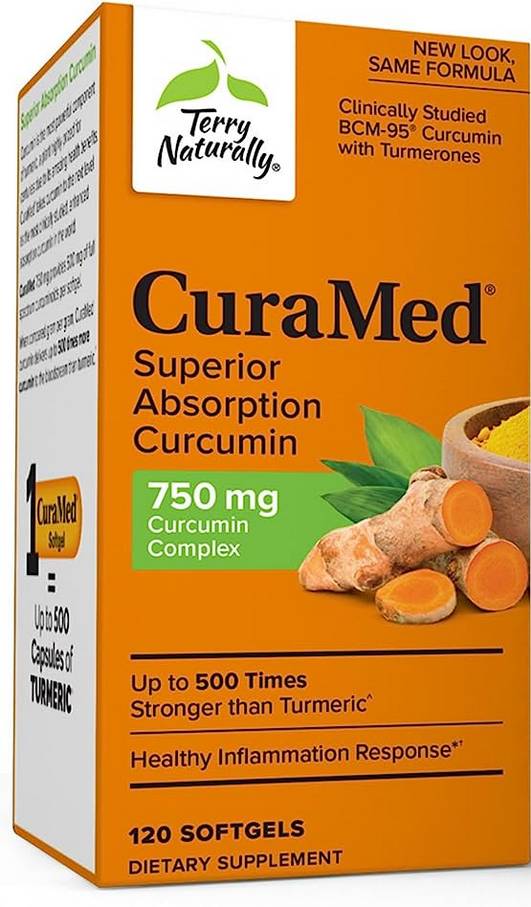
 Sinus problems are a common occurrence during the winter months. Cold weather, dry air, and allergens can all contribute to sinus congestion and inflammation. If you are looking for an over-the-counter sinus remedy that will provide relief from your symptoms, you have come to the right place! In this blog post, we will discuss some of the most effective over-the-counter sinus remedies on the market. We will also provide tips on how to choose the right one for you. So don't suffer any longer - read on for information on the best over-the-counter sinus remedies available today!
 .jpg) Do you suffer from inflammation? If so, you're not alone. Inflammation is a common problem that can cause pain and discomfort in the body. Fortunately, there is a natural remedy that can help: curcumin. Curcumin is a compound found in turmeric that has powerful anti-inflammatory properties. We will discuss the benefits of curcumin and how to add it to your diet.
Do you suffer from inflammation? If so, you're not alone. Inflammation is a common problem that can cause pain and discomfort in the body. Fortunately, there is a natural remedy that can help: curcumin. Curcumin is a compound found in turmeric that has powerful anti-inflammatory properties. We will discuss the benefits of curcumin and how to add it to your diet.