- *MSRP:
$13.99- Our Price:
- $10.50
- Buy: at $10.50


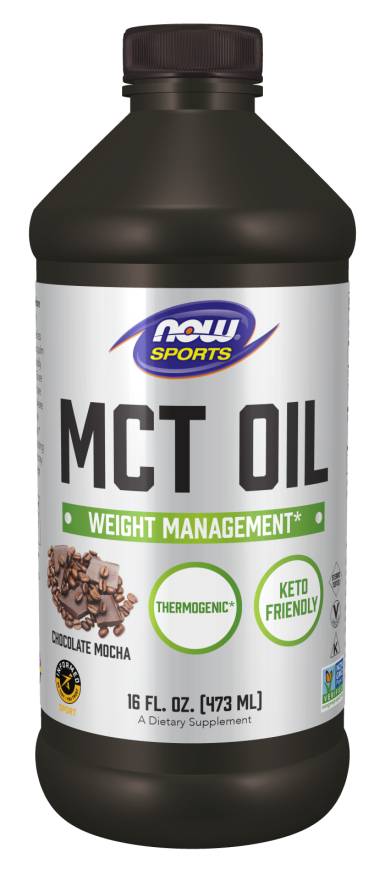
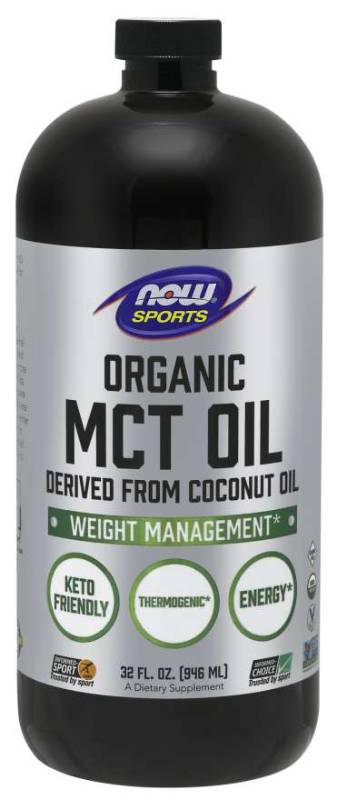
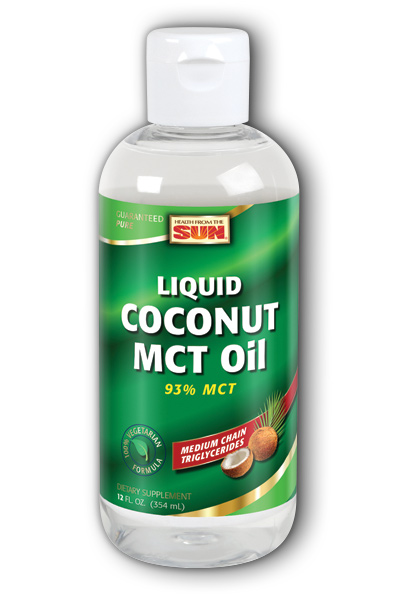
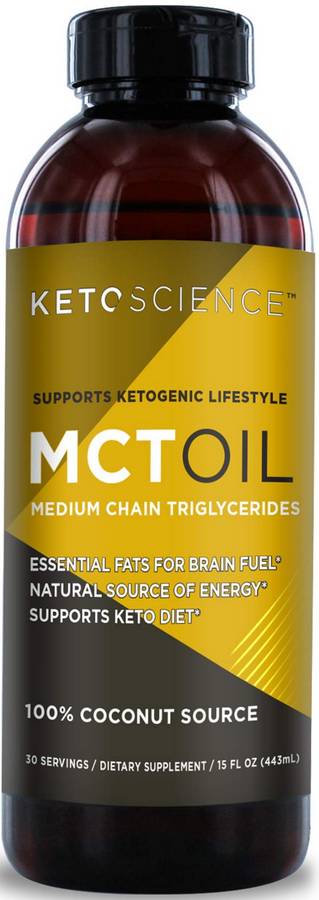
Keto Science® MCT Oil (15 fl oz / 443 mL) delivers 14 grams of clean, functional medium-chain fatty acids per tablespoon, extracted exclusively from naturally grown, non-GMO coconuts. Formulated to provide an instantaneous, non-carbohydrate energy substrate, this unflavored, zero-solvent liquid integrates seamlessly into ketogenic, low-carb, and intermittent fasting regimens to elevate plasma ketone levels without glycogen storage.
Source Integrity 100% Pure Coconut (Zero Palm Oil)Standard dietary fats consist predominantly of Long-Chain Triglycerides (LCTs) containing 14 to 24 carbon bonds. LCT digestion is an intensive, multi-phase physiological process requiring pancreatic lipase, bile salt emulsification in the duodenum, micellar incorporation, and packaging into chylomicrons for uptake into the slow-moving lymphatic system before entering systemic circulation.
In contrast, the Medium-Chain Triglycerides in Keto Science MCT Oil (primarily Caprylic Acid [C8:0] and Capric Acid [C10:0]) possess smaller aliphatic carbon tails. This molecular structure enables:
Circulating BHB crosses the blood-brain barrier via monocarboxylate transporters (MCT1 and MCT2), providing immediate ATP generation for cerebral neurons and skeletal muscle tissue without triggering insulin secretion.
During normal aging or states of insulin resistance, cerebral glucose metabolism can decline by up to 10–15%. Clinical research demonstrates that oral supplementation with medium-chain triglycerides reliably elevates blood acetoacetate and ß-hydroxybutyrate, providing an alternate metabolic fuel that compensates for cerebral glucose deficits and supports sustained executive focus (Cunnane et al., 2016; Courchesne-Loyer et al., 2013).
Controlled clinical trials show that substituting long-chain dietary fats with MCTs stimulates diet-induced thermogenesis (DIT) and elevates resting energy expenditure. In randomized trials, individuals ingesting MCTs exhibited higher postprandial circulating concentrations of peptide YY (PYY) and leptin, alongside reduced hunger scores compared to those consuming olive oil or lard (St-Onge & Jones, 2002; Mumme & Stonehouse, 2015).
Because MCTs oxidize at a velocity comparable to simple monosaccharides without eliciting an insulin spike, endurance athletes utilize Keto Science MCT Oil as an intra-workout or pre-workout fuel source. This spares endogenous liver and muscle glycogen stores during prolonged aerobic exertion.
While unrefined virgin coconut oil is commonly marketed as an MCT source, over 50% of its fatty acid profile consists of Lauric Acid (C12:0). Biochemically, the body metabolizes Lauric Acid like a long-chain fat (requiring chylomicron packaging and slow liver processing). Keto Science isolates the true rapid-converting medium chains:
| Fatty Acid Fraction | Carbon Chain | Keto Science MCT Oil | Raw Coconut Oil | Metabolic Route |
|---|---|---|---|---|
| Caproic Acid | C6:0 | Trace (<1%) | <0.5% | Immediate oxidation |
| Caprylic Acid | C8:0 | High Concentration (~55–65%) | Only 6–8% | Fastest conversion to blood BHB |
| Capric Acid | C10:0 | High Concentration (~35–45%) | Only 5–7% | Sustained cellular ATP energy |
| Lauric Acid | C12:0 | Minimal / Filtered | Dominant (~50%) | Behaves as LCT (lymphatic uptake) |
Serving Size: 1 Tablespoon (14.78 mL)
Servings Per Container: About 30
| Amount Per Serving | % Daily Value* |
|---|---|
| Calories 130 | |
| Total Fat 14 g | 18% |
| Saturated Fat 13 g | 65% |
| Trans Fat 0 g | ** |
| Medium Chain Triglycerides | 14 g ** |
| (Sourced 100% from Pure Coconut Oil; yielding Caprylic Acid [C8], Capric Acid [C10], Caproic Acid [C6], and Lauric Acid [C12]) | |
* Percent Daily Values are based on a 2,000-calorie diet.
** Daily Value (DV) not established.
Ingredients: Medium Chain Triglycerides from Coconut Oil.
Allergen Warning: Contains Tree Nuts (Coconut).
Dietary Classifications: Certified Gluten-Free, Dairy-Free, Lactose-Free, Sugar-Free, Non-GMO, Suitable for Keto, Paleo, and Vegan lifestyles.
Product Identification: UPC: 035046107833 | SKU: KF0523 | Net Volume: 15 fl oz (443 mL) | Packaged in BPA-Free Bottle.
Because pure MCTs absorb quickly through the mucosal lining, introducing high doses abruptly can cause an osmotic shift in the intestinal lumen, leading to abdominal cramping, hypermotility, or temporary diarrhea. To optimize gastrointestinal tolerance and maximize metabolic ketogenesis:
Ordinary coconut oil contains approximately 50% Lauric Acid (C12), which functions physiologically like a long-chain triglyceride and requires slow lymphatic processing. Keto Science MCT Oil isolates and concentrates Caprylic Acid (C8) and Capric Acid (C10) via triple steam distillation, bypassing the lymphatic system to produce immediate blood ketones in the liver.
From a strict caloric standpoint, one tablespoon contains 130 calories and technically halts a water-only fast. However, from a metabolic and glycemic standpoint, MCT oil does not elicit an insulin response or disrupt cellular autophagy and ketosis. Many practitioners utilize "fat fasting" with MCT oil to extend fasting duration by suppressing ghrelin (the hunger hormone) without causing glucose fluctuations.
Gastrointestinal discomfort occurs when unabsorbed fatty acids draw water into the intestinal tract through osmotic pressure. To prevent this, never start with a full 1-tablespoon dose on an empty stomach. Start with 1 teaspoon (5 mL) taken with a meal, and gradually titrate your dose upward over 7 to 10 days as your digestive system and intestinal brush-border enzymes adapt.
No. Keto Science utilizes an environmentally sustainable, triple steam distillation process that physically fractionates the medium-chain fatty acids from 100% pure coconut oil. No hexane, chemical solvents, or synthetic additives are utilized at any stage of manufacturing.
No. Many cheaper commercial MCT blends dilute their formulations with palm kernel oil. Keto Science MCT Oil is guaranteed 100% sourced from coconuts, protecting against rainforest deforestation and delivering an optimal C8/C10 ratio.