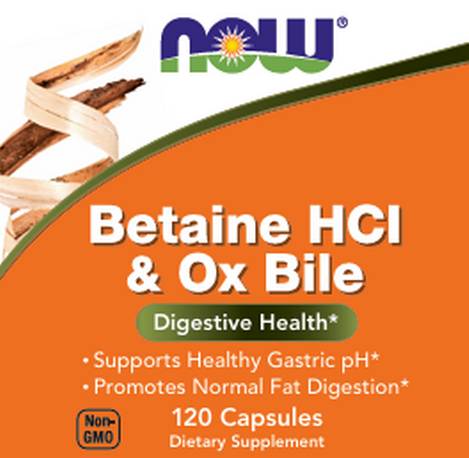
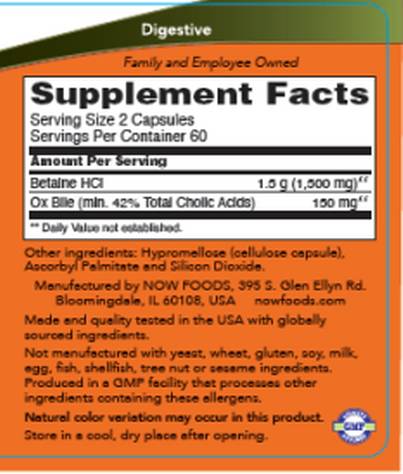
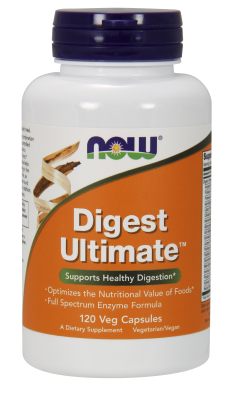
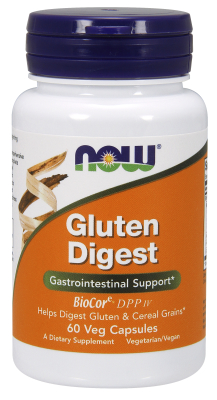
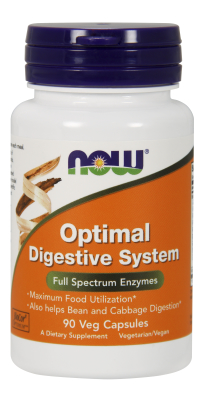
Enjoy Now Foods Digestive Aid! While often grouped together in comprehensive digestive support formulas, Betaine HCl and ox bile are functionally distinct - one is an acid, and the other is a biological detergent. Together, they optimize the entire gastrointestinal cascade by establishing the necessary acidic environment in the stomach and ensuring lipid assimilation in the small intestine. Betaine HCl: Gastric Optimization and Proteolytic Activation Betaine Hydrochloride delivers exogenous hydrochloric acid to the stomach lumen. As natural HCl production can decline with age, stress, or heavy training, supplementing restores the highly acidic environment (ideal pH of 1.5 to 3.0) required for the first stage of digestion. - Proteolytic Activation: The low pH alters the physical structure of proteins and is an absolute prerequisite for cleaving the zymogen pepsinogen into pepsin, the active enzyme that breaks down protein into smaller peptides.
- Nutrient Extraction: Acid is required to separate essential micronutrients - specifically Vitamin B12, iron, calcium, and zinc - from their food-bound protein matrices so they can be absorbed later in the gut.
- Pathogen Defense: A highly acidic stomach sterilizes ingested food, preventing microbial overgrowth downstream in the small intestine.
- Methylation Support: Once the HCl dissociates, the remaining betaine (trimethylglycine) molecule is absorbed and acts as a vital methyl donor in the liver, supporting the hepatic methylation cycle and helping regulate homocysteine levels.
Ox Bile: Lipid Emulsification and Metabolic Signaling Ox bile provides exogenous bile acids (such as cholic acid) that mimic the endogenous bile produced by the human liver and stored in the gallbladder. - Micelle Formation: Bile salts are amphipathic - they have both water-loving and fat-loving sides. In the aqueous environment of the duodenum, they act like dish soap on grease, breaking large lipid droplets into microscopic micelles. This exponentially increases the surface area available for pancreatic lipase to actually hydrolyze the fats.
- Fat-Soluble Assimilation: Without adequate bile, the body cannot effectively absorb dietary fats or fat-soluble vitamins (A, D, E, and K), regardless of how much you consume or how efficient your pancreatic enzymes are.
- Receptor Signaling: Beyond mechanics, bile acids are active metabolic signaling molecules. They bind to FXR and TGR5 receptors in the body, influencing glucose metabolism, lipid homeostasis, and overall energy expenditure.
The Synergistic Cascade Taking these two compounds together is highly effective because human digestion operates as a sequential cascade - what happens upstream dictates what happens downstream. | Phase | Component | Primary Action | Downstream Result | | Gastric | Betaine HCl | Drops chyme pH to 1.5 - 3.0 | Denatures proteins and activates pepsin | | Signaling | Acidic Chyme | Enters the duodenum | Triggers the release of secretin and CCK | | Hepatic | CCK | Signals the gallbladder | Prompts the release of bile and pancreatic enzymes | | Intestinal | Ox Bile | Decreases lipid surface tension | Emulsifies fats so lipase can hydrolyze them | If stomach acid is too low, the chyme entering the small intestine isn't acidic enough to trigger the release of secretin and cholecystokinin (CCK). Without that trigger, the gallbladder won't release its bile. Combining Betaine HCl with ox bile ensures the stomach reaches the correct pH to trigger your endogenous enzymes, while providing backup bile salts to guarantee lipid metabolism even if hepatic or gallbladder function is sluggish. |