- UPC: 733739030429
- # N3042
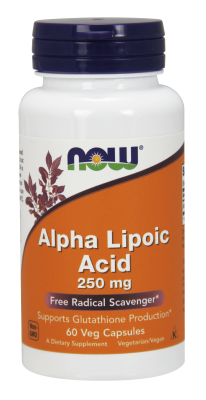
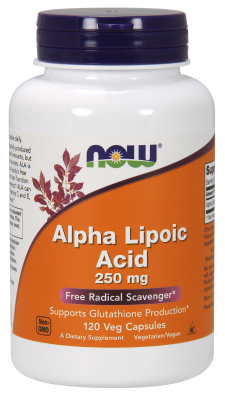
Alpha Lipoic Acid 250 mg: Benefits, Dosage, and Why the "Universal Antioxidant" Matters
While most antioxidants specialize in protecting either watery fluids (like Vitamin C) or fatty tissues (like Vitamin E), Alpha Lipoic Acid (ALA) holds a unique distinction: it is both water- and fat-soluble. Often hailed by biochemists as the "Universal Antioxidant," ALA operates across every cellular compartment, from plasma membranes to the deep interior of mitochondria.
Although clinical literature explores doses ranging from 100 mg to 1,200 mg, 250 mg daily has become the benchmark "sweet spot" for ongoing maintenance, metabolic balance, and cellular defense.
How Alpha Lipoic Acid Works at the Cellular Level
Alpha Lipoic Acid is naturally synthesized in minute quantities by human cells, where it functions as a coenzyme in energy metabolism (specifically within the pyruvate dehydrogenase complex). When taken as a dietary supplement, circulating ALA provides systemic effects that diet alone cannot supply.
1. The "Universal" Dual Solubility
Most vitamins are restricted by cellular biology:
Because ALA is amphipathic (soluble in both water and fat), it crosses the blood-brain barrier and penetrates every cellular component. Once inside the cell, it rapidly reduces into Dihydrolipoic Acid (DHLA), an even more active compound that quenches free radicals and binds reactive oxygen species (ROS).
2. The Antioxidant Recycling Network
Antioxidants "sacrifice" themselves by donating electrons to neutralize free radicals, leaving them oxidized and inactive. ALA breaks this cycle. Research shows DHLA can donate electrons to regenerate:
Supplementing with ALA essentially revitalizes your existing antioxidant reserves, amplifying overall cellular resilience.
Key Benefits of Alpha Lipoic Acid 250 mg
Targeted Peripheral Nerve Support
Oxidative stress is a primary driver of microvascular and nerve fiber breakdown. Clinical investigations into ALA consistently highlight its ability to support microcirculation, soothe oxidative nerve strain, and promote healthy peripheral sensation, particularly in the hands and feet.
Healthy Blood Sugar & Glucose Disposal
ALA supports cellular sensitivity to insulin. By activating AMP-activated protein kinase (AMPK) and facilitating the translocation of GLUT4 glucose transporters to cell membranes, ALA helps shuttle glucose out of the bloodstream and into muscle tissue for energy production.
Mitochondrial Energy & Cellular Aging
Mitochondria generate roughly 90% of cellular energy (ATP), producing reactive oxygen byproducts in the process. ALA neutralizes mitochondrial free radicals at the source, shielding mitochondrial DNA from premature wear and supporting cellular stamina.
Comparing Dosages: Why Choose 250 mg?
| Dosage |
Primary Purpose |
Best For |
Typical Tolerability |
| 100 mg |
Baseline micro-support |
Younger individuals, general multi-nutrient stacks |
High |
| 250 mg |
Daily targeted maintenance |
Active adults, glucose support, sustained antioxidant recycling |
High (ideal balance) |
| 600 mg |
High-potency therapeutic |
Acute nerve distress, supervised metabolic protocols |
Moderate (may cause mild heartburn if empty) |
A single 250 mg capsule delivers sufficient biological activity to elevate intracellular glutathione without requiring the multi-capsule regimens or higher gastrointestinal sensitivity risks associated with 600 mg+ doses.
Spotlight: NOW Foods Alpha Lipoic Acid 250 mg
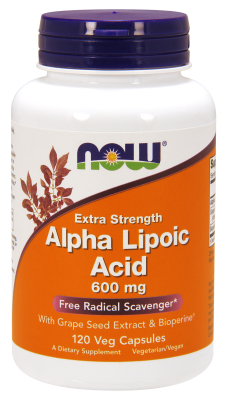
When choosing an ALA supplement, bioavailability, clean processing, and allergen control are essential. NOW Foods Alpha Lipoic Acid 250 mg (Available at VitaNet) is formulated to provide clean, daily antioxidant support:
-
Balanced Potency: Delivers 250 mg of pure ALA in a convenient single-capsule serving (60-day supply).
-
Hypoallergenic Standard: Free of yeast, wheat, corn, soy, milk, egg, sugar, salt, and artificial colors or preservatives.
-
Clean Excipients: Manufactured using only rice flour and vegetable-source magnesium stearate.
-
Affordable Accessibility: Provides high-grade antioxidant support at a competitive everyday price point.
How to Take Alpha Lipoic Acid 250 mg for Best Results
-
With Meals or Empty Stomach? While pharmacokinetic studies note that taking ALA on an empty stomach yields slightly higher peak plasma levels, it can occasionally trigger mild stomach warmth or reflux. For most users, taking 1 capsule daily with a meal provides smooth, sustained absorption while minimizing digestive sensitivity.
-
Pairing Suggestions: ALA pairs synergistically with Acetyl L-Carnitine (ALCAR) for cognitive and mitochondrial support, or with a B-Complex vitamin to assist standard enzymatic pathways.
Extensive Frequently Asked Questions (FAQ)
What is the primary difference between Alpha Lipoic Acid and R-Alpha Lipoic Acid?
Alpha Lipoic Acid supplements typically contain a 50/50 blend of two enantiomers: R-Lipoic Acid (R-ALA), the form naturally synthesized in nature, and S-Lipoic Acid (S-ALA), the mirror-image molecule created during chemical synthesis. While R-ALA is somewhat more biologically active, stabilized standard ALA (such as the 250 mg formula) remains the most extensively studied, cost-effective, and shelf-stable form for general daily health.
Is 250 mg of Alpha Lipoic Acid enough to be effective?
Yes. Clinical studies indicate that 200 mg to 300 mg per day provides functional antioxidant benefits, supports intracellular glutathione recycling, and assists healthy glucose disposal. Higher doses (600 mg to 1,200 mg) are typically reserved for acute clinical protocols under medical supervision.
Can Alpha Lipoic Acid help with nerve tingling and numbness?
Yes, nerve health is one of the most researched areas of ALA supplementation. By neutralizing oxidative stress around peripheral nerve sheaths and promoting healthy capillary blood flow to nerve endings, ALA helps maintain healthy sensory nerve function.
How long does it take for Alpha Lipoic Acid to work?
Biochemical antioxidant recycling and free radical defense begin within hours of ingestion. For metabolic parameters (such as glucose utilization) and peripheral nerve comfort, clinical trials typically evaluate results over 3 to 12 weeks of consistent daily use.
Should I take Alpha Lipoic Acid in the morning or at night?
Most individuals take ALA in the morning or early afternoon with breakfast or lunch. Because ALA plays an active coenzyme role in mitochondrial ATP (energy) production, taking it earlier in the day is generally preferred over bedtime dosing.
Does Alpha Lipoic Acid lower blood sugar?
ALA can enhance insulin sensitivity and promote glucose uptake into muscle cells. While beneficial for individuals managing healthy blood glucose levels, anyone taking prescribed glucose-lowering medications (such as metformin or insulin) should consult their physician, as blood sugar levels may need closer monitoring to prevent hypoglycemia.
Does Alpha Lipoic Acid interfere with thyroid medication?
ALA can potentially bind with or alter the conversion of thyroid hormones (such as levothyroxine). If you take thyroid medication, it is recommended to separate your thyroid prescription and your ALA supplement by at least 4 hours, and discuss supplementation with your prescribing doctor.
Can I take Alpha Lipoic Acid with a multivitamin?
Yes. ALA complements standard multivitamins. It works in partnership with Vitamins C, E, and B-vitamins, actively recharging these nutrients as they become oxidized throughout the day.
Are there any common side effects with a 250 mg dose?
Alpha Lipoic Acid 250 mg is generally well-tolerated. Minor side effects are uncommon but can include mild heartburn, acid reflux, or a harmless, distinct sulfur-like odor in urine (due to ALA’s natural sulfur-bearing chemical structure). Taking the capsule alongside food typically resolves digestive warmth.
Is Alpha Lipoic Acid water-soluble or fat-soluble?
ALA is amphipathic, meaning it is both water-soluble and fat-soluble. This rare molecular property allows it to operate across all bodily tissues, crossing the blood-brain barrier and shielding both aqueous cellular cytoplasm and fatty cell membranes.
Supplement Facts
| Serving Size: |
1 Veg Capsule |
| Servings Per Container: |
60 |
| Description |
Amount per Serving |
% Daily Value |
| Alpha Lipoic Acid |
250 mg |
|
Other Ingredients: Rice Flour, Hypromellose (cellulose capsule), Stearic Acid (vegetable source) and Silicon Dioxide.
Not manufactured with wheat, gluten, soy, corn, milk, egg, fish, shellfish or tree nut ingredients. Produced in a GMP facility that processes other ingredients containing these allergens.
Caution: For adults only. Consult physician if pregnant/nursing, taking medication, or have a medical condition. Keep out of reach of children.
Natural color variation may occur in this product.
Store in a cool, dry place after opening.
Family owned since 1968.