- *MSRP:
$8.99- Our Price:
- $6.30
- Buy: at $6.30


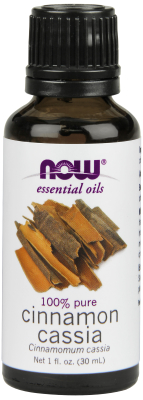
Item SKU: N7530 | Brand: NOW Foods Essential Oils | Botanical Source: Cinnamomum cassia | Extraction: Steam Distilled
Experience the robust, deeply comforting warmth of NOW Cinnamon Cassia Oil. Sourced from the leaves and twigs of Chinese cinnamon trees (Cinnamomum cassia), this 100% pure essential oil delivers an intense, sweet-and-spicy aroma that instantly clears stale indoor air, boosts seasonal ambiance, and provides a stimulating aromatic pick-me-up. Unlike synthetic air fresheners that rely on petrochemical aerosols, NOW steam-distills pure botanical matter to deliver raw, concentrated plant power directly into your home diffuser.
Whether you are building a cozy autumn room diffuser blend, looking to eliminate lingering kitchen odors, or crafting natural holiday sprays, NOW Foods 7530 Cinnamon Cassia Oil provides an undiluted, lab-verified botanical solution. Below, discover the science behind cassia essential oil, how it differs from Ceylon cinnamon bark, verified manufacturer purity standards, and critical safety guidelines.
To understand why cassia oil smells so potent and feels so invigorating, we look directly at botanical biochemistry. The primary bioactive driver in Cinnamon Cassia Oil is trans-cinnamaldehyde, an aromatic aldehyde that accounts for 75% to 90% of the oil's total chemical makeup. When diffused into the ambient air, this concentrated botanical compound exerts three distinct physical and neurological actions:
When inhaled, volatile cinnamaldehyde molecules bind to olfactory receptor neurons in the nasal cavity. These neural receptors transmit signals directly along the olfactory tract into the brain's limbic system—the control center for emotions, associative memory, and autonomic arousal (specifically the amygdala and hippocampus). Scientific research indicates that spicy, aldehyde-rich essential oil vapors stimulate central nervous system vigilance, helping dispel mental fatigue, sharpen cognitive focus, and produce subjective feelings of warmth and vitality (Moss et al., 2008; Sowndhararajan & Kim, 2016).
In botanical science, plants synthesize cinnamaldehyde as an evolutionary defense mechanism against airborne microbes and mold spores. Published microbiological evaluations demonstrate that cinnamaldehyde disrupts bacterial and fungal cell envelopes by altering membrane permeability, destabilizing proton gradients, and inhibiting essential cellular enzymes such as beta-(1,3)-glucan and chitin synthases (Vasconcelos et al., 2018; Ooi et al., 2006). Diffusing microscopic droplets of cassia oil helps neutralize persistent airborne odors at a molecular level rather than simply masking them with heavy perfumes.
Cinnamaldehyde is a recognized natural agonist of TRPA1 (Transient Receptor Potential Ankyrin 1) ion channels situated on sensory nerve endings (Bandell et al., 2004). This neurological pathway detects environmental temperatures and thermal sensations. When your senses encounter airborne cinnamaldehyde, TRPA1 activation triggers a physiological neurosensory response of "radiating warmth," explaining why cinnamon aromas create an immediate sensation of coziness during cold winter months.
Full transparency is the bedrock of natural wellness. Below are the exact botanical, chemical, and physical specifications for NOW Foods Cinnamon Cassia Oil (SKU: N7530 / UPC: 733739075307):
| Parameter | Specification Details |
|---|---|
| Common Name | Cinnamon Cassia Oil (Chinese Cinnamon) |
| Botanical Name | Cinnamomum cassia (Nees & T. Nees) J. Presl |
| Plant Part Used | Leaves and twigs |
| Extraction Method | Steam Distillation (solvent-free) |
| Full Ingredient List | 100% Pure Cinnamon Cassia Oil (Contains no fillers, solvents, or synthetics) |
| Primary Constituents | trans-Cinnamaldehyde (75%–90%), cinnamyl acetate, o-methoxycinnamaldehyde |
| Physical Consistency | Brownish-yellow to reddish-brown mobile liquid |
| Specific Gravity (20°C) | 1.045 – 1.060 |
| Refractive Index (20°C) | 1.600 – 1.614 |
| Aromatic Note | Middle to base note; intensely sweet, spicy, and tenacious |
A common point of confusion for shoppers is distinguishing between Cinnamon Cassia Oil (Cinnamomum cassia) and Cinnamon Bark Oil (Cinnamomum zeylanicum / verum). While both belong to the laurel botanical family, Cassia is steam-distilled from leaves and twigs, yielding a robust, sharp, earthy-cinnamon fragrance with exceptionally high cinnamaldehyde levels at an economical price. Ceylon Cinnamon Bark oil is distilled exclusively from inner tree bark, creating a sweeter, delicate, confectionery aroma that is significantly more expensive to harvest. For home room diffusion, air freshening, and seasonal aroma blends, Cassia provides unmatched aromatic strength and value.
Essential oil adulteration is rampant across open online retail marketplaces. Many low-grade cinnamon oils are secretly diluted with industrial solvents (such as dipropylene glycol), spiked with cheap petroleum-derived synthetic cinnamaldehyde, or harvested using toxic chemical extraction aids. NOW Foods safeguards your health through one of the most advanced analytical testing infrastructures in the natural products sector, operating state-of-the-art ISO/IEC 17025 accredited in-house laboratories.
Every production lot of NOW Essential Oils undergoes a comprehensive four-step chemical fingerprinting process before release:
Because heavy metals (such as lead, arsenic, cadmium, and mercury) can migrate from soil and water into plant matter, NOW utilizes Inductively Coupled Plasma Mass Spectrometry (ICP-MS) to screen incoming ingredients down to parts-per-billion (ppb) thresholds. Finished lots must conform to strict microbiological specifications, ensuring zero contamination from Salmonella, Escherichia coli, pathogenic molds, or environmental yeasts. Furthermore, NOW oils are packaged under Non-GMO Project Verified and cruelty-free certifications without artificial preservatives.
Because 100% pure Cinnamon Cassia Oil is extremely concentrated, proper handling and dilution are vital for a safe, enjoyable experience. Always treat natural essential oils as potent plant chemistry.
Diffusion is the safest and most effective method to enjoy cassia oil. Add 1 to 2 drops of NOW Cinnamon Cassia Oil to an ultrasonic water diffuser in a well-ventilated space. Because cassia has an assertive aromatic throw, starting with a single drop is recommended.
Popular "Spiced Hearth" Diffuser Blend:
In an 8 oz amber glass spray bottle, blend 6 drops of Cinnamon Cassia Oil, 6 drops of Lemon Oil, and 4 drops of Rosemary Oil with 2 oz of witch hazel (to emulsify). Fill the remainder of the bottle with distilled water. Shake thoroughly before misting entryways, kitchens, or bathrooms.
When shopping for natural health solutions, who you buy from matters just as much as the brand on the label. Founded in 1995 as an independent, family-owned retailer located in Hartville, Ohio, VitaNet®, LLC brings over 31 years of direct hands-on experience and nutritional expertise to wellness retail[cite: 1].
Protect yourself from expired inventory, adulterated essential oils, and counterfeit storefronts. Order your genuine NOW Cinnamon Cassia Oil from a trusted American family business that puts your health first[cite: 1].
Cinnamon Cassia Oil (Cinnamomum cassia) is steam-distilled from the leaves and twigs of Chinese cinnamon, producing an intense, robust, earthy-spicy scent with high cinnamaldehyde levels at an affordable cost. Cinnamon Bark Oil (Cinnamomum zeylanicum) is harvested strictly from the dried inner tree bark of Ceylon cinnamon, offering a sweeter, gourmet aroma that carries a significantly higher harvest cost.
No. NOW Cinnamon Cassia Oil is intended strictly for aromatherapy and room diffusion. Natural essential oils are extraordinarily concentrated botanical chemicals. Internal ingestion can irritate or erode delicate esophageal and stomach tissues and should never be undertaken without guidance from a qualified clinical medical toxicologist.
Never apply cassia oil undiluted to your skin. Cassia is a documented dermal irritant and dermal sensitizer. Clinical safety references (Tisserand & Young, 2014) state a maximum safe dermal dilution limit of just 0.05% (about 1 drop in 50 mL or 2 oz of carrier oil). If you choose to use it in topical crafting, a rigorous 24-hour skin patch test is mandatory.
Cinnamon Cassia pairs harmoniously with bright citrus oils (Sweet Orange, Tangerine, Lemon), grounding resinous botanicals (Frankincense, Myrrh), and fellow spices (Clove Bud, Nutmeg, Ginger). Because of its strong aroma, use cassia sparingly as an accent note.
Exercise caution. Pets, especially cats, have sensitive respiratory systems and lack specific liver enzymes to break down volatile aromatic hydrocarbons. Always diffuse in a spacious, well-ventilated room with an open door so your pet can exit if the scent becomes uncomfortable. Never diffuse oils in an enclosed room containing birds, reptiles, or small rodents.
NOW operates ISO/IEC 17025 accredited analytical testing laboratories. Every batch is evaluated through Gas Chromatography (GC-FID/GC-MS) to prove chemical identity and detect adulterants, Fourier-Transform Infrared Spectroscopy (FTIR), physical index testing (refractive index and specific gravity), and ICP-MS screening for heavy metal safety.
Keep your bottle tightly closed in its original amber glass container, stored in a cool, dry cabinet away from direct sunlight, open heat sources, and humidity. Proper storage protects the cinnamaldehyde from oxidizing, ensuring years of aromatic freshness.