- *MSRP:
$30.39- Our Price:
- $25.83
- Subscribe and Save:
- $18.24ea.
- Buy: at $25.83


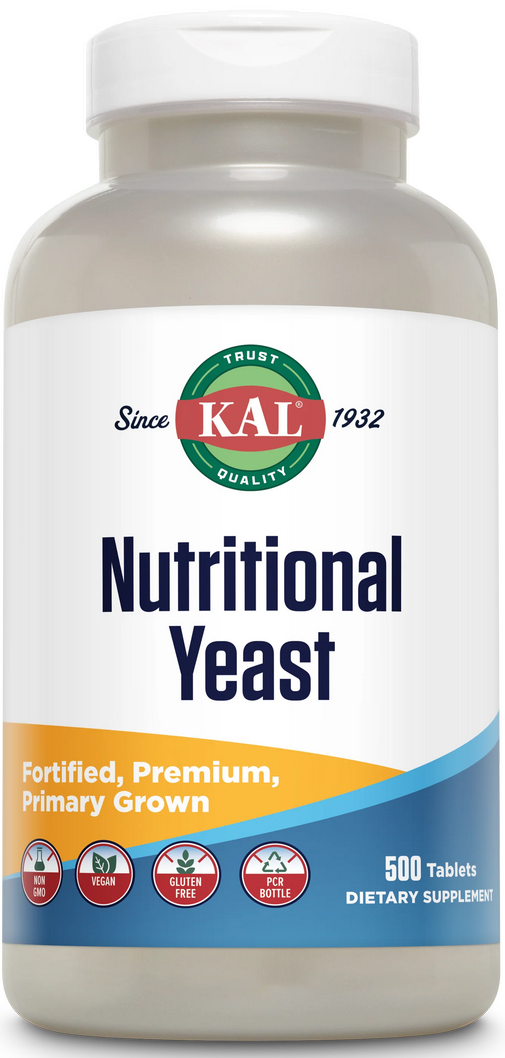
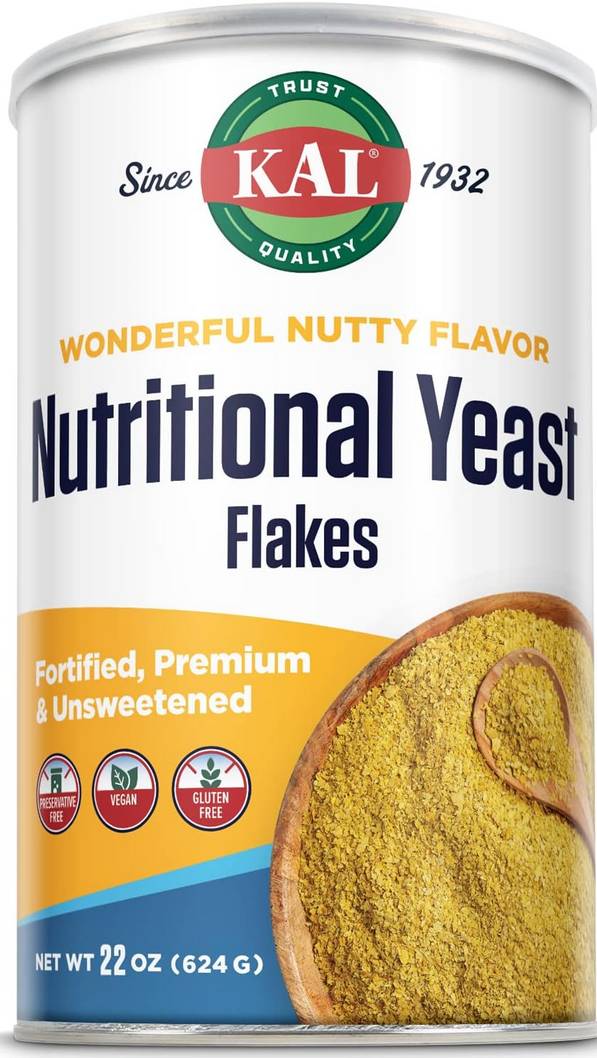
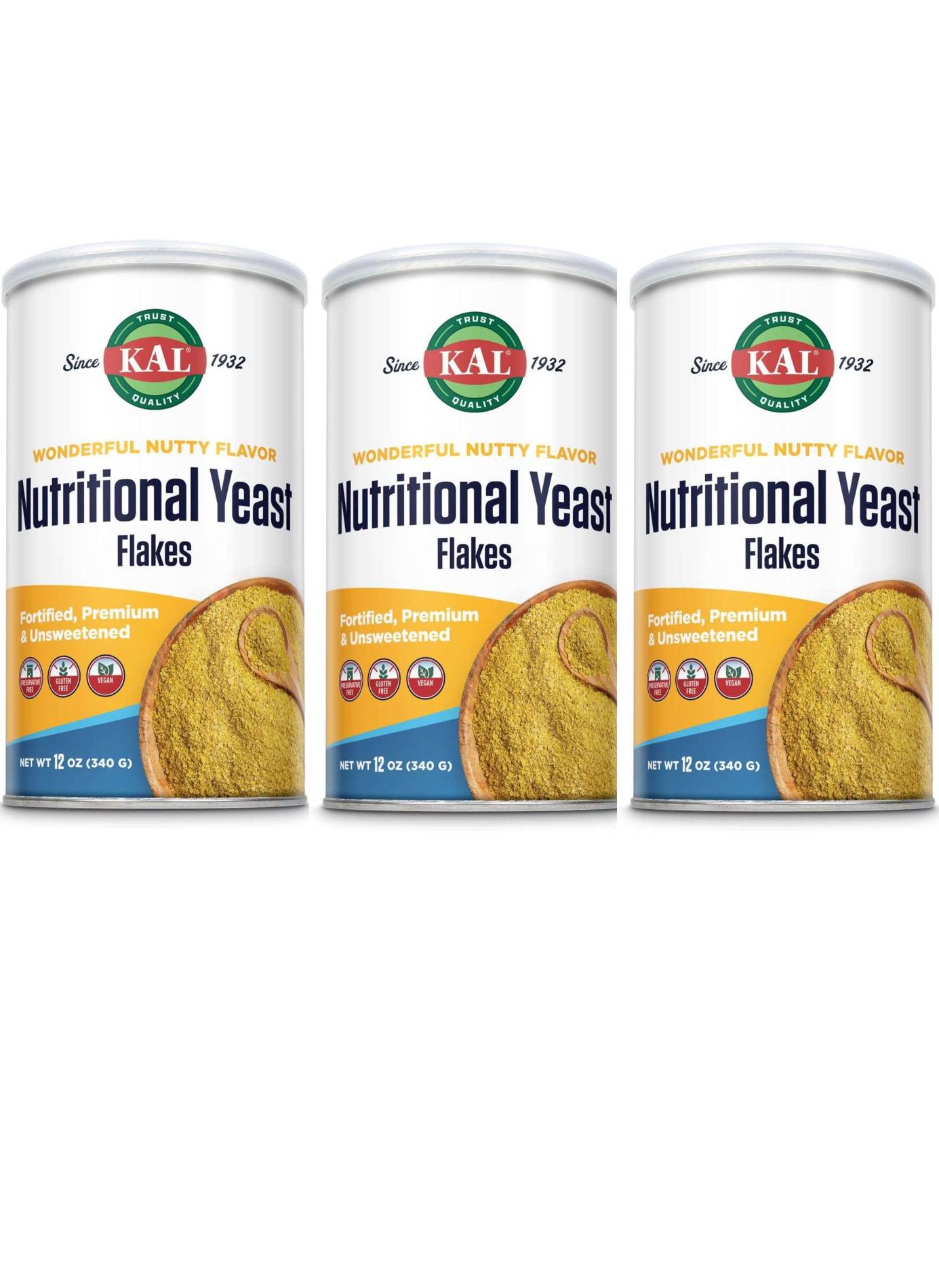
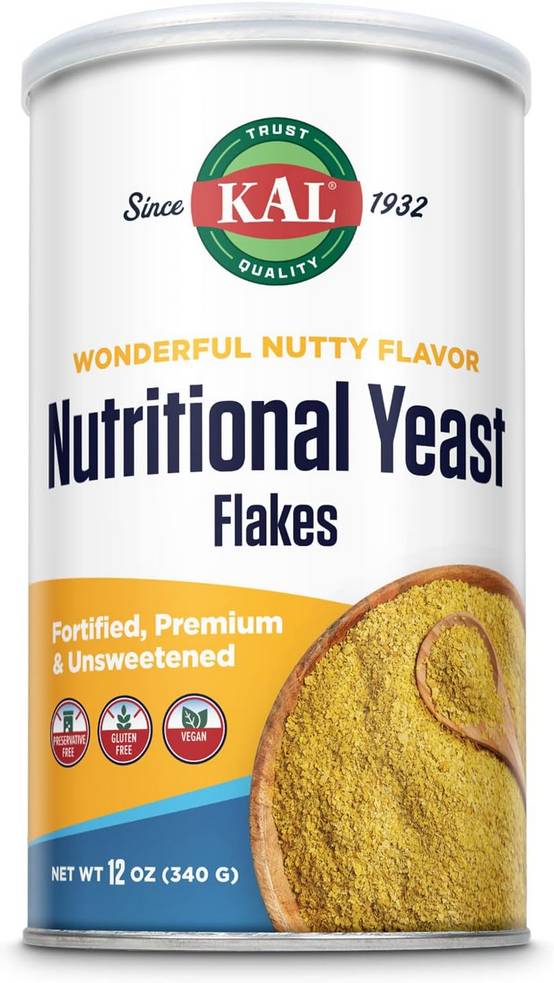
Elevate your daily nutrition and transform your favorite meals with Kal Nutritional Yeast Flakes. Delivering an authentic nutty, cheesy flavor without dairy, sugar, or excess sodium, this culinary staple is primary-grown specifically for human nutrition and fortified with essential B-vitamins, bioavailable vitamin B12, and complete plant protein.
Medical & Nutritional Fact-Check StandardsWhether you follow a vegan, plant-predominant, low-sodium, or keto diet, Kal Nutritional Yeast Flakes provide dense nutritional value with minimal calories:
✓ Full-Spectrum B-Complex: Contains 625% DV of Vitamin B12, plus robust amounts of Thiamine (B1), Riboflavin (B2), Niacin (B3), and B6 per serving. ✓ Complete Plant Protein: Supplies 5 grams of digestible protein per 10-gram serving, including all nine essential amino acids. ✓ Naturally Free of Candida Albicans: Carefully deactivated so it will not cause fungal growth or digestive yeast proliferation. ✓ Dairy-Free Cheesy Flavor: Delivers savory, umami depth to popcorn, pastas, and sauces with zero grams of sugar and zero cholesterol.Nutritional yeast is made from a single-celled organism called Saccharomyces cerevisiae. While that is the same scientific species used to bake bread or brew beer, nutritional yeast is prepared differently:
Layman Takeaway: Think of nutritional yeast as a dry, nutrient-dense seasoning powder rather than an active baking yeast. It provides the hearty, cheesy taste of parmesan without any dairy or live cultures.
Nutritional yeast does more than enhance taste. Its unique molecular makeup supports vital metabolic and cellular processes:
Vitamin B12 (cobalamin) is an essential water-soluble vitamin required for healthy red blood cell synthesis, DNA production, and neurological integrity. Because unfortified plant foods lack bioavailable B12, individuals following a vegetarian or vegan lifestyle face heightened risks of megaloblastic anemia and irreversible peripheral nerve injury.
Just 1.5 rounded tablespoons of Kal Nutritional Yeast Flakes delivers 15 mcg of Vitamin B12 (625% of the Daily Value), easily satisfying clinical intake guidelines for plant-predominant eaters.
Scientific Citation: Rizzo, G., et al. (2016). "Vitamin B12 among Vegetarians: Status, Assessment and Supplementation." Nutrients, 8(12), 767. doi:10.3390/nu8120767. | NIH Office of Dietary Supplements: Cobalamin Fact Sheet.The cell walls of primary-grown Saccharomyces cerevisiae are exceptionally rich in specific structural polysaccharides known as beta-1,3/1,6-glucans. These natural fibers interact directly with dectin-1 receptors on human immune cells (macrophages and neutrophils), priming your body's innate defense system against environmental stressors and upper respiratory challenges.
Scientific Citation: Stier, H., Ebbeskotte, V., & Gruenwald, J. (2014). "Immune-modulatory effects of dietary yeast beta-1,3/1,6-D-glucan." Nutrition Journal, 13, 38. doi:10.1186/1475-2891-13-38.Unlike many single-source plant proteins that fall short in lysine, methionine, or threonine, nutritional yeast is approximately 50% protein by dry weight and provides all nine essential amino acids. This makes it an ideal whole-food booster for athletic recovery, post-workout meals, and muscle maintenance in older adults.
Scientific Citation: USDA FoodData Central (FDC ID 173177). Nitrogen-protein conversion factors and amino acid scoring in Saccharomyces cerevisiae.When shopping for nutritional yeast, one of the most common questions is whether to choose a fortified or an unfortified formula. Kal 12 oz Nutritional Yeast Flakes are fortified. Here is why that matters for your daily health:
| Feature | Kal Fortified Nutritional Yeast | Unfortified Nutritional Yeast |
|---|---|---|
| Vitamin B12 Content | High (15 mcg / 625% DV) | Virtually 0 mcg (yeast does not synthesize B12) |
| Energy Metabolism Support | Maximized (High Thiamine, Riboflavin, Niacin, B6) | Moderate (only naturally occurring yeast levels) |
| Best Suited For | Vegans, vegetarians, older adults, active lifestyles | Those seeking strictly unfortified whole foods |
| Flavor Profile | Savory, cheesy, rich umami | Mild, nutty, slightly earthy |
Every batch of Kal Nutritional Yeast Flakes (Item #38000 / UPC 021245380009) is tested to ensure purity, potency, and freedom from candida contaminants.
Primary grown Nutritional Yeast (Saccharomyces cerevisiae), Niacin, Pyridoxine HCl, Riboflavin, Thiamine HCl, Folic Acid, and Vitamin B-12.
• Certified Kosher (Excluding Passover) • Naturally Gluten-Free • No Preservatives or Artificial Dyes • Free of Candida albicansKal Nutritional Yeast Flakes dissolve smoothly in liquid recipes and hold their texture when used as a dry seasoning. Try these simple kitchen applications:
Mist freshly air-popped corn with olive oil or avocado oil spray, then dust generously with 1 to 2 tablespoons of Kal flakes and a pinch of sea salt.
Blend soaked raw cashews, steamed carrots, garlic powder, water, lemon juice, and 3 tablespoons of nutritional yeast for an ultra-creamy vegan mac-and-cheese sauce.
Stir 2 tablespoons into vegetable broths, lentil stews, or chili during the last 5 minutes of simmering to thicken the base and add savory umami complexity.
Sprinkle straight out of the container onto roasted broccoli, asparagus, kale chips, or crisp Caesar salads in place of grated parmesan cheese.
While nutritional yeast is well tolerated by the vast majority of consumers, sound nutritional science requires noting important medical considerations:
Monoamine Oxidase Inhibitors (MAOIs) & Tyramine:
Fermented and yeast-derived foods contain tyramine, an amino acid derivative involved in blood pressure regulation. Patients taking non-selective MAOI antidepressants (e.g., phenelzine, tranylcypromine) should avoid concentrated yeast products to prevent severe hypertensive events.
Citation: Broadley, K. J. (2010). "The vascular effects of trace amines." Pharmacol Ther, 125(3):363-375.
Some individuals with active Crohn's disease or inflammatory bowel disease (IBD) produce Anti-Saccharomyces cerevisiae Antibodies (ASCA). If you have IBD, consult your gastroenterologist before introducing yeast supplements into your regimen.
Citation: Sendid, B., et al. (1996). Clin Diagn Lab Immunol, 3(2):219-226.
This formula is fortified with synthetic folic acid (450 mcg per serving). Individuals with known homozygous MTHFR gene variants who have difficulty metabolizing synthetic folic acid may prefer an unfortified nutritional yeast offering natural dietary folates.
No. Nutritional yeast is made from heat-inactivated Saccharomyces cerevisiae and is tested to be 100% free of Candida albicans. Because the yeast cells are dead, they cannot colonize the gut, multiply, or trigger systemic fungal or vaginal yeast infections.
No. Nutritional yeast cannot be used to make bread rise because it has no living cultures. Unlike brewer's yeast, which is a bitter byproduct of beer brewing, Kal nutritional yeast is primary-grown on sweet molasses, giving it a pleasant, cheesy, and non-bitter flavor profile.
A standard daily serving is 1 to 2 tablespoons (approx. 10 grams). This single serving provides more than your full daily requirement for Vitamin B12, Thiamine, Riboflavin, and Vitamin B6, alongside 5 grams of clean protein.
Yes. Kal Nutritional Yeast is primary-grown on non-grain beet and sugar cane molasses rather than barley or wheat media, making it naturally gluten-free and safe for those avoiding gluten.
Store the container tightly sealed in a cool, dry, and dark pantry or cupboard away from direct sunlight and moisture. When kept dry and sealed, the B-vitamins and savory flavor remain stable through the printed expiration date.