- *MSRP:
$16.99- Our Price:
- $9.35
- Buy: at $9.35


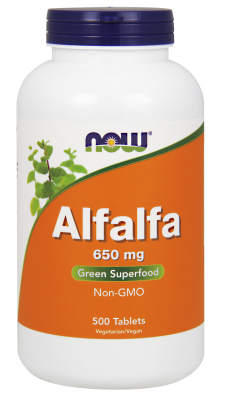
Looking for a simple, natural way to add nutrient-dense greens to your daily routine? NOW Foods Alfalfa 650 mg (Item #N2620) delivers pure, unadulterated Medicago sativa aerial leaf in convenient, easy-to-take whole-herb tablets. Often hailed as the original "Father of All Foods," alfalfa supplies a balanced spectrum of naturally occurring plant chlorophyll, trace minerals, enzymes, and essential vitamin K to nourish your digestive system and support everyday vitality.
Alfalfa (botanical name: Medicago sativa) is a perennial legume belonging to the pea family (Fabaceae). The word "alfalfa" stems from the ancient Arabic phrase al-fasfasa, which translates literally to "father of all foods." Ancient agriculturalists and nomadic herbalists observed that horses fed dried alfalfa foliage displayed superior stamina, muscle condition, and endurance compared to animals fed traditional grasses.
The secret behind alfalfa's nutritional density lies beneath the soil. Alfalfa plants develop extraordinarily deep taproot systems, frequently extending 15 to 30 feet down into the subsoil. While shallow-rooted garden vegetables only reach surface-level minerals, alfalfa's deep taproots draw up hard-to-find trace elements, minerals, and micronutrients from untouched soil layers.
Unlike synthetic multivitamin tablets that pack isolated, lab-created nutrients together, NOW Alfalfa 650 mg acts as a whole-food concentrate. When you take these tablets, your body digests them like real food, absorbing micro-compounds that work together synergistically. Here is what modern research reveals:
Alfalfa contains a high concentration of bioactive plant compounds called saponins. In peer-reviewed animal and human nutritional studies, alfalfa saponins demonstrated the ability to attach directly to dietary cholesterol and bile salts inside the digestive tract. By binding to these lipids, saponins prevent them from being absorbed through the intestinal wall, escorting them safely out through natural waste elimination. This mechanism helps support healthy LDL and total cholesterol levels already within a normal range (Malinow et al., Am J Clin Nutr / Atherosclerosis).
Traditional herbalists have used alfalfa leaf for centuries to soothe sour stomachs and ease occasional sluggish digestion. Alfalfa leaf provides gentle plant fiber, natural digestive enzymes (such as lipase, amylase, and coagulase), and rich green chlorophyll. Chlorophyll and plant flavonoids help soothe the delicate mucosal lining of the stomach and intestines while promoting a healthy, alkaline-balanced gut environment.
You cannot build strong bones with calcium alone; your body requires Vitamin K to activate osteocalcin, the primary protein responsible for binding calcium into the bone matrix. Alfalfa leaves are exceptionally rich in natural phylloquinone (Vitamin K1). Incorporating whole alfalfa tablets alongside your calcium and vitamin D regimen helps ensure that the minerals you consume end up in your skeletal frame where they belong.
Alfalfa foliage is loaded with potent polyphenols, lutein, beta-carotene, and superoxide-dismutase-stimulating bioactives. These botanical antioxidants help neutralize circulating free radicals caused by stress, poor diet, and environmental toxins, protecting cells and tissues against premature oxidative wear.
Below is the exact, manufacturer-verified ingredient listing for NOW Foods Alfalfa 650 mg (Item #N2620, UPC 733739026200):
Serving Size: 3 Tablets
Servings Per Container: 83
| Amount Per Serving | % Daily Value |
|---|---|
| Calories | 5 |
| Total Carbohydrate | 1 g (< 1%*) |
| Alfalfa (Medicago sativa) (Leaf) | 1.95 g (1,950 mg)† |
* Percent Daily Values are based on a 2,000 calorie diet.
† Daily Value not established.
Other Ingredients: Dicalcium Phosphate, Cellulose, Stearic Acid (vegetable source), Silicon Dioxide, and Magnesium Stearate (vegetable source).
Allergen & Dietary Specifications: Not manufactured with yeast, wheat, gluten, soy, milk, egg, fish, shellfish, or tree nut ingredients. Produced in a GMP facility that processes other ingredients containing these allergens.
Certifications: Non-GMO Project Verified, Vegan, Vegetarian, Kosher Certified, Halal Certified.
Alfalfa is a biologically active herb that may interact with certain medications and medical conditions. Review these key safety guidelines before starting supplementation:
Alfalfa seeds and raw sprouts contain an amino acid known as L-canavanine. Medical literature reports that L-canavanine can activate immune T-cells, generate anti-DNA antibodies, and trigger lupus flares or lupus-like symptoms (Montanaro & Bardana, Rheum Dis Clin North Am; Prete, Rheumatology). While dried mature leaf contains significantly lower concentrations of L-canavanine than raw sprouts or seeds, individuals diagnosed with Lupus (SLE) or active autoimmune diseases should avoid alfalfa supplements entirely.
Because alfalfa leaf is naturally rich in Vitamin K1 (phylloquinone), it assists normal blood clotting mechanisms. However, anticoagulant drugs like warfarin function specifically by blocking Vitamin K activity. Consuming variable amounts of alfalfa supplements can counteract warfarin's effectiveness and alter Prothrombin Time / INR levels (Barnes et al., PMC3650066). Do not take alfalfa if you are currently taking prescription blood thinners without direct physician supervision.
Alfalfa contains natural plant phytoestrogens, including coumestrol and isoflavones (Desroches et al., PMC9864699). If you have a hormone-sensitive condition (such as breast, uterine, or ovarian cancer, endometriosis, or uterine fibroids), consult your healthcare practitioner prior to use. Due to traditional historical use stimulating uterine tone, alfalfa supplements are not recommended for pregnant women.
Practical experience evaluating customer routines and herbal supplement tolerability reveals several key pointers for everyday use:
✓ Follow the Split-Dosing Strategy:The manufacturer label suggests taking 3 tablets, 1 to 3 times daily. In practical use, do not take all 6 to 9 tablets in a single gulp. Spreading your intake across the day (e.g., 2 to 3 tablets with breakfast, lunch, and dinner) maintains steady levels of water-soluble nutrients and continuous digestive support.
✓ Take With Meals and Plenty of Water:Alfalfa tablets contain dense, compressed herbal fiber and fat-soluble Vitamin K. Swallowing them with a full 8-ounce glass of water and a meal containing healthy dietary fats (such as olive oil, eggs, or avocado) significantly improves Vitamin K absorption and ensures the tablets break down smoothly in the stomach.
✓ Tips for Trouble Swallowing Compressed Herbal Tablets:Because NOW uses real, compressed alfalfa leaf rather than synthetic fillers, these green tablets have a naturally earthy, grassy aroma and a slightly dry exterior. If you have difficulty swallowing pills, place them in a standard pill crusher and stir the resulting green powder directly into your morning fruit smoothie or applesauce.
✓ Expect Natural Color Variation:You will notice small flecks of light and dark green throughout each tablet. This is normal and expected. NOW never uses artificial colorings, waxes, or chemical dyes to mask the natural appearance of the plant harvest.
Shoppers often weigh whether to buy raw alfalfa sprouts at the grocery store, loose alfalfa powder, or compressed 650 mg tablets. Here is a direct, side-by-side comparison:
| Feature | NOW Alfalfa 650 mg Tablets | Loose Bulk Alfalfa Powder | Raw Grocery Store Sprouts |
|---|---|---|---|
| Plant Part Used | Mature Dried Aerial Leaf | Dried Leaf or Herb Blend | Sprouted Seeds & Shoot Tips |
| L-Canavanine Content | Very Low (leaves contain minimal canavanine) | Low to Moderate | High (concentrated in seeds and young sprouts) |
| Shelf Life & Stability | 2+ Years (dry, dark, shelf-stable) | 6–12 Months (prone to oxidation once opened) | 3–5 Days in refrigerator |
| Bacterial Spoilage Risk | Zero (heat-tested, GMP laboratory verified) | Low when stored properly | Elevated (sprouts pose recurring recall risks for Salmonella / E. coli) |
| Convenience & Taste | Fast, portable, no strong lawn-like taste | Requires mixing, strong herbal taste | Requires washing, rapid spoilage |
For daily, consistent supplementation without the recurring salmonella recall concerns of fresh sprouts or the chalky mess of loose greens powder, NOW Foods Alfalfa 650 mg 250 tabs remains an exceptional option for cost-effectiveness, purity, and ease of use.
Each individual tablet contains 650 mg of pure alfalfa leaf. The suggested serving size listed on the manufacturer label is 3 tablets, which provides a total of 1.95 grams (1,950 mg) of whole alfalfa leaf per serving.
It is best to take alfalfa tablets with your daily meals (such as breakfast, lunch, or dinner) accompanied by a full glass of water. Consuming alfalfa alongside food aids in the digestion of plant fiber and enhances the absorption of naturally occurring fat-soluble vitamins like Vitamin K.
No, you should not take alfalfa supplements if you take prescription blood thinners (anticoagulants such as warfarin or Coumadin) without first consulting your doctor. Alfalfa contains natural Vitamin K1, which assists normal blood clotting and can directly counteract the effectiveness of blood-thinning drugs.
Alfalfa contains an amino acid compound known as L-canavanine. Scientific research has shown that L-canavanine can stimulate the immune system, potentially triggering or worsening autoimmune flares in people with Systemic Lupus Erythematosus (SLE). Even though leaf tablets have much lower levels than seeds, individuals with lupus must avoid all alfalfa supplements.
No. NOW Foods Alfalfa 650 mg is formulated without yeast, wheat, gluten, soy, milk, egg, fish, shellfish, or tree nut ingredients. It is Non-GMO Project Verified, 100% vegetarian/vegan, and contains no artificial colorings, artificial flavors, or synthetic preservatives.
Yes. These tablets are made of compressed whole dried alfalfa leaves held together by vegetable cellulose and dicalcium phosphate. You can easily crush them with a handheld pill crusher and stir the resulting green powder into juices, protein shakes, or applesauce.
Every physiological claim made on this page is substantiated by peer-reviewed biomedical research: