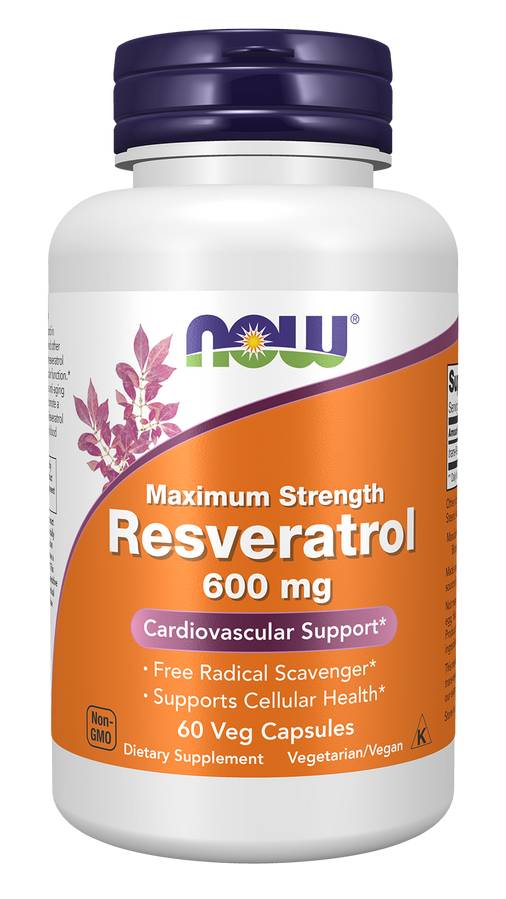
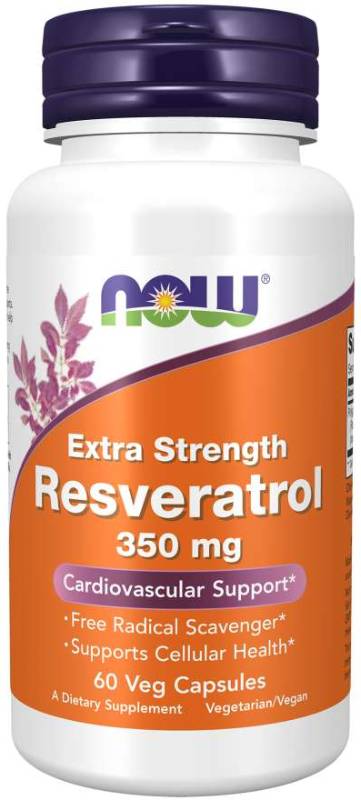
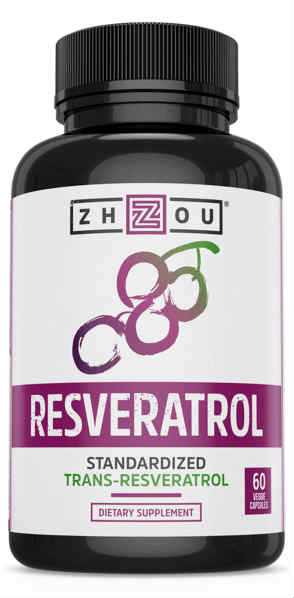
Resveratrol, particularly trans-resveratrol (its active form), is a polyphenol compound studied extensively for its potential to support heart and vascular health. Potential Cardiovascular Benefits of Resveratrol Here is a breakdown of the primary ways a 600 mg dose of resveratrol is thought to support cardiovascular health. 1. Antioxidant and Anti-inflammatory Action This is the most well-known benefit. Resveratrol acts as a potent antioxidant, helping to neutralize unstable molecules in the body called free radicals. This action is believed to: - Reduce Oxidative Stress: Protects blood vessels and heart tissue from damage.
- Lower Inflammation: Studies suggest that higher doses of resveratrol can help reduce key inflammatory markers (like C-reactive protein and TNF-alpha), which are closely linked to the development of heart disease.
2. Improved Blood Vessel Function (Endothelial Function) The endothelium is the thin lining of your blood vessels. Its health is critical for proper circulation. Resveratrol has been shown to: - Boost Nitric Oxide: It helps promote the production of nitric oxide, a molecule that signals blood vessels to relax and widen.
- Enhance Blood Flow: This relaxation (called vasodilation) can help lower blood pressure and improve overall circulation, reducing the workload on the heart.
3. Blood Pressure Management By improving blood vessel flexibility (as noted above), high-dose resveratrol has been investigated for blood pressure. A 2015 review of clinical trials concluded that higher doses of resveratrol (over 150 mg/day) were effective in significantly reducing systolic blood pressure (the top number in a reading), which is a major risk factor for heart attacks and strokes. 4. Effects on Cholesterol and Blood Fats The evidence here is stronger in animal studies, but human studies are exploring it. Resveratrol may help: - Reduce "Bad" Cholesterol: It's thought to help lower LDL (low-density lipoprotein) cholesterol.
- Prevent LDL Oxidation: Perhaps more importantly, its antioxidant properties may prevent LDL cholesterol from oxidizing, which is a key step in the formation of artery-clogging plaque (atherosclerosis).
Important Considerations and Cautions While the benefits are promising, it is important to have a complete picture: - Inconsistent Study Results: The scientific community has not reached a firm consensus. While many studies show promise, others have found no significant cardiovascular benefits from resveratrol supplementation in humans.
- High-Dose Caution: Not all studies agree that "more is better." For example, one pilot study on overweight older adults found that a 1000 mg dose increased some biomarkers for cardiovascular risk, while the 300 mg dose did not. This suggests there may be an optimal dose that is not the maximum.
- Gastrointestinal Side Effects: Doses above 1 gram (1000 mg) are well-known to cause digestive upset in many people. A 600 mg dose is below this threshold but may still cause discomfort for sensitive individuals.
A Note on Bioavailability: Resveratrol is notoriously difficult for the body to absorb and use effectively. Much of it is metabolized very quickly. This is why many supplements use high doses - to ensure enough of the active compound makes it into the bloodstream. |