|
Search Term: " Wiches "
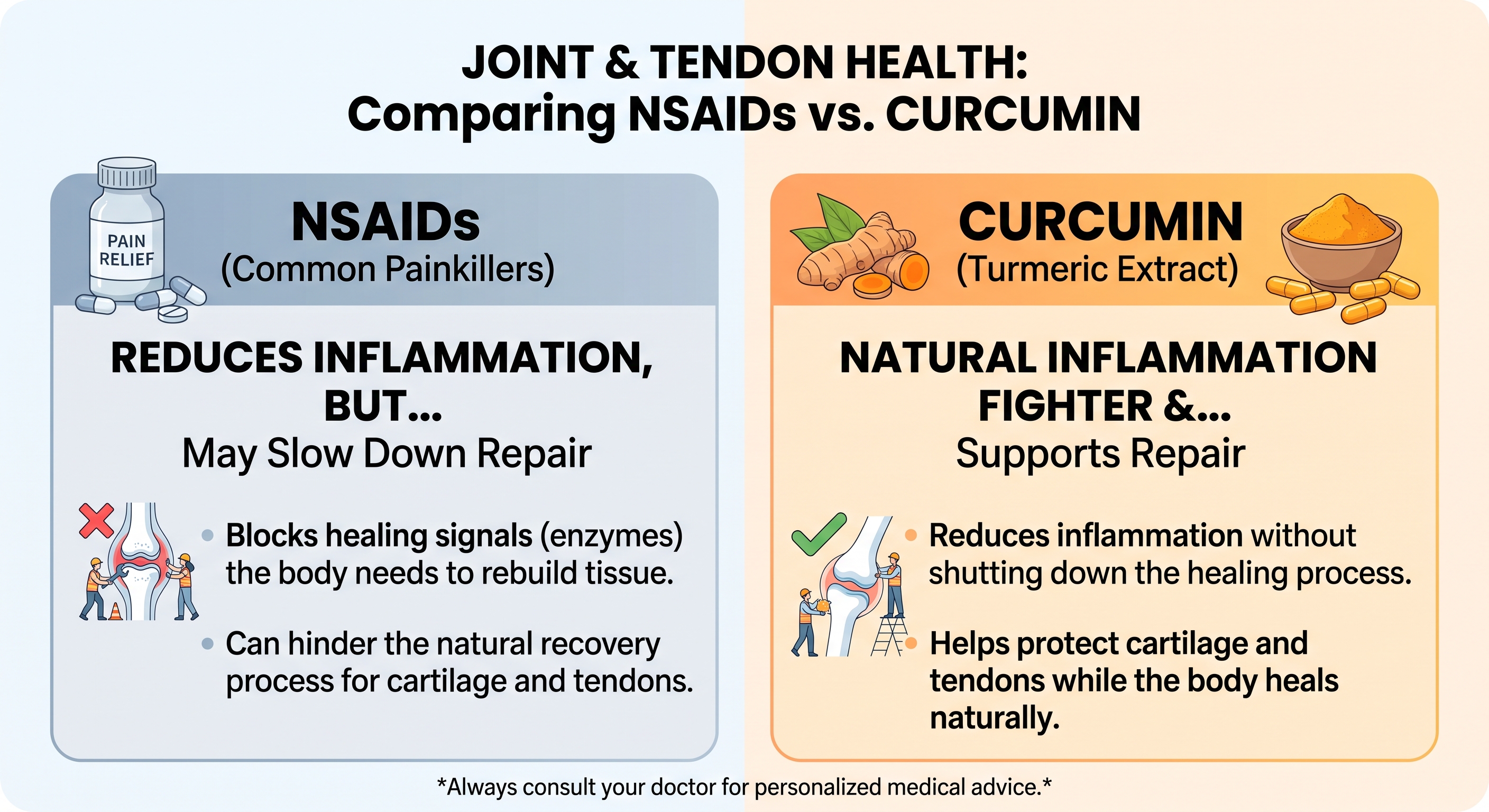
NSAIDs vs. Curcumin: Which One Relieves Joint Pain Without Stopping Healing?   
Date:
September 14, 2026 11:22 AM
Comparative Analysis of NSAIDs versus Curcumin in Musculoskeletal Tissue RepairPrimary Biological Mechanisms and Pharmacological TargetsManaging soft tissue and joint injuries presents a persistent therapeutic challenge in musculoskeletal medicine. Acute inflammation triggers pain, localized swelling, and mechanical disability, which routinely drives patients toward pharmacological relief. For decades, nonsteroidal anti-inflammatory drugs (NSAIDs) such as ibuprofen, naproxen, celecoxib, and diclofenac have served as primary clinical interventions. While these synthetic agents effectively extinguish acute pain signals, expanding cellular and clinical research indicates that their biochemical mechanism interrupts the fundamental repair cascades required for long-term connective tissue healing. In contrast, curcumin - a natural polyphenolic compound derived from the rhizomes of Curcuma longa (turmeric) - exhibits a distinct, multi-targeted regulatory profile that calms hyperactive inflammation while protecting the structural components of cartilage and tendon tissue.The functional divergence between these two compounds becomes clear when considering an intuitive mechanical analogy. Tissue trauma resembles damage to a commercial building, where initial inflammation functions as the construction and demolition crew tasked with clearing rubble, stabilizing the foundation, and laying down fresh structural framing. NSAIDs function like abruptly cutting electrical power to the entire work site: the noisy machinery stops instantly and the immediate disturbance ceases, but the construction workers lose the power necessary to clean the debris and erect permanent walls. Conversely, curcumin operates as an experienced site manager: it silences unnecessary chaos and prevents site vandalism while ensuring that the skilled workers - specifically chondrocytes in cartilage and tenocytes in tendons - remain fully active, supplied, and capable of completing the restoration. At the cellular level, NSAIDs exert their effects through the catalytic inhibition of cyclooxygenase enzymes, categorized as constitutive cyclooxygenase-1 (COX-1) and inducible cyclooxygenase-2 (COX-2). Membrane phospholipids damaged during injury release arachidonic acid, which COX enzymes convert into pro-inflammatory lipid mediators known as prostanoids, most notably prostaglandin E2 (PGE2). Nonselective NSAIDs block both isoforms, while selective coxibs specifically target COX-2. By shutting off PGE2 production, NSAIDs rapidly elevate pain thresholds and blunt localized swelling. However, because PGE2 also functions as a vital signaling cue for cellular recruitment, angiogenesis, and cellular proliferation, this total enzymatic shutdown strips local repair cells of the baseline signals required to orchestrate tissue regeneration. Curcumin avoids this indiscriminate pathway paralysis by acting upstream on master transcriptional control switches rather than directly neutralizing isolated enzymes. Its primary therapeutic mechanism centers on the inhibition of Nuclear Factor-kappa B (NF-kB) and Activator Protein-1 (AP-1) signaling networks. Under acute stress or chronic inflammatory loads, the NF-kB protein complex is released from its cytoplasmic inhibitor, IkBa, and translocates directly into the cell nucleus, where it drives the transcription of catabolic cytokines such as interleukin-1 beta (IL-1ß), tumor necrosis factor-alpha (TNF-a), and interleukin-6 (IL-6). Curcumin blocks the phosphorylation and degradation of IkBa, effectively keeping NF-kB trapped in the cytoplasm. By preventing this nuclear entry, curcumin attenuates the expression of pro-inflammatory cytokines and downstream matrix-degrading enzymes while preserving baseline physiological functions. Furthermore, curcumin activates the nuclear factor erythroid 2-related factor 2 (Nrf2) and antioxidant response element (ARE) pathways, which upregulate endogenous cellular antioxidants to neutralize destructive reactive oxygen species (ROS) that induce cell death in injured joints.
The Mechanisms of NSAID-Induced Inhibition in Cartilage and Tendon RepairArticular cartilage and tendons are specialized, bradytrophic connective tissues characterized by relatively low basal metabolic rates and limited endogenous vascular supplies. These physical constraints make their cellular maintenance highly vulnerable to pharmaceutical disruptions. When synthetic compounds impair cell migration, survival, or extracellular matrix secretion, the intrinsic repair capacity of these structures is substantially degraded.Cartilage maintenance depends on chondrocytes, the sole cell type residing within articular joints, which are responsible for generating and maintaining the extracellular matrix of Type II collagen and water-binding proteoglycans such as aggrecan. Because adult articular cartilage lacks a direct vascular network, major defect repair relies heavily on the recruitment and chondrogenic differentiation of subchondral mesenchymal stem cells (MSCs) through endochondral ossification. Experimental evaluations demonstrate that systemic or intra-articular NSAID exposure halts this regenerative differentiation. Both nonselective NSAIDs and selective COX-2 inhibitors interfere with chondrocyte maturation and prevent successful tissue integration following cartilage transplantation or microfracture procedures. At the cellular level, common NSAIDs - including indomethacin, ketorolac, and diclofenac - induce cell cycle arrest in chondrocytes by blocking transition from the resting G0 phase to the proliferative G1. phase, substantially reducing viable cell numbers. Concurrently, NSAIDs downregulate Bone Morphogenetic Protein-2 (BMP-2), an essential anabolic signaling molecule that orchestrates matrix synthesis. Histological analyses in animal models reveal that NSAID administration causes a marked loss of extracellular proteoglycan content and widespread chondrocyte depletion, yielding elevated modified Mankin scores that signify advanced structural degeneration. In layman's terms, proteoglycans serve as water-absorbing structural sponges that grant cartilage its elastic shock absorption. When NSAIDs deplete these molecules, the joint surface dries out, becomes brittle, and rapidly wears down under routine mechanical friction. Tendon healing is similarly susceptible to disruption by NSAIDs. Tendons operate as high-tensile structural cables composed of longitudinally arranged Type I collagen fibers, maintained by specialized fibroblasts termed tenocytes and tenoblasts. Healing after acute rupture or chronic tear progresses through an initial inflammatory phase, followed by a proliferative phase of cell migration, and culminates in a lengthy remodeling phase of collagen alignment. In vitro and in vivo studies establish that NSAIDs directly suppress the migration and proliferative capacity of tenocytes during the critical early healing window. Without an adequate cellular workforce migrating into the wound bed, provisional collagen scaffolding cannot be synthesized effectively. The disruption is particularly pronounced at the enthesis, the specialized fibrocartilaginous junction where soft tendon inserts into rigid bone. Re-establishing this transition zone requires coordinated bone remodeling and chondrogenic differentiation, both of which are hindered by COX inhibition. In animal rotator cuff repair models, early administration of NSAIDs significantly delays collagen fiber organization and impairs mechanical integration at the insertion site, resulting in a measurable decline in load-to-failure strength and overall tendon toughness. Furthermore, while prolonged inflammation contributes to pathological degeneration, the transient synthesis of PGE2 during the initial hours following injury is essential for regulating localized microvascular flow and hyperemic nutrient delivery. By eliminating this early prostanoid pulse, NSAIDs starve the repair zone of oxygen and circulating factors precisely when the cellular metabolic demand is highest. Beyond direct biochemical cytotoxicity, systemic NSAIDs introduce a physical hazard known as analgesic arthropathy. In musculoskeletal biomechanics, pain functions as a protective feedback mechanism, forcing the patient to unload an injured joint or limb to prevent structural overload. By effectively blunting the pain reflex while simultaneously undermining the cellular synthesis of proteoglycans and collagen, NSAIDs create a deceptive state of perceived recovery. Patients prematurely resume unrestricted weight-bearing and strenuous activity, placing substantial, uncompensated mechanical forces onto compromised cartilage surfaces and unhealed tendon fibers. Over time, this recurring mechanical trauma accelerates joint space narrowing, promotes microfractures in the subchondral plate, and hastens functional joint breakdown. Chondroprotective and Tenogenic Mechanisms of CurcuminIn sharp contrast to the suppressive actions of synthetic COX inhibitors, curcumin exhibits a tissue-sparing, pro-regenerative biological profile. Rather than paralyzing cellular metabolism, curcumin modulates the microenvironment by suppressing destructive catabolic enzymes while supporting the baseline anabolic signals required for cartilage and tendon reconstruction.In articular cartilage, curcumin acts as a direct chondroprotective agent by dismantling the catabolic cascade induced by pro-inflammatory cytokines. When joint tissues are exposed to elevated IL-1ß and TNF-a, chondrocytes are provoked to synthesize matrix metalloproteinases - specifically collagenases such as MMP-1, MMP-3, and MMP-13 - along with aggrecanases like ADAMTS5. These enzymes function like enzymatic shears, systematically slicing through structural Type II collagen strands and degrading aggrecan cores. Curcumin suppresses the transcription and secretion of MMP-1, MMP-3, MMP-13, and ADAMTS5 by neutralizing NF-kB and AP-1 activation. Concurrently, it upregulates Cbp/p300 Interacting Transactivator with ED-rich tail 2 (CITED2), an essential transcriptional regulator that represses matrix metalloproteinases at the genomic level. In addition to halting extracellular degradation, curcumin protects chondrocytes from inflammatory apoptosis. Exposure to oxidative stress and inflammatory cytokines typically triggers programmed cell death by activating the intrinsic caspase cascade. Curcumin suppresses this apoptotic pathway by reducing the cleavage of executioner caspase-3, downregulating the pro-apoptotic factor Bax, and elevating anti-apoptotic Bcl-2 expression. Microscopic and histological analyses of osteoarthritic cartilage treated with curcumin consistently show robust Safranin O staining, intact surface regularity, preserved chondrocyte density, and significantly reduced Osteoarthritis Research Society International (OARSI) degradation scores. Within tendon biology, curcumin promotes active tissue regeneration (tenogenesis) rather than inert scar formation. In animal models of tendon rupture and surgical repair, curcumin guides tendon-derived stem and progenitor cells (TSPCs) toward mature tenocyte differentiation. This lineage-specific differentiation is orchestrated primarily through activation of the phosphatidylinositol 3-kinase/protein kinase B (PI3K/Akt) and Wnt/ß-catenin signaling cascades. As stem cells commit to the tenogenic pathway, they significantly upregulate crucial structural and phenotypic markers, including epithelial cell adhesion molecule (EpCAM), tenomodulin, and the master tendon transcription factor Scleraxis. Through this guided differentiation, curcumin supports the preferential synthesis and organized deposition of high-tensile Type I collagen fibers, the primary architectural building blocks of healthy tendons. Injured tendons typically fill with disorganized, loose Type III collagen, which forms a structurally inferior, compliant scar. Curcumin supplementation promotes the progressive maturation from primitive Type III collagen to densely packed, parallel Type I collagen fibrils, restoring native tensile strength and mechanical breaking force. A major clinical challenge following tendon surgery is the development of peritendinous adhesions, in which excessive fibrotic scar tissue binds the healing tendon to its synovial sheath, restricting range of motion and joint gliding. Postoperative tendon repair involves a balance between extrinsic healing (in which exterior fibroblasts infiltrate the defect and deposit messy scar tissue) and intrinsic healing (in which tenocytes within the tendon substance reconstruct the matrix). Curcumin suppresses excessive peritendinous inflammation and extrinsic fibrosis while accelerating intrinsic tenocyte repair. Biomechanical testing confirms that local or systemic curcumin administration yields lower adhesion scores, increased gliding distances, and superior functional mobility without sacrificing structural load-bearing capacity. Comparative Clinical Efficacy and Systemic Safety ProfilesTranslating cellular findings into clinical practice requires weighing therapeutic outcomes against systemic safety profiles. While synthetic NSAIDs deliver potent, rapid analgesia during acute musculoskeletal pain events, their chronic administration is constrained by systemic toxicities across multiple organ systems.In randomized, active-controlled clinical trials of knee osteoarthritis, optimized curcumin preparations have demonstrated clinical pain reduction and functional recovery comparable to standard therapeutic doses of NSAIDs. In a randomized, open-label parallel-arm study evaluating 139 patients with symptomatic knee osteoarthritis, subjects received either 500 mg of a bio-enhanced curcumin extract three times daily or 50 mg of diclofenac sodium twice daily for 28 consecutive days. Patients treated with curcumin demonstrated comparable improvements in pain intensity on the Visual Analogue Scale (VAS) and functional scores on the Knee Injury and Osteoarthritis Outcome Score (KOOS) at days 14 and 28, showing no statistically significant difference in therapeutic efficacy compared to diclofenac. However, the systemic tolerability profiles between the treatments diverged markedly. Overall adverse events occurred in only 13% of the curcumin group compared to 38% of the diclofenac cohort. In the diclofenac arm, 28% of patients developed dyspeptic symptoms severe enough to require concurrent treatment with H2-receptor antagonists or proton pump inhibitors to prevent mucosal ulceration, whereas no patients in the curcumin cohort required gastroprotective intervention. Furthermore, the curcumin cohort experienced a significant reduction in flatulence and digestive discomfort, demonstrating beneficial gastric and intestinal cytoprotective effects. These safety observations are consistent across broader systematic reviews and meta-analyses. Nonsteroidal anti-inflammatory agents inherently compromise gastrointestinal integrity by systematically depleting cytoprotective prostaglandins, leaving the gastric epithelium vulnerable to acid erosion and hemorrhage. In addition, systemic inhibition of renal and vascular COX enzymes by NSAIDs reduces renal perfusion and disrupts the balance between prostacyclin and thromboxane, elevating the risk of fluid retention, hypertension, and adverse cardiovascular thrombotic events. Curcumin does not suppress these physiological prostanoid pathways, making it free from ulcerogenic, nephrotoxic, and cardiotoxic properties at therapeutic dosages.
A longstanding limitation of standard curcumin supplementation in clinical settings has been its low oral bioavailability. Native curcuminoids are highly lipophilic, poorly soluble in aqueous gastric fluids, and subject to rapid hepatic and intestinal phase II metabolism into inactive glucuronides and sulfates, leading to swift biliary and fecal excretion. Consequently, raw culinary turmeric powders struggle to achieve the therapeutic systemic circulating concentrations required to reach poorly vascularized joint and tendon compartments. Modern pharmacognosy has addressed this pharmacodynamic hurdle through advanced delivery formulations. Modern strategies - such as co-administration with the natural alkaloid piperine (which inhibits hepatic glucuronidation), micellar dispersions, phytosomal phospholipid complexes, and bio-enhanced submicron dispersions - elevate systemic blood bioavailability by ten- to thirty-fold compared to unformulated extracts. These modern delivery platforms ensure that therapeutic concentrations reach synovial fluid, subchondral bone, and fibrous tendon sheaths without requiring excessive oral dosing. Conclusions and Translational Clinical ImplicationsThe biological and clinical evidence reveals distinct physiological paths for NSAIDs and curcumin in orthopedic recovery. While NSAIDs remain powerful tools for the brief alleviation of acute, unmanageable pain, their ongoing administration during active tissue healing presents substantial biological compromises. Tendons and cartilage require a controlled, transient inflammatory cascade to signal cell recruitment, stimulate stem cell differentiation, and direct extracellular matrix synthesis. By completely shutting down cyclooxygenase enzymes and depleting local prostaglandins, NSAIDs disrupt this regenerative cascade. The resulting cellular consequences - including chondrocyte cell cycle arrest, proteoglycan loss, suppression of tenocyte migration, and weakened collagen tensile strength at the tendon-to-bone interface - demonstrate that pain relief from NSAIDs frequently comes at the cost of the structural integrity of healing connective tissues.In contrast, curcumin provides a tissue-preserving alternative that decouples pain and inflammation control from cellular suppression. Operating upstream at the level of NF-kB and AP-1 transcriptional activation, curcumin attenuates the expression of pro-inflammatory cytokines while leaving the physiological baseline of cellular metabolism intact. In cartilage, it actively represses the matrix-degrading enzymes MMP-1, MMP-3, MMP-13, and ADAMTS5, maintains water-binding proteoglycan content, and protects chondrocytes from inflammatory apoptosis. In damaged tendons, curcumin stimulates tenogenic differentiation of local stem cells via PI3K/Akt signaling, supports the proper maturation of dense Type I collagen fibers, and prevents restrictive peritendinous scar adhesions, preserving both joint mobility and mechanical breaking strength. From a translational perspective, these findings indicate that clinical protocols should reconsider relying on continuous NSAIDs as the default intervention for connective tissue injuries, post-surgical recovery, and chronic degenerative conditions. Where synthetic NSAIDs are deemed necessary, their use should be confined to short-term acute flare-ups to avoid interrupting early tissue remodeling. For long-term joint preservation, ongoing tendinopathy rehabilitation, and chronic osteoarthritis management, optimized bio-enhanced curcumin formulations deliver pain relief and functional restoration comparable to conventional pharmaceuticals, all while preserving the biological processes required for lasting musculoskeletal repair. References: NSAID therapy effects on healing of bone, tendon, and the enthesis The Detrimental Effects of Systemic Ibuprofen Delivery on Tendon Conservative management of symptomatic knee osteoarthritis - PMC Positives and negatives of nonsteroidal anti-inflammatory drugs in (PDF) Conservative management of symptomatic knee osteoarthritis Non-steroidal anti-inflammatory drugs influence cartilage healing Is Curcumine Useful in the Treatment and Prevention of ... - PMC - NIH Efficacy and mechanisms of curcumin in the treatment of osteoarthritis Biological actions of curcumin on articular chondrocytes - PubMed Curcumin slows osteoarthritis progression and relieves ... - PMC - NIH Do Nonsteroidal Anti-Inflammatory Drugs Have a Deleterious Effect Anti-inflammatory management for tendon injuries - friends or foes? The mechanistic role of curcumin on matrix metalloproteinases in Therapeutic effects of turmeric or curcumin extract on pain and Curcumin inhibits chondrocyte apoptosis and inflammation in ... - PMC Analysis of the mechanism of curcumin against osteoarthritis using Synergistic enhancement of tendon-to-bone healing via anti ... - PMC A Multicenter, Randomized, Double-Blind, Placebo-Controlled Trial Safety and efficacy of curcumin versus diclofenac in knee osteoarthritis A randomized, pilot study to assess the efficacy and safety ... - PubMed Effectiveness of curcuminoids in the treatment of knee osteoarthritis THE EFFECTS OF TRADITIONAL STRENGTHENING EXERCISES Putting Some Muscle into Osteoarthritis | Annals of Internal Medicine Do Nonsteroidal Anti-Inflammatory Drugs Have a Deleterious Effect Calebin A, a Compound of Turmeric, Down-Regulates Inflammation The Effect of Non-Steroidal Anti-Inflammatory Drugs on Tendon-to Chiropractor in Toronto, ON, Canada :: Head and Neck Pain Investigation of the association of long-term NSAID use with ... - PMC Curcumin Improves Functional Recovery of Ruptured Tendon by Chemically modified curcumin (CMC2.24) alleviates osteoarthritis Curcumin improves age-related and surgically induced osteoarthritis (PDF) Curcumin Improves Functional Recovery of Ruptured Tendon Investigation of the effects of umbilical cord-derived mesenchymal Effect of curcumin-loaded polycaprolactone scaffold on Achilles Controlled release of curcumin from curcumin-loaded nanomicelles Efficacy and safety of combination of curcuminoid complex ... - PMC The efficacy of Curcuma Longa L. extract as an adjuvant therapy in
(https://vitanetonline.com:443/forums/Index.cfm?CFApp=1&Message_ID=6653) 12 foods to remove from the fridge forever 
Date:
February 26, 2017 12:59 PM
Most people love food. The problem is that often times the food that is enjoyable is the most unhealthy. It can cause major health problems, and eventually lead to a run down body. Fatty lunch meat and whole milk are just two of the foods you should remove from your fridge forever. Key Takeaways:
"Throw out the junk and replace it with healthier alternatives. By making these switches, you'll be on your way to packing on more muscle, cleaning out your arteries, and getting the abs you train for in the gym every day." Reference: //www.mensfitness.com/nutrition/what-to-eat/12-foods-to-remove-from-the-fridge-forever
(https://vitanetonline.com:443/forums/Index.cfm?CFApp=1&Message_ID=4029) dolomite powder
Date:
November 07, 2012 05:22 PM
There are a number of different vitamins, minerals and supplements available to purchase today. Dolomite powder is an example of a mineral that is often overlooked by most people. It is made up of calcium magnesium carbonate, which is great for the body and health. It is also used in a number of different products available on store shelves, including: ink, soap, pain and ceramics. Some of the most important health benefits of dolomite powder include: Calcium The bones, teeth and many major body functions rely heavily on calcium. The body stores this to use for the vital functions, but when there is a deficiency, problems can arise. Dolomite powder has 1,100 mg of calcium in just one teaspoon of it, which means it's a great source for anyone who needs more calcium in their diet. 1,000 mg per day is the recommended amount for most individuals that are between the ages of 19 and 70. Having an adequate supply of calcium can mean staying healthy and avoiding a lot of health issues, especially with the teeth and bones. Magnesium Magnesium is just as important for the body as calcium is. It is stored in the bones and helps with hundreds of different chemical functions that happen on a daily basis inside of the body. Without an adequate supply of magnesium, the cells would not move through the body as they are supposed to. This could end up causing muscle twitches, headaches, hearing loss and a range of other health issues. Dolomite powder is an excellent source of magnesium and has 630 mg of it just in that one teaspoon that is also full of calcium. Pregnancy During pregnancy this powder can help an expectant mother to maintain healthy teeth and bones. It can even help menopausal women avoid muscle cramps that can be very painful. An abundance of calcium through dolomite powder is very healthy for pregnant women and will ensure her body is able to properly process enzymes and metabolize food.
(https://vitanetonline.com:443/forums/Index.cfm?CFApp=1&Message_ID=2703) What Are The Symptoms Of Magnesium Deficiency?
Date:
August 15, 2011 06:25 PM
Magnesium is a chemical element and the seventh most abundant element in the crust of the Earth and is third most being dissolved in seawater. In the human body, it is the 11th most abundant by mass. Its ions are essential and play a major role in all living things through its ability to manipulate important biological polyphosphate compounds and most familiar of which is DNA. It is important in over 350 needed biochemical reactions in the body. Digestion, energy production, the function of muscle, formation of bone, creation of new cells, activation of B vitamins, relaxation of muscles, and also aids in the proper functioning of major parts of the body like heart, kidneys, brain and nervous system. Magnesium deficiency is a state of the body where in dietary magnesium is below acceptable levels because of poor intake and can result to numerous symptoms and diseases. Magnesium deficiency is more common than most people think. However, these can usually be remedied by an uptake of magnesium in diet or through supplementation. In sever case though, intravenous remedies may be required. The initial symptoms of magnesium deficiency are more often than not subtle. Magnesium is stored by our body in its tissues, so pain in the muscles, cramps and some “twitches” are most commonly the first tell tale signs. Moving on down the list migraine, insomnia, or headaches are also most common of magnesium deficiency symptoms. Magnesium deficiency not only exists but is common. Low Energy and Weakness Magnesium has a key role in regulating how well our body processes the conversion of food into usable energy. Metabolism of carbohydrates and fats needs a number of magnesium-dependent chemical reactions. Some studies have found that during a low-magnesium phase of the body we use up more oxygen during physical activities. Our heart rates will increase by an additional 10 beats per minute. Inadequate magnesium has long been associated with a need for increased oxygen during strenuous activities and people who routinely complain of low energy should benefit from magnesium supplementation. Our muscles only can be pushed as far as its nutrition will allow, in other words if we lack magnesium to help lessen the need of oxygen all throughout our bodies then we should have an overall increase of energy and lessen the feeling of weakness since oxygen equals energy for our muscles, we need to help lessen our muscles need for oxygen to make it function more efficiently. Weakening of the Bones Some studies have found that Magnesium is perhaps, the most important single element to promote the health of our bones. For so long calcium was considered the foremost mineral in preventing Osteoporosis, however new research has proven that supplementing with magnesium is equally important. Magnesium comprises a percent of the human bones mineral make up. Bone mineral metabolism and matrix are both influenced by magnesium and allows are body to assimilate calcium easier. In essence it helps calcium to be absorbed by the bones more easily.
(https://vitanetonline.com:443/forums/Index.cfm?CFApp=1&Message_ID=2395) Boost Memory
Date:
March 23, 2009 01:56 PM
Our memory is as natural to us as breathing. An ability we all have, but don’t often think of, it doesn’t seem to cross our mind until we perceive that we are losing the ability. Memory lapses are an annoyance in themselves, but the anxiety that often comes along with them seems to be even worse. We often wonder if our memory problems are a symptom of some other problem like midlife depression, arteriosclerosis, or even Alzheimer’s disease. Although Alzheimer’s disease is a fairly common disorder among older people, one must realize that most memory lapses have nothing to do with Alzheimer’s disease. Generally, it is believed that increasing age brings about an increased likelihood of developing memory loss. The mildest form of this illness is called age-associated memory impairment. This is characterized by one’s perception of his or her own memory loss and it is estimated that it is experienced by 40 percent of Americans over the age of sixty-five. Not all memory loss is attributable to aging, as occasional memory lapses are a natural normal part of life at almost any age, and are not likely to precede serious memory loss. With a proper diet, nutrition, and memory use, the memory should remain sharp and active well into one’s nineties or beyond. One big reason why people suffer from memory loss is an insufficient supply of necessary nutrients to the brain. The life of the body is in the blood, as it literally feeds and nourishes every cell within our bodies. Only certain substances are allowed to pass from the bloodstream into the brain, thanks to the protective envelope that is known as the blood-brain barrier. If the blood is thick with cholesterol and triglycerides, the amount of nutrient-rich blood that can pass through the blood-brain barrier decreases. This can result in the brain becoming malnourished over time. The functioning of the brain also depends upon substances that are referred to as neurotransmitters, which are brain chemicals that act as electrical switches in the brain and are responsible for all the functions of the body. If the brain does not have an adequate supply of neurotransmitters, or the nutrients to make them, it starts to develop something similar to a power failure or a short circuit. If you are trying to recall as specific fact or piece of information and your mind goes blank, it is likely that the above “short circuit” has occurred. There are many other factors that are involved in the deterioration of the memory. One of the most important is exposure to free radicals, which can cause huge amounts of damage if the memory is unchecked. Alcoholics and drug addicts often suffer a great deal of memory loss, with alcoholics being notorious for huge memory gaps that occur even though they are conscious. Allergies, candidiasis, stress, thyroid disorders, and poor circulation to the brain can also contribute to memory loss, while hypoglycemia can play a role in memory loss as well, as the brain requires that the level of glucose in the blood fall within a specific narrow range. Wide swings in blood sugar levels affect brain function and memory. The following nutrients are beneficial in dealing with and preventing memory loss: acetylcholine, boron, DMAE, garlic, huperzine A, lecithin granules, manganese, multivitamin and mineral complex, omega-3 fatty acid complex, phosphatidyl choline, phosphatidyl serine, SOD, vitamin A, vitamin B complex, vitamin B3, vitamin C, vitamin E, zinc, acetyl-l-carnitine, l-glutamine, l-tyrosine, coenzyme Q10, DHEA, DMG, melatonin, NADH, pregnenolone, RNA and DNA, Brahmi, ginkgo biloba, anise, blue cohosh, ginseng, gotu kola, and rosemary. All of the above mentioned as well as formulas tailored to help improve memory can be found in capsule, table, or power forms. Remember, only look to name brands such as Solaray, Source Naturals and Natures Plus for quality products. Memory vitamins and herbs can be found at your local or internet health food store. *Statements contained herein have not been evaluated by the Food and Drug Administration. Vitamins and herbs are not intended to diagnose, treat and cure or prevent disease. Always consult with your professional health care provider before changing any medication or adding Vitamins to medications.
(https://vitanetonline.com:443/forums/Index.cfm?CFApp=1&Message_ID=1981) Fight Stress With Magnesium Supplements
Date:
April 17, 2008 04:16 PM
When stress hormones are released into the body due to a stressful situation, several things may happen. Your metabolic rate can increase, heart rate jumps, blood vessels contract and get tighter, the rate at which one breaths gets more frequent and shorter, muscles contract in response to stress among other things. At the cellular level a significant inflow of calcium decrease cellular magnesium to calcium ratios which stimulates cellular function such as secrete fluids, contract, go into active mode. The muscles prepare to contract this includes the lungs, heart, and blood vessels. Nerves start to fire more frequent, the blood gets ready to clot, and secondary stress hormones are released. Normally when the stress crisis is over, magnesium moves back into the cells at the cellular level forcing calcium out relaxing the cells, this allows the body to slow down and relax, the nerves calm down and blood flow slows. Magnesium plays a vital role to relax the body, once the stressful situation is over. The demand for magnesium goes up with stress. If there are inadequate amounts of magnesium in the body, this magnesium deficiency can in itself sustain a stress response. A magnesium deficiency itself can initiate and maintain a stress response without a trigger to cause the stress in the first place. Low magnesium states can prevent the body from relaxing and cause muscle cramping. After a stressful situation, adequate magnesium is needed to help the body shift over to a relaxed state. Boarder-line magnesium individuals can have a mental, emotional, environmental or physical state of continuous stress where their bodies never come down out of the stress state. This can be detrimental to health and wellness. Drinking coffee, alcohol, and eating lots of sugary foods will cause the body to become depleted. Today’s diets high in over processed foods are lacking magnesium; one should supplement by either changing ones diet or adding magnesium to their diet in mineral supplement form. Symptoms of magnesium deficiency include signs such as, muscle cramps or twitches, insomnia, irritability, sensitivity to loud noises, anxiety, nervousness, autism, ADHD, heart palpitations, angina, constipation, spasms in the muscles, headaches, migraines, fibromyalgia, chronic fatigue, asthma and kidney stones (typically caused by a calcium-magnesium imbalance), diabetes, obesity, high blood pressure, menstrual cramps, irritable bladder, irritable bowel, acid reflux, and premenstrual syndrome, depression, low energy, weakness in the muscles, weakening bones (bone density loss), and calcification of organs. Women who consume high amounts of calcium can actually create a greater deficiency in magnesium leading to greater bone mineral density lost then if no calcium was consumed at all. Foods today that are being fortified with calcium are actually helping women loose more bone density because magnesium is not in the right proportions. To word off the negative effects of a prolonged or over-reaction to stress including a shortened lifespan, one needs to balance out their magnesium to calcium ratios by adding adequate amounts of both magnesium and calcium to their diet. Supplementing with 400 mgs to 800 mgs of elemental magnesium is critical for one looking to live a healthier longer life that is free from stress. Keywords: Magnesium Deficiency, Fight Stress, Magnesium, Calcium, Fight High Blood Pressure Description: Are you feeling tired, sick or maybe you feel like something is wrong but not quite sure what it is? Would you know if you had a magnesium deficiency? Magnesium is involved in over 300 enzymatic functions in the body; learn how it can help you!
(https://vitanetonline.com:443/forums/Index.cfm?CFApp=1&Message_ID=1761) Did You Know There Is One Mineral That Could Change Your Life Forever?
Date:
March 05, 2008 04:05 PM
Did you know there is one mineral that could affect the way you feel and change the way you live life forever? Yes that’s correct – forever - magnesium is that mineral! More than 50% of all Americans consume less then the required amounts of magnesium to stay healthy. You might be wondering how you would know if you are deficient in magnesium and where you can get a test. Unfortunately it is not that simple. A magnesium test is available from your doctor, but when most people take this test, the results normally come back as normal, so we think everything is fine. This test only measures blood serum levels and not cellular magnesium. One needs to have their red blood cells tested to accurately measure the uptake of magnesium and at this time. This kind of testing needed is not readily available. You might ask, “how can I tell whether I have a deficiency or not?” It is simple, look at your medical history. Symptoms of magnesium deficiency include signs such as, muscle cramps or twitches, insomnia, irritability, sensitivity to loud noises, anxiety, nervousness, autism, ADHD, heart palpitations, angina, constipation, spasms in the muscles, headaches, migraines, fibromyalgia, chronic fatigue, asthma and kidney stones (typically caused by a calcium-magnesium imbalance), diabetes, obesity, high blood pressure, menstrual cramps, irritable bladder, irritable bowel, acid reflux, and premenstrual syndrome, depression, low energy, weakness in the muscles, weakening bones, and calcification of organs. If you did not notice, this is an extensive list of symptoms that may be attributed to a deficiency in magnesium. Magnesium is essential for cardiac function in stabilizing cardiac membranes preventing arrhythmias. This mineral helps the cardiovascular system relax aiding in the relief of angina symptoms. Millions of Americans are diagnosed with heart disease yearly, a magnesium deficiency may be the cause. The reason we are deficient in magnesium is mostly due to the fact that we eat refined, over-processed foods with white flour that have absolutely zero magnesium. The consumption of foods not rich in magnesium will rob our bodies of the little we still have in our bones and organs. Drinking coffee, alcohol, eating lots of sugary foods and stress will cause the body to become depleted. If you are experiencing one of the above mentioned symptoms and suspect you have a magnesium deficiency, changing they way you eat can help. Pick up a nutritional almanac and find foods high in magnesium like nuts, sea vegetables, dark leaf vegetables and beans to start. Also, kelp, wheat bran, wheat germ, buckwheat, millet, brown rice, rye, tofu, soybeans, brown rice, figs, dates, avocados, parsley, barley, dandelion greens and garlic all contains high amounts of magnesium. Adding a magnesium supplement to your diet which provides 200 to 400 milligrams per day will help. One should limit the intake of coffee, alcohol, colas, salt, and sugar. Actually, many medications can deplete the body of magnesium such as water pills (diuretics) and antibiotics to name two. So now you know what to do, you might be thinking that a magnesium supplement would be the fastest way to boost magnesium in the body for the time being. What form of magnesium is best? The recommended form of magnesium is magnesium citrate, because of its digestibility and absorbability in the body. Avoid magnesium carbonate, sulfate, gluconate, and oxide if at all possible for these forms of magnesium are harder to digest and will result in smaller amounts being absorbed by the body. Now what are you waiting for, give magnesium a try and see how good you can feel from it!
(https://vitanetonline.com:443/forums/Index.cfm?CFApp=1&Message_ID=1724) Elder Berry - For Natural Respiratory Health
Date:
June 30, 2005 09:30 AM
Elder Berry By Ellen J. Kamhi, Ph. D. with Dorie Greenblatt The plant known as Elder Berry occurs as several different species and grows throughout Europe and North America. It can be a tall tree or smaller bush, earning it the knickname "Dwarf Elder". The berries that appear as the ripe fruits can range in color from red to black. Only the blue/black berries are medicinal. The genus and species name for this variety is Sambucus nigra. This plant has a long history of use as both a food and medicine in many countries. In England, for example, it was a common belief that Elder-Berry was a favorite tree of witches who enjoyed residing among its branches. To disturb such a tree was thought to incur a witch's wrath. To this day, many British still refuse to cut an Elder Tree down or burn its branches. In Denmark, the tree was said to house Hylde-Moer, "The Elder Tree Mother", who would haunt anyone found harming the tree. In addition, many believed that an Elder Tree was a symbol of "good luck" if found growing on one's property. As a food source Elder Berries are commonly made into jams, jellies, chutneys and wine. As a medicinal, the fruit is often prepared as a syrup. For example, the "Duke of Monmouth's Recipe" was made with Elder syrup and other herbs, and was used for sciatica. Native Americans used different parts of the plant for infections, coughs and skin conditions. Today Elder can be found listed as an "official medicine" in the Holland pharmacopeia, and was listed in the past in the pharmacopeias of both England and the United States. The most common medicinal uses for Elder Berry are:
Elder Berries contain vitamins A, B and C plus various flavonoids including quercetin. However, these substances alone cannot account for its remarkable effect of disarming the symptoms of a cold or flu. An Israeli scientist, Dr. Madeleine Mumcuouglu, Ph.D., performed research that uncovered the mechanism of activity of Elder Berry's anti-cold and flu activity. The flu is triggered by a virus, which must invade living cells in order to reproduce and spread. The virus enters the cell by puncturing the cell's outer membrane with tiny spikes known as hemagglutinin. Dr. Mumcuoglu discovered that the active ingre- dients in Elder Berry bind onto the hemagglutin, deactivating it and ultimately preventing the piercing of the cellular membranes. Scientific investigations collaborate the effectiveness of Elder berry. One scientific study tracked a reduction of flu symptoms during an outbreak of influenza. (Zakay-Rones Z, Varsano N, Zlotnik M, et al. Inhibition of several strains of influenza virus in vitro and reduction of symptoms by an elderberry extract (Sambucus nigra L.) during an outbreak of influenza B Panama. J Alt Compl Med 1995; 1:361-9.) An added advantage to the use of Elder Berry is its record of safety. There are no known adverse reactions to the use of Elder Berry, although the possibi-lity of an individual allergic reaction can never be discounted. Nature's Answer® offers Elder Berry in an alcohol-free, tangy-tasting 4oz. liquid herbal extract form. This concentrated (1:1) maximum strength fluid extract contains 5,000mg of Elder Berry in each 1 teaspoonful dose. Nature’s Answer® also supplies Elderberry in two encapsulated products, Sambucus & Ester-C®, and Sambucus & Maitake Bio-Beta Glucan™. A great companion product is Nature's Answer®'s Elder Flower (organic alcohol). Flowers from the Elder tree contain tannins that have been shown to help dry up excess mucous, and can act as an expectorant. One final note...when deciding on an Elder berry liquid, remember to check the kind of sweetener it contains. Many brands add sugar or sorbitol, while Nature's Answer's® Elder berry contains only pure coconut glycerine. Ester-C® is a licensed trademark of InterCal Corporation and manufactured under U.S. patent #4,822,816 and other patent applications.
-- Vitanet ®
(https://vitanetonline.com:443/forums/Index.cfm?CFApp=1&Message_ID=540) An Essential Fatty Acid 
Date:
June 22, 2005 09:42 PM
An Essential Fatty Acid When most people think of fat, they think of the white gooey stuff that deposits around the waist or around the thighs. In many ways, it can be tempting to spell it “fatt”—making it an unspeakable, four-letter word. But at the level of the cell, at the level of molecules, fat means something more complicated. First of all, fat is one method the body uses to store energy for long periods. When we eat, we must either immediately burn the fuel as energy, or store it as fat or as protein for muscle. Fat, therefore, is one way our body tries to make something useful from food. Furthermore, fat serves a vital function in each cell. The membranes of our cells are all made of fat—a collection of fatty acids really. Every cellular function must pass through this barrier. Hormones act on fat, energy passes through fat, life proceeds because of fat. Fat, then, is not a dirty word. It is vital. Scientists have identified more than 100 fatty acids, and many more fatty acids could theoretically exist. 4 The body produces all the fatty acids it needs except three—linoleic acid, arachadonic acid and linolinic acid. Much the way certain vitamins like vitamin C are essential to good health and are not produced naturally, these acids are essential, hence their name—essential fatty acids. The body can produce linolinic acid and arachadonic acid from linoleic acid, so in some senses, the only vital fatty acid is linoleic acid. Linoleic acid sits like a highway of some 58 atoms of carbon, oxygen and hydrogen.5 The carbon is the center line with the hydrogen and oxygen being the cars traveling along the way. (Thousands of chemicals contain these three elements in nature. It is the order of these cars, and the varied shapes of the highway, that lead to many different kinds of chemicals.) The highway of linoleic acid sits curved like a mountain switchback. Conjugated linoleic acid is basically a straighter version of linoleic acid. Scientists have studied CLA at least since the 1930s.6 These studies show that bacteria in the stomach convert linoleic acid into CLA.7 CLA occurs naturally in many foods including some vegetable oils, which are the best sources for linoleic acid, but the best source of CLA is in beef, veal and certain dairy products.8 Dr. Mark Cook, who began working with Pariza around1990, said the reason that sheep and cows and other similar animals provide higher sources of CLA is because these animals are ruminants—they have multiple stomachs for bacteria to convert linoleic acid in, instead of one, as in humans.9 The chemistry of CLA really isn’t that significant to any but a researcher, but, in essence, a double bond of two of the carbon atoms switches position from its position in linoleic acid.10 Instead of having two atoms between a pair of double chemical bonds, as in linoleic acid, there is only one atom in between. This is why chemists named it conjugated linoleic acid. This chemical chain can exist in several forms with the double bonds at positions 9 and 11, positions 11 and 13 or at positions 10 and 12.11 Hence, there are several forms of CLA. Which ones are most effective in providing nutrition, or if they are equally effective, is still a question somewhat unresolved, although it is unlikely that it is the 11,13 version.12 What has been resolved is that CLA is one of the most important, and most exciting nutrients isolated in recent years. And there’s good reason to look at supplementing it into your diet. Why? Because we may not be getting as much of it as we once did, particularly in the United States.13 Cows and other animals have traditionally eaten fresh grasses as a way of getting nutrition, but agricultural development makes it more efficient and cost-effective to provide cattle feed grains and other means of nutrition, instead of natural grasses. That seems to mean that the cows today provide much less CLA in their beef than those of only a generation ago. One study out of Australia showed that cattle in that South Pacific nation had more than twice the amount of CLA than American cows. The reason may well be differences in feeding patterns. As evidence for this, have you ever wondered why it is that Americans, despite eating less fat and meat than a generation ago, end up being more fat than their predecessors? Indeed, America’s obesity rate is up substantially over the last 15 years.14 Declining amounts of CLA may explain this disturbing trend. But more on that later.
(https://vitanetonline.com:443/forums/Index.cfm?CFApp=1&Message_ID=392) | |||||||||||||||||||||||||||||||||||||||||||||||||||||||||||||||||||||||||||||||||||||||