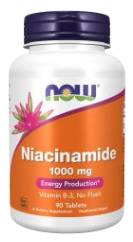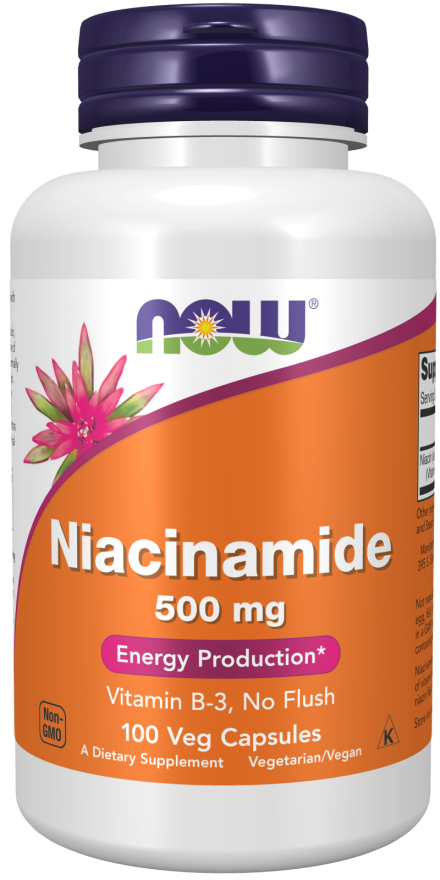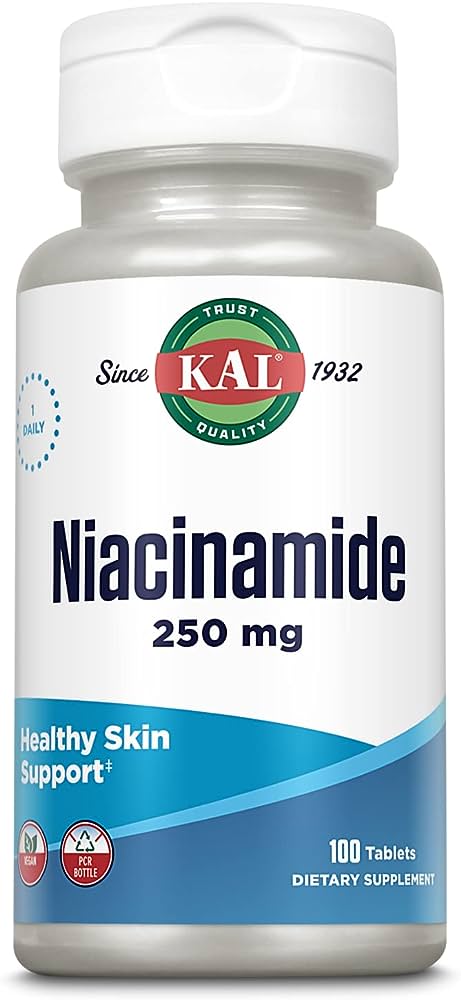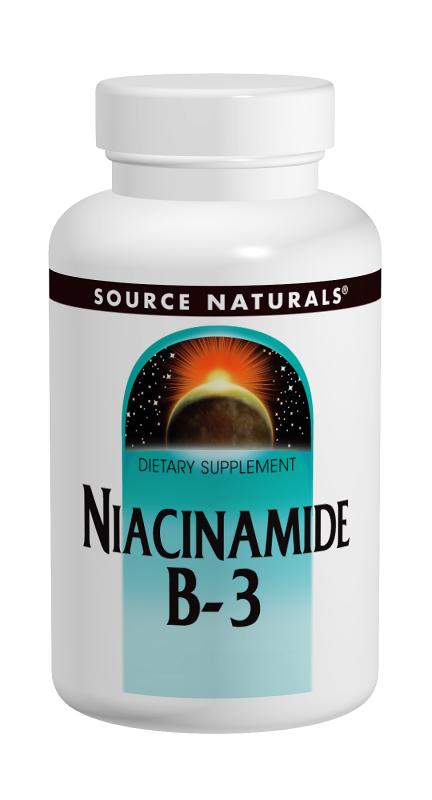
- *MSRP:
$14.19- Our Price:
- $11.35
- Subscribe and Save:
- $8.67ea.
- Buy: at $11.35


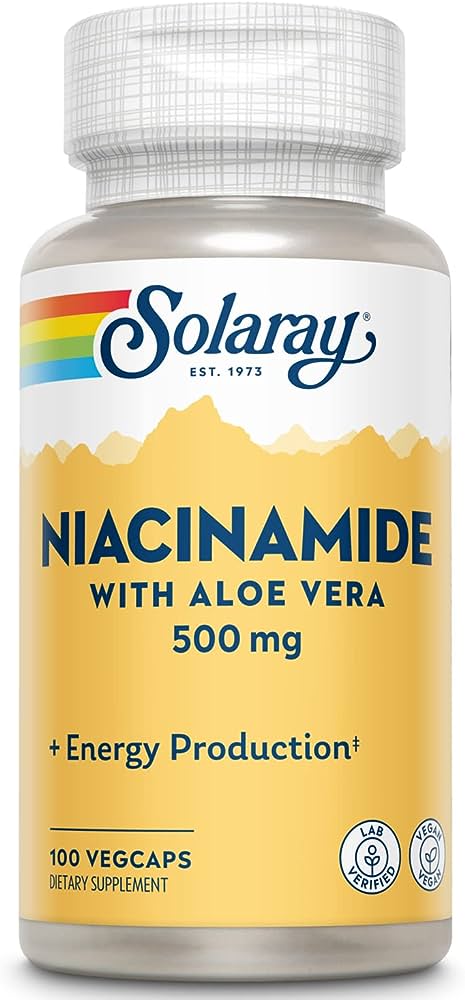
Looking for the powerful benefits of Vitamin B-3 without the uncomfortable, burning redness of a “niacin flush”? Solaray Niacinamide 500 delivers 500 mg of pure, high-potency nicotinamide per vegetarian capsule. Whether you want to revitalize tired skin, support cellular DNA repair, restore natural energy reserves, or ease everyday joint stiffness, this gentle, research-backed formula helps your cells thrive from the inside out.
Quick Summary: Solaray Niacinamide 500 provides a clean, bioavailable precursor to NAD+ (the cell's primary fuel molecule). It skips the cutaneous blood vessel dilation triggered by plain nicotinic acid, making it safe, comfortable, and easy on daily digestion.
Many shoppers ask: “Why does regular niacin turn my skin red, while Niacinamide does not?”
Traditional niacin (nicotinic acid) locks onto a specific sensor on your skin cells called the GPR109A receptor. When triggered, these cells release prostaglandins (PGD2 and PGE2), which cause tiny blood vessels to open wide. The result is intense warmth, redness, and itching that can last for up to an hour.
Niacinamide (nicotinamide) has a different molecular structure with an attached amide group. Because of this structure, it does not attach to the GPR109A receptor. You skip the prostaglandin cascade, keeping your skin cool and calm, while your internal cells still get all the active Vitamin B-3 needed to generate energy and repair tissue.
Every day, sunlight and environmental stressors deplete energy within your skin cells, slowing down their natural repair systems. Oral nicotinamide helps replenish cellular energy (ATP) so your skin's built-in “proofreading” enzymes (such as PARP-1) can fix damaged DNA.
Clinical Evidence: In a landmark double-blind clinical study published in the New England Journal of Medicine (Chen et al., 2015), individuals taking 500 mg of oral nicotinamide twice daily showed significant reductions in new precancerous skin spots (actinic keratoses) and improved cellular photoprotection compared to placebo.
Your cells rely on a coenzyme called NAD+ to turn protein, carbohydrates, and fats into usable cellular fuel. As we grow older, natural NAD+ levels decline. Niacinamide serves as a key raw material in the body's natural salvage pathway, providing the fuel needed to keep mitochondria (your cell's power generators) running efficiently.
Scientific Context: Studies on cellular longevity (Braidy & Liu, 2020) emphasize that nicotinamide is efficiently recycled by the enzyme NAMPT, sustaining the enzyme systems responsible for DNA maintenance, mitochondrial health, and healthy metabolic balance.
Cartilage cells experience ongoing wear and tear. Medical research has observed that regular intake of niacinamide supports normal inflammatory responses in joint tissues, helping maintain range of motion and overall physical comfort during daily activity.
Clinical Evidence: A double-blind, randomized trial led by Dr. W.B. Jonas (1996) examined adults with joint stiffness and found that niacinamide supplementation over 12 weeks yielded a 29% improvement in overall joint impact and improved joint mobility by 4.5 degrees compared to control groups.
Serving Size: 1 VegCap
Servings Per Container: 100
| Amount Per Serving | % Daily Value |
|---|---|
| Niacinamide (Vitamin B-3) | 500 mg (3,125% DV*) |
*Percent Daily Values are based on a 2,000 calorie diet.
Other Ingredients: Vegetable Cellulose Capsule, Whole Rice Concentrate (including bran, polishings, and germ), and Aloe Vera Gel.
Free of: Artificial colors, artificial flavors, preservatives, gluten, wheat, corn, soy, dairy, yeast, and animal derivatives. Formulated with 100% vegetarian capsules.
Take one (1) VegCap daily with a meal or a glass of water, or as recommended by your healthcare practitioner. Taking your capsule alongside food optimizes stomach comfort and nutrient absorption.
Solaray tests every single batch in state-of-the-art laboratories in Utah. Raw ingredients undergo identity testing, heavy metal screening (lead, cadmium, arsenic, mercury), microbiological analysis, and potency verification to ensure what is on the label is strictly what is in the bottle.
Do not use if the safety seal is broken or missing. Keep out of reach of children. If you are pregnant, nursing, taking prescription medications (such as anticonvulsants), or have pre-existing liver disease, consult your healthcare practitioner prior to use. Store tightly closed in a cool, dry place.
No. Niacinamide is the non-flushing form of Vitamin B-3. Unlike regular nicotinic acid, it does not stimulate the GPR109A receptors in skin cells that trigger blood vessel dilation. You will not experience the itching, redness, or heat associated with standard niacin.
The best time is in the morning or early afternoon with a meal. Because Vitamin B-3 plays a key role in cellular ATP energy production, taking it earlier in the day supports daytime vitality without interfering with your sleep routine.
Yes. Topical serums provide localized support to surface skin layers, while oral niacinamide works from within via systemic circulation. It provides deep cellular nutrition to cells throughout your skin, nerves, and joint tissues. Always check your total daily B-3 intake across all multivitamin products.
No. The cholesterol-modulating effects of Vitamin B-3 are specific to nicotinic acid, which interacts with fat tissue receptors. Niacinamide does not alter blood lipid profiles in the same manner. It is preferred by people seeking skin, energy, brain, and joint benefits without changes to lipid metabolism or uncomfortable flushing.
Solaray crafts its products with natural, nutrient-dense carriers rather than synthetic excipients or artificial fillers. Whole rice concentrate provides natural trace nutrients from bran, polishings, and germ, while aloe vera gel offers gentle digestive soothing.