- *MSRP:
$9.99- Our Price:
- $9.00
- Buy: at $9.00


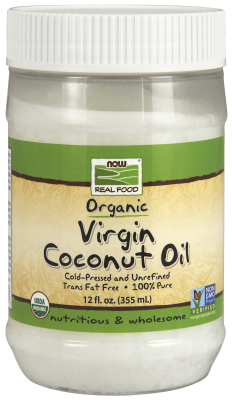
NOW® Real Food Organic Virgin Coconut Oil (Item #1725) is a nutrient-dense, multipurpose culinary and wellness staple made from premium, fresh organic coconuts (Cocos nucifera). Unlike conventional industrial coconut oils, this unrefined oil is strictly cold-pressed and expeller-extracted without the use of chemical solvents, high-heat refining, bleaching, or deodorizing (RBD). The result is a clean, aromatic oil that retains its natural coconut flavor, fresh aroma, and full biological lipid profile.
Naturally packed with approximately 60% medium-chain triglycerides (MCTs)—predominantly lauric acid, caprylic acid, and capric acid—this versatile oil serves as an efficient source of clean cellular fuel. Whether blended into morning smoothies, used as a 1:1 culinary substitute for dairy butter, or applied topically for skin hydration and oral hygiene (oil pulling), NOW Organic Virgin Coconut Oil delivers verified whole-food nourishment backed by rigorous laboratory testing.
The health benefits of virgin coconut oil stem directly from its unique biochemical structure. Most dietary fats consist of Long-Chain Triglycerides (LCTs), which require bile salts and pancreatic enzymes for emulsification, followed by absorption through the lymphatic system before entering circulation. In contrast, Virgin Coconut Oil is dominated by Medium-Chain Triglycerides (MCTs), which behave distinctly inside the human body:
NOW Foods maintains absolute label transparency. Below is the verified nutritional disclosure and fatty acid profile for NOW Organic Virgin Coconut Oil (12 fl. oz. / 355 mL):
| Nutrition Facts | Amount Per 1 Tbsp (15 mL) | % Daily Value* |
|---|---|---|
| Calories | 120 | — |
| Total Fat | 14 g | 18% |
| Saturated Fat | 12 g | 60% |
| Trans Fat | 0 g | — |
| Polyunsaturated Fat | 0.5 g | — |
| Monounsaturated Fat | 1 g | — |
| Sodium | 0 mg | 0% |
| Total Carbohydrate | 0 g | 0% |
| Dietary Fiber / Sugars | 0 g | 0% |
| Protein | 0 g | 0% |
*Percent Daily Values are based on a 2,000 calorie diet. Not a significant source of cholesterol, vitamin D, calcium, iron, or potassium. Servings per container: About 24.
Ingredients: Organic Virgin Coconut Oil.
Allergen Information: Contains Tree Nuts (coconut). Not manufactured with yeast, wheat, gluten, soy, milk, egg, fish, shellfish, or sesame ingredients. Packaged in a certified Good Manufacturing Practices (cGMP) facility that processes other ingredients containing these allergens.
Typical Fatty Acid Profile Per Tablespoon: Lauric Acid (C12:0) 6.5g–7.5g; Myristic Acid (C14:0) 2.0g–2.5g; Caprylic Acid (C8:0) 0.9g–1.1g; Capric Acid (C10:0) 0.7g–0.9g; Palmitic Acid (C16:0) 1.0g–1.2g; Oleic Acid (C18:1) 0.8g–1.0g; Linoleic Acid (C18:2) 0.2g–0.3g.
Not all coconut oils on store shelves maintain the same quality. Low-grade commercial oils frequently utilize cheap dried coconut meat (“copra”) dried under unhygienic open-air conditions, creating elevated risks of bacterial and mycotoxin contamination that necessitate high-heat chemical refining. NOW Foods enforces the most comprehensive testing infrastructure in the natural products industry:
Facility Certifications: Manufactured in NPA A-rated cGMP certified facilities, Safe Quality Food (SQF) Level 3 certified, and verified USDA Organic by Quality Assurance International (QAI).
NOW Organic Virgin Coconut Oil transitions naturally between solid and liquid states depending on room temperature, melting into a clear oil at approximately 78°F (26°C) and solidifying into an opaque white paste below that temperature. This state change is entirely physical and does not affect product potency, shelf life, or nutritional integrity.
Smoke Point: Approximately 350°F (177°C). Unrefined virgin coconut oil is ideally suited for medium-heat cooking, baking, stir-frying, and light skillet sautéing. It should not be used for high-temperature deep frying exceeding 350°F.
Butter Alternative: Replace dairy butter or shortening 1:1 in muffin, cookie, and pastry recipes. For smooth blending into hot coffee, tea, or protein shakes, blend with an immersion frother to emulsify the MCTs into a rich, creamy consistency.
Place 1 tablespoon of coconut oil in the mouth and gently swish for 10 to 15 minutes before breakfast. The lauric acid naturally bonds with oral lipids and reduces plaque-causing bacteria such as Streptococcus mutans (Peedikayil et al., 2015, Niger Med J). Always spit the used oil into a lined trash receptacle rather than the sink to prevent drain blockages as the oil cools.
Warm a nickel-sized amount between clean hands and massage into dry elbows, knees, or cuticles after bathing. For a deep hair conditioning mask, apply 1 to 2 tablespoons through mid-lengths to ends, let sit for 30 minutes, and shampoo thoroughly.
Where you purchase your nutritional oils matters as much as the brand you select. Exposure to uncontrolled heat during warehouse transit can oxidize unrefined fatty acids, compromising freshness and flavor. VitaNet, LLC provides an authentic, reliable purchasing experience backed by decades of retail leadership:
NOW Virgin Organic Coconut Oil is mechanically cold-pressed from fresh organic coconut meat without chemical solvents, bleaches, or deodorizers. It retains its natural coconut fragrance, flavor, and intact phytonutrients. Refined coconut oil (often labeled RBD) is made from dried coconut copra, chemically treated and heated to strip out flavor and scent, resulting in a neutral oil that lacks virgin polyphenols.
Refrigeration is optional. Virgin coconut oil naturally has high oxidative stability due to its saturated fatty acid profile. Keep the jar tightly sealed in a cool, dry, dark pantry away from direct sunlight. Refrigeration will turn the oil very firm, making it harder to scoop, but it extends shelf life in warm climates.
Coconut oil has a natural melting point of approximately 76°F to 78°F (24°C to 26°C). Below this temperature, it solidifies into a creamy white solid; above it, it liquefies into a transparent oil. Tiny bubbles or slight variations in shading are normal characteristics of raw expeller-pressed coconut oil and do not indicate spoilage.
The smoke point of unrefined virgin coconut oil is approximately 350°F (177°C). It is ideal for sautéing, stove-top pan cooking, and baking. For cooking applications requiring heat above 350°F (such as deep frying or searing), use an oil with a higher smoke point like avocado oil.
Virgin coconut oil is a whole food containing approximately 50% lauric acid (C12:0), along with C8, C10, and long-chain fats. Purified MCT oil is an isolated fraction containing almost exclusively caprylic acid (C8) and capric acid (C10) with lauric acid removed. Virgin coconut oil provides broader antimicrobial support from lauric acid and works better as a culinary butter substitute, whereas purified MCT oil remains liquid in the fridge and is used primarily for rapid ketosis.
NOW Foods runs analytical testing on every batch in their ISO/IEC 17025 accredited laboratories. They utilize Inductively Coupled Plasma Mass Spectrometry (ICP-MS) to confirm heavy metals (lead, arsenic, cadmium, mercury) fall well below strict safety thresholds, and Gas Chromatography to verify the complete absence of chemical solvents (such as hexane) and agricultural contaminants.