|
Search Term: " Drives "
NSAIDs vs. Curcumin: Which One Relieves Joint Pain Without Stopping Healing?   
Date:
September 14, 2026 11:22 AM
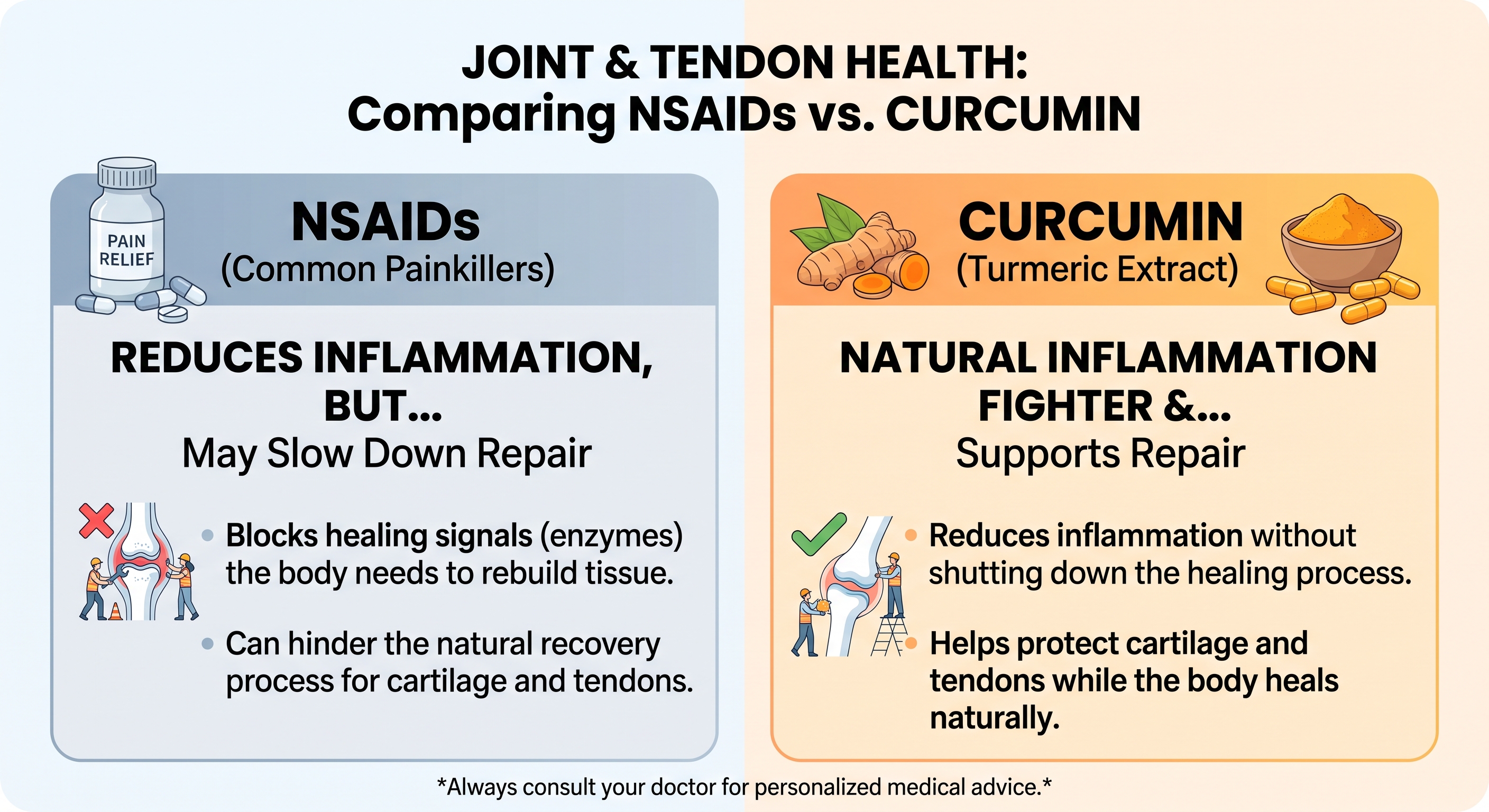
Comparative Analysis of NSAIDs versus Curcumin in Musculoskeletal Tissue RepairPrimary Biological Mechanisms and Pharmacological TargetsManaging soft tissue and joint injuries presents a persistent therapeutic challenge in musculoskeletal medicine. Acute inflammation triggers pain, localized swelling, and mechanical disability, which routinely Drives patients toward pharmacological relief. For decades, nonsteroidal anti-inflammatory drugs (NSAIDs) such as ibuprofen, naproxen, celecoxib, and diclofenac have served as primary clinical interventions. While these synthetic agents effectively extinguish acute pain signals, expanding cellular and clinical research indicates that their biochemical mechanism interrupts the fundamental repair cascades required for long-term connective tissue healing. In contrast, curcumin - a natural polyphenolic compound derived from the rhizomes of Curcuma longa (turmeric) - exhibits a distinct, multi-targeted regulatory profile that calms hyperactive inflammation while protecting the structural components of cartilage and tendon tissue.The functional divergence between these two compounds becomes clear when considering an intuitive mechanical analogy. Tissue trauma resembles damage to a commercial building, where initial inflammation functions as the construction and demolition crew tasked with clearing rubble, stabilizing the foundation, and laying down fresh structural framing. NSAIDs function like abruptly cutting electrical power to the entire work site: the noisy machinery stops instantly and the immediate disturbance ceases, but the construction workers lose the power necessary to clean the debris and erect permanent walls. Conversely, curcumin operates as an experienced site manager: it silences unnecessary chaos and prevents site vandalism while ensuring that the skilled workers - specifically chondrocytes in cartilage and tenocytes in tendons - remain fully active, supplied, and capable of completing the restoration. At the cellular level, NSAIDs exert their effects through the catalytic inhibition of cyclooxygenase enzymes, categorized as constitutive cyclooxygenase-1 (COX-1) and inducible cyclooxygenase-2 (COX-2). Membrane phospholipids damaged during injury release arachidonic acid, which COX enzymes convert into pro-inflammatory lipid mediators known as prostanoids, most notably prostaglandin E2 (PGE2). Nonselective NSAIDs block both isoforms, while selective coxibs specifically target COX-2. By shutting off PGE2 production, NSAIDs rapidly elevate pain thresholds and blunt localized swelling. However, because PGE2 also functions as a vital signaling cue for cellular recruitment, angiogenesis, and cellular proliferation, this total enzymatic shutdown strips local repair cells of the baseline signals required to orchestrate tissue regeneration. Curcumin avoids this indiscriminate pathway paralysis by acting upstream on master transcriptional control switches rather than directly neutralizing isolated enzymes. Its primary therapeutic mechanism centers on the inhibition of Nuclear Factor-kappa B (NF-kB) and Activator Protein-1 (AP-1) signaling networks. Under acute stress or chronic inflammatory loads, the NF-kB protein complex is released from its cytoplasmic inhibitor, IkBa, and translocates directly into the cell nucleus, where it Drives the transcription of catabolic cytokines such as interleukin-1 beta (IL-1ß), tumor necrosis factor-alpha (TNF-a), and interleukin-6 (IL-6). Curcumin blocks the phosphorylation and degradation of IkBa, effectively keeping NF-kB trapped in the cytoplasm. By preventing this nuclear entry, curcumin attenuates the expression of pro-inflammatory cytokines and downstream matrix-degrading enzymes while preserving baseline physiological functions. Furthermore, curcumin activates the nuclear factor erythroid 2-related factor 2 (Nrf2) and antioxidant response element (ARE) pathways, which upregulate endogenous cellular antioxidants to neutralize destructive reactive oxygen species (ROS) that induce cell death in injured joints.
The Mechanisms of NSAID-Induced Inhibition in Cartilage and Tendon RepairArticular cartilage and tendons are specialized, bradytrophic connective tissues characterized by relatively low basal metabolic rates and limited endogenous vascular supplies. These physical constraints make their cellular maintenance highly vulnerable to pharmaceutical disruptions. When synthetic compounds impair cell migration, survival, or extracellular matrix secretion, the intrinsic repair capacity of these structures is substantially degraded.Cartilage maintenance depends on chondrocytes, the sole cell type residing within articular joints, which are responsible for generating and maintaining the extracellular matrix of Type II collagen and water-binding proteoglycans such as aggrecan. Because adult articular cartilage lacks a direct vascular network, major defect repair relies heavily on the recruitment and chondrogenic differentiation of subchondral mesenchymal stem cells (MSCs) through endochondral ossification. Experimental evaluations demonstrate that systemic or intra-articular NSAID exposure halts this regenerative differentiation. Both nonselective NSAIDs and selective COX-2 inhibitors interfere with chondrocyte maturation and prevent successful tissue integration following cartilage transplantation or microfracture procedures. At the cellular level, common NSAIDs - including indomethacin, ketorolac, and diclofenac - induce cell cycle arrest in chondrocytes by blocking transition from the resting G0 phase to the proliferative G1. phase, substantially reducing viable cell numbers. Concurrently, NSAIDs downregulate Bone Morphogenetic Protein-2 (BMP-2), an essential anabolic signaling molecule that orchestrates matrix synthesis. Histological analyses in animal models reveal that NSAID administration causes a marked loss of extracellular proteoglycan content and widespread chondrocyte depletion, yielding elevated modified Mankin scores that signify advanced structural degeneration. In layman's terms, proteoglycans serve as water-absorbing structural sponges that grant cartilage its elastic shock absorption. When NSAIDs deplete these molecules, the joint surface dries out, becomes brittle, and rapidly wears down under routine mechanical friction. Tendon healing is similarly susceptible to disruption by NSAIDs. Tendons operate as high-tensile structural cables composed of longitudinally arranged Type I collagen fibers, maintained by specialized fibroblasts termed tenocytes and tenoblasts. Healing after acute rupture or chronic tear progresses through an initial inflammatory phase, followed by a proliferative phase of cell migration, and culminates in a lengthy remodeling phase of collagen alignment. In vitro and in vivo studies establish that NSAIDs directly suppress the migration and proliferative capacity of tenocytes during the critical early healing window. Without an adequate cellular workforce migrating into the wound bed, provisional collagen scaffolding cannot be synthesized effectively. The disruption is particularly pronounced at the enthesis, the specialized fibrocartilaginous junction where soft tendon inserts into rigid bone. Re-establishing this transition zone requires coordinated bone remodeling and chondrogenic differentiation, both of which are hindered by COX inhibition. In animal rotator cuff repair models, early administration of NSAIDs significantly delays collagen fiber organization and impairs mechanical integration at the insertion site, resulting in a measurable decline in load-to-failure strength and overall tendon toughness. Furthermore, while prolonged inflammation contributes to pathological degeneration, the transient synthesis of PGE2 during the initial hours following injury is essential for regulating localized microvascular flow and hyperemic nutrient delivery. By eliminating this early prostanoid pulse, NSAIDs starve the repair zone of oxygen and circulating factors precisely when the cellular metabolic demand is highest. Beyond direct biochemical cytotoxicity, systemic NSAIDs introduce a physical hazard known as analgesic arthropathy. In musculoskeletal biomechanics, pain functions as a protective feedback mechanism, forcing the patient to unload an injured joint or limb to prevent structural overload. By effectively blunting the pain reflex while simultaneously undermining the cellular synthesis of proteoglycans and collagen, NSAIDs create a deceptive state of perceived recovery. Patients prematurely resume unrestricted weight-bearing and strenuous activity, placing substantial, uncompensated mechanical forces onto compromised cartilage surfaces and unhealed tendon fibers. Over time, this recurring mechanical trauma accelerates joint space narrowing, promotes microfractures in the subchondral plate, and hastens functional joint breakdown. Chondroprotective and Tenogenic Mechanisms of CurcuminIn sharp contrast to the suppressive actions of synthetic COX inhibitors, curcumin exhibits a tissue-sparing, pro-regenerative biological profile. Rather than paralyzing cellular metabolism, curcumin modulates the microenvironment by suppressing destructive catabolic enzymes while supporting the baseline anabolic signals required for cartilage and tendon reconstruction.In articular cartilage, curcumin acts as a direct chondroprotective agent by dismantling the catabolic cascade induced by pro-inflammatory cytokines. When joint tissues are exposed to elevated IL-1ß and TNF-a, chondrocytes are provoked to synthesize matrix metalloproteinases - specifically collagenases such as MMP-1, MMP-3, and MMP-13 - along with aggrecanases like ADAMTS5. These enzymes function like enzymatic shears, systematically slicing through structural Type II collagen strands and degrading aggrecan cores. Curcumin suppresses the transcription and secretion of MMP-1, MMP-3, MMP-13, and ADAMTS5 by neutralizing NF-kB and AP-1 activation. Concurrently, it upregulates Cbp/p300 Interacting Transactivator with ED-rich tail 2 (CITED2), an essential transcriptional regulator that represses matrix metalloproteinases at the genomic level. In addition to halting extracellular degradation, curcumin protects chondrocytes from inflammatory apoptosis. Exposure to oxidative stress and inflammatory cytokines typically triggers programmed cell death by activating the intrinsic caspase cascade. Curcumin suppresses this apoptotic pathway by reducing the cleavage of executioner caspase-3, downregulating the pro-apoptotic factor Bax, and elevating anti-apoptotic Bcl-2 expression. Microscopic and histological analyses of osteoarthritic cartilage treated with curcumin consistently show robust Safranin O staining, intact surface regularity, preserved chondrocyte density, and significantly reduced Osteoarthritis Research Society International (OARSI) degradation scores. Within tendon biology, curcumin promotes active tissue regeneration (tenogenesis) rather than inert scar formation. In animal models of tendon rupture and surgical repair, curcumin guides tendon-derived stem and progenitor cells (TSPCs) toward mature tenocyte differentiation. This lineage-specific differentiation is orchestrated primarily through activation of the phosphatidylinositol 3-kinase/protein kinase B (PI3K/Akt) and Wnt/ß-catenin signaling cascades. As stem cells commit to the tenogenic pathway, they significantly upregulate crucial structural and phenotypic markers, including epithelial cell adhesion molecule (EpCAM), tenomodulin, and the master tendon transcription factor Scleraxis. Through this guided differentiation, curcumin supports the preferential synthesis and organized deposition of high-tensile Type I collagen fibers, the primary architectural building blocks of healthy tendons. Injured tendons typically fill with disorganized, loose Type III collagen, which forms a structurally inferior, compliant scar. Curcumin supplementation promotes the progressive maturation from primitive Type III collagen to densely packed, parallel Type I collagen fibrils, restoring native tensile strength and mechanical breaking force. A major clinical challenge following tendon surgery is the development of peritendinous adhesions, in which excessive fibrotic scar tissue binds the healing tendon to its synovial sheath, restricting range of motion and joint gliding. Postoperative tendon repair involves a balance between extrinsic healing (in which exterior fibroblasts infiltrate the defect and deposit messy scar tissue) and intrinsic healing (in which tenocytes within the tendon substance reconstruct the matrix). Curcumin suppresses excessive peritendinous inflammation and extrinsic fibrosis while accelerating intrinsic tenocyte repair. Biomechanical testing confirms that local or systemic curcumin administration yields lower adhesion scores, increased gliding distances, and superior functional mobility without sacrificing structural load-bearing capacity. Comparative Clinical Efficacy and Systemic Safety ProfilesTranslating cellular findings into clinical practice requires weighing therapeutic outcomes against systemic safety profiles. While synthetic NSAIDs deliver potent, rapid analgesia during acute musculoskeletal pain events, their chronic administration is constrained by systemic toxicities across multiple organ systems.In randomized, active-controlled clinical trials of knee osteoarthritis, optimized curcumin preparations have demonstrated clinical pain reduction and functional recovery comparable to standard therapeutic doses of NSAIDs. In a randomized, open-label parallel-arm study evaluating 139 patients with symptomatic knee osteoarthritis, subjects received either 500 mg of a bio-enhanced curcumin extract three times daily or 50 mg of diclofenac sodium twice daily for 28 consecutive days. Patients treated with curcumin demonstrated comparable improvements in pain intensity on the Visual Analogue Scale (VAS) and functional scores on the Knee Injury and Osteoarthritis Outcome Score (KOOS) at days 14 and 28, showing no statistically significant difference in therapeutic efficacy compared to diclofenac. However, the systemic tolerability profiles between the treatments diverged markedly. Overall adverse events occurred in only 13% of the curcumin group compared to 38% of the diclofenac cohort. In the diclofenac arm, 28% of patients developed dyspeptic symptoms severe enough to require concurrent treatment with H2-receptor antagonists or proton pump inhibitors to prevent mucosal ulceration, whereas no patients in the curcumin cohort required gastroprotective intervention. Furthermore, the curcumin cohort experienced a significant reduction in flatulence and digestive discomfort, demonstrating beneficial gastric and intestinal cytoprotective effects. These safety observations are consistent across broader systematic reviews and meta-analyses. Nonsteroidal anti-inflammatory agents inherently compromise gastrointestinal integrity by systematically depleting cytoprotective prostaglandins, leaving the gastric epithelium vulnerable to acid erosion and hemorrhage. In addition, systemic inhibition of renal and vascular COX enzymes by NSAIDs reduces renal perfusion and disrupts the balance between prostacyclin and thromboxane, elevating the risk of fluid retention, hypertension, and adverse cardiovascular thrombotic events. Curcumin does not suppress these physiological prostanoid pathways, making it free from ulcerogenic, nephrotoxic, and cardiotoxic properties at therapeutic dosages.
A longstanding limitation of standard curcumin supplementation in clinical settings has been its low oral bioavailability. Native curcuminoids are highly lipophilic, poorly soluble in aqueous gastric fluids, and subject to rapid hepatic and intestinal phase II metabolism into inactive glucuronides and sulfates, leading to swift biliary and fecal excretion. Consequently, raw culinary turmeric powders struggle to achieve the therapeutic systemic circulating concentrations required to reach poorly vascularized joint and tendon compartments. Modern pharmacognosy has addressed this pharmacodynamic hurdle through advanced delivery formulations. Modern strategies - such as co-administration with the natural alkaloid piperine (which inhibits hepatic glucuronidation), micellar dispersions, phytosomal phospholipid complexes, and bio-enhanced submicron dispersions - elevate systemic blood bioavailability by ten- to thirty-fold compared to unformulated extracts. These modern delivery platforms ensure that therapeutic concentrations reach synovial fluid, subchondral bone, and fibrous tendon sheaths without requiring excessive oral dosing. Conclusions and Translational Clinical ImplicationsThe biological and clinical evidence reveals distinct physiological paths for NSAIDs and curcumin in orthopedic recovery. While NSAIDs remain powerful tools for the brief alleviation of acute, unmanageable pain, their ongoing administration during active tissue healing presents substantial biological compromises. Tendons and cartilage require a controlled, transient inflammatory cascade to signal cell recruitment, stimulate stem cell differentiation, and direct extracellular matrix synthesis. By completely shutting down cyclooxygenase enzymes and depleting local prostaglandins, NSAIDs disrupt this regenerative cascade. The resulting cellular consequences - including chondrocyte cell cycle arrest, proteoglycan loss, suppression of tenocyte migration, and weakened collagen tensile strength at the tendon-to-bone interface - demonstrate that pain relief from NSAIDs frequently comes at the cost of the structural integrity of healing connective tissues.In contrast, curcumin provides a tissue-preserving alternative that decouples pain and inflammation control from cellular suppression. Operating upstream at the level of NF-kB and AP-1 transcriptional activation, curcumin attenuates the expression of pro-inflammatory cytokines while leaving the physiological baseline of cellular metabolism intact. In cartilage, it actively represses the matrix-degrading enzymes MMP-1, MMP-3, MMP-13, and ADAMTS5, maintains water-binding proteoglycan content, and protects chondrocytes from inflammatory apoptosis. In damaged tendons, curcumin stimulates tenogenic differentiation of local stem cells via PI3K/Akt signaling, supports the proper maturation of dense Type I collagen fibers, and prevents restrictive peritendinous scar adhesions, preserving both joint mobility and mechanical breaking strength. From a translational perspective, these findings indicate that clinical protocols should reconsider relying on continuous NSAIDs as the default intervention for connective tissue injuries, post-surgical recovery, and chronic degenerative conditions. Where synthetic NSAIDs are deemed necessary, their use should be confined to short-term acute flare-ups to avoid interrupting early tissue remodeling. For long-term joint preservation, ongoing tendinopathy rehabilitation, and chronic osteoarthritis management, optimized bio-enhanced curcumin formulations deliver pain relief and functional restoration comparable to conventional pharmaceuticals, all while preserving the biological processes required for lasting musculoskeletal repair. References: NSAID therapy effects on healing of bone, tendon, and the enthesis The Detrimental Effects of Systemic Ibuprofen Delivery on Tendon Conservative management of symptomatic knee osteoarthritis - PMC Positives and negatives of nonsteroidal anti-inflammatory drugs in (PDF) Conservative management of symptomatic knee osteoarthritis Non-steroidal anti-inflammatory drugs influence cartilage healing Is Curcumine Useful in the Treatment and Prevention of ... - PMC - NIH Efficacy and mechanisms of curcumin in the treatment of osteoarthritis Biological actions of curcumin on articular chondrocytes - PubMed Curcumin slows osteoarthritis progression and relieves ... - PMC - NIH Do Nonsteroidal Anti-Inflammatory Drugs Have a Deleterious Effect Anti-inflammatory management for tendon injuries - friends or foes? The mechanistic role of curcumin on matrix metalloproteinases in Therapeutic effects of turmeric or curcumin extract on pain and Curcumin inhibits chondrocyte apoptosis and inflammation in ... - PMC Analysis of the mechanism of curcumin against osteoarthritis using Synergistic enhancement of tendon-to-bone healing via anti ... - PMC A Multicenter, Randomized, Double-Blind, Placebo-Controlled Trial Safety and efficacy of curcumin versus diclofenac in knee osteoarthritis A randomized, pilot study to assess the efficacy and safety ... - PubMed Effectiveness of curcuminoids in the treatment of knee osteoarthritis THE EFFECTS OF TRADITIONAL STRENGTHENING EXERCISES Putting Some Muscle into Osteoarthritis | Annals of Internal Medicine Do Nonsteroidal Anti-Inflammatory Drugs Have a Deleterious Effect Calebin A, a Compound of Turmeric, Down-Regulates Inflammation The Effect of Non-Steroidal Anti-Inflammatory Drugs on Tendon-to Chiropractor in Toronto, ON, Canada :: Head and Neck Pain Investigation of the association of long-term NSAID use with ... - PMC Curcumin Improves Functional Recovery of Ruptured Tendon by Chemically modified curcumin (CMC2.24) alleviates osteoarthritis Curcumin improves age-related and surgically induced osteoarthritis (PDF) Curcumin Improves Functional Recovery of Ruptured Tendon Investigation of the effects of umbilical cord-derived mesenchymal Effect of curcumin-loaded polycaprolactone scaffold on Achilles Controlled release of curcumin from curcumin-loaded nanomicelles Efficacy and safety of combination of curcuminoid complex ... - PMC The efficacy of Curcuma Longa L. extract as an adjuvant therapy in
(https://vitanetonline.com:443/forums/Index.cfm?CFApp=1&Message_ID=6653) Unlocking Your Cellular Vitality: Understanding the Role of Mitochondria in Energy and Aging 
Date:
September 09, 2026 05:22 PM
Introduction: Understanding Cellular Aging and Energy DeclineHave you ever wondered why you could bounce back from an all-nighter or an intense workout in your twenties, but in your forties or fifties, the same physical effort leaves you feeling drained for days?Most people think aging is something that happens strictly on the outside - fine lines around the eyes, stiff joints, or gray hairs. In reality, aging begins at a microscopic scale inside your cells, the microscopic building blocks that make up every tissue, muscle, and organ in your body. Every single day, your body relies on roughly 30 trillion cells working in unison. When your cells are young and resilient, they operate like a well-oiled machine: they repair minor damage instantly, clear away waste, and produce abundant energy. But over time, two fundamental biological shifts take place:
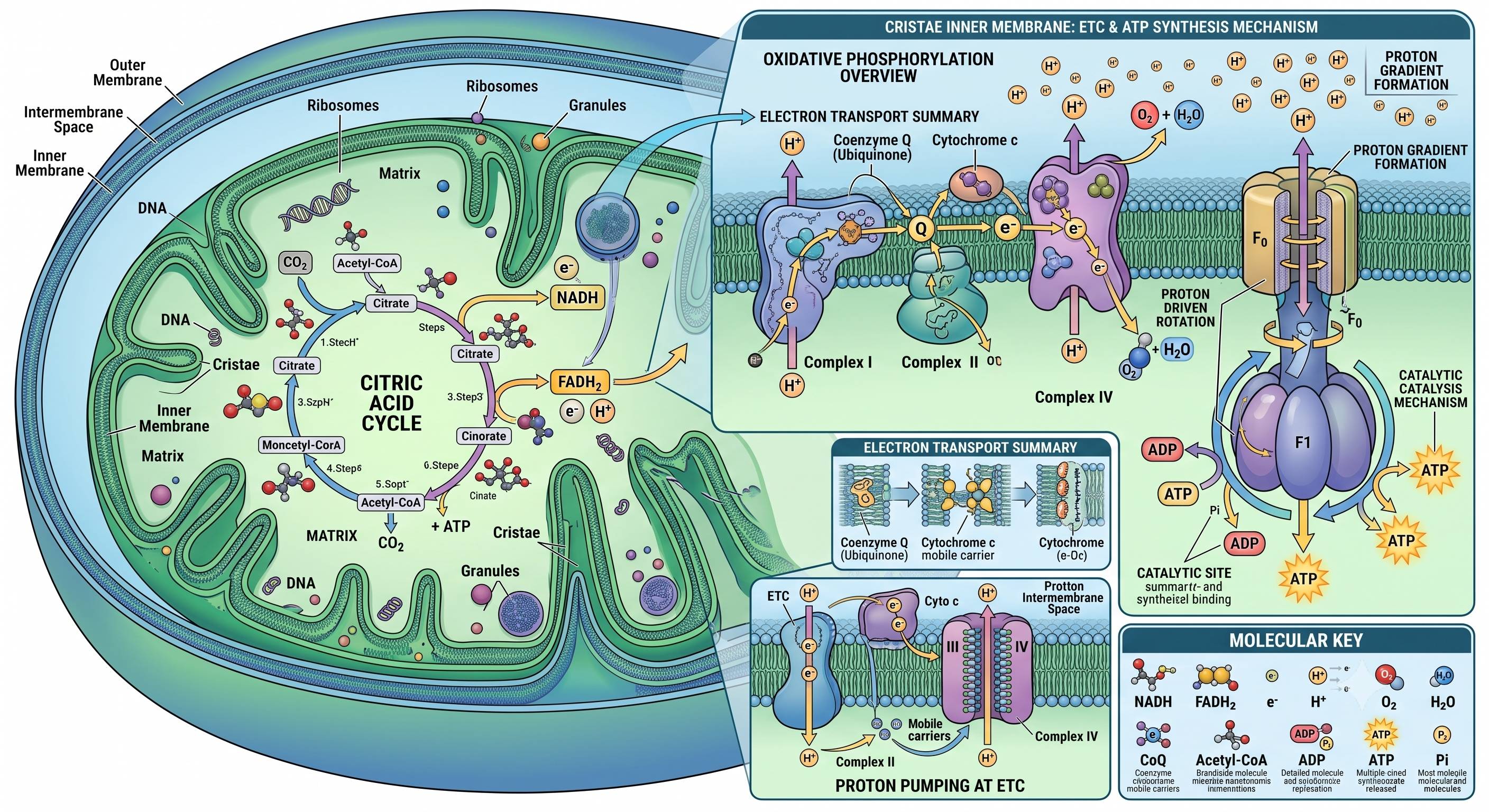
The Role of Mitochondria and ATP ProductionTo understand where your daily energy comes from, you have to look inside your cells at tiny structures called mitochondria.Often called the "powerhouses" of the cell, mitochondria function like miniature power stations. A single cell can house hundreds or even thousands of them, especially energy-hungry cells like those in your heart, brain, and skeletal muscles. The Body’s Energy Currency: What is ATP?Your body cannot directly use a sandwich or a cup of coffee to power muscle contractions or brain signals. Instead, your mitochondria take the nutrients from your food and combine them with the oxygen you breathe to manufacture a chemical molecule called adenosine triphosphate (ATP).Think of ATP as your body’s universal energy currency:
Why Cellular Energy Production Declines with AgeWhen you are young, your mitochondria are abundant, pristine, and remarkably efficient. However, the very process of creating energy comes with an unavoidable side effect: oxidative stress.Much like an engine produces exhaust fumes while burning fuel, mitochondria produce reactive byproducts known as free radicals (reactive oxygen species). Over decades, these "exhaust fumes" slowly damage the inner machinery of the mitochondria:
How Cellular Senescence Accelerates the Aging ProcessIf mitochondrial decline is a problem of power shortage, cellular senescence is a problem of biological clutter and pollution.In a healthy body, normal cells follow a strict lifecycle: they divide, perform their jobs, and when they incur significant damage or reach the end of their useful lifespan, they undergo a tidy self-destruction process called apoptosis (programmed cell death). Your immune system then clears away the debris, making room for fresh, vibrant cells. Cellular senescence happens when this cleanup process fails. The "Zombie Cell" PhenomenonWhen a cell experiences extreme stress - such as shortened telomeres (the protective caps on chromosomes), severe DNA breaks, or severe mitochondrial dysfunction - it reaches a biological crossroads. To prevent the damaged cell from dividing uncontrollably (which could lead to tumors), the body puts the brakes on.The cell enters a permanent state of dormancy:
Why Zombie Cells Are So Damaging: The Bad Apple EffectHaving a few retired cells hanging around might not sound catastrophic, but senescent cells do not sit quietly. Instead, they secrete a toxic chemical cocktail known as the Senescence-Associated Secretory Phenotype (SASP).This cocktail is packed with pro-inflammatory cytokines, chemokines, and tissue-degrading enzymes. Picture one spoiled apple sitting in a fruit basket: the ethylene gas it emits quickly causes the healthy apples surrounding it to rot. In the same way, the toxic secretions from zombie cells:
The Vicious Cycle of Cellular AgingMitochondrial decay and cellular senescence are not isolated events; they feed directly into one another:
What This Means for Everyday HealthThe good news from modern longevity science is that cellular decline is not entirely out of our hands. While aging is natural, the rate at which our cellular engines degrade can be influenced by daily habits:
Summary: Aging is fundamentally a microscopic process occurring inside the body's trillions of cells, which naturally become less resilient over time. Central to this decline are the mitochondria, the tiny structures that function as the cell's "power plants" to produce adenosine triphosphate (ATP), the universal chemical currency for everyday energy. While young mitochondria are abundant and pristine, decades of producing ATP generate oxidative stress through byproducts called free radicals, which eventually wear down and damage mitochondrial DNA and machinery. This damage results in fewer, less efficient power generators, lowering total cellular energy output, which individuals experience as real-world physical fatigue and mental fog. Aging is further accelerated by cellular senescence, a condition where damaged cells stop dividing but, instead of naturally self-destructing like healthy ones, linger behind as dormant "zombie cells." These senescent cells secrete a pro-inflammatory chemical mixture known as the Senescence-Associated Secretory Phenotype (SASP), which functions like a "bad apple" by poisoning healthy neighboring cells and tissues, creating a state of chronic biological pollution termed "inflammaging." Mitochondrial decay and senescence feed into one another in a vicious cycle that directly Drives overall aging. However, longevity science highlights that healthy lifestyle habits, including regular exercise and periods of fasting, can support continued vitality by encouraging the development of new mitochondria and the clearing of this toxic cellular clutter.
(https://vitanetonline.com:443/forums/Index.cfm?CFApp=1&Message_ID=6649) The 5,000 mg Potassium Target: Why You Don't Need a Low-Sodium Diet
Date:
June 19, 2026 12:22 PM
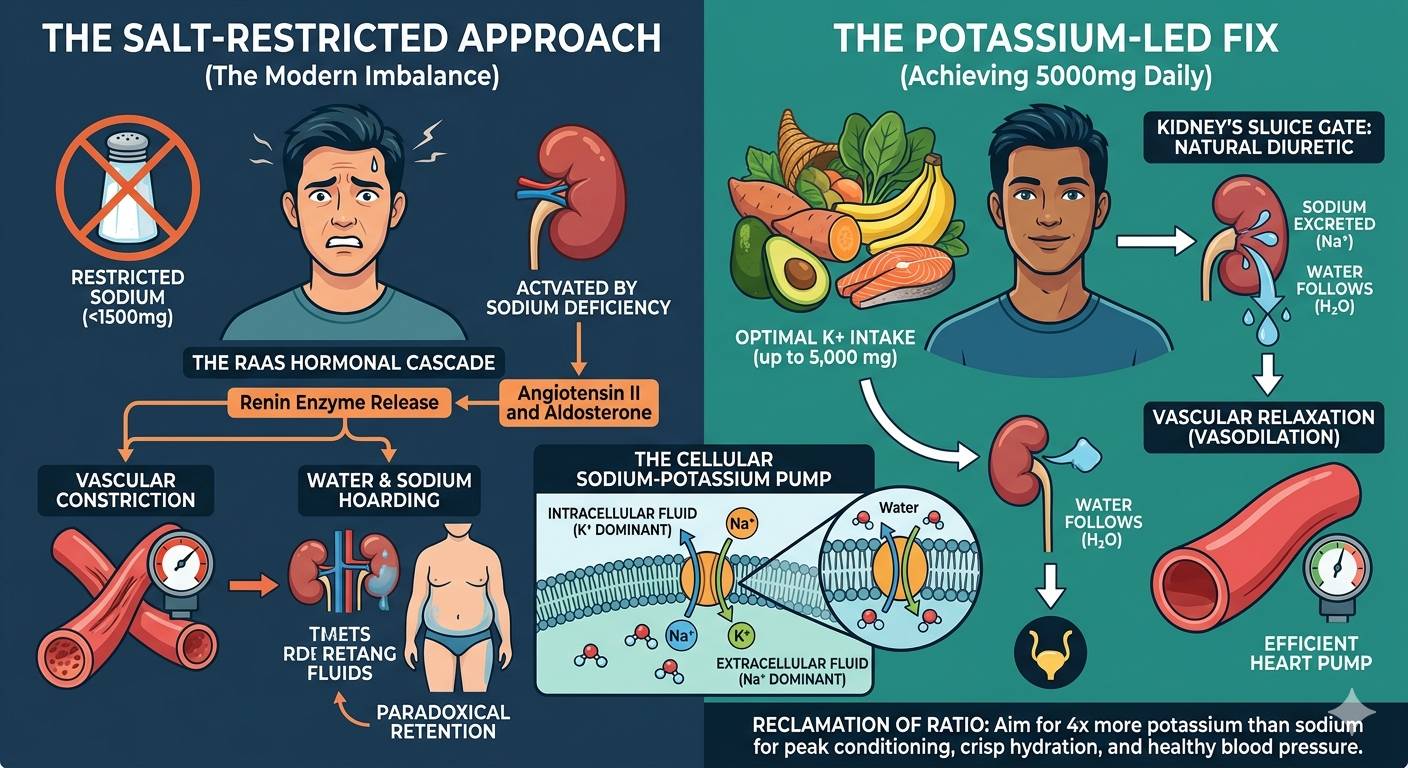
Here is exactly how it manages your water balance and keeps cardiovascular pressure in check. 1. Restoring Cellular Water BalanceTo understand fluid balance, you have to look at where water lives in the body. Sodium dominates the fluid outside your cells (extracellular), while potassium is the absolute ruler of the fluid inside your cells (intracellular).They control fluid movement via a cellular mechanism called the sodium-potassium pump. This microscopic pump works continuously to push sodium out of your cells and pull potassium in.
2. Lowering Blood Pressure: The Dual MechanismWhen your sodium-to-potassium ratio gets skewed in favor of sodium, your blood pressure inevitably creeps up. Potassium actively forces blood pressure down through two primary physiological pathways:Kidneys and Sodium ClearanceYour kidneys are responsible for filtering your blood and managing fluid volume. High sodium levels signal the body to hold onto water, which increases overall blood volume. Think of it like turning up the water pressure in a garden hose - more fluid equals higher pressure on the arterial walls.Potassium acts as a natural diuretic. When you consume enough of it, the kidneys are signaled to excrete excess sodium through your urine. As sodium leaves the building, it takes that excess water volume with it, dropping the pressure inside your cardiovascular system. Vascular Relaxation (Vasodilation)Beyond just managing fluid volume, potassium has a direct, relaxing effect on the physical structure of your blood vessels. High sodium and low potassium can cause blood vessel walls to become stiff and constricted.Potassium relaxes the smooth muscle cells lining your arteries. This widening of the blood vessels - known as vasodilation - instantly reduces resistance to blood flow, allowing your heart to pump more efficiently with less strain. The Ratio Advantage: Clinical research consistently shows that focusing on the ratio of sodium to potassium is often more impactful for blood pressure management than simply cutting out salt entirely. For optimal cardiovascular and metabolic function, aiming for a 2:1 intake of potassium to sodium is an ideal target. Vascular Health Beyond Low-Salt: How Potassium Relaxes Arteries and Keeps Muscles FullFor decades, the standard advice for managing fluid retention and high blood pressure has been a blanket directive: cut the salt. But treating sodium like a dietary villain ignores a fundamental biological truth - sodium is an essential electrolyte required for nerve transmission, muscle function, and blood volume regulation.Aggressively slashing salt is a blunt instrument that often creates new physiological imbalances. The real key to vascular health and crisp fluid dynamics isn't absolute sodium deprivation; it is maintaining a high potassium intake - up to 5,000 mg daily - to allow your body to balance salt levels naturally. The Hidden Risks of Aggressive Salt RestrictionWhen you drastically cut sodium, your body doesn't just quietly lower your blood pressure. It views the sudden drop in a critical electrolyte as a survival emergency and activates the Renin-Angiotensin-Aldosterone System (RAAS).
Why 5,000 mg of Potassium is the Real SolutionInstead of forcing your body into a low-sodium starvation state, a more effective approach is to supply it with the optimal amount of its natural physiological counterweight: potassium. Aiming for a robust target of 4,700 to 5,000 mg of potassium daily changes how your system processes salt.
The Cooperative Electrolyte RelationshipSodium and potassium should never be viewed as enemies; they are partners that require a specific ratio to optimize human physiology.
Aggressive dietary salt restriction often backfires because sodium is an essential electrolyte required for nerve transmission and fluid regulation; cutting it too drastically triggers a survival response that constricts blood vessels and hoards water. Fluid balance is ultimately determined by the relationship between sodium outside the cells and potassium inside them, a delicate equilibrium managed by the cellular sodium-potassium pump. When this ratio is skewed by a lack of dietary potassium, cells lose their optimal hydration, causing extracellular fluid retention and the soft, bloated look of subcutaneous water weight. Rather than starving the body of salt, driving daily potassium intake up to 5,000 mg fixes this modern imbalance and naturally eases blood pressure through a dual mechanism. This high intake acts as a natural diuretic, signaling the kidneys to flush out excess sodium along with the excess blood volume that strains arterial walls. Simultaneously, potassium promotes vasodilation by relaxing the smooth muscle lining of the blood vessels, reducing vascular resistance and allowing the heart to pump efficiently while keeping muscles full, hydrated, and performing at their peak.
(https://vitanetonline.com:443/forums/Index.cfm?CFApp=1&Message_ID=6642) Why Dextrose is Important for Athletes and Bodybuilders
Date:
October 10, 2022 02:17 PM
Dextrose, also known as glucose, is a simple sugar (monosaccharide) that is the primary source of energy for the body. It is important for athletes because it stimulates the body to drive, not only glucose, but amino acids and other nutrients into cells. This makes energy readily available to working muscles and helps to maintain glycogen stores. In addition, dextrose also helps to make important nutrients, such as creatine and branched-chain aminos, available for use by muscle tissue. From an athletic performance perspective therefore, it can help fuel intense activity, maintain exercise endurance, and support recovery from exercise. How Dextrose Works Dextrose enters the bloodstream rapidly after being consumed and raises blood sugar levels quickly.* Insulin is then released by the pancreas in order to shuttle glucose into cells for use or storage.* Glucose is stored in the liver and muscles in the form of glycogen; when these stores become depleted during exercise, blood sugar levels fall and fatigue sets in.* Dextrose can help delay this fatigue by replenishing glycogen stores and keeping blood sugar levels elevated.* Dextrose And Creatine oppose each other hormonally; when insulin levels are elevated via carbohydrate consumption, creatine uptake into muscle cells is inhibited.* Conversely, when blood sugar levels are low (and insulin levels along with them), creatine uptake is enhanced.*Deoxyglucose acts as a transport vehicle for creatine, driving more of it into muscle cells where it can be used for energy production and protein synthesis – two key processes for supporting muscle growth.* Therefore, when combined with creatine, dextrose can further enhance its efficacy. *BCAAs are essential amino acids that must be obtained through diet since they cannot be produced by the body; of the three BCAAs (leucine, isoleucine, and valine), leucine is the most anabolic.*Leucine seems to work best when consumed with carbohydrates; when carbs and leucine are consumed together they stimulate insulin release – an anabolic hormone that promotes protein synthesis as well as Drives amino acids and other nutrients into cells where they can be used or stored for future use..* Therefore, dextrose can help enhance the anabolic effects of leucine consumption. In Summary: Dextrose is a simple sugar that has many benefits for athletes. It helps to fuel intense activity, maintain exercise endurance, support recovery from exercise, and delay fatigue. It also helps to make important nutrients like creatine and branched-chain aminos more available for use by muscle tissue. If you are an athlete who wants to perform at your best, make sure you include dextrose in your diet.
(https://vitanetonline.com:443/forums/Index.cfm?CFApp=1&Message_ID=6495) How Gut Inflammation Drives the Evolution of Harmful Bacteria
Date:
March 20, 2017 10:44 AM
A study in mice has found that gut inflammation increases the success of bacterial viruses, which causes them to evolve more quickly. In the study, mice were infected with a strain of salmonella that had been infected with a bacteriophage. Gut inflammation in the mice causes the salmonella bacteria to be stressed, which allowed the bacteriophages to proliferate and resultantly spread even faster to other salmonella cells, potentially taking with them genes that benefit the bacteria. The scientists behind the study think that inflammation reduction may have promise as a treatment for infections, because it does not promote pathogens' increasing virulence and resistance. Read more: How Gut Inflammation Drives the Evolution of Harmful Bacteria
(https://vitanetonline.com:443/forums/Index.cfm?CFApp=1&Message_ID=4233) Antioxidants- How To Fight With The Free Radicals
Date:
January 04, 2017 10:37 PM
Free radicals are of good concern to any individual who wants to stay healthy. You have possibly heard of how hazardous these substances are and how essential are antioxidants that battle them. Understanding free radicals involves mastering just a little bit about their chemical background. Your body is made up of numerous connected parts. The organs and tissues that form these parts are all made from cells. In original terms, each cell is an independent unit that processes its waste and ingests nutrients, additionally to performing several other functions.
How do cells perform? The answer varies depending on the distinct cell. Some produce the power utilized to move muscles, and others transport nervous impulses, but all are powered by chemical reactions. These reactions, or interactions among the electrons that surround every atom in the universe, also happen inside our bodies. Without the several various molecules or groups of atoms, that chemical reactions produce, we couldn't survive. | |||||||||||||||||||||||||||||||||||||||||||||||||||||||||||||||||||||||||||||||||||||||||||||||||||||




 What is GABA
| Sex Enhancing Plants for Men and Women | How They Work |
| Maca (Lepidum meyenii) | For the past several years in |
| Rhodiola Rosea | This hardy plant grows high in the mountains of Europe and Rhodiola is an adaptogen, a plant that helps us adapt to changes in life and the stresses of everyday life. When we’re stressed, our bodies shift into high gear causing a cascade of hormones to prevent and reduce harm. In cases of trauma (like car accident or surgery (or simply nature at work (such as childbirth), these hormones are necessary. However, when we experience stress that’s caused by work (your boss), or family (your teen-aged children), or personal struggles (your weight), this hormonal cascade can do more harm than good –causing fatigue, added weight gain, poor metabolism, and impaired sexual function. Rhodiola helps make sure the hormonal cascade occurs when it’s needed, to protect our health, not harm it. The result is better energy, better vitality, and better sex! |
Q. Since I had a baby four months ago, I have no desire for sex. This is making my husband pretty frustrated and me too, actually. I’d love to want sex again.
A. A married woman with a baby and a toddler or two can feel that her body isn’t really hers. So much for feeling sexy! While this fact can be a source of great pride and joy, it can also drain desire.
As women enter perimenopause – those years when they are still menstruating despite fluctuating estrogen levels – they often have no desire for sex. Since estrogen is the engine that Drives women’s reproductive function, when it starts to go, sex goes too. Women who have reached menopause may find their minds wandering during sex. Pondering the car’s need for an oil change or if the milk in the refrigerator has reached its expiration date makes for pretty blah sex. It also makes it nearly impossible to achieve orgasm.
Once more, traditional medicine has some answers:
| Sex Plants for Women | How They Work |
| Ashwagandha (Withania somnifera) | Just like Rhodiola, Ashwagandha is an adaptogen, possessing powerful sex-enhancing powers. And just like Rhodiola, Ashwagandha has been helping women boost their desire for sex. Long considered |
| Catuaba (Erythroxylum Catuaba) | Catuaba is a tree that grows in the dense, lush Brazilian Amazon, the largest tropical rainforest on Earth. For hundreds and hundreds of years, tribal peoples have used Catuaba bark to stimulate sexual desire. According to folk legend, the Tupi Indians discovered Catuaba bark’s sex-enhancing effects and passed the knowledge on to other rainforest tribes. Today, Catuaba is used worldwide by women desiring passionate sex. |
| Eleuthero (Eleutherococcus senticosus) extract | Sometimes called Siberian ginseng, Eleuthero is actually not a ginseng at all, only a distant cousin. This leafy shrub is native to Eastern Russia and the mountains of |
Q. My husband has a desire for sex, but sometimes it’s not enough. Even if we’re both in the mood, he can’t maintain his erection very long. It’s very frustrating for us both.
A. For men it’s often their equipment that lets them down. As men age, they find they can’t get an erection hard enough or keep an erection long enough to satisfy their partners and themselves.
While women can fake an orgasm if they’re tired, men have to perform every single time they have sex. Luckily, Mother Nature can help:
| Sex Plants for Men | How They Work |
| Horny Goat Weed (Epimedium species) | This aptly named sex plant has been in use for over two thousand years, restoring sexual fire, treating impotence, and increasing production of semen. The green leaves of Horny Goat Weed are filled with numerous natural compounds, responsible for these sexual effects. Research shows that horny goat weed has activities very similar to the androgens, sex hormones that stimulate desire in men. |
| Yohimbe (Pausinystalia yohimbe) | Yohimbe is nature’s Viagra – it helps men attain firm erections. Not surprisingly, Yohimbe has been used for a long time as a fold medicine aphrodisiac. The bark contains Yohimbine, a compound known to stimulate engorged vessels within the penis and nerves of the lower spine. It’s no wonder Yohimbe has the well-deserved reputation as a superior sexual stimulant. |
| Panax ginseng | One of the most highly regarded plants in traditional Chinese medicine, Ginseng stimulates the central nervous system, invigorates the brain, increases resistance to stress and fatigue, and sharpens the mind. Ginseng is also used by millions of men to enhance libido and sexual vitality. In an erectile dysfunction study, men who took Ginseng had a 42% improvement in erectile function compared to placebo. Researchers theorize that ginseng increases nitric oxide in the penis, dilating the vessels of the corpus cavernosum - the very same mechanism that makes Viagra work. |
Q. There are hundreds of supplements that claim to make men hard and women weak with desire. I’ve tried some of these, and they don’t do anything. When should I believe that the herbs and plan medicines you have discovered are nay better?
A. There are a lot of “snake oil” companies out there pitching products that promise to improve our sex lives but do absolutely nothing. One reason for this glut of useless supplements is simple demand. Men and women trying to make their sex lives better, are willing to give most products the benefit of the doubt and buy one or two. Sex sells – and even products that are purchased one time only will make big profits.
To get the most for your money, make sure the sexual supplement you are considering is from a well-respected manufacturer. Ask store staff, surf the Internet, and do some searching for the best nutraceutical companies. Make sure the herbs are standardized and that the extracts are concentrated fro optimal benefit.
Q. Are these sex-enhancing plants safe?
A. Despite years of use by practitioners of traditional medicine, significant adverse effects have not been reported for most sex-enhancing plants. However, men who have already been diagnosed with certain health conditions such as high blood pressure, thyroid disease, prostate problems, or other illnesses should use caution when selecting any health supplement. The same advice applies to women, especially women who are pregnant or nursing. And always remember to keep your doctor informed about the supplements you are using, especially if you are also taking prescription drugs. But the sex-enhancing plants have been traveling on planet Earth for a long, long time. And hopefully they’ll be here for lot longer, continuing to work effectively and go about their business of safely improving orgasms and erections and making sex great for men and women all over the world.
Q. OK, exactly how did early native healers figure out which plants improve sex? Was it just simple trial and error?
A. It does seem pretty remarkable that tribal peoples have discovered the right plants to treat diseases and improve health without modern day scientific advances.
From my many years as a “medicine hunter” in rainforests and grasslands and marshes and mountains, I’ve learned that healing plants exist for virtually every health need. It’s up to the medicine man or women to put the plant into practice. These healers have been able to do this successfully for thousands of people, by intensively studying and working with the plants. By putting themselves into the plant’s world, becoming part of the world around them, native healers have intuitively discovered which plant helps which disease. It wasn’t mere luck that brought all those plants and all those healers together. It was the natural and spiritual connection existing between the two.
Q. Are there other “natural” remedies we can use to improve our sex lives?
A. The easiest way to naturally enhance your sex life is to practice, practice, practice! Because if you don’t use it, you might lose it. Studies have shown that couples in the Amazon rainforest as well as couples in the concrete jungle of New York City have better sex lives if thy make sex a priority. All the sex-enhancing plants in the world are useless if the men and women taking them don’t put them to the test.
Men who smoke need to quit. Research has shown that cigarettes send men’s sex lives up in smoke. Men who smoke more than 20 cigarettes daily have a 60 percent higher risk of erectile dysfunction compared to men who never smoked. That’s because smoking decreases blood flow making it difficult for men to obtain an erection.
And finally, since sex is a visual and tactile endeavor, there are quite natural and creative ways to give it a boost. Visually stimulating images can arouse even the tiredest of the tired. Premiere Magazine recently compiled a list of the most erotic movie sex scenes ever. You don’t have to feel embarrassed when renting these movies (as you might with pornography) at the video store and they are guaranteed to light up your life:
1.
2. Hilary Swank pleasuring Chloe Sevigny in BOYS DON’T CRY (1999)
3. Brad Pitt and Claire Forlani making love in MEET JOE BLACK (1998)
4. Leonardo DiCaprio drawing Kate Winslet in the nude in TITANIC (1997)
5. Sharon Stone uncrossing her legs while she is being interrogated in a room full of en in BASIC INSTINCT (1992)
6. Patrick Swazye and Demi Moore in the pottery secene early on in GHOST (1990)
7. Michael Douglas and Glenn Close having sex in an elevator in FATAL A TTRACTION (1987)
8. Mickey Rourke caressing Kim Basinger’s body with an ice cube in 9 1.2 WEEKS (1986)
9. William Hurt and Kathleen Turner having sex in BODY HET (1981)
10. Julie Christine and Donald Sutherland making love in DON’T LOOK NOW (1973)
11. Rita Hayworth flipping back her hair and singing “Put The Blame on Mame” in FILDA (1946)
One Important Last Point
Sex always has consequences. And improving your sex life does not eliminate the requirement to practice it responsibly. Sexually transmitted diseases, hepatitis, and HIV/AIDS must be prevented, pregnancy must be considered and consent between partners must exist.
Conclusion
Sexual activity keeps us connected – both tangibly and spiritually to our heart’s desire. It helps us feel secure and well loved and adds to our self esteem. In other words, good sex is important to good life.
But all of us need a little help now and then. Sex-enhancing plants that have been used for thousands of years by millions of people provide that help. You can have actual sexual healing with effective sexual supplements and maybe find out what you’ve been missing.
After all, 80 percent of the world’s married couples can’t be wrong!
--
Improve Sexual performance with supplements from Vitanet
(https://vitanetonline.com:443/forums/Index.cfm?CFApp=1&Message_ID=1513)
Chronic Fatigue Syndrome and Fibromyalgia
Date:
February 28, 2007 12:02 PM
Author:  Darrell Miller
(dm@vitanetonline.com)
Darrell Miller
(dm@vitanetonline.com)
Subject: Chronic Fatigue Syndrome and Fibromyalgia
This is a fast paced world. We are all busy; living our full lives, burning the candle at both ends. We all get tired. We all get sick from time to time and maybe even depressed. But the illness called chronic fatigue syndrome is not like the normal ups and downs that we experience in everyday life. People with chronic fatigue syndrome feel overwhelming fatigue, and often pain as well. This is an illness that does not go away with a few good nights’ sleep. It drags on and on and doesn’t resolve itself. It steals vigor and energy over months, and sometimes even years.
In this issue of Ask the Doctor, we will talk about powerful vitamins, minerals, amino acids, and herbs combined in scientifically validated formulas that people with chronic fatigue syndrome or fibromyalgia can use every day. These nutrients help address some root problems of chronic fatigue syndrome and fibromyalgia by restoring energy and health to sufferers.
Q. What is chronic fatigue syndrome?
A. Chronic fatigue syndrome (CFS) also known as chronic fatigue and immune dysfunction syndrome (CFIDS), or myalgic encephalomyelitis (ME), is a group of symptoms associated with unrelenting and debilitating fatigue. The profound weakness of CFS causes a persistent and substantial reduction in activity level. You feel too tired to do normal activities or are easily exhausted for no apparent reason.
Besides extreme fatigue, symptoms of CFS include general pain, mental fogginess, flu-like symptoms, and gastrointestinal problems. A list of symptoms includes:
- -Headache
- -Frequent infections, such as sinus or respiratory infections, swollen glands, bladder infection or yeast infections
- -Muscle and join aches
- -Inability to concentrate or “brain fog”
- -Allergies to foods and medications
- -Anxiety and depression
- -Decreased sex drive
The number of symptoms and the severity of these symptoms can vary among people. The symptoms of CFS hand on or reoccur frequently for more than six months.
Q. Are chronic fatigue syndrome and fibromyalgia considered being the same illness?
A. Fibromyalgia syndrome (FMS) is a painful shortening of muscles throughout the body. FMS is basically a sleep disorder characterized by many tender knots in the muscles. These tender knots, called tender or trigger points, are a major cause of the achiness that people with fibromyalgia and CFS feel.
Approximately 80 percent of chronic fatigue syndrome patients have received and overlapping diagnosis of fibromyalgia syndrome. For most people, fibromyalgia and chronic fatigue syndrome are the same illness.
Q. What causes chronic fatigue syndrome?
A. There are many causes that can trigger CFS. Current research is looking at the roles of neuroendocrine dysfunction, viruses, environmental toxins, genetic predisposition, food sensitivities, yeast overgrowth, faulty digestion, or a combination of these factors.
For many people, CFS is triggered by a bout with a viral illness (like a cold or the flu), or even a stressful event. CFS is usually a mix of underlying causes. It is like a domino effect in that each problem can trigger another problem, and so on. For example, fatigue and poor sleep can trigger a weakened immune system, which can, in turn, trigger yeast or bacterial infections.
Q. Who gets chronic fatigue syndrome?
A. CFS is more common than you might expect. It strikes people of all ages, racial, ethnic, and socioeconomic groups. Approximately 800,000 people nationwide have CFS and over six million have fibromyalgia at any given time.
It is important to stress that CFS is a real illness; it is not “just in your head.” Unfortunately, sufferers of CFS may find that many healthcare practitioners discount the symptoms of this illness or misdiagnose it as another disease. This can lead to additional emotional suffering.
Q. How long does chronic fatigue syndrome last?
A. The illness varies greatly in its duration. Some people recover after a year or two. More often, those who recover are more likely to do so three to five years after onset. Yet for some people, the illness seems to simply persist. There are rare cases of spontaneous improvement after five years without undergoing any treatment. However, this is very unusual.
Q. What are the complications of chronic fatigue syndrome?
A. The patterns of CFS vary from individual to individual. However, many common patterns of symptoms are seen in CFS sufferers. These symptoms and problems interact and create new symptoms and problems. For example, infections and disrupted sleep can lead to digestive, hormone, and immune problems.
Infections
The most notorious pattern seen in CFS is the one in which a person suddenly comes down with a flu-like illness that doesn’t go away. These viral or bacterial infections can suppress the body’s master gland, the hypothalamus. Since the hypothalamus controls the other glands, including the adrenals, ovaries, testes, and thyroid, suppression of this gland will lead to a subtle but debilitating decrease in the functioning of all glands and their hormones. Suppressed hypothalamic function from chronic infections can then trigger sleep dysfunction.
Disrupted Sleep
The suppression of the hypothalamus gland can lead to poor sleep because the body confuses its day/night cycles. Because of this, people with CFS have trouble staying in the deep, restorative stages of sleep that “recharge their batteries.”
Poor sleep can cause immune suppression, which may lead to secondary bowel infections. The bowel infections seen in people with CFS can cause decreased absorption of nutrients, which can lead to chronic vitamin and mineral deficiencies.
Q. Is there a cure for chronic fatigue syndrome?
A. Treating chronic fatigue syndrome presents a significant challenge to people with CFS and their healthcare practitioners. Recently, a published placebo-controlled study ( of which I was the lead investigator) showed that when using an integrated treatment approach, over 85 percent of CFS and fibromyalgia patients can improve, often dramatically. The full text of this study can be seen at ‘www.endfatigue.com’. An editorial in the April 2002 issue of the Journal of the American Academy of Pain Management noted that this treatment, which I developed, is now a highly effective and excellent part of the standard of practice for treatment of fibromyalgia. Since this treatment addresses many different problems associated with CFS/FMS, it needs to be individualized to each patient.
Medical Treatments
Medications that provide symptom relief are frequently the first line of treatment chosen by healthcare practitioners for the person with CFS. These include medications for pain, sleep disturbances; digestive problems such as nausea, depression and anxiety, and flu-like symptoms.
However, medications have not been universally successful because they tent to put a bandage on symptoms instead of addressing the root problems. Because of this, medications may need to be supplemented by the other supportive therapies that can address the root problems.
Supportive Treatments
People with CFS/FMS may be depressed, given the catastrophic lifestyle disruption these diseases may cause. They may also feel guilt and frustration because their symptoms were not taken seriously for such a long time. Fear can be a factor as employment and family relationships may be jeopardized by this illness.
Therapies that help people to relax and improve coping skills may be helpful and include counseling for emotional and mental health, cognitive behavioral therapy, sleep management therapy, and massage.
Daily Nutritional Supplementation for Energy
Good overall nutrition is important for everyone, of course. However, there are several vitamins, minerals, and amino acids that can have powerful nutritional effects for a person with CFS. All of the vitamins and minerals in a chronic fatigue/fibromyalgia formula should work together synergistically to help improve energy levels and overall health. Here are some key nutrients to look for in an energy formula:
Vitamins, Minerals & Other Key Ingredients
Vitamin A: Essential for healthy skin and mucous membrane integrity, healthy immune system responses and healthy bone growth and healthy reproductive processes. Vitamin A in the form of beta-carotene is an antioxidant and free radical fighter. Vitamin E: Helps to relieve pain in CFS patients. Can also improve night leg cramps, which interferes with sleep.
Vitamin C: Enhances immune function by increasing natural killer cells, B and T cells. Can prevent chronic bladder infections by acidifying urine.
Vitamin D: Regulates immune functions of monocytes and neutrophils. Neutraphils are white blood cells that ingest invasive bacteria, and act as the first line of defense once bacteria makes it past the skin barrier.
Magnesium: Involved with immune support. Working with malic acid, enhances immune function by increasing natural killer cells. Magnesium is also critical for the relief of muscle pain.
Inositol: Enhances immune function by increasing natural killer cells.
Malic Acid: Working with magnesium, improves energy levels by improving cellular functions. Especially important in muscle metabolism.
Betaine: Works with B vitamins to synthesize amino acids, and acts as a precursor to SAM-e. SAM-e (S-adenosylmethionine) is a naturally-occurring molecule in the body, and may have an effect on overall mood elevation.
Amino Acids: Glycine, Serine, Taurine, Tyrosine are essential for the production of energy in the body. Also essential for brain function.
Zinc: Supports the immune system by enhancing neutrophils activity and supporting healthy antigen-antibody binding.
Selenium: Supports immune function by enhancing antibody production.
Fructooligosaccharides: Provides nutrition for good bacteria in the intestinal tract, improving digestion and healthy microflora.
All of the vitamins, minerals, and other nutritional supplements on the list are important to ensure recovery from chronic fatigue syndrome. To ensure that your nutritional supplement regimen contains all of these ingredients, look for a powdered supplement formulated specifically for CFS/FMS sufferers that can be reconstituted in a beverage of your choice. A powdered drink mix is a pleasant, easy way to ensure that you are taking all of the needed vitamins, minerals, and amino acids that will give you the needed energy to recover from your illness.
B Vitamin Complex for Energy
In addition to the powdered energy drink mix, it is important that you also take a vitamin B-complex supplement specifically formulated for people with CFS/FMS. The B vitamin formula, which should include niacinamide, thiamin, riboflavin, vitamin B6, folic acid, vitamin B12, pantothenic acid, and choline, is especially important to restore the energy production needs of your body, as well as for mental function. It is also important to make sure that the dosages are high enough CFS/FMS needs. The chart in the next column lists the B vitamins that are critical for people suffering from CFS/FMS.
B Vitamins Effect on Chronic Fatigue Syndrome
Studies have demonstrated that people with CFS/FMS are often deficient in many of the B vitamins, which tends to worsen their symptoms of fatigue and mental “fogginess” and ultimately lead to a weakened immune system.
B vitamins - Effect on Energy
Thiamine (B1) - Essential in the process of energy production. This vitamin also removes lactic acid from muscles, which causes them to be sore in fibromyalgia patients.
Riboflavin (B2) - Riboflavin (vitamin B2) is crucial in the production of body energy. Supports healthy gluthathione reductase activity, which helps maintain gluthathione, a major protector against free radical damage. Vitamin B2 itself also has antioxidant qualities.
Niacinamide(B3) - Essential vitamin that is a component of the body’s energy furnace, helping to improve fatigue and “brain fog”.
Pantothenic Acid (B5) - This vitamin improves adrenal gland function, which will boost energy levels. It can also aid in weight loss by decreasing appetite.
Vitamin B6 - Working along with thiamine, this vitamin is critical in the process of energy production.
Vitamin B12 - Important for brain function and nerve repair. Aids in relieving fatigue symptoms in CFS patients. Folic Acid - Aids in strengthening the immune system, and aids in mental clarity and concentration.
Q. What other supplements can help me with CFS?
A. Many people with CFS/FMS are suffering from adrenal burnout. Adrenal burnout occurs when the adrenal glands are constantly producing cortisol in response to chronic stress like that seen in cases of CFS. Over time, this exhausts the adrenal reserve, meaning the adrenal gland can no longer increase cortisol production in response to stress.
The good news is that changes in our hormone levels can return to normal when stress is decreased. However, in cases of CFS that return to normal can be made much simpler by using a glandular therapy regimen to ensure healthy cortisol levels and adrenal function.
Glandular therapy uses the concentrated forms of bovine (cow) or porcine (pig) glands to improve the health of our glands. Pioneers in the field of endocrinology (the study of hormones) hypothesized that glandular extracts work by providing nutrients the body lacks and thus repairing the malfunctioning gland.
Adrenal Extract
If CFS has left your adrenal glands in a stressed-out state, you should see great results by taking adrenal supplements. Be sure to buy an adrenal extract supplement that contains both whole adrenal and adrenal cortex extracts.
The best adrenal supplement should also contain vitamin C, vitamin B6, L-tyrosine, betaine, pantothenic acid and licorice. Licorice contains glycyrrhizin, which is broken down into glycyrrhizic or glycyrrhetinic acid. This compound inhibits the activity of an enzyme that turns active cortisol into inactive cortisol. While in high amounts (greater than 100 mg of glycyrrhizic acid/day), licorice administration causes hypertension, no such effects have been observed at lower doses. Experts have speculated that inhibition of the cortisol-converting enzyme may reduce cortisol-related symptoms associated with adrenal insufficiency. The adrenal glands use these nutrients to manufacture cortisone and other compounds. It just makes sense to purchase an adrenal supplement with these supportive ingredients.
The Road to Recovery-Adequate Sleep
Disordered sleep is the underlying process that Drives many of the symptoms of CFS/FMS. The most effective way to eliminate pain in CFS/FMS is to get seven to nine hours of deep sleep each night.
However, getting adequate sleep is easier said than done for CFS sufferers with underlying fibromyalgia symptoms. The muscle knots of fibromyalgia make it uncomfortable to lie in one position for an extended time, causing difficulty in returning to deep sleep. Because of this, people with CFS/FMS do not stay in deep stages of sleep to recharge their “batteries.” In addition, poor sleep can cause and be caused by the suppression of the hypothalamus gland, which causes the brain to think it is daytime instead of night time.
It may be helpful to use herbal products to promote good quality sleep. There are many natural supplements that are marketed as sleep formulas. To get the best results, it is very important that the right ingredients are in the sleep formula you buy. Therefore, it is important to look for an herbal sleep formula that is especially formulated for people with CFS/FMS. The combination of herbs is important as each herb addresses a different aspect of sleeplessness and muscle tension.
Ingredients - Effect on Sleep
Wild Lettuce - Has been found to have sedative effects.
Hops - Acts as mild sedative and has a sleep-inducing effect. Jamaica Dogwood Has been found to be mildly sedative and is often used for anxiousness.
L-Theanine - Causes significant increases of neurotransimitter concentrations in the brain, which promotes muscle relaxion and improves sleep.
Valerian - This herb has been clinically studied for its ability to improve sleep quality.
Passionflower - This herb eases nervousness and insomnia.
Putting It All Together
After a good night’s rest, a powdered energy drink mix formulated for people with CFS/FMS should be drunk along with a well-balanced breakfast as discussed earlier. In addition to the nutritional beverage mix, a vitamin B complex supplement designed specifically for CFS sufferers, also discussed earlier, containing niacinamide, thiamin, riboflavin, vitamin B6, vitamin B12, pantothenic acid, and choline, should be taken every morning. The nutritional drink mix and the vitamin B complex supplement will ensure that your body has all the vitamins, minerals, amino acids, and other nutrients, to combat your overwhelming fatigue, pain, and “brain fog.” Taking a daily adrenal supplement, like the one discussed earlier, will provide the much-needed (and often depleted) nutrients your body may be lacking, and help you recover lost energy.
Together, these four interventions: sleep formula; morning energy drink; energy B complex supplement; and an adrenal complex- can make an incredible difference that you should begin to notice within 2-3 weeks of starting this program.
Conclusion
Chronic fatigue syndrome and fibromyalgia are complex physical diseases with physical causes. The unrelenting symptoms of fatigue, pain, and mental fogginess can be overwhelming and frightening. Partnering with a healthcare practitioner specializing in CFS and utilizing different medical treatments, supportive therapies, and lifestyle changes are healthy ways to combat chronic fatigue syndrome. And taking nutritional supplements formulated specifically for people with CMS/FMS that help boost energy or help you get a good night’s sleep can give you critical control over the outcome of your illness and set you on the road to recovery.
--
Vitanet wants to help stop CFS ®
(https://vitanetonline.com:443/forums/Index.cfm?CFApp=1&Message_ID=1475)
What other supplements can help me with CFS?
Date:
December 10, 2005 03:21 PM
Author: Darrell Miller
(dm@vitanetonline.com)
Subject: What other supplements can help me with CFS?
A. Many people with CFS/FMS are suffering from adrenal burnout. Adrenal burnout occurs when the adrenal glands are constantly producing cortisol in response to chronic stress like that seen in cases of CFS. Over time, this exhausts the adrenal reserve, meaning the adrenal gland can no longer increase cortisol production in response to stress.
The good news is that changes in our hormone levels can return to normal when stress is decreased. However, in cases of CFS, that return to normal can be made much simpler by using a glandular therapy regimen to ensure healthy cortisol levels and adrenal function.
Glandular therapy uses the concentrated forms of bovine (cow) or porcine (pig) glands to improve the health of our glands. Pioneers in the field of endocrinology (the study of hormones) hypothesized that glandular extracts work by providing nutrients the body lacks and thus repairing the malfunctioning gland.
Adrenal Extract
If CFS has left your adrenal glands in a stressed-out state, you should see great results by taking adrenal supplements. Be sure to buy an adrenal extract supplement that contains both whole adrenal and adrenal cortex extracts.
The best adrenal supplement should also contain vitamin C, vitamin B^, L-tyrosine, betaine, pantothenic acid and licorice.
Licorice contains glycyrrhizin, which is broken down into glycycrrhizic or glycycrrhetinic acid. This compound inhibits the activity of an enzyme that turns active cortisol into inactive cortisol. While in high amounts (greater than 100 mg of glycycrrhizic acid/day), licorice administration causes hypertension, no such effects have been observed at lower doses. Experts have speculated that inhibition of the cotisol-converting enzyme may reduce cortisol-related symptoms associated with adrenal insufficiency. The adrenal glands use these nutrients to manufacture cortisone and other compounds. It just makes sense to purchase an adrenal supplement with these supportive ingredients.
The Road to Recovery- Adequate Sleep
Disordered sleep is the underlying process that Drives many of the symptoms of CFS/FMS. The most effective way to eliminate pain in CFS/FMS is to get seven to nine hours of deep sleep each night.
However, getting adequate sleep is easier said then done for CFS sufferers with underlying fibromyalgia symptoms. The muscle knots of fibromyalgia make it uncomfortable to lie in one position for an extended time, causing difficulty in returning to deep sleep. Because of this, people with CFS/FMS do not stay in deep stages of sleep to recharge their “batteries.” In addition, poor sleep can cause and be caused by the suppression of the hypothalamus gland, which causes the brain to think it is daytime instead of night time.
It may be helpful to use herbal products to promote good quality sleep. There are may natural supplements that are marketed as sleep formulas. To get the best results, it is very important that the right ingredients are in the sleep formula you buy. Therefore, it is important to look for an herbal sleep formula that is especially formulated for people with CFS/FMS. The combination of herbs is important as each herb addresses a different aspect of sleeplessness and muscle tension.
Putting It All Together
After a good night’s rest, a powdered energy drink mix formulated for people with CFS/FMS should be drunk along with a well-balanced breakfast as discussed earlier. In addition to the nutritional beverage mix, a vitamin B complex supplement designed specifically for CFS sufferers, also discussed earlier, containing niacinamide, thiamin, riboflavin, vitamin B6, vitamin B12, pantothenic acid, and choline, should be taken every morning. The nutritional drink mix and the vitamin B complex supplement will ensure that your body has all the vitamins, minerals, amino acids, and other nutrients, to combat your overwhelming fatigue, pain, and “brain fog.” Taking a daily adrenal supplement, like the one discussed earlier, will provide the much needed (and often depleted) nutrients your body may be lacking, and help you recover lost energy.
Together, these four interventions: sleep formula; morning energy drink; energy B complex supplement; and an adrenal complex can make an incredible difference that you should begin to notice within 2-3 weeks of starting this program.
--
Vitanet
(https://vitanetonline.com:443/forums/Index.cfm?CFApp=1&Message_ID=1010)
Stevia, Xylitol Sugar alternatives ...
Date:
June 09, 2005 06:15 PM
Author: Darrell Miller
(dm@vitanetonline.com)
Subject: Stevia, Xylitol Sugar alternatives ...
Sugar Solution by Kristin Daniels Energy Times, January 4, 2002
Sugar Solution by Kristin Daniels
Low blood sugar-a blood sugar recession-can make the good times recede. While you can't live without blood sugar, too much or too little wreaks havoc on your body and mind. And when blood sugar dips low enough to cause hypoglycemia you may feel like your emotions have been shredded. Knowing how the body regulates blood sugar allows you a measure of control in keeping blood sugar in the proper groove, and makes life a little sweeter. Hypoglycemia occurs when you feel dragged out because of low blood sugar. Ironically, this low blood sugar syndrome may be caused by an overabundance of sugar in your meals and snacks. Those who point to hypoglycemia as a widespread problem claim that up to two of three women in America suffer from hypoglycemia. That would make it an epidemic of monstrous proportions. In a survey of 1000 folks complaining of hypoglycemia, published in the Hypoglycemia Support Foundation's winter 2000 edition, researchers found that low blood sugar sufferers complained of hypoglycemic discomforts in several main categories: 94% of the people in the study reported nervousness, 89% mentioned irritability, exhaustion affected 87%, depression struck 86% and drowsiness hit 73%. Other miseries included fatigue, cold sweats, tinnitus (ringing of the ears), rapid heart rate, blurry or double vision, confusion, sudden hunger, convulsions, sweating, sleeping problems, paleness, muscle pain, memory loss, crying jags, fainting and dizziness.
Body of Evidence
Hypoglycemia may result from munching endless sweets and never exercising (physical activity improves your body's handling of sugar). Many sufferers of hypoglycemia may view it as a disease, but the experts pigeonhole it, technically, as a condition or syndrome. R. Paul St. Amand, MD, Professor of Endocrinology at UCLA, points out that "in certain people, the body is unable to process carbohydrates without adverse consequences. Hypoglycemia, or low blood sugar, is the name often used to denote a whole disease. But more accurately it is only one of a cluster of symptoms that together make up a syndrome." According to herbalist Cynthia Hartson, ND, at Better Health Chiropractic and Natural Family Health Care in Mission Viejo, California, when you eat too many processed foods you set yourself up for a big fall in blood sugar. "...As with many conditions out there, you don't catch diseases, this one or any; you create an environment in your body that allows these symptoms (and conditions) to occur." Your body breaks down carbohydrates, including those in vegetables, fruits, breads and grains, into simpler sugars. As these carbohydrates pour into the blood in the form of glucose, cells in the pancreas secrete the hormone-like substance insulin. Insulin is supposed to persuade cells to take up this in-flow of glucose and use it as fuel. But if, during this process, blood sugar drops too low, the pancreas releases glucagon, which stimulates the release of glucose into the blood to bring blood sugar levels back up. Overindulging in sweets and processed foods may upset this blood sugar balancing act. Americans consume about 120 pounds of sugar per person annually, a voluminous avalanche compared to preindustrial times when we only took in about seven pounds a year. When you eat your way through this much sugar, Dr. St. Amand claims, your body's "...excess amounts of carbohydrates (generate) an overproduction of insulin. As your blood sugar drops, your brain tunes out. Because a massive amount of carbohydrates Drives your insulin and glucagon down, the fats (stored as carbohydrates) in your body can't be released (for energy) and you crave more carbohydrates." As you continue to consume large amounts of carbohydrates, the pancreas secretes greater amounts of insulin to properly transport the excesses of circulating blood sugar. Eventually, every time you eat sugar, your pancreas may release excessive insulin, which Drives and keeps your blood sugar low enough to make you feel like lying down in a corner and telling the world to go away. And there's more bad physiological news: Your adrenal glands respond to this stress by producing adrenaline and dumping it into the bloodstream in overabundance, causing anxiety, trembling and panic attacks: frequent signs of a hypoglycemic reaction. Adrenaline is supposed to stimulate the liver to release glycogen (stored sugar) to get your blood sugar back to a functioning level. But once again, as your sugar cycle degenerates, the pancreas increasingly produces more insulin to drive down your blood sugar level. Your blood sugar may drop and stay down.
Numbers Game
Many conventional doctors dismiss hypoglycemia as an illusion. But Dr. St. Amand states that doctors are "hung up on numbers." The glucose tolerance test, typically used to diagnose hypoglycemia, is based on numbers and the numbers often don't add up. Signs of hypoglycemia typically show up to two to three hours after a meal or snack containing lots of processed foods, when there is a rapid release of sugar into the small intestine, followed by rapid glucose absorption into the bloodstream and the consequent production of a large amount of insulin. These reactions occur so rapidly and unpredictably that catching them in a glucose tolerance test is often impossible. (Of course, see your health practitioner if you suffer persistent health problems that may be caused by a serious underlying condition or disease.)
Diary of a Maddening Condition
Keeping a food diary can help you discover what foods set off your hypoglycemia. Be honest, and record everything: your food, drinks, even breath mints! Note the time you eat, the time you sleep, the exercise you do, and your moods to see what triggers low blood sugar. Once you identify your triggers, remove them. When recommending ways to dodge hypoglycemia, Dr. St. Amand says, "It is not what you add but what you remove" that's most important. Items that often cause problems include:
Review Time
Ask your relatives to find others in your family who suffer diabetes, hyperinsulism or hypoglycemia. Roberta Ruggiero, president of the Hypoglycemia Support Foundation, Inc., and author of the book The Dos and Don'ts of Low Blood Sugar (Lifetime), notes that genetics plays a large role in reactive hypoglycemia. "In a survey of confirmed hypoglycemics," she states, "it was found that approximately 64 percent of them had one or more family members who had been diagnosed with diabetes." If you know someone in your family suffers this kind of problem, you can find it helpful to see what works for them to relieve the discomforts of low blood sugar. And you can share with them what works for you. Together, you can slip the shackles of hypoglycemia and sweeten your days.
--
VitaNet ®
VitaNet ® Staff
(https://vitanetonline.com:443/forums/Index.cfm?CFApp=1&Message_ID=263)
Diet Pyruvate - Get the Look Naturally ...

Date:
June 01, 2005 12:20 PM
Author: Darrell Miller
(dm@vitanetonline.com)
Subject: Diet Pyruvate - Get the Look Naturally ...
Ideally, a perfect diet would allow you to lose excess body fat, but not lean body mass. Why? Because most experts now agree that the body’s enemy is fat and not weight. Your body composition is capable of changing dramatically without any significant change in weight. It’s simply a matter of body mass redistribution. Fat is lost. Muscle is gained. A new leaner shape emerges. Introducing Source Naturals Diet Pyruvate Powder. A promising new study indicates six or more grams of Pyruvate powder a day may reduce body fat, increase lean body mass, and improve body composition when taken in conjunction with a low-fat diet and exercise plan. Imagine the possibilities.
Pyruvate has a key role in your body’s metabolism and the energy production process. It is the link between the two main energy generating cycles, glycolysis (anaerobic metabolism) and the Krebs cycle (aerobic metabolism). In essence, it is here that the body creates and disseminates energy from the proteins, fats and carbohydrates that we ingest. Pyruvate occurs naturally in our bodies. It is produced as our systems absorb and process the carbohydrates in food to create glucose. Glucose is the body’s high-performance fuel. It is what Drives our muscles and gives us endurance. Glucose is converted into Pyruvate, which then becomes a crucial part of the energy producing process. Pyruvate is found in some of the foods we eat today, but in very small amounts.
THE POWER OF PYRUVATE.
Diet Pyruvate may have an especially significant role when taken in conjunction with a healthy diet and exercise program, such as the Source Naturals Maximum Metabolism Weight Loss Plan™. Pyruvate has a strategic purpose in the energy production process. Pyruvate is found in a variety of foods, but most contain less than 25 mg per serving. Diet Pyruvate is made of the finest Calcium Pyruvate Monohydrate, manufactured by Med-Pro Industries using a unique, patented process to ensure stability and high purity.
SOURCE NATURALS DIET PYRUVATE PRODUCTS INCLUDE:
Diet Pyruvate in capsule form containing 500 and 750 mg of Calcium Pyruvate Monohydrate, Diet Pyruvate in 3 oz. powder form in which one teaspoon contains approximately 3 grams of Calcium Pyruvate Monohydrate, and Diet Pyruva-Nectar™ in a delicious 16 oz. flavored drink mix form of Calcium Pyruvate Monohydrate. Here is a simple and natural program that may help you in reaching healthy weight and body composition goals, when taken with the Maximum Metabolism Weight Loss Plan. Source Naturals wants to help you achieve the look you’ve always imagined. So set your goals, and get the look. Safely. Naturally.
(https://vitanetonline.com:443/forums/Index.cfm?CFApp=1&Message_ID=139)