|
Search Term: " crew "
NSAIDs vs. Curcumin: Which One Relieves Joint Pain Without Stopping Healing?   
Date:
September 14, 2026 11:22 AM
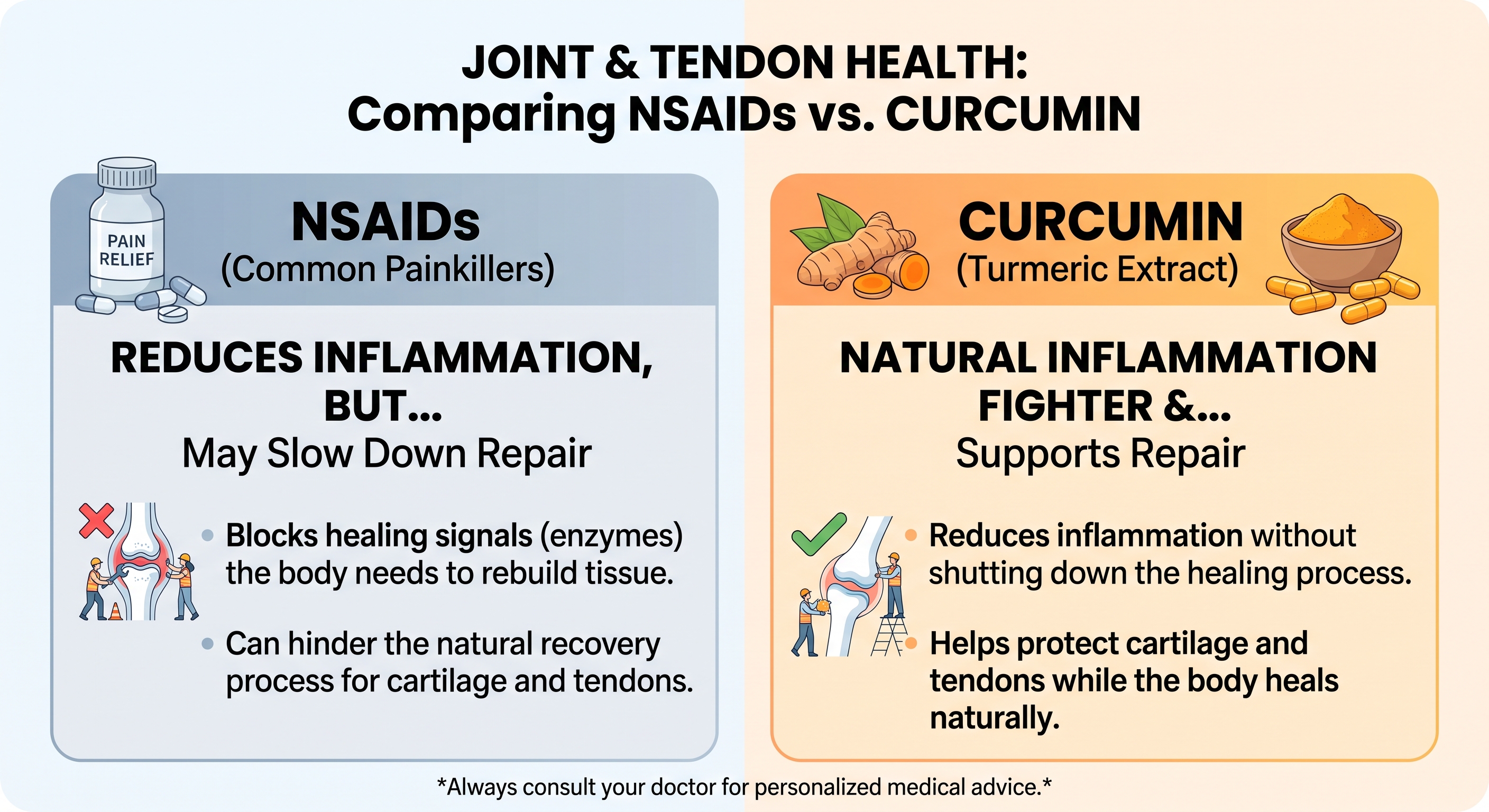
Comparative Analysis of NSAIDs versus Curcumin in Musculoskeletal Tissue RepairPrimary Biological Mechanisms and Pharmacological TargetsManaging soft tissue and joint injuries presents a persistent therapeutic challenge in musculoskeletal medicine. Acute inflammation triggers pain, localized swelling, and mechanical disability, which routinely drives patients toward pharmacological relief. For decades, nonsteroidal anti-inflammatory drugs (NSAIDs) such as ibuprofen, naproxen, celecoxib, and diclofenac have served as primary clinical interventions. While these synthetic agents effectively extinguish acute pain signals, expanding cellular and clinical research indicates that their biochemical mechanism interrupts the fundamental repair cascades required for long-term connective tissue healing. In contrast, curcumin - a natural polyphenolic compound derived from the rhizomes of Curcuma longa (turmeric) - exhibits a distinct, multi-targeted regulatory profile that calms hyperactive inflammation while protecting the structural components of cartilage and tendon tissue.The functional divergence between these two compounds becomes clear when considering an intuitive mechanical analogy. Tissue trauma resembles damage to a commercial building, where initial inflammation functions as the construction and demolition crew tasked with clearing rubble, stabilizing the foundation, and laying down fresh structural framing. NSAIDs function like abruptly cutting electrical power to the entire work site: the noisy machinery stops instantly and the immediate disturbance ceases, but the construction workers lose the power necessary to clean the debris and erect permanent walls. Conversely, curcumin operates as an experienced site manager: it silences unnecessary chaos and prevents site vandalism while ensuring that the skilled workers - specifically chondrocytes in cartilage and tenocytes in tendons - remain fully active, supplied, and capable of completing the restoration. At the cellular level, NSAIDs exert their effects through the catalytic inhibition of cyclooxygenase enzymes, categorized as constitutive cyclooxygenase-1 (COX-1) and inducible cyclooxygenase-2 (COX-2). Membrane phospholipids damaged during injury release arachidonic acid, which COX enzymes convert into pro-inflammatory lipid mediators known as prostanoids, most notably prostaglandin E2 (PGE2). Nonselective NSAIDs block both isoforms, while selective coxibs specifically target COX-2. By shutting off PGE2 production, NSAIDs rapidly elevate pain thresholds and blunt localized swelling. However, because PGE2 also functions as a vital signaling cue for cellular recruitment, angiogenesis, and cellular proliferation, this total enzymatic shutdown strips local repair cells of the baseline signals required to orchestrate tissue regeneration. Curcumin avoids this indiscriminate pathway paralysis by acting upstream on master transcriptional control switches rather than directly neutralizing isolated enzymes. Its primary therapeutic mechanism centers on the inhibition of Nuclear Factor-kappa B (NF-kB) and Activator Protein-1 (AP-1) signaling networks. Under acute stress or chronic inflammatory loads, the NF-kB protein complex is released from its cytoplasmic inhibitor, IkBa, and translocates directly into the cell nucleus, where it drives the transcription of catabolic cytokines such as interleukin-1 beta (IL-1ß), tumor necrosis factor-alpha (TNF-a), and interleukin-6 (IL-6). Curcumin blocks the phosphorylation and degradation of IkBa, effectively keeping NF-kB trapped in the cytoplasm. By preventing this nuclear entry, curcumin attenuates the expression of pro-inflammatory cytokines and downstream matrix-degrading enzymes while preserving baseline physiological functions. Furthermore, curcumin activates the nuclear factor erythroid 2-related factor 2 (Nrf2) and antioxidant response element (ARE) pathways, which upregulate endogenous cellular antioxidants to neutralize destructive reactive oxygen species (ROS) that induce cell death in injured joints.
The Mechanisms of NSAID-Induced Inhibition in Cartilage and Tendon RepairArticular cartilage and tendons are specialized, bradytrophic connective tissues characterized by relatively low basal metabolic rates and limited endogenous vascular supplies. These physical constraints make their cellular maintenance highly vulnerable to pharmaceutical disruptions. When synthetic compounds impair cell migration, survival, or extracellular matrix secretion, the intrinsic repair capacity of these structures is substantially degraded.Cartilage maintenance depends on chondrocytes, the sole cell type residing within articular joints, which are responsible for generating and maintaining the extracellular matrix of Type II collagen and water-binding proteoglycans such as aggrecan. Because adult articular cartilage lacks a direct vascular network, major defect repair relies heavily on the recruitment and chondrogenic differentiation of subchondral mesenchymal stem cells (MSCs) through endochondral ossification. Experimental evaluations demonstrate that systemic or intra-articular NSAID exposure halts this regenerative differentiation. Both nonselective NSAIDs and selective COX-2 inhibitors interfere with chondrocyte maturation and prevent successful tissue integration following cartilage transplantation or microfracture procedures. At the cellular level, common NSAIDs - including indomethacin, ketorolac, and diclofenac - induce cell cycle arrest in chondrocytes by blocking transition from the resting G0 phase to the proliferative G1. phase, substantially reducing viable cell numbers. Concurrently, NSAIDs downregulate Bone Morphogenetic Protein-2 (BMP-2), an essential anabolic signaling molecule that orchestrates matrix synthesis. Histological analyses in animal models reveal that NSAID administration causes a marked loss of extracellular proteoglycan content and widespread chondrocyte depletion, yielding elevated modified Mankin scores that signify advanced structural degeneration. In layman's terms, proteoglycans serve as water-absorbing structural sponges that grant cartilage its elastic shock absorption. When NSAIDs deplete these molecules, the joint surface dries out, becomes brittle, and rapidly wears down under routine mechanical friction. Tendon healing is similarly susceptible to disruption by NSAIDs. Tendons operate as high-tensile structural cables composed of longitudinally arranged Type I collagen fibers, maintained by specialized fibroblasts termed tenocytes and tenoblasts. Healing after acute rupture or chronic tear progresses through an initial inflammatory phase, followed by a proliferative phase of cell migration, and culminates in a lengthy remodeling phase of collagen alignment. In vitro and in vivo studies establish that NSAIDs directly suppress the migration and proliferative capacity of tenocytes during the critical early healing window. Without an adequate cellular workforce migrating into the wound bed, provisional collagen scaffolding cannot be synthesized effectively. The disruption is particularly pronounced at the enthesis, the specialized fibrocartilaginous junction where soft tendon inserts into rigid bone. Re-establishing this transition zone requires coordinated bone remodeling and chondrogenic differentiation, both of which are hindered by COX inhibition. In animal rotator cuff repair models, early administration of NSAIDs significantly delays collagen fiber organization and impairs mechanical integration at the insertion site, resulting in a measurable decline in load-to-failure strength and overall tendon toughness. Furthermore, while prolonged inflammation contributes to pathological degeneration, the transient synthesis of PGE2 during the initial hours following injury is essential for regulating localized microvascular flow and hyperemic nutrient delivery. By eliminating this early prostanoid pulse, NSAIDs starve the repair zone of oxygen and circulating factors precisely when the cellular metabolic demand is highest. Beyond direct biochemical cytotoxicity, systemic NSAIDs introduce a physical hazard known as analgesic arthropathy. In musculoskeletal biomechanics, pain functions as a protective feedback mechanism, forcing the patient to unload an injured joint or limb to prevent structural overload. By effectively blunting the pain reflex while simultaneously undermining the cellular synthesis of proteoglycans and collagen, NSAIDs create a deceptive state of perceived recovery. Patients prematurely resume unrestricted weight-bearing and strenuous activity, placing substantial, uncompensated mechanical forces onto compromised cartilage surfaces and unhealed tendon fibers. Over time, this recurring mechanical trauma accelerates joint space narrowing, promotes microfractures in the subchondral plate, and hastens functional joint breakdown. Chondroprotective and Tenogenic Mechanisms of CurcuminIn sharp contrast to the suppressive actions of synthetic COX inhibitors, curcumin exhibits a tissue-sparing, pro-regenerative biological profile. Rather than paralyzing cellular metabolism, curcumin modulates the microenvironment by suppressing destructive catabolic enzymes while supporting the baseline anabolic signals required for cartilage and tendon reconstruction.In articular cartilage, curcumin acts as a direct chondroprotective agent by dismantling the catabolic cascade induced by pro-inflammatory cytokines. When joint tissues are exposed to elevated IL-1ß and TNF-a, chondrocytes are provoked to synthesize matrix metalloproteinases - specifically collagenases such as MMP-1, MMP-3, and MMP-13 - along with aggrecanases like ADAMTS5. These enzymes function like enzymatic shears, systematically slicing through structural Type II collagen strands and degrading aggrecan cores. Curcumin suppresses the transcription and secretion of MMP-1, MMP-3, MMP-13, and ADAMTS5 by neutralizing NF-kB and AP-1 activation. Concurrently, it upregulates Cbp/p300 Interacting Transactivator with ED-rich tail 2 (CITED2), an essential transcriptional regulator that represses matrix metalloproteinases at the genomic level. In addition to halting extracellular degradation, curcumin protects chondrocytes from inflammatory apoptosis. Exposure to oxidative stress and inflammatory cytokines typically triggers programmed cell death by activating the intrinsic caspase cascade. Curcumin suppresses this apoptotic pathway by reducing the cleavage of executioner caspase-3, downregulating the pro-apoptotic factor Bax, and elevating anti-apoptotic Bcl-2 expression. Microscopic and histological analyses of osteoarthritic cartilage treated with curcumin consistently show robust Safranin O staining, intact surface regularity, preserved chondrocyte density, and significantly reduced Osteoarthritis Research Society International (OARSI) degradation scores. Within tendon biology, curcumin promotes active tissue regeneration (tenogenesis) rather than inert scar formation. In animal models of tendon rupture and surgical repair, curcumin guides tendon-derived stem and progenitor cells (TSPCs) toward mature tenocyte differentiation. This lineage-specific differentiation is orchestrated primarily through activation of the phosphatidylinositol 3-kinase/protein kinase B (PI3K/Akt) and Wnt/ß-catenin signaling cascades. As stem cells commit to the tenogenic pathway, they significantly upregulate crucial structural and phenotypic markers, including epithelial cell adhesion molecule (EpCAM), tenomodulin, and the master tendon transcription factor Scleraxis. Through this guided differentiation, curcumin supports the preferential synthesis and organized deposition of high-tensile Type I collagen fibers, the primary architectural building blocks of healthy tendons. Injured tendons typically fill with disorganized, loose Type III collagen, which forms a structurally inferior, compliant scar. Curcumin supplementation promotes the progressive maturation from primitive Type III collagen to densely packed, parallel Type I collagen fibrils, restoring native tensile strength and mechanical breaking force. A major clinical challenge following tendon surgery is the development of peritendinous adhesions, in which excessive fibrotic scar tissue binds the healing tendon to its synovial sheath, restricting range of motion and joint gliding. Postoperative tendon repair involves a balance between extrinsic healing (in which exterior fibroblasts infiltrate the defect and deposit messy scar tissue) and intrinsic healing (in which tenocytes within the tendon substance reconstruct the matrix). Curcumin suppresses excessive peritendinous inflammation and extrinsic fibrosis while accelerating intrinsic tenocyte repair. Biomechanical testing confirms that local or systemic curcumin administration yields lower adhesion scores, increased gliding distances, and superior functional mobility without sacrificing structural load-bearing capacity. Comparative Clinical Efficacy and Systemic Safety ProfilesTranslating cellular findings into clinical practice requires weighing therapeutic outcomes against systemic safety profiles. While synthetic NSAIDs deliver potent, rapid analgesia during acute musculoskeletal pain events, their chronic administration is constrained by systemic toxicities across multiple organ systems.In randomized, active-controlled clinical trials of knee osteoarthritis, optimized curcumin preparations have demonstrated clinical pain reduction and functional recovery comparable to standard therapeutic doses of NSAIDs. In a randomized, open-label parallel-arm study evaluating 139 patients with symptomatic knee osteoarthritis, subjects received either 500 mg of a bio-enhanced curcumin extract three times daily or 50 mg of diclofenac sodium twice daily for 28 consecutive days. Patients treated with curcumin demonstrated comparable improvements in pain intensity on the Visual Analogue Scale (VAS) and functional scores on the Knee Injury and Osteoarthritis Outcome Score (KOOS) at days 14 and 28, showing no statistically significant difference in therapeutic efficacy compared to diclofenac. However, the systemic tolerability profiles between the treatments diverged markedly. Overall adverse events occurred in only 13% of the curcumin group compared to 38% of the diclofenac cohort. In the diclofenac arm, 28% of patients developed dyspeptic symptoms severe enough to require concurrent treatment with H2-receptor antagonists or proton pump inhibitors to prevent mucosal ulceration, whereas no patients in the curcumin cohort required gastroprotective intervention. Furthermore, the curcumin cohort experienced a significant reduction in flatulence and digestive discomfort, demonstrating beneficial gastric and intestinal cytoprotective effects. These safety observations are consistent across broader systematic reviews and meta-analyses. Nonsteroidal anti-inflammatory agents inherently compromise gastrointestinal integrity by systematically depleting cytoprotective prostaglandins, leaving the gastric epithelium vulnerable to acid erosion and hemorrhage. In addition, systemic inhibition of renal and vascular COX enzymes by NSAIDs reduces renal perfusion and disrupts the balance between prostacyclin and thromboxane, elevating the risk of fluid retention, hypertension, and adverse cardiovascular thrombotic events. Curcumin does not suppress these physiological prostanoid pathways, making it free from ulcerogenic, nephrotoxic, and cardiotoxic properties at therapeutic dosages.
A longstanding limitation of standard curcumin supplementation in clinical settings has been its low oral bioavailability. Native curcuminoids are highly lipophilic, poorly soluble in aqueous gastric fluids, and subject to rapid hepatic and intestinal phase II metabolism into inactive glucuronides and sulfates, leading to swift biliary and fecal excretion. Consequently, raw culinary turmeric powders struggle to achieve the therapeutic systemic circulating concentrations required to reach poorly vascularized joint and tendon compartments. Modern pharmacognosy has addressed this pharmacodynamic hurdle through advanced delivery formulations. Modern strategies - such as co-administration with the natural alkaloid piperine (which inhibits hepatic glucuronidation), micellar dispersions, phytosomal phospholipid complexes, and bio-enhanced submicron dispersions - elevate systemic blood bioavailability by ten- to thirty-fold compared to unformulated extracts. These modern delivery platforms ensure that therapeutic concentrations reach synovial fluid, subchondral bone, and fibrous tendon sheaths without requiring excessive oral dosing. Conclusions and Translational Clinical ImplicationsThe biological and clinical evidence reveals distinct physiological paths for NSAIDs and curcumin in orthopedic recovery. While NSAIDs remain powerful tools for the brief alleviation of acute, unmanageable pain, their ongoing administration during active tissue healing presents substantial biological compromises. Tendons and cartilage require a controlled, transient inflammatory cascade to signal cell recruitment, stimulate stem cell differentiation, and direct extracellular matrix synthesis. By completely shutting down cyclooxygenase enzymes and depleting local prostaglandins, NSAIDs disrupt this regenerative cascade. The resulting cellular consequences - including chondrocyte cell cycle arrest, proteoglycan loss, suppression of tenocyte migration, and weakened collagen tensile strength at the tendon-to-bone interface - demonstrate that pain relief from NSAIDs frequently comes at the cost of the structural integrity of healing connective tissues.In contrast, curcumin provides a tissue-preserving alternative that decouples pain and inflammation control from cellular suppression. Operating upstream at the level of NF-kB and AP-1 transcriptional activation, curcumin attenuates the expression of pro-inflammatory cytokines while leaving the physiological baseline of cellular metabolism intact. In cartilage, it actively represses the matrix-degrading enzymes MMP-1, MMP-3, MMP-13, and ADAMTS5, maintains water-binding proteoglycan content, and protects chondrocytes from inflammatory apoptosis. In damaged tendons, curcumin stimulates tenogenic differentiation of local stem cells via PI3K/Akt signaling, supports the proper maturation of dense Type I collagen fibers, and prevents restrictive peritendinous scar adhesions, preserving both joint mobility and mechanical breaking strength. From a translational perspective, these findings indicate that clinical protocols should reconsider relying on continuous NSAIDs as the default intervention for connective tissue injuries, post-surgical recovery, and chronic degenerative conditions. Where synthetic NSAIDs are deemed necessary, their use should be confined to short-term acute flare-ups to avoid interrupting early tissue remodeling. For long-term joint preservation, ongoing tendinopathy rehabilitation, and chronic osteoarthritis management, optimized bio-enhanced curcumin formulations deliver pain relief and functional restoration comparable to conventional pharmaceuticals, all while preserving the biological processes required for lasting musculoskeletal repair. References: NSAID therapy effects on healing of bone, tendon, and the enthesis The Detrimental Effects of Systemic Ibuprofen Delivery on Tendon Conservative management of symptomatic knee osteoarthritis - PMC Positives and negatives of nonsteroidal anti-inflammatory drugs in (PDF) Conservative management of symptomatic knee osteoarthritis Non-steroidal anti-inflammatory drugs influence cartilage healing Is Curcumine Useful in the Treatment and Prevention of ... - PMC - NIH Efficacy and mechanisms of curcumin in the treatment of osteoarthritis Biological actions of curcumin on articular chondrocytes - PubMed Curcumin slows osteoarthritis progression and relieves ... - PMC - NIH Do Nonsteroidal Anti-Inflammatory Drugs Have a Deleterious Effect Anti-inflammatory management for tendon injuries - friends or foes? The mechanistic role of curcumin on matrix metalloproteinases in Therapeutic effects of turmeric or curcumin extract on pain and Curcumin inhibits chondrocyte apoptosis and inflammation in ... - PMC Analysis of the mechanism of curcumin against osteoarthritis using Synergistic enhancement of tendon-to-bone healing via anti ... - PMC A Multicenter, Randomized, Double-Blind, Placebo-Controlled Trial Safety and efficacy of curcumin versus diclofenac in knee osteoarthritis A randomized, pilot study to assess the efficacy and safety ... - PubMed Effectiveness of curcuminoids in the treatment of knee osteoarthritis THE EFFECTS OF TRADITIONAL STRENGTHENING EXERCISES Putting Some Muscle into Osteoarthritis | Annals of Internal Medicine Do Nonsteroidal Anti-Inflammatory Drugs Have a Deleterious Effect Calebin A, a Compound of Turmeric, Down-Regulates Inflammation The Effect of Non-Steroidal Anti-Inflammatory Drugs on Tendon-to Chiropractor in Toronto, ON, Canada :: Head and Neck Pain Investigation of the association of long-term NSAID use with ... - PMC Curcumin Improves Functional Recovery of Ruptured Tendon by Chemically modified curcumin (CMC2.24) alleviates osteoarthritis Curcumin improves age-related and surgically induced osteoarthritis (PDF) Curcumin Improves Functional Recovery of Ruptured Tendon Investigation of the effects of umbilical cord-derived mesenchymal Effect of curcumin-loaded polycaprolactone scaffold on Achilles Controlled release of curcumin from curcumin-loaded nanomicelles Efficacy and safety of combination of curcuminoid complex ... - PMC The efficacy of Curcuma Longa L. extract as an adjuvant therapy in
(https://vitanetonline.com:443/forums/Index.cfm?CFApp=1&Message_ID=6653) Unlocking Your Cellular Vitality: Understanding the Role of Mitochondria in Energy and Aging 
Date:
September 09, 2026 05:22 PM
Introduction: Understanding Cellular Aging and Energy DeclineHave you ever wondered why you could bounce back from an all-nighter or an intense workout in your twenties, but in your forties or fifties, the same physical effort leaves you feeling drained for days?Most people think aging is something that happens strictly on the outside - fine lines around the eyes, stiff joints, or gray hairs. In reality, aging begins at a microscopic scale inside your cells, the microscopic building blocks that make up every tissue, muscle, and organ in your body. Every single day, your body relies on roughly 30 trillion cells working in unison. When your cells are young and resilient, they operate like a well-oiled machine: they repair minor damage instantly, clear away waste, and produce abundant energy. But over time, two fundamental biological shifts take place:
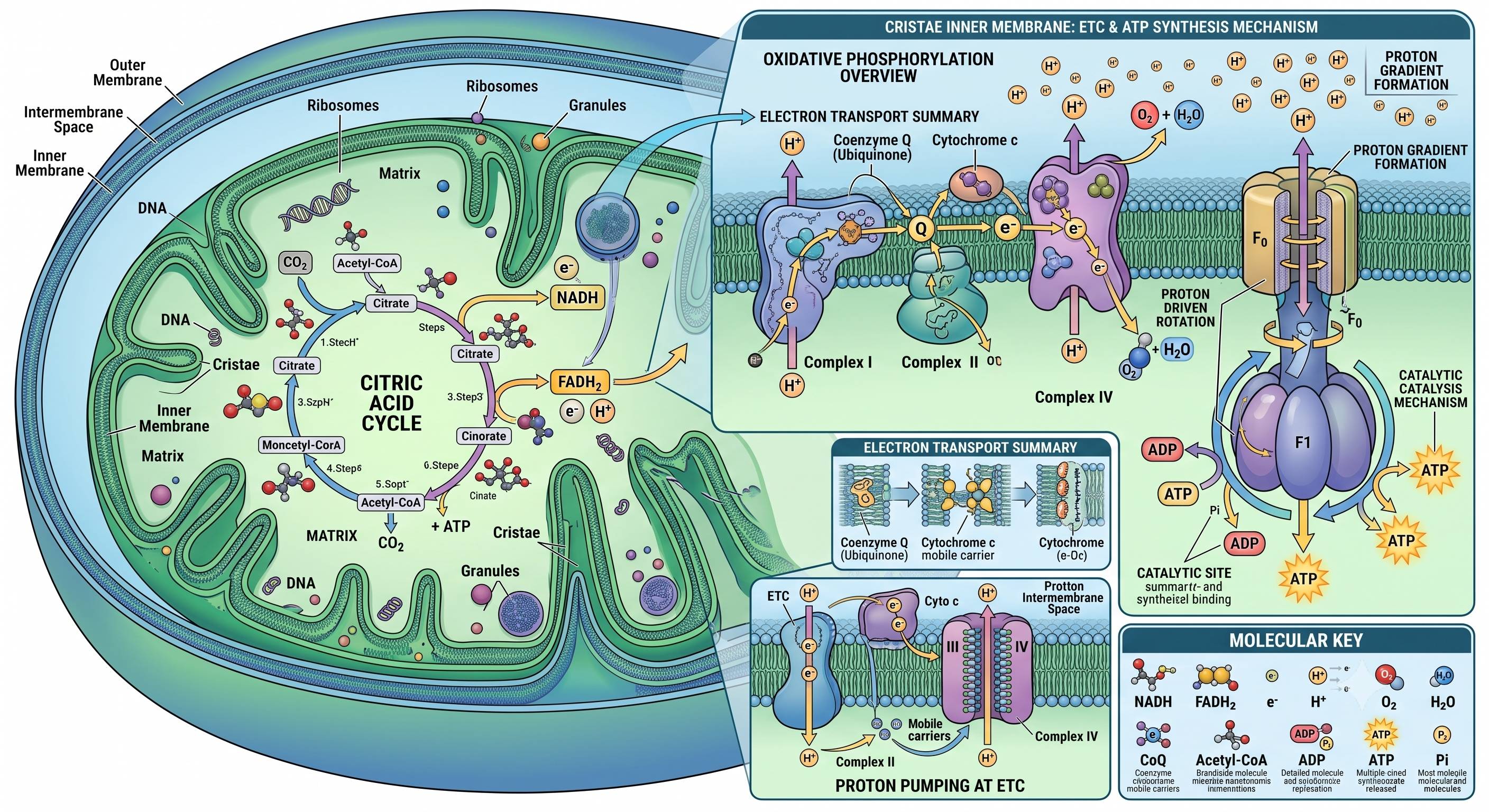
The Role of Mitochondria and ATP ProductionTo understand where your daily energy comes from, you have to look inside your cells at tiny structures called mitochondria.Often called the "powerhouses" of the cell, mitochondria function like miniature power stations. A single cell can house hundreds or even thousands of them, especially energy-hungry cells like those in your heart, brain, and skeletal muscles. The Body’s Energy Currency: What is ATP?Your body cannot directly use a sandwich or a cup of coffee to power muscle contractions or brain signals. Instead, your mitochondria take the nutrients from your food and combine them with the oxygen you breathe to manufacture a chemical molecule called adenosine triphosphate (ATP).Think of ATP as your body’s universal energy currency:
Why Cellular Energy Production Declines with AgeWhen you are young, your mitochondria are abundant, pristine, and remarkably efficient. However, the very process of creating energy comes with an unavoidable side effect: oxidative stress.Much like an engine produces exhaust fumes while burning fuel, mitochondria produce reactive byproducts known as free radicals (reactive oxygen species). Over decades, these "exhaust fumes" slowly damage the inner machinery of the mitochondria:
How Cellular Senescence Accelerates the Aging ProcessIf mitochondrial decline is a problem of power shortage, cellular senescence is a problem of biological clutter and pollution.In a healthy body, normal cells follow a strict lifecycle: they divide, perform their jobs, and when they incur significant damage or reach the end of their useful lifespan, they undergo a tidy self-destruction process called apoptosis (programmed cell death). Your immune system then clears away the debris, making room for fresh, vibrant cells. Cellular senescence happens when this cleanup process fails. The "Zombie Cell" PhenomenonWhen a cell experiences extreme stress - such as shortened telomeres (the protective caps on chromosomes), severe DNA breaks, or severe mitochondrial dysfunction - it reaches a biological crossroads. To prevent the damaged cell from dividing uncontrollably (which could lead to tumors), the body puts the brakes on.The cell enters a permanent state of dormancy:
Why Zombie Cells Are So Damaging: The Bad Apple EffectHaving a few retired cells hanging around might not sound catastrophic, but senescent cells do not sit quietly. Instead, they secrete a toxic chemical cocktail known as the Senescence-Associated Secretory Phenotype (SASP).This cocktail is packed with pro-inflammatory cytokines, chemokines, and tissue-degrading enzymes. Picture one spoiled apple sitting in a fruit basket: the ethylene gas it emits quickly causes the healthy apples surrounding it to rot. In the same way, the toxic secretions from zombie cells:
The Vicious Cycle of Cellular AgingMitochondrial decay and cellular senescence are not isolated events; they feed directly into one another:
What This Means for Everyday HealthThe good news from modern longevity science is that cellular decline is not entirely out of our hands. While aging is natural, the rate at which our cellular engines degrade can be influenced by daily habits:
Summary: Aging is fundamentally a microscopic process occurring inside the body's trillions of cells, which naturally become less resilient over time. Central to this decline are the mitochondria, the tiny structures that function as the cell's "power plants" to produce adenosine triphosphate (ATP), the universal chemical currency for everyday energy. While young mitochondria are abundant and pristine, decades of producing ATP generate oxidative stress through byproducts called free radicals, which eventually wear down and damage mitochondrial DNA and machinery. This damage results in fewer, less efficient power generators, lowering total cellular energy output, which individuals experience as real-world physical fatigue and mental fog. Aging is further accelerated by cellular senescence, a condition where damaged cells stop dividing but, instead of naturally self-destructing like healthy ones, linger behind as dormant "zombie cells." These senescent cells secrete a pro-inflammatory chemical mixture known as the Senescence-Associated Secretory Phenotype (SASP), which functions like a "bad apple" by poisoning healthy neighboring cells and tissues, creating a state of chronic biological pollution termed "inflammaging." Mitochondrial decay and senescence feed into one another in a vicious cycle that directly drives overall aging. However, longevity science highlights that healthy lifestyle habits, including regular exercise and periods of fasting, can support continued vitality by encouraging the development of new mitochondria and the clearing of this toxic cellular clutter.
(https://vitanetonline.com:443/forums/Index.cfm?CFApp=1&Message_ID=6649) Is Your Histamine Bucket Overflowing? How DAO and HNMT Can Help
Date:
February 25, 2026 04:09 PM
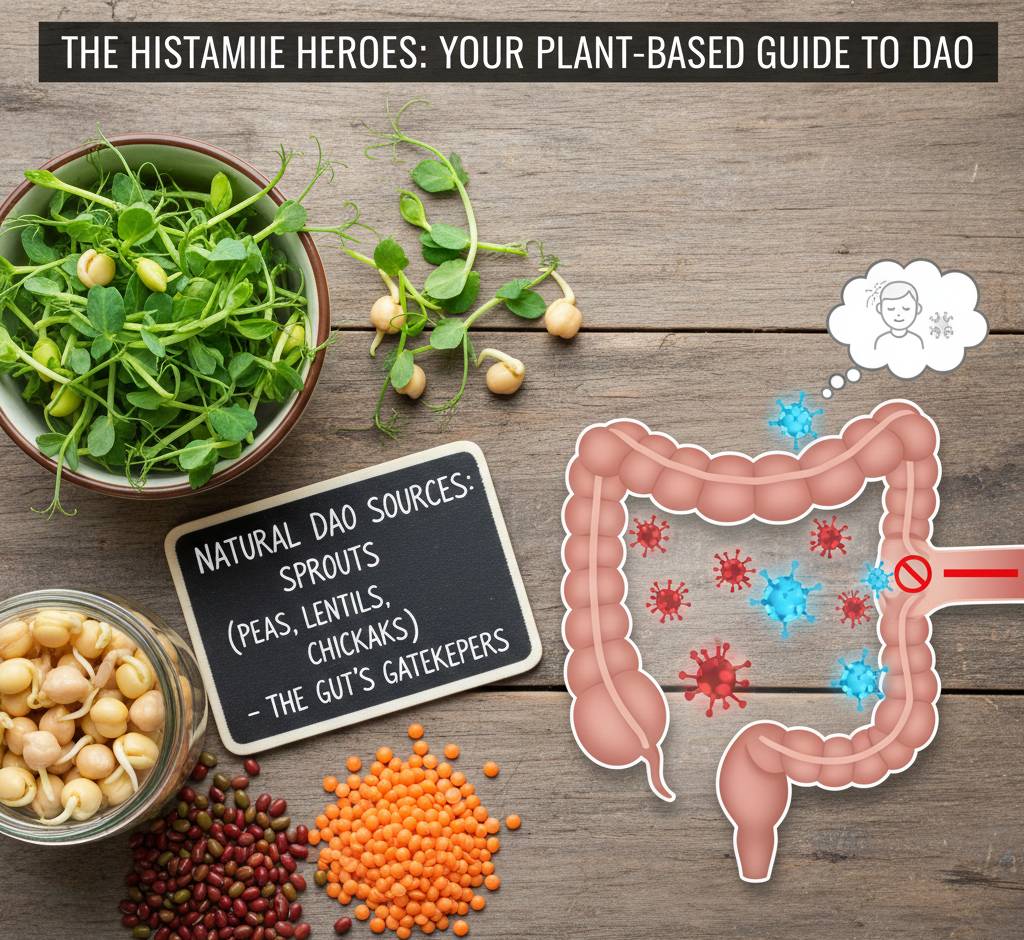
Diamine Oxidase (DAO) is a fascinating little enzyme that acts as your body’s primary "cleanup crew" for histamine found in food. While pea sprouts are the most famous plant source, they aren't the only ones. Other Plant Sources of DAOThe highest concentrations of DAO are found in the Fabaceae (legume) family, particularly when they are in the germination (sprouting) phase. Beyond green peas, researchers have identified DAO activity in:
What Does DAO Actually Do?Think of DAO as a metabolic "bouncer." Its main job is to break down histamine and other biogenic amines (like putrescine and cadaverine) before they can enter your bloodstream from your digestive tract.The MechanismIn the body, DAO is primarily produced in the intestinal mucosa. When you eat histamine-rich foods (like aged cheese, wine, or sauerkraut), DAO performs a chemical reaction called oxidative deamination.R-CH2-NH2 + H2O + O2 –>DAO R-CHO + NH3 + H2O2 In simple terms:
Comparison of DAO Sources
Does DAO enter the blood stream or does it stay in the gut?That is a great question that gets to the heart of how our bodies manage "histamine overload." The short answer is: DAO primarily stays in the gut and the space between cells (extracellular space), but it is not the only enzyme on the job.Here is the breakdown of how DAO works versus its "partner" enzyme that handles the blood. 1. DAO: The "Gatekeeper"Diamine Oxidase is a secretory protein. It is produced by the cells lining your small intestine (enterocytes) and is secreted into the intestinal tract.
2. HNMT: The "Internal Cleanup"Since DAO isn't great at cleaning up histamine that's already "in the system," your body uses a second enzyme called Histamine N-methyltransferase (HNMT).
DAO vs. HNMT: A Quick Comparison
The "Histamine Bucket" RealityWhen people talk about Histamine Intolerance, it's usually because their "Histamine Bucket" is overflowing.If your DAO levels are low, the "security guard" is asleep, and too much food-based histamine enters the blood. This puts an enormous burden on HNMT to clean it up. If HNMT can't keep up, that's when you feel the symptoms (headaches, heart palpitations, or skin flushing) because the histamine is circulating freely in your blood. Diamine Oxidase (DAO) serves as the body’s primary extracellular "gatekeeper," concentrated in the intestinal mucosa to neutralize histamine from food and drink before it can enter the bloodstream. While primarily associated with pea sprouts, DAO is also found in other germinated legumes like grass peas, chickpeas, and lentils, particularly when sprouted in darkness to maximize enzyme activity. Because DAO functions mainly in the gut lumen and the spaces between cells, it acts as a barrier against external histamine; once histamine successfully crosses into the blood or is released by the body's own immune cells, a secondary internal enzyme called Histamine N-methyltransferase (HNMT) takes over the cleanup process within the liver, brain, and kidneys.
(https://vitanetonline.com:443/forums/Index.cfm?CFApp=1&Message_ID=6632) How To Make Vitamin C Powder At Home For Immune System Support
Date:
November 17, 2018 10:25 AM
Vitamin C is an absolutely essential vitamin for human bodies, especially as human bodies can not replenish their supply without consuming it from outside sources. Scurvy, which is a disease which manifests when vitamin C stores become dangerously low, is notable via symptoms such as bleeding gums, slow wound-healing and joint pain. Before vitamin C and its uses were understood, it was not unusual for the disease to take hold among sailing crews. Traveling for long distances, usually without recourse to fresh stores, the seamen made an unfortunate and easy target for the disease. Although it is now considered a rare occurrence the disease can and still does manifest under circumstances of unvaried diet. Regardless of one's diet, however, it is possible to supplement one's use of vitamin C. There is even an easy DIY way to make vitamin C powder for individual use. Besides providing the needed daily minimum quota of an essential nutrient that builds immunity and supports the cardiovascular system, the organic vitamin C powder recipe ensures the recipient garners valuable fiber and enzymes. It's also more absorbable than pill variants. To make the powder, first peel some oranges. Blend the peels, then place them in a glass dish and inside an oven set to low heat. Stir the peels from time to time. You'll want to use about 10 oranges and no water. To make sure the temperature is not too high, leave the oven door cracked open. Once the peels are thoroughly dehydrated, put them through the blender again and make a flour of them. Strain the flour and put the results in a glass jar. Use this golden powder as a nutritious additive to soups, teas and more. Key Takeaways:
"Human beings, just like other mammals, are unable to produce their own vitamin C." Read more: https://www.youtube.com/watch?v=4f3TEaodS8E
(https://vitanetonline.com:443/forums/Index.cfm?CFApp=1&Message_ID=5842) 9 top tips for better gut health
Date:
October 05, 2017 01:14 PM
There are 9 very good tips for better overall gut health. Having good gut health is a very important thing and is considered by many to be the foundation of good health. The gut plays a major role in many things, like our skin health and even our mental health. There are many different factors that can compromise the health of your gut. Processed foods and sugar are things that can hurt your gut and make it inefficient. Key Takeaways:
"Many people screw their faces up at the thought of sauerkraut, but the truth is, it’s wonderful!" Read more: http://www.royalnews.com.ng/2017/09/26/9-top-tips-better-gut-health/
(https://vitanetonline.com:443/forums/Index.cfm?CFApp=1&Message_ID=5312) Almonds may help boost cholesterol clean-up crew
Date:
August 15, 2017 12:14 PM
Many people in today's modern climate are looking for a new way to destroy and reverse the effects of their unhealthy eating habits. One major thing to look into is how to reverse cholesterol problems. HDL cholesterol is considered the "good" cholesterol, and therefore should be emphasized. One way of doing this that scientists have found, is to eat almonds. In a study, 48 adults had controlled for eating a small amount of almonds, and those that had them were found to return to healthy levels of HDL. Key Takeaways:
"Eating almonds on a regular basis may help boost levels of HDL cholesterol while simultaneously improving the way it removes cholesterol from the body, according to researchers." Read more: http://news.psu.edu/story/476734/2017/08/10/research/almonds-may-help-boost-cholesterol-clean-crew
(https://vitanetonline.com:443/forums/Index.cfm?CFApp=1&Message_ID=5128) What Are The Benefits Of Tangerine Oil?
Date:
February 25, 2014 07:45 AM
What is tangerine
Tangerine oil can mix superbly and effortlessly with other crucial oils to prepare additionally energizing aromas. Ordinarily it utilized within China as a tonic. As a tonic, it helps the figure support its homeostasis and offset. It tones the skin, the muscles and additionally the distinctive inward organs of the form. It checks the irregular characteristics of the figure and amends them. Benefits of tangirine In healthy skin, tangerine oil is likewise broadly utilized. As an influential disinfectant, it can execute microorganisms bringing on illnesses of the skin. Acnes and pimples are treated with it. Sleek skin is likewise one issue that it can offer assistance. What's more like the greater part of the citrus family, it might be phototoxic. Importance one might as well practice compelling consideration when utilizing it on the skin when going outside in the sun. For the most part it is gentle with even a milder lemony aroma however pregnant ladies may as well first counsel their specialists before utilizing it, as they might as well when utilizing any oil so far as that is concerned. Tangerine oil supports in the decontamination of the blood. It helps the evacuation of the poisons in the blood. An intense depurative, it additionally uproots unwanted substances in the figure like kidney or nerve bladder stones. As an against uncontrollable, tangerine key oil unwinds the muscles of the form as well as all the more significantly the inner organs too. It can help even the respiratory framework and is great as a reciprocal elective medicine for asthma. As it unwinds the organs answerable for the respiratory framework, asthma assaults may be maintained a strategic distance from. Indeed straightforward stomach issues like looseness of the bowels and dyspepsia that brought about us huge issues may be calm by it as it helps the organs of the digestive framework be toned, loose and rinsed.
(https://vitanetonline.com:443/forums/Index.cfm?CFApp=1&Message_ID=3036) Pine Bark Extract
Date:
October 07, 2009 11:25 AM
Pine bark extract has become an important herbal remedy due to its antioxidant power. It is responsible for binding with collagen fibers and helping to restore elasticity in the skin. It also protects the body from free-radical damage, which prevents excess and premature wrinkles. Pine tree bark also protects capillaries from free-radical damage that can cause phlebitis, varicose veins, and bruising. Those people who are suffering from skin conditions like psoriasis can also be benefited from pine bark extract. Along with being an antioxidant, pine bark is a natural anti-inflammatory. It helps heal joint pain that is associated with things such as arthritis and sports injuries. This herb helps to control and prevent edema and bursitis. Additionally, pine bark extract may also help in inhibiting cellular mutations like tumors. Reports have found that this herb can help to prevent cellular deterioration in breast tumors and cardiovascular disease. There is also evidence that this herb possesses antiulcer properties that may help prevent the formation of undesirable chemicals in the stomach. Pine bark can also benefit other conditions with its proanthocyanidin therapy. Among these are autoimmune disorders such as lupus, neural problems such as Parkinson’s disease and multiple sclerosis, and vascular problems like heart disease, atherosclerosis, and stokes. Pine bark extract can also treat common complaints such as insomnia, flu, and even the common cold. This herb is very helpful in improving memory, longevity, and the prostate. Additionally, its stimulant properties are responsible for decreasing the production of histamines in allergic reactions like hay fever. In order to obtain the best results when supplementing with this, or any herb, it is important to consult your health care provider before beginning any regimen. For more information on the many beneficial effects provided by pine bark extract, please feel free to consult a representative from your local health food store with questions.
(https://vitanetonline.com:443/forums/Index.cfm?CFApp=1&Message_ID=2099) Fight for supplements now—it’s a matter of life and death.
Date:
May 20, 2006 01:15 PM
More than 100,000 people a year die from obesity. More than 100,000 people a year die from synthetic drugs’ side effects. These staggering numbers are a direct result of food and drugs. Isn’t there a governmental agency that monitors our food and drugs? Oh yes—it’s called the Food and Drug Administration (FDA). Judging by the numbers, the FDA needs to immediately start improving the quality of our food supply and imposing stricter safety regulations on the pharmaceutical industry. It’s a matter of life and death. The mortality numbers associated with obesity and drugs are conservative, the tip of a massive iceberg. All signs indicate that the US, like the Titanic, is on a course for a disastrous collision with an unhealthy food supply and increasingly ubiquitous drugs. At the helm is the FDA, navigating like a dangerously distracted captain. The iceberg looms but instead of steering away, captain FDA scrutinizes a harmless ice cube in his glass—the nutritional supplement industry. As the Iceberg draws closer, the captain is joined by his crew: Senators Dick Durbin, Tom Harkin and Orrin Hatch. Oblivious to the threat they gather around the captain’s ice cube: “this ice cube could be dangerous. How can we minimize the treat? Ice cubes should probably be controlled by the FDA. Let’s draft legislation that treats this ice cube like a iceberg, just in case.” Meanwhile, we are about to crash full speed into the real danger. Headed for Disaster This analogy reflects reality: Durbin, Harkin, and Hatch are drafting non-causal Adverse Event Reporting (AER) legislation that could destroy our health freedom. Under AER, supplements will be associated with adverse events like heart attacks and strokes—even if they had nothing to do with, and did not cause, those events. Treating safe, natural supplements as if they are drugs makes about as much sense as treating an ice cube like an iceberg. While these senators target natural supplements, American citizens continue to die at alarming rates because of deadly pharmaceutical drugs and an unhealthy food supply. Where are the priorities of these misguided senators and the FDA? Dietary supplements are part of the solution to this problem, helping to support health and ensure proper nutrition. AER is a health emergency! Durbin’s legislation could be introduced any day now. We the people, the passengers on this poorly navigated ship , must mutiny, storm the helm, fight against non-causal AER and steer towards health freedom. We must Take Control! If we want safe, beneficial nutritional supplements, we must exercise democratic power of the people. AER is poised to implementation. We must rise up together and tell our elected officials that we demand the right to take vitamins! Send Fax today, and send another fax tomorrow to make your voice heard! Fax vitamin adversary Senator Dick Durbin at 202-228-0400, and let him know you will never vote for an enemy of health freedom. Fax key vitamin players in Congress, Senators Tom Harkin at 202-224-9369 and Orrin at 202-224-6331. Let these senators know that their support of non-causal AER will forever tarnish their legacies. Fax Senator Michael Enzi, Chairman of the senate Subcommittee on health, Education, Labor and Pensions, at 202-228-0359. Tell Senator Enzi in no uncertain terms that dietary supplements help keep you and your family healthy, and it is your right to take them. Visit //www.NHA2006.com/ and use revolutionary technology to enable visitors to rapidly and easily compose letters and faxes to Congress. For health, freedom and liberty, join the NHA.
(https://vitanetonline.com:443/forums/Index.cfm?CFApp=1&Message_ID=1281) THE ORIGINS OF PYCNOGENOL
Date:
July 13, 2005 09:48 AM
THE ORIGINS OF PYCNOGENOLFor generations, certain tribes of North American Indians used bioflavonoids extracted from the bark of pine trees for a variety of disorders. Because of its marvelous healing properties, they called this pine the Annedda, or “tree of life.” PINE BARK: GIVER OF LIFE These native Americans, who routinely ate deer as their primary source of nutrition, when confronted with a scarcity of meat asked themselves ... where does the deer get its strength? They discovered that deer stripped away pine tree bark and we re able to derive life-giving nutrients from its organic composition. It was also observed that devastating diseases such as scurvy did not afflict those who ate the bark, leaves or needles of this pine tree. CARTIER’S ENCOUNTER WITH ANNEDDA TEA In 1535, Jacques Cartier learned of the medicinal value of the bark, which remained relatively unknown until 20 or 30 years ago, when scientists reviewed his notes and commenced research. Cartier became caught in the bitter snows of Quebec, while attempting to navigate the St. Lawrence River. Cartier and his crew subsisted on hard biscuits and cured meat and eventually came down with what was believed to be scurvy. Scurvy is an abhorrent disease which causes a very slow and agonizing death. Several of Cartier’s men died before they were approached by the Quebec Indians who prepared a tea they called “Annedda” from the bark of a certain native pine tree. The men took the tea and used its leaves as poultices. Their recovery was almost immediate. What must have seemed like a miraculous substance was technically, nothing more than vitamin C with bioflavonoids naturally inherent to the pine tree. MASQUELIER’S SUBSEQUENT DISCOVERY OF PYCNOGENOL Cartier was resourceful enough to document the incident. Over 400 years later, a French professor, Jacques Masquelier, assigned to the University of Quebec discove red Cartier’s account. Because he was already involved in bioflavonoid research, he became greatly intrigued by pine tree extract. Dr. Masquelier isolated a bio-active substance known as proanthocyanidin. THE EMERGENCE OF PROANTHOCYANIDIN After returning to France, Professor Masquelier found that this compound could be extracted from the bark of the French Maritime Pine pinus maritima found in abundance in southern France. Intensive research by Dr. Masquelier led to the discovery of Pycnogenol, which is another name for the group of bioflavonoids known as the proanthocyanidins. Subsequent in-depth testing revealed that these compounds are a nutrient treasure far more valuable that anyone originally thought. In time, the grape seed was found to contain the same compound and today, is considered an excellent source of Pycnogenol in France.
(https://vitanetonline.com:443/forums/Index.cfm?CFApp=1&Message_ID=603) Pycnogenol Complex - The Next Generation of Antioxidant Protection 
Date:
June 04, 2005 02:14 PM
If there’s one factor that has the greatest negative impact on our health, it is the damage done to our cells by free radicals. These highly unstable molecules disrupt the biochemical processes that regulate life. Although a natural product of oxygen metabolism in the body, free radicals are also produced in vast quantities by modern technology. Our bodies’ natural defenses simply have not been able to keep up with the onslaught of these dangerous products of civilization. On the other hand, technology has offered help by identifying some of nature’s most powerful weapons against free radical attack. Source Naturals PYCNOGENOL® COMPLEX is an unprecedented combination of these extremely potent plantbased antioxidants, or Plantioxidants™. Consider them your antidote to the industrial revolution. How free radicals are formed and their effect on the body Oxygen both makes life, and takes life. The energy that animates us comes from the biochemical reactions that burn oxygen within our cells. And though carefully regulated by the body, this biological combustion, over time, inevitably leads to cellular damage. If oxidation is not carefully controlled, tissues are damaged faster than the body can repair them. This is caused by an excess of over-reactive, electron hungry molecules called oxidants or “free radicals,” which tend to disrupt normal cellular activity. Free radicals attack a cell’s membrane and can even damage its hereditary blueprint (DNA). Since free radicals are a natural result of certain metabolic reactions, the body synthesizes several types of antioxidant enzymes to neutralize them. In addition, we get essential antioxidants from the foods we eat. Vitamins C, E and beta carotene are the ones found most often in our diet. During this century, our environment has become a perpetual source of free radical contamination, primarily from radiation and the chemical pollution in our air, water and food. Today, we are literally overwhelmed with more free radicals than our bodies are accustomed to handling. Fortunately, science has found that certain plants contain special antioxidants that are far more powerful than the vitamins we typically get in our diet. With this knowledge, Source Naturals formulated PYCNOGENOL® COMPLEX, the most advanced combination of Plantioxidants available today in one product. Pycnogenol® is the proprietary name of a natural plant product made from the bark of the European coastal pine, Pinus maritima. Natural protection against free radicals Pycnogenol® Complex – A Cornucopia of Health Our knowledge of pine bark goes back nearly 500 years, to when the French explorer, Jacques Cartier, reported that a tea made from pine tree bark by Native Americans saved the lives of his crew who were dying of scurvy. Nutrition scientists have since isolated the extraordinary antioxidant compounds of pine bark. They have also discovered many other unique antioxidants throughout the plant kingdom. Plants have evolved bioflavonoids to protect themselves from free radical damage. One of the most abundant compounds in the plant kingdom, bioflavonoids are found in the pigments of bark, rinds, seeds, leaves and flowers. Natural antioxidants in Pycnogenol® Complex The active ingredients of Source Naturals PYCNOGENOL® COMPLEX are derived from a diverse range of nature’s plenty: pine bark, green tea, turmeric spice, rosemary, grape seeds, milk thistle seeds, bilberries, hawthorn berries and ginkgo leaves. Each of these Plantioxidants is an exceptional free radical scavenger, and each has a tendency to concentrate in a different organ of the body, thus providing targeted protection. And since their primary function is to capture free radicals, these Plantioxidants free up vitamin C, so it can perform its many other vital functions. Defense Plants The two headliners of Source Naturals PYCNOGENOL® COMPLEX are the pine bark extract, Pycnogenol®, and an extract from grape seeds, Proanthodyn™. Their unsurpassed antioxidant activity – up to 20 times that of Vitamin C and up to 50 times that of Vitamin E – comes from a high concentration of proanthocyanidins. Why Pycnogenol® Complex is formulated with extracts of pine bark and grape seed These highly bioavailable flavonoids are able to cross the Blood-Brain Barrier, and can stay in the bloodstream for up to 72 hours. Few other nutritional antioxidants cross this barrier, and none do it as well. Proanthocyanidins therefore offer the brain and central nervous system unparalleled antioxidant protection. In particular, proanthocyanidins may help reduce the formation of lipofuscin, a brown waste material made of free radical-damaged proteins and fats. Over time, lipofuscin deposits form in the brain, heart, and skin. The “age” or “liver” spots that develop on the backs of some elderly peoples’ hands are made of lipofuscin. Because they’re rich in unsaturated fatty acids, cell membranes are the primary site of free radical attack. Proanthocyanidins are able to protect against both water- and fat-soluble free radicals. Also, their chemical structure is incorporated within cell membranes, making proanthocyanidins very effective in preventing damage to the cell’s interior. This is vital, because if a cell’s DNA is disrupted, it could lead to the abnormal reproduction of that cell. For many years now, Europeans have used pine bark and grape seed extracts to maintain vein and capillary health. Proanthocyanidins support the circulatory system by helping to keep collagen and elastin, the essential constituents of vessel walls, from breaking down during times of imbalance. And most importantly, proanthocyanidins can help prevent the oxidation of LDL cholesterol in the bloodstream. Scientists now recognize that it’s not cholesterol itself, but the oxidation of cholesterol that can be problematic. How Plantioxidants benefit different organs in the body The Power of Diversity In addition to the broad protection offered by Pycnogenol® and Proanthodyn, Source Naturals PYCNOGENOL® COMPLEX offers an outstanding array of other Plantioxidants. Each has unique abilities to protect the body from oxidants. For several thousand years, Green Tea has been enjoyed in the Orient, not only for its taste, but also as a health tonic. Upon analysis, it contains several strong antioxidants, called Polyphenols, with exceptional free radical scavenging abilities. Polyphenols have been shown to be over 200 times more effective than vitamin E in preventing oxidative damage to brain cells. Source Naturals uses a potent extract of green tea that concentrates 2,000 pounds of fresh green tea leaves into one pound of finished product. This extract has been awarded 30 patents for its protective effects. The ancient Ginkgo Biloba tree has long been prized for its beneficial qualities. Like proanthocyanidins, ginkgo’s compounds are able to cross the Blood-Brain Barrier, and support cell membrane and capillary integrity. Its particular antioxidant constituents have been associated with superior oxygen transport to the brain. This is important because the brain uses 20% of all inhaled oxygen. Source Naturals PYCNOGENOL® COMPLEX uses a superior 50 to 1 extract, providing 24% Ginkgoflavoneglycosides and 6% Terpenoids. Bilberries were first studied for their capacity to heighten visual acuity in normal subjects under poor light conditions. In fact, to increase their night vision, RAF pilots ate bilberry jam during WW II. Its antioxidant compounds, Anthocyanosides, have an affinity for delicate eye tissues, where it quenches free radicals and supports capillary strength. Source Naturals utilizes a standardized bilberry extract with 25% anthocyanosides, 80 times more potent than regular bilberry. The wide range of natural antioxidants in Source Naturals PYCNOGENOL® COMPLEX Milk Thistle Seed Extract has been researched and used for over 20 years in Europe. Its antioxidant compound, called Silymarin, has a special preference for the liver. It’s one of the few nutrients that can support the liver’s natural regenerative processes. By enhancing DNA activity, liver cells can regenerate up to five times faster. Turmeric Extract contains 95% Curcumin, the active ingredient of this traditional East Indian spice. Curcumin promotes the body’s own production of antioxidant enzymes, including glutathione peroxidase, an important protector of the liver. Curcumin also increases the production and secretion of bile, which is used to remove cholesterol from the body. Quercetin has been well-researched for its free radical scavenging activity. Because of its ability to stabilize cell membranes, quercetin helps prevent damage and discomfort from reactionary (histamine- and leukotriene-related) processes in the body. Source Naturals quercetin has been isolated from plant sources. Rosemary and Hawthorn Berries both contain bioflavonoid antioxidants that have the unique ability to neutralize the hydroxyl radical, a particularly dangerous type of free radical. Hydroxyls are produced by exposure to excessive radiation and pollution from burned fossil fuels. The body has no innate defense system against it. Vitamin C is one of the most active and abundant antioxidants in the body, so it must be frequently replenished. Since it works in conjunction with bioflavonoids, each tablet of Source Naturals PYCNOGENOL® COMPLEX contains 500 mg of vitamin C, bound to Magnesium for increased bioavailability. A World of Help As we better understand how free radicals affect our health and well being, it’s important that we take advantage of the wonderful protective qualities found in certain plants. These Plantioxidants provide the appropriate means to counteract the destructive effects of excessive free radicals, which have become part and parcel of modern life. Source Naturals PYCNOGENOL® COMPLEX brings the diverse and concentrated power of the plant world into your world of wellness.
References
(https://vitanetonline.com:443/forums/Index.cfm?CFApp=1&Message_ID=189) | |||||||||||||||||||||||||||||||||||||||||||||||||||||||||||||||||||||||||||||||||||||||||||||||||||||||||||||||||||||||||||||||||||||||||||||


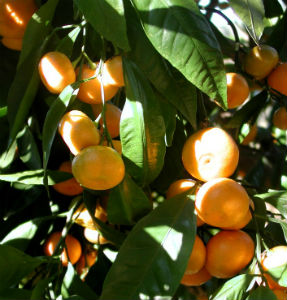 The ordinarily citrus inhaling tangerine fundamental oil is said to have numerous health profits. Initially from China, this crucial oil discovered its route first to Europe then the North America where know they are the most amazing maker of tangerines. Some individuals call it mandarin likewise, the name given by the Chinese. Yet some contended that mandarin and tangerine fit in with diverse species but from the same citrus crew. The Chinese were the first to uncover the numerous health profits of tangerine oil. Actually they were named after the renowned dignitaries and respectability of the then royal China in light of the fact that it was an estimated tree grown foods fit for sovereignty.
  Many Native American tribes relied on the bark of pine trees for its ability to treat a number of disorders. The Annedda pine was called the “tree of life” due to its marvelous healing benefits. Jacques Cartier, a noted explorer in 1535, wrote in his diaries about the early medicinal uses for
  Pine bark extract also helps with eyesight. It is responsible for reducing the risk of and treating diabetic retinopathy. Multiple studies have concluded that it is beneficial in improving night vision. One study even found marked improvement in visual performance in the proanthocyanidin group over a placebo group.