|
Search Term: " Resilience "
The Ultimate Guide to Cellular Longevity: NAD+, Methylation, and Senolytics   
Date:
September 10, 2026 10:57 AM
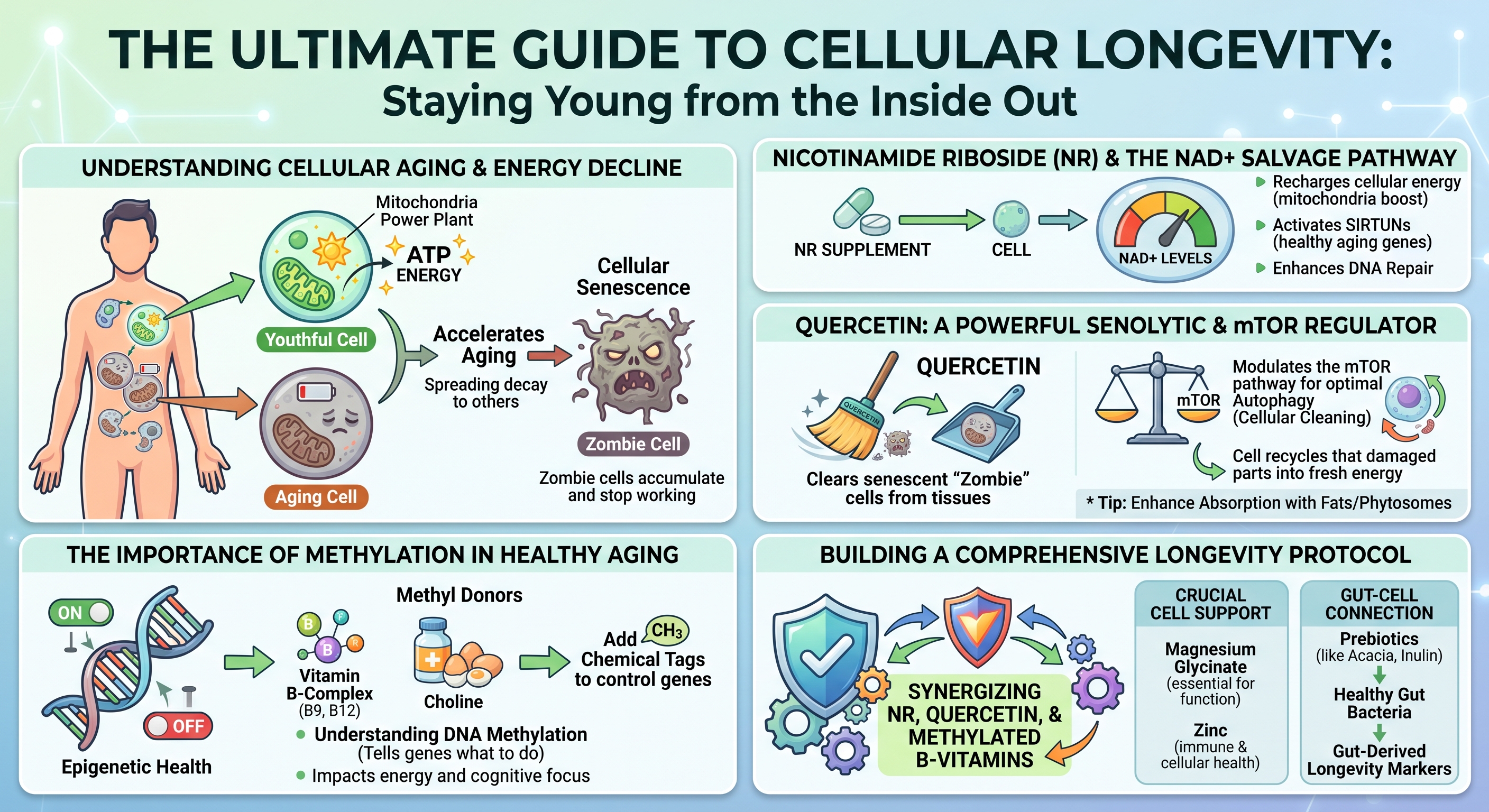
Introduction: Understanding Cellular Aging and Energy DeclineBiological aging represents a progressive decline in cellular maintenance, structural repair, and energy generation. Over decades, tissues experience an attrition of functional reserves, compromised stress Resilience, and persistent low-grade systemic inflammation. At the cellular scale, biological degeneration is driven by a failure to generate bioenergetic fuel, repair genetic code, and clear metabolic waste.Cellular aging is characterized by interconnected biological disruptions known as the hallmarks of aging. These encompass genomic instability, epigenetic alterations, mitochondrial decay, loss of proteostasis, and cellular senescence. Rather than operating as isolated occurrences, these phenomena establish a self-reinforcing degenerative cycle: declining cellular power generation impairs enzymatic genetic repair, promoting the accumulation of damaged cells that enter irreversible growth arrest and poison surrounding healthy tissues. Mitigating cellular aging requires examining how microscopic bioenergetic pathways deteriorate and evaluating how targeted nutritional and biochemical interventions can restore cellular homeostasis. The Role of Mitochondria and ATP ProductionEvery biological function - from muscular contraction to continuous DNA replication - depends on adenosine triphosphate (ATP), the primary biochemical energy currency of living systems. Cells produce the vast majority of this energy within mitochondria through oxidative phosphorylation. Within these specialized organelles, metabolic intermediates derived from dietary carbohydrates and lipids donate high-energy electrons to the electron transport chain. The flow of these electrons across protein complexes establishes an electrochemical proton gradient across the inner mitochondrial membrane, driving ATP synthase to manufacture ATP.A youthful cell functions like an efficient municipal power grid, dynamically matching energetic demands with immediate ATP output. However, as biological aging progresses, mitochondrial efficiency declines. The electron transport chain becomes structurally leaky, inadvertently shedding electrons that react with ambient molecular oxygen to produce reactive oxygen species (ROS). While regulated levels of ROS participate in vital intracellular signaling, chronic excess induces widespread oxidative stress. Mitochondria are exceptionally vulnerable to this oxidative burden because they carry their own circular genetic material, known as mitochondrial DNA (mtDNA). Unlike nuclear DNA, mtDNA lacks the protective shielding of histone proteins and possesses rudimentary repair systems. As a result, mtDNA sustains cumulative oxidative damage, encoding increasingly defective electron transport chain proteins. This dynamic generates a bioenergetic deficit: degraded mitochondria synthesize progressively less ATP while emitting greater volumes of damaging free radicals. Deprived of optimal ATP reserves, cells lack the energy necessary to drive vital enzymatic repair cascades, accelerating structural degeneration and functional exhaustion. How Cellular Senescence Accelerates the Aging ProcessWhen healthy cells confront critical physiological damage - such as severe telomere attrition, persistent DNA double-strand breaks, or oxidative stress - they activate protective cell cycle arrest pathways governed primarily by the p53/p21^CIP1 and p16^INK4a/Rb molecular checkpoints. This defensive shutdown, termed cellular senescence, permanently prevents the replication of potentially premalignant or mutated cells.Senescent cells, colloquially known as "zombie cells," enter a state of permanent growth arrest while actively resisting programmed cell death (apoptosis). Over time, these cells accumulate within adipose depots, skeletal muscle, the vascular endothelium, and major organs, largely because immune surveillance and clearance pathways simultaneously lose functional efficiency. The systemic danger of senescent cells stems from their secretome. Rather than remaining biologically inert, senescent cells develop a hyperactive secretory state termed the Senescence-Associated Secretory Phenotype (SASP). The SASP is a destructive mixture of pro-inflammatory cytokines, chemokines, extracellular matrix-degrading matrix metalloproteinases (MMPs), and reactive oxygen species. Through this toxic secretome, even a small burden of senescent cells can impair whole-tissue architecture. SASP factors degrade surrounding structural proteins, induce insulin resistance in neighboring metabolic cells, and biochemically force adjacent healthy cells into secondary senescence. This persistent paracrine signaling fuels chronic, sterile, low-grade systemic inflammation, termed "inflammaging," which accelerates systemic tissue degeneration and elevates susceptibility to degenerative age-related pathologies. Nicotinamide Riboside (NR) and the NAD+ Salvage PathwayThe Biochemistry of NAD+ Depletion Over TimeNicotinamide adenine dinucleotide (NAD+) is an indispensable coenzyme present in every living cell. NAD+ fulfills a dual biological mandate: it serves as a central redox cofactor that shuttles electrons between cellular metabolic reactions, and it functions as an obligatory consumable substrate for regulatory enzymes that preserve cellular viability. In its redox capacity, NAD+ accepts electrons to form NADH during glycolysis, the tricarboxylic acid (TCA) cycle, and fatty acid beta-oxidation, subsequently donating those electrons to Complex I of the respiratory chain to power ATP synthesis.
The primary enzymatic driver of age-related NAD+ destruction is CD38, a membrane-bound glycohydrolase expressed on immune cells that is upregulated in response to chronic SASP exposure. Concurrently, lifelong genotoxic damage causes persistent activation of Poly(ADP-ribose) polymerase 1 (PARP-1), an enzyme that cleaves the glycosidic bonds of NAD+ to assemble branched poly(ADP-ribose) chains at DNA lesion sites. Because PARP-1 consumes NAD+ without directly recycling the molecule, chronic DNA damage depletes intracellular NAD+ pools, impairing bioenergetics and limiting sirtuin activity. How NR Efficiently Boosts Cellular NAD+ LevelsThe mammalian body maintains its NAD+ supply through three distinct biosynthetic routes: the de novo pathway from dietary L-tryptophan, the Preiss-Handler pathway from nicotinic acid (niacin), and the NAD+ Salvage Pathway. The de novo pathway requires substantial energy expenditure, consuming roughly sixty milligrams of dietary tryptophan to yield a single milligram of NAD+. The Preiss-Handler pathway, while effective, can induce cutaneous prostaglandin-mediated flushing at therapeutic intakes. Consequently, the salvage pathway serves as the primary mechanism for maintaining intracellular NAD+ pools.The salvage pathway recycles the breakdown product nicotinamide (NAM), which is released whenever NAD+-consuming enzymes execute their functions. Under normal conditions, cells convert free nicotinamide into nicotinamide mononucleotide (NMN) via the rate-limiting enzyme nicotinamide phosphoribosyltransferase (NAMPT), after which NMN adenylyltransferases (NMNAT1–3) complete the conversion into NAD+. However, NAMPT expression declines with advancing age, chronic inflammation, and metabolic stress, limiting the recycling capacity of the cell. Nicotinamide Riboside (NR) is a naturally occurring pyridine nucleoside that bypasses this enzymatic bottleneck. Upon cellular entry via equilibrative nucleoside transporters, NR is directly phosphorylated into NMN by nicotinamide riboside kinases (NRK1 and NRK2) using a single molecule of ATP. Because the NRK pathway remains intact and robust across the lifespan, NR provides an efficient alternative entry point into the NAD+ salvage cascade. Clinical evaluations in humans confirm the safety, bioavailability, and pharmacokinetics of oral NR supplementation. Randomized, double-blind, placebo-controlled trials reveal that oral NR chloride produces dose-dependent increases in steady-state whole blood NAD+ concentrations. Dosing regimens of 100 mg, 300 mg, and 1,000 mg daily elevate blood NAD+ levels by approximately 22%, 51%, and up to 142%, respectively, within two weeks of administration, maintaining these elevations throughout continuous use. High-resolution metabolomic analyses also demonstrate parallel elevations in nicotinic acid adenine dinucleotide (NAAD), establishing it as a reliable biomarker of active intracellular NAD+ synthesis without hepatic or systemic toxicity. Sirtuin Activation and DNA Repair MechanismsReplenishing intracellular NAD+ supports functions beyond mitochondrial ATP generation. NAD+ functions as an obligatory cofactor for sirtuins (SIRT1 through SIRT7), a family of class III histone and non-histone protein deacetylases that regulate stress Resilience, metabolic homeostasis, and cell survival. Sirtuins couple the removal of acetyl groups from target lysine residues to the stoichiometric cleavage of NAD+, producing nicotinamide and O-acetyl-ADP-ribose. In states of NAD+ deficiency, sirtuin enzymes remain inactive regardless of cellular demand.In the nucleus, SIRT1 coordinates defense against cellular decline. When activated by restored NAD+ levels, SIRT1 deacetylates peroxisome proliferator-activated receptor-gamma coactivator 1-alpha (PGC-1a), the master transcriptional coactivator of mitochondrial biogenesis. This deacetylation stimulates mitochondrial replication and assembly, expanding functional respiratory capacity. Concurrently, SIRT1 deacetylates the p65 subunit of nuclear factor-kappa B (NF-kB), suppressing the transcription of pro-inflammatory cytokines. In the mitochondria, SIRT3 utilizes NAD+ to deacetylate metabolic enzymes and superoxide dismutase 2 (SOD2), enhancing the organelle's capacity to neutralize reactive oxygen species. At the same time, cellular NAD+ levels directly regulate genomic integrity through PARP-1. When genotoxic stress or oxidative damage induces single- or double-strand DNA breaks, PARP-1 binds to the damaged termini using its zinc-finger domains. Bound PARP-1 hydrolyzes NAD+ to synthesize extensive, negatively charged poly(ADP-ribose) polymers on itself and adjacent histones. This modification relaxes chromatin architecture and establishes an electrostatic scaffold that recruits base excision repair and homologous recombination complexes. Recent discoveries demonstrate close crosstalk between sirtuins and PARP-1 during DNA repair. PARP-1 recruits SIRT1 to double-strand breaks, where SIRT1 deacetylates the chromatin-remodeling ATPase BRG1 to displace nucleosomes and facilitate homologous recombination. However, because PARP-1 and SIRT1 draw from the same intracellular NAD+ pool, severe NAD+ depletion forces a biological compromise: PARP-1 consumes the scarce remaining cofactor to address DNA damage, leaving sirtuins deactivated. Restoring NAD+ via NR prevents this deficit, enabling concurrent genomic repair and sirtuin-mediated metabolic defense. Quercetin: A Powerful Senolytic and mTOR RegulatorClearing Senescent "Zombie" Cells from TissuesThe accumulation of senescent cells has driven interest in senolytics: molecules that selectively eliminate senescent cells while sparing healthy, non-senescent populations. Senolytic agents exploit a specific vulnerability in senescent cells. Because senescent cells produce cytotoxic, pro-inflammatory SASP factors that would normally induce their own death, they become dependent on upregulated Senescent Cell Anti-Apoptotic Pathways (SCAPs) to survive. The SCAP network involves anti-apoptotic proteins (such as BCL-2 and BCL-xL), the PI3K/Akt kinase cascade, and cyclin-dependent kinase inhibitors.Quercetin is a polyphenolic flavonoid found in capers, red onions, apples, and the flower buds of Sophora japonica. Beyond its classical antioxidant properties, quercetin functions as a senolytic compound that exerts multi-target inhibitory effects across the SCAP network. By inhibiting the upstream PI3K/Akt survival axis and downregulating anti-apoptotic defenses, quercetin disrupts the signaling that protects senescent cells from intrinsic apoptosis. Deprived of these survival signals, senescent cells undergo programmed cell death. Preclinical studies demonstrate that senolytic protocols utilizing quercetin - often combined with the tyrosine kinase inhibitor dasatinib - reduce senescent cell burden across multiple tissues. This targeted clearance lowers circulating SASP factors, attenuates tissue fibrosis, restores endothelial reactivity, and improves functional health span. By removing senescent cells, quercetin mitigates the primary driver of chronic, low-grade inflammaging. Modulating the mTOR Pathway for Optimal AutophagyThe mechanistic Target of Rapamycin (mTOR) is an evolutionarily conserved serine/threonine protein kinase that coordinates cellular metabolism by balancing anabolic growth with catabolic recycling. Operating within two multiprotein complexes - mTORC1 and mTORC2 - the mTOR pathway integrates signals from amino acids, growth factors, and intracellular energy levels. In nutrient-rich environments, mTORC1 promotes protein synthesis, lipogenesis, and cellular growth, while suppressing catabolic breakdown. Conversely, nutrient scarcity downregulates mTORC1, activating autophagy.Autophagy is an intracellular degradation system that packages damaged organelles, misfolded protein aggregates, and biological debris into double-membraned autophagosomes for lysosomal degradation and recycling. A specialized branch of this pathway, mitophagy, selectively targets and clears damaged mitochondria. In modern metabolic conditions characterized by continuous caloric intake, mTORC1 can remain persistently active. This persistent signaling suppresses autophagy, causing damaged organelles and toxic aggregates to accumulate within tissues. Quercetin functions as a natural modulator of mTOR signaling. By inhibiting upstream PI3K/Akt signaling and activating intracellular energy sensors, quercetin attenuates overactive mTORC1, mimicking the metabolic effects of caloric restriction. This down-regulation relieves inhibition on the ULK1 autophagy initiation complex, stimulating both general autophagy and mitophagy. As autophagy proceeds, cells clear protein aggregates and eliminate damaged mitochondria, supporting cellular longevity and proteostasis. Enhancing Absorption: Phytosomes and Dietary FatsDespite the biological activities of quercetin identified in experimental models, its clinical translation has historically been limited by poor oral bioavailability. Raw quercetin aglycone is a crystalline, hydrophobic polyphenol with poor solubility in water and gastrointestinal fluids. When ingested in unformulated powder forms, quercetin molecules aggregate in the gut lumen, resisting dissolution and passive absorption. Consequently, the vast majority of an unformulated dose passes into the colon unabsorbed, where it undergoes microbial degradation without reaching meaningful systemic concentrations.To address these pharmacokinetic limitations, advanced delivery systems such as phytosomes were engineered. A phytosome is a 100% food-grade molecular complex where individual polyphenolic molecules are bound to dietary phospholipids, typically sunflower-derived phosphatidylcholine. Unlike a classical liposome - which encapsulates water-soluble compounds inside an aqueous core enclosed by a lipid bilayer - a phytosome forms an amphiphilic complex at the molecular level. The polar head of the phosphatidylcholine molecule forms hydrogen bonds with the hydroxyl groups of the quercetin molecule, while its lipophilic fatty acid tails extend outward. This structural arrangement shields the polar regions of the flavonoid, creating a lipid-compatible complex that integrates smoothly into the intestinal mucosa.
The Importance of Methylation in Healthy AgingVitamin B-Complex and Choline as Essential Methyl DonorsMethylation is an essential biochemical process occurring billions of times each second across all human tissues. It involves the transfer of a single-carbon unit - a methyl group consisting of one carbon atom bound to three hydrogen atoms - (CH3) - from a donor molecule to diverse recipients, including DNA, RNA, structural proteins, neurotransmitters, and membrane phospholipids. This transfer of one-carbon units is coordinated by the methionine-homocysteine cycle, which sustains genetic stability, detoxification pathways, and cellular repair.At the center of this pathway sits S-adenosylmethionine (SAM), the universal methyl donor in human biology. When a methyltransferase enzyme transfers a methyl group from SAM to an acceptor molecule, SAM is converted into S-adenosylhomocysteine (SAH). SAH functions as a potent competitive inhibitor of intracellular methyltransferases. To maintain functional methylation, SAH is rapidly hydrolyzed into homocysteine, a sulfur-containing amino acid that must be remethylated or cleared through transsulfuration. Homocysteine clearance proceeds through two distinct remethylation pathways. The primary route operates across most tissues via the enzyme methionine synthase, which requires vitamin B12 in its active methylcobalamin form. Methionine synthase transfers a methyl group from 5-methyltetrahydrofolate (5-MTHF, the active form of folate) to homocysteine, regenerating methionine. The ongoing production of 5-MTHF depends on the enzyme methylenetetrahydrofolate reductase (MTHFR), which utilizes riboflavin (vitamin B2) as a cofactor. Alternatively, excess homocysteine can be routed into the transsulfuration pathway by vitamin B6 (as pyridoxal-5'-phosphate) to synthesize cystathionine, cysteine, and ultimately the antioxidant glutathione. A secondary remethylation pathway, active predominantly in hepatic and renal tissues, bypasses folate entirely. In this route, dietary choline is oxidized to betaine (trimethylglycine or TMG). The enzyme betaine-homocysteine S-methyltransferase (BHMT) then transfers a methyl group from betaine directly to homocysteine, yielding methionine and dimethylglycine. When dietary intake of active B-vitamins or choline is insufficient, or when genetic variations like MTHFR polymorphisms reduce pathway flux, the methylation cycle slows. Homocysteine accumulates in circulation, promoting vascular and neurological inflammation, while SAM reserves decline, restricting cellular methylation capacity. Understanding DNA Methylation and Epigenetic HealthEvery somatic cell in an organism carries an identical genetic code. Cellular differentiation and tissue-specific functions are governed by the epigenome: a regulatory layer of chemical modifications that dictates gene expression without altering underlying DNA sequences. DNA methylation represents the primary and most stable epigenetic modification. In this process, DNA methyltransferase (DNMT) enzymes utilize methyl groups donated by SAM to add a methyl tag to cytosine bases adjacent to guanine residues, forming 5-methylcytosine within CpG dinucleotide sites.Under physiological conditions, DNA methylation maintains genomic stability and coordinates transcription. Methylation of promoter regions condenses chromatin, repressing transposable elements and silencing genes inappropriate for a given cell type. Conversely, hypomethylated promoters maintain an open chromatin state, allowing transcription factors to bind and initiate gene expression. During biological aging, this epigenetic landscape undergoes progressive dysregulation, a phenomenon termed "epigenetic drift". Aging cells experience global hypomethylation alongside focal hypermethylation of specific gene promoters. Global loss of methyl tags destabilizes the genome, activating retrotransposons and pro-inflammatory pathways. Simultaneously, hypermethylation at targeted promoter sites silences critical tumor suppressor genes and DNA repair complexes. This systematic change in DNA methylation patterns is consistent across populations, allowing researchers to develop molecular "epigenetic clocks". Algorithms such as the Horvath clock, PhenoAge, and GrimAge quantify biological age by profiling the methylation status of specific CpG sites across the genome. These clocks assess whether individuals are aging faster or slower than their chronological years. Ensuring a steady supply of methyl donors and preventing unnecessary SAM depletion supports DNMT activity, maintaining epigenetic patterns and genomic stability. How the Methylation Cycle Impacts Energy and Cognitive FocusBeyond long-term epigenetic regulation, the methylation cycle directly modulates immediate biochemical processes that govern daily energy, neurotransmission, and cognitive focus. Compromised methylation capacity frequently manifests as cognitive slowing, executive fatigue, and reduced physical stamina.A major consumer of methyl reserves is the endogenous synthesis of creatine. Approximately 40% of all SAM-derived methyl groups in the human body are utilized by guanidinoacetate N-methyltransferase (GAMT) in the liver to synthesize creatine. Creatine then translocates to the brain and skeletal muscle, where it is phosphorylated into phosphocreatine. Phosphocreatine functions as a rapid energy buffer, donating a high-energy phosphate group to regenerate ADP into ATP in milliseconds during demanding physical or cognitive tasks. When methyl donor availability falls, endogenous creatine synthesis drops, depleting phosphocreatine reserves and increasing susceptibility to neuromuscular and cognitive fatigue. Methylation is equally central to central nervous system architecture. SAM provides methyl groups to convert phosphatidylethanolamine into phosphatidylcholine, the predominant phospholipid comprising neuronal cell membranes and the myelin sheaths that insulate axons. Intact myelin preserves rapid action potential conduction throughout the nervous system. Furthermore, free choline derived from this pathway is the direct precursor to acetylcholine, the neurotransmitter required for attention, working memory, and learning. The methylation cycle also governs monoamine neurotransmitter metabolism. SAM is required for the synthesis of adrenaline (epinephrine) from noradrenaline, while catechol-O-methyltransferase (COMT) relies on SAM to degrade dopamine and norepinephrine within the prefrontal cortex. Sluggish methylation disrupts this balance, contributing to cognitive fatigue, mood variability, and impaired mental performance. Building a Comprehensive Longevity ProtocolSynergizing NR, Quercetin, and Methylated B-VitaminsLongevity supplementation often falters when single molecules are administered in isolation, ignoring interconnected metabolic pathways. Designing an effective cellular longevity protocol requires combining complementary mechanisms that reinforce one another while preventing secondary metabolic deficits. The combination of Nicotinamide Riboside, Quercetin Phytosome, and Methylated B-Vitamins illustrates this multi-target synergy.This synergy is grounded in the direct biochemical intersection between the NAD+ salvage pathway and the methylation cycle. When high-dose NR is supplemented to boost systemic NAD+, sirtuins and PARP enzymes consume the newly synthesized cofactor, generating substantial quantities of free nicotinamide (NAM). This intracellular nicotinamide faces two primary metabolic fates: it can be recycled back into NAD+ through the NAMPT-dependent salvage loop, or it can be cleared via methylation. When the influx of nicotinamide exceeds salvage recycling capacity, the excess is cleared to avoid feedback inhibition of sirtuin enzymes. To accomplish this, the enzyme nicotinamide N-methyltransferase (NNMT) transfers a methyl group from SAM directly onto nicotinamide, forming 1-methylnicotinamide (1-MNA/MNAM), which is subsequently excreted in urine. Prolonged, high-dose precursor administration without nutritional methyl support can elevate NNMT flux, depleting intracellular SAM reserves. As methyl groups are consumed clearing nicotinamide, the cellular SAM-to-SAH ratio falls, which can elevate circulating homocysteine and reduce methyl availability for DNA methylation and neurotransmitter synthesis. Co-administering a fully methylated B-complex alongside choline or betaine addresses this potential bottleneck. Providing active methyl donors (such as 5-MTHF, methylcobalamin, and betaine) maintains the one-carbon donor pool. Even during increased NNMT activity, SAM pools remain stable, protecting DNA methylation fidelity and maintaining homocysteine within safe parameters. Quercetin reinforces this protocol through complementary mechanisms. By clearing senescent cells and reducing SASP-mediated inflammation, quercetin downregulates CD38, the primary enzyme responsible for age-related NAD+ degradation. Suppressing CD38 prevents unnecessary breakdown of newly synthesized NAD+, enhancing the efficiency of NR supplementation. Furthermore, while NR provides the NAD+ necessary to activate SIRT1-driven mitochondrial biogenesis, quercetin concurrently modulates mTORC1 to stimulate autophagy. This coordinated action ensures that newly generated mitochondria operate in an environment cleared of proteotoxic cellular debris. The Crucial Role of Magnesium Glycinate and Zinc in Cellular FunctionLongevity protocols require essential mineral cofactors to function efficiently. Without adequate divalent minerals acting as enzymatic cofactors and structural stabilizers, metabolic longevity pathways cannot operate at full capacity. Among these, magnesium and zinc are required for cellular repair, genomic stability, and energy production.Magnesium serves as an obligatory cofactor in over 300 enzymatic reactions, primarily through its interaction with ATP. In biological systems, ATP exists predominantly as a chelate with a divalent magnesium ion, forming biologically active Mg2+ -ATP. Every enzymatic reaction that synthesizes, transfers, or consumes cellular energy - including the enzymes of the NAD+ salvage pathway (NRK and NMNAT) and DNA polymerases - strictly requires Mg2+ -ATP as its substrate. Magnesium deficiency impairs these phosphorylation reactions, reducing the cellular utilization of NAD+ precursors. Additionally, magnesium is an essential cofactor for the enzymes that activate dietary B-vitamins into their active forms. Supplying magnesium as magnesium glycinate provides high gastrointestinal bioavailability, minimal laxative effect, and yields glycine to support inhibitory neurotransmission and restful sleep. Zinc serves as a vital structural component for more than 3,000 human transcription factors and enzymatic proteins. Its most prominent structural role in longevity occurs within zinc-finger motifs. These are specialized protein conformations stabilized by a zinc ion coordinated to cysteine and histidine residues. The DNA damage sensor PARP-1 utilizes three zinc-finger domains to identify, track, and physically bind to single- and double-strand DNA breaks. Without adequate intracellular zinc, PARP-1 cannot properly assemble or dock onto damaged chromosomes, impairing DNA repair and increasing genomic instability. Zinc is also an obligatory structural component of copper/zinc superoxide dismutase (Cu/Zn-SOD or SOD1), the primary cytosolic antioxidant enzyme that dismutates superoxide radicals into hydrogen peroxide, protecting mitochondrial membranes and nuclear DNA from premature senescence. Integrating Prebiotics (like Acacia and Inulin) for Gut-Derived Longevity MarkersA comprehensive cellular longevity framework must extend beyond somatic tissues to encompass the gut microbiome. The intestinal microbiome functions as a central regulator of systemic inflammatory tone, immune development, and metabolic signaling. Age-associated dysbiosis - characterized by the loss of beneficial commensals and an overgrowth of pathobionts - frequently leads to breakdown of the intestinal barrier.The gut epithelium consists of a single-cell monolayer sealed by tight junction proteins, including zonula occludens-1 (ZO-1), occludin, and claudins. When this physical barrier is disrupted by poor dietary fiber intake or dysbiosis, gut permeability increases. This allows lipopolysaccharide (LPS), a component of the outer membrane of Gram-negative bacteria, to enter the portal and systemic circulation. The resulting "metabolic endotoxemia" activates Toll-like receptor 4 (TLR4) on immune cells, inducing NF-kB and systemic pro-inflammatory cytokine production. This persistent gut-derived inflammation exacerbates the SASP, accelerates tissue senescence, upregulates CD38, and drains systemic NAD+ reserves.
These short-chain fatty acids, particularly butyrate, exert direct protective effects on systemic longevity. Butyrate provides the primary metabolic fuel for colonic epithelial cells, supplying more than 70% of their baseline energy needs and supporting mitochondrial function within colonocytes. Furthermore, SCFAs upregulate the expression of epithelial tight junction proteins (ZO-1, occludin, and claudin-1), restoring intestinal barrier integrity and preventing the translocation of inflammatory LPS into systemic circulation. Systemically absorbed butyrate also functions as an endogenous histone deacetylase (HDAC) inhibitor, suppressing pro-inflammatory gene expression and supporting regulatory T cell (T_reg) development. Reducing metabolic endotoxemia dampens systemic inflammation, protecting vascular function and preventing premature NAD+ depletion. Conclusion: The Integrated Cellular Longevity MatrixCellular longevity is achieved not by addressing isolated biomarkers in isolation, but by systematically supporting interconnected biological pathways. As bioenergetic capacity declines, cellular senescence accelerates, epigenetic patterns degrade, and gut barrier integrity weakens. A comprehensive approach addresses these biological vulnerabilities simultaneously.
Quercetin Phytosome clears senescent cells and modulates mTORC1, stimulating autophagy while dampening the inflammatory SASP cascade that accelerates CD38-mediated NAD+ destruction. Methylated B-vitamins, active folate, and choline replenish SAM reserves, balancing the methyl requirements of NNMT-mediated nicotinamide clearance, preserving epigenetic DNA methylation, and maintaining neurotransmitter production. Magnesium glycinate and zinc provide the structural and catalytic foundation required for ATP utilization, B-vitamin activation, and PARP-1 zinc-finger DNA repair docking. Finally, prebiotic fibers generate short-chain fatty acids like butyrate, reinforcing the intestinal barrier and preventing metabolic endotoxemia from fueling systemic inflammation. By coordinating energy replenishment, cellular waste clearance, epigenetic maintenance, and the suppression of systemic inflammation, this unified approach directly addresses the underlying drivers of cellular aging to support long-term physiological vitality.
--
(https://vitanetonline.com:443/forums/Index.cfm?CFApp=1&Message_ID=6650) The Silent Deficiency: Why 60% of Americans Are Running on Empty (and How to Fix It) 
Date:
April 15, 2026 02:04 PM
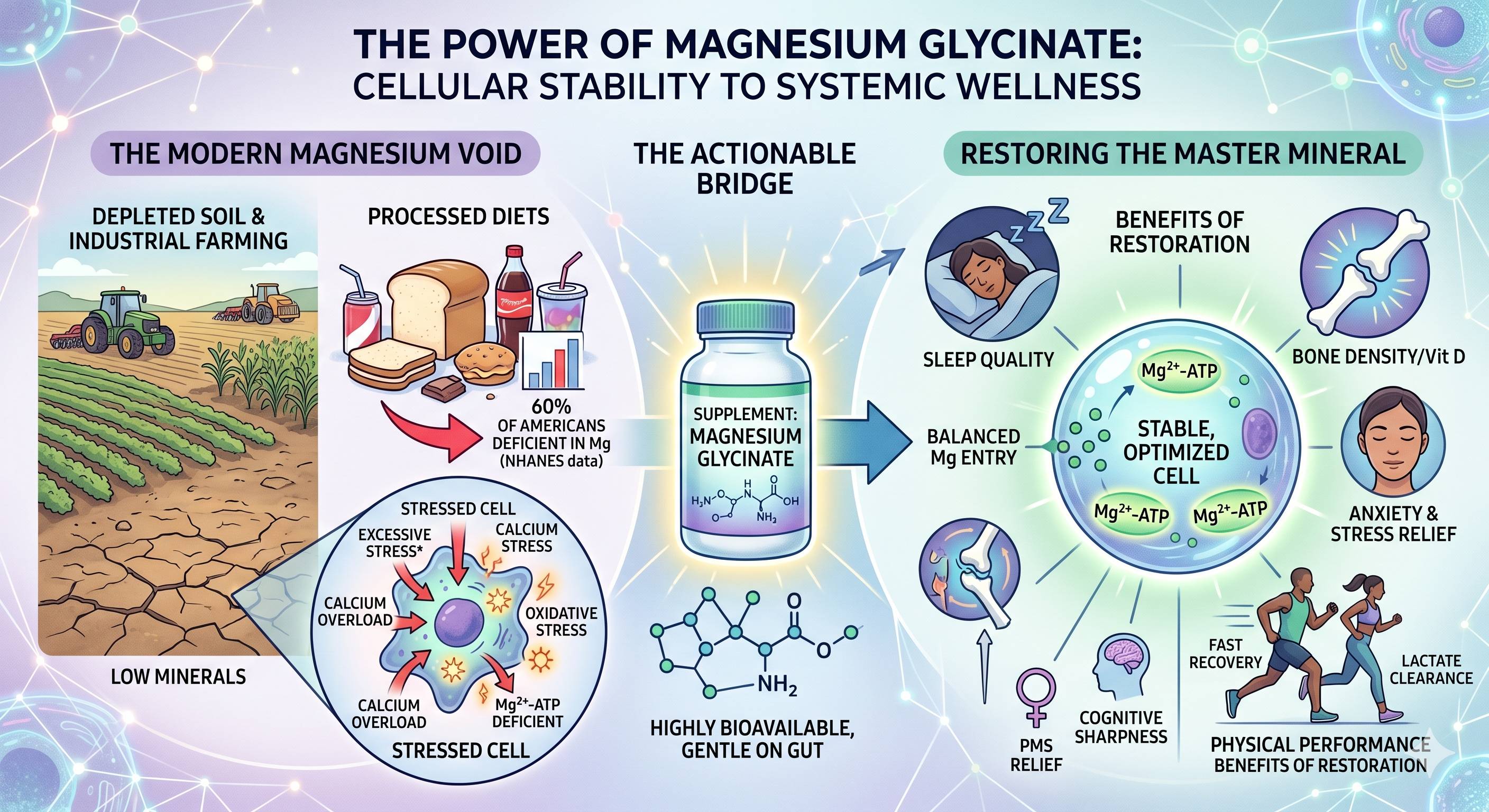
Cellular Stability: The Body's "Brake" SystemAt a cellular level, magnesium is essential for maintaining the structural integrity of membranes. It acts as a natural calcium channel blocker.When you are under stress, your cells can become flooded with calcium, which "excites" the cell. Magnesium sits at the "gate," ensuring that only the necessary amount of calcium enters. Without enough magnesium, cells become hyper-excitable, leading to oxidative stress, inflammation, and even cell death. Furthermore, magnesium is a required co-factor for the production and stability of ATP (adenosine triphosphate), the primary energy currency of the cell. In fact, ATP is usually found in the body as a complex called Mg^2+-ATP. Why Our Modern World is Magnesium-PoorEven if you eat your greens, you might still be coming up short. Here is why:1. Depleted SoilIndustrial farming practices - specifically monocropping and the heavy use of NPK (nitrogen, phosphorus, potassium) fertilizers - have stripped the soil of trace minerals. NPK fertilizers help plants grow tall and look "healthy," but they don't replenish the magnesium that used to be naturally present in the earth. If it’s not in the soil, it’s not in the plant.2. Food ProcessingThe "Standard American Diet" is a magnesium desert. Processing grains to make white flour removes the germ and bran, where the vast majority of magnesium resides. Similarly, refining sugar and oils strips away minerals, leaving us with "empty" calories that actually require more magnesium to metabolize.The "Invisible" DeficiencyHow many Americans are deficient? The statistics are startling. Most nutritional surveys, including NHANES data, suggest that roughly 50% to 60% of the American public do not meet the Recommended Dietary Allowance (RDA) for magnesium.However, many functional medicine experts argue this number is actually higher because the RDA is designed to prevent acute deficiency, not to optimize health. Furthermore, magnesium is stored in bones and soft tissue, not the blood, meaning standard "Serum Magnesium" blood tests often miss a deficiency until it is dangerously low. The Gold Standard: Magnesium GlycinateIf you are looking to supplement, Magnesium Glycinate is widely considered the superior choice.Unlike Magnesium Oxide (which has poor absorption) or Magnesium Citrate (which can have a laxative effect), Magnesium Glycinate is chelated with the amino acid glycine. This makes it:
Benefits of Restoring Magnesium LevelsOnce your cellular "bank account" for magnesium is topped up, the changes can feel transformative:
Further benefits:While we’ve touched on the "big hitters" like sleep and stress, magnesium is involved in over 300 biochemical reactions. When you restore your levels, you’re essentially "re-tuning" several internal systems that may have been glitchy for years.Here are the additional benefits you might notice once your magnesium "tank" is full: Structural & Bone StrengthWe often give calcium all the credit for strong bones, but magnesium is the "manager" that tells calcium where to go.
Hormonal Harmony & PMS ReliefFor women, magnesium is a game-changer for the monthly cycle.
Physical Performance & RecoveryIf you exercise, magnesium is your best friend for "bouncing back."
Cognitive Sharpness & NeuroprotectionRestoring magnesium doesn't just calm the brain; it clears it.
Respiratory EaseMagnesium is a natural bronchodilator.
DNA Integrity & Anti-AgingOn the most microscopic level, magnesium is a "repairman."
Magnesium acts as the body's essential "biological coolant," stabilizing cellular integrity by regulating calcium influx and powering nearly every metabolic process as a co-factor for Mg^2+-ATP. Despite its critical role, more than half of the American population remains chronically deficient, a silent crisis fueled by mineral-depleted industrial soil and the stripping of nutrients during food processing. Transitioning to a high-quality supplement like Magnesium Glycinate offers a superior path to replenishment because its chelated form is both highly bioavailable and gentle on the digestive system. Once levels are restored, the systemic "re-tuning" manifests as a profound shift in well-being, ranging from enhanced sleep quality and stress Resilience to improved bone density, hormonal balance, and DNA repair, effectively moving the body from a state of hyper-excitable stress to one of optimized physiological stability.
(https://vitanetonline.com:443/forums/Index.cfm?CFApp=1&Message_ID=6637) SCFAs Improve Mitochondria Function Throughout The Body
Date:
December 05, 2025 04:06 PM
Quick Summary: How SCFAs Help Mitochondria
Specific Benefits by Body Part1. Skeletal Muscle (Energy & Endurance)
2. Liver (Detox & Metabolism)
3. Brain (Neuroprotection)
4. Brown Adipose Tissue (Fat Burning)
Key Mechanisms
Does boosting Mitochondria boost overall body energy production and help people feel better?Yes, absolutely. Boosting mitochondrial function is one of the most effective ways to increase overall body energy and improve subjective well-being.Since mitochondria produce about 90% of the energy (ATP) your body uses, improving their function is like upgrading the engine in a car: you get more power, better fuel efficiency, and a smoother ride. Here is the breakdown of how boosting mitochondria translates to "feeling better" physically and mentally. 1. The Physical Energy Boost (ATP Production)When you improve mitochondrial density (the number of mitochondria) and efficiency (how well they work), you directly increase your "energy budget."
2. The Mental & Mood Boost (Neurotransmitters)The brain consumes 20% of your body’s energy despite being only 2% of your weight. It is incredibly sensitive to mitochondrial health.
3. How to "Boost" Them (Actionable Science)You can stimulate Mitochondrial Biogenesis (growing new mitochondria) through specific signals:
Connection to your previous questionThis connects directly to the SCFAs we discussed. When your gut produces SCFAs (like butyrate), they travel to your brain and muscles and literally feed these mitochondria, helping them produce this energy.Which specific supplements (like PQQ or CoQ10) have the strongest clinical evidence for triggering mitochondrial biogenesis?This is an exciting area of research because we now have human clinical trials showing we can actually "grow" new mitochondria (biogenesis) and clean out old ones (mitophagy) using specific compounds.Here are the top supplements with the strongest evidence for mitochondrial health, categorized by how they work. 1. The "Biogenesis" Trigger: PQQ (Pyrroloquinoline Quinone)PQQ is currently the gold standard for generating new mitochondria.
2. The "Quality Control" Agent: Urolithin AWhile PQQ builds new engines, Urolithin A recycles the old, broken ones.
3. The "Fuel" Supplier: CoQ10 (Coenzyme Q10)CoQ10 doesn't necessarily build new mitochondria, but the ones you have literally cannot work without it.
4. The "Signal" Booster: Nicotinamide Riboside (NR)This is a form of Vitamin B3 that boosts NAD+ levels.
Summary Table: What should you take?
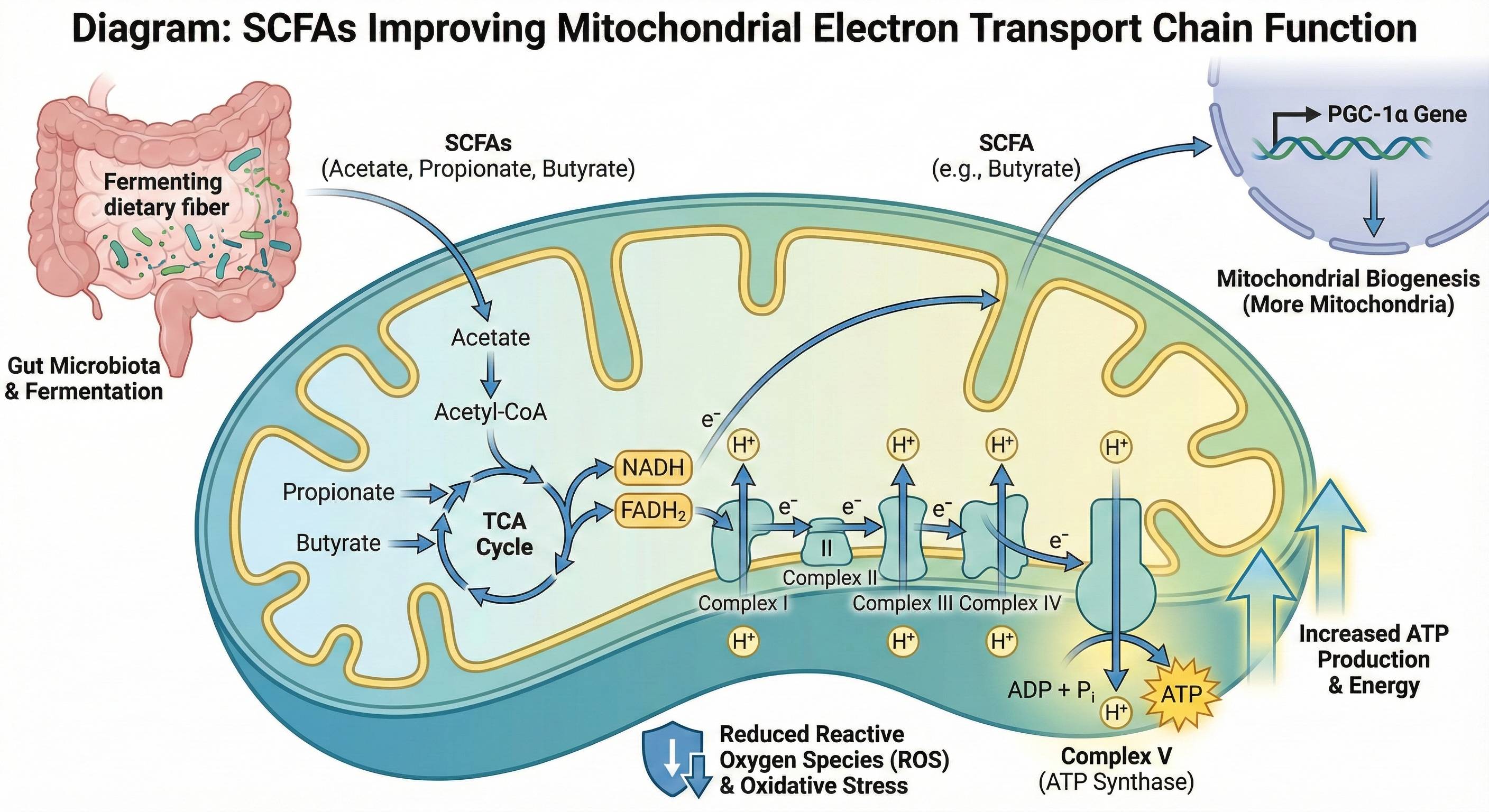
Optimizing mitochondrial health is a systemic strategy that links gut health to overall vitality, largely driven by Short-Chain Fatty Acids (SCFAs) like butyrate, which act as both fuel and signaling agents to enhance energy production in the brain, muscles, and liver. By stimulating mitochondrial biogenesis (the creation of new energy factories via the PGC-1a gene) and fueling the Electron Transport Chain, SCFAs - along with targeted supplements like PQQ, CoQ10, and Urolithin A - directly increase ATP output while simultaneously clearing out damaged cells through mitophagy. This biological upgrade results in tangible benefits, including sustained physical endurance, sharper cognitive focus, and stabilized mood, effectively turning the body’s cells into more efficient engines that produce more power with less oxidative "exhaust."
(https://vitanetonline.com:443/forums/Index.cfm?CFApp=1&Message_ID=6630) Cortisol and Adrenal Balancing Supplements: How to Reduce Cortisol and Fight the Effects of Stress
Date:
May 07, 2022 11:38 AM
Do you feel like stress is constantly wearing you down? It's no wonder, with all the demands on our time and energy. The good news is that there are steps you can take to reduce cortisol and improve your Resilience. One of the most important is to make sure you're getting enough of the nutrients your body needs to stay strong. A cortisol balancing supplement can help make up for any deficiencies and give your body the support it needs to reduce cortisol levels and fight the effects of stress. If you can balance cortisol levels you will have more energy & stamina, be able to manage weight better, boost immunity, support hormone activity, manage blood sugar better, reduce stress and improve mood. The problem of cortisol imbalance and its effects on the body The hormone cortisol is important for many bodily functions, including maintaining blood pressure and regulating metabolism. However, when the body experiences chronic stress, it can produce too much cortisol, leading to a condition known as "cortisol imbalance." Cortisol imbalance can have a number of harmful effects, including weight gain, anxiety, and depression. In extreme cases, it can even lead to adrenal fatigue. Unfortunately, cortisol imbalance is becoming increasingly common in our fast-paced, high-stress world. If you are concerned that you may be suffering from this condition, a supplement formulated to combat stress and high cortisol levels my be what you need. With proper nutrients, it is possible to restore balance to your hormones and improve your overall health. The importance of nutrients in maintaining a healthy balance of cortisol A healthy diet is important for many reasons. It can provide the body with the nutrients it needs to function properly, help to regulate hormone levels, and promote a sense of well-being. Cortisol is a hormone that plays an important role in the body's stress response. When levels of cortisol are too high, it can lead to anxiety, irritability, and difficulty sleeping. Eating foods that are rich in nutrients such as vitamin C, Vitamin B1, B2, B6, B12, Folate, Biotin, pantothenic acid, and DHEA can help to maintain a healthy balance of cortisol in the body. In addition, avoiding processed foods and managing stress levels with exercise can also help to keep cortisol levels in check. Adrenal fatigue Stress is a natural physical and mental response to the demands of life. It is the body's way of preparing to meet a challenge. However, when a person experiences chronic or long-term stress, it can take a toll on their health. Long-term stress can lead to a condition known as adrenal fatigue. This occurs when the adrenal glands become unable to produce adequate amounts of the hormone adrenaline. Cortisol is essential for managing stress and maintaining proper metabolism. When levels are too low, it can cause a variety of symptoms, including fatigue, difficulty concentrating, and difficulty sleeping. In severe cases, adrenal fatigue can also cause depression and anxiety. Adrenal Fatigue and Adrenaplex The adrenal glands are small, but they play a big role in our bodies. When the adrenal glands become fatigued, it can lead to a number of symptoms, including fatigue, trouble sleeping, mood swings, and low blood pressure. While adrenal fatigue is not a diagnosable condition, it is a real phenomenon that can be treated with lifestyle changes and natural supplements. Adrenaplex is one such supplement. This formula contains adaptogenic herbs that help to support the adrenal glands and improve their ability to respond to stress. When Cortisol levels Are balanced You Will Experience:
Though it is possible to treat adrenal fatigue with a cortisol balancing supplement, the best way to prevent it from happening in the first place is by managing stress levels and eating a healthy diet. If you are under a lot of stress, consider adding an adrenal support supplement to your routine. This can help to improve your body's response to stress and keep your hormones in balance. If you are looking for a way to reduce cortisol and the effects of stress, try a cortisol balancing supplement. These supplements help the body reduce cortisol and fight the effects of stress. With proper nutrients, it is possible to restore balance to your hormones and improve your overall health. Try a cortisol balancing supplement today! You may be surprised at how much better you will sleep, wake in the morning, and feel overall!
(https://vitanetonline.com:443/forums/Index.cfm?CFApp=1&Message_ID=6406) Andrographis
Date:
July 30, 2019 02:31 PM
Dear Friends, I believe there’s an essential herb that everyone should be aware of, though not to many realize the powerful benefits of this near miracle botanical. This one nutrient has the ability to strengthen the immune system while also enhancing cardiovascular health, liver and kidney function, joint mobility, and much more. Recent studies have shown this herb to be three times more effective than milk thistle for liver health. And while I know there’s no miracle supplement, that can prevent all disease, there are a growing number of studies to show that this herb can promote overall health and well-being in a tremendous way. This herb, which I respect and hold in high regard, is andrographis. I believe it’s the next up-and-coming superstar in botanical medicine, and for good reason. I am not yet at liberty to give you the full details on a recent study, but I can tell you the results are impressive. The study involved treating three different groups of animals that had cancerous tumors. One group of animals was treated with curcumin, the second group was treated with french grape seed extract, and the third group was treated with andrographis. And while all three herbs were beneficial in this study, andrographis proved to be the most effective in reducing the cancerous tumors in the animals. I can’t wait to share the study details when it’s published. It’s no wonder that andrographis has been used in natural medicine for years, due to its powerful antioxidant, anti-inflammatory, antiviral, antibacterial, antifungal, cancer-preventive, neuroprotective, and immune-stimulating properties. In fact, andrographis is the subject of over 800 studies in the National Institute of Health’s PubMed online database, with more to come! You’ll learn how this amazing herb:
And the benefits don’t stop there. Please take the time to read more at TerryTalksNutrition.com In Good health,
(https://vitanetonline.com:443/forums/Index.cfm?CFApp=1&Message_ID=6342) Take bacopa every day to boost mental clarity
Date:
August 22, 2018 09:53 AM
Are you looking to bolster your brain health in a natural way? Bacopa might be able to help you. It offers many benefits to the brain. For starters, it can make you more durable when dealing with stress. It also can be used to regulate your neurotransmitters. Not only does it improve blood flow to your brain, it also inspires new formations of nerve cells. Finally, it has powerful effects on depression, inflammation, memory and brain elasticity. Key Takeaways:
"Together, these compounds make up eight percent of bacopa’s dry weight. Bacopasides are believed to play essential roles in the benefits that bacopa provides." Read more: https://www.naturalnews.com/2018-08-13-take-bacopa-every-day-to-boost-mental-clarity.html
(https://vitanetonline.com:443/forums/Index.cfm?CFApp=1&Message_ID=5717) The incredible immune booster many have never heard of
Date:
June 24, 2018 05:54 PM
Astragalus, also known as Huangqi or Milkvetch, is a relative of the pea plant with remarkable adaptogenic qualities that can help boost your resilience against various types of physical and mental stress. Astragalus delivers a potent mix of anti inflammatory, antibacterial and immune system-boosting compounds that can help bolster your natural defense system and stimulate production of antibodies. Astragalus is easily grown in the garden in most U.S. regions, and can be prepared for consumption as an oil, tea, tincture, etc. Key Takeaways:
"For medical use, the root is made into powder, herbal decoctions, tea, capsules and ointments." Read more: https://www.healthnutnews.com/the-incredible-immune-booster-many-have-never-heard-of/
(https://vitanetonline.com:443/forums/Index.cfm?CFApp=1&Message_ID=5646) Reducing Age-Related Decline by Boosting Glutathione
Date:
November 26, 2016 04:59 PM
A research team at Oregon State University has determined that glutathione may help ward off toxins that are an underlying cause of aging. Glutathione levels decline with age, which opens the door for a broad range of age-related health issues. High levels of it in conjunction with NAC may help reduce the toxicity of cancer chemotherapies, certain prescription drugs, and treat other health problems. The researchers concluded that Using NAC as a prophylactic, instead of an intervention, may allow glutathione levels to be maintained for detoxification in older adults, Key Takeaways:
"Hagen said that glutathione is such a vital antioxidant that its existence seems to date back as far as oxygen-dependent, or aerobic life itself." Reference:
(https://vitanetonline.com:443/forums/Index.cfm?CFApp=1&Message_ID=3515) Glucosamine Sulfate and Chondroitin Sulfate
Date:
March 28, 2007 11:10 AM
Glucosamine Sulfate and Chondroitin Sulfate Osteoarthritis is the most prevalent form of arthritis in the U.S., according to the Arthritis Foundation. One-third of all American adults have X-ray evidence of osteoarthritis of the hand, foot, knee, or hip. Osteoarthritis is responsible for more than 7 million physician visits per year and is second only to cardiovascular disease as the cause of chronic disability in adults. As Baby Boomers age, the number of people suffering from osteoarthritis is expected to rapidly increase in the next 10 years. While osteoarthritis research ahs led to the development of promising new prescription and over-the-counter medications aimed at reducing pain, none has created the excitement of glucosamine sulfate (GS), which actually addresses the underlying joint destruction. Q. What is osteoarthritis? A. Osteoarthritis is a complex, metabolic disorder of the cartilage and bones of certain joints. However, to fully understand how osteoarthritis develops, we need to understand how joints work. A joint is formed when two or more bones are brought together and held in place by muscles and tendons. Some joints have very little range of movement, such as the joints of the ribs, while others have much more range of movement. Hips, knees, elbows, writs, and thumbs are termed synovial joints, and have the greatest range of movement and mobility of human joints. To allow such mobility, synovial joints have a unique structure. The bones that form synovial joints are covered with cartilage. Tough fibrous tissue encloses the area between the bone ends and is called the joint capsule. The joint cavity within the capsule is lined with an inner membrane, called synovial membrane. The membrane secretes synovial fluid, a thick, slippery fluid that fills the small space around and between the two bones. This fluid contains many substances that lubricate the joint and ease movement. The cartilage of synovial joints serves two very important functions. First, it provides a remarkably smooth weight-bearing surface; synovial joints move easily. Secondly, synovial cartilage serves as a shock absorber, providing a soft, flexible foundation. Healthy cartilage absorbs the force of the energy, transmits the load to the bone, and distributes the mechanical stress created by joint movement. Synovial joints function under almost continual mechanical stress. A joint’s ability to withstand or resist this stress is a reflection of its health. When the mechanical stress is too great or the joint’s ability to resist this stress is compromised, physical changes occur in the cartilage covering the bones. Cartilage is a tough, elastic tissue, comprised mostly of water, collagen, and complex proteins called proteoglycans. In osteoarthritis, the cartilage starts to weaken, becomes frayed, and eventually breaks down. This exposes the bones of the joint, which then rub together. A gritty feeling and grinding sound may occur when an osteoarthritic joint is bent and flexed. As osteoarthritis progresses, bits of bone and cartilage often break off and float inside the joint space. The bones may enlarge, causing the joint to lose its normal shape. Tiny bone spurs may grow on the joints’ sides and edges. These physical changes in the diseased joint are responsible for progressive damage and continual pain. People with osteoarthritis most frequently describe their pain as deep and aching. The pain not only is felt in the affected joint but may also be present in the surrounding and supporting muscles. Joint inflammation also may occur, increasing the already considerable discomfort. Joint stiffness is another unfortunate component of osteoarthritis. Exercising the joint most often results in increased pain; however, stiffness tends to follow periods of inactivity. Humid weather often makes all osteoarthritis symptoms worse. As the disease progresses, the pain may occur even when the joint is at rest, creating sleepless nights and miserable days. Q. What causes osteoarthritis? A. Osteoarthritis’ exact cause remains unknown. Researchers know aging doesn’t appear to cause osteoarthritis. Cartilage in people with the disease show many destructive changes not seen in older persons without the disease. However, certain conditions do seem to trigger osteoarthritis or make it worse. Some families seem to have a lot of osteoarthritis, pointing to a genetic factor. This is most commonly seen in people who have osteoarthritis of the hands. Repeated trauma can contribute to osteoarthritis, too. Athletes, extremely active people, and individuals who have physically demanding jobs often develop the disease. Persons who have certain bone disorders are more prone to osteoarthritis due to the continuous, uneven stress in their hips and knees. Obesity also is a risk factor for the disease. In overweight women, osteoarthritis of the knee is fairly common. Excess pounds also may have a direct metabolic effect on cartilage beyond the effects of increased joint stress. Obese people also often have m ore dense bones. Research has shown dense bones may provide less shock-absorbing function than thinner bones, allowing more direct trauma to the cartilage. Q. Can osteoarthritis be prevented? A. While there is currently no sure way to prevent osteoarthritis or slow its progression, some lifestyle changes may reduce or delay symptoms. The Arthritis Foundation states that maintaining a healthy weight, losing weight if needed, and regular exercise are effective osteoarthritis prevention measures. Optimal calcium intake in younger years is vital to ensure a healthy aging skeletal system. Vitamins A, C, D, and E have been studied for their role in osteoarthritis prevention. These vitamins also have shown benefit in individuals who have osteoarthritis. Q. What treatments are available for osteoarthritis? A. The goal of treatment is to reduce or relieve pain, maintain or improve movement, and minimize any potential permanent disability. Typically, non-steroidal anti-inflammatory drugs or NSAIDs (pronounced “n-sayds”) such as aspirin and ibuprofen are used for pain and inflammation relief. These medications are effective in treating only the pain of osteoarthritis. These medications have many side effects, some of which are serious. NSAID-induced gastrointestinal complications cause more than 100,000 hospitalizations and nearly 16,500 deaths annually in the U.S. Aspirin can cause an extremely annoying and continual ringing in the ears. NSAIDs frequently cause damage to the stomach lining, which can produce uncomfortable heartburn and abdominal pain. Continued NSAID use may lead to the development of stomach ulcers. NSAID-related ulcers can perforate the stomach lining and cause life-threatening bleeding. Most NSAIDs also interfere with blood clotting and may cause kidney damage. When older persons take NSAIDs, dizziness, drowsiness, memory loss, and decreased attention span may occur. Acetaminophen (Tylenol and similar medications) is similar to aspirin and other NSAIDs in its pain-relief abilities. However, acetaminophen doesn’t reduce inflammation. And while acetaminophen doesn’t have the same side effects of aspirin and other NSAIDs, if large doses are taken, liver damage can occur. Newer medications called COX-2 inhibitors provide both pain relief and reduce inflammation without the many side effects of acetaminophen, aspirin, and other NSAIDs. More recent research has indicated that, in certain situations. COX02 inhibitors also can cause stomach lining damage and bleeding. While aspirin, NSAIDs, and COX-2 inhibitors may reduce osteoarthritis pain, they do nothing to stop or slow down cartilage deterioration. In other words, these medications have no effect on the disease itself. That is why many believe glucosamine sulfate (GS) and chondroitin sulfate (CS) are preferable to pain relievers and anti-inflammatory medications in osteoarthritis treatment: they actually improve synovial joint health. And they do this without potentially life-threatening side effects. Q. How do GS and CS work? A. GS improves the health of joints affected by osteoarthritis. This supplement is so effective that even physicians who mostly rely on conventional medications routinely recommend it to their patients with osteoarthritis. In fact, GS is so good at treating osteoarthritis, many physicians use it for their own osteoarthritis joints. There is even more good news. When glucosamine sulfate is combined with low-molecular weight CS, even greater benefits can be achieved. GS and CS are naturally occurring compounds found in human joints. The right GS/CS combination actually reverses damage in joints affected by osteoarthritis, in turn significantly reducing pain and stiffness. Glucosamine occurs naturally in the body and is found in synovial fluid. Glucosamine is a basic building block for proteoglycans, is a basic building block for proteoglycans, one of the important compounds of synovial cartilage. It also is required for the formation of lubricants and protective agents for the joints. In Europe, GS and CS have been used to treat osteoarthritis for more than 10 years. While persons with arthritis felt much better when they took GS and CS, no one really knew how these compounds worked. When European and American researchers first started to study glucosamine, they discovered GS can reduce synovial joint inflammation. This explains why people felt better after taking it. Q. What has additional study of GS and CS revealed? A. As the scientific study of GS progressed, researchers determined it can stimulate the growth of cartilage cells, inhibit proteoglycans breakdown, and rebuild cartilage damaged from osteoarthritis. In other words, GS does not simply make persons with osteoarthritis feel better; GS actually makes persons with osteoarthritis get better. GS is the form of glucosamine used in research. It’s the sulfate salt of glucosamine and breaks down into glucosamine and sulfate ions in the body. The sulfate part of GS plays an important role in proteoglycans synthesis. CS also provides cartilage strength and Resilience. CS is an important component of the cartilage proteoglycans of synovial joints. Because CS helps the production of proteoglycans, researchers believe CS works in a similar nature to GS. Q. Couldn’t GS and CS be taken on their own? Is there any benefit in taking them together? A. Research has discovered GS and CS act synergistically (work well together) in improving joint health. Several studies have investigated this action and it’s recommended that GS and CD be taken together. However, there may be times when your healthcare practitioner may recommend using one or the other, but not both GS and CS together. Please follow their recommendations to obtain the best results for your own unique health concerns. Low-molecular weight chondroitin sulfate (CS) is the preferred CS form, and the form that has shown the most promise in studies. Q. Why is it important to take low-molecular weight CS? A. When CS was first studied, it was given to six healthy volunteers, six patients with rheumatoid arthritis, and six patients with osteoarthritis. Researchers then measured the levels of CS in all study subjects. They found no evidence of CS in any of the subjects. This single study led many physicians and scientists to believe CS can’t be absorbed, and was not an effective natural treatment. However, several other studies in healthy volunteers have reported CS can be absorbed. The distinct difference for these findings is thought to be associated with the types of CS used in the studies. Some forms are much more absorbable that others. This was demonstrated in a recent study using CS with lower molecular weight. A higher absorption is observed for low-molecular weight CS. This means CS products with a low molecular weight may be better absorbed, allowing the CS to get into the bloodstream and the synovial fluid of joints where it’s needed. Q. Are there other supplements that can help osteoarthritis? A. Several vitamins, minerals, enzymes, and natural supplements have benefits for individuals with osteoarthritis. Proteolytic enzymes effectively offer relief of the pain, stiffness, and swelling of osteoarthritis. Folic acid and vitamin B can reduce the number of tender joints and increase joint mobility. Vitamins C, D, and E not only may prevent osteoarthritis, but inhibit the disease’s progression. Niacinamide improves joint function, range of motion, and muscle strength. Clinical studies using the herb Boswellia serrata have yielded good results in osteoarthritis. Application of ointments on osteoarthritic joints may be helpful in reducing pain and stiffness. Menthol-based preparations can provide soothing relief to painful joints. Capsaicin ointments and gel made for cayenne pepper also are very beneficial. When applied to the skin, capsaicin first stimulates, then blocks, nerve fibers that transmit pain messages. Capsaicin depletes nerve fibers of a neurotransmitter called substance P. This neurotransmitter transmits pain messages and activates inflammation in osteoarthritis. Capsaicin ointment is very effective in relieving osteoarthritis pain in many individuals. Q. Is there anything else I can do for joint pain and stiffness? A. When osteoarthritis occurs in the hands, use of a paraffin dip can be very comforting. A licensed health care practitioner can provide information about how to safely use paraffin dips at home. Exercise is an excellent way to keep joints mobile, decrease pain, and increase body strength, too. Water aerobics also can reduce the pressure and stress on joints. The Arthritis Foundation strongly suggests making movement an integral part of your life. When you’re in less pain and have more energy, more range-of-motion, and a better outlook on life, you’ll reduce stress and be a much healthier person despite your osteoarthritis. One important last thought When we don’t feel well, we sometimes have a tendency to self-diagnose. If you haven’t been evaluated by a licensed health care practitioner for your joint pain and stiffness, you need to do so. These symptoms may be caused by other illnesses and may require much different treatment. Only licensed health care practitioner can provide a certain diagnosis of osteoarthritis. Conclusion Osteoarthritis may be a part of life for many of us as we age; however, constant pain and stiffness need not be. GS combined with absorbable CS can actually improve damage in joints affected by osteoarthritis and significantly reduce pain and stiffness. And it can be an empowering way to improve your health. Buy Glucosamine and Chondroitin Sulfate at Vitanet ®, LLC
(https://vitanetonline.com:443/forums/Index.cfm?CFApp=1&Message_ID=1500) Anti-Aging and Antioxidant Protection
Date:
December 19, 2005 09:50 AM
The most effective antiaging program is one that protects and nourishes all of the vital systems that allow us to age in the first place. Our cell structure, immune system, skin and cognition are most significantly affected by the aging process. These supplements each serve a unique purpose, and have shown great promise in providing the essentials needed to attain longevity and vitality.
References:
GliSODin
(https://vitanetonline.com:443/forums/Index.cfm?CFApp=1&Message_ID=1045) RESILIENCE RESCUE ™ SKIN CREAM
Date:
December 19, 2005 09:13 AM
Resilience RESCUE™ SKIN CREAMResilience Rescue™ Hyaluronic Skin Cream - Resilience Rescue™ helps restore the supple elasticity of youthful, healthy skin. A unique pairing of natural nut butters and hyaluronic acid team-up to reclaim the natural moistures and elastin levels that each one of is born with. But this premium formula does more than just moisturize; it penetrates deep below the skin’s surface to deliver the nutrients needed to reignite a healthy, youthful glow. To further promote anti-aging synergy, Resilience Rescue™ also contains MSM
(https://vitanetonline.com:443/forums/Index.cfm?CFApp=1&Message_ID=1040) NEW PRODUCT ANNOUNCEMENT - Hyaluronic Joint Complex
Date:
August 03, 2005 01:27 PM
NEW PRODUCT ANNOUNCEMENTHyaluronic Joint Complex ™ with Glucosamine, Chondroitin and MSM The Next Generation in Joint Formulas!
2 tablets contain: BioCell Collagen is a trademark of Biocell Technology LLC, Newport Beach, California USA (US patent 6,025,327 - other USA and foreign patents pending). OptiMSM is a trademark of Cardinal Nutrition. Suggested Use: 2 tablets twice daily, or as recommended by your health care professional.
(https://vitanetonline.com:443/forums/Index.cfm?CFApp=1&Message_ID=722) Hyaluronic Joint Complex - w/Glucosa, Chondr, & MSM - The Next Generation in Joint Formula 
Date:
June 29, 2005 11:45 AM
Hyaluronic Joint Complex™ with Glucosamine, Chondroitin, and MSM The Next Generation in Joint Formulas Every movement you make requires your joints to help your body flex, bend and twist into that next position. But with time and use, your joints can begin to break down, resulting in discomfort. Source Naturals understands how difficult it is to live with joint discomfort. That’s why we developed HYALURONIC JOINT COMPLEX. This powerful formula combines the most popular, scientifically researched ingredients for joint health—hyaluronic acid, glucosamine, chondroitin, and MSM. Together, these ingredients promote joint, tendon and ligament flexibility and easy joint movement. Joints are cushions made of flexible and protective cartilage—containing outer layers that surround a lubricating fluid. It is this design of your joint and other connective tissues that gives your body structure, height and the ability to move without damaging the bones and muscles that hold you up. HYALURONIC JOINT COMPLEX provides the key nutrients needed to support this complex structure. BioCell Collagen II®—Hyaluronic Acid Hyaluronic acid is a polysaccharide chain found throughout the body. It is a major component of joint tissue that helps to hold lubricating moisture in joints and cartilage, affecting their Resilience, elasticity, and strength. BioCell Collagen II® is a patented hyaluronic acid, which has undergone an absorption enhancing hydrolyzation process that yields low molecular weight hyaluronic acid, chondroitin sulfate, and Collagen Type II peptides, unlike other preparations that have not been hydrolized. The low weight allows these compounds to deliver greater support for your joints. Glucosamine—An Amino Sugar Glucosamine is an amino sugar—a molecule made from an amino acid and a simple sugar. Amino sugars are the basis of virtually all connective tissues and lubricating fluids in the body. Just as amino acids are the building blocks of proteins, amino sugars are the building blocks of giant molecules called glycosaminoglycans (GAG’s), also known as proteoglycans and mucopolysaccharides. GAG’s are large, spongy, water-holding molecules that form the glue that holds us together. This substance is found in all connective tissue and mucous membranes. Numerous double-blind, placebo-controlled studies have examined the positive effects of oral administration of 1,500 mg of glucosamine sulfate-the amount in one daily use of HYALURONIC JOINT COMPLEX. To ensure optimal absorption, this formula contains glucosamine sulfate, N-acetyl glucosamine and glucosamine HCl. Chondroitin Sulfate Chondroitin sulfate is the most abundant GAG in the body. Its main role is in keeping cartilage fluid and elastic. It is found naturally in the body, where it is one of the critical compounds that makes up connective tissue. Connective tissue is responsible for building and supporting cartilage found in the joints and elsewhere. Dietary Sulfur for Joint Lubrication Both glucosamine sulfate and chondroitin sulfate provide an additional source of sulfur, a mineral that is important for healthy connective tissue. HYALURONIC JOINT COMPLEX also features MSM, or methylsulfonylmethane, a naturally occurring form of organic sulfur found in body fluids and tissue, cow’s milk, plants and most natural foods. Sulfur may promote joint flexibility due to its role in supporting joint lubrication and movement. A double-blind, placebo-controlled study evaluated the effects of MSM with promising results. Supporting Ingredients for Joint Health: Manganese Ascorbate and Vitamin C Manganese is involved in the production of a wide variety of enzymes. These enzymes influence such biological processes as the production of collagen and the metabolism of protein and cholesterol. Manganese is also necessary for the growth and maintenance of tissues, cartilage and bones. The manganese ascorbate used in this formula also provides 55% vitamin C. Vitamin C is essential for the production and stability of collagen, the major protein in cartilage and connective tissue. It also protects cells from harmful free radicals. Innovative natural products, such as HYALURONIC JOINT COMPLEX, are an integral part of the Wellness Revolution. Taking personal responsibility for your health is at the heart of this revolution. Your local health food outlet is your source for nutritional education and advanced natural products. Source Naturals is pleased to partner with these outlets to bring you HYALURONIC JOINT COMPLEX—the next generation in joint formulas.
References:
(https://vitanetonline.com:443/forums/Index.cfm?CFApp=1&Message_ID=526) | |||||||||||||||||||||||||||||||||||||||||||||||||||||||||||||||||||||||||||||||||||||||||||||||||||||||||