|
Search Term: " Who "
Optimize Your Blood Flow: Source Naturals Nattokinase (4,000 FU & 8,000 FU)   
Date:
November 04, 2026 05:14 PM
Optimize Your Blood Flow: Source Naturals Nattokinase (4,000 FU & 8,000 FU)Think of your circulatory vessels like household plumbing pipes. Over time, microscopic web-like protein debris called fibrin can accumulate in the bloodstream, slowing natural fluid flow and increasing vascular drag.Nattokinase acts like a precision biological drain sweeper. Derived from traditional Japanese fermented soy (natto), this systemic enzyme actively cleaves excess fibrin mesh to maintain normal blood viscosity, arterial elasticity, and healthy circulation throughout your entire body. Which Strength Is Right for You?
Why Source Naturals NSK-SD® Beats Bargain Brands
Quick Biochemical Usage RuleAlways take nattokinase on an empty stomach with 8 oz of water—ideally at bedtime.If taken with food, the enzyme acts like a digestive aid and breaks down meal proteins instead of entering your vascular system. Nighttime dosing ensures peak systemic enzyme activity when circulation naturally slows during sleep. (Caution: Consult your physician prior to use if taking prescription blood thinners such as warfarin or aspirin, or if scheduled for surgery within 14 days.) Two Easy Ways to Get Yours Today
Need help choosing your dosage? Call us directly at (330) 877-8786 or toll-free at 1-800-877-8702.
(https://vitanetonline.com:443/forums/Index.cfm?CFApp=1&Message_ID=6654) The Secret to Gut Health: Feeding Your Microbiome for Maximum SCFAs 
Date:
September 11, 2026 01:29 PM
Your Complete Guide to Digestive Support: Building a Thriving Gut MicrobiomeWhen we talk about digestive health, the conversation usually stops at taking a daily probiotic or drinking enough water. But true microbiome health goes much deeper. It involves feeding the good bacteria you already have, ensuring your body can properly break down fats, and timing your supplements right.If you want to optimize your digestion, you need to understand how different fibers work, the magic of "postbiotics," and how specialized enzymes keep everything running smoothly. The Magic of Short-Chain Fatty Acids (SCFAs)To understand gut health, you have to understand a process called fermentation. When you eat dietary fiber that your stomach can't digest, it travels down into your colon. There, your gut bacteria feast on it.When these good bacteria eat fiber, they release beneficial byproducts called Short-Chain Fatty Acids (SCFAs) - most notably butyrate, acetate, and propionate. Think of SCFAs as the ultimate super-fuel for your digestive system. They provide the main energy source for the cells lining your colon, helping to keep the gut barrier strong and preventing "leaky gut." SCFAs also help calm inflammation throughout the body and play a massive role in healthy metabolism. But to get these benefits, you have to feed your microbiome the right type of fibers. The Ultimate SCFA-Boosting TrioNot all fibers are created equal. Some just add bulk to your stool, while others are "prebiotics" - meaning they actively feed your good bacteria. To maximize SCFA production, combining different types of prebiotic fibers is incredibly effective.Here is a functional combination that acts as a powerhouse for your microbiome:
Glucomannan vs. Psyllium: Which Fiber is Right for You?If you are looking to supplement with an isolated fiber for digestive support, you will likely encounter two heavyweight contenders: Glucomannan and Psyllium. Both are soluble fibers, meaning they dissolve in water to form a gel in your stomach, but they act a bit differently.
Can You Take Fiber With Vitamins?A very common question is whether you can take your daily fiber supplement alongside your morning vitamins.The short answer is no. You should separate them. Because soluble fibers (like psyllium, glucomannan, and even high doses of acacia) form a thick, sticky gel in your digestive tract, they act like a sponge. If you take them at the exact same time as your daily vitamins or minerals, the fiber can bind to the nutrients. Instead of absorbing those vitamins into your bloodstream, your body will simply sweep them out in your next bowel movement. The Golden Rule: Take your vitamin and mineral supplements at least 1 hour before or 2 hours after taking a heavy fiber supplement. Beyond Fiber: The Benefits of Ox Bile for Fat DigestionFiber takes care of the carbohydrates, but what about the fats? Many people eat a healthy diet but still experience bloating, indigestion, or floating stools after a rich meal. This is often an issue with bile.Bile is a fluid produced by your liver and stored in your gallbladder. When you eat fats, your gallbladder squirts bile into your intestines. Think of bile like dish soap on a greasy frying pan—it emulsifies the fat, breaking it down into tiny droplets so your body can absorb it. If you have had your gallbladder removed, or if your liver is simply sluggish, your body might not release enough bile. This means fats pass through your system undigested, missing out on crucial fat-soluble vitamins (like Vitamins A, D, E, and K). This is where ox bile comes in. Taken as a supplement with meals, ox bile closely mimics human bile. The benefits include:
(https://vitanetonline.com:443/forums/Index.cfm?CFApp=1&Message_ID=6652) The Ultimate Guide to Cellular Longevity: NAD+, Methylation, and Senolytics
Date:
September 10, 2026 10:57 AM
Introduction: Understanding Cellular Aging and Energy DeclineBiological aging represents a progressive decline in cellular maintenance, structural repair, and energy generation. Over decades, tissues experience an attrition of functional reserves, compromised stress resilience, and persistent low-grade systemic inflammation. At the cellular scale, biological degeneration is driven by a failure to generate bioenergetic fuel, repair genetic code, and clear metabolic waste.Cellular aging is characterized by interconnected biological disruptions known as the hallmarks of aging. These encompass genomic instability, epigenetic alterations, mitochondrial decay, loss of proteostasis, and cellular senescence. Rather than operating as isolated occurrences, these phenomena establish a self-reinforcing degenerative cycle: declining cellular power generation impairs enzymatic genetic repair, promoting the accumulation of damaged cells that enter irreversible growth arrest and poison surrounding healthy tissues. Mitigating cellular aging requires examining how microscopic bioenergetic pathways deteriorate and evaluating how targeted nutritional and biochemical interventions can restore cellular homeostasis. The Role of Mitochondria and ATP ProductionEvery biological function - from muscular contraction to continuous DNA replication - depends on adenosine triphosphate (ATP), the primary biochemical energy currency of living systems. Cells produce the vast majority of this energy within mitochondria through oxidative phosphorylation. Within these specialized organelles, metabolic intermediates derived from dietary carbohydrates and lipids donate high-energy electrons to the electron transport chain. The flow of these electrons across protein complexes establishes an electrochemical proton gradient across the inner mitochondrial membrane, driving ATP synthase to manufacture ATP.A youthful cell functions like an efficient municipal power grid, dynamically matching energetic demands with immediate ATP output. However, as biological aging progresses, mitochondrial efficiency declines. The electron transport chain becomes structurally leaky, inadvertently shedding electrons that react with ambient molecular oxygen to produce reactive oxygen species (ROS). While regulated levels of ROS participate in vital intracellular signaling, chronic excess induces widespread oxidative stress. Mitochondria are exceptionally vulnerable to this oxidative burden because they carry their own circular genetic material, known as mitochondrial DNA (mtDNA). Unlike nuclear DNA, mtDNA lacks the protective shielding of histone proteins and possesses rudimentary repair systems. As a result, mtDNA sustains cumulative oxidative damage, encoding increasingly defective electron transport chain proteins. This dynamic generates a bioenergetic deficit: degraded mitochondria synthesize progressively less ATP while emitting greater volumes of damaging free radicals. Deprived of optimal ATP reserves, cells lack the energy necessary to drive vital enzymatic repair cascades, accelerating structural degeneration and functional exhaustion. How Cellular Senescence Accelerates the Aging ProcessWhen healthy cells confront critical physiological damage - such as severe telomere attrition, persistent DNA double-strand breaks, or oxidative stress - they activate protective cell cycle arrest pathways governed primarily by the p53/p21^CIP1 and p16^INK4a/Rb molecular checkpoints. This defensive shutdown, termed cellular senescence, permanently prevents the replication of potentially premalignant or mutated cells.Senescent cells, colloquially known as "zombie cells," enter a state of permanent growth arrest while actively resisting programmed cell death (apoptosis). Over time, these cells accumulate within adipose depots, skeletal muscle, the vascular endothelium, and major organs, largely because immune surveillance and clearance pathways simultaneously lose functional efficiency. The systemic danger of senescent cells stems from their secretome. Rather than remaining biologically inert, senescent cells develop a hyperactive secretory state termed the Senescence-Associated Secretory Phenotype (SASP). The SASP is a destructive mixture of pro-inflammatory cytokines, chemokines, extracellular matrix-degrading matrix metalloproteinases (MMPs), and reactive oxygen species. Through this toxic secretome, even a small burden of senescent cells can impair Whole-tissue architecture. SASP factors degrade surrounding structural proteins, induce insulin resistance in neighboring metabolic cells, and biochemically force adjacent healthy cells into secondary senescence. This persistent paracrine signaling fuels chronic, sterile, low-grade systemic inflammation, termed "inflammaging," which accelerates systemic tissue degeneration and elevates susceptibility to degenerative age-related pathologies. Nicotinamide Riboside (NR) and the NAD+ Salvage PathwayThe Biochemistry of NAD+ Depletion Over TimeNicotinamide adenine dinucleotide (NAD+) is an indispensable coenzyme present in every living cell. NAD+ fulfills a dual biological mandate: it serves as a central redox cofactor that shuttles electrons between cellular metabolic reactions, and it functions as an obligatory consumable substrate for regulatory enzymes that preserve cellular viability. In its redox capacity, NAD+ accepts electrons to form NADH during glycolysis, the tricarboxylic acid (TCA) cycle, and fatty acid beta-oxidation, subsequently donating those electrons to Complex I of the respiratory chain to power ATP synthesis.
The primary enzymatic driver of age-related NAD+ destruction is CD38, a membrane-bound glycohydrolase expressed on immune cells that is upregulated in response to chronic SASP exposure. Concurrently, lifelong genotoxic damage causes persistent activation of Poly(ADP-ribose) polymerase 1 (PARP-1), an enzyme that cleaves the glycosidic bonds of NAD+ to assemble branched poly(ADP-ribose) chains at DNA lesion sites. Because PARP-1 consumes NAD+ without directly recycling the molecule, chronic DNA damage depletes intracellular NAD+ pools, impairing bioenergetics and limiting sirtuin activity. How NR Efficiently Boosts Cellular NAD+ LevelsThe mammalian body maintains its NAD+ supply through three distinct biosynthetic routes: the de novo pathway from dietary L-tryptophan, the Preiss-Handler pathway from nicotinic acid (niacin), and the NAD+ Salvage Pathway. The de novo pathway requires substantial energy expenditure, consuming roughly sixty milligrams of dietary tryptophan to yield a single milligram of NAD+. The Preiss-Handler pathway, while effective, can induce cutaneous prostaglandin-mediated flushing at therapeutic intakes. Consequently, the salvage pathway serves as the primary mechanism for maintaining intracellular NAD+ pools.The salvage pathway recycles the breakdown product nicotinamide (NAM), which is released whenever NAD+-consuming enzymes execute their functions. Under normal conditions, cells convert free nicotinamide into nicotinamide mononucleotide (NMN) via the rate-limiting enzyme nicotinamide phosphoribosyltransferase (NAMPT), after which NMN adenylyltransferases (NMNAT1–3) complete the conversion into NAD+. However, NAMPT expression declines with advancing age, chronic inflammation, and metabolic stress, limiting the recycling capacity of the cell. Nicotinamide Riboside (NR) is a naturally occurring pyridine nucleoside that bypasses this enzymatic bottleneck. Upon cellular entry via equilibrative nucleoside transporters, NR is directly phosphorylated into NMN by nicotinamide riboside kinases (NRK1 and NRK2) using a single molecule of ATP. Because the NRK pathway remains intact and robust across the lifespan, NR provides an efficient alternative entry point into the NAD+ salvage cascade. Clinical evaluations in humans confirm the safety, bioavailability, and pharmacokinetics of oral NR supplementation. Randomized, double-blind, placebo-controlled trials reveal that oral NR chloride produces dose-dependent increases in steady-state Whole blood NAD+ concentrations. Dosing regimens of 100 mg, 300 mg, and 1,000 mg daily elevate blood NAD+ levels by approximately 22%, 51%, and up to 142%, respectively, within two weeks of administration, maintaining these elevations throughout continuous use. High-resolution metabolomic analyses also demonstrate parallel elevations in nicotinic acid adenine dinucleotide (NAAD), establishing it as a reliable biomarker of active intracellular NAD+ synthesis without hepatic or systemic toxicity. Sirtuin Activation and DNA Repair MechanismsReplenishing intracellular NAD+ supports functions beyond mitochondrial ATP generation. NAD+ functions as an obligatory cofactor for sirtuins (SIRT1 through SIRT7), a family of class III histone and non-histone protein deacetylases that regulate stress resilience, metabolic homeostasis, and cell survival. Sirtuins couple the removal of acetyl groups from target lysine residues to the stoichiometric cleavage of NAD+, producing nicotinamide and O-acetyl-ADP-ribose. In states of NAD+ deficiency, sirtuin enzymes remain inactive regardless of cellular demand.In the nucleus, SIRT1 coordinates defense against cellular decline. When activated by restored NAD+ levels, SIRT1 deacetylates peroxisome proliferator-activated receptor-gamma coactivator 1-alpha (PGC-1a), the master transcriptional coactivator of mitochondrial biogenesis. This deacetylation stimulates mitochondrial replication and assembly, expanding functional respiratory capacity. Concurrently, SIRT1 deacetylates the p65 subunit of nuclear factor-kappa B (NF-kB), suppressing the transcription of pro-inflammatory cytokines. In the mitochondria, SIRT3 utilizes NAD+ to deacetylate metabolic enzymes and superoxide dismutase 2 (SOD2), enhancing the organelle's capacity to neutralize reactive oxygen species. At the same time, cellular NAD+ levels directly regulate genomic integrity through PARP-1. When genotoxic stress or oxidative damage induces single- or double-strand DNA breaks, PARP-1 binds to the damaged termini using its zinc-finger domains. Bound PARP-1 hydrolyzes NAD+ to synthesize extensive, negatively charged poly(ADP-ribose) polymers on itself and adjacent histones. This modification relaxes chromatin architecture and establishes an electrostatic scaffold that recruits base excision repair and homologous recombination complexes. Recent discoveries demonstrate close crosstalk between sirtuins and PARP-1 during DNA repair. PARP-1 recruits SIRT1 to double-strand breaks, where SIRT1 deacetylates the chromatin-remodeling ATPase BRG1 to displace nucleosomes and facilitate homologous recombination. However, because PARP-1 and SIRT1 draw from the same intracellular NAD+ pool, severe NAD+ depletion forces a biological compromise: PARP-1 consumes the scarce remaining cofactor to address DNA damage, leaving sirtuins deactivated. Restoring NAD+ via NR prevents this deficit, enabling concurrent genomic repair and sirtuin-mediated metabolic defense. Quercetin: A Powerful Senolytic and mTOR RegulatorClearing Senescent "Zombie" Cells from TissuesThe accumulation of senescent cells has driven interest in senolytics: molecules that selectively eliminate senescent cells while sparing healthy, non-senescent populations. Senolytic agents exploit a specific vulnerability in senescent cells. Because senescent cells produce cytotoxic, pro-inflammatory SASP factors that would normally induce their own death, they become dependent on upregulated Senescent Cell Anti-Apoptotic Pathways (SCAPs) to survive. The SCAP network involves anti-apoptotic proteins (such as BCL-2 and BCL-xL), the PI3K/Akt kinase cascade, and cyclin-dependent kinase inhibitors.Quercetin is a polyphenolic flavonoid found in capers, red onions, apples, and the flower buds of Sophora japonica. Beyond its classical antioxidant properties, quercetin functions as a senolytic compound that exerts multi-target inhibitory effects across the SCAP network. By inhibiting the upstream PI3K/Akt survival axis and downregulating anti-apoptotic defenses, quercetin disrupts the signaling that protects senescent cells from intrinsic apoptosis. Deprived of these survival signals, senescent cells undergo programmed cell death. Preclinical studies demonstrate that senolytic protocols utilizing quercetin - often combined with the tyrosine kinase inhibitor dasatinib - reduce senescent cell burden across multiple tissues. This targeted clearance lowers circulating SASP factors, attenuates tissue fibrosis, restores endothelial reactivity, and improves functional health span. By removing senescent cells, quercetin mitigates the primary driver of chronic, low-grade inflammaging. Modulating the mTOR Pathway for Optimal AutophagyThe mechanistic Target of Rapamycin (mTOR) is an evolutionarily conserved serine/threonine protein kinase that coordinates cellular metabolism by balancing anabolic growth with catabolic recycling. Operating within two multiprotein complexes - mTORC1 and mTORC2 - the mTOR pathway integrates signals from amino acids, growth factors, and intracellular energy levels. In nutrient-rich environments, mTORC1 promotes protein synthesis, lipogenesis, and cellular growth, while suppressing catabolic breakdown. Conversely, nutrient scarcity downregulates mTORC1, activating autophagy.Autophagy is an intracellular degradation system that packages damaged organelles, misfolded protein aggregates, and biological debris into double-membraned autophagosomes for lysosomal degradation and recycling. A specialized branch of this pathway, mitophagy, selectively targets and clears damaged mitochondria. In modern metabolic conditions characterized by continuous caloric intake, mTORC1 can remain persistently active. This persistent signaling suppresses autophagy, causing damaged organelles and toxic aggregates to accumulate within tissues. Quercetin functions as a natural modulator of mTOR signaling. By inhibiting upstream PI3K/Akt signaling and activating intracellular energy sensors, quercetin attenuates overactive mTORC1, mimicking the metabolic effects of caloric restriction. This down-regulation relieves inhibition on the ULK1 autophagy initiation complex, stimulating both general autophagy and mitophagy. As autophagy proceeds, cells clear protein aggregates and eliminate damaged mitochondria, supporting cellular longevity and proteostasis. Enhancing Absorption: Phytosomes and Dietary FatsDespite the biological activities of quercetin identified in experimental models, its clinical translation has historically been limited by poor oral bioavailability. Raw quercetin aglycone is a crystalline, hydrophobic polyphenol with poor solubility in water and gastrointestinal fluids. When ingested in unformulated powder forms, quercetin molecules aggregate in the gut lumen, resisting dissolution and passive absorption. Consequently, the vast majority of an unformulated dose passes into the colon unabsorbed, where it undergoes microbial degradation without reaching meaningful systemic concentrations.To address these pharmacokinetic limitations, advanced delivery systems such as phytosomes were engineered. A phytosome is a 100% food-grade molecular complex where individual polyphenolic molecules are bound to dietary phospholipids, typically sunflower-derived phosphatidylcholine. Unlike a classical liposome - which encapsulates water-soluble compounds inside an aqueous core enclosed by a lipid bilayer - a phytosome forms an amphiphilic complex at the molecular level. The polar head of the phosphatidylcholine molecule forms hydrogen bonds with the hydroxyl groups of the quercetin molecule, while its lipophilic fatty acid tails extend outward. This structural arrangement shields the polar regions of the flavonoid, creating a lipid-compatible complex that integrates smoothly into the intestinal mucosa.
The Importance of Methylation in Healthy AgingVitamin B-Complex and Choline as Essential Methyl DonorsMethylation is an essential biochemical process occurring billions of times each second across all human tissues. It involves the transfer of a single-carbon unit - a methyl group consisting of one carbon atom bound to three hydrogen atoms - (CH3) - from a donor molecule to diverse recipients, including DNA, RNA, structural proteins, neurotransmitters, and membrane phospholipids. This transfer of one-carbon units is coordinated by the methionine-homocysteine cycle, which sustains genetic stability, detoxification pathways, and cellular repair.At the center of this pathway sits S-adenosylmethionine (SAM), the universal methyl donor in human biology. When a methyltransferase enzyme transfers a methyl group from SAM to an acceptor molecule, SAM is converted into S-adenosylhomocysteine (SAH). SAH functions as a potent competitive inhibitor of intracellular methyltransferases. To maintain functional methylation, SAH is rapidly hydrolyzed into homocysteine, a sulfur-containing amino acid that must be remethylated or cleared through transsulfuration. Homocysteine clearance proceeds through two distinct remethylation pathways. The primary route operates across most tissues via the enzyme methionine synthase, which requires vitamin B12 in its active methylcobalamin form. Methionine synthase transfers a methyl group from 5-methyltetrahydrofolate (5-MTHF, the active form of folate) to homocysteine, regenerating methionine. The ongoing production of 5-MTHF depends on the enzyme methylenetetrahydrofolate reductase (MTHFR), which utilizes riboflavin (vitamin B2) as a cofactor. Alternatively, excess homocysteine can be routed into the transsulfuration pathway by vitamin B6 (as pyridoxal-5'-phosphate) to synthesize cystathionine, cysteine, and ultimately the antioxidant glutathione. A secondary remethylation pathway, active predominantly in hepatic and renal tissues, bypasses folate entirely. In this route, dietary choline is oxidized to betaine (trimethylglycine or TMG). The enzyme betaine-homocysteine S-methyltransferase (BHMT) then transfers a methyl group from betaine directly to homocysteine, yielding methionine and dimethylglycine. When dietary intake of active B-vitamins or choline is insufficient, or when genetic variations like MTHFR polymorphisms reduce pathway flux, the methylation cycle slows. Homocysteine accumulates in circulation, promoting vascular and neurological inflammation, while SAM reserves decline, restricting cellular methylation capacity. Understanding DNA Methylation and Epigenetic HealthEvery somatic cell in an organism carries an identical genetic code. Cellular differentiation and tissue-specific functions are governed by the epigenome: a regulatory layer of chemical modifications that dictates gene expression without altering underlying DNA sequences. DNA methylation represents the primary and most stable epigenetic modification. In this process, DNA methyltransferase (DNMT) enzymes utilize methyl groups donated by SAM to add a methyl tag to cytosine bases adjacent to guanine residues, forming 5-methylcytosine within CpG dinucleotide sites.Under physiological conditions, DNA methylation maintains genomic stability and coordinates transcription. Methylation of promoter regions condenses chromatin, repressing transposable elements and silencing genes inappropriate for a given cell type. Conversely, hypomethylated promoters maintain an open chromatin state, allowing transcription factors to bind and initiate gene expression. During biological aging, this epigenetic landscape undergoes progressive dysregulation, a phenomenon termed "epigenetic drift". Aging cells experience global hypomethylation alongside focal hypermethylation of specific gene promoters. Global loss of methyl tags destabilizes the genome, activating retrotransposons and pro-inflammatory pathways. Simultaneously, hypermethylation at targeted promoter sites silences critical tumor suppressor genes and DNA repair complexes. This systematic change in DNA methylation patterns is consistent across populations, allowing researchers to develop molecular "epigenetic clocks". Algorithms such as the Horvath clock, PhenoAge, and GrimAge quantify biological age by profiling the methylation status of specific CpG sites across the genome. These clocks assess whether individuals are aging faster or slower than their chronological years. Ensuring a steady supply of methyl donors and preventing unnecessary SAM depletion supports DNMT activity, maintaining epigenetic patterns and genomic stability. How the Methylation Cycle Impacts Energy and Cognitive FocusBeyond long-term epigenetic regulation, the methylation cycle directly modulates immediate biochemical processes that govern daily energy, neurotransmission, and cognitive focus. Compromised methylation capacity frequently manifests as cognitive slowing, executive fatigue, and reduced physical stamina.A major consumer of methyl reserves is the endogenous synthesis of creatine. Approximately 40% of all SAM-derived methyl groups in the human body are utilized by guanidinoacetate N-methyltransferase (GAMT) in the liver to synthesize creatine. Creatine then translocates to the brain and skeletal muscle, where it is phosphorylated into phosphocreatine. Phosphocreatine functions as a rapid energy buffer, donating a high-energy phosphate group to regenerate ADP into ATP in milliseconds during demanding physical or cognitive tasks. When methyl donor availability falls, endogenous creatine synthesis drops, depleting phosphocreatine reserves and increasing susceptibility to neuromuscular and cognitive fatigue. Methylation is equally central to central nervous system architecture. SAM provides methyl groups to convert phosphatidylethanolamine into phosphatidylcholine, the predominant phospholipid comprising neuronal cell membranes and the myelin sheaths that insulate axons. Intact myelin preserves rapid action potential conduction throughout the nervous system. Furthermore, free choline derived from this pathway is the direct precursor to acetylcholine, the neurotransmitter required for attention, working memory, and learning. The methylation cycle also governs monoamine neurotransmitter metabolism. SAM is required for the synthesis of adrenaline (epinephrine) from noradrenaline, while catechol-O-methyltransferase (COMT) relies on SAM to degrade dopamine and norepinephrine within the prefrontal cortex. Sluggish methylation disrupts this balance, contributing to cognitive fatigue, mood variability, and impaired mental performance. Building a Comprehensive Longevity ProtocolSynergizing NR, Quercetin, and Methylated B-VitaminsLongevity supplementation often falters when single molecules are administered in isolation, ignoring interconnected metabolic pathways. Designing an effective cellular longevity protocol requires combining complementary mechanisms that reinforce one another while preventing secondary metabolic deficits. The combination of Nicotinamide Riboside, Quercetin Phytosome, and Methylated B-Vitamins illustrates this multi-target synergy.This synergy is grounded in the direct biochemical intersection between the NAD+ salvage pathway and the methylation cycle. When high-dose NR is supplemented to boost systemic NAD+, sirtuins and PARP enzymes consume the newly synthesized cofactor, generating substantial quantities of free nicotinamide (NAM). This intracellular nicotinamide faces two primary metabolic fates: it can be recycled back into NAD+ through the NAMPT-dependent salvage loop, or it can be cleared via methylation. When the influx of nicotinamide exceeds salvage recycling capacity, the excess is cleared to avoid feedback inhibition of sirtuin enzymes. To accomplish this, the enzyme nicotinamide N-methyltransferase (NNMT) transfers a methyl group from SAM directly onto nicotinamide, forming 1-methylnicotinamide (1-MNA/MNAM), which is subsequently excreted in urine. Prolonged, high-dose precursor administration without nutritional methyl support can elevate NNMT flux, depleting intracellular SAM reserves. As methyl groups are consumed clearing nicotinamide, the cellular SAM-to-SAH ratio falls, which can elevate circulating homocysteine and reduce methyl availability for DNA methylation and neurotransmitter synthesis. Co-administering a fully methylated B-complex alongside choline or betaine addresses this potential bottleneck. Providing active methyl donors (such as 5-MTHF, methylcobalamin, and betaine) maintains the one-carbon donor pool. Even during increased NNMT activity, SAM pools remain stable, protecting DNA methylation fidelity and maintaining homocysteine within safe parameters. Quercetin reinforces this protocol through complementary mechanisms. By clearing senescent cells and reducing SASP-mediated inflammation, quercetin downregulates CD38, the primary enzyme responsible for age-related NAD+ degradation. Suppressing CD38 prevents unnecessary breakdown of newly synthesized NAD+, enhancing the efficiency of NR supplementation. Furthermore, while NR provides the NAD+ necessary to activate SIRT1-driven mitochondrial biogenesis, quercetin concurrently modulates mTORC1 to stimulate autophagy. This coordinated action ensures that newly generated mitochondria operate in an environment cleared of proteotoxic cellular debris. The Crucial Role of Magnesium Glycinate and Zinc in Cellular FunctionLongevity protocols require essential mineral cofactors to function efficiently. Without adequate divalent minerals acting as enzymatic cofactors and structural stabilizers, metabolic longevity pathways cannot operate at full capacity. Among these, magnesium and zinc are required for cellular repair, genomic stability, and energy production.Magnesium serves as an obligatory cofactor in over 300 enzymatic reactions, primarily through its interaction with ATP. In biological systems, ATP exists predominantly as a chelate with a divalent magnesium ion, forming biologically active Mg2+ -ATP. Every enzymatic reaction that synthesizes, transfers, or consumes cellular energy - including the enzymes of the NAD+ salvage pathway (NRK and NMNAT) and DNA polymerases - strictly requires Mg2+ -ATP as its substrate. Magnesium deficiency impairs these phosphorylation reactions, reducing the cellular utilization of NAD+ precursors. Additionally, magnesium is an essential cofactor for the enzymes that activate dietary B-vitamins into their active forms. Supplying magnesium as magnesium glycinate provides high gastrointestinal bioavailability, minimal laxative effect, and yields glycine to support inhibitory neurotransmission and restful sleep. Zinc serves as a vital structural component for more than 3,000 human transcription factors and enzymatic proteins. Its most prominent structural role in longevity occurs within zinc-finger motifs. These are specialized protein conformations stabilized by a zinc ion coordinated to cysteine and histidine residues. The DNA damage sensor PARP-1 utilizes three zinc-finger domains to identify, track, and physically bind to single- and double-strand DNA breaks. Without adequate intracellular zinc, PARP-1 cannot properly assemble or dock onto damaged chromosomes, impairing DNA repair and increasing genomic instability. Zinc is also an obligatory structural component of copper/zinc superoxide dismutase (Cu/Zn-SOD or SOD1), the primary cytosolic antioxidant enzyme that dismutates superoxide radicals into hydrogen peroxide, protecting mitochondrial membranes and nuclear DNA from premature senescence. Integrating Prebiotics (like Acacia and Inulin) for Gut-Derived Longevity MarkersA comprehensive cellular longevity framework must extend beyond somatic tissues to encompass the gut microbiome. The intestinal microbiome functions as a central regulator of systemic inflammatory tone, immune development, and metabolic signaling. Age-associated dysbiosis - characterized by the loss of beneficial commensals and an overgrowth of pathobionts - frequently leads to breakdown of the intestinal barrier.The gut epithelium consists of a single-cell monolayer sealed by tight junction proteins, including zonula occludens-1 (ZO-1), occludin, and claudins. When this physical barrier is disrupted by poor dietary fiber intake or dysbiosis, gut permeability increases. This allows lipopolysaccharide (LPS), a component of the outer membrane of Gram-negative bacteria, to enter the portal and systemic circulation. The resulting "metabolic endotoxemia" activates Toll-like receptor 4 (TLR4) on immune cells, inducing NF-kB and systemic pro-inflammatory cytokine production. This persistent gut-derived inflammation exacerbates the SASP, accelerates tissue senescence, upregulates CD38, and drains systemic NAD+ reserves.
These short-chain fatty acids, particularly butyrate, exert direct protective effects on systemic longevity. Butyrate provides the primary metabolic fuel for colonic epithelial cells, supplying more than 70% of their baseline energy needs and supporting mitochondrial function within colonocytes. Furthermore, SCFAs upregulate the expression of epithelial tight junction proteins (ZO-1, occludin, and claudin-1), restoring intestinal barrier integrity and preventing the translocation of inflammatory LPS into systemic circulation. Systemically absorbed butyrate also functions as an endogenous histone deacetylase (HDAC) inhibitor, suppressing pro-inflammatory gene expression and supporting regulatory T cell (T_reg) development. Reducing metabolic endotoxemia dampens systemic inflammation, protecting vascular function and preventing premature NAD+ depletion. Conclusion: The Integrated Cellular Longevity MatrixCellular longevity is achieved not by addressing isolated biomarkers in isolation, but by systematically supporting interconnected biological pathways. As bioenergetic capacity declines, cellular senescence accelerates, epigenetic patterns degrade, and gut barrier integrity weakens. A comprehensive approach addresses these biological vulnerabilities simultaneously.
Quercetin Phytosome clears senescent cells and modulates mTORC1, stimulating autophagy while dampening the inflammatory SASP cascade that accelerates CD38-mediated NAD+ destruction. Methylated B-vitamins, active folate, and choline replenish SAM reserves, balancing the methyl requirements of NNMT-mediated nicotinamide clearance, preserving epigenetic DNA methylation, and maintaining neurotransmitter production. Magnesium glycinate and zinc provide the structural and catalytic foundation required for ATP utilization, B-vitamin activation, and PARP-1 zinc-finger DNA repair docking. Finally, prebiotic fibers generate short-chain fatty acids like butyrate, reinforcing the intestinal barrier and preventing metabolic endotoxemia from fueling systemic inflammation. By coordinating energy replenishment, cellular waste clearance, epigenetic maintenance, and the suppression of systemic inflammation, this unified approach directly addresses the underlying drivers of cellular aging to support long-term physiological vitality.
--
(https://vitanetonline.com:443/forums/Index.cfm?CFApp=1&Message_ID=6650) The Gut Health Blueprint: How Zhou Nutrition Combines Prebiotic Fiber and Superfood Greens
Date:
August 26, 2026 01:25 PM
The foundation of effective gut support starts with a dual-action fiber blend of psyllium husk and resistant potato starch. Psyllium husk acts like a gentle, natural broom, absorbing water to form a soft gel that sweeps metabolic waste smoothly through the intestines and supports effortless regularity. Meanwhile, resistant potato starch bypasses early digestion to travel deep into the colon. Once there, friendly bacteria feast on it and produce short-chain fatty acids like butyrate - the primary fuel that repairs and strengthens the cells lining your intestinal wall to keep your gut barrier tight and protected. Adding a vibrant spectrum of organic greens, microalgae, and botanicals takes digestive wellness to the next level. Living cereal grasses - including barley grass, wheatgrass, oat grass, and alfalfa - deliver soothing chlorophyll, trace minerals, and natural plant enzymes that help maintain a balanced internal pH. When paired with nutrient-packed kale, cell-cleansing spirulina and chlorella, immune-fortifying astragalus root, and refreshing lemon juice, this formula helps calm gut irritation, stimulates natural digestive fluids, and creates the ultimate nourishing habitat for your microbiome to flourish. Key Benefits
(https://vitanetonline.com:443/forums/Index.cfm?CFApp=1&Message_ID=6647) Is Your Cinnamon Causing Inflammation? The Hidden Risks of a Common Spice
Date:
July 16, 2026 05:28 PM
Cinnamon is widely praised for its ability to improve cellular glucose uptake and support insulin sensitivity, but the direct answer is yes - under specific conditions, consuming cinnamon can cause or trigger inflammation. While cinnamon naturally contains powerful anti-inflammatory polyphenols (like cinnamaldehyde), its potential to drive inflammation boils down to two distinct triggers: the specific variety you ingest, and your individual immune response to its volatile oils. 1. Coumarin-Induced Liver InflammationThe primary metabolic risk stems from Cassia cinnamon, which is the standard, inexpensive variety found on most grocery store spice racks. Cassia contains significant concentrations of a naturally occurring compound called coumarin.
2. Contact Hypersensitivity (Cinnamon Stomatitis)Cinnamaldehyde gives cinnamon its signature warmth and flavor, but it is also a documented contact allergen.
3. Gastrointestinal Mucosal IrritationBecause concentrated spice powders contain highly concentrated volatile oils, taking large doses on an empty stomach can physically irritate the delicate mucous lining of the upper gastrointestinal tract. This localized chemical irritation can mimic or exacerbate inflammatory discomfort in the stomach wall, resulting in heartburn, acid reflux, or cramping.Mitigating the Risk: Ceylon vs. CassiaIf you are leveraging cinnamon as a daily tool for metabolic health and blood sugar management, switching to Ceylon cinnamon (often labeled as "True Cinnamon") fundamentally changes its biochemical impact.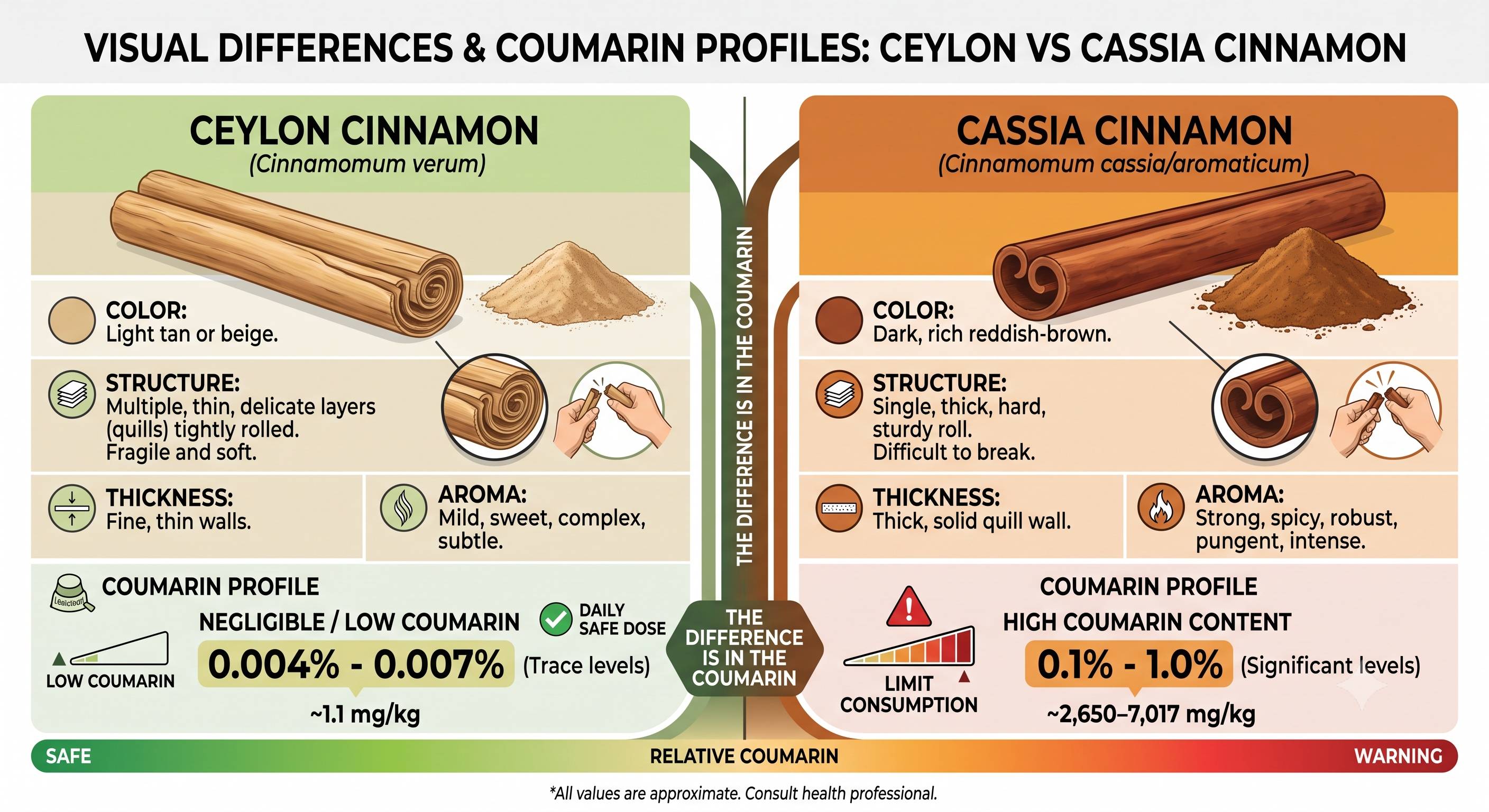
While cinnamon is highly regarded for improving insulin sensitivity and managing blood sugar, it can paradoxically trigger inflammation under specific conditions. The primary systemic risk stems from Cassia cinnamon, the common grocery store variety, which contains high concentrations of a compound called coumarin. When consumed regularly or in large therapeutic doses, coumarin can overwhelm the liver's metabolic pathways, leading to elevated liver enzymes and acute hepatic inflammation. Beyond liver toxicity, cinnamon can also incite localized inflammation; its volatile oil, cinnamaldehyde, can induce a Type IV delayed hypersensitivity reaction known as contact stomatitis - causing painful burning and swelling in the mouth - while concentrated doses can physically irritate the gastrointestinal lining. To safely harness the metabolic benefits of the spice without triggering these inflammatory responses, switching to Ceylon cinnamon ("true cinnamon") is the most effective strategy. Systemically, Ceylon contains only trace, negligible levels of coumarin (0.004% to 0.007%), making it safe for daily medicinal dosing, whereas Cassia contains significant levels (up to 1.0%) that require strict consumption limits to avoid toxicity. Visually and structurally, the two varieties are distinctly different: Ceylon features a light tan color with multiple thin, fragile, and tightly rolled layers, while Cassia is characterized by a dark reddish-brown hue and a single, thick, hard quill that is difficult to break.
(https://vitanetonline.com:443/forums/Index.cfm?CFApp=1&Message_ID=6645) Does Methylation Effect Active Vitamin D3 Levels in the body?
Date:
July 08, 2026 12:43 PM
Yes, methylation directly and significantly impacts how efficiently your body converts Vitamin D3 into its active, usable form. This relationship operates on two distinct levels: epigenetic DNA methylation (which acts as a volume knob for the conversion enzymes) and the cellular methylation cycle (which shares a profound reciprocal feedback loop with active Vitamin D). To see exactly where methylation interferes, it helps to look at the standard two-step activation pathway:
1. DNA Methylation (The Epigenetic "Dimmer Switch")DNA methylation is an epigenetic mechanism where methyl groups are attached to a gene's promoter region, typically silencing or "turning down" its expression.
2. The Systemic Methylation Cycle Feedback LoopWhile S-adenosylmethionine (SAMe) is not a direct chemical cofactor required for the hydroxylation reactions themselves (which rely on NADPH and the cytochrome P450 enzyme network), the systemic methylation cycle and Vitamin D share a massive reciprocal cross-talk mechanism.
The Vitamin D "Non-Responder": Is Your DNA Dimming Your Supplement’s Power? Yes, higher active Vitamin D3 levels consistently cause homocysteine levels to drop. Large-scale observational studies and gold-standard randomized controlled trials (RCTs) confirm a distinct, inverse relationship: as your Vitamin D status optimizes, circulating total homocysteine decreases. When active D3 binds to the Vitamin D Receptor (VDR), it triggers specific genetic and cellular actions that clear homocysteine through multiple pathways. The Biological MechanismsActive Vitamin D doesn’t just lower homocysteine through one pathway; it exerts a multi-pronged push to keep the toxic amino acid from accumulating.1. Upregulation of Methionine Synthase (MTR)While active D3 supports the alternative BHMT (betaine) pathway, recent molecular research highlights an even more direct impact on the primary, folate-dependent remethylation loop.
2. Safeguarding Enzyme Function via Oxidative Stress ReductionThe primary enzyme responsible for clearing homocysteine, Methionine Synthase, is incredibly sensitive to oxidative stress. Under high inflammation or oxidative conditions, the cobalt atom at the heart of its B12 cofactor becomes oxidized, completely disabling the enzyme and causing a major homocysteine backup.
3. Preserving Liver and Kidney FunctionThe alternative remethylation pathway, BHMT, operates almost exclusively in the liver and kidneys. If these organs experience structural or metabolic strain, their capacity to process homocysteine drops drastically. Active Vitamin D protects hepatic and renal tissue architecture, ensuring the local cellular machinery required for the betaine-homocysteine conversion remains functional.What the Clinical Trials ShowIn human trials, the drop isn't just theoretical - it's highly measurable.The Clinical Evidence: In double-blind, randomized, placebo-controlled trials, individuals with low baseline Vitamin D and elevated homocysteine were given high-dose Vitamin D3 (e.g., 50,000 IU weekly) over a two-month period. The treatment groups consistently showed statistically significant drops in total serum homocysteine, alongside reductions in body mass index (BMI) and systemic inflammatory markers, while the placebo groups saw no change. If someone is dealing with stubborn hyperhomocysteinemia (elevated homocysteine) and pushing hard on methylated B-vitamins (like methylfolate and TMG/betaine) without seeing their numbers budge, a hidden Vitamin D deficiency or a high-methylation genetic barrier at the CYP2R1 liver enzyme is very frequently the missing link. Summary: The relationship between Vitamin D3 activation and the body's biochemical pathways operates as a highly coordinated, reciprocal feedback loop. On an epigenetic level, DNA methylation acts like a cellular dimmer switch for the liver enzyme CYP2R1, which is responsible for converting raw D3 into its circulating form. When the promoter region of this gene is heavily methylated, enzyme production is suppressed, explaining why some individuals act as clinical "non-responders" Who struggle to raise their blood levels even with high-dose supplementation. Once Vitamin D is successfully activated, however, it turns around and directly reinforces the systemic methylation cycle by binding to the Vitamin D Receptor (VDR) and upregulating the BHMT gene, which is vital for maintaining the body's universal methyl donor (SAMe) pool. Conversely, maintaining robust levels of active Vitamin D3 plays a direct, clinically proven role in forcing circulating homocysteine levels to drop. When active D3 binds to its receptor, it triggers a multi-pronged clearance strategy by activating the Nrf2 cellular defense pathway, which upregulates Methionine Synthase (MTR) - the primary enzyme that converts toxic homocysteine back into harmless methionine. Furthermore, by acting as a powerful systemic anti-inflammatory, active Vitamin D lowers the oxidative stress that would otherwise oxidize and disable the delicate B12 cofactors inside these clearance enzymes. This dual action of increasing enzyme production while shielding existing enzymes from environmental damage explains why clinical trials consistently show significant reductions in serum homocysteine when Vitamin D status is optimized.
(https://vitanetonline.com:443/forums/Index.cfm?CFApp=1&Message_ID=6644) Choline: The Liver’s Fat-Export Engine
Date:
June 24, 2026 11:48 AM
Without sufficient choline, the liver's ability to process and export fats grinds to a halt. The Liver’s Fat-Export MechanismThe primary reason the liver requires choline comes down to a specific molecule: phosphatidylcholine (PC).When you eat fats or liberate stored fatty acids, your liver processes them into triglycerides. To move these triglycerides out of the liver and deliver them to muscle or adipose (fat) tissue for energy or storage, the liver has to package them into transport vehicles called VLDL (Very Low-Density Lipoproteins). Phosphatidylcholine forms the essential outer shell of these VLDL transport "boats." If you don't have enough choline, your liver cannot manufacture this outer shell, meaning the boats cannot be built, and fat cannot leave the liver. What Happens When Choline is Deficient?When dietary choline drops below critical levels, a highly predictable cascade of liver dysfunction occurs:
Dietary Benchmarks & SourcesTo prevent fat accumulation and support proper VLDL export, the Food and Nutrition Board establishes specific Adequate Intake (AI) targets, though optimal metabolic and athletic performance may require a more robust baseline.
Summary: Choline acts as a critical logistics coordinator for liver health, serving as a non-negotiable raw material for exporting fat out of the organ. Specifically, the liver relies on choline to produce phosphatidylcholine, a molecule that forms the essential outer shell of Very Low-Density Lipoproteins (VLDL). Think of VLDLs as transport boats designed to safely carry triglycerides out of the liver and deliver them to the rest of the body for energy or storage. Without an adequate dietary supply of choline, the liver simply cannot build these outer shells, causing the entire transport system to grind to a halt and leaving processed fats stranded inside liver cells. When this export mechanism stalls, the stranded fat quickly triggers a highly predictable cascade of liver dysfunction. This buildup leads directly to fat accumulation - historically known as fatty liver disease and now classified as MASLD - which quickly overwhelms the cellular mitochondria. The resulting oxidative stress and cellular injury spark chronic inflammation (MASH), causing liver cells to die and potentially leading to permanent scarring or fibrosis over time. Furthermore, a severe shortage of dietary choline starves the body's methylation cycle, forcing it to deplete vital SAMe pools in a desperate, structurally taxing attempt to manufacture its own phosphatidylcholine.
(https://vitanetonline.com:443/forums/Index.cfm?CFApp=1&Message_ID=6643) The 5,000 mg Potassium Target: Why You Don't Need a Low-Sodium Diet
Date:
June 19, 2026 12:22 PM
Here is exactly how it manages your water balance and keeps cardiovascular pressure in check. 1. Restoring Cellular Water BalanceTo understand fluid balance, you have to look at where water lives in the body. Sodium dominates the fluid outside your cells (extracellular), while potassium is the absolute ruler of the fluid inside your cells (intracellular).They control fluid movement via a cellular mechanism called the sodium-potassium pump. This microscopic pump works continuously to push sodium out of your cells and pull potassium in.
2. Lowering Blood Pressure: The Dual MechanismWhen your sodium-to-potassium ratio gets skewed in favor of sodium, your blood pressure inevitably creeps up. Potassium actively forces blood pressure down through two primary physiological pathways:Kidneys and Sodium ClearanceYour kidneys are responsible for filtering your blood and managing fluid volume. High sodium levels signal the body to hold onto water, which increases overall blood volume. Think of it like turning up the water pressure in a garden hose - more fluid equals higher pressure on the arterial walls.Potassium acts as a natural diuretic. When you consume enough of it, the kidneys are signaled to excrete excess sodium through your urine. As sodium leaves the building, it takes that excess water volume with it, dropping the pressure inside your cardiovascular system. Vascular Relaxation (Vasodilation)Beyond just managing fluid volume, potassium has a direct, relaxing effect on the physical structure of your blood vessels. High sodium and low potassium can cause blood vessel walls to become stiff and constricted.Potassium relaxes the smooth muscle cells lining your arteries. This widening of the blood vessels - known as vasodilation - instantly reduces resistance to blood flow, allowing your heart to pump more efficiently with less strain. The Ratio Advantage: Clinical research consistently shows that focusing on the ratio of sodium to potassium is often more impactful for blood pressure management than simply cutting out salt entirely. For optimal cardiovascular and metabolic function, aiming for a 2:1 intake of potassium to sodium is an ideal target. Vascular Health Beyond Low-Salt: How Potassium Relaxes Arteries and Keeps Muscles FullFor decades, the standard advice for managing fluid retention and high blood pressure has been a blanket directive: cut the salt. But treating sodium like a dietary villain ignores a fundamental biological truth - sodium is an essential electrolyte required for nerve transmission, muscle function, and blood volume regulation.Aggressively slashing salt is a blunt instrument that often creates new physiological imbalances. The real key to vascular health and crisp fluid dynamics isn't absolute sodium deprivation; it is maintaining a high potassium intake - up to 5,000 mg daily - to allow your body to balance salt levels naturally. The Hidden Risks of Aggressive Salt RestrictionWhen you drastically cut sodium, your body doesn't just quietly lower your blood pressure. It views the sudden drop in a critical electrolyte as a survival emergency and activates the Renin-Angiotensin-Aldosterone System (RAAS).
Why 5,000 mg of Potassium is the Real SolutionInstead of forcing your body into a low-sodium starvation state, a more effective approach is to supply it with the optimal amount of its natural physiological counterweight: potassium. Aiming for a robust target of 4,700 to 5,000 mg of potassium daily changes how your system processes salt.
The Cooperative Electrolyte RelationshipSodium and potassium should never be viewed as enemies; they are partners that require a specific ratio to optimize human physiology.
Aggressive dietary salt restriction often backfires because sodium is an essential electrolyte required for nerve transmission and fluid regulation; cutting it too drastically triggers a survival response that constricts blood vessels and hoards water. Fluid balance is ultimately determined by the relationship between sodium outside the cells and potassium inside them, a delicate equilibrium managed by the cellular sodium-potassium pump. When this ratio is skewed by a lack of dietary potassium, cells lose their optimal hydration, causing extracellular fluid retention and the soft, bloated look of subcutaneous water weight. Rather than starving the body of salt, driving daily potassium intake up to 5,000 mg fixes this modern imbalance and naturally eases blood pressure through a dual mechanism. This high intake acts as a natural diuretic, signaling the kidneys to flush out excess sodium along with the excess blood volume that strains arterial walls. Simultaneously, potassium promotes vasodilation by relaxing the smooth muscle lining of the blood vessels, reducing vascular resistance and allowing the heart to pump efficiently while keeping muscles full, hydrated, and performing at their peak.
(https://vitanetonline.com:443/forums/Index.cfm?CFApp=1&Message_ID=6642) SCFAs Improve Mitochondria Function Throughout The Body
Date:
December 05, 2025 04:06 PM
Quick Summary: How SCFAs Help Mitochondria
Specific Benefits by Body Part1. Skeletal Muscle (Energy & Endurance)
2. Liver (Detox & Metabolism)
3. Brain (Neuroprotection)
4. Brown Adipose Tissue (Fat Burning)
Key Mechanisms
Does boosting Mitochondria boost overall body energy production and help people feel better?Yes, absolutely. Boosting mitochondrial function is one of the most effective ways to increase overall body energy and improve subjective well-being.Since mitochondria produce about 90% of the energy (ATP) your body uses, improving their function is like upgrading the engine in a car: you get more power, better fuel efficiency, and a smoother ride. Here is the breakdown of how boosting mitochondria translates to "feeling better" physically and mentally. 1. The Physical Energy Boost (ATP Production)When you improve mitochondrial density (the number of mitochondria) and efficiency (how well they work), you directly increase your "energy budget."
2. The Mental & Mood Boost (Neurotransmitters)The brain consumes 20% of your body’s energy despite being only 2% of your weight. It is incredibly sensitive to mitochondrial health.
3. How to "Boost" Them (Actionable Science)You can stimulate Mitochondrial Biogenesis (growing new mitochondria) through specific signals:
Connection to your previous questionThis connects directly to the SCFAs we discussed. When your gut produces SCFAs (like butyrate), they travel to your brain and muscles and literally feed these mitochondria, helping them produce this energy.Which specific supplements (like PQQ or CoQ10) have the strongest clinical evidence for triggering mitochondrial biogenesis?This is an exciting area of research because we now have human clinical trials showing we can actually "grow" new mitochondria (biogenesis) and clean out old ones (mitophagy) using specific compounds.Here are the top supplements with the strongest evidence for mitochondrial health, categorized by how they work. 1. The "Biogenesis" Trigger: PQQ (Pyrroloquinoline Quinone)PQQ is currently the gold standard for generating new mitochondria.
2. The "Quality Control" Agent: Urolithin AWhile PQQ builds new engines, Urolithin A recycles the old, broken ones.
3. The "Fuel" Supplier: CoQ10 (Coenzyme Q10)CoQ10 doesn't necessarily build new mitochondria, but the ones you have literally cannot work without it.
4. The "Signal" Booster: Nicotinamide Riboside (NR)This is a form of Vitamin B3 that boosts NAD+ levels.
Summary Table: What should you take?
Optimizing mitochondrial health is a systemic strategy that links gut health to overall vitality, largely driven by Short-Chain Fatty Acids (SCFAs) like butyrate, which act as both fuel and signaling agents to enhance energy production in the brain, muscles, and liver. By stimulating mitochondrial biogenesis (the creation of new energy factories via the PGC-1a gene) and fueling the Electron Transport Chain, SCFAs - along with targeted supplements like PQQ, CoQ10, and Urolithin A - directly increase ATP output while simultaneously clearing out damaged cells through mitophagy. This biological upgrade results in tangible benefits, including sustained physical endurance, sharper cognitive focus, and stabilized mood, effectively turning the body’s cells into more efficient engines that produce more power with less oxidative "exhaust."
(https://vitanetonline.com:443/forums/Index.cfm?CFApp=1&Message_ID=6630) Struggling with Weight and a Slow Metabolism
Date:
November 04, 2025 01:33 PM
Struggling with Weight and a Slow Metabolism?If you're looking for a natural way to support your goals, cloves may be able to help. This common spice has been valued for centuries, not only for its flavor but also for its medicinal properties. The Health Benefits of ClovesCloves are packed with nutrients, including manganese and fiber. Their main active compound, Eugenol, is known for its potential to boost metabolism.Key benefits may include:
Simple Clove Drink RecipeYou only need two simple ingredients to get started:
Would you like me to shorten this, expand on the science, or adapt it for a different purpose?
(https://vitanetonline.com:443/forums/Index.cfm?CFApp=1&Message_ID=6623) Borage Seed Oil: A Rich Source of GLA with Diverse Health Benefits
Date:
July 16, 2025 11:08 AM
Borage Seed Oil: A Rich Source of GLA with Diverse Health BenefitsBorage seed oil comes from the Borago officinalis plant. It is a nutritional powerhouse because of its high concentration of gamma-linolenic acid (GLA). This omega-6 fatty acid provides many health benefits. These include reducing inflammation, improving skin health, and potentially easing symptoms of hormonal imbalances and arthritis.The Power of GLA: An Anti-Inflammatory AgentThe cornerstone of borage seed oil's efficacy lies in its GLA content. Within the body, GLA is converted into dihomo-gamma-linolenic acid (DGLA), a precursor to anti-inflammatory compounds, most notably prostaglandin E1 (PGE1). This is significant because many chronic diseases are rooted in inflammation. By bolstering the body's production of these anti-inflammatory molecules, borage seed oil can help to counteract inflammatory processes.Soothing Skin AilmentsOne of the most well-documented benefits of borage seed oil is its positive impact on skin health. It is particularly noted for its potential to alleviate symptoms of inflammatory skin conditions such as:
Relief for Rheumatoid ArthritisResearch suggests the anti-inflammatory GLA in borage seed oil can reduce joint tenderness, swelling, and morning stiffness associated with rheumatoid arthritis. Some studies suggest it may even reduce the need for conventional anti-inflammatory medications.Hormonal Harmony and PMS ReliefFor those Who experience premenstrual syndrome (PMS), borage seed oil may offer a natural way to manage symptoms. It is thought that fluctuations in hormone levels can influence the body's fatty acid metabolism. The GLA in borage seed oil can help to produce PGE1, which may in turn help to alleviate common PMS complaints such as breast tenderness, mood swings, and bloating.Important Considerations and Potential Side EffectsWhile generally considered safe for most people, it is crucial to choose borage seed oil products that are certified "pyrrolizidine alkaloid (PA) free." PAs are naturally occurring toxins in the borage plant that can be harmful to the liver. Reputable manufacturers will remove these compounds during processing.Potential side effects of borage seed oil are typically mild and may include digestive issues such as bloating, gas, or indigestion. As with any supplement, it is advisable to consult with a healthcare professional before starting to take borage seed oil, especially for those Who are pregnant, breastfeeding, or taking other medications, particularly blood thinners or anti-seizure drugs. In conclusion, Borage seed oil, rich in GLA, is a valuable natural supplement with many potential health benefits. Its ability to modulate cellular inflammation makes it a compelling option for supporting skin, managing arthritis, and easing hormonal discomfort. Here are even more concise versions:
(https://vitanetonline.com:443/forums/Index.cfm?CFApp=1&Message_ID=6621) Why Nature’s Life Green Lipped Mussel from New Zealand Is Changing the Game for Joint Health
Date:
January 18, 2025 10:49 AM
Why Nature’s Life Green Lipped Mussel from New Zealand Is Changing the Game for Joint Health Nature offers solutions, like New Zealand's green-lipped mussels—a natural boost for joint health and wellness. These unique shellfish, sourced exclusively from the pristine waters of New Zealand, have drawn attention for their remarkable health benefits. Nature’s Life, a trusted name in quality supplements, brings this potent natural wonder directly to you in the form of Green Lipped Mussel supplements.
What Are Green Lipped Mussels?Green-lipped mussels are a species of shellfish native to the waters surrounding New Zealand. They get their name from the distinctive green coloring along the edge of their shells. Their value goes far beyond aesthetics—they pack nutrients and bioactive compounds that support joint health, reduce inflammation, and improve overall mobility. These mussels are one of nature’s most concentrated sources of omega-3 fatty acids, a critical ingredient in fighting inflammation and promoting general wellness. 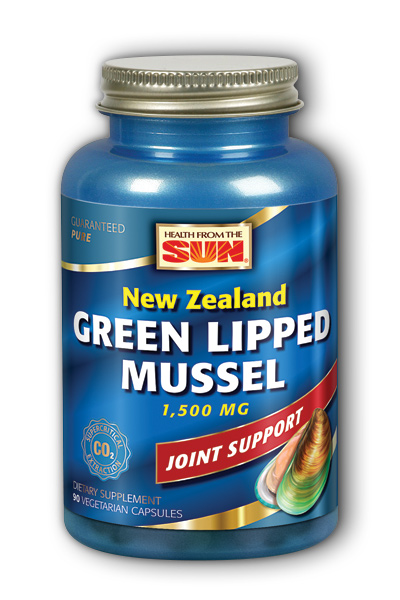 What makes green-lipped mussels stand out is their unique blend of nutrients, including glycosaminoglycans, which are crucial for maintaining connective tissue health. They also contain natural anti-inflammatory compounds that go beyond traditional omega-3s, offering benefits not found in other marine-based supplements.
The Pristine Origins of New Zealand’s MusselsWhen it comes to health supplements, the quality of the ingredients matters just as much as the formulation. Nature’s Life Green Lipped Mussel supplements source their mussels exclusively from the clean, unpolluted waters of New Zealand. These waters provide an ideal environment for mussels to grow, free from harmful chemicals and pollutants. It’s this commitment to pristine sourcing that keeps Nature’s Life ahead of the pack. When you choose this product, you’re not only getting a high-quality supplement, but also the reassurance that it has been sourced sustainably and responsibly, giving you full access to nature’s finest ingredients with a clear conscience.
How Green Lipped Mussel Supports Joint HealthFor individuals struggling with arthritis, joint pain, or stiffness, green-lipped mussels offer an exciting alternative to synthetic medications. One of the standout benefits is the mussels’ anti-inflammatory properties. Numerous studies suggest that green-lipped mussels can help reduce swelling in joints, potentially alleviating pain and improving mobility for those Who experience chronic discomfort. Unlike many over-the-counter medications, green-lipped mussels provide a natural approach to managing inflammation without harmful side effects. The unique combination of omega-3 fatty acids and glycosaminoglycans work synergistically to lubricate joints, maintain cartilage elasticity, and protect against further wear and tear. Over time, this can lead to improved flexibility and enhanced quality of life for users.
Additional Benefits Beyond Joint SupportWhile joint health often takes center stage, green-lipped mussels offer numerous other benefits. They support heart health by contributing to healthy cholesterol levels and reducing blood pressure. Their omega-3 content also promotes brain health, enhancing mental clarity and potentially reducing the risk of cognitive decline. Furthermore, green-lipped mussels have been found to enhance skin elasticity and hydration. Thanks to their nutrient-dense composition, they may even promote a stronger immune system, helping your body defend itself against common illnesses.
Why Choose Nature’s Life?Among the many products on the market, what sets Nature’s Life Green Lipped Mussel apart? It all comes down to purity, potency, and dedication to quality. Nature’s Life has been a trusted name in health and wellness for decades, and their commitment to providing minimally processed, nutrient-rich supplements speaks volumes about their mission to deliver results. The Green Lipped Mussel formula undergoes rigorous testing to ensure that every serving contains the full spectrum of nutrients that make these mussels so beneficial. Thanks to their careful extraction process, you can rest assured that you’re getting the maximum benefit in each and every capsule.
How to Make Green Lipped Mussels Part of Your RoutineIncluding Nature’s Life Green Lipped Mussel supplements in your daily routine is remarkably simple. The product is designed to be taken in convenient capsule form, eliminating the hassle of preparing fresh mussels or dealing with unpleasant tastes. Just a few capsules a day can provide the support your joints need to thrive. Consistency is key, and most users begin to notice results within a week of regular use. Pair supplements with a balanced diet and active lifestyle for maximum health benefits.
Take the Next Step Towards WellnessAre you ready to take the next step toward a healthier, more active life? Nature’s Life Green Lipped Mussel from New Zealand offers an unparalleled way to support your joint health naturally and effectively. Imagine moving freely, with less pain, and more confidence in your everyday activities. Don’t wait to experience the difference this incredible supplement can make. Shop at VitaNet today to purchase Nature’s Life Green Lipped Mussel and start your wellness journey. With Nature’s Life and VitaNet, a healthier tomorrow is just a click away!
(https://vitanetonline.com:443/forums/Index.cfm?CFApp=1&Message_ID=6619) How to Cleanse the Spike Protein Out of the Body
Date:
June 11, 2024 05:22 PM
How to Cleanse the Spike Protein Out of the BodyThe spike protein has recently become a topic of major concern, especially in light of the COVID-19 pandemic. Understanding what it is and how to manage its effects is crucial for overall health. In this article, we will explore what the spike protein is, its possible impacts on the body, and how natural substances like curcumin, bromelain, and nattokinase can help reduce its presence in the body.
Understanding the Spike ProteinThe spike protein is a key component of the novel coronavirus SARS-CoV-2, which causes COVID-19. This protein is responsible for allowing the virus to enter human cells and initiate infection. The spike protein binds to receptors on the surface of human cells, facilitating the virus's entry and subsequent replication within the body. While the immune system typically destroys these proteins, lingering spike proteins can pose health risks, including inflammation and abnormal blood clotting.
The Role of CurcuminCurcumin is a bioactive compound found in turmeric, a spice widely used in cooking and traditional medicine. This compound has powerful anti-inflammatory and antioxidant properties, making it a beneficial ally in combating various health issues, including the presence of spike proteins.
How Curcumin WorksCurcumin works by modulating several biochemical pathways in the body. One of its primary functions is to inhibit pro-inflammatory cytokines and enzymes that contribute to inflammation. Additionally, curcumin boosts the activity of antioxidant enzymes, which helps neutralize harmful free radicals. By reducing inflammation and oxidative stress, curcumin can help minimize the damage caused by spike proteins.
How to Use CurcuminTo harness the health benefits of curcumin, it's best to incorporate turmeric into your diet or take curcumin supplements. Curcumin supplements often come in combination with piperine, a compound found in black pepper that enhances curcumin absorption. Curcumin is also combined with turmeric oil to enhance its absorption, consider using either one in supplement form to help the body rid itself of the spike protein.
The Benefits of BromelainBromelain is a mixture of enzymes found in pineapples. Known for its anti-inflammatory and immune-modulating properties, bromelain can also help address the lingering effects of spike proteins.
How Bromelain WorksBromelain works by breaking down proteins and minimizing inflammation. It inhibits the production of pro-inflammatory cytokines, helping to reduce swelling and discomfort. The proteolytic (protein-digesting) enzymes in bromelain can also help to break down and clear spike proteins from the body.
How to Use BromelainBromelain can be consumed through fresh pineapple or as a dietary supplement. If you opt for supplements, ensure that you follow the recommended dosage and consult your healthcare provider beforehand.
The Power of NattokinaseNattokinase is an enzyme extracted from natto, a traditional Japanese dish made from fermented soybeans. This enzyme has gained attention for its ability to support cardiovascular health and promote the breakdown of fibrin, a protein involved in blood clotting.
How Nattokinase WorksNattokinase helps to break down fibrin in the blood vessels, thereby preventing clots from forming. Additionally, this enzyme supports the degradation of spike proteins, potentially reducing the risk of clot-related issues. Nattokinase also helps to improve blood flow and enhance overall cardiovascular health.
How to Use NattokinaseNattokinase is available in supplement form. When choosing a nattokinase supplement, look for a product with a high level of activity units, which measure enzymatic activity. Generally, nattokinase comes in 2000FU, and is taken 2 - 3 times daily.
Combining Natural RemediesCombining curcumin, bromelain, and nattokinase can provide a comprehensive approach to managing spike proteins in the body. Each of these natural substances works in different ways to reduce inflammation, enhance immune response, and clear harmful proteins. However, it's essential to adopt a holistic approach to health that includes a balanced diet, regular exercise, proper hydration, and adequate sleep.
Diet and Lifestyle Tips
Additional Recommendations
Maintain Good HealthUnderstanding and managing the presence of spike proteins in the body is vital for maintaining overall health. Natural compounds like curcumin, bromelain, and nattokinase offer promising benefits in reducing the harmful effects of these proteins. By incorporating these substances into your diet and following a holistic approach to wellness, you can support your body's natural defences and promote optimal health. So, it is essential to prioritize healthy habits and consider incorporating natural remedies as part of a comprehensive approach to maintaining good health.
Final thoughtsSpike proteins play a significant role in the infection process of viruses, making it crucial to address their lingering effects in the body. Natural compounds like curcumin, bromelain, and nattokinase offer promising benefits in reducing inflammation and clearing spike proteins from the body. Additionally, adopting a balanced diet and lifestyle can support the effectiveness of these natural remedies in promoting overall health. By taking a holistic approach to wellness, we can work towards managing spike proteins and supporting our
(https://vitanetonline.com:443/forums/Index.cfm?CFApp=1&Message_ID=6615) The Versatility of Coconut Sugar: A Dive into its Culinary Uses, Glycemic Index, and Nutritional Profile
Date:
June 05, 2024 03:40 PM
The Versatility of Coconut Sugar: A Dive into its Culinary Uses, Glycemic Index, and Nutritional ProfileIn the world of health-conscious eating, coconut sugar has been gaining traction as a natural sweetener that boasts several benefits over traditional table sugar. Derived from the sap of coconut palm tree flowers, coconut sugar offers a unique flavor and versatile uses in a variety of culinary applications. This article delves into the numerous ways coconut sugar can be utilized in the kitchen, its glycemic index, and its nutritional profile, shedding light on why this sweetener has captured the hearts of many health enthusiasts.
Culinary Uses of Coconut SugarBaking and DessertsOne of the most popular ways to incorporate coconut sugar into your diet is through baking. Coconut sugar can be used as a one-to-one replacement for white or brown sugar in recipes, making it an easy swap for those looking to reduce their intake of refined sugars. Its caramel-like flavor enhances the taste of cookies, cakes, muffins, and other baked goods. For example, coconut sugar can add depth to chocolate chip cookies or provide a rich, molasses-like sweetness to gingerbread.
BeveragesCoconut sugar can also be a delightful addition to both hot and cold beverages. It easily dissolves in liquids, making it a great sweetener for coffee, tea, smoothies, and even cocktails. For instance, adding a spoonful of coconut sugar to your morning coffee or afternoon chai tea can give your drink a subtle, tropical sweetness without the overpowering taste that sometimes accompanies artificial sweeteners.
Cooking and SaucesIn the realm of savory dishes, coconut sugar works exceptionally well in marinades, sauces, and dressings. Its ability to balance flavors makes it a staple in many Asian cuisines, particularly in Thai cooking. Use it to create a luscious teriyaki sauce or add it to a spicy barbecue marinade. Coconut sugar’s mild sweetness can complement and enhance the umami elements of soy sauce, ginger, and garlic, resulting in a harmonious blend of flavors.
Toppings and CondimentsDon’t overlook coconut sugar as a topping for breakfast or snacks. Sprinkle it over oatmeal, yogurt, or fresh fruit for a burst of flavor and a touch of sweetness. You can also use coconut sugar in homemade granola or energy bars. Its granular texture adds a pleasant crunch, and its rich taste pairs well with nuts, seeds, and dried fruits.
Glycemic IndexOne of the significant advantages of coconut sugar is its lower glycemic index (GI) compared to regular table sugar. The glycemic index is a measure of how quickly a food raises blood sugar levels after consumption. Foods with a high GI can cause rapid spikes and crashes in blood sugar levels, which can be particularly problematic for individuals with diabetes or those managing their weight. Coconut sugar has a GI of approximately 35, which is considerably lower than the GI of table sugar, which hovers around 60-65. This lower GI means that coconut sugar causes a slower, more gradual rise in blood sugar levels. As a result, it can help maintain more stable energy levels throughout the day and prevent the sudden energy crashes that often follow high-sugar snacks or meals.
Nutritional ProfileAside from its lower glycemic index, coconut sugar also offers a more nutrient-dense alternative to refined sugars. While it is still a type of sugar and should be consumed in moderation, coconut sugar contains trace amounts of vitamins and minerals that can contribute to overall health.
Vitamins and MineralsCoconut sugar retains some of the nutrients found in the coconut palm sap. These include small amounts of iron, zinc, calcium, and potassium, all of which play crucial roles in maintaining bodily functions. For example, iron is essential for oxygen transport in the blood, while calcium supports bone health.
AntioxidantsCoconut sugar also contains antioxidants, which help combat oxidative stress and reduce the risk of chronic diseases. Antioxidants can neutralize free radicals, unstable molecules that can damage cells and contribute to aging and diseases like cancer and heart disease.
Inulin ContentAnother noteworthy component of coconut sugar is inulin, a type of dietary fiber. Inulin acts as a prebiotic, feeding the beneficial bacteria in the gut and promoting a healthy digestive system. Its presence in coconut sugar can further contribute to its lower glycemic index by slowing down glucose absorption.
Choosing and Storing Coconut SugarWhen purchasing coconut sugar, it’s essential to select high-quality brands that don’t mix the sugar with other sweetening agents like cane sugar. Always check the label to ensure you’re buying 100% pure coconut sugar.
Storage TipsStore coconut sugar in an airtight container in a cool, dry place to maintain its texture and flavor. It’s important to keep it away from moisture, as this can cause clumping and affect its usability.
Ready to Sweeten up Your Life?Coconut sugar presents a versatile and nutritious alternative to traditional sweeteners, offering a wide range of culinary uses while providing a lower glycemic index and additional vitamins and minerals. Whether you’re baking your favorite dessert, sweetening your morning coffee, or enhancing a savory dish, coconut sugar can be a valuable addition to your pantry. Its unique flavor and health benefits make it an excellent choice for those looking to enjoy sweetness in a more Wholesome form. By understanding and embracing the versatility of coconut sugar, you can make more informed and health-conscious decisions in your culinary endeavors.
(https://vitanetonline.com:443/forums/Index.cfm?CFApp=1&Message_ID=6612) Stevia: A Zero-Calorie Sweetener
Date:
June 03, 2024 04:15 PM
Stevia: A Zero-Calorie SweetenerIn a world where health consciousness is increasingly important, finding the right sweetener can be a game changer. One such alternative that has gained significant attention is Stevia. Known for its zero-calorie content, Stevia offers a natural sweetness without the drawbacks associated with sugar. This article examines the properties of Stevia, how it’s harvested, its sweetness compared to sugar, and its benefits for those managing diabetes.
What is Stevia?Stevia is a natural sweetener derived from the leaves of the Stevia rebaudiana plant, native to South America. Unlike artificial sweeteners, Stevia is completely natural and has been used for centuries by indigenous people in countries like Brazil and Paraguay. The leaves of the plant contain sweet-tasting compounds known as steviol glycosides, which are the primary components used in Stevia sweeteners found on shelves today.
How Stevia is HarvestedTraditionally, Stevia leaves are harvested by hand. Farmers usually pluck the mature leaves, which are then dried to maintain their sweetness. Once dried, these leaves can be used in their Whole form, or they can be processed to extract the steviol glycosides. Modern extraction methods involve soaking the leaves in water and then processing the extract to remove impurities. This results in a highly concentrated sweetener that is hundreds of times sweeter than sugar.
Sweetness Compared to SugarWhen it comes to sweetness, Stevia stands out. Stevia is approximately 200 to 300 times sweeter than sucrose (table sugar). This means a very small amount of Stevia is needed to achieve the desired level of sweetness, which also makes it an efficient option for those looking to cut down on sugar intake. However, it’s important to note that Stevia doesn’t have the exact same taste profile as sugar. Some people describe its sweetness as having a slight, licorice-like aftertaste, which not everyone finds appealing.
Benefits for Those Managing DiabetesFor individuals managing diabetes, Stevia can be an invaluable part of their diet. One of the primary concerns for people with diabetes is managing their blood sugar levels. Traditional sugar can cause spikes in blood glucose, making it difficult to control diabetes symptoms. Stevia, on the other hand, does not contain carbohydrates and has no impact on blood glucose levels. This makes it a suitable alternative for those Who need to keep their sugar levels in check. Moreover, using Stevia can help diabetic individuals enjoy sweet foods and beverages without the fear of negatively affecting their health. The zero-calorie aspect of Stevia also contributes to maintaining a healthier weight, which is a crucial factor in managing diabetes.
Nutritional and Health BenefitsIn addition to its zero-calorie feature, Stevia also offers several nutritional and health benefits. Some research suggests that Stevia may help in lowering blood pressure and improving cholesterol levels. These potential benefits make Stevia not just a sugar substitute, but a supplement that can contribute to overall well-being.
Antioxidant PropertiesStevia leaves are rich in antioxidants, which help to combat oxidative stress in the body. Oxidative stress is linked to various chronic diseases, including heart disease and cancer. By incorporating Stevia into your diet, you might benefit from its antioxidant content, aiding in the reduction of inflammation and promoting better health.
Culinary UsesStevia is versatile and can be used in a variety of culinary applications. It’s available in different forms such as powders, liquid extracts, and even Whole leaves. You can use Stevia to sweeten beverages like tea and coffee, baked goods, desserts, and even savory dishes that require a touch of sweetness. However, due to its high sweetness level, it is recommended to start with a small amount and adjust according to taste. Keep in mind that Stevia might behave differently than sugar in recipes, particularly in baking. Sugar contributes to the texture and volume of baked goods, while Stevia does not. Therefore, recipes using Stevia may require additional adjustments for the best results.
Economic and Environmental ImpactGrowing and harvesting Stevia can be advantageous from both economic and environmental perspectives. Stevia plants require less land and water compared to sugar cane or beet crops, making it a more sustainable option in the long run. Additionally, Stevia farming can provide economic opportunities for communities in developing countries where the plant is grown.
Are You Ready For a Zero-Calorie Sweetener?Stevia stands out as an exceptional zero-calorie sweetener, especially beneficial for those managing diabetes and looking to reduce their calorie intake. Its natural origin, coupled with its impressive sweetness and array of health benefits, make it a compelling alternative to traditional sugar and artificial sweeteners. Whether you are looking to alter your dietary habits or manage a health condition like diabetes, Stevia offers a promising solution for a healthier sweetening choice.
(https://vitanetonline.com:443/forums/Index.cfm?CFApp=1&Message_ID=6610) The History of Stevia: From Ancient Sweet Leaf to Global Sweetener
Date:
May 31, 2024 11:05 AM
The History of Stevia: From Ancient Sweet Leaf to Global SweetenerStevia, a natural sweetener that has become globally popular in recent years, boasts a rich history spanning centuries. This article delves into the origins and historical significance of stevia, shedding light on its traditional use by indigenous peoples and its evolution into a mainstream alternative to sugar.
The Origins of SteviaStevia, scientifically known as Stevia rebaudiana, originates from South America. This small, green plant is part of the Asteraceae family, which also includes daisies and sunflowers. The leaves of the stevia plant contain sweet compounds known as steviol glycosides, which are responsible for its sweetness.
Traditional Use by the Guaraní PeopleThe historical journey of stevia begins with the Guaraní people of Paraguay and Brazil, Who have used the plant for over 1,500 years. The Guaraní referred to stevia as "ka'a he'ê," which translates to "sweet herb." They traditionally used stevia leaves to sweeten beverages like yerba maté, a popular herbal tea, and to enhance the flavor of various traditional dishes. Stevia wasn't just a sweetener for the Guaraní; it also held medicinal importance. The leaves were used to treat a variety of conditions, including burns, stomach issues, and as a general tonic. This dual use of stevia as both a sweetener and a medicinal plant highlights its invaluable role in indigenous culture.
Stevia's Journey to the Modern WorldRediscovery by European ExplorersThe modern history of stevia began in the 16th century when European explorers first arrived in South America. Spanish botanist and physician Pedro Jaime Esteve (1500–1556) is often credited with the early European studies on stevia, although the plant was not widely documented until later. Interest in stevia grew in the early 20th century when it was scientifically studied by Paraguayan chemist Ovidio Rebaudi. Rebaudi analyzed the sweet properties of stevia leaves and confirmed that they were much sweeter than sugar, which caught the attention of the scientific community.
Introduction to Asia and BeyondIn the 1970s, stevia began gaining traction in Japan as the country sought alternatives to artificial sweeteners. Japanese researchers developed methods for extracting and refining steviol glycosides from stevia leaves, making it possible to use stevia as a commercial sweetener. The success of stevia in Japan set the stage for its global acceptance.
Stevia in the Modern Health MovementHealth Benefits and AdvantagesStevia's rise in popularity can be attributed to its myriad of health benefits. Unlike sugar, stevia is calorie-free, making it an attractive option for those managing their weight. Additionally, stevia has a negligible effect on blood glucose levels, which is beneficial for individuals with diabetes or those monitoring their carbohydrate intake. Moreover, steviol glycosides are stable at high temperatures, making stevia a versatile sweetener suitable for cooking and baking. This thermal stability, combined with its natural origin, has positioned stevia as a preferred option for health-conscious consumers.
Regulatory Approval and Global AdoptionThe journey of stevia to becoming a global sweetener has involved rigorous scientific scrutiny and regulatory approval. In 2008, the United States Food and Drug Administration (FDA) granted stevia the status of "Generally Recognized As Safe" (GRAS), which paved the way for its use in a wide range of food and beverage products. Following the FDA's approval, other countries, including those in the European Union, Canada, and Australia, also approved the use of stevia in food and beverages. Today, stevia is found in everything from soft drinks to baked goods, reflecting its widespread acceptance and global reach.
Challenges and Future ProspectsOvercoming ObstaclesDespite its many advantages, the path to widespread adoption of stevia has not been without challenges. One of the initial hurdles was the aftertaste associated with some of the early stevia extracts. However, advances in extraction and formulation techniques have significantly improved the taste profile of stevia, making it more palatable for consumers. Another challenge has been ensuring the sustainable cultivation of stevia. As demand grows, it is essential to implement agricultural practices that support environmental sustainability and fair labor conditions for farmers.
Research and InnovationThe future of stevia holds exciting possibilities as ongoing research continues to explore new applications and improvements. Scientists are currently investigating the potential of stevia extracts in providing health benefits beyond sweetness, such as their antioxidant properties and possible roles in managing certain health conditions. Innovations in biotechnology are also paving the way for the development of new stevia varieties with enhanced sweetness and improved agronomic traits. These advancements could further solidify stevia's position as a key player in the global sweetener market.
In SummaryThe history of stevia is a fascinating journey from the rainforests of South America to the shelves of supermarkets around the world. From its traditional use by the Guaraní people to its rediscovery by European explorers and subsequent global adoption, stevia has proven to be a remarkable sweetener with enduring significance. As the modern world continues to prioritize health and wellness, stevia's natural sweetness offers a much-needed alternative to sugar, promising a future where we can enjoy the sweetness of life without compromising our health.
Are You Ready to Make a Sweet Change?If you've been searching for a healthier way to satisfy your sweet tooth, the journey of stevia offers a compelling reason to make the switch. With its rich history rooted in traditional use by the Guaraní people, and its scientifically-backed benefits recognized globally, stevia stands out as a truly remarkable sweetener. Free from calories and gentle on blood glucose levels, it's an excellent choice for both weight management and diabetes care. Plus, its versatility in cooking and baking means you won't have to compromise on your favorite recipes. Join the growing number of health-conscious consumers Who are choosing stevia for a naturally sweet life. Explore its various forms—from Whole leaves to refined steviol glycosides—and incorporate this natural sweetener into your diet today. Embrace the future of sweetening and enjoy the benefits of stevia for yourself and your loved ones.
Frequently Asked Questions (FAQ) About SteviaWhat is stevia?Stevia is a natural sweetener derived from the leaves of the Stevia rebaudiana plant, which is native to South America. It has been used for centuries by the Guaraní people and is known for being much sweeter than sugar while containing zero calories.
How is stevia used as a sweetener?Stevia can be used in various forms, including Whole leaves, powdered extracts, and liquid concentrates. It is commonly used to sweeten beverages, baked goods, and other foods. Thanks to its stability at high temperatures, stevia can also be used in cooking and baking.
Is stevia safe to consume?Yes, stevia is considered safe for consumption. The United States Food and Drug Administration (FDA) has granted stevia the status of "Generally Recognized As Safe" (GRAS). It has also been approved for use in many other countries, including those in the European Union, Canada, and Australia.
Can stevia help with weight management?Stevia can be an effective tool for weight management because it contains no calories. Replacing sugar with stevia in your diet can help reduce overall calorie intake, which may contribute to weight loss or maintenance.
Is stevia suitable for people with diabetes?Stevia is suitable for people with diabetes as it has a negligible effect on blood glucose levels. This makes it a preferable alternative to sugar for those needing to monitor their carbohydrate intake. However, it is always best to consult with a healthcare provider before making any significant changes to your diet.
Does stevia have any side effects?Stevia is generally well-tolerated and considered safe for most people. However, some individuals may experience mild side effects, such as digestive discomfort, when consuming large amounts. It is advisable to use stevia in moderation.
What does stevia taste like?Stevia is known to be much sweeter than sugar, and its taste can vary depending on the form used and the specific product. Early versions of stevia extracts were noted for having a slight aftertaste, though modern formulations have significantly improved the taste profile.
How is stevia cultivated?Stevia is typically grown in subtropical and tropical climates. Sustainable cultivation practices are essential as the demand for stevia increases. These practices include using environmentally friendly agricultural methods and ensuring fair labor conditions for farmers.
Are there any environmental benefits to using stevia?Stevia has the potential to be more sustainable than traditional sugar crops. It requires less land and water to produce the same level of sweetness, which can reduce the environmental impact associated with sugar cultivation.
Can stevia be used in baking?Yes, stevia can be used in baking due to its high-temperature stability. However, because it is much sweeter than sugar, recipes may need to be adjusted to account for its intensity. Many commercially available stevia sweeteners come with specific usage guidelines for cooking and baking.
Are there different types of stevia products?Yes, stevia products come in various forms, including Whole leaves, powdered extracts, and liquid concentrates. Some products are blended with other sweeteners or filler ingredients to better mimic the taste and texture of sugar.
How does stevia compare to artificial sweeteners?Stevia is a natural sweetener, which sets it apart from many artificial sweeteners. It is derived from a plant and does not undergo extensive chemical processing. Many consumers prefer stevia because it is perceived as a more natural and healthier option.
What research is being done on stevia?Ongoing research on stevia explores its potential health benefits beyond sweetness, such as its antioxidant properties and possible roles in managing certain health conditions. Innovations in biotechnology are also working to develop new stevia varieties with enhanced sweetness and other desirable traits.
Where can I buy stevia?Stevia products are widely available at VitaNet LLC. Stevia can be found in the baking aisle or the section dedicated to natural and alternative sweeteners. By understanding the benefits and uses of stevia, you can make an informed decision about incorporating this natural sweetener into your diet. With its rich history, proven health benefits, and versatility, stevia offers a compelling alternative to traditional sugar.
(https://vitanetonline.com:443/forums/Index.cfm?CFApp=1&Message_ID=6607) The Role of Vitamin B12 in Energy Production
Date:
May 29, 2024 11:28 AM
The Role of Vitamin B12 in Energy ProductionVitamin B12, or cobalamin, is crucial for red blood cell production, DNA synthesis, and nervous system health. Among its many roles, one of the most vital is its contribution to energy production and metabolism. This article delves into how Vitamin B12 affects energy levels, with a particular focus on its importance for vegetarians and vegans.
Understanding Vitamin B12Vitamin B12 is a water-soluble vitamin that is naturally found in animal products such as meat, dairy, and eggs. It is primarily responsible for converting food into ATP (adenosine triphosphate), which the body uses for energy. B12 is also crucial in the formation of red blood cells, which carry oxygen to every part of the body, and in maintaining the health of nerve cells.
The Science Behind Energy ProductionRole in MetabolismVitamin B12 is a key player in metabolism, a complex set of chemical reactions in our body that convert food into energy. One of the primary ways B12 contributes to metabolism is through its involvement in the Krebs cycle, a series of reactions that produce ATP (adenosine triphosphate), the body's primary energy currency. During the Krebs cycle, Vitamin B12 helps convert fats and proteins into energy, ensuring that the body has a constant supply of fuel to perform everyday tasks.
DNA Synthesis and Cell DivisionVitamin B12 is also essential for DNA synthesis and cell division. It works closely with folate (Vitamin B9) to synthesize DNA during cell division. Rapidly dividing tissues, such as red blood cells, require an adequate supply of B12. A deficiency in this vitamin can lead to megaloblastic anemia, a condition where red blood cells are larger than normal and not as effective in transporting oxygen, thereby causing fatigue and weakness.
The Challenge for Vegetarians and VegansB12 SourcesOne of the significant challenges for vegetarians and vegans is getting enough Vitamin B12, as it is predominantly found in animal products. Plant-based diets generally lack this vitamin, putting individuals at risk of deficiency. However, several fortified foods and supplements can help prevent this deficiency.
Fortified Foods and SupplementsMany plant-based milk alternatives, breakfast cereals, and nutritional yeasts are now fortified with Vitamin B12. For instance, a cup of fortified soy milk can provide about 50% of the daily recommended intake of B12. Additionally, B12 supplements are readily available and can be an effective way for vegetarians and vegans to ensure they get their daily dose. It's crucial to choose a supplement that meets the dietary needs and preferences of the individual.
Symptoms of DeficiencyA lack of Vitamin B12 can result in various health problems like fatigue, weakness, constipation, loss of appetite, and weight loss. In severe cases, it may lead to neurological issues such as numbness and tingling in the hands and feet, balance difficulties, depression, confusion, and memory loss. Given these risks, it's essential for vegetarians and vegans to monitor their B12 levels.
Benefits of Adequate B12 IntakeEnhanced Energy LevelsAdequate intake of Vitamin B12 can significantly enhance energy levels. Since B12 is involved in converting food into ATP, sufficient levels of this vitamin can help ensure that the body efficiently produces and uses energy. Individuals Who maintain appropriate B12 levels often report feeling more energetic and less fatigued.
Improved Metabolic FunctionBy ensuring a sufficient supply of B12, vegetarians and vegans can support their metabolic functions. A well-functioning metabolism is crucial for maintaining body weight, supporting muscle function, and ensuring overall vitality. Improved metabolic function also means better handling of the foods consumed, leading to more stable energy levels throughout the day.
Better Mental HealthVitamin B12 is essential for producing neurotransmitters that regulate mood. Adequate levels of B12 can help prevent mental health issues such as depression and brain fog, which are often associated with fatigue and low energy levels. Regular intake of B12, either through diet or supplements, can contribute to better mental clarity and emotional well-being.
Optimal Nervous System FunctionB12 is crucial in maintaining the myelin sheath, a protective coating around nerves. A healthy nervous system ensures that signals travel efficiently between the brain and the rest of the body. This not only helps in preventing neurological issues but also ensures that the body's energy systems operate smoothly.
How to Ensure Adequate B12 IntakeRegular Blood TestsFor vegetarians and vegans, regular blood tests are an effective way to monitor B12 levels. These tests can help identify a deficiency early on, allowing individuals to take corrective measures before any severe symptoms manifest.
Balanced DietA well-rounded, balanced diet that includes fortified foods can help meet the daily recommended intake of Vitamin B12. Incorporating a variety of B12-fortified foods into every meal ensures a steady supply of this vital nutrient.
Considering SupplementsFor those Who struggle to get enough Vitamin B12 through diet alone, supplements are an excellent option.
Choosing the Right Supplement: Methyl B12When selecting a Vitamin B12 supplement, methylcobalamin, or methyl B12, is often recommended as the best form. It has superior bioavailability compared to cyanocobalamin, making it easier for the body to absorb and utilize. Methyl B12 doesn't need conversion in the body to be effective, leading to quicker uptake and immediate benefits. For vegetarians and vegans at higher risk of B12 deficiency, methyl B12 is especially beneficial for maintaining optimal B12 levels effectively. Including this form in your supplement routine can boost energy, mental clarity, and support metabolic and nervous system functions.
Awareness and EducationRaising awareness about B12 is key for vegetarians and vegans to prevent deficiencies. Health programs can educate on maintaining adequate levels through diet and supplements.
Are You Ready For More Energy?Vitamin B12's role in energy production and metabolism is indisputable. Vegetarians and vegans can struggle to get enough B12 from plant-based diets, but fortified foods and supplements offer solutions. Understanding B12's importance and taking action can boost energy, metabolism, and well-being. Regular monitoring, a balanced diet, and appropriate supplementation are key strategies to prevent deficiency and maintain optimal health.
(https://vitanetonline.com:443/forums/Index.cfm?CFApp=1&Message_ID=6604) Vitamin Deficiencies on the Rise: Addressing the Increasing Awareness of Micronutrient Deficiencies
Date:
May 28, 2024 03:46 PM
Vitamin Deficiencies on the Rise: Addressing the Increasing Awareness of Micronutrient DeficienciesIn recent years, there's been a significant uptick in the awareness of vitamin and mineral deficiencies across global populations. Micronutrients, though required in minuscule amounts, play a critical role in bodily functions, from metabolism to immunity. Despite advancements in healthcare and education, many individuals are still unaware of their own nutritional gaps, with modern diets contributing significantly to these deficiencies.
Factors Contributing to Micronutrient DeficienciesModern Diet TrendsThe rise in convenience foods, which are often calorie-dense but nutrient-poor, has significantly impacted nutritional intake. Fast foods, processed meals, and sugary snacks have become staples in many diets, particularly in urban settings. These foods are typically low in essential vitamins and minerals such as vitamin D, vitamin B12, iron, and magnesium. As people increasingly rely on these quick, palatable options, it often comes at the expense of nutrient-rich fruits, vegetables, lean proteins, and Whole grains.
Lifestyle ChangesAnother contributing factor to vitamin deficiencies is the shift in lifestyle patterns. Longer work hours, increased screen time, and reduced physical activity mean that individuals spend less time outdoors. This has a particularly detrimental effect on vitamin D levels, which are naturally synthesized when skin is exposed to sunlight. Furthermore, high-stress levels and poor sleep quality can deplete essential nutrients, exacerbating the issue.
Agricultural PracticesChanges in agricultural practices have also had an inadvertent impact on the micronutrient content of food. Soil depletion, the use of chemical fertilizers, and genetically modified crops can lead to lower levels of vitamins and minerals in produce. Consequently, even those Who consume fruits and vegetables regularly might not be getting the expected nutrient benefits.
Fast Food and Nutrient DeficienciesIt is becoming increasingly clear that the widespread consumption of fast food plays a significant role in the rise of vitamin deficiencies. Fast food items are often designed to be highly palatable and energy-dense. However, they are typically laden with unhealthy fats, sugars, and sodium while lacking essential nutrients. Regularly consuming these foods can lead to an imbalance in diet, where the body might get ample calories but insufficient vitamins and minerals. For instance, studies have shown that diets high in fast food are linked to lower intakes of vitamins A and C, dietary fiber, calcium, and iron. These deficiencies can trigger a range of health issues, from diminished immune function and poor bone health to increased susceptibility to chronic diseases.
Addressing the Issue: Food-Based MultivitaminsTo counteract these dietary deficiencies, many nutrition experts recommend incorporating a food-based multivitamin into daily routines. Unlike synthetic supplements, food-based multivitamins are derived from Whole foods and contain a spectrum of vitamins and minerals in their natural forms, which can be more readily absorbed and utilized by the body.
Benefits of Food-Based Multivitamins
Selecting a High-Quality MultivitaminWhen choosing a food-based multivitamin, look for products that:
In Summary:The rise in micronutrient deficiencies is a concerning trend that underscores the importance of balanced nutrition. While modern lifestyles and dietary habits contribute significantly to this issue, there are effective ways to address it. Reducing the intake of nutrient-poor fast foods and incorporating food-based multivitamins can help bridge the gap and support overall nutritional needs. By making informed dietary choices, individuals can foster better health and mitigate the risks associated with vitamin and mineral deficiencies.
Take Charge of Your Health TodayUnderstanding the impact of micronutrient deficiencies on overall health is the first step towards making informed dietary choices. By addressing nutritional gaps and prioritizing Whole, nutrient-rich foods, you can significantly improve your well-being. We invite you to explore our range of high-quality, food-based multivitamins designed to complement your daily diet and ensure you receive the essential nutrients your body needs.
Shop Now and Transform Your HealthDon't wait until deficiencies affect your vitality. Visit our online store to find the perfect multivitamin for your lifestyle. Our products are crafted with organic, non-GMO ingredients, and are free from unnecessary additives and fillers. Embrace a healthier you with the power of natural, food-based nutrients.
(https://vitanetonline.com:443/forums/Index.cfm?CFApp=1&Message_ID=6603) Why Kal Enhanced Energy is the Superior Choice for Health Enthusiasts
Date:
May 22, 2024 01:28 PM
Why Kal Enhanced Energy is the Superior Choice for Health Enthusiasts When it comes to maintaining optimal health, choosing the right dietary supplements can make all the difference. For health enthusiasts aged 30-60, Kal Enhanced Energy provides a unique mix of vital nutrients for overall well-being. With lutein, antioxidant herbs, and a rich variety of super foods, veggies, greens, fruits, and berries, this supplement offers exceptional health benefits. Kal Enhanced Energy stands out thanks to its wide range of raw ingredients that meet your body's needs. Starting with vitamins and minerals, these are crucial for various bodily functions. The inclusion of Whole food multipliers means that these nutrients come from natural sources, enhancing their bioavailability and efficacy.
But that's just the beginning. Lutein, a potent antioxidant, supports eye health and shields vision from blue light's harmful effects in our digital age. Antioxidant herbs work synergistically with lutein to combat oxidative stress, helping to reduce inflammation and prevent cellular damage.
Super FoodsKal Enhanced Energy includes superfoods such as kale, spinach, acai, and blueberries. Also, packed with nutrients to enhance immunity and energy levels. One of the standout features of this supplement is its inclusion of digestive enzymes. As we age, our bodies produce fewer digestive enzymes, hindering nutrient absorption. Kal Enhanced Energy supplements these enzymes, promoting optimal digestion for maximum nutrient absorption from your food.
Raw Immune boostersThe formula is boosted with raw mushroom complexes, known to enhance immunity and vitality. Mushrooms such as Organic Turkey Tail, Organic Reishi, and Organic Agaricus have adaptogenic properties, aiding the body in managing stress. Finally, black pepper extract is added to enhance the absorption of all these powerful ingredients. Black pepper, known for boosting bioavailability, helps your body fully utilize nutrients from this superior supplement.
Recap:Besides the core benefits from essential nutrients and superfoods mentioned earlier, Kal Enhanced Energy provides other significant advantages:
These components form a comprehensive supplement that meets daily nutrition needs and boosts digestive health, immune function, and overall wellbeing. For health enthusiasts aged 30-60, Kal Enhanced Energy Once Daily provides a convenient way to support overall wellness. Boost your immune system, increase energy levels, and ensure your body gets essential nutrients with this daily supplement. Ready to take your health to the next level? Experience the benefits of Whole foods, super fruits, veggies, berries, and more with Kal Enhanced Energy. Purchase now and fuel your body with the nutrients it needs to thrive!
(https://vitanetonline.com:443/forums/Index.cfm?CFApp=1&Message_ID=6599) Did you know that glutathione is not only great for liver health, but it also promotes beautiful, radiant skin?
Date:
December 07, 2023 12:12 PM
Did you know that glutathione is not only great for liver health, but it also promotes beautiful, radiant skin?Glutathione (GSH), often considered as an amino acid but actually a tripeptide, is an antioxidant primarily synthesized in the liver. Composed of cysteine, glutamic acid, and glycine, it plays a crucial role in the synthesis and repair of DNA and protein, as well as the synthesis of prostaglandins. With its involvement in various functions like amino acid transport, toxin and carcinogen metabolism, immune system function, prevention of oxidative cell damage, and activation of enzymes, it is undoubtedly the most important tripeptide in the body. While the benefits of supplementing with glutathione are numerous, two particularly compelling reasons are its positive impact on liver health and beautiful skin, which are the key focus of this article. However, before diving into the specifics of liver health and skin benefits, it's important to review the data on glutathione depletion and absorption. GSH depletion can occur due to various oxidative stressors such as radiation, v.infections, enviro toxins, household chemicals, heavy metals, surgery, inflammation, burns, septic shock, and dietary deficiencies of GSH precursors and enzyme cofactors. Additionally, research suggests that GSH levels tend to decline with age. The bioavailability of glutathione as a dietary supplement has encountered challenges in the past. Studies in the 1990s suggested that oral GSH might be inactivated by peptidases in the gut, as the levels of glutathione in the body did not seem to correlate with dietary intake, despite its presence in fruits, vegetables, and meats. Moreover, previous studies showed no significant increase in blood GSH levels when subjects were given high doses of 1,000-3,000 mg. As a result, alternative strategies like supplementation with NAC were used to boost GSH levels. In 2014, something interesting happened that changed the way we look at the bioavailability of GSH. A groundbreaking study published in the Journal of Agricultural and Food Chemistry shed new light on the old research. This study showed that GSH, when taken in its intact form as OPITAC, a yeast-derived glutathione by Kohjin/Mitsubishi, can actually be rapidly transported across intestinal epithelial cells. Once inside, it gets rapidly converted into oxidized glutathione (GSSG) and accumulates in red blood cells and the liver, with only a small presence in plasma. So, although the GSH was indeed absorbed, it didn't show up in blood plasma because it transformed into GSSG and stored in the red blood cells and the liver. The bottom line is, supplementing with GSH is an effective way to boost GSH levels in the body. This finding was further confirmed in another study that described how OPITAC, as a yeast-derived glutathione by Kohjin/Mitsubishi, is directly absorbed in its electrochemically reduced form in the intestine, then transported in the blood in bound forms, and eventually deposited into the liver in its reduced form. But here's where it gets even more significant. A six-month randomized, double-blinded, placebo-controlled trial involving 54 adults was conducted to investigate the effects of oral GSH supplementation (250 or 1,000 mg/day, as OPITAC glutathione, Kohjin/Mitsubishi) on GSH levels in various parts of the body, including blood, erythrocytes, plasma, lymphocytes, and exfoliated buccal mucosal cells. The results were astounding. After one, three, and six months, GSH levels in blood increased significantly compared to baseline in both dosage groups. At the six-month mark, GSH levels skyrocketed 30-35 percent in erythrocytes, plasma, and lymphocytes, and a mind-boggling 260 percent in buccal cells in the 1,000 mg group (P < 0.05). Even in the low-dose group, GSH levels in blood and erythrocytes increased by 17 and 29 percent, respectively (P < 0.05). This research clearly demonstrates that supplementation with GSH is not only effective for increasing GSH levels in the body but also for maintaining them. So, to sum it all up, the evidence speaks volumes - supplementing with GSH can have a profound impact on your body's GSH levels, and trust me, that's definitely a good thing! Liver HealthWhen it comes to our well-being, the liver is a true superhero. Let's dive into some fascinating details about this essential organ. Did you know that the liver is not only the largest reservoir of GSH (glutathione) but also a major site of GSH manufacture in the body? Pretty impressive, right? Special cells in the liver work tirelessly to synthesize GSH, which plays a crucial role in detoxification. Speaking of detoxification, the liver is a champion in this field. Its cells have sophisticated mechanisms to break down toxic substances, be it internal or external compounds. During the detoxification process, the liver attaches or conjugates the toxins to water-soluble substances. This attachment makes the toxic molecules more water-soluble, less harmful, and easier to eliminate via urine or bile. In fact, glutathione conjugation produces water-soluble mercaptates that are excreted via the kidneys, effectively detoxifying acetaminophen and nicotine. Isn't it amazing how this process helps our bodies get rid of harmful substances? But that's not all. Adequate levels of glutathione are crucial for the elimination of fat-soluble compounds, particularly heavy metals like mercury and lead. What's more, GSH serves as a cofactor for various peroxidase enzymes, aiding in the detoxification of peroxides generated from oxygen radical attacks on biological molecules. It also assists transhydrogenase enzymes in reducing oxidized centers on DNA, proteins, and other biomolecules. Talk about a multitasker! The practical significance of this liver superhero was demonstrated in a study involving workers exposed to lead. A group of five workers received GSH at 200 mg/day for 30 days, while five others served as the control group. The results were striking. The group receiving GSH showed a significant increase in ALA dehydratase activity (which is inhibited by lead) compared to the control group (p < 0.05). This indicates that GSH could be a valuable solution for treating patients with lead poisoning. So, let's take a moment to appreciate the remarkable liver and its incredible role in maintaining our health and well-being! Alcohol IntoxicationAlcohol consumption is widely recognized for its capability to induce hepatic steatosis, also known as fatty liver disease, and disrupt biomembranes due to hepatic lipid peroxidation. This can lead to various lifestyle-related diseases and even hepatic cirrhosis by diminishing hepatic physiological function. Nevertheless, animal studies have shown that hepatic damage caused by alcohol intoxication can be mitigated by glutathione (GSH), a powerful antioxidant found in cells. To further investigate the impact of GSH supplementation on the effects of alcohol intake, a human crossover comparative study was conducted. The study involved twenty healthy men and women Who were grouped into three categories: placebo, 100 mg GSH (as OPITAC glutathione, Kohjin/Mitsubishi), and 30 mg curcumin. The study evaluated laboratory parameters, including breath alcohol concentration at different time intervals (20, 60, 120, and 180 minutes post-alcohol consumption) as measured by an alcohol checker. Additionally, subjective feelings were assessed through a questionnaire. During the study, all participants consumed whiskey in a quantity equal to their body weight multiplied by 1.25 mL, and were instructed to drink the entire sample within 10 minutes. The results revealed that the breath alcohol concentration in the group supplemented with GSH significantly decreased compared to the placebo and curcumin groups at 20 (p<0.01), 60 (p<0.01), 120 (p<0.05), and 180 (p<0.08) minutes post-consumption. Furthermore, the GSH group reported lower levels of "sleepiness," "headache," and "upset stomach" in the subjective feeling questionnaire. Importantly, the concentration of aspartate aminotransferase (AST), an indicator of alcohol-induced organ damage, was significantly lower in the GSH group after two months compared to the placebo group. The oral intake of GSH has demonstrated its effectiveness in reducing alcohol consumption-related stress and improving long-term hepatic function. These findings highlight the potential benefits of GSH supplementation in alleviating the detrimental effects of alcohol intoxication on the liver. Nonalcoholic fatty liver diseaseNonalcoholic fatty liver disease (NAFLD) is a condition characterized by the build-up of fat in the liver of individuals Who consume little or no alcohol. Unfortunately, NAFLD is quite common, affecting nearly one-third of all American adults. Interestingly, it often presents without readily apparent signs or symptoms, sometimes resulting in complications, and can lead to liver inflammation and scarring as the fat accumulates. Additionally, NAFLD is typically associated with conditions such as insulin resistance, central obesity, reduced glucose tolerance, type-2 diabetes, and elevated triglyceride levels. Recognizing the substantial role glutathione (GSH) plays in phase 2 liver detoxification, a pilot trial was conducted to examine the therapeutic effects of GSH supplementation in patients with NAFLD. The trial included 29 individuals, and the patients were provided with daily oral supplementation of GSH at a dose of 300 mg (in the form of OPITAC glutathione, from Kohjin/Mitsubishi). The patients' clinical parameters were assessed before and after the GSH supplementation, and liver fat and fibrosis were quantified as well. The primary goal of the study was to determine any changes in alanine aminotransferase (ALT) levels. The results indicated a significant decrease in ALT levels following the GSH supplementation. Furthermore, triglycerides, non-esterified fatty acids, and ferritin levels also showed a reduction. This pilot study provides promising evidence for the potential therapeutic effects of oral glutathione administration, even at practical doses, in patients diagnosed with NAFLD. However, further investigation through large-scale clinical trials is necessary to validate its efficacy. In summary, NAFLD is a prevalent condition with potential serious consequences, but studies like the aforementioned pilot trial shed light on potential treatment options such as GSH supplementation. The findings demonstrate the need for continued research in order to provide more conclusive evidence and expand our understanding of NAFLD management. Beautiful SkinBy activating melanocytes in the skin, there is a notable increase in melanin formation, resulting in various blemishes such as freckles, pigmentation, and UV-induced skin spots, commonly known as age spots or liver spots. This is especially prominent after prolonged sun exposure and tanning. Age spots appear when melanin becomes concentrated or "clumped" in areas that have had years of frequent sun exposure. Luckily, there are materials like glutathione that can prevent or improve such pigmentation-related skin conditions. Another aspect to consider is skin pigmentation, wrinkles, and pores. In a study conducted with eight women in their 30s or early 40s, each supplemented with 100 mg/day of GSH (as OPITAC glutathione, Kohjin/Mitsubishi) for two months, their skin conditions were evaluated using the Robo Skin Analyzer. Several parameters were analyzed, including skin brightness, the amount and area of skin pigmentation, number of pores, and number of wrinkles under the eyes. It was observed that all subjects' skin brightness improved when measured on the second day of the study. Additionally, over the course of the two months, both the amount and area of skin pigmentation decreased, leading to an improvement in blemishes and pigmentation. Not only did glutathione exhibit a whitening effect, but it also reduced the number of wrinkles under the eyes and minimized pores. Furthermore, a randomized, double-blind, two-arm, placebo-controlled study was conducted with 60 otherwise healthy medical students. The purpose was to investigate whether supplementing with 500 mg of glutathione daily for four weeks would affect the skin melanin index compared to a placebo. Melanin indices were measured at six different sites on the body. The results demonstrated that melanin indices consistently decreased at all six sites in subjects Who received glutathione after four weeks. The reductions were statistically significant compared to those Who received the placebo at two sites: the right side of the face and the sun-exposed left forearm (p = 0.021 and 0.036, respectively). This improvement was likewise reflected in the reduction of UV spots. Importantly, both glutathione and placebo were well-tolerated. In conclusion, oral administration of glutathione leads to a lightening of skin color in the tested subjects. Skin LighteningSkin lightening is a process that is of interest to many individuals Who seek to achieve a more even and radiant complexion. In recent studies, the use of a lozenge containing GSH 500 mg was explored as a means of skin lightening through an open-label, single-arm trial. The focus of this trial was to evaluate the buccal mucosa as a route for GSH administration and its potential in relation to skin lightening. It is worth noting that substances absorbed through the buccal route have the advantage of entering directly into the systemic circulation, effectively bypassing the gastrointestinal tract. The trial involved thirty Filipino females with Fitzpatrick skin types IV or V Who received a daily glutathione-containing lozenge for eight weeks. The results from this trial demonstrated a significant decrease in melanin indices from baseline to endpoint. What is fascinating is that this visible change became evident in as little as two weeks. It is important to highlight that during this trial, there were no recorded serious adverse events, and the laboratory examination findings remained normal. Based on these findings, the researchers concluded that the lozenge containing glutathione was deemed safe and effective in lightening the skin of Filipino women. In addition to the aforementioned buccal route administration, another interesting approach that emerged from the studies is the topical application of GSH. A double-blind randomized clinical trial35 conducted in Yogyakarta, Indonesia, involved 74 healthy Indonesian women, with an average age of 33.3 ± 5.9 years, to explore the potential benefits of topical GSH. The trial subjects received supervised applications of facial wash twice a day, along with day cream containing sunscreen and night cream. The subjects were divided into three groups based on the active ingredients of the tested products, which included GSH (as OPITAC glutathione, Kohjin/Mitsubishi) at concentrations of 0.1 percent and 0.5 percent, and a control group without GSH. Throughout the trial, the effects of the tested products on skin color and pigmentation were measured using colorimetry with Chromameter Minolta for L. Compared to the baseline measurements, there were significant increases in lightness (L) detected as early as week 2 for the group using GSH at 0.1 percent concentration. Interestingly, this increase was significantly higher compared to the group using GSH at the higher concentration of 0.5 percent, as well as the group without GSH. It is important to note that hyperpigmented lesions also showed improvement, particularly in the group using GSH at 0.5 percent concentration, which displayed superiority compared to the other groups at week 8. In conclusion, the skin care products containing GSH at 0.1 percent and 0.5 percent concentrations were found to be effective in lightening facial skin. The findings from these studies shed light on the potential benefits of GSH in achieving skin lightening, either through buccal administration or topical application. It is worth noting that these studies focused on specific populations and more research is necessary to explore its effectiveness and safety across different skin types and ethnicities. In summary, the administration of
(https://vitanetonline.com:443/forums/Index.cfm?CFApp=1&Message_ID=6592) Ashwagandha: Your Natural Shield Against Stress
Date:
November 17, 2023 12:27 PM
Ashwagandha: Your Natural Shield Against StressAshwagandha, a powerful adaptogenic herb, has been a pillar of Ayurvedic medicine for centuries. Revered for its restorative properties, it has a rich history in promoting well-being and vitality. Indigenous to India and North Africa, Ashwagandha has been used for over 3000 years, marking it as one of the oldest known medicinal herbs. Derived from the roots of the Withania Somnifera plant, Ashwagandha functions by interacting with your body's endocrine and nervous systems. It aids in modulating stress responses, regulating hormone levels, and enhancing cognitive function. Moreover, it's proven to lower cortisol levels, the body's primary stress hormone, leading to better stress management. Withanolides, the biologically active compounds in Ashwagandha, are primarily responsible for the herb's therapeutic effects. They belong to a group of naturally occurring steroids that possess a wide range of biological activities. Withanolides are beneficial in modulating the body's response to stress, enhancing memory, and improving overall mental well-being. Research suggests that they can also inhibit the growth of some forms of cancer, making them a subject of intense study in the field of oncology. The potent antioxidant and anti-inflammatory properties of withanolides contribute to Ashwagandha's reputation as a powerful adaptogen, helping to balance various systems within the body and promoting overall health and vitality. To our valued customers seeking a natural solution to stressful living, Ashwagandha offers a natural path to tranquility. It aids in reducing anxiety and depression, supports cognitive health, and promotes a balanced mood. Further, it enhances physical performance by boosting energy levels and improving sleep quality, making it a holistic solution for a healthier life. Unique Selling Points:
Feeling stressed and overwhelmed is no way to live. With our Ashwagandha, you can harness the power of nature to regain control of your well-being. Here are some additional benefits:
Helpful Tips:
Embrace the power of Ashwagandha and reclaim a life of balance and vitality. This is more than just a supplement; it's a step towards a healthier, happier you. So why wait? Take the first step towards a stress-free life today. Order Now and start your journey towards wellness. Europharma / Terry Naturally: Ashwagandha EP35 Extra Strength 60 CapsThe power of Ashwagandha is unarguably exceptional, and when it marries the innovation of Europharma / Terry Naturally, the result is nothing short of extraordinary. The Europharma / Terry Naturally: Ashwagandha EP35 Extra Strength 60 Caps stands out with its exceptional formulation that includes a Whopping 35% withanolides. These active compounds are the driving force behind the extensive benefits of Ashwagandha. With 60 high-potency capsules in each bottle, this product offers you a phenomenal dose of nature's stress shield. The heightened concentration of withanolides equates to more potent stress relief, optimized hormonal balance, enhanced cognitive function, and overall improved health and vitality. This supplement is manufactured under the highest quality standards, ensuring product safety and efficacy. Its natural and organic sourcing further makes it an ideal choice for those seeking a clean and green route to wellness. We highly recommend the Europharma / Terry Naturally: Ashwagandha EP35 Extra Strength 60 Caps for those seeking a powerful, high-quality Ashwagandha supplement. The high concentration of withanolides in this product offers a fast-acting and highly effective solution to stress management and overall health improvement. Embrace the strength and potency of this exceptional Ashwagandha supplement. Order now and set your health and wellness on a new, improved path.
(https://vitanetonline.com:443/forums/Index.cfm?CFApp=1&Message_ID=6589) Magnesium Glycinate: An In-Depth Guide
Date:
November 04, 2023 10:53 AM
Magnesium Glycinate: An In-Depth GuideMagnesium is an essential mineral for the body, playing a crucial role in the regulation of blood pressure and numerous other bodily functions. The shortcoming of this nutrient can be addressed through the consumption of magnesium glycinate, a supplement also known as magnesium diglycinate and magnesium bisglycinate. Key Roles of Magnesium
This article delves into the details of magnesium glycinate, looking at its benefits, potential side effects, the recommended dosage, and more. Benefits of Magnesium GlycinateThe human body needs a significant amount of magnesium for optimal function. Although the best way to obtain nutrients is in their natural form, supplements like magnesium glycinate are available to enhance magnesium intake in individuals with low levels. Benefits of this supplement include:
Precautionary Measures
Conditions that may Benefit from Magnesium Glycinate
Sources of Magnesium Glycinate Nutritional sources rich in magnesium include legumes, nuts, seeds, Whole grains, spinach, fortified breakfast cereals, yogurt, milk, and other dairy products. Recommended Dosage The amount of magnesium glycinate to be taken can vary. It is advised to consult a doctor before starting a magnesium glycinate regimen. Potential Side Effects Magnesium glycinate, like other dietary supplements, can cause side effects such as nausea, abdominal cramps, and diarrhea when taken in large or frequent doses. However, a study from 2013 indicated that magnesium glycinate is less likely to induce diarrhea compared to other magnesium supplements. Extreme doses could lead to magnesium toxicity, resulting in more severe side effects. Easy Ways to Consume More Magnesium One effective method of increasing magnesium intake is by incorporating dietary supplements into your daily regime. For instance, Solaray Magnesium Glycinate is a popular supplement that is widely recognized for its efficacy. It is an easily digestible form of magnesium that is gentle on the stomach and less likely to induce diarrhea. Solaray's supplement provides an accessible option for those looking to supplement their diet with magnesium, especially for individuals Who might struggle to meet their nutritional requirements through diet alone. Conclusion Magnesium glycinate can be a beneficial supplement for individuals with magnesium deficiency. However, caution must be exercised in its consumption, with potential side effects and individual health conditions taken into account. As always, it is best to seek medical advice before starting a new supplement regimen.
(https://vitanetonline.com:443/forums/Index.cfm?CFApp=1&Message_ID=6587) All You Need to Know About Kal brand Stevia: The Natural Sweetener that is Way Better than Sugar!
Date:
August 09, 2023 02:11 PM
What is Stevia? stevia is an all-natural, non-GMO, and calorie-free sweetener made from the leaves of the Stevia rebaudiana plant. It's a safe alternative to sugar that doesn't raise your blood sugar levels and has a 0 glycemic index. Its sweet taste comes from steviol glycosides, which are extracted from the leaves and purified. Stevia is commonly used to sweeten drinks, baked goods, and even savory dishes. How is Stevia Different from Other Sweeteners? Unlike artificial sweeteners such as aspartame and saccharin, stevia is a natural sweetener that doesn't have any of the negative health effects that come with consuming artificial additives. It's a safer option to sugar that doesn't affect insulin levels, making it beneficial for diabetics or those Who are watching their sugar intake. Additionally, stevia has a much sweeter taste compared to traditional sugar, so only a small amount is needed to achieve the desired sweetness. How to Use Stevia? Stevia can be used in the same way as sugar when baking or cooking, but with way less quantity. For example, if a recipe calls for 1 cup of sugar, just 1/2 teaspoon of Kal stevia will give the equivalent sweetness. However, it's important to keep in mind that stevia can taste slightly different from sugar and may not always be an exact substitute. Start with smaller amounts and increase as needed and you'll get the hang of it. Are There Any Side Effects of Stevia? Stevia has been used worldwide and is found to be one of the safest all natural sweetener on the market. There have been no known negative side effects associated with the use of stevia other than the potential for mild gastrointestinal symptoms if consumed in large amounts. Generally, most don't consume enough to cause any issues. Stevia comes in powder and liquid forms. Liquid tends to mix instantly and is preferred by most people. If you're looking to reduce your sugar intake while still satisfying your sweet tooth, Kal brand stevia may be an excellent alternative for you. With its natural origins, numerous health benefits, and delicious taste, it's not hard to see why so many people are switching over to this sweetener over the traditional chemical-laden sugars of the past. Try Kal brand stevia in your next recipe or tea and let your taste buds be the judge! If your interested, just add to cart for best price!
(https://vitanetonline.com:443/forums/Index.cfm?CFApp=1&Message_ID=6584) Why Your Sodium to Potassium Ratio Is Important
Date:
August 04, 2023 02:09 PM
The typical Western diet is largely comprised of processed foods, which are notoriously high in processed table salt. This results in an imbalance in the sodium to potassium ratio, a significant health concern. Sodium is necessary for a variety of bodily functions; however, too much can be detrimental, leading to hypertension and other cardiovascular diseases. Simultaneously, potassium is often neglected, despite its crucial role in muscle function, nerve signaling, and balancing fluids. The general dietary advice suggests a potassium to sodium intake ratio of 3:1. However, the reality in diets, particularly those in America, often sees this ratio inverted. The excessive sodium consumption is linked to a myriad of health complications, including high blood pressure and heart disease. Conversely, potassium, a mineral that aids in nerve function and muscle control, is consumed in insufficient quantities. This is a troubling trend that underscores the importance of dietary change towards natural, unprocessed foods. The importance of potassium is often overshadowed by the emphasis on limiting sodium for reducing chronic disease risk factors. Potassium plays an essential role in maintaining healthy blood pressure levels by counteracting the effects of sodium. Furthermore, the mineral is crucial for other functions like heart and muscle cell functioning, nerve transmission, and maintaining fluid balance. A study published in the New England Journal of Medicine discovered that individuals with the lowest risk for heart complications or death from any cause were those consuming between four to six grams of sodium per day. This is a fascinating discovery, as this intake is significantly higher than the U.S. daily recommended limits. It suggests a need for a reconsideration of current sodium intake guidelines. Another consideration to balance the sodium-potassium ratio is the type of salt consumed. Unprocessed, natural salts like sea salt and Himalayan salt contain higher potassium levels compared to standard table salt. These natural salts provide a variety of minerals and trace elements that contribute to our overall health and wellness. It's crucial to note that switching to natural salt should be part of a broader shift towards a diet rich in fresh, unprocessed foods. Why You Should Focus on Increasing Potassium While it's beneficial to monitor and moderate sodium intake, it's equally important to shift our focus towards increasing potassium consumption. Potassium-rich foods, such as leafy green vegetables, bananas, potatoes, and beans, not only contribute to a well-rounded and nutritious diet but also help in maintaining an optimal sodium-potassium balance in the body. A high potassium intake can counteract the effects of sodium, aiding in blood pressure regulation and reducing the risk of cardiovascular diseases. Moreover, an elevated potassium level supports various bodily functions, including nerve transmission, muscle contraction, and fluid balance. Thus, prioritizing potassium intake forms a cornerstone for an overall healthier dietary approach. It is recommended that individuals consume 5 grams of potassium daily and potassium to salt ratio should be 2 to 1. To boost potassium intake, one can take a potassium supplement or add the following foods to their diet or both: Watermelon, Orange juice, Boiled red potatoes, Avocado, Bananas, Cantaloupe, Oranges, Coconut water, Tomatoes, Yogurt, Winter squash, and Wild-caught salmon. Why Low-Salt Advice Can Be Harmful Contrary to popular belief, adhering to low-salt advice can sometimes pose risks to certain individuals. While it is true that excessive sodium intake can lead to high blood pressure and heart problems, sodium still plays a vital role in our bodies. It assists in nerve conduction, muscle contraction, and maintaining the body's fluid balance. In fact, low sodium levels in the body, a condition known as hyponatremia, can lead to symptoms such as headache, nausea, fatigue, and in severe cases, coma or even death. Moreover, a low-salt diet may lead to increased levels of cholesterol and triglycerides, hormonal imbalances and insulin resistance. This can potentially elevate the risk of developing cardiovascular disease. Low-salt diets can also exacerbate the risk of certain health conditions. For instance, individuals with conditions like Addison's disease or certain kidney disorders, where the body struggles to maintain a balance of electrolytes, might find a low-salt diet harmful. Therefore, it is crucial to balance the intake of sodium, considering both the potential risks associated with too much, or too little, sodium. The key is to consume sodium from natural and unprocessed sources, such as Himalayan salt, fruits, vegetables, grains, and lean meats, which also provide a host of other nutrients necessary for overall health. As with most things in nutrition, moderation and balance seem to hold the answer rather than extreme restriction. The RDA - recommended daily allowance of sodium is 3.5 grams. It is advised to consume 3.5 grams of natural salt each day by way of foods or combination of foods plus Himalayan salt to reach that goal. The Impact of Excessive Salt Intake on Certain Health Conditions While moderate salt intake is vital for normal physiological functions, its excessive consumption can have detrimental effects, particularly for individuals with certain health conditions. For instance, endocrine disorders, high aldosterone levels, Cushing's syndrome, and elevated cortisol levels can all heighten the body's sensitivity to sodium, making it even more essential to monitor and limit salt intake. Endocrine disorders, which involve imbalances in the body's hormone production, can often lead to increased sodium retention, exacerbating issues of water retention and swelling. Similarly, high aldosterone levels, a hormone that regulates sodium and potassium balance, can cause the body to retain excessive sodium, leading to high blood pressure and potential damage to the cardiovascular system. Cushing's syndrome, a condition characterized by excessive cortisol production, can lead to a host of symptoms, including high blood pressure and rapid weight gain, both of which can be intensified by high sodium intake. The excessive cortisol found in Cushing's syndrome promotes sodium retention, further elevating the risk for hypertension. Similarly, elevated cortisol levels, even outside of Cushing's syndrome, can lead to heightened sodium retention, contributing to high blood pressure, fluid retention, and an imbalance of electrolytes. Therefore, individuals with these conditions should be particularly mindful of their sodium intake. In these scenarios, reducing salt consumption can help mitigate the associated health risks and symptoms. Switching to a diet rich in Whole, unprocessed foods, and taking conscious steps to limit the use of added table salt can play a crucial role in managing these health conditions. As always, it is essential to seek personalized advice from a healthcare professional, as individual needs may vary. In summary, while salt is often villainized in the health community, its consumption, especially from natural sources, is vital for maintaining bodily functions like nerve conduction, muscle contraction, and fluid balance. However, excessive or inadequate sodium intake can have adverse health effects, such as hypertension, imbalances in cholesterol and triglycerides, and even hyponatremia in severe cases. Certain health conditions, including endocrine disorders, high aldosterone levels, Cushing's syndrome, and elevated cortisol levels, can also exacerbate these risks, making it crucial for individuals with these conditions to carefully monitor their salt intake. On the other hand, increasing potassium intake can help maintain an optimal sodium-potassium balance, reducing blood pressure and lowering the risk of cardiovascular diseases. In a nutshell, moderation and balance are key in sodium consumption, but the emphasis should be on consuming more potassium-rich foods to ensure your potassium intake is higher than sodium levels which will ensure a healthier dietary approach.
(https://vitanetonline.com:443/forums/Index.cfm?CFApp=1&Message_ID=6582) Gut Health 101: How Inulin Prebiotic is Considered a Resistant Starch Can Support Your Digestive System
Date:
July 11, 2023 05:02 PM
Are you tired of feeling bloated, constipated, or just plain uncomfortable after eating? If so, you're not alone. Millions of people struggle with digestive issues every day, and in many cases, the root cause is an unhealthy gut. Fortunately, there are steps you can take to improve your gut health, and one of the most effective is to incorporate an inulin prebiotic with resistant starch into your diet. What is Inulin Prebiotic Blend? Inulin is a soluble fiber that's found in many fruits and vegetables, including wheat and chicory root. It's known for its prebiotic properties, which means that it promotes the growth of beneficial intestinal bacteria. Inulin is also considered a digestive resistant starch, is a type of carbohydrate that resists digestion in the small intestine, making its way to the large intestine where it feeds beneficial gut bacteria. Inulin causes a synergistic effect that can help support digestive wellness, butyric acid production, and a healthy gut barrier. How Does it Benefit Your Digestive System? When you consume foods that are high in inulin, it travel down to your large intestine where it is fermented by your gut bacteria. This fermentation process produces short-chain fatty acids, including butyric acid, which provides energy to the cells that line your colon. Butyric acid has been shown to have many health benefits, including reducing inflammation, improving gut barrier function, and lowering the risk of colon cancer. Furthermore, inulin prebiotic can help feed the beneficial bacteria in your gut, which can crowd out harmful bacteria and support overall gut health. Whether you choose to get these nutrients from Whole foods or supplements, taking steps to support your gut health is an important part of overall wellness.
(https://vitanetonline.com:443/forums/Index.cfm?CFApp=1&Message_ID=6578) Understanding the Benefits of KAL Brand L-Glutathione SR 500mg
Date:
June 15, 2023 02:12 PM
When it comes to maintaining optimal wellness, it's essential to prioritize your immune system and liver health. There are many supplements in the market that claim to boost your health, but Kal L-Glutathione holds a unique position in enhancing overall well-being. It is a powerful antioxidant that helps the body to fight toxins and protect against oxidative stress. A Rich Antioxidant: L-Glutathione is a potent antioxidant that effectively fights free radicals in the body. These free radicals are unstable molecules that can cause DNA damage and contribute to the aging process. L-Glutathione's antioxidant properties help to neutralize free radicals and prevent oxidative stress, which is critical for maintaining good health. Supports Liver Function: The liver is responsible for breaking down toxins and eliminating them from the body. L-Glutathione plays a crucial role in liver function by assisting in the detoxification process. It helps to eliminate harmful substances like alcohol, pollutants, and heavy metals, which can damage the liver and cause liver disease. Enhances Immune System: Our immune system helps to fight off viruses and infections. L-Glutathione has been shown to promote healthy immune system response. It does so by stimulating the production of white blood cells, which are responsible for combating harmful bacteria and viruses. Sustained-Release Capsule: KAL® L-Glutathione 500mg supplement comes in a sustained-release capsule that slowly releases the supplement in the body. A sustained release formula ensures that the supplement stays active for longer in the body. This slow-release mechanism ensures that the body can absorb the supplement in a gradual manner, thus maximizing effectiveness. In Summary: L-Glutathione is a powerful antioxidant that provides several benefits to the body. It offers excellent support for liver function, enhances the immune system, and promotes overall wellness. Additionally, the sustained-release capsule ensures that the supplement stays active for longer in the body, and the vegetarian capsule makes it suitable for those Who follow a plant-based lifestyle. In summary, if you're looking for a supplement that can help you achieve optimal well-being, then KAL® L-Glutathione SR 500mg is the perfect supplement for you.
(https://vitanetonline.com:443/forums/Index.cfm?CFApp=1&Message_ID=6577) Sweeten Your Life Without Risk with Kal Sure Stevia Liquid Extract
Date:
May 19, 2023 03:11 PM
Kal Sure Stevia Liquid Extract is a zero-calorie natural sweetener with a low glycemic index. This means that it won't cause sudden spikes in blood sugar levels, making it an ideal option for people with diabetes and those Who want to maintain a healthy weight. It's also perfect for those Who are looking for ways to cut calories from their diet without sacrificing taste. Unlike other stevia products, Kal Sure Stevia Liquid Extract is made from pure stevia extract without any additives or fillers. This means that you're getting the full benefits of stevia without any harmful or unnecessary ingredients. Kal Sure Stevia Liquid Extract is highly versatile and can be used in a wide variety of dishes and beverages. You can use it to sweeten your morning cup of coffee or tea, your smoothie, or even your baked goods. Its natural and clean taste makes it an ideal alternative to sugar in recipes. Kal Sure Stevia Liquid Extract is produced using high-quality standards that are certified by independent labs. The stevia plants are grown without pesticides and undergo a rigorous extraction process to ensure a pure and natural product. This attention to quality ensures that you are getting the best possible product for your health. Many customers have reported positive experiences with Kal Sure Stevia Liquid Extract, but if you prefer to go with powder, Kal offers a dry powdered stevia extract that has zero fillers and no after taste. They have praised its natural and clean taste, versatility, and health benefits. Many also appreciate the fact that it's an affordable and sustainable option for sweetening their lives. Choosing a high-quality stevia product like Kal Sure Stevia Liquid Extract is an excellent way to sweeten your life without risking your health. With zero calories, a low glycemic index, and no additives or fillers, it's the ideal option for those Who are looking for a healthier alternative to sugar and artificial sweeteners. Its versatility in sweetening and high-quality standards make it a top choice for many health-conscious consumers. If you haven't tried Kal Sure Stevia Liquid Extract yet, we highly recommend you giving it a try today!
(https://vitanetonline.com:443/forums/Index.cfm?CFApp=1&Message_ID=6576) The Health Benefits of Calcium, Magnesium, and Zinc
Date:
May 18, 2023 05:01 PM
Calcium is an important mineral that is necessary for strong bones and teeth. Without it, the body is likely to suffer from conditions such as osteoporosis, a disease where bones become fragile and brittle. However, calcium is not just important for bone health; it also plays a significant role in nerve impulse transmission and muscle contraction, helping to ensure proper functioning of the nervous system and muscular system. Calcium can also help reduce the risk of developing conditions such as high blood pressure, heart disease, and type 2 diabetes.
Magnesium is another important mineral that is often referred to as the forgotten mineral. This is because people tend to focus more on other minerals such as calcium and iron and ignore magnesium. However, magnesium plays a vital role in several bodily functions. It is a component of bones and teeth and participates in numerous enzymatic reactions in the body. Magnesium is intended to provide normal, healthy heart, muscle, nerve, and circulatory function. It can also help reduce the risk of developing conditions such as stroke, heart disease, and osteoporosis. Seventy percent of the population are deficient in magnesium.
Zinc is just as important a mineral as the ones listed above, zinc plays a critical role in overall physical wellbeing. It is involved in over 100 enzymatic reactions in the body, making it an essential mineral. Zinc plays an important role in immune system function, and it is vital for the normal structure of cell membranes. Zinc can also help reduce the risk of developing conditions such as age-related macular degeneration, which can cause vision loss, and can also reduce the chances of suffering from the common cold.
It's important to note that calcium, magnesium, and zinc work synergistically together. For instance, calcium combined with magnesium can help reduce the risk of developing osteoporosis. Similarly, zinc combined with calcium and vitamin D can help improve bone density and enhance the effectiveness of the immune system. These minerals can be found in several foods such as dairy products, leafy green vegetables, nuts, seeds, Whole grains, and legumes. However, it can be challenging to get all the necessary minerals from diet alone, which is why supplements may be necessary.
In Summary, calcium, magnesium, and zinc are essential minerals that play crucial roles in our body. These minerals help the body maintain strong bones and teeth, reducing the risk of developing various conditions such as heart disease and osteoporosis, improving immune system function, and enhancing muscular and nervous system function. Taking a supplement can ensure one is obtaining enough of these important minerals daily. Grab a bottle today and take steps to better your health.
(https://vitanetonline.com:443/forums/Index.cfm?CFApp=1&Message_ID=6575) 5 Reasons to Look Forward to Cooler Weather with Cocoa Lovers™ Organic Hot Cocoa
Date:
January 19, 2023 04:43 PM
As the weather starts to cool down, there’s no better way to warm up than with a cup of hot cocoa. Cocoa Lovers™ Organic Hot Cocoa is the perfect treat for those crisp fall and winter days. Here are five reasons why you’ll look forward to the cooler months with Cocoa Lovers™ in your cupboard. 1. Crafted for Quality – Cocoa Lovers™, we believe that quality always comes first. That’s why our organic hot cocoa is made from only the best ingredients available, including premium organic Dutch-processed cocoa powder, organic sugar and natural flavors like vanilla, cinnamon and nutmeg. Everything is blended together until it forms a rich and creamy concoction that will have you coming back for more! 2. Natural Goodness – If you’re looking for something to indulge in without having to worry about putting your health at risk, then our organic hot cocoa is perfect for you. Not only is it free of artificial preservatives, colors and flavors but it also contains no added trans fats or hydrogenated oils so you can feel good about what you put into your body. 3. Versatility – Our hot cocoa mix isn't just good for making hot chocolate — it can also be used in baking recipes such as cakes, cookies and brownies! And if you're feeling adventurous, why not try adding some spices like chili powder or cardamom for a unique twist? The possibilities are endless! 4. Convenience – No need to spend hours slaving away over a stove because our organic hot cocoa mixes come ready-to-go that make preparing your drink quick and easy, you can mix it thick or thin, it tastes good both ways! Just add water (or milk!) and heat until desired temperature is reached — it's that simple! 5. Great Taste – But of course, all of this would be meaningless if our product didn't taste great — which thankfully it does! Our customers rave about the sweet yet complex flavor profile that's sure to please even the pickiest palates out there; plus, each packet makes two servings so you can share with friends or family members Who may not like their drinks as sweet as yours. So if you’re looking for an easy way to warm up during these cooler months while also indulging in something delicious without compromising on quality or nutrition value, then Cocoa Lovers'™ Organic Hot Cocoa should definitely be on your list! Whether enjoyed alone or with friends and family around the fireplace; whether stirred into cakes or cookies; whether served with marshmallows or topped with whipped cream—enjoying some hot cocoa during these chilly days has never been easier (or tastier)!
(https://vitanetonline.com:443/forums/Index.cfm?CFApp=1&Message_ID=6574) Benefits of Taking Magnesium: Why You Need This Amazing Mineral.
Date:
December 27, 2022 10:39 AM
Magnesium is an essential mineral that many people overlook, but it’s extremely important for the overall health of your body. According to the National Institutes of Health (NIH), more than 68% of U.S. adults don’t meet the recommended daily intake of magnesium, which is 350mgs per day. But why should you care about how much magnesium you’re consuming? Magnesium is involved in over 300 enzymatic reactions and metabolic pathways in the body, so it plays a key role in our overall health and well being. Let’s take a closer look at the importance of magnesium and why we need to get enough into our bodies every day. How Magnesium Keeps Us Healthy Magnesium plays an important role in everything from muscle and nerve function to energy production and blood pressure control. That means if your body doesn't have enough magnesium, you could experience a wide range of symptoms such as fatigue, insomnia, loss of appetite, nausea, depression, anxiety or even headaches. In addition to these uncomfortable symptoms, not getting enough magnesium can also lead to calcification of the cardiovascular system due to calcium deposits in artery walls—a conditionn known as arteriosclerosis—which can increase your risk for heart attack or stroke. So where can we get magnesium? Food Sources Rich in Magnesium Fortunately there are plenty of foods that contain high levels of magnesium including dark leafy green vegetables like spinach or kale; nuts and seeds like almonds or pumpkin seeds; legumes like kidney beans or black beans; Whole grains like quinoa or brown rice; avocados; bananas; figs; yogurt; dark chocolate; and even coffee! So if you're looking for ways to increase your intake of this essential mineral without having to take supplements every day, try incorporating one (or more!) of these foods into your diet on a regular basis or take a magnesium supplement. It's can be easy to forget about minerals like magnesium when it comes to our overall health and well-being, we have to keep in mind a well rounded diet is very important because magnesium plays an important role in keeping us healthy! Now that you know how vital this mineral is for our bodies, make sure you're getting enough each day by choosing foods that are rich in magnesium from leafy greens to nuts or by taking a dietary supplement of magnesium. Doing so will help ensure that you remain healthy now and for years to come!
(https://vitanetonline.com:443/forums/Index.cfm?CFApp=1&Message_ID=6573) The All-Natural Way To Boost Energy and Endurance
Date:
November 10, 2022 04:59 PM
Tired of feeling exhausted all the time? Looking for a natural way to get a boost of energy? Rhodiola may be just what you need! An adaptogen, Rhodiola comes from Arctic regions and has been shown to increase energy, physical endurance and well-being. Here's everything you need to know about this amazing supplement. Rhodiola rosea is a perennial flowering plant that grows in cold, mountainous regions like Scandinavia, Siberia, Iceland, Greece, and Alaska. For centuries, Rhodiola has been used as a medicinal herb in traditional Chinese and Russian medicine. Today, it's gaining popularity in the western world as more and more people are turning to natural remedies to improve their health. How Does Rhodiola Work? Rhodiola works by helping the body adapt to stress. It does this by increasing the production of certain chemicals like serotonin and dopamine, which have mood-boosting effects. Rhodiola also helps to regulate cortisol levels. Cortisol is commonly known as the "stress hormone" because it's released when we're under pressure. Too much cortisol can lead to fatigue, anxiety, and poor sleep. By keeping cortisol levels in check, Rhodiola can help reduce stress and promote feelings of well-being. In addition to its stress-busting properties, Rhodiola is also known for its ability to increase energy levels and physical endurance. Studies have shown that Rhodiola can improve exercise performance and reduce fatigue. For example, one study found that athletes Who took Rhodiola had reduced recovery times after exercise and were able to exercise for longer before becoming fatigued. Rhodiola is also being studied for its potential cognitive benefits. Some preliminary research suggests that Rhodiola may help improve memory and cognitive function in people with stress-related mental disorders like burnout or PTSD. If you're looking for an all-natural way to boost energy levels, reduce stress, and enhance cognitive function, Rhodiola may be worth trying. This powerful adaptogen has centuries of traditional use behind it and is backed by science! Whether you're an athlete looking for an edge or someone Who's just struggling to get through the day, Rhodiola could help you feel your best.
(https://vitanetonline.com:443/forums/Index.cfm?CFApp=1&Message_ID=6568) The Benefits of Zinc Supplements and Why OptiZinc is the best Form!
Date:
November 09, 2022 12:15 PM
Zinc is an essential mineral that is involved in hundreds of processes in the body, including cell growth and function, immune function, and protein synthesis. While it's possible to get zinc from food sources like oysters, beef, and spinach, many people don't get enough from their diet alone and may benefit from taking zinc supplements. OptiZinc® is a patented 1:1 complex of zinc and methionine, the amino acid that is best absorbed by the body. Studies show that OptiZinc® is absorbed better and retained longer than ordinary zinc supplements tested, and resists binding with dietary fiber and phytate, organic compounds that inhibit zinc absorption. The Importance of Zinc Zinc is an essential mineral that plays a role in hundreds of biochemical reactions in the body. It's involved in cell growth and repair, immune function, fertility, and protein synthesis. While most people can get the zinc they need from food sources like oysters, beef, pork, chicken, beans, lentils, nuts, seeds, Whole grains, fortified cereals, and dairy products, some people may not get enough from their diet alone and may benefit from taking zinc supplements. Zinc deficiency can lead to a host of problems like hair loss, diarrhea, impotence, eye and skin problems, delayed wound healing, depression, taste abnormalities, and reduced sense of smell. The Best Form of Zinc Is OptiZinc® OptiZinc® is a patented 1:1 complex of zinc and methionine that has been shown to be absorbed better and retained longer than ordinary zinc supplements. Unlike other forms of zinc supplementation which can bind with dietary fiber and phytate (organic compounds found in plant foods that inhibit zinc absorption), OptiZinc® resists binding with these compounds so that your body can more efficiently absorb the zinc. In addition to being better absorbed by the body, OptiZinc® has also been shown to provide antioxidant protection against free radicals. Free radicals are unstable molecules that can damage cells and lead to inflammation. OptiZinc® has also been shown to support healthy immune function. If you're looking for a quality zinc supplement to help you meet your daily needs, OptiZinc® is an excellent option. This patented 1:1 complex of zinc and methionine is absorbed better by the body than other forms of zinc supplementation and provides antioxidant protection against free radicals. It's also been shown to support healthy immune function. All in all, OptiZinc® is an effective way to ensure that you're getting enough zinc in your diet.
(https://vitanetonline.com:443/forums/Index.cfm?CFApp=1&Message_ID=6564) The Many Benefits of Chromium Amino Acid Chelate
Date:
November 08, 2022 11:58 AM
Though it may not be a household name, chromium is a essential trace mineral with a wide range of benefits. Perhaps most importantly, chromium helps to maintain normal blood sugar levels. Additionally, chromium supports cholesterol levels already in the normal range, and enhances the effectiveness of insulin. In other words, this essential mineral helps your body to burn glucose for fuel. With so many benefits, it's no wonder that chromium supplements are becoming increasingly popular. Read on to learn more about this essential mineral, and how it can improve your health. What is Chromium? As we mentioned above, chromium is a trace element, which means that our bodies require only very small amounts of it in order to function properly. Though we only need small amounts, chromium plays an important role in regulating blood sugar levels and supporting healthy cholesterol levels. Chromium is found naturally in many foods, such as broccoli, grape juice, Whole grains, potatoes, meat, and poultry. However, due to modern-day farming practices and processing methods, the level of chromium in these foods has decreased significantly over the years. This means that even if you're eating a healthy diet, you may not be getting enough chromium. And that's where supplements come in. Benefits of Chromium Supplements Chromium supplements are an easy and convenient way to make sure you're getting enough of this essential mineral. Chromium supplements have been shown to improve blood sugar control in people with diabetes, as well as reduce “bad” LDL cholesterol and triglyceride levels in people with high cholesterol. Additionally, chromium supplements can help with weight loss by reducing food cravings and increasing feelings of fullness after meals. If you're struggling to lose weight or control your blood sugar levels, adding a chromium supplement to your daily routine may be just what you need. In Summary: Chromium is an essential trace element with many important health benefits. If you're not getting enough chromium from your diet, consider taking a supplement. Chromium supplements can help to regulate blood sugar levels and support healthy cholesterol levels. Additionally, they may also help with weight loss by reducing food cravings and increasing feelings of fullness after meals. Talk to your doctor about whether or not achromium supplement is right for you.
(https://vitanetonline.com:443/forums/Index.cfm?CFApp=1&Message_ID=6561) Fight Gout and Arthritis with Solaray Tart Cherry
Date:
November 04, 2022 10:33 AM
Tart cherry is a type of cherry that is known for its sour taste. However, recent research has lead to increased interest in the cherry for its health-promoting benefits. Cherries contain anthocyanins, which are responsible for the red color of the fruit. Anthocyanins are considered antioxidants, which have free radical neutralizing properties. Gout and Arthritis One of the most well-known benefits of tart cherry is its ability to help the body fight gout and arthritis. Gout is a type of inflammatory arthritis that affects approximately 8.3 million people in the United States. symptoms include severe pain, swelling, and stiffness in the joints. Tart cherry has been shown to reduce these symptoms by reducing inflammation. Heart Health Tart cherries are also good for heart health. Several studies have shown that tart cherry intake can help reduce blood pressure and cholesterol levels. Additionally, tart cherries can help reduce inflammation markers in the blood, which is important for overall heart health. Brain Health Tart cherries are also being studied for their potential role in brain health. One study found that people Who consumed tart cherry powder daily for 12 weeks had improved cognitive function and memory compared to those Who did not consume the powder. Additionally, tart cherry intake has been shown to increase levels of melatonin, which is a hormone that helps regulate sleep cycles. Overall, tart cherry is a nutritional powerhouse with many potential health benefits. If you're looking for a natural way to improve your gout or arthritis symptoms, lower your blood pressure or cholesterol levels, or memory and cognitive function, incorporating tart cherry into your diet is a great place to start.
(https://vitanetonline.com:443/forums/Index.cfm?CFApp=1&Message_ID=6558) Nighttime Tea – The perfect way to relax and unwind
Date:
November 03, 2022 05:30 PM
After a long day, sometimes it can be hard to just let go and relax. If you're finding it difficult to wind down before bed, we have the perfect solution – Nighttime Tea. night-time is a soothing, calming blend of botanicals that are known for their relaxing properties. So Dim the lights, grab a cup of Nighttime Tea, and let mother nature do her thing. Sweet dreams... How Nighttime Tea Works Nighttime Tea contains a blend of botanicals including chamomile, lavender, and passionflower. These herbs have been used for centuries to promote relaxation and sleep. Chamomile is especially effective in reducing anxiety and promoting sleep. A study in the Journal of Alternative and Complementary Medicine found that chamomile tea significantly improved sleep quality in participants Who drank it for four weeks. Lavender is another herb with calming effects. Inhaling lavender oil has been shown to decrease blood pressure and heart rate, while a study in the journal Frontiers in Pharmacology found that lavender oil can improve sleep quality. Passionflower is also effective in reducing anxiety and promoting sleep. A study published in the Journal of Clinical Pharmacy and Therapeutics found that passionflower was as effective as oxazepam, a common anti-anxiety medication, in treating generalized anxiety disorder. If you're looking for a natural way to relax and improve your sleep quality, look no further than Nighttime Tea! This soothing tea contains a blend of herbs with calming effects that will help you wind down at the end of the day. So Dim the lights, grab a cup of Nighttime Tea, and let mother nature do her thing. Sweet dreams...
(https://vitanetonline.com:443/forums/Index.cfm?CFApp=1&Message_ID=6557) Magnesium Oxide Supports Energy Production and Metabolism
Date:
November 02, 2022 03:01 PM
Magnesium is a mineral that is critical for energy production, muscle contraction, nerve impulse transmission, and bone mineralization. It is a required cofactor for an estimated 300 enzymes. Among the reactions catalyzed by these enzymes are fatty acid synthesis, protein synthesis, and glucose metabolism. Magnesium status is also important for regulation of calcium balance through its effects on the parathyroid gland. Magnesium oxide is a popular supplement because it is easily absorbed and bioavailable.* It features magnesium in its purest form and provides support for energy production.* In addition, magnesium oxide is essential for enzyme function* and helps to maintain healthy bones.* What are the benefits of magnesium oxide? Magnesium oxide is easily absorbed and bioavailable. This makes it an ideal supplement for those Who want to increase their magnesium intake.* It features magnesium in its purest form and provides support for energy production.* In addition, magnesium oxide is essential for enzyme function* and helps to maintain healthy bones.* How does magnesium oxide work? Magnesium oxide works by providing your body with magnesium in a highly bioavailable form. This means that your body can easily absorb and use the magnesium for various functions.* Among these functions are energy production, protein synthesis, and regulation of calcium levels in the blood.* Who should take magnesium oxide? Anyone Who wants to increase their magnesium intake can benefit from taking magnesium oxide. This includes people Who are interested in supporting their energy levels*, maintaining healthy bones*, or ensuring proper enzyme function*. Talk to your healthcare provider if you have any questions about whether magnesium oxide is right for you. Magnesium oxide is a popular supplement because it is easily absorbed and bioavailable. It features magnesium in its purest form and provides support for energy production. In addition, magnesium oxide is essential for enzyme function and helps to maintain healthy bones. [*These statements have not been evaluated by the Food and Drug Administration. This product is not intended to diagnose, treat, cure or prevent any disease.]
(https://vitanetonline.com:443/forums/Index.cfm?CFApp=1&Message_ID=6553) Do You Know How Important Magnesium Is For The Body?
Date:
October 31, 2022 05:02 PM
You may not have realized it, but magnesium is an essential mineral for your body. It aids in energy production and metabolism, muscle contraction, nerve impulse transmission, and bone mineralization. Magnesium is also a required cofactor for an estimated 300 enzymes. That means it helps catalyze reactions like fatty acid synthesis, protein synthesis, and glucose metabolism. Not to mention, magnesium status is also important for regulation of calcium balance through its effects on the parathyroid gland. Whew! As you can see, this mineral is pretty important stuff. Read on to learn more about why magnesium is so critical for our health. Magnesium and Energy Production One of the most important functions of magnesium is that it helps us produce energy. Every single cell in our bodies need energy to function properly, and magnesium plays a key role in the process of converting the food we eat into that much-needed energy. For example, magnesium is involved in breaking down carbohydrates into glucose which can then be used for energy by the cells. Magnesium and Muscle Functioning In addition to helping produce energy, magnesium is also necessary for proper muscle functioning. This mineral helps muscles relax after they contract as well as regulates electrolyte balance in the body. electrolyte imbalance can lead to muscle cramping, spasms, or even irregular heartbeats, so it's crucial that we maintain healthy levels of magnesium to keep our muscles functioning properly. How to Get More Magnesium Now that you know all of the important functions that magnesium plays in our bodies, you're probably wondering how you can make sure you're getting enough of this essential mineral. The best way to ensure adequate magnesium intake is through diet since our bodies cannot produce this mineral on their own. Some good dietary sources of magnesium include leafy green vegetables, legumes, nuts and seeds, Whole grains, dairy products, fish, and meat. You can also get your recommended daily intake of magnesium through supplements if you feel like your diet is lacking or if you have a medical condition that requires extra magnesium (such as diabetes). As you can see, magnesium is an essential mineral with many vital functions in our bodies. from helping produce energy to regulating electrolyte balance, this nutrient plays a big role in keeping us healthy and function properly both physically and mentally. Make sure you are getting enough magnesium in your diet by consuming foods like leafy greens, legumes, Whole grains, dairy products ,and nuts or by taking supplements if necessary. Your body will thank you!
(https://vitanetonline.com:443/forums/Index.cfm?CFApp=1&Message_ID=6551) Long-Lasting Deodorant for the Underarms and Feet
Date:
October 29, 2022 09:41 AM
Let's face it, no one likes to be smelly. Whether you're at the gym, at work, or out on a date, you want to make sure that you smell your best. That's why we're excited to introduce our new unscented long-lasting deodorant. Formulated with the odor-fighting properties of zinc oxide, this deodorant offers amazing protection that you can count on to feel fresh throughout the day. So if you're in need of a little extra odor protection, be sure to give our new deodorant a try! How It Works Deodorants work by masking or neutralizing the odors associated with sweat. They usually contain a combination of fragrances, alcohols, and other ingredients that work together to cover up body odor. Antiperspirants, on the other hand, work by temporarily blocking the pores and reducing sweat production. This can be helpful for people Who tend to sweat a lot or Who have particularly sensitive skin. Most commercial deodorants and antiperspirants contain aluminum chloride, which has been linked to health concerns such as Alzheimer's disease and breast cancer. However, there is no definitive evidence that aluminum chloride causes these conditions. If you're concerned about the aluminum in your deodorant, there are many aluminum-free options available on the market. Our new unscented long-lasting deodorant is made with zinc oxide, which is a safe and effective alternative to aluminum chloride. Zinc oxide works by absorbing sweat and neutralizing odor-causing bacteria. It also has antiperspirant properties that help reduce sweating. This makes it an ideal choice for people Who are looking for long-lasting odor protection. If you're in need of a little extra odor protection, our new unscented long-lasting deodorant is perfect for you! Made with zinc oxide, it offers superior protection against body odor without the use of aluminum chloride. So if you're looking for an alternative to traditional deodorants and antiperspirants, give our new product a try! You won't be disappointed!
(https://vitanetonline.com:443/forums/Index.cfm?CFApp=1&Message_ID=6548) Lactose - The Sweet Sugar in Milk
Date:
October 27, 2022 12:17 PM
Lactose is a natural sugar found in milk. It is the first carbohydrate that mammals consume and it has a sweet taste. Lactose is extracted from whey and is about 20% as sweet as sugar. It has many unique applications in food and can be used to sweeten children's milk. How is Lactose Made? Lactose is extracted from whey, which is the liquid portion of milk that remains after the curds are removed. Whey contains approximately 5% lactose. To extract lactose from whey, the whey is filtered and concentrated until it contains 50% lactose. The lactose is then crystallized and dried to produce a fine, white powder. What are the Benefits of Lactose? Lactose is a versatile sugar with many unique applications. It can be used as a food ingredient, added to sweeten children's milk, or even used in pharmaceuticals. Lactose is slowly absorbed into the bloodstream, which makes it an ideal sugar for people with diabetes. Additionally, lactose is not as prone to tooth decay as other sugars because it does not stick to teeth. What are the Downsides of Lactose? Lactose intolerance is a common problem caused by the body's inability to digest lactase, the enzyme that breaks down lactose. When lactase isn't present, dairy products can cause bloating, gas, diarrhea, and nausea. Fortunately, there are many lactase supplements available that can help people Who are intolerant to digest lactose-containing foods. In Summary: Lactose is a natural sugar found in milk that has many unique applications. It can be used to sweeten children's milk or added to food as an ingredient. While some people are intolerant to lactose, there are supplements available that can help them digest lactose-containing foods.
(https://vitanetonline.com:443/forums/Index.cfm?CFApp=1&Message_ID=6539) The Various Benefits of Citrulline
Date:
October 26, 2022 04:58 PM
Many people are not familiar with the term "citrulline." Citrulline is a non-essential amino acid that plays an important role in the urea cycle. The urea cycle is a process in the body that helps get rid of ammonia, which is a by-product of protein metabolism. Citrulline also helps with the healing process and in maintaining a healthy immune system.* In this blog post, we will explore the various benefits of citrulline and how it can help improve your health. The Various Benefits of Citrulline Citrulline has many benefits that can help improve your overall health.* Some of these benefits include:
In Summary: Citrulline has many benefits that can help improve overall health.* If you are looking for a way to boost nitric oxide levels or enhance your exercise performance, consider adding citrulline to your diet. Citrulline supplementation can also aid in weight loss.* Consult with a healthcare professional before taking any supplements. *These statements have not been evaluated by the Food and Drug Administration. This product is not intended to diagnose, treat, cure or prevent any disease.
(https://vitanetonline.com:443/forums/Index.cfm?CFApp=1&Message_ID=6535) What is Guar Gum?
Date:
October 25, 2022 02:32 PM
Guar gum is a food additive that is derived from the guar bean. It is commonly used as a thickening agent, and can be found in a variety of products, such as frostings, ice cream, and sauces. Guar gum is also frequently used when baking with Whole grain flours, as it helps to improve the texture and consistency of the finished product. Guar Gum vs. Xanthan Gum Guar gum and xanthan gum are both food additives that are derived from plant sources. They are both commonly used as thickeners, and can be found in a variety of foods, such as salad dressings, ice cream, and jams. Guar gum is made from the guar bean, while xanthan gum is made from fermented corn sugar. Both guar gum and xanthan gum are vegan-friendly and gluten-free. Xanthan gum is a more versatile thickener than guar gum, as it can be used in both hot and cold dishes. Additionally, xanthan gum has a longer shelf life than guar gum. Xanthan gum is also more effective than guar gum at creating viscosity, or thickness, in liquids. However, guar gum is less expensive than xanthan gum, which makes it a more popular choice for many home cooks and bakers. If you are looking for a thickening agent for your baking recipes that call for Whole grain flour, then guar gum is a good option to consider. Guar gum will help to improve the texture of your baked goods, and can also be used in other dishes such as sauces and frostings. Keep in mind that xanthan gum is a more versatile thickener than guar gum, but it is also more expensive. Ultimately, the decision of which thickener to use will come down to personal preference and budget.
(https://vitanetonline.com:443/forums/Index.cfm?CFApp=1&Message_ID=6522) The Many Benefits of Graviola Leaves
Date:
October 25, 2022 12:11 PM
The graviola tree, also known as soursop or Annona muricata, is found in tropical areas of the world and has a long history of use by traditional herbalists. Graviola leaves contain acetogenins, which are active constituents that can support healthy cell growth and function.* Other active compounds in graviola leaves have free radical scavenging properties.* This blog post will discuss the many benefits of graviola leaves. The Health Benefits of Graviola Leaves Graviola leaves are rich in antioxidants and anti-inflammatory compounds, which are thought to contribute to the health benefits of this traditional remedy.* Some of the potential health benefits associated with graviola leaves include: Immune system support* - Graviola leaves are thought to help support the immune system due to their high concentration of antioxidants.* These antioxidants help to protect cells from damage caused by free radicals.* Additionally, graviola leaves contain kaempferol, a compound that has been shown to have anti-inflammatory properties.* This may be beneficial for people Who suffer from conditions characterized by chronic inflammation, such as asthma and arthritis.* Digestive support* - The active compound annonacin found in graviola leaves is thought to help relieve gastrointestinal discomfort.* This makes graviola an effective natural remedy for digestive issues such as indigestion, bloating, and diarrhea.* Cancer-fighting properties* - Some preliminary studies suggest that acetogenins found in graviola may help to fight cancer cells.* These studies are ongoing, but the potential cancer-fighting properties of graviola make it a promising natural remedy worth further exploration. Graviola leaves have a long history of use in traditional medicine and recent scientific studies have begun to uncover the many potential health benefits of this powerful natural remedy.* If you are interested in exploring graviola as a possible treatment for an existing condition or simply as a way to boost your overall health, Consider Now Foods brand of Graviola and give it a try today!
(https://vitanetonline.com:443/forums/Index.cfm?CFApp=1&Message_ID=6521) NOW Real Food® Goldenberries - Your New Favorite Superfood!
Date:
October 22, 2022 11:24 AM
Here at NOW Real Food®, we're always on the lookout for new and exciting ways to help our customers live healthier, happier lives. That's why we're so excited to introduce - NOW Real Food® Goldenberries! Native to South America, goldenberries have been consumed for thousands of years thanks to their numerous health benefits. Once dried, they resemble raisins, but their taste is a unique and exotic combination of sweet-and-sour, pucker-up goodness the Whole family will absolutely love! Not only are they delicious, but goldenberries are also incredibly versatile. You can enjoy them straight out of the bag, mix them with nuts and granola for an ultra-tasty trail mix, sprinkle them on salads, add them to breads and cookies, or create your own tasty jams and jellies. Goldenberries are also paired with artisan wines, cheeses and chocolates to create unique and remarkable flavor combinations. Trust us - there's nothing quite like goldenberries! So what are you waiting for? Head on over to our website and stock up on NOW Real Food® Goldenberries today. Your taste buds (and your body) will thank you! The Health Benefits of Goldenberries In addition to being delicious and versatile, goldenberries are also packed with nutrients that can help your body in a variety of ways. Here are just a few of the many health benefits associated with consuming goldenberries:
As you can see, there are plenty of good reasons to start incorporating NOW Real Food® Goldenberries into your diet! Not only are they delicious, but they offer numerous health benefits that can help improve your overall well-being. So what are you waiting for? Head on over to our website and stock up today! Your taste buds (and your body) will thank you!
(https://vitanetonline.com:443/forums/Index.cfm?CFApp=1&Message_ID=6518) Betaine aka TMGs Many Benefits as a Methyl Donor
Date:
October 21, 2022 12:29 PM
Methylation is a process in the body that helps to produce DNA, keep hormones in balance, and support detoxification. You need methyl groups for this process to happen, and TMG (trimethylglycine) donates methyl groups to help with methylation. TMG also supports cardiovascular health and cognitive function while reducing inflammation. Not sure if TMG is right for you? Keep reading to learn more about this methyl donor’s benefits. Benefit #1: TMG Promotes Healthy Methylation As we just touched on, one of the main benefits of TMG is that it promotes healthy methylation. As we know, methylation is important for DNA production, hormone balance, and detoxification support. TMG provides the extra push of methyl groups needed to keep these processes running smoothly which is why it’s often taken as a supplement. If you have difficulty methylating or you have a genetic mutation that affects methylation, TMG may be a good supplement for you to consider. Check with your doctor first, of course! Benefit #2: TMG Supports Cardiovascular Health TMG also known as betaine, can improve cardiovascular health by reducing homocysteine levels. Homocysteine is an amino acid that at high levels has been linked to heart disease. While more research needs to be done in this area, initial studies are promising. In one study of nearly 500 participants, researchers found that those Who took TMG had lower levels of homocysteine than those Who didn’t supplement with the nutrient [1]. While this doesn’t prove causation, it’s an interesting correlation worth noting—especially given that other studies have found similar results [2]. benefit #3: May Reduce Inflammation Chronic inflammation has been linked to many diseases such as heart disease, arthritis, and even cancer. Some studies suggest that TMG may help reduce inflammation levels in the body [3]. In one animal study, rats given TMG had reduced lung inflammation compared to rats Who weren’t given the supplement [4]. More research needs to be done in this area but initial studies are promising. In Summary: TMG is a nutrient known as a methyl donor which means it provides methyl groups needed for processes like DNA production and hormone balance. It also supports cardiovascular health and cognitive function while reducing inflammation. If you have difficulty methylating or you have a genetic mutation that affects methylation, TMG may be a good supplement for you to consider. Check with your doctor first!
(https://vitanetonline.com:443/forums/Index.cfm?CFApp=1&Message_ID=6514) Soothe Your Joints with Glucosamine, MSM & Arnica Liposomal Lotion
Date:
October 20, 2022 02:03 PM
If you're struggling with sore, aching joints, you're not alone. In fact, according to the CDC, 1 in 2 adults aged 18 and over have some form of joint pain. While there are various treatments available, many come with undesirable side effects. Fortunately, there's a new joint lotion on the market that's getting rave reviews from users—NOW Solutions Glucosamine, MSM & Arnica Liposomal Lotion. What is NOW Solutions Glucosamine, MSM & Arnica Liposomal Lotion? NOW Solutions Glucosamine, MSM & Arnica Liposomal Lotion is a soothing lotion specifically formulated for use on joint areas. This unique blend of ingredients combines glucosamine, a normal joint and cartilage component with MSM, a source of organic sulfur. Sulfur is an element known to be a normal component of connective tissue structures. Arnica is well known for its traditional uses. NOW Solutions uses liposome technology for enhanced absorption. Liposomes are very similar to the different layers of the skin barrier and compatible with cell membranes. Due to their mimicking ability, the liposome can more easily moisturize the skin’s natural barrier layers, and allow the ingredients to function more effectively. How Does NOW Solutions Glucosamine, MSM & Arnica Liposomal Lotion Work? When applied topically, NOW Solutions Glucosamine, MSM & Arnica Liposomal Lotion helps to temporarily relieve minor aches and pains associated with arthritis, simple backaches, muscle strains and sprains. The lotion also helps to increase circulation and reduce inflammation. Who Can Benefit from Using NOW Solutions Glucosamine, MSM & Arnica Liposomal Lotion? NOW Solutions Glucosamine, MSM & Arnica Liposomal Lotion is ideal for anyone Who suffers from joint pain or inflammation. The lotion can be used as needed on sore joints or muscles and is safe for daily use. The non-greasy formula absorbs quickly and won't leave your skin feeling oily or sticky. It's also Paraben-free and has a refreshing menthol scent. If you're struggling with sore joints or inflamed muscles, give NOW Solutions Glucosamine, MSM & Arnica Liposomal Lotion a try. This unique lotion contains ingredients that are known to help reduce pain and inflammation while increasing circulation. The non-greasy formula absorbs quickly into the skin leaving you feeling refreshed and cool. It's also Paraben-free and has a refreshing menthol scent that makes it enjoyable to use. Give NOW Solutions Glucosamine >MSM & Arnica Liposomal Lotion a try today! You'll be glad you did!
(https://vitanetonline.com:443/forums/Index.cfm?CFApp=1&Message_ID=6510) An Overview of Garcinia Cambogia and its Benefits
Date:
October 18, 2022 03:07 PM
Garcinia cambogia is a plant native to SE Asia that has been used for centuries by traditional herbalists. Garcinia's primary bioactive constituent, Hydroxycitric Acid (HCA), has been extensively studied for its effects on citrate lyase, which is the main enzyme responsible for the cellular synthesis of fatty acids. Scientific studies indicate that in the presence of HCA, cells produce fewer fatty acids from carbohydrates. The active ingredient in Garcinia Cambogia is Hydroxycitric Acid (HCA), which is extracted from the fruit’s rind. Hydroxycitric Acid is a natural substance that has demonstrated impressive weight loss results in scientific studies. How Garcinia Cambogia Can Help You Lose Weight Hydroxycitric Acid works by inhibiting the enzyme Citrate Lyase, which is responsible for converting unused carbohydrates into fat storage. By blocking this enzyme, HCA prevents unused carbohydrates from being stored as body fat and instead allows them to be used for energy production, which can lead to weight loss. In addition, Hydroxycitric Acid also acts as an appetite suppressant by increasing levels of serotonin, a brain chemical that promotes feelings of satiety and well-being. The Benefits of Garcinia Cambogia There are many benefits associated with taking Garcinia Cambogia extract, including weight loss, decreased appetite, and increased energy levels. However, perhaps the most impressive benefit of Garcinia Cambogia is its ability to help people lose weight without making any changes to their diet or lifestyle. This makes Garcinia Cambogia an ideal supplement for people Who are looking to lose weight but don’t have the time or inclination to make major changes to their habits. If you’re looking for a natural way to lose weight without making any changes to your diet or lifestyle, then Garcinia Cambogia may be right for you. This supplement has been shown to block the enzyme Citrate Lyase, which is responsible for converting unused carbohydrates into fat storage. In addition, Hydroxycitric Acid also acts as an appetite suppressant by increasing levels of serotonin, a brain chemical that promotes feelings of satiety and well-being. So if you’re looking for an easy way to lose weight without diet or exercise, then give Garcinia Cambogia a try!
(https://vitanetonline.com:443/forums/Index.cfm?CFApp=1&Message_ID=6507) Are you getting enough fiber daily? Add fiber and essential fatty acids with Flax Seeds each day!
Date:
October 14, 2022 04:31 PM
Flax seeds are a versatile and nutritious addition to any diet. These small, brown seeds have a mild, nutty flavor and can be added to a variety of dishes, from cereals and pancakes to meatballs and yogurt. Flax seeds are also a good source of essential fatty acids and fiber. In this blog post, we'll take a closer look at the nutritional benefits of flax seeds. The Nutritional Benefits of Flax Seeds Flax seeds are a versatile and nutritious addition to any diet. These small, brown seeds have a mild, nutty flavor and can be added to a variety of dishes, from cereals and pancakes to meatballs and yogurt. Flax seeds are also a good source of essential fatty acids and fiber. In this blog post, we'll take a closer look at the nutritional benefits of flax seeds. Flax seeds are an excellent source of both soluble and insoluble fiber. Soluble fiber absorbs water and turns into a gel-like substance, which helps slow down digestion. This type of fiber is beneficial for those Who suffer from constipation or other digestive disorders. Insoluble fiber, on the other hand, does not dissolve in water. This type of fiber adds bulk to stools and helps food move through the digestive system more quickly. Both types of fiber are important for maintaining a healthy digestive system. Flax seeds are also a good source of omega-3 fatty acids. Omega-3 fatty acids are considered "essential" because they cannot be produced by the body; they can only be obtained through diet or supplements. Omega-3 fatty acids play an important role in brain function and development as well as heart health. Research has shown that omega-3 fatty acids can help reduce inflammation throughout the body, which is beneficial for those Who suffer from conditions like arthritis or Crohn's disease. Flax seeds are also rich in lignans, which are plant compounds that have estrogenic properties. Lignans may offer protection against breast cancer and other hormone-related cancers. They may also help reduce hot flashes during menopause andosteoporosisby increasing bone density. In Summary: Flax seeds are a versatile, nutrient-rich addition to any diet. These small, brown seeds offer numerous health benefits thanks to their high levels of fiber, omega-3 fatty acids, and lignans. Adding flax seeds to your diet is an easy way to boost your intake of these important nutrients!
(https://vitanetonline.com:443/forums/Index.cfm?CFApp=1&Message_ID=6505) All About Echinacea (Purple Coneflower)
Date:
October 11, 2022 03:58 PM
Echinacea, also known as purple coneflower, is a beautiful perennial plant that is native to North America and Europe. It was widely used by the Plains Indians for its medicinal properties and is now used by consumers throughout the world. Let's take a closer look at this amazing plant! History and Uses of Echinacea Echinacea has a long history of use, dating back to the Native Americans Who first discovered its many medicinal properties. The Plains Indians used it to treat everything from colds and flu to wounds and bites. Today, echinacea is still widely used for its medicinal properties and is taken by millions of people each year in the form of supplements, teas, and ointments. Health Benefits of Echinacea Echinacea is most commonly taken to boost the immune system and help fight off colds and flu. However, it also has other health benefits, including reducing inflammation, relieving pain, and stimulating blood circulation. Additionally, some studies have shown that echinacea may help improve cognitive function in people with Alzheimer's disease. How to Use Echinacea Echinacea can be taken in many different forms, including supplements, teas, tinctures, and ointments. It is important to follow the directions on the product you are using to ensure you are taking the correct dosage. Generally speaking, echinacea should not be taken for more than eight weeks at a time. Whether you are looking to boost your immune system or relieve pain, echinacea may be able to help! This versatile plant has a long history of use and continues to be popular today thanks to its many health benefits. Be sure to follow the directions on any product you use so that you do not take more than the recommended dosage.
(https://vitanetonline.com:443/forums/Index.cfm?CFApp=1&Message_ID=6502) The Many Benefits of Graviola(Diabetes, Liver, Parasites)
Date:
October 11, 2022 11:18 AM
Graviola, also known as soursop, is a small, green fruit that grows in tropical climates. The fruit, leaves, and seeds of graviola have been used for centuries in traditional medicine to treat a variety of conditions. Today, we know that graviola can help control diabetes and blood sugar problems, cleanse the liver, and remove parasites. These functions help in cases where underlying blood sugar imbalances and immune system weakness are persistent problems. Also, numerous studies of Graviola have shown selective cytotoxicities against several lines of cancer cells. Let's take a closer look at some of the ways graviola can benefit your health. Graviola and Diabetes Graviola can be helpful in managing diabetes and blood sugar levels for two reasons. First, graviola helps to increase insulin sensitivity. Second, graviola leaf extract has hypoglycemic properties, which means it can help to lower blood sugar levels. A study published in the Journal of Ethnopharmacology found that rats with diabetes Who were given graviola leaf extract had significantly lower blood sugar levels than rats Who were not given the extract. Graviola and the Liver Graviola can also help to cleanse the liver and protect it from damage. The liver is responsible for filtering toxins out of the body, so it is important to keep it healthy. Graviola helps to keep the liver healthy by reducing inflammation and protecting it from oxidative damage. A study published in the International Journal of Molecular Sciences found that graviola was able to protect the liver from oxidative damage in rats with liver disease. Graviola and Parasites In addition to its other benefits, graviola can also help to eliminate parasites from the body. Parasites can cause a wide range of problems including fatigue, gastrointestinal issues, and weight loss. A study published in Phytotherapy Research found that graviola was effective at eliminating parasites in rats infected with the parasite Ascaris suum. In Summary: Graviola is a small fruit with a big impact on health. It can help to control diabetes, cleanse the liver, and remove parasites from the body. Additionally, studies have shown that graviola has anti-cancer properties. If you are looking for a natural way to improve your health, Graviola may be worth trying!
(https://vitanetonline.com:443/forums/Index.cfm?CFApp=1&Message_ID=6499) Everything You Need to Know About DMG (Dimethylglycine)
Date:
October 11, 2022 10:24 AM
DMG (Dimethylglycine) is a derivative of the amino acid Glycine that can be found in foods such as beans, brown rice and pumpkin seeds. DMG is an important methyl donor that participates in numerous biochemical pathways and is important for glutathione synthesis.* It also helps to promote optimal cellular oxygen utilization and supports the production of cells involved in the immune response.* While you may not have heard of DMG before, this compound plays an important role in keeping your body healthy. Read on to learn everything you need to know about DMG. What is DMG? DMG is a small molecule that donates methyl groups (CH3). Methylation is a process that occurs throughout the body and is essential for many biochemical reactions, including the production of DNA, enzymes, hormones and neurotransmitters. DMG is involved in methylation reactions involving homocysteine, folate, cobalamin (vitamin B12) and NADH.* DMG also supports glutathione synthesis, which is important because glutathione is a key antioxidant that protects cells from damage caused by free radicals.* Furthermore, DMG promotes optimal cellular oxygen utilization and supports the production of cells involved in the immune response.* Health Benefits of DMG Because of its involvement in so many biochemical pathways, DMG has a wide variety of potential health benefits. Some of the most well-researched benefits include support for cardiovascular health, brain function and exercise performance. Cardiovascular Health: DMG has been shown to support cardiovascular health by reducing blood pressure and improving blood flow.* It does this by dilating blood vessels and reducing inflammation.* Brain Function: DMG has also been shown to support brain function, particularly in aging adults. One study found that supplementing with DMG improved mental clarity, memory and cognitive function in seniors.* The compound may also help improve focus and concentration. Exercise Performance: Finally, DMG has been shown to improve exercise performance. One study found that athletes Who supplemented with Dimethylglycine had increased VO2 max – a measure of cardiovascular fitness – compared to those Who didn’t supplement.* Furthermore, another study found that cyclists Who supplemented with DMG had reduced heart rate and perceived exertion during exercise.* This suggests that dimethylglycine may help improve endurance exercise performance. In Summary: DMG (Dimethylglycine) is a derivative of the amino acid Glycine that can be found in foods such as beans, brown rice and pumpkin seeds. This compound plays an important role in numerous biochemical reactions in the body and has a wide variety of potential health benefits. Supplementing with DMG 100-500 mg per day is generally well tolerated with few side effects reported. If you do experience any adverse effects when taking DMG ramp up your dosage slowly to give your body time to adjust.
(https://vitanetonline.com:443/forums/Index.cfm?CFApp=1&Message_ID=6498) What is DMAE and Why is it Important?
Date:
October 10, 2022 04:25 PM
DMAE (Dimethylaminoethanol) is an amino alcohol that is normally found in minute quantities in the brain. It is generally regarded as a precursor to the essential nutrient choline, which is needed for the brain to produce acetylcholine, a neurotransmitter involved in nerve signal transmission and healthy brain function.* So what does that mean for you and your health? Let's take a closer look. DMAE has been shown to have a positive effect on cognitive function and memory, which is why it's often referred to as "the memory vitamin." In one study, supplemented with DMAE showed significantly improved verbal skills and memory recall compared to those Who did not take the supplement. Supplemental DMAE has also been shown to improve focus and reduce mental fatigue. In addition to its cognitive benefits, DMAE has also been shown to have anti-inflammatory and antioxidant effects. Inflammation is linked to a number of chronic diseases, so reducing inflammation can lead to better overall health. The antioxidant effects of DMAE may help protect cells from damage caused by free radicals. In Summary: DMAE is a nutrient that is normally found in minute quantities in the brain. It plays a crucial role in cognitive function and memory recall, and has also been shown to have anti-inflammatory and antioxidant effects. If you're looking for a way to improve your cognitive function, memory, focus, or overall health, consider adding DMAE to your diet. *These statements have not been evaluated by the Food and Drug Administration. This product is not intended to diagnose, treat, cure, or prevent any disease.
(https://vitanetonline.com:443/forums/Index.cfm?CFApp=1&Message_ID=6497) Why Dextrose is Important for Athletes and Bodybuilders
Date:
October 10, 2022 02:17 PM
Dextrose, also known as glucose, is a simple sugar (monosaccharide) that is the primary source of energy for the body. It is important for athletes because it stimulates the body to drive, not only glucose, but amino acids and other nutrients into cells. This makes energy readily available to working muscles and helps to maintain glycogen stores. In addition, dextrose also helps to make important nutrients, such as creatine and branched-chain aminos, available for use by muscle tissue. From an athletic performance perspective therefore, it can help fuel intense activity, maintain exercise endurance, and support recovery from exercise. How Dextrose Works Dextrose enters the bloodstream rapidly after being consumed and raises blood sugar levels quickly.* Insulin is then released by the pancreas in order to shuttle glucose into cells for use or storage.* Glucose is stored in the liver and muscles in the form of glycogen; when these stores become depleted during exercise, blood sugar levels fall and fatigue sets in.* Dextrose can help delay this fatigue by replenishing glycogen stores and keeping blood sugar levels elevated.* Dextrose And Creatine oppose each other hormonally; when insulin levels are elevated via carbohydrate consumption, creatine uptake into muscle cells is inhibited.* Conversely, when blood sugar levels are low (and insulin levels along with them), creatine uptake is enhanced.*Deoxyglucose acts as a transport vehicle for creatine, driving more of it into muscle cells where it can be used for energy production and protein synthesis – two key processes for supporting muscle growth.* Therefore, when combined with creatine, dextrose can further enhance its efficacy. *BCAAs are essential amino acids that must be obtained through diet since they cannot be produced by the body; of the three BCAAs (leucine, isoleucine, and valine), leucine is the most anabolic.*Leucine seems to work best when consumed with carbohydrates; when carbs and leucine are consumed together they stimulate insulin release – an anabolic hormone that promotes protein synthesis as well as drives amino acids and other nutrients into cells where they can be used or stored for future use..* Therefore, dextrose can help enhance the anabolic effects of leucine consumption. In Summary: Dextrose is a simple sugar that has many benefits for athletes. It helps to fuel intense activity, maintain exercise endurance, support recovery from exercise, and delay fatigue. It also helps to make important nutrients like creatine and branched-chain aminos more available for use by muscle tissue. If you are an athlete Who wants to perform at your best, make sure you include dextrose in your diet.
(https://vitanetonline.com:443/forums/Index.cfm?CFApp=1&Message_ID=6495)
Date:
October 10, 2022 01:39 PM
If you're looking for a natural way to support your joints, you may want to consider adding devil's claw to your list of options. This African herb has been used traditionally by tribal peoples for hundreds of years and more recently by Europeans and North Americans. Clinical studies have shown that the naturally occurring compounds in devil's claw may help to support joint comfort.* Let's take a closer look at why devil's claw is such a popular choice for those looking for joint support. The active compounds in devil's claw include harpagoside, phytosterols, phenolic acids and flavonoids (kaempferol). These compounds work together to promote a healthy response to typical everyday joint stress.* In other words, they help to keep your joints healthy and comfortable even when faced with daily wear and tear. One study in particular looked at the effects of devil's claw on knee joint discomfort. After eight weeks of supplementation with devil's claw, participants in the study reported significant improvements in their symptoms compared to those Who did not take the herb.* Another small study found similar results, with participants reporting a decrease in pain and stiffness after taking devil's claw for eight weeks.** In Summary: If you're looking for a natural way to support your joints, devil's claw may be worth considering. Thanks to its abundance of active compounds, this African herb has been shown to promote a healthy response to typical everyday joint stress.* If you're thinking about giving it a try, be sure to talk to your doctor first to see if it's right for you. *These statements have not been evaluated by the Food and Drug Administration. This product is not intended to diagnose, treat, cure or prevent any disease. **https://pubmed.ncbi.nlm.nih.gov/31273865/
(https://vitanetonline.com:443/forums/Index.cfm?CFApp=1&Message_ID=6493) The Benefits of Dairy Digest Complete
Date:
October 07, 2022 03:59 PM
Dairy intolerance is a common problem that can be caused by the inability to digest lactose, the sugar found in milk. However, intolerance can also be caused by the proteins and fats inherent in dairy products. Thankfully, there is a comprehensive enzyme blend that can aid in the digestion of dairy products known as Dairy Digest Complete.* This blend of enzymes specifically targets lactose, proteins, and fat for digestion. Let's take a closer look at the benefits of this helpful product. What is Dairy Digest Complete? Dairy Digest Complete is a blend of enzymes that are specifically formulated to aid in the digestion of dairy products. This includes milk, cheese, ice cream, and yogurt. The enzymes in this blend target lactose, proteins, and fat for easy digestion.* How Does It Work? The lactase enzyme in Dairy Digest Complete works to breaks down lactose into glucose and galactose. Glucose is then absorbed into the bloodstream while galactose goes to the liver to be converted into glucose.* Proteases are enzymes that break down proteins into peptides and amino acids. Lipases work to break down fats into glycerol and fatty acids.* This triple action approach helps your body to more easily digest and absorb the nutrients from dairy products. What Are The Benefits? There are many benefits to taking Dairy Digest Complete including reduced bloating, gas, and indigestion.* In addition, this enzyme blend can help you to better absorb the calcium found in dairy products.* If you are someone Who struggles with intolerance to diary or has difficulty digesting fatty foods, Dairy Digest Complete may be a helpful option for you.* Dairy intolerance is a common problem that can make it difficult to enjoy many favorite foods. However, Dairy Digest Complete is a comprehensive enzyme blend that can aid in the digestion of dairy products.* This blend of enzymes specifically targets lactose, proteins, and fat for easy digestion. If you are someone Who struggles with intolerance to diary or has difficulty digesting fatty foods, Dairy Digest Complete may be a helpful option for you.* Try it today and see how much easier it is to enjoy your favorite dairy products!* *These statements have not been evaluated by the Food and Drug Administration. These products are not intended to diagnose, treat, cure or prevent any disease.
(https://vitanetonline.com:443/forums/Index.cfm?CFApp=1&Message_ID=6488) The Benefits of NOW Clinical Cardio
Date:
September 30, 2022 12:37 PM
If you're looking for a comprehensive way to support optimal cardiovascular health, look no further than NOW Clinical Cardio. This powerful combination of targeted nutrients and botanicals helps promote healthy cardiovascular structures and functions.* With L-carnitine and CoQ10 to support energy production in the heart, hawthorn and MegaNatural®-BP™ grape seed extract to support blood pressure already within the normal range, and MK-7 to help maintain arterial flexibility, Clinical Cardio offers a broad range of benefits for those looking to maintain a healthy heart.* How NOW Clinical Cardio Works NOW Clinical Cardio is a powerful formula that contains a combination of targeted nutrients and botanicals that are known to support optimal cardiovascular health.* The nutrients and botanicals in Clinical Cardio work synergistically to provide a comprehensive approach to maintaining a healthy heart.* L-carnitine is an amino acid that is synthesized in the liver from methionine and lysine. L-carnitine plays an important role in energy production by transporting fatty acids into the mitochondria where they can be used for fuel.* In addition, L-carnitine has been shown to support healthy heart function and protect against oxidative stress.* CoQ10 is another important nutrient for energy production, as it is involved in the electron transport chain in mitochondria.* CoQ10 levels have been shown to decline with age, so supplementation may be especially important for older adults.* Like L-carnitine, CoQ10 has also been shown to support healthy heart function while protecting against oxidative stress.* Hawthorn is an herb that has been used traditionally for centuries to support cardiovascular health. Hawthorn's primary mechanism of action is vasodilation—the widening of blood vessels—which supports healthy blood pressure already within the normal range.* Additionally, hawthorn has antioxidant activity and can help protect the heart from free radical damage.* MegaNatural®-BP™ grape seed extract is a patented extract of Whole red grapes that has been shown in clinical studies to help maintain already healthy blood pressure levels.* MegaNatural®-BP™ contains polyphenols—powerful plant compounds with antioxidant activity—which may help explain its beneficial effects on blood pressure levels.* MK-7 is a form of vitamin K2 that is derived from natto, a traditional Japanese fermented food. Vitamin K2 is involved in calcium metabolism and has been shown to promote arterial flexibility by keeping calcium hydroxyapatite out of soft tissues such as arteries.* By promoting arterial flexibility, MK-7 helps maintain healthy blood flow throughout the body.* Conclusion: NOW Clinical Cardio is a comprehensive formula that contains nutrients and botanicals that are known to support optimal cardiovascular health. With L-carnitine and CoQ10 for energy production, hawthorn for blood pressure support, MegaNatural®-BP™ grape seed extract for antioxidant protection, and MK-7 for arterial flexibility, Clinical Cardio offers a broad range of benefits for those looking to maintain a healthy heart. Try it today!* *These statements have not been evaluated by the Food and Drug Administration. This product is not intended to diagnose, treat, cure or prevent any disease.
(https://vitanetonline.com:443/forums/Index.cfm?CFApp=1&Message_ID=6476) The Many Health Benefits of Chia Seeds
Date:
September 28, 2022 02:53 PM
You may be familiar with chia seeds as the little black seeds that grow on the chia pet. But did you know that these same seeds offer a host of health benefits? Chia seeds are an excellent source of essential fatty acids and fiber, and they can be easily incorporated into your diet. Let's take a closer look at the many health benefits of chia seeds. Essential Fatty Acids Chia seeds are a good source of essential fatty acids, including alpha-linolenic acid (ALA). ALA is a type of omega-3 fatty acid that is important for heart health. One study found that people Who consume a diet high in ALA have a lower risk of heart disease. ALA is also important for cognitive function and brain health. In fact, one study found that people Who consume a diet rich in ALA have a lower risk of developing Alzheimer's disease. Fiber Chia seeds are also a good source of fiber. Fiber is important for digestive health and can help to prevent constipation. Fiber is also beneficial for blood sugar control and can help to prevent type 2 diabetes. One study found that people Who consume a diet high in fiber have a lower risk of developing type 2 diabetes. In Summary: Chia seeds are an excellent source of essential fatty acids and fiber, two nutrients that are important for overall health. If you're looking for an easy way to improve your diet, consider adding chia seeds to your meals and snacks.
(https://vitanetonline.com:443/forums/Index.cfm?CFApp=1&Message_ID=6473) The Importance of Vitamin D-3
Date:
September 28, 2022 01:10 PM
Vitamin D is a vital nutrient that helps the body absorb calcium and phosphorus, two minerals essential for strong bones and teeth. Vitamin D also supports the health of the immune system, heart, and lungs. Despite its many benefits, vitamin D is not found in many foods. As a result, many people rely on supplements to ensure they are getting enough vitamin D. There are two ways to get vitamin D: through food and supplements, or through exposure to sunlight. Foods that contain vitamin D include fatty fish such as salmon, tuna, and mackerel; beef liver; cheese; egg yolks; and fortified foods such as milk, orange juice, and cereals. You can also get vitamin D through supplements. Supplements come in two forms: vitamin D3 (cholecalciferol) and vitamin D2 (ergocalciferol). Vitamin D from Sunlight The body can also produce vitamin D from exposure to sunlight. Ultraviolet B (UVB) rays from the sun trigger vitamin D synthesis in the skin. However, exposure to UVB rays is limited by the use of sunscreen, clothing, glass windows, and time spent indoors. In addition, UVB rays do not penetrate clouds, so weather can also affect vitamin D production. The latitude of a location also affects the amount of UVB radiation that reaches the earth's surface—the closer a person lives to the equator, the more UVB radiation is available. For example, people living in Boston (latitude 42°N) have access to about one-half the amount of UVB radiation that is available to people living in Miami (latitude 25°N). As a result, people Who live in northern locations are at greater risk for vitamin D deficiency because they have less access to UVB radiation year-round. Vitamin D Deficiency Although sunshine is the best source of vitamin D, many people do not get enough sunlight exposure to generate sufficient amounts of this important nutrient. In addition, older adults cannot convert as much 7-dehydrocholesterol to vitamin D3 as younger adults because their skin contains less 7-dehydrocholesterol and their kidneys are less efficient at converting 25(OH)D to 1,25(OH)2D. As a result, older adults are at increased risk for vitamin D deficiency. African Americans are also at increased risk because melanin reduces skin penetration by UVB radiation. People with darkly pigmented skin may need up to 10 times more sun exposure than people with lightly pigmented skin to generate an equivalent amount of vitamin D3. In Summary: Vitamin D is an important nutrient that helps support bone health and immunity. While most people get some amount of vitamin D from exposure to sunlight, many do not get enough. This can put them at risk for deficiency, which can lead to health problems such as osteoporosis and Rickets. Luckily, there are many ways to increase your intake of vitamin D through diet and supplementation so you can experience all the benefits this nutrient has to offer!
(https://vitanetonline.com:443/forums/Index.cfm?CFApp=1&Message_ID=6472) The Importance of Pyruvate and the Citric Acid Cycle in the Body
Date:
September 24, 2022 10:26 AM
Pyruvate is a biochemical compound that’s involved in a number of metabolic processes in the body, including the metabolism of fat, proteins, and carbohydrates, the storage of glycogen, and the production of cellular energy.* Pyruvate is necessary for the citric acid cycle (or Krebs cycle), which is the process through which our cells produce energy in the form of adenosine triphosphate (ATP).* ATP is the body’s primary chemical fuel and powers many vital functions, including energy production, muscle contraction, and cellular fuel replenishment.* In short, pyruvate is essential for maintaining a healthy body. Let’s take a closer look at some of the specific ways in which pyruvate benefits the body. The Role of Pyruvate in Metabolism As we mentioned above, pyruvate plays an important role in metabolism—specifically, the metabolism of fat, protein, and carbohydrates. Pyruvate is involved in three different metabolic pathways: glycolysis (the breakdown of glucose), gluconeogenesis (the synthesis of glucose from non-carbohydrate sources), and the citric acid cycle (also known as the Krebs cycle or tricarboxylic acid cycle).* The role of pyruvate in metabolism is twofold. First, pyruvate acts as an intermediary molecule in the conversion of glucose to ATP. Second, pyruvate initiates gluconeogenesis—the process by which glucose is synthesized from non-carbohydrate sources—by conversion into oxaloacetate.* This process occurs when there is not enough carbohydrate available for fuel or when additional glucose is needed for glycogen storage.* The Benefits of Pyruvate Supplements Pyruvate supplements have become popular in recent years as a weight loss aid.* Pyruvate has been shown to boost metabolism and promote thermogenesis—the process by which our bodies convert food into heat and energy.* In one study, participants Who took 2.5 grams of pyruvate per day for six weeks lost significantly more weight and body fat than those Who didn’t take pyruvate.* In another study, participants taking 3 grams of pyruvic acid per day for 12 weeks reduced their body fat mass by an average of 3.5 kilograms (7.7 pounds) compared to those taking a placebo.* In Summary: Pyruvate is a biochemical compound with a variety of functions in the human body. Most importantly, it plays a role in metabolism—specifically, the metabolism of fat, proteins, and carbohydrates. It also initiates gluconeogenesis—the process by which glucose is synthesized from non-carbohydrate sources—by conversion into oxaloacetate. Additionally, pyruvate has become popular in recent years as a weight loss aid due to its ability to boost metabolism and promote thermogenesis. Supplementing with pyruvic acid can help you lose weight and achieve your desired body composition.
(https://vitanetonline.com:443/forums/Index.cfm?CFApp=1&Message_ID=6462) The Importance of Calcium, Magnesium, and Vitamin D for Bone Health
Date:
September 23, 2022 04:46 PM
Maintaining strong bones is essential for good health throughout our lives. Eating a healthy diet that includes plenty of calcium, magnesium, and vitamin D is one of the best ways to keep our bones healthy and prevent problems like osteoporosis. Here's a closer look at the role these important nutrients play in bone health. Calcium: Calcium is a mineral that is essential for strong bones and teeth. The body needs calcium to maintain proper blood clotting, muscle function, and nerve function. Most of the calcium in our bodies is stored in the bones and teeth, where it provides strength and structure. Calcium is absorbed into the body through the small intestine. Dairy products like milk, cheese, and yogurt are good sources of calcium. Magnesium: Magnesium is another mineral that is crucial for bone health. It helps the body absorb calcium and also plays a role in muscle function and energy production. Magnesium is found in leafy green vegetables, nuts, seeds, and Whole grains. Vitamin D: Vitamin D helps the body absorb calcium from the diet. It can be obtained from food sources like egg yolks and fatty fish, or it can be produced by the skin when exposed to sunlight. Vitamin D supplements are also available. In Summary: Calcium, magnesium, and vitamin D are all essential nutrients for maintaining strong bones throughout our lives. Be sure to include plenty of foods rich in these nutrients in your diet to keep your bones healthy!
(https://vitanetonline.com:443/forums/Index.cfm?CFApp=1&Message_ID=6461) The Benefits of NOW Real Food® Organic Raw Cacao Powder
Date:
September 20, 2022 05:36 PM
Cacao powder is made from raw cacao beans that have been slowly fermented to bring out their rich flavor and then sun-dried, instead of roasted, to retain all of their valuable nutrients. With NOW Real Food® Organic Raw Cacao Powder you can enjoy the intensely rich flavor and nutritional benefits of dark chocolate without added sugar and unhealthy ingredients. Cacao powder is ideal for Wholesome, natural recipes, and it’s a great addition to a variety of desserts and beverages, including hot chocolate and ice cream. Raw cacao has naturally occurring polyphenols and flavanols, making it a true superfood! Nutritional Benefits of Raw Cacao Powder Raw cacao powder is an excellent source of antioxidants, vitamins, and minerals, including magnesium, iron, calcium, copper, zinc, and potassium. It is also a good source of dietary fiber and protein. Raw cacao powder has a higher antioxidant content than roasted cacao powder or even blueberries! Antioxidants are important because they help protect our cells from damage caused by free radicals. Free radicals are unstable molecules that can damage cells and cause inflammation. Allowing free radicals to build up in our bodies can lead to chronic illnesses such as heart disease, cancer, and Alzheimer’s disease. Including RAW cacao powder in your diet is a delicious way to help reduce the risk of these chronic diseases! Health Benefits of Raw Cacao Powder In addition to its high antioxidant content, raw cacao powder has been shown to improve heart health, lower blood pressure, reduce inflammation, improve cognitive function, and even improve your mood! One study showed that participants Who drank 2 cups of hot cocoa made with raw cacao powder daily for 30 days had lower blood pressure than those Who didn’t drink cocoa. Another study showed that people Who consumed high amounts of flavonoids (such as those found in raw cacao) had a lower risk of death from cardiovascular disease and stroke. The polyphenols in raw cacao have also been shown to reduce inflammation and improve cognitive function in older adults. Finally, raw cacao contains compounds that can improve your mood by increasing levels of serotonin (the “happy hormone”) in your brain. So next time you’re feeling down, try making yourself a cup of hot cocoa with NOW Real Food® Organic Raw Cacao Powder! NOW Real Food® Organic Raw Cacao Powder is a delicious way to get the nutritional benefits of dark chocolate without the added sugar or unhealthy ingredients. Raw cacao powder is rich in antioxidants, vitamins, and minerals that can help improve heart health, lower blood pressure, reduce inflammation, improve cognitive function, and even improve your mood! So what are you waiting for? Buy some NOW Real Food® Organic Raw Cacao Powder today and start reaping the benefits!
(https://vitanetonline.com:443/forums/Index.cfm?CFApp=1&Message_ID=6456) The Various Health Benefits of Moringa Oleifera
Date:
September 20, 2022 11:04 AM
Moringa Oleifera is a tree that is native to India, Pakistan, and Bangladesh. For centuries, it has been used as a food source because of its many nutrients. It is only recently that studies have been done to confirm the health benefits that are attributed to the tree. These benefits are a result of the numerous bioactive components that are naturally occurring in Moringa, including phenolic acids, flavonoids, isothiocyanates, tannins, and saponins. Some of the potential health benefits of consuming Moringa Oleifera include: 1) Boosts immune system – This is due to the presence of vitamins and minerals such as Vitamin C, Potassium, and Zinc.* 2) Regulates blood sugar levels – This is beneficial for those Who suffer from diabetes.* 3) Reduces inflammation – This can help with conditions such as arthritis.* 4) Protects against bacterial infections – This is due to the presence of compounds such as Quercetin and Chlorogenic Acid.* 5) Aids in digestion – This is due to the presence of fiber.* 6) Increases energy levels – This is due to the presence of Vitamin B6.* 7) Improves cognitive function – This is due to the presence of Rutin.* 8) Moisturizes skin – This helps to keep skin looking young and healthy.* In Summary: Moringa Oleifera has a multitude of health benefits that have been attributed to its naturally occurring bioactive components. It is important to consume organic moringa leaf in order to reap these benefits. NOW uses only non-GMO organic moringa leaf in their products. By adding this superfood into your diet, you can improve your overall health and well-being.
(https://vitanetonline.com:443/forums/Index.cfm?CFApp=1&Message_ID=6455) The Many Uses and Benefits of Bromelain
Date:
September 16, 2022 11:03 AM
Bromelain for Digestive Health Bromelain has been used traditionally to support digestive health.* When taken with food, it can help to break down proteins, which can aid in the digestion process.* In addition, bromelain may also help to reduce occasional gas and bloating.* If you are looking for a natural way to support your digestive health, bromelain may be a good option for you. Bromelain for Joint Comfort In addition to supporting digestive health, bromelain may also help to support joint comfort.* When taken between meals, bromelain can help to reduce inflammation and swelling in the joints.* If you are struggling with joint pain or discomfort, bromelain may be able to help. Bromelain for Muscle Soreness Another use for bromelain is relieving temporary muscle soreness that is associated with overexertion or overuse.* If you are an athlete or just someone Who enjoys being active, bromelain can help you recover from your workouts more quickly by reducing inflammation and swelling in the muscles.* If you are looking for a natural way to reduce muscle soreness, bromelain may be right for you. In Summary: As you can see, there are many different uses and benefits of bromelain. Bromelain is a proteolytic enzyme that has many potential health benefits. It can support healthy digestion, promote joint comfort and relieve temporary muscle soreness.* If you are looking for a natural way to support your health and well-being, bromelain may be the perfect supplement for you.
(https://vitanetonline.com:443/forums/Index.cfm?CFApp=1&Message_ID=6453) The Many Benefits of Chia Seeds, Omega-3, and more
Date:
September 14, 2022 03:59 PM
You might know chia seeds best as the things that grow on those weird Chia Pets you can buy at the store. But did you know that chia seeds are actually really good for you? Yes, those little seeds that make your Chia Pet grow a green coat are actually packed with essential nutrients. Lets take a look at some of the many benefits of chia seeds. Chia seeds are an excellent source of fatty acids. In fact, nearly two-thirds of the fat in chia seeds is comprised of Omega-3s. Omega-3 fatty acids are essential for maintaining heart health, preventing chronic diseases, and reducing inflammation throughout the body. Chia seeds are also a great source of fiber. Fiber is important for keeping our digestive system healthy and preventing constipation. Additionally, fiber can help to lower cholesterol levels and regulate blood sugar levels. Another benefit of chia seeds is that they are a great source of protein. Protein is essential for building and repairing tissues, muscles, and organs. It's also necessary for producing enzymes and hormones. And because chia seeds contain all nine essential amino acids, they are considered a complete protein source. This makes them especially beneficial for vegetarians and vegans Who may have difficulty getting enough protein from their diet. Finally, chia seeds are rich in vitamins and minerals like calcium, phosphorus, magnesium, and manganese. These nutrients are essential for maintaining strong bones and teeth, balancing electrolytes, and regulating blood pressure. They also play a role in energy production and metabolism. As you can see, there are many reasons to add chia seeds to your diet. Whether you sprinkle them on your cereal or add them to your favorite smoothie recipe, you're sure to benefit from their nutrient-rich goodness. So go ahead and give them a try - your body will thank you!
(https://vitanetonline.com:443/forums/Index.cfm?CFApp=1&Message_ID=6450) The Many Benefits of Bilberry Complex
Date:
September 14, 2022 11:04 AM
Bilberry (Vaccinium myrtillus) has been used by herbalists for centuries and modern scientific studies have indicated that bilberry possesses powerful free radical scavenging properties. Now, with NOW Bilberry Complex, you can get all the benefits of bilberry in a convenient supplement form. This bilberry supplement is standardized to 25% anthocyanins and is completed with carrot powder and citrus bioflavonoids. The Benefits of Bilberry Complex There are many benefits associated with taking bilberry complex supplements. For one, bilberries are rich in antioxidants. These antioxidants can help scavenge harmful free radicals from the body, which can damage cells and lead to various health problems. Additionally, bilberries have also been shown to support healthy vision. In one study, participants Who took a daily bilberry supplement for 12 weeks showed improved night vision and reduced eye fatigue. Bilberries are also thought to support cardiovascular health by helping to maintain healthy blood vessels. Overall, bilberry complex is a well-rounded supplement that can offer a variety of health benefits. Who Can Benefit from Taking Bilberry Complex? Anyone looking to increase their intake of antioxidants or support healthy vision may benefit from taking bilberry complex supplements. Bilberry complex may also be beneficial for those looking to support cardiovascular health. If you have any specific health concerns, it's always best to consult with your healthcare provider before taking any new supplements. In Summary: Bilberry complex is a powerful antioxidant supplement that can offer a variety of health benefits. If you're looking to increase your intake of antioxidants or support healthy vision, then bilberry complex may be right for you.
(https://vitanetonline.com:443/forums/Index.cfm?CFApp=1&Message_ID=6446) The Health Benefits of Berberine
Date:
September 12, 2022 04:22 PM
Berberine is a natural constituent of herbs such as goldenseal, Oregon grape, and barberry. Clinical studies have demonstrated that berberine helps to support already normal glucose and lipid metabolism.* Because berberine is known for its limited bioavailability, this product includes caprate (C10, a medium-chain triglyceride) to promote optimal absorption and maintenance of gastrointestinal comfort during berberine supplementation.* Berberine has a long history of use in Traditional Chinese Medicine and Ayurveda for supporting already normal liver function and healthy digestion.* It is also one of the most well-studied botanicals for already normal glucose metabolism support, with research indicating it may work by activating an AMPK-dependent pathway.* Berberine May Help To Support Normal Glucose Metabolism* Berberine is a plant alkaloid with a long history of use in Traditional Chinese Medicine for promoting already normal liver function.* extraction process ensures a consistent level of berberine from batch to batch. In addition, this product provides 500 mg of berberine hydrochloride per vegetarian capsule. Several clinical studies have demonstrated that berberine can help to support normal glucose metabolism in already healthy individuals when taken at dosages of 900 mg to 1,500 mg per day.* In a placebo-controlled human clinical trial involving subjects with prediabetes Who were given 500 mg of berberine two times daily for 12 weeks, researchers observed improvements in already normal fasting blood sugar, HbA1c, and triglyceride levels (as well as increases in HDL-cholesterol) compared to placebo group.* May Also Help To Support Lipid Metabolism* In addition to its effects on already normal glucose metabolism, berberine has also been shown to help support lipid metabolism in already healthy individuals. In a 12-week, double-blind, placebo-controlled human clinical trial involving subjects with mild elevations in LDL cholesterol Who were given 500 mg of berberine two times daily, researchers noted statistically significant decreases in total cholesterol and LDL cholesterol levels (along with increases in HDL cholesterol) compared to placebo group.* Berberine is a potent botanical extract that has been traditionally used for supporting liver function and healthy digestion. Additionally, it is one of the most well studied botanicals for supporting already normal glucose metabolism. Numerous clinical trials show that it can help maintain already normal levels of fasting blood sugar as well as HbA1c and triglycerides. Furthermore, berberine has also been shown to promote already healthy lipid metabolism by supporting already normal levels of total cholesterol, LDL cholesterol, and HDL cholesterol. Therefore, if you are looking for an herbal supplement to support your overall health and well being, berberine is definitely worth considering.
(https://vitanetonline.com:443/forums/Index.cfm?CFApp=1&Message_ID=6443) The Sweet Taste of Sugar Beets
Date:
September 12, 2022 04:05 PM
Most people think of sugar beets as the large, red, ugly root vegetables that farmers grow in fields. But did you know that sugar beets are actually a type of candy? That's right - sugar beets are one of the sweetest vegetables around! In fact, sugar beets have a high sugar content, up to about 20% of the unprocessed plant root. This makes sugar beets a perfect 1:1 substitute for cane sugar in most recipes. persons with intolerance to refined cane sugar will find beet sugar to be a worthy replacement. NOW Real Food® Organic Beet Sugar is delightfully pure with no added ingredients. The History of Sugar Beets Sugar beets have been cultivated for centuries. The first recorded instance of sugar beet cultivation was in 1747 by Andreas Marggraf, a German chemist Who discovered that sugar could be extracted from these unusual looking roots. Marggraf's discovery revolutionized the sugar industry and made it possible to produce large quantities of refined Sugar. How Sugar Beets are Grown Sugar beets are typically grown in cool climate regions with long growing seasons. They are a hardy vegetable that can tolerate frost and cold weather. Sugar beets are usually planted in the spring and harvested in the fall. The roots are typically white or cream-colored with reddish-brown skin. Sugar Beet Nutrition Sugar beets are an excellent source of dietary fiber, vitamins, and minerals. They are also low in calories and fat-free. A 100 gram serving of sugar beets contains only 43 calories and 0 grams of fat. Whether you're looking for a healthier alternative to cane sugar or you're simply curious about this humble root vegetable, NOW Real Food® Organic Beet Sugar is the perfect choice for all your baking needs! Deliciously sweet and naturally gluten-free, our organic beet sugar is sure to please everyone in your family. Try it today!
(https://vitanetonline.com:443/forums/Index.cfm?CFApp=1&Message_ID=6442) The Importance of Collagen for Healthy Hair, Skin, and Nails
Date:
September 12, 2022 10:54 AM
We all want to look our best, and that starts with having healthy hair, skin, and nails. One of the most important things you can do to maintain these treasures is to make sure you're getting enough collagen. Collagen is a protein found in the connective tissues of our bodies, and it's responsible for giving our skin its elasticity and firmness. It also strengthens our nails and helps keep our hair shiny and lustrous. In other words, collagen is pretty much essential for anyone Who wants to look their best. That's why we've put together this blog post on the importance of collagen for healthy hair, skin, and nails. Keep reading to learn more! As we mentioned, collagen is a protein found in the connective tissues of our bodies. Specifically, it's found in the dermis, which is the layer of skin below the epidermis (the outermost layer). Collagen provides support to the other cells in the dermis and gives our skin its elasticity. It also helps to prevent sagging and wrinkling. Unfortunately, as we age, our bodies produce less collagen. This decrease in collagen production leads to many of the telltale signs of aging, such as wrinkles and thinning hair. That's why it's so important to make sure you're getting enough collagen—either through your diet or via supplements. Here are some foods that are rich in collagen:
You can also get collagen through supplementation. For example, you might take a daily collagen supplement in pill form or use a collagen serum on your face or other areas of your skin. No matter how you get it, make sure you're getting enough collagen to keep your hair, skin, and nails looking their best! As you can see from everything we've talked about above, collagen is essential for anyone Who wants to maintain healthy hair, skin, and nails. Make sure you're getting enough by incorporating collagen-rich foods into your diet or using a supplement. Your hair, skin, and nails will thank you! Now Foods Beef Bone Broth is 70% Collagen, give it at try today.
(https://vitanetonline.com:443/forums/Index.cfm?CFApp=1&Message_ID=6439) 7-Keto-DHEA: The Metabolite That Can Help You Maintain a Healthy Weight
Date:
August 19, 2022 12:20 PM
As we age, our bodies produce less and less Dehydroepiandrosterone (DHEA) and its metabolite 7-Keto-DHEA. This can lead to a decrease in metabolic rate, making it more difficult to maintain a healthy weight. That's where 7-KETO® comes in. This unique ingredient has been shown to help with weight maintenance when combined with a healthy diet and exercise routine.* Want to learn more? Read on! What is DHEA and what does it do? DHEA is a hormone that is produced naturally in the body. It is responsible for a number of functions, including regulating metabolism and supporting the immune system. DHEA levels decline as we age, which can lead to a number of health problems. supplementing with DHEA has been shown to improve mood, increase strength and stamina, and promote healthy skin and bones. It can also help to boost the immune system and fight the effects of aging. If you are considering taking a DHEA supplement, it is important to speak with your healthcare provider first to ensure that it is right for you. 7-Keto DHEA is a metabolite of DHEA, but the great thing about 7-Keto, it does not convert to pro hormones like estrogen and testosterone, it stays as DHEA in the body. How can 7-KETO® help with weight maintenance? 7-KETO-DHEA is a hormone that is produced in the body naturally. It helps to maintain lean body mass and promote thermogenesis, which is the production of heat in the body. 7-KETO also helps to boost metabolism and support a healthy weight. In addition, 7-KETO has been shown to provide some protection against age-related weight gain. Studies have shown that 7-KETO can help to reduce body fat and increase lean muscle mass in both men and women. Furthermore, 7-KETO has been shown to help improve glucose tolerance and insulin sensitivity. As a result, 7-KETO may be an effective tool for maintaining a healthy weight. Who should take 7-Keto-DHEA supplements and how much should they take per day? Generally, 25mg - 100mg per day is sufficient for men and women.
(https://vitanetonline.com:443/forums/Index.cfm?CFApp=1&Message_ID=6433) New Pure N-acetyl cysteine (NAC) Powder, See the many benefits!
Date:
August 19, 2022 11:20 AM
N-acetyl cysteine (NAC), A Powerful antioxidant, Immune supplement, and much moreIf you are looking for a powerful antioxidant and immune support supplement, look no further than Now Foods N-acetyl cysteine (NAC). This supplement is derived from the amino acid cysteine, and helps to form protein structures, promote glutathione formation, and support healthy brain and neuronal tissues.* NAC is a stable form of cysteine that can help maintain normal, balanced immune system function.* So if you are looking for an excellent antioxidant and immune support supplement, consider Now Foods N-acetyl cysteine! What is N-acetyl cysteine (NAC)? N-acetyl cysteine (NAC) is a powerful antioxidant that helps protect the body from free radicals. It also helps to maintain healthy levels of glutathione, a critical antioxidant that plays a role in maintaining liver health. NAC has been shown to be beneficial for a variety of conditions, including chronic obstructive pulmonary disease (COPD), bronchitis, and asthma. Additionally, NAC has been shown to be helpful for people with diabetes and those Who are obese or overweight. How does NAC support brain health and neuronal tissues* Neuroprotection is a property of NAC that supports brain health and neuronal tissues. This is likely due to NAC's ability to scavenge free radicals, as well as its ability to regulate glutamate levels. Additionally, NAC has been shown to increase brain-derived neurotrophic factor (BDNF) levels, which are important for neuron growth, survival, and plasticity. Altogether, these properties of NAC make it an important tool for maintaining healthy brain function. How does NAC support lung health*? NAC has long been known for its ability to support the health of the lungs. In fact, it was originally developed as a treatment for tuberculosis. Today, it is still used to help manage lung conditions, including asthma and COPD. NAC helps to improve lung function by clearing out mucus and other debris, and by fighting inflammation. It can also help to protect the lungs from damage caused by pollution and other environmental factors. How does NAC support respiratory health*? NAC has been shown to support respiratory health by helping to prevent and clear mucus from the lungs. It can be helpful for people with chronic bronchitis, emphysema, and other respiratory conditions. NAC can also be beneficial for people Who smoke or are exposed to secondhand smoke. What are the benefits of taking Now Foods N-acetyl cysteine (NAC)*? Now Foods N-acetyl cysteine (NAC) is a powerful antioxidant that helps protect cells from damage. It also helps break down mucus and improve breathing in people with chronic obstructive pulmonary disease (COPD). NAC can also help clear up skin problems such as acne and eczema.
(https://vitanetonline.com:443/forums/Index.cfm?CFApp=1&Message_ID=6432) L-Arginine and L-Citrulline: Can They Help Improve Nitric Oxide Levels for Better Heart Health?
Date:
August 06, 2022 10:37 AM
Nitric oxide is an important molecule that is produced by the human body. It helps to regulate blood pressure and heart function, and it can also help improve circulation. Recently, there has been a lot of interest in supplements that can increase nitric oxide levels, such as L-arginine and L-citrulline. Lets explore the research on these two supplements and discuss how they may help improve heart health! What is nitric oxide and what does it do for the body? Nitric oxide is a gas that is produced by the body and is used in many different processes. One of the most important roles of nitric oxide is to help regulate blood pressure. It does this by relaxing the smooth muscles that line the blood vessels, which allows the vessels to dilate and the blood to flow more easily. Nitric oxide also plays a role in immunity, inflammation, and nerve function. In addition, it has been shown to have anti-cancer properties and to improve exercise performance. Although nitric oxide is produced naturally by the body, it can also be taken as a supplement. Nitric oxide supplements are often used by athletes and bodybuilders to improve their performance and increase muscle mass. However, they can also be beneficial for people Who suffer from conditions like high blood pressure and erectile dysfunction. The benefits of increased nitric oxide levels? In recent years, researchers have also begun to explore the potential health benefits of increasing nitric oxide levels through supplementation. Some studies have shown that nitric oxide supplements can improve exercise performance and reduce recovery time, as well as provide other cardiovascular benefits. Additionally, nitric oxide has been shown to have anti-inflammatory effects, which may contribute to its ability to improve exercise performance. While more research is needed to confirm the potential health benefits of increased nitric oxide levels, the current evidence suggests that there may be numerous benefits for active individuals. The research on L-arginine and L-citrulline supplements? L-arginine and L-citrulline are two amino acids that have attracted attention for their potential health benefits. L-arginine is involved in the production of nitric oxide, a molecule that helps to relax blood vessels and improve blood flow. L-citrulline, on the other hand, is converted into L-arginine in the body, making it a potentially more efficient way to increase levels of this important compound. Numerous studies have investigated the potential health effects of these supplements, and the results have been mixed. Some studies have found that L-arginine supplements can improve exercise performance and reduce recovery time after exercise, while others have found no benefits. Similarly, some studies have found that L-citrulline supplements can improve blood pressure and heart health. How to take L-arginine and L-citrulline for best results? When taking L-arginine and L-citrulline together, it is important to follow the correct dosage in order to achieve the best results. The recommended dosage is 6 grams per day, which can be taken in three doses of 2 grams each. It is best to take these supplements on an empty stomach, either first thing in the morning or about 30 minutes before working out. Potential side effects of L-arginine and L-citrulline supplements? No Side Effects In Summary: L-arginine and L-citrulline are two amino acids that have been shown to have potential health benefits. These supplements can improve exercise performance, reduce recovery time, and may also provide other cardiovascular benefits. While more research is needed to confirm the exact benefits of these supplements, the current evidence suggests that they could be beneficial for active individuals. It is important to follow the correct dosage when taking these supplements in order to achieve the best results. Additionally, it is recommended to take them on an empty stomach for maximum absorption. There are no known side effects associated with taking L-arginine and L-citrulline supplements.
(https://vitanetonline.com:443/forums/Index.cfm?CFApp=1&Message_ID=6425) Having trouble seeing at night? try Healthy Night Vision by Terry Naturally
Date:
July 20, 2022 04:30 PM
What is Terry Naturally's Healthy Night Vision supplement and what does it do? Terry Naturally Healthy Night Vision is a dietary supplement that supports vision and focus in low-light conditions. The ingredients in the supplement help to protect the eyes from blue light, support a healthy macula and blood vessels, and protect the lens from occasional strain. Terry Naturally Healthy Night Vision is a safe and effective way to support vision and focus in low-light conditions. How does the supplement work to improve night vision? Health night vision provides nutrients the body needs to support healthy eyes when your diet isn't providing the nutrients the eyes need. It is important to have nutrients in your diet that help with vision. Vitamin A, found in foods like sweet potatoes, carrots, and dark leafy greens, is essential for night vision. Zinc, found in oysters, beef, and pumpkin seeds, helps the eye convert light into an electrical signal that can be transmitted to the brain. French grape extract contains antioxidant pigments called anthocyanins, which have been shown to protect the retina from damage. Lutein and zeaxanthin are carotenoids found in kale, spinach, and eggs that help to filter out harmful blue light and protect against age-related macular degeneration. By including these nutrients in your diet, you can help maintain healthy vision. Who should take the supplement Anybody struggling with their vision! If you are having trouble seeing at night, consider taking Terry Naturally's Healthy Night Vision supplement. The ingredients in the supplement help to protect the eyes from blue light, support a healthy macula and blood vessels, and protect the lens from occasional strain. The supplement is safe and effective way to support vision and focus in low-light conditions.
(https://vitanetonline.com:443/forums/Index.cfm?CFApp=1&Message_ID=6418) IGF-1: How to Improve Muscle Gain
Date:
July 20, 2022 03:38 PM
If you're looking to improve muscle gain, IGF-1 is a hormone you'll want to know about. This hormone is responsible for increasing muscle mass and strength, and has been shown to be incredibly effective in doing so. We'll discuss what IGF-1 is, how it works, and the best ways to increase its levels in your body for improved muscle growth. IGF-1 is from Deer Antler Velvet. What is IGF-1 and what does it do? IGF-1, or insulin-like growth factor 1, is a hormone that plays an important role in the growth and development of the human body. While it is most commonly associated with childhood growth, IGF-1 continues to be produced throughout adulthood and is involved in a variety of physiological processes. In addition to promoting cell proliferation and differentiation, IGF-1 has been shown to stimulate collagen production, increase bone density, improve muscle growth, and improve glucose tolerance. Despite its many beneficial effects, excessive levels of IGF-1 can lead to a number of health problems, including cancer. For this reason, it is important to maintain healthy levels of IGF-1 throughout life. How does IGF-1 work? IGF-1, or insulin-like growth factor 1, is a hormone that plays an important role in childhood growth and development. In the body, IGF-1 is produced in response to growth hormone (GH) stimulation. Once released, it travels through the bloodstream and binds to IGF-1 receptors on cells, provoking a range of different cellular effects. These include cell proliferation, differentiation, and survival. In addition, IGF-1 has been shown to promote angiogenesis (the formation of new blood vessels) and to inhibit apoptosis (programmed cell death). Together, these effects make IGF-1 an important regulator of tissue growth and repair. Consequently, serum levels of IGF-1 are closely monitored in children with GH deficiencies, as well as in those Who are at risk for cancer or other diseases involving abnormal cell growth. IGF-1 an important regulator of tissue growth and repair, lifting weights tears down muscle fibers and the body can rebuild faster. IGF-1 is a protein that plays an important role in the growth and repair of tissues throughout the body. It is particularly well-known for its ability to help the body rebuild muscle tissue after exercise. When we lift weights, we cause tiny tears in our muscle fibers. In response, the body releases IGF-1 to help repair the damage. This results in an increase in muscle size and strength. Additionally, IGF-1 has been shown to promote healing after injuries and to protect against cell damage caused by stress and inflammation. Therefore, it is not surprising that IGF-1 is often referred to as the "body's repairman." While more research is needed to fully understand the role of IGF-1 in health and disease, there is no doubt that this protein plays a vital role in maintaining our bodies' peak performance. The benefits of increased IGF-1 levels? However, IGF-1 levels decline with age, which may contribute to the age-related decline in muscle mass and strength. Therefore, maintaining high levels of IGF-1 throughout life may be important for preserving muscle mass and function. How to increase your IGF-1 levels for improved muscle growth? As we already know, levels of IGF-1 decline with age, which may explain why older adults tend to have less muscle mass than young people. However, there are several ways to increase IGF-1 levels and improve muscle growth. One of the most effective methods is to take deer antler velvet, which is the highest natural source of IGF-1. Deer antler velvet can be taken in pill form or made into a liposomal supplement, which helps the body absorb the IGF-1 more effectively. Additionally, regular exercise and proper nutrition are important for supporting muscle growth and keeping IGF-1 levels high. Fortunately, Now Foods makes a liposomal IGF-1 supplement. Low levels of IGF-1 have been linked to a variety of health problems, including muscle wasting, osteoporosis, and heart disease. Fortunately, Now Foods makes a liposomal IGF-1 supplement that can help to raise IGF-1 levels and improve overall health. Liposomal delivery is the most efficient way to increase blood levels of IGF-1, and the fact that this supplement is also affordably priced makes it an attractive option for many people. If you are looking for a way to improve your health, consider giving Now Foods liposomal IGF-1 a try.
(https://vitanetonline.com:443/forums/Index.cfm?CFApp=1&Message_ID=6417)
Date:
July 08, 2022 12:42 PM
What is olive oil and where does it come from Olive oil is a type of vegetable oil that is extracted from olives, the fruit of the olive tree. Olives are thought to originate from the Mediterranean region, and they have been cultivated for thousands of years. Olive trees are well-suited to the Mediterranean climate, and they produce a high quality of olive oil. The oil is then extracted from the olives using a cold-pressing process. This process helps to preserve the flavor and nutrients of the oil. Olive oil is a popular cooking ingredient, and it is also used in cosmetics and pharmaceuticals. It is a healthy source of fat, and it contains antioxidants that can protect against cell damage.
There are many benefits to using olive oil, both for cooking and for health. Olive oil is a healthy alternative to other oils, as it is lower in saturated fat and contains high levels of monounsaturated fat. In addition, olive oil contains antioxidants that can protect against cell damage. Some studies have also shown that olive oil can help to lower cholesterol levels and reduce the risk of heart disease. When used for cooking, olive oil can add flavor and depth to dishes. It is also a healthy way to cook, as it does not produce harmful chemicals when heated. Overall, olive oil is a versatile and healthy option that can be used in many different ways. How olive oil can improve brain function Recent studies have shown that olive oil can improve brain function. The main active ingredient in olive oil is oleocanthal, which is a powerful anti-inflammatory. Studies have shown that inflammation is a major contributing factor to cognitive decline. By reducing inflammation, oleocanthal can help to improve brain function. In addition, olive oil also contains antioxidants, which can protect the brain from damage. These properties make olive oil an ideal food for people Who are looking to improve their brain health. The science behind olive oil and brain function Olive oil is a healthy fat that has been shown to have numerous benefits for the body, including brain function. Numerous studies have shown that olive oil can help improve cognitive function and memory, as well as protect against age-related decline. The beneficial effects of olive oil on brain function are thought to be due to its high content of monounsaturated fatty acids, as well as its antioxidant and anti-inflammatory properties. Additionally, olive oil is a rich source of phenolic compounds, which have also been shown to boost cognitive function. To get the most benefit from olive oil for brain health, it is best to use extra virgin olive oil, which contains the highest levels of these beneficial compounds. How to use olive oil for better brain health There is growing evidence that olive oil can help to improve brain health. Numerous studies have shown that olive oil can help to protect the brain from age-related damage, and it may also have neuroprotective properties. One way to get the benefits of olive oil is to take a teaspoonful each day. This can help to increase levels of healthy fats in the brain, which are essential for cognitive function. Another option is to use olive oil when cooking. This can help to improve the absorption of nutrients from other foods, and it also provides a healthy source of calories. Also, your body needs fats to manufacture hormones. Either way, incorporating olive oil into your diet is a simple and effective way to boost brain health. Olive oil a needed fat for the body to produce hormones. While fat has gotten a bad rap in recent years, the truth is that our bodies need fat in order to function properly. Fats help to insulate our organs, protect our joints, and produce essential hormones. And while there are different types of fats, olive oil is one of the healthiest choices thanks to its high levels of monounsaturated fatty acids. These healthy fats can help to lower bad cholesterol levels and reduce the risk of heart disease. In addition, olive oil is a rich source of antioxidants, which can help to protect cells from damage. So next time you reach for that bottle of cooking oil, remember that olive oil isn’t just good for your health—it’s essential for it. Olive oil is a healthy fat that has been shown to have numerous benefits for the body, including brain function. Numerous studies have shown that olive oil can help improve cognitive function and memory, as well as protect against age-related decline. The beneficial effects of olive oil on brain health are thought to be due to its high content of monounsaturated fatty acids, as well as its antioxidant and anti-inflammatory properties. Additionally, olive oil is a rich source of phenolic compounds, which have also been shown to boost cognitive function. To get the most benefit from olive oil for brain health, it is best to use extra virgin olive oil, which contains the highest levels of these beneficial compounds.
(https://vitanetonline.com:443/forums/Index.cfm?CFApp=1&Message_ID=6415) How to Treat Myocarditis Naturally: Anti-inflammatory Supplements and Herbs for a Strong Heart
Date:
June 23, 2022 01:46 PM
Myocarditis is a condition that affects the heart muscle. It can be caused by a variety of things, including infection, autoimmune diseases, and even certain medications. Left untreated, myocarditis can lead to heart failure or even death. Thankfully, there are many natural ways to treat this condition. We will discuss the anti-inflammatory supplements and herbs that can help strengthen your heart and improve your health! What is myocarditis and what are the symptoms? Myocarditis is an inflammation of the heart muscle. The condition can be caused by a viral infection, autoimmune disease, or exposure to certain drugs or toxins. Symptoms of myocarditis include chest pain, shortness of breath, and irregular and/or rapid heartbeat. In severe cases, myocarditis can lead to heart failure. Treatment for myocarditis typically involves rest and limiting physical activity. In some cases, medication may also be necessary to reduce inflammation and prevent complications. How can anti-inflammatory supplements and herbs help treat myocarditis naturally? Herbs and supplements that have anti-inflammatory properties can be helpful in treating myocarditis, according to recent studies. Myocarditis is an inflammation of the heart muscle, and can be caused by a viral infection, autoimmune disease, or exposure to toxins. The condition can lead to arrhythmias, congestive heart failure, and even death. While there is no cure for myocarditis, treatment focuses on reducing inflammation and preventing further damage to the heart. Several herbs and supplements have been shown to have anti-inflammatory properties, including turmeric, ginger, and omega-3 fatty acids. In addition, these natural remedies are generally well-tolerated and have few side effects. As a result, they may offer a safe and effective way to manage myocarditis. What are some of the best supplements and herbs for treating myocarditis naturally? Treatment for myocarditis typically focuses on relieving symptoms and supporting the heart. However, there are also a number of supplements and herbs that can be beneficial for treating myocarditis naturally. Turmeric is a potent anti-inflammatory agent that has been shown to be effective in treating myocarditis. CBD is another compound with anti-inflammatory properties that can help to reduce inflammation in the heart. Omega-3 fatty acids are also beneficial for reducing inflammation and supporting heart health. Hawthorne berry is a herb traditionally used for the treatment of heart conditions. It helps to improve circulation and reduce strain on the heart. D-ribose is a sugar molecule that is essential for energy production in the cell. It helps to support the metabolism and can be beneficial for those with myocarditis. CoQ10 is an antioxidant that helps to protect the heart from damage caused by free radicals. CoQ10 is also involved in the krebs cycle the energy cycle of each cell. Supplements can be helpful for treating myocarditis naturally. How can I incorporate these supplements and herbs into my treatment plan for myocarditis? Treatment typically involves a combination of medications, rest, and lifestyle changes. Some people also find that supplements and herbs can help to relieve symptoms and promote healing. Turmeric, CBD, omega-3 fatty acids, hawthorne berry, D-ribose, and CoQ10 are all thought to be beneficial for people with myocarditis. Speak with your doctor before taking any supplements, as some can interact with medications you may be taking for your condition. However, when used correctly, these supplements and herbs can be helpful in managing myocarditis. Are there any risks associated with using these supplements and herbs to treat myocarditis naturally? There are a few potential risks associated with using natural supplements to treat myocarditis. Some of these supplements, such as turmeric and omega-3 fatty acids, may thin the blood. As a result, people Who are taking blood thinners should have their blood levels monitored regularly. Additionally, Hawthorne berry may lower blood pressure, so people with low blood pressure should use it with caution if on medication. Finally, while CoQ10 is generally considered safe, it can cause upset stomach in some people, always take supplements with food. How can I ensure that I am getting the most benefit from these supplements and herbs in order to improve my heart health? Always start out with the recommended dosage for a week, then slowly increase each as needed. Make sure you spread out the consumption of supplements over the entire day to help reduce inflammation all day and night long. For example, supplements can be taken at breakfast, lunch, dinner and bedtime. Taking supplements spread out through the day ensure you get the therapeutic benefits all day long. Using natural supplements and herbs to treat myocarditis can be a beneficial way to manage the condition. These supplements can help to reduce inflammation, improve circulation, and protect the heart from damage. When used correctly, they can be an effective part of a treatment plan for myocarditis. However, it is important to speak with your doctor before starting any new supplement regimen. It is also important to start out slowly when taking these supplements and increase dosage gradually to ensure you get the most benefit. Taking supplements throughout the day can help ensure that you receive their therapeutic benefits all day long.
(https://vitanetonline.com:443/forums/Index.cfm?CFApp=1&Message_ID=6412) The Miracle of High Dose Vitamin D: How Adding This Crucial Hormone to Your Diet Can Protect You Against Disease
Date:
May 18, 2022 04:06 PM
You probably know that vitamin D is important for strong bones and teeth. But what you may not know is that this crucial hormone is also indispensable to health and well-being. By adding vitamin D to your diet, you can protect yourself against a wide range of diseases, including cardiovascular disease, chronic inflammatory illnesses, infectious conditions, heart attack, stroke, diabetes, multiple sclerosis, osteoporosis, rheumatoid arthritis, psoriasis, the flu and depression. What is vitamin D? Vitamin D is a nutrient that is essential for human health. It is found in food and can also be made in the body when skin is exposed to sunlight. Vitamin D helps the body absorb calcium, which is needed for strong bones and teeth. It also helps to regulate cell growth and protect against infection. A lack of vitamin D can lead to serious health problems, such as osteoporosis and rickets. In recent years, vitamin D deficiency has been linked to an increased risk of several chronic diseases, including heart disease, cancer, and diabetes. While most people can get the vitamin D they need from their diet or by spending time outdoors, some people may require supplements. Your healthcare provider can test your vitamin D levels and determine if you need to take supplements. The benefits of high dose vitamin D Although vitamin D is commonly associated with bone health, this nutrient actually offers a wide range of benefits. Vitamin D helps to regulate the immune system and plays a role in cell growth and communication. Additionally, this vitamin helps to keep blood sugar levels in check and supports cardiovascular health. A growing body of evidence suggests that vitamin D may also help to protect against cancer. Given all of these potential benefits, it's no surprise that vitamin D deficiency is linked with a variety of health problems. Supplementing with high doses of vitamin D can help to correct a deficiency and improve overall health. How to get enough vitamin D in your diet Some people may get enough vitamin D through sun exposure, this can actually increase the risk of skin cancer. The best way to ensure adequate vitamin D levels is through diet and vitamin supplementation. Foods that are rich in vitamin D include fatty fish, egg yolks, and fortified milk. In addition, many people take a daily vitamin D supplement to help meet their needs. While sun exposure is the best way to produce vitamin D, it is important to limit exposure to reduce the risk of skin cancer. Supplements that can help you get enough vitamin D While the best way to get vitamins and minerals is through a healthy diet, sometimes that is not possible or sufficient. If you feel like you are not getting enough vitamin D, there are supplements you can take to ensure you are getting enough. Solaray and Now Foods both offer high-quality supplements that can help you get the vitamin D your body needs. Solaray's Vitamin D3 is perfect for those Who want an easy way to take their supplement, as it comes in a convenient pill form. Now Foods' Vitamin D3 comes in pills and Liquid. Liquid is ideal for those Who prefer a liquid supplement or Who have trouble swallowing pills. No matter what your preference, these two companies offer great options for getting the vitamin D your body needs.
(https://vitanetonline.com:443/forums/Index.cfm?CFApp=1&Message_ID=6410) How Melatonin Can Support a Healthy Sleep Cycle and More
Date:
May 11, 2022 12:19 PM
Did you know that melatonin is a powerful free radical scavenger? This means that it helps protect the body from damage caused by harmful molecules called radicals. Melatonin is also naturally produced in the pineal gland and is present in high amounts in the GI tract. We will discuss some of the ways that melatonin supports health and wellness. Melatonin and the body Melatonin is a hormone that is produced by the pineal gland in the brain. It is responsible for regulating the body's internal clock, or circadian rhythm. The production of melatonin increases at night, and decreases during the day. This hormone is also available in supplement form, and is often used to treat jet lag or insomnia. When taken as a supplement, melatonin works by resetting the body's internal clock, making it easier to fall asleep and stay asleep. Additionally, melatonin may also help to reduce anxiety and improve mood. As a result, this hormone plays an important role in regulating the body's sleep-wake cycle. How does melatonin support a healthy sleep cycle? Melatonin is a hormone that help regulate the sleep cycle. The production of melatonin is stimulated by darkness and inhibited by light. As a result, melatonin levels typically start to rise in the evening as the sun sets, and they remain high throughout the night. In the morning, light exposure causes melatonin levels to drop, helping to wake us up and start the day. Melatonin supplements can be used to help people Who have difficulty sleeping and staying asleep. This hormone helps to reset the body's natural sleep cycle, making it easier to fall asleep and stay asleep. As a result, melatonin can be an effective way to support a healthy sleep cycle. What are some of the other benefits of melatonin? It can help to boost the immune system, protect against cancer, and reduce inflammation. Research suggests that melatonin may also have neuroprotective effects and could be beneficial for people with Alzheimer's disease or Parkinson's disease. Tips for getting a good night's sleep Most people need about seven to eight hours of sleep a day. However, many people find it difficult to get enough rest. There are a number of things you can do to improve your sleep habits. First, create a regular sleep schedule and stick to it as much as possible. Go to bed and wake up at the same time each day, even on weekends. Second, create a relaxing bedtime routine. This might include taking a warm shower, reading a book, or writing in a journal. Third, create a comfortable sleep environment by making sure your bedroom is dark, quiet, and cool. Fourth, avoid caffeine and alcohol before bed. Caffeine can make it difficult to fall asleep and stay asleep, while alcohol can disrupt your sleep cycle. Finally, try not to use electronic devices in bed. The blue light emitted by screens can interfere with your body's natural sleep rhythm and take melatonin. By following these tips, you can improve your chances of getting a good night's sleep. Scientific research Research on melatonin began in the 1950s, and since then, numerous studies have been conducted on its potential health benefits. Some of the most promising research has found that melatonin may help to prevent cancer. In one study, melatonin supplements were found to reduce the risk of breast cancer recurrence by half. Other research has shown that melatonin may help to protect against colon cancer, prostate cancer, and ovarian cancer. Additionally, melatonin has been shown to boost the effectiveness of chemotherapy drugs and radiation therapy. While more research is needed to confirm the exact role of melatonin in cancer prevention, the available evidence suggests that it could play a significant role in protecting against this disease. Therefore, it may be worth considering supplementing with melatonin if you are at high risk for cancer or are undergoing treatment for this disease. References:
(https://vitanetonline.com:443/forums/Index.cfm?CFApp=1&Message_ID=6407) Are We Headed Towards a Food Shortage in America? : Essential Vitamins, Minerals, and Protein Powders to Maintain Good Health
Date:
May 07, 2022 09:33 AM
What is a food shortage, and why are we headed towards one in America? A food shortage is a period of time where there is not enough food to meet the demand of the people within a certain region. This can be caused by a number of factors, including natural disasters, war, and economic downturns. In America, we are currently facing a perfect storm of conditions that could lead to widespread food shortages in the coming years. Climate change is resulting in more extreme weather patterns that damage crops, while at the same time, the population is continuing to grow. In addition, many Americans are struggling with financial instability, which makes it difficult to afford healthy food. As a result, we are heading towards a time where there may not be enough food to go around. It is important for everyone to be aware of this issue and take steps to reduce their impact on the problem. One way to do this is to reduce food waste, which will help to stretch our limited resources further. We can also support local farmers and producers Who are working hard to ensure that everyone has enough to eat. By taking action now, we can help to prevent a future food shortage from becoming a reality. The importance of having essential vitamins, minerals, and protein powders It is essential for the body to have vitamins, minerals, and protein to survive. The body needs these essential nutrients to function properly. Vitamins help the body to produce energy, regulate metabolism, and maintain healthy tissues. Minerals are needed for the proper development and function of the skeletal system and muscles. Protein powders provide the building blocks for the growth and repair of tissues. Without these essential nutrients, the body would not be able to perform its basic functions. As a result, it is essential that people get enough of these nutrients through their diet or supplements. The benefits of taking supplements during a food shortage One of the most common questions people ask during a food shortage is whether or not they should take supplements. While there are benefits to taking supplements, it's important to understand that they should never be used as a replacement for real food. Instead, supplements should be viewed as a way to fill in the gaps when you're not getting all the nutrients you need from your diet. For example, if you're not getting enough vitamin C from the fruits and vegetables you're eating, taking a supplement can help ensure that your body gets the Vitamin C it needs. While supplements can't take the place of a healthy diet, they can be a helpful way to make sure you're getting all the nutrients your body needs during a food shortage. How to store your supplements for long-term use Supplements are an important part of many people's health regimens. If you want to make sure your supplements last as long as possible, there are a few things you need to do. First, always store your supplements in a cool, dry place. Heat and humidity can cause vitamins and minerals to break down, so avoid storing them in the bathroom or kitchen. Second, keep them out of direct sunlight. Ultraviolet light can also degrade vitamins and minerals, so it's best to keep supplements in a dark closet or cabinet. Finally, make sure the bottles are tightly sealed. Exposure to air can cause supplements to lose their potency, so it's important to keep them well-protected. Supplements generally have expiration dates of 2 - 3 years out, and are still good beyond the best used by date on the bottom of the bottles. FAQs about food shortages and supplements Q: What are the causes of food shortages? A: Food shortages can be caused by a variety of factors, including natural disasters, war, economic instability, war and climate change. Q: What are the effects of food shortages? A: The effects of food shortages can be devastating. People may go hungry or face malnutrition, which can lead to health problems and death. Children are often the most affected by food shortages, as they need adequate nutrition to grow and develop properly. Families may also lose their livelihoods if they can't afford to buy food, which can result in poverty and homelessness Q: What can I do to prevent a food shortage? A: There are a number of things people can do to prevent a food shortage. Some of the most important include:
Q: What should I do if there is a food shortage? A: If there is a food shortage, the best thing to do is to stay calm and ration the food you have. Try to eat a balanced diet of fruits, vegetables, grains, and protein. Don't forget to include essential vitamins and minerals in your diet. You can also try growing your own food or raising your own livestock, If you have to. Store up Food if you see empty shelves at the grocery store. Q: Are supplements necessary during a food shortage? A: While supplements can't take the place of a healthy diet, they can be a helpful way to make sure you're getting all the nutrients your body needs during a food shortage. Q: How can I store my supplements for long-term use? A: There are a few things you need to do to keep your supplements safe and effective for long-term use. First, always store them in a cool, dry place. Heat and humidity can cause vitamins and minerals to break down, so avoid storing them in the bathroom or kitchen. Second, keep them out of direct sunlight. Ultraviolet light can also degrade vitamins and minerals, so it's best to keep supplements in a dark closet or cabinet. Finally, make sure the bottles are tightly sealed. Exposure to air can cause supplements to lose their potency, so it's important to keep them well-protected. Supplements generally have expiration dates of two to three years out, and are still good beyond the expiration date.
(https://vitanetonline.com:443/forums/Index.cfm?CFApp=1&Message_ID=6405) Could quercetin be the answer to your allergies?
Date:
April 30, 2022 10:34 AM
It's that time of year again, when the sneezing and sniffling starts. Seasonal allergies can make life miserable for millions of people. But what if there was a natural way to lessen your symptoms? Quercetin, a flavonoid found in many plants, might be the answer. What are seasonal allergies and what causes them? Seasonal allergies, also known as allergic rhinitis, are a type of inflammation of the nose that occurs when the immune system overreacts to airborne particles such as pollen, dust, or mold spores. The most common symptoms include sneezing, runny nose, and itchy eyes. Seasonal allergies can occur at any time of year, but they are most common in spring and fall. There are a number of different factors that can contribute to seasonal allergies, including genetics, weather patterns, and air pollution. In addition, people Who suffer from other conditions such as asthma or eczema are more likely to develop seasonal allergies. treatment for seasonal allergies typically involves avoiding triggers and managing symptoms with medication. In severe cases, allergy shots may be recommended. With proper management, people with seasonal allergies can enjoy symptom-free days. What is quercetin and where can it be found? Quercetin is a plant-based flavonoid that has been shown to have potent anti-inflammatory and antioxidant effects. It is found in many fruits and vegetables, including apples, onions, and berries. Quercetin supplements are also available. Studies have shown that quercetin can help to reduce the symptoms of allergies, such as hay fever and seasonal allergies. It does this by inhibiting the release of histamine, which is a chemical that triggers allergy symptoms. In addition, quercetin can help to reduce inflammation and swelling. For these reasons, it is often recommended as a natural treatment for allergies. How does quercetin work to alleviate allergy symptoms? Quercetin has a wide range of health benefits, including reducing inflammation and acting as an antioxidant. Quercetin also has the ability to block histamine, which is one of the main molecules involved in allergic reactions. When histamine is released, it causes the symptoms of allergies such as runny nose, watery eyes, and hives. By blocking histamine, quercetin can help to reduce these symptoms. In addition, quercetin can also help to reduce the production of inflammatory molecules such as cytokines. This helps to further reduce the symptoms of allergies and inflammation. How much quercetin should you take to see results? So, how much quercetin should you take to see results? Studies on quercetin supplementation have used dosages ranging from 500 mg to 1,000 mg per day to start and go up as needed. Generally, the higher doses are used to treat specific conditions, while the lower doses are more typically used for preventative purposes. Are there any other natural remedies that can help with allergies? There is no doubt that allergies can be a real nuisance, causing symptoms such as itchy eyes, sneezing, and skin rashes. While medications such as antihistamines are commonly used to manage these symptoms, there may be other natural remedies that can help as well. For instance, researchers have found that medicinal herbs such as nettle and astragalus may help to reduce inflammation associated with allergies. Additionally, changing your diet to include more antioxidant-rich foods may make you less prone to allergic reactions. Overall, while medications can be an important part of managing allergies, there are many other natural strategies that may be helpful as well. By incorporating a variety of these strategies into your treatment plan, you can hopefully minimize the impact of allergies on your life. How can you reduce your exposure to allergens in your environment? Allergens are substances that can trigger an allergic reaction in certain individuals. While different allergies manifest themselves in different ways, the main goal for anyone Who is trying to reduce their exposure to allergens is to create a healthier environment for themselves and their loved ones. There are a number of tactics you can use to do this, starting with some simple steps that can be implemented at home. These include installing high-efficiency particulate air (HEPA) filters in your HVAC system, thoroughly cleaning surfaces and dusting regularly, and eliminating any indoor plants. Other steps involve avoiding exposures outside of the home, such as limiting time spent in dusty places like construction sites or opting to stay indoors on high-pollen days during allergy season. Overall, by making a few small changes to your lifestyle, you can greatly reduce your risk of exposure to allergens and take back control of your health. Can allergy medication be safely taken while taking quercetin supplements? Many people experience the unpleasant symptoms of allergies, such as a runny nose, coughing, or itchy eyes. Fortunately, there are many different medications that can help to relieve these symptoms and allow you to live a more comfortable life. However, for some people, allergy medication does not provide adequate relief. In this case, taking quercetin supplements may be an effective alternative. Additionally, some research has suggested that quercetin may actually enhance the effects of allergy medication. So is it safe to take allergy medication while taking quercetin supplements? The answer is yes, but quercetin can affect the way certain medications are absorbed by the body and should never be taken without consulting a medical professional. By doing so, you can safely reap the benefits of both treatments and enjoy a more comfortable life free from pesky allergies. The quick answer Allergy sufferers often have to contend with a host of different symptoms, from itchy eyes and a runny nose to sneezing fits and anxiety. While there are a variety of over-the-counter medications available to provide relief, many people are hesitant to take them on a regular basis due to concerns about side effects. Quercetin is a natural compound that has been shown to be effective in reducing allergy symptoms. It is generally considered safe to take quercetin along with other over-the-counter allergy medications. While there is always the potential for interactions between different substances, quercetin and most over-the-counter allergy medications are unlikely to cause any problems when taken together. As always, it is best to speak with a healthcare professional before starting any new medication regimen while consuming natural vitamin and herbal supplements.
(https://vitanetonline.com:443/forums/Index.cfm?CFApp=1&Message_ID=6403) Reduce Inflammation Through Diet: Foods to Eat and Avoid
Date:
April 30, 2022 10:02 AM
How can you reduce inflammation through diet? There are many ways to reduce inflammation through diet, but perhaps the most important is cutting out processed foods and sugar. These foods contain inflammatory compounds known as advanced glycation end products (AGEs), which can aggravate existing inflammation or cause it to develop in the first place. In addition, studies have shown that eating a diet rich in vegetables and lean proteins can help to lower levels of inflammation throughout the body. Choosing Whole grains, fruits, and healthy fats like olive oil is also a good way to support a body that is fighting against inflammation. In short, adopting a diet low in sugar and processed foods and high in fruits, vegetables, and lean protein can go a long way toward reducing inflammation both now and in the long term. Supplements to take to reduce inflammation? Inflammation is a natural and necessary part of our immune response, but if it becomes chronic or extreme, it can cause issues for our overall health. There are many different supplements that have been shown to be effective in reducing inflammation and promoting overall good health, including omega-3 fatty acids, Boswellia, pumpkin seeds, and turmeric. These nutrients work by interfering with the production of inflammatory hormones and enzymes, changing the chemical balance within our bodies and helping to reduce swelling and discomfort. Whether taken as a capsule or added to your diet through food sources like fish oil or ginger tea, these supplements can be an excellent way to boost your system's ability to fight inflammation. So if you're looking for ways to reduce inflammation and improve your overall well-being, consider adding these key nutrients to your daily routine. The most effective anti-inflammatory supplements, Fish oil, Curcumin, and Boswellia! While there are a number of different anti-inflammatory supplements on the market, some have proven to be more effective than others when it comes to reducing inflammation in the body. Perhaps the most commonly recommended supplement for this purpose is fish oil, which is rich in Omega-3 fatty acids, a type of polyunsaturated fat that has been shown to be especially effective in reducing inflammation. Another popular anti-inflammatory supplement is curcumin, which gives turmeric its signature yellow color and is thought to have antioxidant and anti-inflammatory properties. Additionally, another powerful anti-inflammatory agent is derived from the resin of Boswellia trees called Boswellia extract. All of these compounds have been shown to reduce inflammation in various scientific studies and can therefore be considered among the most effective anti- inflammatory supplements available today. Tips for getting started on a anti-inflammatory diet? When trying to get started on an anti-inflammatory diet, there are a few key strategies that can help make the process more successful. First, it is important to stock your pantry and fridge with plenty of healthy foods like fruits, vegetables, lean proteins, nuts, seeds, and reduce refined sugar intake as much as possible. These nutrient-dense foods are packed with essential vitamins and minerals that help to reduce inflammation and promote overall health. Another key strategy to keep in mind when starting an anti-inflammatory diet is the use of supplements such as curcumin and CBD. These powerful compounds are believed to have anti-inflammatory effects in the body, helping to curb inflammation at its source vs. simply masking symptoms with painkillers or steroids. You can incorporate these supplements into your diet by taking them as pills or liquids or by incorporating them into your cooking through recipes like curried chicken or infused coconut oil tinctures. The latest for calmness, relaxation, and to fight inflammation is CBD CBD, or cannabidiol, has become increasingly popular in recent years as a natural solution for relieving stress, promoting relaxation, and managing inflammation in the body. Unlike THC, which is the psychoactive compound found in cannabis, CBD does not produce any high or altered state of consciousness. Instead, its many benefits are achieved through interactions with various receptors throughout the body, modulating mood and regulating pain response. As more and more people turn to CBD to achieve a sense of calm and well-being without depending on traditional pharmaceuticals, this powerful compound continues to gain widespread attention as a promising treatment option for everyday health issues. So if you're looking for a natural way to feel more mellow and at peace with yourself and your environment, consider giving CBD a try! With proven effects on everything from chronic pain management to improved sleep quality, this powerful all-natural remedy has something to offer everyone. Whether you're ready to give CBD a try for yourself or just curious about its many potential benefits, there's never been a better time than now to learn more about this exciting new approach to health and wellness. Inflammation is one of the most common health concerns today, affecting people of all ages and backgrounds. While diet and lifestyle can be major contributing factors like white sugar, there are also a number of dietary supplements that can help to reduce inflammation in the body. Curcumin, fish oil, and CBD are some of the most popular supplements for managing inflammation. These substances work by targeting key pathways involved in inflammatory responses, helping to prevent or reduce swelling and pain. They can be taken on their own or combined with other anti-inflammatory compounds for maximum effectiveness. Ultimately, whether you are trying to manage chronic illness or simply boost your overall health, using supplements such as curcumin, fish oil, and cbd can be a great way to go about it. So if you're looking for more tools to manage inflammation in your diet, these are certainly worth trying out. Whatever methods you choose, remember that making small changes over time will be much more effective than trying to overhaul your lifestyle all at once. With a little patience and persistence, you can start down the path toward better health today! Let dietary supplements assist you in your goal to reduce inflammation each day for a life time!
(https://vitanetonline.com:443/forums/Index.cfm?CFApp=1&Message_ID=6402) High Fiber Diet May Reduce Risk of Dementia 
Date:
April 29, 2022 03:54 PM
A high fiber diet may reduce the risk of developing dementia, according to a study published in the journal Neurology. The study found that people Who ate the most fiber were 30% less likely to develop dementia than those Who ate the least fiber. This is an important discovery, as dementia is becoming increasingly common around the world. There are currently about 47 million people living with dementia, and this number is expected to grow to 135 million by 2050. What is dementia and what are the symptoms? Dementia is a general term for a decline in mental ability due to disease or injury. symptoms can vary greatly from person to person, but may include problems with memory, mood, and thinking. People with dementia may have difficulty remembering recent events or familiar faces, and they may become confused about time and place. They may also have trouble completing familiar tasks, such as cooking a meal or getting dressed. As the disease progresses, people with dementia may lose the ability to communicate or take care of themselves. Dementia is not a normal part of aging, and it can affect people of all ages. There is no one test that can diagnose dementia, and doctors often use a combination of medical tests, brain scans, and neurological exams to make a diagnosis. There is no cure for dementia, but there are treatments that can help people manage the symptoms and improve their quality of life. What causes dementia? Dementia is a complex neurological disorder with no known underlying cause. While some theories suggest that environmental factors such as exposure to certain toxins or injuries may play a role, the exact mechanisms underlying dementia remain uncertain. Some researchers have proposed that dementia may be related to problems in the functioning of certain proteins in the brain, while others have suggested that chronic inflammation may also be involved. However, there is still much work to be done in terms of understanding the biological mechanisms underlying this debilitating and often devastating illness. Ultimately, identifying the precise causes of dementia will help inform more targeted and effective treatments for this disease, allowing those affected by it to live fuller and healthier lives. How can a high fiber diet reduce the risk of developing dementia? A diet rich in fiber has been linked with a reduced risk of developing dementia. Fiber is a type of carbohydrate that the body cannot digest, and it is found in plant-based foods such as fruits, vegetables, and Whole grains. Foods high in fiber are known to promote gut health, and some studies have suggested that gut inflammation may play a role in the development of dementia. In addition, fiber-rich foods tend to be high in antioxidants and other nutrients that have been linked with brain health. For these reasons, increasing your intake of fiber-rich foods may help to reduce your risk of developing dementia. What are some good sources of fiber? There are many good sources of fiber, including both plant-based and animal-based foods. Psyllium husk, which is made from the soluble fibers found in the seeds of a Mediterranean shrub called Plantago ovata, is a popular option due to its high concentration of dietary fiber and other nutrients. Inulin, meanwhile, is a type of carbohydrate that is naturally found in many fruits, vegetables, and legumes. Both psyllium husk and inulin are excellent sources of nutrition that can help promote good digestive health and overall well-being. Other common sources of dietary fiber include Whole grains like oats and barley, as well as beans, lentils, nuts, and seeds. Whether you are looking for plant-based or animal-based sources of fiber, there are plenty of options out there to suit your needs. How much fiber should you eat each day? There is no single answer to the question of how much fiber you should eat each day. The amount of fiber that your body needs will depend on a number of factors, including your age, sex, and overall health status. In general, most health experts recommend consuming between 25 and 35 grams of fiber per day. This can typically be achieved by eating a balanced diet that includes a variety of fiber-rich foods, including fruits, vegetables, nuts, seeds, Whole grains, and legumes. Furthermore, it is important to remember that fiber needs can vary depending on your symptoms or underlying condition. So if you are experiencing any gastrointestinal issues or other health concerns, it is best to consult with your doctor to determine the right amount of dietary fiber for your body. Are there any risks associated with eating a high fiber diet? While fiber is an essential part of a healthy diet, it is important to be aware of the potential risks associated with eating too much fiber. Fiber is a type of carbohydrate that the body cannot digest, and it is typically found in plant-based foods such as fruits, vegetables, and Whole grains. When fiber is not broken down by the body, it can bind to other nutrients and substances in the digestive tract and cause them to be eliminated from the body before they are absorbed. This can lead to nutrient deficiencies and other health problems. In addition, consuming large amounts of fiber can also cause bloating and gas. How can you prevent dementia from developing? There is no one definitive cause of dementia, but there are a number of risk factors that have been identified as contributing to its development. These can include things like a genetic predisposition, lifestyle factors like drinking and smoking, and certain health conditions. Because these risk factors can vary widely from person to person, there is no one strategy that will prevent dementia in everyone. However, there are some general measures that anyone can take to lower their risk of developing dementia. These might include maintaining healthy eating habits, staying physically active, and avoiding excessive exposure to environmental toxins. Additionally, early diagnosis and treatment for any existing health conditions can also play an important role in reducing the likelihood of dementia. By taking these proactive steps, it is possible to greatly reduce your risk of developing this debilitating condition. Vitamins and Dementia Some studies have suggested that certain vitamins may help to prevent dementia. Vitamin B6, B12, and folic acid are involved in the metabolism of homocysteine, a substance that has been linked to an increased risk of Alzheimer's disease. Vitamin E is an antioxidant that helps to protect cells from damage, and it has been suggested that this may help to slow the progression of dementia. Fruits and vegetables can help the body combat dementia Recent studies have suggested that diet may also play a role in the development of dementia. In particular, fruits and vegetables appear to offer some protection against the disease. The antioxidants found in these foods help to fight inflammation and damage to cells, both of which are thought to contribute to the development of dementia. In addition, fruits and vegetables are a good source of vitamins and minerals, which are essential for brain health. Thus, incorporating more fruits and vegetables into your diet may help to reduce your risk of developing dementia.
(https://vitanetonline.com:443/forums/Index.cfm?CFApp=1&Message_ID=6400) | |||||||||||||||||||||||||||||||||||||||||||||||||||||||||||||||||||||||||||||||||||||||||||||||||||||||||||||||||||||||||||||||||||||||||||||||||||||||||||||||||||||||||||||||||


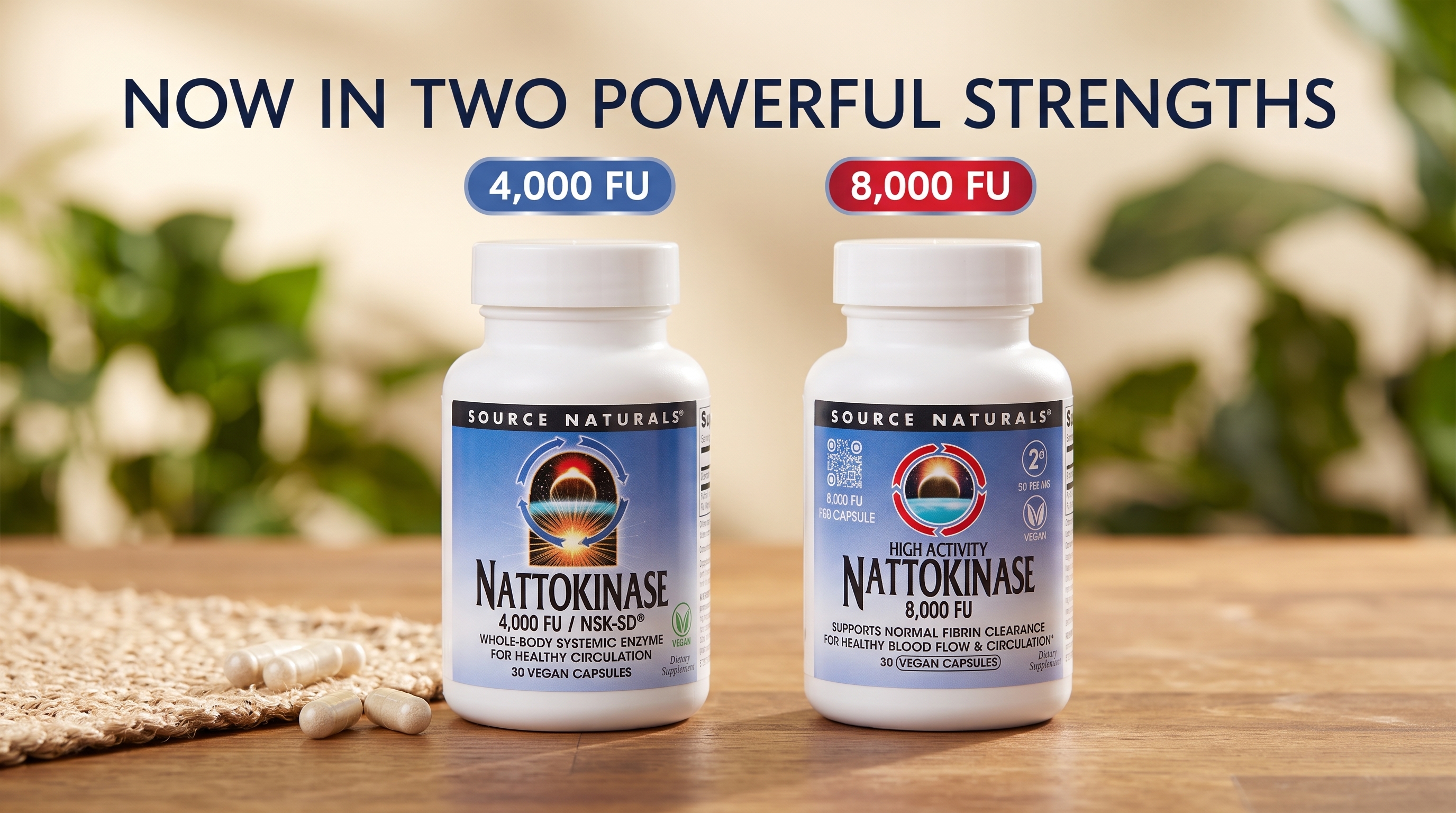
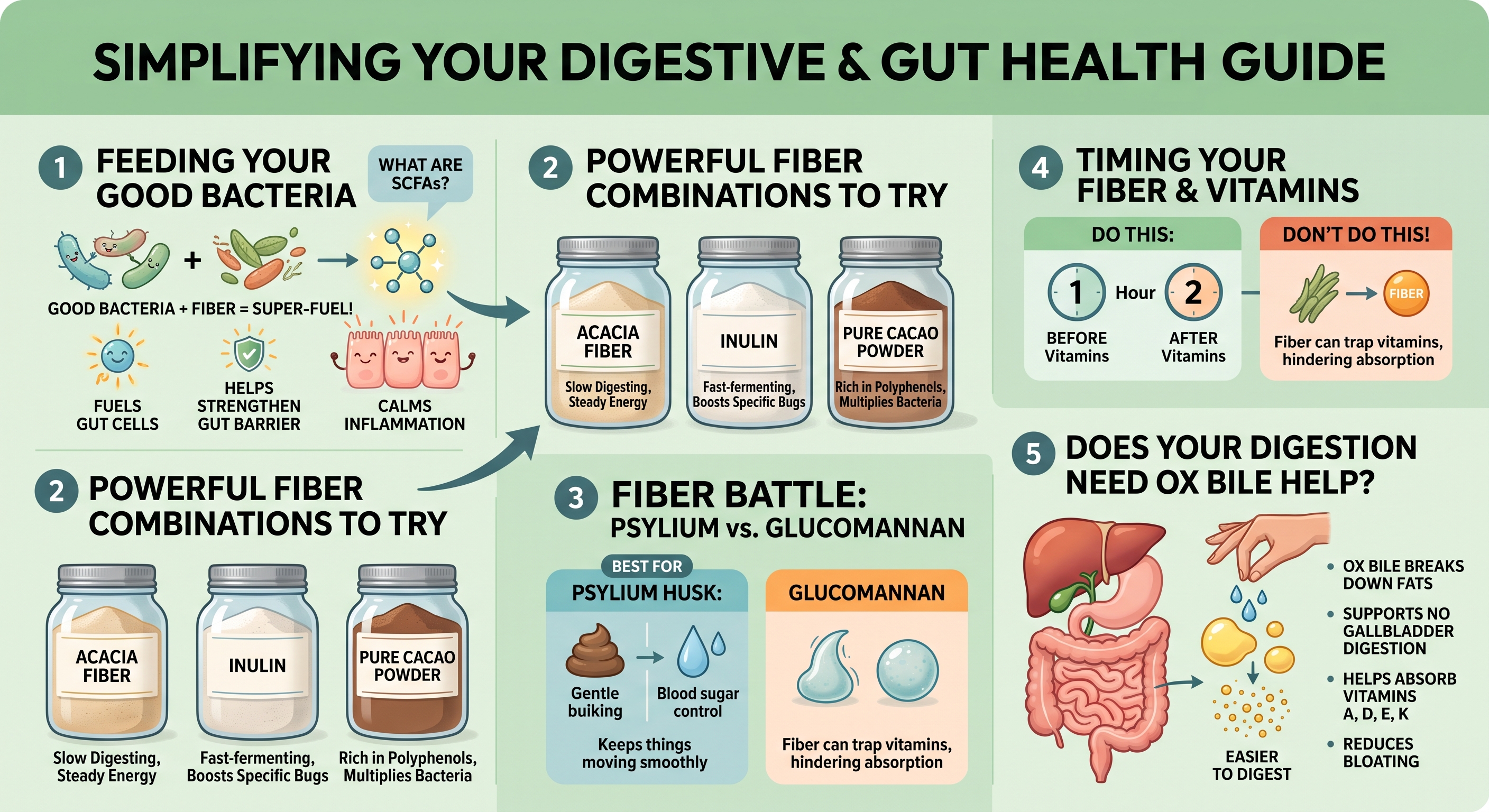
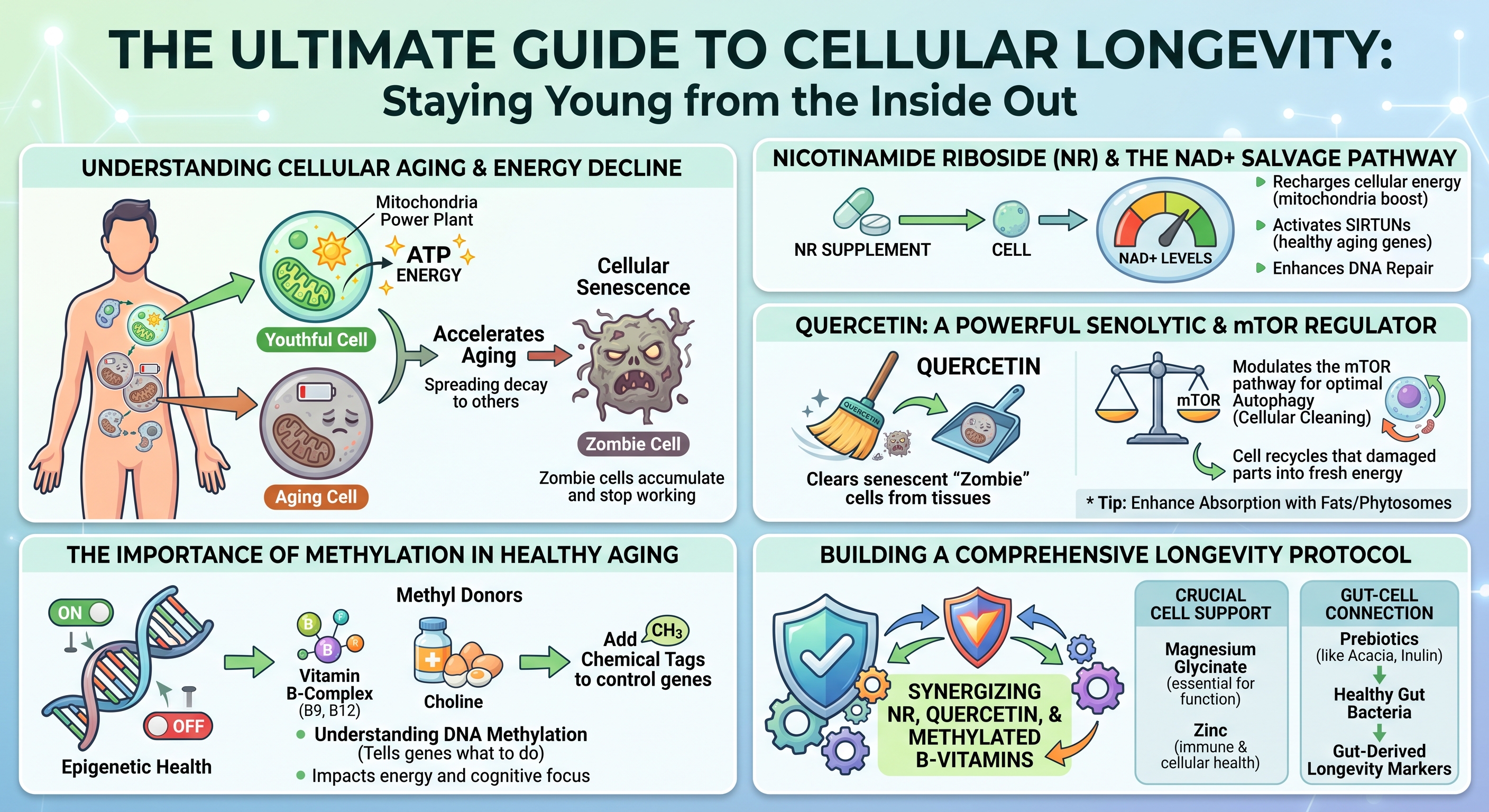
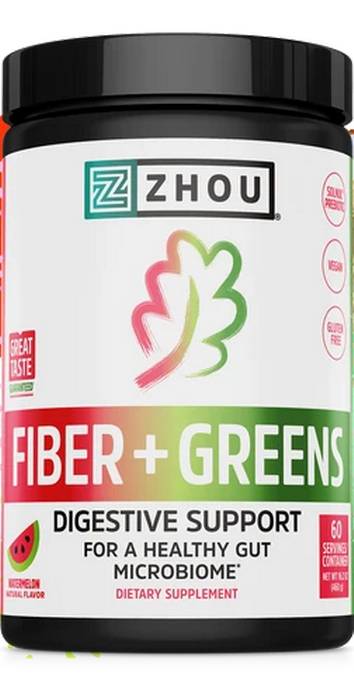
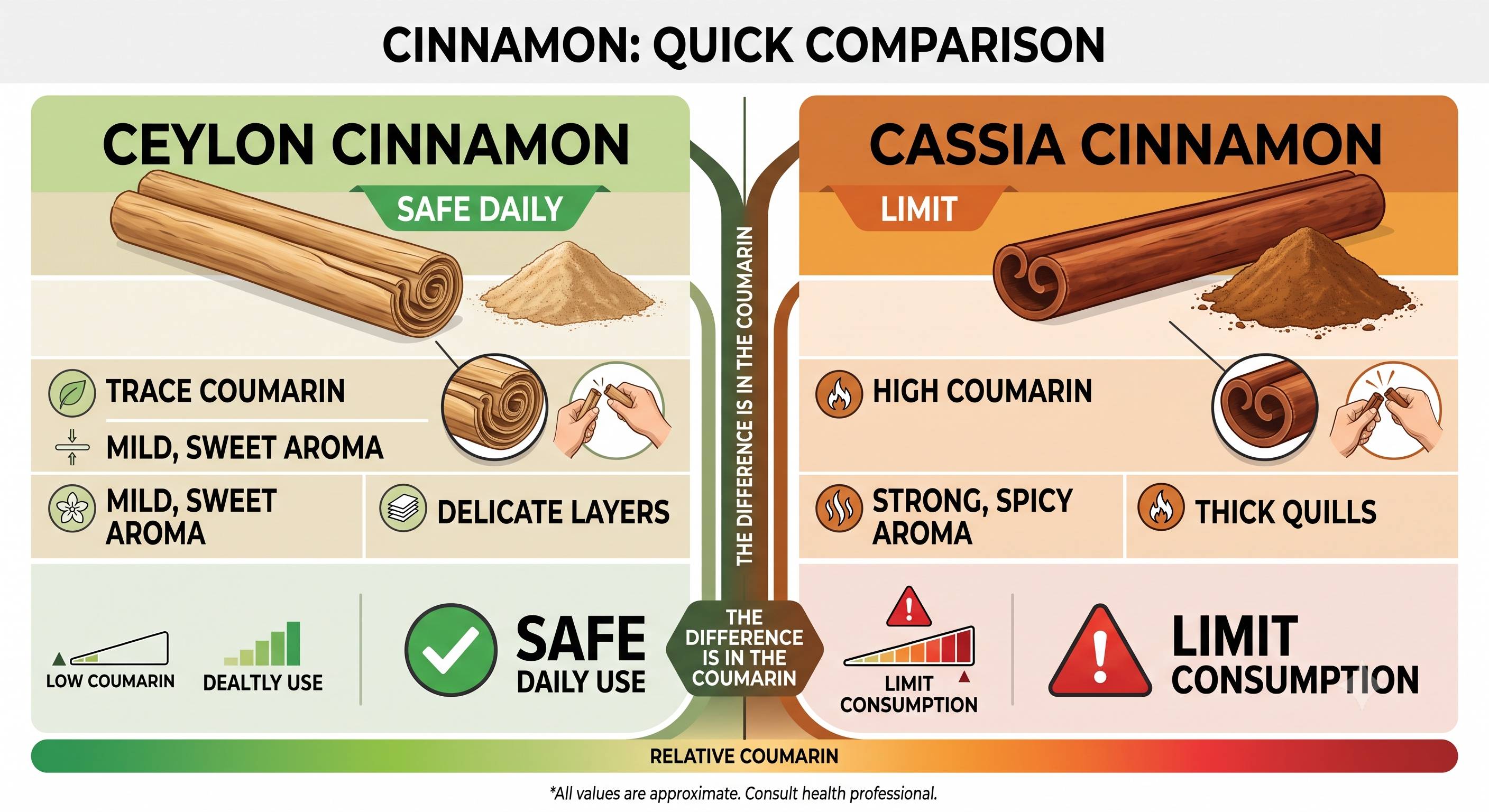

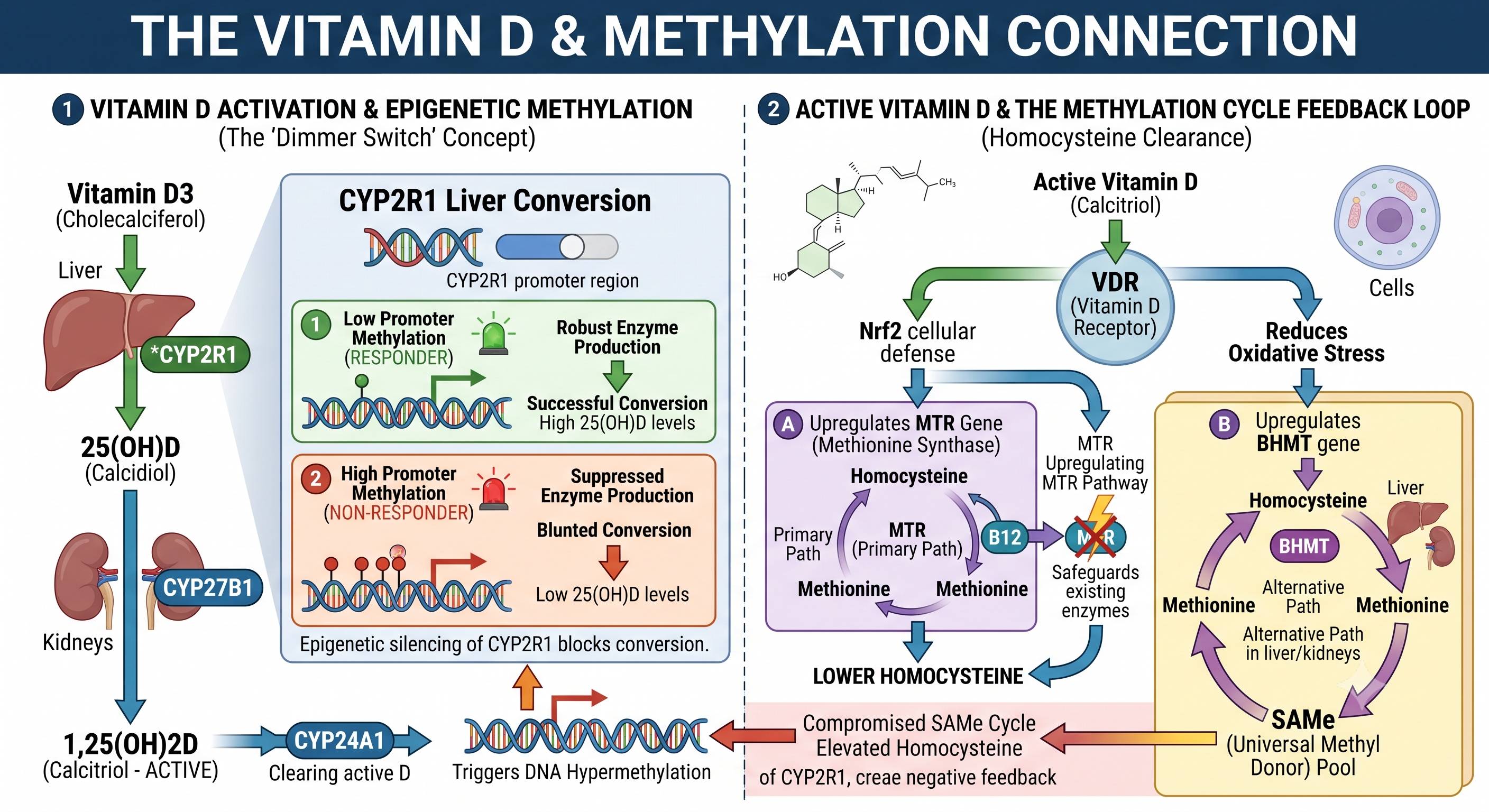
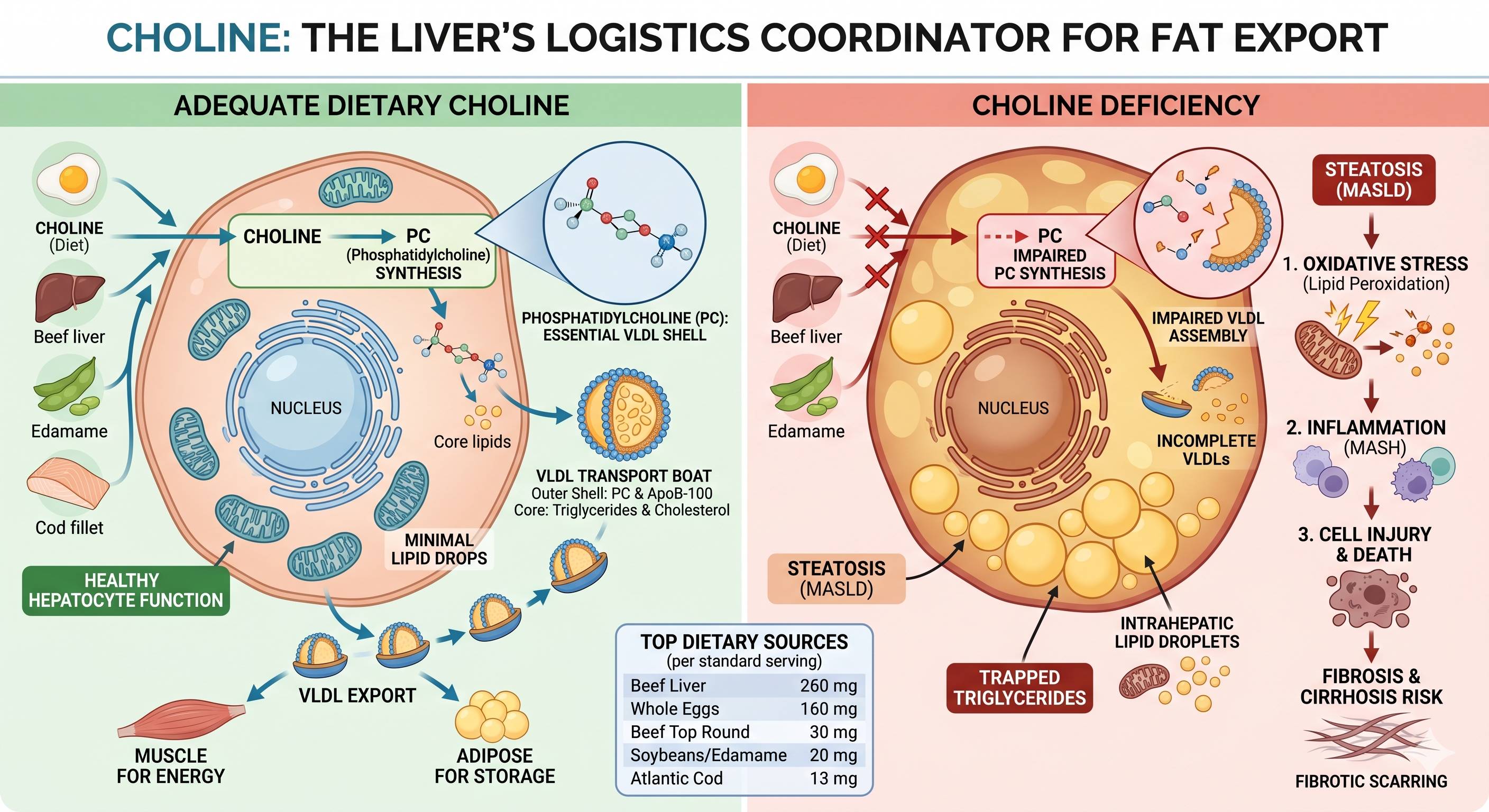
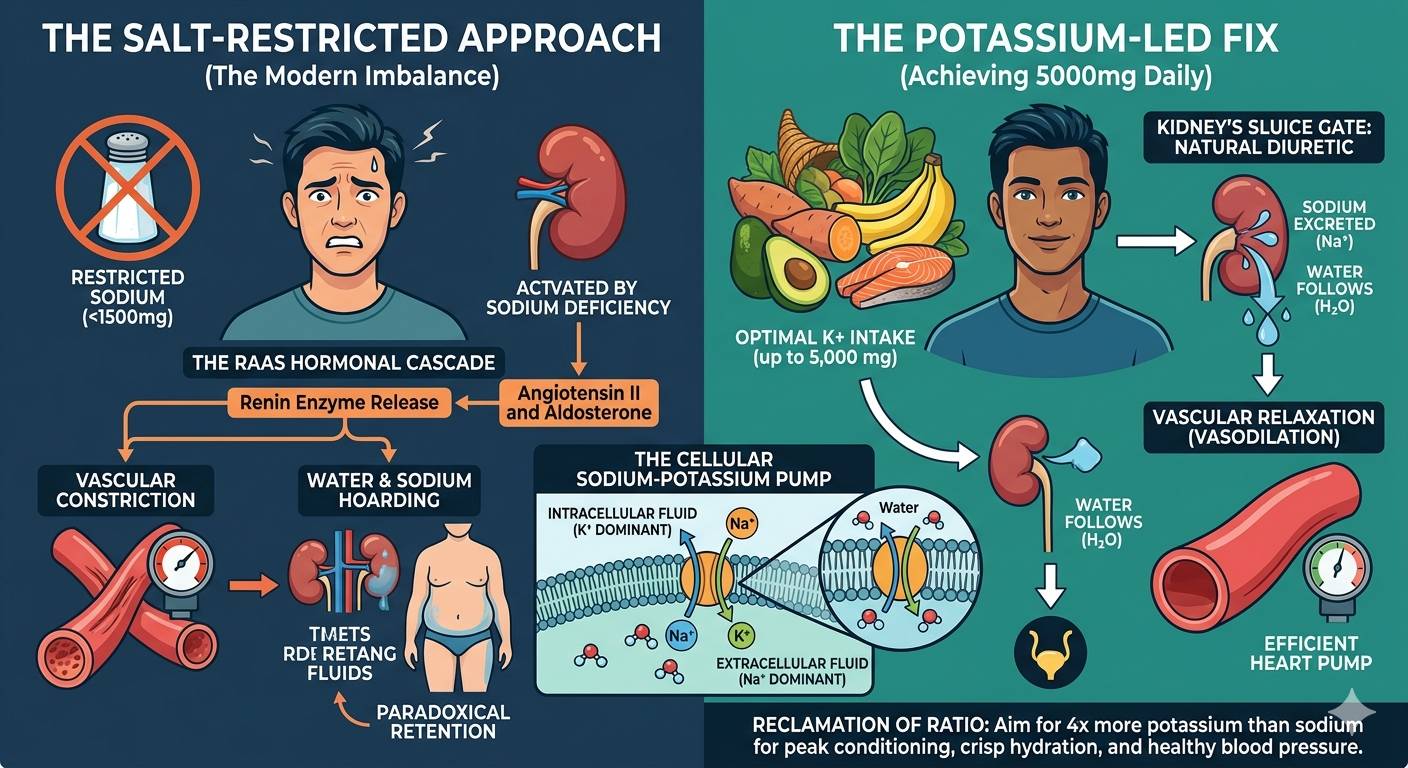
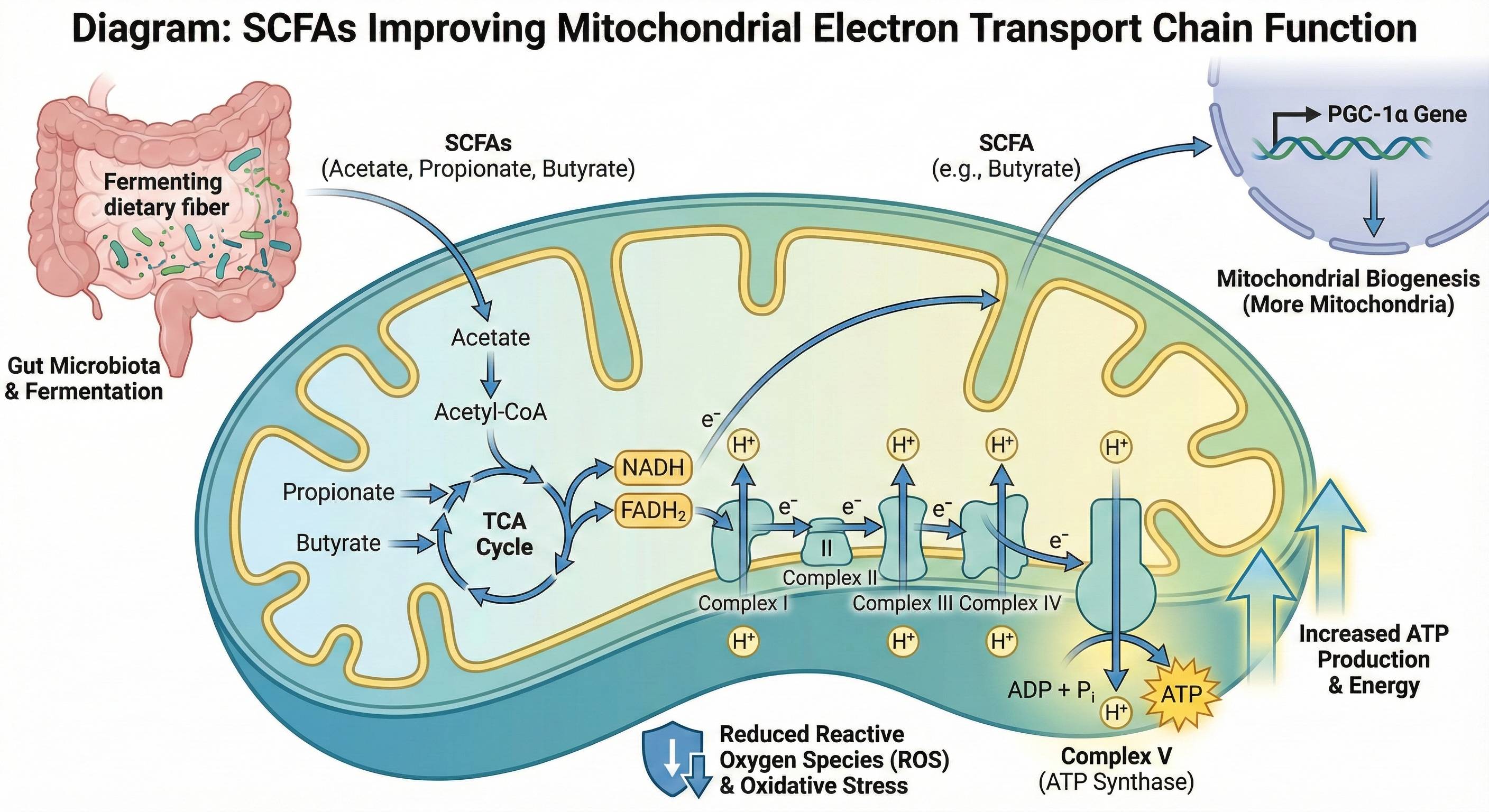





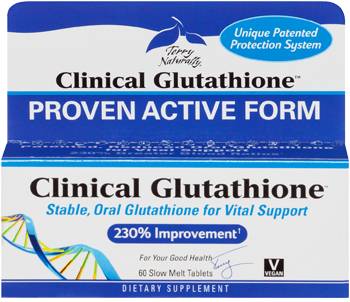
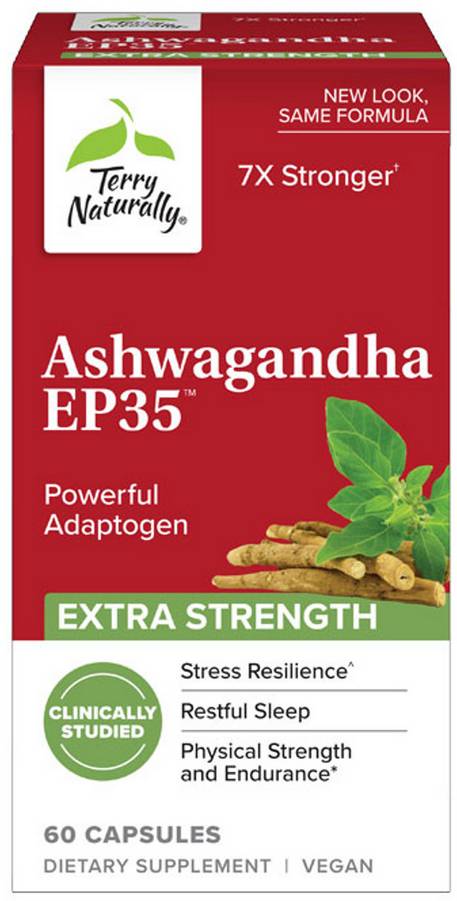

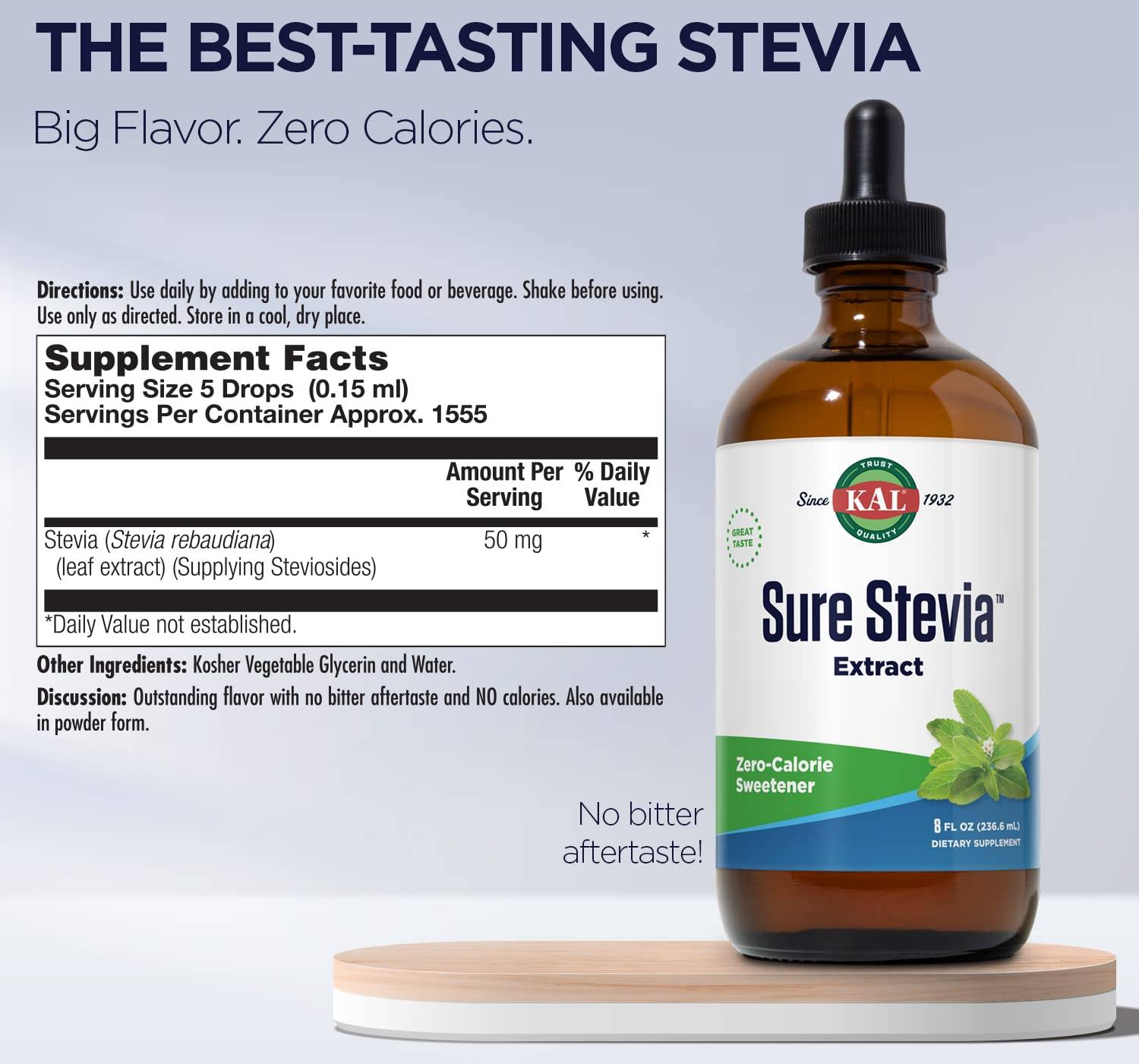 Stevia is a natural sweetener extracted from the leaves of the Stevia rebaudiana plant. It is a healthier alternative to processed sugar and artificial sweeteners, making it a popular choice for many health-conscious people. However, not all stevia products are created equal. Some stevia sweeteners contain additives or fillers that can be harmful to your health. That's why it's important to choose a high-quality stevia product, like the Kal Sure Stevia Liquid Extract.
 Calcium, magnesium, and zinc are vital minerals that play a crucial role in maintaining good health. Each of these minerals are essential for various bodily functions and plays a critical role in promoting overall physical wellbeing. While some may know a few of the benefits of these minerals, it's important to understand how each of them contributes to better health and why they should be included in your diet.


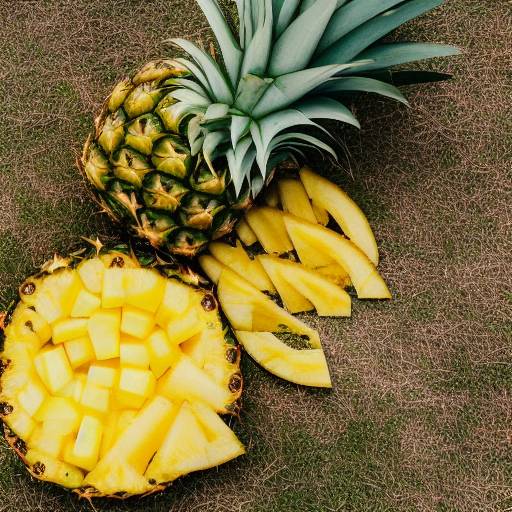 Bromelain is a proteolytic enzyme derived from the stem of the pineapple plant. It has a long history of use in traditional medicine for supporting digestive health, but modern science has also shown that it can provide support for joint comfort and relief from temporary muscle soreness.* Lets explore the many different uses and benefits of bromelain.
 Do you have trouble seeing at night? If so, you're not alone. Millions of people around the world have difficulty seeing in low light conditions. Fortunately, there is a natural way to improve night vision. We will discuss Terry Naturally's Healthy Night Vision supplement and how it can help you see better in the dark!

 If you're like most people, you probably think of olive oil as a healthy cooking oil. But what you may not know is that olive oil has some amazing health benefits, including the ability to improve brain function. In this blog post, we will discuss the science behind olive oil and brain function and explore how this powerful oil can help improve your cognitive performance.



 Do you suffer from inflammation? If so, you're not alone. Inflammation is a common problem that many people deal with on a daily basis. It can cause pain and discomfort in the body, and it can make everyday activities difficult to perform. Luckily, there are ways to reduce inflammation through diet. We will discuss the foods that you should eat and avoid if you want to reduce inflammation. We will also provide some helpful tips for getting started!