|
Search Term: " Lassi "
The Secret to Gut Health: Feeding Your Microbiome for Maximum SCFAs   
Date:
September 11, 2026 01:29 PM
Your Complete Guide to Digestive Support: Building a Thriving Gut MicrobiomeWhen we talk about digestive health, the conversation usually stops at taking a daily probiotic or drinking enough water. But true microbiome health goes much deeper. It involves feeding the good bacteria you already have, ensuring your body can properly break down fats, and timing your supplements right.If you want to optimize your digestion, you need to understand how different fibers work, the magic of "postbiotics," and how specialized enzymes keep everything running smoothly. The Magic of Short-Chain Fatty Acids (SCFAs)To understand gut health, you have to understand a process called fermentation. When you eat dietary fiber that your stomach can't digest, it travels down into your colon. There, your gut bacteria feast on it.When these good bacteria eat fiber, they release beneficial byproducts called Short-Chain Fatty Acids (SCFAs) - most notably butyrate, acetate, and propionate. Think of SCFAs as the ultimate super-fuel for your digestive system. They provide the main energy source for the cells lining your colon, helping to keep the gut barrier strong and preventing "leaky gut." SCFAs also help calm inflammation throughout the body and play a massive role in healthy metabolism. But to get these benefits, you have to feed your microbiome the right type of fibers. The Ultimate SCFA-Boosting TrioNot all fibers are created equal. Some just add bulk to your stool, while others are "prebiotics" - meaning they actively feed your good bacteria. To maximize SCFA production, combining different types of prebiotic fibers is incredibly effective.Here is a functional combination that acts as a powerhouse for your microbiome:
Glucomannan vs. Psyllium: Which Fiber is Right for You?If you are looking to supplement with an isolated fiber for digestive support, you will likely encounter two heavyweight contenders: Glucomannan and Psyllium. Both are soluble fibers, meaning they dissolve in water to form a gel in your stomach, but they act a bit differently.
Can You Take Fiber With Vitamins?A very common question is whether you can take your daily fiber supplement alongside your morning vitamins.The short answer is no. You should separate them. Because soluble fibers (like psyllium, glucomannan, and even high doses of acacia) form a thick, sticky gel in your digestive tract, they act like a sponge. If you take them at the exact same time as your daily vitamins or minerals, the fiber can bind to the nutrients. Instead of absorbing those vitamins into your bloodstream, your body will simply sweep them out in your next bowel movement. The Golden Rule: Take your vitamin and mineral supplements at least 1 hour before or 2 hours after taking a heavy fiber supplement. Beyond Fiber: The Benefits of Ox Bile for Fat DigestionFiber takes care of the carbohydrates, but what about the fats? Many people eat a healthy diet but still experience bloating, indigestion, or floating stools after a rich meal. This is often an issue with bile.Bile is a fluid produced by your liver and stored in your gallbladder. When you eat fats, your gallbladder squirts bile into your intestines. Think of bile like dish soap on a greasy frying pan—it emulsifies the fat, breaking it down into tiny droplets so your body can absorb it. If you have had your gallbladder removed, or if your liver is simply sluggish, your body might not release enough bile. This means fats pass through your system undigested, missing out on crucial fat-soluble vitamins (like Vitamins A, D, E, and K). This is where ox bile comes in. Taken as a supplement with meals, ox bile closely mimics human bile. The benefits include:
(https://vitanetonline.com:443/forums/Index.cfm?CFApp=1&Message_ID=6652) The Ultimate Guide to Cellular Longevity: NAD+, Methylation, and Senolytics 
Date:
September 10, 2026 10:57 AM
Introduction: Understanding Cellular Aging and Energy DeclineBiological aging represents a progressive decline in cellular maintenance, structural repair, and energy generation. Over decades, tissues experience an attrition of functional reserves, compromised stress resilience, and persistent low-grade systemic inflammation. At the cellular scale, biological degeneration is driven by a failure to generate bioenergetic fuel, repair genetic code, and clear metabolic waste.Cellular aging is characterized by interconnected biological disruptions known as the hallmarks of aging. These encompass genomic instability, epigenetic alterations, mitochondrial decay, loss of proteostasis, and cellular senescence. Rather than operating as isolated occurrences, these phenomena establish a self-reinforcing degenerative cycle: declining cellular power generation impairs enzymatic genetic repair, promoting the accumulation of damaged cells that enter irreversible growth arrest and poison surrounding healthy tissues. Mitigating cellular aging requires examining how microscopic bioenergetic pathways deteriorate and evaluating how targeted nutritional and biochemical interventions can restore cellular homeostasis. The Role of Mitochondria and ATP ProductionEvery biological function - from muscular contraction to continuous DNA replication - depends on adenosine triphosphate (ATP), the primary biochemical energy currency of living systems. Cells produce the vast majority of this energy within mitochondria through oxidative phosphorylation. Within these specialized organelles, metabolic intermediates derived from dietary carbohydrates and lipids donate high-energy electrons to the electron transport chain. The flow of these electrons across protein complexes establishes an electrochemical proton gradient across the inner mitochondrial membrane, driving ATP synthase to manufacture ATP.A youthful cell functions like an efficient municipal power grid, dynamically matching energetic demands with immediate ATP output. However, as biological aging progresses, mitochondrial efficiency declines. The electron transport chain becomes structurally leaky, inadvertently shedding electrons that react with ambient molecular oxygen to produce reactive oxygen species (ROS). While regulated levels of ROS participate in vital intracellular signaling, chronic excess induces widespread oxidative stress. Mitochondria are exceptionally vulnerable to this oxidative burden because they carry their own circular genetic material, known as mitochondrial DNA (mtDNA). Unlike nuclear DNA, mtDNA lacks the protective shielding of histone proteins and possesses rudimentary repair systems. As a result, mtDNA sustains cumulative oxidative damage, encoding increasingly defective electron transport chain proteins. This dynamic generates a bioenergetic deficit: degraded mitochondria synthesize progressively less ATP while emitting greater volumes of damaging free radicals. Deprived of optimal ATP reserves, cells lack the energy necessary to drive vital enzymatic repair cascades, accelerating structural degeneration and functional exhaustion. How Cellular Senescence Accelerates the Aging ProcessWhen healthy cells confront critical physiological damage - such as severe telomere attrition, persistent DNA double-strand breaks, or oxidative stress - they activate protective cell cycle arrest pathways governed primarily by the p53/p21^CIP1 and p16^INK4a/Rb molecular checkpoints. This defensive shutdown, termed cellular senescence, permanently prevents the replication of potentially premalignant or mutated cells.Senescent cells, colloquially known as "zombie cells," enter a state of permanent growth arrest while actively resisting programmed cell death (apoptosis). Over time, these cells accumulate within adipose depots, skeletal muscle, the vascular endothelium, and major organs, largely because immune surveillance and clearance pathways simultaneously lose functional efficiency. The systemic danger of senescent cells stems from their secretome. Rather than remaining biologically inert, senescent cells develop a hyperactive secretory state termed the Senescence-Associated Secretory Phenotype (SASP). The SASP is a destructive mixture of pro-inflammatory cytokines, chemokines, extracellular matrix-degrading matrix metalloproteinases (MMPs), and reactive oxygen species. Through this toxic secretome, even a small burden of senescent cells can impair whole-tissue architecture. SASP factors degrade surrounding structural proteins, induce insulin resistance in neighboring metabolic cells, and biochemically force adjacent healthy cells into secondary senescence. This persistent paracrine signaling fuels chronic, sterile, low-grade systemic inflammation, termed "inflammaging," which accelerates systemic tissue degeneration and elevates susceptibility to degenerative age-related pathologies. Nicotinamide Riboside (NR) and the NAD+ Salvage PathwayThe Biochemistry of NAD+ Depletion Over TimeNicotinamide adenine dinucleotide (NAD+) is an indispensable coenzyme present in every living cell. NAD+ fulfills a dual biological mandate: it serves as a central redox cofactor that shuttles electrons between cellular metabolic reactions, and it functions as an obligatory consumable substrate for regulatory enzymes that preserve cellular viability. In its redox capacity, NAD+ accepts electrons to form NADH during glycolysis, the tricarboxylic acid (TCA) cycle, and fatty acid beta-oxidation, subsequently donating those electrons to Complex I of the respiratory chain to power ATP synthesis.
The primary enzymatic driver of age-related NAD+ destruction is CD38, a membrane-bound glycohydrolase expressed on immune cells that is upregulated in response to chronic SASP exposure. Concurrently, lifelong genotoxic damage causes persistent activation of Poly(ADP-ribose) polymerase 1 (PARP-1), an enzyme that cleaves the glycosidic bonds of NAD+ to assemble branched poly(ADP-ribose) chains at DNA lesion sites. Because PARP-1 consumes NAD+ without directly recycling the molecule, chronic DNA damage depletes intracellular NAD+ pools, impairing bioenergetics and limiting sirtuin activity. How NR Efficiently Boosts Cellular NAD+ LevelsThe mammalian body maintains its NAD+ supply through three distinct biosynthetic routes: the de novo pathway from dietary L-tryptophan, the Preiss-Handler pathway from nicotinic acid (niacin), and the NAD+ Salvage Pathway. The de novo pathway requires substantial energy expenditure, consuming roughly sixty milligrams of dietary tryptophan to yield a single milligram of NAD+. The Preiss-Handler pathway, while effective, can induce cutaneous prostaglandin-mediated flushing at therapeutic intakes. Consequently, the salvage pathway serves as the primary mechanism for maintaining intracellular NAD+ pools.The salvage pathway recycles the breakdown product nicotinamide (NAM), which is released whenever NAD+-consuming enzymes execute their functions. Under normal conditions, cells convert free nicotinamide into nicotinamide mononucleotide (NMN) via the rate-limiting enzyme nicotinamide phosphoribosyltransferase (NAMPT), after which NMN adenylyltransferases (NMNAT1–3) complete the conversion into NAD+. However, NAMPT expression declines with advancing age, chronic inflammation, and metabolic stress, limiting the recycling capacity of the cell. Nicotinamide Riboside (NR) is a naturally occurring pyridine nucleoside that bypasses this enzymatic bottleneck. Upon cellular entry via equilibrative nucleoside transporters, NR is directly phosphorylated into NMN by nicotinamide riboside kinases (NRK1 and NRK2) using a single molecule of ATP. Because the NRK pathway remains intact and robust across the lifespan, NR provides an efficient alternative entry point into the NAD+ salvage cascade. Clinical evaluations in humans confirm the safety, bioavailability, and pharmacokinetics of oral NR supplementation. Randomized, double-blind, placebo-controlled trials reveal that oral NR chloride produces dose-dependent increases in steady-state whole blood NAD+ concentrations. Dosing regimens of 100 mg, 300 mg, and 1,000 mg daily elevate blood NAD+ levels by approximately 22%, 51%, and up to 142%, respectively, within two weeks of administration, maintaining these elevations throughout continuous use. High-resolution metabolomic analyses also demonstrate parallel elevations in nicotinic acid adenine dinucleotide (NAAD), establishing it as a reliable biomarker of active intracellular NAD+ synthesis without hepatic or systemic toxicity. Sirtuin Activation and DNA Repair MechanismsReplenishing intracellular NAD+ supports functions beyond mitochondrial ATP generation. NAD+ functions as an obligatory cofactor for sirtuins (SIRT1 through SIRT7), a family of class III histone and non-histone protein deacetylases that regulate stress resilience, metabolic homeostasis, and cell survival. Sirtuins couple the removal of acetyl groups from target lysine residues to the stoichiometric cleavage of NAD+, producing nicotinamide and O-acetyl-ADP-ribose. In states of NAD+ deficiency, sirtuin enzymes remain inactive regardless of cellular demand.In the nucleus, SIRT1 coordinates defense against cellular decline. When activated by restored NAD+ levels, SIRT1 deacetylates peroxisome proliferator-activated receptor-gamma coactivator 1-alpha (PGC-1a), the master transcriptional coactivator of mitochondrial biogenesis. This deacetylation stimulates mitochondrial replication and assembly, expanding functional respiratory capacity. Concurrently, SIRT1 deacetylates the p65 subunit of nuclear factor-kappa B (NF-kB), suppressing the transcription of pro-inflammatory cytokines. In the mitochondria, SIRT3 utilizes NAD+ to deacetylate metabolic enzymes and superoxide dismutase 2 (SOD2), enhancing the organelle's capacity to neutralize reactive oxygen species. At the same time, cellular NAD+ levels directly regulate genomic integrity through PARP-1. When genotoxic stress or oxidative damage induces single- or double-strand DNA breaks, PARP-1 binds to the damaged termini using its zinc-finger domains. Bound PARP-1 hydrolyzes NAD+ to synthesize extensive, negatively charged poly(ADP-ribose) polymers on itself and adjacent histones. This modification relaxes chromatin architecture and establishes an electrostatic scaffold that recruits base excision repair and homologous recombination complexes. Recent discoveries demonstrate close crosstalk between sirtuins and PARP-1 during DNA repair. PARP-1 recruits SIRT1 to double-strand breaks, where SIRT1 deacetylates the chromatin-remodeling ATPase BRG1 to displace nucleosomes and facilitate homologous recombination. However, because PARP-1 and SIRT1 draw from the same intracellular NAD+ pool, severe NAD+ depletion forces a biological compromise: PARP-1 consumes the scarce remaining cofactor to address DNA damage, leaving sirtuins deactivated. Restoring NAD+ via NR prevents this deficit, enabling concurrent genomic repair and sirtuin-mediated metabolic defense. Quercetin: A Powerful Senolytic and mTOR RegulatorClearing Senescent "Zombie" Cells from TissuesThe accumulation of senescent cells has driven interest in senolytics: molecules that selectively eliminate senescent cells while sparing healthy, non-senescent populations. Senolytic agents exploit a specific vulnerability in senescent cells. Because senescent cells produce cytotoxic, pro-inflammatory SASP factors that would normally induce their own death, they become dependent on upregulated Senescent Cell Anti-Apoptotic Pathways (SCAPs) to survive. The SCAP network involves anti-apoptotic proteins (such as BCL-2 and BCL-xL), the PI3K/Akt kinase cascade, and cyclin-dependent kinase inhibitors.Quercetin is a polyphenolic flavonoid found in capers, red onions, apples, and the flower buds of Sophora japonica. Beyond its cLassical antioxidant properties, quercetin functions as a senolytic compound that exerts multi-target inhibitory effects across the SCAP network. By inhibiting the upstream PI3K/Akt survival axis and downregulating anti-apoptotic defenses, quercetin disrupts the signaling that protects senescent cells from intrinsic apoptosis. Deprived of these survival signals, senescent cells undergo programmed cell death. Preclinical studies demonstrate that senolytic protocols utilizing quercetin - often combined with the tyrosine kinase inhibitor dasatinib - reduce senescent cell burden across multiple tissues. This targeted clearance lowers circulating SASP factors, attenuates tissue fibrosis, restores endothelial reactivity, and improves functional health span. By removing senescent cells, quercetin mitigates the primary driver of chronic, low-grade inflammaging. Modulating the mTOR Pathway for Optimal AutophagyThe mechanistic Target of Rapamycin (mTOR) is an evolutionarily conserved serine/threonine protein kinase that coordinates cellular metabolism by balancing anabolic growth with catabolic recycling. Operating within two multiprotein complexes - mTORC1 and mTORC2 - the mTOR pathway integrates signals from amino acids, growth factors, and intracellular energy levels. In nutrient-rich environments, mTORC1 promotes protein synthesis, lipogenesis, and cellular growth, while suppressing catabolic breakdown. Conversely, nutrient scarcity downregulates mTORC1, activating autophagy.Autophagy is an intracellular degradation system that packages damaged organelles, misfolded protein aggregates, and biological debris into double-membraned autophagosomes for lysosomal degradation and recycling. A specialized branch of this pathway, mitophagy, selectively targets and clears damaged mitochondria. In modern metabolic conditions characterized by continuous caloric intake, mTORC1 can remain persistently active. This persistent signaling suppresses autophagy, causing damaged organelles and toxic aggregates to accumulate within tissues. Quercetin functions as a natural modulator of mTOR signaling. By inhibiting upstream PI3K/Akt signaling and activating intracellular energy sensors, quercetin attenuates overactive mTORC1, mimicking the metabolic effects of caloric restriction. This down-regulation relieves inhibition on the ULK1 autophagy initiation complex, stimulating both general autophagy and mitophagy. As autophagy proceeds, cells clear protein aggregates and eliminate damaged mitochondria, supporting cellular longevity and proteostasis. Enhancing Absorption: Phytosomes and Dietary FatsDespite the biological activities of quercetin identified in experimental models, its clinical translation has historically been limited by poor oral bioavailability. Raw quercetin aglycone is a crystalline, hydrophobic polyphenol with poor solubility in water and gastrointestinal fluids. When ingested in unformulated powder forms, quercetin molecules aggregate in the gut lumen, resisting dissolution and passive absorption. Consequently, the vast majority of an unformulated dose passes into the colon unabsorbed, where it undergoes microbial degradation without reaching meaningful systemic concentrations.To address these pharmacokinetic limitations, advanced delivery systems such as phytosomes were engineered. A phytosome is a 100% food-grade molecular complex where individual polyphenolic molecules are bound to dietary phospholipids, typically sunflower-derived phosphatidylcholine. Unlike a cLassical liposome - which encapsulates water-soluble compounds inside an aqueous core enclosed by a lipid bilayer - a phytosome forms an amphiphilic complex at the molecular level. The polar head of the phosphatidylcholine molecule forms hydrogen bonds with the hydroxyl groups of the quercetin molecule, while its lipophilic fatty acid tails extend outward. This structural arrangement shields the polar regions of the flavonoid, creating a lipid-compatible complex that integrates smoothly into the intestinal mucosa.
The Importance of Methylation in Healthy AgingVitamin B-Complex and Choline as Essential Methyl DonorsMethylation is an essential biochemical process occurring billions of times each second across all human tissues. It involves the transfer of a single-carbon unit - a methyl group consisting of one carbon atom bound to three hydrogen atoms - (CH3) - from a donor molecule to diverse recipients, including DNA, RNA, structural proteins, neurotransmitters, and membrane phospholipids. This transfer of one-carbon units is coordinated by the methionine-homocysteine cycle, which sustains genetic stability, detoxification pathways, and cellular repair.At the center of this pathway sits S-adenosylmethionine (SAM), the universal methyl donor in human biology. When a methyltransferase enzyme transfers a methyl group from SAM to an acceptor molecule, SAM is converted into S-adenosylhomocysteine (SAH). SAH functions as a potent competitive inhibitor of intracellular methyltransferases. To maintain functional methylation, SAH is rapidly hydrolyzed into homocysteine, a sulfur-containing amino acid that must be remethylated or cleared through transsulfuration. Homocysteine clearance proceeds through two distinct remethylation pathways. The primary route operates across most tissues via the enzyme methionine synthase, which requires vitamin B12 in its active methylcobalamin form. Methionine synthase transfers a methyl group from 5-methyltetrahydrofolate (5-MTHF, the active form of folate) to homocysteine, regenerating methionine. The ongoing production of 5-MTHF depends on the enzyme methylenetetrahydrofolate reductase (MTHFR), which utilizes riboflavin (vitamin B2) as a cofactor. Alternatively, excess homocysteine can be routed into the transsulfuration pathway by vitamin B6 (as pyridoxal-5'-phosphate) to synthesize cystathionine, cysteine, and ultimately the antioxidant glutathione. A secondary remethylation pathway, active predominantly in hepatic and renal tissues, bypasses folate entirely. In this route, dietary choline is oxidized to betaine (trimethylglycine or TMG). The enzyme betaine-homocysteine S-methyltransferase (BHMT) then transfers a methyl group from betaine directly to homocysteine, yielding methionine and dimethylglycine. When dietary intake of active B-vitamins or choline is insufficient, or when genetic variations like MTHFR polymorphisms reduce pathway flux, the methylation cycle slows. Homocysteine accumulates in circulation, promoting vascular and neurological inflammation, while SAM reserves decline, restricting cellular methylation capacity. Understanding DNA Methylation and Epigenetic HealthEvery somatic cell in an organism carries an identical genetic code. Cellular differentiation and tissue-specific functions are governed by the epigenome: a regulatory layer of chemical modifications that dictates gene expression without altering underlying DNA sequences. DNA methylation represents the primary and most stable epigenetic modification. In this process, DNA methyltransferase (DNMT) enzymes utilize methyl groups donated by SAM to add a methyl tag to cytosine bases adjacent to guanine residues, forming 5-methylcytosine within CpG dinucleotide sites.Under physiological conditions, DNA methylation maintains genomic stability and coordinates transcription. Methylation of promoter regions condenses chromatin, repressing transposable elements and silencing genes inappropriate for a given cell type. Conversely, hypomethylated promoters maintain an open chromatin state, allowing transcription factors to bind and initiate gene expression. During biological aging, this epigenetic landscape undergoes progressive dysregulation, a phenomenon termed "epigenetic drift". Aging cells experience global hypomethylation alongside focal hypermethylation of specific gene promoters. Global loss of methyl tags destabilizes the genome, activating retrotransposons and pro-inflammatory pathways. Simultaneously, hypermethylation at targeted promoter sites silences critical tumor suppressor genes and DNA repair complexes. This systematic change in DNA methylation patterns is consistent across populations, allowing researchers to develop molecular "epigenetic clocks". Algorithms such as the Horvath clock, PhenoAge, and GrimAge quantify biological age by profiling the methylation status of specific CpG sites across the genome. These clocks assess whether individuals are aging faster or slower than their chronological years. Ensuring a steady supply of methyl donors and preventing unnecessary SAM depletion supports DNMT activity, maintaining epigenetic patterns and genomic stability. How the Methylation Cycle Impacts Energy and Cognitive FocusBeyond long-term epigenetic regulation, the methylation cycle directly modulates immediate biochemical processes that govern daily energy, neurotransmission, and cognitive focus. Compromised methylation capacity frequently manifests as cognitive slowing, executive fatigue, and reduced physical stamina.A major consumer of methyl reserves is the endogenous synthesis of creatine. Approximately 40% of all SAM-derived methyl groups in the human body are utilized by guanidinoacetate N-methyltransferase (GAMT) in the liver to synthesize creatine. Creatine then translocates to the brain and skeletal muscle, where it is phosphorylated into phosphocreatine. Phosphocreatine functions as a rapid energy buffer, donating a high-energy phosphate group to regenerate ADP into ATP in milliseconds during demanding physical or cognitive tasks. When methyl donor availability falls, endogenous creatine synthesis drops, depleting phosphocreatine reserves and increasing susceptibility to neuromuscular and cognitive fatigue. Methylation is equally central to central nervous system architecture. SAM provides methyl groups to convert phosphatidylethanolamine into phosphatidylcholine, the predominant phospholipid comprising neuronal cell membranes and the myelin sheaths that insulate axons. Intact myelin preserves rapid action potential conduction throughout the nervous system. Furthermore, free choline derived from this pathway is the direct precursor to acetylcholine, the neurotransmitter required for attention, working memory, and learning. The methylation cycle also governs monoamine neurotransmitter metabolism. SAM is required for the synthesis of adrenaline (epinephrine) from noradrenaline, while catechol-O-methyltransferase (COMT) relies on SAM to degrade dopamine and norepinephrine within the prefrontal cortex. Sluggish methylation disrupts this balance, contributing to cognitive fatigue, mood variability, and impaired mental performance. Building a Comprehensive Longevity ProtocolSynergizing NR, Quercetin, and Methylated B-VitaminsLongevity supplementation often falters when single molecules are administered in isolation, ignoring interconnected metabolic pathways. Designing an effective cellular longevity protocol requires combining complementary mechanisms that reinforce one another while preventing secondary metabolic deficits. The combination of Nicotinamide Riboside, Quercetin Phytosome, and Methylated B-Vitamins illustrates this multi-target synergy.This synergy is grounded in the direct biochemical intersection between the NAD+ salvage pathway and the methylation cycle. When high-dose NR is supplemented to boost systemic NAD+, sirtuins and PARP enzymes consume the newly synthesized cofactor, generating substantial quantities of free nicotinamide (NAM). This intracellular nicotinamide faces two primary metabolic fates: it can be recycled back into NAD+ through the NAMPT-dependent salvage loop, or it can be cleared via methylation. When the influx of nicotinamide exceeds salvage recycling capacity, the excess is cleared to avoid feedback inhibition of sirtuin enzymes. To accomplish this, the enzyme nicotinamide N-methyltransferase (NNMT) transfers a methyl group from SAM directly onto nicotinamide, forming 1-methylnicotinamide (1-MNA/MNAM), which is subsequently excreted in urine. Prolonged, high-dose precursor administration without nutritional methyl support can elevate NNMT flux, depleting intracellular SAM reserves. As methyl groups are consumed clearing nicotinamide, the cellular SAM-to-SAH ratio falls, which can elevate circulating homocysteine and reduce methyl availability for DNA methylation and neurotransmitter synthesis. Co-administering a fully methylated B-complex alongside choline or betaine addresses this potential bottleneck. Providing active methyl donors (such as 5-MTHF, methylcobalamin, and betaine) maintains the one-carbon donor pool. Even during increased NNMT activity, SAM pools remain stable, protecting DNA methylation fidelity and maintaining homocysteine within safe parameters. Quercetin reinforces this protocol through complementary mechanisms. By clearing senescent cells and reducing SASP-mediated inflammation, quercetin downregulates CD38, the primary enzyme responsible for age-related NAD+ degradation. Suppressing CD38 prevents unnecessary breakdown of newly synthesized NAD+, enhancing the efficiency of NR supplementation. Furthermore, while NR provides the NAD+ necessary to activate SIRT1-driven mitochondrial biogenesis, quercetin concurrently modulates mTORC1 to stimulate autophagy. This coordinated action ensures that newly generated mitochondria operate in an environment cleared of proteotoxic cellular debris. The Crucial Role of Magnesium Glycinate and Zinc in Cellular FunctionLongevity protocols require essential mineral cofactors to function efficiently. Without adequate divalent minerals acting as enzymatic cofactors and structural stabilizers, metabolic longevity pathways cannot operate at full capacity. Among these, magnesium and zinc are required for cellular repair, genomic stability, and energy production.Magnesium serves as an obligatory cofactor in over 300 enzymatic reactions, primarily through its interaction with ATP. In biological systems, ATP exists predominantly as a chelate with a divalent magnesium ion, forming biologically active Mg2+ -ATP. Every enzymatic reaction that synthesizes, transfers, or consumes cellular energy - including the enzymes of the NAD+ salvage pathway (NRK and NMNAT) and DNA polymerases - strictly requires Mg2+ -ATP as its substrate. Magnesium deficiency impairs these phosphorylation reactions, reducing the cellular utilization of NAD+ precursors. Additionally, magnesium is an essential cofactor for the enzymes that activate dietary B-vitamins into their active forms. Supplying magnesium as magnesium glycinate provides high gastrointestinal bioavailability, minimal laxative effect, and yields glycine to support inhibitory neurotransmission and restful sleep. Zinc serves as a vital structural component for more than 3,000 human transcription factors and enzymatic proteins. Its most prominent structural role in longevity occurs within zinc-finger motifs. These are specialized protein conformations stabilized by a zinc ion coordinated to cysteine and histidine residues. The DNA damage sensor PARP-1 utilizes three zinc-finger domains to identify, track, and physically bind to single- and double-strand DNA breaks. Without adequate intracellular zinc, PARP-1 cannot properly assemble or dock onto damaged chromosomes, impairing DNA repair and increasing genomic instability. Zinc is also an obligatory structural component of copper/zinc superoxide dismutase (Cu/Zn-SOD or SOD1), the primary cytosolic antioxidant enzyme that dismutates superoxide radicals into hydrogen peroxide, protecting mitochondrial membranes and nuclear DNA from premature senescence. Integrating Prebiotics (like Acacia and Inulin) for Gut-Derived Longevity MarkersA comprehensive cellular longevity framework must extend beyond somatic tissues to encompass the gut microbiome. The intestinal microbiome functions as a central regulator of systemic inflammatory tone, immune development, and metabolic signaling. Age-associated dysbiosis - characterized by the loss of beneficial commensals and an overgrowth of pathobionts - frequently leads to breakdown of the intestinal barrier.The gut epithelium consists of a single-cell monolayer sealed by tight junction proteins, including zonula occludens-1 (ZO-1), occludin, and claudins. When this physical barrier is disrupted by poor dietary fiber intake or dysbiosis, gut permeability increases. This allows lipopolysaccharide (LPS), a component of the outer membrane of Gram-negative bacteria, to enter the portal and systemic circulation. The resulting "metabolic endotoxemia" activates Toll-like receptor 4 (TLR4) on immune cells, inducing NF-kB and systemic pro-inflammatory cytokine production. This persistent gut-derived inflammation exacerbates the SASP, accelerates tissue senescence, upregulates CD38, and drains systemic NAD+ reserves.
These short-chain fatty acids, particularly butyrate, exert direct protective effects on systemic longevity. Butyrate provides the primary metabolic fuel for colonic epithelial cells, supplying more than 70% of their baseline energy needs and supporting mitochondrial function within colonocytes. Furthermore, SCFAs upregulate the expression of epithelial tight junction proteins (ZO-1, occludin, and claudin-1), restoring intestinal barrier integrity and preventing the translocation of inflammatory LPS into systemic circulation. Systemically absorbed butyrate also functions as an endogenous histone deacetylase (HDAC) inhibitor, suppressing pro-inflammatory gene expression and supporting regulatory T cell (T_reg) development. Reducing metabolic endotoxemia dampens systemic inflammation, protecting vascular function and preventing premature NAD+ depletion. Conclusion: The Integrated Cellular Longevity MatrixCellular longevity is achieved not by addressing isolated biomarkers in isolation, but by systematically supporting interconnected biological pathways. As bioenergetic capacity declines, cellular senescence accelerates, epigenetic patterns degrade, and gut barrier integrity weakens. A comprehensive approach addresses these biological vulnerabilities simultaneously.
Quercetin Phytosome clears senescent cells and modulates mTORC1, stimulating autophagy while dampening the inflammatory SASP cascade that accelerates CD38-mediated NAD+ destruction. Methylated B-vitamins, active folate, and choline replenish SAM reserves, balancing the methyl requirements of NNMT-mediated nicotinamide clearance, preserving epigenetic DNA methylation, and maintaining neurotransmitter production. Magnesium glycinate and zinc provide the structural and catalytic foundation required for ATP utilization, B-vitamin activation, and PARP-1 zinc-finger DNA repair docking. Finally, prebiotic fibers generate short-chain fatty acids like butyrate, reinforcing the intestinal barrier and preventing metabolic endotoxemia from fueling systemic inflammation. By coordinating energy replenishment, cellular waste clearance, epigenetic maintenance, and the suppression of systemic inflammation, this unified approach directly addresses the underlying drivers of cellular aging to support long-term physiological vitality.
--
(https://vitanetonline.com:443/forums/Index.cfm?CFApp=1&Message_ID=6650) Choline: The Liver’s Fat-Export Engine
Date:
June 24, 2026 11:48 AM
Without sufficient choline, the liver's ability to process and export fats grinds to a halt. The Liver’s Fat-Export MechanismThe primary reason the liver requires choline comes down to a specific molecule: phosphatidylcholine (PC).When you eat fats or liberate stored fatty acids, your liver processes them into triglycerides. To move these triglycerides out of the liver and deliver them to muscle or adipose (fat) tissue for energy or storage, the liver has to package them into transport vehicles called VLDL (Very Low-Density Lipoproteins). Phosphatidylcholine forms the essential outer shell of these VLDL transport "boats." If you don't have enough choline, your liver cannot manufacture this outer shell, meaning the boats cannot be built, and fat cannot leave the liver. What Happens When Choline is Deficient?When dietary choline drops below critical levels, a highly predictable cascade of liver dysfunction occurs:
Dietary Benchmarks & SourcesTo prevent fat accumulation and support proper VLDL export, the Food and Nutrition Board establishes specific Adequate Intake (AI) targets, though optimal metabolic and athletic performance may require a more robust baseline.
Summary: Choline acts as a critical logistics coordinator for liver health, serving as a non-negotiable raw material for exporting fat out of the organ. Specifically, the liver relies on choline to produce phosphatidylcholine, a molecule that forms the essential outer shell of Very Low-Density Lipoproteins (VLDL). Think of VLDLs as transport boats designed to safely carry triglycerides out of the liver and deliver them to the rest of the body for energy or storage. Without an adequate dietary supply of choline, the liver simply cannot build these outer shells, causing the entire transport system to grind to a halt and leaving processed fats stranded inside liver cells. When this export mechanism stalls, the stranded fat quickly triggers a highly predictable cascade of liver dysfunction. This buildup leads directly to fat accumulation - historically known as fatty liver disease and now cLassified as MASLD - which quickly overwhelms the cellular mitochondria. The resulting oxidative stress and cellular injury spark chronic inflammation (MASH), causing liver cells to die and potentially leading to permanent scarring or fibrosis over time. Furthermore, a severe shortage of dietary choline starves the body's methylation cycle, forcing it to deplete vital SAMe pools in a desperate, structurally taxing attempt to manufacture its own phosphatidylcholine.
(https://vitanetonline.com:443/forums/Index.cfm?CFApp=1&Message_ID=6643) Can DMAE Help With Cellular Cleanup?
Date:
May 28, 2026 01:38 PM
Yes, DMAE - and specifically its highly bioavailable pharmaceutical ester counterpart, centrophenoxine (meclofenoxate) - hits cellular cleanup mechanisms. However, the way it interacts with a stalled system in Parkinson's Disease (PD) is fundamentally different from standard macroautophagy upregulators like fasting or mTOR inhibitors. Instead of just forcing the cell to create more cleanup vesicles, DMAE addresses the structural and mechanical "traffic jams" that cause the system to stall in the first place. The Parkinson's Stagnation: An Autophagic Traffic JamIn Parkinson’s pathology, the primary breakdown in cellular quality control occurs within the autophagic-lysosomal pathway. The accumulation of misfolded a-synuclein proteins builds up into toxic aggregates (Lewy bodies). This doesn't just form static waste; it actively paralyzes the cell's transport machinery, halting macroautophagy, chaperone-mediated autophagy (CMA), and mitophagy (the clearing of damaged, radical-producing mitochondria).Here is how a healthy version of this pathway is structured: As shown above, a healthy cell relies on seamless transport where an autophagosome encapsulates debris and fuses with an acidic lysosome to form an autolysosome for enzymatic destruction. In a stalled Parkinson's state, this crucial fusion and trafficking step is paralyzed. How DMAE Alters Cleanup DynamicsDMAE approaches this bottleneck through two precise biochemical mechanisms:1. Re-greasing Vesicle Trafficking TracksTo build an autophagosome and move it to a lysosome, a neuron requires highly fluid lipid membranes.
2. Direct a-Synuclein DisruptionCLassically, DMAE is famous in longevity research for dissolving lipofuscin - the cross-linked "wear-and-tear" pigment aggregate that accumulates in aging cells. While lipofuscin is structurally distinct from the amyloid-like sheets of a-synuclein, modern molecular profiling has revealed that DMAE derivatives possess a powerful cross-over effect:
Mechanics of Clearance: DMAE vs. Traditional Autophagy Inducers
Summary: In Parkinson’s disease, cellular cleanup stalls because toxic accumulations of misfolded alpha-synuclein proteins physically paralyze the autophagic-lysosomal pathway, creating a mechanical traffic jam that prevents waste-carrying autophagosomes from fusing with digestive lysosomes. Rather than simply triggering the creation of more cleanup vesicles like standard autophagy inducers do, DMAE and its highly bioavailable derivative, centrophenoxine, address this bottleneck structurally. It serves as a direct biochemical precursor to vital membrane phospholipids like phosphatidylcholine, restoring lipid bilayer fluidity and essentially "re-greasing the tracks" so stalled cellular transport machinery can resume normal trafficking and waste elimination. Beyond restoring membrane dynamics, DMAE compounds actively disrupt protein aggregation by changing the conformation of alpha-synuclein, which prevents individual monomers from stacking into the toxic, insoluble sheets that choke the cell's internal quality control. This action mirrors its well-documented ability to dissolve lipofuscin, the cross-linked "wear-and-tear" aging pigment that accumulates in aging cells. While free-base DMAE struggles to penetrate the central nervous system effectively due to competition with choline transporters, the lipophilic ester centrophenoxine easily crosses the blood-brain barrier, making it the superior vehicle for restoring neural membrane fluidity and clearing out stalled neurodegenerative debris.
(https://vitanetonline.com:443/forums/Index.cfm?CFApp=1&Message_ID=6641) Why Do Sugar and Vitamin C Compete for the Same "Doorway" in Your Body?
Date:
April 10, 2026 02:40 PM
1. Why Sugar Suppresses the Immune SystemThe primary mechanism of sugar-induced immune suppression involves phagocytosis—the process by which white blood cells (specifically neutrophils and macrophages) engulf and "eat" harmful bacteria and viruses.
2. Consumption Levels and DurationBased on cLassic studies (notably the Sanchez et al. study from 1973), the "tipping point" for immune suppression is surprisingly low:
3. Why Sugar Reduces Vitamin C AbsorptionSugar (glucose) and Vitamin C (ascorbic acid) are chemically very similar. In fact, most animals can synthesize Vitamin C directly from glucose. Because of this "molecular mimicry," they use the same "doorways" to enter your cells: the GLUT-1 receptors.
4. How Vitamin C Supports the Immune SystemVitamin C is not just a general "booster"; it plays several highly specific roles in the immune response:
How much vitamin c should one consume if a cold comes on to effectively boost immune function ?When a cold starts to settle in, your immune cells (especially those hungry white blood cells we talked about) begin to burn through Vitamin C at an accelerated rate. To "effectively" boost function during this window, you shift from a maintenance dose to what is often called a loading or therapeutic dose.1. The "Rescue" Dose (Symptom Onset)Research (including a significant meta-analysis by Cochrane) suggests that while daily Vitamin C doesn't always prevent a cold, taking a high dose the moment you feel a scratchy throat can shorten the duration.
2. The Golden Rule: Divided DosesYour body has a "speed limit" for Vitamin C absorption. If you take 2,000 mg in one giant pill, your gut will likely rebel, and most of it will end up in the toilet.
3. Finding Your "Bowel Tolerance"In functional medicine, people often use the "Bowel Tolerance" method during illness. Because your body uses more Vitamin C when you're sick, your gut can actually handle higher doses than usual without issues.
?? Important Reality Checks
Sugar intake directly hinders immune function by slowing down phagocytosis, the process where white blood cells destroy pathogens, with just 75 to 100 grams of sugar reducing this activity by up to 50% for approximately five hours. This occurs because glucose and Vitamin C share a nearly identical molecular structure and compete for the same GLUT-1 receptors to enter cells; when blood sugar is high, glucose "crowds out" Vitamin C, preventing immune cells from utilizing the nutrient for essential tasks like antioxidant protection and interferon production. To effectively bolster the immune response at the onset of a cold, it is recommended to take a therapeutic loading dose of Vitamin C - roughly 4,000 to 8,000 mg in divided 500 mg increments throughout the first day - while strictly limiting sugar intake to ensure the Vitamin C can successfully navigate these cellular doorways.
(https://vitanetonline.com:443/forums/Index.cfm?CFApp=1&Message_ID=6635) Is it true the more sugar you eat, the less vitamin c you absorb?
Date:
April 10, 2026 12:04 PM
Because their chemical structures are remarkably similar, they effectively fight for the same "doorways" into your cells. The Molecular "Look-Alikes"The primary reason for this competition is that Vitamin C (ascorbic acid) and glucose are structurally almost identical.
The GLUT Transporter CompetitionThe main "doorways" used by both molecules are called Glucose Transporters (GLUT), specifically GLUT1 and GLUT3.When you consume a high amount of sugar, your blood glucose levels rise. This floods the area surrounding your cells with glucose molecules. Because the GLUT transporters have an affinity for both glucose and Vitamin C, they will prioritize the molecule that is more abundant. The "Crowded Room" Analogy: Imagine a small door (the transporter) leading into a room (the cell). If there are 100 people wearing blue shirts (glucose) and only 2 people wearing orange shirts (Vitamin C) trying to get in at the same time, the blue shirts are statistically much more likely to make it through the door first. Why This Matters for Your HealthThis competition is particularly significant for the immune system. White blood cells require significantly higher concentrations of Vitamin C than the surrounding plasma to function effectively and fight off pathogens.
Summary of the Conflict
Vitamin C and glucose are chemical "look-alikes" that share nearly identical molecular structures - C6H12O6 for glucose and C6H8O6 for Vitamin C - leading them to compete for the same cellular gateways called GLUT transporters. When blood sugar levels rise, the sheer volume of glucose molecules effectively crowds out Vitamin C, prioritizing sugar transport and leaving cells, particularly white blood cells, deficient in the Vitamin C required for optimal function. This molecular competition means that high sugar intake doesn't just add calories; it creates a biological "traffic jam" that can significantly hinder your body's ability to absorb and utilize Vitamin C for immune support and repair.
(https://vitanetonline.com:443/forums/Index.cfm?CFApp=1&Message_ID=6634) Can Inulin and Acacia Fiber, Both a prebiotic, cause friendly bacteria to produce short-chain fatty acids like Berberine helps promote the growth of beneficial Bacteria?
Date:
November 15, 2025 11:00 AM
Yes, absolutely! Both inulin and acacia fiber are cLassic examples of prebiotic soluble fibers, and their primary mechanism is to feed beneficial gut bacteria, which in turn produce short-chain fatty acids (SCFAs), including butyrate. Here’s a breakdown of how they compare to the berberine mechanism you mentioned. Prebiotic Fibers (Inulin & Acacia)This is a direct fermentation process.
BerberineBerberine's route to creating SCFAs is more indirect.As you noted, berberine isn't a fiber that bacteria ferment. Instead, it acts as a microbiome modulator:
Key TakeawayYou are right on track. While berberine helps manage the bacterial "team" to favor SCFA production, inulin and acacia fiber are the actual "food" or "fuel" that the team uses to create those SCFAs.Both pathways can lead to the same beneficial outcome - more of your body's own butyrate and other SCFAs.
(https://vitanetonline.com:443/forums/Index.cfm?CFApp=1&Message_ID=6627) Debunking Myths About Stevia: Separating Fact from Fiction
Date:
May 29, 2024 05:02 PM
Debunking Myths About Stevia: Separating Fact from FictionStevia has gained significant popularity as a natural sweetener, but with popularity comes a wave of misconceptions and myths. As consumers become more health-conscious and seek alternatives to sugar, it’s essential to separate fact from fiction regarding Stevia. This article debunks stevia myths with evidence-based info to clarify consumer doubts.
Myth 1: Stevia Is ArtificialFact:One of the most prevalent myths about stevia is that it is artificial. In reality, stevia is a completely natural sweetener derived from the leaves of the Stevia rebaudiana plant. The plant has been used for centuries by indigenous people in South America for its sweetening properties. Unlike artificial sweeteners such as aspartame or saccharin, stevia is derived from a natural source and processed to extract its sweet components, known as steviol glycosides.
Myth 2: Stevia Is HarmfulFact:Another common misconception is that stevia is harmful to health. Scientific studies and regulatory organizations have repeatedly confirmed the safety of stevia. The Food and Drug Administration (FDA) cLassifies high-purity stevia extracts as "Generally Recognized as Safe" (GRAS) for consumption. Furthermore, research indicates that stevia can have health benefits like lowering blood pressure and blood sugar levels, making it a suitable sweetener for individuals with diabetes and hypertension.
Myth 3: Stevia Tastes BadFact:Some people believe that stevia has a bitter aftertaste, which makes it less appealing as a sweetener. While early formulations of stevia extracts indeed presented a noticeable bitter aftertaste, advancements in processing have minimized this issue. Modern high-purity stevia products are often combined with other natural sweeteners or flavor enhancers to improve taste, making them virtually indistinguishable from sugar in many applications.
Myth 4: Stevia Is Only for DiabeticsFact:While it’s true that stevia is an excellent sweetener for individuals managing diabetes due to its zero-calorie and zero-carbohydrate nature, it is not exclusive to them. Anyone looking to reduce sugar consumption or seeking a natural alternative can benefit from using stevia. It is a versatile sweetener that can be used in a variety of foods and beverages, making it suitable for the general population striving for a healthier lifestyle.
Myth 5: All Stevia Products Are the SameFact:Not all stevia products are created equal. The purity and quality of stevia extracts can vary significantly between products. It's crucial to read labels and choose products that contain high-purity stevia extracts, as some products on the market contain added fillers or lower-grade stevia. By selecting reputable brands and scrutinizing ingredient lists, consumers can ensure they are using high-quality stevia that meets their health standards. Kal Sure Stevia Extract is one of those high-quality brands that stand out in the market. Known for its commitment to purity and potency, Kal Sure Stevia Extract offers a product that is free from fillers and unnecessary additives. The brand’s stringent quality control measures ensure that each batch contains only high-purity stevia extracts, delivering consistent sweetness without the aftertaste. Consumers can trust Kal Sure Stevia Extract as a safe, reliable, and pleasant-tasting alternative to conventional sugar. When choosing a stevia product, it's essential to opt for a brand like Kal Sure stevia to enjoy the full benefits of this natural sweetener.
Myth 6: Stevia Causes Allergic ReactionsFact:Some believe that consuming stevia can trigger allergies. However, stevia is generally considered hypoallergenic and does not commonly cause allergic reactions. There have been few documented cases of stevia allergies, and these are typically related to individuals with specific sensitivities. For the vast majority of people, stevia is a safe and well-tolerated sweetener, even for those with common food allergies.
Myth 7: Stevia Leads to Weight GainFact:The notion that stevia contributes to weight gain is counterintuitive, given its zero-calorie nature. Unlike sugar, which is high in calories and contributes to weight gain, stevia provides sweetness without adding calories. Using stevia instead of sugar can help reduce overall caloric intake, aiding in weight management efforts. Multiple studies have shown that replacing sugar with stevia can be an effective strategy for achieving and maintaining a healthy weight.
Myth 8: Stevia Disrupts MetabolismFact:Concerns about stevia disrupting metabolism are unfounded. Research indicates that stevia neither affects metabolic rates nor alters insulin sensitivity in a negative manner. On the contrary, stevia has been shown to have a neutral or even beneficial impact on metabolism, particularly for individuals with metabolic disorders like diabetes. It allows for sweetening without the metabolic consequences associated with high sugar consumption.
Myth 9: Stevia Can’t Be Used in BakingFact:There is a misconception that stevia is unsuitable for baking due to its chemical composition. While it is true that baking with stevia requires some adjustments—since it does not have the same physical properties as sugar—it can still be used effectively. Bakers often use stevia in combination with other ingredients to achieve the desired texture and sweetness. Many recipes and commercial products have successfully incorporated stevia, proving its versatility in baking applications.
Myth 10: Stevia Is ExpensiveFact:Consumers sometimes think that switching to stevia will significantly increase their grocery bills. While high-purity stevia products may be more expensive per ounce than sugar, they are much sweeter. A small amount of stevia goes a long way, which means that even a small container can last a long time. In the long run, the cost of stevia can be comparable to or even less than sugar, particularly when considering the health benefits and potential medical cost savings from reduced sugar consumption. Brands like Kal Stevia 3.5 oz contains 1800 servings per container.
Are You Ready to Sweeten Your Life?It is crucial to approach any information about stevia with a critical eye and rely on evidence-based data rather than myths. Stevia is a natural, safe, and versatile sweetener that offers numerous health benefits without the downsides of sugar and artificial sweeteners. By debunking these common misconceptions, consumers can make informed choices that contribute to a healthier lifestyle.
Take the Next Step Towards a Healthier LifeNow is the perfect time to reconsider your sweetening choices and embrace the benefits of stevia. With its proven safety, versatility in cooking, and numerous health advantages, stevia stands out as a superior alternative to traditional sugar and artificial sweeteners. Start exploring reputable brands, like Kal Sure Stevia Extract, and experiment with incorporating stevia into your daily routine. By making this simple switch, you can enhance your overall well-being without compromising on taste. Visit your local grocery store or trusted online retailer to find high-quality stevia products and embark on your journey to a healthier, sweeter life today!
(https://vitanetonline.com:443/forums/Index.cfm?CFApp=1&Message_ID=6605) The Many Benefits of Glucomannan - Konjac Root
Date:
October 20, 2022 03:19 PM
If you're looking for a dietary supplement that can help with everything from maintaining intestinal regularity to promoting satiety, look no further than glucomannan. This soluble, bulk-forming fiber is derived from the konjac root and has a host of potential health benefits. Read on to learn more about glucomannan and how it can help you achieve your health goals. What is Glucomannan? Glucomannan is a type of dietary fiber that is cLassified as a soluble, gel-forming fiber. It is derived from the corm (or bulbous root) of the konjac plant, which is native to Asia (1). In its natural state, glucomannan is a white, powdery substance that can be dissolved in water. Once it comes into contact with water, it forms a viscous gel. This gel-like quality is what makes glucomannan so effective at promoting satiety and maintaining intestinal regularity (2). Health Benefits of Glucomannan In addition to promoting satiety and maintaining intestinal regularity, glucomannan may also offer other health benefits. For example, research suggests that glucomannan can help to support healthy lipid levels already within the normal range (3). Additionally, glucomannan may help to support healthy blood sugar levels already within the normal range (4). And because glucomannan can help you feel full after eating fewer calories (5), it may also be helpful as part of a weight management plan that includes a healthy diet and exercise program. If you're looking for a dietary supplement that has a host of potential health benefits, look no further than glucomannan. This soluble, bulk-forming fiber derived from the konjac root can help promote satiety and maintain intestinal regularity, as well as support healthy lipid and blood sugar levels already within the normal range.* What's more, glucomannan is a convenient addition to any weight management plan that includes a healthy diet and exercise program.* Add this versatile supplement to your routine today and start reaping its many rewards tomorrow.
(https://vitanetonline.com:443/forums/Index.cfm?CFApp=1&Message_ID=6511) New from NOW FOODS, Quercetin supplement
Date:
October 19, 2022 10:17 AM
The Many Health Benefits of QuercetinQuercetin is a nutrient that is found in many plants and foods. It is cLassified as a flavonoid and is known for its powerful antioxidant properties. Quercetin has been shown to provide numerous health benefits, including supporting a healthy immune system. Let's take a closer look at quercetin and its many health benefits. The Health Benefits of Quercetin As an antioxidant, quercetin scavenges harmful toxins and free radicals from the body. This helps to protect cells and DNA from damage. Free radicals are believed to contribute to the development of chronic diseases such as heart disease and cancer. By reducing the amount of free radicals in the body, quercetin can help to reduce the risk of these chronic diseases. In addition to its antioxidant properties, quercetin also has anti-inflammatory effects. Inflammation is a normal physiological response that helps to protect the body from infection and injury. However, chronic inflammation can lead to the development of various diseases such as arthritis, autoimmune disorders, and cancers. Quercetin's ability to reduce inflammation makes it a potential therapeutic agent for the treatment of these conditions. Another health benefit of quercetin is its role in supporting a healthy immune system. Quercetin has been shown to increase the production of cytokines, which are proteins that play an important role in immunity. Quercetin has also been shown to improve the function of natural killer cells, which are a type of white blood cell that helps to protect the body from infection. These effects make quercetin an important nutrient for supporting a healthy immune system. Quercetin is a nutrient that is found in many plants and foods. It is cLassified as a flavonoid and is known for its powerful antioxidant properties. Quercetin has been shown to provide numerous health benefits, including supporting a healthy immune system, reducing inflammation, and scavenging harmful toxins from the body. These effects make quercetin an important nutrient for overall health and well-being.
(https://vitanetonline.com:443/forums/Index.cfm?CFApp=1&Message_ID=6508) When will I start noticing results? HRG80 Red Ginseng
Date:
January 27, 2021 12:28 PM
Clinical studies that featured red ginseng, ashwagandha, and maca individually typically saw results between 8 to 12 weeks. However, the synergistic benefits of having a combination of these ingredients could mean that you may experience benefits before that. The best results for sexual enhancement occur over time with continued use of this safe and effective formula.* What about toxins and pesticides? I’ve heard that ginseng is susceptible to picking up toxins or pesticides through its roots. Is this something I need to worry about with your product? No. The HRG80 ginseng that we feature in our red ginseng supplements is hydroponically grown in ultra-clean conditions. Because the ginseng roots are carefully cultivated and provided with optimal growing conditions without the need for pesticides or exposure to soil-borne toxins, the plant thrives and produces the beneficial compounds we look for that make a good supplement. This process concentrates the most beneficial compounds – rare noble ginsenosides – to an average seven times higher levels than those found in conventional ginseng, and they are absorbed up to 17 better than cLassic ginsenosides.††
(https://vitanetonline.com:443/forums/Index.cfm?CFApp=1&Message_ID=6371) No to Pain Pills and Yes to Safe and Effective Curcumin
Date:
September 04, 2020 11:05 AM
Many people turn to over the counter (OTC) drugs when they experience pain, the common ones are non-steroidal anti-inflammatory drugs, better known as NSAIDS. The problem with NSAIDS these drugs reduce an enzyme associated with pain called COX-1 and COX-2. There are a lot of hidden dangers behind prescription and OTC pain killers. Some of the most common ones consumed are Ibuprofen an d Acetaminophen. Ibuprofen: a popular OTC pain reliever can cause stomach pain, nausea, gastric bleeding, ulcers, confusion, hypertension, increased heart attack and stroke. Also, swelling, rapid weight gain, reduced urination, which is a sign of kidney dysfunction, kidney failure, fever, sore throat, headache, rash, bruising, tingling, numbness, muscle weakness, neck stiffness, chills, light sensitivity, and seizures. Acetaminophen: also known as Tylenol, is cLassified as an NSAID, but is also unsafe. The number one cause of liver failure in the United States is caused by acetaminophen next to alcohol consumption. If combined with alcohol, the damage to the liver is increased significantly. It also depletes glutathione, an important antioxidant needed by the liver to protect and detoxify the body. Over use of this OTC drug can cause nausea, vomiting, abdominal tenderness, and it can interfere with blood clotting, weaken kidney function, and with severe over dose can cause death. The alternative: Curcumin is a safe and effective pain reliever Curcumin is a compound from Turmeric Root, unstandardized turmeric powder contains only two to three percent curcumin. It is important to get a standardized curcumin so that you can get a therapeutic response from consuming this herb. Not all curcumin is the same, look for a brand that blends turmeric essential oil with curcumin to enhance the absorption of the product because the product is hard to absorb. Curcumin is one of the worlds best studied herbs, it works by reducing a COX-2 response to inflammation the same target as many prescription and OTC drugs that cause organ damage and side effects. Fortunately, Curcumin can target the same in a safe and natural way with no side effects. It can prevent a wide spectrum of inflammatory and oxidative damage, relieve chronic pain as effective and much more safely than drugs like NSAIDs. Taking OTC or prescription pain relieving drugs are not a long term solution for pain. With the side effects associated with common pain relievers, one should only take them as a last resort and consider using a safer alternative that is as effective to relieving pain. Terry Naturally offers BCM-95 a patented curcumin that is blended with turmeric essential oils, BCM-95 has been the subject of many clinical studies demonstrating its effectiveness in relieving pain. We at VitaNet offer free shipping on any product in Terry’s brand. If you are struggling with pain, consider trying Terry Naturally to help relieve pain safely.
(https://vitanetonline.com:443/forums/Index.cfm?CFApp=1&Message_ID=6363) Understanding the Hemp Plant?
Date:
May 15, 2019 01:49 PM
Cannabis Sativa
Hemp = CannabisTwo Primary Species of Cannabis(though there are hybrids)
Cannabis Indica
The DEA cLassifies Marijuana as any Cannabis plant grown with more than .3% THC. Cannabis Sativa grown with <.3% THC is legal in the United States, and has many industrial uses including dietary supplements.
(https://vitanetonline.com:443/forums/Index.cfm?CFApp=1&Message_ID=6320) One more reason to supplement: Probiotics reduce cadmium toxicity
Date:
November 26, 2018 02:52 PM
A new study published in the Journal of Medicinal Food claims that probiotic supplements can aid with the reduction of cadmium toxicity. Researchers found that probiotics actually help eradicate a body's cadmium by fastening to their bacterial cell wall and then remove them via feces. If a person is looking to lower their exposure to cadmium then they might want to stop smoking and if they don't smoke then also avoid inhaling another person's cigarette smoke as well. Key Takeaways:
"Lower cadmium levels can also be found in vegetables, cereals, and starchy roots. It has toxic effects on the kidneys, the skeletal system, and the respiratory system. It is also classified as a human carcinogen." Read more: https://www.naturalnews.com/2018-11-22-one-more-reason-to-supplement-probiotics-reduce-cadmium-toxicity.html
(https://vitanetonline.com:443/forums/Index.cfm?CFApp=1&Message_ID=5860) WHO to DEA: You Are Completely Wrong About Marijuana
Date:
December 20, 2017 03:59 PM
The article writes about how the DEA is still classifying marijuana as bad as heroin even tho that is clearly not the case. There have been several studies on cannabidiol that prove that it has a helpful effect in curing or helping with certain illnesses such as Alzheimer's disease while also having no toxic or addictive properties. The article tries to show the DEA that their are many medically valid reasons that marijuana should be reclassified. Key Takeaways:
"In a preliminary report released by the World Health Organization (WHO) last month, a non-psychoactive substance in marijuana, cannabidiol, which the US Drug Enforcement Administration (DEA) considers to be a Schedule I drug that has no medical use and can be abused, is, in fact, not harmful, and has been shown to be a benefit to those who are ill." Read more: https://sputniknews.com/society/201712171060065986-who-to-dea-wrong-about-marijuana/
(https://vitanetonline.com:443/forums/Index.cfm?CFApp=1&Message_ID=5446) Lactic acid bacteria can protect against Influenza A virus, study finds
Date:
December 19, 2017 07:59 AM
Researchers have shown that lactic acid bacteria (LAB) may provide broad protection against influenza viruses. LAB are best known for their human gut floral maintenance, fermentative activity, and preservative capacity. LAB are widely used in food industry, such as in the preparation of fermented dairy products, pickling of vegetables, and baking. LAB have many health benefits, such as alleviation of diarrhea, stimulation of immune system, inhibition of infections, and prevention of certain diseases. So, LAB have been classified as probiotics. Previous studies have suggested that many LAB strains protect mice against influenza virus. The aim of the new study is to further explore the antiviral effect of LAB. Key Takeaways:
"Our study provides evidence that heat-killed lactic acid bacteria could potentially be administered via a nasal spray as a prophylactic drug against non-specific influenza virus infections." Read more: https://eurekalert.org/pub_releases/2017-12/gsu-lab121317.php
(https://vitanetonline.com:443/forums/Index.cfm?CFApp=1&Message_ID=5443) CBD is a non-psychoactive compound in marijuana that shows promise in epilepsy and pain ...
Date:
December 18, 2017 03:59 PM
CBD is the non psychoactive part of marijuana that does not get you high. The purpose of CBD is to reduce pain and has been found to be very useful for epilepsy. The DEA wants to put CBD in the same classification as heroin. There is no danger of CBD becoming addictive but the DEA is trying to classify it as that. People are turning to dangerous narcotics for pain when they could be turning to CBD. Key Takeaways:
"The World Health Organization's new report on cannabidiol (CBD) found that the compound (which does not produce any kind of high -- and may actually counteract the psychoactive properties of THC) is not addictive, has no potential for abuse, and shows promise in a number of medical trials." Read more: https://boingboing.net/2017/12/17/science-based-works.html
(https://vitanetonline.com:443/forums/Index.cfm?CFApp=1&Message_ID=5442) Scientists call on feds to allow research on CBD for pets
Date:
December 10, 2017 03:59 PM
Veterinarians, researchers and pet owners are looking to loosen federal regulations on the use of marijuana products to help treat sick animals. Medical issues in dogs, such as epilepsy, arthritis, anxiety, loss of appetite and inflammation could potentially by helped by marijuana-based drugs and extracts. Some people are already using marijuana extracts on their animals, such as those containing CBD, which is an element of marijuana that is not psychoactive. However, such extracts continue to be listed as Schedule 1 drugs by the Federal Drug Enforcement Administration, even when they contain little or no THC. THC is the active component in marijuana that causes intoxication. The Food and Drug Administration has warned that marijuana products for pets sold in animal hospitals or online pet stores are illegal, since such drugs are unapproved. The FDA has suggested it will pursue legal action against those in violation of the law. However, the policy-making body of the American Veterinary Medical Association, in conjunction with two group councils, is considering making a recommendation to the DEA for marijuana to be declassified as a Schedule 1 drug in order to enable research for both animal and human medical purposes. Declassification could also help prevent pet owners from accidentally overmedicating their animals in the absence of proper guidance from a medical professional. In September, Republican senator Orrin Hatch of Utah introduced a bill that would facilitate research on use of marijuana-based medications, concurring that the drug is over-regulated, although he continues to oppose recreational use of the drug,. Some veterinarians note that without sufficient evidence, it remains unsafe to use marijuana products on animals, with concerns about potential toxicity. Yet researchers are continuing to wait for clearance to proceed on various relevant studies, such as use of marijuana for dogs with osteoarthritis, pruritis and epilepsy. Some research on use of products with CBD has been stopped until federal approval is granted. Gaining approval has been difficult due to government requirements, which continue to be an obstacle to moving forward. Key Takeaways:
"The concern our membership has is worry about people extrapolating their own dosages, looking to medicate their pets outside the realm of the medical professional" Read more: https://www.aspentimes.com/news/scientists-call-on-feds-to-allow-research-on-cbd-for-pets/
(https://vitanetonline.com:443/forums/Index.cfm?CFApp=1&Message_ID=5432) Treating Autism With Cannabis Now Has Scientific Support
Date:
October 20, 2017 10:14 AM
Autism is a hard thing to diagnose and treat. There are different forms of it. There are also different levels of severity. Cannabis is one way some treat it even though it is controversial. Most cannabis uses are. There is scientific evidence that this may work. It is at least looking into if you can get past the stigma, though it might not work for everyone. Some don't react to it just like any other medication. Key Takeaways:
"Looking at the quality of the social interactions, we found that our autistic-like mice tended to dart away from a social interaction and huddle in the corner of their testing box." Read more: https://www.civilized.life/articles/cannabidiol-treatment-for-autism-scientific-support/
(https://vitanetonline.com:443/forums/Index.cfm?CFApp=1&Message_ID=5352) Omega-3 fatty acids essential for well-being
Date:
August 18, 2017 09:14 AM
Are you getting enough fat in your diet? Most people would probably think ew, no. Fat makes you fat. right? WRONG! Certain fats are essential to your diet and well being, namely omega 3 and 6. These fats are so important. There have been over 300000 studies done to show just how important these fats are. They have shown to help prevent blod clots, improve the immune system, promote cell growth, and aid in brain growth and development. The best way to get these nutrients is thru grass fed meat, leafy greens and flax seeds. Eat your fats! Key Takeaways:
"Research suggests omega-3s decrease the risk of developing diabetes by improving insulin sensitivity." Read more: http://www.pressofatlanticcity.com/life/columns/omega--fatty-acids-essential-for-well-being/article_91d45dc3-169e-5bcc-8e88-152ba0f3cef6.html
(https://vitanetonline.com:443/forums/Index.cfm?CFApp=1&Message_ID=5142) 5 All-Natural Remedies To Treat Eczema Without The Doctor
Date:
August 17, 2017 09:14 AM
Eczema, a common skin condition that is characterized by red, blotchy skin, often leaves its victim irritated and itchy. The causes of the disorder vary, and have been attributed in part to hereditary genetics, environmental factors, stress, and hormones. There are also numerous classifications of eczema, which vary by body location and the nature of blisters on it. Some natural treatments for eczema include Hemp seed oil, cannabis, Aloe Vera jell, coconut oil, and a chamomile tea bath. Key Takeaways:
"There’s no cure-all for eczema that works for everybody all the time." Read more: http://www.thealternativedaily.com/all-natural-remedies-to-treat-eczema/
(https://vitanetonline.com:443/forums/Index.cfm?CFApp=1&Message_ID=5136) How safe are heartburn medications and who should use them?
Date:
August 11, 2017 04:14 PM
Heartburn medications that are currently prescribed might not be the most effective in treating heartburn. Many people suffer from heartburn and many of those people are prescribed what is known as "protein pump inhibitors." These medications prevent stomach cells from producing stomach acid, which causes heartburn. However, these medications often need to be taken for long periods of time and may lead to early death. While studies show proton pump inhibitors are effective at reducing heartburn, one study found a small increased risk of early death for those taking these medications and other studies have linked negative side effects, like vitamin B12 deficiency, to proton pump inhibitors. Nevertheless, the benefits outweigh the risks. Yet, it seems as though too many proton pump inhibitors are being prescribed than are necessary. Therefore, only those suffering from extreme heartburn should be prescribed proton pump inhibitors, as they can be very beneficial to treating their condition. Key Takeaways:
"A study found these drugs were very effective for treating reflux disease, with eight weeks of therapy with standard (once daily) dosing healing acid damage in more than 80% of patients." Read more: http://theconversation.com/how-safe-are-heartburn-medications-and-who-should-use-them-80809
(https://vitanetonline.com:443/forums/Index.cfm?CFApp=1&Message_ID=5109) Healthy Eating: Clearing up the cooking oil confusion
Date:
July 18, 2017 07:14 PM
There are three classifications for cooking oil. They are the following: high heat, medium heat, and low to no heat. Depending on the temperature required for cooking, one must pick an oil that is best for the job. One such oil, coconut oil, has come into the spotlight as a miracle oil, which will increase the immune system and brain health, and as a poor oil, which has a special type of pure saturated fat that recently came under criticism. However, coconut oil has MCTs, which are a health benefit. Read more: Healthy Eating: Clearing up the cooking oil confusion
(https://vitanetonline.com:443/forums/Index.cfm?CFApp=1&Message_ID=4992) Vasculitis: Inflamed Blood Vessels + 4 Natural Treatments
Date:
July 15, 2017 04:14 PM
Vasculitis is a technical term for inflamed blood vessels. This condition can cause an array of symptoms such as fatigue, neuropathy, confusion, mouth sores, ear infections, skin rashes, weight loss and nausea. It can also lead to more serious problems due to a lack of blood going to organs. It can also lead to strokes so it can be fatal. Luckily, there are both medical treatments available as well as lifestyle changes that can address vasculitis. Key Takeaways:
"There are approximately 20 different disorders that are classified as vasculitis." Read more: https://draxe.com/vasculitis/
(https://vitanetonline.com:443/forums/Index.cfm?CFApp=1&Message_ID=4978) Egg White Nutrition Benefits the Skin, Heart, Muscles & More
Date:
June 26, 2017 09:14 AM
Eggs are all-natural and provide one of the highest quality proteins of any food available. Eggs are super health foods and they have been a breakfast staple from the unknown period of time throughout the world. eggs contain all the daily vitamins and minerals that are needed to produce energy in all the cells of the body. The egg whites are good to have as healthy low diet as compared to the yolk portion. Egg white protein is classified as high quality and valuable protein. Key Takeaways:
"Egg whites are very low in calories, have pretty much zero cholesterol, are high in protein and provide amino acids that our bodies cannot produce, making them a great choice for most anyone." Read more: https://draxe.com/egg-white-nutrition/
(https://vitanetonline.com:443/forums/Index.cfm?CFApp=1&Message_ID=4886) use krill oil for anti aging
Date:
June 03, 2017 12:14 PM
Krill oil is a great source of omega-3 fatty acids. It is highly concentrated so not much is needed to get the right amount. It lacks the fishy taste of fish oil when taken in pill form. This has good heart benefits and can also apparently counter some signs of aging. Since many hate to age this is good info for them. Krill oil is readily available and easy to get so everyone can try it. https://www.youtube.com/watch?v=hvxH2M8Er_M&rel=0Key Takeaways:
"Two primary components of Krill oil, DOCOSAHEXAENOIC ACID (DHA) and EICOSAPENTAENOIC ACID (EPA) provide the boost to help with anti aging."
(https://vitanetonline.com:443/forums/Index.cfm?CFApp=1&Message_ID=4762) CBD Oil Shows Remarkable Health Benefits
Date:
May 31, 2017 04:14 PM
In studies Cannabinoids, a non- psychoactive phytocannibinoid extracted from marijuana, have shown the capability to diminish anxiety; reduce seizure activity in children for sometimes up to decades; and even fight cancer cells. The only catch? Marijuana's continued classification and regulation as a schedule I controlled substance making it difficult to legally purchase CBD oil even though a Schedule I substance means a compound has," no noted medicinal value." The Organic Newsroom delves into the observed benefits of CBD oil, the legality behind it, and even where to find it Key Takeaways:
"Cannabidiol is remarkable not only because of the large body of scientific evidence supporting it, but also from miraculous stories of people that have had pharmaceuticals fail them." Read more: https://www.organicnewsroom.com/cannabis-cbd-oil/
(https://vitanetonline.com:443/forums/Index.cfm?CFApp=1&Message_ID=4741) Strawberries contain powerful anti-cancer medicines and have now been scientifically shown to prevent breast cancer
Date:
May 29, 2017 04:14 PM
In the war on breast cancer, we need all the help we can get, and now scientist have discovered it in the epitome of spring, strawberries. Scientist discovered that strawberries are high in a compound called phenolic that inhibited growth, cellular division and reproduction, particularly in the A17 group classification of tumors. Strawberry concentrates, which amounts to between 10 and 15 strawberries, lysis cell walls in the tumor, killing it. This can bring new hope to millions that suffer with this aggressive cancer. Key Takeaways:
"We have shown for the first time that strawberry extract, rich in phenolic compounds, inhibits the proliferation of breast cancer cells in in vitro and in vivo models." Read more: http://www.naturalnews.com/2017-05-01-strawberries-contain-powerful-anti-cancer-medicines-and-have-now-been-scientifically-shown-to-prevent-breast-cancer.html
(https://vitanetonline.com:443/forums/Index.cfm?CFApp=1&Message_ID=4725) Should You Mix Turmeric And Weed For Pain Management?
Date:
May 06, 2017 11:44 AM
An alternative health blog has a feature touting the benefits of Cannabidiol (CBD), which is found in cannabis. The writer states that CBD has been found to be effective in fighting chronic pain and reducing inflammation. The writer notes that CBD is classified as a Schedule One drug and may not be available legally in some states. CBD is available in states that have legalized medical marijuana. She recommends mixing CBD with turmeric. Other good mixing items include coconut oil, raw honey, and ginger root. Key Takeaways:
"The importance of natural remedies (like our yummy golden milk) cannot be overstated." Read more: http://www.thealternativedaily.com/turmeric-and-weed-for-pain/
(https://vitanetonline.com:443/forums/Index.cfm?CFApp=1&Message_ID=4546) Cannabidiol Oil Producers Praise New Marijuana Definition
Date:
April 24, 2017 03:44 PM
The State of Oklahoma has a new definition for marijuana and it now includes cannabidiol. The new classification made by the Governor is a move greatly supported by the medical companies producing cannabidiol or medical marijuana oil. One of the companies in Oklahoma City has been producing cannabidiol with no THC, the ingredient that leads to a high. Company official believe their product could become used nationwide. Lawmakers made the change in the classification after seeing the important medical benefits in a young patient. Key Takeaways:
"I think it puts Oklahoma on a map for a viable source for pharmaceutical-grade cannabis products" Read more: http://www.news9.com/story/35182039/cannabidiol-oil-producers-praise-new-marijuana-definition
(https://vitanetonline.com:443/forums/Index.cfm?CFApp=1&Message_ID=4469) Houses passes bill allowing individuals to grow hemp
Date:
April 01, 2017 06:59 PM
Under a new bill in West Virginia, licensed individuals may be able to begin growing hemp. This bill would expand the list of growers by accepting those who have passed the application process. Currently only the Department of Agriculture and colleges/universities are allowed to grow. There is a misconception that hemp and marijuana are the same things. Hemp is a different type of cannabis with a lower THC level. Hemp is much more of an industrial product than it is a drug and, therefore, has been misclassified. This would offer an expansion for industry in West Virginia. Read more: Houses passes bill allowing individuals to grow hemp
(https://vitanetonline.com:443/forums/Index.cfm?CFApp=1&Message_ID=4335) Put These 3 Ingredients In Your Coffee. After Just 2 Sips, YOUR METABOLISM WILL BE FASTER THAN EVER!
Date:
March 24, 2017 04:44 AM
The search for faster metabolism is an ongoing quest for those that haven't been blessed with it. Well, there is good news in this area for coffee drinkers- coffee speeds up metabolism and boasts a variety of other health benefits. There is even better news for coffee lovers, and that is that there are three ingredients you can add to your coffee that will further boost your metabolism. This video discusses these ingredients and the best way to prepare them. https://www.youtube.com/watch?v=qkQvAhnj9lM&rel=0Key Takeaways:
"We all love our hot cup of coffee, especially at the beginning of the new day. Yet, not all of you are aware that its consumption also brings various health benefits."
(https://vitanetonline.com:443/forums/Index.cfm?CFApp=1&Message_ID=4274) Drop Toxic Sanitizers! They Cause Skin to Absorb 10X MORE of the Hormone Disrupting BPA. Instead, DIY the most Effective Hand Sanitizer
Date:
March 22, 2017 04:44 AM
Hand sanitizers are often used by individuals who want to protect their health, but studies are beginning to show links between triclosan (the most common active ingredient in hand sanitizers) and serious health conditions. Triclosan is known to disrupt endocrine, which can lead to negative effects for your body, including some cancers. Researchers note that triclosan has an accumulative effect and that children are more vulnerable to the potential negative side effects. Instead of buying potentially toxic hand sanitizers, consider making homemade sanitizer out of aloe vera and antimicrobial essential oils such as tea tree and eucalyptus. Key Takeaways:
"While triclosan has yet to be classified as a confirmed human carcinogen, scientists have suggested potential links to hormone-related cancers such as breast cancer, ovarian cancer, and prostate cancer." Read more: http://www.healthnutnews.com/drop-toxic-sanitizers-cause-skin-absorb-10x-hormone-disrupting-bpa-instead-diy-effective-hand-sanitizer/
(https://vitanetonline.com:443/forums/Index.cfm?CFApp=1&Message_ID=4255) Here Is Why Congress Believes Marijuana Is The Same As Heroin And Meth
Date:
March 12, 2017 11:59 AM
Congressman Garrett is working to get marijuana off the federal controlled substance list, which will put marijuana on a level similar to alcohol rather than heroin. The Controlled Substance Act, passed in 1970 by President Nixon, lists marijuana as a tier 1 substance (the highest possible tier, meaning no acceptable medical use), while only 2 years after it was discovered that marijuana posed no threat to the public. While marijuana is considered highly dangerous to the federal government, twenty-eight state governments so far have passes laws allowing medical marijuana. Even cannabis extracts with no THC are considered schedule 1 drugs. And yet, congress has no plan to reschedule any time soon, with several recent attempts all proving unsuccessful. Key Takeaways:
"Earlier this week, Congressman Tom Garrett, a Republican freshman from Virginia, introduced legislation aimed at federally decriminalizing marijuana." Read more: https://www.google.com/url?rct=j&sa=t&url=https%3A%2F%2Fthefreshtoast.com%2Fcannabis%2Fhere-is-why-congress-believes-marijuana-is-the-same-as-heroin-and-meth%2F&ct=ga&cd=CAIyGjViYjkzZDJlODZhNjI0ZWE6Y29tOmVuOlVT&usg=AFQjCNGVMruuanmcWtstgLlU4juLWyStng
(https://vitanetonline.com:443/forums/Index.cfm?CFApp=1&Message_ID=4118) Is the water you're drinking linked to causing heart attacks and cancer?
Date:
February 28, 2017 12:59 PM
Water chlorination has been the cheapest method of disinfection for over a century. Chlorine efficiently disinfects large quantities of water. It is generally used to prevent outbreaks such as salmonella, and can even inactivate the human norovirus. For these reasons, the EPA cLassifies chlorine as a pesticide. Even though chlorine is an effective pesticide, on a grand scale, it is hard to measure how quickly microorganisms learn to evolve and resist the persistent use of this chemical. Could widespread dependence on chlorine contribute to accelerated microbial resistance? Key Takeaways:
"Could widespread dependence on chlorine contribute to accelerated microbial resistance?" Reference:
(https://vitanetonline.com:443/forums/Index.cfm?CFApp=1&Message_ID=4044) Top 10 Superfoods For Good Digestive Health
Date:
February 18, 2017 12:59 PM
There is a list of super foods for good digestive health. It is clear that not all foods can be great for health and some are better than others. Among the super foods are those that have the highest nutrition per calorie, which are the green leaves. Kale, avocado and blueberries comprise this list. Blueberries have the finest natural antioxidants contained within them. Key Takeaways:
"Superfoods are nutrient livewires that pack large doses of antioxidants, polyphenols, vitamins, nutrients, and minerals." Reference:
(https://vitanetonline.com:443/forums/Index.cfm?CFApp=1&Message_ID=3969) Possible new head of the FDA is a supporter of medical marijuana … Could Trump's FDA finally stop suppressing cannabis?
Date:
February 04, 2017 12:59 PM
Back on November 8th 2016 there was much celebration among the marijuana community. There were four more states that legalized adult use cannabis and several, including Florida, that legalized medical marijuana. However, there was still a lump in the back of many of our throats. Sessions has a long standing anti-drug stance and has made some strong comments against cannabis legalization. Recently the Trump administration has made a surprising announcement when they confirmed previous reports that Jim O'Neil is being considered to lead the Food and Drug Administration. Key Takeaways:
"For decades, cannabis advocates have pushed for universal legalization of medical marijuana. Citing scientific study after scientific study, they have forcefully (and truthfully) argued that legalization would provide much needed relief to millions of people suffering from a host of medical ailments." Reference:
(https://vitanetonline.com:443/forums/Index.cfm?CFApp=1&Message_ID=3882) CBD - The Myths And Facts
Date:
January 26, 2017 02:59 PM
CDB is a cannabis compound that does not contain any THC, making some believe it is good. There have been some confusing reports recently in the British media about a compound in cannabis called CBD and how it has been recLassified as medicine. There are many facts and myths about it, but most importantly it is not weed, and has many uses. Key Takeaways:
"In the UK it has been possible to buy CBD as a nutritional supplement. But last October, the Medical Healthcare Regulatory Agency decided to recognise CBD’s therapeutic benefits and recLassify it as medicine." Reference:
(https://vitanetonline.com:443/forums/Index.cfm?CFApp=1&Message_ID=3832) Did cannabis oil prove to be a miracle cure for this little boy with epilepsy?
Date:
January 16, 2017 12:59 PM
Bruno Delgado of Florida is one case that shows the miracle medicinal cannabis can provide to patients who suffer from seizures. He went from suffering from 300 seizures to barely any. It makes his condition much more manageable. In order to get to the point they are at, his mother had to go over the recommended dose imposed by Florida law. However, she says it is much more preferable to his suffering. Many people are calling for marijuana to be legalized so research can progress. Right now, they are hindered by legal restrictions. Key Takeaways:
""Though cannabis use has now been legalised by above 50 American states, it is still considered illegal for any sort of usage and labelled as a narcotic drug by the federal government."" Reference:
(https://vitanetonline.com:443/forums/Index.cfm?CFApp=1&Message_ID=3790) 5 Reasons the DEA's Marijuana Ruling Is Absurd and Indefensible
Date:
December 31, 2016 11:59 AM
On December 14, 2016, in the Federal Register, DEA Acting Administrator Chuck Rosenberg made cannabis a Schedule I controlled substance by making it illegal to use. People suffering from medical issues often use cannabis (CBD) and CBD oil in their treatment. Opponents to the new cLassification argue that cannabis should not be included in Schedule 1 drugs. For starters, they say it’s not psychoactive, addictive, or dangerous. Also, the US government has conducted research on the drug and concluded that it has medical benefits. In addition, it has been helpful in treating other coditions, like seizures and schizophrenia. Key Takeaways:
"While it’s possible to abuse marijuana (along with anything else), dependence and addiction are rare." Reference:
(https://vitanetonline.com:443/forums/Index.cfm?CFApp=1&Message_ID=3723) Acai berries actually come from palm trees
Date:
December 11, 2016 02:59 PM
Most people have heard of acai berries by now. They are known for their high nutritional content, but a lot of people do not know of their exact origin. Many would assume they come from a bush like other similar berries. However, they actually come from palm trees in Brazil. For years, they were food for the poorer families in South America due to their availability and amount of nutrition. Unfortunately, the surge of popularity for the berries in other countries has driven up demand and prices for the fruit and caused them to be unattainable for most poor families. Key Takeaways:
"Acai berries have become so famous in recent years as an antioxidant-packed superfood that even many people who don't stay actively informed on health food topics have heard of them." Reference: //www.naturalnews.com/056199_acai_berries_palm_trees_antioxidants.html
(https://vitanetonline.com:443/forums/Index.cfm?CFApp=1&Message_ID=3622) Hair Loss Prevention Secrets
Date:
November 19, 2016 02:54 PM
If you are one of the millions of people worldwide who suffers from alopecia, there are some things you can do to try bringing back that beautiful head of hair. These things do not work for everyone, but are always worth a try. Smoking, some prescription medications, stress, and alcohol can all have adverse effects on the hair. These, along with frequent hair treatments and tight hairstyles, should be avoided as much as possible to keep the hair nice. Just like the rest of the body, hair needs the proper balance of nutrients to survive. Key Takeaways:
"Naturally, this includes vitamins and minerals. Many of them are essential to ensure the health of the follicle, the papilla and its matrix, and the hair that grows from it." Reference:
(https://vitanetonline.com:443/forums/Index.cfm?CFApp=1&Message_ID=3472) Screen time, phone use linked to less sleep for teens
Date:
October 31, 2016 12:09 PM
As smartphones and computers permeate the world the effect they're having on teenagers grows. Studies found that young adults who spend more than two hours talking on a phone or playing video games will have less sleep than those who do not. They also report that they are sleepier during the day than those who play or talk less than two hours each day. Alternatively, these problems do not affect those who watch TV for the same amount of time. The lack of sleep some are getting can increase the risk of depression, attention problems, and cause weight gain. Key Takeaways:
"Researchers found that kids who used computers and videogames for more than two hours per day slept 17 and 11 minutes less, respectively, than youth who used screens for less time." Reference:
(https://vitanetonline.com:443/forums/Index.cfm?CFApp=1&Message_ID=3358) Why is it Important that Your Probiotics are Enteric Coated?
Date:
September 28, 2016 05:41 PM
By definition, the term probiotic refers to live bacteria that are used for the purpose of boosting the health of a person. Even though most people think of bacteria as pathogenic organisms, the fact is that the body is made up of both beneficial and destructive bacteria. Probiotics are therefore cLassified as useful bacteria since their activities are beneficial to the body. This article discusses the rationale behind the enteric coating of these substances.
There is one main reasons as to why probiotics should be enteric coated. The first rationale is the fact that the coating technique facilitates the survival of the bacteria until it reaches the desired destination. In the process of being ingested, the probiotics are generally exposed to destructive conditions while it passes through the first stage of digestion. For instance, the acidic conditions prevailing in the stomach are very harsh to the bacteria and can result to their instant destruction. The coating is therefore used as a means of increasing the chances of survival for these products. To ensure that the probiotics you consume make it to the intestinal tract where they can thrive and improve health. make sure your probiotic is enteric coated.
References
//www.ncbi.nlm.nih.gov/pubmed/24914724
//www.webmd.com/digestive-disorders/features/what-are-probiotics
https://www.consumerlab.com/answers/Do+probiotics+have+to+be+enterically+coated+to+be+effective%3F/probiotics_enteric_coating/
(https://vitanetonline.com:443/forums/Index.cfm?CFApp=1&Message_ID=3319) The Four Health Benefits Of Ashwagandha
Date:
September 05, 2016 12:16 PM
Ashwagandha is a herb prevalently found in India. Its roots have restorative qualities and are utilized broadly as a part of Ayurveda to treat various conditions. Beneath is a portion of the benefits of this amazing herb: Ashwagandha extract can improve the immune system's function. This will empower your body to battle disease causing germs and microbes. 4. Support muscle recovery This herb can also help the body recover from a stressful workout. It may even reduce the time of recovery from a hard workout.
(https://vitanetonline.com:443/forums/Index.cfm?CFApp=1&Message_ID=3266) What Are Glycosaminoglycans (GAGs) And What Herbs Contain Them?
Date:
July 21, 2015 08:53 PM
Glycosaminoglycans refers to a linear unbranched polysacharide chain molecule composed of disaccharides repeats with a high negative charge due to the presence of Uronic acid components and sulfate esters with some hydoxyl (OH) groups as part of its structural components. They have varying molecular size and sulfation depending on the tissue they are located on and their state. They function to attract cations and maintain the hydration of the extracellular membrane (E.C.M). Glycoaminoglycans are cLassified into different groups based on different categories which include; glycosidic linkages in their structure, type of the sugar moiety, sulphate groups numbers and the location of the sulfate groups. Based on this various cLassification categories six major groups of GAGs exists, namely; heparin, hyaluronan, dermatan sulfate, heparin sulfate, chondroitin sulfate, and keratan sulfate. GAGs have a high solvation degree and and are as well highly viscous. This is beneficial to the body in that it helps to cushion and lubricate various connective tissues and body joints respectively. It therefore protects an individual from joint pains due to poor lubrication of the joints causing the bone to slide over each other. They also form the building blocks of proteoglycans which are the major building blocks of the extracellular matrix. Due to this property they are vital in determining the cellular activities such as cell division because the cell division machinery has to attach itself to the extracellular matrix before the division process is initiated. Some body tissues such as the nerve cells and the muscle cells require continuous cell division to replace worn out cells for the normal functioning. This means that structural deformities in the extracellular matrix will hinder the division process to occur and is most likely to lead to some neurodegenerative complexions. Recent studies have linked GAGs to play a role in the cell biology of cancer.They have been established as the key macromolecules affecting cell properties and functions through interaction with key growth factors or by acting directly as receptor molecules. Through this it has been findings they play a vital role in the cell signaling process thus playing a role in the cancer disease progression.Heparin and heparin sulfate have been indicated through studies to have anti-tumor effects by preventing the process of angiogenesis which is the first step in cancer metastasis.Some have been associated with anti-coagulant properties.
Therefore GAGs are important molecules which play a vital role in protection against various forms of cancers. GAGs aremostly obtained from animal sources. The animal sources include shark fish and ray skeletons. Plants are also sources of GAGs, however their digestion by the human system is not possible. Seaweed is one herb that is rich in GAGs. However as earlier explain the digestion of the sea weed by the animal digestive system is quite a challenge. It is therefore recommended that we eat foods rich in proteins, and carbohydrates which can be used to synthesize GAGs in the body. In summary, GAGs are heteropolymers which acts as the building blocks of the extracellular matrix in animals. The body has the ability to synthesize GAGs naturally hence nutritional supplement is required for the body to obtain key components necessary for the synthesis.
(https://vitanetonline.com:443/forums/Index.cfm?CFApp=1&Message_ID=3178) Three Immune Boosting Mushrooms You Can't Ignore
Date:
July 20, 2015 01:32 AM
Mushrooms are plants that belong to the fungi kingdom. These plants are not cLassified as vegetables, they provide essential and vital nutrients to our bodies. It is a common knowledge that the key to building strong immune systems and getting enough minerals and vitamins in the diet is by supplementing a variety of colorful fruits and vegetables, the more the color the better. This knowledge has however left mushrooms, which offer a wide variety of nutrients and antioxidants to our bodies, in the dark. In many cases, foods are only considered to be nutritious if they are colored. However, this is not true for mushrooms. Let's take a look at three most common mushrooms that positively impact the overall immune system and how they make it happen. Maitake Mushroom
Maitake mushrooms are common in Asian countries. This mushroom subspecies has shown effectiveness in the treatment of cancer. They can also be used to treat some side effects that are commonly associated with various chemical treatments such as chemotherapy for cancer. It is also used in the other conditions such as chronic fatigue syndrome, HIV/AIDS, Hepatitis, high cholesterol, hay fever, weight loss, diabetes, hypertension and infertility due to poly cystic ovary syndrome. How it works This species of mushroom contains chemicals that might stimulate the immune system and help fight tumors. There is also evidence that it can also be used as an effective regimen in efforts to lower blood pressure, lower blood sugar levels, improve cholesterol levels. Studies have also shown that it is effective in weight loss management. Reishi MushroomsReishi mushrooms are a type of fungi that some people describe as "woody" and "tough". The fruiting body of this plant and the filaments connecting a group of mushrooms has been used greatly as medicine. The plant is also used to boost the immune system, lung conditions including bronchitis and asthma, viral infections such as swine flu, influenza and avian flu, heart disease. It is also effective in maintaining other contributing conditions such hypertension, high cholesterol, liver disease and cancer. Other conditions where Reishi mushrooms are used are insomnia, stomach ulcers, chronic fatigue, herpes pain and poisoning. In combination with other forms of herbs, they are also used in the treatment of prostate cancer. How it WorksReishi mushrooms contain a wide variety of antioxidants and chemicals that have potential benefits and effects on the immune system and activity against tumors. Shiitake Mushroom
An extract made from this mushroom is used as medicine. Although it is used widely as medicine, it is also consumed as food. Shiitake mushrooms are used to lower blood cholesterol levels, boost t-cells and as an anti-aging agent. How it WorksThis type of mushroom contains chemicals that help in lowering cholesterol levels. It contains chemicals that keep cancerous tumors from getting bigger. References: 1. //www.medicalnewstoday.com/articles/278858.php 3. //www.healthline.com/health/reishi-mushroom-key-to-immortality#2
(https://vitanetonline.com:443/forums/Index.cfm?CFApp=1&Message_ID=3171) What Is GMO and Why Should We Avoid It?
Date:
June 21, 2014 02:40 AM
Cause of GMO
Negative effects of genetically modified products have been observed in 1996, this was due to the number of Americans expressing a number of illnesses after consuming foods that have been engineered for 9 years.
Allergies increased including digestive problems and autism, while other research has yet to support this claim, many non-profit organizations such as Greenpeace are already making campaigns against the production of GMO infused crops and meat.
What are the other negative impacts of GMO?
1. Cancer causing components - GMO according to the American Public Health Association and American Nurses Association, have stated that the growth hormone present from cow’s milk treated by hormone IGF-1 can lead to cancer.
2. Long term negative effects on the body - GMO components can contaminate forever, it can cross pollinate, and the seeds can travel. Once it infects a certain area, it can contaminate the entire gene pool. This means, that the health of future generations is already compromised and for this reason, the production has to be stopped right away before it infects more population.
3. Dangerous side effects - the mere process of creation of GMO's can produce toxins, carcinogens, allergens and nutritional deficiencies.
The direct production and consumption is already endangering a number of species including bees.
Many governments continue to remain lax about the issue, GMOs are illegally being sold and created in many countries, and people need to learn as much as they can in order to learn how they can prevent GMO products from entering their market. Sources
//www.responsibletechnology.org/10-Reasons-to-Avoid-GMOs
(https://vitanetonline.com:443/forums/Index.cfm?CFApp=1&Message_ID=3138) Adrenal Glandular Supplements
Date:
May 18, 2014 11:06 AM
Healthful supplements can help keep up the strength of your organs by guaranteeing legitimate working of the glandular framework. Like all organs, the organs need healthful backing. Particularly when anxiety exhausts the assemblage of put away supplements. Your organs produce and discharge substances into the body for the body’s utilization. A breakdown or an irregularity of any one glandular substance can make gigantic issues around the body. Organs has two cLassifications. The exocrine organs - open onto a surface of an organ; or other structure, through a pipe. Samples of the exocrine organs incorporate the salivary of the mouth and the sweat and oil organs of the skin. Other exocrine organs are found in the kidneys, the mammary organs and the digestive tract. The endocrine organs - are ductless, in this way emitting the substances they prepare (hormones) straightforwardly into the circulation system. By emitting hormones the endocrine organs help manage almost all substantial capacities. Samples of the endocrine organs incorporate the adrenal (on the kidney), the pancreas (behind the stomach), the pituitary organ (at the base of the mind), the pineal organ (connected to cerebrum), sex organs (testes/ovaries), the thymus organ (underneath the thyroid) and the thyroid and parathyroid organs (in the neck). Supplement source
Maintain a strategic distance from perk and soft drinks, which can dispose of vitality in your body and make you feel more tired. Furthermore, you ought to change your lifestyle. For instance, take a stab at dozing in until nine in the morning if at all conceivable and verify you practice and do exercises that minimize stress. Consume customarily and does something fun while staying far from contrary individuals and movements. Caution in taking the supplement In addition, you may want to take the fatigue supplements each day to help you recover from this glandular dysfunction and make you feel more energetic. If you have this syndrome, then there are supplements that you can take to help address the problem. Before taking any enhancers, contact your doctor and have him or her run a test first to see if you suffer from adrenal fatigue syndrome.
(https://vitanetonline.com:443/forums/Index.cfm?CFApp=1&Message_ID=3121) Check Out The Wonder Grain: Amaranth
Date:
February 02, 2014 07:48 AM
The wonder of amaranth
Amaranth plant A broad and bushy plant, amaranth can grow to around six feet in height. It sports a bright and colorful flower head which contains an immense amount of seeds. It is not uncommon for a single plant to produce seed quantities around the 60,000 mark. The seeds are typically used in the creation of amaranth cereal or flour. The plant itself is not technically a grain, belonging instead to the same plant family as beets, spinach and quinoa. This cLassification is the reason it offers nutritional benefits that are closer to those offered by darker, greener plants with more foliage rather than those of true grains. Amaranth plays host to a myriad of different nutrients, including vitamins, minerals, and amino acids. One amino acid in particular, lysine, which is generally present in fairly low levels in other grains, appears in a noticeably higher concentration here. Compared to wheat, Amaranth also carries four times as much calcium and double the content of iron and magnesium. It also boasts an exceptionally high level of protein. Uses of amaranth This miracle plant can be prepared with a wide variety of techniques. It can be simmered to produce a consistency not unlike porridge. It can also be mixed with other grains to create a dish that resembles rice. Traditionalists can also toss the grains in a skillet to be cooked like popcorn, producing a crunchy, almost nutty experience. While still not yet immensely popular and therefor sometimes harder to find, amaranth can be an excellent addition to any healthy diet. Sources:
(https://vitanetonline.com:443/forums/Index.cfm?CFApp=1&Message_ID=2998) What Is Beta Alanine And How Does It Improve My Athletic Performance?
Date:
January 16, 2014 05:32 AM
Beta-alanine is cLassified under non-essential amino acid; which imply that the body is able to produce. Amino Acid Amino acids are the building components of proteins. Beta-alanine is a precursor to the compound carnosine; which, functions by regulating the acidic environment resulting from active muscles. In a case where the cellular environment inside the muscle becomes too acidic, then the muscle ceases to function. To prevent this carnosine slows down or attenuates the development of an acidic environment allowing an athlete to perform better or exercise with more work load. What is Carnosine Carnosine is very effective at controlling the hydrogen ions that cause then negative effects of lactic acid. Carnosine is understood to be one of the main muscle buffering substances contained in skeletal muscle. Therefore when carnosine prevents the arising of an acidic environment which characterizes a high-intensity exercise, the athlete is able to exercise at high intensities for a longer period. When carnosine is ingested directly through the mouth it is rapidly converted into beta-alanine and histidine by the enzyme carnosinase as soon as it enters the blood stream. It is thus ineffective when carnosine is ingested directly. However,separate ingestion of beta-alanine and histidine results in these two compounds re-conversion to carnosine after absorption into the skeletal muscle. Beta-alanine has great benefit in improving athletic performance and exercise intensity, and the building of lean muscle mass. Research indicates that beta-alanine is the amino acid that highly affects intramuscular carnosine amount as it is the rate-regulating substrate in this chemical reaction (Dunnett and Harris 1999). Recommended Use for Beta Alanine It is highly recommended that beta-alanine be taken in daily dosages in order to be highly effective, with dosage amounts varying from different expert opinions as well as dependant on the athlete preference. Studies have indicated that 28 days dosage of 4 to 6 g/day of beta-alanine supplementation resulted in an approximately 60% improvement of intramuscular rates (Harris et al. 2005; Zoeller et al. 2007) References:
(https://vitanetonline.com:443/forums/Index.cfm?CFApp=1&Message_ID=2966) The Damiana Herb
Date:
October 26, 2013 11:40 PM
Damiana is a shrub that primarily grows in Mexico and the West Indies. The plant was used the Aztecs to treat sexual problems like impotency and women used leaves along with tea to boost libido. To date, the Damiana plant remains so important such that it has been cLassified as a national treasure” in Mexico.
Health benefits of damiana herb
1. Prevention of sexual problems
Damiana is known to boost and maintain both mental and physical stamina. It works by stimulating the intestinal tract and bringing oxygen to the genital areas. In addition, the herb increases energy levels in the body, helping to restore desire and libido. In women, it increases the ability to achieve orgasms.
2. Helps with symptoms of Menopause
Many women who have used the leaves of the plant have noticed that the symptoms of menopause disappear after a period of regular use .In fact, symptoms of menopause like night sweats, hot flashes and headaches are normally treated with the damiana leaf by alternative medicine practitioners. It is also believed that the leaf regulates hormone production as well as levels.
3. Treatment for certain conditions
Damiana is commonly used to treat depression, bedwetting and nervous stomach. Though no scientific evidence exists, the herb is said to be effective for other conditions including:
· Anxiety and Depression.
· Asthma.
· Headache.
4. Other benefits
Damiana is thought to cause a mild laxative effect in larger doses and has traditionally been used improve digestion as well as treat constipation. The herb also helps restore and maintain normal nervous system functions. Can The Herb Damiana Be Used For Both Men And Women?
Both men and women can use the herb. For men, it’s known to help raise levels of testosterone and also helps in treating impotence and premature ejaculation. For women, the herb helps to trigger delayed menstrual periods as well as ease symptoms of menstruation.
Sources:
(https://vitanetonline.com:443/forums/Index.cfm?CFApp=1&Message_ID=2859) Ways to Keep Weight Off With Natural Sugar Regulators
Date:
July 13, 2013 10:06 AM
Weight loss Some of you might think that to lose weight, you simply have to burn more calories than what you take in. This is actually true, but within the body are different processes that affect the fat burning capacity of the body. A good example of this is the level of insulin. As you all know, the food you take in is converted into glucose, which is the body's source of energy. In order to transport the blood sugar to the various cells in the body, the pancreas creates a hormone called insulin to do the job. Therefore, the more glucose you have in your blood, the higher your insulin levels would be. This insulin surge is a bad thing, since it signals the body that there is more than enough energy reserves in the body, thus, it can stop burning fat and instead start storing it. Another bad effect of this insulin surge is that once the blood sugar has been transported, the levels of blood sugar and insulin will drop down significantly causing a slump that makes individuals feel hungry.
As you can see, no matter how you good you are at counting the calories you take in and the calories you burn, your blood sugar levels have a major impact at how fat is stored in your body and also on your appetite. It is important, therefore, that you regulate the amount of sugar in your blood, and these natural compounds will be extremely helpful. Chromium
Chromium is a mineral that enhances the function of insulin in the body. This means that when you have chromium supplement in the body, your pancreas do not need to produce high levels of insulin to transport the blood sugar to your cells. Hence, your body will continue burning fat because it is not getting any signal of an occurrence of an insulin surge. The good thing with chromium is that it works well in regulating blood sugar levels from both end of the spectrum, instead of just focusing at driving sugar levels to one direction. Therefore, whether you are experiencing a low or high blood sugar levels, chromium will normalize your insulin functions so that you end up having normal blood sugar levels. Chromium can be found in broccoli, but it is available in diet supplements as chromium picolinate. Gymnema Sylvestre
Gymnema is a herb that is commonly found in Southern and Central India. It is best known to treat diabetes, thus it helps regulate blood sugar levels. According to studies, it has a sugar blocking property, which comes from the Gymnemic acids present in it. This acid, as they say, behaves like glucose, thus, when it attaches to the intestinal receptors, the absorbance of sugar from your meal is regulated. In effect, the production of insulin is also regulated. Today, there are Gymnema tablet supplements available in the market. Inulin
Another way to regulate blood sugar levels is by taking in some soluble fiber. Although cLassified as a carbohydrate, fiber is not digested or broken down by the body, thus, it does not contribute to the blood sugar levels. It also helps slow down sugar absorption of the body, keeping the blood sugar levels stable. Prebiotic inulin is a good source of soluble fiber. It is extracted from plants, such as chicory, garlic, dandelion, onion, and cornflower. Make sure you eat foods low in the glycemic index to reduce sugar spikes in the body. Maintaining a steady sugar level will help keep weight off and reduce binge eating.
(https://vitanetonline.com:443/forums/Index.cfm?CFApp=1&Message_ID=2847) What Makes Tupelo Honey The Best Form Of Honey To Consume?
Date:
January 02, 2013 11:48 AM
The Reason Why Tupelo Honey Is The Best! The delicious sweet honey brings water to everyone's mouth. It is available in various forms to the honey lovers in different tastes. Often the cLassification is on different criteria. One such cLassification is based on the sources from which the honey is collected and another type of cLassification is based on the way in which the honey is processed and packaged. Tupelo honey forms a part of the first type of cLassification. There are many other types apart from this, all of which differ in tastes besides producing various benefits. However tupelo honey has better edge over others which can be substantiated with the following explanation. Tupelo honey is made from Nyssa Ogecha, the white tupelo tree. This is found mainly in the south eastern region of the United States. The basin of the Apalachicola River is the main source for this honey. The basins of other rivers such as Ochlocknee, Chipola and Choctahatchee also contain some trees that produce tupelo honey. Tupelo Honey Nutrient Rich! Often it is considered as the best form of honey because of its high ratio of the level of fructose to that of glucose. This indicates that it is capable of generating energy for the body for a longer duration than other forms of honey, besides containing all the antibacterial and antimicrobial properties like other forms of honey. Tupelo honey is rich in nutritional composition with dextrose accounting for 25.29 percent, fructose for 43.25 percent, sucrose for 1.21 percent, maltose for 7.97 and other the higher sugars for 1.1 percent. In addition to these, it also contains riboflavin, thiamine, nicotinic acid, ascorbic acid, sodium, magnesium, potassium, manganese, copper, iron, phosphorous and calcium. Hence this is used for curing cough problems, treating sore throats and burns. Also because of its low level of dextrose and high level of fructose, its usage is often recommended for diabetics patients.
(https://vitanetonline.com:443/forums/Index.cfm?CFApp=1&Message_ID=2797) Korean Ginseng Root Extract
Date:
December 14, 2012 12:28 PM
Korean ginseng is a perennial herb that has been long renowned for its medicinal properties in curing various health disorders. Extracts of the root of this plant are made by dilution of one part of ginseng root with one part of water and alcohol. The Korean ginseng root has been a staple ingredient in traditional Chinese medicines for more than 2000 years. This herb was considered a miracle drug by them, and the theory of its beneficial properties has been passed down through the ages. People still recognize the miraculous powers of this root, and use it as a natural antidote for various ailments. The ginseng root is generally, powdered only after six years of its growth and is made available in the form of extracts at stores all over the world. The Korean root is believed to comprise of various phytochemicals which are the main cause of all beneficial properties.
Benefits of Korean ginseng root extract General health tonic Ginseng is cLassified as an adaptogen, which acts as a complete health tonic. This extract can help the body rebound from fatigue, arising from various kinds of stress. It also aids in improving energy and physical endurance, thereby, contributing to the overall well-being of an individual.
Improves cardiovascular function - This root extract can prevent organ and tissue prolapse, and improve blood circulation for improved cardiovascular function. It lowers the bad cholesterol levels and increases HDL cholesterol in the human body. Improves functioning of the nervous system The plant nutrients found in the herb extract can enhance the cognitive abilities and act as memory boosters. They can cure problems related to poor concentration, memory, insomnia and anxiety. Diabetes control The ginseng extract holds great promises for people with type-2 diabetes as it can result in greater glucose and insulin resistance. Prevents cancer Ginseng extract has also been proved to act as a preventive remedy for several kinds of cancer. Immunity support The extracts of this herb act as a stimulant for boosting the immunity and effectively prevent all kinds of flu and cold. Korean ginseng root extract has worked miracles on improving the general well-being of a person. The numerous benefits of ginseng extract might seem compelling but it is advisable to exercise caution, as with other herbal supplements. Consult your physician before consuming ginseng to explore probable side-effects with existing medication.
(https://vitanetonline.com:443/forums/Index.cfm?CFApp=1&Message_ID=2750) Green Tea
Date:
November 24, 2012 10:28 AM
History of Green Tea. Green tea originated in China and it has been used as a beverage and for medicinal reasons in China and most of Asia. In Asia besides China, green tea is common in Japan, Korea, Vietnam and Thailand. The book written by 'Lu Yu' from the Tang Dynasty in China is to date considered as the most important book in the history of Green tea. The book is called the " Cha Jing" or "Tea CLassic". It was written between 600 and 900 AD. The book details the medicinal qualities of green tea which include, Easing effects on alcohol, curing blotchiness, acting as a stimulant, quenching thirst, curing the beriberi disease, eliminating indigestion, improving the brain and urinary functions and also preventing fatigue. Green tea was used in Asia to help in almost everything, that is from, helping to heal wounds and bleeding to regulating the body temperatures and blood sugars. It was even used to promote digestion.
Recently, green tea has become popular in the west where Black tea was mainly consumed. Green tea today is being used as a raw material for extracts mostly used in beverages, dietary supplements, healthy foods and even in cosmetic items. Green tea varies in varieties depending on the country its grown, the growing conditions, the desired type of green tea, the production process and the harvesting time. How its made. The general process of making a cup of green tea entails, using 2 grams of green tea leaves for 100ml of water or rather, a teaspoon of green tea leaves per a 5 ounce cup of water. When making green tea, the hottest temperature for the water should be between 81 degrees and 87 degrees and the lowest temperature should be between 61 degrees and 69 degrees. Low quality green leaves will mostly require more heating or steeping time than high quality tea leaves, however if you steep or heat for too long it may result in a bitter taste regardless of the quality of the tea leaves. Benefits Of Green Tea. Green tea contains a variety of amino acids, carbohydrates, enzymes, vitamins, sterols, lipids,carotenoids, polyphenols, tecopherols and caffeine among others. In a 2012 scientific study, it was concluded that green tea actually does help in reducing certain types of cancer like prostate cancer, breast cancer, ovarian cancer and endometrial cancer. the study concluded that a compound contained in green tea not only inhibits the growth of cancer cells but also kills then without causing harm to the healthy body cells. A study in the university of Geneva in Switzerland found out that people who drank caffeinated green tea lost more calories than those who drank regular tea which means it can be of great help to dieters. Cholesterol Drinking green tea also helps lower the total levels of cholesterol and improve the ratio of HDL cholesterol (Good) to the LDL cholesterol (Bad). A Dutch study has shown that the more one consumes green tea the less severe the clogging of the heart's blood vessels especially in women. The green tea antioxidants help improve the flexibility of the blood vessels thus making them less vulnerable to clogging. Other studies have shown that green tea can also help prevent tooth decay since it has the ability to destroy bacteria.
(https://vitanetonline.com:443/forums/Index.cfm?CFApp=1&Message_ID=2736) Can Apple Cider Vinegar Help With Cholesterol And Triglycerides?
Date:
December 05, 2011 09:40 PM
Apple Cider Vinegar And CholesterolApple cider vinegar is a cLassification of vinegar which is derived from apple or cider. As you can observe, apple has an acidic taste which makes it possible to be processed into a type of vinegar. Apple cider vinegar is pale yellow to amber in color. This kind of vinegar may be pasteurized or unpasteurized. Non - processed or unpasteurized form of apple cider vinegar has a semi - solid or firm appearance because of its thickness and cobweb - like make - up. This form of apple cider vinegar is considered to be the “mother of vinegar”.Apple cider vinegar is yielded by mashing the fruit and squeezing out the juice it contains. Friendly microorganisms such as bacteria and yeasts are usually combined into the extracted juice to allow alcoholic fermentation. These microorganisms are the ones responsible for converting the sugar contained in the apple extracted juice into its alcohol form. Apple cider vinegar undergoes a second fermentation process. The alcohol produced from the first fermentation process is converted into its vinegar form by adding an ample amount of acetic acid – forming bacteria specifically known as Acetobacter. As a result, the juice extract will have a sour taste because of the acetic acid and malic acid it contains after several fermentations. In the food industry, apple cider vinegar is commonly used as an ingredient of salads, marinades, food preservatives and the like. Aside from its acetic acid content, apple cider vinegar also contains amino acids, vitamins and minerals. Clinical studies on whether apple cider vinegar can help control the amount of bad cholesterol and triglycerides in the blood have shown significant results. Yes, apple cider vinegar can have promising effects on the regulation of serum cholesterol and triglycerides. However, the studies also revealed that this fruit extract must not serve as a substitute for the medications prescribed by your doctor to regulate blood cholesterol and maintain or improve cardiovascular health. In animal studies, apple cider vinegar has shown positive effects on lowering triglycerides by almost 50 %. However, effects on Low Density Lipoprotein or the so – called “bad cholesterol” are not that efficient. Needless to say, the American Heart Association stated that a good lifestyle and balanced diet can effectively reduce the amount of bad cholesterol and triglycerides in the blood. Apple cider vinegar will also greatly help in lowering these substances in the blood. Other studies have also revealed that the acetic acid content in apple cider vinegar stimulates the expression of the genetic material which activates fatty acid oxidation enzymes. As a result of this biological process, there will be a significant lowering or control of body fat accumulation by the liver. This is the reason why apple cider vinegar can also be employed as a weight loss agent. Apple cider vinegar is all – natural. Therefore, safety is relatively established. However, health experts still suggest that before you start using this product, you have to consult your doctor and discuss your current and past health condition as well as the other medications you are taking. This will reduce the incidence of adverse health reactions and drug to drug interactions.
(https://vitanetonline.com:443/forums/Index.cfm?CFApp=1&Message_ID=2540) What does GABA Do in the Brain?
Date:
November 02, 2011 07:41 AM
GABAGABA or Gamma Amino Butyric Acid is a neurotransmitter of the brain. It is considered to be the main inhibitory brain chemical among mammals. In ordinary terms, it significantly regulates the firing of impulses by the neurons. This chemical is naturally produced by the brain and generally acts as a balancer together with other neurotransmitters. This neurotransmitter has a key role in the regulation of nerve excitability all throughout the nervous system. It effectively maintains the equilibrium of the body and the brain in excitation status. Chemically speaking, GABA is cLassified as an amino acid. However, GABA is not a building block of protein like the other amino acids. This is the reason why in the medical field, GABA is rarely considered as an amino acid. Moreover, GABA is the prime brain chemical responsible for the regulation of muscle tone among humans. In a disorder called Spastic Diplegia, the absorption of GABA into the muscles is weakened because of damage nervous tissues and cells. This would significantly lead to hypertonic muscles in which the muscles will experience spasms and can not anymore recognize and process the neurotransmitter GABA. On the other hand, GABA in insects acts as both inhibitory and excitatory neurotransmitter.
The BrainAs mentioned above, GABA is an inhibitory neurochemical. It functions at the inhibitory synapses of the brain by attaching to receptor sites in the plasma membrane of both pre – and post – synaptic nerves. Once GABA has bind with the receptor sites, it will cause the ion channels to open and permit either the entry of chloride ion which has a negative charge or exit of potassium ion which has a positive charge. Potassium is the main electrolyte inside the cell. This opening of ion channels will then cause the cell to be either hyperpolarized or re – polarized. During brain development, GABA also plays a significant role. It significantly controls the proliferation of brain progenitor cells and development of synapses as well as the differentiation and maturation of neurites. Furthermore, GABA is also responsible for the growth and development of embryonic and nerve stem cells. It also activates GABA receptors which lead to the halting of cell cycling in the S – phase. As a result, this will limit the growth of cell thus preventing abnormal growth and even malignancies. If GABA is in inadequate level, muscle tone is disturbed making it always tensed and the mind will keep on working and working because there is no brain chemical to stop it. Therefore, GABA must be importantly maintained within normal limits. GABA is naturally produced by nerve cells. However, GABA supplement is now available so that adequate amount of such brain chemical will be administered to the body as needed. GABA supplements can enhance the sleep onset and quality. It can also provide a relaxing feeling and reduce stress and muscle over – activity. Other theories also state that it can regulate mood and behavior thus promoting the total well – being of the person. Ongoing studies are being conducted to show more evidence on GABA’s effect with Human Growth Hormones.
(https://vitanetonline.com:443/forums/Index.cfm?CFApp=1&Message_ID=2532) What Are The Cruciferous Vegetables With Indoles?
Date:
October 18, 2011 02:19 PM
1. CABBAGE. This vegetable is a common leafy green vegetable of the specie Brassica oleracea. It is an herb - like, biennial flowering plant which has a short stem with a jam - packed mass of leaves. The leaves are generally green to light green but variety comes in red or purple color. An immature cabbage has a characteristic compact and circular cluster of young leaves. 2. BROCCOLI. A kind of vegetable which is categorized in the Italica cultivar plant cluster. This is different from cabbage because it has large flower heads which is usually dark green in color. It is arranged in a small tree – like manner on branches which is sprouting from a solid edible stalk. This vegetable is similar to cauliflower, another cruciferous vegetable. 3. CAULIFLOWER. Like cabbage and broccoli, cauliflower is also a member of the species Brassica oleracea. Unlike cabbage, this cruciferous vegetable is an annual plant which is reproduced by seeds. The appearance of this plant is like that of a broccoli. The floral meristems are usually eaten only while the stalk and leaves are utilized in vegetable broths. 4. BRUSSEL SPROUTS. This is a cultivar of cabbage family which is cultivated because of it edible buds. It is named after the city in Belgium which is believed to be the origin of the vegetable. Cruciferous has many health benefits. Aside from its fiber – rich content, cruciferous vegetables has a promising benefit of lowering the risk of cancers specifically with that of the colon, breast and prostate. The special chemical compound in cruciferous vegetables is called “Indoles”. Indoles are considered as a phytonutrient which can benefit the body in many ways. Since the ancient times, Indoles have been used for many medicinal purposes. In fact, most Roman health practitioners during the olden times have utilized Indoles as treatment for ulcerated breasts. Therefore, without a surprise Indoles found in cruciferous vegetables are widely used for the prevention of breast cancer. Clinical studies have revealed that the mechanism of action of Indoles in relation with decreased risk of cancer is that Indoles can effectively decrease the so – called C16 estrogen and increase C2 estrogen. The latter is helpful in preventing the development of abnormal breast tissue growth or cancer. Furthermore, Indoles have also been found out to have important benefit in detoxifying the body from free radicals, thus preventing the body from free radical damage and promoting a healthy cellular production and growth. Other theories have stated that Indoles in cruciferous vegetables can block carcinogenic chemical compounds from mutating the cell’s DNA and neutralize the effects of estrogen associated with cancer development. Other vegetables which contain Indoles are onions and garlic. The Indoles component of these vegetables effectively works hand in hand with antioxidants in protecting the body from harmful substances and toxins. Aside from these natural vegetables, Indoles chemical compound can also be made available to the body in the form cruciferous vegetable extracts. This supplement has adequate amount of balanced Indoles compound which can equate with the body’s daily recommended intake of Indoles necessary to fight against free radical damage and cancer. However, extra caution must be observed to prevent untoward side effects and unnecessary drug interactions. Cut the calories, try Indoles in supplement form!
(https://vitanetonline.com:443/forums/Index.cfm?CFApp=1&Message_ID=2514) Free Radicals And Cancer, How Do I Combat Free Radicals?
Date:
October 12, 2011 01:09 PM
Free Radicals OverviewFree radicals, just the very sound of those words are so dreaded in so many consultation clinics around the country today, this substance has mainly been linked to cancer and its proliferation but what else is there to know about free radicals and cancer. This is what we will be looking at as we go along this article. These free radicals are organic molecules which are primarily the cause for aging, damaged tissues, and a variety of diseases. The main property that causes them to bind with other molecules in the body there by causing damage is because it is unstable. This is the non-stop process that these molecules will do, destroy cells, takes away its vigor and initiate this pro aging process. In a way it is the natural order of things, our world is filled with so many unstable molecules and just like us, there survival instincts kick in and they have to keep stable. Outside the body, that’s all good, no harm for us, but when the same process occurs inside that’s where our own survival instincts come in and helps us think of ways to stop this process of degeneration. With this degeneration process of cells being damaged, it is not far fetch to see these free radicals as the cause of some disease most especially Cancer. Cancer Cancer has been a close second as the top killing disease in America for the past few years now, 2011 is not over yet so there is no ranking out but my guess is, the top 2 will most likely be the same with number one still being heart disease. Cancer is basically characterized by out of control cell growth. There are many cLassifications of cancer and one thing remains constant, it is characterized or named based on what type of cells it began to damage to cause the eventual cancer. For many of us out there what we do not want to here are malignant tumors in the body and this can occur based on 2 things, when cancerous cells spreads around the body through the bloodstream which is often referred to as an invasion process and the second is when the cancerous cells divide and grow leaving tissues metastasized in a process called mestastasis. Tumors grow and uncontrollably which are lumps of masses that interfere with our normal bodily functions and causes systems to crash like our digestive and nervous systems just to name a few.
The Answer:AntioxidantAntioxidants has been well known to be one of the best ways to fight cancer, present in many foods, these molecules does its handy work against cancer by going to the source. More research needs to be done in its healing effects but as an effective treatment it has been proven to be an integral part in minimizing further proliferation of damaged cells. Antioxidants have been shown to have an amazing characteristic against free radicals and that it plays an integral role in killing these cell damaging molecules in the body. List of antioxidants:
This by far a complete list, but it will get you get started with an antioxidant program to help prevent disease caused by free radical damage.
(https://vitanetonline.com:443/forums/Index.cfm?CFApp=1&Message_ID=2502) Can Ginseng Boost Your Energy Safely?
Date:
October 05, 2011 04:27 PM
Ginseng is an herb which is considered as an adaptogen. This cLassification of chemicals improves the body’s resistance to physical exhaustion and external stress. In fact, for almost twenty centuries, Ginseng has been commonly used as a natural dietary supplement to boost vitality and endurance. The mechanism is that cellular energy is produced in the cell’s powerhouse called mitochondria which turn nutrients into usable energy called Adenosine Triphosphate (ATP) and Creatine Phosphate (CP). However, when we are under stressful situations, the body produces hormones which can alter the ability of the mitochondria to produce ATP and CP. Thus, energy levels are also reduced. Eventually, adaptogenic substances plays a critical role in improving the cell’s production of ATP and CP by allowing the body to deliver more oxygen to cells while greatly reducing oxidative damage affecting the mitochondria of the cells. Not to mention, ginseng also has ginsenosides which are considered to effectively control the release of stress hormones such us cortisol and noradrenalin, thus, preventing chronic stress which can greatly affect one’s energy level. Studies show that ginseng also relaxes the blood vessels thereby improving circulation and delivery of oxygen to the cells of the body. Clinical research reveals that ginseng has the high potential to improve performance of athletes. It can boost stamina. Other benefits of Ginseng are that it can serve as a nourishing stimulant to improve depression and as adjunct treatment for Diabetes Mellitus Type II. It can also be employed as a support agent for the improvement of sexual dysfunction among men. The fleshy root of Ginseng is available in the market in dried form which may be whole, sliced, minced or semi – granule form. These ginseng products are often found in many energy drinks, teas, health drinks, food additives and energy – boosting supplements. Other commercial products which contain ginseng are also common such as shampoos, conditioners, skin moisturizers, soaps and even cosmetic items. This is for the reason that ginseng can effectively delay the ageing process and improve the health of the cells and tissues. Ginseng also has the ability to enhance memory, reduce mental fatigue and improve the health of the immune system. To note, ginseng combined with Gingko biloba can considerably stimulate memory among middle – aged individuals. Ginseng is generally safe to use for any ages. In fact, this herb is widely used as day – to – day beverage among many people in Asia especially in Korea. However, if you are planning to undergo supplementation, it would be best that you should seek medical advice first.
(https://vitanetonline.com:443/forums/Index.cfm?CFApp=1&Message_ID=2486) What Supplements Are Useful In Combating Blood Clots?
Date:
October 04, 2011 03:14 PM
Vitamins And Your HealthAs we know for a fact, one of the properties of blood is its ability to coagulate in order to stop bleeding. This coagulated blood is commonly known as a clot. Blood clot is important to the body to prevent excessive bleeding and serves as a vital part in the process of inflammation and wound healing. However, if a clot occurs abnormally it can cause significant danger to the body. A blood clot can cause obstruction in the circulation and may result to life - threatening health conditions such as heart attacks, cerebrovascular accident or strokes and pulmonary embolism. It can also cause poor tissue oxygenation and perfusion which can damage the affected cells and might cause disability or inability to function of certain organs or body part. There are many traditional modalities in preventing and treating abnormal blood clot formation. One of the most commonly used is the medication called Aspirin in low – dosage. This conventional drug is popularly prescribed by doctors to decrease the clotting property of the blood. However, in emergency cases, a surgical procedure may be deemed important to remove the blood clot which significantly interrupts proper blood circulation. Aside from medications, there are many supplements that have the capacity to decrease the risk of abnormal blood clotting. These include supplements high in: 1. FISH OILS. Fish oils are rich in omega-3 fatty acid which has the capacity to thin the blood. Therefore, if the blood is not viscous, the pressure inside the blood vessel is lesser as well. A high blood pressure can cause damage to the walls of the blood vessels, thus activating blood clot formation. Also, a non – viscous blood can also better circulate into smaller blood vessels than that of a viscous blood, therefore, enhancing tissue oxygenation. Clinical studies also revealed that omega – 3 fatty acids can effectively decrease Thromboxane A which is one of the clotting factors found among platelets. 2. CHAMOMILE. This herb has an anti – platelet property. It has a mild to moderate effect in regulating clot formation. 3. GINGER. Ginger has many health benefits. One of its promising benefits is its mild anti – platelet property and its ability to dissolve fibrin. This herb is widely used as a supplement to enhance blood circulation all over the body. 4. CATECHIN AND QUERCETIN. These chemical compounds are cLassified as antioxidants. They can effectively reduce the adhesion property of platelets. 5. CURCUMIN. This chemical comes from the spice called turmeric. This is considered to be an anti – thrombotic, as well as a potent anti – inflammatory agent. 6. DEHYDROEPIANDROSTERONE (DHEA). This substance is primarily an anti – aging agent. However, studies reveal that it can significantly reduce the process of inflammation by preventing the substance that can generate inflammation within the veins, arteries and capillaries called Cytokines. With decreased production of cytokines, it will result to lesser coagulation and clumping of platelets and reduced movement of bad cholesterol or Low Density Lipoprotein (LDL) into the walls of the blood vessels, thus decreasing the chance of clot formation and atherosclerosis. 7. VITAMINS C AND E. These vitamins are important for preventing abnormal collagen – induced platelet activation by inhibiting the production of hydrogen peroxide. Vitamins C and E are also important in many enzymatic actions that regulate blood cholesterol levels.
(https://vitanetonline.com:443/forums/Index.cfm?CFApp=1&Message_ID=2477) Acne Treatment of Different Skin Types
Date:
September 20, 2011 11:30 AM
Not everyone has the same skin type, and if you have acne, then the treatment could be dependent on your skin type. Before discussing the different acne treatments available, therefore, it will be necessary to discuss the various skin types. Skin types are graded in a number of ways, anything from 3 types to several. Here we shall discuss more than the normal three (oily, dry and normal) but instead look at seven. 1. Normal Skin Normal skin looks evenly colored and textured, firm and smooth without larger pores. People with normal skin probably had mild acne when at high school, but cleared up fairly quickly during the teenage years without specialized treatment or scarring. Acne in this type of skin normally requires only mild topical treatment and a mild antibiotic face wash to keep the pores clean of dead skin cells. Treatments designed to reduce sebum production could result in dry skin susceptible to environmental damage. What must be kept in mind is that the prime cause of acne is excessive production of skin oil, correctly known as sebum, becoming mixed with shed skin cells within the sebaceous pores and plugging them. When this plug gets infected with bacteria, the immune system leaps into action to produce puss through leucocytes attacking the bacteria, and inflammation designed to create temperature conditions alien to bacteria. If you use treatments formulated to reduce sebum production in oily skin, then you might lose the natural skin oil needed to keep your skin waterproof and resistant to the pollution and chemical agents that can cause dermatitis. 2. Dry Skin If you got through adolescence with few or no skin problems, and you have dry hair and your skin feels dry after washing, then you have dry skin. It is even more important with dry skin that you do not use sebum-reducing treatments, if you even get acne at all. Only the mildest acne treatments should be used if you have dry skin, thought is unlikely that you will get anything other the very mildest case if you really have dry skin. Your skin can dry through age, so to be of a dry skin type, you should have suffered, or be suffering, these problems while you are 35 years old or under. After that age your skin tends to dry out naturally. 3. Oily Skin This completes the trilogy of the cLassic skin types. Oily skin is associated with acne, and if your hair is oily, you tend to tan very easily rather than go red in the sun, and if oily make-ups, such as some foundations, tend to last only a short time, then you likely have oily skin. You will also have suffered from acne as a teenager, and your skin will have a particular 'look'. It will often appear shiny, and will also seem to have a coarse texture with larger pores than most others seem to have. You will tend to get a lot of blackheads, not only as a teenager. Oily skin is cLassically associated with acne, and it is for those with that skin type that cLassic treatments will be prescribed, such as antibiotics and Accutane. Apart from these three skin types, there are others that have been defined involving a combination of these and also age. Sensitive Skin Sensitive skin is associated with broken blood vessels beneath the surface of the skin, and such skin types should be treated very carefully. If creams or lotions are applied to sensitive skin they should be rubbed in very gently as it could cause bruising. Sensitive skin is no more susceptible to acne than most other skin types although significantly less so than oily skin. For that reason, treatments for sensitive skin should be similar to that for dry skin or in most cases normal skin. Combination skin Combination skin has an oily zone across the forehead, and down the nose and chin, the other areas of the face being normal or dry. Such skin can also be oily along the jaw line and normal to dry everywhere else. In such cases aggressive acne treatment might be necessary in the oily zones, and more mild treatments used in the areas which are normal. There are three other classes or skin type based upon age or condition, one being mature skin and other ailing skin and the final type, surprise, surprise, being known as acne skin. Ailing skin is caused by skin conditions other than acne, and you should get the advice of a dermatologist if you believe you have this type of skin. Mature skin on the other hand is natural and occurs with age: the skin becomes slack and loose due to a slowing down of cell growth which causes the skin to lose elasticity. There is no cure for this type of skin other than cosmetic surgery, and it is rarely affected by acne. Acne Skin Acne skin is normally oily and associated with blackheads, pimples and spots. It is not normally applied to serious acne conditions, being mostly associated with skin which is generally 'spotty', as opposed to mostly clear. It is debatable whether acne skin is any different from oily skin which also tends to be covered with spots and pimples, and the treatments for acne skin are no different to those for oily skin: these are Accutane, antibiotics and topical treatments such as face washes and scrubs. If you have acne skin you must be careful about the type of cosmetics and face cleansers you use, since either could aggravate your condition. This is not restricted only to those with oily skins of course, since everyone should be aware of the effect of cosmetics and face cleansers on their skin but it is more significant with those who suffer from acne. Cosmetics cannot cause acne, but they can help to aggravate infections which have already occurred. Although most focus is placed on those with oily skins which are more susceptible to acne, people with any type of skin should consider carefully the types of cosmetic and cleansers which they use. Contrary to what you may have heard or read, acne has nothing to do with your diet - eating fatty foods or chocolates do not cause acne, which is caused only through production of excess sebum, or skin oil, by the sebaceous glands. Irrespective of your skin type your physician will determine the best treatment that is appropriate for your particular case of acne. This may be different for individuals and may or may not change according to skin type. Antiseptic face washes or scrubs may be appropriate for some acne cases, Accutane might be the best treatment for others, while a course of internal antibiotics such as tetracyclines may be deemed appropriate for yet other cases. Treating acne has three distinct phases: 1. Removal of the blackheads and lesions. The removal of lesions can also involve a degree of scar removal, although that is another topic. Black heads, whiteheads and other papules can be treated by the use of facial cleansers and scrubs. They should not be squeezed since the puss inside them could be forced deeper into the skin and so lead to a more generalized infection. 2. Treatment of the bacterial infection. The typical symptoms of acne, the papules, whiteheads and blackheads, are caused by bacterial infection of the plug of sebum and dead skin cells within the sebaceous follicles. The general treatment for such infections is antibiotics, both topically and internally. Tetracycline has already been mentioned as a common internal antibiotic, and several forms of antibiotics are used in facial scrubs of which peroxides and benzoates may perhaps be rather severe for dry and sensitive skins. 3. The third phase is treatment of the causes of excessive sebum production. This is generally not entirely treatable since it is predominantly due to excessive hormonal activity at certain times of your life such as puberty, menstruation, pregnancy and menopause. However, your physician may offer treatments such as the contraceptive pill which should be used with care. Other treatments include agents that aid desquamation, so preventing the irregular shedding of skin cells that lead to the mixture of sebum and dead skin cells that form the plug that is so easily affected by bacterial infection. Together these three stages of acne treatment can, if not prevent the condition, certainly reduce its extent and have less of an effect on your skin, particularly if you are the off the oily skin type. Doctors will take your skin type into consideration when determining the best acne treatment for you, although all generally this will only be with respect to topical treatments: treatments that are applied to the surface of your skin. There are also a number of herbal treatments which are used in the treatment of various stages of acne, and many sufferers find these equally as effective as the more traditional forms of topical applications as prescribed by physicians. However given that the treatment you use is safe according to your physician, any that works for you is the acne treatment that you should likely use, irrespective of your skin type.
(https://vitanetonline.com:443/forums/Index.cfm?CFApp=1&Message_ID=2444) Can Vitamin B12 Boost Mental Alertness?
Date:
July 18, 2011 12:01 PM
The body needs various nutrients in order to make vital biological reactions possible. These bodily reactions are necessary for energy production, immune system enhancement and health improvement. These nutrients are cLassified into two, macro and micronutrients. In addition, these micronutrients are further divided into vitamins and minerals. These vitamins are needed by individuals to help the body grow normally. Vitamins can be supplied by the food we eat. However, the body can make certain vitamins such as vitamin D and K. Individuals who are in strict vegetable diet usually need vitamin B12 supplement. In this article, we will be focusing on Vitamin B 12 or also known as cyanocobalamin. Vitamin B 12 is also a water– soluble vitamin. It is considered as essential because it is not produced by the body. Excellent sources of this vitamin include fish, shellfish, meat, milk and milk products. Vitamin B 12 is also available in supplements in combination with other vitamin B complex. Like the other B vitamins, vitamin B 12 is also necessary in maintaining healthy brain cells and in the normal production of red blood cells. Riboflavin is also a component of DNA which is the cells’ genetic material. Vitamin B 12 in the stomach combines with a substance called intrinsic factor so that it can be absorbed into the blood stream. Vitamin B 12 boosts mental alertness because it facilitates normal formation of body cells most especially the nerve cells. Vitamin B 12 is also an important component of the myelin sheath. Myelin sheath is necessary for the proper functioning of the nerves. Myelin sheath functions by increasing the speed of the movement of the impulse. With the presence of myelin sheath, the impulse hops from one sheath to another instead of just moving continuously along the nerve fiber. This is the reason why vitamin B 12 is commonly employed for boosting mental alertness and concentration. In fact, it is also commonly employed for treatment of memory loss and Alzheimer’s disease. Vitamin B 12 can also help lower the risk of cardiovascular diseases by decreasing the concentration of homocysteine in the blood stream. Studies show that high levels of homocysteine can greatly lead to atherosclerosis which is the narrowing of arterial walls. It can also increase the tendency of abnormal blood clotting thus increasing the risk of clotting – related disorders. These factors can precipitate heart attacks and cerebrovascular accidents or commonly known as stroke. Another function of vitamin B 12 is its involvement with energy metabolism in every cell of the body. Therefore, vitamin B 12 is not only good for enhancing mental alertness but also increasing energy levels. It is also required by the body so that other nutrients from the diet can be absorbed and readily utilized by the cells. Vitamin B 12 is relatively safe. It usually comes in combination with other B vitamins in the form of tablets, capsules, or liquid which can be bought over –the – counter.
(https://vitanetonline.com:443/forums/Index.cfm?CFApp=1&Message_ID=2370) Why Is The Amino Acid Tyrosine So Good for the Brain?
Date:
June 18, 2011 12:20 PM
Tyrosine is an amino acid that serves as an immediate precursor to several organic compounds found in the brain and the central nervous system. It is one of the 20 amino acids utilized by cells in protein synthesis. As such, it is an important component of the human diet, albeit not cLassified as an essential nutrient. Mental infirmities not related to age has been linked to tyrosine deficiency. There is no daily value for tyrosine, but it is an integral part of proteins obtained from both animals and plants. Also, supplementation of tyrosine has not shown any adverse effects. That being said, deficiency in tyrosine is not unheard of. In fact, there is a rare autosomal recessive disorder called phenylketonuria that interferes with the synthesis of tyrosine and leads to brain damage and seizures. Prevents Brain Damage Tyrosine is one of the amino acids necessary for the manufacture of neurotransmitters and proteins that display vital functions in the nervous system. In phenylketonuria, the synthesis of tyrosine from phenylalanine is impaired, causing the build-up of the latter. High concentrations of phenylalanine deprive the brain of other amino acids, such as tyrosine. This results in progressive mental retardation. The presence of tyrosine in the central nervous system is very important in mental development. It works as nutrient for nerve cells that powers neuronal activities. Not surprisingly, regular intake of tyrosine has been observed to display cerebroprotective properties. It has also been linked to the prevention of headaches following an intense physical activity. Improves Stress Tolerance It has long been suggested that supplementation of tyrosine may improve stress tolerance, but studies that support this claim have surfaced only recently. High levels of tyrosine in the brain appear to improve physiological responses to stress in both animal and human studies. Many researchers believe that depleting levels of tyrosine in times of stress contribute to mental fatigue.  Tyrosine is a precursor to catecholamines, organic compounds that function as neurotransmitters and hormones. It is converted to epinephrine, or adrenaline, which is responsible for the activities in the peripheral nervous system during stress. It is also converted to norepinephrine, which sends signals to both sides of the brain and forms a neurotransmitter system within the brain and the spinal cord. Promotes Mental Clarity Tyrosine plays a role in sustaining mental clarity, the reason why it is thought to produce nootropic effects. For one, the availability of tyrosine in the brain improves mental function, especially under psychological stress. It is utilized by the brain in the manufacture of brain chemicals involved in cognitive function and even motor skills. More importantly, tyrosine provides a ready pool of levodopa, which increases dopamine levels. Both tyrosine and dopamine levels have been observed to be low in individuals suffering from clinical depression, suggesting that tyrosine may provide mood-altering effects. Since there is no harm in regular intake of tyrosine, it has been promoted as an alternative to other mood enhancers.
(https://vitanetonline.com:443/forums/Index.cfm?CFApp=1&Message_ID=2342) How Does Holy Basil Extract Help With Pain
Date:
June 06, 2011 02:43 PM
Holy Basil And Your Health.
Holy Basil, technically known as Ocimum tenuiflorum, is a perennial plant which is a member of the family Lamiaceae. This kind of plant is commonly cultivated in the tropics region but can also be seen as an escape weeds. Holy Basil plant is an upright shrub with many hairy branches that can grow up to 30 to 60 centimeters in height. It has an aromatic leaves in green color that are slightly toothed. It also bears flowers which are purple in color and also has a strong scent. Holy Basil has many medicinal uses. In fact, in South Asian regions, Holy Basil is commonly utilized as an herbal tea. Holy Basil claimed to be an effective pain treatment. Clinical studies show that this plant contains high amounts of Eugenol which mimics the actions of COX – 2 Inhibitor drugs. COX – 2 Inhibitors is a pain killer which is cLassified as Non – Steroidal Anti – Inflammatory Drug or NSAID. This type of drug is directly targets the enzyme Cyclooxygenase – 2 which is responsible for inflammatory response. Inflammation is associated with swelling which further cause pain. If an area is swollen, the nerve endings are compressed therefore pain is felt. Aside from its potent pain alleviating property, Holy Basil is also useful in reducing blood sugar levels. This is the reason why it is utilized as an effective treatment for diabetes mellitus. Holy Basil also has an antioxidant effect. As we know for a fact, antioxidants are useful in eliminating harmful toxins in the body known as free radicals. Free radicals can damage cells and even tamper DNA formation during cellular division. Other benefit of Holy Basil includes its anti – stress property. Holy Basil leaves are considered to be an adaptogen or anti – stress agent which protects an individual against various stressors. Experts recommend that an individual can consume a dozen of Holy Basil leaves two times daily to prevent stress. Holy Basil leaves are thought to purify blood thus improving blood circulation and tissue oxygenation. Aside from Eugenol, Holy Basil also contains the compound Carvacrol which has a strong antibacterial property. Carvacrol has the capacity to inhibit the growth of certain bacteria such as E. coli and Bacillus cereus. Carvacrol is also an effective digestive aid. Research reveals that Carvacrol is can alleviate gastric upset and improve digestion of food and absorption of nutrients. Holy Basil extracts are reported to be safe and effective in helping alleviate pain and treating other health conditions. Experts suggest that Holy Basil is not for long – term use. It must be used only for a maximum of four weeks. Pregnant women and breastfeeding mothers must not use this supplement to be completely safe. Holy Basil is discovered to slow blood clotting therefore it must not be used within two weeks before and after any type of surgery. Finally, though Holy Basil extracts are relatively safe, it would still be best to consult a qualified healthcare provider and discuss with him or her your health status and history. Get some today and reap the benefits of this wonderful herb for yourself!
(https://vitanetonline.com:443/forums/Index.cfm?CFApp=1&Message_ID=2323) Control Cholesterol, Loose Weight, Regulate Blood Sugar, And More With Inositol
Date:
June 02, 2011 12:10 PM
What Does the B Vitamin Inositol Do for the Body? Inositol is an organic compound that functions within the human body in the same way as nutrients. Its vitamin-like activities are believed to be similar to other B vitamins. It plays an important role in the upkeep of cells, breakdown of fats, effects of insulin, activities of serotonin, and regulation of cholesterol, among others. It is usually obtained from plant-based food products that contain lecithin. Myo-inositol is the form most widespread in nature. It is also the form most active within the body as it has been associated with many physiological functions. It is no longer cLassified as an essential nutrient in that our body is capable of synthesizing it in adequate amounts. That being said, its vitamin-like activities and desirable health benefits have contributed to its popularity as a supplement. Reduces Cholesterol Levels One of the biological roles of inositol is to help regulate cholesterol levels in the systemic circulation. This nutrient even reduces overall lipid levels. It limits the conversion of very-low-density lipoproteins to low-density lipoproteins, or bad cholesterol. In addition, it promotes the releases of high-density lipoproteins, or good cholesterol, which contains lower amounts of lipids. By so doing, it lowers free fatty acids and other lipids in the blood and protects the blood vessels from lipid peroxidation. Modulates Serotonin Activities Inositol is directly involved in the activities of what we refer to as the happiness hormone, which is the neurotransmitter serotonin. In fact, this nutrient has very visible impact on the effects of serotonin on mood, appetite, sleep, and muscle contraction. Healthy levels of inositol increases the overall tolerance of the human body to risk factors and creates a general feeling of physical well being. Induces Weight Loss Fat metabolism relies on the presence of inositol, the reason why this B-vitamin-like compound is commercially touted to aid weight loss. Inositol participates in the chemical reactions that lead to the breakdown of fats. Consumptions of foods rich in inositol have shown to increase effective utilization of fat reserves found in adipose tissues, such as the unwanted subcutaneous body fat. Proponents of supplementation believe that inositol induces breakdown of fats even while sleeping. Regulates Blood Sugar The hormone insulin is responsible for regulating blood sugar levels throughout the day. It sends signals to individual cells that promote the uptake of glucose from the blood. Glucose is of course what fuels cellular activities, and thus contributes to the metabolism of compounds utilized by cells. Inositol enables insulin to initiate signal transduction and communicate effectively with cells in the process. Improves Mental Disorders Inositol has long been linked to the improvement of mental disorders. It has been observed that individuals diagnosed with clinical depression have low levels of inositol in their cerebrospinal fluid. Supplementation appears to rebalance brain chemicals, enhance mood, and improve mental illnesses, such as bipolar disorder, obsessive-compulsive disorder, anxiety disorder, panic attacks, major depression, and Alzheimer’s disease.
Improve Your Health with Inositol.Grab some inositol today and improve your cardiovascular health naturally!
(https://vitanetonline.com:443/forums/Index.cfm?CFApp=1&Message_ID=2318) What is Red Marine Algae And What Are Its Health Benefits?
Date:
June 01, 2011 04:21 PM
Red Marine Algae And Your Health.Red marine algae refer to a large group of seaweeds that contain phycobiliproteins, which give them their red coloration. They are simple organisms in that they do not have complex tissues in contrast with terrestrial plants. Many species of red marine algae plays an important role in the formation of coral reefs as they secrete calcium carbonate as well as provide nutrition for other marine species. Like plants, they are capable of making their own food by way of photosynthesis. And like most other seaweeds, they are excellent sources of vitamins, minerals, and other healthy organic compounds. Scientific CLassification Rhodophyta is the taxonomic cLassification of all red marine algae. It is oftentimes considered a part of the plant kingdom, but more recent definitions of plant suggest red algae belong to a kingdom of their own. Rhodophyta is one of the largest groups of algae, second only to green algae. It consists of up to 6000 aquatic species that are widely distributed in the tropical, temperate, and even frigid zones. These species usually take up residence along the coastal regions and significantly contribute to the distribution, abundance, and ecology of organisms found in the extended perimeter of each continent. Historical Uses Seaweeds have become a part of the staple diet of many communities throughout history, and red marine algae are one of the best sources of human nutrition among all seaweeds. For thousands of years, different species of red algae have enjoyed significant presence in cuisines from all over the world. It is often consumed uncooked or added to salads. It is also an important ingredient in soups and stews. Ocean farmers have learned different techniques of domesticating crops of algae, and cultivation has been the solution to the growing demand of red marine algae in the past few decades. Industrial Applications Red marine algae have steadily grown in economic value since the 20th century. In addition to their historical culinary uses, their application now extends to medical science. Several organic compounds have been isolated from different species of red marine algae are now in wide use in the food and drug industries. For example, gelatinous substances are derived from agarophytes, any species of seaweeds that belong to rhodophyta. These substances are used in the production of beer, food preserves, ice cream as well as papers, fabrics, lubricants, and other personal care products. Medicinal Value Red marine algae have a special place in antiviral research. Many species are now identified to contain organic compounds that are of medicinal value against several viruses. Decades-long studies have come to a conclusion that sulfated polysaccharides derived from red marine algae have an inhibitory effect on replication of herpes simplex virus (HSV). There is good evidence that one class of sulfated polysaccharides called carrageenan offer some protection against transmission of herpes. Furthermore, recent studies have revealed that sulfated polysaccharides are potent inhibitors of HIV-1 in cell culture. Red marine algae is an excellent source of nutrients found in the sea. Get some red marine algae and reap the benefits of this nutrient rich food today!
(https://vitanetonline.com:443/forums/Index.cfm?CFApp=1&Message_ID=2316) Boost Brain Chemistry, Lower Bad Cholesterol, And More
Date:
May 12, 2011 01:27 PM
What is Inositol Good for?Inositol is an organic compound present in many plant-based foods. Popular nutritional sources of inositol include brown rice, wheat bran, whole grains, beans, nuts, and other foods rich in fiber. It is a polyphosphorylated carbohydrate that was once cLassified as an essential nutrient together with B-complex group of vitamins. It is an important component of signal transduction of cells, amplifying the strength of signals from the receptors on the cell surface to target molecules within the cytoplasm. Cancer research on inositol is one of the most publicized. Fruits and vegetables that are known for their high fiber content also contain large amounts of inositol, which is believed to prevent the inactivation of DNA repair gene and protect the cells from mutation that lead to carcinogenesis. In laboratory studies it has shown great medicinal potential as a therapeutic remedy for various cancers. In addition, it has been extensively utilized in the treatment of psychiatric disorders. Rebalances Brain Chemicals Supplementation of high dose inositol has been observed to be beneficial to sufferers of mental illnesses. There have been numerous clinical trials focused on its effects on the chemical compounds found in the central nervous system, and early studies recorded that its mechanisms of action are similar to a class of antidepressants called selective serotonin reuptake inhibitors, or SSRIs. A growing body of scientific literature is devoted to its purported role in the amelioration of anxiety disorder, panic disorder, obsessive-compulsive disorder, clinical depression, and bipolar disorder. It has been favored over some SSRIs because of its desirable results and absence of side effects. It has particularly benefited individuals diagnosed with obsessive compulsive disorder, with testimonies being largely positive. Also, it has been reported to also reduce frequency of panic attacks. Lowers Bad Cholesterol High-fiber diet has always been recommended to manage high cholesterol levels. It emphasizes the intake of whole grains, fruits, and vegetables. The same group of foods is rich in the carbohydrate inositol. In the latter half of the 20th century, it was discovered that inositol in fact contributes to the breakdown of fatty molecules, such as triglycerides, in the gastrointestinal tract and interferes with their absorption. More importantly, regular consumptions of inositol appear to reduce overall lipid levels in the blood. It is postulated that it blocks the metabolic pathway that integrates triglycerides in very-low-density lipoproteins, the immediate precursors of low-density lipoproteins, also known as bad cholesterol. By so doing, it not only lowers cholesterol and free fatty acids found in systemic circulation but also prevents cardiovascular diseases, such as atherosclerosis. Other Benefits Many nutraceutical products that contain inositol are commercially touted to aid weight loss. Inositol has also been associated with the alleviation of digestive problems, most notably constipation. It is believed to soften the stool by attracting water as it works its way into the alimentary canal, and regular intake promotes regularity. Furthermore, it has been linked to hair growth as low levels of inositol have often been tied to hair loss. Taking a inositol supplement can help you obtain all the inositol you need for your daily needs!
(https://vitanetonline.com:443/forums/Index.cfm?CFApp=1&Message_ID=2294) Potassium: Cardiovascular Health, Muscle Function, Cellular Activity, And Blood pH
Date:
May 11, 2011 12:58 PM
Potassium is a dietary mineral required in relatively large quantities in comparison with other minerals found in the human diet. It is the most abundant positively charged ion, or cation, in the cytosol, the liquid cytoplasmic matrix found inside all cells of the human body. It has a special relationship with sodium, the major cation outside animal cells. Together they facilitate cellular reformations and intercellular activities, greatly influencing the development of muscles, the brain, and the heart. Electrolytes are solutions of bases or acids that help maintain a healthy pH inside the body. Potassium is an electrolyte absolutely necessary for the upkeep of cells. They enable organic compounds to move charges, which is central to neuronal activities, muscle contraction, and endocrine functions. The presence of potassium is also required to activate the catalytic functions of several enzymes. Some of these enzymes are indispensable in the metabolism of carbohydrates. Powers Cellular Activities A cellular phenomenon described as membrane potential affects several types of cells throughout the human body, such as neurons, muscle cells, and endocrine cells. Potassium is involved in this phenomenon, powering countless molecular devices found in the cell membrane much like a battery. It also participates in transmitting signals between cellular organelles, creating an electric current that flows between different parts of the cell. Intercellular communication that induces the release of neurotransmitters, hormones, and other related organic compounds throughout the body rely on healthy levels of potassium. For example, it allows the beta cells of the pancreas to respond to levels of carbohydrates that get in and out of the systemic circulation, releasing insulin when needed. It fuels a chain of cellular events that lead to many bodily functions. Promotes Muscle Function It is not a coincidence that unhealthy levels of potassium lead to bouts of muscle cramps. While involuntary contractions of the skeletal muscles are often associated to older populations, they may afflict people of all ages at any time of the day. More often than not, the underlying cause is malnutrition, especially deficiency in dietary minerals like potassium. Contractions produced by skeletal muscles are a cLassic example of physiological functions that necessitate the presence of potassium. When electrical impulses of cell membranes rise and fall at a very fast rate, it results in a cellular event called action potential, igniting a chain of events that lead to muscle contraction. This is the reason why potassium is important in the maintenance of healthy muscles. Maintains Cardiovascular Health Potassium is particularly good for the heart. The cardiac muscle is engaged in continuous coordinated contractions that propel blood out of the atria and ventricles to the rest of the cardiovascular system. A condition called hypokalemia, in which the level of potassium in the blood is low, has been linked to abnormal heart rhythms, high blood pressure, and congestive heart failure. Not surprisingly, potassium supplements are used as a therapeutic remedy in the treatment of these diseases. pH Balance Potassium has a pH of 14. Taking potassium daily can help you regulate your pH so you can maintain a pH of 7 throughout the day. By maintaining a pH of 7, you can improve your health and reduce the instance of illness.
(https://vitanetonline.com:443/forums/Index.cfm?CFApp=1&Message_ID=2293) Can Lycopene Help with Prostate Problems
Date:
May 09, 2011 11:14 AM
Lycopene and The Prostate.Lycopene is an organic compound often associated with tomatoes. It is almost always touted to prevent prostate cancer, though the scientific community has not come to a conclusion yet. Scientists are nevertheless positive that it is good for the prostate, for it displays antiproliferative effects on prostate cells. Laboratory studies are very promising as it appears to inhibitory effect on tumor growth. Prostate health has long been tied to consumptions of foods rich in lycopene. It is a carotenoid that is bright red in color, and as such can easily be obtained from brightly colored plant products, such as watermelon, papaya, pink guava, and apricots in addition to tomatoes. Like other carotenoids, it displays antioxidant properties. In fact, it is the most efficient scavenger of singlet oxygen of all antioxidants that are cLassified as carotenoids. Reverses Oxidative Damage There have been numerous studies on lycopene in the past few decades, and many of them have noted its antioxidant potential. It has become common knowledge that lycopene is good for the prostate, but not all people know that the prostate gland is its primary storage in the human body. Indeed lycopene interferes with the health of cells and tissues that make up the prostate gland. One study that tracked down malignant prostate tissues prior to scheduled surgical removal studied the effects of regular intake of lycopene. It was documented and published that lycopene concentrations in the prostate doubled and the oxidative damage to DNA in prostate tissues decreased, suggesting a dose-related efficiency in the prevention of cellular damage brought on by free radicals and other reactive oxygen species. Induces Apoptotic Death High consumptions of lycopene appear to directly counteract with cancer cells and tumor growth, not only in the prostate gland, but also in the lungs, breasts, ovaries, stomach, and cervix. It has also been tied to other disorders of the prostate, such as prostatitis and benign prostatic hyperplasia, or BPH. It has been noted to slow down cell proliferation that leads to the enlargement of the prostate. More imporatantly, lycopene seems capable of inducing the cellular process called apoptosis, or programmed cell death, in prostate tissues, most notably in carcinoma regions. This is also evidenced by a significant decrease in prostate-specific antigen in the blood, the reason why lycopene has gained the attention of researchers for prostate health, spurring a number of studies in recent years. Maintains Prostate Health Lycopene levels in the human body are largely dependent on dietary intake. As a general rule, the higher the intake of lycopene is, the healthier the prostate becomes. First, it neutralizes reactive oxygen species such as singlet oxygen and free radicals. It also inhibits the multiplication of prostate cells, effectively preventing benign prostatic hyperplasia, which is believed to afflict up to 80 percent of the male population. For those suffering from prostate enlargement, it slows the progression of the disease. If you are, 40 years old or more you should consider taking lycopene as a preventative daily!
(https://vitanetonline.com:443/forums/Index.cfm?CFApp=1&Message_ID=2291) How Does Zinc Boost the Immune System and What Else Does this Mineral Do
Date:
May 02, 2011 01:58 PM
Zinc And Good Health!Zinc is considered a transition metal in general, and as such one of the most abundant transition metals in living organisms, including human beings. It plays a central role in the molecular structure of proteins, which is indispensable in catalytic activities of over a hundred enzymes. These proteins belong to all enzyme classes and have far-reaching effects on the human body, notably in the immune system. In the past few decades, the scientific community has unearthed countless chemical reactions that take place inside the human body. A number of these reactions necessitate the presence of zinc. While zinc is considered toxic in high amounts, it is cLassified as an essential trace mineral, which means it has a daily value. A deficiency in zinc has serious effects on growth and development as implicated in the life cycle of cells. Stabilizes Cellular Structures Zinc is a trace mineral that is quite pervasive at the cellular level as all cells have zinc demands. This dietary element keeps cells in prime condition and maintains the health of cell organelles. For one, zinc is required to stabilize ions that functions as interaction modules responsible for binding DNA, RNA, and other particles found within cells. The absence of zinc in cells will cripple these activities. The complete absence of this trace mineral is improbable, but low levels of elemental zinc in the body have been observed to have serious effects on cellular health. The capacity of cells to contain radical damage depends on the availability of zinc. Depleting levels of zinc result in an impaired antioxidant defense and greater susceptibility to free radicals and other reactive oxygen species. Induces Enzymatic Reactions Enzymes are proteins that play functional roles in the metabolism of bioactive compounds. They are categorized into many classes, depending on their catalytic functions. These functions are vital as they are one of the mechanisms in the employ of the body to sustain homeostasis. Some classes are involved in immune responses in the prevention of disease and the alleviation of chronic disorders. All classes of enzymes are affected by the metabolism of zinc one way or another, with over a hundred requiring the direct involvement of zinc to induce catalysis. Zinc is of special note in a chemical reaction called hydroxylation, a process that helps cleanse the body of toxins. With hydroxylation, zinc participates in the conversion of lipid-soluble substrates into water-soluble products ready for excretion. Modulates Immune Responses The human body utilizes zinc in many different metabolic pathways that influence the processes needed for prompt immune responses. In the case of common infections such as colds and flu, zinc curtails severity of symptoms and raises immune responses to optimum levels. More importantly, healthy levels of zinc enable the body to take on preventative measures against diseases. Remember even though zinc is an important mineral, to much can cause problems as well. Do not exceed 150mgs daily for extended periods of time to maintain safe levels of zinc. I suggest 15mg to 75mg daily.
(https://vitanetonline.com:443/forums/Index.cfm?CFApp=1&Message_ID=2286) What are Homeopathic Remedies and How do They Work?
Date:
March 25, 2011 11:28 AM
Homeopathic remedies have been in use for over a century in treatment of diseases. Homeopathy is considered a forerunner of modern medicine, but today largely cLassified as a form of alternative medicine. Medications prepared by practitioners of homeopathy are still widely available. Moreover, there has been a resurgence of interest in homeopathy in the past few decades. Germany in particular grants the title Physician of Homeopathy after a training program of three years while other countries require professional training in more accepted conventional medicine. Potentization and Succussion Repertories are the primary source of information for practitioners of homeopathy. These reference books point to a process called potentization, which works on the principle of systematic dilution of substances in a solution. Homeopathic remedies administered today use distilled water or alcohol as major solvents, with proponents of this alternative medicine believing that water has the capability of retaining properties of substances even when the molecules of the substance are no longer present in the solution. However, this effect is only achieved through succussion, the proper shaking of solution, which must be applied between each process of dilution. On the other hand, desirable dilutions of insoluble solids are possible to achieve by first reducing the size of the substance with the use of a mortar and a pestle. Potentization and succussion produce homeopathic remedies that are believed to display their well-documented potent pharmacological effects. Law of Similars Modern scholars consider Samuel Hahnemann to have single-handedly invented the alternative medicine practice of homeopathy. In fact, he coined the term homeopathy and outlined procedures known as homeopathic provings. He was a German physician who studied in several German universities and practiced conventional medicine before he developed the law of similars in response to medical practices of the time that are harmful in general, such as bloodletting. He gave up his medical practice amid the conviction that information on medicine was very limited and often conflicting. All the homeopathic provings that followed the rise of homeopathy depends on the most important principle he called law of similars, which is believed to govern diseases and their treatment. Substances that produce symptoms similar to a known disease when taken by an individual in large amounts ought to bring about curative effects when taken in small amounts by an individual afflicted with the disease. Homeopathic repertories document the effects of a host of substances and their identified sources in a process called homeopathic proving in an effort to support the laws of similar. Modern Homeopathic Remedies The continued support for homeopathy comes from people who are seeking alternative forms of healing. Also, homeopathic remedies that follow standard preparation procedures of potentization and succussion have never been associated with any known adverse effects. While present-day doctors and medical professionals are particularly critical of homeopathic remedies, which they generally consider as placebo, they also believe that homeopathic remedies are the safest among all forms of alternative medicine.
(https://vitanetonline.com:443/forums/Index.cfm?CFApp=1&Message_ID=2258) The Amino Acid Glycine Is A Component Of Collagen And Essential For Good Health?
Date:
March 23, 2011 03:45 PM
What Is The Amino Acid Glycine And How does it Work In the BodyGlycine is the smallest amino acid found in the human body. It is present not only in water-based environments but also in fatty tissues. Being one of the earliest amino acids to be discovered, it has been a subject of numerous studies in the last century. The abundance of data points to its indispensable role in maintaining the overall health of the body since it is quite ubiquitous at the cellular level. Supplies Amino Acid Requirement of Proteins in Cells It is a widely accepted fact that glycine is an amino acid necessitated for the production of proteins that the human body uses and accounts for more than 30 per cent of the protein group called collagen. Human cells in particular utilize glycine in manufacturing fibrous and muscle tissues, the reason why it has been in use in treatment of degenerative diseases. The total absence of glycine in the human body is impossible, given the role it plays in protein synthesis, but low levels of glycine can be harmful. Converts into Glucose and Helps Regulate Blood Sugar Glucogenic amino acids are a number of amino acids that can be converted into glucose. First on the list is glycine, which does not only aid against a sudden drop in blood sugar but also provides the body with enough glucose to support cellular functions. Feelings of weakness characteristic of fibromyalgia and chronic fatigue are often attributable to an impaired capacity to produce enough energy. The process of gluconeogenesis converts non-carbohydrate compounds into glucose as a response. Displays Inhibitory and Excitatory Neuronal Activities While GABA is the primary inhibitory neurotransmitter in human beings, glycine is also known to display inhibitory activities in the central nervous system. The spinal cord, brainstem, and the forebrain have all been identified to employ this amino acid in gylcinergic neurotransmission, which may be inhibitory or excitatory. It is postulated that glycine plays a major role in various mental disorders, and several studies concerning its psychoactive potential are well underway. Scavenges Free Radicals and Reactive Oxygen Species Although it is not considered an essential amino acid, which means the body produces quantities adequate to support physiological functions, depleting levels of glycine is not uncommon especially in individuals suffering from malnutrition and malabsorption. Glycine supplements have seen a surge in popularity in the latter half of the century as they are also known for their antioxidant activities. Enzymes responsible for antioxidant defenses necessitate glycine, which is an antioxidant in itself. Supplementation of glycine has risen in the past few years especially when studies associating this amino acid to degenerative diseases have started to surface. A number of scientists believed that age-related and other degenerative diseases such as arthritis and osteoporosis may be cLassified as deficiency diseases in that these diseases can easily be prevented or reversed with diet modifications. The incorporation of glycine in food products has also been reported to contribute to the upkeep of protein complexes needed by joints, muscles, and other parts of the body.
(https://vitanetonline.com:443/forums/Index.cfm?CFApp=1&Message_ID=2256) How Does Cherry Fruit Extract Help with Gout?
Date:
March 07, 2011 04:39 PM
Cherry fruit extracts contain the micronutrients and phytochemicals found in cherries. They are available as supplements widely touted to display antioxidant and anti-inflammatory properties. Cherries, the fruits, are in fact very high in anthocyanins, which have a long association with the prevention of inflammation, even including the type that results in most known cardiovascular diseases. Also, research on anthocyanins in connection with its chemopreventative potential has yielded the most reliable public data. Individuals suffering from gout will definitely benefit from cherry fruit extracts as supported by an abundance of reports and anecdotal evidence concerning its efficacy.
Stabilizes Metabolism of Purine NucleotidesThe development of gout is greatly attributable to an anomaly in the metabolism processes involving purine nucleotides. A class of organic compounds cLassified as purines is necessary for life and present in many chemical reactions. They are a major component of ATP, the primary energy of cells, and several nucleotide bases of DNA and RNA are purines. The problem lies in its final metabolic product, uric acid, which at high levels condense into urate crystals that are deposited in tendons and ligaments, as is the case with gout and tophus. Cherry fruit extracts bring about twofold effects. First, they stabilize purine metabolites, notably uric acid, and, second, they facilitate the effective excretion of uric acid. If you consume a lot of foods high in purines such as animal products, especially beef, pork, and seafood, taking cherry fruit extracts will make sure that the uric acid they produce gets out of your system. Affects Releases of Inflammatory Mediators While high levels of uric acid is the causation of gout attacks, the painful inflammation that ensues is triggered by an entirely different group of endogenous compounds in the employ of the immune system. Eicosanoids have long been identified to precipitate pain not only during gout attacks, but in all inflammatory responses of the human body. These compounds are released locally by the cells around the joints containing urate deposits in an attempt to fight off the degenerative effects of uric acid on the surrounding tissues. They deal with the joints the same way they get rid of pathogens during infections, bringing on the redness, swelling, and pain characteristic of gout. A group of bioflavonoids called anthocyanins that are known to interfere with the releases of eicosanoids are abundant in cherries, and intake of cherry fruit extracts deliver these flavonoids into the region of pain. Normalizes Acidic Digestive Environments Cherries belong to the group of foods that are alkaline forming. With gout thriving in an acidic setting, it is just prudent to carefully reassess your diet and cut down on foods high in purines. Not surprisingly, your doctor may tell you to minimize consumptions of meat products especially if you suffer from recurrent gout attacks. Cherry fruit extracts rebalances the pH level of your gastrointestinal tract, and supplementation will keep your body in an alkaline state in the long run, protecting you not only against gout but also against the aging process.
If you suffer from gout or other uric acid buildup disease, give cherry fruit extract a try today!
(https://vitanetonline.com:443/forums/Index.cfm?CFApp=1&Message_ID=2248) How does Acetyl-L-Carnitine Help With Heart Health?
Date:
February 21, 2011 02:37 PM
Acetyl L Carnitine And Heart HealthAcetyl-L-Carnitine is a form of the chemical compound carnitine, which is active in the human body as the amino acid L-carnitine. It is an organic substance that is naturally occurring in mammals and many other animals, and it is released from the liver and kidneys to every tissue in the body. While our body is capable of manufacturing this amino acid, there are factors involved in its depleting levels at certain times, and thus it is made available as a nutritional supplement. Today it is primarily used as a treatment for heart diseases and other cardiovascular problems. Helps Break Down Fats One of the many factors that influence heart tissues is high levels of free fatty acids in the blood. Popular health magazines and the mainstream press have labeled transports of fat-soluble bioactive compounds in the water-based bloodstream as bad cholesterol, but free fatty acids are also to blame for the buildup of fatty debris in the blood vessel linings, resulting in the thickening of walls characteristic of many cases of heart diseases. The body has a mechanism to utilize these fats more effectively in the presence of Acetyl-L-Carnitine, which is quite active as soon as it enters the cells of any tissue, notably muscle and skeletal tissues. Free fatty acids are formed as a by-product of triglycerides that remained in the blood, but once they pass the cell membranes, they can be a source of energy far more powerful than that produced from glucose. Acetyl-L-Carnitine makes it possible for these fatty molecules to be converted into energy. Maintains Heart Wellness Every cell has its own form of storage fuel, and glucose and its metabolites are probably the best known. However, tissues of the heart and the muscles prefer fatty acids. As you might have surmised, tissues found in the heart and those that build the form of our physique, cLassified as cardiac and skeletal respectively, needs more energy than other tissues of our body. The skeletal muscles are directly involved in daily physical exertion whereas the heart is, of course, in constant movement. Fatty acids yield adenosine triphosphate, or ATP, the form of energy at the cellular level, which is in general more than two times the energy produced from either carbohydrates or proteins. This is one of the reasons why fatty acids can keep up with the hard work associated with cardiac and skeletal muscle tissues. The absence of energy required for the healthy functioning of the heart leads to cell death and affects the heart’s ability to pump blood as described in cases of heart failure. Promotes High Bioavailability Acetyl-L-Carnitine has been touted to be more absorbable and ultimately incorporated in body tissues more effectively than other forms of carnitine. It is a known fact that acetylating organic molecules increases the effectiveness of administered doses, and this remains true with Acetyl-L-Carnitine, the reason why it is widely applied in serious medical conditions concerning the heart.
If you have heart problems, give Acetyl-L-Carnitine a try risk free.
(https://vitanetonline.com:443/forums/Index.cfm?CFApp=1&Message_ID=2241) Can N-Acetyl Cysteine Boost Liver Health And Function?
Date:
February 10, 2011 12:31 PM
N-Acetyl Cysteine (NAC) And The LiverN-Acetyl Cysteine or NAC is an antidote for poisonous effects of paracetamol overdose. It targets the cells in the liver, raising their capacity to deal with harmful metabolites. There are a number of researches well underway that scrutinizes a variety of medical conditions for which this compound could be of use. It is a known precursor of antioxidants and in itself a scavenger of peroxides and free radicals. Hepatocytes are the cells that take on most of the functions of the liver and account for more than 70 per cent of the liver’s total mass. These cells are responsible for the presystematic metabolism of drugs, also known as the first-pass effect, rendering most drugs innocuous before they are released into the bloodstream. The total amounts of bioactive substances that are distributed to the rest of the body are also largely regulated by hepatocytes, notably carbohydrates. In addition, they are involved in the biosynthesis of protein, cholesterol, phospholipids, and bile salts as well as the functional reserves for protein. Hepatocytes and Toxins Certain drugs produce toxins when broken down by hepatocytes. A cLassic example is the metabolism of ethanol into acetaldehyde, which is a toxic compound, a probable carcinogen, and an air pollutant emitted by combustion of cars and tobacco smoking. While hepatocytes are known for their detoxifying responses to toxic substances entering the body, the metabolism of toxins actually takes up a great deal of time, resulting in certain toxins getting released into the bloodstream prior to first-pass effect. That being said, continued exposure to toxins wears down hepatocytes, and high concentrations of what we refer to as poisons is certain to bring damage to the liver. This is what happens during overdose of paracetamol, or acetaminophen. In an effort to metabolized excessive amounts of the drug, the liver cells produce by-products that are essentially poisons, which under normal circumstances can be contained well.
NAC and Glutathione ProductionThe major antioxidant synthesized by the human body called glutathione comes to the liver’s defense when toxic by-products are produced. Hepatocytes in particular are so dependent on glutathione in the quenching of toxins that it has been observed that any challenge to the manufacture of this endogenous antioxidant will ultimately result in liver failure. Glutathione is released by hepatocytes in large amounts especially during the metabolism of alcohol and drugs, but during overdose the ravaging activities of ethanol or drug metabolites overwhelm the detoxifying effects of antioxidant reserves in the body. Simply put, the defense mechanisms in the employ of the body have limits. NAC resolves this problem. The presence of NAC in the body augments the liver’s ability to produce the needed amounts of glutathione to effectively counter the harmful properties of invasive substances. In fact, the liver completely recuperates in a matter of weeks even after life-threatening conditions given that NAC is introduced in the human body in time to avoid subsequent damages to other vital organs. Indeed its application has proven to save lives in fatal cases of paracetamol poisoning. N-Acetyl Cysteine is available at your local or internet vitamin store in capsule or tablet forms. Always choose name brands like Source Naturals to ensure quality and purity of the product you buy for better liver health. Have you had your NAC today?
(https://vitanetonline.com:443/forums/Index.cfm?CFApp=1&Message_ID=2235) Curcumin and Pain
Date:
December 02, 2010 12:33 PM
CurcuminMake no mistake about it: curcumin has long been identified as the compound responsible for the anti-inflammatory benefits of the ginger plant turmeric. The herb turmeric has been around for ages, cultivated for its wide array of culinary and medicinal uses that transcend regional and cultural boundaries. Apart from the popular use of its powdery form in bread, cakes, ale, and beer as a flavoring, the plant contains up to 5 per cent curcumin, which is one type of polyphenols now being looked into for its antioxidant properties.
Prostaglandin and Inflammation Pain
Autocrines and paracrines are contained in almost all tissues and organs to effectively participate in bodily defenses every time the systems call for them, for example in treating wounds. Prostaglandins are either autrocrines or paracrines that take on the job of signaling the tissues and systems implicated in defensive reactions when the body detects unwanted and harmful stimuli. Cells release autocrines to have an effect on the same cells and paracrines to aid nearby cells, making these compounds function as effective chemical messengers in immediate Prostaglandin is known as the chemical messenger causing pain and igniting fever among others. Defensive mechanisms start when cells release mediators, including prostaglandin, which brings about the known signs of inflammation. Prostaglandins relax smooth muscle cells within the walls of blood vessels in the area of inflammation and promote the flow of needed fluids like blood and plasma proteins into the spot, leading to the subsequent redness and swelling. They continue to mediate the healing process by permitting the entrance of neutrophil granulocytes, the front-line soldiers against harmful stimuli, and consequently put an end to invading pathogens. The same group of chemicals also increases pain at the same time, for example the joint pains associated with inflammation called arthritis.
Curcumin and Anti-inflammationPainkillers, cLassified as analgesic drugs, work in a number of ways that in the end relieve the continual sensitization of certain body parts to pain. One group called non-steroidal anti-inflammatory drugs such as aspirin and ibuprofen targets the enzyme that catalyzes the synthesis of prostaglandins aim to reduce levels of prostaglandins. Curcumin works on the same principle. Take for example, joint pains caused by arthritis. Be reminded that individuals who complain about joint pains are suffering from varied forms of medical conditions, which one way or another contribute to the pain in addition to having excessive levels of prostaglandins in the joints involved. Damage to the joint brought about by wear and tear or forced movement involving joints spurs the body to take defensive measures that include inflammatory effects, thus the pain. The intake of curcumin and its derivatives act on the cells in its production of prostaglandins, resulting in both the easing of pain and the lessening of inflammation.
(https://vitanetonline.com:443/forums/Index.cfm?CFApp=1&Message_ID=2199) Cinnamon Bark
Date:
October 15, 2009 10:44 AM
Cinnamon has been known from ancient times, with the first mention of particular spice in the Old Testament being of cinnamon. In this, Moses commanded the use of sweet cinnamon and cassia in the holy anointing oil. Additionally, cinnamon is also mentioned elsewhere in the bible. This herb was so highly prized among ancient nations that it was often looked upon as a gift fit for even God. Cinnamon was imported to Egypt as early as 2000 B.C. The herb is also alluded to by Herodotus and other cLassical writers. Cinnamon was too expensive to be commonly used in funerals of ancient Rome. However, the Emperor Nero is said to have burned a year’s worth of the city’s supply at the funeral for his wife in 65 A.D. Cinnamon can be harvested by growing the tree for two years and then coppicing it. About a dozen shoots will form from the roots in the next year. These shoots are then stripped of their bark and left to dry. Only the thin inner bark is used, while the outer woody portion is removed. Each dried strip of cinnamon are then cut into lengths of about five to ten centimeters for sale.
Cinnamon has been around for thousands of years. It is revered as a spice and also as a healing agent. Cinnamon was included in embalming oils by the Egyptians. This herb was used in China to treat fever, diarrhea, and menstrual problems dating as far back as 2000 BC. Cinnamon was a major trade commodity during the ancient times. Cinnamon grew in the southern regions of Asia originally. The dried bark of the cinnamon plant is used to provide alterative, analgesic, antibacterial, antifungal, antiseptic, astringent, carminative, diaphoretic, emmenagogue, febrifuge, sedative, stimulant, and stomachic properties. Primarily, cinnamon is beneficial in treating abdominal pain, candida, diarrhea, gas, gastric disorders, and indigestion. Additionally, this herb is also extremely helpful in dealing with arthritis, asthma, backaches, bloating, bronchitis, cholera, coronary problems, fevers, excessive menstruation, nausea, nephritis, parasites, psoriasis, rheumatism, upset stomach, vomiting, and warts. For more information on the many beneficial effects provided by cinnamon, please contact a representative from your local health food store with questions.
(https://vitanetonline.com:443/forums/Index.cfm?CFApp=1&Message_ID=2102) Pumpkin Seed Oil 
Date:
September 15, 2009 11:15 AM
The word pumpkin comes from the Greek word pepon, which means large melon. This word was adapted by the French to pompon. Then, the British changed to pumpion and the American colonists later changed that to the word that we use today. The origin of pumpkins is not definitely known. However, they are thought to have originated in North America. The oldest evidence of pumpkins dated back to between 7000 and 5500 B.C. in Mexico. The pumpkin is a squash-like fruit that ranges in sizes of less than one pound to over 1,000 pounds. Because some squash have the same botanical cLassifications as pumpkins the names are often used interchangeably. Pumpkins generally have stems that are more rigid, pricklier, and squarer than squash stems. Squash stems on the other hand are more often softer, more rounded, and more flared when joined to the fruit. Generally, pumpkins weigh somewhere between nine to eighteen pounds, although the largest species is capable of reaching a weight of over seventy-five pounds. The shape of the pumpkin varies greatly, ranging from oblate through oblong. Even though pumpkins are generally orange or yellow, some are dark green, pale green, orange-yellow, white, red, and gray. Pumpkins have bright and colorful flowers that have an extremely short life span. Some may only open for as short a time as one day. The color of pumpkins comes from the orange pigments that are abundant in them. The pumpkin is associated with autumn holidays such as Halloween and Thanksgiving in the United States. Generally, the seeds are thrown away as waste. However, pumpkin seeds and their oil possess great beneficial properties. There are especially for ridding the body of intestinal parasites. Research has determined that various squash, including pumpkin, have great parasite-fighting capabilities. Although scientists are not exactly sure which compound in pumpkin seeds is responsible for expelling the worms, the seeds are known for their ability to do so quickly and safely. They are even safe for children. Pumpkin seeds work best when a laxative is taken an hour after they are used. Pumpkin seeds are used to strengthen the prostate gland. They are also great for promoting male hormone function. They have long been used to treat an enlarged prostate. Myosin, which is found in pumpkin seeds, is known for its ability to be essential for muscular contractions. One can apply the oil of the pumpkin seed to wounds, burns, and chapped skin. This helps to soothe and help heal injured skin. The seeds and oil of the pumpkin plant are used to provide anthelmintic, demulcent, diuretic, nutritive, parasiticide, and mild purgative properties. The primary nutrients found in this herb are amino acids, beta-carotene, magnesium, zinc, essential fatty acids, vitamin E, and carotenoids. Primarily, pumpkin is extremely beneficial in treating intestinal problems, parasites, and tapeworm. Additionally, this herb is very helpful in dealing with burns, gastric disorders, nausea, prostate problems, roundworms, chapped skin, uterine problems, and wounds. In order to obtain the best results when supplementing with this, or any herb, it is important to consult your health care provider before beginning any regimen while on prescription medications. For more information on the many beneficial effects provided by pumpkin, please feel free to consult a representative from your local health food store with questions.
(https://vitanetonline.com:443/forums/Index.cfm?CFApp=1&Message_ID=2078) | ||||||||||||||||||||||||||||||||||||||||||||||||||||||||||||||||||||||||||||||||||||||||||||||||||||||||||||||||||||||||||||||||||||||||||||||||||||||||||||


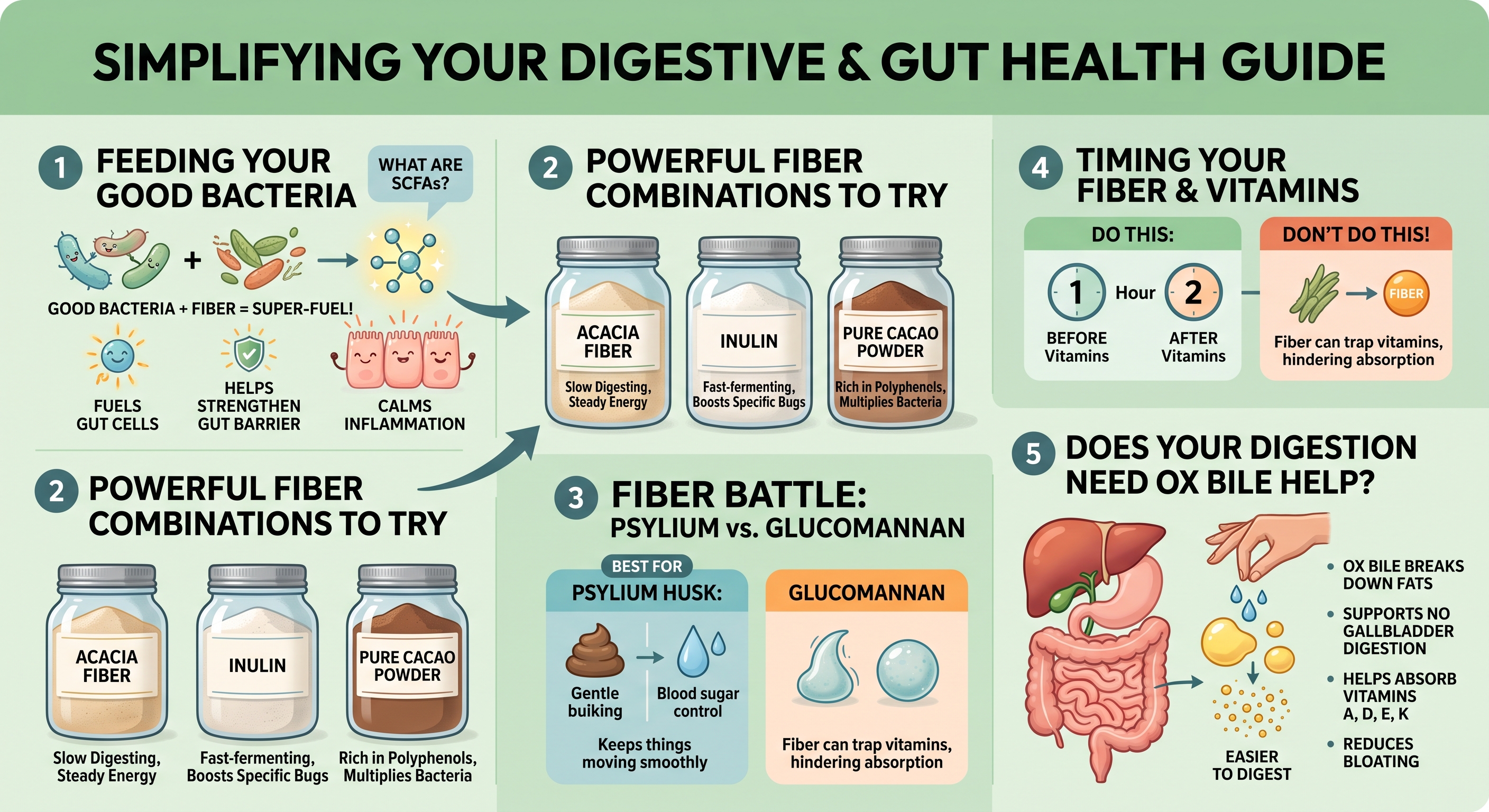
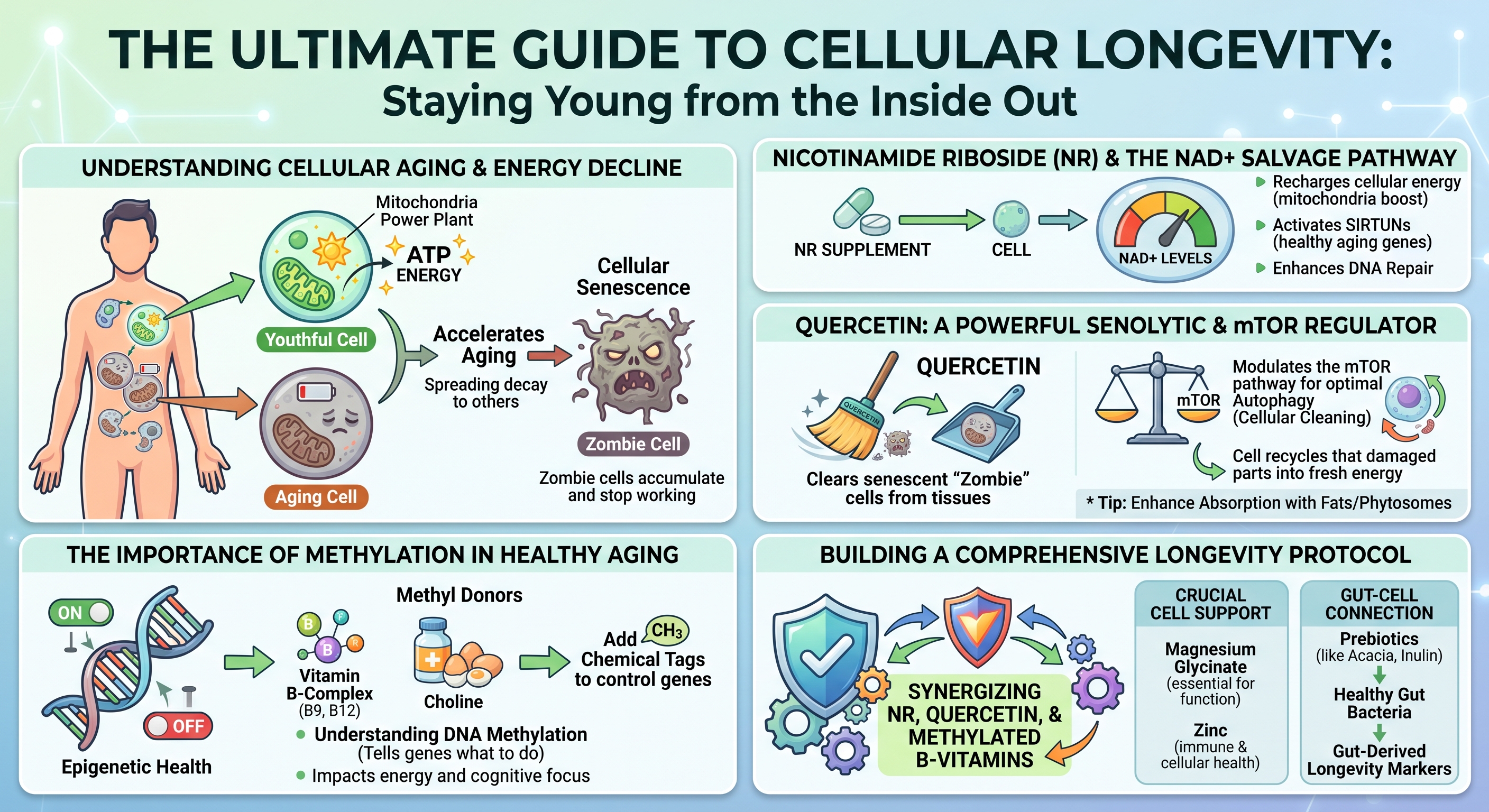
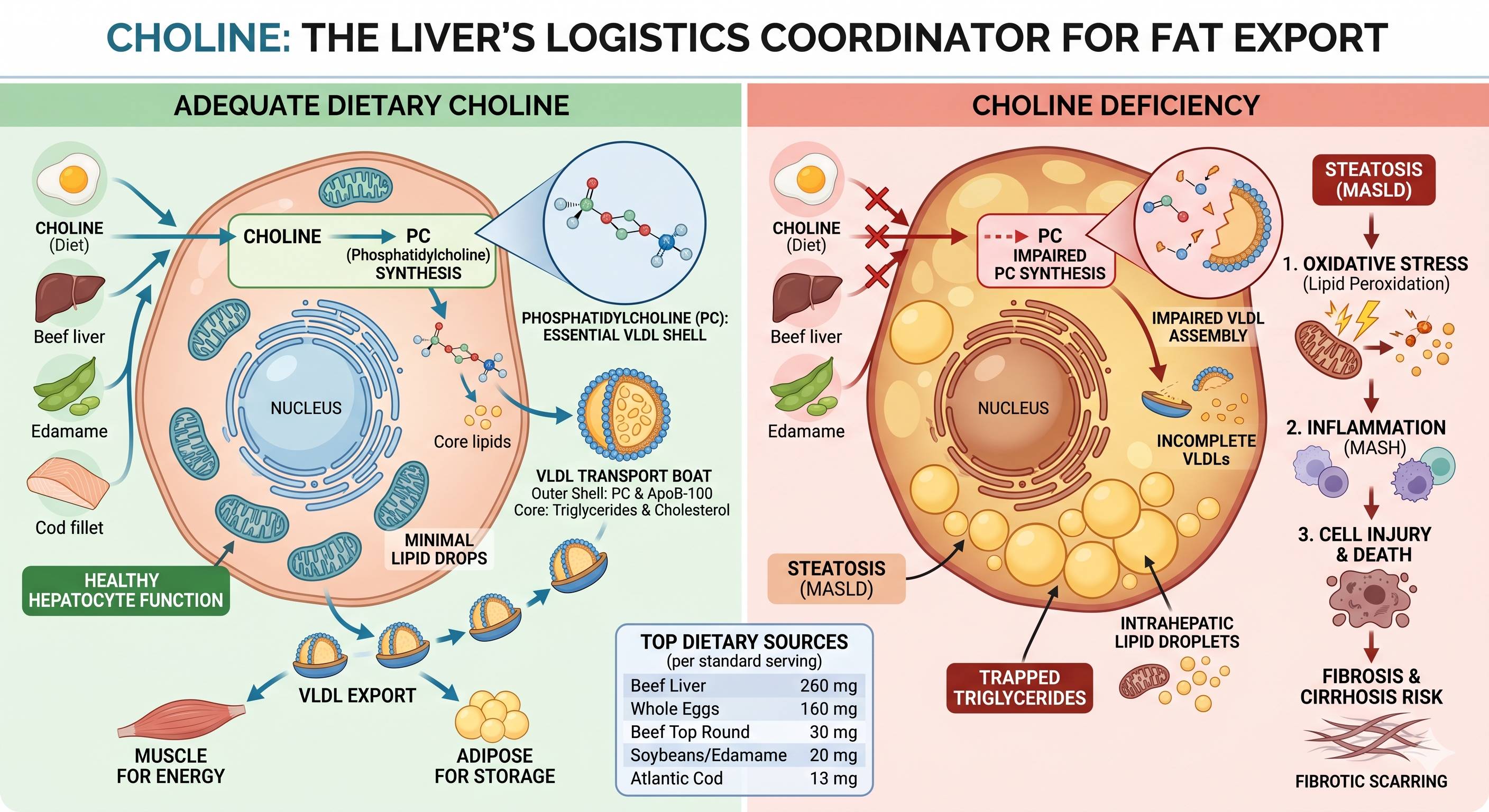
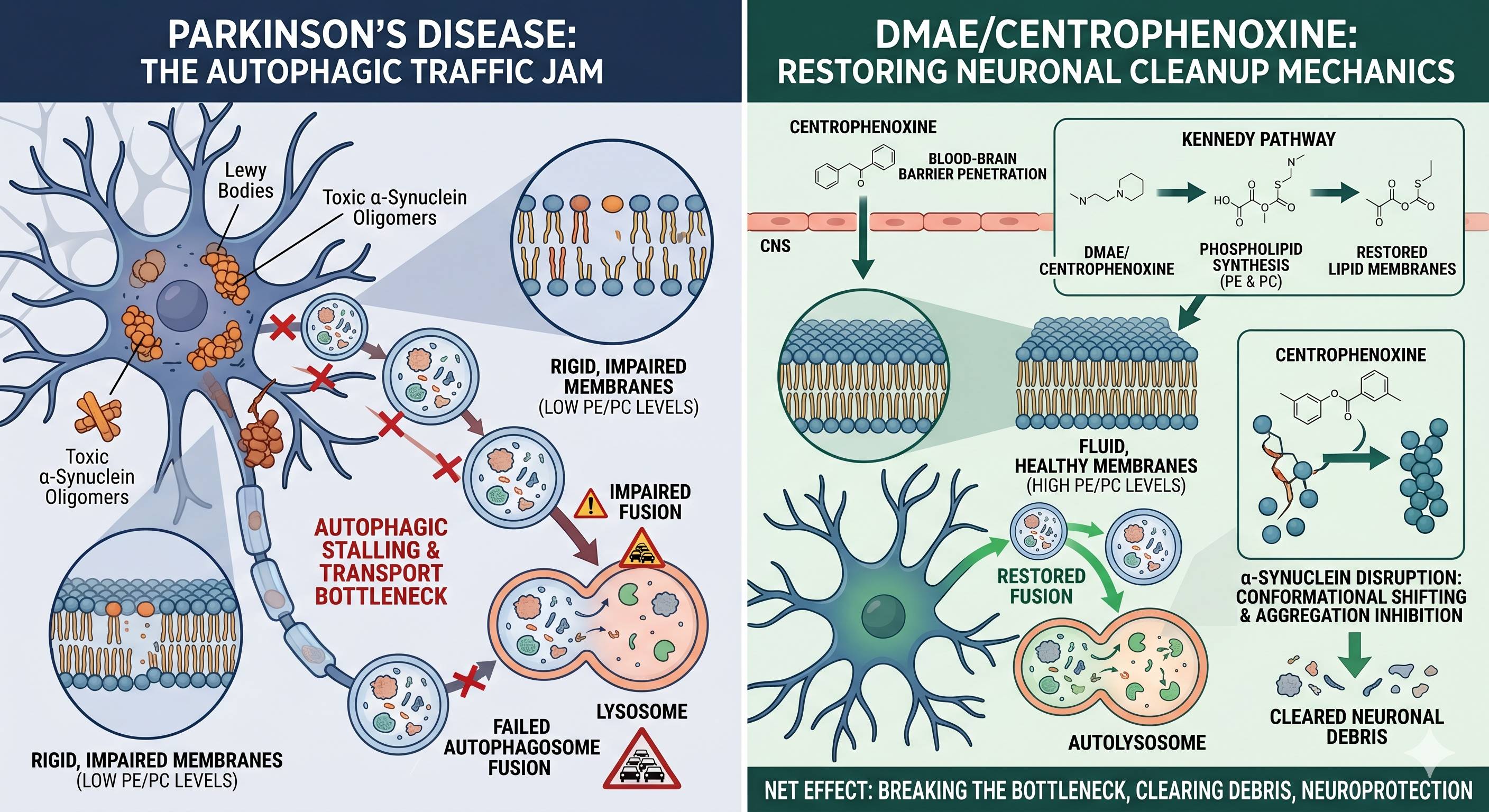
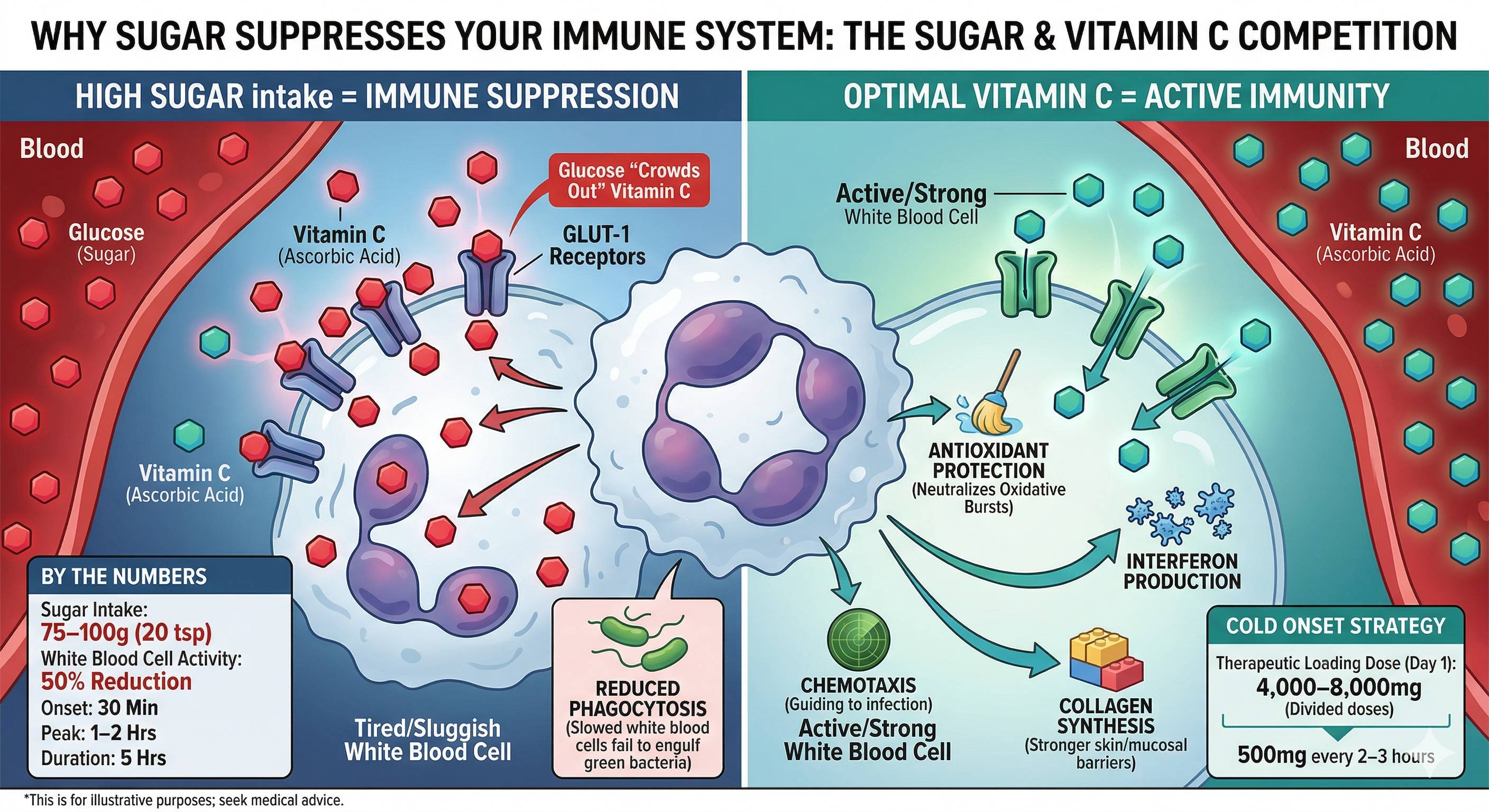
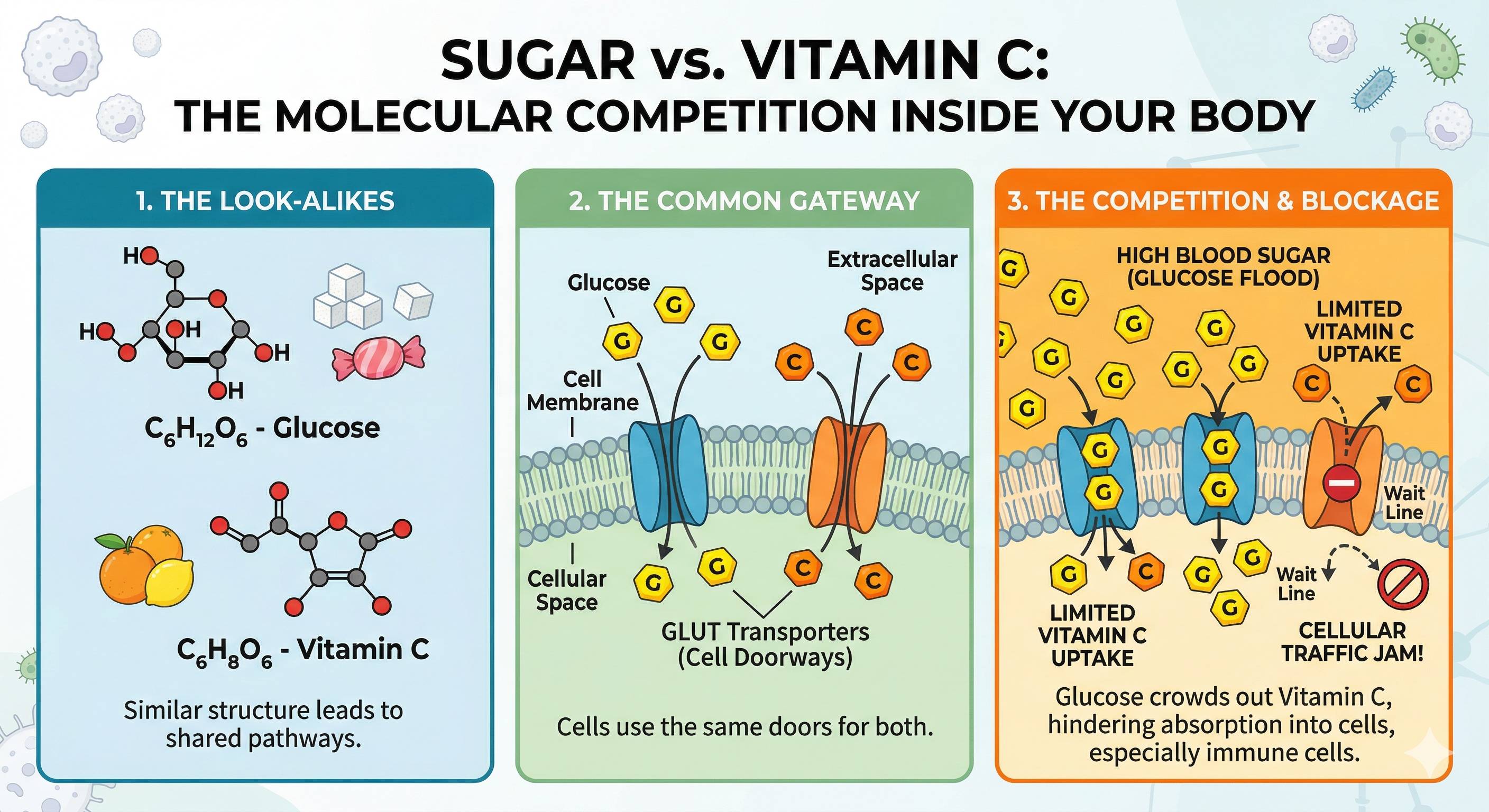
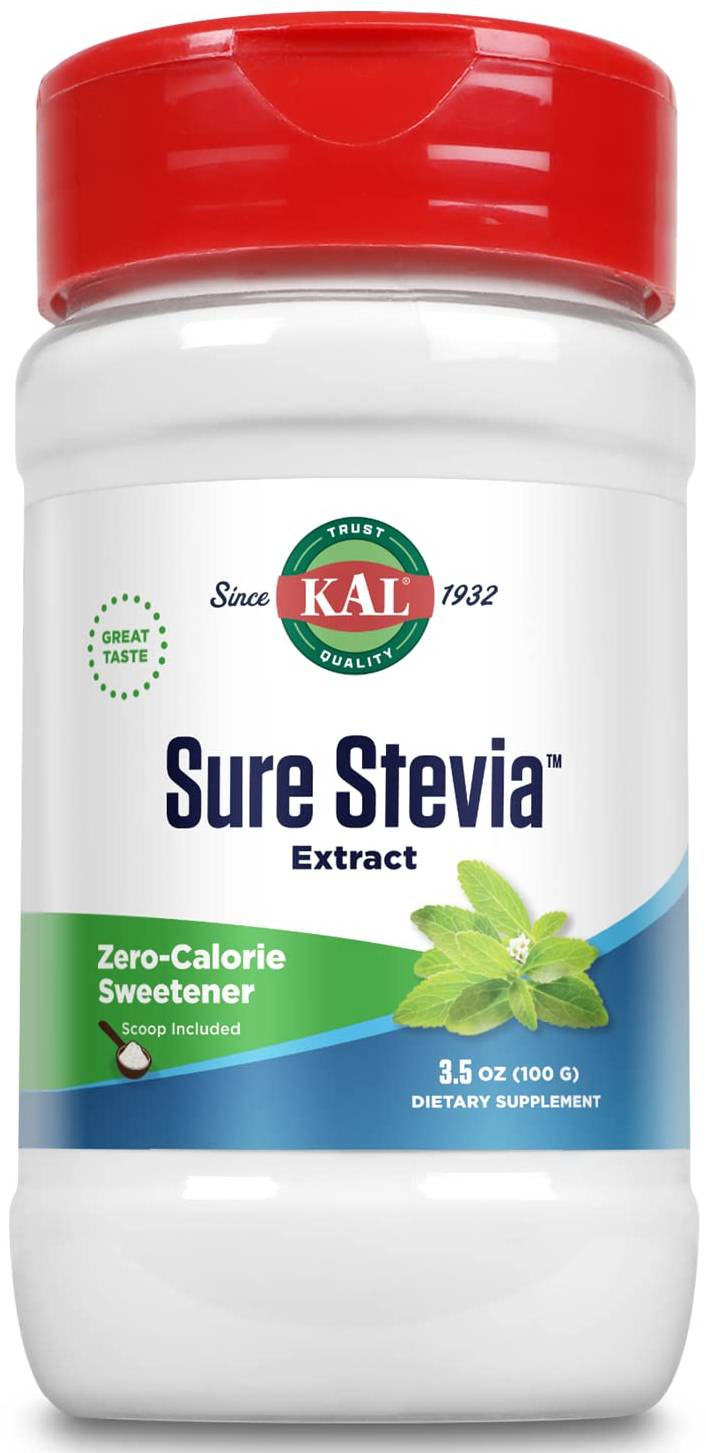
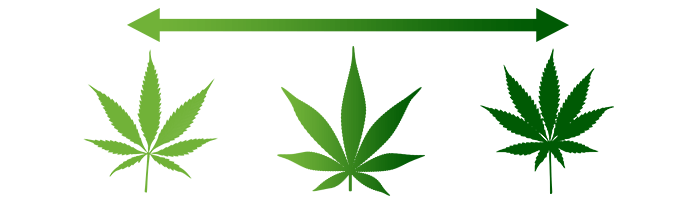





 GMO's have been cLassified by the American Academy of Environmental Medicine as unhealthy, they were able to prove that GMO when ingested can cause organ damage, gastrointestinal as well as immune system disorders. This is due to the fact that GMO contains materials that are left behind the body, it can cause long term problems like accelerated aging as well as infertility. The genes inserted into a genetically modified crop like corn, can get transferred into the DNA of bacteria that is living inside the human body, this interaction can lead to a number of long term health problems.
 Healthful supplements
 The wonder grain Amaranth has been known to humans for centuries. It was heralded as a staple in the diets of pre Columbian-Aztecs who heralded the plant is granting them special powers. Unfortunately, when the Spanish Conquistadors arrived in the region, they outlawed the crop and went to great lengths to push its existence far from common knowledge. It has only resurfaced on the market in recent decades.
  Beta alanine
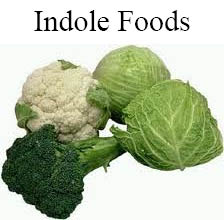 A cruciferous vegetable is a common category of vegetables. The term cruciferous is used to refer to vegetables which have a cross - shaped pattern that can be found under the core of the plant's stalk. This cLassification of vegetables includes:
  Ginseng is a slow - growing perennial plant in which its roots are fleshy which are commonly used as dietary supplement and beverage. This plant is a member of the genus known as Panax of the family of Araliaceae. It grows abundantly in the eastern part of Asia where the climate is cool specifically in Korea, northern China and east region of Siberia. There are many species of ginseng in which they are named according to where they are discovered. What is common among these ginseng species is its property as an adaptogen.
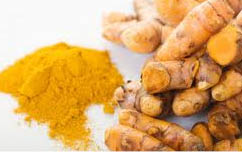 vicinities anywhere in the body as they are short-lived.
  The cinnamon plant is a small evergreen tree that grows between thirty two and forty nine feet tall. This plant belongs to the Lauraceae family and is native to Sri Lanka. The leaves of the plant are ovate oblong in shape and approximately two to seven inches in length, while the flowers, which have a distinct odor, are greenish in color. The fruit is a purple berry about one-centimeter and contain a single seed. The flavor of cinnamon is the result of an essential oil which makes up about 1/2% to 1% of its composition. This oil can be prepared by roughly pounding the bark, macerating it in seawater, and quickly distilling the whole. The oil is of a golden-yellow color, with the characteristic odor of
  This herb is used to help relieve upset stomachs, reduce milk flow, stop excessive menstrual flow, and alleviate back pain. Research has also determined that cinnamon contains components that possess antifungal and antibacterial capabilities. This herb is found in some toothpaste, which allows it to help some decay-causing bacteria. Cinnamon is also helpful for promoting healthy blood sugar levels.