|
Search Term: " Meaning "
The Secret to Gut Health: Feeding Your Microbiome for Maximum SCFAs   
Date:
September 11, 2026 01:29 PM
Your Complete Guide to Digestive Support: Building a Thriving Gut MicrobiomeWhen we talk about digestive health, the conversation usually stops at taking a daily probiotic or drinking enough water. But true microbiome health goes much deeper. It involves feeding the good bacteria you already have, ensuring your body can properly break down fats, and timing your supplements right.If you want to optimize your digestion, you need to understand how different fibers work, the magic of "postbiotics," and how specialized enzymes keep everything running smoothly. The Magic of Short-Chain Fatty Acids (SCFAs)To understand gut health, you have to understand a process called fermentation. When you eat dietary fiber that your stomach can't digest, it travels down into your colon. There, your gut bacteria feast on it.When these good bacteria eat fiber, they release beneficial byproducts called Short-Chain Fatty Acids (SCFAs) - most notably butyrate, acetate, and propionate. Think of SCFAs as the ultimate super-fuel for your digestive system. They provide the main energy source for the cells lining your colon, helping to keep the gut barrier strong and preventing "leaky gut." SCFAs also help calm inflammation throughout the body and play a massive role in healthy metabolism. But to get these benefits, you have to feed your microbiome the right type of fibers. The Ultimate SCFA-Boosting TrioNot all fibers are created equal. Some just add bulk to your stool, while others are "prebiotics" - Meaning they actively feed your good bacteria. To maximize SCFA production, combining different types of prebiotic fibers is incredibly effective.Here is a functional combination that acts as a powerhouse for your microbiome:
Glucomannan vs. Psyllium: Which Fiber is Right for You?If you are looking to supplement with an isolated fiber for digestive support, you will likely encounter two heavyweight contenders: Glucomannan and Psyllium. Both are soluble fibers, Meaning they dissolve in water to form a gel in your stomach, but they act a bit differently.
Can You Take Fiber With Vitamins?A very common question is whether you can take your daily fiber supplement alongside your morning vitamins.The short answer is no. You should separate them. Because soluble fibers (like psyllium, glucomannan, and even high doses of acacia) form a thick, sticky gel in your digestive tract, they act like a sponge. If you take them at the exact same time as your daily vitamins or minerals, the fiber can bind to the nutrients. Instead of absorbing those vitamins into your bloodstream, your body will simply sweep them out in your next bowel movement. The Golden Rule: Take your vitamin and mineral supplements at least 1 hour before or 2 hours after taking a heavy fiber supplement. Beyond Fiber: The Benefits of Ox Bile for Fat DigestionFiber takes care of the carbohydrates, but what about the fats? Many people eat a healthy diet but still experience bloating, indigestion, or floating stools after a rich meal. This is often an issue with bile.Bile is a fluid produced by your liver and stored in your gallbladder. When you eat fats, your gallbladder squirts bile into your intestines. Think of bile like dish soap on a greasy frying pan—it emulsifies the fat, breaking it down into tiny droplets so your body can absorb it. If you have had your gallbladder removed, or if your liver is simply sluggish, your body might not release enough bile. This means fats pass through your system undigested, missing out on crucial fat-soluble vitamins (like Vitamins A, D, E, and K). This is where ox bile comes in. Taken as a supplement with meals, ox bile closely mimics human bile. The benefits include:
(https://vitanetonline.com:443/forums/Index.cfm?CFApp=1&Message_ID=6652) The Ultimate Guide to Cellular Longevity: NAD+, Methylation, and Senolytics 
Date:
September 10, 2026 10:57 AM
Introduction: Understanding Cellular Aging and Energy DeclineBiological aging represents a progressive decline in cellular maintenance, structural repair, and energy generation. Over decades, tissues experience an attrition of functional reserves, compromised stress resilience, and persistent low-grade systemic inflammation. At the cellular scale, biological degeneration is driven by a failure to generate bioenergetic fuel, repair genetic code, and clear metabolic waste.Cellular aging is characterized by interconnected biological disruptions known as the hallmarks of aging. These encompass genomic instability, epigenetic alterations, mitochondrial decay, loss of proteostasis, and cellular senescence. Rather than operating as isolated occurrences, these phenomena establish a self-reinforcing degenerative cycle: declining cellular power generation impairs enzymatic genetic repair, promoting the accumulation of damaged cells that enter irreversible growth arrest and poison surrounding healthy tissues. Mitigating cellular aging requires examining how microscopic bioenergetic pathways deteriorate and evaluating how targeted nutritional and biochemical interventions can restore cellular homeostasis. The Role of Mitochondria and ATP ProductionEvery biological function - from muscular contraction to continuous DNA replication - depends on adenosine triphosphate (ATP), the primary biochemical energy currency of living systems. Cells produce the vast majority of this energy within mitochondria through oxidative phosphorylation. Within these specialized organelles, metabolic intermediates derived from dietary carbohydrates and lipids donate high-energy electrons to the electron transport chain. The flow of these electrons across protein complexes establishes an electrochemical proton gradient across the inner mitochondrial membrane, driving ATP synthase to manufacture ATP.A youthful cell functions like an efficient municipal power grid, dynamically matching energetic demands with immediate ATP output. However, as biological aging progresses, mitochondrial efficiency declines. The electron transport chain becomes structurally leaky, inadvertently shedding electrons that react with ambient molecular oxygen to produce reactive oxygen species (ROS). While regulated levels of ROS participate in vital intracellular signaling, chronic excess induces widespread oxidative stress. Mitochondria are exceptionally vulnerable to this oxidative burden because they carry their own circular genetic material, known as mitochondrial DNA (mtDNA). Unlike nuclear DNA, mtDNA lacks the protective shielding of histone proteins and possesses rudimentary repair systems. As a result, mtDNA sustains cumulative oxidative damage, encoding increasingly defective electron transport chain proteins. This dynamic generates a bioenergetic deficit: degraded mitochondria synthesize progressively less ATP while emitting greater volumes of damaging free radicals. Deprived of optimal ATP reserves, cells lack the energy necessary to drive vital enzymatic repair cascades, accelerating structural degeneration and functional exhaustion. How Cellular Senescence Accelerates the Aging ProcessWhen healthy cells confront critical physiological damage - such as severe telomere attrition, persistent DNA double-strand breaks, or oxidative stress - they activate protective cell cycle arrest pathways governed primarily by the p53/p21^CIP1 and p16^INK4a/Rb molecular checkpoints. This defensive shutdown, termed cellular senescence, permanently prevents the replication of potentially premalignant or mutated cells.Senescent cells, colloquially known as "zombie cells," enter a state of permanent growth arrest while actively resisting programmed cell death (apoptosis). Over time, these cells accumulate within adipose depots, skeletal muscle, the vascular endothelium, and major organs, largely because immune surveillance and clearance pathways simultaneously lose functional efficiency. The systemic danger of senescent cells stems from their secretome. Rather than remaining biologically inert, senescent cells develop a hyperactive secretory state termed the Senescence-Associated Secretory Phenotype (SASP). The SASP is a destructive mixture of pro-inflammatory cytokines, chemokines, extracellular matrix-degrading matrix metalloproteinases (MMPs), and reactive oxygen species. Through this toxic secretome, even a small burden of senescent cells can impair whole-tissue architecture. SASP factors degrade surrounding structural proteins, induce insulin resistance in neighboring metabolic cells, and biochemically force adjacent healthy cells into secondary senescence. This persistent paracrine signaling fuels chronic, sterile, low-grade systemic inflammation, termed "inflammaging," which accelerates systemic tissue degeneration and elevates susceptibility to degenerative age-related pathologies. Nicotinamide Riboside (NR) and the NAD+ Salvage PathwayThe Biochemistry of NAD+ Depletion Over TimeNicotinamide adenine dinucleotide (NAD+) is an indispensable coenzyme present in every living cell. NAD+ fulfills a dual biological mandate: it serves as a central redox cofactor that shuttles electrons between cellular metabolic reactions, and it functions as an obligatory consumable substrate for regulatory enzymes that preserve cellular viability. In its redox capacity, NAD+ accepts electrons to form NADH during glycolysis, the tricarboxylic acid (TCA) cycle, and fatty acid beta-oxidation, subsequently donating those electrons to Complex I of the respiratory chain to power ATP synthesis.
The primary enzymatic driver of age-related NAD+ destruction is CD38, a membrane-bound glycohydrolase expressed on immune cells that is upregulated in response to chronic SASP exposure. Concurrently, lifelong genotoxic damage causes persistent activation of Poly(ADP-ribose) polymerase 1 (PARP-1), an enzyme that cleaves the glycosidic bonds of NAD+ to assemble branched poly(ADP-ribose) chains at DNA lesion sites. Because PARP-1 consumes NAD+ without directly recycling the molecule, chronic DNA damage depletes intracellular NAD+ pools, impairing bioenergetics and limiting sirtuin activity. How NR Efficiently Boosts Cellular NAD+ LevelsThe mammalian body maintains its NAD+ supply through three distinct biosynthetic routes: the de novo pathway from dietary L-tryptophan, the Preiss-Handler pathway from nicotinic acid (niacin), and the NAD+ Salvage Pathway. The de novo pathway requires substantial energy expenditure, consuming roughly sixty milligrams of dietary tryptophan to yield a single milligram of NAD+. The Preiss-Handler pathway, while effective, can induce cutaneous prostaglandin-mediated flushing at therapeutic intakes. Consequently, the salvage pathway serves as the primary mechanism for maintaining intracellular NAD+ pools.The salvage pathway recycles the breakdown product nicotinamide (NAM), which is released whenever NAD+-consuming enzymes execute their functions. Under normal conditions, cells convert free nicotinamide into nicotinamide mononucleotide (NMN) via the rate-limiting enzyme nicotinamide phosphoribosyltransferase (NAMPT), after which NMN adenylyltransferases (NMNAT1–3) complete the conversion into NAD+. However, NAMPT expression declines with advancing age, chronic inflammation, and metabolic stress, limiting the recycling capacity of the cell. Nicotinamide Riboside (NR) is a naturally occurring pyridine nucleoside that bypasses this enzymatic bottleneck. Upon cellular entry via equilibrative nucleoside transporters, NR is directly phosphorylated into NMN by nicotinamide riboside kinases (NRK1 and NRK2) using a single molecule of ATP. Because the NRK pathway remains intact and robust across the lifespan, NR provides an efficient alternative entry point into the NAD+ salvage cascade. Clinical evaluations in humans confirm the safety, bioavailability, and pharmacokinetics of oral NR supplementation. Randomized, double-blind, placebo-controlled trials reveal that oral NR chloride produces dose-dependent increases in steady-state whole blood NAD+ concentrations. Dosing regimens of 100 mg, 300 mg, and 1,000 mg daily elevate blood NAD+ levels by approximately 22%, 51%, and up to 142%, respectively, within two weeks of administration, maintaining these elevations throughout continuous use. High-resolution metabolomic analyses also demonstrate parallel elevations in nicotinic acid adenine dinucleotide (NAAD), establishing it as a reliable biomarker of active intracellular NAD+ synthesis without hepatic or systemic toxicity. Sirtuin Activation and DNA Repair MechanismsReplenishing intracellular NAD+ supports functions beyond mitochondrial ATP generation. NAD+ functions as an obligatory cofactor for sirtuins (SIRT1 through SIRT7), a family of class III histone and non-histone protein deacetylases that regulate stress resilience, metabolic homeostasis, and cell survival. Sirtuins couple the removal of acetyl groups from target lysine residues to the stoichiometric cleavage of NAD+, producing nicotinamide and O-acetyl-ADP-ribose. In states of NAD+ deficiency, sirtuin enzymes remain inactive regardless of cellular demand.In the nucleus, SIRT1 coordinates defense against cellular decline. When activated by restored NAD+ levels, SIRT1 deacetylates peroxisome proliferator-activated receptor-gamma coactivator 1-alpha (PGC-1a), the master transcriptional coactivator of mitochondrial biogenesis. This deacetylation stimulates mitochondrial replication and assembly, expanding functional respiratory capacity. Concurrently, SIRT1 deacetylates the p65 subunit of nuclear factor-kappa B (NF-kB), suppressing the transcription of pro-inflammatory cytokines. In the mitochondria, SIRT3 utilizes NAD+ to deacetylate metabolic enzymes and superoxide dismutase 2 (SOD2), enhancing the organelle's capacity to neutralize reactive oxygen species. At the same time, cellular NAD+ levels directly regulate genomic integrity through PARP-1. When genotoxic stress or oxidative damage induces single- or double-strand DNA breaks, PARP-1 binds to the damaged termini using its zinc-finger domains. Bound PARP-1 hydrolyzes NAD+ to synthesize extensive, negatively charged poly(ADP-ribose) polymers on itself and adjacent histones. This modification relaxes chromatin architecture and establishes an electrostatic scaffold that recruits base excision repair and homologous recombination complexes. Recent discoveries demonstrate close crosstalk between sirtuins and PARP-1 during DNA repair. PARP-1 recruits SIRT1 to double-strand breaks, where SIRT1 deacetylates the chromatin-remodeling ATPase BRG1 to displace nucleosomes and facilitate homologous recombination. However, because PARP-1 and SIRT1 draw from the same intracellular NAD+ pool, severe NAD+ depletion forces a biological compromise: PARP-1 consumes the scarce remaining cofactor to address DNA damage, leaving sirtuins deactivated. Restoring NAD+ via NR prevents this deficit, enabling concurrent genomic repair and sirtuin-mediated metabolic defense. Quercetin: A Powerful Senolytic and mTOR RegulatorClearing Senescent "Zombie" Cells from TissuesThe accumulation of senescent cells has driven interest in senolytics: molecules that selectively eliminate senescent cells while sparing healthy, non-senescent populations. Senolytic agents exploit a specific vulnerability in senescent cells. Because senescent cells produce cytotoxic, pro-inflammatory SASP factors that would normally induce their own death, they become dependent on upregulated Senescent Cell Anti-Apoptotic Pathways (SCAPs) to survive. The SCAP network involves anti-apoptotic proteins (such as BCL-2 and BCL-xL), the PI3K/Akt kinase cascade, and cyclin-dependent kinase inhibitors.Quercetin is a polyphenolic flavonoid found in capers, red onions, apples, and the flower buds of Sophora japonica. Beyond its classical antioxidant properties, quercetin functions as a senolytic compound that exerts multi-target inhibitory effects across the SCAP network. By inhibiting the upstream PI3K/Akt survival axis and downregulating anti-apoptotic defenses, quercetin disrupts the signaling that protects senescent cells from intrinsic apoptosis. Deprived of these survival signals, senescent cells undergo programmed cell death. Preclinical studies demonstrate that senolytic protocols utilizing quercetin - often combined with the tyrosine kinase inhibitor dasatinib - reduce senescent cell burden across multiple tissues. This targeted clearance lowers circulating SASP factors, attenuates tissue fibrosis, restores endothelial reactivity, and improves functional health span. By removing senescent cells, quercetin mitigates the primary driver of chronic, low-grade inflammaging. Modulating the mTOR Pathway for Optimal AutophagyThe mechanistic Target of Rapamycin (mTOR) is an evolutionarily conserved serine/threonine protein kinase that coordinates cellular metabolism by balancing anabolic growth with catabolic recycling. Operating within two multiprotein complexes - mTORC1 and mTORC2 - the mTOR pathway integrates signals from amino acids, growth factors, and intracellular energy levels. In nutrient-rich environments, mTORC1 promotes protein synthesis, lipogenesis, and cellular growth, while suppressing catabolic breakdown. Conversely, nutrient scarcity downregulates mTORC1, activating autophagy.Autophagy is an intracellular degradation system that packages damaged organelles, misfolded protein aggregates, and biological debris into double-membraned autophagosomes for lysosomal degradation and recycling. A specialized branch of this pathway, mitophagy, selectively targets and clears damaged mitochondria. In modern metabolic conditions characterized by continuous caloric intake, mTORC1 can remain persistently active. This persistent signaling suppresses autophagy, causing damaged organelles and toxic aggregates to accumulate within tissues. Quercetin functions as a natural modulator of mTOR signaling. By inhibiting upstream PI3K/Akt signaling and activating intracellular energy sensors, quercetin attenuates overactive mTORC1, mimicking the metabolic effects of caloric restriction. This down-regulation relieves inhibition on the ULK1 autophagy initiation complex, stimulating both general autophagy and mitophagy. As autophagy proceeds, cells clear protein aggregates and eliminate damaged mitochondria, supporting cellular longevity and proteostasis. Enhancing Absorption: Phytosomes and Dietary FatsDespite the biological activities of quercetin identified in experimental models, its clinical translation has historically been limited by poor oral bioavailability. Raw quercetin aglycone is a crystalline, hydrophobic polyphenol with poor solubility in water and gastrointestinal fluids. When ingested in unformulated powder forms, quercetin molecules aggregate in the gut lumen, resisting dissolution and passive absorption. Consequently, the vast majority of an unformulated dose passes into the colon unabsorbed, where it undergoes microbial degradation without reaching Meaningful systemic concentrations.To address these pharmacokinetic limitations, advanced delivery systems such as phytosomes were engineered. A phytosome is a 100% food-grade molecular complex where individual polyphenolic molecules are bound to dietary phospholipids, typically sunflower-derived phosphatidylcholine. Unlike a classical liposome - which encapsulates water-soluble compounds inside an aqueous core enclosed by a lipid bilayer - a phytosome forms an amphiphilic complex at the molecular level. The polar head of the phosphatidylcholine molecule forms hydrogen bonds with the hydroxyl groups of the quercetin molecule, while its lipophilic fatty acid tails extend outward. This structural arrangement shields the polar regions of the flavonoid, creating a lipid-compatible complex that integrates smoothly into the intestinal mucosa.
The Importance of Methylation in Healthy AgingVitamin B-Complex and Choline as Essential Methyl DonorsMethylation is an essential biochemical process occurring billions of times each second across all human tissues. It involves the transfer of a single-carbon unit - a methyl group consisting of one carbon atom bound to three hydrogen atoms - (CH3) - from a donor molecule to diverse recipients, including DNA, RNA, structural proteins, neurotransmitters, and membrane phospholipids. This transfer of one-carbon units is coordinated by the methionine-homocysteine cycle, which sustains genetic stability, detoxification pathways, and cellular repair.At the center of this pathway sits S-adenosylmethionine (SAM), the universal methyl donor in human biology. When a methyltransferase enzyme transfers a methyl group from SAM to an acceptor molecule, SAM is converted into S-adenosylhomocysteine (SAH). SAH functions as a potent competitive inhibitor of intracellular methyltransferases. To maintain functional methylation, SAH is rapidly hydrolyzed into homocysteine, a sulfur-containing amino acid that must be remethylated or cleared through transsulfuration. Homocysteine clearance proceeds through two distinct remethylation pathways. The primary route operates across most tissues via the enzyme methionine synthase, which requires vitamin B12 in its active methylcobalamin form. Methionine synthase transfers a methyl group from 5-methyltetrahydrofolate (5-MTHF, the active form of folate) to homocysteine, regenerating methionine. The ongoing production of 5-MTHF depends on the enzyme methylenetetrahydrofolate reductase (MTHFR), which utilizes riboflavin (vitamin B2) as a cofactor. Alternatively, excess homocysteine can be routed into the transsulfuration pathway by vitamin B6 (as pyridoxal-5'-phosphate) to synthesize cystathionine, cysteine, and ultimately the antioxidant glutathione. A secondary remethylation pathway, active predominantly in hepatic and renal tissues, bypasses folate entirely. In this route, dietary choline is oxidized to betaine (trimethylglycine or TMG). The enzyme betaine-homocysteine S-methyltransferase (BHMT) then transfers a methyl group from betaine directly to homocysteine, yielding methionine and dimethylglycine. When dietary intake of active B-vitamins or choline is insufficient, or when genetic variations like MTHFR polymorphisms reduce pathway flux, the methylation cycle slows. Homocysteine accumulates in circulation, promoting vascular and neurological inflammation, while SAM reserves decline, restricting cellular methylation capacity. Understanding DNA Methylation and Epigenetic HealthEvery somatic cell in an organism carries an identical genetic code. Cellular differentiation and tissue-specific functions are governed by the epigenome: a regulatory layer of chemical modifications that dictates gene expression without altering underlying DNA sequences. DNA methylation represents the primary and most stable epigenetic modification. In this process, DNA methyltransferase (DNMT) enzymes utilize methyl groups donated by SAM to add a methyl tag to cytosine bases adjacent to guanine residues, forming 5-methylcytosine within CpG dinucleotide sites.Under physiological conditions, DNA methylation maintains genomic stability and coordinates transcription. Methylation of promoter regions condenses chromatin, repressing transposable elements and silencing genes inappropriate for a given cell type. Conversely, hypomethylated promoters maintain an open chromatin state, allowing transcription factors to bind and initiate gene expression. During biological aging, this epigenetic landscape undergoes progressive dysregulation, a phenomenon termed "epigenetic drift". Aging cells experience global hypomethylation alongside focal hypermethylation of specific gene promoters. Global loss of methyl tags destabilizes the genome, activating retrotransposons and pro-inflammatory pathways. Simultaneously, hypermethylation at targeted promoter sites silences critical tumor suppressor genes and DNA repair complexes. This systematic change in DNA methylation patterns is consistent across populations, allowing researchers to develop molecular "epigenetic clocks". Algorithms such as the Horvath clock, PhenoAge, and GrimAge quantify biological age by profiling the methylation status of specific CpG sites across the genome. These clocks assess whether individuals are aging faster or slower than their chronological years. Ensuring a steady supply of methyl donors and preventing unnecessary SAM depletion supports DNMT activity, maintaining epigenetic patterns and genomic stability. How the Methylation Cycle Impacts Energy and Cognitive FocusBeyond long-term epigenetic regulation, the methylation cycle directly modulates immediate biochemical processes that govern daily energy, neurotransmission, and cognitive focus. Compromised methylation capacity frequently manifests as cognitive slowing, executive fatigue, and reduced physical stamina.A major consumer of methyl reserves is the endogenous synthesis of creatine. Approximately 40% of all SAM-derived methyl groups in the human body are utilized by guanidinoacetate N-methyltransferase (GAMT) in the liver to synthesize creatine. Creatine then translocates to the brain and skeletal muscle, where it is phosphorylated into phosphocreatine. Phosphocreatine functions as a rapid energy buffer, donating a high-energy phosphate group to regenerate ADP into ATP in milliseconds during demanding physical or cognitive tasks. When methyl donor availability falls, endogenous creatine synthesis drops, depleting phosphocreatine reserves and increasing susceptibility to neuromuscular and cognitive fatigue. Methylation is equally central to central nervous system architecture. SAM provides methyl groups to convert phosphatidylethanolamine into phosphatidylcholine, the predominant phospholipid comprising neuronal cell membranes and the myelin sheaths that insulate axons. Intact myelin preserves rapid action potential conduction throughout the nervous system. Furthermore, free choline derived from this pathway is the direct precursor to acetylcholine, the neurotransmitter required for attention, working memory, and learning. The methylation cycle also governs monoamine neurotransmitter metabolism. SAM is required for the synthesis of adrenaline (epinephrine) from noradrenaline, while catechol-O-methyltransferase (COMT) relies on SAM to degrade dopamine and norepinephrine within the prefrontal cortex. Sluggish methylation disrupts this balance, contributing to cognitive fatigue, mood variability, and impaired mental performance. Building a Comprehensive Longevity ProtocolSynergizing NR, Quercetin, and Methylated B-VitaminsLongevity supplementation often falters when single molecules are administered in isolation, ignoring interconnected metabolic pathways. Designing an effective cellular longevity protocol requires combining complementary mechanisms that reinforce one another while preventing secondary metabolic deficits. The combination of Nicotinamide Riboside, Quercetin Phytosome, and Methylated B-Vitamins illustrates this multi-target synergy.This synergy is grounded in the direct biochemical intersection between the NAD+ salvage pathway and the methylation cycle. When high-dose NR is supplemented to boost systemic NAD+, sirtuins and PARP enzymes consume the newly synthesized cofactor, generating substantial quantities of free nicotinamide (NAM). This intracellular nicotinamide faces two primary metabolic fates: it can be recycled back into NAD+ through the NAMPT-dependent salvage loop, or it can be cleared via methylation. When the influx of nicotinamide exceeds salvage recycling capacity, the excess is cleared to avoid feedback inhibition of sirtuin enzymes. To accomplish this, the enzyme nicotinamide N-methyltransferase (NNMT) transfers a methyl group from SAM directly onto nicotinamide, forming 1-methylnicotinamide (1-MNA/MNAM), which is subsequently excreted in urine. Prolonged, high-dose precursor administration without nutritional methyl support can elevate NNMT flux, depleting intracellular SAM reserves. As methyl groups are consumed clearing nicotinamide, the cellular SAM-to-SAH ratio falls, which can elevate circulating homocysteine and reduce methyl availability for DNA methylation and neurotransmitter synthesis. Co-administering a fully methylated B-complex alongside choline or betaine addresses this potential bottleneck. Providing active methyl donors (such as 5-MTHF, methylcobalamin, and betaine) maintains the one-carbon donor pool. Even during increased NNMT activity, SAM pools remain stable, protecting DNA methylation fidelity and maintaining homocysteine within safe parameters. Quercetin reinforces this protocol through complementary mechanisms. By clearing senescent cells and reducing SASP-mediated inflammation, quercetin downregulates CD38, the primary enzyme responsible for age-related NAD+ degradation. Suppressing CD38 prevents unnecessary breakdown of newly synthesized NAD+, enhancing the efficiency of NR supplementation. Furthermore, while NR provides the NAD+ necessary to activate SIRT1-driven mitochondrial biogenesis, quercetin concurrently modulates mTORC1 to stimulate autophagy. This coordinated action ensures that newly generated mitochondria operate in an environment cleared of proteotoxic cellular debris. The Crucial Role of Magnesium Glycinate and Zinc in Cellular FunctionLongevity protocols require essential mineral cofactors to function efficiently. Without adequate divalent minerals acting as enzymatic cofactors and structural stabilizers, metabolic longevity pathways cannot operate at full capacity. Among these, magnesium and zinc are required for cellular repair, genomic stability, and energy production.Magnesium serves as an obligatory cofactor in over 300 enzymatic reactions, primarily through its interaction with ATP. In biological systems, ATP exists predominantly as a chelate with a divalent magnesium ion, forming biologically active Mg2+ -ATP. Every enzymatic reaction that synthesizes, transfers, or consumes cellular energy - including the enzymes of the NAD+ salvage pathway (NRK and NMNAT) and DNA polymerases - strictly requires Mg2+ -ATP as its substrate. Magnesium deficiency impairs these phosphorylation reactions, reducing the cellular utilization of NAD+ precursors. Additionally, magnesium is an essential cofactor for the enzymes that activate dietary B-vitamins into their active forms. Supplying magnesium as magnesium glycinate provides high gastrointestinal bioavailability, minimal laxative effect, and yields glycine to support inhibitory neurotransmission and restful sleep. Zinc serves as a vital structural component for more than 3,000 human transcription factors and enzymatic proteins. Its most prominent structural role in longevity occurs within zinc-finger motifs. These are specialized protein conformations stabilized by a zinc ion coordinated to cysteine and histidine residues. The DNA damage sensor PARP-1 utilizes three zinc-finger domains to identify, track, and physically bind to single- and double-strand DNA breaks. Without adequate intracellular zinc, PARP-1 cannot properly assemble or dock onto damaged chromosomes, impairing DNA repair and increasing genomic instability. Zinc is also an obligatory structural component of copper/zinc superoxide dismutase (Cu/Zn-SOD or SOD1), the primary cytosolic antioxidant enzyme that dismutates superoxide radicals into hydrogen peroxide, protecting mitochondrial membranes and nuclear DNA from premature senescence. Integrating Prebiotics (like Acacia and Inulin) for Gut-Derived Longevity MarkersA comprehensive cellular longevity framework must extend beyond somatic tissues to encompass the gut microbiome. The intestinal microbiome functions as a central regulator of systemic inflammatory tone, immune development, and metabolic signaling. Age-associated dysbiosis - characterized by the loss of beneficial commensals and an overgrowth of pathobionts - frequently leads to breakdown of the intestinal barrier.The gut epithelium consists of a single-cell monolayer sealed by tight junction proteins, including zonula occludens-1 (ZO-1), occludin, and claudins. When this physical barrier is disrupted by poor dietary fiber intake or dysbiosis, gut permeability increases. This allows lipopolysaccharide (LPS), a component of the outer membrane of Gram-negative bacteria, to enter the portal and systemic circulation. The resulting "metabolic endotoxemia" activates Toll-like receptor 4 (TLR4) on immune cells, inducing NF-kB and systemic pro-inflammatory cytokine production. This persistent gut-derived inflammation exacerbates the SASP, accelerates tissue senescence, upregulates CD38, and drains systemic NAD+ reserves.
These short-chain fatty acids, particularly butyrate, exert direct protective effects on systemic longevity. Butyrate provides the primary metabolic fuel for colonic epithelial cells, supplying more than 70% of their baseline energy needs and supporting mitochondrial function within colonocytes. Furthermore, SCFAs upregulate the expression of epithelial tight junction proteins (ZO-1, occludin, and claudin-1), restoring intestinal barrier integrity and preventing the translocation of inflammatory LPS into systemic circulation. Systemically absorbed butyrate also functions as an endogenous histone deacetylase (HDAC) inhibitor, suppressing pro-inflammatory gene expression and supporting regulatory T cell (T_reg) development. Reducing metabolic endotoxemia dampens systemic inflammation, protecting vascular function and preventing premature NAD+ depletion. Conclusion: The Integrated Cellular Longevity MatrixCellular longevity is achieved not by addressing isolated biomarkers in isolation, but by systematically supporting interconnected biological pathways. As bioenergetic capacity declines, cellular senescence accelerates, epigenetic patterns degrade, and gut barrier integrity weakens. A comprehensive approach addresses these biological vulnerabilities simultaneously.
Quercetin Phytosome clears senescent cells and modulates mTORC1, stimulating autophagy while dampening the inflammatory SASP cascade that accelerates CD38-mediated NAD+ destruction. Methylated B-vitamins, active folate, and choline replenish SAM reserves, balancing the methyl requirements of NNMT-mediated nicotinamide clearance, preserving epigenetic DNA methylation, and maintaining neurotransmitter production. Magnesium glycinate and zinc provide the structural and catalytic foundation required for ATP utilization, B-vitamin activation, and PARP-1 zinc-finger DNA repair docking. Finally, prebiotic fibers generate short-chain fatty acids like butyrate, reinforcing the intestinal barrier and preventing metabolic endotoxemia from fueling systemic inflammation. By coordinating energy replenishment, cellular waste clearance, epigenetic maintenance, and the suppression of systemic inflammation, this unified approach directly addresses the underlying drivers of cellular aging to support long-term physiological vitality.
--
(https://vitanetonline.com:443/forums/Index.cfm?CFApp=1&Message_ID=6650) Choline: The Liver’s Fat-Export Engine
Date:
June 24, 2026 11:48 AM
Without sufficient choline, the liver's ability to process and export fats grinds to a halt. The Liver’s Fat-Export MechanismThe primary reason the liver requires choline comes down to a specific molecule: phosphatidylcholine (PC).When you eat fats or liberate stored fatty acids, your liver processes them into triglycerides. To move these triglycerides out of the liver and deliver them to muscle or adipose (fat) tissue for energy or storage, the liver has to package them into transport vehicles called VLDL (Very Low-Density Lipoproteins). Phosphatidylcholine forms the essential outer shell of these VLDL transport "boats." If you don't have enough choline, your liver cannot manufacture this outer shell, Meaning the boats cannot be built, and fat cannot leave the liver. What Happens When Choline is Deficient?When dietary choline drops below critical levels, a highly predictable cascade of liver dysfunction occurs:
Dietary Benchmarks & SourcesTo prevent fat accumulation and support proper VLDL export, the Food and Nutrition Board establishes specific Adequate Intake (AI) targets, though optimal metabolic and athletic performance may require a more robust baseline.
Summary: Choline acts as a critical logistics coordinator for liver health, serving as a non-negotiable raw material for exporting fat out of the organ. Specifically, the liver relies on choline to produce phosphatidylcholine, a molecule that forms the essential outer shell of Very Low-Density Lipoproteins (VLDL). Think of VLDLs as transport boats designed to safely carry triglycerides out of the liver and deliver them to the rest of the body for energy or storage. Without an adequate dietary supply of choline, the liver simply cannot build these outer shells, causing the entire transport system to grind to a halt and leaving processed fats stranded inside liver cells. When this export mechanism stalls, the stranded fat quickly triggers a highly predictable cascade of liver dysfunction. This buildup leads directly to fat accumulation - historically known as fatty liver disease and now classified as MASLD - which quickly overwhelms the cellular mitochondria. The resulting oxidative stress and cellular injury spark chronic inflammation (MASH), causing liver cells to die and potentially leading to permanent scarring or fibrosis over time. Furthermore, a severe shortage of dietary choline starves the body's methylation cycle, forcing it to deplete vital SAMe pools in a desperate, structurally taxing attempt to manufacture its own phosphatidylcholine.
(https://vitanetonline.com:443/forums/Index.cfm?CFApp=1&Message_ID=6643) The Dual Action of DLPA: Endorphin Shielding and Neurotransmitter Support
Date:
May 22, 2026 12:27 PM
What is DLPA and How Does It Help Relieve Pain? DLPA (DL-phenylalanine) is a nutritional supplement that offers a unique approach to managing chronic pain. Instead of suppressing inflammation or directly numbing nerves like over-the-counter pain relievers, DLPA works by protecting and prolonging the body’s own built-in painkillers. To understand how it works, it helps to break down the molecule. DLPA is a 50/50 mixture of two stereoisomers (mirror-image structures) of the essential amino acid phenylalanine:
How D-Phenylalanine Relieves PainThe human body has an endogenous analgesia system—a built-in network for managing pain perception. D-phenylalanine acts as a biochemical shield for this system through a very specific mechanism:
Why Include the "L" Form?You might wonder why a supplement doesn't just use pure D-phenylalanine if that's the part that stops the pain.Chronic pain rarely exists in a vacuum—it is deeply linked to systemic fatigue, mood degradation, and depression. Because chronic pain is neurologically exhausting, it frequently depletes the brain's stimulating neurotransmitters. The L-phenylalanine half of DLPA acts as the raw precursor material for the catecholamine pathway. Your body converts it into tyrosine, which is then synthesized into dopamine, norepinephrine, and epinephrine (adrenaline). By combining both forms, DLPA provides a dual-action effect: the D-form raises the pain threshold, while the L-form combats the mental fatigue and mood dips that inevitably accompany long-term discomfort. Key insight: Because DLPA relies on shifting enzyme levels and allowing endorphins to accumulate, it is primarily effective for chronic pain (like osteoarthritis or lingering injuries) rather than acute, immediate pain. It often requires several days to weeks of consistent use to reach its full therapeutic effect. Summary: DLPA (DL-phenylalanine) is a nutritional supplement combining two mirror-image forms of an essential amino acid to provide a unique approach to chronic pain management. Unlike standard pain relievers that suppress inflammation, the "D" form of the molecule acts as a biochemical shield for the body's built-in painkilling system. It functions as an enkephalinase inhibitor, Meaning it blocks the specific enzymes responsible for destroying circulating endorphins and enkephalins. By protecting these natural opioids from premature breakdown, DLPA allows them to accumulate and remain active longer, effectively raising the body's natural pain threshold. Because chronic pain is neurologically exhausting and frequently leads to fatigue or lowered mood, the "L" half of the supplement provides critical mental support. L-phenylalanine serves as a raw precursor for synthesizing stimulating neurotransmitters, including dopamine, norepinephrine, and epinephrine (adrenaline). Together, this dual-action mechanism addresses both the physical sensation of lingering discomfort and the mental fatigue that accompanies it, making DLPA uniquely suited for sustained, long-term pain conditions rather than immediate, acute injuries.
(https://vitanetonline.com:443/forums/Index.cfm?CFApp=1&Message_ID=6639) Beyond Choline: How DMAE Flushes Cellular Waste for Longevity
Date:
May 21, 2026 03:43 PM
How is DMAE and Methylation connected?Understanding the relationship between DMAE (dimethylaminoethanol) and the methylation cycle is a nuanced dive into nutritional biochemistry. While DMAE is a popular compound for cognitive and cellular health, its interaction with the body’s methyl pool is a critical factor to consider.DMAE and the Methylation ConnectionBiochemically, it is often considered important to support the methylation cycle when supplementing with DMAE. This is due to how the body processes DMAE to create choline.The "Methyl Drain"DMAE is a precursor to choline, but the conversion process requires the addition of methyl groups. Specifically, the body uses SAMe (S-adenosylmethionine), the universal methyl donor, to methylate DMAE into choline.If you supplement with high doses of DMAE without adequate methyl support, you may inadvertently "drain" your methyl pool. This can lead to:
Strategic Co-factorsTo balance this, many researchers suggest pairing DMAE with methyl donors to ensure the cycle remains fluid. Key co-factors include:
How DMAE Supports LongevityDMAE is often categorized as a "longevity" nutrient because of its impact on cellular waste and membrane integrity.1. Reduction of LipofuscinOne of the most cited longevity benefits of DMAE is its ability to reduce lipofuscin (often called "age spots" or "wear-and-tear pigment"). Lipofuscin is a metabolic waste product that accumulates in the heart, brain, and skin cells over time. High levels of lipofuscin can impair cellular function; DMAE helps the body flush these deposits, potentially slowing the cellular aging process.2. Membrane StabilizationDMAE acts as a free radical scavenger specifically within the cell membranes. By protecting the lipid bilayer from oxidative stress, it helps maintain membrane fluidity. Flexible, healthy membranes are essential for efficient nutrient transport into the cell and waste removal out of the cell.3. Acetylcholine PrecursorWhile its primary longevity mechanism is cellular, DMAE’s role as a precursor to acetylcholine supports cognitive longevity. Maintaining healthy levels of this neurotransmitter is vital for focus, memory, and muscle control as the nervous system ages.4. Skin Health and "Lifting"In the context of physical appearance and anti-aging, DMAE is known for its "firming" effect. It is thought to increase the tone of the underlying skin muscles, providing a subtle "lift" and reducing the appearance of fine lines and sagging.Summary: While DMAE offers potent cellular cleaning and membrane protection, it functions best when the body has a robust supply of methyl donors to handle its conversion without taxing the system. Does DMAE efficiently convert to Acetylcholine?The conversion of DMAE (dimethylaminoethanol) into the neurotransmitter acetylcholine is a multi-step biochemical process. Because DMAE is not a direct precursor to acetylcholine, it must first be integrated into the phospholipid metabolism of the cell.To make this conversion efficient, the body requires specific methyl donors and enzymatic co-factors. The Two-Step Conversion Process1. The Methylation Step: DMAE to CholineDMAE is essentially a "dimethylethanolamine." To become choline (trimethylethanolamine), it requires the addition of a third methyl group.
2. The Acetylation Step: Choline to AcetylcholineOnce DMAE has been methylated into choline (or integrated into phosphatidylcholine), it must be acetylated by the enzyme Choline Acetyltransferase (ChAT).
Optimal Co-factors for EfficiencyTo maximize the "brain-boosting" effects of DMAE, the following nutrients are typically used to support the pathway:
The "Choline Sparer" EffectIt is worth noting that DMAE is often more efficient at crossing the blood-brain barrier than standard choline. However, because it "competes" for the same transport systems and enzymes, taking it alongside a high-quality choline source and a B-complex ensures that the body isn't forced to choose between building cell membranes and creating neurotransmitters.What is it better to consume choline or DMAE?Deciding between DMAE and choline depends entirely on whether your priority is systemic health (liver and cell membranes) or cognitive performance (acetylcholine production and focus). While choline is technically a "cheaper" raw material, the "efficiency" changes once you factor in how the body processes each compound.The Efficiency ComparisonEfficiency in this context is usually measured by how well a compound crosses the blood-brain barrier (BBB) and how many metabolic steps are required to reach the final goal: Acetylcholine.1. Choline Bitartrate (The "Budget" Option)
2. DMAE (The "Specialist")
3. Alpha-GPC & CDP-Choline (The "Premium" Options)
Cost-Efficiency Analysis
Which is better?
Summary: Supplementing with DMAE (dimethylaminoethanol) creates a unique biochemical dynamic in the body, particularly regarding cognitive performance and cellular longevity. While DMAE crosses the blood-brain barrier effectively, its conversion into the crucial neurotransmitter acetylcholine requires an additional methyl group, a process that can significantly drain the body's universal methyl donor, SAMe. To prevent this "methyl drain" and avoid issues like elevated homocysteine, it is highly beneficial to pair DMAE with strategic co-factors and methyl donors such as TMG (trimethylglycine) and methylated B-vitamins. Beyond its role in acetylcholine production, DMAE supports longevity through distinct cellular mechanisms that standard choline cannot replicate, specifically by neutralizing free radicals to stabilize cell membranes and flushing out lipofuscin, an age-related cellular waste product. When evaluating whether to replace DMAE with direct choline supplementation for cost and efficiency, the decision hinges on your specific physiological goals. Standard budget options like choline bitartrate are highly cost-effective for general liver health and systemic cell structures, but they suffer from very poor brain penetration. Conversely, premium forms like Alpha-GPC and CDP-Choline are far more efficient for cognitive optimization and memory because they cross the blood-brain barrier effortlessly without taxing the body's methylation cycle. Ultimately, while cheap choline salts cannot replicate DMAE's unique cellular cleaning properties, choosing a premium choline source is a more direct and biochemically efficient path for raw cognitive enhancement, especially if you want to avoid the multi-step metabolic cost associated with converting DMAE.
(https://vitanetonline.com:443/forums/Index.cfm?CFApp=1&Message_ID=6638) The Silent Deficiency: Why 60% of Americans Are Running on Empty (and How to Fix It)
Date:
April 15, 2026 02:04 PM
Cellular Stability: The Body's "Brake" SystemAt a cellular level, magnesium is essential for maintaining the structural integrity of membranes. It acts as a natural calcium channel blocker.When you are under stress, your cells can become flooded with calcium, which "excites" the cell. Magnesium sits at the "gate," ensuring that only the necessary amount of calcium enters. Without enough magnesium, cells become hyper-excitable, leading to oxidative stress, inflammation, and even cell death. Furthermore, magnesium is a required co-factor for the production and stability of ATP (adenosine triphosphate), the primary energy currency of the cell. In fact, ATP is usually found in the body as a complex called Mg^2+-ATP. Why Our Modern World is Magnesium-PoorEven if you eat your greens, you might still be coming up short. Here is why:1. Depleted SoilIndustrial farming practices - specifically monocropping and the heavy use of NPK (nitrogen, phosphorus, potassium) fertilizers - have stripped the soil of trace minerals. NPK fertilizers help plants grow tall and look "healthy," but they don't replenish the magnesium that used to be naturally present in the earth. If it’s not in the soil, it’s not in the plant.2. Food ProcessingThe "Standard American Diet" is a magnesium desert. Processing grains to make white flour removes the germ and bran, where the vast majority of magnesium resides. Similarly, refining sugar and oils strips away minerals, leaving us with "empty" calories that actually require more magnesium to metabolize.The "Invisible" DeficiencyHow many Americans are deficient? The statistics are startling. Most nutritional surveys, including NHANES data, suggest that roughly 50% to 60% of the American public do not meet the Recommended Dietary Allowance (RDA) for magnesium.However, many functional medicine experts argue this number is actually higher because the RDA is designed to prevent acute deficiency, not to optimize health. Furthermore, magnesium is stored in bones and soft tissue, not the blood, Meaning standard "Serum Magnesium" blood tests often miss a deficiency until it is dangerously low. The Gold Standard: Magnesium GlycinateIf you are looking to supplement, Magnesium Glycinate is widely considered the superior choice.Unlike Magnesium Oxide (which has poor absorption) or Magnesium Citrate (which can have a laxative effect), Magnesium Glycinate is chelated with the amino acid glycine. This makes it:
Benefits of Restoring Magnesium LevelsOnce your cellular "bank account" for magnesium is topped up, the changes can feel transformative:
Further benefits:While we’ve touched on the "big hitters" like sleep and stress, magnesium is involved in over 300 biochemical reactions. When you restore your levels, you’re essentially "re-tuning" several internal systems that may have been glitchy for years.Here are the additional benefits you might notice once your magnesium "tank" is full: Structural & Bone StrengthWe often give calcium all the credit for strong bones, but magnesium is the "manager" that tells calcium where to go.
Hormonal Harmony & PMS ReliefFor women, magnesium is a game-changer for the monthly cycle.
Physical Performance & RecoveryIf you exercise, magnesium is your best friend for "bouncing back."
Cognitive Sharpness & NeuroprotectionRestoring magnesium doesn't just calm the brain; it clears it.
Respiratory EaseMagnesium is a natural bronchodilator.
DNA Integrity & Anti-AgingOn the most microscopic level, magnesium is a "repairman."
Magnesium acts as the body's essential "biological coolant," stabilizing cellular integrity by regulating calcium influx and powering nearly every metabolic process as a co-factor for Mg^2+-ATP. Despite its critical role, more than half of the American population remains chronically deficient, a silent crisis fueled by mineral-depleted industrial soil and the stripping of nutrients during food processing. Transitioning to a high-quality supplement like Magnesium Glycinate offers a superior path to replenishment because its chelated form is both highly bioavailable and gentle on the digestive system. Once levels are restored, the systemic "re-tuning" manifests as a profound shift in well-being, ranging from enhanced sleep quality and stress resilience to improved bone density, hormonal balance, and DNA repair, effectively moving the body from a state of hyper-excitable stress to one of optimized physiological stability.
(https://vitanetonline.com:443/forums/Index.cfm?CFApp=1&Message_ID=6637) Is NAD+ the "Missing Link" in Modern Longevity Science?
Date:
April 11, 2026 12:24 PM
How NMN Boosts NAD+ LevelsNMN is essentially a "building block" for NAD+. The process by which the body converts NMN into NAD+ is relatively direct, making it an efficient supplement for raising levels.
Why Boost NAD+? The Biological BenefitsNAD+ is a "coenzyme" found in every single living cell. It is required for over 500 different enzymatic reactions. Here are the primary reasons why maintaining high NAD+ levels is critical for health:1. Cellular Energy Production (ATP)NAD+ plays a starring role in the mitochondria, the powerhouses of the cell. It acts as an electron carrier in the process of turning nutrients from food into ATP (Adenosine Triphosphate), which is the primary energy currency of the body. Without enough NAD+, cellular energy production falters, leading to fatigue and decreased metabolic function.2. DNA Repair and StabilityOur DNA is constantly under attack from UV radiation, pollutants, and metabolic byproducts. To fix this, the body uses enzymes called PARPs (Poly ADP-Ribose Polymerases). These enzymes are strictly "NAD+-dependent," Meaning they cannot function without consuming NAD+. By boosting NAD+, you provide the fuel necessary for cells to repair genetic damage effectively.3. Activation of Sirtuins (The "Longevity Genes")Sirtuins are a family of proteins responsible for cellular health, aging, and DNA protection. They are often called "guardians of the genome."
4. Metabolic Health and Insulin SensitivityResearch indicates that increasing NAD+ through NMN can improve glucose metabolism and insulin sensitivity. This is particularly relevant for maintaining a healthy weight and reducing the risk of age-related metabolic disorders.5. Circadian Rhythm RegulationNAD+ levels fluctuate throughout the day and help regulate the body’s internal clock (the circadian rhythm). Maintaining healthy levels helps ensure that your cells know when to be active and when to undergo repair, which can improve sleep quality and daytime alertness.Note: While NMN is widely studied in animal models with promising results regarding lifespan and healthspan, human clinical trials are ongoing to fully confirm long-term efficacy and optimal dosage. Always consult a healthcare professional before starting new supplements. Furthermore:While the basics of NMN and NAD+ focus on energy and aging, there is a much deeper layer to this "master molecule" that involves cellular theft, "zombie" cells, and the critical importance of a process called methylation.Here are the vital pieces of the NAD+ puzzle that aren't usually mentioned: 1. The "NAD+ Thieves": CD38 and InflammationBoosting NAD+ with NMN is only half the battle; the other half is stopping the "thieves" that steal it.
2. The Methylation Connection (Why you need TMG)This is perhaps the most important practical detail for anyone taking NMN.
3. The "Double-Edged Sword" of CancerNAD+ is essential for all living cells, including cancer cells.
4. Regulatory Status (The 2026 Update)The legal status of NMN has been a rollercoaster. In late 2022, the FDA initially ruled that NMN could not be marketed as a supplement because it was being investigated as a drug. However, as of late 2025, the FDA issued updated guidance essentially reinstating NMN’s status as a legal dietary ingredient, clearing the way for its continued sale in the U.S.5. Natural Boosters and "Sirtuin Activators"Supplementing NMN is just one way to boost the system. You can also:
Are you planning to focus your blog post on the anti-aging benefits for a general audience, or would you like to lean more into the technical "biohacking" side of science?
(https://vitanetonline.com:443/forums/Index.cfm?CFApp=1&Message_ID=6636) "The Butyrate Paradox" Does Butyrate Trigger Apoptosis in Just Colon Cancer or All Cancers Throughout The Body?
Date:
November 20, 2025 12:16 PM
In the context of the colon, the paradox states that butyrate is a promoter of life for healthy colon cells but an inducer of death (apoptosis) for colon cancer cells. Regarding its effects on all cancers throughout the body, studies show that butyrate's pro-apoptotic (death-inducing) properties are not limited to colon cancer, but the paradox itself is largely defined by the unique metabolic environment of the colon. ?? Understanding the Butyrate Paradox in the ColonThe paradox is explained by a fundamental difference in how normal colonocytes and cancerous colonocytes get their energy, a phenomenon known as the Warburg Effect.
Mechanism of the Paradox
?? Apoptosis in Cancers Outside the ColonButyrate's ability to trigger apoptosis is not exclusive to the colon, as its core mechanism—Histone Deacetylase (HDAC) inhibition - is a potent anti-cancer strategy relevant to many tumor types.Evidence for Anti-Cancer Effects Beyond the ColonButyrate, or its sodium salt (sodium butyrate), has been shown in various in vitro (cell culture) and animal studies to inhibit proliferation and induce apoptosis in several non-colonic cancer cell lines, including:
Key Distinction: Local vs. Systemic ConcentrationThe challenge for non-colon cancers is delivery and concentration.
(https://vitanetonline.com:443/forums/Index.cfm?CFApp=1&Message_ID=6629) Agave Nectar: A Delicious Alternative
Date:
June 04, 2024 04:57 PM
Agave Nectar: A Delicious AlternativeIn recent years, agave nectar has gained popularity as a natural sweetener, touted for its unique taste and potential health benefits. But what exactly is agave nectar, and how does it stack up against traditional sugar and other sweeteners? In this comprehensive guide, we will delve into the uses and nutritional benefits of agave nectar, comparing it to traditional sugar and other sweeteners to help you make an informed decision.
What is Agave Nectar?Agave nectar, also known as agave syrup, is a sweetener derived from the sap of the agave plant. The agave plant is native to Mexico and has been used for centuries in traditional medicine and as a sweetener. The sap is extracted from the core of the agave plant, then filtered and heated at low temperatures to break down the complex carbohydrates into simple sugars. The result is a sweet, viscous liquid with a taste similar to honey, but with a thinner consistency.
Nutritional Profile of Agave NectarAgave nectar is primarily composed of fructose, a simple sugar found in many fruits. Unlike traditional sugar (sucrose), which is made up of equal parts glucose and fructose, agave nectar usually contains about 70-90% fructose and 10-30% glucose. Here is a quick look at the nutritional content of one tablespoon (21 grams) of agave nectar:
Uses of Agave NectarUse agave nectar in various ways to add versatility to your kitchen. Here are some common uses:
Comparing Agave Nectar to Traditional SugarCaloric ContentBoth agave nectar and traditional sugar contain similar amounts of calories per serving, but agave nectar is sweeter than sugar, which means you can use less of it to achieve the same level of sweetness. This can result in a lower overall caloric intake when using agave nectar as a sugar substitute.
Glycemic IndexOne of the key differences between agave nectar and traditional sugar is their glycemic index (GI). The glycemic index measures how quickly a food raises blood sugar levels. Foods with a high GI cause a rapid spike in blood sugar, while those with a low GI release sugar more slowly and steadily. Agave nectar has a low glycemic index, typically between 13 and 30, which is significantly lower than that of traditional sugar (sucrose), which has a GI of around 65. This makes agave nectar a more suitable option for those trying to manage their blood sugar levels.
Fructose ContentWhile agave nectar's high fructose content may contribute to its low glycemic index, it also raises some concerns. Consuming high fructose intake in large amounts has been linked to obesity, fatty liver disease, and insulin resistance. However, when used in moderation, agave nectar can be a healthier alternative to traditional sugar and high-fructose corn syrup.
Comparing Agave Nectar to Other SweetenersHoneyHoney, often compared to agave nectar, provides a natural sweetener option with similar caloric content, allowing interchangeability in recipes. This sweetener has a higher glycemic index than agave nectar, Meaning it can cause a quicker spike in blood sugar levels. However, honey also contains antioxidants, vitamins, and minerals, which can provide additional health benefits.
Maple SyrupMaple syrup, like agave nectar, is a natural sweetener with a lower glycemic index than sugar. It also contains some beneficial nutrients, such as manganese and zinc. However, agave nectar is sweeter than maple syrup, so you may need to use less of it to achieve the desired sweetness.
SteviaStevia, derived from the leaves of the Stevia rebaudiana plant, is a zero-calorie sweetener. It does not affect blood sugar levels and requires only a small amount due to its sweeter taste compared to agave nectar. If you want a super sweet brand of stevia, try Kal brand stevia, it has no after taste and contains over 1800 servings at a reasonable price. While stevia is a good option for those looking to reduce their caloric intake and manage blood sugar levels, some people find its aftertaste less appealing than that of agave nectar.
Potential Health Benefits of Agave NectarLower Glycemic IndexAs mentioned earlier, agave nectar has a lower glycemic index than traditional sugar, making it a potentially better choice for those managing diabetes or trying to maintain stable blood sugar levels.
Antioxidant PropertiesAgave nectar contains some antioxidants, which can help neutralize harmful free radicals in the body. While the antioxidant content is not as high as that found in honey or some fruits, it still provides some benefit.
Digestive HealthFructans, a type of carbohydrate found in agave, can act as prebiotics, promoting the growth of beneficial bacteria in the gut. This can contribute to better digestive health and overall well-being.
Moderation is KeyWhile agave nectar offers several advantages over traditional sugar and some other sweeteners, it is essential to use it in moderation. Its high fructose content can pose health risks if consumed in large amounts, so it's crucial to be mindful of your overall sugar intake.
Are You Ready For a New Kind of Sweetener?Agave nectar is a delicious and versatile natural sweetener that offers some nutritional benefits over traditional sugar and other sweeteners. Its lower glycemic index, antioxidant properties, and potential digestive health benefits make it an attractive option for those looking to reduce their sugar consumption. However, it is essential to use agave nectar in moderation and consider it as part of a balanced diet. By understanding the uses and benefits of agave nectar, you can make an informed decision about incorporating it into your culinary repertoire.
(https://vitanetonline.com:443/forums/Index.cfm?CFApp=1&Message_ID=6611) 5 Reasons to Look Forward to Cooler Weather with Cocoa Lovers™ Organic Hot Cocoa
Date:
January 19, 2023 04:43 PM
As the weather starts to cool down, there’s no better way to warm up than with a cup of hot cocoa. Cocoa Lovers™ Organic Hot Cocoa is the perfect treat for those crisp fall and winter days. Here are five reasons why you’ll look forward to the cooler months with Cocoa Lovers™ in your cupboard. 1. Crafted for Quality – Cocoa Lovers™, we believe that quality always comes first. That’s why our organic hot cocoa is made from only the best ingredients available, including premium organic Dutch-processed cocoa powder, organic sugar and natural flavors like vanilla, cinnamon and nutmeg. Everything is blended together until it forms a rich and creamy concoction that will have you coming back for more! 2. Natural Goodness – If you’re looking for something to indulge in without having to worry about putting your health at risk, then our organic hot cocoa is perfect for you. Not only is it free of artificial preservatives, colors and flavors but it also contains no added trans fats or hydrogenated oils so you can feel good about what you put into your body. 3. Versatility – Our hot cocoa mix isn't just good for making hot chocolate — it can also be used in baking recipes such as cakes, cookies and brownies! And if you're feeling adventurous, why not try adding some spices like chili powder or cardamom for a unique twist? The possibilities are endless! 4. Convenience – No need to spend hours slaving away over a stove because our organic hot cocoa mixes come ready-to-go that make preparing your drink quick and easy, you can mix it thick or thin, it tastes good both ways! Just add water (or milk!) and heat until desired temperature is reached — it's that simple! 5. Great Taste – But of course, all of this would be Meaningless if our product didn't taste great — which thankfully it does! Our customers rave about the sweet yet complex flavor profile that's sure to please even the pickiest palates out there; plus, each packet makes two servings so you can share with friends or family members who may not like their drinks as sweet as yours. So if you’re looking for an easy way to warm up during these cooler months while also indulging in something delicious without compromising on quality or nutrition value, then Cocoa Lovers'™ Organic Hot Cocoa should definitely be on your list! Whether enjoyed alone or with friends and family around the fireplace; whether stirred into cakes or cookies; whether served with marshmallows or topped with whipped cream—enjoying some hot cocoa during these chilly days has never been easier (or tastier)!
(https://vitanetonline.com:443/forums/Index.cfm?CFApp=1&Message_ID=6574) The Power of Zeolite
Date:
November 03, 2022 03:08 PM
Zeolites are incredible minerals with a range of benefits. Zeolite was originally coined in the 18th century by Swedish mineralogist Axel Fredrik Cronstedt. He observed that upon rapidly heating a natural mineral, the stones began to dance about as the water evaporated. He called this material Zeolite, using the Greek words which mean “stone that boils.” Since then, we have discovered that zeolites have a molecular trap and the ability to selectively sort molecules based primarily on a size exclusion process. This means that zeolites can trap toxins and chemicals and carry them out of the body. Moreover, zeolites cross the blood-brain barrier—Meaning they can enter the brain and remove toxins from this sensitive area. Lets explore the different benefits of zeolite and how this mineral can be used to improve our health. Keep reading to learn more! The Different Benefits of Zeolite Zeolitehas a range of benefits for our health, including detoxification, improved digestion, and relief from inflammation. Let’s take a closer look at each of these benefits in turn: Detoxification: As we mentioned, one of the primary benefits of zeolite is its ability to remove toxins from the body. Zeolite works by binding to toxins and carrying them out of the body through the digestive system. In this way, it can help to detoxify the liver, kidneys, and other organs. Improved Digestion: Zeolite can also improve digestion by helping to break down food more effectively. When food is not properly digested, it can lead to a range of gastrointestinal issues like abdominal pain, gas, bloating, and diarrhea. However, by taking zeolite supplements before meals, you can help your body to better absorb nutrients and reduce digestive discomfort. Relief from Inflammation: Finally, research suggests that zeolite may also be effective in reducing inflammation throughout the body. Inflammation is a natural response to injury or infection but can sometimes become chronic and lead to conditions like arthritis or Crohn’s disease. By reducing inflammation, zeolite may help to relieve pain and improve overall health. As you can see, there are many reasons why you should consider adding zeolite supplements to your diet. From improved digestion and toxin removal to reduced inflammation, this incredible mineral offers a host of benefits for our health. So why not give it a try? You may be surprised at just how much it can improve your well-being!
(https://vitanetonline.com:443/forums/Index.cfm?CFApp=1&Message_ID=6556) All You Need to Know About L-Carnitine
Date:
October 28, 2022 01:59 PM
L-carnitine is a non-essential amino acid that has a variety of health benefits.* It is found naturally in red meat and other animal products, but the best way to ensure you're getting enough is through supplementation. NOW Foods offers a highly absorbable liquid form of L-carnitine that is vegetarian (non-animal sourced) and clinically tested for purity. Let's take a closer look at the benefits of L-carnitine and why you should consider adding it to your supplement regimen. What are the benefits of L-carnitine? As we age, our bodies become less efficient at producing carnitine, which can lead to fatigue, muscle weakness, heart problems, and brain fog.* Supplementing with L-carnitine has been shown to improve these symptoms by facilitating the transfer of fatty acids into the mitochondria for energy production.* In addition, L-carnitine has also been shown to boost cognitive performance, increase exercise recovery times, and protect against age-related cognitive decline.* Why choose NOW Foods L-Carnitine Liquid? NOW Foods L-Carnitine Liquid is a pure, vegetarian (non-animal sourced), clinically tested product. It is also one of the most absorbable forms of carnitine on the market - Meaning you'll get all of the benefits with less product. No matter your age or fitness level, adding NOW Foods L-Carnitine Liquid to your supplement regimen is a great way to support overall health and vitality. In Summary: L-carnitine is a non-essential amino acid with powerful health benefits that becomes more important as we age.* Supplementing with a pure, clinically tested product like NOW Foods L-Carnitine Liquid is an excellent way to ensure you're getting enough carnitine to support overall health and vitality.* Give it a try today!
(https://vitanetonline.com:443/forums/Index.cfm?CFApp=1&Message_ID=6542) Date Sugar - A Raw Food Enthusiast's Delight
Date:
October 08, 2022 10:35 AM
In this blog post, we'll take a closer look at date sugar and some of its key benefits. We'll also explore how to use date sugar in the kitchen to create raw food masterpieces! The Benefits of Date Sugar Date sugar is an excellent alternative to refined cane or beet sugar for a number of reasons. First, date sugar is unrefined, Meaning that it retains all of the natural nutrients found in dates. These include vitamins, minerals, antioxidants, and fiber. Second, because date sugar is made from 100% dried dates, it contains no added sugars or artificial sweeteners. This makes it a great choice for those looking to avoid processed foods. Finally, date sugar has a lower glycemic index than refined sugars, which means it won't cause spikes in blood sugar levels. How to Use Date Sugar in the Kitchen Date sugar can be used in any recipe that calls for cane or beet sugar. However, because it is less processed and has a higher moisture content than refined sugars, date sugar is best suited for baked goods such as cakes, cookies, muffins, and quick breads. When using date sugar in place of refined sugars, you may need to make adjustments to your recipe. For instance, you may need to add more liquid to your batter or dough since date sugar will absorb moisture from the ingredients around it. If you're looking for araw food-friendly alternative to refined cane or beet sugar, date sugar is a great option. This unrefined sweetener is made from 100% dried dates and contains no added sugars or artificial sweeteners. Plus, date sugar has a lower glycemic index than refined sugars—making it a healthier choice overall. So next time you're baking up a batch of raw food goodies, reach for date sugar instead of refined cane or beet sugar—your tastebuds (and waistline!) will thank you!
(https://vitanetonline.com:443/forums/Index.cfm?CFApp=1&Message_ID=6491) Propolis Extract: Immune System Support for Everyday Wellness
Date:
August 15, 2022 12:26 PM
Propolis Extract is a natural supplement that has been used for centuries to support the immune system. It is made from the resin of trees and bees use it to seal up their hives and protect the hive against infection. Propolis Extract contains a variety of antioxidants, minerals, and vitamins that help keep your immune system functioning properly. Lets discuss the benefits of Propolis Extract and how you can add it to your daily routine! What is Propolis Extract and where does it come from? Propolis extract is a natural substance that is derived from the resin of certain trees and plants. It has been used for centuries in Traditional Chinese Medicine and other healing modalities for its wide range of therapeutic properties. Propolis extract is known to contain flavonoids, which are powerful antioxidants that help to protect cells from damage. It also contains anti-inflammatory and antibacterial compounds, which makes it an effective treatment for a variety of conditions. In recent years, propolis extract has gained popularity as a natural remedy for sore throats, colds, and other respiratory infections. It is also said to boost the immune system and promote wound healing. Propolis extract can be found in many health food stores as a dietary supplement or a spray. The benefits of Propolis Extract? People have been using propolis for centuries, and there are many benefits to using it. Some of the key health benefits of propolis include:
The benefits of Propolis Extract are vast and varied. It is a powerful anti-inflammatory, antibiotic, and antiseptic that can help to fight infection and disease. It also helps to boost the immune system, making it a vital part of your daily health routine.
(https://vitanetonline.com:443/forums/Index.cfm?CFApp=1&Message_ID=6430) Polyphenols: The Powerful, Health-Boosting Nutrients in Rainbow-Colored Foods
Date:
April 25, 2022 11:54 AM
Polyphenols are a type of nutrient found in a variety of rainbow-colored foods. These nutrients offer a range of health benefits, from boosting your immune system to protecting your heart. Polyphenols are especially beneficial for promoting good health and preventing disease. In this blog post, we'll discuss what polyphenols are, where you can find them, and some of the health benefits they offer. What are polyphenols and what do they do for the body? Polyphenols are a type of micronutrient that are found in plant foods. They're known for their antioxidant properties, Meaning they help to protect cells from damage. Polyphenols can also help to reduce inflammation and promote heart health by reducing cholesterol levels and blood pressure. Some research has also shown that polyphenols may help to prevent certain types of cancer. The body needs polyphenols for several different functions, making them an important part of a healthy diet. Most people consume adequate amounts of polyphenols through their diet, but those who don't eat many plant foods may want to consider taking a supplement. Polyphenols and cancer prevention Research has shown that polyphenols may play a role in cancer prevention. One mechanism by which polyphenols may protect against cancer is by inhibiting the growth of cancer cells. Polyphenols may also help to protect DNA from damage, which can lead to the development of cancer. Additionally, polyphenols can induce apoptosis, or cell death, in cancer cells. Some studies have also suggested that polyphenols may help to reduce inflammation, which has been linked to the development of cancer. While further research is needed to better understand the role of polyphenols in cancer prevention, the existing evidence suggests that consuming polyphenol-rich foods may help to reduce the risk of developing cancer. Polyphenols and heart health Polyphenols are known for their antioxidant properties and have been linked to a number of health benefits, including heart health. Some studies have shown that polyphenols may help to reduce the risk of cardiovascular disease by reducing inflammation and improving blood vessel function. Polyphenols may also help to lower blood pressure and cholesterol levels, two key risk factors for heart disease. While more research is needed to confirm these benefits, consuming foods rich in polyphenols is a simple way to support heart health. Good sources of polyphenols include fruits, vegetables, nuts, seeds, and vitamin supplements. Including these foods as part of a healthy diet is a good way to ensure that you're getting adequate levels of this important micronutrient. Polyphenols and brain health While they are sometimes necessary in small quantities for human health, recent research has suggested that they may also have beneficial effects on brain health. One study found that polyphenols may help to improve cognitive function in older adults, while another found that they may help to reduce the risk of dementia. Additionally, polyphenols have also been shown to protect neuronal cells from damage and death. As a result, consuming foods rich in polyphenols may help to protect the brain from age-related decline. The benefits of polyphenols for overall good health
Polyphenols can also help to improve gut health by promoting the growth of healthy bacteria and reducing inflammation. In addition, polyphenols have been shown to boost the immune system and reduce the risk of chronic diseases such as diabetes. Given their wide range of health benefits, it is no surprise that polyphenols are sometimes referred to as the "supernutrient." However, more research is needed to determine the optimal intake of polyphenols for human health.
Polyphenols are a type of micronutrient that has been shown to offer a variety of health benefits. They are found naturally in bright colored fruits and vegetables, but the best way to get a high concentration of polyphenols is through a supplement. If you want to spare your self the calories of consuming large amounts of fruits and vegetables, one can take a supplement like Source of Life Red Lightning, which contains 30 whole foods and super fruits, its packed with antioxidants and polyphenols. Polyphenols have been shown to improve heart health, reduce inflammation, and boost cognitive function. In addition, they are believed to play a role in cancer prevention. While more research is needed to confirm these health benefits, there is no doubt that polyphenols can have a positive impact on overall health. If you are looking for a way to improve your health, consider adding a polyphenol supplement to your diet.
(https://vitanetonline.com:443/forums/Index.cfm?CFApp=1&Message_ID=6391) Study shows that vitamin D can help lower your risk of Type 2diabetes
Date:
May 21, 2019 04:43 PM
Many people are frightened by the prospect of type 2 diabetes given all the risks that it comes with which include regular finger pricks for tests, and a host of complications for diseases like kidney and liver damage, and a higher risk of having stroke or heart disease. Preventing type 2 diabetes is then essential and recent studies have shown that vitamin D can help in that regard. The researchers already knew that vitamin D can help with insulin sensitivity and pancrease beta cells function so they wanted to find out the link between vitamin D and blood glucose levels. 680 women between the ages of 35 and 74 were experimented upon and they were given vitamin D supplementation and exposure to sunlight. They found a negative association between vitamin D and blood glucose level meaning that vitamin D, especially being exposed to sunlight, reduced the levels of glucose in the blood. They also found that vitamin D deficiency was associated with a high level of glucose in the blood. This present study was found to correlate with other studies between vitamin D presence in the body and glucose levels. Key Takeaways: "Specifically, those who had high levels of vitamin D enjoyed a 55 percent lower chance of developing type 2 diabetes, a 51 percent lower change of metabolic syndrome, and a 33 percent lower risk of developing cardiovascular disease." Read more: https://www.naturalnews.com/2019-04-11-vitamin-d-lowers-your-risk-of-type-2-diabetes.html
(https://vitanetonline.com:443/forums/Index.cfm?CFApp=1&Message_ID=6337) Omega-3 Deficiency Symptoms + 3 Steps to Overcome Them
Date:
February 28, 2019 08:47 AM
Omega-3s have a wide variety of benefits for your brain and cardiac health, as well as keeping inflammation in check and hormones in balance, so you definitely shouldn’t let yourself become deficient. Omega-3s are an essential fatty acid, meaning the body cannot produce them on its own. A deficiency can cause inflammation, digestive troubles, and pain in muscles and joints, as well as changes in the appearance of skin and hair. Deficiencies can also cause or worsen ADHD symptoms or depression. A lack of omega-3s can even result in poor brain development in children and neurodegenerative symptoms in adults. Key Takeaways: "“Omega-3s” is another name for omega-3 fatty acids. These fats are found in the human body, as well as in certain foods like oily fish. Essential fatty acids are “essential” because the body cannot synthesize them on its own, therefore humans must get these fats from the diet." Read more: https://draxe.com/omega-3-deficiency/
(https://vitanetonline.com:443/forums/Index.cfm?CFApp=1&Message_ID=6060) A little oregano oil can go a long way for your immune system
Date:
February 11, 2019 02:50 PM
Having a lower functioning immune system is never any fun. Have you ever wondered what you could do to give it a good boost on a regular time frame? In her new article, Emily Laurence focuses on adding a few drops of oregano oil into your daily routine could help ward off any bad bacteria that may enter your system. Make sure to read all warning labels and possibly consult your doctor, as she touches on, if you take enough of this you may end up with negative results. Key Takeaways: "The active compound in oregano, carvacrol, is antimicrobial, meaning it kills bad bacteria, says certified health coach and director of food and beverage at Equinox Katzie Guy-Hamilton in an interview with Furthermore." Read more: https://www.wellandgood.com/good-food/oregano-oil-benefits/
(https://vitanetonline.com:443/forums/Index.cfm?CFApp=1&Message_ID=6018) The Remarkable Antioxidant Benefits of Liposomal Vitamin C
Date:
September 07, 2018 10:53 AM
Vitamin C is an essential vitamin for immune function. However, our bodies do not make Vitamin C on it's own and does not store it at all. However, a recently developed lipid called Liposomal Vitamin C is said to help. Liposomal Vitamin C offers another way to absorb Vitamin C by shuttling itself into the blood stream without digestion. Liposomal Vitamin C can be dispersed intravenously, meaning it goes straight into the blood stream, which offers a faster distribution and absorption of the Vitamin C. Key Takeaways: "Despite the advantages of taking a multivitamin or getting your vitamin C through various nutritious foods, liposomal vitamin C offers another way to absorb this immune-boosting vitamin, and it may be the most beneficial." Read more: https://www.myhdiet.com/healthnews/cancer-news/the-remarkable-antioxidant-benefits-of-liposomal-vitamin-c/
(https://vitanetonline.com:443/forums/Index.cfm?CFApp=1&Message_ID=5753) One of the most precious spices in the world, saffron can be usedas an alternative cancer treatment
Date:
September 04, 2018 09:53 AM
Saffron is not only a tasty spice highly valued to culinary chefs, but it also has anti-cancer properties, according to a recently published article. Not only does saffron kill cancerous cells, but it is also selective in which cells it kills, meaning it doesn't harm non-cancerous cells. Saffron, although expensive, also has many other benefits. It can fight depression, improve skin, balance hormones, combat stomach pain, and even give sexual activity a boost. Saffron is a highly valued spice for good reason due to it's contributions to overall health. Key Takeaways: "What’s more, these compounds display selective toxicity against cells; that is, they ultimately kill cancer varieties without harming normal ones." Read more: https://www.naturalnews.com/2018-07-31-saffron-can-be-used-as-an-alternative-cancer-treatment.html
(https://vitanetonline.com:443/forums/Index.cfm?CFApp=1&Message_ID=5742) Maitake Mushroom Benefits Blood Sugar, Cholesterol, Immunity & More
Date:
August 07, 2018 09:53 AM
The Maitake Mushroom (Grifola Frondosa) are an edible fungi that grows in East Asia and the US, usually clustered around the base of deciduous trees like oak and maple. Their rich taste and texture can be used in many different dishes, and the Maitake’s popularity is rapidly expanding outside of Japanese cuisine. Maitakes are adaptogenic, meaning they can help the body maintain its balance and recover from harm. This includes helping to balance blood sugar, cholesterol and blood pressure and inhibit the growth of cancer cells. Maitakes make a great addition to stir fry, pasta and other dishes. Key Takeaways: "The maitake mushroom is no exception; not only is it delicious and full of nutrients, but it also boasts some pretty amazing health benefits." Read more: https://draxe.com/maitake-mushroom/
(https://vitanetonline.com:443/forums/Index.cfm?CFApp=1&Message_ID=5696) CBD Oil Is Basically A Superfood Now
Date:
January 22, 2018 03:59 PM
CBD oil is not your parents marijuana. Unlike the "weed" known to many of yesterday, the oil extracted does not have the euphoric "high" composition of its counterpart, THC, in fact in researching it has been found to assist with many medical problems such as: sleep disorders, inflammation, pain and anxiety. Many are adding this, now called "super food" to coffee, food, cocktails and smoothies in hopes to find ways of promoting better health. If not technically illegal, then wake up to some in your coffee and enjoy its effects, naturally. Key Takeaways: "Unlike THC, CBD does not have a psychoactive effect (meaning it won't make you giggle uncontrollably and contemplate the unknown for two hours)." Read more: http://guestofaguest.com/new-york/health/cbd-oil-is-basically-a-superfood-now
(https://vitanetonline.com:443/forums/Index.cfm?CFApp=1&Message_ID=5500) Here's The Deal With CBD Oil And Other Marijuana Products That Don't Get You High
Date:
November 20, 2017 03:59 PM
Most people know that THC, found in marijuana, can get you high. There is another compound however, that has been getting attention for it's many supposed health benefits. CBD is a cannabinoid extract that does not have the drug high effects THC has and has only been definitively found to help seizure disorders in children. More research needs to be done. Because of this, CBD extract is not approved for medical treatments meaning you need to be careful what you buy. Key Takeaways: "Hopefully, with the new state regulations, there will be a system in place in which the consumer can get the biochemical breakdown of the plant/product" Read more: https://www.buzzfeed.com/anthonyrivas/cbd-oil-and-marijuana-products-online
(https://vitanetonline.com:443/forums/Index.cfm?CFApp=1&Message_ID=5406) 5 underrated vegetables you should be eating
Date:
October 25, 2017 10:14 AM
There are many kinds of veggies out there but not all of them have a good rep. Some are assumed to not taste good. This talks about five which are highly under rated. You should have these as part of your diet, though, for their health benefits. Most veggies contain vitamins and minerals your body needs. This is why a variety is best. You should try to eat different kinds whenever possible. Try to eat many colors of veggies as well. Key Takeaways: "These are the veggies worth watching out for in the grocery isle that offer great health benefits but may not usually be your first choice." Read more: https://www.warwickdailynews.com.au/news/5-underrated-vegetables-you-should-be-eating/3241007/
(https://vitanetonline.com:443/forums/Index.cfm?CFApp=1&Message_ID=5367) Zinc supplements found to protect against esophageal cancer
Date:
October 15, 2017 10:14 AM
esophageal cancer is yet another kind of cancer which can have major negative effects on the body, but there is hope. Zinc supplements could make a difference, and there are other treatments as well. If you have this cancer you should at least try zinc. It's natural and is safer than many cancer medications. It won't hurt even if you don't notice a huge difference, but many are happy with the results from their trials of it. Key Takeaways: "It now appears that zinc and calcium can have a cross talk, meaning that they can be linked." Read more: https://www.naturalnews.com/2017-10-08-zinc-supplements-found-to-protect-against-esophageal-cancer.html
(https://vitanetonline.com:443/forums/Index.cfm?CFApp=1&Message_ID=5339) Boy Who Suffered 100 Seizures A Day Has Zero in 300 Days After Being Prescribed Cannabis Oil
Date:
September 11, 2017 09:14 AM
Billy, an 11 year old living in Northern Ireland, will be the first person to receive a medical marijuana prescription in the United Kingdom. Billy suffers from severe epilepsy, which prevented more traditional medical treatments. His doctor agreed to prescribe it in the wake of overwhelming evidence of the success of Cannabidiol in treating his condition. Where previously Billy would experience up to 100 seizures a days - Billy has not experienced a seizure since starting his treatment 300 days ago in the United States. His mother also notes that it has helped with Billy's Autism - making better eye contact when he plays and communicates. To celebrate this largely important decision, the family is hosting an event, that already has 600 RSVP's, in support of Billy. Key Takeaways: "Before taking the CBD oil, Billy suffered from up to 100 seizures a day, which was severely damaging to his health, because one seizure could kill him." Read more: https://www.civilized.life/articles/boy-who-suffered-100-seizures-a-day-completely-cured-with-cannabis-oil/
(https://vitanetonline.com:443/forums/Index.cfm?CFApp=1&Message_ID=5240) This "Golden Honey" Mixture is The Strongest Known Natural Antibiotic
Date:
September 05, 2017 12:14 PM
There is a golden honey mixture that is the strongest known natural antibiotic. Honey is very rich in antioxidants as well as essential vitamins. It has regenerative properties and it fights against the negative effects of free radicals. It strengthens the tissue and increases the number of antibodies. It helps to reduce mucus in the airways as well. Turmeric is a great antibiotic as well. It is a natural painkiller. It balances inflammation in our tissue. Key Takeaways: "Anti-inflammatory medication is used in order to eliminate excessive inflammation in the body, caused by our immune system as it defends itself from harmful pathogens." Read more: https://www.youtube.com/watch?v=ol_kw9FNceI
(https://vitanetonline.com:443/forums/Index.cfm?CFApp=1&Message_ID=5224) My Cardiologist Unclogged My Arteries And Removed The High Blood Pressure With Just 4 Tablespoons
Date:
August 17, 2017 05:14 AM
The mixture of lemon, garlic and ginger can have immense results on the body, especially clogged arteries! Garlic is an antibacterial and antiseptic Meaning it can be used to cleanse the body of harsh bacteria. When mixed into the remedy it's health benefits intensify. Ginger is known for being an efficient antioxidant and eliminating inflammation of the body. The last ingredient lemon is high in vitamin c with a high alkaline level (it is acidic). Combining these three ingredients is 0art of an old German recipe for unclogging arteries. https://www.youtube.com/watch?v=ojFb2qvrDqA&rel=0Key Takeaways: "Start taking this syrup and you will feel like new"
(https://vitanetonline.com:443/forums/Index.cfm?CFApp=1&Message_ID=5134) A Non-Diet Approach to a Healthy Breakfast
Date:
July 31, 2017 12:14 PM
Breakfast is important. It gives you the energy you need to start the day. It should be balanced and should contain the right mix of foods. This gives advice on creating one which is healthy. You don't have to diet to eat a healthy one. You need only pay attention to the nutrients in your food. Dieting is often counterproductive since most aren't balanced enough, and they also tempt you to cheat since they are so prohibitive. https://www.youtube.com/watch?v=Zs4ioUho8Hk&rel=0Key Takeaways: "Breakfast then becomes the natural starting point for any diet, meal plan, healthy eating vow, etc"
(https://vitanetonline.com:443/forums/Index.cfm?CFApp=1&Message_ID=5065) Pay Attention To This Detail When You Put Your Palms Together
Date:
July 30, 2017 12:14 PM
Put your hands together, palms side by side, and you will notice two lines one on each palm. If the line of the left palm is higher than the right palm it means that you are more likely to take time in finding an appropriate relationship instead of rushing into one. If the lines are at equal height, it means that you are a highly confident and routine person, and that you seek out long term relationships. Lastly if the left line is lower than the right you find yourself as a rebel to society, you choose your own paths and are very intelligent. You are most attracted to older wiser individuals, one could say you seek knowledge. https://www.youtube.com/watch?v=rh8_-ZDm0bU&rel=0Key Takeaways: "One important line is that of the love line, otherwise known as the love line. Running from the edge of the Palm under the little finger towards the area of the middle finger or forefinger joins the hand, this line has been found to have deep Meaning in the area of love and affection."
(https://vitanetonline.com:443/forums/Index.cfm?CFApp=1&Message_ID=5061) Natural cannabinoids from omega-3 fatty acids combat inflammation
Date:
July 24, 2017 12:14 PM
A medical news website reports that the body produces molecules that have the sane anti-inflammatory traits as marijuana. These molecules come from fatty acids found in meat and fish. These molecules are labeled as endocannabinoids, meaning they are naturally made within the body. An equation is included. The article explains how these molecules fight inflammation. They can also help with blood vessel issues. The article concludes with the hope that scientists can use this information to fight inflammation without using marijuana, which has mind altering qualities. Key Takeaways: "Some cannabinoids, such as THC in marijuana or endocannabinoids can bind to these receptors and elicit anti-inflammatory and anti-pain action" Read more: http://www.medicalnewstoday.com/articles/318528.php
(https://vitanetonline.com:443/forums/Index.cfm?CFApp=1&Message_ID=5028) Too Much Estrogen Linked To Cancer And Weight Gain
Date:
July 24, 2017 09:14 AM
A website that reports on health news has published an article on the dangers of too much estrogen. The article contends the hormone estrogen can cause cancers and weight gain. The article reports that humans have been more exposed to estrogen-like substances. These are located in birth control pills, and also in meat and poultry. Lately, farm fish have been treated with estrogen as well. The article recommends taking probiotics as well as selenium to combat estrogen. Key Takeaways: "One of the most significant causes of xeno-estrogen exposure occurs through foods. Over the past 60 or so years, the FDA has approved xeno-estrogenic substances for use in livestock" Read more: http://criticalhealthnews.com/health-news/25-ben-fuchs-articles/309-too-much-estrogen-linked-to-cancer-and-weight-gain
(https://vitanetonline.com:443/forums/Index.cfm?CFApp=1&Message_ID=5026) 5 Must-Know Benefits Of Tea Tree Oil (And How To Use It)
Date:
July 02, 2017 04:14 PM
Tea Tree oil (also known as melaluka) is an amazing oil and once you learn how to use it you will be amazed by the benefits. There are thousands of studies performed to evaluate this essential oil. it can be used to treat acne, and eczema. mixed with coconut oil, it can be a great treatment for your hair. it is an antifungal, and additionally can be used to brush your teeth. It is very concentrated so use caution. Key Takeaways: "Tea tree oil is a strong anti-inflammatory agent, meaning it can help to soothe and treat many ailments of the skin." Read more: http://www.thealternativedaily.com/health-benefits-of-tea-tree-oil/
(https://vitanetonline.com:443/forums/Index.cfm?CFApp=1&Message_ID=4916) What Is Taurine? Separating Myth from Reality
Date:
June 03, 2017 09:14 AM
Taurine is is an amino acid naturally found in meats and dairy products. If a person consumes a normal balanced diet, they are probably meeting their daily taurine requirements. It is regarded as safe to consume, as long as it is used responsibly in moderation. It does have numerous health benefits, including improved heart health, sedative effects for those afflicted with neurological disorders, lowering of cholesterol and blood pressure, combating gum disease, and improvement of athletic performance (although there seems to be some disagreement on this point). A growing source of Taurine is in energy drinks. While usage of energy drinks has resulted in a rise in emergency room visits, the amount of taurine used within should pose no health risk and is not considered a contributing factor. It should be noted that taurine is not completely understood at this time. Its effects on pregnant/breast-feeding women are unknown at this time, and the safe decision would be to avoid usage. It is also theorized that taurine may be detrimental to those battling bipolar disorders. Only further scientific studies will clarify the benefits/risks associated with taurine. Key Takeaways: "The only amino acid with its own zodiac sign, it’s falsely been associated with the myth of coming from bull urine or bull semen, probably because its name stems from taurus, meaning bull." Read more: https://draxe.com/what-is-taurine/
(https://vitanetonline.com:443/forums/Index.cfm?CFApp=1&Message_ID=4759) Cracking the coconut oil craze
Date:
April 20, 2017 08:44 AM
Despite a high saturated fat levels, coconut oil is celebrated as having a variety of health benefits. But those benefits may not be supported by science. Studies have shown that coconut oil does not lower the risk of heart disease relative to other oils. Populations that traditionally consume large amounts of coconut oil also have diets rich in fish and vegetables, so their diets cannot really be compared to standard American eating habits. Small quantities of antioxidants in some coconut oils may lessen inflammation related to heart disease, but this has not been demonstrated in humans. While there is little evidence for coconut oil's health claims, there is plenty of science to show that diets rich in unsaturated fat, such is olive oil, do help prevent heart disease. Key Takeaways: "If you want to lower your risk of heart disease, coconut oil is not a good choice." Read more: http://www.health.harvard.edu/blog/cracking-the-coconut-oil-craze-2017041011513
(https://vitanetonline.com:443/forums/Index.cfm?CFApp=1&Message_ID=4440) THIS COLON CLEANSING REMEDY HAS POWERFUL EFFICACY, You Will Need Just 2 Ingredients!
Date:
April 20, 2017 04:44 AM
No one really thinks about how vital the colon is to your body. Your colon must be clean and clear of anything that may cause can affection. The colon does so much for the body that not a lot of people realize because they don't see it. The colon has a lot to do with your metabolism, the cleaner it stays the faster your metabolism is. A colon can simply be cleaned by the stuff you put into your body. This video provides two ingredients that will help keep your colon clean on a regular basis. https://www.youtube.com/watch?v=fCp5g0TaV6o&rel=0Key Takeaways: "The intestines process 100 tons of food and 40000 liters of fluids during a period of 70 years, Meaning that about 10 pounds of fecal deposits and toxic waste pile up in the stomach every year, and thus contaminate the blood and lead to great damage to the body."
(https://vitanetonline.com:443/forums/Index.cfm?CFApp=1&Message_ID=4438) Cannabidiol bill for epileptic seizures moves closer to becoming law
Date:
April 14, 2017 11:44 AM
Author Janet Williams writes about a bill in Indianapolis that would further the usage of medical marijuana for use among patients with epilepsy. The article lists the how the votes were cast and which side they favored. The author also makes a point to mention that the medical marijuana would be high CBD product rather than the typical form which contains majority THC, meaning that the medical product would not be for "getting high", but in fact would be medicine for epilepsy treatment with no psychoactive properties. Key Takeaways: "Cannabidiol, or CBD is found in the seeds, stalk, and flowers of cannabis plants like hemp and marijuana. CBD has been found to minimize seizures in epileptic patients and has a negligible level of THC, the compound that creates the “high” feeling in marijuana." Read more: http://thestatehousefile.com/cannabidiol-bill-epileptic-seizures-moves-closer-becoming-law/30969/
(https://vitanetonline.com:443/forums/Index.cfm?CFApp=1&Message_ID=4407) This often forgotten berry has some amazing health benefits
Date:
April 02, 2017 11:44 AM
The blackberry is the forgotten berry. It rates highest in antioxidants according to research done. According to some research blackberries can block cancer cells from developing. The berry also contains high levels of Vitamin K, also linked to cancer prevention. Vitamin K also can help with cardiovascular issues by preventing plaque build up. The blackberry can also help fight chronic inflammation as well as providing antibacterial benefits. The fresher the berry, the better the results, meaning the flash frozen berries are still beneficial, but not as. Key Takeaways: "Blackberries are the often forgotten child of the berry family." Read more: http://www.naturalnews.com/2017-03-29-this-often-forgotten-berry-has-some-amazing-health-benefits.html
(https://vitanetonline.com:443/forums/Index.cfm?CFApp=1&Message_ID=4338) 2 colleges join New York's industrial hemp farming program
Date:
April 01, 2017 10:59 AM
Binghamton University and SUNY Sullivan have been approved to join in New York's program to explore the industrialization of hemp. Under the program, farmers partner with universities to research hemp. The partnership launched last year and has already produced a crop. Hemp does not have the levels of THC as other breeds of cannabis, meaning it lacks the psychoactive ingredients as others. It can be used in a wide range of products from clothing to food supplements. The schools joining are interested in studying the medical components. Read more: 2 colleges join New York's industrial hemp farming program
(https://vitanetonline.com:443/forums/Index.cfm?CFApp=1&Message_ID=4334) Treating Your Allergies With Weed
Date:
March 20, 2017 11:44 AM
You can treat your allergies with weed. It can help with seasonal allergies. This is good news for people that like weed. It has already been known for some time now, that weed helps with asthma symptoms. There is no doubt that weed has some very great properties. It's not just a subject for young people that do it for recreation, or congressman anymore. Key Takeaways: "CBD is the compound in cannabis that does not get you high, Meaning there’s no reason it can’t serve as a regular treatment for these issues." Reference:
(https://vitanetonline.com:443/forums/Index.cfm?CFApp=1&Message_ID=4236) Here Is Why Congress Believes Marijuana Is The Same As Heroin And Meth
Date:
March 12, 2017 11:59 AM
Congressman Garrett is working to get marijuana off the federal controlled substance list, which will put marijuana on a level similar to alcohol rather than heroin. The Controlled Substance Act, passed in 1970 by President Nixon, lists marijuana as a tier 1 substance (the highest possible tier, meaning no acceptable medical use), while only 2 years after it was discovered that marijuana posed no threat to the public. While marijuana is considered highly dangerous to the federal government, twenty-eight state governments so far have passes laws allowing medical marijuana. Even cannabis extracts with no THC are considered schedule 1 drugs. And yet, congress has no plan to reschedule any time soon, with several recent attempts all proving unsuccessful. Key Takeaways: "Earlier this week, Congressman Tom Garrett, a Republican freshman from Virginia, introduced legislation aimed at federally decriminalizing marijuana." Read more: https://www.google.com/url?rct=j&sa=t&url=https%3A%2F%2Fthefreshtoast.com%2Fcannabis%2Fhere-is-why-congress-believes-marijuana-is-the-same-as-heroin-and-meth%2F&ct=ga&cd=CAIyGjViYjkzZDJlODZhNjI0ZWE6Y29tOmVuOlVT&usg=AFQjCNGVMruuanmcWtstgLlU4juLWyStng
(https://vitanetonline.com:443/forums/Index.cfm?CFApp=1&Message_ID=4118) Families hopeful CBD oil bill will finally pass
Date:
February 21, 2017 10:59 AM
A lot of families are hopeful that a CBD oil bill will pass, because it is very important for them. People cannot legally get it and it is something that can help ease seizures. One girl died before she was able to use it, so it is of vital importance to people who are in a similar situation. CBD oil helps people with seizures, so it should definitely be allowed for them. Key Takeaways: "Big changes have been made to the bill that would make it legal to possess a marijuana extract in Wisconsin." Reference:
(https://vitanetonline.com:443/forums/Index.cfm?CFApp=1&Message_ID=3989) Dietary magnesium tied to lower risk of heart disease and diabetes
Date:
January 12, 2017 02:59 PM
Recently there has been a tie shown between dietary magnesium and a lowered risk of heart disease and diabetes in general. The increase in magnesium intake was shown to be associated with a nineteen percent reduction with the risk of diabetes in general. An increase with the intake in magnesium also showed a ten percent reduction in the odds of death from various causes during the study itself. Key Takeaways: "When researchers looked at the effect of increasing dietary magnesium by 100 milligrams a day, they didn’t find a statically Meaningful impact on the total risk of cardiovascular disease or coronary heart disease." Reference: //www.reuters.com/article/us-health-diet-magnesium-idUSKBN14J1DG?feedType=RSS&feedName=healthNews
(https://vitanetonline.com:443/forums/Index.cfm?CFApp=1&Message_ID=3774) Five vitamins you need to support your liver - Jakarta Post
Date:
December 09, 2016 02:59 PM
Your liver is one of your body's most metabolically active organs, Meaning its energy demands are high. The liver, brain, kidneys and heart together account for about 5 percent of your body weight. Yet, these organs account for 60 percent of the energy your body consumes when you are at rest, according to the book "Principles of Clinical Gastroenterology." To keep you liver functioning efficiently, it needs a good supply of B-complex vitamins to assist it with the breakdown of carbohydrates, fats and proteins. Key Takeaways: "Vitamin A and iron deficiencies are among the most common nutritional deficiencies worldwide, according to a study published in the 2000 issue of Nutrition." Reference: //www.thejakartapost.com/life/2016/11/25/five-vitamins-you-need-to-support-your-liver.html
(https://vitanetonline.com:443/forums/Index.cfm?CFApp=1&Message_ID=3607) 5 ways to avoid food poisoning
Date:
December 08, 2016 06:59 AM
Approximately 48 million Americans are the victims of food poisoning every year, according to the CDC. They caution people to be aware of their food and cooking habits in order to avoid this illness. Perhaps the most important rules to follow are to make sure chicken is cooked appropriately and avoid minced meat where possible. This is due to the fact that most chickens carry campylobacter and minced meats hold bacteria inside instead of just on the surface where it is easily killed. Also, they urge people to not keep food at room temperature too long and reheat adequately. Key Takeaways: "We've put together six common sense ways to avoid food poisoning and the key bacteria behind it -- a crib sheet to keep to hand in the kitchen." Reference:
(https://vitanetonline.com:443/forums/Index.cfm?CFApp=1&Message_ID=3594) 8 Signs That You Have A Leaky Gut And How To Fix It
Date:
December 06, 2016 02:59 PM
Do you have a leaky gut? It is a potentially dangerous condition that could cause a whole host of problems that you'd never guess had anything to do with intestinal health, from chronic fatigue and headaches to skin problems and joint pain. A healthy, happy gut is a key part of your overall health, and you can take some simple steps to ensure it stays in top shape. Key Takeaways: "Leaky gut syndrome is just as it sounds. It’s an abnormal increase in the permeability of your small intestine." Reference:
(https://vitanetonline.com:443/forums/Index.cfm?CFApp=1&Message_ID=3584) Maternal B12 deficiency may increase child's risk of type-2 diabetes
Date:
November 30, 2016 06:59 AM
A study presented at the Society for Endocrinology’s annual conference has shown that pregnant women who do not consume enough vitamin B12 may be putting their children at risk of developing type 2 diabetes. It is believed that these women have higher BMI’s due to a poor diet and deliver babies with lower birth weight and higher cholesterol. The babies also have a higher chance of having a higher insulin resistance. Key Takeaways: "Vitamin B12 is naturally found in animal products, including fish, meat, poultry, eggs and milk, Meaning deficiency is more likely in those following a vegan diet." Reference: https://www.sciencedaily.com/releases/2016/11/161107111017.htm
(https://vitanetonline.com:443/forums/Index.cfm?CFApp=1&Message_ID=3536) World's oldest living person has eaten 3 eggs a day for over 90 years
Date:
November 11, 2016 04:49 PM
How many eggs do you eat each day? For one woman, who happens to be turning the tender age of 117 soon, eats two every day, as she has for more than 90 years now. She is doing something right with her diet as she still looks amazing. Perhaps there is something about eggs that help us live long lives! Key Takeaways: "Currently government recommendations allow for moderate, not restricted, egg consumption, if that's what you want to do. Guidelines are for one egg per day, or about seven whole eggs per week." Reference: //www.naturalnews.com/055882_eggs_long_life_oldest_living_person.html
(https://vitanetonline.com:443/forums/Index.cfm?CFApp=1&Message_ID=3427) What is the Vitamin D/Vitamin K Connection?
Date:
November 11, 2016 10:09 AM
New research suggest Vitamin K may be far more necessary than originally thought. Our bodies produce Vitamin D through exposure to the sun's rays, as well has consumption of certain foods. Vitamin K assists Vitamin D in handling calcium for out bodies, Meaning they are both needed for good health in your bones and teeth. However, many people have trouble getting the right balance of these two. Key Takeaways: "Vitamin D is a very important nutrient for proper body function. It is unique in that our skin has the ability to make it from sunlight" Reference:
(https://vitanetonline.com:443/forums/Index.cfm?CFApp=1&Message_ID=3424) Are You Gaining Weight For No Reason? Check Your Thyroid
Date:
October 31, 2016 11:47 PM
The human body is an extremely complex system of checks and balances that's held in a very delicate state of equilibrium. It's hard to understand at times but with the patience of science, we can usually get to the bottom of whichever mysteries our bodies will present us with. One of the mysteries that some people might find themselves faced with at some point in their lives is that of gaining weight for no reason. Diets and exercise will seem not to work. A possible culprit might be found in a small organ known as the thyroid gland. Let’s have a closer look at it and how it may be affecting your metabolism and weight.
How the Thyroid Gland WorksThe thyroid is the largest gland in your endocrine system of glands and is located right in the middle of your neck just below the Adam’s apple in men. Endocrine glands refer to glands that secrete hormones in the human body. The thyroid gland produces the hormones Thyroxine and Triiodothyronine, which are referred to as the thyroid hormones. These hormones play a significant role in your energy regulation and metabolism functions by prompting almost every cell in your body to increase its activity. This is essentially what your metabolic rate is. There are three basic categories of problems that can occur in your thyroid gland, as follow: The Thyroid Gland and Weight GainWhen too little thyroid hormone is being produced in a patient, their metabolic rate will slow down, Meaning that the body’s cell will not be burning up calories at their optimum rate. This will lead to these unspent calories being deposited throughout the body in the form of fat. The person affected might find themselves suddenly gaining weight without any apparent changes in their lifestyle or eating habits. This is also why dieting and exercise may not have the desired effect on the patient. The symptoms of an underactive thyroid can be very vague because the hormone acts throughout the body but should you find yourself experiencing some of these, consider testing specifically for hypothyroidism:
(https://vitanetonline.com:443/forums/Index.cfm?CFApp=1&Message_ID=3364) How Can I Tell If Im Lacking Silica In My Diet?
Date:
June 16, 2014 11:53 AM
Our body requires the mineral silica for it to function normally. The body uses this mineral together with calcium for growing and maintaining of strong bones. Silica is also a very strong anti-aging mineral and plays a big role in the prevention of osteoporosis (a condition in which bones become very fragile and likely to fracture). It also contributes to the strength, flexibility and integrity of connective tissues such as the ones found in bones, skin, nails and blood vessels. It is also important for the growth of the skin, hairs and fingernails. It also helps in the healing process, as it is an integral part of the immune system. It is also a vital component of the teeth whereby it strengthens the enamel hence preventing problems such as gum recessions and bleeding gums. We therefore require silica daily due to its many important functions in the body. Silica deficiency There are some symptoms of silica deficiency that will indicate you are missing it in your diet. These include poor formation of bones, osteoporosis, formation of wrinkles, and aging of the skin, brittleness of both finger and toenails and thinness of hair. The main symptom of this deficiency is sensitive to cold, Meaning that you will feel cold even in the hottest summer days. Foods rich in silica Fibrous foods are the richest in this important mineral. Such foods are peppers, celery, potatoes, carrots, cereals, beets and unrefined grains. Other sources of the mineral are apples, almonds, raw cabbage, pumpkins, peanuts, honey, fish, cucumber, cherries, cons and raisins. Absorbing silica from foods is always difficult and that why it is important to consume these foods in large quantities. Grains have been shown to consist the highest level of absorbable silica.
Sources
(https://vitanetonline.com:443/forums/Index.cfm?CFApp=1&Message_ID=3137) Is Flax Seed A Good Fiber Source?
Date:
January 30, 2014 05:47 PM
Other than providing you with a great meal, essential fatty acid, and lignans, flax seeds also provide you with content of fiber. So why should have plenty of fiber in your diet anyway? Well, what you need to know is that your diet is never completely balanced minus fiber. Just like proteins, carbohydrates, vitamins and minerals are essential to your body so if fiber. Consuming fiber brings so many health benefits to you more than you can imagine and here are some of the reasons why you must ensure that that you don’t miss fiber in your daily diet. Benefits of Flax Seed Fiber reduces risks of suffering from constipation and diverticular diseases. Fiber is effective when it comes to absorption of water in the gut. Therefore, when you eat enough flax seed, you boost the level of fiber content in your body, which in return increases the rate of water absorption in your gut. Also, enough water content in the gut eases movement of digestive materials along the gut and makes stooling easier than when the gut is dehydrated. Therefore, you must always endeavor to increase the amount of fiber in your day-to-day diet, otherwise, it will be very difficult is not impossible for you to part ways with constipation and diverticular diseases. Fiber protects you from bowel cancer. Because of the presence of fiber contents in flax seed, it is able to protect you from constipation, it is able to reduce the period bowel contents move through the gut, which in turn prevents you from succumbing to any carcinogenic content. In addition, flax seed promotes the growth and development of friendly bacteria in the gut that prevents you from bowel. Fiber is also integral in maintaining your body weight and regulating your blood glucose level. High fiber contents in flax seeds feel you up all the day. Meaning, you will eat less and less eating results in reduced levels of calories for the body to burn. In this way, fiber regulates the amount of sugars that you consume and helps in weight loss. References:
(https://vitanetonline.com:443/forums/Index.cfm?CFApp=1&Message_ID=2994) Prevent Bone Loss Naturally
Date:
November 17, 2013 02:16 AM
What is Bone Loss  Bone loss is the condition that results when the body cannot make new bone quickly enough to replace old bone that is broken down. Contrary to popular belief, bone is not just a solid structure, rather a living tissue that replaces itself through the process of destroying and creating new. If bone loss is not treated, the bones become very weak and are prone to break, a condition known as osteoperosis. Risk Factors for Bone Loss There are several different risk factors for bone loss and essentially osteoperosis. While this can include age, gender and even body composition, nutrition can also play an equally important role. Those who do not obtain enough Vitamin D, calcium or magnesium in the diet are more likely to suffer from this problem. However, there are several preventative actions and treatments which may be available. Prevention and Treatment Obtaining the recommended daily allowances (RDA) of calcium, Vitamin D and magnesium can help prevent and even aid in the treatment of bone loss. While milk is most often boasted for being the best source, this is not entirely so. First and foremost, not everyone enjoys or can tolerate milk and milk based products, Meaning that this may not be the best option. Costly prescription drugs are an option, but these are not necessary. An acidic body can draw out calcium and other minerals. Eating lots of green vegetables along with taking a calcium supplement can balance the body and bring its pH up to the needed 7.0 - 7.3 that is needed for good health and wellness. Alternate Remedies Those that wish to prevent or obtain alternate treatment for bone loss will have a variety of options available to them. However, supplements may be the best choice for many consumers. Magnesium, Vitamin D and calcium supplements are an affordable option that are available over-the-counter. There are no amounts to keep up with, just a once-a-day oral form that is quick-and-easy. These products are perfectly safe and can be great for the lactose intolerant or those who simply are not a fan of milk. Recent studies suggest that we need a lot more vitamin D in the body. 2000IU to 5000IU are recommended on a daily basis. References:
(https://vitanetonline.com:443/forums/Index.cfm?CFApp=1&Message_ID=2896) What Makes Beta Carotene The Safer Vitamin A.
Date:
November 15, 2013 11:24 PM
What is the Main Source of Beta Carotene  Vitamins are essential ingredients for a healthy living. A good example of a very essential vitamin is Vitamin A, which consists of a group of fat-soluble retinoids, including retinol, retinal, retinyl esters [1-3] and retinoic acid. The main sources of vitamin A, retinoids, that comes from animal products and Beta carotene, which comes from plants are essential for not only treating deficiency syndromes but also boosting the immune system. What are the Importance of Vitamin A The most important type of vitamin A, is in no doubt beta carotene, a type of carotenoid. The main source of beta carotene is carrots. Carotenoids act as anti-oxidants and anti-inflamatory nutrients. Beta carotene is considered a safe vitamin A source because its sources are vegetables, for instance carrots, Meaning that it is low in fat content. 1. Most animal products are rich in cholesterol. Once inside your body, cholesterol molecules bind together forming plaques which then attach themselves on the walls of blood vessels. This restricts the flow of blood resulting to high blood pressure. Plant products, unlike animal products, have less cholesterol and, vitamin A (such as beta carotene), keeps the cholesterol molecules in your body from binding together. It also prevents it from attaching itself on the walls of the arteries. 2. It facilitates normal growth of healthy cells and cell division. A normal replication of DNA requires presence of vitamin A. This vitamin, therefore, inhibits multiplication of cancerous cells and slows tumor growth down. Abnormal cell devision, as found in cancer victims, is a sign that there is deficiency of vitamin A. 3. Studies show that levels of vitamin A are very low for people suffering from viral diseases. When these people receive additional levels os the vitamin, they are said to recover faster since the defences are now restored. This shows that vitamin A is very important in causing retreats of viruses for instance those that cause measles, respiratory viruses, and even HIV. 4. Stroke victims, on the other hand, are encouraged to take vegetables and fruits (they are very good sources of beta carotene). The reason for this is because vitamin A in stroke patients helps reduce chances of the victim suffering from disabilities or in some extreme cases, death. 4. Apart from being very helpful in improving eyesight in dim light, beta carotene helps relieve the dry-eye disorder. When the lubrications of the eyes reduces, mainly due to reduction in tear production, the eyes can be very uncomfortable. Vitamin A eyedrops improve the cell fuctions in your eyes and restores their moistness. References.
(https://vitanetonline.com:443/forums/Index.cfm?CFApp=1&Message_ID=2894) All-Natural Red Marine Algae An Effective Cold Sore Treatment
Date:
January 24, 2013 03:15 PM
Can Red Marine Algae Help With Cold Sores? Lets Find out! While a permanent solution for cold sores is not currently known, it has been realized for some time now that red marine algae topical ointments and oral supplements can both help prevent and reduce the number of and severity of your outbreaks. This treatment ensures safety as a priority considering it is an all-natural proper food that is used in a variety of different items. It directly aids the body's first line of defense, or neutrophils, against those pesky cold sores. The active components in red marine algae are sulfated polysaccharides, which help with immune system response and the increased production of lymphocytes within the thymus. T-cells and antibodies are stimulated, causing the launch of an attack against the virus. There are two primary sulfated polysaccharides, fucoidan and carrageenan, that help stop the outbreak and replication of cold sores. Carrageenan is often used as a topical application, and fucoidan has a specific focus geared towards limiting replication of the virus.
The two strains of the algae that are effective in fighting against cold sores are Gigartina and Dumontacea, Meaning not all red algae are the same when battling this virus. It is common knowledge that there are many triggers that contribute to herpes outbreaks.
Cold Sore Triggers: While you still should avoid as many triggers as possible, red marine algae is a significant factor in reducing the effectiveness of particular triggers. Some of these triggers include chocolate, nuts, coffee, alcohol and more.
When learning about taking a new supplement, one of the main concerns you might have is the side effects. However, this all-natural algae supplement has absolutely no known side effects. This helps put your mind at ease. Did you know that this specific algae has also been used traditionally for dealing with urinary infections, asthma, boils, ulcers and more? With this supplement containing so many immune-supporting qualities, it is definitely a safe bet for formulating a much stronger plan against cold sores.
(https://vitanetonline.com:443/forums/Index.cfm?CFApp=1&Message_ID=2819) Can Vitamin D-3 Do More For Bone Health Than Calcium?
Date:
January 10, 2013 01:02 PM
Loss of density and mass in bones has become very common these days because of the increase in the number of people suffering from osteoporosis. It is shocking to note that the number of osteoporosis related fractures in US is more than 1.3 million. Bone health can be improved by taking the right nutrients and minerals. It is generally assumed that calcium is the only mineral needed to prevent and treat osteoporosis. Calcium supplement have been used by many people to improve their bone strength. is it correct? Do calcium supplements treat osteoporosis completely? The answer is NO. A recent study conducted in Iceland concludes that maintaining right levels of vitamin D-3 provides greater protection to bones than taking calcium supplements every day. What are the results of this study? Maintaining ideal levels of PTH or parathyroid hormone is essential for bone health. It has been proved by researchers that sufficient vitamin D-3 levels ensure the ideal level of PTH and not calcium. PTH is not in the ideal level in an individual who takes more than 1200 mg calcium a day if he has vitamin D deficiency. On the other hand PTH level is ideal in a person who has sufficient vitamin D even if he takes less than 800 mg of calcium a day. Vitamin D-3 has calcium sparing effect and if the status of vitamin D in the body is assured, there is no need to take calcium of more than 800 mg a day. The results of this study clearly indicate the importance of vitamin D-3 for bone health. It is clear that sufficient levels of vitamin D-3 are more important than sufficient levels of calcium to prevent osteoporosis. In another study, women who were hospitalized for osteoporosis related fractures were studied. It was found that more than 50% of them had vitamin D-3 deficiency. The duration of the study was two years and it proved that vitamin D-3 supplementation improved the bone strength and reduced the risk of fractures in these women. It is an unarguable fact that calcium is an important mineral to build bones and to keep bones healthy and strong, but how does the human body absorb calcium? It is the presence of vitamin D-3 that helps in absorption of calcium. Without adequate vitamin D-3, intake of calcium supplements is Meaningless. To absorb calcium sufficient amount of vitamin D-3 must be present in the body. Vitamin D-3 is also needed for the efficient utilization of calcium by the body. The mass and density of the bones are increased only when calcium is absorbed by the body. Absorption of calcium is not possible without vitamin D. Vitamin D-3 plays an important role to build bones in children and to keep bones strong and healthy in adults. It also improves immunity, prevents muscle weakness, regularizes the functioning of thyroid glands and helps in blood clotting. Deficiency in vitamin D-3 may increase the risks of Alzheimer's disease and rheumatoid arthritis. Vitamin D-3 is the natural form of vitamin D. It is produced when skin is exposed to the ultraviolet rays in the sun. Those who live in latitudes, who have dark skin, who spend most of the day indoors and who wear sunscreen lotion whenever they step outdoors lack sufficient levels of vitamin D-3. They should take vitamin-D supplements to avoid a lot of health risks and to improve their bone health.
(https://vitanetonline.com:443/forums/Index.cfm?CFApp=1&Message_ID=2809) Does Curamin work?
Date:
December 22, 2012 11:00 AM
The Big Question: Does Curamin work? Well, this herbal supplement is a quick, natural and safe pain reliever, which has been proven to work. Moreover, the composition does not have any side effects on the body. It enhances the defense mechanism of the body against any inflammation. Curcumin (Inflammation Management) The main ingredient of Curamin, Curcumin enhances the anti-inflammatory components of the body and works as the immune system's modulator. This implies that whenever you consume Curamin, it renders long term effects on the body, thereby controlling oxidative stress. Nattokinase (Circulation and Inflammation) Curamin contains an enzyme referred to as Nattokinase, which helps the circulation of the body and thus nutrients reach all corners of the body. Therefore, whatever part of the body might be affected, you can experience results after a few minutes of consumption. Similarly, waste products are also removed from one's body via excretory system much more efficiently. Nattokinase balances the fibrinogen level, Meaning the muscles are repaired quickly when they are injured as a result of heavy muscular strain. Curamin has DLPA (Mood Enhancer) DLPA amino acids which hinders the breakdown of enkephalins. Enkephalins are often associated with moods. Therefore, you'll never have irritating feeling while undergoing stress and pain anymore. You can carry out your daily activities or even have happy moments with your family during the pain and inflammation. 5-LOX (Inflammation Trigger) Most inflammations are triggered by uncontrolled behavior of the inflammatory enzyme, known as 5-LOX. This formula helps turn off the 5-LOX enzyme. Boswellia (Anti-inflammatory Herb) Curamin contains Boswellia serreta extract, a beta-boswellic acid, which hinders this enzyme's activity. Inflammation can be triggered by several factors. To handle all these factors, Turmeric: Curcumin longa is included in the Curamin. Curcumin longa, extracted from turmeric, is a great antioxidant. Inflammation and pain are common in life and they usually draw you back from having a stress free life. This is where Curamin comes in handy by offering the much needed relief to get rid of pain from your daily life. Curamin Has a money back guarantee if it does not work by the end of the bottle send it back for a refund. We offer free shipping and a $5.00 coupon on each bottle of curamin purchased.
(https://vitanetonline.com:443/forums/Index.cfm?CFApp=1&Message_ID=2771) Dangers of Rhodiola Rosea? First Lets Look at The Benefits
Date:
December 20, 2012 08:02 PM
Rhodiola rosea also referred to as golden root or roseroot grows in the extremely cold parts of the world. Although there are over 200 different species of roseroot rhodiola rosea is the popularly specie due to its health benefits. It is currently widely used in Asia and Europe to treat several health conditions. Improves Depression and Mood According to a study in the Nordic Journal of Psychiatry Rhodiola rosea extracts helps improve mood as well as lifts depression. It is also known to help improve sleep, lower moodiness as well as lift mild to moderate depression. It is known to help relieve fatigue on the patients suffering from stress associated fatigue. It not only decreases fatigue it increases mental performance particularly concentration and reduces cortisol production in people suffering from fatigue syndrome. It is therefore important to note that supplementation with rhodiola rosea robustly cancels out physiological and behavioral changes induced by persistent exposure to gentle stressors. Functions as an Adaptogen It is also a known adaptogen Meaning that it helps in strengthening your endocrine and immune nervous system, thus improves your ability to defend against internal and external stress. It works a little different from other adaptogens such as ginseng, it works on neurotransmitters such as serotonin, norepinephrine and dopamine which are associated with several illnesses such as seasonal affective disorders and fibromyalgia. It helps you to withstand stress as well as stress related diseases such as lowered immunity and hypertension. It has also been noted to increase the ability to exercise, reduces lactate levels as well as skeletal muscle damage mainly after vigorous exercise. Dangers It is advisable that you consult your doctor before you start taking any rhodiola rosea supplement. Despite its numerous health benefits it has several negative side effects especially if high doses are consumed. The dangers include irritability, insomnia, dry mouth and dizziness. Pregnant women, breast feeding mothers and people suffering from manic depressive and bipolar disorders should not take rhodiola. This Herb is considered generally safe for most individuals with many mood boosting properties.
(https://vitanetonline.com:443/forums/Index.cfm?CFApp=1&Message_ID=2760) Neem Health Properties
Date:
December 19, 2012 02:53 PM
Neem Neem is a large tree of the mahogany family Meliaceae and is native to both semi-tropical and tropical regions of Asia. The tree is tall and evergreen with a height ranging from 15 to 20 m. It is effective for treating various ailments to an extent of being referred to as Muarubaini within East Africa, Meaning ‘a tree of the forty'; due to its capability of treating 40 diseases. Every part of the neem tree is endowed with a capacity to fight infections. Here are some health benefits of neem. It has powerful antibacterial and antiviral properties which make it a first choice in several households, medicinal, cosmetic and agricultural products.
(https://vitanetonline.com:443/forums/Index.cfm?CFApp=1&Message_ID=2754) All about curamin
Date:
December 13, 2012 11:35 AM
For those who never really hard about it, they should know that Curamin contains is up to ten times strong than the regular curcumin products. It's actually one of the best ways through which individuals will be able to balance their body's natural inflammation response and many recent and past studies support its ability. Through the removal of pro inflammatory compounds which are generally present in this plant, the impact of boswellia is very much enhanced. DLPA was showed in many studies to actually be very helpful with maximizing the effects of enkephalins and endorphins, which are natural and very powerful pain relievers produced by the human body. Nattokinase is rounding up the formula and for those who don't have any idea what it is, they should know it's actually an enzyme. It directly affects muscle pain through its ability to have the fibrinogen levels in the body balanced and at the same time it will also ensure people have a healthy blood circulation in the body. Many people are already aware of the fact that if they take ibuprofen and also aspiring for long periods of time, they will experience serious stomach bleeding and at the same time, if they take Tylenol and ibuprofen, the toxicity in their kidneys and liver will increase very much. However, with the more safer and also more effective alternative of Curamin, who would ever want to consider the aforementioned medicines?
Curamin, this is a natural pain killer anyone can take. Its combination of dl-phenylalanine, boswellia, cuminoids and Curcumin make it a really effective pain reliever. The way it works is that it will help with stopping the triggers that switch on pain pathways and at the same time it will also reduce the inflammation. More than ninety percent of people who have taken Curamin said that in just forty five minutes, they experienced great pain relief. At the same time, they also said there were no side effects to deal with, Meaning their kidneys, stomach and intestines didn't suffer any damage. Curamin actually works in conjunction with the body's natural ability to stop inflammations which is the reason why individuals feel pain. The president and founder of Europharma in the United States said that it is really a great and effective product which everyone who is dealing with inflammations should use. Because he trusts this product so much, millions of Americans have actually turned their attention to it and regard it now as one of the most efficient pain relievers on the market. In 2009 Curamin was awarded the prize for having the best formula so far, a formula which doesn't let people experience any side effects and at the same time, it makes their inflammations and pain go away really quickly. It seems that as time passes, Curamin is also getting better and more and more effective formulas appear. With that being said, everyone who will take Curamin in order relieve his pain or inflammation will feel great in less than an hour!
(https://vitanetonline.com:443/forums/Index.cfm?CFApp=1&Message_ID=2749) lycopene
Date:
November 12, 2012 01:52 PM
Lycopene is a carotenoid that is responsible for the red color in melon, tomatoes, rosehip, guava and pink grapefruits. it is known to be highly antioxidant Meaning that it is very effective in neutralizing free radicals which could damage the body cells. Since its discovery in 1964 by Alex R. Torres, it has been observed that this compound is easily absorbed in the body when processed into sauce, juice, ketchup and paste. When consumed in the body, this product is deposited in the lungs, skin, colon, prostrate glands and the liver. There are numerous health benefits that are associated with consuming lycopene. Antioxidant benefits Free radicals in the body pose a major health risk as they are likely to steel molecules from healthy cells thus causing damage. In fact, these radicals have been associated with the cause of majority of the cancer infections. It is a strong antioxidant and it is able to stop these free radicals from damaging healthy cells. Heart benefits Research has found that people who take products that contain lycopene regularly have reduced chances of getting heart diseases. It has also been observed that this compound can be used in the treatment heart diseases, osteoporosis, infertility and type II diabetes. Anticancer benefits It has been found to posses numerous anticancer benefits. The compound helps the body against DNA damage which usually happens during the development stages of cancer. One of the ways through which lycopene is able to achieve this purpose is by blocking the interactions of stromal cells and tumors cells. When the interaction is interrupted, the tumor and stromal tissues are inhibited from growing and developing. It is an indisputable fact that lycopene is a very important component in our lives. It is for this reason that medical practitioners advice people to consume carotenoid foods especially the ones that contain lycopene.
(https://vitanetonline.com:443/forums/Index.cfm?CFApp=1&Message_ID=2711) Health benefits of triphala
Date:
August 07, 2012 08:22 AM
Triphala Owing to the unhealthy food habits that people follow, there is hardly anyone who does not suffer from stomach problems like acidity, constipation, pain in abdomen and loss in appetite. These ailments can lead to various other problems like fatigue, hypertension, poor eyesight, skin ailments and headache. If you have tried various antibiotics, medicines and diets without getting any desired relief, it is time you try out triphala. It is an Indian mixture of herbs which can bring about great positive changes. Triphala is a Sanskrit term Meaning ‘three fruits'. Triphala contains Bibhitaki (Terminalia belliricia), Amalaki (Emblica officinalis) and Haritaki (Terminalia chebula). It is important for you to know the benefits that each of these ingredients offer. Bibhitaki (Terminalia belliricia)Bibhitaki is an internal cleanser, which helps remove harmful toxins, and gets your body rid of excess fats. It purifies your blood and helps control hemorrhage.It strengthens the hair roots and also improves hair texture and color. It is anti bacterial and anti viral in nature. It improves eyesight and betters voice quality. Amalaki (Emblica officinalis)It is an antioxidant and helps your body get rid of harmful toxins.Amlaki is very rich in vitamin C which is helpful in building immunity. It nourishes and strengthens respiratory tract and lungs by removing mucous out of the lungs.It increases fertility in both females and males and also helps maintain a good reproductive health by regulating menstrual cycle. It offers a healthy glow to the skin by working as detox, which helps in formation of fresh tissues. Haritaki (Terminalia chebula)Haritaki has five rasas or tastes, which are salty, sour, bitter, pungent and sweet. It strengthens the sensory organs and stimulates the functioning of the digestive system.It is a great cure against anemia, piles, gallstone and diarrhea. It is helps fight cough, asthma, headache and fever. It helps regulate blood pressure and prevents heart diseases. These three herbs when combined form a great drug, the benefits of which are mentioned below. Benefits for heart It helps maintain cholesterol levels, reducing the risk of heart problems. It limits the formation of low density lipoprotein in the body and helps in the formation of high density lipoprotein. It regularizes the heart rate and is thus beneficial for heart patients. It helps generate red blood cells and is thus helpful for anemia patients. Benefits for stomach It acts as a natural appetizer and helps in proper digestion thus benefiting the digestive systemIt helps evacuate the bowel and throws harmful toxins out of the body.It relives your body of harmful gases thus curing acidity,It is helpful in curing stomach ulcers. It acts as an internal cleanser for the body. Benefits for skin and eyes It controls the amount of external radicals in the blood, which helps reduce skin disorders and infections. It improves blood quality and thus benefits the skin.Its antioxidant property helps delay aging. It improves eyesight by strengthening the muscles around the eyes. It helps cure eye problems like glaucoma, cataracts and conjunctivitis.It can be used to wash eyes to get rid of redness. For weight loss Triphala is very helpful in treating obesity. Since it helps in proper functioning of the digestive system, it helps reduce body fat.It secretes bile juices which is beneficial for the liver and is needed for burning fats. By reducing excessive water content of tissues it helps in weight loss.It also cuts down hunger pangs. Triphala has endless health benefits to offer, no wonder, more and more people are opting for the same.
(https://vitanetonline.com:443/forums/Index.cfm?CFApp=1&Message_ID=2671) How Potassium Iodide Helps Under Active Thyroid
Date:
June 18, 2012 08:19 AM
Potassium iodide Potassium iodide is actually an inorganic compound. Also known as KI, its chemical formula, it became the most commercially important iodide compound and was produced around 37,000 tons in 1985. Compared to sodium iodide, KI is less hygroscopic, Meaning that it less readily absorbs water. It becomes a precursor to Agl (silver iodide), a useful chemical used in photography. As a medical treatment, it comes in the form of tablet or liquid. In the liquid form, KI is known as SSKI or Thyroshield which is commonly used as preparation the thyroid gland before surgery. In the form of tablet, it is known as thyrosafe or losat and is used to protect thyroid glands from radiation. Used as disinfectant, KI becomes an antiseptic, like in Betadine. Iodine in Betadine is a common topical disinfectant which is utilized in the hospital operating rooms. It functions to sterilize the skin which will be operated. As water purification, potassium iodide is used to purify water during the emergency situation. Due to the antimicrobial properties, KI will eliminate the illness-causing microorganisms. For the time being, KI is also medical treatments. Benefits As medical treatments, KI can be used to help thyroid deficiency. It refers to as hypothyroidism. The thyroid problems are fast becoming. They can cause hair loss, rapid weight gain, anxiety, depression and ongoing fatigue. These problems are usually associated with under active iodine. Hypothyroidism also makes someone older than healthy individual. Even though the only difference from the normal people is only two degrees, this can cause various effects of our body with different symptoms. The importance of having sufficient iodine is also supported by Michael Tierra in Planet Herbology. She asserts that underactive iodine is major cause to ovarian and breast cancers. Even mild imbalance level of iodine can make the other hormones like progesterone, estrogen and androgen imbalanced. Potassium iodide has been medically proven to effectively treat patients with under active thyroids. As Schachter Center for the Complementary Medicine reported, it has been used to treat people with chronic Hashimoto's disease or known as thyroiditis. HyopThyroidism In terms of under active thyroid or hypothyroidism, potassium iodide can raise up the production of hormones in the thyroid glands. In order to know how KI works to treat iodine deficiency, we can see from the people with these conditions. Commonly, they have weight gain. Even if they have done workouts, the weight will not reduce. Whereas, sufficient iodine is very important to maintain metabolism and prevents the body fat accumulation, as Burton Goldberg writes in Alternative Medicine. That is why KI is required. KI will increase the iodine level so the thyroid will function as normal and the metabolism will also return in usual state. Therefore, if you have this kind of thyroid problem, then you have to visit your doctor or medical professional. Alternatively, if you have a overweight problem but never do enough exercise, you should not potassium iodide as supplement to lose your weight. KI is not a weight loss supplement, after all. KI has only to be used when you surely have under active thyroid. That will work for this problem.
(https://vitanetonline.com:443/forums/Index.cfm?CFApp=1&Message_ID=2654) Melatonin spray: The Perfect Remedy for Insomnia
Date:
May 10, 2012 11:02 AM
Melatonin Spray Are you experiencing difficulty in sleeping or feel tired in the morning every day? Probably you are suffering from insomnia. Getting enough sleep is an aspect that you cannot just choose to overlook. Receiving the desired amount of sleep helps your body in a plethora of ways. Most people even get overstressed due to lack of sleep, an aspect that can even adversely affect their quality of life in the long term and short term both. Sleep helps to boost the immune system, repair damaged cells, boost your thinking capacity and also generally helps the body to deal with the daily stresses in life. If at all you are experiencing difficulty in breathing, you most definitely have visited your local healthcare provider recently. If they prescribed some medication for you, do they really seem to work? You might have gotten prescription of NyQuil and Tylenol. If these options do not work, there is only one way out that case, and that is the use of melatonin spray. Melatonin is produced by the pineal gland that is located at the center of the brain. As experts state, this gland is normally inactive during the day but later during the night, it secretes melatonin into the blood stream. Melatonin is normally produced between nine at night till sunrise. The amount of melatonin produced by the body tends to reduce with age. Children produce more melatonin than adults. This explains why most cases of sleeping disorders are reported in the elderly rather than kids. Melatonin is sold as a sleeping aid in many different forms. You most likely know about the capsules. Most of these pills do not work for many people unless they are taken for some time so that the system can get used to. Due to the limitations and lack of effectiveness witnessed in the use of capsules, companies manufacturing synthetic melatonin have now started producing melatonin spray. The melatonin spray has a higher absorption rate as compared to pills and thus more effective. So how does melatonin spray work? Well, this sleeping support spray helps melatonin to distribute and get absorbed evenly into the system without necessarily having to interfere with other minerals, supplements and food vitamins. If at all you are part of the population that is experiencing difficulty in sleeping, do not waste much of your time investing in less effective over the counter pills such as Tylenol PM. You can do your body a very big favor by adopting the use of melatonin spray. This kind of spray works effectively to ensure that you regain back your sleep. It is also safer to use as compared to other sleeping aids. At least with this option, you do not have to keep worrying about side effects Meaning that this is a much safer alternative. Even though the benefits you would gain from the use of melatonin spray are numerous, the safety of this alternative is still in question in various parts of the globe. It is therefore important for you to consult your doctor before you can start using this sleep aid. Working with your doctor is much recommended if at all you suffer from certain health conditions.
(https://vitanetonline.com:443/forums/Index.cfm?CFApp=1&Message_ID=2642) What Are The Health Benefits Of Progesterone Cream To Women?
Date:
March 11, 2012 10:24 PM
Progesterone Cream and its Benefits to Women Progesterone is a hormone produced by male and female bodies as well, although in females it is much more present as it helps to regulate the reproduction cycle. It mainly helps to balance the levels of estrogen within the body and the absence of enough progesterone has been linked to an increased chance of having breast cancer as well as osteoporosis. Unfortunately, after the menopause the production of progesterone is basically stopped in females, which as you can imagine can eventually lead to various health problems, including the ones mentioned above. Fortunately though, you can do more than simply sit there and endure it as there is a natural and painless remedy to the situation: progesterone cream. What Is It? Progesterone cream is basically what it sounds like, being a cream which contains concentrated amounts of progesterone that have been integrated into a solution which your skin can absorb. As far as intake methods go, this is by far the most painless one as all you need to do is simply rub some cream on various parts of your skin. In most cases, the progesterone cream you will be using is going to be an extremely soluble fat, Meaning it will be absorbed by parts of your body such as the cheeks, the neck, the buttocks and the breasts. Hormone Balance and Progesterone As mentioned before, progesterone helps to manage estrogen levels in the system which plays a critical role in keeping people healthy, especially when it comes to women. Using a progesterone cream will improve your life in many ways, with the most obvious one being your libido. While most of you may already know this, the key to having the best possible libido is to have your hormones in perfect health and balance, which is precisely what progesterone does. Apart from that, an increased intake of progesterone in your body will also help your immune system and shield you from various heart and bone-related illnesses. While it is a cream you must take care to only use it within your prescribed dosage seeing as how having too much progesterone in your system will also prove to be detrimental for your health. And by detrimental I mean it will cause a hormonal imbalance which is definitely not what you are looking to do as that generally results in the weakening of your system, allowing illnesses to set in. More precisely scientists have actually demonstrated that have an excess of progesterone in your body is extremely nefarious for your heart. However, when used to properly balance estrogen levels, a progesterone cream has various health-related benefits, most of which have already been mentioned above. All in all, if you are expecting to or have recently hit your menopause then it is highly recommended that you take progesterone daily.
(https://vitanetonline.com:443/forums/Index.cfm?CFApp=1&Message_ID=2608) Curamin: benefits and ingredients
Date:
March 06, 2012 07:54 AM
visit for CouponsCuramin: benefits and ingredientsIt's a well known fact that most chronic pain in whatever part of the body is usually caused by inflammations. Such pain can only be relieved or eased by reducing multiple inflammations in the body. Most over the counter drugs produce dangerous side effects and as such, are greatly discouraged. Scientists have recently made a breakthrough by discovering a combination of herbs known as Curamin that effectively treat or ease most instances of chronic pain usually caused by presence inflammations in the body Curamin is an effective natural pain reliever and anti-inflammatory drug that has captured lots of headlines of late. Curamin essentially works by cutting off multiple or several pathways that cause inflammations in the body hence reduce chronic pain as a result. Curamin is basically a combination of two powerful herbs turmeric and Boswellia along with essential amino acids that helps the body to quickly absorb the pain relieving ingredients. Curamin is an effective alternative to over the counter pain killers (OTC) which normally produce serious side effects such as liver damage, kidney damage or even in some instances heart attack. Curamin is 100% safe to use Meaning it produces no side effects whatsoever. Curamin is a fast pain reliever that doesn't have to be taken after every four hours unlike most pharmaceutical drugs. Curamin is a fast pain reliever essentially because, it is usually absorbed into the blood stream quickly, hence brings instant relief to patients as a result. Curamin can be used to ease or treat all manner of chronic pain that include, joint pain, bone pain, back pain, arthritis etc. The plant based medicine contains fout key ingredients, which help in easing several types of chronic pain. Here are four main ingredients contained in Curamin Curamin ingredients: Curcumin Curcumin a natural element derived from turmeric which contains anti -inflammatory properties. Curcumin is also an excellent antioxidant. Curcumin essentially works by cutting off multiple or several pathways that cause inflammations in the body. As if that's not all, Curcumin has also been discovered to contain properties that enhance brain function and is also an effective anti-depressant Boswellia Boswellia is another effective ingredient contained in Curamin. Boswellia work by preventing hyperactivity of an inflammatory enzyme called lipoxygenase. DLPA or DL-phenylalanine DLPA is a double part amino acid that works by preventing the breakdown of compound enkephalin which is responsible for positive mood or feelings. Nattokinase Nattokinase is another very important enzyme that aids the flow of blood. Nattokinase plays a very important role in Curamin as it helps in ensuring that all Curamin ingredients are distributed or taken to all parts of the body for maximum relief against pain. Nattokinase is a very helpful blood thinning ingredient derived from soya plant. Last but not least, Natural anti- inflammatory remedies or herbs reduce the body's inflammation without producing any negative side effects. The herbs can either be ingested or applied externally. Zero side effects means that an over dose of Curamin can only cause stomach upset or diarrhea only to a lesser extent. Curamin can be bought inform of capsule, powder or tablet format. Grab some today and feel the difference curamin can make in your life.
(https://vitanetonline.com:443/forums/Index.cfm?CFApp=1&Message_ID=2602) What Are herbs For Hypoglycemia?
Date:
December 21, 2011 07:38 AM
Low Blood Sugar (Hypoglycemia)As people, as human beings we are built for action not for sitting down and be a couch potato all day long. We were created or our body is created with activity in mind and not luxury and laziness. Our body is able to adjust to almost any environment or any change in the environment for that matter if given enough time however the changes that is happening in the world today may be too fast for our body to cope with. If you notice all these advancements are supposed to make things easier but it seems like it made thing harder and in turn we try to balance, we are obligated to do more work so we try to keep up by exercising a little bit more and by watching our weight and what we eat a little bit more. But in all this time one thing remains the same, our body needs sugar to burn for us to be able to do all those things, even the simplest of brain functions needs sugar or glucose to have it functioning right. Any imbalance between the body’s requirement and the blood sugar supply will cause health problems and one of them is Hypoglycemia. Hypoglycemia This is a condition in which the imbalance of the blood glucose levels in the body is pointing more towards on the lower side. Meaning this a condition caused by unusually low sugar levels in the blood. Commonly this is caused by not eating enough as the body requires or maybe too much insulin is taken as why “insulin shock” is a term commonly used for cases of severe hypoglycaemia. Some of the symptoms that are associated with this condition are paleness and sweatiness of the skin, shakiness, heart palpitations and anxiety as commonly caused by high adrenaline levels in the blood as this is the body’s way of counteracting low blood sugar levels. Other symptoms include weakness, fatigue, double vision, extreme hunger and headaches and these sets of symptoms are caused by brain function impairment which is caused by low glucose levels in the blood. In fact the brain is the organ that suffers the most when it is not able to get the glucose it needs. Herbs that can help against Hypoglycemia just to name a few… Ginseng – this wonder herb which has long been used and has been noted to have been effective in Chinese natural medicine is able to aid in sugar absorption in the body. If taken for longer periods of time the logic behind it is that it will be able to regulate blood sugar levels which will help with symptoms like fatigue. Holy Basil – will be helpful for people with hypoglycaemia through aiding in the management of stress which has been known to worsen the conditions of hypoglycemic individuals. Gentian – is a bitter tasting herb that has antiseptic and appetite stimulating properties. Its main function though is to be able to stimulate adrenaline production from the adrenal gland which will help in the regulating blood sugar levels. Gymnema Sylvestre is an ayruvedic herb that has also been shown to help maintain good blood sugar levels. Chromium picolinate, although not an herb but a mineral can also help maintain good blood sugar levels.
(https://vitanetonline.com:443/forums/Index.cfm?CFApp=1&Message_ID=2548) Boost Your Blood Health with Blood Blend
Date:
November 24, 2011 11:30 AM
What Blood Blend Does For YouBlood Blend helps to keep your blood pure and free from toxins, while also maintaining a high hemoglobin count. Hemoglobin is responsible for carrying oxygen from your lungs to your body cells, enabling cellular respiration to take place. Without an adequate supply of oxygen your cells die, with a significant threat to life. Toxins are becoming increasingly more common in this modern industrial age, particularly prevalent in traffic and industrial emissions and also in tobacco fumes, modern pharmaceuticals and the pesticides and herbicides used in modern farming. Without some means of helping your body to remove these toxins, your liver can become overwhelmed - it is not easy for it to handle alcohol metabolism, break down drugs such as Tylenol or paracetamol and also deal with toxins that enter your body through your lungs and skin. Toxins can easily pass into your bloodstream and then reach every part of your body. By taking Blood Blend, your blood will become more oxygenated and toxin-free, and your liver will be given a healthy boost in its detoxification properties. It is one supplement that you should take, particularly if you live in a city or are exposed to such toxins. Taking Blood Blend to Prevent Anemia Many people suffer anemia for one reason or another: perhaps they are recovering from illness or serious blood loss, and the condition is not uncommon in women with heavy menstrual periods. Some are anemic through a poor diet, and in some cases this can be a life-threatening condition. Blood Blend is designed to help reduce the effects of anemia by maintaining a healthy blood supply. This carefully balanced blend of herbal roots has been chosen for its detoxifying properties and its ability to improve your blood hemoglobin count. Not only that, but it is synergistic, Meaning that the blend is more effective than the individual components separately. Hemoglobin is a metalloprotein, containing iron, which forms the basis of the oxygen transport system in your blood. It is what makes oxygenated blood look bright red, and used blood look bluish-red and forms 97% of the dry weight of your red blood cells. Without a good, steady source of iron, your hemoglobin drops, ultimately leading to anemia. Blood Blend prevents this by providing a rich supply of iron. Oxygen is needed for the cellular respiration that generates ATP energy in each cell in your body, and without it your cells die, ultimately leading to gangrene. Hence, iron is needed for life. Blood Blend not only provides this iron, but also the potassium that helps to maintain a healthy blood pressure. Too low a blood pressure is as dangerous as it being too high, and Blood Blend helps to keep this balanced. Add to that the blend's detoxification properties, and it is the perfect way to maintain a healthy, clean blood supply at a pressure sufficient to maintain a healthy circulation rate without overtaxing your heart. Some Extra Properties of Blood Blend Blood Blend is a powerful synergistic mixture of six herbs designed to maintain a healthy circulation of clean blood round your body, and a healthy liver that effectively detoxifies your blood. By taking a Blood Blend supplement, you will maintain a healthy level of hemoglobin in your blood as well as reducing the toxins absorbed through your skin, inhaled or taken unintentionally in your food. However, because of the nature of the six herbs used, the blend also offers other health benefits, not part of its primary function. For example, echinacea not only purifies the blood and lymphatic system, but also supports the immune system, and is useful in reducing the symptoms and duration of colds and flu. It stimulates white cell production, and combats inflammation. Echinacea can be used to treat sore throats, bronchitis, sinus infections and even bacterial pneumonia. Sarsaparilla is both antibiotic and anti-inflammatory, while dandelion root is an excellent diuretic, improving the function of the liver and the kidneys. Licorice lowers LDL cholesterol levels, while yellow dock reduces inflammation of the bowel. Like many herbal treatments, Blood Blend does what it says on the tin, but also offers many other ancillary health benefits that increase its value as an excellent maintenance supplement to take for general good health.
(https://vitanetonline.com:443/forums/Index.cfm?CFApp=1&Message_ID=2538) How Does Lutein Help Fight Against Macular Degeneration?
Date:
August 19, 2011 01:11 PM
Lutein from the Latin Meaning of yellow, luteus, is a xanthophyll and is a naturally-occurring carotenoid. It is abundant in leafy vegetables which are green in color like spinach and kale. Lutein can also be found in egg yolks and is also present in plants as a fatty-acid tester and most of all, it can be found in the retina and concentrated in the macula, which is a small area of the retina mainly responsible for central vision. This helps the eyes to be protected from oxidative stress and blue light photons with high energy. Eye Health
Several studies have found that an increase in macula pigmentation helps decreases the risk for eye diseases and one of them is Age-related Macular Degeneration(AMD). Some concluded that visual activity is improved with lutein supplementation alone or lutein together with other nutrients. Other studies also show that AMD seemed to be directly related to having low carotenoids in the body. It does follow in this It commonly follows that this daily attention to the diet to get all the required lutein for our body is where supplementation suggestion comes in since many are not able to do so especially for people around the age group of 70 and up where the attention needed is just too taxing. And since failure to have sufficient lutein is not acceptable for these people with a high risk of AMD or those already with AMD but hopes to slow it down or even stop the progression of the decease, supplementation is a viable and reliable way to assure sufficient lutein intake. This would eventually lead to increases in blood serum levels that would be equal to a diet sufficient of high lutein foods. However it’s worthy to note that risk reduction does not equate to a cure because once macular degeneration has started there is no way to reverse it. But reduction of risk may be an implication of prevention for some people. Further research needs to be done. However in terms of prevention before the decease starts, results have been promising.
(https://vitanetonline.com:443/forums/Index.cfm?CFApp=1&Message_ID=2400) Natural Anxiety Remedies
Date:
November 11, 2010 05:44 PM
Anxiety disorder is a much more common problem than what was once thought. It often affects people in their teenage years through middle age and later. Anxiety disorder appears to affect twice as many women as men. However, there may not be that wide of a disparity between the sexes. Psychologists simply believe that men are far less prone to report or even acknowledge that they have a problem of this nature. Anxiety disorders can either be acute or chronic. Acute anxiety disorder manifests itself in episodes that are commonly known as panic attacks. A panic attack occurs when the body’s natural “fight or flight” reaction occurs at the wrong time. This is a complex response in which the body prepares itself to deal with an emergency situation. Stress can often cause the body to produce more adrenal hormones, especially adrenaline. The increased production of adrenaline causes the body to step up its metabolism of proteins, fats, and carbohydrates to quickly produce energy for the body to use. Additionally, the muscles tense up and the heartbeat and breathing become more rapid. When faced with an assault, accident, or a natural disaster, this type of reaction is perfectly normal. However, the symptoms that are caused by the surge in adrenaline can be distressing and frightening when they occur at the wrong time. A person having a panic attack is often overwhelmed by a sense of impending disaster or death, which makes it impossible to think clearly. Other feelings that can accompany a panic attack include shortness of breath, a smothering, claustrophobic sensation, heart palpitations, chest pain, dizziness, hot flashes or chills, trembling, numbness or tingling sensations in the extremities, sweating, nausea, a feeling of unreality, and a distorted perception of the passage of time. This disorder can eventually have other cumulative effects such as generalized aches and pains, muscular twitching and stiffness, depression, insomnia, nightmares and early waking, decreased libido, and abnormal feelings of tension with an accompanying inability to relax. Panic attacks are usually abrupt and intense, occurring at any time of the day or night, and lasting from several seconds up to half an hour. To the panic sufferer, it often feels as though they are much longer. A person having a panic attack sometimes believes that he or she is experiencing a heart attack or stroke. The attacks themselves are very unpredictable, with some people experiencing one every few weeks, and others having several each day. Panic attacks are often triggered by stress or certain emotions, but they can also be a response to certain foods, drugs, or illness. Many people with acute anxiety disorder become afraid of being alone and visiting public places because they fear having a panic attack. This only adds to the level of anxiety and leads to abnormally restricted lives. Psychologists often believe that at least in some cases, panic attacks are self-induced, Meaning that the fear of the panic attack is the very thing that brings it on. The following nutrients are recommended for dealing with anxiety disorders: calcium, magnesium, B1, B12, multivitamin and mineral complex, SAMe, vitamin B, vitamin C, vitamin E, zinc, chromium picolinate, DLPA, L-glutamine, coenzyme A, essential fatty acids, GABA, melatonin, bilberry, ginkgo biloba, milk thistle, catnip, chamomile, cramp bark, kava kava, hops, linden flower, motherwort, passionflower, skullcap, fennel, lemon balm, willow bark, feverfew, St. John’s wort, skullcap, valerian root, and mandarin oil. Natural vitamins and herbs can be found at VitaNet ®, LLC Vitamin Store.
(https://vitanetonline.com:443/forums/Index.cfm?CFApp=1&Message_ID=2197) Cascara sagrada and constipation
Date:
November 09, 2010 05:27 PM
The leaves are green and yellow in colour and elliptical in shape with finely toothed edge, rounded base and sharp or blunt tips. Along the slender branches, the foliage tends to be guided by the crowding of the leaves at the tips of the branch lets. During the months of May to June, it bears greenish white flowers which are borne in clusters along the axils of the leaves. The flowers by the month of September gives rounded black fruits, which bear two or three smooth seeds. The various parts of the tree were used by the Native Americans in their traditional folk medicine. The Spanish on observing this named the tree as Cascara Sagrada, Meaning the “Sacred bark”. In the traditional Indian medicine it was used in preparing various herbal medicines. In the autumn season the bark of the tree would be stripped, dried and then be left to a slow aging process at least for a year. The prepared bark was then kept in water and boiled to the steep. The boiled water was cooled and drunk as a potent herbal medicine to alleviate the symptoms of constipation in affected patients.
It is known for the peristalsis forces that it creates to tone the relaxed intestinal muscles of the affected patients. It shows great results by irritating the intestinal tissues. In old and weakened people is shows potent laxative action when properly diluted, providing great relief. The honey made from the flowers of this tree also show laxative action but is mild in nature. It is believed that the milder laxative action produced by the combination two related European species of Cascara is safe and beneficial to patients. This herbal tree is widely used in patients with chronic constipation. Many commercial laxatives contain the bark of this herbal tree as the key ingredient of the product. If you suffer from constipation please contact your health care provider. Laxatives are a temporary fix for constipation and should not be taken for long periods of time. Lack of bowel movement is usually due to low fiber diets. Adding additional fiber to ones diet can boost bowel function and reduce constipation.
(https://vitanetonline.com:443/forums/Index.cfm?CFApp=1&Message_ID=2194) Protect your body from Damaging UV radiation With PABA
Date:
September 02, 2010 12:34 PM
PABA - The oral Sun Screen ProtectionPara-aminobenzoic acid, otherwise known commonly as PABA, is an antioxidant, Meaning that it possesses chemically reducing properties that can destroy the free radicals that disrupt skin cell membranes and so lead to wrinkling. At one time it was used in sunscreens where it was believed to protect against UVB radiation though not UVA radiation. However, after it was discovered that UVA radiation can damage the skin more than UVB, its use has reduced considerably although it can still protect your skin by virtue of its antioxidant properties. Free radicals are small oxygenated molecules that rupture the membranes of your body cells and also oxidize LDL cholesterol, causing it to form plaques on the internal walls of your arteries. That eventually blocks them and can cause heart attacks and strokes. PABA can destroy these free radicals and ultimately prevent this from happening. In doing so, of course, it also destroys the free radicals generated by the UV radiation in sunlight and so helps your skin to keep looking fresh even when exposed to strong sunlight. PABA will not offer complete protection against excessive sunbathing but will help, and it is free radicals that give those that live in hot countries that wrinkled and leathery look to their skin. PABA can protect you from that.
(https://vitanetonline.com:443/forums/Index.cfm?CFApp=1&Message_ID=2182) Agave Nectar
Date:
April 08, 2010 04:31 PM
Reading through the attack articles and blogs that have surfaced recently one could think that using agave is bad for one's health. These claims are utterly false and misleading. They are extreme views drawn from extreme examples and applied way out of context. They are propagandizing and clearly designed to frighten, not educate. All of the fears and concerns associated with the overconsumption of sugars and calories in general have been unfairly cast on agave. What is a "healthy" sweetener? One that you use moderately and sensibly. Health concerns related to fructose and caloric sweeteners are all dependant on the overconsumption of them. All foods have calories and it is the overall consumption of calories that lead to obesity and related issues, not any one food source.
Agave's caloric value is comparable to the other sweeteners in the category. Due to its greater sweetness though, less agave is used compared to the others, so agave actually can reduce caloric consumption per serving. This is due to a higher fructose content. The higher content does not mean higher consumption though, due to the smaller portion used. But, it is not the single serving that matters, it is the number of servings which lead to the overconsumption issues which may result in health concerns. As a reference point, 9-10 teaspoon servings of agave would be the approximate caloric equivalent of one 16 oz soft drink. With this perspective, is agave really being overconsumed as a choice of sweetener for home use? Every single health issue which the attackers have tried to associate with agave is really the result of a caloric overconsumption issue. There are no documented issues with normal, moderate consumption of agave or sweeteners in general as part of our everyday diet. For reasons unknown, some have attempted to isolate agave from the real world and real world conditions with the goal of inhibiting agave's use. They play on people's fears, reference false information and fail to address health issues in any Meaningful way. The purpose of this article is to debunk the controversial misinformation surrounding agave. All information debunking the myths and misinformation is based on current science and facts. It is our goal to provide you with useful information so that you can make your personal nutritional choices in a well-informed, science-based manner. The Agave Controversy: Exposing the fraudulent article by Rami Nagel By Dr. Susan Kleiner, PhD, RD, FACN, CNS, FISSN And Craig Gerbore, CEO Madhava
The controversy about agave syrup was manufactured by the publication of a single article on the internet, which has been reproduced and adapted for virtually every other article produced on the internet and other media venues. That article, written by Rami Nagel and published on Naturalnews.com, was highly biased and full of inaccuracies, half-truths and misinformation about agave. Since the Naturalnews.com article has been the sole source of nearly all other popular articles in public media, we want to set the record straight with science-based, reliable information to offer a more balanced resource to those interested in learning more about agave syrup. According to the description on the Naturalnews.com website, Rami Nagel is a "citizen journalist". This means that Mr. Nagel is self-employed, and not employed as an in-house journalist by the website. He wrote and published the article without any editorial or content oversight, and the editor of the website, Mike Adams, makes it clear that the article was not checked for incorrect or inaccurate information or facts. The introduction to the article, written by Mr. Adams, states that readers had written to comment that Mr. Nagel's resources were biased with conflicts of interest due to their financial interests in competing sweeteners, such as brown rice syrup. So even the website editor himself states that the article is not fact-checked, and it is biased and unbalanced. Who is Russ Bianchi? The sole resource interviewed for the article is Russ Bianchi, identified by the author as Managing Director and CEO of Adept Solutions, Inc. Mr. Bianchi has clear conflict of interest ties to the sweetener industry. We have documentation of the fact that Mr Bianchi had plans to market a product named Replace. It was to be touted as a low calorie alternative sweetener composed of natural and artificial ingredients! Mr Bianchi was prevented from marketing this sweetener as the result of a lawsuit against him by the owner of the formula. Mr Bianchi is quoted by Nagel extensively and exclusively. Many, if not all, of his statements are blatantly false or misrepresentations of fact. He is clearly propagandizing against agave nectar. Was anyone else interviewed for this article?
Yes. Craig Gerbore, president and owner of Madhava Agave Syrup, was extensively interviewed by the author but no parts of that interview were included in the article. It is important to note that neither Mr Nagel or Mr Bianchi have not made themselves available for questions on their statements since the articles appearance. They remain out of sight and have entirely avoided the controversy their statements created. What is agave nectar? The opening line of this paragraph in the article by Mr. Nagel states: "The principal constituent of the agave is starch, such as what is found in corn or rice." This is absolutely false. There is no starch in agave. The source of carbohydrate in agave syrup is inulin, a polysaccharide made up primarily of strings of fructose units. Starch is a polysaccharide made up of strings of glucose molecules. They are significantly different, and this difference is why agave syrup is naturally sweet. The very basis of the argument presented by Mr. Nagel is false. The Process The agave plant is a succulent, similar to a cactus. The agave sweetener comes from both the Salmiana agave plant and the agave Tequilana (Blue Agave) which are both organically farmed in Mexico and certified organic by USDA approved certifiers. As the salmiana plant grows it produces a stalk called the "quiote" and when this is removed, a natural liquid called "aquamiel". The liquid is collected from the plant, while Blue agave pinons are harvested and shredded to remove the similar juice. Either can be naturally processed thermally or by enzymes into agave nectar. The juice of the plant is not naturally sweet. The string of connected fructose units that makes up the major proportion of inulin does not have a sweet taste, but when the fructose units are separated (the process is called hydrolysis) by the addition of an enzyme, similar to digestion, or thermally for most blue agave, the syrup becomes quite sweet. That is the entire processing chain for agave nectar. There are no additives, other ingredients or chemicals in Madhava agave nectar. It is absolutely pure and organic and GMO free. ? Mr. Nagel claims that agave syrup is a "refined corn fructose" similar to high fructose corn syrup. This is absolutely false. There is no relationship between agave syrup and high fructose corn syrup in any way, including the source of the product, or the manufacturing process. ? Mr. Nagel refers to a "confidential FDA letter" from Mr. Martin Stutsman, claiming that agave is fraudulently labeled. We contacted Mr. Stutsman at the United States Food and Drug Administration, and his response made it clear that there was never a "confidential FDA letter". He did publish a public letter referenced in an FDA document as "FDA letter from Martin Stutsman to Dr. Eric Wilhelmsen (Wilhelmsen Consulting), May 8, 2000", regarding evaporated cane juice, a topic wholly unrelated to agave syrup. ? He continued in his response to us that the paragraph in Mr. Nagel's article inaccurately reflected the substance of his comments in the document. This link will take you to the original document in which the letter was referenced (reference #2): //www.fda.gov/Food/GuidanceComplianceRegulatoryInformation/GuidanceDocuments/FoodLabelingNutrition/ucm181491.htm In fact, Mr. Nagel fabricated the entire story of the letter. Mr. Stutsman is a lawyer, not a doctor. The quotes were completely taken out of context from the document, and the quotes never referred to agave syrup at any time. Nagel goes on to further misrepresent Mr. Stutsman's intent in the published document by weaving in other inaccurate information that is thoroughly unrelated to the original document. Mr Bianchi's subsequent statements on labeling issues are false and without merit. Mr. Nagel is clearly caught red-handed. He has misrepresented the words of a government official, lied about the facts, and twisted the information to achieve his own agenda. This strategy is repeated throughout the article. ? Mr. Nagel continues his deceptive writing by referring to a quote by the late Dr. Varro Tyler in his book, The Honest Herbal. The first line of the paragraph is a direct quote from the book. Nothing else in that paragraph remotely resembles anything else found in Dr. Tyler's book. Mr. Nagel is trying to claim that agave syrup contains large quantities of saponins, and that they can be harmful to health. Here is the debunking of that paragraph: 1. Dr. Tyler does not include the variety of agave plant used for agave syrup. 2. The entire discussion is about the use of the sword-shaped leaves and the stem. Agave syrup is produced from the natural liquid in the plant. The saponins are isolated from the leaves of the plant. 3. There is no documented evidence to suggest agave syrup contains worrisome levels of saponins and the entire rest of the discussion about health dangers is fabricated and false. Sugars People are going to continue to consume sweet food and drink. There are only three categories of choice to sweeten food. Those are artificial sweeteners, stevia, or caloric sweeteners from natural sources, sugars. Most people will not choose artificial. Many will not choose stevia. That only leaves the category of sugars. In this group, agave is a good choice due to its organic quality, ease of use, neutral flavor, low glycemic index and the fact that less is used to equal the sweetness of the others in the category. The sweeteners in this category are composed of three primary sugars used to sweeten foods: glucose, fructose and sucrose. These sugars belong to a class of compounds known as carbohydrates. "Saccharide" is a term that denotes sugar, or substances derived from sugar. Monosaccharides are simple or single sugars; disaccharides are derived from two joined monosaccharides and when they are hydrolyzed, or separated, they yield two molecules of simple sugar. Strings of more than two sugar molecules are called polysaccharides. This category includes compounds such as starches, cellulose and inulin. Glucose and fructose are monosaccharides. Glucose and fructose are found abundantly in nature in fruits and plants. Sucrose is the disaccharide formed by the joining of glucose and fructose, also known as table sugar. When comparing their relative sweetness, glucose is the least sweet tasting, sucrose is next, and fructose is the sweetest of the three sugars, measured as 1.4 times sweeter than table sugar. Because it is so sweet, people typically use less fructose when sweetening foods compared to sucrose. ? In the article by Mr. Nagel he states , "fructose is not what is found in fruit. Commonly, fructose is compared with its opposite and truly naturally occurring sweetener, known as ‘levulose' (made by nature)..." Another fabrication. In fact, levulose is just another name for fructose. There are various nomenclatures used in the scientific naming of compounds. Fructose and levulose are exactly the same thing; the names are interchangeable. It is no different than if you called your father, "dad", and your sibling called your father, "father". He would still be the exact same person. Fructose and levulose are different names for the exact same thing: a sugar found in nature. Mr. Bianchi also is quoted to say that the body does not recognize the fructose in agave. This is another false piece of propaganda which demonstrates just how far he is reaching. If this were true, it would have no impact on us. He immediately contradicts himself with the claims of detrimental effects caused by the overconsumption of fructose. Using Sugars Sugars can be compared to each other in their ability to raise blood sugar levels by using the Glycemic Index. The scale is set from zero to 100, where low numbers do not have much impact on blood sugar levels, and high numbers raise blood sugar levels quickly. Fructose is very low on the scale. Because agave syrup is high in fructose, it has a rating of 32 or lower. Honey, which has a higher proportion of glucose to fructose, has a Glycemic Index of 58. Sucrose has a Glycemic Index of 68, and glucose, serving as the index standard, is 100. All sugars, whether fructose, glucose, sucrose or others, contribute 4 calories per gram to our total diet. 1 teaspoon of sugar = 4 grams = 16 calories In addition to calories, sugars sweeten our foods offering a desirable taste and adding enjoyment and pleasure to our dining. During cooking and baking, sugars allow for browning and the unique consistencies of syrups, candies, frostings and frozen desserts. The varieties of sugars, such as crystallized table sugar, brown sugar, raw sugar, molasses, honey and agave nectar, among others, contribute different properties and flavors to foods. When you add your own sugar to foods you are in control of how much sugar you use. Most people would never add as much sugar as do the food manufacturers. Moderate amounts of sugar can certainly be enjoyed as part of a healthy diet for an active individual. Natural sugars are easily metabolized and utilized by the body, offering a very efficient source of fuel for physical and mental activity. Of course, sugars should be used in moderation in the diet. This can control calories and help create a diet that is dense in nutrients. Impact of sugar on health and disease ? The remainder of Mr. Nagel's article works to link agave syrup with the increased incidence of obesity, diabetes, metabolic disease, and the general rise of morbidity and mortality in the population. This is an overconsumption issue involving far more than the occasional use of agave. Here are the facts: • Rats that are fed a high fructose diet become obese and will develop the chronic diseases associated with obesity: insulin resistance, diabetes and metabolic disease. • No one should eat a diet that reflects this type of experimental diet. • Too much sugar in the diet, whether from fructose, glucose or sucrose, can be unhealthy. Diets high in sugar promote tooth decay and periodontal disease; create an overabundance of calories and a deficit of nutrients. This scenario typically leads to weight gain and the development of chronic disease. • Active individuals can include a moderate amount of added sugar in their diet without negative health consequences. When calorie intake is balanced with physical activity, sugar serves as an efficient source of fuel for muscles, the brain and the central nervous system. • According to the World Health Organization (2003), individuals can healthfully include 10% of their daily calories from added sugars. This translates into 200 calories for a 2000 calorie diet, or 12½ teaspoons of added sugar daily. Clearly, one can safely add a couple of teaspoons of sweetener to a cup of tea or coffee, or have a little sweetened food without worrying about their risk of developing disease. • Agave syrup, which is sweeter than other sugars and low on the Glycemic Index scale, is a good choice to include as one of the added sugars in your diet because you will use less sugar (and therefore fewer calories) and minimally raise blood sugar levels. Just a teaspoon of agave: the healthy use of sweeteners in your diet We all want to live healthier and longer lives. Diet and nutrition plays a key role, impacting our health and our ability to perform physically and mentally now and into the future. Food offers us not only sustenance, but also pleasure and enjoyment. Food is present in so many parts of our lives: at celebrations, business events, family events, religious and spiritual occasions, sports outings, the focus of our family meals, intimate dinners, and sometimes just the excuse to socialize. Sweet foods make us feel good. Sugar allows for the elevation of serotonin in our brains, the "feel good" neurotransmitter that elevates mood, helps us focus, and in the evening, helps us relax and sleep. Sugar is a source of energy for our muscles, brain and central nervous system. Without sugar our bodies will not function at peak capacity. Too much sugar, however, is not good. In small amounts sugar energizes us, but in large doses, repeated throughout the day, day in and day out, sugar puts stress on the body. The extra calories can lead to weight gain and obesity, which in time can lead to chronic disease. In the short term, high sugar intakes can lead to a nutritionally deficient diet and a sense of being on an emotional roller coaster. So be selective about your use of sugars and use them in moderation in your diet. Just like all foods, a variety will enhance the nutritional content of your diet and the flavor and tastes that you can enjoy. Since sugars come in different forms and have different flavors, they can be used most effectively in specific foods and beverages. For instance, agave syrup is liquid and less viscous than honey, making it easy to mix into cold liquids like iced tea and coffee, and is great to add to cold unsweetened cereals for a little sweet taste. Agave's mild flavor allows chefs and bakers to sweeten foods lightly, without overpowering the taste of the dish. Pay attention to how much sugar is added to your diet every day. Read labels so that you know when sugar is added to manufactured foods. Keep the consumption of added sugars in your diet to no more than 10% of your total daily calorie intake so that you have plenty of room for nutrient dense foods like fruits, vegetables, grains, dairy, protein-rich foods, nuts, seeds and healthy oils. Remember that nutrition is a science based on facts. We are making great advances in our understanding of the science of foods and nutrition. Beware of people with hidden agendas using fear tactics to influence your choices. Don't take their opinion at face value. What are their credentials? What conflicts of interest do they have? If they do not disclose conflicts, then assume that they are manipulating the truth. Most of all enjoy food. Think about what you need to eat to promote whole health. Don't overindulge, but don't deprive yourself of the bounty of wonderful tastes, either. Use celebrations as occasions to enjoy your favorite foods and try new ones. A teaspoon or two of sugar easily fits into the diet of an active, healthy person. Agave syrup offers an organic low-glycemic choice for those looking for that option. Resources for this article: Charley H. Food Science, 2nd Edition. John Wiley & Sons, New York, NY, 1982. Figlewicz DP et al. Effect of moderate intake of sweeteners on metabolic health in the rat. Physiology and Behavior 98:618-624, 2009 Johnson RK et al. Dietary sugars intake and cardiovascular health: A scientific statement from the American Heart Association. Circulation: Journal of the American Heart Association, 2009 Tyler VE. The Honest Herbal, Third Edition. Pharmaceutical Products Press, New York, NY, 1993.
(https://vitanetonline.com:443/forums/Index.cfm?CFApp=1&Message_ID=2152) Control Depression And Appetite With 5-HTP
Date:
March 05, 2010 12:21 PM
Considerable research has been done on 5-HTP as to its safety and use in weight loss and depression. 5-HTP is made from tryptophan, which is a natural amino acid that is found in foods. Tryptophan is an essential amino acid, Meaning that it cannot be produced within the body. Therefore, it must be obtained from food, specifically, proteins. 5-HTP is convereted to an important monomine neurotransmitter called serotonin within the liver and brain. Neurotransmitters are chemical messengers that transmit signals between neurons in the brain. Serotonin, which is a neurotransmitter that closes the gap between neurons, is essential for many bodily functions. It is believed to play a role in both depression and obesity. Unlike serotonin alone, it can cross the blood-brain barrier. This makes it possible for the brain to manufacture more serotonin. 5-HTP may actually help to promote the production of serotonin, which makes more available in the body. Research has determined that increasing amounts of 5-HTP can help deal with weight loss and depression. 5-HTP is made from tryptophan, which is a natural amino acid that is found in foods. 5-HTP may be able to revolutionize the treatment of emotional and physical problems that are related to the lack of serotonin. This amino acid has been used effectively in Europe for decades. Recent clinical studies that therapeutically administered 5-HTP confirmed that this supplement is effective in treating depression, fibromyalgia, binge eating, chronic headaches, and insomnia.
Recent research determined that a group of women given 5-HTP ate less than those women who were given a placebo. Weight loss through appetite control was linked to the intake of 5-HTP. Women who took 5-HTP over a five week period lost an average of three to four pounds. Other studies on humans have produced the same results. It seems that 5-HTP provides a feeling of fullness, causing women to eat less. Depression has been linked to low levels of serotonin. 5-HTP has been shown to improve mood swings and depression by elevating serotonin levels in the body. One study compared 5-HTP supplementation with the use of Prozac, which works by increasing serotonin levels in the brain. In both cases, there was fifty percent improvement in depression. However, those who were taking 5-HTP showed a higher tolerance for the treatment and had a lower failure rate. Those suffering from obesity and depression may be helped by the use of 5-HTP. This natural supplement may be able to help reduce the appetite and improve moods. 5-HTP acts as an alternative to prescription drug therapy, which is well-known for the adverse side effects that it provides. It is important to consult your health care provider before using this, or any other supplement. For more information on the many beneficial effects provided by 5-HTP, please feel free to contact a representative from your local or internet health food store.
(https://vitanetonline.com:443/forums/Index.cfm?CFApp=1&Message_ID=2129) Sage
Date:
July 29, 2009 04:35 PM
Salvia is the Latin name for sage, Meaning healthy. The sage plant was highly revered for its healing benefits in the Mediterranean. It also originated in the Mediterranean. The plant is a perennial herbaceous shrub that can be found growing up to heights of fifty meters. It prefers dry chalky soils in sunny areas, but it will thrive in a rich soil with good drainage. Although it can now be found growing in many areas throughout the world, it should not be confused with the brush sage that grows in the desert areas. Often, dried sage leaves are used as culinary spices. Sage is, and has been, a staple in many households. Traditionally, it is used to prolong life. It is also used in lotions to help heal sores and other sin ailments. Fresh sage leaves are chewed in order to remedy infections of the mouth and throat. Gargling with sage can also be an effective way to help treat a sore throat. Additionally, sage helps with excessive mucus discharge, nasal drip, sores, and excessive saliva secretions. The herb has antipyretic qualities that have been known to help with fevers, night sweats, and related problems. This herb is also beneficial for mental exhaustion and for increasing the ability to concentrate. Sage improves memory and has been used on some forms of mental illness. Also, it has been used to treat digestive disorders such as ulcers, nausea, and diarrhea. It is used topically as an antiseptic for sores, and sore gums. The herb is even used as a teeth cleaner or hair tonic. Sage has been found in clinical studies to contain antioxidant properties. It is thought that the labiatic acid found within is the active constituent. Evidence has shown that there is some antimicrobial activity in this herb as well. Recent research using laboratory animals has found antispasmodic activity in sage extracts. This activity may account for its use as a digestive aid. It should be noted that those people with seizure disorders should only use sage under the supervision of a health-care provider. The leaves of the sage plant are used to provide alterative, antigalactagogue, antihydrotic, antioxidant, antiseptic, antispasmodic, aromatic, astringent, carminative, diaphoretic, digestive, febrifuge, parasiticide, stimulant, and vulnerary properties. The primary nutrients found in this herb are calcium, phosphorus, potassium, silicon, sodium, sulfur, and vitamins A, B-complex, and C. Primarily, sage is extremely beneficial in dealing with coughs, diabetes, fevers, gastic disorders, sore gums, indigestion, infection, absent lactation, memory impairments, mental illnesses, mouth sores, nausea, nervous conditions, night sweats, sores, sore throat, and worms. Additionally, this herb is very helpful in treating snake bits, blood infections, colds, cystitis, diarrhea, dysentery, flu, hair loss, headaches, kidney stones, laryngitis, lung congestion, mucus discharge, nasal drip, palsy, parasites, phlegm, sinus congestion, skin disorders, tonsillitis, ulcers, and yeast infections. In order to obtain the best results when supplementing with this, or any herb, it is important to consult your health care provider before beginning any regimen. For more information on the many beneficial effects provided by sage, please feel free to consult a representative from your local health food store with questions.
(https://vitanetonline.com:443/forums/Index.cfm?CFApp=1&Message_ID=2038) Omega-3
Date:
July 08, 2009 10:50 AM
The headline "Doubts over heart claims of omega-3 fats" was published in March of 2006 in the world's largest international news agency, Reuters. This article reported on the findings of a study on omega-3 fats and heart health, which published the exact same month in the British Medical Journal. The article found in Reuters claimed that the systematic review of 89 studies led to the conclusion that there was no substantive evidence that omega-3 fats actually protected individuals against cardiovascular disease or cancer. The New Zealand Herald picked up this article and announced that the heart-healthy advice to eat more oily fish was incorrect, as it advised its readers to put fish oils on the top of the list of medical beliefs that turned out to be myths. In actuality, the omega-3 investigation, conducted by Lee Hooper and coworkers at the University of East Anglia School of Medicine, was a meta-analysis, as it combined data from several available clinical trials. Meta-analyses are highly speculative due to the differences in the scientific protocols between the included studies, which can lead to difficulty in exposing a common factor. A good meta-analysis is often useful to put contradictory evidence into perspective. However, a poorly designed analysis can lead to bad science and faulty conclusions. This Hooper analysis was a review of 48 randomized controlled trials, along with 41 cohort studies. However, the investigation only used as few as 15 controlled trials and 3 cohort studies in compiling the data. Included in this analysis were studies that had very small sample sizes and provided little data on the effects under investigation. Extremely low death rates in several of the studies that were included worsened the situation, which resulted in a very large confidence interval and a lower analytical power than what was expected. Additionally, there was a large degree of difference among the included studies. Some of them had death rates in their control groups as low as 0.5%, while others had extremely high control-group death rates exceeding 15% and 22% in two cases. This fact indicates that there were large disparities in the health of subjects. This much heterogeneity among subjects requires a high degree of analytical power in order to produce Meaningful results. This was something that the Hooper study lacked. When addressing the above issues, the authors of the study pointed out that “there were too few events such as deaths, associated cardiovascular events, and incidences of cancer to rule out the possibility of important effects from various interventions.” This basically means that the numbers produced in the study produced results that didn't show much of anything. In a case like this, a person should be extremely cautious as to dismissing a possibly association based on negative results. Dr. Mike Knapton, the Director of Prevention and Care for the British Heart Foundation cautioned the public that they should not stop consuming omega-3 fats or eating oily fish as a result of this study. The wise advice given by Dr. Knapton, however, was not enough to stop the media from fabricating stories and devaluing the necessity for omega-3 fats. The fact is that omega-3 when taken on a consistent basis can help reduce cholesterol and improve cardiovascular health. Look for high quality omega-3 fish oil that is molecularly distilled at your local or internet health food store. Always select name brands to ensure quality and purity of the product you purchase. *Statements contained herein have not been evaluated by the Food and Drug Administration. Omega-3 fish oil is not intended to diagnose, treat and cure or prevent disease. Always consult with your professional health care provider before changing any medication or adding Vitamins to medications.
(https://vitanetonline.com:443/forums/Index.cfm?CFApp=1&Message_ID=2029) Calcium, Magnesium And Vitamin D
Date:
June 24, 2009 12:14 PM
In February 2006, the findings of an $18 million double-blind placebo-controlled study were published in the New England Journal of Medicine. This study was conducted by the Women’s Health Initiative (WHI) and was on the protective effect of calcium and vitamin D. The New York Times reported on this study, declaring that the study found that there were no clear benefits to calcium pills. In this article, the fact that the women who stuck to their supplementation regime experienced 29% reduction in hip fractures was dismissed. This result is rarely achieved, even with use of the strongest pharmaceuticals. This study was designed to determine whether postmenopausal women who were given calcium and vitamin D would have a lower risk of hip fracture. The intervention group was given 1,000 mg each day of calcium carbonate, along with 400 IU of vitamin D. Although these women portrayed a greater preservation of hipbone density, the decrease in risk of fracture of 12% was not significant as a whole. The fact that many of the women who were included in the study were under sixty, and therefore, not typically at risk for fractures, causes these results to be unsurprising. The results that were found were also skewed as a result of the fact that compliance with the prescribed daily intake was only 59% by the end of the study. 41% of the study participants had fully stopped taking the prescribed daily dosage of calcium and vitamin D, with 24% having discontinued the supplementation altogether. With such an unexpectedly low compliance rate, along with the fact that the projected hip fracture rate was over twice what was actually observed, the power of the study was reduce to only 48%. As a result, the trial had less chance than a simple flip of a coin to find anything but the largest of differences in a risk for fracture. Despite these shortcomings, the researchers looked at the subgroups, and found different pictures emerging. Looking only at the women who mostly stuck to their prescribed regime, researchers found that a reduction in fractures of 29% was experienced. Additionally, those women over sixty experienced a reduction in the risk of fracture of 21%. These results are actually remarkable, especially after considering the many problems which clouded the accuracy of the data. Unfortunately, reporters did not look at these findings, causing a slanted account of the study to be published. Because of this, the media failed to acknowledge what were actually significant findings. Additionally, the design of the WHI study disregarded the fact that a reduction of fracture risk is actually dependent on several factors other than calcium. Studies have actually shown that magnesium is also of equal important in the treatment and prevention of osteoporosis, as a deficiency plays a central role in the development of the disease. Postmenopausal women and those women with osteoporosis usually have low bone-magnesium content, exhibiting other indicators of magnesium deficiency that are not seen in non-osteoporotic women. Also, calcium competes for absorption with magnesium, Meaning that postmenopausal women who increase calcium intake without also increasing magnesium intake can impair their absorption of magnesium. With this knowledge, the failure of the researchers to include magnesium supplementation along with calcium and vitamin D caused the potential for a study that could cause harm on the patients. With the results as they are how can we trust studies that are conducted when the patients who participate do not follow the rules? For those who want to prevent osteoporosis, calcium, magnesium, and vitamin D when taken together can help slow and prevent the onset of brittle bones. Calcium, magnesium, and vitamin D come in capsule, tablet, and liquid softgel forms at your local or internet health food store. Always look for a name brand calcium, magnesium, and vitamin D supplement to ensure quality and purity of the product you purchase.
(https://vitanetonline.com:443/forums/Index.cfm?CFApp=1&Message_ID=2024) Colostrum and immunity
Date:
June 17, 2009 10:13 AM
In order to obtain a smooth running immune system, communication between cells is absolutely essential. To communicate between cells, the system uses hormone-like signal substances, which can often be found in colostrum. It has been found in studies that an immune response can literally be transferred from a donor to another recipient by simply feeding that person with an extract of leucocytes. This extract contained a factor that was capable of passing on the donor’s immunity to the recipient. Scientists and researchers still do not know the exact constituents of colostrum, as colostrum extracts have been estimated to contain more than 200 individual compounds which each play a role in the communication process. Because an immature response within the immune system to an infection can take anywhere from ten days to two weeks to completely develop, colostrum is essential because it can reduce this delay in reaction time due to two factors it possesses: an inducer/helper function, and a suppressor function. The inducer function allows the body to develop a mature response in as little time as twenty-four hours. However, an overactive immune response to agents that are always present like pollens and the body’s own cells is not healthy. The suppression factor comes in here, as it helps to control hyper-reactive responses that commonly turn into allergies and autoimmune diseases. Together, all of this helps to keep the immune system and the body’s overall health in a balanced state. An infant’s first food is usually a mother’s milk, which is full of nutrient-rich colostrum. Colostrum contains valuable components which help the immune system to communicate and pass information between the cells. There are agents passed through colostrum that are not species-specific, Meaning that they are equally effective in one species as they are in another. Additionally, this means that these agents generally do not cause allergies. Colostrum and its derivatives can be used for many conditions including herpes, hepatitis, chronic fatigue syndrome, candidiasis, cancer, type I diabetes, intestinal injury, autism, rheumatoid arthritis, AIDS, and the Epstein-Barr virus. Herpes, which is a commonly found disease in today’s world that manifests itself in recurrent outbreaks which are characterized by sores and other skin lesions. Colostrum has been found to decrease the frequency of herpes outbreaks, as well as shortening the duration of any outbreak that is experienced. Agents found within colostrum are specifically programmed to fight the hepatitis viruses and are even able to prevent the onset of hepatitis. Because colostrum and its immune agents are able to effectively help the body combat a variety of pathogens, it is also believed that colostrum can help to fight conditions like chronic candidiasis. Cancer may be prevented and fought with the use of colostrum and its various agents. Diabetes, which is one of the world’s most widespread and debilitating disorder, is increasingly associated with dysfunction of the immune system. Research has shown that colostrum and its compounds may have the ability to reverse diabetes. Colostrum has also been proven in studies to reverse the effects of autism on a child to the extent that the child can return to a mainstream school and participate in social activities. The Epstein-Barr virus, which is associated with symptoms including extreme fatigue and headaches, may be affected by colostrum, as studies have shown the total remission of symptoms in patients with this virus. Colostrum is an amazing substance. Fortunately, it can be found at your local or internet health food store in capsule or tablet forms for easy consumption. Always purchase name brands like Source Naturals, Kal, and Now Foods to ensure quality and purity of the product you purchase.
(https://vitanetonline.com:443/forums/Index.cfm?CFApp=1&Message_ID=2019) L-Cysteine
Date:
May 08, 2009 10:00 AM
L-Cysteine is what is known as a non-essential amino acid, Meaning that it can be biosynthesized by the body and hence not an essential part of your diet. Due to its possessing a thiol side chain, it is termed a hydrophilic amino acid with an affinity for aqueous systems. Because of this it is relatively highly reactive, and is therefore an important component of a large number of enzymes and proteins. Although, after all, it is not an essential amino acid, deficiencies can occur in the young and in the old, and also in those suffering certain metabolic diseases. Dietary sources include high-protein foods such as chicken, turkey, pork, dairy products and vegetables such as cereals, broccoli, garlic and onions. The biochemistry of this amino acid begins with another amino acid known as serine, and also methionine. The latter is fist converted to homocysteine, which is then combined with serine to form cystathionine. This is then converted into cysteine and alpha- ketobutyrate. The thiol group is highly reactive and gives cysteine its biological properties. L-Cysteine possesses strong antioxidant properties due to the thiol group which easily undergoes redox reactions. However, it is for its detoxification effect on the body that the amino acid is mainly taken as a supplement. It is, therefore, these properties that we shall discuss first. Cysteine can reduce the toxic effects of alcohol, such as a hangover or the more serious liver damage. The by-product of alcohol metabolism that does most damage and is responsible for the majority of the negative after-effects of excessive alcohol consumption is acetaldehyde. L-Cysteine converts acetaldehyde into the more acceptable acetic acid, and so prevents the aldehyde from having too much of a negative effect on your health and well-being. However, the results obtained from such studies have been from animals only, and the therapeutic effects of cysteine have not yet been tested on humans. What has been tested and is known is that L-cysteine is effective in the detoxification of heavy metals in the body. A common source of heavy metal toxicity is mercury from amalgam fillings in the teeth. Although the Environmental Protection Agency (EPA) declared in 1989 that dental amalgams are a hazardous substance under the Superfund law, many people still have them in their mouths. The thiol group and L-cysteine has a high affinity for mercury and other heavy metals, as previously stated, and a supplement can be used to remove from the body any mercury leached from mercury-based tooth fillings. It can also be used to bind to copper, lead and cadmium. Lead and cadmium are particularly toxic to the human body, and even though lead is no longer used in plumbing or paints, and cadmium in toys or paints, there are still many sources of these two heavy metals available that can lead to human toxification. An L-cysteine supplement can be used to remove these heavy metals from the body. Any proteins containing cysteine will tightly bind heavy metals such as lead, cadmium, molybdenum, cobalt and mercury, and allow them to be excreted by the body in the usual fashion. This direct involvement in heavy metal detoxification is a very useful property of this amino acid. Another detoxification application of L-cysteine is in direct involvement in protecting cellular glutathione levels, and also the prevention of the death of liver cells by acetaminophen poisoning. The latter is of particular interest to many people since acetaminophen is better known as paracetamol, and since this is a freely available over-the-counter drug, overdoses are not unknown. The result of an overdose is the necrosis of liver cells, with eventual liver failure and death. The treatment of choice is N-acetylcysteine. If used within 10 hours of the overdose it is extremely effective, and even from 16 to 24 hours it is better than other controls. It is believed that the acetylcysteine liberates cysteine which, when available to the liver, enables the biosynthesis of glutathione. Glutathione can then maintain the production of the fifth metabolite required for the specific detoxification of the paracetamol/acetaminophen. L-Cysteine is also an essential component in the biosynthesis of coenzyme A, an enzyme essential for the production of energy from fats and carbohydrates. It is also a very important component of hair, from which it is commercially produced. Without an adequate intake of L-cysteine the growth of healthy hair would not be possible. There are several supplemental uses of L-cysteine including the treatment of bronchial conditions for which the amino acid can help to liquefy and clear mucus from the airways and lungs. It is also used to protect against side effects of chemotherapy treatment of cancers and for medical treatments for excessive exposure to radiation. However, there are certain situations in which L-cysteine should be avoided when at all possible. Diabetics should not use it, and neither should those suffering from cystinuria, whereby large quantities of amino acids, including cystine, are excreted in their urine. L-cystine, incidentally, is formed by oxidation of L-cysteine. Paradoxically the amino acid is one of the several hundred additives made to tobacco by the cigarette companies. Although, as with the majority of tobacco additives, its purpose is unknown there are two possible reasons for its inclusion. L-Cysteine is a known expectorant, so it could be added to promote the expectoration of mucus in the lungs which is promoted by smoking, and it also increases the production off the antioxidant glutathione that is depleted in smokers. There are several other non-medical uses for the amino acid, but it is for is its detoxification properties that it is most used as a supplement. However, because it is largely derived from human hair or duck feathers, it may not be classed as kosher or halal in spite of many claims made to that effect, though the more expensive source of microbial fermentation from corn sugar can be. The substance is recognized as safe by the FDA, and must be labeled as L-cysteine when it is present in a preparation intended for its therapeutic effects. Keep in mind however, that it should be avoided by diabetics.
(https://vitanetonline.com:443/forums/Index.cfm?CFApp=1&Message_ID=2005) L-Methionine 
Date:
May 02, 2009 11:41 AM
Methionine is an essential amino acid, Meaning that it is not synthesized by the body, and so has to be taken as part of your diet. It also contains sulfur, one of two sulfur-containing amino acids that can form proteins, the other being cysteine. It is a precursor for taurine, which is an aminosulphonic acid, and not strictly an amino acid, which together with cysteine supports the health of your cardiovascular system and helps to eliminate toxins from the body. Maintenance of Cell Membranes It is also an important intermediary in the maintenance of cell membranes. Phospholipids are fat-soluble components of the cell membrane, phosphatidylcholine being a very important example. Also known as lecithin, this substance is derived from choline, itself biosynthesized in a chemical pathway involving S-adenosylmethionine. This substance is made in the body from ATP (adenosine triphosphate) and methionine with the help of the enzyme methionine adensosyltransferase. Known as SAM (or SAM-e), S-adenosylmethionine employs a number of metabolic pathways in its reaction, though generally aminopropylation, transmethylation and transsulfuration. These add aminopropyl, sulfo and methyl groups to a number of substances, the most common being the methylation of proteins, nucleic acids and lipids. Phosphatidylcholine is produced by the enzyme-catalyzed sequential methylation of phosphatidylethanolamine, SAM donating the methyl groups. The maintenance of the integrity of the cellular membrane by phosphatidylcholine is critical to all of the basic processes in human biology, including communication between cells, flow of information and bioenergetics. A by-product of this reaction is homocysteine, formed in the liver from the S-adenosylhomocysteine that SAM is changed to after donating methyl groups. Excess homocysteine in the blood can create the risk of myocardial infarction and cardiovascular disease. SAM is also of use in the treatment of depression and of arthritis. Muscle Development Creatine is a substance well known to athletes as being useful in provide short-term energy for high-intensity training. Although available in the diet, about 50% creatine used by the body is biosynthesized from methionine and two other amino acids, glycine and arginine. It allows a burst of energy lasting about 10 seconds, carried out without the use of glycogen reserves or fatty tissue. Glycine and arginine combine to release ornithine as a by-product, and form guanidino acetate. SAM donates a methyl group to the latter to form creatine, about 95% of which is then stored in the skeletal muscle tissue. The stored creatine phosphate has the effect of allowing the muscle cells to hold more water, which also enables an enhanced level of protein synthesis, and hence an increase in muscle bulk, which also results from the increased blood flow resulting from the short-term high-intensity exercise that creatine allows. Creatine can also increase the levels of MRF4 (myogenic transcription factor), resulting in an increasing in the myonuclei provided by satellite cells to damaged muscle tissue, that not only repair damaged muscle fibers, but also increase their ability to grow. Detoxification of the Liver Substances that help the liver to process fats, or lipids, are known as lipotropic, and the important lipotropics in human biochemistry are imositol, betaine, choline and methionine. They prevent fat from accumulating in the liver, and methionine is also useful in its effect of glutathione. This is a substance that helps the liver to neutralize toxins, such as excessive doses of acetaminophen, and its supplies are regulated by methionine. Methionine and Autism Research into autism is closely studying the Methionine/Glutathione Transsulfuration Pathway. This pathway is a very important biochemical means of detoxification, whereby toxins are methylated and then excreted. This pathway seems to be disrupted in autistic individuals. Not only that, but disruption can lead to oxidative stress which results in many health problems. An example of this is the build-up of the oxidant homocysteine when there is insufficient Vitamin B6 to convert it into cysteine. This has been discussed previously, and is discussed again below. Miscellaneous Benefits Although research is in its infancy, it appears that AIDS sufferers also have decreased levels of methionine in their blood. It is believed that the process of AIDS could be linked to this, particularly the dementia that can occur as a result of the deterioration of the nervous system. It is also hoped that it can help with some symptoms of Parkinson's disease, and pancreatitis. Initial research into this use of methionine has been very promising, as are studies into its use for urinary tract infections. It appears to operate like cranberry in this respect, preventing bacteria from attaching to the cell walls and multiplying in the urinary tract. Methionine is believed to be essential for the formation of collagen, and for healthy pliable skin, hair, nails and other forms of connective tissue. For this reason it is often used as a supplement for the treatment of arthritis, although an excess should be avoided for reasons discussed above. S-Adenosylmethionine generates homocysteine during the biosynthesis of phosphatidylcholine, and this can cause cardiovascular problems. So stick to the recommended doses when you use methionine as a supplement. Used properly, and according to instructions, it offers many health benefits, and can also be used to bulk up your muscle tissue and give increased energy when you need it most. Dietary sources include fish, eggs, lentils, onions, garlic, meat, seeds, spinach and yoghurt. A good supplement would be from 800mg - 1000mg per day, and is best taken along with a B vitamin complex, or at least folic acid and vitamins B6 and B12, in order to prevent the increased generation of homocysteine. Methionine also promotes the excretion of estrogen, so is a possible supplement for women on oral contraceptives that lower the production of this hormone. The elderly might also benefit from a supplement although, if taken for any specific condition, your health professional should be consulted first, as they should be for any supplement. Nevertheless, methionine is a very useful supplement, and can be taken to prevent a large number of conditions. Research is continuing on its effect on AIDS patients, and Parkinson's, and it is hopeful that it will one day be recommended to help people suffering from these conditions.
(https://vitanetonline.com:443/forums/Index.cfm?CFApp=1&Message_ID=2002) | ||||||||||||||||||||||||||||||||||||||||||||||||||||||||||||||||||||||||||||||||||||||||||||||||||||||||||||||||||||||||||||||||||||||||||||||||||||||||||||||||||||


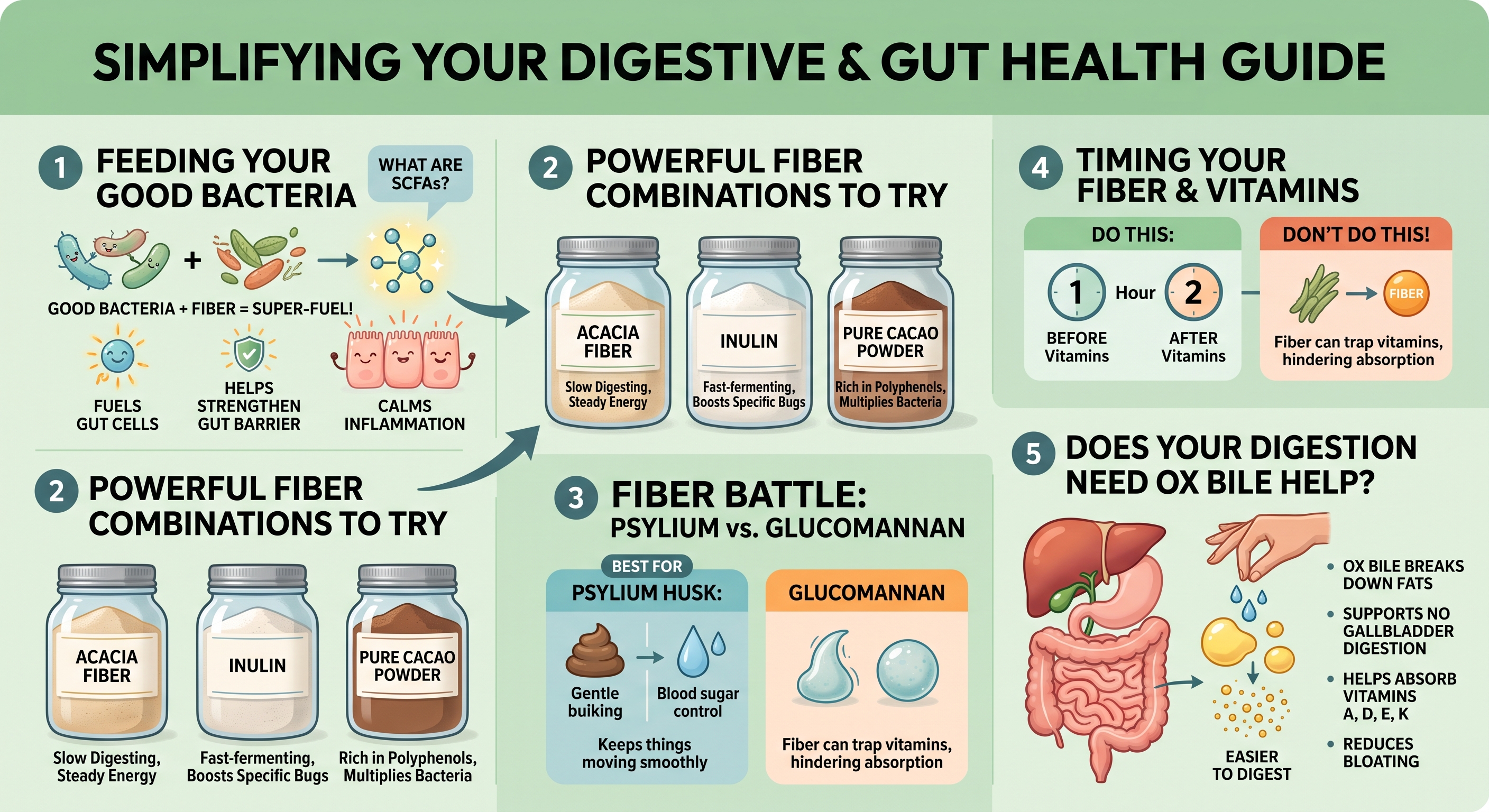
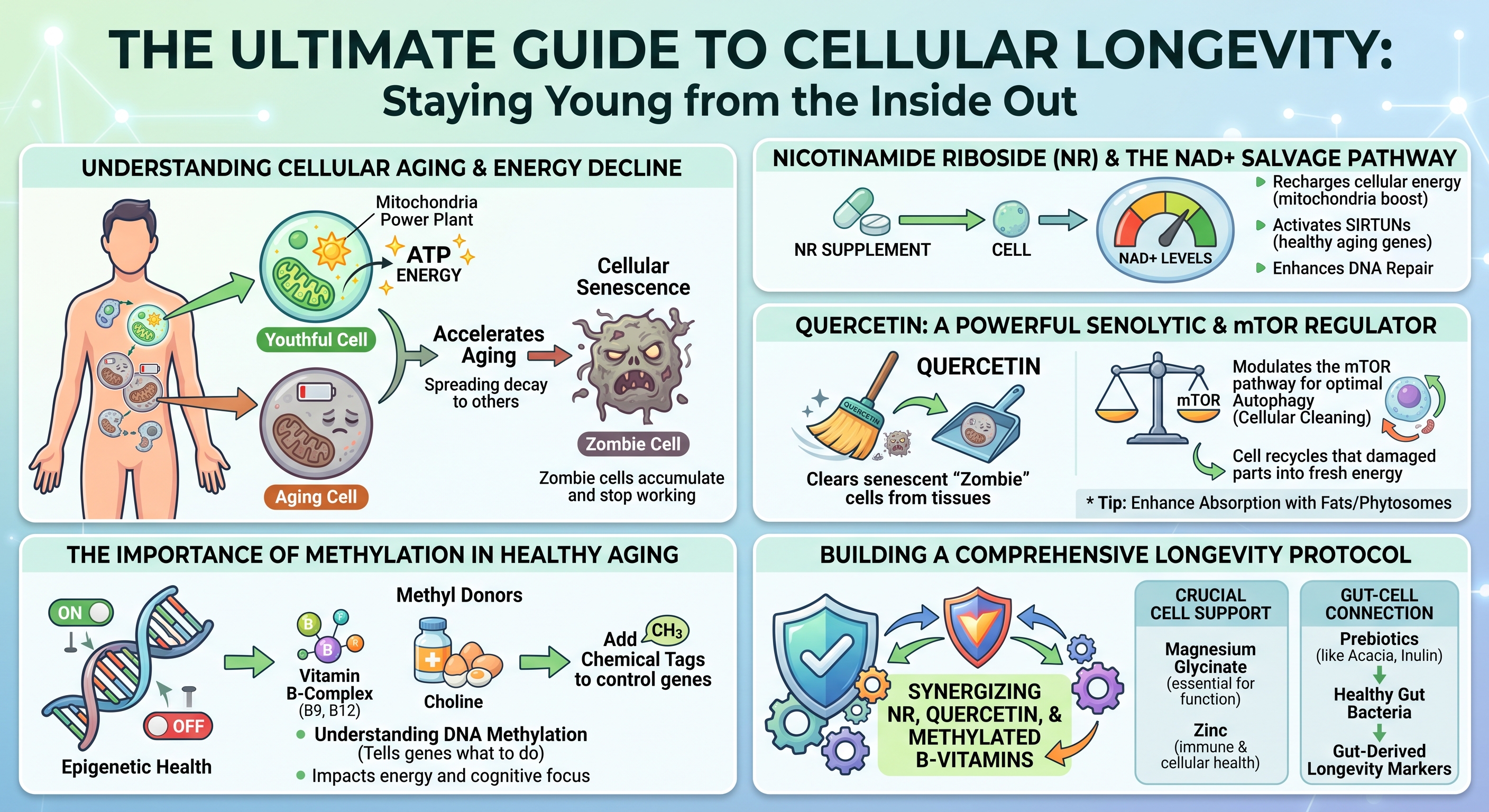
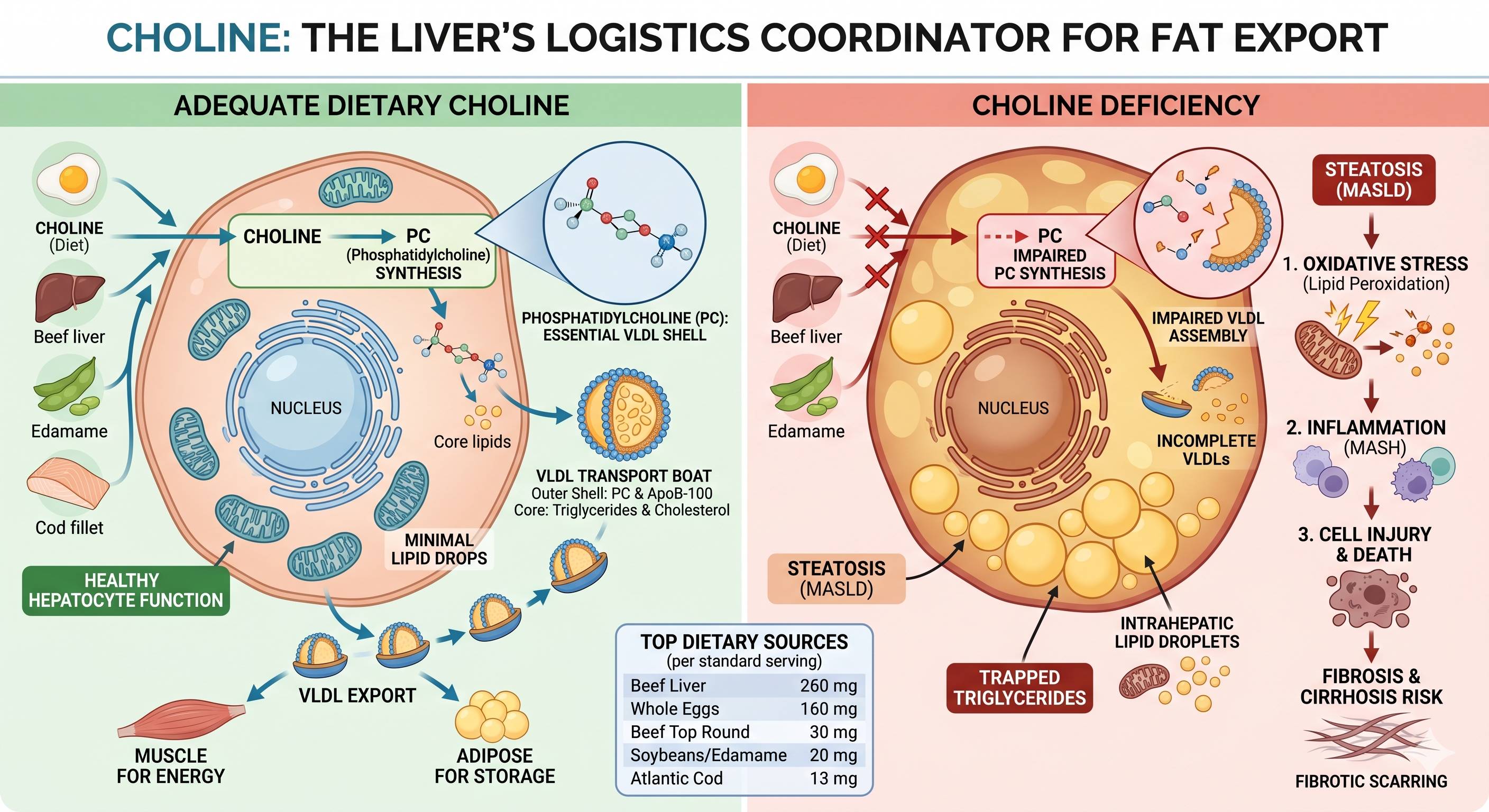
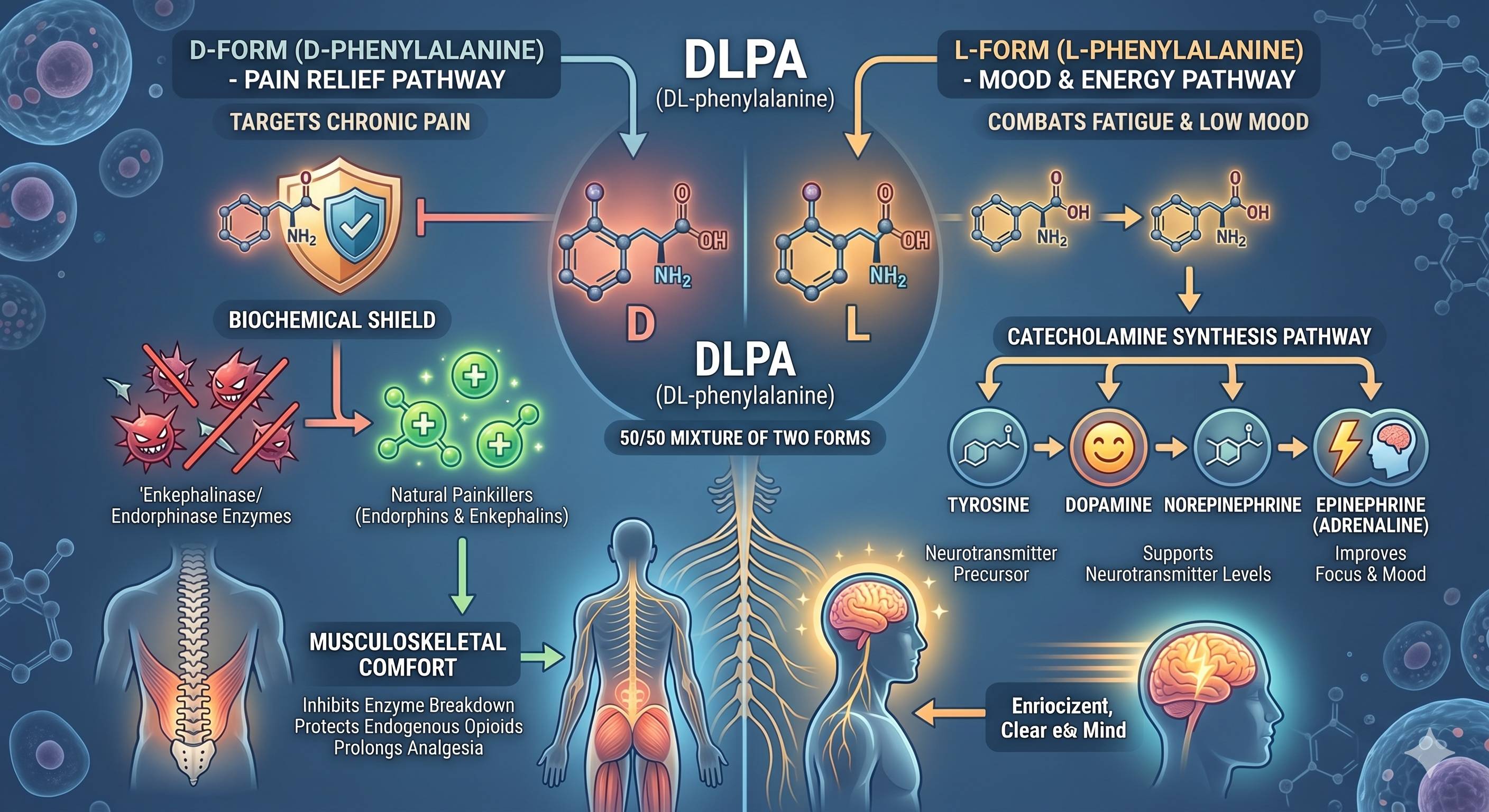
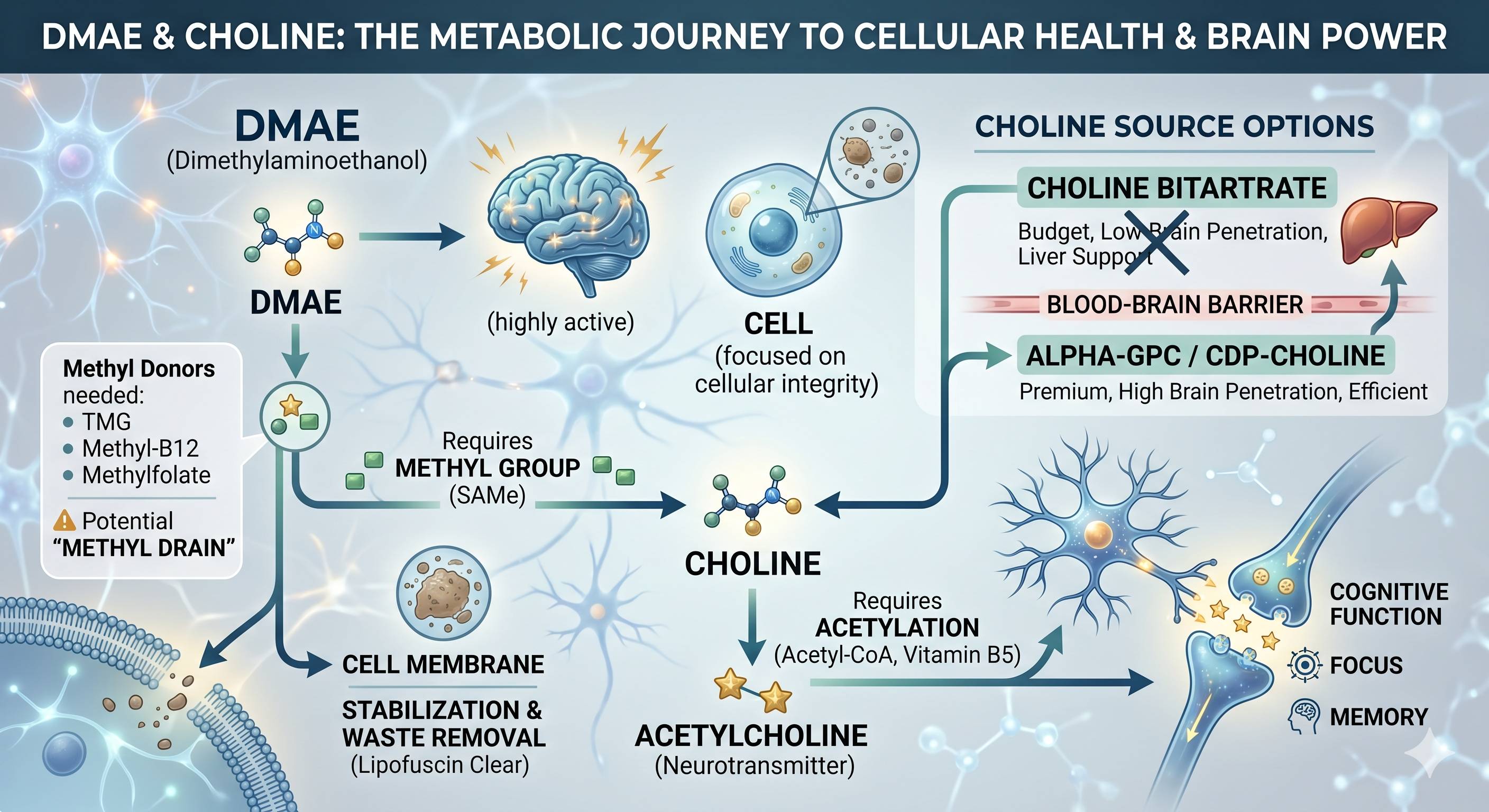
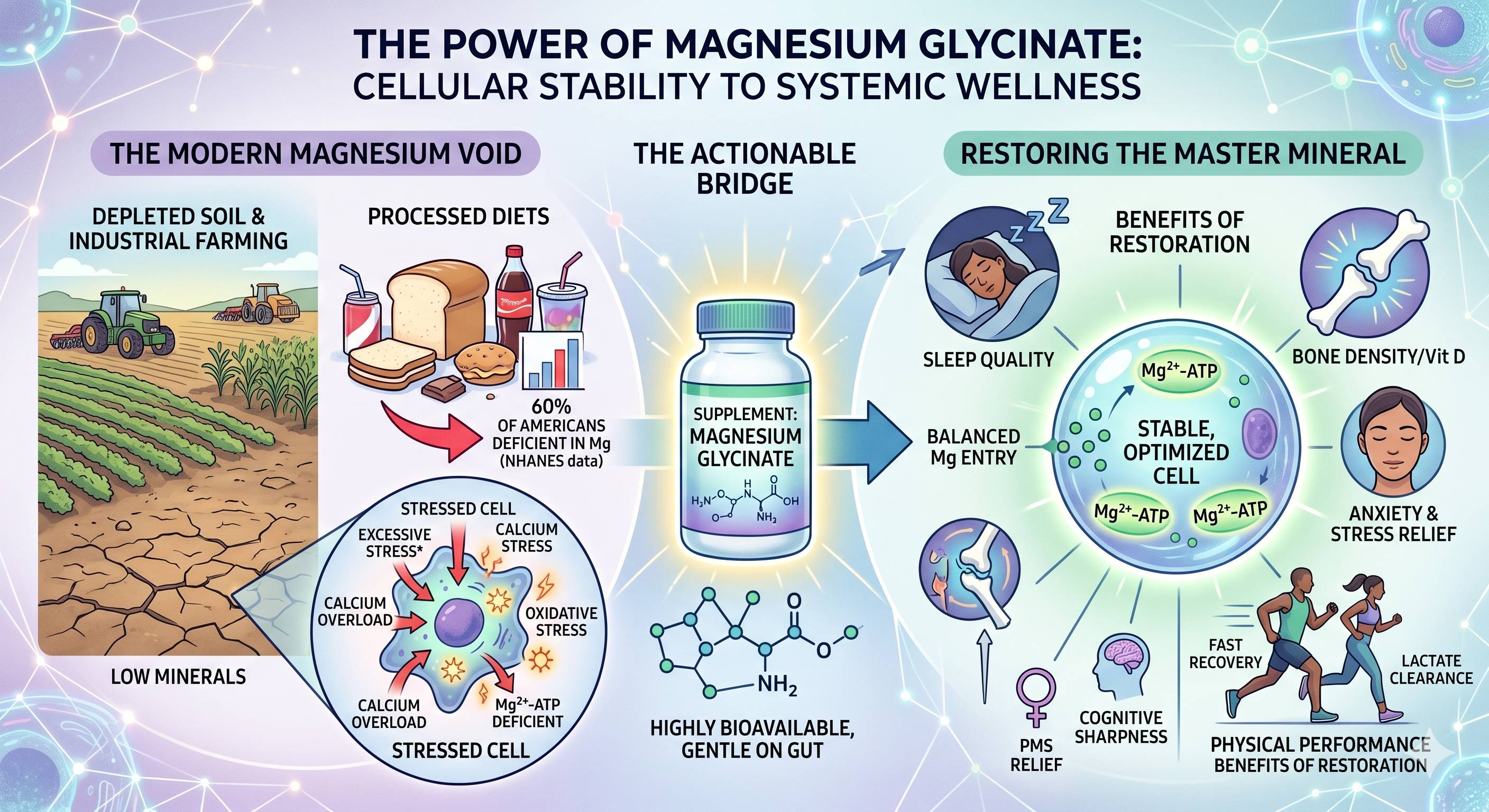
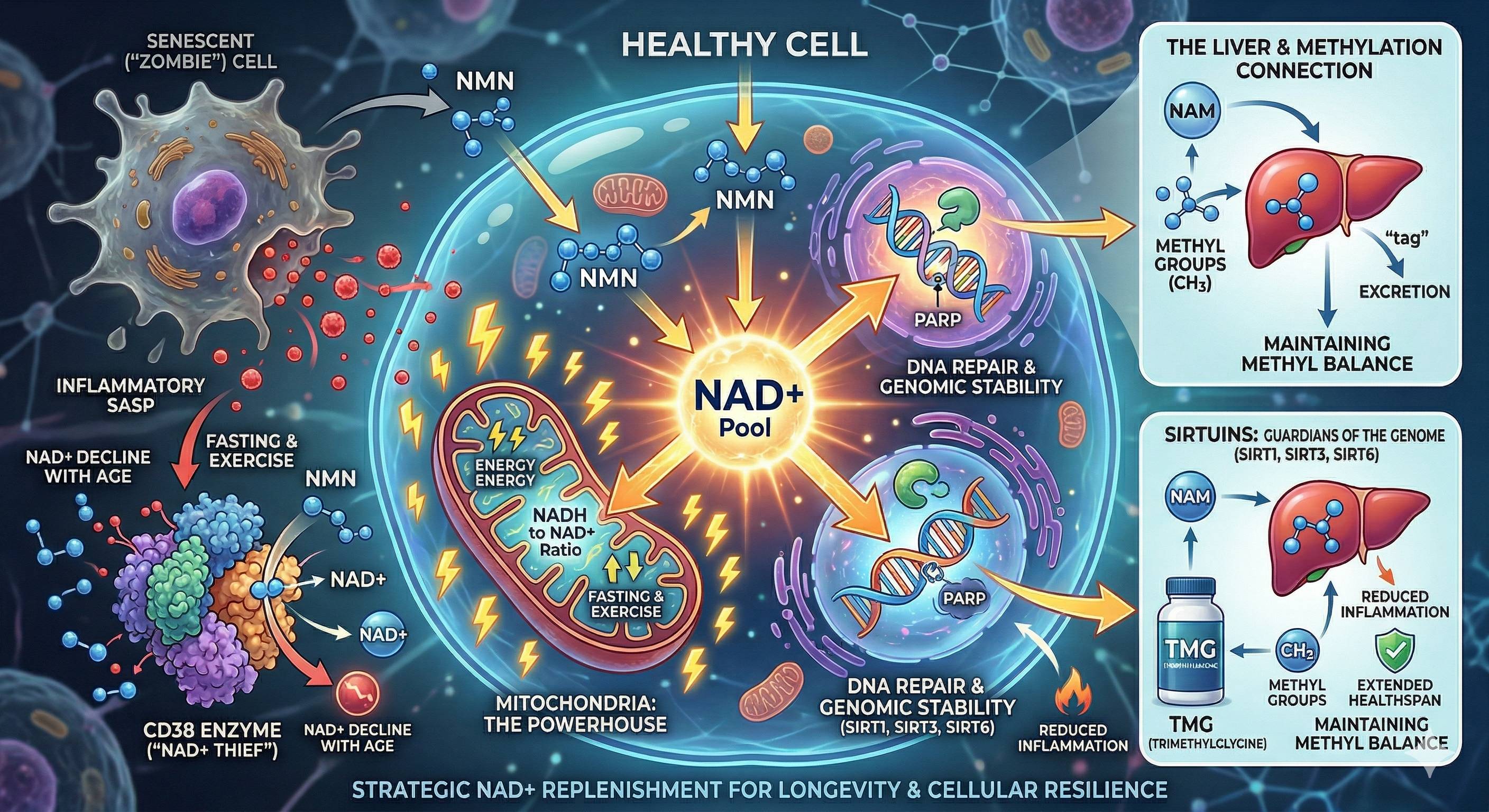
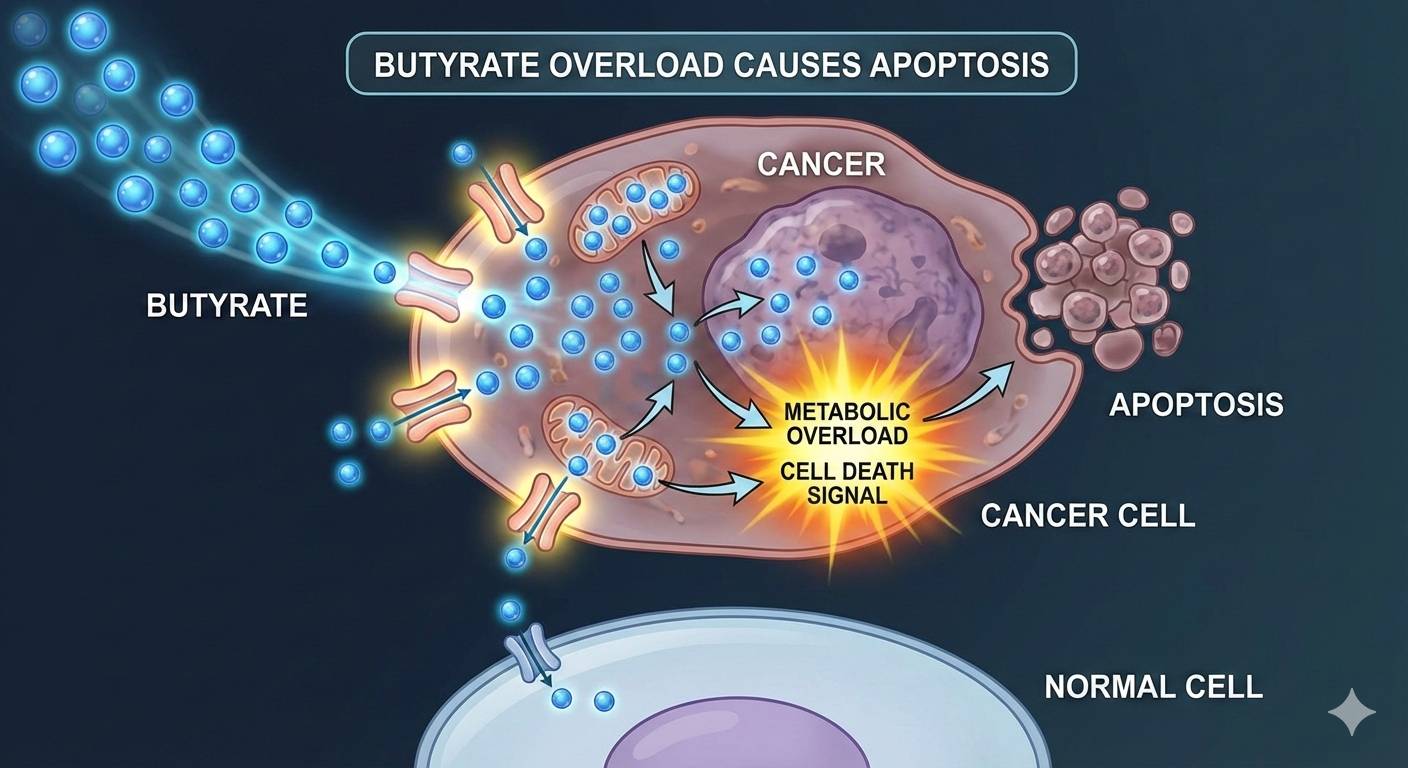

 For raw food enthusiasts, you can't get much better than date sugar. Unlike typical refined sugar from cane or beets, date sugar is actually finely chopped dry dates. There's no processing whatsoever, so you get an unrefined sweetener that's uniquely suited to certain culinary applications.
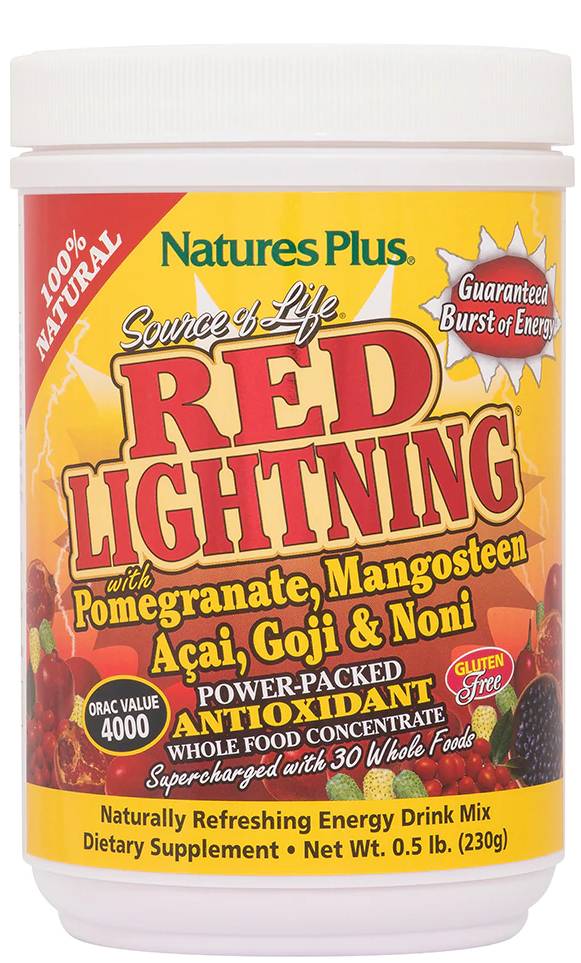 How to get more polyphenols in your diet






 Uses of silica
 Flax Seed on Diet


 Macular degeneration is a medical condition that affects older adults in most cases which results in a loss of sight or vision just in the center of the visual field due to damage of the retina. This is a very serious condition of the eye and it progresses over the years and in case left untreated may lead to further loss of sight. It has been found to be a major cause of older adults being visually impaired and usually age range is 50 years or older. Macular degeneration makes it hard or impossible to read or recognize faces, even though enough peripheral vision remains to make daily life activities remain doable.
 case that increased green leafy vegetable consumption does help prevent the risk of AMD. Sufficient lutein intake indicates risk reduction for macular degeneration and this can be obtained from a proper diet, but considering that the daily focus of attention is for the lutein.
 Cascara Sagrada is a large deciduous herbal tree. It is found in the specific area of the western coastal regions of the North America, mainly along the bottomlands in the valleys, along canyons and forested mountain slopes. It is also found growing along the Pacific Northwest from the Canadian province of British Columbia down to the northern parts of the California state. It reaches to the height of twenty to thirty feet and circumference of one and a half feet in diameter at maturity. With slender branches having many leaves, the bark of the tree is reddish brown is colour.
 In the year 1877 the American physicians recognized and accepted its many medicinal benefits. From the year 1894 they started listing Cascara Sagrada in the books U.S. Pharmacopeia for the significant medical benefits it provided. It is believed to be one of the world’s most naturally available laxatives and is still marketed as a natural plant based laxative. The wave like contractions it causes along the musculature in the walls of the intestine for alleviating constipation is the ultimate medicinal ability It possess which no other modern medicine has.
 Comments by Craig Gerbore, CEO of Madhava:
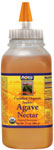
 Who is the author, Rami Nagel?
 It has become a national obsession to find a quick fix for obesity. In the long run, prescription drugs have not proven to be safe or effective. Additionally, just about all diets fail. There have been some natural supplements that have been found to be both beneficial and safe. One of the most promising of these supplements is griffonia, which is extremely high in 5-hydroxytryptophan, which is also referred to as 5-HTP.