|
Search Term: " oxygen "
NSAIDs vs. Curcumin: Which One Relieves Joint Pain Without Stopping Healing?   
Date:
September 14, 2026 11:22 AM
Comparative Analysis of NSAIDs versus Curcumin in Musculoskeletal Tissue RepairPrimary Biological Mechanisms and Pharmacological TargetsManaging soft tissue and joint injuries presents a persistent therapeutic challenge in musculoskeletal medicine. Acute inflammation triggers pain, localized swelling, and mechanical disability, which routinely drives patients toward pharmacological relief. For decades, nonsteroidal anti-inflammatory drugs (NSAIDs) such as ibuprofen, naproxen, celecoxib, and diclofenac have served as primary clinical interventions. While these synthetic agents effectively extinguish acute pain signals, expanding cellular and clinical research indicates that their biochemical mechanism interrupts the fundamental repair cascades required for long-term connective tissue healing. In contrast, curcumin - a natural polyphenolic compound derived from the rhizomes of Curcuma longa (turmeric) - exhibits a distinct, multi-targeted regulatory profile that calms hyperactive inflammation while protecting the structural components of cartilage and tendon tissue.The functional divergence between these two compounds becomes clear when considering an intuitive mechanical analogy. Tissue trauma resembles damage to a commercial building, where initial inflammation functions as the construction and demolition crew tasked with clearing rubble, stabilizing the foundation, and laying down fresh structural framing. NSAIDs function like abruptly cutting electrical power to the entire work site: the noisy machinery stops instantly and the immediate disturbance ceases, but the construction workers lose the power necessary to clean the debris and erect permanent walls. Conversely, curcumin operates as an experienced site manager: it silences unnecessary chaos and prevents site vandalism while ensuring that the skilled workers - specifically chondrocytes in cartilage and tenocytes in tendons - remain fully active, supplied, and capable of completing the restoration. At the cellular level, NSAIDs exert their effects through the catalytic inhibition of cyclooxygenase enzymes, categorized as constitutive cyclooxygenase-1 (COX-1) and inducible cyclooxygenase-2 (COX-2). Membrane phospholipids damaged during injury release arachidonic acid, which COX enzymes convert into pro-inflammatory lipid mediators known as prostanoids, most notably prostaglandin E2 (PGE2). Nonselective NSAIDs block both isoforms, while selective coxibs specifically target COX-2. By shutting off PGE2 production, NSAIDs rapidly elevate pain thresholds and blunt localized swelling. However, because PGE2 also functions as a vital signaling cue for cellular recruitment, angiogenesis, and cellular proliferation, this total enzymatic shutdown strips local repair cells of the baseline signals required to orchestrate tissue regeneration. Curcumin avoids this indiscriminate pathway paralysis by acting upstream on master transcriptional control switches rather than directly neutralizing isolated enzymes. Its primary therapeutic mechanism centers on the inhibition of Nuclear Factor-kappa B (NF-kB) and Activator Protein-1 (AP-1) signaling networks. Under acute stress or chronic inflammatory loads, the NF-kB protein complex is released from its cytoplasmic inhibitor, IkBa, and translocates directly into the cell nucleus, where it drives the transcription of catabolic cytokines such as interleukin-1 beta (IL-1ß), tumor necrosis factor-alpha (TNF-a), and interleukin-6 (IL-6). Curcumin blocks the phosphorylation and degradation of IkBa, effectively keeping NF-kB trapped in the cytoplasm. By preventing this nuclear entry, curcumin attenuates the expression of pro-inflammatory cytokines and downstream matrix-degrading enzymes while preserving baseline physiological functions. Furthermore, curcumin activates the nuclear factor erythroid 2-related factor 2 (Nrf2) and antioxidant response element (ARE) pathways, which upregulate endogenous cellular antioxidants to neutralize destructive reactive oxygen species (ROS) that induce cell death in injured joints.
The Mechanisms of NSAID-Induced Inhibition in Cartilage and Tendon RepairArticular cartilage and tendons are specialized, bradytrophic connective tissues characterized by relatively low basal metabolic rates and limited endogenous vascular supplies. These physical constraints make their cellular maintenance highly vulnerable to pharmaceutical disruptions. When synthetic compounds impair cell migration, survival, or extracellular matrix secretion, the intrinsic repair capacity of these structures is substantially degraded.Cartilage maintenance depends on chondrocytes, the sole cell type residing within articular joints, which are responsible for generating and maintaining the extracellular matrix of Type II collagen and water-binding proteoglycans such as aggrecan. Because adult articular cartilage lacks a direct vascular network, major defect repair relies heavily on the recruitment and chondrogenic differentiation of subchondral mesenchymal stem cells (MSCs) through endochondral ossification. Experimental evaluations demonstrate that systemic or intra-articular NSAID exposure halts this regenerative differentiation. Both nonselective NSAIDs and selective COX-2 inhibitors interfere with chondrocyte maturation and prevent successful tissue integration following cartilage transplantation or microfracture procedures. At the cellular level, common NSAIDs - including indomethacin, ketorolac, and diclofenac - induce cell cycle arrest in chondrocytes by blocking transition from the resting G0 phase to the proliferative G1. phase, substantially reducing viable cell numbers. Concurrently, NSAIDs downregulate Bone Morphogenetic Protein-2 (BMP-2), an essential anabolic signaling molecule that orchestrates matrix synthesis. Histological analyses in animal models reveal that NSAID administration causes a marked loss of extracellular proteoglycan content and widespread chondrocyte depletion, yielding elevated modified Mankin scores that signify advanced structural degeneration. In layman's terms, proteoglycans serve as water-absorbing structural sponges that grant cartilage its elastic shock absorption. When NSAIDs deplete these molecules, the joint surface dries out, becomes brittle, and rapidly wears down under routine mechanical friction. Tendon healing is similarly susceptible to disruption by NSAIDs. Tendons operate as high-tensile structural cables composed of longitudinally arranged Type I collagen fibers, maintained by specialized fibroblasts termed tenocytes and tenoblasts. Healing after acute rupture or chronic tear progresses through an initial inflammatory phase, followed by a proliferative phase of cell migration, and culminates in a lengthy remodeling phase of collagen alignment. In vitro and in vivo studies establish that NSAIDs directly suppress the migration and proliferative capacity of tenocytes during the critical early healing window. Without an adequate cellular workforce migrating into the wound bed, provisional collagen scaffolding cannot be synthesized effectively. The disruption is particularly pronounced at the enthesis, the specialized fibrocartilaginous junction where soft tendon inserts into rigid bone. Re-establishing this transition zone requires coordinated bone remodeling and chondrogenic differentiation, both of which are hindered by COX inhibition. In animal rotator cuff repair models, early administration of NSAIDs significantly delays collagen fiber organization and impairs mechanical integration at the insertion site, resulting in a measurable decline in load-to-failure strength and overall tendon toughness. Furthermore, while prolonged inflammation contributes to pathological degeneration, the transient synthesis of PGE2 during the initial hours following injury is essential for regulating localized microvascular flow and hyperemic nutrient delivery. By eliminating this early prostanoid pulse, NSAIDs starve the repair zone of oxygen and circulating factors precisely when the cellular metabolic demand is highest. Beyond direct biochemical cytotoxicity, systemic NSAIDs introduce a physical hazard known as analgesic arthropathy. In musculoskeletal biomechanics, pain functions as a protective feedback mechanism, forcing the patient to unload an injured joint or limb to prevent structural overload. By effectively blunting the pain reflex while simultaneously undermining the cellular synthesis of proteoglycans and collagen, NSAIDs create a deceptive state of perceived recovery. Patients prematurely resume unrestricted weight-bearing and strenuous activity, placing substantial, uncompensated mechanical forces onto compromised cartilage surfaces and unhealed tendon fibers. Over time, this recurring mechanical trauma accelerates joint space narrowing, promotes microfractures in the subchondral plate, and hastens functional joint breakdown. Chondroprotective and Tenogenic Mechanisms of CurcuminIn sharp contrast to the suppressive actions of synthetic COX inhibitors, curcumin exhibits a tissue-sparing, pro-regenerative biological profile. Rather than paralyzing cellular metabolism, curcumin modulates the microenvironment by suppressing destructive catabolic enzymes while supporting the baseline anabolic signals required for cartilage and tendon reconstruction.In articular cartilage, curcumin acts as a direct chondroprotective agent by dismantling the catabolic cascade induced by pro-inflammatory cytokines. When joint tissues are exposed to elevated IL-1ß and TNF-a, chondrocytes are provoked to synthesize matrix metalloproteinases - specifically collagenases such as MMP-1, MMP-3, and MMP-13 - along with aggrecanases like ADAMTS5. These enzymes function like enzymatic shears, systematically slicing through structural Type II collagen strands and degrading aggrecan cores. Curcumin suppresses the transcription and secretion of MMP-1, MMP-3, MMP-13, and ADAMTS5 by neutralizing NF-kB and AP-1 activation. Concurrently, it upregulates Cbp/p300 Interacting Transactivator with ED-rich tail 2 (CITED2), an essential transcriptional regulator that represses matrix metalloproteinases at the genomic level. In addition to halting extracellular degradation, curcumin protects chondrocytes from inflammatory apoptosis. Exposure to oxidative stress and inflammatory cytokines typically triggers programmed cell death by activating the intrinsic caspase cascade. Curcumin suppresses this apoptotic pathway by reducing the cleavage of executioner caspase-3, downregulating the pro-apoptotic factor Bax, and elevating anti-apoptotic Bcl-2 expression. Microscopic and histological analyses of osteoarthritic cartilage treated with curcumin consistently show robust Safranin O staining, intact surface regularity, preserved chondrocyte density, and significantly reduced Osteoarthritis Research Society International (OARSI) degradation scores. Within tendon biology, curcumin promotes active tissue regeneration (tenogenesis) rather than inert scar formation. In animal models of tendon rupture and surgical repair, curcumin guides tendon-derived stem and progenitor cells (TSPCs) toward mature tenocyte differentiation. This lineage-specific differentiation is orchestrated primarily through activation of the phosphatidylinositol 3-kinase/protein kinase B (PI3K/Akt) and Wnt/ß-catenin signaling cascades. As stem cells commit to the tenogenic pathway, they significantly upregulate crucial structural and phenotypic markers, including epithelial cell adhesion molecule (EpCAM), tenomodulin, and the master tendon transcription factor Scleraxis. Through this guided differentiation, curcumin supports the preferential synthesis and organized deposition of high-tensile Type I collagen fibers, the primary architectural building blocks of healthy tendons. Injured tendons typically fill with disorganized, loose Type III collagen, which forms a structurally inferior, compliant scar. Curcumin supplementation promotes the progressive maturation from primitive Type III collagen to densely packed, parallel Type I collagen fibrils, restoring native tensile strength and mechanical breaking force. A major clinical challenge following tendon surgery is the development of peritendinous adhesions, in which excessive fibrotic scar tissue binds the healing tendon to its synovial sheath, restricting range of motion and joint gliding. Postoperative tendon repair involves a balance between extrinsic healing (in which exterior fibroblasts infiltrate the defect and deposit messy scar tissue) and intrinsic healing (in which tenocytes within the tendon substance reconstruct the matrix). Curcumin suppresses excessive peritendinous inflammation and extrinsic fibrosis while accelerating intrinsic tenocyte repair. Biomechanical testing confirms that local or systemic curcumin administration yields lower adhesion scores, increased gliding distances, and superior functional mobility without sacrificing structural load-bearing capacity. Comparative Clinical Efficacy and Systemic Safety ProfilesTranslating cellular findings into clinical practice requires weighing therapeutic outcomes against systemic safety profiles. While synthetic NSAIDs deliver potent, rapid analgesia during acute musculoskeletal pain events, their chronic administration is constrained by systemic toxicities across multiple organ systems.In randomized, active-controlled clinical trials of knee osteoarthritis, optimized curcumin preparations have demonstrated clinical pain reduction and functional recovery comparable to standard therapeutic doses of NSAIDs. In a randomized, open-label parallel-arm study evaluating 139 patients with symptomatic knee osteoarthritis, subjects received either 500 mg of a bio-enhanced curcumin extract three times daily or 50 mg of diclofenac sodium twice daily for 28 consecutive days. Patients treated with curcumin demonstrated comparable improvements in pain intensity on the Visual Analogue Scale (VAS) and functional scores on the Knee Injury and Osteoarthritis Outcome Score (KOOS) at days 14 and 28, showing no statistically significant difference in therapeutic efficacy compared to diclofenac. However, the systemic tolerability profiles between the treatments diverged markedly. Overall adverse events occurred in only 13% of the curcumin group compared to 38% of the diclofenac cohort. In the diclofenac arm, 28% of patients developed dyspeptic symptoms severe enough to require concurrent treatment with H2-receptor antagonists or proton pump inhibitors to prevent mucosal ulceration, whereas no patients in the curcumin cohort required gastroprotective intervention. Furthermore, the curcumin cohort experienced a significant reduction in flatulence and digestive discomfort, demonstrating beneficial gastric and intestinal cytoprotective effects. These safety observations are consistent across broader systematic reviews and meta-analyses. Nonsteroidal anti-inflammatory agents inherently compromise gastrointestinal integrity by systematically depleting cytoprotective prostaglandins, leaving the gastric epithelium vulnerable to acid erosion and hemorrhage. In addition, systemic inhibition of renal and vascular COX enzymes by NSAIDs reduces renal perfusion and disrupts the balance between prostacyclin and thromboxane, elevating the risk of fluid retention, hypertension, and adverse cardiovascular thrombotic events. Curcumin does not suppress these physiological prostanoid pathways, making it free from ulcerogenic, nephrotoxic, and cardiotoxic properties at therapeutic dosages.
A longstanding limitation of standard curcumin supplementation in clinical settings has been its low oral bioavailability. Native curcuminoids are highly lipophilic, poorly soluble in aqueous gastric fluids, and subject to rapid hepatic and intestinal phase II metabolism into inactive glucuronides and sulfates, leading to swift biliary and fecal excretion. Consequently, raw culinary turmeric powders struggle to achieve the therapeutic systemic circulating concentrations required to reach poorly vascularized joint and tendon compartments. Modern pharmacognosy has addressed this pharmacodynamic hurdle through advanced delivery formulations. Modern strategies - such as co-administration with the natural alkaloid piperine (which inhibits hepatic glucuronidation), micellar dispersions, phytosomal phospholipid complexes, and bio-enhanced submicron dispersions - elevate systemic blood bioavailability by ten- to thirty-fold compared to unformulated extracts. These modern delivery platforms ensure that therapeutic concentrations reach synovial fluid, subchondral bone, and fibrous tendon sheaths without requiring excessive oral dosing. Conclusions and Translational Clinical ImplicationsThe biological and clinical evidence reveals distinct physiological paths for NSAIDs and curcumin in orthopedic recovery. While NSAIDs remain powerful tools for the brief alleviation of acute, unmanageable pain, their ongoing administration during active tissue healing presents substantial biological compromises. Tendons and cartilage require a controlled, transient inflammatory cascade to signal cell recruitment, stimulate stem cell differentiation, and direct extracellular matrix synthesis. By completely shutting down cyclooxygenase enzymes and depleting local prostaglandins, NSAIDs disrupt this regenerative cascade. The resulting cellular consequences - including chondrocyte cell cycle arrest, proteoglycan loss, suppression of tenocyte migration, and weakened collagen tensile strength at the tendon-to-bone interface - demonstrate that pain relief from NSAIDs frequently comes at the cost of the structural integrity of healing connective tissues.In contrast, curcumin provides a tissue-preserving alternative that decouples pain and inflammation control from cellular suppression. Operating upstream at the level of NF-kB and AP-1 transcriptional activation, curcumin attenuates the expression of pro-inflammatory cytokines while leaving the physiological baseline of cellular metabolism intact. In cartilage, it actively represses the matrix-degrading enzymes MMP-1, MMP-3, MMP-13, and ADAMTS5, maintains water-binding proteoglycan content, and protects chondrocytes from inflammatory apoptosis. In damaged tendons, curcumin stimulates tenogenic differentiation of local stem cells via PI3K/Akt signaling, supports the proper maturation of dense Type I collagen fibers, and prevents restrictive peritendinous scar adhesions, preserving both joint mobility and mechanical breaking strength. From a translational perspective, these findings indicate that clinical protocols should reconsider relying on continuous NSAIDs as the default intervention for connective tissue injuries, post-surgical recovery, and chronic degenerative conditions. Where synthetic NSAIDs are deemed necessary, their use should be confined to short-term acute flare-ups to avoid interrupting early tissue remodeling. For long-term joint preservation, ongoing tendinopathy rehabilitation, and chronic osteoarthritis management, optimized bio-enhanced curcumin formulations deliver pain relief and functional restoration comparable to conventional pharmaceuticals, all while preserving the biological processes required for lasting musculoskeletal repair. References: NSAID therapy effects on healing of bone, tendon, and the enthesis The Detrimental Effects of Systemic Ibuprofen Delivery on Tendon Conservative management of symptomatic knee osteoarthritis - PMC Positives and negatives of nonsteroidal anti-inflammatory drugs in (PDF) Conservative management of symptomatic knee osteoarthritis Non-steroidal anti-inflammatory drugs influence cartilage healing Is Curcumine Useful in the Treatment and Prevention of ... - PMC - NIH Efficacy and mechanisms of curcumin in the treatment of osteoarthritis Biological actions of curcumin on articular chondrocytes - PubMed Curcumin slows osteoarthritis progression and relieves ... - PMC - NIH Do Nonsteroidal Anti-Inflammatory Drugs Have a Deleterious Effect Anti-inflammatory management for tendon injuries - friends or foes? The mechanistic role of curcumin on matrix metalloproteinases in Therapeutic effects of turmeric or curcumin extract on pain and Curcumin inhibits chondrocyte apoptosis and inflammation in ... - PMC Analysis of the mechanism of curcumin against osteoarthritis using Synergistic enhancement of tendon-to-bone healing via anti ... - PMC A Multicenter, Randomized, Double-Blind, Placebo-Controlled Trial Safety and efficacy of curcumin versus diclofenac in knee osteoarthritis A randomized, pilot study to assess the efficacy and safety ... - PubMed Effectiveness of curcuminoids in the treatment of knee osteoarthritis THE EFFECTS OF TRADITIONAL STRENGTHENING EXERCISES Putting Some Muscle into Osteoarthritis | Annals of Internal Medicine Do Nonsteroidal Anti-Inflammatory Drugs Have a Deleterious Effect Calebin A, a Compound of Turmeric, Down-Regulates Inflammation The Effect of Non-Steroidal Anti-Inflammatory Drugs on Tendon-to Chiropractor in Toronto, ON, Canada :: Head and Neck Pain Investigation of the association of long-term NSAID use with ... - PMC Curcumin Improves Functional Recovery of Ruptured Tendon by Chemically modified curcumin (CMC2.24) alleviates osteoarthritis Curcumin improves age-related and surgically induced osteoarthritis (PDF) Curcumin Improves Functional Recovery of Ruptured Tendon Investigation of the effects of umbilical cord-derived mesenchymal Effect of curcumin-loaded polycaprolactone scaffold on Achilles Controlled release of curcumin from curcumin-loaded nanomicelles Efficacy and safety of combination of curcuminoid complex ... - PMC The efficacy of Curcuma Longa L. extract as an adjuvant therapy in
(https://vitanetonline.com:443/forums/Index.cfm?CFApp=1&Message_ID=6653) The Ultimate Guide to Cellular Longevity: NAD+, Methylation, and Senolytics 
Date:
September 10, 2026 10:57 AM
Introduction: Understanding Cellular Aging and Energy DeclineBiological aging represents a progressive decline in cellular maintenance, structural repair, and energy generation. Over decades, tissues experience an attrition of functional reserves, compromised stress resilience, and persistent low-grade systemic inflammation. At the cellular scale, biological degeneration is driven by a failure to generate bioenergetic fuel, repair genetic code, and clear metabolic waste.Cellular aging is characterized by interconnected biological disruptions known as the hallmarks of aging. These encompass genomic instability, epigenetic alterations, mitochondrial decay, loss of proteostasis, and cellular senescence. Rather than operating as isolated occurrences, these phenomena establish a self-reinforcing degenerative cycle: declining cellular power generation impairs enzymatic genetic repair, promoting the accumulation of damaged cells that enter irreversible growth arrest and poison surrounding healthy tissues. Mitigating cellular aging requires examining how microscopic bioenergetic pathways deteriorate and evaluating how targeted nutritional and biochemical interventions can restore cellular homeostasis. The Role of Mitochondria and ATP ProductionEvery biological function - from muscular contraction to continuous DNA replication - depends on adenosine triphosphate (ATP), the primary biochemical energy currency of living systems. Cells produce the vast majority of this energy within mitochondria through oxidative phosphorylation. Within these specialized organelles, metabolic intermediates derived from dietary carbohydrates and lipids donate high-energy electrons to the electron transport chain. The flow of these electrons across protein complexes establishes an electrochemical proton gradient across the inner mitochondrial membrane, driving ATP synthase to manufacture ATP.A youthful cell functions like an efficient municipal power grid, dynamically matching energetic demands with immediate ATP output. However, as biological aging progresses, mitochondrial efficiency declines. The electron transport chain becomes structurally leaky, inadvertently shedding electrons that react with ambient molecular oxygen to produce reactive oxygen species (ROS). While regulated levels of ROS participate in vital intracellular signaling, chronic excess induces widespread oxidative stress. Mitochondria are exceptionally vulnerable to this oxidative burden because they carry their own circular genetic material, known as mitochondrial DNA (mtDNA). Unlike nuclear DNA, mtDNA lacks the protective shielding of histone proteins and possesses rudimentary repair systems. As a result, mtDNA sustains cumulative oxidative damage, encoding increasingly defective electron transport chain proteins. This dynamic generates a bioenergetic deficit: degraded mitochondria synthesize progressively less ATP while emitting greater volumes of damaging free radicals. Deprived of optimal ATP reserves, cells lack the energy necessary to drive vital enzymatic repair cascades, accelerating structural degeneration and functional exhaustion. How Cellular Senescence Accelerates the Aging ProcessWhen healthy cells confront critical physiological damage - such as severe telomere attrition, persistent DNA double-strand breaks, or oxidative stress - they activate protective cell cycle arrest pathways governed primarily by the p53/p21^CIP1 and p16^INK4a/Rb molecular checkpoints. This defensive shutdown, termed cellular senescence, permanently prevents the replication of potentially premalignant or mutated cells.Senescent cells, colloquially known as "zombie cells," enter a state of permanent growth arrest while actively resisting programmed cell death (apoptosis). Over time, these cells accumulate within adipose depots, skeletal muscle, the vascular endothelium, and major organs, largely because immune surveillance and clearance pathways simultaneously lose functional efficiency. The systemic danger of senescent cells stems from their secretome. Rather than remaining biologically inert, senescent cells develop a hyperactive secretory state termed the Senescence-Associated Secretory Phenotype (SASP). The SASP is a destructive mixture of pro-inflammatory cytokines, chemokines, extracellular matrix-degrading matrix metalloproteinases (MMPs), and reactive oxygen species. Through this toxic secretome, even a small burden of senescent cells can impair whole-tissue architecture. SASP factors degrade surrounding structural proteins, induce insulin resistance in neighboring metabolic cells, and biochemically force adjacent healthy cells into secondary senescence. This persistent paracrine signaling fuels chronic, sterile, low-grade systemic inflammation, termed "inflammaging," which accelerates systemic tissue degeneration and elevates susceptibility to degenerative age-related pathologies. Nicotinamide Riboside (NR) and the NAD+ Salvage PathwayThe Biochemistry of NAD+ Depletion Over TimeNicotinamide adenine dinucleotide (NAD+) is an indispensable coenzyme present in every living cell. NAD+ fulfills a dual biological mandate: it serves as a central redox cofactor that shuttles electrons between cellular metabolic reactions, and it functions as an obligatory consumable substrate for regulatory enzymes that preserve cellular viability. In its redox capacity, NAD+ accepts electrons to form NADH during glycolysis, the tricarboxylic acid (TCA) cycle, and fatty acid beta-oxidation, subsequently donating those electrons to Complex I of the respiratory chain to power ATP synthesis.
The primary enzymatic driver of age-related NAD+ destruction is CD38, a membrane-bound glycohydrolase expressed on immune cells that is upregulated in response to chronic SASP exposure. Concurrently, lifelong genotoxic damage causes persistent activation of Poly(ADP-ribose) polymerase 1 (PARP-1), an enzyme that cleaves the glycosidic bonds of NAD+ to assemble branched poly(ADP-ribose) chains at DNA lesion sites. Because PARP-1 consumes NAD+ without directly recycling the molecule, chronic DNA damage depletes intracellular NAD+ pools, impairing bioenergetics and limiting sirtuin activity. How NR Efficiently Boosts Cellular NAD+ LevelsThe mammalian body maintains its NAD+ supply through three distinct biosynthetic routes: the de novo pathway from dietary L-tryptophan, the Preiss-Handler pathway from nicotinic acid (niacin), and the NAD+ Salvage Pathway. The de novo pathway requires substantial energy expenditure, consuming roughly sixty milligrams of dietary tryptophan to yield a single milligram of NAD+. The Preiss-Handler pathway, while effective, can induce cutaneous prostaglandin-mediated flushing at therapeutic intakes. Consequently, the salvage pathway serves as the primary mechanism for maintaining intracellular NAD+ pools.The salvage pathway recycles the breakdown product nicotinamide (NAM), which is released whenever NAD+-consuming enzymes execute their functions. Under normal conditions, cells convert free nicotinamide into nicotinamide mononucleotide (NMN) via the rate-limiting enzyme nicotinamide phosphoribosyltransferase (NAMPT), after which NMN adenylyltransferases (NMNAT1–3) complete the conversion into NAD+. However, NAMPT expression declines with advancing age, chronic inflammation, and metabolic stress, limiting the recycling capacity of the cell. Nicotinamide Riboside (NR) is a naturally occurring pyridine nucleoside that bypasses this enzymatic bottleneck. Upon cellular entry via equilibrative nucleoside transporters, NR is directly phosphorylated into NMN by nicotinamide riboside kinases (NRK1 and NRK2) using a single molecule of ATP. Because the NRK pathway remains intact and robust across the lifespan, NR provides an efficient alternative entry point into the NAD+ salvage cascade. Clinical evaluations in humans confirm the safety, bioavailability, and pharmacokinetics of oral NR supplementation. Randomized, double-blind, placebo-controlled trials reveal that oral NR chloride produces dose-dependent increases in steady-state whole blood NAD+ concentrations. Dosing regimens of 100 mg, 300 mg, and 1,000 mg daily elevate blood NAD+ levels by approximately 22%, 51%, and up to 142%, respectively, within two weeks of administration, maintaining these elevations throughout continuous use. High-resolution metabolomic analyses also demonstrate parallel elevations in nicotinic acid adenine dinucleotide (NAAD), establishing it as a reliable biomarker of active intracellular NAD+ synthesis without hepatic or systemic toxicity. Sirtuin Activation and DNA Repair MechanismsReplenishing intracellular NAD+ supports functions beyond mitochondrial ATP generation. NAD+ functions as an obligatory cofactor for sirtuins (SIRT1 through SIRT7), a family of class III histone and non-histone protein deacetylases that regulate stress resilience, metabolic homeostasis, and cell survival. Sirtuins couple the removal of acetyl groups from target lysine residues to the stoichiometric cleavage of NAD+, producing nicotinamide and O-acetyl-ADP-ribose. In states of NAD+ deficiency, sirtuin enzymes remain inactive regardless of cellular demand.In the nucleus, SIRT1 coordinates defense against cellular decline. When activated by restored NAD+ levels, SIRT1 deacetylates peroxisome proliferator-activated receptor-gamma coactivator 1-alpha (PGC-1a), the master transcriptional coactivator of mitochondrial biogenesis. This deacetylation stimulates mitochondrial replication and assembly, expanding functional respiratory capacity. Concurrently, SIRT1 deacetylates the p65 subunit of nuclear factor-kappa B (NF-kB), suppressing the transcription of pro-inflammatory cytokines. In the mitochondria, SIRT3 utilizes NAD+ to deacetylate metabolic enzymes and superoxide dismutase 2 (SOD2), enhancing the organelle's capacity to neutralize reactive oxygen species. At the same time, cellular NAD+ levels directly regulate genomic integrity through PARP-1. When genotoxic stress or oxidative damage induces single- or double-strand DNA breaks, PARP-1 binds to the damaged termini using its zinc-finger domains. Bound PARP-1 hydrolyzes NAD+ to synthesize extensive, negatively charged poly(ADP-ribose) polymers on itself and adjacent histones. This modification relaxes chromatin architecture and establishes an electrostatic scaffold that recruits base excision repair and homologous recombination complexes. Recent discoveries demonstrate close crosstalk between sirtuins and PARP-1 during DNA repair. PARP-1 recruits SIRT1 to double-strand breaks, where SIRT1 deacetylates the chromatin-remodeling ATPase BRG1 to displace nucleosomes and facilitate homologous recombination. However, because PARP-1 and SIRT1 draw from the same intracellular NAD+ pool, severe NAD+ depletion forces a biological compromise: PARP-1 consumes the scarce remaining cofactor to address DNA damage, leaving sirtuins deactivated. Restoring NAD+ via NR prevents this deficit, enabling concurrent genomic repair and sirtuin-mediated metabolic defense. Quercetin: A Powerful Senolytic and mTOR RegulatorClearing Senescent "Zombie" Cells from TissuesThe accumulation of senescent cells has driven interest in senolytics: molecules that selectively eliminate senescent cells while sparing healthy, non-senescent populations. Senolytic agents exploit a specific vulnerability in senescent cells. Because senescent cells produce cytotoxic, pro-inflammatory SASP factors that would normally induce their own death, they become dependent on upregulated Senescent Cell Anti-Apoptotic Pathways (SCAPs) to survive. The SCAP network involves anti-apoptotic proteins (such as BCL-2 and BCL-xL), the PI3K/Akt kinase cascade, and cyclin-dependent kinase inhibitors.Quercetin is a polyphenolic flavonoid found in capers, red onions, apples, and the flower buds of Sophora japonica. Beyond its classical antioxidant properties, quercetin functions as a senolytic compound that exerts multi-target inhibitory effects across the SCAP network. By inhibiting the upstream PI3K/Akt survival axis and downregulating anti-apoptotic defenses, quercetin disrupts the signaling that protects senescent cells from intrinsic apoptosis. Deprived of these survival signals, senescent cells undergo programmed cell death. Preclinical studies demonstrate that senolytic protocols utilizing quercetin - often combined with the tyrosine kinase inhibitor dasatinib - reduce senescent cell burden across multiple tissues. This targeted clearance lowers circulating SASP factors, attenuates tissue fibrosis, restores endothelial reactivity, and improves functional health span. By removing senescent cells, quercetin mitigates the primary driver of chronic, low-grade inflammaging. Modulating the mTOR Pathway for Optimal AutophagyThe mechanistic Target of Rapamycin (mTOR) is an evolutionarily conserved serine/threonine protein kinase that coordinates cellular metabolism by balancing anabolic growth with catabolic recycling. Operating within two multiprotein complexes - mTORC1 and mTORC2 - the mTOR pathway integrates signals from amino acids, growth factors, and intracellular energy levels. In nutrient-rich environments, mTORC1 promotes protein synthesis, lipogenesis, and cellular growth, while suppressing catabolic breakdown. Conversely, nutrient scarcity downregulates mTORC1, activating autophagy.Autophagy is an intracellular degradation system that packages damaged organelles, misfolded protein aggregates, and biological debris into double-membraned autophagosomes for lysosomal degradation and recycling. A specialized branch of this pathway, mitophagy, selectively targets and clears damaged mitochondria. In modern metabolic conditions characterized by continuous caloric intake, mTORC1 can remain persistently active. This persistent signaling suppresses autophagy, causing damaged organelles and toxic aggregates to accumulate within tissues. Quercetin functions as a natural modulator of mTOR signaling. By inhibiting upstream PI3K/Akt signaling and activating intracellular energy sensors, quercetin attenuates overactive mTORC1, mimicking the metabolic effects of caloric restriction. This down-regulation relieves inhibition on the ULK1 autophagy initiation complex, stimulating both general autophagy and mitophagy. As autophagy proceeds, cells clear protein aggregates and eliminate damaged mitochondria, supporting cellular longevity and proteostasis. Enhancing Absorption: Phytosomes and Dietary FatsDespite the biological activities of quercetin identified in experimental models, its clinical translation has historically been limited by poor oral bioavailability. Raw quercetin aglycone is a crystalline, hydrophobic polyphenol with poor solubility in water and gastrointestinal fluids. When ingested in unformulated powder forms, quercetin molecules aggregate in the gut lumen, resisting dissolution and passive absorption. Consequently, the vast majority of an unformulated dose passes into the colon unabsorbed, where it undergoes microbial degradation without reaching meaningful systemic concentrations.To address these pharmacokinetic limitations, advanced delivery systems such as phytosomes were engineered. A phytosome is a 100% food-grade molecular complex where individual polyphenolic molecules are bound to dietary phospholipids, typically sunflower-derived phosphatidylcholine. Unlike a classical liposome - which encapsulates water-soluble compounds inside an aqueous core enclosed by a lipid bilayer - a phytosome forms an amphiphilic complex at the molecular level. The polar head of the phosphatidylcholine molecule forms hydrogen bonds with the hydroxyl groups of the quercetin molecule, while its lipophilic fatty acid tails extend outward. This structural arrangement shields the polar regions of the flavonoid, creating a lipid-compatible complex that integrates smoothly into the intestinal mucosa.
The Importance of Methylation in Healthy AgingVitamin B-Complex and Choline as Essential Methyl DonorsMethylation is an essential biochemical process occurring billions of times each second across all human tissues. It involves the transfer of a single-carbon unit - a methyl group consisting of one carbon atom bound to three hydrogen atoms - (CH3) - from a donor molecule to diverse recipients, including DNA, RNA, structural proteins, neurotransmitters, and membrane phospholipids. This transfer of one-carbon units is coordinated by the methionine-homocysteine cycle, which sustains genetic stability, detoxification pathways, and cellular repair.At the center of this pathway sits S-adenosylmethionine (SAM), the universal methyl donor in human biology. When a methyltransferase enzyme transfers a methyl group from SAM to an acceptor molecule, SAM is converted into S-adenosylhomocysteine (SAH). SAH functions as a potent competitive inhibitor of intracellular methyltransferases. To maintain functional methylation, SAH is rapidly hydrolyzed into homocysteine, a sulfur-containing amino acid that must be remethylated or cleared through transsulfuration. Homocysteine clearance proceeds through two distinct remethylation pathways. The primary route operates across most tissues via the enzyme methionine synthase, which requires vitamin B12 in its active methylcobalamin form. Methionine synthase transfers a methyl group from 5-methyltetrahydrofolate (5-MTHF, the active form of folate) to homocysteine, regenerating methionine. The ongoing production of 5-MTHF depends on the enzyme methylenetetrahydrofolate reductase (MTHFR), which utilizes riboflavin (vitamin B2) as a cofactor. Alternatively, excess homocysteine can be routed into the transsulfuration pathway by vitamin B6 (as pyridoxal-5'-phosphate) to synthesize cystathionine, cysteine, and ultimately the antioxidant glutathione. A secondary remethylation pathway, active predominantly in hepatic and renal tissues, bypasses folate entirely. In this route, dietary choline is oxidized to betaine (trimethylglycine or TMG). The enzyme betaine-homocysteine S-methyltransferase (BHMT) then transfers a methyl group from betaine directly to homocysteine, yielding methionine and dimethylglycine. When dietary intake of active B-vitamins or choline is insufficient, or when genetic variations like MTHFR polymorphisms reduce pathway flux, the methylation cycle slows. Homocysteine accumulates in circulation, promoting vascular and neurological inflammation, while SAM reserves decline, restricting cellular methylation capacity. Understanding DNA Methylation and Epigenetic HealthEvery somatic cell in an organism carries an identical genetic code. Cellular differentiation and tissue-specific functions are governed by the epigenome: a regulatory layer of chemical modifications that dictates gene expression without altering underlying DNA sequences. DNA methylation represents the primary and most stable epigenetic modification. In this process, DNA methyltransferase (DNMT) enzymes utilize methyl groups donated by SAM to add a methyl tag to cytosine bases adjacent to guanine residues, forming 5-methylcytosine within CpG dinucleotide sites.Under physiological conditions, DNA methylation maintains genomic stability and coordinates transcription. Methylation of promoter regions condenses chromatin, repressing transposable elements and silencing genes inappropriate for a given cell type. Conversely, hypomethylated promoters maintain an open chromatin state, allowing transcription factors to bind and initiate gene expression. During biological aging, this epigenetic landscape undergoes progressive dysregulation, a phenomenon termed "epigenetic drift". Aging cells experience global hypomethylation alongside focal hypermethylation of specific gene promoters. Global loss of methyl tags destabilizes the genome, activating retrotransposons and pro-inflammatory pathways. Simultaneously, hypermethylation at targeted promoter sites silences critical tumor suppressor genes and DNA repair complexes. This systematic change in DNA methylation patterns is consistent across populations, allowing researchers to develop molecular "epigenetic clocks". Algorithms such as the Horvath clock, PhenoAge, and GrimAge quantify biological age by profiling the methylation status of specific CpG sites across the genome. These clocks assess whether individuals are aging faster or slower than their chronological years. Ensuring a steady supply of methyl donors and preventing unnecessary SAM depletion supports DNMT activity, maintaining epigenetic patterns and genomic stability. How the Methylation Cycle Impacts Energy and Cognitive FocusBeyond long-term epigenetic regulation, the methylation cycle directly modulates immediate biochemical processes that govern daily energy, neurotransmission, and cognitive focus. Compromised methylation capacity frequently manifests as cognitive slowing, executive fatigue, and reduced physical stamina.A major consumer of methyl reserves is the endogenous synthesis of creatine. Approximately 40% of all SAM-derived methyl groups in the human body are utilized by guanidinoacetate N-methyltransferase (GAMT) in the liver to synthesize creatine. Creatine then translocates to the brain and skeletal muscle, where it is phosphorylated into phosphocreatine. Phosphocreatine functions as a rapid energy buffer, donating a high-energy phosphate group to regenerate ADP into ATP in milliseconds during demanding physical or cognitive tasks. When methyl donor availability falls, endogenous creatine synthesis drops, depleting phosphocreatine reserves and increasing susceptibility to neuromuscular and cognitive fatigue. Methylation is equally central to central nervous system architecture. SAM provides methyl groups to convert phosphatidylethanolamine into phosphatidylcholine, the predominant phospholipid comprising neuronal cell membranes and the myelin sheaths that insulate axons. Intact myelin preserves rapid action potential conduction throughout the nervous system. Furthermore, free choline derived from this pathway is the direct precursor to acetylcholine, the neurotransmitter required for attention, working memory, and learning. The methylation cycle also governs monoamine neurotransmitter metabolism. SAM is required for the synthesis of adrenaline (epinephrine) from noradrenaline, while catechol-O-methyltransferase (COMT) relies on SAM to degrade dopamine and norepinephrine within the prefrontal cortex. Sluggish methylation disrupts this balance, contributing to cognitive fatigue, mood variability, and impaired mental performance. Building a Comprehensive Longevity ProtocolSynergizing NR, Quercetin, and Methylated B-VitaminsLongevity supplementation often falters when single molecules are administered in isolation, ignoring interconnected metabolic pathways. Designing an effective cellular longevity protocol requires combining complementary mechanisms that reinforce one another while preventing secondary metabolic deficits. The combination of Nicotinamide Riboside, Quercetin Phytosome, and Methylated B-Vitamins illustrates this multi-target synergy.This synergy is grounded in the direct biochemical intersection between the NAD+ salvage pathway and the methylation cycle. When high-dose NR is supplemented to boost systemic NAD+, sirtuins and PARP enzymes consume the newly synthesized cofactor, generating substantial quantities of free nicotinamide (NAM). This intracellular nicotinamide faces two primary metabolic fates: it can be recycled back into NAD+ through the NAMPT-dependent salvage loop, or it can be cleared via methylation. When the influx of nicotinamide exceeds salvage recycling capacity, the excess is cleared to avoid feedback inhibition of sirtuin enzymes. To accomplish this, the enzyme nicotinamide N-methyltransferase (NNMT) transfers a methyl group from SAM directly onto nicotinamide, forming 1-methylnicotinamide (1-MNA/MNAM), which is subsequently excreted in urine. Prolonged, high-dose precursor administration without nutritional methyl support can elevate NNMT flux, depleting intracellular SAM reserves. As methyl groups are consumed clearing nicotinamide, the cellular SAM-to-SAH ratio falls, which can elevate circulating homocysteine and reduce methyl availability for DNA methylation and neurotransmitter synthesis. Co-administering a fully methylated B-complex alongside choline or betaine addresses this potential bottleneck. Providing active methyl donors (such as 5-MTHF, methylcobalamin, and betaine) maintains the one-carbon donor pool. Even during increased NNMT activity, SAM pools remain stable, protecting DNA methylation fidelity and maintaining homocysteine within safe parameters. Quercetin reinforces this protocol through complementary mechanisms. By clearing senescent cells and reducing SASP-mediated inflammation, quercetin downregulates CD38, the primary enzyme responsible for age-related NAD+ degradation. Suppressing CD38 prevents unnecessary breakdown of newly synthesized NAD+, enhancing the efficiency of NR supplementation. Furthermore, while NR provides the NAD+ necessary to activate SIRT1-driven mitochondrial biogenesis, quercetin concurrently modulates mTORC1 to stimulate autophagy. This coordinated action ensures that newly generated mitochondria operate in an environment cleared of proteotoxic cellular debris. The Crucial Role of Magnesium Glycinate and Zinc in Cellular FunctionLongevity protocols require essential mineral cofactors to function efficiently. Without adequate divalent minerals acting as enzymatic cofactors and structural stabilizers, metabolic longevity pathways cannot operate at full capacity. Among these, magnesium and zinc are required for cellular repair, genomic stability, and energy production.Magnesium serves as an obligatory cofactor in over 300 enzymatic reactions, primarily through its interaction with ATP. In biological systems, ATP exists predominantly as a chelate with a divalent magnesium ion, forming biologically active Mg2+ -ATP. Every enzymatic reaction that synthesizes, transfers, or consumes cellular energy - including the enzymes of the NAD+ salvage pathway (NRK and NMNAT) and DNA polymerases - strictly requires Mg2+ -ATP as its substrate. Magnesium deficiency impairs these phosphorylation reactions, reducing the cellular utilization of NAD+ precursors. Additionally, magnesium is an essential cofactor for the enzymes that activate dietary B-vitamins into their active forms. Supplying magnesium as magnesium glycinate provides high gastrointestinal bioavailability, minimal laxative effect, and yields glycine to support inhibitory neurotransmission and restful sleep. Zinc serves as a vital structural component for more than 3,000 human transcription factors and enzymatic proteins. Its most prominent structural role in longevity occurs within zinc-finger motifs. These are specialized protein conformations stabilized by a zinc ion coordinated to cysteine and histidine residues. The DNA damage sensor PARP-1 utilizes three zinc-finger domains to identify, track, and physically bind to single- and double-strand DNA breaks. Without adequate intracellular zinc, PARP-1 cannot properly assemble or dock onto damaged chromosomes, impairing DNA repair and increasing genomic instability. Zinc is also an obligatory structural component of copper/zinc superoxide dismutase (Cu/Zn-SOD or SOD1), the primary cytosolic antioxidant enzyme that dismutates superoxide radicals into hydrogen peroxide, protecting mitochondrial membranes and nuclear DNA from premature senescence. Integrating Prebiotics (like Acacia and Inulin) for Gut-Derived Longevity MarkersA comprehensive cellular longevity framework must extend beyond somatic tissues to encompass the gut microbiome. The intestinal microbiome functions as a central regulator of systemic inflammatory tone, immune development, and metabolic signaling. Age-associated dysbiosis - characterized by the loss of beneficial commensals and an overgrowth of pathobionts - frequently leads to breakdown of the intestinal barrier.The gut epithelium consists of a single-cell monolayer sealed by tight junction proteins, including zonula occludens-1 (ZO-1), occludin, and claudins. When this physical barrier is disrupted by poor dietary fiber intake or dysbiosis, gut permeability increases. This allows lipopolysaccharide (LPS), a component of the outer membrane of Gram-negative bacteria, to enter the portal and systemic circulation. The resulting "metabolic endotoxemia" activates Toll-like receptor 4 (TLR4) on immune cells, inducing NF-kB and systemic pro-inflammatory cytokine production. This persistent gut-derived inflammation exacerbates the SASP, accelerates tissue senescence, upregulates CD38, and drains systemic NAD+ reserves.
These short-chain fatty acids, particularly butyrate, exert direct protective effects on systemic longevity. Butyrate provides the primary metabolic fuel for colonic epithelial cells, supplying more than 70% of their baseline energy needs and supporting mitochondrial function within colonocytes. Furthermore, SCFAs upregulate the expression of epithelial tight junction proteins (ZO-1, occludin, and claudin-1), restoring intestinal barrier integrity and preventing the translocation of inflammatory LPS into systemic circulation. Systemically absorbed butyrate also functions as an endogenous histone deacetylase (HDAC) inhibitor, suppressing pro-inflammatory gene expression and supporting regulatory T cell (T_reg) development. Reducing metabolic endotoxemia dampens systemic inflammation, protecting vascular function and preventing premature NAD+ depletion. Conclusion: The Integrated Cellular Longevity MatrixCellular longevity is achieved not by addressing isolated biomarkers in isolation, but by systematically supporting interconnected biological pathways. As bioenergetic capacity declines, cellular senescence accelerates, epigenetic patterns degrade, and gut barrier integrity weakens. A comprehensive approach addresses these biological vulnerabilities simultaneously.
Quercetin Phytosome clears senescent cells and modulates mTORC1, stimulating autophagy while dampening the inflammatory SASP cascade that accelerates CD38-mediated NAD+ destruction. Methylated B-vitamins, active folate, and choline replenish SAM reserves, balancing the methyl requirements of NNMT-mediated nicotinamide clearance, preserving epigenetic DNA methylation, and maintaining neurotransmitter production. Magnesium glycinate and zinc provide the structural and catalytic foundation required for ATP utilization, B-vitamin activation, and PARP-1 zinc-finger DNA repair docking. Finally, prebiotic fibers generate short-chain fatty acids like butyrate, reinforcing the intestinal barrier and preventing metabolic endotoxemia from fueling systemic inflammation. By coordinating energy replenishment, cellular waste clearance, epigenetic maintenance, and the suppression of systemic inflammation, this unified approach directly addresses the underlying drivers of cellular aging to support long-term physiological vitality.
--
(https://vitanetonline.com:443/forums/Index.cfm?CFApp=1&Message_ID=6650) Unlocking Your Cellular Vitality: Understanding the Role of Mitochondria in Energy and Aging
Date:
September 09, 2026 05:22 PM
Introduction: Understanding Cellular Aging and Energy DeclineHave you ever wondered why you could bounce back from an all-nighter or an intense workout in your twenties, but in your forties or fifties, the same physical effort leaves you feeling drained for days?Most people think aging is something that happens strictly on the outside - fine lines around the eyes, stiff joints, or gray hairs. In reality, aging begins at a microscopic scale inside your cells, the microscopic building blocks that make up every tissue, muscle, and organ in your body. Every single day, your body relies on roughly 30 trillion cells working in unison. When your cells are young and resilient, they operate like a well-oiled machine: they repair minor damage instantly, clear away waste, and produce abundant energy. But over time, two fundamental biological shifts take place:
The Role of Mitochondria and ATP ProductionTo understand where your daily energy comes from, you have to look inside your cells at tiny structures called mitochondria.Often called the "powerhouses" of the cell, mitochondria function like miniature power stations. A single cell can house hundreds or even thousands of them, especially energy-hungry cells like those in your heart, brain, and skeletal muscles. The Body’s Energy Currency: What is ATP?Your body cannot directly use a sandwich or a cup of coffee to power muscle contractions or brain signals. Instead, your mitochondria take the nutrients from your food and combine them with the oxygen you breathe to manufacture a chemical molecule called adenosine triphosphate (ATP).Think of ATP as your body’s universal energy currency:
Why Cellular Energy Production Declines with AgeWhen you are young, your mitochondria are abundant, pristine, and remarkably efficient. However, the very process of creating energy comes with an unavoidable side effect: oxidative stress.Much like an engine produces exhaust fumes while burning fuel, mitochondria produce reactive byproducts known as free radicals (reactive oxygen species). Over decades, these "exhaust fumes" slowly damage the inner machinery of the mitochondria:
How Cellular Senescence Accelerates the Aging ProcessIf mitochondrial decline is a problem of power shortage, cellular senescence is a problem of biological clutter and pollution.In a healthy body, normal cells follow a strict lifecycle: they divide, perform their jobs, and when they incur significant damage or reach the end of their useful lifespan, they undergo a tidy self-destruction process called apoptosis (programmed cell death). Your immune system then clears away the debris, making room for fresh, vibrant cells. Cellular senescence happens when this cleanup process fails. The "Zombie Cell" PhenomenonWhen a cell experiences extreme stress - such as shortened telomeres (the protective caps on chromosomes), severe DNA breaks, or severe mitochondrial dysfunction - it reaches a biological crossroads. To prevent the damaged cell from dividing uncontrollably (which could lead to tumors), the body puts the brakes on.The cell enters a permanent state of dormancy:
Why Zombie Cells Are So Damaging: The Bad Apple EffectHaving a few retired cells hanging around might not sound catastrophic, but senescent cells do not sit quietly. Instead, they secrete a toxic chemical cocktail known as the Senescence-Associated Secretory Phenotype (SASP).This cocktail is packed with pro-inflammatory cytokines, chemokines, and tissue-degrading enzymes. Picture one spoiled apple sitting in a fruit basket: the ethylene gas it emits quickly causes the healthy apples surrounding it to rot. In the same way, the toxic secretions from zombie cells:
The Vicious Cycle of Cellular AgingMitochondrial decay and cellular senescence are not isolated events; they feed directly into one another:
What This Means for Everyday HealthThe good news from modern longevity science is that cellular decline is not entirely out of our hands. While aging is natural, the rate at which our cellular engines degrade can be influenced by daily habits:
Summary: Aging is fundamentally a microscopic process occurring inside the body's trillions of cells, which naturally become less resilient over time. Central to this decline are the mitochondria, the tiny structures that function as the cell's "power plants" to produce adenosine triphosphate (ATP), the universal chemical currency for everyday energy. While young mitochondria are abundant and pristine, decades of producing ATP generate oxidative stress through byproducts called free radicals, which eventually wear down and damage mitochondrial DNA and machinery. This damage results in fewer, less efficient power generators, lowering total cellular energy output, which individuals experience as real-world physical fatigue and mental fog. Aging is further accelerated by cellular senescence, a condition where damaged cells stop dividing but, instead of naturally self-destructing like healthy ones, linger behind as dormant "zombie cells." These senescent cells secrete a pro-inflammatory chemical mixture known as the Senescence-Associated Secretory Phenotype (SASP), which functions like a "bad apple" by poisoning healthy neighboring cells and tissues, creating a state of chronic biological pollution termed "inflammaging." Mitochondrial decay and senescence feed into one another in a vicious cycle that directly drives overall aging. However, longevity science highlights that healthy lifestyle habits, including regular exercise and periods of fasting, can support continued vitality by encouraging the development of new mitochondria and the clearing of this toxic cellular clutter.
(https://vitanetonline.com:443/forums/Index.cfm?CFApp=1&Message_ID=6649) Choline: The Liver’s Fat-Export Engine
Date:
June 24, 2026 11:48 AM
Without sufficient choline, the liver's ability to process and export fats grinds to a halt. The Liver’s Fat-Export MechanismThe primary reason the liver requires choline comes down to a specific molecule: phosphatidylcholine (PC).When you eat fats or liberate stored fatty acids, your liver processes them into triglycerides. To move these triglycerides out of the liver and deliver them to muscle or adipose (fat) tissue for energy or storage, the liver has to package them into transport vehicles called VLDL (Very Low-Density Lipoproteins). Phosphatidylcholine forms the essential outer shell of these VLDL transport "boats." If you don't have enough choline, your liver cannot manufacture this outer shell, meaning the boats cannot be built, and fat cannot leave the liver. What Happens When Choline is Deficient?When dietary choline drops below critical levels, a highly predictable cascade of liver dysfunction occurs:
Dietary Benchmarks & SourcesTo prevent fat accumulation and support proper VLDL export, the Food and Nutrition Board establishes specific Adequate Intake (AI) targets, though optimal metabolic and athletic performance may require a more robust baseline.
Summary: Choline acts as a critical logistics coordinator for liver health, serving as a non-negotiable raw material for exporting fat out of the organ. Specifically, the liver relies on choline to produce phosphatidylcholine, a molecule that forms the essential outer shell of Very Low-Density Lipoproteins (VLDL). Think of VLDLs as transport boats designed to safely carry triglycerides out of the liver and deliver them to the rest of the body for energy or storage. Without an adequate dietary supply of choline, the liver simply cannot build these outer shells, causing the entire transport system to grind to a halt and leaving processed fats stranded inside liver cells. When this export mechanism stalls, the stranded fat quickly triggers a highly predictable cascade of liver dysfunction. This buildup leads directly to fat accumulation - historically known as fatty liver disease and now classified as MASLD - which quickly overwhelms the cellular mitochondria. The resulting oxidative stress and cellular injury spark chronic inflammation (MASH), causing liver cells to die and potentially leading to permanent scarring or fibrosis over time. Furthermore, a severe shortage of dietary choline starves the body's methylation cycle, forcing it to deplete vital SAMe pools in a desperate, structurally taxing attempt to manufacture its own phosphatidylcholine.
(https://vitanetonline.com:443/forums/Index.cfm?CFApp=1&Message_ID=6643) The Versatility of Coconut Sugar: A Dive into its Culinary Uses, Glycemic Index, and Nutritional Profile
Date:
June 05, 2024 03:40 PM
The Versatility of Coconut Sugar: A Dive into its Culinary Uses, Glycemic Index, and Nutritional ProfileIn the world of health-conscious eating, coconut sugar has been gaining traction as a natural sweetener that boasts several benefits over traditional table sugar. Derived from the sap of coconut palm tree flowers, coconut sugar offers a unique flavor and versatile uses in a variety of culinary applications. This article delves into the numerous ways coconut sugar can be utilized in the kitchen, its glycemic index, and its nutritional profile, shedding light on why this sweetener has captured the hearts of many health enthusiasts.
Culinary Uses of Coconut SugarBaking and DessertsOne of the most popular ways to incorporate coconut sugar into your diet is through baking. Coconut sugar can be used as a one-to-one replacement for white or brown sugar in recipes, making it an easy swap for those looking to reduce their intake of refined sugars. Its caramel-like flavor enhances the taste of cookies, cakes, muffins, and other baked goods. For example, coconut sugar can add depth to chocolate chip cookies or provide a rich, molasses-like sweetness to gingerbread.
BeveragesCoconut sugar can also be a delightful addition to both hot and cold beverages. It easily dissolves in liquids, making it a great sweetener for coffee, tea, smoothies, and even cocktails. For instance, adding a spoonful of coconut sugar to your morning coffee or afternoon chai tea can give your drink a subtle, tropical sweetness without the overpowering taste that sometimes accompanies artificial sweeteners.
Cooking and SaucesIn the realm of savory dishes, coconut sugar works exceptionally well in marinades, sauces, and dressings. Its ability to balance flavors makes it a staple in many Asian cuisines, particularly in Thai cooking. Use it to create a luscious teriyaki sauce or add it to a spicy barbecue marinade. Coconut sugar’s mild sweetness can complement and enhance the umami elements of soy sauce, ginger, and garlic, resulting in a harmonious blend of flavors.
Toppings and CondimentsDon’t overlook coconut sugar as a topping for breakfast or snacks. Sprinkle it over oatmeal, yogurt, or fresh fruit for a burst of flavor and a touch of sweetness. You can also use coconut sugar in homemade granola or energy bars. Its granular texture adds a pleasant crunch, and its rich taste pairs well with nuts, seeds, and dried fruits.
Glycemic IndexOne of the significant advantages of coconut sugar is its lower glycemic index (GI) compared to regular table sugar. The glycemic index is a measure of how quickly a food raises blood sugar levels after consumption. Foods with a high GI can cause rapid spikes and crashes in blood sugar levels, which can be particularly problematic for individuals with diabetes or those managing their weight. Coconut sugar has a GI of approximately 35, which is considerably lower than the GI of table sugar, which hovers around 60-65. This lower GI means that coconut sugar causes a slower, more gradual rise in blood sugar levels. As a result, it can help maintain more stable energy levels throughout the day and prevent the sudden energy crashes that often follow high-sugar snacks or meals.
Nutritional ProfileAside from its lower glycemic index, coconut sugar also offers a more nutrient-dense alternative to refined sugars. While it is still a type of sugar and should be consumed in moderation, coconut sugar contains trace amounts of vitamins and minerals that can contribute to overall health.
Vitamins and MineralsCoconut sugar retains some of the nutrients found in the coconut palm sap. These include small amounts of iron, zinc, calcium, and potassium, all of which play crucial roles in maintaining bodily functions. For example, iron is essential for oxygen transport in the blood, while calcium supports bone health.
AntioxidantsCoconut sugar also contains antioxidants, which help combat oxidative stress and reduce the risk of chronic diseases. Antioxidants can neutralize free radicals, unstable molecules that can damage cells and contribute to aging and diseases like cancer and heart disease.
Inulin ContentAnother noteworthy component of coconut sugar is inulin, a type of dietary fiber. Inulin acts as a prebiotic, feeding the beneficial bacteria in the gut and promoting a healthy digestive system. Its presence in coconut sugar can further contribute to its lower glycemic index by slowing down glucose absorption.
Choosing and Storing Coconut SugarWhen purchasing coconut sugar, it’s essential to select high-quality brands that don’t mix the sugar with other sweetening agents like cane sugar. Always check the label to ensure you’re buying 100% pure coconut sugar.
Storage TipsStore coconut sugar in an airtight container in a cool, dry place to maintain its texture and flavor. It’s important to keep it away from moisture, as this can cause clumping and affect its usability.
Ready to Sweeten up Your Life?Coconut sugar presents a versatile and nutritious alternative to traditional sweeteners, offering a wide range of culinary uses while providing a lower glycemic index and additional vitamins and minerals. Whether you’re baking your favorite dessert, sweetening your morning coffee, or enhancing a savory dish, coconut sugar can be a valuable addition to your pantry. Its unique flavor and health benefits make it an excellent choice for those looking to enjoy sweetness in a more wholesome form. By understanding and embracing the versatility of coconut sugar, you can make more informed and health-conscious decisions in your culinary endeavors.
(https://vitanetonline.com:443/forums/Index.cfm?CFApp=1&Message_ID=6612) Fitness and Its Role in Beauty: Unlocking the Secrets to Glowing Skin and Well-being
Date:
June 01, 2024 10:58 AM
Fitness and Its Role in Beauty: Unlocking the Secrets to Glowing Skin and Well-beingIn the quest for beauty, many often look to skincare products and treatments, yet one of the most effective pathways to radiant skin and overall health is through regular physical activity. Exercise offers an array of benefits that enhance beauty from within, contributing to healthy skin, a glowing complexion, and a fit physique. This article explores how fitness plays a crucial role in beauty and well-being, suggests exercise routines that promote beauty from within, and recommends a supplement to boost hair and skin health.
The Connection Between Fitness and BeautyImproved CirculationWhen you engage in physical activity, your heart pumps more blood, increasing circulation throughout the body. This enhanced blood flow delivers essential nutrients and oxygen to your skin cells, promoting cell regeneration and elasticity. Improved circulation also assists in flushing out toxins, contributing to clearer and more vibrant skin.
Reduction of StressStress is a significant contributor to numerous skin concerns such as acne, eczema, and psoriasis. Regular exercise can help reduce stress by releasing endorphins, the body's natural mood enhancers. Lower stress levels can result in fewer breakouts and a reduction in skin flare-ups, ultimately leading to a more serene and healthy appearance.
Enhanced Skin DetoxificationEngaging in activities that make you sweat, such as running, cycling, or hot arobics, can help detoxify your skin. Sweating helps to open up pores and remove dirt and impurities, giving your skin a natural detox. Remember to cleanse your face thoroughly after sweating to prevent any potential buildup of bacteria.
Collagen ProductionExercise helps to boost collagen production, a protein that maintains skin's firmness and elasticity. High-intensity workouts and strength training, in particular, can stimulate collagen synthesis, leading to tighter, more youthful-looking skin.
Better SleepRegular exercise can improve your sleep patterns, which in turn benefits your skin. During deep sleep, the body works to repair and regenerate cells, including skin cells. Better sleep can result in fewer dark circles, reduced eye puffiness, and a more rested appearance overall.
Balanced HormonesHormonal imbalances can cause various skin problems, including acne and premature aging. Exercise helps regulate hormones, stabilizing levels of cortisol, estrogen, and testosterone, which are crucial for maintaining healthy skin.
Exercise Routines That Promote Beauty from WithinCardiovascular ExercisesRunning and Jogging Running and jogging are excellent ways to boost circulation, enhance cardiovascular health, and induce sweating, which can help detoxify the skin. Cycling Cycling, whether outdoors or on a stationary bike, improves blood flow to the skin, reduces stress, and can be a fun way to stay active. Swimming Swimming is a low-impact exercise that increases circulation, tones muscles, and has the added benefit of keeping skin hydrated due to the water environment.
Strength TrainingWeightlifting Incorporating weightlifting into your routine can boost collagen production and improve skin elasticity. Focus on compound movements like squats, deadlifts, and bench presses for maximum effect. Resistance Band Exercises Using resistance bands can help build muscle and enhance circulation without putting too much strain on your joints. These exercises are great for improving muscle tone and skin firmness.
Mind-Body WorkoutsArobics Arobics not only improves flexibility and muscle tone but also reduces stress and promotes a better sleep cycle, which are all beneficial for your skin. Floor leg lifts with dumbells and crunches and lateral lifts on the floor can increase blood flow to the face, enhancing your complexion. Pilates Pilates focuses on core strength, posture, and flexibility. The controlled movements and emphasis on breathing can improve circulation and reduce stress, contributing to overall skin health. Tai Chi Tai Chi is a gentle form of martial arts that reduces stress, improves flexibility, and enhances balance. It’s an excellent way for people of all ages to promote overall well-being and skin health.
High-Intensity Interval Training (HIIT)HIIT workouts involve short bursts of intense exercise followed by rest periods. This type of training is highly effective for boosting metabolism, increasing collagen production, and promoting healthy, radiant skin. Exercises like burpees, jump squats, and sprinting can be incorporated into a HIIT routine.
Enhancing Beauty Through Nutrition: Supplements for Hair and Skin HealthUnderstanding the Importance of SupplementsWhile a balanced diet and regular exercise are vital for maintaining healthy skin and hair, supplements can provide an additional boost. Nutritional supplements can fill in dietary gaps, ensuring that your body gets the essential vitamins and minerals it needs to support glowing skin and strong, vibrant hair.
Recommended Supplement: Biotin and Collagen ComplexBiotin Biotin, also known as Vitamin B7, is crucial for hair and skin health. It supports the structure of keratin, a protein that makes up your hair, skin, and nails. Regular intake of biotin can help reduce hair loss, strengthen nails, and improve skin's overall appearance. Collagen Collagen is a protein that provides structure and elasticity to your skin. As we age, collagen production decreases, leading to wrinkles and saggy skin. A collagen supplement can help replenish this essential protein, promoting firm, youthful-looking skin. Combining Biotin and Collagen For optimal results, opt for a supplement that combines both biotin and collagen. This combination can provide comprehensive support for your beauty regimen, enhancing skin elasticity and hydrating hair follicles from within.
Tips for Choosing the Right SupplementWhen selecting a supplement, look for products that are:
Incorporating Supplements into Your RoutineTake your supplement consistently, as directed by the packaging, to see the best results. It's also beneficial to combine your supplement intake with a balanced diet rich in fruits, vegetables, lean proteins, and healthy fats.
Ready to Make a Change in Your Hair & Skin?Integrating regular physical activity into your lifestyle is a powerful way to achieve glowing skin and overall well-being. From improved circulation to reduced stress, the benefits of exercise extend beyond physical fitness, promoting beauty from within. By incorporating a mix of cardiovascular exercises, strength training, and mind-body workouts, you can enhance your natural radiance. Additionally, supporting your fitness routine with a biotin and collagen supplement can provide further benefits for your hair and skin health. Remember, beauty is not just skin deep—it’s a reflection of a healthy, balanced lifestyle.
(https://vitanetonline.com:443/forums/Index.cfm?CFApp=1&Message_ID=6609) The Role of Vitamin B12 in Energy Production
Date:
May 29, 2024 11:28 AM
The Role of Vitamin B12 in Energy ProductionVitamin B12, or cobalamin, is crucial for red blood cell production, DNA synthesis, and nervous system health. Among its many roles, one of the most vital is its contribution to energy production and metabolism. This article delves into how Vitamin B12 affects energy levels, with a particular focus on its importance for vegetarians and vegans.
Understanding Vitamin B12Vitamin B12 is a water-soluble vitamin that is naturally found in animal products such as meat, dairy, and eggs. It is primarily responsible for converting food into ATP (adenosine triphosphate), which the body uses for energy. B12 is also crucial in the formation of red blood cells, which carry oxygen to every part of the body, and in maintaining the health of nerve cells.
The Science Behind Energy ProductionRole in MetabolismVitamin B12 is a key player in metabolism, a complex set of chemical reactions in our body that convert food into energy. One of the primary ways B12 contributes to metabolism is through its involvement in the Krebs cycle, a series of reactions that produce ATP (adenosine triphosphate), the body's primary energy currency. During the Krebs cycle, Vitamin B12 helps convert fats and proteins into energy, ensuring that the body has a constant supply of fuel to perform everyday tasks.
DNA Synthesis and Cell DivisionVitamin B12 is also essential for DNA synthesis and cell division. It works closely with folate (Vitamin B9) to synthesize DNA during cell division. Rapidly dividing tissues, such as red blood cells, require an adequate supply of B12. A deficiency in this vitamin can lead to megaloblastic anemia, a condition where red blood cells are larger than normal and not as effective in transporting oxygen, thereby causing fatigue and weakness.
The Challenge for Vegetarians and VegansB12 SourcesOne of the significant challenges for vegetarians and vegans is getting enough Vitamin B12, as it is predominantly found in animal products. Plant-based diets generally lack this vitamin, putting individuals at risk of deficiency. However, several fortified foods and supplements can help prevent this deficiency.
Fortified Foods and SupplementsMany plant-based milk alternatives, breakfast cereals, and nutritional yeasts are now fortified with Vitamin B12. For instance, a cup of fortified soy milk can provide about 50% of the daily recommended intake of B12. Additionally, B12 supplements are readily available and can be an effective way for vegetarians and vegans to ensure they get their daily dose. It's crucial to choose a supplement that meets the dietary needs and preferences of the individual.
Symptoms of DeficiencyA lack of Vitamin B12 can result in various health problems like fatigue, weakness, constipation, loss of appetite, and weight loss. In severe cases, it may lead to neurological issues such as numbness and tingling in the hands and feet, balance difficulties, depression, confusion, and memory loss. Given these risks, it's essential for vegetarians and vegans to monitor their B12 levels.
Benefits of Adequate B12 IntakeEnhanced Energy LevelsAdequate intake of Vitamin B12 can significantly enhance energy levels. Since B12 is involved in converting food into ATP, sufficient levels of this vitamin can help ensure that the body efficiently produces and uses energy. Individuals who maintain appropriate B12 levels often report feeling more energetic and less fatigued.
Improved Metabolic FunctionBy ensuring a sufficient supply of B12, vegetarians and vegans can support their metabolic functions. A well-functioning metabolism is crucial for maintaining body weight, supporting muscle function, and ensuring overall vitality. Improved metabolic function also means better handling of the foods consumed, leading to more stable energy levels throughout the day.
Better Mental HealthVitamin B12 is essential for producing neurotransmitters that regulate mood. Adequate levels of B12 can help prevent mental health issues such as depression and brain fog, which are often associated with fatigue and low energy levels. Regular intake of B12, either through diet or supplements, can contribute to better mental clarity and emotional well-being.
Optimal Nervous System FunctionB12 is crucial in maintaining the myelin sheath, a protective coating around nerves. A healthy nervous system ensures that signals travel efficiently between the brain and the rest of the body. This not only helps in preventing neurological issues but also ensures that the body's energy systems operate smoothly.
How to Ensure Adequate B12 IntakeRegular Blood TestsFor vegetarians and vegans, regular blood tests are an effective way to monitor B12 levels. These tests can help identify a deficiency early on, allowing individuals to take corrective measures before any severe symptoms manifest.
Balanced DietA well-rounded, balanced diet that includes fortified foods can help meet the daily recommended intake of Vitamin B12. Incorporating a variety of B12-fortified foods into every meal ensures a steady supply of this vital nutrient.
Considering SupplementsFor those who struggle to get enough Vitamin B12 through diet alone, supplements are an excellent option.
Choosing the Right Supplement: Methyl B12When selecting a Vitamin B12 supplement, methylcobalamin, or methyl B12, is often recommended as the best form. It has superior bioavailability compared to cyanocobalamin, making it easier for the body to absorb and utilize. Methyl B12 doesn't need conversion in the body to be effective, leading to quicker uptake and immediate benefits. For vegetarians and vegans at higher risk of B12 deficiency, methyl B12 is especially beneficial for maintaining optimal B12 levels effectively. Including this form in your supplement routine can boost energy, mental clarity, and support metabolic and nervous system functions.
Awareness and EducationRaising awareness about B12 is key for vegetarians and vegans to prevent deficiencies. Health programs can educate on maintaining adequate levels through diet and supplements.
Are You Ready For More Energy?Vitamin B12's role in energy production and metabolism is indisputable. Vegetarians and vegans can struggle to get enough B12 from plant-based diets, but fortified foods and supplements offer solutions. Understanding B12's importance and taking action can boost energy, metabolism, and well-being. Regular monitoring, a balanced diet, and appropriate supplementation are key strategies to prevent deficiency and maintain optimal health.
(https://vitanetonline.com:443/forums/Index.cfm?CFApp=1&Message_ID=6604) Did you know that glutathione is not only great for liver health, but it also promotes beautiful, radiant skin?
Date:
December 07, 2023 12:12 PM
Did you know that glutathione is not only great for liver health, but it also promotes beautiful, radiant skin?Glutathione (GSH), often considered as an amino acid but actually a tripeptide, is an antioxidant primarily synthesized in the liver. Composed of cysteine, glutamic acid, and glycine, it plays a crucial role in the synthesis and repair of DNA and protein, as well as the synthesis of prostaglandins. With its involvement in various functions like amino acid transport, toxin and carcinogen metabolism, immune system function, prevention of oxidative cell damage, and activation of enzymes, it is undoubtedly the most important tripeptide in the body. While the benefits of supplementing with glutathione are numerous, two particularly compelling reasons are its positive impact on liver health and beautiful skin, which are the key focus of this article. However, before diving into the specifics of liver health and skin benefits, it's important to review the data on glutathione depletion and absorption. GSH depletion can occur due to various oxidative stressors such as radiation, v.infections, enviro toxins, household chemicals, heavy metals, surgery, inflammation, burns, septic shock, and dietary deficiencies of GSH precursors and enzyme cofactors. Additionally, research suggests that GSH levels tend to decline with age. The bioavailability of glutathione as a dietary supplement has encountered challenges in the past. Studies in the 1990s suggested that oral GSH might be inactivated by peptidases in the gut, as the levels of glutathione in the body did not seem to correlate with dietary intake, despite its presence in fruits, vegetables, and meats. Moreover, previous studies showed no significant increase in blood GSH levels when subjects were given high doses of 1,000-3,000 mg. As a result, alternative strategies like supplementation with NAC were used to boost GSH levels. In 2014, something interesting happened that changed the way we look at the bioavailability of GSH. A groundbreaking study published in the Journal of Agricultural and Food Chemistry shed new light on the old research. This study showed that GSH, when taken in its intact form as OPITAC, a yeast-derived glutathione by Kohjin/Mitsubishi, can actually be rapidly transported across intestinal epithelial cells. Once inside, it gets rapidly converted into oxidized glutathione (GSSG) and accumulates in red blood cells and the liver, with only a small presence in plasma. So, although the GSH was indeed absorbed, it didn't show up in blood plasma because it transformed into GSSG and stored in the red blood cells and the liver. The bottom line is, supplementing with GSH is an effective way to boost GSH levels in the body. This finding was further confirmed in another study that described how OPITAC, as a yeast-derived glutathione by Kohjin/Mitsubishi, is directly absorbed in its electrochemically reduced form in the intestine, then transported in the blood in bound forms, and eventually deposited into the liver in its reduced form. But here's where it gets even more significant. A six-month randomized, double-blinded, placebo-controlled trial involving 54 adults was conducted to investigate the effects of oral GSH supplementation (250 or 1,000 mg/day, as OPITAC glutathione, Kohjin/Mitsubishi) on GSH levels in various parts of the body, including blood, erythrocytes, plasma, lymphocytes, and exfoliated buccal mucosal cells. The results were astounding. After one, three, and six months, GSH levels in blood increased significantly compared to baseline in both dosage groups. At the six-month mark, GSH levels skyrocketed 30-35 percent in erythrocytes, plasma, and lymphocytes, and a mind-boggling 260 percent in buccal cells in the 1,000 mg group (P < 0.05). Even in the low-dose group, GSH levels in blood and erythrocytes increased by 17 and 29 percent, respectively (P < 0.05). This research clearly demonstrates that supplementation with GSH is not only effective for increasing GSH levels in the body but also for maintaining them. So, to sum it all up, the evidence speaks volumes - supplementing with GSH can have a profound impact on your body's GSH levels, and trust me, that's definitely a good thing! Liver HealthWhen it comes to our well-being, the liver is a true superhero. Let's dive into some fascinating details about this essential organ. Did you know that the liver is not only the largest reservoir of GSH (glutathione) but also a major site of GSH manufacture in the body? Pretty impressive, right? Special cells in the liver work tirelessly to synthesize GSH, which plays a crucial role in detoxification. Speaking of detoxification, the liver is a champion in this field. Its cells have sophisticated mechanisms to break down toxic substances, be it internal or external compounds. During the detoxification process, the liver attaches or conjugates the toxins to water-soluble substances. This attachment makes the toxic molecules more water-soluble, less harmful, and easier to eliminate via urine or bile. In fact, glutathione conjugation produces water-soluble mercaptates that are excreted via the kidneys, effectively detoxifying acetaminophen and nicotine. Isn't it amazing how this process helps our bodies get rid of harmful substances? But that's not all. Adequate levels of glutathione are crucial for the elimination of fat-soluble compounds, particularly heavy metals like mercury and lead. What's more, GSH serves as a cofactor for various peroxidase enzymes, aiding in the detoxification of peroxides generated from oxygen radical attacks on biological molecules. It also assists transhydrogenase enzymes in reducing oxidized centers on DNA, proteins, and other biomolecules. Talk about a multitasker! The practical significance of this liver superhero was demonstrated in a study involving workers exposed to lead. A group of five workers received GSH at 200 mg/day for 30 days, while five others served as the control group. The results were striking. The group receiving GSH showed a significant increase in ALA dehydratase activity (which is inhibited by lead) compared to the control group (p < 0.05). This indicates that GSH could be a valuable solution for treating patients with lead poisoning. So, let's take a moment to appreciate the remarkable liver and its incredible role in maintaining our health and well-being! Alcohol IntoxicationAlcohol consumption is widely recognized for its capability to induce hepatic steatosis, also known as fatty liver disease, and disrupt biomembranes due to hepatic lipid peroxidation. This can lead to various lifestyle-related diseases and even hepatic cirrhosis by diminishing hepatic physiological function. Nevertheless, animal studies have shown that hepatic damage caused by alcohol intoxication can be mitigated by glutathione (GSH), a powerful antioxidant found in cells. To further investigate the impact of GSH supplementation on the effects of alcohol intake, a human crossover comparative study was conducted. The study involved twenty healthy men and women who were grouped into three categories: placebo, 100 mg GSH (as OPITAC glutathione, Kohjin/Mitsubishi), and 30 mg curcumin. The study evaluated laboratory parameters, including breath alcohol concentration at different time intervals (20, 60, 120, and 180 minutes post-alcohol consumption) as measured by an alcohol checker. Additionally, subjective feelings were assessed through a questionnaire. During the study, all participants consumed whiskey in a quantity equal to their body weight multiplied by 1.25 mL, and were instructed to drink the entire sample within 10 minutes. The results revealed that the breath alcohol concentration in the group supplemented with GSH significantly decreased compared to the placebo and curcumin groups at 20 (p<0.01), 60 (p<0.01), 120 (p<0.05), and 180 (p<0.08) minutes post-consumption. Furthermore, the GSH group reported lower levels of "sleepiness," "headache," and "upset stomach" in the subjective feeling questionnaire. Importantly, the concentration of aspartate aminotransferase (AST), an indicator of alcohol-induced organ damage, was significantly lower in the GSH group after two months compared to the placebo group. The oral intake of GSH has demonstrated its effectiveness in reducing alcohol consumption-related stress and improving long-term hepatic function. These findings highlight the potential benefits of GSH supplementation in alleviating the detrimental effects of alcohol intoxication on the liver. Nonalcoholic fatty liver diseaseNonalcoholic fatty liver disease (NAFLD) is a condition characterized by the build-up of fat in the liver of individuals who consume little or no alcohol. Unfortunately, NAFLD is quite common, affecting nearly one-third of all American adults. Interestingly, it often presents without readily apparent signs or symptoms, sometimes resulting in complications, and can lead to liver inflammation and scarring as the fat accumulates. Additionally, NAFLD is typically associated with conditions such as insulin resistance, central obesity, reduced glucose tolerance, type-2 diabetes, and elevated triglyceride levels. Recognizing the substantial role glutathione (GSH) plays in phase 2 liver detoxification, a pilot trial was conducted to examine the therapeutic effects of GSH supplementation in patients with NAFLD. The trial included 29 individuals, and the patients were provided with daily oral supplementation of GSH at a dose of 300 mg (in the form of OPITAC glutathione, from Kohjin/Mitsubishi). The patients' clinical parameters were assessed before and after the GSH supplementation, and liver fat and fibrosis were quantified as well. The primary goal of the study was to determine any changes in alanine aminotransferase (ALT) levels. The results indicated a significant decrease in ALT levels following the GSH supplementation. Furthermore, triglycerides, non-esterified fatty acids, and ferritin levels also showed a reduction. This pilot study provides promising evidence for the potential therapeutic effects of oral glutathione administration, even at practical doses, in patients diagnosed with NAFLD. However, further investigation through large-scale clinical trials is necessary to validate its efficacy. In summary, NAFLD is a prevalent condition with potential serious consequences, but studies like the aforementioned pilot trial shed light on potential treatment options such as GSH supplementation. The findings demonstrate the need for continued research in order to provide more conclusive evidence and expand our understanding of NAFLD management. Beautiful SkinBy activating melanocytes in the skin, there is a notable increase in melanin formation, resulting in various blemishes such as freckles, pigmentation, and UV-induced skin spots, commonly known as age spots or liver spots. This is especially prominent after prolonged sun exposure and tanning. Age spots appear when melanin becomes concentrated or "clumped" in areas that have had years of frequent sun exposure. Luckily, there are materials like glutathione that can prevent or improve such pigmentation-related skin conditions. Another aspect to consider is skin pigmentation, wrinkles, and pores. In a study conducted with eight women in their 30s or early 40s, each supplemented with 100 mg/day of GSH (as OPITAC glutathione, Kohjin/Mitsubishi) for two months, their skin conditions were evaluated using the Robo Skin Analyzer. Several parameters were analyzed, including skin brightness, the amount and area of skin pigmentation, number of pores, and number of wrinkles under the eyes. It was observed that all subjects' skin brightness improved when measured on the second day of the study. Additionally, over the course of the two months, both the amount and area of skin pigmentation decreased, leading to an improvement in blemishes and pigmentation. Not only did glutathione exhibit a whitening effect, but it also reduced the number of wrinkles under the eyes and minimized pores. Furthermore, a randomized, double-blind, two-arm, placebo-controlled study was conducted with 60 otherwise healthy medical students. The purpose was to investigate whether supplementing with 500 mg of glutathione daily for four weeks would affect the skin melanin index compared to a placebo. Melanin indices were measured at six different sites on the body. The results demonstrated that melanin indices consistently decreased at all six sites in subjects who received glutathione after four weeks. The reductions were statistically significant compared to those who received the placebo at two sites: the right side of the face and the sun-exposed left forearm (p = 0.021 and 0.036, respectively). This improvement was likewise reflected in the reduction of UV spots. Importantly, both glutathione and placebo were well-tolerated. In conclusion, oral administration of glutathione leads to a lightening of skin color in the tested subjects. Skin LighteningSkin lightening is a process that is of interest to many individuals who seek to achieve a more even and radiant complexion. In recent studies, the use of a lozenge containing GSH 500 mg was explored as a means of skin lightening through an open-label, single-arm trial. The focus of this trial was to evaluate the buccal mucosa as a route for GSH administration and its potential in relation to skin lightening. It is worth noting that substances absorbed through the buccal route have the advantage of entering directly into the systemic circulation, effectively bypassing the gastrointestinal tract. The trial involved thirty Filipino females with Fitzpatrick skin types IV or V who received a daily glutathione-containing lozenge for eight weeks. The results from this trial demonstrated a significant decrease in melanin indices from baseline to endpoint. What is fascinating is that this visible change became evident in as little as two weeks. It is important to highlight that during this trial, there were no recorded serious adverse events, and the laboratory examination findings remained normal. Based on these findings, the researchers concluded that the lozenge containing glutathione was deemed safe and effective in lightening the skin of Filipino women. In addition to the aforementioned buccal route administration, another interesting approach that emerged from the studies is the topical application of GSH. A double-blind randomized clinical trial35 conducted in Yogyakarta, Indonesia, involved 74 healthy Indonesian women, with an average age of 33.3 ± 5.9 years, to explore the potential benefits of topical GSH. The trial subjects received supervised applications of facial wash twice a day, along with day cream containing sunscreen and night cream. The subjects were divided into three groups based on the active ingredients of the tested products, which included GSH (as OPITAC glutathione, Kohjin/Mitsubishi) at concentrations of 0.1 percent and 0.5 percent, and a control group without GSH. Throughout the trial, the effects of the tested products on skin color and pigmentation were measured using colorimetry with Chromameter Minolta for L. Compared to the baseline measurements, there were significant increases in lightness (L) detected as early as week 2 for the group using GSH at 0.1 percent concentration. Interestingly, this increase was significantly higher compared to the group using GSH at the higher concentration of 0.5 percent, as well as the group without GSH. It is important to note that hyperpigmented lesions also showed improvement, particularly in the group using GSH at 0.5 percent concentration, which displayed superiority compared to the other groups at week 8. In conclusion, the skin care products containing GSH at 0.1 percent and 0.5 percent concentrations were found to be effective in lightening facial skin. The findings from these studies shed light on the potential benefits of GSH in achieving skin lightening, either through buccal administration or topical application. It is worth noting that these studies focused on specific populations and more research is necessary to explore its effectiveness and safety across different skin types and ethnicities. In summary, the administration of
(https://vitanetonline.com:443/forums/Index.cfm?CFApp=1&Message_ID=6592) six top-notch supplements that can help you achieve your goals.
Date:
December 06, 2023 04:55 PM
If you're looking to stay in the game longer and improve endurance while promoting rapid recovery, we've got you covered! six top-notch supplements that can help you achieve your goals.For most of us, life can feel like quite the balancing act. In an ideal world, we would all have ample time throughout the day to dedicate to our health and well-being. However, reality paints a different picture, where 24 hours can seem like an insufficient amount of time to squeeze in work, school, family, and the countless responsibilities that life throws at us. In recent years, the use of supplements for recovery has gained popularity, becoming more common than ever before. Our bodies face a barrage of daily stresses, including exposure to environmental toxins, electromagnetic pollution, and the strain of intense physical activity. These factors increase our body's demands for antioxidants and essential nutrients that aid in the process of recovery. While consuming antioxidant-rich foods can certainly make a difference, it can be challenging to meet these requirements solely through our diet. That's where a well-rounded supplement regimen can play a crucial role in promoting optimal health and aiding in recovery. Even with our best efforts to exercise regularly, eat nutritious meals, and get sufficient sleep, life in the 21st century can be incredibly demanding, depleting our bodies on a cellular level. For athletes, consistent training is key to reaching desired performance levels. It's important to understand that the muscle recovery and building process primarily occurs between gym sessions. Developing a comprehensive recovery strategy during this crucial window, through the use of supplements, proper nutrition, and adequate rest, can help athletes perform at their best week in and week out. Failing to make the most of this recovery period may result in free radical damage and delayed onset muscle soreness (DOMS). To maximize the benefits, it's important to prioritize food as the primary source of vital nutrients, while also recognizing the significant role supplements can play in providing the necessary building blocks for muscle repair due to their rapid absorption rate. However, it's essential to ensure that any chosen supplements are clinically validated, demonstrating efficacy and supported by solid scientific evidence. In today's fast-paced world, there is a growing demand for quick and convenient solutions to jumpstart the recovery process. Nevertheless, when it comes to choosing supplements, it's important to remember that one size does not fit all. The market offers an overwhelming array of options, often leaving individuals feeling bewildered about which products to select. Before diving into my recommendations for the top six supplements to aid in recovery, I believe it's crucial to emphasize the significance of cellular renewal and its direct impact on the recovery process. This, in my opinion, serves as the key to achieving a quick and effective recovery. Oxidation and Free Radical DamageA fundamental key to staying young and maintaining optimal health is cellular renewal and minimizing the damage to cells over time. We all age, but studies have shown that some individuals age better than others. Have you ever wondered why? Well, recent research has linked oxidative stress to the aging process. So, what exactly is oxidative stress? Allow me to explain in simple terms – oxidation occurs when the body produces by-products commonly known as free radicals. It's almost like a machine rusting, but instead of rust forming on iron, our bodies experience the effects of aging and age-related diseases. Now, our bodies naturally produce free radicals as part of our daily metabolism, and they can also be produced as a result of environmental pollutants from everyday things like air, water, and even sun exposure. As we age, our bodies become more vulnerable to the long-term effects of oxidative stress, which simply means we accumulate too many free radicals and experience increased inflammation at the cellular level. As interesting as it may sound, the process of oxidation is actually abundant and can be beneficial for our bodies to function properly. But, and this is an important "but," this very process can also cause potential harm. You see, the oxidizing process creates these molecules called free radicals, which are electrically charged. These free radicals interact with our cells, and this interaction can lead to both positive and negative outcomes. For example, our immune system utilizes free radicals to help fight infection. However, when LDL cholesterol (often referred to as bad cholesterol) is oxidized, it can become a concern (cholesterol buildup). Let's talk about oxidative stress. It occurs when the level of free radicals overwhelms the body's natural antioxidant defense system, resulting in cell damage. As I mentioned earlier, while free radicals serve useful functions in the body, they are highly unstable molecules. If they remain uncontrolled, they have the potential to wreak havoc by causing damage to cells, enzymes, and even our DNA, which ultimately accelerates the aging process. In addition, these free radicals can also contribute to the development of various age-related diseases, including arthritis, cancer, and heart disease Now, inflammation is triggered by free radical damage, and it is this inflammation that leads to the negative effects of free radicals due to oxidation. The question then becomes, how can we address this in our daily nutritional regimen? The answer lies in the incorporation of antioxidants, which play a vital role in combating oxidative stress and minimizing the damage caused by free radicals in our bodies. You'll be glad to know that there are foods rich in antioxidant content that can help us on this journey. In fact, certain foods contain phytonutrients that, according to many health professionals, hold the potential to unlock the secrets of longevity and overall well-being. So, my dear friend, let's take a proactive approach, nourish our bodies with antioxidant-rich foods, and strive to minimize the effects of oxidative stress caused by free radicals. It's never too late to make positive choices for our health and age gracefully. Phytonutrients, also known as health boosters, are substances produced by plants to protect themselves from harmful bacteria and viruses. However, these compounds also offer significant benefits to the human body. Packed with essential nutrients, phytonutrients play an active role in promoting good health. They belong to the antioxidant family, responsible for eliminating harmful free radicals and thus slowing down the aging process. Incorporating a diet rich in high antioxidant foods like fresh fruits and vegetables is crucial as the first line of defense against aging. While vitamins A, C, and E are commonly known antioxidants, there are other antioxidants available in both food and supplement form. These antioxidant supplements play a vital role in bridging the nutritional gap left by processed foods, lacking the necessary antioxidants and nutrients to combat free radicals effectively. Let's take a closer look at my top six supplement recommendations, known for their efficacy in fighting oxidative stress and promoting optimal recovery: Beta Alanine: As an amino acid derivative, Beta Alanine is proven to enhance intramuscular carnosine content, improving the body's ability to buffer hydrogen ions. During exercise, the body accumulates hydrogen ions, contributing to fatigue and lowering pH levels. Beta Alanine supplementation can reduce fatigue, enhance exercise performance, and increase training volume. Whether it's interval training or weightlifting to improve running economy, incorporating beta-alanine can have a positive impact on endurance performance and overall training results. BCAAs: Branched Chain Amino Acids (BCAAs) have become a staple supplement for athletes due to their role in muscle and energy production during exercise. Consisting of three essential amino acids - leucine, isoleucine, and valine - BCAAs have been shown to significantly reduce muscle soreness and expedite the recovery process. Supplementing with BCAAs helps prevent muscle breakdown, as the body does not need to rely on its own muscle tissue for energy. Consequently, protein synthesis remains high, supporting muscle growth and repair. Creatine, a natural molecule found in muscle cells. When engaging in high-intensity workouts like weightlifting, Creatine helps your body produce adenosine triphosphate (ATP), a vital energy source. This amazing compound improves strength, boosts lean muscle mass, and aids in faster muscle recovery. Flavonoid Root, a breakthrough extract known for its cardiovascular benefits. This extract is packed with potent antioxidants and acts as a nitric oxide booster, promoting increased endurance during workouts. Studies have shown that it fights against free radical damage and increases the flow of oxygen-rich blood, ensuring optimal cardiovascular health. You can also boost nitric oxide with beet root, and l-citruline. Speaking of studies, a published research paper in Food and Nutrition Research (April 2016) highlighted the effects of the unique flavonoid root extract on arterial health. The study revealed that after one year of consumption, participants experienced a decrease in artery wall thickness, total cholesterol, LDL levels, and blood pressure. This indicates that the extract may help reduce the risk of oxidation-related cerebral vascular issues and improve overall cardiovascular health Glutamine. It's the most abundant amino acid in the human body and plays a vital role in muscle recovery and repair. Glutamine aids in preventing muscle soreness, optimizing post-workout recovery, and supporting muscle rebuilding. By facilitating nitrogen transport, regulating acid-base balance, and acting as an antioxidant, Glutamine ensures faster post-workout muscle recovery, giving you the freedom to train harder for better results. Protein plays a crucial role in replenishing and repairing your muscles after a workout, making it a key nutrient to consume alongside carbohydrates. By opting for a protein shake as a post-workout option, you can efficiently supply amino acids to your muscles, stimulating muscle protein synthesis, enhancing recovery, and promoting growth. It's important, though, to choose a protein shake that contains high-quality ingredients, as prioritizing quality over quantity is key when it comes to protein. Apart from protein, there are several other supplements that work through various mechanisms to provide natural, broad-spectrum antioxidant and nutrient support, ultimately contributing to optimal health and recovery. Taking preventative measures to protect the health of different body systems is much easier than trying to restore their function after damage has occurred. With this in mind, retailers should suggest a preventive program to their customers, aiming to limit free radical damage and promote recovery. As the adage goes, "an ounce of prevention is worth a pound of cure," emphasizing the significance of protecting and preserving one's health. In conclusion, the role of antioxidants, particularly phytonutrients, in maintaining overall health and combating oxidative stress cannot be overstated. These beneficial compounds not only slow down the aging process, but also enhance the body's ability to recover from physical exertion. Various supplements, including Beta Alanine, BCAAs, Creatine, Flavonoid Root, Glutamine, and Protein, each offer distinct benefits in supporting muscle growth, improving athletic performance, and promoting quicker recovery. The incorporation of these supplements into one's regimen can effectively bridge the nutritional gap left by processed foods. A preventive strategy, emphasizing a diet rich in antioxidants and high-quality supplements, holds the key to optimal health and longevity. As the saying goes, 'an ounce of prevention is worth a pound of cure'.
(https://vitanetonline.com:443/forums/Index.cfm?CFApp=1&Message_ID=6591) Understanding Benfotiamine: The Fat-Soluble, Bioavailable and Physiologically Active Form of Thiamine
Date:
July 27, 2023 12:12 PM
What if there existed a form of thiamine that was more bioavailable and physiologically active than the conventional form we all know about? Well, that form does exist, and it is called Benfotiamine. Benfotiamine has been gaining popularity lately, especially among people dealing with diabetes and other metabolic disorders. But what exactly is Benfotiamine, and what makes it different? Lets explore Benfotiamine, its bioavailability, and its physiological effects. Thiamine, also known as Vitamin B1, is a nutrient that plays a crucial role in energy production, nerve function, and metabolism. It is a water-soluble vitamin, which means it dissolves in water and is not stored by the body. However, conventional forms of thiamine have a limited ability to cross cell membranes and are easily excreted out of the body, rendering it ineffective for some individuals. This is where Benfotiamine comes in; it is a modified form of Vitamin B1 that is fat-soluble, highly bioavailable, and because cells are wrapped in lipid fat this form of B1 is capable of crossing cell membranes with ease. Since our cell membranes are composed of lipids, fat-soluble nutrients can easily penetrate the cell barrier and get into living cells where the vitamin is needed. Upon entering the bloodstream, benfotiamine is converted to thiamin pyrophosphate (TPP), the biologically active co-enzyme of thiamin, which is responsible for energy metabolism. By raising the blood levels of TPP, benfotiamine has been shown to support glucose metabolism, reduce oxidative stress and inflammation, and protect against the damage caused by high levels of advanced glycation end products (AGEs). In addition to its bioavailability, benfotiamine has been shown to have several physiological effect on the body. One of the key enzymes that benfotiamine influences is transketolase, which is involved in the pentose phosphate pathway, a metabolic pathway that generates NADPH, a vital molecule that protects cells against oxidative stress. By stimulating transketolase, benfotiamine supports the diversion of excess glucose to the pentose phosphate pathway, thereby reducing the production of reactive oxygen species and increasing the production of NADPH. Another significant benefit of benfotiamine is that it helps protect the nervous system. Chronic high blood glucose levels are known to cause oxidative stress and to damage the peripheral and central nervous systems. However, benfotiamine has been shown to help lower oxidative stress markers and reduce the risk of nerve damage. This can in turn help reduce pain, numbness, and tingling sensations associated with nerve damage, making it a promising adjunct therapy for people with diabetic neuropathy. In Summary: benfotiamine is a modified and bioavailable form of thiamine that offers unique benefits compared to conventional forms of Vitamin B1. Its fat-solubility enables it to cross cell membranes, raise levels of thiamin pyrophosphate, stimulate the transketolase enzyme, and support proper glucose metabolism. Its notable effects on the nervous system make it an attractive therapeutic agent for people with diabetic neuropathy. If you're seeking an alternative and highly effective form of thiamine, benfotiamine is definitely worth considering. Give it a try today!
(https://vitanetonline.com:443/forums/Index.cfm?CFApp=1&Message_ID=6580) The Importance of Vitamin B-12
Date:
November 05, 2022 10:41 AM
Vitamin B-12 is an essential nutrient that is involved in energy production, brain and nerve health, DNA replication, red blood cell production, and myelin sheath formation. While you can get vitamin B-12 from eating certain foods, many people don't get enough of this important nutrient and may need to supplement with a vitamin B-12 supplement like Source Naturals Vitamin B-12 Sublingual 2000 mcg. Vitamin B-12 is an important nutrient for many reasons. This water-soluble vitamin helps to convert carbohydrates into glucose, which is used for energy production in the body. It also helps to form red blood cells and helps with the absorption of iron. Iron is important for carrying oxygen in the blood. Vitamin B-12 is also necessary for proper DNA replication and for the formation of the myelin sheath, which is a layer of insulation around nerve cells. Vitamin B-12 deficiencies are common, especially among older adults, vegetarians, and vegans. Symptoms of a vitamin B-12 deficiency include fatigue, weakness, memory loss, depression, and nerve problems like numbness or tingling in the hands and feet. If you think you may be deficient in vitamin B-12, talk to your doctor about getting a blood test. A simple blood test can tell you if you are deficient in vitamin B-12 and whether or not you need to supplement with a vitamin B-12 supplement. In Summary: Vitamin B-12 is an essential nutrient that plays a role in energy production, brain and nerve function, DNA replication, red blood cell production, and myelin sheath formation.
(https://vitanetonline.com:443/forums/Index.cfm?CFApp=1&Message_ID=6559) How Maca Powder can boost your energy levels
Date:
October 31, 2022 04:10 PM
You may have seen Maca powder in the grocery store and wondered what it is and what it does. Maca is a root vegetable that is native to Peru and has been used for centuries as a food source and as a general energy tonic. More recent scientific data suggest that "gelatinized" maca may help to support healthy sexual activity and fertility for men. Clinical data indicate that maca does not exert a direct effect on endocrine function. Here are some more potential benefits of consuming maca powder. Maca Root for improved Energy Levels Maca Powder is high in several vitamins and minerals, including Vitamin C, Copper, and Iron, which can all contribute to improving energy levels. Vitamin C is a well-known immune system booster, while copper helps the body to produce red blood cells. Iron aids in the transport of oxygen to the cells. All of these nutrients working together can help to improve your overall energy levels. Maca Root for hormone balance Maca root is also believed to help with hormone balance due to its high concentration of plant sterols. Plant sterols are known to mimic the action of human hormones in the body. This property of maca root could potentially help with PMS symptoms, menopause symptoms, and even libido. However, more studies need to be done in order to confirm these effects. Maca Root as an Antioxidant Another benefit of consuming maca root powder is that it is a rich source of antioxidants. Antioxidants work by scavenging harmful toxins and free radicals from the body. Free radicals have been linked to several chronic diseases such as heart disease, cancer, and diabetes. Therefore, by consuming foods rich in antioxidants, you can help reduce your risk of developing these conditions. As you can see, there are many potential benefits to including maca root powder in your diet. If you are looking for an energy boost or want to help improve your hormone balance, give maca powder a try! Just be sure to check with your healthcare provider first if you have any concerns or underlying health conditions.
(https://vitanetonline.com:443/forums/Index.cfm?CFApp=1&Message_ID=6550) The Many Health Benefits of Copper Glycinate
Date:
October 25, 2022 04:49 PM
You may not realize it, but copper is essential for many different bodily functions. This trace mineral is involved in energy production, iron metabolism, connective tissue syntheses, and neurotransmitter production. Copper is also critical for bone health, cardiovascular health, lipid metabolism, neurological health, skin health, and free radical protection. Keep reading to learn more about the many health benefits of copper. Copper and Energy Production One of the most important roles that copper plays in the body is in energy production. Copper is a key component of mitochondria, which are known as the "powerhouses of the cell." The mitochondria produce ATP (adenosine triphosphate), which is the energy currency of the cell. Therefore, without adequate copper levels, your cells would not be able to produce enough ATP for optimal function. Copper and Iron Metabolism Another important role of copper is in iron metabolism. Copper is necessary for the absorption and utilization of iron in the body. Iron is a key component of hemoglobin, which carries oxygen around in the blood. Therefore, without adequate copper levels, your body would not be able to properly utilize iron, leading to anemia or other problems. Copper and Connective Tissue Synthesis Copper is also necessary for the synthesis of collagen and elastin, two proteins that make up connective tissue. Connective tissue includes things like skin, tendons, ligaments, and cartilage. Therefore, copper is necessary for healthy skin as well as strong tendons and ligaments. As you can see, copper plays many vital roles in the body. If you are deficient in copper, you may experience fatigue, anemia, weak bones or connective tissue, problems with lipid metabolism or neurological function, or poor skin health. To ensure that you are getting enough copper in your diet, eat foods like liver, oysters, lobster, dark chocolate, avocados, almonds, mushrooms ,or leafy green vegetables. You can also take a copper supplement if needed.
(https://vitanetonline.com:443/forums/Index.cfm?CFApp=1&Message_ID=6526) Everything You Need to Know About DMG (Dimethylglycine)
Date:
October 11, 2022 10:24 AM
DMG (Dimethylglycine) is a derivative of the amino acid Glycine that can be found in foods such as beans, brown rice and pumpkin seeds. DMG is an important methyl donor that participates in numerous biochemical pathways and is important for glutathione synthesis.* It also helps to promote optimal cellular oxygen utilization and supports the production of cells involved in the immune response.* While you may not have heard of DMG before, this compound plays an important role in keeping your body healthy. Read on to learn everything you need to know about DMG. What is DMG? DMG is a small molecule that donates methyl groups (CH3). Methylation is a process that occurs throughout the body and is essential for many biochemical reactions, including the production of DNA, enzymes, hormones and neurotransmitters. DMG is involved in methylation reactions involving homocysteine, folate, cobalamin (vitamin B12) and NADH.* DMG also supports glutathione synthesis, which is important because glutathione is a key antioxidant that protects cells from damage caused by free radicals.* Furthermore, DMG promotes optimal cellular oxygen utilization and supports the production of cells involved in the immune response.* Health Benefits of DMG Because of its involvement in so many biochemical pathways, DMG has a wide variety of potential health benefits. Some of the most well-researched benefits include support for cardiovascular health, brain function and exercise performance. Cardiovascular Health: DMG has been shown to support cardiovascular health by reducing blood pressure and improving blood flow.* It does this by dilating blood vessels and reducing inflammation.* Brain Function: DMG has also been shown to support brain function, particularly in aging adults. One study found that supplementing with DMG improved mental clarity, memory and cognitive function in seniors.* The compound may also help improve focus and concentration. Exercise Performance: Finally, DMG has been shown to improve exercise performance. One study found that athletes who supplemented with Dimethylglycine had increased VO2 max – a measure of cardiovascular fitness – compared to those who didn’t supplement.* Furthermore, another study found that cyclists who supplemented with DMG had reduced heart rate and perceived exertion during exercise.* This suggests that dimethylglycine may help improve endurance exercise performance. In Summary: DMG (Dimethylglycine) is a derivative of the amino acid Glycine that can be found in foods such as beans, brown rice and pumpkin seeds. This compound plays an important role in numerous biochemical reactions in the body and has a wide variety of potential health benefits. Supplementing with DMG 100-500 mg per day is generally well tolerated with few side effects reported. If you do experience any adverse effects when taking DMG ramp up your dosage slowly to give your body time to adjust.
(https://vitanetonline.com:443/forums/Index.cfm?CFApp=1&Message_ID=6498) The Benefits of Co-Enzyme B-Complex Vitamins
Date:
September 30, 2022 03:22 PM
B-complex vitamins are essential to many of the body's functions, including energy production, synthesis of blood cells, healthy nervous system function, and more. However, the forms of B vitamins found in foods and most supplements need to be converted into their active forms before they can be used by the body. Co-enzyme B-Complex supplements contain B vitamins in their active forms, making them more easily available for use by the body. B Vitamins and Energy Production The B vitamins play a vital role in energy production. They work together to convert the food we eat into energy that can be used by our cells. Co-enzyme B-Complex provides the body with easily accessible energy so that we can feel our best throughout the day. B Vitamins and Blood Cell Synthesis B vitamins are also necessary for the synthesis of blood cells. This process starts in the bone marrow, where new blood cells are created. The B vitamins help to transport oxygen and nutrients to the bone marrow so that new blood cells can be produced properly. Co-enzyme B-Complex ensures that the body has enough of the active form of B vitamins available so that new blood cells can be created efficiently. B Vitamins and Nervous System Function Another important function of B vitamins is maintaining healthy nervous system function. The nervous system is responsible for transmitting messages between the brain and the rest of the body. B vitamins are necessary for proper neurotransmitter function and myelin production. Co-enzyme B-Complex ensures that the nervous system has enough of the active form of B vitamins available to function optimally. Co-enzyme B-Complex supplements provide the body with easily accessible energy, support blood cell synthesis, and maintain healthy nervous system function. These supplements are an easy way to ensure that your body has enough of the active form of B vitamins available to perform all of these vital functions.
(https://vitanetonline.com:443/forums/Index.cfm?CFApp=1&Message_ID=6478) Stress, the body, and a possible solution.
Date:
September 09, 2022 04:24 PM
We've all heard of stress, and we all know that it can have an effect on our bodies, but what exactly is stress? Stress is the body's response to any demand placed upon it. When we perceieve a threat, whether it's real or imagined, our body reacts accordingly. The autonomic nervous system kicks into gear, releasing a number of hormones, including adrenaline and cortisol. These hormones increase heart rate and blood pressure while also boosting energy levels. This "fight-or-flight" response is meant to help us deal with perceived danger, but when it's constantly activated, it can take a toll on our physical and mental health. The Effects of Chronic Stress Chronic stress can lead to a number of different health problems, both physical and mental. It can weaken the immune system, making us more susceptible to illness. It can also cause headaches, stomach problems, insomnia, and anxiety. In extreme cases, it can even lead to heart disease or stroke. Stress management is important for maintaining good health and preventing these problems from developing. There are a number of different ways to manage stress, including exercise, relaxation techniques such as meditation or yoga, spending time with supportive friends or family members, and seeking professional help if necessary. While some amount of stress is inevitable in life, it's important to keep it under control to prevent it from having a negative impact on our health. If you find yourself struggling to manage your stress levels, don't hesitate to seek out professional help. In the meantime, there are plenty of self-care techniques that can be effective in managing stress such as exercise, relaxation techniques, and spending time with loved ones. Is there a solution? Everyone experiences stress from time to time, whether it's from work, school, or personal relationships. When left unchecked, stress can lead to serious health problems like anxiety and depression. Fortunately, there are ways to combat stress before it takes a toll on your health. One of the most effective ways is to take a B-complex supplement. B-vitamins are essential for maintaining a healthy nervous system, and they've been shown to help the body cope with stressful situations. In addition, B-vitamins help to regulate mood and energy levels, which can further help to reduce stress. If you're looking for a natural way to manage stress, a B-complex supplement may be just what you need. Adding Vitamin C to your diet can help as well Vitamin C is an essential nutrient that plays a role in many different body processes. It is known for its immune-boosting properties, but it can also help to reduce oxidative stress and improve overall stress levels in the body. Oxidative stress occurs when there is an imbalance between the production of reactive oxygen species and the body's ability to detoxify them. This can lead to cell damage and inflammation, which can contribute to the development of chronic diseases. However, vitamin C is a powerful antioxidant that helps to neutralize reactive oxygen species, protecting cells from damage. Additionally, vitamin C plays a role in the production of adrenal hormones, which helps to regulate stress levels in the body. As a result, adding vitamin C to your diet can help reduce oxidative stress and improve overall stress levels in the body. No matter what life sends your way, try to stress out and take a quality B-vitamin and Vitamin C can help.
(https://vitanetonline.com:443/forums/Index.cfm?CFApp=1&Message_ID=6435) Increase circulation naturally with L-arginine and L-citrulline
Date:
September 07, 2022 03:09 PM
How to Increase Circulation and Nitric Oxide Production with L-arginine and L-citrullineDo you want to improve your circulation and nitric oxide production? If so, you may want to consider taking L-arginine and L-citrulline together. These two nutrients can work together to help increase NO levels in the body, leading to better blood flow and overall health. In this article, we will discuss the benefits of these two nutrients and how they can help improve your health! Why is circulation so important? Circulation is one of the most important functions of the human body. It is responsible for delivering oxygen and nutrients to cells, and for removing waste products. Without adequate circulation, cells would quickly become damaged or die. The circulatory system consists of the heart, blood vessels, and blood. The heart pumps blood through the vessels, which carry it to different parts of the body. The blood contains oxygen and nutrients that are essential for cell health. Waste products are also carried away in the blood so that they can be eliminated from the body. Because circulation is so important, it is essential to keep the heart healthy. Regular exercise and a healthy diet can help to promote good circulation by keeping the heart muscle strong and functional. Additionally, consume foods and supplements that can boost Nitric Oxide (NO) in the blood stream, avoiding tobacco use and managing stress levels can also help to keep the circulatory system functioning properly. How does Nitric Oxide (NO) improve circulation? Nitric oxide is a gas that is produced naturally by the body. In addition to being an important component of cell communication, nitric oxide also has several other important functions, including regulating blood pressure and improving circulation. When it comes to circulation, nitric oxide works by relaxing the smooth muscle cells in the walls of blood vessels. This allows the vessels to widen, which increases blood flow and lowers blood pressure. In addition, nitric oxide helps to prevent platelets from sticking together, which reduces the risk of clot formation. As a result, nitric oxide plays a vital role in maintaining healthy circulation. What are L-arginine and L-citrulline and what do they do for the body? L-arginine and L-citrulline are amino acids that are important for the body in many ways. L-arginine helps the body to make nitric oxide, which is a molecule that helps to relax blood vessels. This can help to improve blood flow and reduce blood pressure. L-citrulline, on the other hand, helps to remove ammonia from the body. Ammonia is a waste product that can build up in the blood and cause fatigue. Citrulline also helps to improve blood flow by increasing the production of nitric oxide. In addition, citrulline has been shown to boost levels of energy and stamina. These amino acids are important for many functions in the body and can help to improve overall health. What are the benefits of improved circulation and NO production? There are many benefits to improved circulation and NO production. Improved circulation can help more nutrients get to the cells, which helps the body to function better. In addition, NO production can help to improve blood flow, reduce inflammation, and protect against free radical damage. As a result, improving circulation and NO production can have a positive impact on overall health.
(https://vitanetonline.com:443/forums/Index.cfm?CFApp=1&Message_ID=6434) Curcumin: The Superfood That Fights Inflammation
Date:
April 30, 2022 09:39 AM
What is inflammation and what causes it? Inflammation is a natural process that helps the body heal. It occurs when the immune system responds to an injury or infection. The symptoms of inflammation include redness, swelling, and pain. While inflammation is a necessary part of the healing process, chronic inflammation can lead to serious health problems. Chronic inflammation is often caused by lifestyle factors, such as smoking, obesity, and stress. dietary factors can also contribute to chronic inflammation, including a diet high in sugar. Sugar causes the body to release inflammatory chemicals that can damage tissues and lead to disease. Therefore, reducing sugar intake can help to reduce the risk of chronic inflammation. What are the symptoms of inflammation? Inflammation is a natural process in the body that helps to protect us from injury and illness. It occurs when the immune system detects harmful stimuli, such as pathogens or damaged tissue, and triggers a series of reactions which boost the production of white blood cells. However, if inflammation becomes excessive or chronic, it can cause a range of physical symptoms, including redness and swelling at the site of inflammation, increased pain sensitivity, headache, fatigue and fever. Other common symptoms include irritation in the eyes and mouth, digestive issues like diarrhea and nausea, rashes or skin lesions, changes in appetite and mood swings. If you are experiencing any of these symptoms on a regular basis, it is important to take anti-inflammatory supplements to help control inflammation. One such supplement is curcumin. How can curcumin help to reduce inflammation in the body? Curcumin is a compound that can be found in turmeric, a bright yellow spice commonly used in cooking. This powerful phytochemical has been shown to have potent anti-inflammatory properties, and can help to reduce inflammation throughout the body. One of the main ways that curcumin achieves this effect is by blocking an enzyme known as cyclooxygenase, or COX. This enzyme is responsible for producing pro-inflammatory compounds called prostaglandins that are often associated with pain and swelling. By preventing their production, curcumin can help to control acute and chronic inflammation in the body, thereby reducing the risk of conditions such as arthritis, heart disease, and cancer. In addition to blocking COX activity, curcumin helps to reduce oxidative stress by inducing production of antioxidants like superoxide dismutase. Overall, these mechanisms make curcumin an excellent natural treatment for chronic inflammation and a host of related health problems. How to add curcumin to your diet? Adding curcumin to your diet is a great way to reap the many health benefits of this powerful natural compound. There are several different ways that you can incorporate more curcumin into your daily routine, from simply adding it to your favorite recipes to taking a supplement. For example, you can start off by incorporating turmeric into your cooking, as turmeric is one of the richest sources of curcumin in nature. Additionally, there are many curcumin supplements available on the market that can be easily incorporated into your daily routine. Ultimately, by making these simple changes in your diet, you can enjoy all the great benefits of curcumin for overall health and well-being. The benefits of taking curcumin regularly Curcumin is a compound found in the spice turmeric. It has powerful anti-inflammatory and antioxidant effects, and it has been used for centuries in traditional Chinese and Indian medicine. Recently, curcumin has begun to gain recognition in the Western world as well. A growing body of research suggests that curcumin may have a wide range of health benefits, including the ability to improve cognitive function, reduce inflammation, and even ward off cancer. Curcumin is generally well tolerated, but it can interact with certain medications. However, for many people, taking curcumin regularly can be a safe and effective way to improve overall health. To fight inflammation, reduce sugar consumption and take curcumin To help reduce inflammation in the body, it is important to reduce your sugar intake and take curcumin supplements. These steps are vital because chronic inflammation has been linked to a wide range of health conditions, such as heart disease, diabetes, and even cancer. Additionally, sugar consumption can also worsen inflammation by triggering the release of inflammatory chemicals like cytokines and free radicals. One of the best ways to fight against inflammation is to take curcumin supplements on a regular basis. Curcumin is a natural anti-inflammatory agent found in turmeric, a spice that is commonly used in Indian cooking. Research has shown that curcumin can be just as effective as anti-inflammatory drugs in reducing levels of tumor necrosis factor alpha (TNF-alpha), a potent inflammatory chemical released by cells. Furthermore, studies have also shown that taking curcumin regularly may benefit overall health and prevent certain age-related diseases like Alzheimer's. Overall, reducing your sugar intake and taking curcumin supplements are two effective ways to fight inflammation and improve overall health. By following these simple steps, you can help protect yourself from the many negative effects of chronic inflammation.
(https://vitanetonline.com:443/forums/Index.cfm?CFApp=1&Message_ID=6401) Hawthorn Berry and Heart Health: How the Two are Connected
Date:
April 29, 2022 11:59 AM
The heart and its function The heart is one of the most important organs in the human body. It plays a central role in circulating blood throughout the body and delivering oxygen and nutrients to our tissues. In fact, without a healthy heart, we would not be able to survive for long. The heart is made up of four different chambers: two atria and two ventricles. The muscle walls of these chambers contract and relax in a coordinated manner to pump blood through the circulatory system. Furthermore, the heart is richly supplied with nerve endings that enable it to respond quickly to any changes that might occur within our bodies. Overall, the heart is an incredibly complex and vital part of our anatomy, one that must always be treated with care and respect. Hawthorn Berry and heart health Hawthorn berry is a natural remedy that has long been used to promote heart health. This potent herb contains a variety of nutrients and antioxidants, which work together to lower blood pressure, strengthen blood vessels, and prevent the build-up of plaque in the arteries. Plus, hawthorn berry also contains compounds that help to reduce inflammation, both directly within the heart muscles and throughout the rest of the body. Thus, regular consumption of hawthorn berry has been shown to significantly reduce the risk of heart attack and stroke in people with cardiovascular conditions. How Hawthorn Berry helps the heart? Hawthorn berry is a small, red fruit that has been used for centuries as a natural remedy for a variety of ailments. In recent years, Hawthorn berry has been gaining popularity as a tonic for good heart health. Hawthorn berry contains flavonoids, which are antioxidants that help to protect cells from damage. Flavonoids have been shown to improve blood flow and reduce inflammation. In addition, Hawthorn berry is believed to help relax the smooth muscles around the heart, making it less likely to develop arrhythmias. Hawthorn berry is available in supplements and can also be found in teas and tinctures. Although more research is needed, Hawthorn berry shows promise as a safe and effective way to support good heart health. Dosage and preparations of Hawthorn Berry Hawthorn berry is most commonly used in the form of a tea, which can be brewed using either fresh or dried berries. When using fresh berries, it is recommended to simmer 2-3 grams of berries in one cup of water for 10-15 minutes. For dried berries, it is recommended to simmer 1-2 grams in one cup of water for the same amount of time. Hawthorn berry can also be taken in capsule form, with a typical dose being 300-500 milligrams three times per day. Final thoughts on Hawthorn Berry and heart health At this point, it is clear that Hawthorn Berry is a powerful natural remedy for heart health. Not only has extensive research shown that it can help to protect the cardiovascular system by lowering blood pressure and improving circulation, but it also contains a unique blend of antioxidants and bioactive compounds that have been shown to have potent anti-inflammatory effects. Furthermore, Hawthorn Berry is widely available and generally considered safe when taken in moderate doses; as such, anyone concerned about heart health should consider adding this incredible herb to their diet or supplementation regimen. Ultimately, with its unique therapeutic benefits and low risk of side effects, Hawthorn Berry is one of the best all-around remedies for heart health on the market today.
(https://vitanetonline.com:443/forums/Index.cfm?CFApp=1&Message_ID=6397) Can the Liver Be Repaired Once It Is Damaged?
Date:
April 29, 2022 11:33 AM
https://vitamins.vitanetonline.com/wp-content/uploads/liver-2934612_1920.png What is the liver and what does it do? The liver is a large, multi-functional organ that plays a vital role in the body. Its primary function is to filter the blood and remove toxins, but it also helps to regulate metabolism, store nutrients, and produce bile. The liver is divided into two main lobes, the right lobe and the left lobe. The right lobe is slightly larger than the left lobe and includes the quadrate lobe and caudate lobe. The left lobe contains the left lateral section and the medial section. The hepatic veins drain blood from the liver and pass it through the inferior vena cava to be returned to the heart. The hepatic arteries supply oxygenated blood to the liver tissue, while the portal vein carries nutrient-rich blood from the digestive organs. The bile ducts transport bile produced by the liver cells to the gallbladder, where it is stored until needed for digestion. The liver is a hardworking organ that performs many crucial functions in the body. By keeping it healthy, we can help to ensure that our entire body remains healthy and functioning properly. What can damage the liver and how does that damage occur? The liver is a vital organ that performs many important functions, such as filtering toxins from the blood and producing bile to help digest fats. However, the liver can be damaged by a number of different agents, including viruses, alcohol, and certain medications. Viruses such as hepatitis C and hepatitis B can cause inflammation of the liver, which can lead to scarring and eventually to liver failure. Alcohol abuse is also a major cause of liver damage, as it can lead to fatty deposits, inflammation, and scarring. In addition, certain drugs (such as acetaminophen) can cause toxic damage to the liver cells. If the liver is not functioning properly, it can result in a build-up of toxins in the blood, which can lead to serious health problems. Can the liver be repaired once it is damaged, and if so, how is that done? The liver is a amazing organ. It is responsible for so many important functions in the body, from filtering toxins to producing bile to breaking down fats. When it is damaged, it can often repair itself. This is because the liver has a high regenerative capacity. hepatocytes, which are the main type of liver cell, can divide and grow back quickly when necessary. In fact, as long as about 25% of the liver remains healthy, it can regenerate itself completely over the course of a few weeks. There are a number of ways to damage the liver, such as through alcohol abuse or viral infections, but fortunately there are also ways to help it repair itself. Eating a healthy diet, getting enough exercise, and avoiding toxins, take liver supporting supplements like milk thistle and NAC can all support liver health and regeneration. How can people prevent their livers from being damaged in the first place? The liver is a vital organ that plays an important role in metabolism. However, the liver can also be easily damaged by alcohol, drugs, prescriptions, and environmental toxins, which are in the foods we eat. To help prevent liver damage, it is important to avoid excess alcohol consumption or avoid it all together, take medication as directed and if you are on medications that cause liver damage to discuss alternatives that do not harm the liver, and eat a healthy diet along with taking liver supporting supplements. Additionally, it is important to get regular exercise, as this helps to keep the liver healthy and functioning properly. By taking these steps, people can help to prevent liver damage and keep their organs healthy. Are there any lifestyle changes or supplements that can help improve liver function even if it has been damaged already? Liver damage is a serious concern for many people, as it can lead to a number of health problems. While there is no guaranteed way to reverse liver damage, there are some lifestyle changes and supplements that may help improve liver function. One potential change is to limit alcohol consumption, as alcohol is known to be damaging to the liver, mixing alchol and drugs can enhance the progress of liver damage. Additionally, eating a healthy diet and exercising regularly can help improve overall liver function. There are also a number of herbal supplements that are thought to be beneficial for the liver, such as milk thistle and dandelion root. However, it is important to speak with a healthcare provider before starting any new supplement, as some may interact with other medications. What are the possible consequences of not repairing a damaged liver? Liver damage can have serious consequences if left untreated. Depending on the cause, there may be a variety of negative effects that result from an injured liver. For example, if the damage is due to excessive alcohol consumption, then scarring and inflammation of the liver tissue can interfere with its ability to filter toxins out of the blood. This can lead to a host of potentially dangerous health problems, including nausea, chronic fatigue, jaundice, and cirrhosis. You must address the cause before change for the good can happen. In addition, unresolved inflammation can increase one's risk of developing more serious conditions such as cancer or heart disease. To prevent these possible consequences, it is important to seek medical attention as soon as possible after suffering from liver damage. This will allow doctors to properly diagnose the issue and develop an appropriate treatment plan. Addressing the cause is always preferable over simply treating symptoms alone. Ultimately, taking action now can help you protect your health in the future. How can people find out if their livers need repair and where they should go for help if that is the case? When it comes to liver health, there are a number of ways to find out if your liver needs some repairs. One method is to get tested for elevated liver enzymes, which are indicative of problems with the organ. You can also watch out for certain symptoms, such as fatigue, bloating or skin discoloration. If you notice any of these markers, you may want to consult with your doctor or a specialist in liver disease, who can help determine the best course of action. Depending on the underlying cause of your liver problem, treatment options may include changes to your diet and exercise habits, medications or even surgery in extreme cases. Whatever route you choose, it is essential that you address any issues with your liver as soon as possible in order to protect your overall wellbeing. Generally, symptoms only show when liver function has dropped significantly. Liver damage can often go undetected until it has reached a advanced stage. This is because the liver has an incredible capacity for regeneration and can continue to function even when up to 75% of it has been damaged. As a result, symptoms of liver disease often only become apparent when the organ has been severely compromised. By that point, the damage may be irreversible and serious complications may have developed. Therefore, it is important to be aware of the early signs of liver damage so that treatment can be started as soon as possible. These include fatigue, weight loss, abdominal pain, and yellowing of the skin and eyes. Fortunately, Supplements like Milk thistle and NAC may help the body assist the liver in its repair. The liver is a hardworking organ that is constantly exposed to toxins. As a result, it is susceptible to damage. Fortunately, supplements like milk thistle and NAC may help the body assist the liver in its repair. Milk thistle contains silymarin, a compound that helps to protect the liver from damage. NAC is an amino acid that helps to remove toxins from the liver. NAC also helps to replenish glutathione, a substance that plays a key role in liver detoxification. Together, these supplements can help to keep the liver healthy and functioning properly. Whether you are looking for preventative measures to protect the liver or have an existing issue, it can never hurt to take either milk thistle, NAC, or both to support healthy liver function.
(https://vitanetonline.com:443/forums/Index.cfm?CFApp=1&Message_ID=6396) What Cellular Mitochondria Does in the Body
Date:
April 28, 2022 04:19 PM
What are mitochondria and what do they do in the body Mitochondria are organelles that play an important role in the energy metabolism of cells. Most of the oxygen we breathe is used by mitochondria to convert glucose from the food we eat into ATP, the energy molecule used by our cells. Therefore, mitochondria are often referred to as the "powerhouses" of the cell. In addition to producing ATP, mitochondria also have other important functions, such as regulating cell growth and death, as well as calcium homeostasis. Mitochondria are unique in that they have their own DNA separate from the DNA in the cell nucleus. This mitochondrial DNA is passed down from mother to child, which is why defects in mitochondrial function can lead to diseases that are inherited in a maternal lineage. Although most of our cells contain only a single nucleus, they may contain hundreds or even thousands of mitochondria. This allows them to produce enough ATP to meet the energy needs of the cell. How mitochondrial dysfunction can lead to health problems Mitochondria are integral to many essential physiological processes in the body. Not only do they produce energy for cells, but they also play a key role in maintaining cellular structures and initiating cell division. Therefore, any disruption of normal mitochondrial function can have far-reaching consequences for overall health and well-being. Maladaptive responses to environmental stressors, such as chemical exposure or radiation, are among the most common causes of mitochondrial dysfunction. These stressors result in damage to mitochondrial DNA and can cause problems with cell division and abnormal growth patterns, which can lead to a range of disorders and chronic diseases. For example, mitochondrial dysfunction has been linked to conditions like Alzheimer's disease and type 2 diabetes, as well as cardiovascular disease and cancer. Therefore, it is important to understand the role that mitochondria play in maintaining healthy functioning bodies and take proactive steps to prevent or reverse damage from maladaptive responses to environmental stressors. Mitochondria and Longevity Mitochondria are specialized organelles found within our cells that perform many critical functions, including generating energy to support cellular processes and maintaining healthy cell function. These organelles are the site of many important chemical reactions, often referred to as oxidative phosphorylation or metabolism. Studies have shown that Proper functioning of these organelles is essential for healthy aging, and may be a key factor in determining how long we live. By promoting mitochondria health and making lifestyle changes that help to promote healthy mitochondria, we can take an important step towards optimizing our longevity potential. This includes eating a nutrient-rich diet with a focus on foods high in antioxidants, managing stress levels through regular exercise and relaxation techniques, and avoiding environmental toxins that can damage mitochondria health. Through such strategies, we can give ourselves the best chance at living a long, full life. Ways to protect your mitochondria and keep them healthy with PQQ PQQ, or pyrroloquinoline quinone, is an important molecule for the functioning of mitochondria in the human body. This compound plays a crucial role in adenosine triphosphate (ATP) synthesis, the fundamental energy currency of biological systems. By driving cellular processes that release energy for metabolic use, PQQ plays a key role in maintaining mitochondrial health and efficiency. Additionally, PQQ has been shown to exhibit powerful antioxidant properties, which help to mitigate the effects of oxidative stress on mitochondria and other critical cells in the body. Overall, PQQ is an essential component of healthy mitochondrial function and a crucial nutrient for energy production and overall metabolic health. D-ribose, the Mitochondria, and Energy D-ribose is a naturally occurring sugar that plays an important role in cellular metabolism and energy production. This nutrient is especially important for cells that rely on a lot of energy, such as those found in the heart and muscles. D-ribose helps these cells to generate adenosine triphosphate, or ATP, which is the main energy currency used by cells to drive chemical reactions. Additionally, research has suggested that d-ribose can help to improve physical endurance and reduce the pain and stiffness associated with exercise, making it an important part of a healthy, active lifestyle. Also, D-ribose is a simple sugar that plays an important role in the structure and function of mitochondria, the powerhouses of the cell. In addition to supplying energy to the cells, mitochondria also help to regulate cell growth and death. D-ribose is essential for the proper function of mitochondria, and it plays a key role in energy production. Studies have shown that D-ribose can help to improve mitochondrial function and reduce fatigue. In addition, D-ribose supplements have been shown to improve exercise performance and increase energy levels. These effects are likely due to the ability of D-ribose to help the body produce more ATP, the energy currency of the cell. For these reasons, D-ribose is an important nutrient for maintaining healthy mitochondria and supporting cellular energy production. Another important nutrient for the mitochondria is CoQ10 The process of producing energy is called oxidative phosphorylation, and it involves the transfer of electrons from nutrients to oxygen. This reaction creates a proton gradient across the mitochondrial membrane, which is used to generate ATP, the energy currency of the cell. Coenzyme Q10 (CoQ10) is an important component of this process. It acts as an electron carrier, shuttling electrons between enzymes in the respiratory chain. It also helps to maintain the proton gradient, allowing the mitochondria to continue generating ATP. Without CoQ10, oxidative phosphorylation would grind to a halt, and cells would quickly run out of energy. Consequently, CoQ10 plays a vital role in energy production and cellular metabolism. The bottom line is that both D-ribose and CoQ10 are important nutrients the body needs to maintain optimal energy levels. If you’re feeling run down, low on energy, or just generally not your best, consider taking a supplement containing these two nutrients. You may be surprised at how much better you feel once you start including them in your diet. What’s stopping you from giving them a try?
(https://vitanetonline.com:443/forums/Index.cfm?CFApp=1&Message_ID=6395) N Acetyl Cysteine: A Decades-Old Remedy With Many Uses
Date:
April 27, 2022 11:53 AM
Did you know that N Acetyl Cysteine has been around for decades? This powerful supplement was first discovered in the 1950s and has been used as a remedy for many health issues since then. We will discuss the many benefits of N Acetyl Cysteine and how you can start using it to improve your health! Glutathione and aging As we age, our natural levels of glutathione tend to decline. This is a major cause of many of the negative effects associated with the aging process, including reduced energy and slower recovery times after illness or injury. Fortunately, there are steps that we can take to increase our levels of glutathione, thus slowing down the aging process and keeping us feeling young and vibrant for longer. Some of these steps include eating a healthy diet rich in antioxidant-rich foods like fruits and vegetables, engaging in regular physical activity to improve circulation, and reducing stress levels through relaxation techniques like yoga and meditation. With these strategies in place, we can help to keep our bodies strong, boost our energy levels, and stay young well into old age. Fortunately, there is a supplement that could help, it is called N Acetyl Cysteine, this substance is a precursor to Glutathione and has been shown to boost glutathione levels. What is N Acetyl Cysteine and what are its benefits? N acetyl cysteine has been used as a supplement for many years, and its popularity is likely due to the many benefits it offers. The main function of this compound is to promote the production of glutathione, a powerful antioxidant that protects our bodies from oxidative stress and harmful free radicals. In addition, n acetyl cysteine has been shown to help reduce symptoms of certain mental health disorders, including anxiety and depression. Furthermore, studies have found that n acetyl cysteine may lower blood pressure and improve heart health by increasing blood flow and improving blood vessel function. Overall, it is clear that n acetyl cysteine has been an effective nutrient for many years and continues to be widely used by those looking for an easy way to support their health. How can you start using N Acetyl Cysteine to improve your health? N acetyl cysteine (NAC) is a powerful antioxidant that can help to protect cells from damage. It has been shown to be particularly effective in guarding against liver damage, and is often used as a treatment for hepatitis C. NAC can also help to improve lung function and relieve respiratory conditions such as bronchitis and asthma. In addition, NAC has been shown to boost levels of glutathione, which is a key molecule involved in detoxification. As a result, NAC can help to cleanse the body of harmful toxins and pollutants. NAC is available in supplement form, and can be taken orally or intravenously. It is generally well tolerated, with mild side effects such as nausea and vomiting occasionally reported. When taking NAC supplements, it is important to start with a lower dose and increase gradually as tolerated. Those with pre-existing medical conditions should always speak to their doctor before taking any new supplement. Overall, NAC is a safe and effective way to improve your health and protect your cells from damage. What is the recommended daily dosage for N Acetyl Cysteine per day? The standard recommended dosage for N-acetyl cysteine (NAC) is 600 mg per day. However, some studies have used dosages as high as 2,400 mg per day. The most common side effect of NAC is nausea, which can be minimized by taking the supplement with food. NAC is also sometimes used as a treatment for chronic bronchitis, and the recommended dosage for this condition is 1,200 mg per day. When used for this purpose, NAC is typically taken in divided doses of 600 mg twice per day. There is currently no consensus on the optimal dosage of NAC for any particular condition, and further research is needed to determine the ideal dosage for different applications. In acute circumstances, one might need 4000mg to 6000mgs daily in divided dosages, always work your way up to higher dosages as needed. What are some of the most common uses for this supplement? There are many different uses for NAC, or N-acetyl cysteine. This potent antioxidant supplement has been found to be effective in addressing a wide range of health concerns, including asthma and COPD, chronic sinusitis, liver disease, and particularly serious conditions such as cancer. Additionally, NAC has been shown to provide support for the immune system in general and may also serve as a detoxifying agent by helping to eliminate waste products like heavy metals from the body. Overall, there are numerous benefits to using NAC as part of a well-balanced diet. Whether you are looking to improve your respiratory health or strengthen your immune system, this versatile supplement can help you achieve your goals. NAC composition NAC, or N-acetyl cysteine, is a complex compound that is composed of various amino acids, including glutamate, glycine, and cysteine. These specific amino acids all play important roles in the function of NAC and affect its many beneficial properties. For example, glutamate increases metabolism and energy levels, while glycine promotes tissue healing and regeneration. Cysteine, on the other hand, facilitates the transport of oxygen and serves as a natural antioxidant. When taken together, these different components work synergistically to promote overall health and wellbeing by supporting key physiological processes such as digestion and immune response. Whether taken as a supplement or consumed through food sources like eggs and milk products, NAC is a versatile substance that is vital to many aspects of our daily health and well-being. NAC and liver health N-Acetyl-Cysteine (NAC) is a compound that has numerous benefits for liver health. Studies have shown that NAC can help to protect the liver from damage caused by alcohol and other toxins. It does this by helping to replenish levels of glutathione, a key antioxidant that helps to detoxify the liver. NAC also helps to reduce inflammation and improve blood flow to the liver. As a result, it can be an effective treatment for both acute and chronic Liver diseases. In addition, NAC has been shown to improve the overall health of people with Liver cirrhosis. Consequently, N-Acetyl-Cysteine is a compound that has many benefits for liver health and should be considered as part of any comprehensive treatment plan. NAC, its sulfur content, and mucus elimination NAC, or N-acetyl cysteine, is a sulfur-containing amino acid that plays an important role in mucus production and elimination. The sulfur content of NAC helps to thin mucus and make it less sticky, making it easier to clear from the lungs. In addition, NAC helps to break down mucus and remove it from the body. As a result, NAC is often used as a supplement to treat respiratory conditions such as bronchitis and chronic obstructive pulmonary disease (COPD). NAC is typically taken in the form of capsules or tablets, and the recommended dose depends on the individual. However, side effects are rare and generally mild, making NAC a safe and effective option for those seeking to improve their respiratory health. N Acetyl Cysteine may lower blood pressure One of these is its ability to lower blood pressure. A review of several studies found that N-acetyl cysteine was effective at reducing blood pressure in people with hypertension. In one study, participants who took N-acetyl cysteine had an average reduction in systolic blood pressure of 9.5 mmHg, compared to those who took a placebo. Other studies have shown similar results, suggesting that N-acetyl cysteine may be an effective treatment for high blood pressure. While more research is needed to confirm these findings, N-acetyl cysteine may offer a safe and natural way to lower blood pressure. N Acetyl Cysteine may help blood clots - thrombosis Blood clots are a necessary part of the body's natural healing process. They help to stop bleeding by sealing off damaged blood vessels. However, sometimes blood clots can form in healthy blood vessels, causing a potentially deadly condition called thrombosis. N Acetyl Cysteine is a compound that helps to break up blood clots and prevent thrombosis. It works by preventing the formation of a protein that is essential for clotting. In addition, N Acetyl Cysteine helps to improve the flexibility of blood vessels, making them less likely to rupture. As a result, this compound may help to reduce the risk of thrombosis and improve overall cardiovascular health.
(https://vitanetonline.com:443/forums/Index.cfm?CFApp=1&Message_ID=6394) Why would I want to take Beet Root Powder?
Date:
March 12, 2022 10:19 AM
Some people also add it to smoothies or juices. beet root powder is generally considered safe, but there’s a small risk of it causing kidney stones in some people. If you have a history of kidney stones, talk to your doctor before taking beet root powder. Also, beet root can interact with certain medications, so be sure to check with your doctor or pharmacist before taking it. Overall, beet root powder is a healthy, low-calorie addition to your diet that may offer several potential health benefits. It’s easy to incorporate into your diet and is generally safe for most people to consume. However, as with any supplement, it’s always best to speak with a healthcare professional before starting root powder or any other new supplement. Improved blood flow can help with diabetes. Beetroot powder can improve blood flow by widening blood vessels and delivering more oxygen to the muscles. This can be beneficial for people with diabetes, as they often have trouble getting enough oxygen to their muscles. beetroot powder may also help to lower blood sugar levels. A small study found that drinking beetroot juice helped people with type 2 diabetes reduce their blood sugar levels after a meal. More research is needed to confirm these effects, but beetroot powder may be a helpful addition to the diet of people with diabetes. Beetroot powder can boost exercise performance. The nitrates in beetroot powder can improve blood flow and deliver more oxygen to the muscles. This increased oxygen delivery can enhance exercise performance, especially during endurance activities. beetroot powder can also help reduce the amount of oxygen needed during exercise, which can lead to longer and more intense workouts. More research is needed on this topic, but beetroot powder may be a helpful addition to the diet of athletes or people who are looking to improve their fitness levels. Beet root powder can improve cognitive function. Some studies suggest that the nitrates in beetroot powder can improve cognitive function, especially in older adults. One study found that drinking beetroot juice improved memory and decision-making skills in older adults. Another study found that beetroot juice helped people with Alzheimer’s disease to think more clearly and remember more information. More research is needed on this topic, but beetroot powder may be a helpful addition to the diet for older adults or people with Alzheimer’s disease. Beet root powder is a good source of dietary fiber. Beetroot powder is a good source of dietary fiber, which can be beneficial for overall health. Fiber helps to keep us regular and can also reduce the risk of diseases like heart disease and type 2 diabetes. beetroot powder is also a good source of other nutrients, including magnesium, potassium, and zinc. All of these nutrients can offer various health benefits. Have you had your beetroot today? You should if you want to improve blood flow, reduce blood pressure, and lower your risk of heart disease. beetroot powder is a healthy, low-calorie addition to your diet that may offer several potential health benefits. It’s easy to incorporate into your diet and is generally safe for most people to consume.
(https://vitanetonline.com:443/forums/Index.cfm?CFApp=1&Message_ID=6385) The Amazing Ayurvedic Adaptogen Ashwagandha
Date:
October 01, 2020 02:49 PM
Daily Energy is from Thyroid support Ashwagandha helps the body feel more energized through normalized thyroid activity. This herb can boost thyroid hormones T3 and T4 by normalizing the thyroid stimulation hormone (TSH) in as little as 8 weeks. Bolster Stamina and Endurance Keeping fit means getting as much out of a workout as one can. Ashwagandha can improve the performance in any workout setting. Cyclists in an 8 week study showed there maximum aerobic capacity the rate at which oxygen is taken up by red blood cells, and respiratory exchange, how much oxygen can be inhaled and carbon dioxide is exhaled. Cyclists found improvement compared to the placebo group studied. Focus, sharpness, concentration, protect your mind Adaptogens can help the body adapt to stress, improve energy, and assist the brain in staying more mentally focused. Ashwagandha can protect brain cells even when sleep deprived. It also increases glutathione levels a key antioxidant needed by the liver. One study showed that ashwagandha can slow the decline of memory and mental function in elderly people. An 8 week study showed that this herb can improve working memory and reaction time. Looking to Improve Memory, Stamina, Endurance, concentration, and energy, give ashwagandha a try for 8 weeks and see the difference.
(https://vitanetonline.com:443/forums/Index.cfm?CFApp=1&Message_ID=6366) Scientists now understand why OMEGA-3s are good for your heart:They protect against DNA damage in the cells that line your blood vessels
Date:
May 02, 2019 02:43 PM
In the era where there has been an increase in people's interest in physical health, one of the biggest things that has taken trend is that of OMEGA-3s and claims that they are good for a variety of reasons. Although until recently it has been unknown why it was good for you, new research has now shown that these nutrients can be beneficial for your heart, especially in terms of protecting it against DNA damage that can injure blood vessels. Key Takeaways:
"Eicosapentaenoic acid (EPA) and docosahexaenoic acid (DHA), components found in omega-3 fatty acids, promote antioxidant responses in the human aortic endothelial cells, protecting DNA from oxidative stress from reactive oxygen species (ROS)." Read more: https://www.naturalnews.com/2019-03-12-omega-3s-protect-against-dna-damage-in-the-blood-vessels.html
(https://vitanetonline.com:443/forums/Index.cfm?CFApp=1&Message_ID=6242) Why melatonin is a powerful anticancer indolamine
Date:
April 19, 2019 02:33 PM
Traditionally, melatonin supplements have been taken to induce a full night's rest, as well as aiding individuals in easing into a deep slumber. Since melatonin is a natural angiogenesis inhibitor, it actually has the ability to reduce the significance of tumors that are located within the body. The process of inhibiting angiogenesis is an essential part of treating cancer patients because it helps target the cells with oxygen. This helps regulate cell migration as well as invasion. Key Takeaways:
"A team of researchers from Iran suggests that melatonin has powerful anticancer properties." Read more: https://www.naturalnews.com/2019-02-27-why-melatonin-is-a-powerful-anticancer-indolamine.html
(https://vitanetonline.com:443/forums/Index.cfm?CFApp=1&Message_ID=6144) Curcumin Possesses ability to repair brain damage caused bystrokes
Date:
February 15, 2019 05:00 PM
Turmeric, a common spice, contains an active ingredient called curcumin. Recent findings are showing curcumin as being beneficial to patients with heart failure. Curcumin is believed to increase skeletal muscle strength, as well as increasing endurance capabilities to allow more exercise. Similar to ginger, another spice also shown to be beneficial, turmeric contains a high amount of antioxidants. Unfortunately, while curcumin is beneficial to heart failure patients, it simply is not a viable option due to the large amount of curcumin necessary to prove beneficial. That being said, turmeric, ginger, and many other high antioxidant substances are beneficial to humans, especially those with heart failure. Key Takeaways:
"For those who appreciate the unique spiciness of turmeric, it’s serendipitous to learn there are several layers of extraordinary health benefits included with the active ingredient known as curcumin." Read more: https://www.healthnutnews.com/curcumin-possesses-ability-to-repair-brain-damage-caused-by-strokes/
(https://vitanetonline.com:443/forums/Index.cfm?CFApp=1&Message_ID=6033) Curcumin may protect the brain after a traumatic brain injury
Date:
January 08, 2019 08:13 AM
Oxidative neurodegeneration is a process in which oxidative stress results in degeneration of the brain, often related to a traumatic brain injury (TBI). Studies are now showing that curcumin has protective abilities that can help decrease the brain's vulnerability to further injury as a result of oxidative stress. This could be due to several factors such as its anti-inflammatory properties, the way it increases antioxidants, and its natural healing properties that can aid in regeneration. Key Takeaways:
"When choosing a curcumin supplement, it is important to source one that is non-GMO, non-irradiated and preferably contains piperine (BioPerine) which enhances curcumin absorption by as much as 2,000 percent"
(https://vitanetonline.com:443/forums/Index.cfm?CFApp=1&Message_ID=5940) Male infertility can be caused by a taurine deficiency
Date:
January 03, 2019 08:50 AM
Scientists recently conducted a study that showed their male mice who had low levels of cysteine dioxygenase were also facing signs of low fertility rates. Cysteine dioxygenase is commonly known as CDO, and some refer to it in the medical field as tourine. Due to the high levels of tourine showing to increase fertility levels in male mice and vice versa, researchers are now presuming that the same may be true for human males facing the same issues. Key Takeaways:
"The study suggested that a deficiency in taurine, a vital amino acid which is found abundantly in the male reproductive system, can deform sperm and may lead to male infertility." Read more: https://www.naturalnews.com/2018-12-21-male-infertility-could-be-caused-by-a-taurine-deficiency.html
(https://vitanetonline.com:443/forums/Index.cfm?CFApp=1&Message_ID=5925) This is what happens with your lungs when you diffuse essentialoils
Date:
November 29, 2018 12:32 PM
Your lungs are the key to maintaining a positive breathing tunnel in your body. Making sure your body gets enough oxygen at every minute of the day is obviously very important. Some people abuse their lungs to a point where it is very hard for them to be healthy from that point on. As a result, there are a ton of people who suffer from asthma. It is a disease that there is no cure for but there are some oils that can help treat it. Key Takeaways:
"Peppermint essential oil has decongestant and antihistamine properties that relieve asthma attacks. Exposure to allergens such as dust mites and pollen trigger your body to release histamines, which in turn trigger asthma attacks." Read more: https://www.healthnutnews.com/this-is-what-happens-with-your-lungs-when-you-diffuse-essential-oils/
(https://vitanetonline.com:443/forums/Index.cfm?CFApp=1&Message_ID=5864) The surprising benefits of Fulvic Acid
Date:
November 28, 2018 09:56 AM
Fulvic acid provides many positive health benefits that help detox your body in such a suprising way. Your body is able to absorb fulvic acid which helps your body dispose of waste. This is because fulvic acid is high in moleculer oxygen. It can also help with low testosterone levels and sperm count in a more natural way. Nature's miracle molecule provides natural alternatives for many heatlth issues with minimal side effects. Fulvic acid is suprisingly beneficial. Key Takeaways:
"Not only is Fulvic Acid able to treat a number of ailments, but it is also loaded with a number of essential minerals our body needs. These minerals help sustain the bodily function that in turn keep us in a healthy shape. Normally, we are not able to receive some important chemical compounds from the food supply we follow." Read more: https://tophealthjournal.com/3252/the-surprising-benefits-of-fulvic-acid/
(https://vitanetonline.com:443/forums/Index.cfm?CFApp=1&Message_ID=5863) Take Indian kudzu if you're diabetic: It keeps your kidneys healthy
Date:
November 10, 2018 09:51 AM
Diabetes is a serious and chronic condition, which as it progresses can wreak havoc on an array of bodily systems. One potential victim of the havoc is the kidneys. They endure a great deal of oxidative stress in a body that is constantly fighting the effects of diabetes. This ongoing stress overtime does damage the kidneys and can eventually destroy them The condition of oxidative stress endured by kidneys functioning under an ongoing onslaught of diabetic effects is known as diabetic nephropathy. In a worse case scenario it can lead to total renal failure. The organic tuber, Indian Kudzu, is an Aryuvedic medicine staple, besides housing a wealth of antioxidants. Researchers from a Banaras Hindu University recently decided see whether the oxidative power of Indian Kudzu might be able to stand tall against the stress endured by kidneys undergoing diabetic onslaught, thereby protecting them from the ravages of the stress. The study, which used rodent subjects, proved that though oxidative stress in the diabetic rodent subjects was high, the kudzu was able to reduce or reverse some of the damage, due in part to its ability to improve human antioxidant enzyme activity. Key Takeaways:
"The tubers are a treasure trove of antioxidants that reduce the effects of oxidative stress and reactive oxygen species related to aging and various ailments." Read more: https://www.naturalnews.com/2018-11-06-indian-kudzu-for-diabetics-it-keeps-kidneys-healthy.html
(https://vitanetonline.com:443/forums/Index.cfm?CFApp=1&Message_ID=5825) Five Symptoms of Vitamin B12 Deficiency
Date:
October 12, 2018 10:21 AM
If your body is not feeling good, or you think that you are lacking something, then you probably need some more vitamins in your body. People do not think about this stuff and when they are feeling down, they chalk it up to something other than vitamins. Vitamins are really important to the well being of a person and they need it for their ability to function on a high level on a every day basis. Key Takeaways:
"Red blood cells carry life-giving oxygen to every part of our body. But a lack of B12 means there are less of these cells available for oxygen transport. The result is fatigue. Getting enough sleep can’t shake this kind of exhaustion, because it’s hard to recoup when your cells are starved for oxygen." Read more: https://www.theepochtimes.com/five-symptoms-of-vitamin-b12-deficiency_2679869.html
(https://vitanetonline.com:443/forums/Index.cfm?CFApp=1&Message_ID=5787) Beet juice may reduce walking pain with leg artery disease
Date:
October 10, 2018 03:26 PM
It may be hard to believe but beet juice is being considered as a way to improve the living conditions of someone with leg artery disease. Some may wonder how this is even remotely possible. However, reports are saying that people who suffer from this disease feel as if beet juice reduces some of the pain when walking. This is a massive revelation because, if true, now doctors and scientists have a sort of remedy for something they did not have before. Key Takeaways:
"“This makes it an attractive potential therapeutic approach for individuals with PAD who have severely limited blood/oxygen supply to the lower limbs which severely reduces their function and makes everyday tasks require a vigorous effort,” said senior study author Jason David Allen of the University of Virginia in Charlottesville." Read more: https://www.reuters.com/article/us-health-blood-vessels-legs/beet-juice-may-reduce-walking-pain-with-leg-artery-disease-idUSKCN1LN2JC?feedType=RSS&feedName=healthNews
(https://vitanetonline.com:443/forums/Index.cfm?CFApp=1&Message_ID=5783) Velvet antler may prevent acute lung injury
Date:
September 19, 2018 08:52 AM
Taiwanese researchers recently published a study indicating that velvet antler, the immature, soft antlers found on certain deer and harvested before they harden and mature, may help protect the lungs against damaging inflammation caused by acute lung injury (ALI). ALI involves the concentration of inflammatory substances and cells inside the lungs, and can deprive the lungs of oxygen. Velvet antler supplements have been used in Asian countries for many years, and the new Taiwanese study suggests that it has substantial antioxidant and anti-inflammatory properties. Key Takeaways:
"Taking velvet antler as a dietary supplement can protect your lungs from sustaining acute injuries, reported Taiwanese researchers in a NutraIngredients-USA article." Read more: https://www.naturalnews.com/2018-08-23-velvet-antler-may-prevent-acute-lung-injury.html
(https://vitanetonline.com:443/forums/Index.cfm?CFApp=1&Message_ID=5767) Eat These 3 Oils In The Morning To Drop Weight Fast
Date:
January 09, 2018 03:59 PM
Three oils in your daily routine can help you lose weight and vitalize your day. These three oils are essential to a healthy body. The first oil is peppermint oil. This oil will prevent muscle spasm during a workout. Adding this to your morning or afternoon tea helps with inflammation and oxygenates the blood. This helps clear brain fog. Lemon oil boots the immune system. Coconut oil is the most versatile. You can brush your teeth with it, cook with it, or use it as a hand lotion. The benefits are enormous for these three oils. Key Takeaways:
"Instead of reaching for something that could ruin your hard work and progress, consider using oils in your morning routine to help you drop weight fast." Read more: https://www.thealternativedaily.com/eat-these-3-oils-in-the-morning-to-drop-weight-fast/
(https://vitanetonline.com:443/forums/Index.cfm?CFApp=1&Message_ID=5486) Vitamin K essential to a healthy heart; deficiency found to contribute to unhealthy enlargement in ...
Date:
October 23, 2017 01:14 PM
Enlargement of the heart is a serious matter. A vitamin K deficiency may contribute to it but is easily remedied. Do not ignore this. If you need more get a supplement for sure. You can also find out which foods it is in so you can eat more of them. It is best to get vitamins from your diet if possible. If your heart does become enlarged it can be dangerous since it then has to work harder to get blood and therefore oxygen around your body. Key Takeaways:
"They discovered that those who ate the smallest amount of vitamin K-rich foods, such as spinach, cabbage, iceberg lettuce, broccoli, and olive oil, had a 3.3 percent higher risk of having an unhealthy enlargement of the left ventricle." Read more: https://www.naturalnews.com/2017-10-19-vitamin-k-essential-to-a-healthy-heart-deficiency-found-to-contribute-to-unhealthy-enlargement-in-adolescents.html
(https://vitanetonline.com:443/forums/Index.cfm?CFApp=1&Message_ID=5363) Zinc-binding is vital for regulating pH levels in the brain
Date:
October 22, 2017 10:14 AM
According to a study from the University of Oslo, Zinc-binding plays a critical role in the regulation and sensing of pH in the brains of humans. This is one of the first studies to link the binding of zinc with bicarbonate transporters. Researchers from the University’s Centre for Molecular Medicine published these findings in Scientific Reports. These results are important because optimal ph levels are very important for our overall health. In fact, low ph levels in infants sometimes leads to brain damage. Lead researcher Preben Morth emphasized that research into zinc’s role in the regulation of ph is important for understanding overall brain health and function. Key Takeaways:
"An example of how important pH levels are to our health is demonstrated by the fact that pH levels in blood from the umbilical cord are always tested in newborn babies." Read more: https://www.sciencedaily.com/releases/2017/10/171017092242.htm
(https://vitanetonline.com:443/forums/Index.cfm?CFApp=1&Message_ID=5358) 6 Ways To Remove Earwax from home and naturally!!
Date:
September 29, 2017 12:14 PM
The generally accepted way to remove earwax, cotton swabs, actually is damaging to the ear canal. There are a myriad of healthy ways to remove earwax such as: a few drops of oxygenated water, a few drops of glycerin, a few drops of warmed coconut oil, a few drops of apple cider vinegar, a few drops of warmed almond oil, and a few drops of warmed olive oil. You should let each substance remain in your ear for a 2-3 minutes, then drain it out. https://www.youtube.com/watch?v=vz4HlA6jOic&rel=0Key Takeaways:
"Glycerin: This is one of the most used recipes when cleaning the auditory canal."
(https://vitanetonline.com:443/forums/Index.cfm?CFApp=1&Message_ID=5291) Consuming Cannabis Could Slash Your Chances Of Blood Clots, Stroke: Study
Date:
September 15, 2017 09:14 AM
As possession of cannabis slowly starts to become legal, it is important to be aware of the possible effects in those who use the drug. Recent studies have revealed that cannabis may actually contribute to health by potentially decreasing the likelihood of stroke and contribute to brain activity. In a study involving 175 volunteers, researchers observed that cannabis users had an increased systemic flow of blood and oxygen, including within the brain, specifically around the forebrain, related to learning. In addition, head researcher, Dr. Francesca Filbey, states that the primary ingredient in cannabis is tetrahydrocannabinol (THC) which dilates blood vessels, causing a drop in blood pressure, and increasing blood flow. Key Takeaways:
"Past marijuana research has shown changes in cognitive functions such as memory and executive functioning," Read more: https://www.civilized.life/articles/consuming-cannabis-could-slash-your-chances-of-blood-clots-stroke-study/
(https://vitanetonline.com:443/forums/Index.cfm?CFApp=1&Message_ID=5247) Health benefits of pomegranate
Date:
August 22, 2017 12:14 PM
Pomegranate is one of the most healthiest fruits in the world. It is called a divine fruit because it is the most mentioned fruit in theological books. It is a good source of vitamins especially vitamin A, vitamin C, vitamin E and folic acid as well. Some of the many benefits of pomegranate include that it protects from free radicals from exposure to the sun. It also helps in thinning the blood to help with the prevention of blood clots and coagulation. Pomegranate can also help in the prevention of arthritis by reducing inflammation. Not only that put it can also help the improvement of memory and can help in digestion. Key Takeaways:
"Pomegranate is rich in anti-oxidants and thus protects our body from free radicals, which are responsible for premature ageing." Read more: http://timesofindia.indiatimes.com/life-style/health-fitness/diet/pomegranate-benefits/articleshow/60114168.cms
(https://vitanetonline.com:443/forums/Index.cfm?CFApp=1&Message_ID=5161) Activated Charcoal for Intestinal Detox, Food Poisoning, and Hangovers
Date:
July 23, 2017 09:14 AM
A blog about alternative health treatments has published an article about the benefits of activated charcoal. This material adsorbs chemicals and has a great surface area. Thus, activated charcoal is good for treating poisoning. The article mentions how a professor drank poison and survived because he mixed charcoal into the drink. The article states this product can be used to treat digestive disorders. It can be applied to insect bites. It can even whiten teeth. A photo of activated charcoal is included. Key Takeaways:
"This makes the fine black powder incredibly valuable as an antidote for poisons, which readily adhere to the large surface area of the pores like paper clips to a magnet." Read more: http://criticalhealthnews.com/health-news/25-ben-fuchs-articles/310-activated-charcoal-for-intestinal-detox-food-poisoning-and-hangovers
(https://vitanetonline.com:443/forums/Index.cfm?CFApp=1&Message_ID=5021) 10 Ways to DETOXIFY your dirty lungs
Date:
July 19, 2017 09:14 AM
There is no doubt that smoking tobacco damages your lungs, however, there are many other innocuous ways in which your lungs may become exposed to harmful toxins. Lungs carry the oxygen needed for your body, they should be clean! If you want them to remain healthy, you need to detoxify them! These ten ways to detoxify your lungs will improve your life style and will expand and extend your relationship with fresh, clean, life giving air! Key Takeaways:
"Chronic respiratory diseases are among the world’s top medical concerns that affect just about everybody, from little children to the elderly." Read more: http://www.naturalnews.com/2017-07-14-8-ways-to-detoxify-your-dirty-lungs.html
(https://vitanetonline.com:443/forums/Index.cfm?CFApp=1&Message_ID=4994) The REAL SCIENCE behind carbon dioxide: Plants use CO2 to create CBD, THC, curcumin and all medicinal molecules
Date:
June 09, 2017 07:14 PM
Most of us learned about photosynthesis in school or at least have heard of it. It talks about plants using carbon dioxide to make oxygen. It's not as simple as that, though. Plants do this but that's not all they do. They make other things out of the carbon dioxide as well which help the environment and which also serve other purposes. Plants are even more useful than we first thought. Some of the molecules they make are medicinal. Read more: The REAL SCIENCE behind carbon dioxide: Plants use CO2 to create CBD, THC, curcumin and all medicinal molecules
(https://vitanetonline.com:443/forums/Index.cfm?CFApp=1&Message_ID=4801) Never Ignore These Warning SIGNS OF VITAMIN B12 DEFICIENCY!
Date:
April 25, 2017 11:44 AM
Your body needs Vitamin B12, and you can believe that there will be many signs that tell you when there isn't enough of the substance in your body. You should be aware of the signs, and what to do if you experience them because Vitamin B12 deficiency can be very serious. You should pay special attention to these signs that are indicative of a very serious deficiency that requires help from a medical professional quickly. https://www.youtube.com/watch?v=M_x2KbaMeZM&rel=0Key Takeaways:
"The most common causes include reduced intake, the use of certain medications, genetics, malnutrition, poor absorption from the stomach or intestines, chronic inflation of the stomach, intestinal parasites, and more."
(https://vitanetonline.com:443/forums/Index.cfm?CFApp=1&Message_ID=4475) Chinese medicine herb discovered to prevent tuberculosis infections
Date:
April 14, 2017 03:44 PM
There has been some groundbreaking research into the possible prevention of tuberculosis. A new study has found that a compound found in sweet wormwood called artemisinin might be able to help prevent the tuberculosis-causing bacteria from becoming dormant which is associated in antibiotic resistance. Preventing dormancy makes the drug treatments work better. Research has found that artemisinin inhibits a molecule in the tuberculosis bacteria's oxygen sensor. This bacteria needs oxygen to thrive and artemisinin helps to deprive the bacteria of oxygen. Read on for more details. Key Takeaways:
"A recent study reveals that artemisinin, a compound found in sweet wormwood, shows potential in tuberculosis treatment. This Chinese herbal medicine is previously known for its efficacy in treating malaria." Read more: http://www.naturalnews.com/2017-04-06-chinese-medicine-herb-discovered-to-prevent-tuberculosis-infections.html
(https://vitanetonline.com:443/forums/Index.cfm?CFApp=1&Message_ID=4408) Why a group of scientists grew human heart tissue on spinach
Date:
March 30, 2017 06:59 PM
Heart attacks often damages heart tissue. When creating new tissue for those hearts, doctors are often unable to get blood and oxygen to the tissue. Some Massachusetts scientists discovered that by growing human tissue on vegetables such as spinach, they can overcome this problem, since the veins on leaves would work similarly to the veins in the human body. To do this, they stripped the leaves of its cells, so that it became more compatible with the heart tissue. This research is in its beginning stages. Much more work is necessary to determine how it would actually work. Furthermore, it has to stand the test of scientific scrutiny such as peer review as well as be shown to be repeatable in order to firmly establish viability. Read more: Why a group of scientists grew human heart tissue on spinach
(https://vitanetonline.com:443/forums/Index.cfm?CFApp=1&Message_ID=4324) Are you secretly part of a medical experiment?
Date:
March 19, 2017 06:44 AM
According to a news article by natural news, which is a highly suspicious source, a study was performed that essentially tested oxygen levels on premature babies. Too much oxygen in premature babies can cause blindness and other effects. The researchers apparently altered the monitors so that they would not reflect the actual oxygen levels in the babies, and then they tested optimal oxygen levels without parents consent. This is highly suspicious, and should be verified by a credible source. Read more: Are you secretly part of a medical experiment?
(https://vitanetonline.com:443/forums/Index.cfm?CFApp=1&Message_ID=4213) 7 Foods That Boost Your Mood And Lower Anxiety
Date:
March 16, 2017 11:59 AM
If you are not feeling up to your old self and find that you are stressed and anxious, perhaps it is time to look at the foods that you are consuming. If you are not eating a healthy, well- balanced diet, your body suffers in many ways. New evidence suggests that consumption of certain foods lowers the risk of anxiety and helps boost your mood so you always feel at your best. These seven foods should be on your plate regularly. Key Takeaways:
"Iodine is an important mineral that is required to keep the thyroid gland healthy. The thyroid gland controls almost every cell in the body by regulating metabolism so if we are lacking in iodine this can affect brain function, mood and concentration." Read more: http://rescu.com.au/what-food-will-help-lower-anxiety-and-boost-my-mood/
(https://vitanetonline.com:443/forums/Index.cfm?CFApp=1&Message_ID=4175) What does a heart attack feel like? Symptoms could be mistaken for indigestion
Date:
February 25, 2017 02:59 PM
Most forms of cardiovascular disease are due to a buildup of fatty deposits in arteries. This prevents the body from getting oxygen to the heart, which can cause a stroke or heart attack. Many have heard that a heart attack presents with pain in the left arm, but not everyone has the same symptoms. Most often, there is tightness in the chest that can spread to the neck, shoulders, and jaw. If a person with diabetes has a heart attack, however, nerve damage can cause less of the pain to be felt and they shrug it off as indigestion. Key Takeaways:
"The most important thing is to maintain a healthy lifestyle, and be physically active. I recommend doing some form of exercise for at least 30 minutes at a time, ideally five times a week." Reference:
(https://vitanetonline.com:443/forums/Index.cfm?CFApp=1&Message_ID=4023) Each Meal You Eat Triggers An Immune System Response, Sets Off Inflammation
Date:
January 25, 2017 12:59 PM
The research, carried out at the University Hospital Basel, was published, Jan. 16, in the journal Nature Immunology, and addresses the series of reactions taking place in the human body, both for healthy and overweight people. When it comes to people who suffer from diabetes, this substance causes chronic inflammation, thus killing the cells responsible for the production of insulin. IL-1 and insulin increased the uptake of glucose into macrophages, and insulin reinforced a pro-inflammatory pattern via the insulin receptor, glucose metabolism, production of reactive oxygen species, and secretion of IL-1 mediated by the NLRP3 inflammasome, noted the research. Key Takeaways:
"However, this new research presents the positive aspects of this type of inflammation triggered by digestion, as it seems that healthy people only have a short-term inflammatory response, directed at leveling the sugar uptake and the immune system." Reference:
(https://vitanetonline.com:443/forums/Index.cfm?CFApp=1&Message_ID=3827) Why high-dose vitamin C kills cancer cells
Date:
January 22, 2017 02:59 PM
High doses of vitamin c can kill cancer cells. In the past cancer therapy through vitamin c has not always proven that effective. However, that is because they were trying to get people to ingest it through the mouth. the key is to let hit the bloodstream immediately. The Vitamin C selectively kills the cancerous cells and not the normal cells. This is because normal cells are smarter and handle the hydrogen peroxide better. Key Takeaways:
"Normal cells have several ways to remove hydrogen peroxide, keeping it at very low levels so it does not cause damage. The new study shows that an enzyme called catalase is the central route for removing hydrogen peroxide generated by decomposing vitamin C." Reference: https://www.sciencedaily.com/releases/2017/01/170109134014.htm
(https://vitanetonline.com:443/forums/Index.cfm?CFApp=1&Message_ID=3816) The 3 most exciting developments in sports nutrition right now, according to scientists
Date:
January 09, 2017 12:59 PM
When it comes to sports nutrition, there are three very exciting developments that have taken place in sports nutrition right now. The first development is nitrates, which help you to perform better and longer. The second development is collagen, which helps with tendon and ligament integrity as well as reducing the risk of injury. The last one is casein protein which can allow for prolonged muscle building if taken before bed. Key Takeaways:
"Once they make the switch, they say, not only are their race results and game-day performances better, they report sustained energy, better moods, and clearer thinking." Reference:
(https://vitanetonline.com:443/forums/Index.cfm?CFApp=1&Message_ID=3761) Vitamin D and folic acid can help deal with depression
Date:
January 08, 2017 12:59 PM
Vitamin D and folic acid are two natural chemicals that affect neurotransmitter function, and low levels of either can contribute to depression. Vitamin D is normally produced by the skin when hit by sunlight, so can run short during the winter. Low iron levels can also affect brain function by limiting the blood's ability to supply the brain with oxygen. Fortunately, levels of all these substances can be boosted through nutrient-rich foods. Key Takeaways:
"Vitamin D is produced when the skin is exposed to the sun's ultraviolet rays. In regions where sunshine is limited in winter, more people tend to suffer from depression." Reference:
(https://vitanetonline.com:443/forums/Index.cfm?CFApp=1&Message_ID=3758) Antioxidants- How To Fight With The Free Radicals
Date:
January 04, 2017 10:37 PM
Free radicals are of good concern to any individual who wants to stay healthy. You have possibly heard of how hazardous these substances are and how essential are antioxidants that battle them. Understanding free radicals involves mastering just a little bit about their chemical background. Your body is made up of numerous connected parts. The organs and tissues that form these parts are all made from cells. In original terms, each cell is an independent unit that processes its waste and ingests nutrients, additionally to performing several other functions.
How do cells perform? The answer varies depending on the distinct cell. Some produce the power utilized to move muscles, and others transport nervous impulses, but all are powered by chemical reactions. These reactions, or interactions among the electrons that surround every atom in the universe, also happen inside our bodies. Without the several various molecules or groups of atoms, that chemical reactions produce, we couldn't survive. | |||||||||||||||||||||||||||||||||||||||||||||||||||||||||||||||||||||||||||||||||||||||||||||||||||||||||||||||||||||||||||||||||||||||||||||||||||||||||


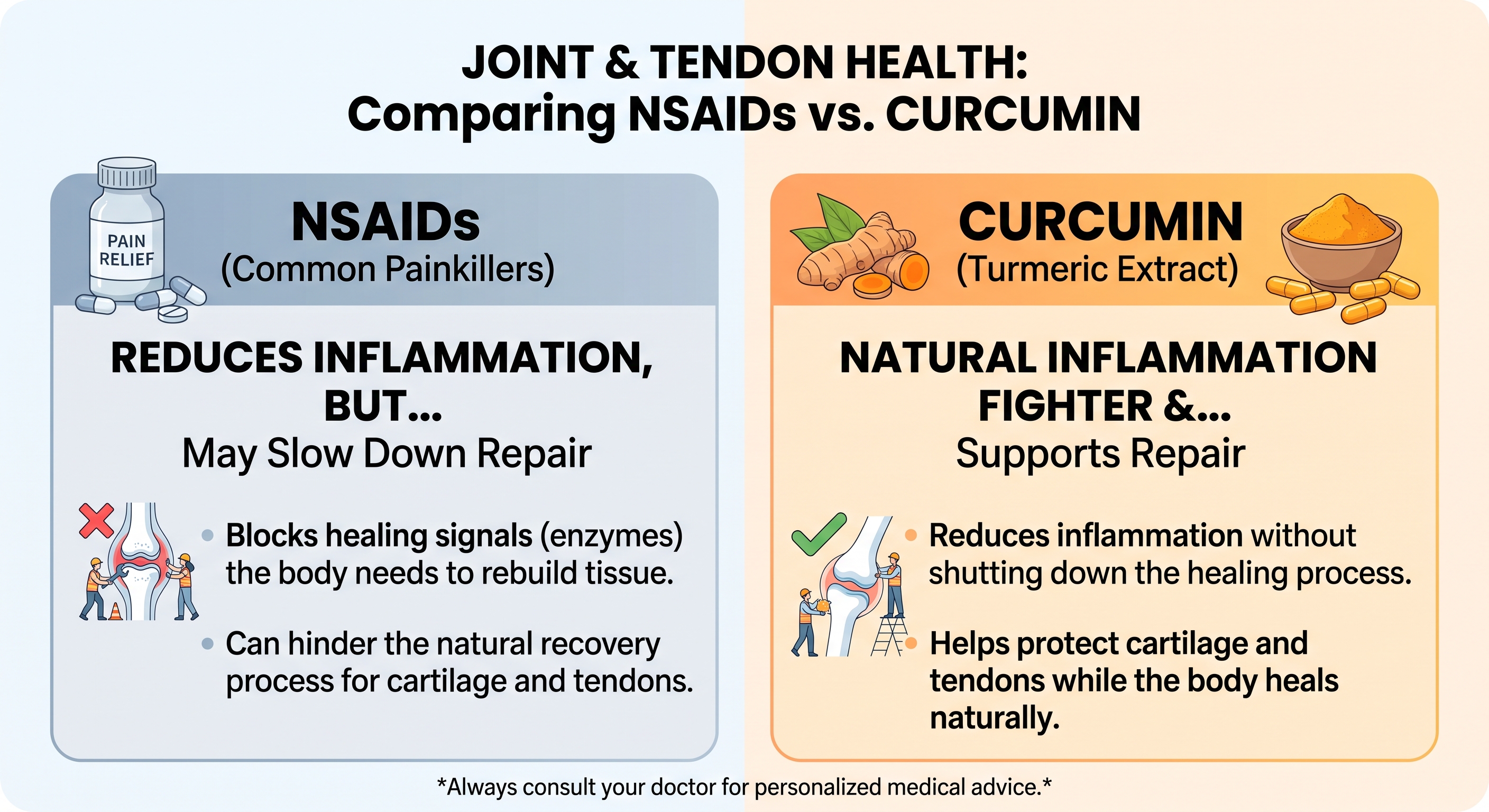
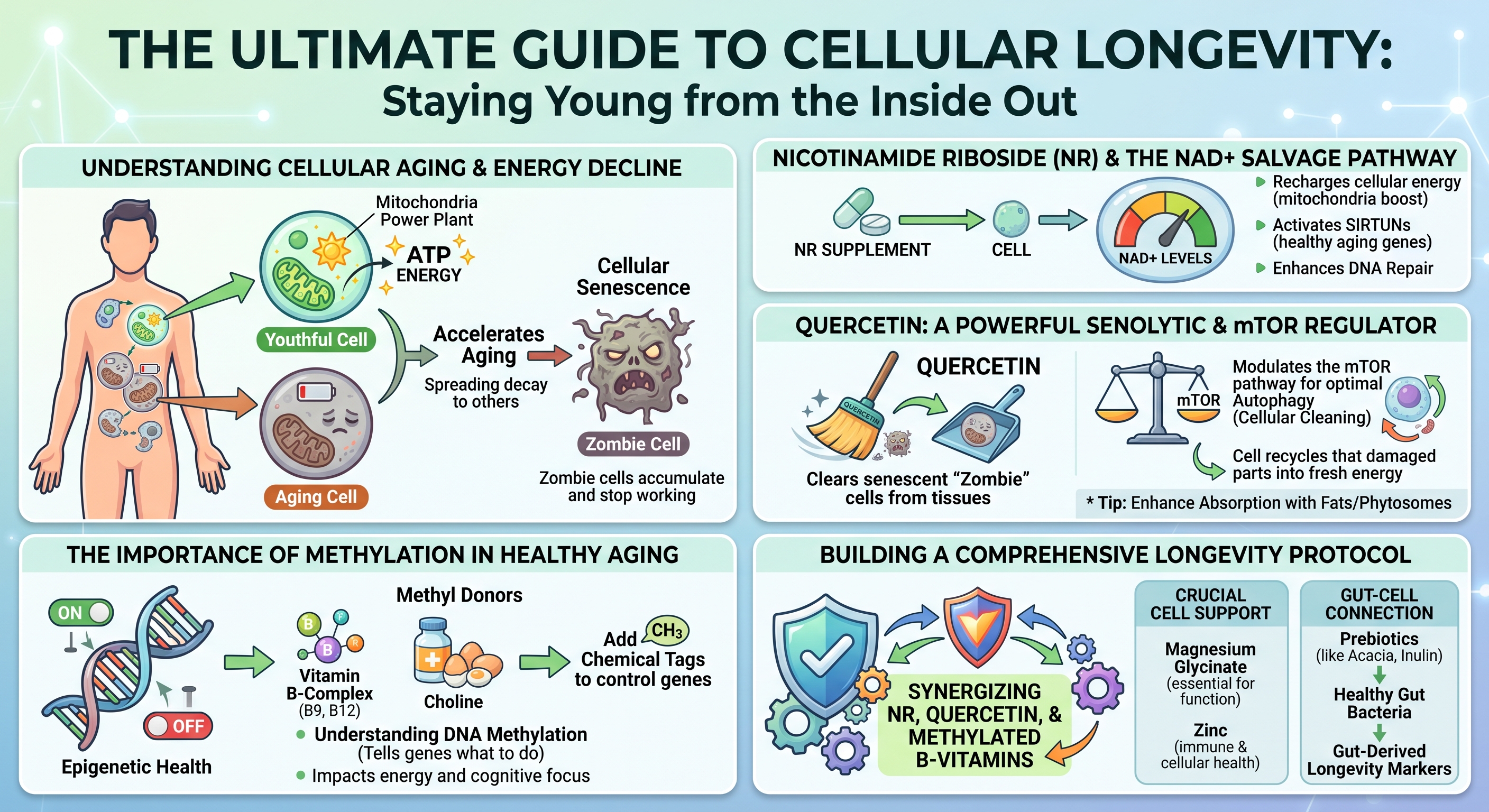
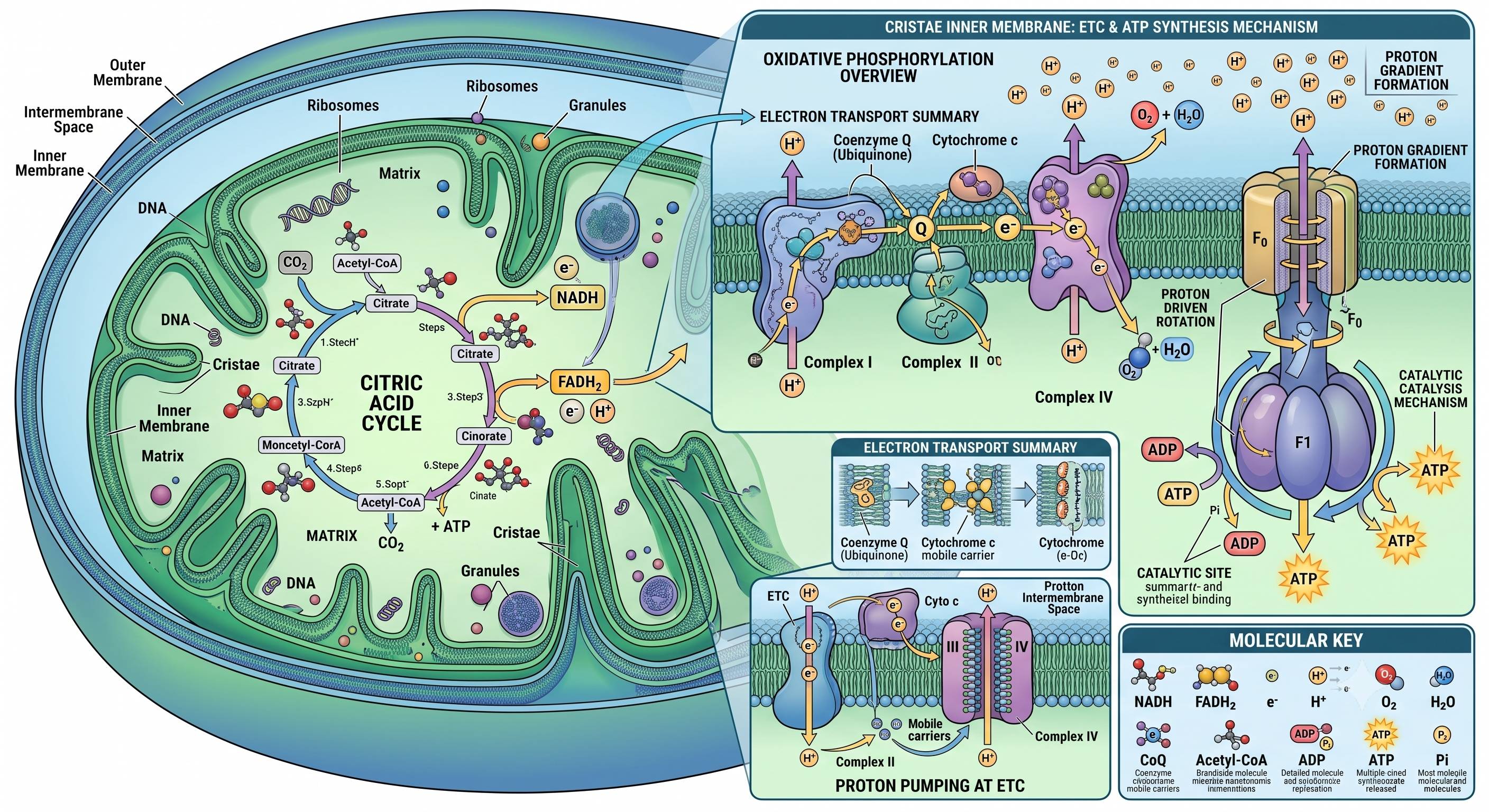
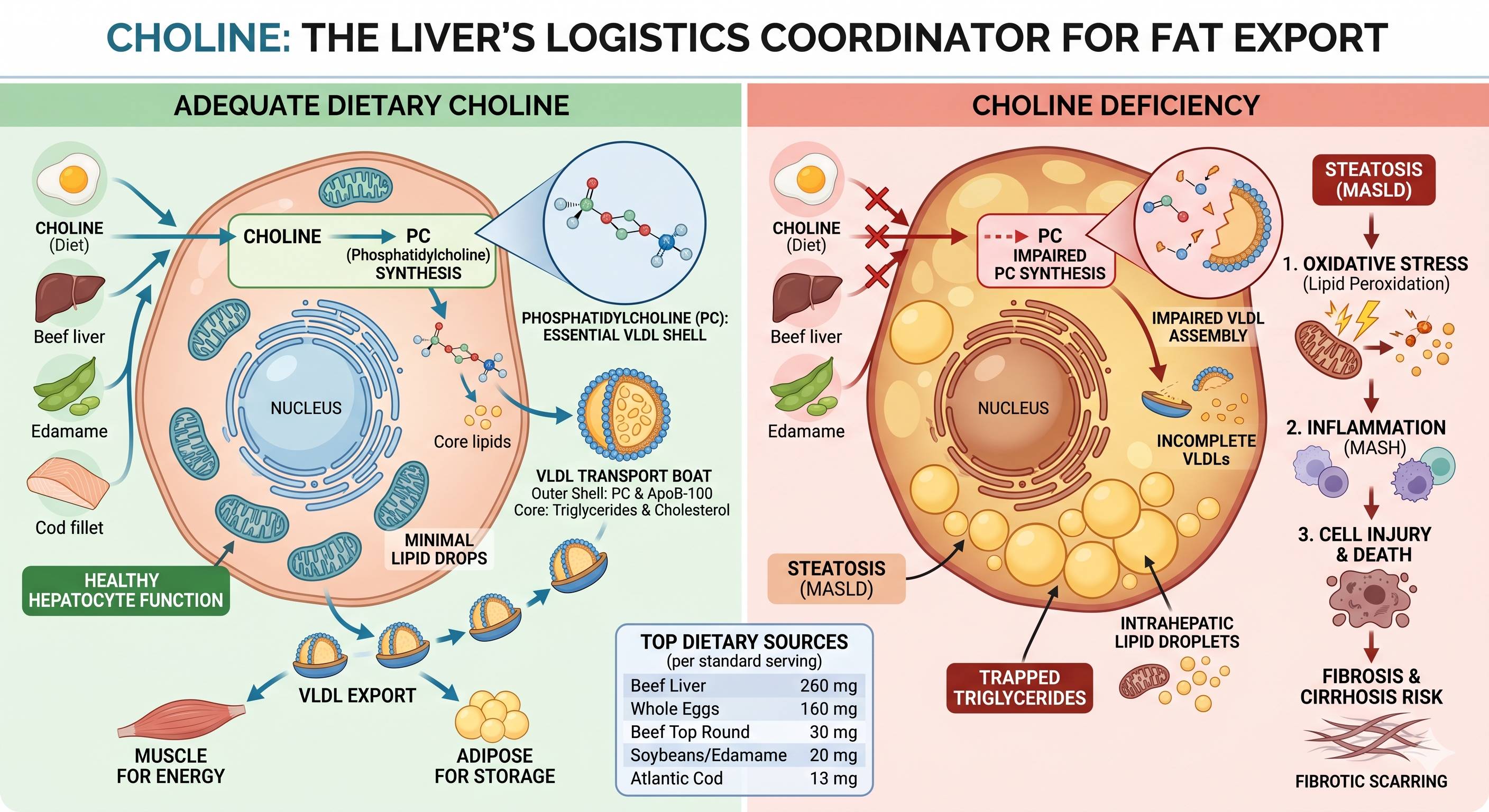


.jpg) Do you suffer from inflammation? If so, you're not alone. Inflammation is a common problem that can cause pain and discomfort in the body. Fortunately, there is a natural remedy that can help: curcumin. Curcumin is a compound found in turmeric that has powerful anti-inflammatory properties. We will discuss the benefits of curcumin and how to add it to your diet.
Do you suffer from inflammation? If so, you're not alone. Inflammation is a common problem that can cause pain and discomfort in the body. Fortunately, there is a natural remedy that can help: curcumin. Curcumin is a compound found in turmeric that has powerful anti-inflammatory properties. We will discuss the benefits of curcumin and how to add it to your diet.  For centuries, Hawthorn Berry has been used to help support heart health. It is one of the most popular herbs for this purpose, and there is a lot of evidence to back up its use. Let's take a closer look at how Hawthorn Berry can help keep your heart healthy!
  The liver is a vital organ in the body that performs many essential functions. It can be damaged by a variety of factors, including disease, alcohol abuse, and exposure to toxic chemicals. Once the liver is damaged, can it be repaired? In this article, we will explore the answer to that question. We will also discuss the various ways that the liver can be damaged and how those damages can be repaired.
  If you want to stay healthy, it's important that you know what cellular mitochondria does in the body. Mitochondria are organelles found in the cytoplasm of cells. They are responsible for producing energy for the cell. Without them, the cell would not be able to function properly. We will discuss the role of mitochondria in the body, and how they impact our health.
 As the name suggests, beet root powder is made from ground-up beets. It’s a natural source of nitrates, which the body converts into nitric oxide. This gas helps to widen blood vessels and improve blood flow. In turn, this can help lower blood pressure. Beet root powder may also increase blood flow in the brain, leading to better cognitive function. Additionally, beet root powder is a good source of dietary fiber, minerals (including magnesium, potassium, and zinc), and vitamins (especially vitamin C and beta-carotene). All of these nutrients can offer various health benefits. Beet root powder is typically available in capsules or as a loose powder that can mixed into a drink.
 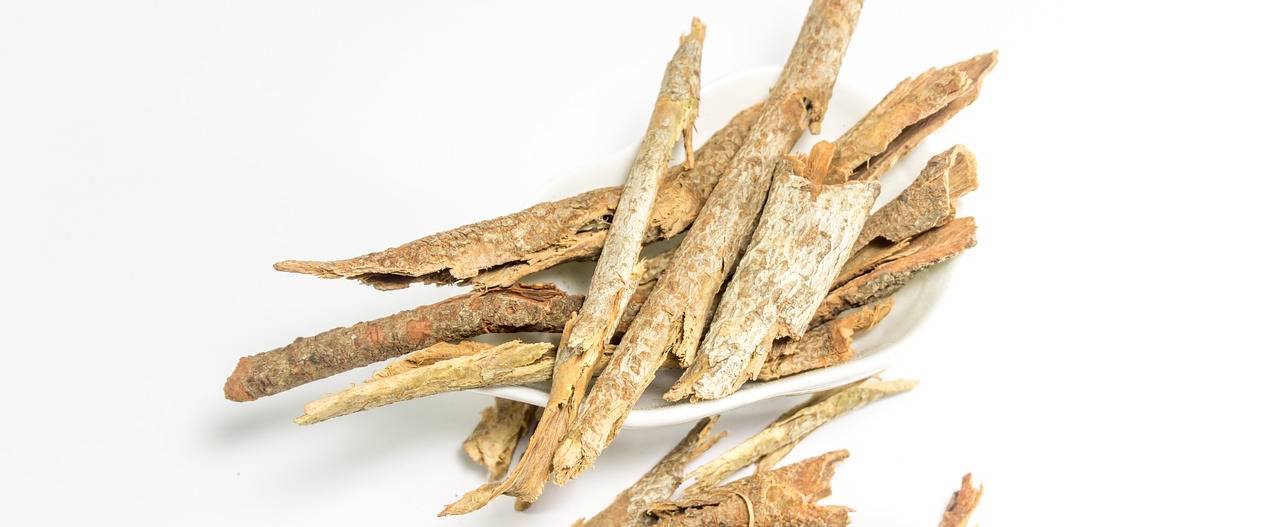 Adaptogenic herbs are special! They can help the body with stress, boost immunity, and promote fast recovery from exercise, to mention a few benefits. One of the world's most effective adaptogen is ashwagandha. This ayurvedic herb can:










 What is a Maca Root?