|
Search Term: " excessive "
NSAIDs vs. Curcumin: Which One Relieves Joint Pain Without Stopping Healing?   
Date:
September 14, 2026 11:22 AM
Comparative Analysis of NSAIDs versus Curcumin in Musculoskeletal Tissue RepairPrimary Biological Mechanisms and Pharmacological TargetsManaging soft tissue and joint injuries presents a persistent therapeutic challenge in musculoskeletal medicine. Acute inflammation triggers pain, localized swelling, and mechanical disability, which routinely drives patients toward pharmacological relief. For decades, nonsteroidal anti-inflammatory drugs (NSAIDs) such as ibuprofen, naproxen, celecoxib, and diclofenac have served as primary clinical interventions. While these synthetic agents effectively extinguish acute pain signals, expanding cellular and clinical research indicates that their biochemical mechanism interrupts the fundamental repair cascades required for long-term connective tissue healing. In contrast, curcumin - a natural polyphenolic compound derived from the rhizomes of Curcuma longa (turmeric) - exhibits a distinct, multi-targeted regulatory profile that calms hyperactive inflammation while protecting the structural components of cartilage and tendon tissue.The functional divergence between these two compounds becomes clear when considering an intuitive mechanical analogy. Tissue trauma resembles damage to a commercial building, where initial inflammation functions as the construction and demolition crew tasked with clearing rubble, stabilizing the foundation, and laying down fresh structural framing. NSAIDs function like abruptly cutting electrical power to the entire work site: the noisy machinery stops instantly and the immediate disturbance ceases, but the construction workers lose the power necessary to clean the debris and erect permanent walls. Conversely, curcumin operates as an experienced site manager: it silences unnecessary chaos and prevents site vandalism while ensuring that the skilled workers - specifically chondrocytes in cartilage and tenocytes in tendons - remain fully active, supplied, and capable of completing the restoration. At the cellular level, NSAIDs exert their effects through the catalytic inhibition of cyclooxygenase enzymes, categorized as constitutive cyclooxygenase-1 (COX-1) and inducible cyclooxygenase-2 (COX-2). Membrane phospholipids damaged during injury release arachidonic acid, which COX enzymes convert into pro-inflammatory lipid mediators known as prostanoids, most notably prostaglandin E2 (PGE2). Nonselective NSAIDs block both isoforms, while selective coxibs specifically target COX-2. By shutting off PGE2 production, NSAIDs rapidly elevate pain thresholds and blunt localized swelling. However, because PGE2 also functions as a vital signaling cue for cellular recruitment, angiogenesis, and cellular proliferation, this total enzymatic shutdown strips local repair cells of the baseline signals required to orchestrate tissue regeneration. Curcumin avoids this indiscriminate pathway paralysis by acting upstream on master transcriptional control switches rather than directly neutralizing isolated enzymes. Its primary therapeutic mechanism centers on the inhibition of Nuclear Factor-kappa B (NF-kB) and Activator Protein-1 (AP-1) signaling networks. Under acute stress or chronic inflammatory loads, the NF-kB protein complex is released from its cytoplasmic inhibitor, IkBa, and translocates directly into the cell nucleus, where it drives the transcription of catabolic cytokines such as interleukin-1 beta (IL-1ß), tumor necrosis factor-alpha (TNF-a), and interleukin-6 (IL-6). Curcumin blocks the phosphorylation and degradation of IkBa, effectively keeping NF-kB trapped in the cytoplasm. By preventing this nuclear entry, curcumin attenuates the expression of pro-inflammatory cytokines and downstream matrix-degrading enzymes while preserving baseline physiological functions. Furthermore, curcumin activates the nuclear factor erythroid 2-related factor 2 (Nrf2) and antioxidant response element (ARE) pathways, which upregulate endogenous cellular antioxidants to neutralize destructive reactive oxygen species (ROS) that induce cell death in injured joints.
The Mechanisms of NSAID-Induced Inhibition in Cartilage and Tendon RepairArticular cartilage and tendons are specialized, bradytrophic connective tissues characterized by relatively low basal metabolic rates and limited endogenous vascular supplies. These physical constraints make their cellular maintenance highly vulnerable to pharmaceutical disruptions. When synthetic compounds impair cell migration, survival, or extracellular matrix secretion, the intrinsic repair capacity of these structures is substantially degraded.Cartilage maintenance depends on chondrocytes, the sole cell type residing within articular joints, which are responsible for generating and maintaining the extracellular matrix of Type II collagen and water-binding proteoglycans such as aggrecan. Because adult articular cartilage lacks a direct vascular network, major defect repair relies heavily on the recruitment and chondrogenic differentiation of subchondral mesenchymal stem cells (MSCs) through endochondral ossification. Experimental evaluations demonstrate that systemic or intra-articular NSAID exposure halts this regenerative differentiation. Both nonselective NSAIDs and selective COX-2 inhibitors interfere with chondrocyte maturation and prevent successful tissue integration following cartilage transplantation or microfracture procedures. At the cellular level, common NSAIDs - including indomethacin, ketorolac, and diclofenac - induce cell cycle arrest in chondrocytes by blocking transition from the resting G0 phase to the proliferative G1. phase, substantially reducing viable cell numbers. Concurrently, NSAIDs downregulate Bone Morphogenetic Protein-2 (BMP-2), an essential anabolic signaling molecule that orchestrates matrix synthesis. Histological analyses in animal models reveal that NSAID administration causes a marked loss of extracellular proteoglycan content and widespread chondrocyte depletion, yielding elevated modified Mankin scores that signify advanced structural degeneration. In layman's terms, proteoglycans serve as water-absorbing structural sponges that grant cartilage its elastic shock absorption. When NSAIDs deplete these molecules, the joint surface dries out, becomes brittle, and rapidly wears down under routine mechanical friction. Tendon healing is similarly susceptible to disruption by NSAIDs. Tendons operate as high-tensile structural cables composed of longitudinally arranged Type I collagen fibers, maintained by specialized fibroblasts termed tenocytes and tenoblasts. Healing after acute rupture or chronic tear progresses through an initial inflammatory phase, followed by a proliferative phase of cell migration, and culminates in a lengthy remodeling phase of collagen alignment. In vitro and in vivo studies establish that NSAIDs directly suppress the migration and proliferative capacity of tenocytes during the critical early healing window. Without an adequate cellular workforce migrating into the wound bed, provisional collagen scaffolding cannot be synthesized effectively. The disruption is particularly pronounced at the enthesis, the specialized fibrocartilaginous junction where soft tendon inserts into rigid bone. Re-establishing this transition zone requires coordinated bone remodeling and chondrogenic differentiation, both of which are hindered by COX inhibition. In animal rotator cuff repair models, early administration of NSAIDs significantly delays collagen fiber organization and impairs mechanical integration at the insertion site, resulting in a measurable decline in load-to-failure strength and overall tendon toughness. Furthermore, while prolonged inflammation contributes to pathological degeneration, the transient synthesis of PGE2 during the initial hours following injury is essential for regulating localized microvascular flow and hyperemic nutrient delivery. By eliminating this early prostanoid pulse, NSAIDs starve the repair zone of oxygen and circulating factors precisely when the cellular metabolic demand is highest. Beyond direct biochemical cytotoxicity, systemic NSAIDs introduce a physical hazard known as analgesic arthropathy. In musculoskeletal biomechanics, pain functions as a protective feedback mechanism, forcing the patient to unload an injured joint or limb to prevent structural overload. By effectively blunting the pain reflex while simultaneously undermining the cellular synthesis of proteoglycans and collagen, NSAIDs create a deceptive state of perceived recovery. Patients prematurely resume unrestricted weight-bearing and strenuous activity, placing substantial, uncompensated mechanical forces onto compromised cartilage surfaces and unhealed tendon fibers. Over time, this recurring mechanical trauma accelerates joint space narrowing, promotes microfractures in the subchondral plate, and hastens functional joint breakdown. Chondroprotective and Tenogenic Mechanisms of CurcuminIn sharp contrast to the suppressive actions of synthetic COX inhibitors, curcumin exhibits a tissue-sparing, pro-regenerative biological profile. Rather than paralyzing cellular metabolism, curcumin modulates the microenvironment by suppressing destructive catabolic enzymes while supporting the baseline anabolic signals required for cartilage and tendon reconstruction.In articular cartilage, curcumin acts as a direct chondroprotective agent by dismantling the catabolic cascade induced by pro-inflammatory cytokines. When joint tissues are exposed to elevated IL-1ß and TNF-a, chondrocytes are provoked to synthesize matrix metalloproteinases - specifically collagenases such as MMP-1, MMP-3, and MMP-13 - along with aggrecanases like ADAMTS5. These enzymes function like enzymatic shears, systematically slicing through structural Type II collagen strands and degrading aggrecan cores. Curcumin suppresses the transcription and secretion of MMP-1, MMP-3, MMP-13, and ADAMTS5 by neutralizing NF-kB and AP-1 activation. Concurrently, it upregulates Cbp/p300 Interacting Transactivator with ED-rich tail 2 (CITED2), an essential transcriptional regulator that represses matrix metalloproteinases at the genomic level. In addition to halting extracellular degradation, curcumin protects chondrocytes from inflammatory apoptosis. Exposure to oxidative stress and inflammatory cytokines typically triggers programmed cell death by activating the intrinsic caspase cascade. Curcumin suppresses this apoptotic pathway by reducing the cleavage of executioner caspase-3, downregulating the pro-apoptotic factor Bax, and elevating anti-apoptotic Bcl-2 expression. Microscopic and histological analyses of osteoarthritic cartilage treated with curcumin consistently show robust Safranin O staining, intact surface regularity, preserved chondrocyte density, and significantly reduced Osteoarthritis Research Society International (OARSI) degradation scores. Within tendon biology, curcumin promotes active tissue regeneration (tenogenesis) rather than inert scar formation. In animal models of tendon rupture and surgical repair, curcumin guides tendon-derived stem and progenitor cells (TSPCs) toward mature tenocyte differentiation. This lineage-specific differentiation is orchestrated primarily through activation of the phosphatidylinositol 3-kinase/protein kinase B (PI3K/Akt) and Wnt/ß-catenin signaling cascades. As stem cells commit to the tenogenic pathway, they significantly upregulate crucial structural and phenotypic markers, including epithelial cell adhesion molecule (EpCAM), tenomodulin, and the master tendon transcription factor Scleraxis. Through this guided differentiation, curcumin supports the preferential synthesis and organized deposition of high-tensile Type I collagen fibers, the primary architectural building blocks of healthy tendons. Injured tendons typically fill with disorganized, loose Type III collagen, which forms a structurally inferior, compliant scar. Curcumin supplementation promotes the progressive maturation from primitive Type III collagen to densely packed, parallel Type I collagen fibrils, restoring native tensile strength and mechanical breaking force. A major clinical challenge following tendon surgery is the development of peritendinous adhesions, in which excessive fibrotic scar tissue binds the healing tendon to its synovial sheath, restricting range of motion and joint gliding. Postoperative tendon repair involves a balance between extrinsic healing (in which exterior fibroblasts infiltrate the defect and deposit messy scar tissue) and intrinsic healing (in which tenocytes within the tendon substance reconstruct the matrix). Curcumin suppresses excessive peritendinous inflammation and extrinsic fibrosis while accelerating intrinsic tenocyte repair. Biomechanical testing confirms that local or systemic curcumin administration yields lower adhesion scores, increased gliding distances, and superior functional mobility without sacrificing structural load-bearing capacity. Comparative Clinical Efficacy and Systemic Safety ProfilesTranslating cellular findings into clinical practice requires weighing therapeutic outcomes against systemic safety profiles. While synthetic NSAIDs deliver potent, rapid analgesia during acute musculoskeletal pain events, their chronic administration is constrained by systemic toxicities across multiple organ systems.In randomized, active-controlled clinical trials of knee osteoarthritis, optimized curcumin preparations have demonstrated clinical pain reduction and functional recovery comparable to standard therapeutic doses of NSAIDs. In a randomized, open-label parallel-arm study evaluating 139 patients with symptomatic knee osteoarthritis, subjects received either 500 mg of a bio-enhanced curcumin extract three times daily or 50 mg of diclofenac sodium twice daily for 28 consecutive days. Patients treated with curcumin demonstrated comparable improvements in pain intensity on the Visual Analogue Scale (VAS) and functional scores on the Knee Injury and Osteoarthritis Outcome Score (KOOS) at days 14 and 28, showing no statistically significant difference in therapeutic efficacy compared to diclofenac. However, the systemic tolerability profiles between the treatments diverged markedly. Overall adverse events occurred in only 13% of the curcumin group compared to 38% of the diclofenac cohort. In the diclofenac arm, 28% of patients developed dyspeptic symptoms severe enough to require concurrent treatment with H2-receptor antagonists or proton pump inhibitors to prevent mucosal ulceration, whereas no patients in the curcumin cohort required gastroprotective intervention. Furthermore, the curcumin cohort experienced a significant reduction in flatulence and digestive discomfort, demonstrating beneficial gastric and intestinal cytoprotective effects. These safety observations are consistent across broader systematic reviews and meta-analyses. Nonsteroidal anti-inflammatory agents inherently compromise gastrointestinal integrity by systematically depleting cytoprotective prostaglandins, leaving the gastric epithelium vulnerable to acid erosion and hemorrhage. In addition, systemic inhibition of renal and vascular COX enzymes by NSAIDs reduces renal perfusion and disrupts the balance between prostacyclin and thromboxane, elevating the risk of fluid retention, hypertension, and adverse cardiovascular thrombotic events. Curcumin does not suppress these physiological prostanoid pathways, making it free from ulcerogenic, nephrotoxic, and cardiotoxic properties at therapeutic dosages.
A longstanding limitation of standard curcumin supplementation in clinical settings has been its low oral bioavailability. Native curcuminoids are highly lipophilic, poorly soluble in aqueous gastric fluids, and subject to rapid hepatic and intestinal phase II metabolism into inactive glucuronides and sulfates, leading to swift biliary and fecal excretion. Consequently, raw culinary turmeric powders struggle to achieve the therapeutic systemic circulating concentrations required to reach poorly vascularized joint and tendon compartments. Modern pharmacognosy has addressed this pharmacodynamic hurdle through advanced delivery formulations. Modern strategies - such as co-administration with the natural alkaloid piperine (which inhibits hepatic glucuronidation), micellar dispersions, phytosomal phospholipid complexes, and bio-enhanced submicron dispersions - elevate systemic blood bioavailability by ten- to thirty-fold compared to unformulated extracts. These modern delivery platforms ensure that therapeutic concentrations reach synovial fluid, subchondral bone, and fibrous tendon sheaths without requiring excessive oral dosing. Conclusions and Translational Clinical ImplicationsThe biological and clinical evidence reveals distinct physiological paths for NSAIDs and curcumin in orthopedic recovery. While NSAIDs remain powerful tools for the brief alleviation of acute, unmanageable pain, their ongoing administration during active tissue healing presents substantial biological compromises. Tendons and cartilage require a controlled, transient inflammatory cascade to signal cell recruitment, stimulate stem cell differentiation, and direct extracellular matrix synthesis. By completely shutting down cyclooxygenase enzymes and depleting local prostaglandins, NSAIDs disrupt this regenerative cascade. The resulting cellular consequences - including chondrocyte cell cycle arrest, proteoglycan loss, suppression of tenocyte migration, and weakened collagen tensile strength at the tendon-to-bone interface - demonstrate that pain relief from NSAIDs frequently comes at the cost of the structural integrity of healing connective tissues.In contrast, curcumin provides a tissue-preserving alternative that decouples pain and inflammation control from cellular suppression. Operating upstream at the level of NF-kB and AP-1 transcriptional activation, curcumin attenuates the expression of pro-inflammatory cytokines while leaving the physiological baseline of cellular metabolism intact. In cartilage, it actively represses the matrix-degrading enzymes MMP-1, MMP-3, MMP-13, and ADAMTS5, maintains water-binding proteoglycan content, and protects chondrocytes from inflammatory apoptosis. In damaged tendons, curcumin stimulates tenogenic differentiation of local stem cells via PI3K/Akt signaling, supports the proper maturation of dense Type I collagen fibers, and prevents restrictive peritendinous scar adhesions, preserving both joint mobility and mechanical breaking strength. From a translational perspective, these findings indicate that clinical protocols should reconsider relying on continuous NSAIDs as the default intervention for connective tissue injuries, post-surgical recovery, and chronic degenerative conditions. Where synthetic NSAIDs are deemed necessary, their use should be confined to short-term acute flare-ups to avoid interrupting early tissue remodeling. For long-term joint preservation, ongoing tendinopathy rehabilitation, and chronic osteoarthritis management, optimized bio-enhanced curcumin formulations deliver pain relief and functional restoration comparable to conventional pharmaceuticals, all while preserving the biological processes required for lasting musculoskeletal repair. References: NSAID therapy effects on healing of bone, tendon, and the enthesis The Detrimental Effects of Systemic Ibuprofen Delivery on Tendon Conservative management of symptomatic knee osteoarthritis - PMC Positives and negatives of nonsteroidal anti-inflammatory drugs in (PDF) Conservative management of symptomatic knee osteoarthritis Non-steroidal anti-inflammatory drugs influence cartilage healing Is Curcumine Useful in the Treatment and Prevention of ... - PMC - NIH Efficacy and mechanisms of curcumin in the treatment of osteoarthritis Biological actions of curcumin on articular chondrocytes - PubMed Curcumin slows osteoarthritis progression and relieves ... - PMC - NIH Do Nonsteroidal Anti-Inflammatory Drugs Have a Deleterious Effect Anti-inflammatory management for tendon injuries - friends or foes? The mechanistic role of curcumin on matrix metalloproteinases in Therapeutic effects of turmeric or curcumin extract on pain and Curcumin inhibits chondrocyte apoptosis and inflammation in ... - PMC Analysis of the mechanism of curcumin against osteoarthritis using Synergistic enhancement of tendon-to-bone healing via anti ... - PMC A Multicenter, Randomized, Double-Blind, Placebo-Controlled Trial Safety and efficacy of curcumin versus diclofenac in knee osteoarthritis A randomized, pilot study to assess the efficacy and safety ... - PubMed Effectiveness of curcuminoids in the treatment of knee osteoarthritis THE EFFECTS OF TRADITIONAL STRENGTHENING EXERCISES Putting Some Muscle into Osteoarthritis | Annals of Internal Medicine Do Nonsteroidal Anti-Inflammatory Drugs Have a Deleterious Effect Calebin A, a Compound of Turmeric, Down-Regulates Inflammation The Effect of Non-Steroidal Anti-Inflammatory Drugs on Tendon-to Chiropractor in Toronto, ON, Canada :: Head and Neck Pain Investigation of the association of long-term NSAID use with ... - PMC Curcumin Improves Functional Recovery of Ruptured Tendon by Chemically modified curcumin (CMC2.24) alleviates osteoarthritis Curcumin improves age-related and surgically induced osteoarthritis (PDF) Curcumin Improves Functional Recovery of Ruptured Tendon Investigation of the effects of umbilical cord-derived mesenchymal Effect of curcumin-loaded polycaprolactone scaffold on Achilles Controlled release of curcumin from curcumin-loaded nanomicelles Efficacy and safety of combination of curcuminoid complex ... - PMC The efficacy of Curcuma Longa L. extract as an adjuvant therapy in
(https://vitanetonline.com:443/forums/Index.cfm?CFApp=1&Message_ID=6653) The Role of Vitamin D in Immune Health 
Date:
May 24, 2024 03:28 PM
The Role of Vitamin D in Immune HealthVitamin D plays a crucial role in maintaining a robust immune system, acting as a vital nutrient that supports overall health. Unlike other vitamins, vitamin D functions as a hormone, interacting with various bodily systems to help modulate the immune response. This essential vitamin aids in the activation of T cells, which are critical for identifying and combating pathogens.
Sources of Vitamin DTo ensure adequate levels of vitamin D, it is important to consider both dietary sources and sunlight exposure. Foods rich in vitamin D include fatty fish like salmon and mackerel, fortified dairy products, and egg yolks. Additionally, sensible sun exposure enables the body to synthesize vitamin D naturally. However, factors such as geographic location, skin pigmentation, and the use of sunscreen can influence the amount of vitamin D produced by the skin. Make sure to supplement Vitamin D in a D-3 form for optimal absorption in your vitamin regimen.
Optimal Levels and SupplementationMaintaining optimal levels of vitamin D is important for immune health. Blood tests can determine vitamin D levels, with health professionals often recommending supplementation to address deficiencies. The right amount of vitamin D supplements varies depending on individual needs. Follow healthcare providers' guidelines to prevent potential toxicity from excessive intake.
Vitamin D and Immune ResponseResearch has shown that adequate levels of vitamin D are associated with a reduced risk of infections and improved immune function. Vitamin D enhances the pathogen-fighting effects of monocytes and macrophages—white blood cells that are important parts of immune defense—and decreases inflammation. This helps the body to fend off illnesses more effectively and recover quicker.
Public Health ConsiderationsPublic health organizations emphasize the importance of maintaining sufficient vitamin D levels for overall health. It is recommended to regularly monitor high-risk groups such as older adults, individuals with limited sun exposure, and those with specific medical conditions. Understanding the significance of vitamin D can improve health and boost the immune system. It is advised to get blood work twice a year to monitory vitamin D levels and supplement accordingly. In summary, vitamin D is indispensable for a well-functioning immune system. Ensuring adequate intake through diet, sunlight, and supplementation as needed can provide beneficial effects on health and enhance the body's ability to combat illness.
Take Action to Boost Your Immune HealthUnderstanding vitamin D's crucial role in supporting a healthy immune system, it's crucial to take proactive steps to ensure sufficient intake. Include vitamin D-rich foods like fatty fish, fortified dairy, and egg yolks in your diet. Consider D-3 supplements and aim for safe sun exposure to boost vitamin D levels. Don't hesitate to seek advice from healthcare providers regarding supplementation, especially if you fall into a higher-risk category for deficiency. Regular blood tests can help you monitor your vitamin D levels and adjust your intake accordingly. By Stay informed, take action, boost your immune health, lower infection risks, and improve overall well-being. Act now to incorporate these practices into your daily routine and fortify your body's natural defenses.
(https://vitanetonline.com:443/forums/Index.cfm?CFApp=1&Message_ID=6601) The Importance of Collagen for Your Health: Why You Should Care
Date:
November 06, 2023 04:50 PM
The Importance of Collagen for Your Health: Why You Should Care
Have you ever heard about collagen? It might have been a buzzword in the beauty industry, but it's important to know that collagen is much more than just skin-deep. Collagen is actually a protein that plays a crucial role in providing structure, strength, and support to different parts of our bodies such as skin, bones, tendons, and ligaments. Lets explore the importance of collagen for your health, its different types and functions, the effects of collagen loss on the body, factors that affect collagen production, and how to boost collagen levels naturally.
Collagen production declines naturally with aging, leading to visible signs of aging like wrinkles, sagging skin, and brittle nails. However, several lifestyle factors also contribute to collagen loss like smoking, consuming sugary foods, and excessive sun exposure. Medical conditions like scleroderma and Ehlers-Danlos syndrome also lead to reduced collagen production.
Collagen loss can have various detrimental effects on the body. One of the most visible effects is on the skin where collagen loss leads to wrinkles, fine lines, sagging, and dryness. Collagen loss also affects joints, resulting in pain and stiffness. Since collagen is crucial to maintaining bone structure, a decrease in collagen levels weakens the bones and muscles, causing osteoporosis. Collagen is important for the digestive tract lining, so when the body lacks sufficient collagen, people could experience digestive issues. Lifestyle Habits Leading to Collagen Loss: Several lifestyle habits exacerbate the natural decline in collagen production, thereby speeding up the aging process and negatively affecting overall health. First among these is smoking. The chemicals present in cigarettes damage collagen and elastin, causing premature skin aging with characteristic wrinkles and sagging. Not only does smoking impact the skin, but it also affects collagen-rich organs and tissues, leading to various health problems. Next is the consumption of excessive sugar and refined carbohydrates. A high-sugar diet interferes with collagen's ability to repair itself, leading to inflammation and collagen cross-linking that results in skin aging and joint discomfort. Refined carbohydrates spike blood sugar levels, encouraging the same damaging process. Last but not least, ultraviolet (UV) light exposure, particularly from the sun, can also lead to significant collagen loss. UV light increases collagen breakdown by activating enzymes called matrix metalloproteinases that degrade collagen and elastin. This exposure results in photoaging of the skin, characterized by deep wrinkles, leathery texture, and pigmentation changes. Therefore, it's crucial to protect your skin from the sun by wearing SPF every day, even on cloudy days.
Fortunately, several natural ways can help boost collagen levels in your body. Maintaining a balanced diet rich in vitamins and minerals such as vitamin C, zinc, copper, and iron is key to boosting collagen levels. Vitamin C is vital in the production of collagen, which makes it an essential nutrient for the body. excessive sun exposure and smoking lead to the accumulation of free radicals that damage collagen, so avoiding these is key. In addition, the topical use of skincare products like sunscreen and moisturizers protects and nourishes collagen and helps maintain healthy skin. Exercise such as weight training and yoga can help stimulate collagen synthesis, ensuring youthful-looking skin, healthy joints, and strong bones. Common types of collagen!
Collagen is an essential protein that is vital for overall health and well-being. It provides support and structure to different body parts, ensuring their optimum functionality. The decline in collagen production is an inevitable part of aging, but several natural ways can help boost its levels. Maintaining a balanced diet, avoiding habits that damage collagen, and practicing regular exercise can help maintain healthy collagen levels. It's crucial to remember that relying solely on supplements may not necessarily boost collagen levels, so it's best to consult your healthcare provider before taking them. So, go ahead and adopt healthy habits to maintain healthy levels of this crucial protein. Your body will thank you for it!
(https://vitanetonline.com:443/forums/Index.cfm?CFApp=1&Message_ID=6588) Why Your Sodium to Potassium Ratio Is Important
Date:
August 04, 2023 02:09 PM
The typical Western diet is largely comprised of processed foods, which are notoriously high in processed table salt. This results in an imbalance in the sodium to potassium ratio, a significant health concern. Sodium is necessary for a variety of bodily functions; however, too much can be detrimental, leading to hypertension and other cardiovascular diseases. Simultaneously, potassium is often neglected, despite its crucial role in muscle function, nerve signaling, and balancing fluids. The general dietary advice suggests a potassium to sodium intake ratio of 3:1. However, the reality in diets, particularly those in America, often sees this ratio inverted. The excessive sodium consumption is linked to a myriad of health complications, including high blood pressure and heart disease. Conversely, potassium, a mineral that aids in nerve function and muscle control, is consumed in insufficient quantities. This is a troubling trend that underscores the importance of dietary change towards natural, unprocessed foods. The importance of potassium is often overshadowed by the emphasis on limiting sodium for reducing chronic disease risk factors. Potassium plays an essential role in maintaining healthy blood pressure levels by counteracting the effects of sodium. Furthermore, the mineral is crucial for other functions like heart and muscle cell functioning, nerve transmission, and maintaining fluid balance. A study published in the New England Journal of Medicine discovered that individuals with the lowest risk for heart complications or death from any cause were those consuming between four to six grams of sodium per day. This is a fascinating discovery, as this intake is significantly higher than the U.S. daily recommended limits. It suggests a need for a reconsideration of current sodium intake guidelines. Another consideration to balance the sodium-potassium ratio is the type of salt consumed. Unprocessed, natural salts like sea salt and Himalayan salt contain higher potassium levels compared to standard table salt. These natural salts provide a variety of minerals and trace elements that contribute to our overall health and wellness. It's crucial to note that switching to natural salt should be part of a broader shift towards a diet rich in fresh, unprocessed foods. Why You Should Focus on Increasing Potassium While it's beneficial to monitor and moderate sodium intake, it's equally important to shift our focus towards increasing potassium consumption. Potassium-rich foods, such as leafy green vegetables, bananas, potatoes, and beans, not only contribute to a well-rounded and nutritious diet but also help in maintaining an optimal sodium-potassium balance in the body. A high potassium intake can counteract the effects of sodium, aiding in blood pressure regulation and reducing the risk of cardiovascular diseases. Moreover, an elevated potassium level supports various bodily functions, including nerve transmission, muscle contraction, and fluid balance. Thus, prioritizing potassium intake forms a cornerstone for an overall healthier dietary approach. It is recommended that individuals consume 5 grams of potassium daily and potassium to salt ratio should be 2 to 1. To boost potassium intake, one can take a potassium supplement or add the following foods to their diet or both: Watermelon, Orange juice, Boiled red potatoes, Avocado, Bananas, Cantaloupe, Oranges, Coconut water, Tomatoes, Yogurt, Winter squash, and Wild-caught salmon. Why Low-Salt Advice Can Be Harmful Contrary to popular belief, adhering to low-salt advice can sometimes pose risks to certain individuals. While it is true that excessive sodium intake can lead to high blood pressure and heart problems, sodium still plays a vital role in our bodies. It assists in nerve conduction, muscle contraction, and maintaining the body's fluid balance. In fact, low sodium levels in the body, a condition known as hyponatremia, can lead to symptoms such as headache, nausea, fatigue, and in severe cases, coma or even death. Moreover, a low-salt diet may lead to increased levels of cholesterol and triglycerides, hormonal imbalances and insulin resistance. This can potentially elevate the risk of developing cardiovascular disease. Low-salt diets can also exacerbate the risk of certain health conditions. For instance, individuals with conditions like Addison's disease or certain kidney disorders, where the body struggles to maintain a balance of electrolytes, might find a low-salt diet harmful. Therefore, it is crucial to balance the intake of sodium, considering both the potential risks associated with too much, or too little, sodium. The key is to consume sodium from natural and unprocessed sources, such as Himalayan salt, fruits, vegetables, grains, and lean meats, which also provide a host of other nutrients necessary for overall health. As with most things in nutrition, moderation and balance seem to hold the answer rather than extreme restriction. The RDA - recommended daily allowance of sodium is 3.5 grams. It is advised to consume 3.5 grams of natural salt each day by way of foods or combination of foods plus Himalayan salt to reach that goal. The Impact of excessive Salt Intake on Certain Health Conditions While moderate salt intake is vital for normal physiological functions, its excessive consumption can have detrimental effects, particularly for individuals with certain health conditions. For instance, endocrine disorders, high aldosterone levels, Cushing's syndrome, and elevated cortisol levels can all heighten the body's sensitivity to sodium, making it even more essential to monitor and limit salt intake. Endocrine disorders, which involve imbalances in the body's hormone production, can often lead to increased sodium retention, exacerbating issues of water retention and swelling. Similarly, high aldosterone levels, a hormone that regulates sodium and potassium balance, can cause the body to retain excessive sodium, leading to high blood pressure and potential damage to the cardiovascular system. Cushing's syndrome, a condition characterized by excessive cortisol production, can lead to a host of symptoms, including high blood pressure and rapid weight gain, both of which can be intensified by high sodium intake. The excessive cortisol found in Cushing's syndrome promotes sodium retention, further elevating the risk for hypertension. Similarly, elevated cortisol levels, even outside of Cushing's syndrome, can lead to heightened sodium retention, contributing to high blood pressure, fluid retention, and an imbalance of electrolytes. Therefore, individuals with these conditions should be particularly mindful of their sodium intake. In these scenarios, reducing salt consumption can help mitigate the associated health risks and symptoms. Switching to a diet rich in whole, unprocessed foods, and taking conscious steps to limit the use of added table salt can play a crucial role in managing these health conditions. As always, it is essential to seek personalized advice from a healthcare professional, as individual needs may vary. In summary, while salt is often villainized in the health community, its consumption, especially from natural sources, is vital for maintaining bodily functions like nerve conduction, muscle contraction, and fluid balance. However, excessive or inadequate sodium intake can have adverse health effects, such as hypertension, imbalances in cholesterol and triglycerides, and even hyponatremia in severe cases. Certain health conditions, including endocrine disorders, high aldosterone levels, Cushing's syndrome, and elevated cortisol levels, can also exacerbate these risks, making it crucial for individuals with these conditions to carefully monitor their salt intake. On the other hand, increasing potassium intake can help maintain an optimal sodium-potassium balance, reducing blood pressure and lowering the risk of cardiovascular diseases. In a nutshell, moderation and balance are key in sodium consumption, but the emphasis should be on consuming more potassium-rich foods to ensure your potassium intake is higher than sodium levels which will ensure a healthier dietary approach.
(https://vitanetonline.com:443/forums/Index.cfm?CFApp=1&Message_ID=6582) How to Know if You Need Long-Lasting Deodorant Protection
Date:
October 29, 2022 09:40 AM
NOW® Solutions long-lasting deodorant is scientifically formulated, combining the odor-fighting properties of zinc oxide with the floral notes of rose and ylang ylang. It offers amazing protection that you can count on to feel fresh throughout the day. But how do you know if you need long-lasting odor protection? Here are a few telltale signs: Body odor that persists even after bathing Intense body odor that causes people to take notice (and not in a good way) excessive sweating that leads to chafing and discomfort If any of these sound familiar, then NOW® Solutions long-lasting deodorant is right for you. Keep reading to learn more about this product and how it can help you feel your best. What is NOW® Solutions Long-Lasting Deodorant? NOW® Solutions long-lasting deodorant is an all-natural, aluminum-free deodorant that uses zinc oxide—a naturally occurring mineral with astringent, antiseptic, and absorbent properties—to help control body odor. Zinc oxide has been used for centuries for its ability to soothe and protect the skin, making it an ideal choice for those with sensitive skin. Combined with the floral notes of rose and ylang ylang, NOW® Solutions long-lasting deodorant offers a refreshing scent that will leave you feeling refreshed and confident all day long. And because it's aluminum-free, you can rest assured knowing that NOW® Solutions long-lasting deodorant is safe for your skin. How Does NOW® SolutionsLong-Lasting Deodorant Work? The science behind NOW® Solutions long-lasting deodorant is simple but effective. When applied to the skin, zinc oxide creates a barrier that helps to absorb wetness and inhibits the growth of bacteria—the main cause of body odor. At the same time, the natural oils in rose and ylang ylang work to mask any existing body odor while also providing a pleasant scent. Together, these ingredients offer complete protection against body odor—all day long! Body odor is never fun—for you or those around you. If you're looking for a natural solution that will keep you feeling fresh all day long, look no further than NOW® Solutions long-lasting deodorant. Formulated with zinc oxide and essential oils, NOW® Solutions long - lasting deodorant provides complete protection against body odor without the use of harsh chemicals or aluminum. So why wait? Give NOW® Solutions long - lasting deodorant a try today!
(https://vitanetonline.com:443/forums/Index.cfm?CFApp=1&Message_ID=6547) Vitamins C and D: The Immune System Supplements You Need
Date:
August 02, 2022 05:39 PM
It's that time of year again. The leaves are changing color, the days are getting shorter, and people are starting to get sick. If you're looking for a way to boost your immune system, you may want to consider taking vitamins C and D. These two essential nutrients have been shown to be beneficial for immune health, and can help keep you healthy during the cold and flu season. Lets discuss the benefits of Vitamins C and D for immunity, as well as how to get them into your diet. What are Vitamins C and D, and what do they do for the immune system? vitamins C and D are essential nutrients that play a vital role in supporting the immune system. Vitamin C is a powerful antioxidant that helps to protect cells from damage, while vitamin D helps to regulate the body's response to infection. Both vitamins are found in a variety of foods, including citrus fruits, leafy greens, eggs, and fatty fish. In addition, both vitamins can also be taken as supplements. While both vitamins are important for immune system health, vitamin C is particularly critical during times of heightened stress or illness, as it helps to boost the body's production of white blood cells. Vitamin D, on the other hand, is essential for maintaining a healthy balance of inflammation in the body. Without adequate levels of vitamin D, the body may become excessively reactive to foreign invaders, leading to chronic inflammation and a higher risk of infection. Together, vitamins C and D play an important role in keeping the immune system functioning properly. Are there any side effects associated with taking too much of these vitamins? Although you can get vitamins C and D through your diet, sometimes it's not enough to boost your immune system. The only way to ensure you're getting enough of these essential vitamins is to supplement your diet with pills or injections. Vitamin C is found in citrus fruits, tomatoes, potatoes, and leafy green vegetables. However, your body can't store vitamin C, so you need to consume it on a daily basis. Vitamin D is found in fatty fish, egg yolks, and fortified milk. However, most people don't get enough vitamin D from their diet and need to supplement it with pills or injections. Supplementing your diet with vitamins C and D is the only way to ensure you're getting enough of these essential nutrients to boost your immune system. How can you make sure that you're getting the most out of your vitamins C and D supplements for immune health? When it comes to vitamins C and D, there are a few things you can do to make sure you're getting the most out of them. First, vitamin C should be taken in divided doses throughout the day. This ensures that your body has a constant supply of the vitamin and can make use of it more efficiently. Second, vitamin D can be taken once per day. Finally, remember to take your vitamins with food. This ensures that your body gets the full benefits of the nutrients and doesn't waste any of them. By following these simple tips, you can help ensure that you're getting the most out of your vitamins C and D. What are some other ways to boost your immune system during the cold and flu season? While there are many products on the market that claim to boost your immune system, there is no magic pill that can protect you from colds and flu. However, there are a few simple steps you can take to reduce your chances of getting sick. First, make sure you're getting enough sleep. Sleep helps your body to repair and regenerate cells, which is essential for maintaining a strong immune system. Second, eat a healthy diet. Eating plenty of fruits and vegetables will give your body the nutrients it needs to fight off infection. Finally, try to reduce stress. Stress can weaken your immune system, so it's important to find ways to relax and de-stress. Taking these simple steps will help you stay healthy during cold and flu season. It's important to get enough vitamins C and D to boost your immune system. You can do this by supplementing your diet with pills, eating a healthy diet, and getting enough sleep. By following these simple tips, you can help ensure that you're getting the most out of your vitamins C and D supplements and keep your immune system functioning properly during cold and flu season.
(https://vitanetonline.com:443/forums/Index.cfm?CFApp=1&Message_ID=6423) IGF-1: How to Improve Muscle Gain
Date:
July 20, 2022 03:38 PM
If you're looking to improve muscle gain, IGF-1 is a hormone you'll want to know about. This hormone is responsible for increasing muscle mass and strength, and has been shown to be incredibly effective in doing so. We'll discuss what IGF-1 is, how it works, and the best ways to increase its levels in your body for improved muscle growth. IGF-1 is from Deer Antler Velvet. What is IGF-1 and what does it do? IGF-1, or insulin-like growth factor 1, is a hormone that plays an important role in the growth and development of the human body. While it is most commonly associated with childhood growth, IGF-1 continues to be produced throughout adulthood and is involved in a variety of physiological processes. In addition to promoting cell proliferation and differentiation, IGF-1 has been shown to stimulate collagen production, increase bone density, improve muscle growth, and improve glucose tolerance. Despite its many beneficial effects, excessive levels of IGF-1 can lead to a number of health problems, including cancer. For this reason, it is important to maintain healthy levels of IGF-1 throughout life. How does IGF-1 work? IGF-1, or insulin-like growth factor 1, is a hormone that plays an important role in childhood growth and development. In the body, IGF-1 is produced in response to growth hormone (GH) stimulation. Once released, it travels through the bloodstream and binds to IGF-1 receptors on cells, provoking a range of different cellular effects. These include cell proliferation, differentiation, and survival. In addition, IGF-1 has been shown to promote angiogenesis (the formation of new blood vessels) and to inhibit apoptosis (programmed cell death). Together, these effects make IGF-1 an important regulator of tissue growth and repair. Consequently, serum levels of IGF-1 are closely monitored in children with GH deficiencies, as well as in those who are at risk for cancer or other diseases involving abnormal cell growth. IGF-1 an important regulator of tissue growth and repair, lifting weights tears down muscle fibers and the body can rebuild faster. IGF-1 is a protein that plays an important role in the growth and repair of tissues throughout the body. It is particularly well-known for its ability to help the body rebuild muscle tissue after exercise. When we lift weights, we cause tiny tears in our muscle fibers. In response, the body releases IGF-1 to help repair the damage. This results in an increase in muscle size and strength. Additionally, IGF-1 has been shown to promote healing after injuries and to protect against cell damage caused by stress and inflammation. Therefore, it is not surprising that IGF-1 is often referred to as the "body's repairman." While more research is needed to fully understand the role of IGF-1 in health and disease, there is no doubt that this protein plays a vital role in maintaining our bodies' peak performance. The benefits of increased IGF-1 levels? However, IGF-1 levels decline with age, which may contribute to the age-related decline in muscle mass and strength. Therefore, maintaining high levels of IGF-1 throughout life may be important for preserving muscle mass and function. How to increase your IGF-1 levels for improved muscle growth? As we already know, levels of IGF-1 decline with age, which may explain why older adults tend to have less muscle mass than young people. However, there are several ways to increase IGF-1 levels and improve muscle growth. One of the most effective methods is to take deer antler velvet, which is the highest natural source of IGF-1. Deer antler velvet can be taken in pill form or made into a liposomal supplement, which helps the body absorb the IGF-1 more effectively. Additionally, regular exercise and proper nutrition are important for supporting muscle growth and keeping IGF-1 levels high. Fortunately, Now Foods makes a liposomal IGF-1 supplement. Low levels of IGF-1 have been linked to a variety of health problems, including muscle wasting, osteoporosis, and heart disease. Fortunately, Now Foods makes a liposomal IGF-1 supplement that can help to raise IGF-1 levels and improve overall health. Liposomal delivery is the most efficient way to increase blood levels of IGF-1, and the fact that this supplement is also affordably priced makes it an attractive option for many people. If you are looking for a way to improve your health, consider giving Now Foods liposomal IGF-1 a try.
(https://vitanetonline.com:443/forums/Index.cfm?CFApp=1&Message_ID=6417) Curcumin: The Superfood That Fights Inflammation
Date:
April 30, 2022 09:39 AM
What is inflammation and what causes it? Inflammation is a natural process that helps the body heal. It occurs when the immune system responds to an injury or infection. The symptoms of inflammation include redness, swelling, and pain. While inflammation is a necessary part of the healing process, chronic inflammation can lead to serious health problems. Chronic inflammation is often caused by lifestyle factors, such as smoking, obesity, and stress. dietary factors can also contribute to chronic inflammation, including a diet high in sugar. Sugar causes the body to release inflammatory chemicals that can damage tissues and lead to disease. Therefore, reducing sugar intake can help to reduce the risk of chronic inflammation. What are the symptoms of inflammation? Inflammation is a natural process in the body that helps to protect us from injury and illness. It occurs when the immune system detects harmful stimuli, such as pathogens or damaged tissue, and triggers a series of reactions which boost the production of white blood cells. However, if inflammation becomes excessive or chronic, it can cause a range of physical symptoms, including redness and swelling at the site of inflammation, increased pain sensitivity, headache, fatigue and fever. Other common symptoms include irritation in the eyes and mouth, digestive issues like diarrhea and nausea, rashes or skin lesions, changes in appetite and mood swings. If you are experiencing any of these symptoms on a regular basis, it is important to take anti-inflammatory supplements to help control inflammation. One such supplement is curcumin. How can curcumin help to reduce inflammation in the body? Curcumin is a compound that can be found in turmeric, a bright yellow spice commonly used in cooking. This powerful phytochemical has been shown to have potent anti-inflammatory properties, and can help to reduce inflammation throughout the body. One of the main ways that curcumin achieves this effect is by blocking an enzyme known as cyclooxygenase, or COX. This enzyme is responsible for producing pro-inflammatory compounds called prostaglandins that are often associated with pain and swelling. By preventing their production, curcumin can help to control acute and chronic inflammation in the body, thereby reducing the risk of conditions such as arthritis, heart disease, and cancer. In addition to blocking COX activity, curcumin helps to reduce oxidative stress by inducing production of antioxidants like superoxide dismutase. Overall, these mechanisms make curcumin an excellent natural treatment for chronic inflammation and a host of related health problems. How to add curcumin to your diet? Adding curcumin to your diet is a great way to reap the many health benefits of this powerful natural compound. There are several different ways that you can incorporate more curcumin into your daily routine, from simply adding it to your favorite recipes to taking a supplement. For example, you can start off by incorporating turmeric into your cooking, as turmeric is one of the richest sources of curcumin in nature. Additionally, there are many curcumin supplements available on the market that can be easily incorporated into your daily routine. Ultimately, by making these simple changes in your diet, you can enjoy all the great benefits of curcumin for overall health and well-being. The benefits of taking curcumin regularly Curcumin is a compound found in the spice turmeric. It has powerful anti-inflammatory and antioxidant effects, and it has been used for centuries in traditional Chinese and Indian medicine. Recently, curcumin has begun to gain recognition in the Western world as well. A growing body of research suggests that curcumin may have a wide range of health benefits, including the ability to improve cognitive function, reduce inflammation, and even ward off cancer. Curcumin is generally well tolerated, but it can interact with certain medications. However, for many people, taking curcumin regularly can be a safe and effective way to improve overall health. To fight inflammation, reduce sugar consumption and take curcumin To help reduce inflammation in the body, it is important to reduce your sugar intake and take curcumin supplements. These steps are vital because chronic inflammation has been linked to a wide range of health conditions, such as heart disease, diabetes, and even cancer. Additionally, sugar consumption can also worsen inflammation by triggering the release of inflammatory chemicals like cytokines and free radicals. One of the best ways to fight against inflammation is to take curcumin supplements on a regular basis. Curcumin is a natural anti-inflammatory agent found in turmeric, a spice that is commonly used in Indian cooking. Research has shown that curcumin can be just as effective as anti-inflammatory drugs in reducing levels of tumor necrosis factor alpha (TNF-alpha), a potent inflammatory chemical released by cells. Furthermore, studies have also shown that taking curcumin regularly may benefit overall health and prevent certain age-related diseases like Alzheimer's. Overall, reducing your sugar intake and taking curcumin supplements are two effective ways to fight inflammation and improve overall health. By following these simple steps, you can help protect yourself from the many negative effects of chronic inflammation.
(https://vitanetonline.com:443/forums/Index.cfm?CFApp=1&Message_ID=6401) High Fiber Diet May Reduce Risk of Dementia
Date:
April 29, 2022 03:54 PM
A high fiber diet may reduce the risk of developing dementia, according to a study published in the journal Neurology. The study found that people who ate the most fiber were 30% less likely to develop dementia than those who ate the least fiber. This is an important discovery, as dementia is becoming increasingly common around the world. There are currently about 47 million people living with dementia, and this number is expected to grow to 135 million by 2050. What is dementia and what are the symptoms? Dementia is a general term for a decline in mental ability due to disease or injury. symptoms can vary greatly from person to person, but may include problems with memory, mood, and thinking. People with dementia may have difficulty remembering recent events or familiar faces, and they may become confused about time and place. They may also have trouble completing familiar tasks, such as cooking a meal or getting dressed. As the disease progresses, people with dementia may lose the ability to communicate or take care of themselves. Dementia is not a normal part of aging, and it can affect people of all ages. There is no one test that can diagnose dementia, and doctors often use a combination of medical tests, brain scans, and neurological exams to make a diagnosis. There is no cure for dementia, but there are treatments that can help people manage the symptoms and improve their quality of life. What causes dementia? Dementia is a complex neurological disorder with no known underlying cause. While some theories suggest that environmental factors such as exposure to certain toxins or injuries may play a role, the exact mechanisms underlying dementia remain uncertain. Some researchers have proposed that dementia may be related to problems in the functioning of certain proteins in the brain, while others have suggested that chronic inflammation may also be involved. However, there is still much work to be done in terms of understanding the biological mechanisms underlying this debilitating and often devastating illness. Ultimately, identifying the precise causes of dementia will help inform more targeted and effective treatments for this disease, allowing those affected by it to live fuller and healthier lives. How can a high fiber diet reduce the risk of developing dementia? A diet rich in fiber has been linked with a reduced risk of developing dementia. Fiber is a type of carbohydrate that the body cannot digest, and it is found in plant-based foods such as fruits, vegetables, and whole grains. Foods high in fiber are known to promote gut health, and some studies have suggested that gut inflammation may play a role in the development of dementia. In addition, fiber-rich foods tend to be high in antioxidants and other nutrients that have been linked with brain health. For these reasons, increasing your intake of fiber-rich foods may help to reduce your risk of developing dementia. What are some good sources of fiber? There are many good sources of fiber, including both plant-based and animal-based foods. Psyllium husk, which is made from the soluble fibers found in the seeds of a Mediterranean shrub called Plantago ovata, is a popular option due to its high concentration of dietary fiber and other nutrients. Inulin, meanwhile, is a type of carbohydrate that is naturally found in many fruits, vegetables, and legumes. Both psyllium husk and inulin are excellent sources of nutrition that can help promote good digestive health and overall well-being. Other common sources of dietary fiber include whole grains like oats and barley, as well as beans, lentils, nuts, and seeds. Whether you are looking for plant-based or animal-based sources of fiber, there are plenty of options out there to suit your needs. How much fiber should you eat each day? There is no single answer to the question of how much fiber you should eat each day. The amount of fiber that your body needs will depend on a number of factors, including your age, sex, and overall health status. In general, most health experts recommend consuming between 25 and 35 grams of fiber per day. This can typically be achieved by eating a balanced diet that includes a variety of fiber-rich foods, including fruits, vegetables, nuts, seeds, whole grains, and legumes. Furthermore, it is important to remember that fiber needs can vary depending on your symptoms or underlying condition. So if you are experiencing any gastrointestinal issues or other health concerns, it is best to consult with your doctor to determine the right amount of dietary fiber for your body. Are there any risks associated with eating a high fiber diet? While fiber is an essential part of a healthy diet, it is important to be aware of the potential risks associated with eating too much fiber. Fiber is a type of carbohydrate that the body cannot digest, and it is typically found in plant-based foods such as fruits, vegetables, and whole grains. When fiber is not broken down by the body, it can bind to other nutrients and substances in the digestive tract and cause them to be eliminated from the body before they are absorbed. This can lead to nutrient deficiencies and other health problems. In addition, consuming large amounts of fiber can also cause bloating and gas. How can you prevent dementia from developing? There is no one definitive cause of dementia, but there are a number of risk factors that have been identified as contributing to its development. These can include things like a genetic predisposition, lifestyle factors like drinking and smoking, and certain health conditions. Because these risk factors can vary widely from person to person, there is no one strategy that will prevent dementia in everyone. However, there are some general measures that anyone can take to lower their risk of developing dementia. These might include maintaining healthy eating habits, staying physically active, and avoiding excessive exposure to environmental toxins. Additionally, early diagnosis and treatment for any existing health conditions can also play an important role in reducing the likelihood of dementia. By taking these proactive steps, it is possible to greatly reduce your risk of developing this debilitating condition. Vitamins and Dementia Some studies have suggested that certain vitamins may help to prevent dementia. Vitamin B6, B12, and folic acid are involved in the metabolism of homocysteine, a substance that has been linked to an increased risk of Alzheimer's disease. Vitamin E is an antioxidant that helps to protect cells from damage, and it has been suggested that this may help to slow the progression of dementia. Fruits and vegetables can help the body combat dementia Recent studies have suggested that diet may also play a role in the development of dementia. In particular, fruits and vegetables appear to offer some protection against the disease. The antioxidants found in these foods help to fight inflammation and damage to cells, both of which are thought to contribute to the development of dementia. In addition, fruits and vegetables are a good source of vitamins and minerals, which are essential for brain health. Thus, incorporating more fruits and vegetables into your diet may help to reduce your risk of developing dementia.
(https://vitanetonline.com:443/forums/Index.cfm?CFApp=1&Message_ID=6400) Can the Liver Be Repaired Once It Is Damaged?
Date:
April 29, 2022 11:33 AM
https://vitamins.vitanetonline.com/wp-content/uploads/liver-2934612_1920.png What is the liver and what does it do? The liver is a large, multi-functional organ that plays a vital role in the body. Its primary function is to filter the blood and remove toxins, but it also helps to regulate metabolism, store nutrients, and produce bile. The liver is divided into two main lobes, the right lobe and the left lobe. The right lobe is slightly larger than the left lobe and includes the quadrate lobe and caudate lobe. The left lobe contains the left lateral section and the medial section. The hepatic veins drain blood from the liver and pass it through the inferior vena cava to be returned to the heart. The hepatic arteries supply oxygenated blood to the liver tissue, while the portal vein carries nutrient-rich blood from the digestive organs. The bile ducts transport bile produced by the liver cells to the gallbladder, where it is stored until needed for digestion. The liver is a hardworking organ that performs many crucial functions in the body. By keeping it healthy, we can help to ensure that our entire body remains healthy and functioning properly. What can damage the liver and how does that damage occur? The liver is a vital organ that performs many important functions, such as filtering toxins from the blood and producing bile to help digest fats. However, the liver can be damaged by a number of different agents, including viruses, alcohol, and certain medications. Viruses such as hepatitis C and hepatitis B can cause inflammation of the liver, which can lead to scarring and eventually to liver failure. Alcohol abuse is also a major cause of liver damage, as it can lead to fatty deposits, inflammation, and scarring. In addition, certain drugs (such as acetaminophen) can cause toxic damage to the liver cells. If the liver is not functioning properly, it can result in a build-up of toxins in the blood, which can lead to serious health problems. Can the liver be repaired once it is damaged, and if so, how is that done? The liver is a amazing organ. It is responsible for so many important functions in the body, from filtering toxins to producing bile to breaking down fats. When it is damaged, it can often repair itself. This is because the liver has a high regenerative capacity. hepatocytes, which are the main type of liver cell, can divide and grow back quickly when necessary. In fact, as long as about 25% of the liver remains healthy, it can regenerate itself completely over the course of a few weeks. There are a number of ways to damage the liver, such as through alcohol abuse or viral infections, but fortunately there are also ways to help it repair itself. Eating a healthy diet, getting enough exercise, and avoiding toxins, take liver supporting supplements like milk thistle and NAC can all support liver health and regeneration. How can people prevent their livers from being damaged in the first place? The liver is a vital organ that plays an important role in metabolism. However, the liver can also be easily damaged by alcohol, drugs, prescriptions, and environmental toxins, which are in the foods we eat. To help prevent liver damage, it is important to avoid excess alcohol consumption or avoid it all together, take medication as directed and if you are on medications that cause liver damage to discuss alternatives that do not harm the liver, and eat a healthy diet along with taking liver supporting supplements. Additionally, it is important to get regular exercise, as this helps to keep the liver healthy and functioning properly. By taking these steps, people can help to prevent liver damage and keep their organs healthy. Are there any lifestyle changes or supplements that can help improve liver function even if it has been damaged already? Liver damage is a serious concern for many people, as it can lead to a number of health problems. While there is no guaranteed way to reverse liver damage, there are some lifestyle changes and supplements that may help improve liver function. One potential change is to limit alcohol consumption, as alcohol is known to be damaging to the liver, mixing alchol and drugs can enhance the progress of liver damage. Additionally, eating a healthy diet and exercising regularly can help improve overall liver function. There are also a number of herbal supplements that are thought to be beneficial for the liver, such as milk thistle and dandelion root. However, it is important to speak with a healthcare provider before starting any new supplement, as some may interact with other medications. What are the possible consequences of not repairing a damaged liver? Liver damage can have serious consequences if left untreated. Depending on the cause, there may be a variety of negative effects that result from an injured liver. For example, if the damage is due to excessive alcohol consumption, then scarring and inflammation of the liver tissue can interfere with its ability to filter toxins out of the blood. This can lead to a host of potentially dangerous health problems, including nausea, chronic fatigue, jaundice, and cirrhosis. You must address the cause before change for the good can happen. In addition, unresolved inflammation can increase one's risk of developing more serious conditions such as cancer or heart disease. To prevent these possible consequences, it is important to seek medical attention as soon as possible after suffering from liver damage. This will allow doctors to properly diagnose the issue and develop an appropriate treatment plan. Addressing the cause is always preferable over simply treating symptoms alone. Ultimately, taking action now can help you protect your health in the future. How can people find out if their livers need repair and where they should go for help if that is the case? When it comes to liver health, there are a number of ways to find out if your liver needs some repairs. One method is to get tested for elevated liver enzymes, which are indicative of problems with the organ. You can also watch out for certain symptoms, such as fatigue, bloating or skin discoloration. If you notice any of these markers, you may want to consult with your doctor or a specialist in liver disease, who can help determine the best course of action. Depending on the underlying cause of your liver problem, treatment options may include changes to your diet and exercise habits, medications or even surgery in extreme cases. Whatever route you choose, it is essential that you address any issues with your liver as soon as possible in order to protect your overall wellbeing. Generally, symptoms only show when liver function has dropped significantly. Liver damage can often go undetected until it has reached a advanced stage. This is because the liver has an incredible capacity for regeneration and can continue to function even when up to 75% of it has been damaged. As a result, symptoms of liver disease often only become apparent when the organ has been severely compromised. By that point, the damage may be irreversible and serious complications may have developed. Therefore, it is important to be aware of the early signs of liver damage so that treatment can be started as soon as possible. These include fatigue, weight loss, abdominal pain, and yellowing of the skin and eyes. Fortunately, Supplements like Milk thistle and NAC may help the body assist the liver in its repair. The liver is a hardworking organ that is constantly exposed to toxins. As a result, it is susceptible to damage. Fortunately, supplements like milk thistle and NAC may help the body assist the liver in its repair. Milk thistle contains silymarin, a compound that helps to protect the liver from damage. NAC is an amino acid that helps to remove toxins from the liver. NAC also helps to replenish glutathione, a substance that plays a key role in liver detoxification. Together, these supplements can help to keep the liver healthy and functioning properly. Whether you are looking for preventative measures to protect the liver or have an existing issue, it can never hurt to take either milk thistle, NAC, or both to support healthy liver function.
(https://vitanetonline.com:443/forums/Index.cfm?CFApp=1&Message_ID=6396) What are the best clove substitutes?
Date:
May 09, 2019 04:31 PM
Cloves are a spice that can be added to soups, stews and other dishes to add flavor. However, if a recipe calls for cloves and you do not have any on hand there are other substitutes that you can use. Allspice is an easy substitute because both spices come from the same family. Cardamom is another substitute but does not taste quite as sweet. Use cardamom in conjunction with cinnamon as a substitute for clove, but use less than the cardamom than cloves. Key Takeaways:
"Allspice can be used to treat bloating, cramping, diarrhea, excessive flatulence, nausea, and vomiting." Read more: https://www.naturalnews.com/2019-04-02-what-are-the-best-clove-substitutes.html
(https://vitanetonline.com:443/forums/Index.cfm?CFApp=1&Message_ID=6294) What is liver cirrhosis? (and is alcohol always the cause of it?)
Date:
May 02, 2019 11:59 AM
Cirrhosis is the advanced scarring of liver tissue. When the liver is injured, it will try repair itself, but this can lead to scarring (a.k.a. fibrosis). Advanced levels of scarring is cirrhosis. Excess drinking is a common cause of liver cirrhosis, but it isn't the only cause. A condition known as Nonalcoholic Fatty Liver Disease (NAFLD), actually the most common cause of liver disease in the U.S., can also lead to the disease. People who are overweight are at risk for NAFLD, so maintaining healthy weight is one way to prevent cirrhosis. Avoiding excess alcohol consumption is another. Finally, eating plenty of green leafy vegetables can protect the liver from damage. Key Takeaways:
"Each time that the liver is injured — whether by disease, excessive alcohol consumption, or fat cells that become toxins — it will try to repair itself." Read more: https://www.naturalnews.com/2019-03-26-what-is-liver-cirrhosis-and-is-alcohol-always-the-cause-of-it.html
(https://vitanetonline.com:443/forums/Index.cfm?CFApp=1&Message_ID=6235) Why do I have so much gas?
Date:
April 22, 2019 04:26 PM
Gas and bloating can have a variety of causes. Constipation allows fecal matter to ferment and feed bacteria in the colon, for example. Cruciferous vegetables can also cause excess gas because they contain indigestible raffinose. Carbonated beverages, artificial sweeteners and chewing gum are some additional common causes. People with lactose intolerance can get bloated if they consume dairy products, as can people who consume too much fiber or are too sedentary. In some cases, excess gas can be a sign of an underlying condition like celiac disease or pancreatic insufficiency. Key Takeaways:
"While gas is usually just a normal part of gut function, it can, rarely, be the sign of an illness. Celiac disease, an autoimmune disorder triggered by gluten, can lead to gas and bloating. Excessive gas can also be the result of pancreatic insufficiency, a disease in which the pancreas doesn’t produce enough of the enzymes needed to digest food." Read more: https://www.today.com/health/why-do-i-have-so-much-gas-t150006
(https://vitanetonline.com:443/forums/Index.cfm?CFApp=1&Message_ID=6151) How does poor gut health affect vitamin C and E in metabolicsyndrome? - Medical News Bulletin
Date:
April 16, 2019 10:53 AM
Metabolic syndrome involves a combination of at least three out of five conditions — hypertension, abdominal obesity, low “good cholesterol,” and excessively high fasting blood glucose and serum triglyceride scores. Metabolic syndrome is a major public health concern, given that more than a third of American adults have it. Recent studies suggest that eating too much saturated fat can imbalance the bacteria in the gut. This results over time in oxidative stress and inflammation that can deplete the body’s stockpiles of vitamins C and E, and also make it harder to absorb more vitamin C from food to replace what has been used up. Vitamins C and E play an important role in protecting against oxidative stress. Key Takeaways:
"Around 35% of the American adult population has metabolic syndrome, with a higher prevalence in older age groups." Read more: https://www.medicalnewsbulletin.com/poor-gut-health-vitamin-c-e-metabolic-syndrome/
(https://vitanetonline.com:443/forums/Index.cfm?CFApp=1&Message_ID=6133) 3 Nutrients that reduce excessive amounts of the stress hormonecortisol
Date:
February 28, 2019 08:47 AM
In the appropriate quantities, the stress hormone known as cortisol is actually beneficial to our bodies. It's when these levels rise to an abnormal level that they can become detrimental to our bodies. Fortunately, there are many natural nutrients that can aid in the reduction of cortisol levels in order to get them down to a more efficient level. Foods that are high in omega-3 fatty acids, for instance, are great sources of health benefits including cortisol regulation. Key Takeaways:
"Too much cortisol in the body, which can be attributed to stress, lack of sleep, infections, or white light exposure, can become a problem since it depletes the adrenals that also produce other hormones." Read more: https://www.naturalnews.com/2019-01-13-3-nutrients-that-reduce-excessive-stress-hormone-cortisol.html
(https://vitanetonline.com:443/forums/Index.cfm?CFApp=1&Message_ID=6059) Nutritional benefits that prove moringa really is a "miracle tree"
Date:
January 09, 2019 09:15 AM
Known as the miracle tree, the moringa plant has many health benefits derived from its pods, leaves, and seeds. Moringa is grown in northern India and is commonly used by natives in cooking. The seeds of the moringa are rich in both antioxidants and anti-inflammatories, making it very beneficial for those with ulcerative colitis and other GI conditions. Moringa seeds have also been shown to decrease blood sugar levels, making it the perfect superfood for diabetics or those at-risk. Furthermore, moringa seeds can help decrease one’s risk of developing breast, colon, and liver cancers by suppressing the spread of cancer cells. Key Takeaways:
"Moringa is a good source of healthy monounsaturated fats that lower bad cholesterol and consequently reduce the risk of heart disease. Previous studies have also shown that moringa seeds protect heart cells from damage induced by oxidative stress and excessive inflammation." Read more: https://www.naturalnews.com/2019-01-03-nutritional-benefits-that-prove-moringa-really-is-a-miracle-tree.html
(https://vitanetonline.com:443/forums/Index.cfm?CFApp=1&Message_ID=5943) Why you need sodium, and how much is necessary?
Date:
September 05, 2018 08:52 AM
Even though sodium is required for basic survival, over half of Americans consume too much of it, largely because it is so heavily used in processed foods. Too much sodium can cause a number of symptoms, including swelling from water retention, excessive thirst, brain fog, and hypertension. On the other hand, too little sodium (hyponatremia) is also dangerous to your health, especially To cardiac function. To keep your sodium within healthy limits, it’s important to really know what’s in your food, and avoid processed foods as much as possible. Key Takeaways:
"It is no secret that most of us consume way more sodium than our bodies need." Read more: https://www.naturalnews.com/2018-08-13-why-you-need-sodium-and-how-much-is-necessary-too-much-or-too-little-causes-health-issues.html
(https://vitanetonline.com:443/forums/Index.cfm?CFApp=1&Message_ID=5746) DHA supports liver health in people who eat a poor diet
Date:
August 29, 2018 09:53 AM
Recent research by Natural Health 365 indicates that docosahexaenoic acid (DHA) may help mitigate the impact of a bad diet or excessive weight on your liver. This omega-3 fatty acid appears to help combat nonalcoholic steatohepatitis, a condition in which fat builds up in the liver and damages it over time. Since nonalcoholic steatohepatitis is a major precursor to cirrhosis and to the need for a transplant, this is a remarkably important benefit for the substantial population of obese adults and children. Key Takeaways:
"An article on Natural Health 365 states that the omega-3 fatty acid can help mitigate the worst effects of liver damage, up to and including full-fledged liver disease." Read more: https://www.naturalnews.com/2018-08-27-dha-supports-liver-health-in-people-who-eat-a-poor-diet.html
(https://vitanetonline.com:443/forums/Index.cfm?CFApp=1&Message_ID=5730) How sleep habits affect weight goals: Survey reveals the ideal sleep schedule for shedding pounds
Date:
August 04, 2018 09:53 AM
A study of 1000 Brits found that people who get less than seven hours of sleep in an average night have noticeably more erratic eating patterns than their better-rested compatriots. People who got less than seven hours of sleep were more likely to break their diets, snack between meals and drink more alcohol. By contrast, people with consistently good sleep patterns found it easier to lose weight by dieting and had more regular, routine eating schedules. Scientists generally recommend going to bed around 10 PM to maximize your restorative REM sleep. Key Takeaways:
"Millions of adults are missing out on sleep, which leads to unhealthy lifestyle habits – such as excessive eating – in turn leading to a plethora of adverse health effects." Read more: https://www.naturalnews.com/2018-08-02-how-sleep-habits-affect-weight-goals.html
(https://vitanetonline.com:443/forums/Index.cfm?CFApp=1&Message_ID=5690) Echinacea Uses + Homemade Echinacea Extract
Date:
July 26, 2018 01:53 AM
Perennial-derived echinacea has been used for centuries in combating and preventing compromised immune systems through utilizing its extracted essential oil. Echinacea can be grown and harvested in your own home, where you can extract the oil and use it in various recipes such as echinacea teas. The consumption of echinacea has several health benefits, but most surround how it is so nurturing to our immune systems. Even consuming echinacea when you spot the first symptoms of a cold can help decrease the duration of the illness, as well as how excessive the symptoms are. Key Takeaways:
"Whether you’ve heard of echinacea or not, it’s an herbal flower remedy that can do wonders for the immune system, brain and skin." Read more: https://draxe.com/echinacea-uses/
(https://vitanetonline.com:443/forums/Index.cfm?CFApp=1&Message_ID=5676) Vitamin K: The anti-aging supplement you probably havenâ??t heard about
Date:
June 20, 2018 04:44 PM
The yen to look younger than our actual years can be seen in the veritable arsenal of age-fighting cosmetics on the retail market. But, the search doesn't end there. The quest extends to supplements and other organic elements. One factor that can be a potent ally in the fight to stay younger looking may be easily overlooked. That element is vitamin K. It's probable that vitamin K gets overlooked because most people think of vitamin K as the blood-clotting factor, which it is, one type. The fact is there is a second type of the vitamin that works to prevent excessive buildup of calcium in the epidermis. This prevents wrinkles and boosts skin elasticity. Japanese women were the subject of a study wherein this was conclusively shown. The Japanese population studied consumed a lot of traditional fermented soy beans. Fermented foods are the primary source of the calcium-constraining vitamin, just as leafy greens are the usual food sources of the blood-clotting variant of the vitamin. Key Takeaways:
"But epidemiological evidence suggests that diet has more influence on how we look than we realize" Read more: https://www.naturalnews.com/2018-06-13-vitamin-k-the-anti-aging-supplement-you-probably-havent-heard-about.html
(https://vitanetonline.com:443/forums/Index.cfm?CFApp=1&Message_ID=5635) 5 Trending Adaptogenic Herbs To Reduce Anxiety And Depression
Date:
May 30, 2018 09:16 AM
Adoptogenic herbs are herbs that help the body to achieve balance. There non-specific nature is actually their strength, as the herb works to alleviate stress, by boosting what's lacking and reining in what's excessive, from nose to toes, across the body. And since it's all about stress, the herb makes no distinction between physical or emotional stresses. Studies have shown that various psychological conditions, such as anxiety, chronic stress, acute stress and depression are impacted in a positive way by adoptogenic herbs, such as Astragalus, Holy basil, and Asian Ginger. Key Takeaways:
"Everyone in the health world wants a piece of the adaptogenic action, and it’s not without reason." Read more: https://www.thealternativedaily.com/5-trending-adaptogenic-herbs-to-reduce-anxiety-and-depression/
(https://vitanetonline.com:443/forums/Index.cfm?CFApp=1&Message_ID=5617) How to Treat Fatty Liver Disease Naturally at Home
Date:
May 28, 2018 01:16 PM
Liver disease can be a serious problem among the general population and contrary to popular belief, it is not necessarily confined to those that drink excessive amounts of alcohol. There is an increasing body of evidence to suggest those who are obese are at a elevated risk of having NALFD, or non-alcoholic fatty liver disease. If you are concerned about contracting this disease you can take black seed oil, turmeric, ginger, milk thistle, and even dandelion root. https://www.youtube.com/watch?v=fmzIxvi-Eg4&rel=0
(https://vitanetonline.com:443/forums/Index.cfm?CFApp=1&Message_ID=5613) A flavonoid found in guava and Osage orange has antioxidant properties that can reduce inflammation and improve “neurological deficits”
Date:
January 23, 2018 07:59 AM
There was a study conducted at the Harbin Medical University in China that found that Morin, a flavanoid in guava and osage oranges could lessen inflamation and increase neurological deficits. It also has anti inflamation properties. In labratory mice this flavanoid seemed to reduce inflamation and restored the ability to walk, talk ( which is strange for a labratory mouse.), decreased mental function issues, and decreased loss of balance, and a weakness in the arms and legs. Essentially the study found that the flavanoid morin helped to counter act certain types of strokes, to increase motor functions to the patient. Key Takeaways:
"A person who smokes, drinks excessive amounts of alcohol, uses cocaine or methamphetamines, is overweight, or has diabetes is at risk of developing cerebral ischemia." Read more: https://www.naturalnews.com/2018-01-21-a-flavonoid-found-in-guava-and-osage-orange-antioxidant-properties.html
(https://vitanetonline.com:443/forums/Index.cfm?CFApp=1&Message_ID=5501) Fluoride exposure in utero linked to lower IQ in kids, study says
Date:
January 02, 2018 11:59 AM
High amounts of fluoride can be harmful to the development in children, especially in the prenatal stage of development. Most people get fluoride from their public water. Fluoride is added to water to aid in dental health. Studies have been done in Mexico that links high levels of fluoride intake affect the babies' development. China has also reported a similar study in the past that had similar outcomes. Constant excessive intake of fluoride also can cause yellowing of teeth and skeletal fluorosis. Key Takeaways:
"The study found a drop in scores on intelligence tests for every 0.5 milligram-per-liter increase in fluoride exposure beyond 0.8 milligrams per liter found in urine." Read more: http://www.cnn.com/2017/09/19/health/fluoride-iq-neurotoxin-study/index.html
(https://vitanetonline.com:443/forums/Index.cfm?CFApp=1&Message_ID=5474) Experts warn there is a new variant to metabolic problems: Type 3c diabetes is being misdiagnosed, which is why many aren't responding to treatment
Date:
November 25, 2017 07:59 AM
Type 3c diabetes is frequently being misdiagnosed as type 2 diabetes. This serious misdiagnosis is causing many patient to fall critically ill. As the doctor's treatment plan for type 2 diabetes isn't the right treatment path for type 3c diabetes. Type 3c diabetes is also called pancreatogenic diabetes. The inflammation and excessive tissue growth of the pancreas contribute to the onset of this serious condition. The wrong diagnosis can cause adverse medical conditions, both short and long term, for the patient involved. It is of vital importance that the medical profession inform themselves about this condition to avoid serious health risks from misdiagnosis to their patients. Key Takeaways:
"Our research shows that the majority of people with type 3c diabetes are being misdiagnosed with type 2 diabetes, putting both their short and long term health at risk" Read more: https://www.naturalnews.com/2017-11-21-experts-warn-there-is-a-new-variant-to-metabolic-problems-type-3c-diabetes-is-being-misdiagnosed-which-is-why-many-arent-responding-to-treatment.html
(https://vitanetonline.com:443/forums/Index.cfm?CFApp=1&Message_ID=5415) Want Better Vision Improve Eyesight Naturally With This Amazing Home Remedy
Date:
October 15, 2017 12:14 PM
Home remedies can help with many things. Many are gravitating back to natural cures for things now that we know more about the harsh chemicals in medications. The remedy mentioned here is good for eyesight. As many of us age our sight can become bad. Many even become legally blind. There are many causes of this. This simple remedy could help and is at least worth a shot since it is at least not going to hurt. https://www.youtube.com/watch?v=vXl6yuYlM6s&rel=0Key Takeaways:
"Lots of people continue to think that eyesight issues only appear with old age, and, many times, they ignore the necessary precautions to maintain healthy vision."
(https://vitanetonline.com:443/forums/Index.cfm?CFApp=1&Message_ID=5340) 4 Natural Ways To Remove Age Spots - How To Remove Aging Signs And Dark Spots
Date:
October 04, 2017 12:14 PM
There are 4 natural ways to remove aging signs from your skin. You can also get rid of dark spots that are on your skin. Our face and hands are affected the most. Our eating habits as well as our skin care routines are both very important things. They are important because they prevent and reduce aging spots on our skin. Age spots are a common sign of aging and they could appear around 40 years. https://www.youtube.com/watch?v=c5gF-zAHRds&rel=0Key Takeaways:
"Spending a couple of hours outside is important for our bodies to generate vitamin D. However, spending too much time, especially during the summer, damages the top layers of our skin and accelerates the degenerative process."
(https://vitanetonline.com:443/forums/Index.cfm?CFApp=1&Message_ID=5309) This "Golden Honey" Mixture is The Strongest Known Natural Antibiotic
Date:
September 05, 2017 12:14 PM
There is a golden honey mixture that is the strongest known natural antibiotic. Honey is very rich in antioxidants as well as essential vitamins. It has regenerative properties and it fights against the negative effects of free radicals. It strengthens the tissue and increases the number of antibodies. It helps to reduce mucus in the airways as well. Turmeric is a great antibiotic as well. It is a natural painkiller. It balances inflammation in our tissue. Key Takeaways:
"Anti-inflammatory medication is used in order to eliminate excessive inflammation in the body, caused by our immune system as it defends itself from harmful pathogens." Read more: https://www.youtube.com/watch?v=ol_kw9FNceI
(https://vitanetonline.com:443/forums/Index.cfm?CFApp=1&Message_ID=5224) Insulin and disease
Date:
August 21, 2017 09:14 AM
Many health problems, and especially cancer and heart disease are caused by an imbalance of insulin, due to poor diet. We eat far too much sugar and too many carbohydrates. This leads to insulin resistance, which, in turn, leads to heart disease, high triglycerides, high cholesterol, osteoporosis, and diabetes. It also raises blood pressure because when we are insulin resistant our bodies cannot store magnesium, which is needed to relax the walls of the blood vessels. Dr. Michael Cutler has written a book, "The Insulin Factor" which explains how to get your insulin back in balance, through diet. This will help us to live longer, healthier lives. Key Takeaways:
"Centenarian studies show no health consistency at all except that all the centenarians have relatively low insulin (sugar) for their age and they all have low triglycerides for their age." Read more: https://personalliberty.com/insulin-and-disease/
(https://vitanetonline.com:443/forums/Index.cfm?CFApp=1&Message_ID=5155) Andropause: Treating Male Hormone Imbalance Naturally (Male Menopause)
Date:
July 28, 2017 12:14 PM
Women's menopause symptoms have been studied for years with several remedies available to treat symptoms. Make menopause, or andropause, is not a widely researched condition and sufferers have limited options. Symptoms like irritability, loss of sexual appetite and excessive sweating can begin at age 40 and those suffering should seek medical help. Hydration, consumption if healthy fats and even natural as well as medical supplements are available to treat male menopause, a condition caused by lowering testosterone. https://www.youtube.com/watch?v=qI0Xf-dKVL8&rel=0Key Takeaways:
"Men also have trouble maintaining the delicate hormonal balance, when they begin to approach middle age."
(https://vitanetonline.com:443/forums/Index.cfm?CFApp=1&Message_ID=5049) Is Inflammation Bad For You Or Good For You?
Date:
July 27, 2017 12:14 PM
Systemic inflammation can be a mixed bag. On the one hand, inflammation can help you during a period of injury. On the other inflammation can indicate that you are high risk for a variety of illnesses including heart disease. A test for C-reactive protein can be valuable in determining inflammation in your system, but one must be cautious as it cannot tell you what is causing said inflammation. To deal with excessive systemic inflammation, a healthy program of diet and exercise can be very helpful Key Takeaways:
"Chronic, low-level inflammation seems to play a role in a host of diseases, including type 2 diabetes, heart disease, Alzheimer's, cancer and even depression. And even though the science on inflammation and disease is far from settled, tests and treatments are being promoted that claim to reduce that risk." Read more: http://www.npr.org/sections/health-shots/2017/07/21/538377221/is-inflammation-bad-for-you-or-good-for-you
(https://vitanetonline.com:443/forums/Index.cfm?CFApp=1&Message_ID=5044) Top 7 Foods That Fight High Blood Pressure Naturally
Date:
July 23, 2017 05:14 AM
High blood pressure can be dangerous. Hypertension is when it gets really high and that's a real concern for many. This gives examples of foods which can help fight it, though, so there's hope. High blood pressure can be caused by stress. Many people have it for this reason. It would e easy enough to add these foods to your diet even if you can't do much about your stressers. All you have to do is find recipes you like which contain the ingredients, but watch your salt intake since that is counterproductive. https://www.youtube.com/watch?v=6yBxbacWL0s&rel=0Key Takeaways:
"For millions of people, blood pressure can reach dangerously high levels."
(https://vitanetonline.com:443/forums/Index.cfm?CFApp=1&Message_ID=5019) Dr. Mercola: How and why too much protein triggers aging and cancer
Date:
July 06, 2017 12:14 PM
Dr. Ron Rosedale's theory several years ago that too much protein can be a bad thing is gradually becoming accepted through further research. He theorizes you should eat foods that help you burn fat and not sugar. Proteins burn sugar but diets high in fat do not and can actually be very healthy for people with diabetes and heart problems. Too much protein prevents removal of damaging cells that can lead to aging and cancer. The best diet is moderate protein, low carb and high in fat. Key Takeaways:
"In a nutshell, this hypothesis completely ignores the “calories in, calories out” dogma, and instead focuses on foods that support hormones and growth factors that make your body burn fat rather than sugar." Read more: https://www.healthnutnews.com/how-and-why-too-much-protein-triggers-aging-and-cancer/
(https://vitanetonline.com:443/forums/Index.cfm?CFApp=1&Message_ID=4935) The Toenail Fungus On My Feet Destroyed My Life Until I Found How To Destroy Them!!
Date:
June 16, 2017 05:14 AM
Toenail fungus can be a problematic issue, caused by poor hygiene, excessive moisture from sweating, and going bare footed in public baths and pools. It's important to keep your feet dry, but moisturized enough that cracks don't develop in the skin.This is especially important during the summer months. One remedy for those affected by foot fungus is to soak the feel in a mixture of apple cider vinegar and water. 1 cup of vinegar and two cups of water for about 15 to 20 minutes. Dry the feet thoroughly, and repeat, but add 5 table spoons of baking soda to the mix, soak the feet again for 15 to 20 minutes.Doing this regularly will help destroy the fungus and improve foot health. https://www.youtube.com/watch?v=cpFXG8nQYEk&rel=0Key Takeaways:
"Nail fungus is a recurring problem, when people do not have the necessary hygiene, or when they attend public baths, or swimming pools."
(https://vitanetonline.com:443/forums/Index.cfm?CFApp=1&Message_ID=4840) Sugar and Your Brain
Date:
May 25, 2017 07:14 AM
Sugar is found in 75 to 80 percent of our sustenance sources, and once it's changed over to glucose, it's the essential fuel hotspot for the whole body, including the cerebrum. Be that as it may, as vital as sugar is to the cerebrum, expending excessively can harm the mind. A characteristic reward is something that makes joy in the mind, which guarantees that the conduct is rehashed. The USDA expresses that you ought to devour close to 40 grams, or 10 teaspoons, of sugar every day. Read more: Sugar and Your Brain
(https://vitanetonline.com:443/forums/Index.cfm?CFApp=1&Message_ID=4688) The Brain-Damaging Food That Almost Everyone Eats
Date:
May 11, 2017 06:44 PM
Sugar does not need to be our primary source of energy, fat can be used as fuel and is burned efficiently without all the risks that sugar can cause. Sugar activates similar sensations in your brain that are common to drug use, eventually causing an addiction. Sugar has been shown to age the brain, fructose, found in fruits and juices, can cause diabetes, weight gain and liver damage. It's best to avoid sugar and excessive fruits,neat more omega-3 fats and unrefined foods to stay healthy. Read more: The Brain-Damaging Food That Almost Everyone Eats
(https://vitanetonline.com:443/forums/Index.cfm?CFApp=1&Message_ID=4592) Probiotic Microorganisms: A Closer Look
Date:
May 07, 2017 09:14 AM
Authors Julio Villena and Haruki Kitazawa write about probiotic microorganisms and their potential benefits to one's personal health. They write about how having the knowledge of probiotics has increased the practicality and functionality of foods such as yogurts and greatly increase their health benefits. Said health benefits are discussed at great length throughout the article with a focus on the benefits added to the immune system and the evidence to support the claims made by the authors. Key Takeaways:
"Livestock Immunology Unit, International Education and Research Center for Food Agricultural Immunology (CFAI), Graduate School of Agricultural Science, Tohoku University, Sendai 980-0845, Japan" Read more: http://www.mdpi.com/2076-2607/5/2/17
(https://vitanetonline.com:443/forums/Index.cfm?CFApp=1&Message_ID=4555) 5 Body Odors You Should Never Ignore
Date:
April 29, 2017 08:44 AM
A website for women's health has a piece about body odors. The piece contends that certain odors are indications of illnesses. For example, a fruity breath might mean diabetes, while bad breath might be a sign of sleep apnea. Feet that smell bad might indicate athlete's foot. Smelly poop could be a sign of intolerance to lactose, while smelly urine could signal an infection. The feature is illustrated with several photos or graphics. There are several embedded links in the story. Key Takeaways:
"Lactose intolerance is fairly common: In fact, an estimated 65 percent of people have trouble digesting dairy, according to the National Institutes of Health." Read more: http://www.womenshealthmag.com/health/body-odors-signal-health-problems?internal_recirc=outbrain_af
(https://vitanetonline.com:443/forums/Index.cfm?CFApp=1&Message_ID=4501) How Inflammation Spreads Through the Brain
Date:
March 15, 2017 03:59 PM
After a traumatic brain injury, inflammation travels through the brain by releasing inflammatory cells from sacks in the brain's immune cells called microparticles. The inflammation, which causes damage, can be found in sections of the brain far from the injury. Microparticles are easily spread due to their small size, there is hope that a drug created to target microparticles can be used to prevent excessive permanent brain injury after trauma. Key Takeaways:
"After a traumatic brain injury, inflammation can spread throughout the brain and cause long-lasting damage. Now, in a new study done in mice, researchers have identified a way that this inflammation can spread." Reference:
(https://vitanetonline.com:443/forums/Index.cfm?CFApp=1&Message_ID=4166) How much sun is good for our health?
Date:
March 12, 2017 12:14 PM
With cases of vitamin D deficiency on the rise, many are asking how much sun they should be getting in order to keep their levels up naturally. According to researchers, ten to twenty minutes is enough in the spring or summer, but nearly two hours is needed daily in the winter to meet our bodies’ needs. Then there is the question of the risk of skin cancers. Scientists have been trying to find an easy way to avoid these problems while allowing people to get the vitamin D they need. Unfortunately, this is a tricky problem. Key Takeaways:
"Although ultraviolet (UV) solar radiation contributes to the development of sun erythema, cancer and aging of the skin, it also reduces blood pressure." Reference: https://www.sciencedaily.com/releases/2017/03/170308083938.htm
(https://vitanetonline.com:443/forums/Index.cfm?CFApp=1&Message_ID=4120) How much sun is good for our health?
Date:
March 12, 2017 11:59 AM
With cases of vitamin D deficiency on the rise, many are asking how much sun they should be getting in order to keep their levels up naturally. According to researchers, ten to twenty minutes is enough in the spring or summer, but nearly two hours is needed daily in the winter to meet our bodies’ needs. Then there is the question of the risk of skin cancers. Scientists have been trying to find an easy way to avoid these problems while allowing people to get the vitamin D they need. Unfortunately, this is a tricky problem. Key Takeaways:
"Although ultraviolet (UV) solar radiation contributes to the development of sun erythema, cancer and aging of the skin, it also reduces blood pressure." Reference: https://www.sciencedaily.com/releases/2017/03/170308083938.htm
(https://vitanetonline.com:443/forums/Index.cfm?CFApp=1&Message_ID=4119) Eggs Pack A Vitamin Punch
Date:
March 05, 2017 11:19 AM
Eggs are a good full of vitamin A. one of every of nature’s superfoods. Eggs are an incredible supply of choline and in addition include excessive quantities of biotin, Vitamin B12, and different essential minerals. Eggs are additionally a strong supply of protein particularly when one considers that a single egg packs fewer than 80 energy. Key Takeaways:
"Enter eggs, one in every of nature’s superfoods. Eggs are an incredible supply of choline and in addition include excessive quantities of biotin, Vitamin B12, and different essential minerals." Reference:
(https://vitanetonline.com:443/forums/Index.cfm?CFApp=1&Message_ID=4079) Eggs Pack A Vitamin Punch
Date:
March 05, 2017 10:59 AM
Eggs are a good full of vitamin A. one of every of nature’s superfoods. Eggs are an incredible supply of choline and in addition include excessive quantities of biotin, Vitamin B12, and different essential minerals. Eggs are additionally a strong supply of protein particularly when one considers that a single egg packs fewer than 80 energy. Key Takeaways:
"Enter eggs, one in every of nature’s superfoods. Eggs are an incredible supply of choline and in addition include excessive quantities of biotin, Vitamin B12, and different essential minerals." Reference:
(https://vitanetonline.com:443/forums/Index.cfm?CFApp=1&Message_ID=4078) 8 PARTS OF THE BODY THAT ARE INJURED DUE TO YOUR EXCESS STRESS!
Date:
March 05, 2017 03:59 AM
The modern life may provide comforts, but it can also attribute to tons of stress that come with it. There are many things that can cause stress, and many Americans state that they cannot sleep due to an excess amount of stress each night. This can wreak havoc on your body, and you need to make sure you limit your stress. A good diet, and proper rest can play and important role in making sure you limit this stress. https://www.youtube.com/watch?v=HzoIU_O5THc&rel=0Key Takeaways:
"A recent study by the American Psychological Association (APA) has shown that 40% of the adult population has trouble sleeping due to excessive stress.A recent study by the American Psychological Association (APA) has shown that 40% of the adult population has trouble sleeping due to excessive stress."
(https://vitanetonline.com:443/forums/Index.cfm?CFApp=1&Message_ID=4073) Estrogen Dominance In Men
Date:
March 01, 2017 12:59 PM
Estrogen dominance in men and women is dangerous, and is a term that describes a condition where a woman can have deficient, normal or excessive estrogen, but has little or no progesterone to balance its effects in the body. Even a woman with low estrogen levels can have estrogen dominance symptoms if she doesn't have enough progesterone. Key Takeaways:
"Estrogen dominance is often thought of as a female-only disorder, however men suffer with it as well." Reference: //www.worldhealth.net/news/estrogen-dominance-men-ruining-your-health-/
(https://vitanetonline.com:443/forums/Index.cfm?CFApp=1&Message_ID=4050) What does a heart attack feel like? Symptoms could be mistaken for indigestion
Date:
February 25, 2017 02:59 PM
Most forms of cardiovascular disease are due to a buildup of fatty deposits in arteries. This prevents the body from getting oxygen to the heart, which can cause a stroke or heart attack. Many have heard that a heart attack presents with pain in the left arm, but not everyone has the same symptoms. Most often, there is tightness in the chest that can spread to the neck, shoulders, and jaw. If a person with diabetes has a heart attack, however, nerve damage can cause less of the pain to be felt and they shrug it off as indigestion. Key Takeaways:
"The most important thing is to maintain a healthy lifestyle, and be physically active. I recommend doing some form of exercise for at least 30 minutes at a time, ideally five times a week." Reference:
(https://vitanetonline.com:443/forums/Index.cfm?CFApp=1&Message_ID=4023) Omega 3 fatty acids may reduce bacterial lung infections associated with COPD
Date:
February 24, 2017 07:59 AM
Years of smoking takes its toll on the body. Many develop COPD, which causes mucous buildup in the lungs that blocks airflow, can also trap bacteria in the lungs that can lead to serious lung infections. The most common culprit is Haemophilus influenzae. Scientists have known for a while that foods high in omega-3 fatty acids are good for us, but they only just recently discovered that it is because of their anti-inflammatory properties. A new study is using omega-3s to reduce inflammation in COPD patients and lessen their chances of developing an infection. Key Takeaways:
"If we can figure out how to predict who is likely to get an infection, physicians could put them on a preventative medication." Reference:
(https://vitanetonline.com:443/forums/Index.cfm?CFApp=1&Message_ID=4006) Immune system suppression may be related to problem drinking
Date:
February 06, 2017 04:59 PM
excessive alcohol intake can harm the body’s immune system in two ways. First, it produces an overall nutritional deficiency, depriving the body of valuable immune boosting nutrients. Second, alcohol, like sugar, consumed in excess can reduce the ability of white cells to kill germs. High doses of alcohol suppress the ability of the white blood cells to multiply, inhibit the action of killer white cells on cancer cells, and lessen the ability of macrophages to produce tumor necrosis factors. Immune system suppression may be related to problem drinking
(https://vitanetonline.com:443/forums/Index.cfm?CFApp=1&Message_ID=3898) The Difference Between Type I and II diabetes.
Date:
January 19, 2017 10:26 PM
There are mainly two different types of diabetes - Type 1 diabetes and Type 2 diabetes.
Type 1 diabetes is known as insulin-dependent or juvenile diabetes. It is a condition in which there is an absolute lack of insulin. Due to the attacking of the body's immune system, the beta cells which are present in the pancreas and are responsible for making and secreting insulin die. Thus, there are no cells available to make insulin. So, in this case, the body will die without getting supplemental insulin immediately or in near- immediate future. The only treatment for this diabetes is insulin shots. Almost 10% of the people get this diabetes.
Whereas in type 2 diabetes, beta cells are present therefore insulin is also present. This diabetes is also known as non-insulin dependent diabetes. Insulin production produced is less than the amount of insulin the body requires. Almost 90% get affected by this type of diabetes. Treatment includes proper diet, exercise, and pills.
Usually, type 1 diabetes starts during childhood whereas type 2 diabetes is usually diagnosed during adulthood. As type 1 diabetes affects mostly young babies and children, it is known as juvenile-onset diabetes. People who have type 1 diabetes lack total insulin whereas type 2 diabetics have too little insulin.
Even the causes of type 1 and type 2 diabetes are entirely different. It is not possible to prevent type 1 diabetes whereas type 2 can be avoided. But type 2 diabetes may be genetic also. It may be the result of obesity or high blood pressure. The symptoms of type 1 diabetes are very severe. Suddenly the child becomes feeble and sick; urination is increased, experience increased thirst, nausea, vomiting, stomach and abdominal pain, excessive fatigue, weight loss and decreased appetite. Immediate medical attention or usually hospitalization is required for the person suffering from these symptoms. On the other hand, type 2 is often diagnosed before the presence of any symptoms.
(https://vitanetonline.com:443/forums/Index.cfm?CFApp=1&Message_ID=3804) 4 Main Health Benefits Of Grapefruit
Date:
December 18, 2016 08:11 PM
Grapefruits are fruits loved by many. Most people prefer eating this fruit mainly because they're rich in vitamin C. Besides that, grateful also has a number of health benefits that you should probably know about. This fruit is found in 3 different pulps; white, red or pink pulps. But nevertheless, they still offer similar benefits. I'm going to show you some of the most unexpected health benefits of grapefruits that you probably need to be aware of. Benefits of GrapefruitBoosts metabolismGrapefruit is a good remedy for those who want to shed some weight. A high metabolism is good because it will help you burn down excessive fat in your body even when you're resting. Eating grapefruit before meal can tremendously help you lose some weight. This is because grapefruits have a high amount of enzymes and less sodium which helps to burn excessive fat easily. Reduces the risk of having kidney stonesAccording to reports, grapefruits reduce the risk of having kidney stones. Naringenin is a natural compound that regulates protein a called PKD2 which is responsible for the prevention of kidney cysts. The antioxidant effects will also prevent the kidneys from swelling which is mainly caused by fluid retention. Strengthen the immune systemTypically, any fruit that is rich in vitamin C will support and strengthen the immune system. This vitamin also works in conjunction with other micronutrients in order to provide the body with good nourishment. Having high levels of the vitamin will help reduce cold symptoms. This will make it easier to control allergies since vitamin C reduces histamine levels. Protects against cancerGrapefruits have also been linked to reducing the chances of getting certain cancers. Recent studies have discovered that the fruit can help repair/restore damaged DNA found in prostate cancer cells. The natural compound called naringenin stimulates repair of DNA in the cancer cells and will prevent your body from cancer. Grapefruits have been linked to reducing the risk of cancer like breast cancer, cancer of the stomach, colon, esophagus as well as bladder.
Related Products
(https://vitanetonline.com:443/forums/Index.cfm?CFApp=1&Message_ID=3669) Can You Get Too Much Protein?
Date:
December 12, 2016 07:59 AM
excessive protein can have a stimulating effect on an important biochemical pathway called the mammalian target of rapamycin. This pathway has an important and significant role in many cancers. When you reduce protein to just what your body needs, mTOR remains inhibited, which helps minimize your chances of cancer growth. Additionally, when you consume too much protein, your body must remove more nitrogen waste products from your blood, which stresses your kidneys. Chronic dehydration can result, as was found in a study involving endurance athletes. Key Takeaways:
"Protein has achieved a venerated status in the dietary world for everything from building muscle to preventing weight gain. But can you get too much of a good thing?" Reference: //www.nytimes.com/2016/12/06/well/eat/can-you-get-too-much-protein.html?partner=rss&emc=rss&_r=0
(https://vitanetonline.com:443/forums/Index.cfm?CFApp=1&Message_ID=3625) The Dangers Of Over The Counter Pain Meds
Date:
November 19, 2016 08:12 AM
In many ways, pain meds such as Acetaminophen and Ibuprofen have provided countless patients with an inexpensive treatment for regular aches and pains, headaches and migraines, and to help deal with fevers. There's no doubt that these painkillers work, but there are doubts whether their positive side effects outweigh the negative.
Dangers associated with Acetaminophen and Ibuprofen
| |||||||||||||||||||||||||||||||||||||||||||||||||||


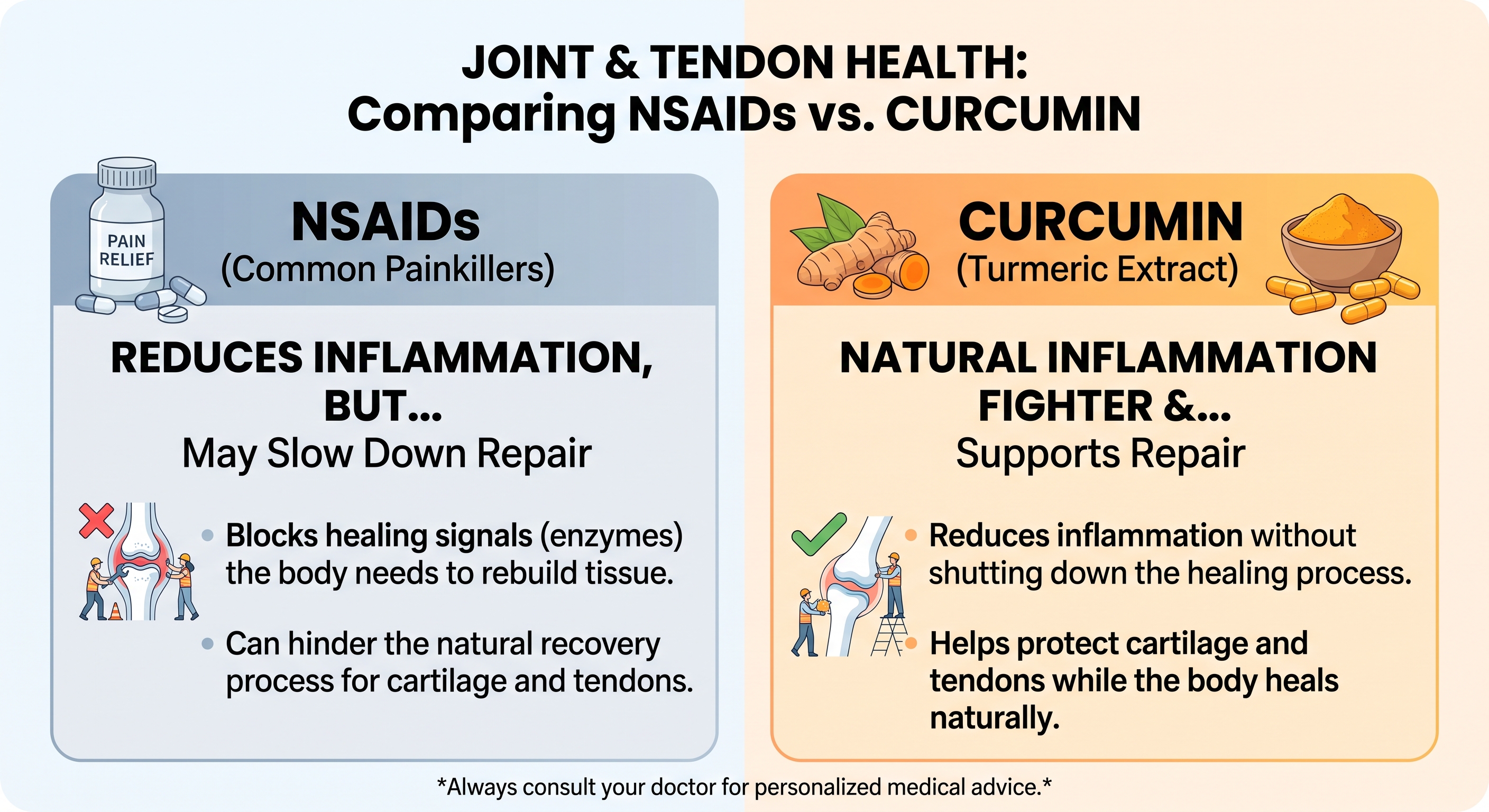


 Do you suffer from inflammation? If so, you're not alone. Inflammation is a common problem that can cause pain and discomfort in the body. Fortunately, there is a natural remedy that can help: curcumin. Curcumin is a compound found in turmeric that has powerful anti-inflammatory properties. We will discuss the benefits of curcumin and how to add it to your diet.
 The liver is a vital organ in the body that performs many essential functions. It can be damaged by a variety of factors, including disease, alcohol abuse, and exposure to toxic chemicals. Once the liver is damaged, can it be repaired? In this article, we will explore the answer to that question. We will also discuss the various ways that the liver can be damaged and how those damages can be repaired.








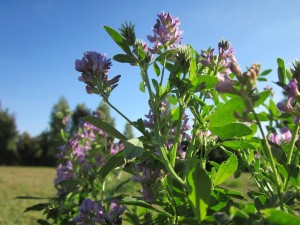

 Muscle cramps
 Chitosan is a naturally produced supplement that is recommended by nutrition experts and doctors as a great remedy for weight loss and high cholesterol, which results in a lower risk to develop bothersome cardiovascular problems and facilitates a better looking physique. Chitosan is made from the outer shell of crustaceans, such as shrimp or lobster. The outer shell is processed and a special form of "sugar", also known as a polysaccharide, is obtained. Unlike other types of artificially created sugars, Chitosan possesses unique properties that make it a great addition to a healthy diet for individuals who want to manage their weight and prevent obesity.
 History of beet
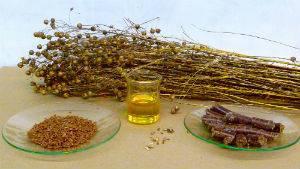 Flaxseed and also flaxseed oil incorporate alpha-linolenic chemical p (ALA), a precursor to the primary omega-3 oily acid that to a certain degree and inefficiently turns in to DHA and EPA -- extra active omega-3s -- methods. While flaxseed hasn't yet been proven to improve heart disease risk, there's very good evidence that flaxseed and also flaxseed oil may reduced cholesterol degrees.
 Lime, a green citrus fruit resembling lemons, is believed to have originated in Eastern Malaysia. While it is more popular as a citrusy, sweet, and oftentimes sour pulp and juice, lime oil can also be used to improve one's health.
 Parabens are artificial preservatives used in many domestic manufacturing industries especially for cosmetics, food and drugs industries. Most manufactures prefer Parabens because they are cost effective and are also efficient in protection against micro-organisms for long time.
 Premestrual Syndrome (PMS)
 Wheat germ oil is extracted from a wheat kernels’ germ in a technique known as cold processing. Its color is brown or amber and has a nutty flavor, and strong odor. The following is a look at its immense health benefits, the persons required to take it and the reasons for its intake.
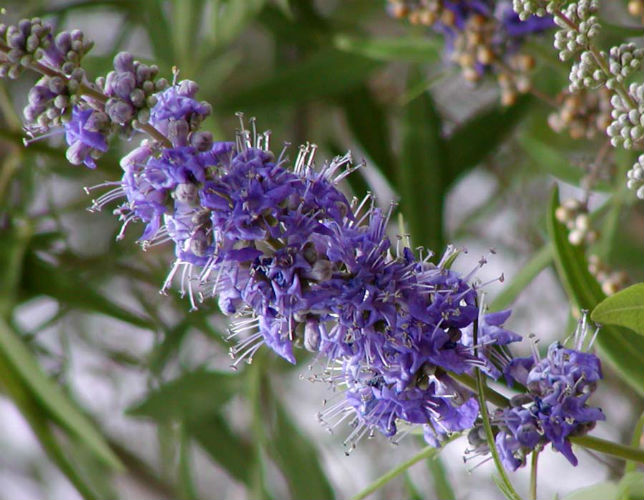 Health Benefits of Vitex
 Fish oil contains the omega-3 fatty acids that play a crucial role in performance and health throughout life. The omega-3 nutrients, containing EPA and DHA, are most frequently linked with heart health although they accomplish far much than that.