|
Search Term: " significanly "
NSAIDs vs. Curcumin: Which One Relieves Joint Pain Without Stopping Healing?   
Date:
September 14, 2026 11:22 AM
Comparative Analysis of NSAIDs versus Curcumin in Musculoskeletal Tissue RepairPrimary Biological Mechanisms and Pharmacological TargetsManaging soft tissue and joint injuries presents a persistent therapeutic challenge in musculoskeletal medicine. Acute inflammation triggers pain, localized swelling, and mechanical disability, which routinely drives patients toward pharmacological relief. For decades, nonsteroidal anti-inflammatory drugs (NSAIDs) such as ibuprofen, naproxen, celecoxib, and diclofenac have served as primary clinical interventions. While these synthetic agents effectively extinguish acute pain signals, expanding cellular and clinical research indicates that their biochemical mechanism interrupts the fundamental repair cascades required for long-term connective tissue healing. In contrast, curcumin - a natural polyphenolic compound derived from the rhizomes of Curcuma longa (turmeric) - exhibits a distinct, multi-targeted regulatory profile that calms hyperactive inflammation while protecting the structural components of cartilage and tendon tissue.The functional divergence between these two compounds becomes clear when considering an intuitive mechanical analogy. Tissue trauma resembles damage to a commercial building, where initial inflammation functions as the construction and demolition crew tasked with clearing rubble, stabilizing the foundation, and laying down fresh structural framing. NSAIDs function like abruptly cutting electrical power to the entire work site: the noisy machinery stops instantly and the immediate disturbance ceases, but the construction workers lose the power necessary to clean the debris and erect permanent walls. Conversely, curcumin operates as an experienced site manager: it silences unnecessary chaos and prevents site vandalism while ensuring that the skilled workers - specifically chondrocytes in cartilage and tenocytes in tendons - remain fully active, supplied, and capable of completing the restoration. At the cellular level, NSAIDs exert their effects through the catalytic inhibition of cyclooxygenase enzymes, categorized as constitutive cyclooxygenase-1 (COX-1) and inducible cyclooxygenase-2 (COX-2). Membrane phospholipids damaged during injury release arachidonic acid, which COX enzymes convert into pro-inflammatory lipid mediators known as prostanoids, most notably prostaglandin E2 (PGE2). Nonselective NSAIDs block both isoforms, while selective coxibs specifically target COX-2. By shutting off PGE2 production, NSAIDs rapidly elevate pain thresholds and blunt localized swelling. However, because PGE2 also functions as a vital signaling cue for cellular recruitment, angiogenesis, and cellular proliferation, this total enzymatic shutdown strips local repair cells of the baseline signals required to orchestrate tissue regeneration. Curcumin avoids this indiscriminate pathway paralysis by acting upstream on master transcriptional control switches rather than directly neutralizing isolated enzymes. Its primary therapeutic mechanism centers on the inhibition of Nuclear Factor-kappa B (NF-kB) and Activator Protein-1 (AP-1) signaling networks. Under acute stress or chronic inflammatory loads, the NF-kB protein complex is released from its cytoplasmic inhibitor, IkBa, and translocates directly into the cell nucleus, where it drives the transcription of catabolic cytokines such as interleukin-1 beta (IL-1ß), tumor necrosis factor-alpha (TNF-a), and interleukin-6 (IL-6). Curcumin blocks the phosphorylation and degradation of IkBa, effectively keeping NF-kB trapped in the cytoplasm. By preventing this nuclear entry, curcumin attenuates the expression of pro-inflammatory cytokines and downstream matrix-degrading enzymes while preserving baseline physiological functions. Furthermore, curcumin activates the nuclear factor erythroid 2-related factor 2 (Nrf2) and antioxidant response element (ARE) pathways, which upregulate endogenous cellular antioxidants to neutralize destructive reactive oxygen species (ROS) that induce cell death in injured joints.
The Mechanisms of NSAID-Induced Inhibition in Cartilage and Tendon RepairArticular cartilage and tendons are specialized, bradytrophic connective tissues characterized by relatively low basal metabolic rates and limited endogenous vascular supplies. These physical constraints make their cellular maintenance highly vulnerable to pharmaceutical disruptions. When synthetic compounds impair cell migration, survival, or extracellular matrix secretion, the intrinsic repair capacity of these structures is substantially degraded.Cartilage maintenance depends on chondrocytes, the sole cell type residing within articular joints, which are responsible for generating and maintaining the extracellular matrix of Type II collagen and water-binding proteoglycans such as aggrecan. Because adult articular cartilage lacks a direct vascular network, major defect repair relies heavily on the recruitment and chondrogenic differentiation of subchondral mesenchymal stem cells (MSCs) through endochondral ossification. Experimental evaluations demonstrate that systemic or intra-articular NSAID exposure halts this regenerative differentiation. Both nonselective NSAIDs and selective COX-2 inhibitors interfere with chondrocyte maturation and prevent successful tissue integration following cartilage transplantation or microfracture procedures. At the cellular level, common NSAIDs - including indomethacin, ketorolac, and diclofenac - induce cell cycle arrest in chondrocytes by blocking transition from the resting G0 phase to the proliferative G1. phase, substantially reducing viable cell numbers. Concurrently, NSAIDs downregulate Bone Morphogenetic Protein-2 (BMP-2), an essential anabolic signaling molecule that orchestrates matrix synthesis. Histological analyses in animal models reveal that NSAID administration causes a marked loss of extracellular proteoglycan content and widespread chondrocyte depletion, yielding elevated modified Mankin scores that signify advanced structural degeneration. In layman's terms, proteoglycans serve as water-absorbing structural sponges that grant cartilage its elastic shock absorption. When NSAIDs deplete these molecules, the joint surface dries out, becomes brittle, and rapidly wears down under routine mechanical friction. Tendon healing is similarly susceptible to disruption by NSAIDs. Tendons operate as high-tensile structural cables composed of longitudinally arranged Type I collagen fibers, maintained by specialized fibroblasts termed tenocytes and tenoblasts. Healing after acute rupture or chronic tear progresses through an initial inflammatory phase, followed by a proliferative phase of cell migration, and culminates in a lengthy remodeling phase of collagen alignment. In vitro and in vivo studies establish that NSAIDs directly suppress the migration and proliferative capacity of tenocytes during the critical early healing window. Without an adequate cellular workforce migrating into the wound bed, provisional collagen scaffolding cannot be synthesized effectively. The disruption is particularly pronounced at the enthesis, the specialized fibrocartilaginous junction where soft tendon inserts into rigid bone. Re-establishing this transition zone requires coordinated bone remodeling and chondrogenic differentiation, both of which are hindered by COX inhibition. In animal rotator cuff repair models, early administration of NSAIDs significantly delays collagen fiber organization and impairs mechanical integration at the insertion site, resulting in a measurable decline in load-to-failure strength and overall tendon toughness. Furthermore, while prolonged inflammation contributes to pathological degeneration, the transient synthesis of PGE2 during the initial hours following injury is essential for regulating localized microvascular flow and hyperemic nutrient delivery. By eliminating this early prostanoid pulse, NSAIDs starve the repair zone of oxygen and circulating factors precisely when the cellular metabolic demand is highest. Beyond direct biochemical cytotoxicity, systemic NSAIDs introduce a physical hazard known as analgesic arthropathy. In musculoskeletal biomechanics, pain functions as a protective feedback mechanism, forcing the patient to unload an injured joint or limb to prevent structural overload. By effectively blunting the pain reflex while simultaneously undermining the cellular synthesis of proteoglycans and collagen, NSAIDs create a deceptive state of perceived recovery. Patients prematurely resume unrestricted weight-bearing and strenuous activity, placing substantial, uncompensated mechanical forces onto compromised cartilage surfaces and unhealed tendon fibers. Over time, this recurring mechanical trauma accelerates joint space narrowing, promotes microfractures in the subchondral plate, and hastens functional joint breakdown. Chondroprotective and Tenogenic Mechanisms of CurcuminIn sharp contrast to the suppressive actions of synthetic COX inhibitors, curcumin exhibits a tissue-sparing, pro-regenerative biological profile. Rather than paralyzing cellular metabolism, curcumin modulates the microenvironment by suppressing destructive catabolic enzymes while supporting the baseline anabolic signals required for cartilage and tendon reconstruction.In articular cartilage, curcumin acts as a direct chondroprotective agent by dismantling the catabolic cascade induced by pro-inflammatory cytokines. When joint tissues are exposed to elevated IL-1ß and TNF-a, chondrocytes are provoked to synthesize matrix metalloproteinases - specifically collagenases such as MMP-1, MMP-3, and MMP-13 - along with aggrecanases like ADAMTS5. These enzymes function like enzymatic shears, systematically slicing through structural Type II collagen strands and degrading aggrecan cores. Curcumin suppresses the transcription and secretion of MMP-1, MMP-3, MMP-13, and ADAMTS5 by neutralizing NF-kB and AP-1 activation. Concurrently, it upregulates Cbp/p300 Interacting Transactivator with ED-rich tail 2 (CITED2), an essential transcriptional regulator that represses matrix metalloproteinases at the genomic level. In addition to halting extracellular degradation, curcumin protects chondrocytes from inflammatory apoptosis. Exposure to oxidative stress and inflammatory cytokines typically triggers programmed cell death by activating the intrinsic caspase cascade. Curcumin suppresses this apoptotic pathway by reducing the cleavage of executioner caspase-3, downregulating the pro-apoptotic factor Bax, and elevating anti-apoptotic Bcl-2 expression. Microscopic and histological analyses of osteoarthritic cartilage treated with curcumin consistently show robust Safranin O staining, intact surface regularity, preserved chondrocyte density, and significantly reduced Osteoarthritis Research Society International (OARSI) degradation scores. Within tendon biology, curcumin promotes active tissue regeneration (tenogenesis) rather than inert scar formation. In animal models of tendon rupture and surgical repair, curcumin guides tendon-derived stem and progenitor cells (TSPCs) toward mature tenocyte differentiation. This lineage-specific differentiation is orchestrated primarily through activation of the phosphatidylinositol 3-kinase/protein kinase B (PI3K/Akt) and Wnt/ß-catenin signaling cascades. As stem cells commit to the tenogenic pathway, they significantly upregulate crucial structural and phenotypic markers, including epithelial cell adhesion molecule (EpCAM), tenomodulin, and the master tendon transcription factor Scleraxis. Through this guided differentiation, curcumin supports the preferential synthesis and organized deposition of high-tensile Type I collagen fibers, the primary architectural building blocks of healthy tendons. Injured tendons typically fill with disorganized, loose Type III collagen, which forms a structurally inferior, compliant scar. Curcumin supplementation promotes the progressive maturation from primitive Type III collagen to densely packed, parallel Type I collagen fibrils, restoring native tensile strength and mechanical breaking force. A major clinical challenge following tendon surgery is the development of peritendinous adhesions, in which excessive fibrotic scar tissue binds the healing tendon to its synovial sheath, restricting range of motion and joint gliding. Postoperative tendon repair involves a balance between extrinsic healing (in which exterior fibroblasts infiltrate the defect and deposit messy scar tissue) and intrinsic healing (in which tenocytes within the tendon substance reconstruct the matrix). Curcumin suppresses excessive peritendinous inflammation and extrinsic fibrosis while accelerating intrinsic tenocyte repair. Biomechanical testing confirms that local or systemic curcumin administration yields lower adhesion scores, increased gliding distances, and superior functional mobility without sacrificing structural load-bearing capacity. Comparative Clinical Efficacy and Systemic Safety ProfilesTranslating cellular findings into clinical practice requires weighing therapeutic outcomes against systemic safety profiles. While synthetic NSAIDs deliver potent, rapid analgesia during acute musculoskeletal pain events, their chronic administration is constrained by systemic toxicities across multiple organ systems.In randomized, active-controlled clinical trials of knee osteoarthritis, optimized curcumin preparations have demonstrated clinical pain reduction and functional recovery comparable to standard therapeutic doses of NSAIDs. In a randomized, open-label parallel-arm study evaluating 139 patients with symptomatic knee osteoarthritis, subjects received either 500 mg of a bio-enhanced curcumin extract three times daily or 50 mg of diclofenac sodium twice daily for 28 consecutive days. Patients treated with curcumin demonstrated comparable improvements in pain intensity on the Visual Analogue Scale (VAS) and functional scores on the Knee Injury and Osteoarthritis Outcome Score (KOOS) at days 14 and 28, showing no statistically significant difference in therapeutic efficacy compared to diclofenac. However, the systemic tolerability profiles between the treatments diverged markedly. Overall adverse events occurred in only 13% of the curcumin group compared to 38% of the diclofenac cohort. In the diclofenac arm, 28% of patients developed dyspeptic symptoms severe enough to require concurrent treatment with H2-receptor antagonists or proton pump inhibitors to prevent mucosal ulceration, whereas no patients in the curcumin cohort required gastroprotective intervention. Furthermore, the curcumin cohort experienced a significant reduction in flatulence and digestive discomfort, demonstrating beneficial gastric and intestinal cytoprotective effects. These safety observations are consistent across broader systematic reviews and meta-analyses. Nonsteroidal anti-inflammatory agents inherently compromise gastrointestinal integrity by systematically depleting cytoprotective prostaglandins, leaving the gastric epithelium vulnerable to acid erosion and hemorrhage. In addition, systemic inhibition of renal and vascular COX enzymes by NSAIDs reduces renal perfusion and disrupts the balance between prostacyclin and thromboxane, elevating the risk of fluid retention, hypertension, and adverse cardiovascular thrombotic events. Curcumin does not suppress these physiological prostanoid pathways, making it free from ulcerogenic, nephrotoxic, and cardiotoxic properties at therapeutic dosages.
A longstanding limitation of standard curcumin supplementation in clinical settings has been its low oral bioavailability. Native curcuminoids are highly lipophilic, poorly soluble in aqueous gastric fluids, and subject to rapid hepatic and intestinal phase II metabolism into inactive glucuronides and sulfates, leading to swift biliary and fecal excretion. Consequently, raw culinary turmeric powders struggle to achieve the therapeutic systemic circulating concentrations required to reach poorly vascularized joint and tendon compartments. Modern pharmacognosy has addressed this pharmacodynamic hurdle through advanced delivery formulations. Modern strategies - such as co-administration with the natural alkaloid piperine (which inhibits hepatic glucuronidation), micellar dispersions, phytosomal phospholipid complexes, and bio-enhanced submicron dispersions - elevate systemic blood bioavailability by ten- to thirty-fold compared to unformulated extracts. These modern delivery platforms ensure that therapeutic concentrations reach synovial fluid, subchondral bone, and fibrous tendon sheaths without requiring excessive oral dosing. Conclusions and Translational Clinical ImplicationsThe biological and clinical evidence reveals distinct physiological paths for NSAIDs and curcumin in orthopedic recovery. While NSAIDs remain powerful tools for the brief alleviation of acute, unmanageable pain, their ongoing administration during active tissue healing presents substantial biological compromises. Tendons and cartilage require a controlled, transient inflammatory cascade to signal cell recruitment, stimulate stem cell differentiation, and direct extracellular matrix synthesis. By completely shutting down cyclooxygenase enzymes and depleting local prostaglandins, NSAIDs disrupt this regenerative cascade. The resulting cellular consequences - including chondrocyte cell cycle arrest, proteoglycan loss, suppression of tenocyte migration, and weakened collagen tensile strength at the tendon-to-bone interface - demonstrate that pain relief from NSAIDs frequently comes at the cost of the structural integrity of healing connective tissues.In contrast, curcumin provides a tissue-preserving alternative that decouples pain and inflammation control from cellular suppression. Operating upstream at the level of NF-kB and AP-1 transcriptional activation, curcumin attenuates the expression of pro-inflammatory cytokines while leaving the physiological baseline of cellular metabolism intact. In cartilage, it actively represses the matrix-degrading enzymes MMP-1, MMP-3, MMP-13, and ADAMTS5, maintains water-binding proteoglycan content, and protects chondrocytes from inflammatory apoptosis. In damaged tendons, curcumin stimulates tenogenic differentiation of local stem cells via PI3K/Akt signaling, supports the proper maturation of dense Type I collagen fibers, and prevents restrictive peritendinous scar adhesions, preserving both joint mobility and mechanical breaking strength. From a translational perspective, these findings indicate that clinical protocols should reconsider relying on continuous NSAIDs as the default intervention for connective tissue injuries, post-surgical recovery, and chronic degenerative conditions. Where synthetic NSAIDs are deemed necessary, their use should be confined to short-term acute flare-ups to avoid interrupting early tissue remodeling. For long-term joint preservation, ongoing tendinopathy rehabilitation, and chronic osteoarthritis management, optimized bio-enhanced curcumin formulations deliver pain relief and functional restoration comparable to conventional pharmaceuticals, all while preserving the biological processes required for lasting musculoskeletal repair. References: NSAID therapy effects on healing of bone, tendon, and the enthesis The Detrimental Effects of Systemic Ibuprofen Delivery on Tendon Conservative management of symptomatic knee osteoarthritis - PMC Positives and negatives of nonsteroidal anti-inflammatory drugs in (PDF) Conservative management of symptomatic knee osteoarthritis Non-steroidal anti-inflammatory drugs influence cartilage healing Is Curcumine Useful in the Treatment and Prevention of ... - PMC - NIH Efficacy and mechanisms of curcumin in the treatment of osteoarthritis Biological actions of curcumin on articular chondrocytes - PubMed Curcumin slows osteoarthritis progression and relieves ... - PMC - NIH Do Nonsteroidal Anti-Inflammatory Drugs Have a Deleterious Effect Anti-inflammatory management for tendon injuries - friends or foes? The mechanistic role of curcumin on matrix metalloproteinases in Therapeutic effects of turmeric or curcumin extract on pain and Curcumin inhibits chondrocyte apoptosis and inflammation in ... - PMC Analysis of the mechanism of curcumin against osteoarthritis using Synergistic enhancement of tendon-to-bone healing via anti ... - PMC A Multicenter, Randomized, Double-Blind, Placebo-Controlled Trial Safety and efficacy of curcumin versus diclofenac in knee osteoarthritis A randomized, pilot study to assess the efficacy and safety ... - PubMed Effectiveness of curcuminoids in the treatment of knee osteoarthritis THE EFFECTS OF TRADITIONAL STRENGTHENING EXERCISES Putting Some Muscle into Osteoarthritis | Annals of Internal Medicine Do Nonsteroidal Anti-Inflammatory Drugs Have a Deleterious Effect Calebin A, a Compound of Turmeric, Down-Regulates Inflammation The Effect of Non-Steroidal Anti-Inflammatory Drugs on Tendon-to Chiropractor in Toronto, ON, Canada :: Head and Neck Pain Investigation of the association of long-term NSAID use with ... - PMC Curcumin Improves Functional Recovery of Ruptured Tendon by Chemically modified curcumin (CMC2.24) alleviates osteoarthritis Curcumin improves age-related and surgically induced osteoarthritis (PDF) Curcumin Improves Functional Recovery of Ruptured Tendon Investigation of the effects of umbilical cord-derived mesenchymal Effect of curcumin-loaded polycaprolactone scaffold on Achilles Controlled release of curcumin from curcumin-loaded nanomicelles Efficacy and safety of combination of curcuminoid complex ... - PMC The efficacy of Curcuma Longa L. extract as an adjuvant therapy in
(https://vitanetonline.com:443/forums/Index.cfm?CFApp=1&Message_ID=6653) The Secret to Gut Health: Feeding Your Microbiome for Maximum SCFAs 
Date:
September 11, 2026 01:29 PM
Your Complete Guide to Digestive Support: Building a Thriving Gut MicrobiomeWhen we talk about digestive health, the conversation usually stops at taking a daily probiotic or drinking enough water. But true microbiome health goes much deeper. It involves feeding the good bacteria you already have, ensuring your body can properly break down fats, and timing your supplements right.If you want to optimize your digestion, you need to understand how different fibers work, the magic of "postbiotics," and how specialized enzymes keep everything running smoothly. The Magic of Short-Chain Fatty Acids (SCFAs)To understand gut health, you have to understand a process called fermentation. When you eat dietary fiber that your stomach can't digest, it travels down into your colon. There, your gut bacteria feast on it.When these good bacteria eat fiber, they release beneficial byproducts called Short-Chain Fatty Acids (SCFAs) - most notably butyrate, acetate, and propionate. Think of SCFAs as the ultimate super-fuel for your digestive system. They provide the main energy source for the cells lining your colon, helping to keep the gut barrier strong and preventing "leaky gut." SCFAs also help calm inflammation throughout the body and play a massive role in healthy metabolism. But to get these benefits, you have to feed your microbiome the right type of fibers. The Ultimate SCFA-Boosting TrioNot all fibers are created equal. Some just add bulk to your stool, while others are "prebiotics" - meaning they actively feed your good bacteria. To maximize SCFA production, combining different types of prebiotic fibers is incredibly effective.Here is a functional combination that acts as a powerhouse for your microbiome:
Glucomannan vs. Psyllium: Which Fiber is Right for You?If you are looking to supplement with an isolated fiber for digestive support, you will likely encounter two heavyweight contenders: Glucomannan and Psyllium. Both are soluble fibers, meaning they dissolve in water to form a gel in your stomach, but they act a bit differently.
Can You Take Fiber With Vitamins?A very common question is whether you can take your daily fiber supplement alongside your morning vitamins.The short answer is no. You should separate them. Because soluble fibers (like psyllium, glucomannan, and even high doses of acacia) form a thick, sticky gel in your digestive tract, they act like a sponge. If you take them at the exact same time as your daily vitamins or minerals, the fiber can bind to the nutrients. Instead of absorbing those vitamins into your bloodstream, your body will simply sweep them out in your next bowel movement. The Golden Rule: Take your vitamin and mineral supplements at least 1 hour before or 2 hours after taking a heavy fiber supplement. Beyond Fiber: The Benefits of Ox Bile for Fat DigestionFiber takes care of the carbohydrates, but what about the fats? Many people eat a healthy diet but still experience bloating, indigestion, or floating stools after a rich meal. This is often an issue with bile.Bile is a fluid produced by your liver and stored in your gallbladder. When you eat fats, your gallbladder squirts bile into your intestines. Think of bile like dish soap on a greasy frying pan—it emulsifies the fat, breaking it down into tiny droplets so your body can absorb it. If you have had your gallbladder removed, or if your liver is simply sluggish, your body might not release enough bile. This means fats pass through your system undigested, missing out on crucial fat-soluble vitamins (like Vitamins A, D, E, and K). This is where ox bile comes in. Taken as a supplement with meals, ox bile closely mimics human bile. The benefits include:
(https://vitanetonline.com:443/forums/Index.cfm?CFApp=1&Message_ID=6652) Does Methylation Effect Active Vitamin D3 Levels in the body?
Date:
July 08, 2026 12:43 PM
Yes, methylation directly and significantly impacts how efficiently your body converts Vitamin D3 into its active, usable form. This relationship operates on two distinct levels: epigenetic DNA methylation (which acts as a volume knob for the conversion enzymes) and the cellular methylation cycle (which shares a profound reciprocal feedback loop with active Vitamin D). To see exactly where methylation interferes, it helps to look at the standard two-step activation pathway:
1. DNA Methylation (The Epigenetic "Dimmer Switch")DNA methylation is an epigenetic mechanism where methyl groups are attached to a gene's promoter region, typically silencing or "turning down" its expression.
2. The Systemic Methylation Cycle Feedback LoopWhile S-adenosylmethionine (SAMe) is not a direct chemical cofactor required for the hydroxylation reactions themselves (which rely on NADPH and the cytochrome P450 enzyme network), the systemic methylation cycle and Vitamin D share a massive reciprocal cross-talk mechanism.
The Vitamin D "Non-Responder": Is Your DNA Dimming Your Supplement’s Power? Yes, higher active Vitamin D3 levels consistently cause homocysteine levels to drop. Large-scale observational studies and gold-standard randomized controlled trials (RCTs) confirm a distinct, inverse relationship: as your Vitamin D status optimizes, circulating total homocysteine decreases. When active D3 binds to the Vitamin D Receptor (VDR), it triggers specific genetic and cellular actions that clear homocysteine through multiple pathways. The Biological MechanismsActive Vitamin D doesn’t just lower homocysteine through one pathway; it exerts a multi-pronged push to keep the toxic amino acid from accumulating.1. Upregulation of Methionine Synthase (MTR)While active D3 supports the alternative BHMT (betaine) pathway, recent molecular research highlights an even more direct impact on the primary, folate-dependent remethylation loop.
2. Safeguarding Enzyme Function via Oxidative Stress ReductionThe primary enzyme responsible for clearing homocysteine, Methionine Synthase, is incredibly sensitive to oxidative stress. Under high inflammation or oxidative conditions, the cobalt atom at the heart of its B12 cofactor becomes oxidized, completely disabling the enzyme and causing a major homocysteine backup.
3. Preserving Liver and Kidney FunctionThe alternative remethylation pathway, BHMT, operates almost exclusively in the liver and kidneys. If these organs experience structural or metabolic strain, their capacity to process homocysteine drops drastically. Active Vitamin D protects hepatic and renal tissue architecture, ensuring the local cellular machinery required for the betaine-homocysteine conversion remains functional.What the Clinical Trials ShowIn human trials, the drop isn't just theoretical - it's highly measurable.The Clinical Evidence: In double-blind, randomized, placebo-controlled trials, individuals with low baseline Vitamin D and elevated homocysteine were given high-dose Vitamin D3 (e.g., 50,000 IU weekly) over a two-month period. The treatment groups consistently showed statistically significant drops in total serum homocysteine, alongside reductions in body mass index (BMI) and systemic inflammatory markers, while the placebo groups saw no change. If someone is dealing with stubborn hyperhomocysteinemia (elevated homocysteine) and pushing hard on methylated B-vitamins (like methylfolate and TMG/betaine) without seeing their numbers budge, a hidden Vitamin D deficiency or a high-methylation genetic barrier at the CYP2R1 liver enzyme is very frequently the missing link. Summary: The relationship between Vitamin D3 activation and the body's biochemical pathways operates as a highly coordinated, reciprocal feedback loop. On an epigenetic level, DNA methylation acts like a cellular dimmer switch for the liver enzyme CYP2R1, which is responsible for converting raw D3 into its circulating form. When the promoter region of this gene is heavily methylated, enzyme production is suppressed, explaining why some individuals act as clinical "non-responders" who struggle to raise their blood levels even with high-dose supplementation. Once Vitamin D is successfully activated, however, it turns around and directly reinforces the systemic methylation cycle by binding to the Vitamin D Receptor (VDR) and upregulating the BHMT gene, which is vital for maintaining the body's universal methyl donor (SAMe) pool. Conversely, maintaining robust levels of active Vitamin D3 plays a direct, clinically proven role in forcing circulating homocysteine levels to drop. When active D3 binds to its receptor, it triggers a multi-pronged clearance strategy by activating the Nrf2 cellular defense pathway, which upregulates Methionine Synthase (MTR) - the primary enzyme that converts toxic homocysteine back into harmless methionine. Furthermore, by acting as a powerful systemic anti-inflammatory, active Vitamin D lowers the oxidative stress that would otherwise oxidize and disable the delicate B12 cofactors inside these clearance enzymes. This dual action of increasing enzyme production while shielding existing enzymes from environmental damage explains why clinical trials consistently show significant reductions in serum homocysteine when Vitamin D status is optimized.
(https://vitanetonline.com:443/forums/Index.cfm?CFApp=1&Message_ID=6644) Is there anything else DLPA can do be sides Pain management and Mood?
Date:
May 22, 2026 04:29 PM
Here is what else DLPA can do:
When diving deeper into the physiological applications of DLPA, there are several advanced, highly specific mechanisms that make it particularly interesting, especially regarding athletic performance, metabolic pathways, and cellular recovery.
Here are a few of the more complex, nuanced roles of DLPA in the body:
By supplementing with L-phenylalanine, the brain has a steady supply of precursor material to maintain dopamine synthesis. This helps delay the onset of CNS fatigue, allowing for sustained mental drive, higher intensity, and better neurological output throughout a grueling session.
Because the D-phenylalanine in DLPA does not interfere with inflammation or COX enzymes—working entirely by shielding circulating endorphins—it provides musculoskeletal comfort without compromising the cellular signaling required for muscle repair and growth. It allows the body's natural inflammatory repair mechanisms to run their course uninterrupted.
The enzyme responsible for this final step (PNMT) relies entirely on S-adenosylmethionine (SAMe) to donate a methyl group. If the methylation cycle is sluggish or deficient in necessary cofactors (like methylated B-vitamins), the catecholamine cascade bottlenecks at norepinephrine. Therefore, DLPA's ability to fully support the adrenal axis is directly dependent on the efficiency of the body's methylation pathways.
Would you like to explore how to position this mTOR-safe, CNS-supporting angle into a specific educational breakdown for a retail or blog audience?
Summary:
Beyond its foundational role in chronic pain relief, DLPA serves as a versatile precursor that supports several advanced metabolic, cognitive, and physical functions. Because the L-phenylalanine half converts into tyrosine, it provides the essential raw materials required for thyroid hormone synthesis (T3 and T4), melanin skin pigmentation production, and the release of cholecystokinin (CCK), a gut peptide that signals satiety and regulates appetite. Furthermore, by elevating dopamine and norepinephrine, DLPA enhances executive function, working memory, and focus, making it a valuable asset in nootropic protocols and a supportive tool for rebuilding depleted neurotransmitter stores during substance recovery.
In the context of high-intensity athletic performance, DLPA offers unique physiological advantages for training and recovery. It directly combats central nervous system (CNS) fatigue by replenishing the dopamine depleted during heavy resistance training, thereby maintaining neural drive without interrupting muscle protein synthesis. Unlike traditional NSAIDs, which blunt the acute inflammatory response and stall the mTOR pathway, DLPA provides musculoskeletal comfort solely by shielding endogenous opioids (endorphins and enkephalins) from enzymatic breakdown. This allows the natural muscle-repair mechanisms to run their course uninterrupted while simultaneously prolonging the post-exercise "lifter's high." However, its full efficacy remains dependent on a healthy methylation cycle, as the final conversion of norepinephrine to adrenaline requires adequate methyl donors like SAMe.
(https://vitanetonline.com:443/forums/Index.cfm?CFApp=1&Message_ID=6640)
Date:
May 21, 2026 03:43 PM
If you supplement with high doses of DMAE without adequate methyl support, you may inadvertently "drain" your methyl pool. This can lead to:
Summary: While DMAE offers potent cellular cleaning and membrane protection, it functions best when the body has a robust supply of methyl donors to handle its conversion without taxing the system.
To make this conversion efficient, the body requires specific methyl donors and enzymatic co-factors.
Summary:
Supplementing with DMAE (dimethylaminoethanol) creates a unique biochemical dynamic in the body, particularly regarding cognitive performance and cellular longevity. While DMAE crosses the blood-brain barrier effectively, its conversion into the crucial neurotransmitter acetylcholine requires an additional methyl group, a process that can significantly drain the body's universal methyl donor, SAMe. To prevent this "methyl drain" and avoid issues like elevated homocysteine, it is highly beneficial to pair DMAE with strategic co-factors and methyl donors such as TMG (trimethylglycine) and methylated B-vitamins. Beyond its role in acetylcholine production, DMAE supports longevity through distinct cellular mechanisms that standard choline cannot replicate, specifically by neutralizing free radicals to stabilize cell membranes and flushing out lipofuscin, an age-related cellular waste product.
When evaluating whether to replace DMAE with direct choline supplementation for cost and efficiency, the decision hinges on your specific physiological goals. Standard budget options like choline bitartrate are highly cost-effective for general liver health and systemic cell structures, but they suffer from very poor brain penetration. Conversely, premium forms like Alpha-GPC and CDP-Choline are far more efficient for cognitive optimization and memory because they cross the blood-brain barrier effortlessly without taxing the body's methylation cycle. Ultimately, while cheap choline salts cannot replicate DMAE's unique cellular cleaning properties, choosing a premium choline source is a more direct and biochemically efficient path for raw cognitive enhancement, especially if you want to avoid the multi-step metabolic cost associated with converting DMAE.
(https://vitanetonline.com:443/forums/Index.cfm?CFApp=1&Message_ID=6638)
Date:
April 15, 2026 02:04 PM
When you are under stress, your cells can become flooded with calcium, which "excites" the cell. Magnesium sits at the "gate," ensuring that only the necessary amount of calcium enters. Without enough magnesium, cells become hyper-excitable, leading to oxidative stress, inflammation, and even cell death. Furthermore, magnesium is a required co-factor for the production and stability of ATP (adenosine triphosphate), the primary energy currency of the cell. In fact, ATP is usually found in the body as a complex called Mg^2+-ATP.
However, many functional medicine experts argue this number is actually higher because the RDA is designed to prevent acute deficiency, not to optimize health. Furthermore, magnesium is stored in bones and soft tissue, not the blood, meaning standard "Serum Magnesium" blood tests often miss a deficiency until it is dangerously low.
Unlike Magnesium Oxide (which has poor absorption) or Magnesium Citrate (which can have a laxative effect), Magnesium Glycinate is chelated with the amino acid glycine. This makes it:
Here are the additional benefits you might notice once your magnesium "tank" is full:
Magnesium acts as the body's essential "biological coolant," stabilizing cellular integrity by regulating calcium influx and powering nearly every metabolic process as a co-factor for Mg^2+-ATP. Despite its critical role, more than half of the American population remains chronically deficient, a silent crisis fueled by mineral-depleted industrial soil and the stripping of nutrients during food processing. Transitioning to a high-quality supplement like Magnesium Glycinate offers a superior path to replenishment because its chelated form is both highly bioavailable and gentle on the digestive system. Once levels are restored, the systemic "re-tuning" manifests as a profound shift in well-being, ranging from enhanced sleep quality and stress resilience to improved bone density, hormonal balance, and DNA repair, effectively moving the body from a state of hyper-excitable stress to one of optimized physiological stability.
(https://vitanetonline.com:443/forums/Index.cfm?CFApp=1&Message_ID=6637)
Date:
April 11, 2026 12:24 PM
Note: While NMN is widely studied in animal models with promising results regarding lifespan and healthspan, human clinical trials are ongoing to fully confirm long-term efficacy and optimal dosage. Always consult a healthcare professional before starting new supplements.
Here are the vital pieces of the NAD+ puzzle that aren't usually mentioned:
Are you planning to focus your blog post on the anti-aging benefits for a general audience, or would you like to lean more into the technical "biohacking" side of science?
(https://vitanetonline.com:443/forums/Index.cfm?CFApp=1&Message_ID=6636)
Date:
April 10, 2026 02:40 PM
Sugar intake directly hinders immune function by slowing down phagocytosis, the process where white blood cells destroy pathogens, with just 75 to 100 grams of sugar reducing this activity by up to 50% for approximately five hours. This occurs because glucose and Vitamin C share a nearly identical molecular structure and compete for the same GLUT-1 receptors to enter cells; when blood sugar is high, glucose "crowds out" Vitamin C, preventing immune cells from utilizing the nutrient for essential tasks like antioxidant protection and interferon production. To effectively bolster the immune response at the onset of a cold, it is recommended to take a therapeutic loading dose of Vitamin C - roughly 4,000 to 8,000 mg in divided 500 mg increments throughout the first day - while strictly limiting sugar intake to ensure the Vitamin C can successfully navigate these cellular doorways.
(https://vitanetonline.com:443/forums/Index.cfm?CFApp=1&Message_ID=6635)
Date:
April 10, 2026 12:04 PM
Because their chemical structures are remarkably similar, they effectively fight for the same "doorways" into your cells.
When you consume a high amount of sugar, your blood glucose levels rise. This floods the area surrounding your cells with glucose molecules. Because the GLUT transporters have an affinity for both glucose and Vitamin C, they will prioritize the molecule that is more abundant.
The "Crowded Room" Analogy: Imagine a small door (the transporter) leading into a room (the cell). If there are 100 people wearing blue shirts (glucose) and only 2 people wearing orange shirts (Vitamin C) trying to get in at the same time, the blue shirts are statistically much more likely to make it through the door first.
Vitamin C and glucose are chemical "look-alikes" that share nearly identical molecular structures - C6H12O6 for glucose and C6H8O6 for Vitamin C - leading them to compete for the same cellular gateways called GLUT transporters. When blood sugar levels rise, the sheer volume of glucose molecules effectively crowds out Vitamin C, prioritizing sugar transport and leaving cells, particularly white blood cells, deficient in the Vitamin C required for optimal function. This molecular competition means that high sugar intake doesn't just add calories; it creates a biological "traffic jam" that can significantly hinder your body's ability to absorb and utilize Vitamin C for immune support and repair.
(https://vitanetonline.com:443/forums/Index.cfm?CFApp=1&Message_ID=6634)
Date:
December 05, 2025 04:06 PM
Since mitochondria produce about 90% of the energy (ATP) your body uses, improving their function is like upgrading the engine in a car: you get more power, better fuel efficiency, and a smoother ride.
Here is the breakdown of how boosting mitochondria translates to "feeling better" physically and mentally.
Here are the top supplements with the strongest evidence for mitochondrial health, categorized by how they work.
Optimizing mitochondrial health is a systemic strategy that links gut health to overall vitality, largely driven by Short-Chain Fatty Acids (SCFAs) like butyrate, which act as both fuel and signaling agents to enhance energy production in the brain, muscles, and liver. By stimulating mitochondrial biogenesis (the creation of new energy factories via the PGC-1a gene) and fueling the Electron Transport Chain, SCFAs - along with targeted supplements like PQQ, CoQ10, and Urolithin A - directly increase ATP output while simultaneously clearing out damaged cells through mitophagy. This biological upgrade results in tangible benefits, including sustained physical endurance, sharper cognitive focus, and stabilized mood, effectively turning the body’s cells into more efficient engines that produce more power with less oxidative "exhaust."
(https://vitanetonline.com:443/forums/Index.cfm?CFApp=1&Message_ID=6630)
Date:
November 05, 2025 03:58 PM
(https://vitanetonline.com:443/forums/Index.cfm?CFApp=1&Message_ID=6625)
Date:
July 17, 2025 12:54 PM
At its core, Vitamin C is an essential nutrient that the human body cannot produce on its own. It plays a crucial role in numerous bodily functions, including the growth and repair of tissues, the absorption of iron, and the formation of collagen, a protein vital for healthy skin, bones, and blood vessels. As a powerful antioxidant, Vitamin C helps to neutralize harmful free radicals, unstable molecules that can damage cells and contribute to chronic diseases and the aging process.
When formulated together in a 1000mg supplement, Vitamin C with rose hips and acerola offers a comprehensive approach to health and well-being. The primary benefits of this powerful combination include:
(https://vitanetonline.com:443/forums/Index.cfm?CFApp=1&Message_ID=6622)
Date:
January 29, 2025 10:41 AM
Probiotics have gained considerable attention for their ability to support gut health and overall well-being. Among the many probiotic strains, Lactobacillus reuteri stands out not only for its digestive benefits but also for its unique ability to stimulate the production of oxytocin. Now Foods Lactobacillus reuteri 2.5 Billion offers a targeted and effective way to harness these advantages. Let’s explore the fascinating connection between probiotics, oxytocin, and the wide-ranging benefits this “feel-good” hormone offers.
Oxytocin, often referred to as the "love hormone," is a powerful molecule released in the brain that promotes feelings of bonding, trust, and emotional connection. It plays a vital role in childbirth, breastfeeding, and even in fostering social interactions. However, oxytocin isn't just limited to emotional well-being—it impacts physical health in surprising ways. By regularly consuming Now Foods Lactobacillus reuteri 2.5 Billion, you can naturally boost your body's oxytocin levels. This is because the probiotic strain Lactobacillus reuteri has been shown in research to stimulate the production of this hormone. But what does that mean for your overall health? Let's take a closer look.
Increasing your oxytocin levels can have remarkable effects on your health. Below is a breakdown of some of the most notable benefits:
Oxytocin helps reduce cortisol levels, the body’s primary stress hormone, creating a calming and relaxing effect. Lower stress levels mean better focus, fewer mood swings, and improved mental clarity, which can significantly enhance your quality of life.
Oxytocin contributes to cardiovascular health by reducing blood pressure and promoting anti-inflammatory effects on the heart. This hormone supports a healthy circulatory system and reduces the risk of heart-related diseases.
By fostering feelings of trust and empathy, oxytocin plays a crucial role in building and maintaining relationships. Whether it’s with family, friends, or your partner, increased oxytocin leads to stronger bonds and deeper emotional connections.
Research indicates that oxytocin has natural pain-relieving properties. It can alleviate headaches, muscle pains, and even chronic conditions by acting as a natural analgesic. Furthermore, oxytocin promotes cellular repair and wound healing, enabling the body to recover faster.
Higher oxytocin levels can improve sleep quality by calming the nervous system and reducing anxiety. This means you’ll wake up feeling more refreshed and energized to take on your day.
Oxytocin complements the role of probiotics in supporting overall digestive wellness. With Now Foods Lactobacillus reuteri 2.5 Billion, not only will your gut be balanced and healthy, but your body will also benefit from the additional oxytocin-boosting effects.
Lactobacillus reuteri works within the gut microbiome to stimulate pathways that lead to oxytocin production. Studies suggest that this strain interacts directly with the vagus nerve—the nerve that connects the gut to the brain—reinforcing the mind-body connection. This explains why Lactobacillus reuteri isn't just good for digestive support, but also for mental and emotional health. What sets Now Foods Lactobacillus reuteri 2.5 Billion apart is its high-quality formulation designed to ensure maximum potency and effectiveness. Each capsule delivers 2.5 billion viable organisms, formulated to survive harsh stomach acids and reach your intestines where they are most effective.
Now Foods is a brand known for its commitment to quality, safety, and value. Their Lactobacillus reuteri 2.5 Billion product meets rigorous standards, ensuring you receive a pure, reliable probiotic supplement every time. This probiotic is non-GMO, gluten-free, and packaged to preserve potency, making it a trusted choice for health-conscious individuals. Additionally, Now Foods has earned a reputation for transparency. They follow Good Manufacturing Practices (GMP) to ensure that every ingredient is of the highest quality, making their wellness products stand out in a crowded market.
Including Now Foods Lactobacillus reuteri 2.5 Billion in your daily routine is simple. For optimal results, take the capsule with a meal or as directed by your healthcare provider. Over time, you may notice improvements in your mood, digestion, and energy levels as oxytocin-boosting effects take hold.
When shopping for health supplements, purchasing from a trusted platform is key. VitaNet is a reputable source for high-quality wellness products, offering competitive prices and reliable customer service. By shopping on VitaNet, you can enjoy the benefits of Now Foods Lactobacillus reuteri 2.5 Billion with the confidence of knowing you’ve chosen a trustworthy supplier.
Whether you’re looking to enhance your digestive health, improve your mood, or simply support your overall well-being, Now Foods Lactobacillus reuteri 2.5 Billion is a powerful addition to your wellness routine. Thanks to its oxytocin-boosting properties, this probiotic goes beyond basic gut support to deliver benefits that enhance emotional, physical, and mental health.
Don’t wait to experience these incredible benefits for yourself. Shop at VitaNet today and order Now Foods Lactobacillus reuteri 2.5 Billion to unlock better health and happiness. Your well-being starts with a single step—make it now.
(https://vitanetonline.com:443/forums/Index.cfm?CFApp=1&Message_ID=6620)
Date:
June 06, 2024 05:20 PM
Allergies and sinus issues can be a constant thorn in the side for many individuals. Everyday activities can feel like an uphill battle when you're plagued by congestion, sneezing, and itchy eyes. But what if there was a natural remedy that could provide relief across multiple body systems? Introducing Allercetin™ Allergy & Sinus, a Bio-Aligned Formula designed to tackle the root causes of your allergy symptoms.
Allercetin™ is not your average allergy treatment. This innovative product leverages natural homeopathic remedies to address the complex web of systems involved in allergic reactions. Unlike many over-the-counter medications that offer temporary relief, Allercetin™ provides a comprehensive approach, targeting the respiratory system, sinuses, mucous membranes, and more.
The key to Allercetin™'s effectiveness lies in its Bio-Aligned Formula. This advanced blend of natural ingredients is designed to support multiple body systems that are often affected by hay fever and other allergic conditions.
Breathing becomes a chore when your respiratory system is compromised by allergens. Allercetin™ contains ingredients that help to open up the airways, making it easier to breathe. This can be particularly beneficial during high pollen seasons when respiratory issues are at their peak.
Your sinuses play a crucial role in trapping allergens and preventing them from entering your respiratory system. However, when they become inflamed, they can cause severe discomfort. Allercetin™ supports the health of your sinuses, promoting natural drainage and reducing inflammation.
Mucous membranes are the body's first line of defense against airborne irritants. Allercetin™ helps to maintain the integrity of these membranes, ensuring they function optimally. This reduces the likelihood of allergens causing significant irritation and discomfort.
Histamines are chemicals in the body that play a central role in allergic reactions. When released in large amounts, they can cause symptoms like itching, swelling, and redness. Allercetin™ works to inhibit the release of histamines, thus reducing the severity of allergic reactions.
A hyperactive immune system can exacerbate allergy symptoms. Allercetin™ includes ingredients that help to desensitize the immune system, making it less reactive to allergens. This not only alleviates current symptoms but can also reduce the likelihood of future allergic reactions.
When your body is fighting allergies, it can drain your energy levels significantly. Allercetin™ supports cellular energy production, ensuring you have the stamina to go about your daily activities with ease.
Using Allercetin™ is simple and convenient. Take the recommended dosage as indicated on the packaging, preferably at the onset of symptoms. Consistency is key to experiencing the full benefits of this natural remedy.
Multiple factors set Allercetin™ apart from other allergy treatments on the market. Here are some reasons why you should consider making it a staple in your wellness routine:
Don't just take our word for it; listen to what our satisfied customers have to say:
Rigorous scientific research guided the development of Allercetin™. We selected each ingredient based on its ability to alleviate symptoms and support overall well-being. This guarantees you receive a product supported by both traditional wisdom and modern science.
Living with allergies and sinus issues doesn't have to be an ordeal. With Allercetin™ Allergy & Sinus, you can take a proactive approach to manage your symptoms naturally and effectively. Why settle for temporary relief when you can address the root causes of your discomfort? Experience the transformative power of Allercetin™ for yourself. Don't let allergies hold you back any longer. Visit our website today to purchase Allercetin™ Allergy & Sinus and reclaim your life from the shackles of allergies. Take the first step towards a healthier, more comfortable life—order now!
(https://vitanetonline.com:443/forums/Index.cfm?CFApp=1&Message_ID=6613)
Date:
June 04, 2024 04:57 PM
In recent years, agave nectar has gained popularity as a natural sweetener, touted for its unique taste and potential health benefits. But what exactly is agave nectar, and how does it stack up against traditional sugar and other sweeteners? In this comprehensive guide, we will delve into the uses and nutritional benefits of agave nectar, comparing it to traditional sugar and other sweeteners to help you make an informed decision.
Agave nectar, also known as agave syrup, is a sweetener derived from the sap of the agave plant. The agave plant is native to Mexico and has been used for centuries in traditional medicine and as a sweetener. The sap is extracted from the core of the agave plant, then filtered and heated at low temperatures to break down the complex carbohydrates into simple sugars. The result is a sweet, viscous liquid with a taste similar to honey, but with a thinner consistency.
Agave nectar is primarily composed of fructose, a simple sugar found in many fruits. Unlike traditional sugar (sucrose), which is made up of equal parts glucose and fructose, agave nectar usually contains about 70-90% fructose and 10-30% glucose. Here is a quick look at the nutritional content of one tablespoon (21 grams) of agave nectar:
Use agave nectar in various ways to add versatility to your kitchen. Here are some common uses:
Both agave nectar and traditional sugar contain similar amounts of calories per serving, but agave nectar is sweeter than sugar, which means you can use less of it to achieve the same level of sweetness. This can result in a lower overall caloric intake when using agave nectar as a sugar substitute.
One of the key differences between agave nectar and traditional sugar is their glycemic index (GI). The glycemic index measures how quickly a food raises blood sugar levels. Foods with a high GI cause a rapid spike in blood sugar, while those with a low GI release sugar more slowly and steadily. Agave nectar has a low glycemic index, typically between 13 and 30, which is significantly lower than that of traditional sugar (sucrose), which has a GI of around 65. This makes agave nectar a more suitable option for those trying to manage their blood sugar levels.
While agave nectar's high fructose content may contribute to its low glycemic index, it also raises some concerns. Consuming high fructose intake in large amounts has been linked to obesity, fatty liver disease, and insulin resistance. However, when used in moderation, agave nectar can be a healthier alternative to traditional sugar and high-fructose corn syrup.
Honey, often compared to agave nectar, provides a natural sweetener option with similar caloric content, allowing interchangeability in recipes. This sweetener has a higher glycemic index than agave nectar, meaning it can cause a quicker spike in blood sugar levels. However, honey also contains antioxidants, vitamins, and minerals, which can provide additional health benefits.
Maple syrup, like agave nectar, is a natural sweetener with a lower glycemic index than sugar. It also contains some beneficial nutrients, such as manganese and zinc. However, agave nectar is sweeter than maple syrup, so you may need to use less of it to achieve the desired sweetness.
Stevia, derived from the leaves of the Stevia rebaudiana plant, is a zero-calorie sweetener. It does not affect blood sugar levels and requires only a small amount due to its sweeter taste compared to agave nectar. If you want a super sweet brand of stevia, try Kal brand stevia, it has no after taste and contains over 1800 servings at a reasonable price. While stevia is a good option for those looking to reduce their caloric intake and manage blood sugar levels, some people find its aftertaste less appealing than that of agave nectar.
As mentioned earlier, agave nectar has a lower glycemic index than traditional sugar, making it a potentially better choice for those managing diabetes or trying to maintain stable blood sugar levels.
Agave nectar contains some antioxidants, which can help neutralize harmful free radicals in the body. While the antioxidant content is not as high as that found in honey or some fruits, it still provides some benefit.
Fructans, a type of carbohydrate found in agave, can act as prebiotics, promoting the growth of beneficial bacteria in the gut. This can contribute to better digestive health and overall well-being.
While agave nectar offers several advantages over traditional sugar and some other sweeteners, it is essential to use it in moderation. Its high fructose content can pose health risks if consumed in large amounts, so it's crucial to be mindful of your overall sugar intake.
Agave nectar is a delicious and versatile natural sweetener that offers some nutritional benefits over traditional sugar and other sweeteners. Its lower glycemic index, antioxidant properties, and potential digestive health benefits make it an attractive option for those looking to reduce their sugar consumption. However, it is essential to use agave nectar in moderation and consider it as part of a balanced diet. By understanding the uses and benefits of agave nectar, you can make an informed decision about incorporating it into your culinary repertoire.
(https://vitanetonline.com:443/forums/Index.cfm?CFApp=1&Message_ID=6611)
Date:
May 31, 2024 03:29 PM
With growing awareness of mental health issues, research is increasingly highlighting the connection between vitamins and cognitive function. In recent years, studies have shown that vitamins like B12, D, and Omega-3 fatty acids play a critical role in mental well-being. This article delves into the latest findings and explores how these essential nutrients contribute to a healthier mind.
Vitamin B12, also known as cobalamin, is crucial for maintaining the health of nerve cells and red blood cells. It is found naturally in animal products, such as meat, fish, and dairy. Deficiency in this vitamin can lead to symptoms such as fatigue, memory loss, and even depression.
Several studies have examined the link between B12 and mental health. A study published in the American Journal of Psychiatry found that individuals with lower levels of B12 had a higher risk of depression. Similarly, research from the Journal of Neuropsychiatry revealed that elderly patients with B12 deficiencies exhibited more cognitive decline than those with sufficient levels.
B12 plays a vital role in producing neurotransmitters, the chemicals that transmit messages between nerve cells. It also helps in maintaining the myelin sheath, a protective layer around nerves that ensures the swift transmission of neural signals. By supporting these functions, B12 contributes to maintaining cognitive clarity and emotional balance.
Often referred to as the "sunshine vitamin," Vitamin D is synthesized in the skin upon exposure to sunlight. It can also be obtained from food sources such as fatty fish, fortified dairy products, and eggs. Vitamin D is essential for bone health, but its role in mental health is equally significant.
A growing body of research has linked Vitamin D deficiency to mental health issues. A meta-analysis published in the Journal of Affective Disorders concluded that individuals with low levels of Vitamin D had a higher incidence of depression. Another study from The Lancet Psychiatry suggested that Vitamin D supplementation improved mood in patients with depression.
Vitamin D receptors are present throughout the brain, indicating that it plays a role in brain function. It helps modulate the release of neurotransmitters like serotonin and dopamine, which are critical for mood regulation. Adequate levels of Vitamin D can therefore help in maintaining a balanced mood and reducing the risk of mental health disorders.
Omega-3 fatty acids are essential fats predominantly found in fish such as salmon, mackerel, and sardines. These fats are crucial for brain health and have been the focus of numerous studies investigating their impact on mental well-being.
Various studies have highlighted the benefits of Omega-3 fatty acids for mental health. A study in the Journal of Clinical Psychiatry reported that Omega-3 supplementation significantly reduced symptoms of anxiety. Similarly, research from the American Journal of Psychiatry found that individuals with higher Omega-3 levels experienced fewer depressive symptoms.
Omega-3 fatty acids are integral components of cell membranes in the brain. They play a role in neuroplasticity, the brain's ability to form new neural connections. Additionally, Omega-3s help reduce inflammation, which has been linked to mental health disorders. By supporting these processes, Omega-3 fatty acids contribute to robust cognitive function and emotional stability.
While each vitamin individually supports cognitive function, combining them can enhance their benefits. For instance, a study in the Nutrition Journal found that a combination of Vitamin B12, Vitamin D, and Omega-3 supplementation improved cognitive performance in older adults more effectively than any single nutrient alone.
Understanding the role of vitamins in mental health underscores the importance of a balanced diet and adequate nutrient intake. Vitamins B12, D, and Omega-3 fatty acids each offer unique benefits that collectively contribute to improved cognitive function and emotional well-being. As research continues to unfold, it becomes increasingly clear that focusing on these essential nutrients is a crucial step toward achieving optimal mental health. In summary, while mental health is influenced by a myriad of factors, ensuring adequate intake of key vitamins can provide a foundation for better cognitive and emotional outcomes. By adopting healthy dietary habits and considering supplementation when necessary, individuals can take proactive steps to support their mental well-being.
(https://vitanetonline.com:443/forums/Index.cfm?CFApp=1&Message_ID=6608)
Date:
May 31, 2024 11:05 AM
Stevia, a natural sweetener that has become globally popular in recent years, boasts a rich history spanning centuries. This article delves into the origins and historical significance of stevia, shedding light on its traditional use by indigenous peoples and its evolution into a mainstream alternative to sugar.
Stevia, scientifically known as Stevia rebaudiana, originates from South America. This small, green plant is part of the Asteraceae family, which also includes daisies and sunflowers. The leaves of the stevia plant contain sweet compounds known as steviol glycosides, which are responsible for its sweetness.
The historical journey of stevia begins with the Guaraní people of Paraguay and Brazil, who have used the plant for over 1,500 years. The Guaraní referred to stevia as "ka'a he'ê," which translates to "sweet herb." They traditionally used stevia leaves to sweeten beverages like yerba maté, a popular herbal tea, and to enhance the flavor of various traditional dishes. Stevia wasn't just a sweetener for the Guaraní; it also held medicinal importance. The leaves were used to treat a variety of conditions, including burns, stomach issues, and as a general tonic. This dual use of stevia as both a sweetener and a medicinal plant highlights its invaluable role in indigenous culture.
The modern history of stevia began in the 16th century when European explorers first arrived in South America. Spanish botanist and physician Pedro Jaime Esteve (1500–1556) is often credited with the early European studies on stevia, although the plant was not widely documented until later. Interest in stevia grew in the early 20th century when it was scientifically studied by Paraguayan chemist Ovidio Rebaudi. Rebaudi analyzed the sweet properties of stevia leaves and confirmed that they were much sweeter than sugar, which caught the attention of the scientific community.
In the 1970s, stevia began gaining traction in Japan as the country sought alternatives to artificial sweeteners. Japanese researchers developed methods for extracting and refining steviol glycosides from stevia leaves, making it possible to use stevia as a commercial sweetener. The success of stevia in Japan set the stage for its global acceptance.
Stevia's rise in popularity can be attributed to its myriad of health benefits. Unlike sugar, stevia is calorie-free, making it an attractive option for those managing their weight. Additionally, stevia has a negligible effect on blood glucose levels, which is beneficial for individuals with diabetes or those monitoring their carbohydrate intake. Moreover, steviol glycosides are stable at high temperatures, making stevia a versatile sweetener suitable for cooking and baking. This thermal stability, combined with its natural origin, has positioned stevia as a preferred option for health-conscious consumers.
The journey of stevia to becoming a global sweetener has involved rigorous scientific scrutiny and regulatory approval. In 2008, the United States Food and Drug Administration (FDA) granted stevia the status of "Generally Recognized As Safe" (GRAS), which paved the way for its use in a wide range of food and beverage products. Following the FDA's approval, other countries, including those in the European Union, Canada, and Australia, also approved the use of stevia in food and beverages. Today, stevia is found in everything from soft drinks to baked goods, reflecting its widespread acceptance and global reach.
Despite its many advantages, the path to widespread adoption of stevia has not been without challenges. One of the initial hurdles was the aftertaste associated with some of the early stevia extracts. However, advances in extraction and formulation techniques have significantly improved the taste profile of stevia, making it more palatable for consumers. Another challenge has been ensuring the sustainable cultivation of stevia. As demand grows, it is essential to implement agricultural practices that support environmental sustainability and fair labor conditions for farmers.
The future of stevia holds exciting possibilities as ongoing research continues to explore new applications and improvements. Scientists are currently investigating the potential of stevia extracts in providing health benefits beyond sweetness, such as their antioxidant properties and possible roles in managing certain health conditions. Innovations in biotechnology are also paving the way for the development of new stevia varieties with enhanced sweetness and improved agronomic traits. These advancements could further solidify stevia's position as a key player in the global sweetener market.
The history of stevia is a fascinating journey from the rainforests of South America to the shelves of supermarkets around the world. From its traditional use by the Guaraní people to its rediscovery by European explorers and subsequent global adoption, stevia has proven to be a remarkable sweetener with enduring significance. As the modern world continues to prioritize health and wellness, stevia's natural sweetness offers a much-needed alternative to sugar, promising a future where we can enjoy the sweetness of life without compromising our health.
If you've been searching for a healthier way to satisfy your sweet tooth, the journey of stevia offers a compelling reason to make the switch. With its rich history rooted in traditional use by the Guaraní people, and its scientifically-backed benefits recognized globally, stevia stands out as a truly remarkable sweetener. Free from calories and gentle on blood glucose levels, it's an excellent choice for both weight management and diabetes care. Plus, its versatility in cooking and baking means you won't have to compromise on your favorite recipes. Join the growing number of health-conscious consumers who are choosing stevia for a naturally sweet life. Explore its various forms—from whole leaves to refined steviol glycosides—and incorporate this natural sweetener into your diet today. Embrace the future of sweetening and enjoy the benefits of stevia for yourself and your loved ones.
Stevia is a natural sweetener derived from the leaves of the Stevia rebaudiana plant, which is native to South America. It has been used for centuries by the Guaraní people and is known for being much sweeter than sugar while containing zero calories.
Stevia can be used in various forms, including whole leaves, powdered extracts, and liquid concentrates. It is commonly used to sweeten beverages, baked goods, and other foods. Thanks to its stability at high temperatures, stevia can also be used in cooking and baking.
Yes, stevia is considered safe for consumption. The United States Food and Drug Administration (FDA) has granted stevia the status of "Generally Recognized As Safe" (GRAS). It has also been approved for use in many other countries, including those in the European Union, Canada, and Australia.
Stevia can be an effective tool for weight management because it contains no calories. Replacing sugar with stevia in your diet can help reduce overall calorie intake, which may contribute to weight loss or maintenance.
Stevia is suitable for people with diabetes as it has a negligible effect on blood glucose levels. This makes it a preferable alternative to sugar for those needing to monitor their carbohydrate intake. However, it is always best to consult with a healthcare provider before making any significant changes to your diet.
Stevia is generally well-tolerated and considered safe for most people. However, some individuals may experience mild side effects, such as digestive discomfort, when consuming large amounts. It is advisable to use stevia in moderation.
Stevia is known to be much sweeter than sugar, and its taste can vary depending on the form used and the specific product. Early versions of stevia extracts were noted for having a slight aftertaste, though modern formulations have significantly improved the taste profile.
Stevia is typically grown in subtropical and tropical climates. Sustainable cultivation practices are essential as the demand for stevia increases. These practices include using environmentally friendly agricultural methods and ensuring fair labor conditions for farmers.
Stevia has the potential to be more sustainable than traditional sugar crops. It requires less land and water to produce the same level of sweetness, which can reduce the environmental impact associated with sugar cultivation.
Yes, stevia can be used in baking due to its high-temperature stability. However, because it is much sweeter than sugar, recipes may need to be adjusted to account for its intensity. Many commercially available stevia sweeteners come with specific usage guidelines for cooking and baking.
Yes, stevia products come in various forms, including whole leaves, powdered extracts, and liquid concentrates. Some products are blended with other sweeteners or filler ingredients to better mimic the taste and texture of sugar.
Stevia is a natural sweetener, which sets it apart from many artificial sweeteners. It is derived from a plant and does not undergo extensive chemical processing. Many consumers prefer stevia because it is perceived as a more natural and healthier option.
Ongoing research on stevia explores its potential health benefits beyond sweetness, such as its antioxidant properties and possible roles in managing certain health conditions. Innovations in biotechnology are also working to develop new stevia varieties with enhanced sweetness and other desirable traits.
Stevia products are widely available at VitaNet LLC. Stevia can be found in the baking aisle or the section dedicated to natural and alternative sweeteners. By understanding the benefits and uses of stevia, you can make an informed decision about incorporating this natural sweetener into your diet. With its rich history, proven health benefits, and versatility, stevia offers a compelling alternative to traditional sugar.
(https://vitanetonline.com:443/forums/Index.cfm?CFApp=1&Message_ID=6607)
Date:
May 29, 2024 05:02 PM
Stevia has gained significant popularity as a natural sweetener, but with popularity comes a wave of misconceptions and myths. As consumers become more health-conscious and seek alternatives to sugar, it’s essential to separate fact from fiction regarding Stevia. This article debunks stevia myths with evidence-based info to clarify consumer doubts.
One of the most prevalent myths about stevia is that it is artificial. In reality, stevia is a completely natural sweetener derived from the leaves of the Stevia rebaudiana plant. The plant has been used for centuries by indigenous people in South America for its sweetening properties. Unlike artificial sweeteners such as aspartame or saccharin, stevia is derived from a natural source and processed to extract its sweet components, known as steviol glycosides.
Another common misconception is that stevia is harmful to health. Scientific studies and regulatory organizations have repeatedly confirmed the safety of stevia. The Food and Drug Administration (FDA) classifies high-purity stevia extracts as "Generally Recognized as Safe" (GRAS) for consumption. Furthermore, research indicates that stevia can have health benefits like lowering blood pressure and blood sugar levels, making it a suitable sweetener for individuals with diabetes and hypertension.
Some people believe that stevia has a bitter aftertaste, which makes it less appealing as a sweetener. While early formulations of stevia extracts indeed presented a noticeable bitter aftertaste, advancements in processing have minimized this issue. Modern high-purity stevia products are often combined with other natural sweeteners or flavor enhancers to improve taste, making them virtually indistinguishable from sugar in many applications.
While it’s true that stevia is an excellent sweetener for individuals managing diabetes due to its zero-calorie and zero-carbohydrate nature, it is not exclusive to them. Anyone looking to reduce sugar consumption or seeking a natural alternative can benefit from using stevia. It is a versatile sweetener that can be used in a variety of foods and beverages, making it suitable for the general population striving for a healthier lifestyle.
Not all stevia products are created equal. The purity and quality of stevia extracts can vary significantly between products. It's crucial to read labels and choose products that contain high-purity stevia extracts, as some products on the market contain added fillers or lower-grade stevia. By selecting reputable brands and scrutinizing ingredient lists, consumers can ensure they are using high-quality stevia that meets their health standards. Kal Sure Stevia Extract is one of those high-quality brands that stand out in the market. Known for its commitment to purity and potency, Kal Sure Stevia Extract offers a product that is free from fillers and unnecessary additives. The brand’s stringent quality control measures ensure that each batch contains only high-purity stevia extracts, delivering consistent sweetness without the aftertaste. Consumers can trust Kal Sure Stevia Extract as a safe, reliable, and pleasant-tasting alternative to conventional sugar. When choosing a stevia product, it's essential to opt for a brand like Kal Sure stevia to enjoy the full benefits of this natural sweetener.
Some believe that consuming stevia can trigger allergies. However, stevia is generally considered hypoallergenic and does not commonly cause allergic reactions. There have been few documented cases of stevia allergies, and these are typically related to individuals with specific sensitivities. For the vast majority of people, stevia is a safe and well-tolerated sweetener, even for those with common food allergies.
The notion that stevia contributes to weight gain is counterintuitive, given its zero-calorie nature. Unlike sugar, which is high in calories and contributes to weight gain, stevia provides sweetness without adding calories. Using stevia instead of sugar can help reduce overall caloric intake, aiding in weight management efforts. Multiple studies have shown that replacing sugar with stevia can be an effective strategy for achieving and maintaining a healthy weight.
Concerns about stevia disrupting metabolism are unfounded. Research indicates that stevia neither affects metabolic rates nor alters insulin sensitivity in a negative manner. On the contrary, stevia has been shown to have a neutral or even beneficial impact on metabolism, particularly for individuals with metabolic disorders like diabetes. It allows for sweetening without the metabolic consequences associated with high sugar consumption.
There is a misconception that stevia is unsuitable for baking due to its chemical composition. While it is true that baking with stevia requires some adjustments—since it does not have the same physical properties as sugar—it can still be used effectively. Bakers often use stevia in combination with other ingredients to achieve the desired texture and sweetness. Many recipes and commercial products have successfully incorporated stevia, proving its versatility in baking applications.
Consumers sometimes think that switching to stevia will significantly increase their grocery bills. While high-purity stevia products may be more expensive per ounce than sugar, they are much sweeter. A small amount of stevia goes a long way, which means that even a small container can last a long time. In the long run, the cost of stevia can be comparable to or even less than sugar, particularly when considering the health benefits and potential medical cost savings from reduced sugar consumption. Brands like Kal Stevia 3.5 oz contains 1800 servings per container.
It is crucial to approach any information about stevia with a critical eye and rely on evidence-based data rather than myths. Stevia is a natural, safe, and versatile sweetener that offers numerous health benefits without the downsides of sugar and artificial sweeteners. By debunking these common misconceptions, consumers can make informed choices that contribute to a healthier lifestyle.
Now is the perfect time to reconsider your sweetening choices and embrace the benefits of stevia. With its proven safety, versatility in cooking, and numerous health advantages, stevia stands out as a superior alternative to traditional sugar and artificial sweeteners. Start exploring reputable brands, like Kal Sure Stevia Extract, and experiment with incorporating stevia into your daily routine. By making this simple switch, you can enhance your overall well-being without compromising on taste. Visit your local grocery store or trusted online retailer to find high-quality stevia products and embark on your journey to a healthier, sweeter life today!
(https://vitanetonline.com:443/forums/Index.cfm?CFApp=1&Message_ID=6605)
Date:
May 29, 2024 11:28 AM
Vitamin B12, or cobalamin, is crucial for red blood cell production, DNA synthesis, and nervous system health. Among its many roles, one of the most vital is its contribution to energy production and metabolism. This article delves into how Vitamin B12 affects energy levels, with a particular focus on its importance for vegetarians and vegans.
Vitamin B12 is a water-soluble vitamin that is naturally found in animal products such as meat, dairy, and eggs. It is primarily responsible for converting food into ATP (adenosine triphosphate), which the body uses for energy. B12 is also crucial in the formation of red blood cells, which carry oxygen to every part of the body, and in maintaining the health of nerve cells.
Vitamin B12 is a key player in metabolism, a complex set of chemical reactions in our body that convert food into energy. One of the primary ways B12 contributes to metabolism is through its involvement in the Krebs cycle, a series of reactions that produce ATP (adenosine triphosphate), the body's primary energy currency. During the Krebs cycle, Vitamin B12 helps convert fats and proteins into energy, ensuring that the body has a constant supply of fuel to perform everyday tasks.
Vitamin B12 is also essential for DNA synthesis and cell division. It works closely with folate (Vitamin B9) to synthesize DNA during cell division. Rapidly dividing tissues, such as red blood cells, require an adequate supply of B12. A deficiency in this vitamin can lead to megaloblastic anemia, a condition where red blood cells are larger than normal and not as effective in transporting oxygen, thereby causing fatigue and weakness.
One of the significant challenges for vegetarians and vegans is getting enough Vitamin B12, as it is predominantly found in animal products. Plant-based diets generally lack this vitamin, putting individuals at risk of deficiency. However, several fortified foods and supplements can help prevent this deficiency.
Many plant-based milk alternatives, breakfast cereals, and nutritional yeasts are now fortified with Vitamin B12. For instance, a cup of fortified soy milk can provide about 50% of the daily recommended intake of B12. Additionally, B12 supplements are readily available and can be an effective way for vegetarians and vegans to ensure they get their daily dose. It's crucial to choose a supplement that meets the dietary needs and preferences of the individual.
A lack of Vitamin B12 can result in various health problems like fatigue, weakness, constipation, loss of appetite, and weight loss. In severe cases, it may lead to neurological issues such as numbness and tingling in the hands and feet, balance difficulties, depression, confusion, and memory loss. Given these risks, it's essential for vegetarians and vegans to monitor their B12 levels.
Adequate intake of Vitamin B12 can significantly enhance energy levels. Since B12 is involved in converting food into ATP, sufficient levels of this vitamin can help ensure that the body efficiently produces and uses energy. Individuals who maintain appropriate B12 levels often report feeling more energetic and less fatigued.
By ensuring a sufficient supply of B12, vegetarians and vegans can support their metabolic functions. A well-functioning metabolism is crucial for maintaining body weight, supporting muscle function, and ensuring overall vitality. Improved metabolic function also means better handling of the foods consumed, leading to more stable energy levels throughout the day.
Vitamin B12 is essential for producing neurotransmitters that regulate mood. Adequate levels of B12 can help prevent mental health issues such as depression and brain fog, which are often associated with fatigue and low energy levels. Regular intake of B12, either through diet or supplements, can contribute to better mental clarity and emotional well-being.
B12 is crucial in maintaining the myelin sheath, a protective coating around nerves. A healthy nervous system ensures that signals travel efficiently between the brain and the rest of the body. This not only helps in preventing neurological issues but also ensures that the body's energy systems operate smoothly.
For vegetarians and vegans, regular blood tests are an effective way to monitor B12 levels. These tests can help identify a deficiency early on, allowing individuals to take corrective measures before any severe symptoms manifest.
A well-rounded, balanced diet that includes fortified foods can help meet the daily recommended intake of Vitamin B12. Incorporating a variety of B12-fortified foods into every meal ensures a steady supply of this vital nutrient.
For those who struggle to get enough Vitamin B12 through diet alone, supplements are an excellent option.
When selecting a Vitamin B12 supplement, methylcobalamin, or methyl B12, is often recommended as the best form. It has superior bioavailability compared to cyanocobalamin, making it easier for the body to absorb and utilize. Methyl B12 doesn't need conversion in the body to be effective, leading to quicker uptake and immediate benefits. For vegetarians and vegans at higher risk of B12 deficiency, methyl B12 is especially beneficial for maintaining optimal B12 levels effectively. Including this form in your supplement routine can boost energy, mental clarity, and support metabolic and nervous system functions.
Raising awareness about B12 is key for vegetarians and vegans to prevent deficiencies. Health programs can educate on maintaining adequate levels through diet and supplements.
Vitamin B12's role in energy production and metabolism is indisputable. Vegetarians and vegans can struggle to get enough B12 from plant-based diets, but fortified foods and supplements offer solutions. Understanding B12's importance and taking action can boost energy, metabolism, and well-being. Regular monitoring, a balanced diet, and appropriate supplementation are key strategies to prevent deficiency and maintain optimal health.
(https://vitanetonline.com:443/forums/Index.cfm?CFApp=1&Message_ID=6604)
Date:
May 28, 2024 03:46 PM
In recent years, there's been a significant uptick in the awareness of vitamin and mineral deficiencies across global populations. Micronutrients, though required in minuscule amounts, play a critical role in bodily functions, from metabolism to immunity. Despite advancements in healthcare and education, many individuals are still unaware of their own nutritional gaps, with modern diets contributing significantly to these deficiencies.
The rise in convenience foods, which are often calorie-dense but nutrient-poor, has significantly impacted nutritional intake. Fast foods, processed meals, and sugary snacks have become staples in many diets, particularly in urban settings. These foods are typically low in essential vitamins and minerals such as vitamin D, vitamin B12, iron, and magnesium. As people increasingly rely on these quick, palatable options, it often comes at the expense of nutrient-rich fruits, vegetables, lean proteins, and whole grains.
Another contributing factor to vitamin deficiencies is the shift in lifestyle patterns. Longer work hours, increased screen time, and reduced physical activity mean that individuals spend less time outdoors. This has a particularly detrimental effect on vitamin D levels, which are naturally synthesized when skin is exposed to sunlight. Furthermore, high-stress levels and poor sleep quality can deplete essential nutrients, exacerbating the issue.
Changes in agricultural practices have also had an inadvertent impact on the micronutrient content of food. Soil depletion, the use of chemical fertilizers, and genetically modified crops can lead to lower levels of vitamins and minerals in produce. Consequently, even those who consume fruits and vegetables regularly might not be getting the expected nutrient benefits.
It is becoming increasingly clear that the widespread consumption of fast food plays a significant role in the rise of vitamin deficiencies. Fast food items are often designed to be highly palatable and energy-dense. However, they are typically laden with unhealthy fats, sugars, and sodium while lacking essential nutrients. Regularly consuming these foods can lead to an imbalance in diet, where the body might get ample calories but insufficient vitamins and minerals. For instance, studies have shown that diets high in fast food are linked to lower intakes of vitamins A and C, dietary fiber, calcium, and iron. These deficiencies can trigger a range of health issues, from diminished immune function and poor bone health to increased susceptibility to chronic diseases.
To counteract these dietary deficiencies, many nutrition experts recommend incorporating a food-based multivitamin into daily routines. Unlike synthetic supplements, food-based multivitamins are derived from whole foods and contain a spectrum of vitamins and minerals in their natural forms, which can be more readily absorbed and utilized by the body.
When choosing a food-based multivitamin, look for products that:
The rise in micronutrient deficiencies is a concerning trend that underscores the importance of balanced nutrition. While modern lifestyles and dietary habits contribute significantly to this issue, there are effective ways to address it. Reducing the intake of nutrient-poor fast foods and incorporating food-based multivitamins can help bridge the gap and support overall nutritional needs. By making informed dietary choices, individuals can foster better health and mitigate the risks associated with vitamin and mineral deficiencies.
Understanding the impact of micronutrient deficiencies on overall health is the first step towards making informed dietary choices. By addressing nutritional gaps and prioritizing whole, nutrient-rich foods, you can significantly improve your well-being. We invite you to explore our range of high-quality, food-based multivitamins designed to complement your daily diet and ensure you receive the essential nutrients your body needs.
Don't wait until deficiencies affect your vitality. Visit our online store to find the perfect multivitamin for your lifestyle. Our products are crafted with organic, non-GMO ingredients, and are free from unnecessary additives and fillers. Embrace a healthier you with the power of natural, food-based nutrients.
(https://vitanetonline.com:443/forums/Index.cfm?CFApp=1&Message_ID=6603)
Date:
December 07, 2023 12:12 PM
Glutathione (GSH), often considered as an amino acid but actually a tripeptide, is an antioxidant primarily synthesized in the liver. Composed of cysteine, glutamic acid, and glycine, it plays a crucial role in the synthesis and repair of DNA and protein, as well as the synthesis of prostaglandins. With its involvement in various functions like amino acid transport, toxin and carcinogen metabolism, immune system function, prevention of oxidative cell damage, and activation of enzymes, it is undoubtedly the most important tripeptide in the body. While the benefits of supplementing with glutathione are numerous, two particularly compelling reasons are its positive impact on liver health and beautiful skin, which are the key focus of this article. However, before diving into the specifics of liver health and skin benefits, it's important to review the data on glutathione depletion and absorption. GSH depletion can occur due to various oxidative stressors such as radiation, v.infections, enviro toxins, household chemicals, heavy metals, surgery, inflammation, burns, septic shock, and dietary deficiencies of GSH precursors and enzyme cofactors. Additionally, research suggests that GSH levels tend to decline with age. The bioavailability of glutathione as a dietary supplement has encountered challenges in the past. Studies in the 1990s suggested that oral GSH might be inactivated by peptidases in the gut, as the levels of glutathione in the body did not seem to correlate with dietary intake, despite its presence in fruits, vegetables, and meats. Moreover, previous studies showed no significant increase in blood GSH levels when subjects were given high doses of 1,000-3,000 mg. As a result, alternative strategies like supplementation with NAC were used to boost GSH levels. In 2014, something interesting happened that changed the way we look at the bioavailability of GSH. A groundbreaking study published in the Journal of Agricultural and Food Chemistry shed new light on the old research. This study showed that GSH, when taken in its intact form as OPITAC, a yeast-derived glutathione by Kohjin/Mitsubishi, can actually be rapidly transported across intestinal epithelial cells. Once inside, it gets rapidly converted into oxidized glutathione (GSSG) and accumulates in red blood cells and the liver, with only a small presence in plasma. So, although the GSH was indeed absorbed, it didn't show up in blood plasma because it transformed into GSSG and stored in the red blood cells and the liver. The bottom line is, supplementing with GSH is an effective way to boost GSH levels in the body. This finding was further confirmed in another study that described how OPITAC, as a yeast-derived glutathione by Kohjin/Mitsubishi, is directly absorbed in its electrochemically reduced form in the intestine, then transported in the blood in bound forms, and eventually deposited into the liver in its reduced form. But here's where it gets even more significant. A six-month randomized, double-blinded, placebo-controlled trial involving 54 adults was conducted to investigate the effects of oral GSH supplementation (250 or 1,000 mg/day, as OPITAC glutathione, Kohjin/Mitsubishi) on GSH levels in various parts of the body, including blood, erythrocytes, plasma, lymphocytes, and exfoliated buccal mucosal cells. The results were astounding. After one, three, and six months, GSH levels in blood increased significantly compared to baseline in both dosage groups. At the six-month mark, GSH levels skyrocketed 30-35 percent in erythrocytes, plasma, and lymphocytes, and a mind-boggling 260 percent in buccal cells in the 1,000 mg group (P < 0.05). Even in the low-dose group, GSH levels in blood and erythrocytes increased by 17 and 29 percent, respectively (P < 0.05). This research clearly demonstrates that supplementation with GSH is not only effective for increasing GSH levels in the body but also for maintaining them. So, to sum it all up, the evidence speaks volumes - supplementing with GSH can have a profound impact on your body's GSH levels, and trust me, that's definitely a good thing! When it comes to our well-being, the liver is a true superhero. Let's dive into some fascinating details about this essential organ. Did you know that the liver is not only the largest reservoir of GSH (glutathione) but also a major site of GSH manufacture in the body? Pretty impressive, right? Special cells in the liver work tirelessly to synthesize GSH, which plays a crucial role in detoxification. Speaking of detoxification, the liver is a champion in this field. Its cells have sophisticated mechanisms to break down toxic substances, be it internal or external compounds. During the detoxification process, the liver attaches or conjugates the toxins to water-soluble substances. This attachment makes the toxic molecules more water-soluble, less harmful, and easier to eliminate via urine or bile. In fact, glutathione conjugation produces water-soluble mercaptates that are excreted via the kidneys, effectively detoxifying acetaminophen and nicotine. Isn't it amazing how this process helps our bodies get rid of harmful substances? But that's not all. Adequate levels of glutathione are crucial for the elimination of fat-soluble compounds, particularly heavy metals like mercury and lead. What's more, GSH serves as a cofactor for various peroxidase enzymes, aiding in the detoxification of peroxides generated from oxygen radical attacks on biological molecules. It also assists transhydrogenase enzymes in reducing oxidized centers on DNA, proteins, and other biomolecules. Talk about a multitasker! The practical significance of this liver superhero was demonstrated in a study involving workers exposed to lead. A group of five workers received GSH at 200 mg/day for 30 days, while five others served as the control group. The results were striking. The group receiving GSH showed a significant increase in ALA dehydratase activity (which is inhibited by lead) compared to the control group (p < 0.05). This indicates that GSH could be a valuable solution for treating patients with lead poisoning. So, let's take a moment to appreciate the remarkable liver and its incredible role in maintaining our health and well-being! Alcohol consumption is widely recognized for its capability to induce hepatic steatosis, also known as fatty liver disease, and disrupt biomembranes due to hepatic lipid peroxidation. This can lead to various lifestyle-related diseases and even hepatic cirrhosis by diminishing hepatic physiological function. Nevertheless, animal studies have shown that hepatic damage caused by alcohol intoxication can be mitigated by glutathione (GSH), a powerful antioxidant found in cells. To further investigate the impact of GSH supplementation on the effects of alcohol intake, a human crossover comparative study was conducted. The study involved twenty healthy men and women who were grouped into three categories: placebo, 100 mg GSH (as OPITAC glutathione, Kohjin/Mitsubishi), and 30 mg curcumin. The study evaluated laboratory parameters, including breath alcohol concentration at different time intervals (20, 60, 120, and 180 minutes post-alcohol consumption) as measured by an alcohol checker. Additionally, subjective feelings were assessed through a questionnaire. During the study, all participants consumed whiskey in a quantity equal to their body weight multiplied by 1.25 mL, and were instructed to drink the entire sample within 10 minutes. The results revealed that the breath alcohol concentration in the group supplemented with GSH significantly decreased compared to the placebo and curcumin groups at 20 (p<0.01), 60 (p<0.01), 120 (p<0.05), and 180 (p<0.08) minutes post-consumption. Furthermore, the GSH group reported lower levels of "sleepiness," "headache," and "upset stomach" in the subjective feeling questionnaire. Importantly, the concentration of aspartate aminotransferase (AST), an indicator of alcohol-induced organ damage, was significantly lower in the GSH group after two months compared to the placebo group. The oral intake of GSH has demonstrated its effectiveness in reducing alcohol consumption-related stress and improving long-term hepatic function. These findings highlight the potential benefits of GSH supplementation in alleviating the detrimental effects of alcohol intoxication on the liver. Nonalcoholic fatty liver disease (NAFLD) is a condition characterized by the build-up of fat in the liver of individuals who consume little or no alcohol. Unfortunately, NAFLD is quite common, affecting nearly one-third of all American adults. Interestingly, it often presents without readily apparent signs or symptoms, sometimes resulting in complications, and can lead to liver inflammation and scarring as the fat accumulates. Additionally, NAFLD is typically associated with conditions such as insulin resistance, central obesity, reduced glucose tolerance, type-2 diabetes, and elevated triglyceride levels. Recognizing the substantial role glutathione (GSH) plays in phase 2 liver detoxification, a pilot trial was conducted to examine the therapeutic effects of GSH supplementation in patients with NAFLD. The trial included 29 individuals, and the patients were provided with daily oral supplementation of GSH at a dose of 300 mg (in the form of OPITAC glutathione, from Kohjin/Mitsubishi). The patients' clinical parameters were assessed before and after the GSH supplementation, and liver fat and fibrosis were quantified as well. The primary goal of the study was to determine any changes in alanine aminotransferase (ALT) levels. The results indicated a significant decrease in ALT levels following the GSH supplementation. Furthermore, triglycerides, non-esterified fatty acids, and ferritin levels also showed a reduction. This pilot study provides promising evidence for the potential therapeutic effects of oral glutathione administration, even at practical doses, in patients diagnosed with NAFLD. However, further investigation through large-scale clinical trials is necessary to validate its efficacy. In summary, NAFLD is a prevalent condition with potential serious consequences, but studies like the aforementioned pilot trial shed light on potential treatment options such as GSH supplementation. The findings demonstrate the need for continued research in order to provide more conclusive evidence and expand our understanding of NAFLD management. By activating melanocytes in the skin, there is a notable increase in melanin formation, resulting in various blemishes such as freckles, pigmentation, and UV-induced skin spots, commonly known as age spots or liver spots. This is especially prominent after prolonged sun exposure and tanning. Age spots appear when melanin becomes concentrated or "clumped" in areas that have had years of frequent sun exposure. Luckily, there are materials like glutathione that can prevent or improve such pigmentation-related skin conditions. Another aspect to consider is skin pigmentation, wrinkles, and pores. In a study conducted with eight women in their 30s or early 40s, each supplemented with 100 mg/day of GSH (as OPITAC glutathione, Kohjin/Mitsubishi) for two months, their skin conditions were evaluated using the Robo Skin Analyzer. Several parameters were analyzed, including skin brightness, the amount and area of skin pigmentation, number of pores, and number of wrinkles under the eyes. It was observed that all subjects' skin brightness improved when measured on the second day of the study. Additionally, over the course of the two months, both the amount and area of skin pigmentation decreased, leading to an improvement in blemishes and pigmentation. Not only did glutathione exhibit a whitening effect, but it also reduced the number of wrinkles under the eyes and minimized pores. Furthermore, a randomized, double-blind, two-arm, placebo-controlled study was conducted with 60 otherwise healthy medical students. The purpose was to investigate whether supplementing with 500 mg of glutathione daily for four weeks would affect the skin melanin index compared to a placebo. Melanin indices were measured at six different sites on the body. The results demonstrated that melanin indices consistently decreased at all six sites in subjects who received glutathione after four weeks. The reductions were statistically significant compared to those who received the placebo at two sites: the right side of the face and the sun-exposed left forearm (p = 0.021 and 0.036, respectively). This improvement was likewise reflected in the reduction of UV spots. Importantly, both glutathione and placebo were well-tolerated. In conclusion, oral administration of glutathione leads to a lightening of skin color in the tested subjects. Skin lightening is a process that is of interest to many individuals who seek to achieve a more even and radiant complexion. In recent studies, the use of a lozenge containing GSH 500 mg was explored as a means of skin lightening through an open-label, single-arm trial. The focus of this trial was to evaluate the buccal mucosa as a route for GSH administration and its potential in relation to skin lightening. It is worth noting that substances absorbed through the buccal route have the advantage of entering directly into the systemic circulation, effectively bypassing the gastrointestinal tract. The trial involved thirty Filipino females with Fitzpatrick skin types IV or V who received a daily glutathione-containing lozenge for eight weeks. The results from this trial demonstrated a significant decrease in melanin indices from baseline to endpoint. What is fascinating is that this visible change became evident in as little as two weeks. It is important to highlight that during this trial, there were no recorded serious adverse events, and the laboratory examination findings remained normal. Based on these findings, the researchers concluded that the lozenge containing glutathione was deemed safe and effective in lightening the skin of Filipino women. In addition to the aforementioned buccal route administration, another interesting approach that emerged from the studies is the topical application of GSH. A double-blind randomized clinical trial35 conducted in Yogyakarta, Indonesia, involved 74 healthy Indonesian women, with an average age of 33.3 ± 5.9 years, to explore the potential benefits of topical GSH. The trial subjects received supervised applications of facial wash twice a day, along with day cream containing sunscreen and night cream. The subjects were divided into three groups based on the active ingredients of the tested products, which included GSH (as OPITAC glutathione, Kohjin/Mitsubishi) at concentrations of 0.1 percent and 0.5 percent, and a control group without GSH. Throughout the trial, the effects of the tested products on skin color and pigmentation were measured using colorimetry with Chromameter Minolta for L. Compared to the baseline measurements, there were significant increases in lightness (L) detected as early as week 2 for the group using GSH at 0.1 percent concentration. Interestingly, this increase was significantly higher compared to the group using GSH at the higher concentration of 0.5 percent, as well as the group without GSH. It is important to note that hyperpigmented lesions also showed improvement, particularly in the group using GSH at 0.5 percent concentration, which displayed superiority compared to the other groups at week 8. In conclusion, the skin care products containing GSH at 0.1 percent and 0.5 percent concentrations were found to be effective in lightening facial skin. The findings from these studies shed light on the potential benefits of GSH in achieving skin lightening, either through buccal administration or topical application. It is worth noting that these studies focused on specific populations and more research is necessary to explore its effectiveness and safety across different skin types and ethnicities. In summary, the administration of
(https://vitanetonline.com:443/forums/Index.cfm?CFApp=1&Message_ID=6592)
Date:
December 06, 2023 04:55 PM
For most of us, life can feel like quite the balancing act. In an ideal world, we would all have ample time throughout the day to dedicate to our health and well-being. However, reality paints a different picture, where 24 hours can seem like an insufficient amount of time to squeeze in work, school, family, and the countless responsibilities that life throws at us. In recent years, the use of supplements for recovery has gained popularity, becoming more common than ever before. Our bodies face a barrage of daily stresses, including exposure to environmental toxins, electromagnetic pollution, and the strain of intense physical activity. These factors increase our body's demands for antioxidants and essential nutrients that aid in the process of recovery. While consuming antioxidant-rich foods can certainly make a difference, it can be challenging to meet these requirements solely through our diet. That's where a well-rounded supplement regimen can play a crucial role in promoting optimal health and aiding in recovery. Even with our best efforts to exercise regularly, eat nutritious meals, and get sufficient sleep, life in the 21st century can be incredibly demanding, depleting our bodies on a cellular level. For athletes, consistent training is key to reaching desired performance levels. It's important to understand that the muscle recovery and building process primarily occurs between gym sessions. Developing a comprehensive recovery strategy during this crucial window, through the use of supplements, proper nutrition, and adequate rest, can help athletes perform at their best week in and week out. Failing to make the most of this recovery period may result in free radical damage and delayed onset muscle soreness (DOMS). To maximize the benefits, it's important to prioritize food as the primary source of vital nutrients, while also recognizing the significant role supplements can play in providing the necessary building blocks for muscle repair due to their rapid absorption rate. However, it's essential to ensure that any chosen supplements are clinically validated, demonstrating efficacy and supported by solid scientific evidence. In today's fast-paced world, there is a growing demand for quick and convenient solutions to jumpstart the recovery process. Nevertheless, when it comes to choosing supplements, it's important to remember that one size does not fit all. The market offers an overwhelming array of options, often leaving individuals feeling bewildered about which products to select. Before diving into my recommendations for the top six supplements to aid in recovery, I believe it's crucial to emphasize the significance of cellular renewal and its direct impact on the recovery process. This, in my opinion, serves as the key to achieving a quick and effective recovery. A fundamental key to staying young and maintaining optimal health is cellular renewal and minimizing the damage to cells over time. We all age, but studies have shown that some individuals age better than others. Have you ever wondered why? Well, recent research has linked oxidative stress to the aging process. So, what exactly is oxidative stress? Allow me to explain in simple terms – oxidation occurs when the body produces by-products commonly known as free radicals. It's almost like a machine rusting, but instead of rust forming on iron, our bodies experience the effects of aging and age-related diseases. Now, our bodies naturally produce free radicals as part of our daily metabolism, and they can also be produced as a result of environmental pollutants from everyday things like air, water, and even sun exposure. As we age, our bodies become more vulnerable to the long-term effects of oxidative stress, which simply means we accumulate too many free radicals and experience increased inflammation at the cellular level. As interesting as it may sound, the process of oxidation is actually abundant and can be beneficial for our bodies to function properly. But, and this is an important "but," this very process can also cause potential harm. You see, the oxidizing process creates these molecules called free radicals, which are electrically charged. These free radicals interact with our cells, and this interaction can lead to both positive and negative outcomes. For example, our immune system utilizes free radicals to help fight infection. However, when LDL cholesterol (often referred to as bad cholesterol) is oxidized, it can become a concern (cholesterol buildup). Let's talk about oxidative stress. It occurs when the level of free radicals overwhelms the body's natural antioxidant defense system, resulting in cell damage. As I mentioned earlier, while free radicals serve useful functions in the body, they are highly unstable molecules. If they remain uncontrolled, they have the potential to wreak havoc by causing damage to cells, enzymes, and even our DNA, which ultimately accelerates the aging process. In addition, these free radicals can also contribute to the development of various age-related diseases, including arthritis, cancer, and heart disease Now, inflammation is triggered by free radical damage, and it is this inflammation that leads to the negative effects of free radicals due to oxidation. The question then becomes, how can we address this in our daily nutritional regimen? The answer lies in the incorporation of antioxidants, which play a vital role in combating oxidative stress and minimizing the damage caused by free radicals in our bodies. You'll be glad to know that there are foods rich in antioxidant content that can help us on this journey. In fact, certain foods contain phytonutrients that, according to many health professionals, hold the potential to unlock the secrets of longevity and overall well-being. So, my dear friend, let's take a proactive approach, nourish our bodies with antioxidant-rich foods, and strive to minimize the effects of oxidative stress caused by free radicals. It's never too late to make positive choices for our health and age gracefully. Phytonutrients, also known as health boosters, are substances produced by plants to protect themselves from harmful bacteria and viruses. However, these compounds also offer significant benefits to the human body. Packed with essential nutrients, phytonutrients play an active role in promoting good health. They belong to the antioxidant family, responsible for eliminating harmful free radicals and thus slowing down the aging process. Incorporating a diet rich in high antioxidant foods like fresh fruits and vegetables is crucial as the first line of defense against aging. While vitamins A, C, and E are commonly known antioxidants, there are other antioxidants available in both food and supplement form. These antioxidant supplements play a vital role in bridging the nutritional gap left by processed foods, lacking the necessary antioxidants and nutrients to combat free radicals effectively. Let's take a closer look at my top six supplement recommendations, known for their efficacy in fighting oxidative stress and promoting optimal recovery: Beta Alanine: As an amino acid derivative, Beta Alanine is proven to enhance intramuscular carnosine content, improving the body's ability to buffer hydrogen ions. During exercise, the body accumulates hydrogen ions, contributing to fatigue and lowering pH levels. Beta Alanine supplementation can reduce fatigue, enhance exercise performance, and increase training volume. Whether it's interval training or weightlifting to improve running economy, incorporating beta-alanine can have a positive impact on endurance performance and overall training results. BCAAs: Branched Chain Amino Acids (BCAAs) have become a staple supplement for athletes due to their role in muscle and energy production during exercise. Consisting of three essential amino acids - leucine, isoleucine, and valine - BCAAs have been shown to significantly reduce muscle soreness and expedite the recovery process. Supplementing with BCAAs helps prevent muscle breakdown, as the body does not need to rely on its own muscle tissue for energy. Consequently, protein synthesis remains high, supporting muscle growth and repair. Creatine, a natural molecule found in muscle cells. When engaging in high-intensity workouts like weightlifting, Creatine helps your body produce adenosine triphosphate (ATP), a vital energy source. This amazing compound improves strength, boosts lean muscle mass, and aids in faster muscle recovery. Flavonoid Root, a breakthrough extract known for its cardiovascular benefits. This extract is packed with potent antioxidants and acts as a nitric oxide booster, promoting increased endurance during workouts. Studies have shown that it fights against free radical damage and increases the flow of oxygen-rich blood, ensuring optimal cardiovascular health. You can also boost nitric oxide with beet root, and l-citruline. Speaking of studies, a published research paper in Food and Nutrition Research (April 2016) highlighted the effects of the unique flavonoid root extract on arterial health. The study revealed that after one year of consumption, participants experienced a decrease in artery wall thickness, total cholesterol, LDL levels, and blood pressure. This indicates that the extract may help reduce the risk of oxidation-related cerebral vascular issues and improve overall cardiovascular health Glutamine. It's the most abundant amino acid in the human body and plays a vital role in muscle recovery and repair. Glutamine aids in preventing muscle soreness, optimizing post-workout recovery, and supporting muscle rebuilding. By facilitating nitrogen transport, regulating acid-base balance, and acting as an antioxidant, Glutamine ensures faster post-workout muscle recovery, giving you the freedom to train harder for better results. Protein plays a crucial role in replenishing and repairing your muscles after a workout, making it a key nutrient to consume alongside carbohydrates. By opting for a protein shake as a post-workout option, you can efficiently supply amino acids to your muscles, stimulating muscle protein synthesis, enhancing recovery, and promoting growth. It's important, though, to choose a protein shake that contains high-quality ingredients, as prioritizing quality over quantity is key when it comes to protein. Apart from protein, there are several other supplements that work through various mechanisms to provide natural, broad-spectrum antioxidant and nutrient support, ultimately contributing to optimal health and recovery. Taking preventative measures to protect the health of different body systems is much easier than trying to restore their function after damage has occurred. With this in mind, retailers should suggest a preventive program to their customers, aiming to limit free radical damage and promote recovery. As the adage goes, "an ounce of prevention is worth a pound of cure," emphasizing the significance of protecting and preserving one's health. In conclusion, the role of antioxidants, particularly phytonutrients, in maintaining overall health and combating oxidative stress cannot be overstated. These beneficial compounds not only slow down the aging process, but also enhance the body's ability to recover from physical exertion. Various supplements, including Beta Alanine, BCAAs, Creatine, Flavonoid Root, Glutamine, and Protein, each offer distinct benefits in supporting muscle growth, improving athletic performance, and promoting quicker recovery. The incorporation of these supplements into one's regimen can effectively bridge the nutritional gap left by processed foods. A preventive strategy, emphasizing a diet rich in antioxidants and high-quality supplements, holds the key to optimal health and longevity. As the saying goes, 'an ounce of prevention is worth a pound of cure'.
(https://vitanetonline.com:443/forums/Index.cfm?CFApp=1&Message_ID=6591)
Date:
August 10, 2023 10:43 AM
With the growing awareness about the health benefits of green tea, it comes as no surprise that it has become a popular health supplement. One potent green tea supplement that has continued to maintain attention is Natures Answer brand Green Tea Extract in an Alcohol-Free Liquid Extract. Packed with powerful antioxidants, this supplement can aid in digestion, weight management, and overall well-being.
Powerful Antioxidant
Antioxidants are substances that inhibit oxidation, a process that can lead to cellular damage. They act as scavengers, helping shield the body from harmful free radicals, which are unstable molecules that can inflict damage to our cells. This is where green tea, and particularly green tea extract, shines. Rich in antioxidants known as polyphenols, green tea plays a significant role in maintaining the body's overall health. Polyphenols, including flavonoids and catechins, are known for their potent antioxidant effects. The most notable catechin in green tea is Epigallocatechin Gallate (EGCG), widely studied for its powerful impact on health. Green tea's antioxidants help neutralize harmful free radicals, reducing oxidative stress, and subsequently lowering the risk of a host of chronic conditions including heart disease, type 2 diabetes, and even certain cancers. Thus, the antioxidants in green tea aren't just important, they're an integral part of a health-conscious lifestyle.
Boost Immune System
Green tea boosts immunity through its potent bioactive compounds, primarily polyphenols like catechins. These compounds exhibit powerful antioxidant properties, neutralizing harmful free radicals in the body. Additionally, they help increase the body's production of detoxifying enzymes, further enhancing the immune system's efficiency. Green tea also contains a type of catechin called Epigallocatechin Gallate (EGCG), renowned for its immune-boosting properties. EGCG aids in the production of T-cells, the body's first line of defense against infections. Furthermore, green tea fosters beneficial gut bacteria, which play a crucial role in maintaining a robust immune system.
Promotes Weight Loss
Green tea extract works to accelerate weight loss primarily through its active ingredients, one of which is caffeine. Although not as much as coffee, green tea does contain sufficient caffeine that can aid in fat burning and improving exercise performance. More importantly, it is loaded with potent antioxidants called catechins. The most important of these is Epigallocatechin gallate (EGCG), a substance that can boost metabolism. Studies suggest that the combination of EGCG and caffeine in green tea extract can assist in weight loss by helping the body burn more calories, even at rest, and breaking down more fat cells. Additionally, green tea extract is known to increase fat oxidation and improve insulin sensitivity, both beneficial for weight control. While the effects on each individual can vary, when combined with a balanced diet and regular exercise, green tea extract can indeed support and accelerate weight loss efforts.
Impacts Central Nervous System
Green tea extract is known to have profound effects on the central nervous system, primarily due to the presence of caffeine and an amino acid called L-theanine. Caffeine, a known stimulant, works by blocking an inhibitory neurotransmitter in the brain called Adenosine. This increases the firing of neurons and the concentration of neurotransmitters like dopamine and norepinephrine, leading to improved brain function, mood, vigilance, reaction times, and even memory. On the other hand, L-theanine can cross the blood-brain barrier and has been shown to increase the activity of the inhibitory neurotransmitter GABA, which has anti-anxiety effects. It also increases dopamine and the production of alpha waves in the brain. The unique combination of these two compounds in green tea extract is believed to make it an excellent tool for maintaining and enhancing the central nervous system.
Improve Mental Efficiency
Green tea improves mental efficiency through several biological mechanisms. Primarily, it contains caffeine and L-theanine, two compounds known to enhance brain function. Caffeine, a known stimulant, works by blocking an inhibitory neurotransmitter called adenosine, which not only increases the firing of neurons but also amplifies the concentration of other neurotransmitters like dopamine and norepinephrine. This results in improved brain function, vigilance, reaction times, memory recall, and mood.
On the other hand, L-theanine is an amino acid that can cross the blood-brain barrier and has psychoactive properties. It promotes relaxation without drowsiness and can work synergistically with caffeine to enhance brain function. Furthermore, L-theanine increases the frequency of alpha waves in the brain, which leads to improved creativity and problem-solving abilities.
Moreover, green tea is rich in polyphenols and antioxidants, particularly Epigallocatechin Gallate (EGCG), which has protective effects on neurons, potentially lowering the risk of neurodegenerative disorders like Alzheimer's and Parkinson's disease. Hence, regular consumption of green tea or its extract can significantly improve mental efficiency.
Promotes Heart Health
Natures Answer Green Tea Extract Alcohol-Free Extract can help you maintain healthy cholesterol levels, reduce high blood pressure, and prevent blood clot formation that can lead to heart diseases. The polyphenol and catechin compounds in green tea extract are known to promote the health of the heart by reducing inflammation and improving blood vessels' function. Green tea maintains healthy cholesterol levels by inhibiting the absorption of cholesterol in the digestive tract and aiding in its excretion. This leads to a reduced level of LDL (bad cholesterol) in the bloodstream, while not affecting the levels of HDL (good cholesterol). Green tea extract can also lower blood pressure. The catechins it contains help to dilate blood vessels, improving their function and allowing blood to flow more easily. This can lead to a significant reduction in blood pressure, especially in cases of hypertension.
Furthermore, studies have shown that the antioxidants in green tea can prevent the oxidation of LDL cholesterol, a process that contributes to the formation of plaques in arteries and blood clot formation. By preventing this oxidation, green tea extract can reduce the risk of heart diseases and strokes.
Lastly, the anti-inflammatory nature of green tea's antioxidants helps in reducing inflammation in blood vessels, a condition that can contribute to heart disease. By reducing inflammation, blood flow improves, and the risk of heart disease decreases. In this way, green tea actively promotes heart health.
In conclusion, Natures Answer Green Tea Extract is an all-in-one supplement that can enhance your overall health and well-being in various ways. The antioxidant, anti-inflammatory, and weight management properties of this supplement can do wonders for your physical, neurological, and mental health. Incorporating Natures Answer green tea (alcohol free) liquid extract into your daily routine can help you unlock the multiple benefits that this tea has to offer. So, go ahead, give it a try, and reap the benefits of this powerful supplement!
(https://vitanetonline.com:443/forums/Index.cfm?CFApp=1&Message_ID=6585)
Date:
August 04, 2023 02:09 PM
The typical Western diet is largely comprised of processed foods, which are notoriously high in processed table salt. This results in an imbalance in the sodium to potassium ratio, a significant health concern. Sodium is necessary for a variety of bodily functions; however, too much can be detrimental, leading to hypertension and other cardiovascular diseases. Simultaneously, potassium is often neglected, despite its crucial role in muscle function, nerve signaling, and balancing fluids.
The general dietary advice suggests a potassium to sodium intake ratio of 3:1. However, the reality in diets, particularly those in America, often sees this ratio inverted. The excessive sodium consumption is linked to a myriad of health complications, including high blood pressure and heart disease. Conversely, potassium, a mineral that aids in nerve function and muscle control, is consumed in insufficient quantities. This is a troubling trend that underscores the importance of dietary change towards natural, unprocessed foods.
The importance of potassium is often overshadowed by the emphasis on limiting sodium for reducing chronic disease risk factors. Potassium plays an essential role in maintaining healthy blood pressure levels by counteracting the effects of sodium. Furthermore, the mineral is crucial for other functions like heart and muscle cell functioning, nerve transmission, and maintaining fluid balance.
A study published in the New England Journal of Medicine discovered that individuals with the lowest risk for heart complications or death from any cause were those consuming between four to six grams of sodium per day. This is a fascinating discovery, as this intake is significantly higher than the U.S. daily recommended limits. It suggests a need for a reconsideration of current sodium intake guidelines.
Another consideration to balance the sodium-potassium ratio is the type of salt consumed. Unprocessed, natural salts like sea salt and Himalayan salt contain higher potassium levels compared to standard table salt. These natural salts provide a variety of minerals and trace elements that contribute to our overall health and wellness. It's crucial to note that switching to natural salt should be part of a broader shift towards a diet rich in fresh, unprocessed foods.
Why You Should Focus on Increasing Potassium
While it's beneficial to monitor and moderate sodium intake, it's equally important to shift our focus towards increasing potassium consumption. Potassium-rich foods, such as leafy green vegetables, bananas, potatoes, and beans, not only contribute to a well-rounded and nutritious diet but also help in maintaining an optimal sodium-potassium balance in the body. A high potassium intake can counteract the effects of sodium, aiding in blood pressure regulation and reducing the risk of cardiovascular diseases. Moreover, an elevated potassium level supports various bodily functions, including nerve transmission, muscle contraction, and fluid balance. Thus, prioritizing potassium intake forms a cornerstone for an overall healthier dietary approach. It is recommended that individuals consume 5 grams of potassium daily and potassium to salt ratio should be 2 to 1. To boost potassium intake, one can take a potassium supplement or add the following foods to their diet or both: Watermelon, Orange juice, Boiled red potatoes, Avocado, Bananas, Cantaloupe, Oranges, Coconut water, Tomatoes, Yogurt, Winter squash, and Wild-caught salmon.
Why Low-Salt Advice Can Be Harmful
Contrary to popular belief, adhering to low-salt advice can sometimes pose risks to certain individuals. While it is true that excessive sodium intake can lead to high blood pressure and heart problems, sodium still plays a vital role in our bodies. It assists in nerve conduction, muscle contraction, and maintaining the body's fluid balance.
In fact, low sodium levels in the body, a condition known as hyponatremia, can lead to symptoms such as headache, nausea, fatigue, and in severe cases, coma or even death. Moreover, a low-salt diet may lead to increased levels of cholesterol and triglycerides, hormonal imbalances and insulin resistance. This can potentially elevate the risk of developing cardiovascular disease.
Low-salt diets can also exacerbate the risk of certain health conditions. For instance, individuals with conditions like Addison's disease or certain kidney disorders, where the body struggles to maintain a balance of electrolytes, might find a low-salt diet harmful.
Therefore, it is crucial to balance the intake of sodium, considering both the potential risks associated with too much, or too little, sodium. The key is to consume sodium from natural and unprocessed sources, such as Himalayan salt, fruits, vegetables, grains, and lean meats, which also provide a host of other nutrients necessary for overall health. As with most things in nutrition, moderation and balance seem to hold the answer rather than extreme restriction. The RDA - recommended daily allowance of sodium is 3.5 grams. It is advised to consume 3.5 grams of natural salt each day by way of foods or combination of foods plus Himalayan salt to reach that goal.
The Impact of Excessive Salt Intake on Certain Health Conditions
While moderate salt intake is vital for normal physiological functions, its excessive consumption can have detrimental effects, particularly for individuals with certain health conditions. For instance, endocrine disorders, high aldosterone levels, Cushing's syndrome, and elevated cortisol levels can all heighten the body's sensitivity to sodium, making it even more essential to monitor and limit salt intake.
Endocrine disorders, which involve imbalances in the body's hormone production, can often lead to increased sodium retention, exacerbating issues of water retention and swelling. Similarly, high aldosterone levels, a hormone that regulates sodium and potassium balance, can cause the body to retain excessive sodium, leading to high blood pressure and potential damage to the cardiovascular system.
Cushing's syndrome, a condition characterized by excessive cortisol production, can lead to a host of symptoms, including high blood pressure and rapid weight gain, both of which can be intensified by high sodium intake. The excessive cortisol found in Cushing's syndrome promotes sodium retention, further elevating the risk for hypertension.
Similarly, elevated cortisol levels, even outside of Cushing's syndrome, can lead to heightened sodium retention, contributing to high blood pressure, fluid retention, and an imbalance of electrolytes. Therefore, individuals with these conditions should be particularly mindful of their sodium intake.
In these scenarios, reducing salt consumption can help mitigate the associated health risks and symptoms. Switching to a diet rich in whole, unprocessed foods, and taking conscious steps to limit the use of added table salt can play a crucial role in managing these health conditions. As always, it is essential to seek personalized advice from a healthcare professional, as individual needs may vary.
In summary, while salt is often villainized in the health community, its consumption, especially from natural sources, is vital for maintaining bodily functions like nerve conduction, muscle contraction, and fluid balance. However, excessive or inadequate sodium intake can have adverse health effects, such as hypertension, imbalances in cholesterol and triglycerides, and even hyponatremia in severe cases. Certain health conditions, including endocrine disorders, high aldosterone levels, Cushing's syndrome, and elevated cortisol levels, can also exacerbate these risks, making it crucial for individuals with these conditions to carefully monitor their salt intake. On the other hand, increasing potassium intake can help maintain an optimal sodium-potassium balance, reducing blood pressure and lowering the risk of cardiovascular diseases. In a nutshell, moderation and balance are key in sodium consumption, but the emphasis should be on consuming more potassium-rich foods to ensure your potassium intake is higher than sodium levels which will ensure a healthier dietary approach.
(https://vitanetonline.com:443/forums/Index.cfm?CFApp=1&Message_ID=6582)
Date:
November 08, 2022 11:58 AM
Though it may not be a household name, chromium is a essential trace mineral with a wide range of benefits. Perhaps most importantly, chromium helps to maintain normal blood sugar levels. Additionally, chromium supports cholesterol levels already in the normal range, and enhances the effectiveness of insulin. In other words, this essential mineral helps your body to burn glucose for fuel. With so many benefits, it's no wonder that chromium supplements are becoming increasingly popular. Read on to learn more about this essential mineral, and how it can improve your health.
What is Chromium?
As we mentioned above, chromium is a trace element, which means that our bodies require only very small amounts of it in order to function properly. Though we only need small amounts, chromium plays an important role in regulating blood sugar levels and supporting healthy cholesterol levels.
Chromium is found naturally in many foods, such as broccoli, grape juice, whole grains, potatoes, meat, and poultry. However, due to modern-day farming practices and processing methods, the level of chromium in these foods has decreased significantly over the years. This means that even if you're eating a healthy diet, you may not be getting enough chromium. And that's where supplements come in.
Benefits of Chromium Supplements
Chromium supplements are an easy and convenient way to make sure you're getting enough of this essential mineral. Chromium supplements have been shown to improve blood sugar control in people with diabetes, as well as reduce “bad” LDL cholesterol and triglyceride levels in people with high cholesterol.
Additionally, chromium supplements can help with weight loss by reducing food cravings and increasing feelings of fullness after meals. If you're struggling to lose weight or control your blood sugar levels, adding a chromium supplement to your daily routine may be just what you need.
In Summary:
Chromium is an essential trace element with many important health benefits. If you're not getting enough chromium from your diet, consider taking a supplement. Chromium supplements can help to regulate blood sugar levels and support healthy cholesterol levels. Additionally, they may also help with weight loss by reducing food cravings and increasing feelings of fullness after meals. Talk to your doctor about whether or not achromium supplement is right for you.
(https://vitanetonline.com:443/forums/Index.cfm?CFApp=1&Message_ID=6561)
Date:
November 03, 2022 05:30 PM
After a long day, sometimes it can be hard to just let go and relax. If you're finding it difficult to wind down before bed, we have the perfect solution – Nighttime Tea. night-time is a soothing, calming blend of botanicals that are known for their relaxing properties. So Dim the lights, grab a cup of Nighttime Tea, and let mother nature do her thing. Sweet dreams...
How Nighttime Tea Works
Nighttime Tea contains a blend of botanicals including chamomile, lavender, and passionflower. These herbs have been used for centuries to promote relaxation and sleep. Chamomile is especially effective in reducing anxiety and promoting sleep. A study in the Journal of Alternative and Complementary Medicine found that chamomile tea significantly improved sleep quality in participants who drank it for four weeks.
Lavender is another herb with calming effects. Inhaling lavender oil has been shown to decrease blood pressure and heart rate, while a study in the journal Frontiers in Pharmacology found that lavender oil can improve sleep quality. Passionflower is also effective in reducing anxiety and promoting sleep. A study published in the Journal of Clinical Pharmacy and Therapeutics found that passionflower was as effective as oxazepam, a common anti-anxiety medication, in treating generalized anxiety disorder.
If you're looking for a natural way to relax and improve your sleep quality, look no further than Nighttime Tea! This soothing tea contains a blend of herbs with calming effects that will help you wind down at the end of the day. So Dim the lights, grab a cup of Nighttime Tea, and let mother nature do her thing. Sweet dreams...
(https://vitanetonline.com:443/forums/Index.cfm?CFApp=1&Message_ID=6557)
Date:
October 24, 2022 03:53 PM
Gotu kola (Centella asiatica) is a small, green plant that has been used by traditional herbalists since prehistoric times. Its wide range of applications has been well documented in Southeast Asia and India for centuries and continues to be used within the framework of modern herbalism. Gotu kola is not related to kola nuts and does not have any caffeine.
Some of the conditions that gotu kola has been traditionally used to treat include: anxiety, depression, fatigue, impaired memory and cognitive function, poor circulation, and skin conditions such as eczema and psoriasis. In addition to its use as an herbal remedy, gotu kola is also sometimes consumed as a vegetable or steeped to make a tea.
The Benefits of Gotu Kola
Gotu kola contains a number of compounds that are believed to contribute to its health benefits, including triterpenoids, flavonoids, polyphenols, and saponins. These compounds are thought to possess anti-inflammatory, antioxidant, and wound-healing properties. Additionally, gotu kola is a significant source of Asiaticoside—a compound that has been shown to promote collagen synthesis and skin elasticity.
Some of the specific benefits that gotu kola may offer include:
Improved circulation: Compounds in gotu kola can help to improve blood circulation by strengthening blood vessels and promoting the formation of new blood vessels (angiogenesis). This improved circulation can in turn help to speed up wound healing and reduce inflammation.
Reduced anxiety and stress: Animal studies have found that compounds in gotu kola can help to reduce anxiety and stress levels by modulating the activity of certain neurotransmitters in the brain. In one study on rats, it was found thatgotu kola was just as effective at reducing stress levels as diazepam (Valium), without any of the side effects typically associated with Valium use.
Improved cognitive function: Some research suggests that gotu kola may help to improve memory and cognitive function in healthy adults as well as those with Alzheimer's disease or other forms of dementia. One study found that gotu kola extract was able to significantly improve memory performance in adults with Alzheimer's disease after eight weeks of treatment.
In Summary: Gotu kola is a small green plant with a long history of use in traditional medicine. It is thought to offer a number of health benefits due to its content of compounds such as triterpenoids, flavonoids, polyphenols, saponins, and Asiaticoside. Some potential benefits of gotu kola include improved circulation, reduced anxiety and stress levels, and improved cognitive function. More research is needed to confirm these potential health benefits.
(https://vitanetonline.com:443/forums/Index.cfm?CFApp=1&Message_ID=6519)
Date:
October 21, 2022 12:34 PM
Are you looking for a zero calorie sweetener that is significantly sweeter than sugar? Look no further than monk fruit, also known as Luo Han Guo. Monk fruit is amazing because it is up to 200 times as sweet as sugar and can be used as a fantastic alternative to sugar in beverages.
What Is Monk Fruit?
Monk fruit, also known by its Chinese name Luo Han Guo, is a small, green melon that grows in Southeast Asia. It has been used for centuries in traditional Chinese medicine and only recently gained popularity as a zero-calorie natural sweetener. The sweetness of monk fruit comes from mogrosides, which are unique antioxidants that are heat stable and do not break down when exposed to cooking or baking temperatures. This means that monk fruit can be used in a wide variety of recipes, both sweet and savory!
How to Use Monk Fruit
You can buy monk fruit sweetener in both liquid and powder form at VitaNet LLC.
If you have been looking for a zero calorie natural sweetener that is much sweeter than sugar, try monk fruit! Monk fruit comes in both liquid and powder form and can be easily substituted for sugar in any recipe.
(https://vitanetonline.com:443/forums/Index.cfm?CFApp=1&Message_ID=6515)
Date:
October 11, 2022 11:18 AM
Graviola, also known as soursop, is a small, green fruit that grows in tropical climates. The fruit, leaves, and seeds of graviola have been used for centuries in traditional medicine to treat a variety of conditions. Today, we know that graviola can help control diabetes and blood sugar problems, cleanse the liver, and remove parasites. These functions help in cases where underlying blood sugar imbalances and immune system weakness are persistent problems. Also, numerous studies of Graviola have shown selective cytotoxicities against several lines of cancer cells. Let's take a closer look at some of the ways graviola can benefit your health.
Graviola and Diabetes
Graviola can be helpful in managing diabetes and blood sugar levels for two reasons. First, graviola helps to increase insulin sensitivity. Second, graviola leaf extract has hypoglycemic properties, which means it can help to lower blood sugar levels. A study published in the Journal of Ethnopharmacology found that rats with diabetes who were given graviola leaf extract had significantly lower blood sugar levels than rats who were not given the extract.
Graviola and the Liver
Graviola can also help to cleanse the liver and protect it from damage. The liver is responsible for filtering toxins out of the body, so it is important to keep it healthy. Graviola helps to keep the liver healthy by reducing inflammation and protecting it from oxidative damage. A study published in the International Journal of Molecular Sciences found that graviola was able to protect the liver from oxidative damage in rats with liver disease.
Graviola and Parasites
In addition to its other benefits, graviola can also help to eliminate parasites from the body. Parasites can cause a wide range of problems including fatigue, gastrointestinal issues, and weight loss. A study published in Phytotherapy Research found that graviola was effective at eliminating parasites in rats infected with the parasite Ascaris suum.
In Summary:
Graviola is a small fruit with a big impact on health. It can help to control diabetes, cleanse the liver, and remove parasites from the body. Additionally, studies have shown that graviola has anti-cancer properties. If you are looking for a natural way to improve your health, Graviola may be worth trying!
(https://vitanetonline.com:443/forums/Index.cfm?CFApp=1&Message_ID=6499)
Date:
October 10, 2022 04:25 PM
DMAE (Dimethylaminoethanol) is an amino alcohol that is normally found in minute quantities in the brain. It is generally regarded as a precursor to the essential nutrient choline, which is needed for the brain to produce acetylcholine, a neurotransmitter involved in nerve signal transmission and healthy brain function.*
So what does that mean for you and your health? Let's take a closer look.
DMAE has been shown to have a positive effect on cognitive function and memory, which is why it's often referred to as "the memory vitamin." In one study, supplemented with DMAE showed significantly improved verbal skills and memory recall compared to those who did not take the supplement. Supplemental DMAE has also been shown to improve focus and reduce mental fatigue.
In addition to its cognitive benefits, DMAE has also been shown to have anti-inflammatory and antioxidant effects. Inflammation is linked to a number of chronic diseases, so reducing inflammation can lead to better overall health. The antioxidant effects of DMAE may help protect cells from damage caused by free radicals.
In Summary:
DMAE is a nutrient that is normally found in minute quantities in the brain. It plays a crucial role in cognitive function and memory recall, and has also been shown to have anti-inflammatory and antioxidant effects. If you're looking for a way to improve your cognitive function, memory, focus, or overall health, consider adding DMAE to your diet.
*These statements have not been evaluated by the Food and Drug Administration. This product is not intended to diagnose, treat, cure, or prevent any disease.
(https://vitanetonline.com:443/forums/Index.cfm?CFApp=1&Message_ID=6497)
Date:
October 08, 2022 10:26 AM
Have you ever looked in the mirror and noticed dark spots on your face that weren't there before? If so, you're not alone. Age spots are a common skin concern for people over the age of 40. But what are age spots, exactly? Age spots are flat, brown, or black patches of pigmentation that occur when your skin is exposed to too much sun. While they pose no health risk, age spots can be unsightly and make you look older than you actually are.
Fortunately, there are treatments available that can help improve the appearance of age spots. One such treatment is Dark Spot Serum. This serum is clinically tested and shown to significantly improve the appearance of age spots and even out skin tone over a 12-week time period. Dark Spot Serum contains an extract of alpine plants that is clinically proven to reduce the appearance of age spots. Additionally, licorice extract, vitamin C, and a multi-fruit extract aid in evening skin tone. So, if you're looking for a way to get rid of those pesky age spots, Dark Spot Serum may be just what you need!
Dark Spot Serum is easy to use; simply apply it to your face and neck twice daily after cleansing. For best results, use Dark Spot Serum in conjunction with sunscreen as sun exposure can exacerbate age spot formation. Give Dark Spot Serum a try today and see for yourself how it can help restore your skin's youthful glow!
Do you have dark spots on your face? If so, Dark Spot Serum may be able to help. This serum is clinically tested and shown to significantly reduce the appearance of age spots and even out skin tone over a 12-week time period. So, if you're looking for a way to get rid of those pesky age spots, give Dark Spot Serum a try today!
(https://vitanetonline.com:443/forums/Index.cfm?CFApp=1&Message_ID=6490)
Date:
September 24, 2022 10:26 AM
Pyruvate is a biochemical compound that’s involved in a number of metabolic processes in the body, including the metabolism of fat, proteins, and carbohydrates, the storage of glycogen, and the production of cellular energy.* Pyruvate is necessary for the citric acid cycle (or Krebs cycle), which is the process through which our cells produce energy in the form of adenosine triphosphate (ATP).* ATP is the body’s primary chemical fuel and powers many vital functions, including energy production, muscle contraction, and cellular fuel replenishment.* In short, pyruvate is essential for maintaining a healthy body. Let’s take a closer look at some of the specific ways in which pyruvate benefits the body.
The Role of Pyruvate in Metabolism
As we mentioned above, pyruvate plays an important role in metabolism—specifically, the metabolism of fat, protein, and carbohydrates. Pyruvate is involved in three different metabolic pathways: glycolysis (the breakdown of glucose), gluconeogenesis (the synthesis of glucose from non-carbohydrate sources), and the citric acid cycle (also known as the Krebs cycle or tricarboxylic acid cycle).*
The role of pyruvate in metabolism is twofold. First, pyruvate acts as an intermediary molecule in the conversion of glucose to ATP. Second, pyruvate initiates gluconeogenesis—the process by which glucose is synthesized from non-carbohydrate sources—by conversion into oxaloacetate.* This process occurs when there is not enough carbohydrate available for fuel or when additional glucose is needed for glycogen storage.*
The Benefits of Pyruvate Supplements
Pyruvate supplements have become popular in recent years as a weight loss aid.* Pyruvate has been shown to boost metabolism and promote thermogenesis—the process by which our bodies convert food into heat and energy.* In one study, participants who took 2.5 grams of pyruvate per day for six weeks lost significantly more weight and body fat than those who didn’t take pyruvate.* In another study, participants taking 3 grams of pyruvic acid per day for 12 weeks reduced their body fat mass by an average of 3.5 kilograms (7.7 pounds) compared to those taking a placebo.*
In Summary:
Pyruvate is a biochemical compound with a variety of functions in the human body. Most importantly, it plays a role in metabolism—specifically, the metabolism of fat, proteins, and carbohydrates. It also initiates gluconeogenesis—the process by which glucose is synthesized from non-carbohydrate sources—by conversion into oxaloacetate. Additionally, pyruvate has become popular in recent years as a weight loss aid due to its ability to boost metabolism and promote thermogenesis. Supplementing with pyruvic acid can help you lose weight and achieve your desired body composition.
(https://vitanetonline.com:443/forums/Index.cfm?CFApp=1&Message_ID=6462)
Date:
August 11, 2022 11:15 AM
If you're looking for a curcumin supplement that is highly absorbable by the body, look no further than CuraMed. With its patented BCM-95 turmeric essential oil process, CuraMed beats other supplements on the market when it comes to absorption. In fact, studies have shown that CuraMed is up to 10 times more absorbable than regular curcumin supplements! So if you're looking to get the most out of your curcumin supplement, make sure to choose CuraMed.
What is Curcumin and what are its benefits?
Curcumin is a yellow compound that is found in the spice turmeric. It has been used for centuries in Asian cuisine and traditional medicine. Curcumin has many potential health benefits, including reducing inflammation, boosting brain function, and fighting cancer. The anti-inflammatory effects of curcumin have been studied extensively. Curcumin is known to block inflammatory molecules, which can play a role in conditions like arthritis, heart disease, and Alzheimer's disease. The brain-boosting effects of curcumin are also well-documented. Curcumin has been shown to improve memory and increase levels of BDNF, a protein that helps to protect brain cells. Additionally, the potent antioxidant properties of curcumin may help to protect against the development of cancer. Although more research is needed, the potential health benefits of curcumin are very promising.
How is CuraMed different from other curcumin supplements?
CuraMed is a unique curcumin supplement that uses the patented BCM-95 process of manufacturing. This process increases the absorption of curcumin significantly and the turmeric essential oils extends the time at which the curcumin stays in the blood stream, making it more effective and longer lasting than other supplements on the market. In addition, CuraMed does not contain black pepper, which can cause stomach upset in some people. as a result, CuraMed is a more gentle and effective option for those looking to improve their health with curcumin. One can add bioperine which is standardized black pepper to increase absorption further.
How does the BCM-95 turmeric essential oil process increase absorbability?
BCM-95 is a patented process that significantly increases the absorption of curcumin, the active ingredient in turmeric. Curcumin is notoriously difficult to absorb, so this process is a major breakthrough. BCM-95 uses the essential oils from the turmeric plant, which further increase absorption. This unique process results in a product that is absorbed up to 10 times better than standard curcumin supplements. In addition, BCM-95 maintains blood levels for up to 8 hours, while standard supplements only last for 2-3 hours. This makes BCM-95 the most effective turmeric supplement on the market today. If you're looking for a turmeric supplement that will give you maximum benefit, look for one that contains BCM-95.
Key Points:
In summary:
CuraMed is a highly absorbable curcumin supplement that uses the patented BCM-95 process to increase absorption by up to 10 times. This patented curcumin BCM-95 formula also help to maintain blood levels of curcumin for up to 8 hours, making it the most effective turmeric supplement on the market today. If you're looking for a way to improve your health with curcumin, CuraMed is definitely worth considering.
(https://vitanetonline.com:443/forums/Index.cfm?CFApp=1&Message_ID=6426)
Date:
July 20, 2022 03:12 PM
What is non ionizing radiation and why should we be concerned about it?
Non-ionizing radiation is a type of electromagnetic radiation that does not have enough energy to remove electrons from atoms or molecules. Despite its relatively low energy, non-ionizing radiation can be harmful to human health. This is because it can cause damage to DNA and other cellular structures. Prolonged exposure to non-ionizing radiation has been linked to an increased risk of cancer, as well as other health effects such as eye damage, skin burns, and interference with the body's natural electrical systems. While the risks associated with non-ionizing radiation are typically lower than those associated with ionizing radiation, it is still important to take steps to reduce exposure when possible. For example, individuals can limit their exposure to non-ionizing radiation by avoiding unnecessary x-rays, using cell phone hands-free devices, and keeping laptops at a distance from the body. By taking these simple precautions, we can help reduce our risk of developing health problems from non-ionizing radiation exposure.
How to protect yourself from non ionizing radiation?
Extended exposure to certain types of non-ionizing radiation can be harmful. For example, prolonged exposure to ultraviolet (UV) radiation can damage the DNA in cells and lead to skin cancer. Additionally, high levels of microwave radiation can cause thermal injuries, such as burns. To protect yourself from harmful non-ionizing radiation, it is important to limit your exposure and take precautions to reduce your risk. For example, you can avoid prolonged sun exposure by wearing sunscreen and staying in the shade. You can also limit your exposure to microwave radiation by avoiding cell phone use and standing at least three feet away from microwave ovens while they are in use. By taking these simple steps, you can significantly reduce your risk of harm from non-ionizing radiation.
The best antioxidants for protecting your body from non ionizing radiation?
When it comes to protecting your body from non ionizing radiation, vitamins C and E are often thought of as the best antioxidants. However, studies have shown that glutathione (GSH) and N-acetyl cysteine (NAC) may be more effective. GSH is a potent antioxidant that helps to protect cells from damage, and NAC has been shown to increase GSH levels in the body. Both of these nutrients are found in leafy greens, making them an excellent addition to your diet. Green tea is also a good source of antioxidants, and regular consumption has been linked with a reduced risk of cancer. Whether you're exposed to non ionizing radiation on a daily basis or just want to boost your antioxidant intake, adding more greens to your diet is a good place to start.
Other ways to reduce your exposure to non ionizing radiation?
There are a number of ways to reduce your exposure to non ionizing radiation. One is to simply turn off routers and other devices when they are not in use. Another is to move cell phones out of the room where you sleep, or at least keep them on airplane mode during the night. If possible, it is also advisable to avoid using microwave ovens and instead opt for stove-top cooking. Additionally, there are a number of newer devices on the market that emit low levels of radiation, so it is worth doing some research to see if these might be a better option for you. Ultimately, the best way to reduce your exposure to radiation is to be aware of the sources around you and take steps to minimize your exposure.
Non-ionizing radiation is a type of electromagnetic radiation that has been linked to several health risks, including cancer. While the risks associated with non-ionizing radiation are typically lower than those associated with ionizing radiation, it is still important to take steps to reduce exposure when possible. By taking simple precautions, such as avoiding unnecessary x-rays and using cell phone hands-free devices, we can help reduce our risk of developing health problems from non-ionizing radiation exposure. Additionally, there are a number of ways to reduce our exposure to this type of radiation, including turning off routers and other devices when they are not in use, moving cell phones out of the room where we sleep, and avoiding microwave ovens. By being aware of the sources of non-ionizing radiation around us and taking steps to minimize our exposure, we can help protect ourselves from its harmful effects.
(https://vitanetonline.com:443/forums/Index.cfm?CFApp=1&Message_ID=6416)
Date:
April 29, 2022 11:59 AM
The heart and its function
The heart is one of the most important organs in the human body. It plays a central role in circulating blood throughout the body and delivering oxygen and nutrients to our tissues. In fact, without a healthy heart, we would not be able to survive for long. The heart is made up of four different chambers: two atria and two ventricles. The muscle walls of these chambers contract and relax in a coordinated manner to pump blood through the circulatory system. Furthermore, the heart is richly supplied with nerve endings that enable it to respond quickly to any changes that might occur within our bodies. Overall, the heart is an incredibly complex and vital part of our anatomy, one that must always be treated with care and respect.
Hawthorn Berry and heart health
Hawthorn berry is a natural remedy that has long been used to promote heart health. This potent herb contains a variety of nutrients and antioxidants, which work together to lower blood pressure, strengthen blood vessels, and prevent the build-up of plaque in the arteries. Plus, hawthorn berry also contains compounds that help to reduce inflammation, both directly within the heart muscles and throughout the rest of the body. Thus, regular consumption of hawthorn berry has been shown to significantly reduce the risk of heart attack and stroke in people with cardiovascular conditions.
How Hawthorn Berry helps the heart?
Hawthorn berry is a small, red fruit that has been used for centuries as a natural remedy for a variety of ailments. In recent years, Hawthorn berry has been gaining popularity as a tonic for good heart health. Hawthorn berry contains flavonoids, which are antioxidants that help to protect cells from damage. Flavonoids have been shown to improve blood flow and reduce inflammation. In addition, Hawthorn berry is believed to help relax the smooth muscles around the heart, making it less likely to develop arrhythmias. Hawthorn berry is available in supplements and can also be found in teas and tinctures. Although more research is needed, Hawthorn berry shows promise as a safe and effective way to support good heart health.
Dosage and preparations of Hawthorn Berry
Hawthorn berry is most commonly used in the form of a tea, which can be brewed using either fresh or dried berries. When using fresh berries, it is recommended to simmer 2-3 grams of berries in one cup of water for 10-15 minutes. For dried berries, it is recommended to simmer 1-2 grams in one cup of water for the same amount of time. Hawthorn berry can also be taken in capsule form, with a typical dose being 300-500 milligrams three times per day.
Final thoughts on Hawthorn Berry and heart health
At this point, it is clear that Hawthorn Berry is a powerful natural remedy for heart health. Not only has extensive research shown that it can help to protect the cardiovascular system by lowering blood pressure and improving circulation, but it also contains a unique blend of antioxidants and bioactive compounds that have been shown to have potent anti-inflammatory effects. Furthermore, Hawthorn Berry is widely available and generally considered safe when taken in moderate doses; as such, anyone concerned about heart health should consider adding this incredible herb to their diet or supplementation regimen. Ultimately, with its unique therapeutic benefits and low risk of side effects, Hawthorn Berry is one of the best all-around remedies for heart health on the market today.
(https://vitanetonline.com:443/forums/Index.cfm?CFApp=1&Message_ID=6397)
Date:
April 29, 2022 11:33 AM
https://vitamins.vitanetonline.com/wp-content/uploads/liver-2934612_1920.png
What is the liver and what does it do?
The liver is a large, multi-functional organ that plays a vital role in the body. Its primary function is to filter the blood and remove toxins, but it also helps to regulate metabolism, store nutrients, and produce bile. The liver is divided into two main lobes, the right lobe and the left lobe. The right lobe is slightly larger than the left lobe and includes the quadrate lobe and caudate lobe. The left lobe contains the left lateral section and the medial section. The hepatic veins drain blood from the liver and pass it through the inferior vena cava to be returned to the heart. The hepatic arteries supply oxygenated blood to the liver tissue, while the portal vein carries nutrient-rich blood from the digestive organs. The bile ducts transport bile produced by the liver cells to the gallbladder, where it is stored until needed for digestion.
The liver is a hardworking organ that performs many crucial functions in the body. By keeping it healthy, we can help to ensure that our entire body remains healthy and functioning properly.
What can damage the liver and how does that damage occur?
The liver is a vital organ that performs many important functions, such as filtering toxins from the blood and producing bile to help digest fats. However, the liver can be damaged by a number of different agents, including viruses, alcohol, and certain medications. Viruses such as hepatitis C and hepatitis B can cause inflammation of the liver, which can lead to scarring and eventually to liver failure. Alcohol abuse is also a major cause of liver damage, as it can lead to fatty deposits, inflammation, and scarring. In addition, certain drugs (such as acetaminophen) can cause toxic damage to the liver cells. If the liver is not functioning properly, it can result in a build-up of toxins in the blood, which can lead to serious health problems.
Can the liver be repaired once it is damaged, and if so, how is that done?
The liver is a amazing organ. It is responsible for so many important functions in the body, from filtering toxins to producing bile to breaking down fats. When it is damaged, it can often repair itself. This is because the liver has a high regenerative capacity. hepatocytes, which are the main type of liver cell, can divide and grow back quickly when necessary. In fact, as long as about 25% of the liver remains healthy, it can regenerate itself completely over the course of a few weeks. There are a number of ways to damage the liver, such as through alcohol abuse or viral infections, but fortunately there are also ways to help it repair itself. Eating a healthy diet, getting enough exercise, and avoiding toxins, take liver supporting supplements like milk thistle and NAC can all support liver health and regeneration.
How can people prevent their livers from being damaged in the first place?
The liver is a vital organ that plays an important role in metabolism. However, the liver can also be easily damaged by alcohol, drugs, prescriptions, and environmental toxins, which are in the foods we eat. To help prevent liver damage, it is important to avoid excess alcohol consumption or avoid it all together, take medication as directed and if you are on medications that cause liver damage to discuss alternatives that do not harm the liver, and eat a healthy diet along with taking liver supporting supplements. Additionally, it is important to get regular exercise, as this helps to keep the liver healthy and functioning properly. By taking these steps, people can help to prevent liver damage and keep their organs healthy.
Are there any lifestyle changes or supplements that can help improve liver function even if it has been damaged already?
Liver damage is a serious concern for many people, as it can lead to a number of health problems. While there is no guaranteed way to reverse liver damage, there are some lifestyle changes and supplements that may help improve liver function. One potential change is to limit alcohol consumption, as alcohol is known to be damaging to the liver, mixing alchol and drugs can enhance the progress of liver damage. Additionally, eating a healthy diet and exercising regularly can help improve overall liver function. There are also a number of herbal supplements that are thought to be beneficial for the liver, such as milk thistle and dandelion root. However, it is important to speak with a healthcare provider before starting any new supplement, as some may interact with other medications.
What are the possible consequences of not repairing a damaged liver?
Liver damage can have serious consequences if left untreated. Depending on the cause, there may be a variety of negative effects that result from an injured liver. For example, if the damage is due to excessive alcohol consumption, then scarring and inflammation of the liver tissue can interfere with its ability to filter toxins out of the blood. This can lead to a host of potentially dangerous health problems, including nausea, chronic fatigue, jaundice, and cirrhosis. You must address the cause before change for the good can happen. In addition, unresolved inflammation can increase one's risk of developing more serious conditions such as cancer or heart disease. To prevent these possible consequences, it is important to seek medical attention as soon as possible after suffering from liver damage. This will allow doctors to properly diagnose the issue and develop an appropriate treatment plan. Addressing the cause is always preferable over simply treating symptoms alone. Ultimately, taking action now can help you protect your health in the future.
How can people find out if their livers need repair and where they should go for help if that is the case?
When it comes to liver health, there are a number of ways to find out if your liver needs some repairs. One method is to get tested for elevated liver enzymes, which are indicative of problems with the organ. You can also watch out for certain symptoms, such as fatigue, bloating or skin discoloration. If you notice any of these markers, you may want to consult with your doctor or a specialist in liver disease, who can help determine the best course of action. Depending on the underlying cause of your liver problem, treatment options may include changes to your diet and exercise habits, medications or even surgery in extreme cases. Whatever route you choose, it is essential that you address any issues with your liver as soon as possible in order to protect your overall wellbeing.
Generally, symptoms only show when liver function has dropped significantly.
Liver damage can often go undetected until it has reached a advanced stage. This is because the liver has an incredible capacity for regeneration and can continue to function even when up to 75% of it has been damaged. As a result, symptoms of liver disease often only become apparent when the organ has been severely compromised. By that point, the damage may be irreversible and serious complications may have developed. Therefore, it is important to be aware of the early signs of liver damage so that treatment can be started as soon as possible. These include fatigue, weight loss, abdominal pain, and yellowing of the skin and eyes.
Fortunately, Supplements like Milk thistle and NAC may help the body assist the liver in its repair.
The liver is a hardworking organ that is constantly exposed to toxins. As a result, it is susceptible to damage. Fortunately, supplements like milk thistle and NAC may help the body assist the liver in its repair. Milk thistle contains silymarin, a compound that helps to protect the liver from damage. NAC is an amino acid that helps to remove toxins from the liver. NAC also helps to replenish glutathione, a substance that plays a key role in liver detoxification. Together, these supplements can help to keep the liver healthy and functioning properly.
Whether you are looking for preventative measures to protect the liver or have an existing issue, it can never hurt to take either milk thistle, NAC, or both to support healthy liver function.
(https://vitanetonline.com:443/forums/Index.cfm?CFApp=1&Message_ID=6396)
Date:
September 04, 2020 11:05 AM
Many people turn to over the counter (OTC) drugs when they experience pain, the common ones are non-steroidal anti-inflammatory drugs, better known as NSAIDS. The problem with NSAIDS these drugs reduce an enzyme associated with pain called COX-1 and COX-2. There are a lot of hidden dangers behind prescription and OTC pain killers. Some of the most common ones consumed are Ibuprofen an d Acetaminophen.
Ibuprofen: a popular OTC pain reliever can cause stomach pain, nausea, gastric bleeding, ulcers, confusion, hypertension, increased heart attack and stroke. Also, swelling, rapid weight gain, reduced urination, which is a sign of kidney dysfunction, kidney failure, fever, sore throat, headache, rash, bruising, tingling, numbness, muscle weakness, neck stiffness, chills, light sensitivity, and seizures.
Acetaminophen: also known as Tylenol, is classified as an NSAID, but is also unsafe. The number one cause of liver failure in the United States is caused by acetaminophen next to alcohol consumption. If combined with alcohol, the damage to the liver is increased significantly. It also depletes glutathione, an important antioxidant needed by the liver to protect and detoxify the body. Over use of this OTC drug can cause nausea, vomiting, abdominal tenderness, and it can interfere with blood clotting, weaken kidney function, and with severe over dose can cause death.
The alternative: Curcumin is a safe and effective pain reliever
Curcumin is a compound from Turmeric Root, unstandardized turmeric powder contains only two to three percent curcumin. It is important to get a standardized curcumin so that you can get a therapeutic response from consuming this herb. Not all curcumin is the same, look for a brand that blends turmeric essential oil with curcumin to enhance the absorption of the product because the product is hard to absorb.
Curcumin is one of the worlds best studied herbs, it works by reducing a COX-2 response to inflammation the same target as many prescription and OTC drugs that cause organ damage and side effects. Fortunately, Curcumin can target the same in a safe and natural way with no side effects. It can prevent a wide spectrum of inflammatory and oxidative damage, relieve chronic pain as effective and much more safely than drugs like NSAIDs.
Taking OTC or prescription pain relieving drugs are not a long term solution for pain. With the side effects associated with common pain relievers, one should only take them as a last resort and consider using a safer alternative that is as effective to relieving pain. Terry Naturally offers BCM-95 a patented curcumin that is blended with turmeric essential oils, BCM-95 has been the subject of many clinical studies demonstrating its effectiveness in relieving pain. We at VitaNet offer free shipping on any product in Terry’s brand. If you are struggling with pain, consider trying Terry Naturally to help relieve pain safely.
(https://vitanetonline.com:443/forums/Index.cfm?CFApp=1&Message_ID=6363)
Date:
May 17, 2019 03:56 PM
Terminalia arjuna has been studied closely by researchers from India and New Zealand. Commonly known as the arjun tree, this plant was used on chevon sausages to test the properties of preservation. The study suggest that the it produced significantly lower values for total plate count, psychrophilic count, yeast and mold count, and free fatty acid values. The results showed an improved lipid oxidative stability and storage quality while refrigerated, thus suggesting that the arjun tree can be a novel natural meat preservative. Key Takeaways: "Researchers from India and New Zealand explore the potential of Terminalia arjuna as a novel natural preservative in meat products." Read more: https://www.naturalnews.com/2019-04-09-study-identifies-a-natural-preservative-in-the-arjun-tree.html
(https://vitanetonline.com:443/forums/Index.cfm?CFApp=1&Message_ID=6329)
Date:
May 13, 2019 04:23 PM
European scientists recently published new research in the journal Thorax which indicates that correcting a vitamin D deficiency can mitigate breathing and lung problems caused by Chronic Obstructive Pulmonary Disease (COPD). COPD symptoms include chronic bronchitis, asthma that cannot be reversed and persistent difficulty with breathing. However, the benefits only apply to people who have a deficiency of the vitamin. Vitamin D can help augment the immune system while reducing harmful inflammatory responses. Good food source of vitamin D include several species of fish, as well as eggs and mushrooms l. Key Takeaways: "Carried out by a team of researchers from Europe, the study revealed that supplementing with regular doses of vitamin D safely and significantly reduced the symptoms of COPD." Read more: https://www.naturalnews.com/2019-04-02-vitamin-d-can-soothe-symptoms-of-copd.html
(https://vitanetonline.com:443/forums/Index.cfm?CFApp=1&Message_ID=6313)
Date:
May 09, 2019 04:37 PM
People who frequently experience bouts of anxiety and frequent periods of stress may find it hard to wind down after a hard day at work. This can then result in the inability to relax and inability to sleep. That is why anxiety and stress are recognized as the two most prominent leading causes of insomnia. Insomnia on the other hand takes a major toll on one’s physical health and mental well-being. What could be the solution? Researchers have found that this could be keeping a jasmine plant in the house. The scent which the jasmine plant releases has been linked to a reduction in anxiety and stress. The author states that the Jasmine plant is a flower that blooms at night with a sweet fragrance and exciting smell. Companies use it to make teas, incense, essential oils, and then perfumes. Its health benefits are immense and it has been used to treat diabetes, hepatitis, and cancer. It can now be proved that it can used to reduce anxiety and stress in individuals. It is estimated that about 40 million adults are affected yearly by anxiety and stress. The author then states the pathways in which jasmine works. Key Takeaways: "One way to combat a high level of toxins in the air is to keep a jasmine plant nearby. Research concludes a jasmine plant in your room can serve as relief for sleeplessness, anxiety, and stress, among other illnesses. Simply breathing the aromatic scent of the plant can help to significantly calm your anxieties." Read more: https://www.healthnutnews.com/keep-a-jasmine-flower-in-your-room-to-reduce-stress-and-anxiety-study-finds-its-as-calming-as-valium/
(https://vitanetonline.com:443/forums/Index.cfm?CFApp=1&Message_ID=6296)
Date:
May 08, 2019 01:29 PM
A recent study published in the Journal of Medicinal Food found that some properties of the Reishi Mushroom can fight obesity. The study was conducted by a Chinese research team at Hunan Agricultural University. It involved feeding mice high fat diets and then studying how the compounds of the mushrooms combated the weight gain over the course of a 12 week research project. The mushrooms exhibited helpful properties at both dosage levels that were tested. Key Takeaways: "In mice, treatment with reishi mushroom polysaccharides, in both doses, significantly reduced the body weight increases caused by the feeding with a high-fat diet." Read more: https://www.naturalnews.com/2019-03-27-reishi-mushroom-hypolipidemic-antioxidant-antiapoptotic.html
(https://vitanetonline.com:443/forums/Index.cfm?CFApp=1&Message_ID=6280)
Date:
May 01, 2019 09:30 AM
Fiber is very important to our heart and digestive health. Recent New Zealand research showed that people with low fiber diets had significantly higher risk of heart disease, diabetes and colon cancer than people who get plenty of it from whole grains, fruit and vegetables. Separately, American research indicates that a high fiber diet may enhance the growth of beneficial strains of gut bacteria while helping to fight inflammation. This is important because chronic inflammation is a key component of most chronic health conditions. Key Takeaways: "A report shows that curcumin helps the body manage inflammation and anti-ageing (known as inflammaging) and Ascencao says the powerful turmeric extract, Bio-Curcumin, has shown to help deliver significant amounts of bio-active curcumin into the body, assisting this process." Read more: https://www.longevitylive.com/health-living/lifestyle-tips/high-fiber-diet-improve-longevity/
(https://vitanetonline.com:443/forums/Index.cfm?CFApp=1&Message_ID=6231)
Date:
May 01, 2019 09:23 AM
Cherries are a surprising and tasty option for lowering your risk of heart disease, thanks to their bountiful polyphenols, flavonoids and micronutrients. Like apples and grapes, cherries have lots of quercetin, which can reduce oxidative damage to your body. The deep red carotenoids and anthocyanins in cherries can fight inflammation and act as antioxidants. Cherries may also reduce your levels of C-Reactive Protein, which is associated with cardiovascular disease risk. Cherries and cherry juice are also good for regulating your blood sugar, blood pressure and cholesterol. Key Takeaways: "In particular, the anthocyanins and carotenoids that give this stone fruit its deep red hue offer anti-inflammatory and antioxidant properties, and they also help fight obesity and diabetes." Read more: https://www.naturalnews.com/2019-03-26-reverse-cardiovascular-disease-with-cherries.html
(https://vitanetonline.com:443/forums/Index.cfm?CFApp=1&Message_ID=6230)
Date:
April 30, 2019 04:16 PM
According to a South Korean study published in Phytotherapy Research, red ginseng can be an effective treatment for acne in place of traditional medications with potential negative side effects. In fact, red ginseng performed as good or better than benzoyl peroxide in terms of its effectiveness against fighting acne. Specifically, redness symptoms were significantly reduced with the use of red ginseng. The study concluded that the participants acne improved because of panaxynol and panaxydol, the active ingredients in red ginseng. Key Takeaways: "They recruited 20 participants and treated them with cream that contains 3 milligrams per gram (mg/g) of red ginseng ethanol extract for four weeks." Read more: https://www.naturalnews.com/2019-03-12-red-ginseng-is-a-natural-cure-for-acne.html
(https://vitanetonline.com:443/forums/Index.cfm?CFApp=1&Message_ID=6227)
Date:
April 30, 2019 03:57 PM
Cirrhosis and liver cancer are common diseases that can be easily prevented. There are many ways to reduce the chance of developing these diseases over the course of a lifetime, such as moderate physical activity. Resistance training in particular can help to alleviate symptoms and reduce the likelihood of developing these diseases because it can lower fat levels. Exercise can also lower cholesterol and help manage weight. To sum, healthy lifestyle choices and changes can reduce the risk of cancer associated with the liver and cirrhosis, which will ultimately lead to a positive and healthy life. Key Takeaways: "At the end of the study period, both liver fat and cholesterol levels were significantly lower." Read more: https://www.naturalhealth365.com/fatty-liver-disease-solutions-2916.html
(https://vitanetonline.com:443/forums/Index.cfm?CFApp=1&Message_ID=6222)
Date:
April 30, 2019 03:51 PM
Matcha is a powdered form of green tea derived from the Camelia sinensis plant and prized for its health benefits. Matcha is full of antioxidants and catechism that can help protect the health of your heart and arteries while keeping your cholesterol in check. Several clinical trials in both elderly people and the general population suggest that matcha can improve cognitive functioning. Matcha can also help you to lose weight by accelerating the rate at which your body burns calories. Key Takeaways: "Matcha can even support a stable metabolism, keep the mind sharp and lift the mood, and purge toxins from the body." Read more: https://www.naturalnews.com/2019-03-21-drink-matcha-tea-health-boosting-benefits.html
(https://vitanetonline.com:443/forums/Index.cfm?CFApp=1&Message_ID=6220)
Date:
April 30, 2019 02:17 PM
Fatty Liver Disease is becoming a real issue and may impact up to 1/4th of the United States population. Thankfully there appear to be means of combating this disease. Probiotics have already contributed in reducing acetaminophen-caused liver disease particularly with lowering of the oxidative stress. Positive gut health and bacteria is also important in maintaining a healthy immune system and can contribute to further protecting the body against Fatty Liver Disease. Eating the right foods, including fermented varieties, helps promote good gut health. Key Takeaways: "The team found that the supplemented mice experienced significantly less liver damage than the control group." Read more: https://www.naturalhealth365.com/probiotics-nutrition-news-2623.html
(https://vitanetonline.com:443/forums/Index.cfm?CFApp=1&Message_ID=6219)
Date:
April 29, 2019 02:43 PM
As holistic medicines and natural remedies continue to be looked for, especially as more data and evidence shows the immense benefits that many of these can have for an individual, one natural cure that has been looked into is that of milk thistle. Specifically so, milk thistle has been found to be significantly beneficial when it comes to helping with the problems of liver disease, and can be beneficial for those who want to have better control of blood sugar levels. Key Takeaways: "By the way, you should know that metabolic syndrome – associated with excess consumption of sugars and fats, obesity and a sedentary lifestyle – is a leading cause of NAFLD." Read more: https://www.naturalhealth365.com/milk-thistle-liver-disease-2786.html
(https://vitanetonline.com:443/forums/Index.cfm?CFApp=1&Message_ID=6210)
Date:
April 24, 2019 03:12 PM
Scientists have been researching ways of achieving brain regeneration for decades, but the article suggests that cruciferous vegetables is a method of regenerating the brain. An MIT scientist discovered that the growth of nervous tissue is aided by phyto-substances, which is a nutrient that can be found in common vegetables, like broccoli. A compound found in broccoli also has more positive effects on the body, as it has anti-inflammatory properties. Broccoli is helpful for elderly patients that suffer from degenerative diseases. Key Takeaways: "This natural process of brain regeneration is expedited by certain beneficial phyto-nutrients, and hampered by certain toxic elements." Read more: https://www.naturalnews.com/2019-03-09-is-this-cruciferous-vegetable-the-key-to-brain-regeneration.html
(https://vitanetonline.com:443/forums/Index.cfm?CFApp=1&Message_ID=6177)
Date:
April 23, 2019 02:27 PM
Even though they refer to both types of cannabis, it should be noted that the two types are not interchangeable and have only a slightly different chemical compound. The study showed that active cannabis use provides a profound protective effect against non-alcoholic fatty liver disease, independent of other known metabolic risk factors. Unfortunately they haven't yet uncovered how precisely how it provides benefit to the patient in need, it does provide a reduction in pain. Key Takeaways: "The study found that using cannabis correctly significantly lowered the odds of various liver diseases such as hepatitis, cirrhosis, and even hepatocellular carcinoma, a type of liver cancer." Read more: https://www.naturalnews.com/2019-03-01-cannabis-can-reverse-the-effects-of-alcohol-induced-liver-damage.html
(https://vitanetonline.com:443/forums/Index.cfm?CFApp=1&Message_ID=6159)
Date:
April 02, 2019 02:06 PM
There are two different microbes called Coprococcus and Dialister that are now showing a correlation between depression and the absence of these two floras. A study was done in which 1,000 participants filled out assessments that analyzed their quality of life. Those who were shown to have significant signs of depression were more likely to have a deficiency in the two previously mentioned forms of gut flora. Since the microbes in our gut are responsible for other conditions such as childhood Leukemia and inflammatory diseases, their correlation to mental wellness is not a complete shock. Key Takeaways: "Researchers from Belgium recruited more than 1,000 people in order to examine their gut microbiome. Of them, 173 participants were diagnosed with depression or fared poorly in a survey assessing their quality of life." Read more: https://www.medicaldaily.com/can-gut-bacteria-affect-your-mental-health-429678
(https://vitanetonline.com:443/forums/Index.cfm?CFApp=1&Message_ID=6111)
Date:
March 28, 2019 05:16 PM
Researchers located in Australia and Iran tested 143 men who were facing infertility in order to see if consumption of omega-3 fatty acids could improve their fertility rates. The docosahexaenoic acid (DHA) that is naturally introduced to the body through omega-3 fatty acids was shown to significantly increase fertility levels in the men who engaged in routine consumption, and it also supplemented their levels of eicosapentaenoic acid (EPA), which is also directly related to adequate fertility rates. Key Takeaways: "In conducting the review, they investigated three studies on the supplementation of DHA or EPA, either alone or in combination with other micronutrients, in a total of 147 infertile men. The studies also involved 143 infertile men who belonged to the control group or did not receive any omega-3 fatty acid supplement." Read more: https://www.naturalnews.com/2019-01-28-supplementing-with-omega-3-can-improve-sperm-motility.html
(https://vitanetonline.com:443/forums/Index.cfm?CFApp=1&Message_ID=6102)
Date:
March 27, 2019 12:08 PM
Medical experts located in Iran and Australia have been studying the connection between the consumption of omega-3 fatty acids and how it can impact male fertility. The study consisted of 143 men that had their semen tested in order to see if it had appropriate levels of DHA and EPA, which are two main components in active fertile responses in men. After consistently taking in omega-3 fatty acids, a recognizable increase in both DHA and EPA were shown. Key Takeaways: "In conclusion, the findings of the systematic review and meta-analysis suggest that supplementing infertile men with omega-3 fatty acids may significantly improve sperm motility and seminal DHA concentration." Read more: https://www.naturalnews.com/2019-01-25-omega-3-can-treat-male-infertility.html
(https://vitanetonline.com:443/forums/Index.cfm?CFApp=1&Message_ID=6098)
Date:
March 20, 2019 01:47 PM
A cohort study which followed 900 participants over the span of 12 years found that people with higher levels of Vitamin D were at significantly lower risk of developing Type 2 diabetes over the course of the study. This study could have huge health implications for the 84 million Americans with prediabetes symptoms, especially in light of past research which suggests that getting enough Vitamin D also plays a role in cardiac health. The best way to get enough Vitamin D is regular exposure to sunlight. Key Takeaways: "If you’re concerned about developing Type 2 diabetes, there’s a good chance you keep your sugar consumption to a minimum." Read more: https://www.naturalnews.com/2019-01-21-higher-vitamin-d-levels-reduces-type-2-diabetes-cases.html
(https://vitanetonline.com:443/forums/Index.cfm?CFApp=1&Message_ID=6084)
Date:
March 06, 2019 01:34 PM
Exactly 473 men and 475 women have been studied in order to see if high levels of vitamin C can help lower the risk of facing a premature death. Although several people did meet an early demise due to heart disease and other common ailments, it was shown that the individuals who were in the top 25 percentile when it comes to their vitamin C levels had a much lower risk in reaching an early death. Key Takeaways: "Proper nutrition can be incredibly powerful when it comes to preventing disease and protecting your health, so take a look at your typical diet and try to find new ways to incorporate vitamin C-rich foods to give your longevity a boost." Read more: https://www.naturalnews.com/2019-02-13-high-levels-of-vitamin-c-can-significantly-lower-your-risk-of-premature-death-researchers-find.html
(https://vitanetonline.com:443/forums/Index.cfm?CFApp=1&Message_ID=6064)
Date:
March 04, 2019 02:26 PM
A recent study looked at the effects of aspartame on brain functions in rats. The results were impressive. The results showed a direct correlation between the dose of aspartame and the destruction of neurotransmitters. Neurotransmitters are required for the function of your brain's neurons. The rats who were fed the aspartame had a reduction of Serotonin and an increase in Epinephrine. Epinephrine is associated with your flight or fight reactions. This study reminds us that although an ingredient might be approved by the FDA, it could have long term effects. Key Takeaways: "A bombshell scientific study reveals that aspartame may be one of the most damaging vectors for the widespread “dumbing down” of humanity." Read more: https://www.naturalnews.com/2018-12-17-bombshell-study-shows-aspartame-depletes-neurotransmitters-in-the-brain-5g-pesticides.html
(https://vitanetonline.com:443/forums/Index.cfm?CFApp=1&Message_ID=6062)
Date:
February 20, 2019 01:17 PM
The thyroid, a small gland at the base of the neck, receives TSH from the pituitary gland. This relationship, whether too active or not active enough, causes many adverse side effects. Too much TSH (hyperthyroidism) can cause: weight loss, cardiovascular irregularities, nervousness, and etc. Too little TSH (hypothyroidism) causes symptoms like: depression, impaired memory, hoarseness, fatigue, weight gain, etc. Currently, no cure exists for either of these conditions, other than individual specific diets targeted at raising or lower TSH levels. As always, one should consult a doctor and get proper blood work done before making any major life changes. Key Takeaways: "Thyroid problems can affect anyone of any age from infancy to the latest years of life." Read more: https://draxe.com/hyperthyroidism-vs-hypothyroidism/
(https://vitanetonline.com:443/forums/Index.cfm?CFApp=1&Message_ID=6044)
Date:
February 07, 2019 04:16 PM
Antioxidants and substances with anti-inflammatory properties have long shown to have great advantages on neurological function. Researchers are now finding that carotenoids can provide both of these beneficial properties, and that consuming carotenoids may help aid older adults in maintaining their brain health while preventing certain neurological disorders. The experts found that specifically lutein and zeaxanthin are the two carotenoids that have the most impact on successfully boosting cognitive function in seniors, as well as increasing verbal skills. Key Takeaways: "However, while most studies have looked at the benefits of lutein and zeaxanthin in eye health, it should be worth noting that the two are also found in certain brain regions." Read more: https://www.naturalnews.com/2018-12-19-carotenoids-may-also-bolster-brain-function-in-older-adults.html
(https://vitanetonline.com:443/forums/Index.cfm?CFApp=1&Message_ID=6007)
Date:
February 01, 2019 08:50 AM
First discovered in 1912, Vitamin C is a crucial nutrient that plays roles in immunity, tissue repair, synthesis of vital neurotransmitters and protection of the body from free radicals as an antioxidant. Cancer Research recently published a new Phase 1 human trial which suggests that adding intravenous Vitamin C to traditional chemotherapy can significantly increase survival rates. This may be related to Vitamin C’s potential benefits in protecting against the stres that chemotherapy drugs put on the body. Key Takeaways: "A recent medical study evaluating the effect of adding intravenous vitamin C during chemotherapy for pancreatic cancer demonstrated significant benefits." Read more: https://www.dailyherald.com/entlife/20181222/study-shows-benefits-of-vitamin-c-in-treating-cancer
(https://vitanetonline.com:443/forums/Index.cfm?CFApp=1&Message_ID=5996)
Date:
January 19, 2019 10:08 AM
Originating in the mountain ranges of India and Northern Africa, the boswellia tree produces a gum resin that has shown to be revolutionary for cancer patients, as well as those facing chronic inflammatory conditions. In 2003, a study was conducted that showed just how effective boswellia extract can be in treating osteoarthritis by significantly reducing levels of pain and swelling. It has also been shown to help treat conditions such as inflammatory bowel disease (IBD) and inflammatory conditions of the colon. Key Takeaways: "Thankfully, several studies have determined that a powerful herb with anti-inflammatory effects can help relieve arthritis." Read more: https://www.naturalnews.com/2019-01-14-boswellia-extract-has-healing-and-anti-inflammatory-properties.html
(https://vitanetonline.com:443/forums/Index.cfm?CFApp=1&Message_ID=5975)
Date:
January 03, 2019 01:08 PM
Apple cider vinegar has many health benefits throughout the body. One such system in the body where it has been shown to be of great benefit is the Endocrine system, particularly for people with diabetes. Not only can it lower blood sugar levels, but can help a person lose weight. it also helps lower bad cholesterol level in the blood and can provide almost instant relief from acid reflux. Apple cider vinegar also has hundreds of uses around the home. Key Takeaways: "Apple cider vinegar has grown in popularity in recent years, with many people praising the liquid for its several health benefits." Read more: https://www.belmarrahealth.com/benefits-of-apple-cider-vinegar/
(https://vitanetonline.com:443/forums/Index.cfm?CFApp=1&Message_ID=5927)
Date:
November 16, 2018 09:51 AM
High blood pressure causes a number of negative aspects to the health, but it can be pretty difficult to reduce the numbers. There are medications the doctor can prescribe to treat high blood pressure, as well as special diets to follow to aid in the process. One of the additions that you should make to the menu is hibiscus tea. This special tea tastes great and has been proven to significantly improve the health, including by lowering the blood pressure. Key Takeaways: "While Western medicine advocates for the prescription of various drugs that are linked to harmful side effects, there are effective and natural ways that can help lower blood pressure, such as hibiscus tea." Read more: https://www.naturalnews.com/2018-11-12-drink-hibiscus-tea-to-naturally-lower-your-blood-pressure.html
(https://vitanetonline.com:443/forums/Index.cfm?CFApp=1&Message_ID=5837)
Date:
October 24, 2018 09:51 AM
There are a lot of ways that are being found to slow down lung disease. For the people that suffer with these sort of issues, it should be said that it is not easy to deal with. For the people who have never had any throat issues, you do not know what it would feel like to have something there! Now, with certain treatments, people who were plagued by a lung disease can not be treated. Key Takeaways: "As you age, your lungs start to deteriorate naturally. The amount of time it takes for them to age to a point that significantly reduces your quality of life depends on various environmental and genetic factors, but once it happens, it is nearly impossible to reverse." Read more: https://www.naturalnews.com/2018-09-11-resveratrol-treatments-can-slow-lung-disease.html
(https://vitanetonline.com:443/forums/Index.cfm?CFApp=1&Message_ID=5801)
Date:
October 11, 2018 02:28 PM
There are some people who are finding that retaining their memory gets harder and harder with age. Some people deal with it better than others but when this moment comes, it is a tough pill to swallow. Many people do not want to face reality as they struggle to comes to terms with the fact that they are getting older. However, it happens to everyone. Now you can improve your memory with curcumin and more things. Key Takeaways: "Results after the completion of the study indicated that participants who took curcumin had significantly improved their cognitive function than those who received the placebo – in particular, they had better recall, visual memory, and attention than the placebo group." Read more: https://www.naturalnews.com/2018-09-23-improve-memory-and-mood-with-curcumin-cognitive-function.html
(https://vitanetonline.com:443/forums/Index.cfm?CFApp=1&Message_ID=5785)
Date:
September 11, 2018 08:52 AM
If you are considering whitening your teeth, there are many natural ways you can accomplish this without resorting to chemically based products. Swishing around edible oil in your mouth 2 to 3 times a day can help. Baking soda is another trusted stain remover when combined with water and made into a paste.Rubbing tumeric on your gums and teeth can also provide good results. Finally, apple cider vinegar works well to topple plaque and to keep your teeth white. Key Takeaways: "Fortunately, you don’t always have to visit a dentist or rely on chemicals to get pearly whites!" Read more: https://www.femina.in/beauty/natural-ways-to-whiten-your-teeth-100905.html
(https://vitanetonline.com:443/forums/Index.cfm?CFApp=1&Message_ID=5757)
Date:
September 02, 2018 05:53 PM
In today's day and age, many people are going through a phase of where they want to eat very healthy and are willing to go to a very far extent to ensure that they stick to a diet. Now, there are things like Indian olive which is considered to be a super food. Of course there is acai and most people know what that is. However, Indian olive is a new one that has been received well by many. Key Takeaways: "For the study, the researchers looked at the phenolic contents, antimicrobial, and antioxidant activities of the olive plant. They used three crude extracts of the leaf and bark extracts of the olive tree: chloroform, ethanol, and methanol extracts." Read more: https://www.naturalnews.com/2018-08-30-why-the-indian-olive-is-one-of-the-best-superfoods.html
(https://vitanetonline.com:443/forums/Index.cfm?CFApp=1&Message_ID=5740)
Date:
August 31, 2018 09:53 AM
Malaysian and Chinese researchers recently published a study in BMC Complementary and Alternative Medicine that explores the potential of rice bran to reduce the platelet aggregation that contributes to harmful blood clots in people with atherosclerosis and other cardiovascular diseases. The rice bran policosanol extract used in the study significantly reduced both aggregation induced in response to a mixture of adenosine diphosphate (ADP), arachidonic acid and collagen, as well as adhesion of platelets to surfaces. More research is needed to explore whether this could be beneficial to a variety of cardiac conditions Key Takeaways: "Research has found that rice bran can potentially be used as an alternative treatment for cardiovascular diseases." Read more: https://www.naturalnews.com/2018-08-29-rice-bran-treating-cardiovascular-disease.html
(https://vitanetonline.com:443/forums/Index.cfm?CFApp=1&Message_ID=5735)
Date:
August 22, 2018 09:53 AM
We've all heard about how cortisol levels can increase fat around the abdomen, but how do we lower these levels that are dangerous to our overall health? Reducing your stress levels is one of the main ways that you can decrease the presence of cortisol in your body. You can do this by finding ways to regulate your thinking into a more stabilized fashion such as learning how to participate in deep breathing and other meditative practices. Key Takeaways: "It’s important for helping your body deal with stressful situations, as your brain triggers its release in response to many different kinds of stress." Read more: https://www.healthnutnews.com/11-natural-ways-to-lower-your-cortisol-levels/
(https://vitanetonline.com:443/forums/Index.cfm?CFApp=1&Message_ID=5718)
Date:
July 12, 2018 05:54 PM
Researches have discovered that the hemp plant has anti-cancer effects, so you might see it used more often in natural medicinal treatments. In a recent study, hemp extract was discovered to significantly cause a drop in the migration of cancer cells. Furthermore, KY-hemp also slowed down the discharge of interleukin IL-beta, which are chemicals that been linked to the elevation of cancer. Researchers feel that the hemp plant extract is just as effective as cisplatin, a drug used in chemotherapy. Key Takeaways: "New research has shown that the humble hemp plant has anti-cancer effects so profound that it can slow down the progression of ovarian cancer — and can stop cancer cells from spreading to other parts of the body, too." Read more: https://www.naturalnews.com/2018-07-10-hemp-slows-the-progression-of-ovarian-cancer.html
(https://vitanetonline.com:443/forums/Index.cfm?CFApp=1&Message_ID=5666)
Date:
July 07, 2018 09:54 AM
If you want to lower your chances of getting cardiovascular disease, exercise will go a long way toward helping you reach that admirable goal. In fact, an active exercise routine can lower hypertension and also other chemicals in your body that are responsible for many chronic conditions, like diabetes. However, for a small few, exercise won't significantly help them fight it so many are turning to fennel for its many benefits including its lowering of antihypertensive in people. Key Takeaways: "For this study, the researchers trained their eyes on the fennel or Nigella sativa (NS)." Read more: https://www.naturalnews.com/2018-07-05-eating-more-fennel-keeps-your-heart-healthy-especially-if-you-take-them-regularly.html
(https://vitanetonline.com:443/forums/Index.cfm?CFApp=1&Message_ID=5657)
Date:
July 05, 2018 05:54 PM
A new study has discovered that men that incorporate nuts into their diet can boost their male fertility. The study, which followed nearly 120 young men, found that those in the study group that regularly ate nuts that included walnuts, almonds, and hazelnuts experienced enhanced mobility and vitality as well as higher sperm counts. At the same time, the nut consumers were found to have lower levels of sperm DNA fragmentation, which can lead to infertility. More studies will be needed to make a solid connection between nuts and male fertility. Key Takeaways: "The study participants who consistently consumed nuts showed notable improvements in the vitality, mobility, morphology, and the number of their sperm – factors that are all associated with male fertility." Read more: https://www.earth.com/news/nuts-improve-male-fertility/
(https://vitanetonline.com:443/forums/Index.cfm?CFApp=1&Message_ID=5656)
Date:
June 20, 2018 04:44 PM
Study suggests that close to 40% of individuals will experience cancer, personally in their lifetime, whether it happens as a small brush with an easily removed melanoma, or whether it manifests as something far more lethal. Much of how the 'cancer' card plays out for any one of us, however, is beyond our scope t do much about. But, we can control what we consume, which can in turn affect our chances.
For example, study also suggests that use of vitamin D can significantly slice one's cancer risk. However, while the general slice afforded those that make use of vitamin D is estimated at a generous 20%, the vitamin offers an even deeper cut when it comes to one of the most deadly cancers, liver cancer. The data, based on thousands of Japanese study subjects, followed for more than a decade, suggests that the risk, specific to liver cancer, could be as high as 50%. Key Takeaways: "We don’t get to choose whether or not we’ll get cancer or which type we might develop, so this may feel like a losing battle, but the truth is that you have more power over cancer than you think." Read more: https://www.naturalnews.com/2018-06-15-cut-your-risk-for-liver-cancer-by-half-by-just-increasing-your-vitamin-d-levels.html
(https://vitanetonline.com:443/forums/Index.cfm?CFApp=1&Message_ID=5637)
Date:
June 02, 2018 05:16 PM
Scientists at McGill University were able to significantly increase the life expectancy of Drosophila fruit flies by using probiotics and the prebiotic Triphala mixture, an element of traditional Indian medicine. The experiment was based on the theory of the gut-brain axis, a two way superhighway of communication between the neurons and the digestive tract that helps the body respond to its environment and handle stress. Changes associated with the aging process, such as depletion of beneficial gut flora in the gastric microbiome, can interfere with the body’s ability to handle stress, inflammation and damage effectively. It is thought that the pro- and pre- biotics mixture helped mitigate these changes to the gastric microbiome. Key Takeaways: "The researchers, headed by Satya Prakash, Ph.D., a professor of biomedical engineering in McGill’s Faculty of Medicine, hope that the combination of probiotics and the prebiotic Triphala formulation could help to prevent or treat human disorders ranging from diabetes and obesity, to neurodegeneration, chronic inflammation, depression, irritable bowel syndrome, and perhaps even cancer." Read more: https://www.genengnews.com/gen-news-highlights/microbiome-herbal-medicine-and-probiotics-combine-to-extend-lifespan/81255870
(https://vitanetonline.com:443/forums/Index.cfm?CFApp=1&Message_ID=5625)
Date:
May 22, 2018 05:16 PM
Pyridoxamine (aka Vitamin B6) is a water soluble vitamin of the B Complex family with a range of important nervous system and stress regulation functions. B6 helps regular immunity, protect the skin, prevent cognitive decline (especially in seniors) and provide for a steady, healthy emotional state and sleep cycle. Foods rich in B6 run the gamut from plant-based sources like chickpeas, tofu, brown rice and avocados to beef liver, chicken breast, yellow tuna and other animal sources. Key Takeaways: "In the research test groups, it was shown that Vitamin B6 benefits cognitive health in such a way that it can significantly reduce serum total homocysteine (tHcy) levels. This process is especially helpful when B6 is taken in supplement form; even then, it can better aid cognitive health when used alongside additional vitamins such as B12." Read more: https://healthyfoodmaster.com/vitamin-b6-benefits-food-sources-dietary-allowance-deficiency/
(https://vitanetonline.com:443/forums/Index.cfm?CFApp=1&Message_ID=5601)
Date:
January 26, 2018 07:59 AM
Curcumin is one of the chemicals that helps to make up turmeric. While turmeric has shown great benefits in the past, this specific portion is showing great promise in memory and even Alzheimer's disease. It was found to help improve memory in people who didn't have dementia and help clear up the plaques formed by Alzheimer's disease. It is also thought that this spice, highly common in Indian cooking, is another reason why there is such a low prevalence of Alzheimer's disease in India. Key Takeaways: "Those taking curcumin also had mild improvements in mood, and their brain PET scans showed significantly less amyloid and tau signals in the amygdala and hypothalamus than those who took placebos." Read more: https://www.outlookindia.com/newsscroll/turmeric-may-help-boost-memory-lower-alzheimers-risk-study/1237371
(https://vitanetonline.com:443/forums/Index.cfm?CFApp=1&Message_ID=5506)
Date:
October 14, 2017 10:14 AM
Why would anyone ever want to scrape their tongue? It is actually good for one's health. You can get a tongue scraper to use. This will make you want one even if the thought of using one seems odd. Many don't own one or even know about them but they do help a great deal. You should get one and add its use to your daily routine. You'll notice a definite difference if you do. Key Takeaways: "In fact, a 2004 study found that two weeks of tongue scraping greatly reduced tongue coating, while significantly improving taste sensation of bitter, sweet, salty, and sour tastes in participants." Read more: http://www.organicauthority.com/heres-why-you-need-a-tongue-scraper-in-your-wellness-routine/
(https://vitanetonline.com:443/forums/Index.cfm?CFApp=1&Message_ID=5336)
Date:
October 13, 2017 01:14 PM
There are many kinds of herbs out there and they help with many ailments. People have used them for millennia in teas and other forms. This talks about stress relief. It gives 10 of the best herbs for this. Stress is a huge problem so it helps to have something to relieve it. Many lives will be improved by this. These herbs ave other great benefits as well so should be part of a healthy diet. Key Takeaways: "Most of us know the benefits of superfoods such as broccoli, kale and goji berries. But now, an expert has revealed how superherbs - such as holy basil, astragalus, and nettle leaves - can significantly improve our health." Read more: http://www.dailymail.co.uk/femail/article-4948922/Ten-super-HERBS-improve-health.html
(https://vitanetonline.com:443/forums/Index.cfm?CFApp=1&Message_ID=5335)
Date:
October 04, 2017 01:14 PM
A probiotics could be the answer to postnatal depression. A trial has found lower rates of postnatal anxiety and depression with something called lactobacillus. Probiotics in pregnancy can be very useful for preventing postnatal depression and anxiety. A study that was done in New Zealand has suggested this. The findings have come from a randomized and controlled trial of daily supplements that were given to 423 women in Wellington as well as Auckland. The study was very precise. Key Takeaways: "When assessed at six and 12 months after birth, mothers in the probiotic treatment group reported significantly lower depression scores" Read more: https://www.6minutes.com.au/news/could-probiotic-be-answer-postnatal-depression
(https://vitanetonline.com:443/forums/Index.cfm?CFApp=1&Message_ID=5310)
Date:
September 25, 2017 12:14 PM
Obesity is a huge problem. More and more people suffer from it. It can lead to heart and other problems. There are things you can do such as eating right and exercising. Ginseng extract is also helpful. This extract has other health benefits as well so would be a great addition to anyone's health routine. Ginseng can also be found in some kinds of soda and other healthier drinks. There are many ways to take it in. Key Takeaways: "both groups noted significantly lower levels of abdominal and epididymal adipose tissue mass" Read more: http://www.naturalnews.com/2017-09-15-ginseng-extracts-found-to-prevent-obesity.html
(https://vitanetonline.com:443/forums/Index.cfm?CFApp=1&Message_ID=5279)
Date:
September 22, 2017 12:14 PM
Pharmaceutical companies are constantly coming up with more and more medications to treat all kinds of issues and the doctors have no problems prescribing these pills. It is no wonder that due to side effects and cost people are looking for a more natural way to care common ailments. A recent study out of China has shown that an extract from the nutrient rich artichoke can actually lower cholesterol and help reverse liver damage caused by alcohol. Read here about this safe alternative to prescribed medication. Key Takeaways: "In a Chinese study published by the journal Nutrition and Liver Disease, artichoke extract was shown to significantly prevent elevated levels of total cholesterol and triglycerides while reducing the inflammatory infiltration, degeneration and necrosis of hepatocytes in the liver, indicating a powerful effect against acute alcohol-induced liver injury." Read more: http://www.naturalnews.com/2017-09-14-artichoke-extract-found-to-lower-high-cholesterol-and-protect-the-liver-from-alcohol.html
(https://vitanetonline.com:443/forums/Index.cfm?CFApp=1&Message_ID=5271)
| ||||||||||||||||||||||||||||||||||||||||||||||||||||||||||||||||||||||||||||||||||||||||||||||||||||||||||||||||||||||||||||||||||||||||||||||||||||


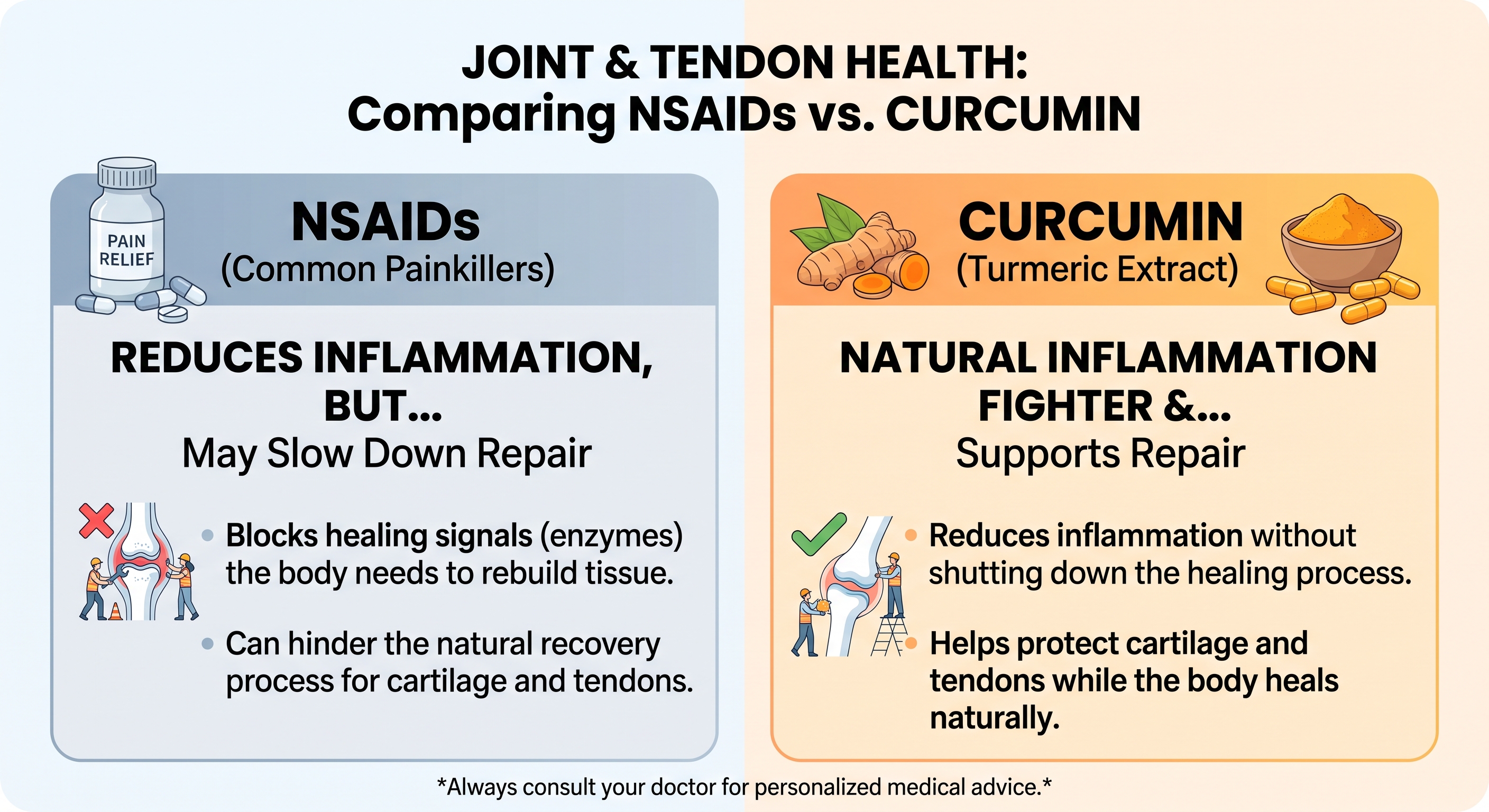
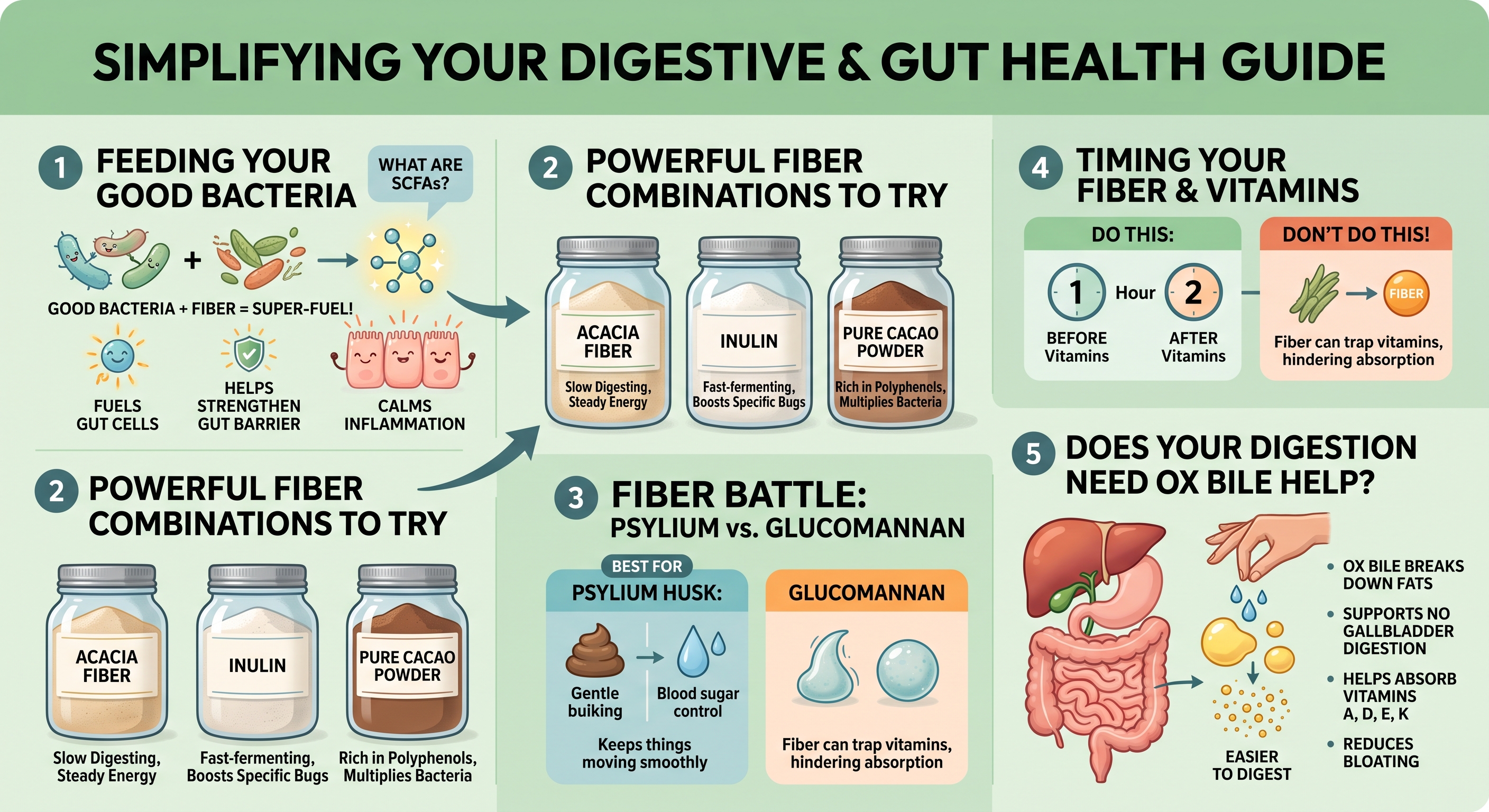
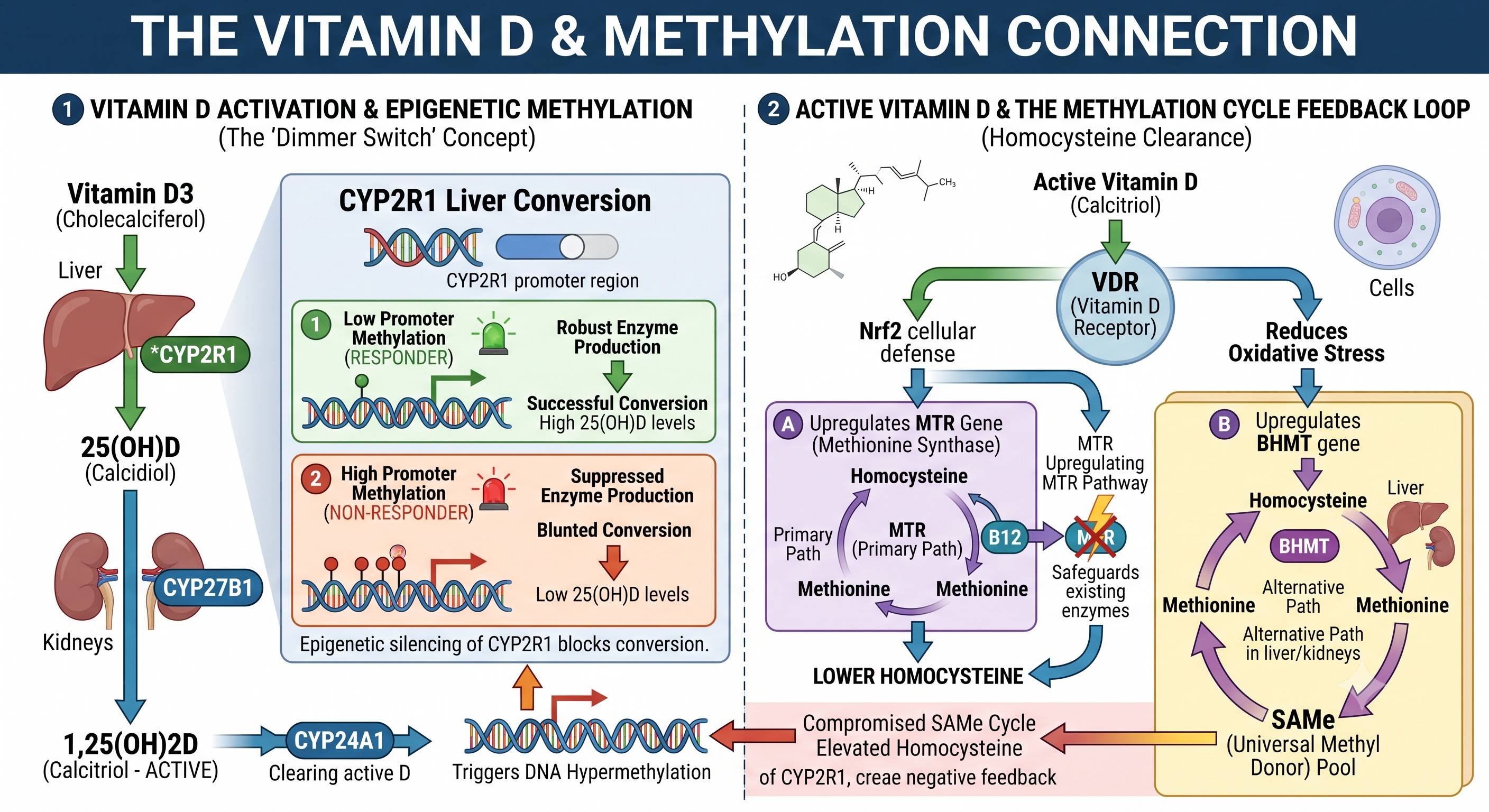
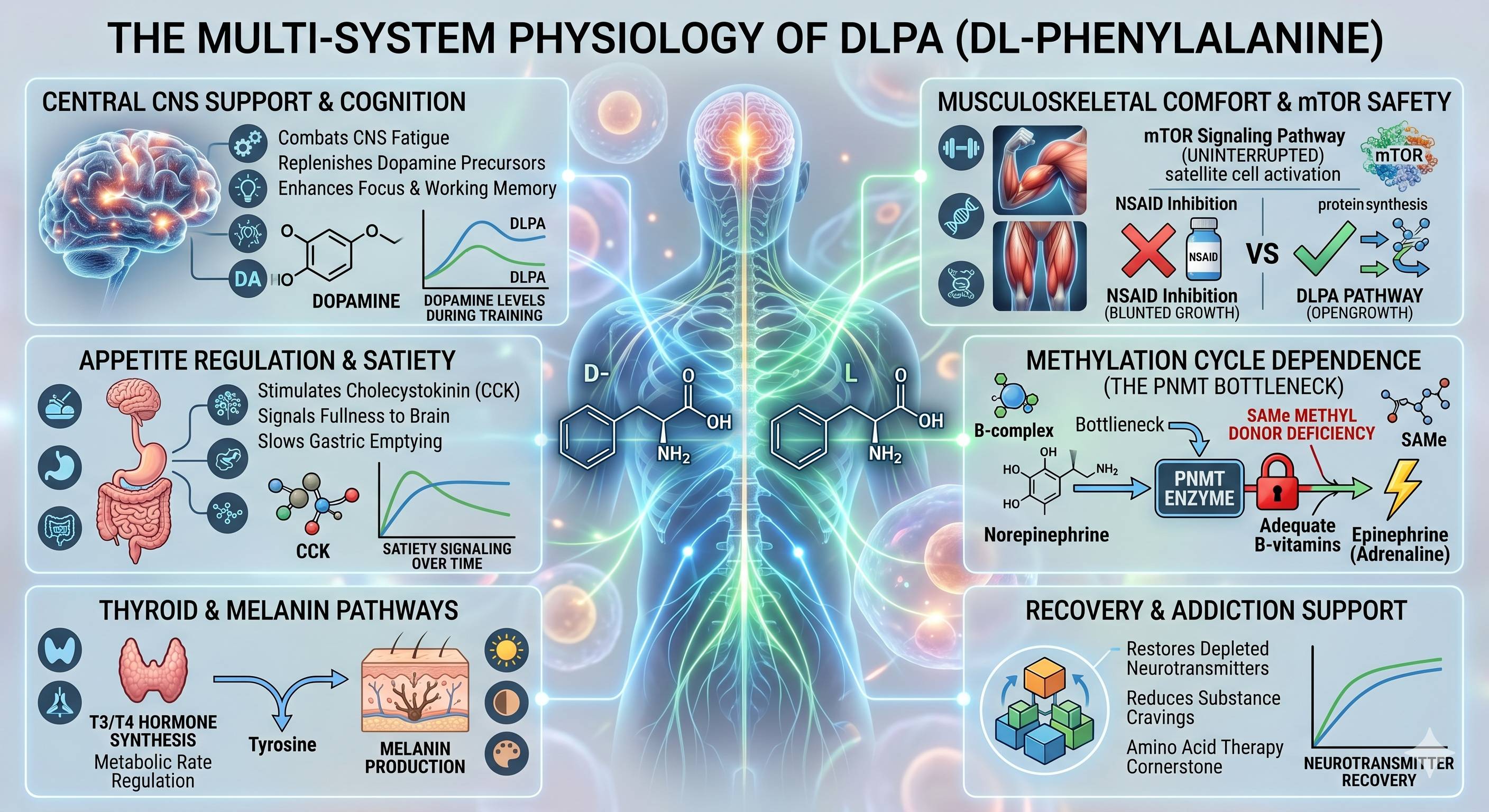

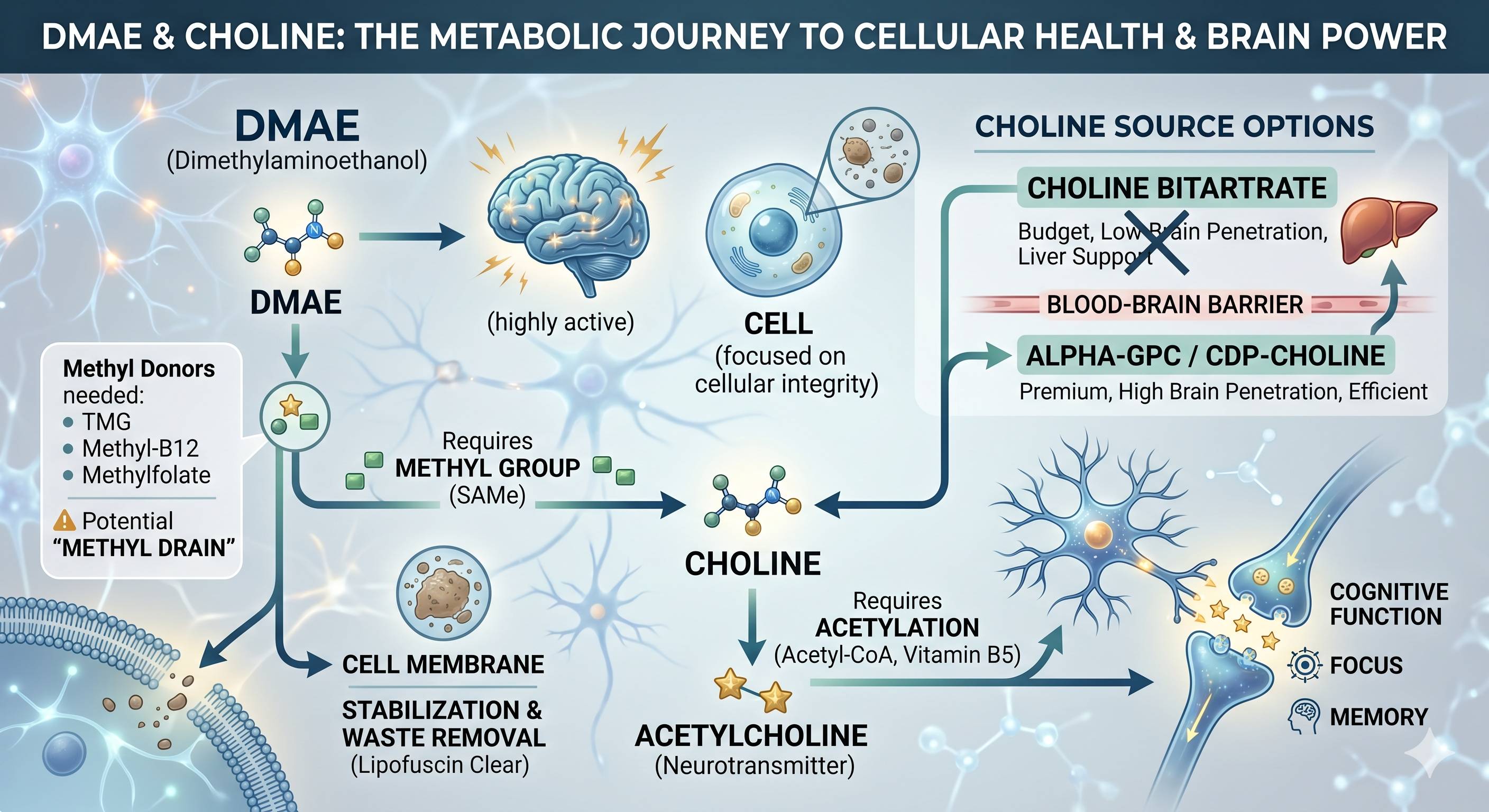
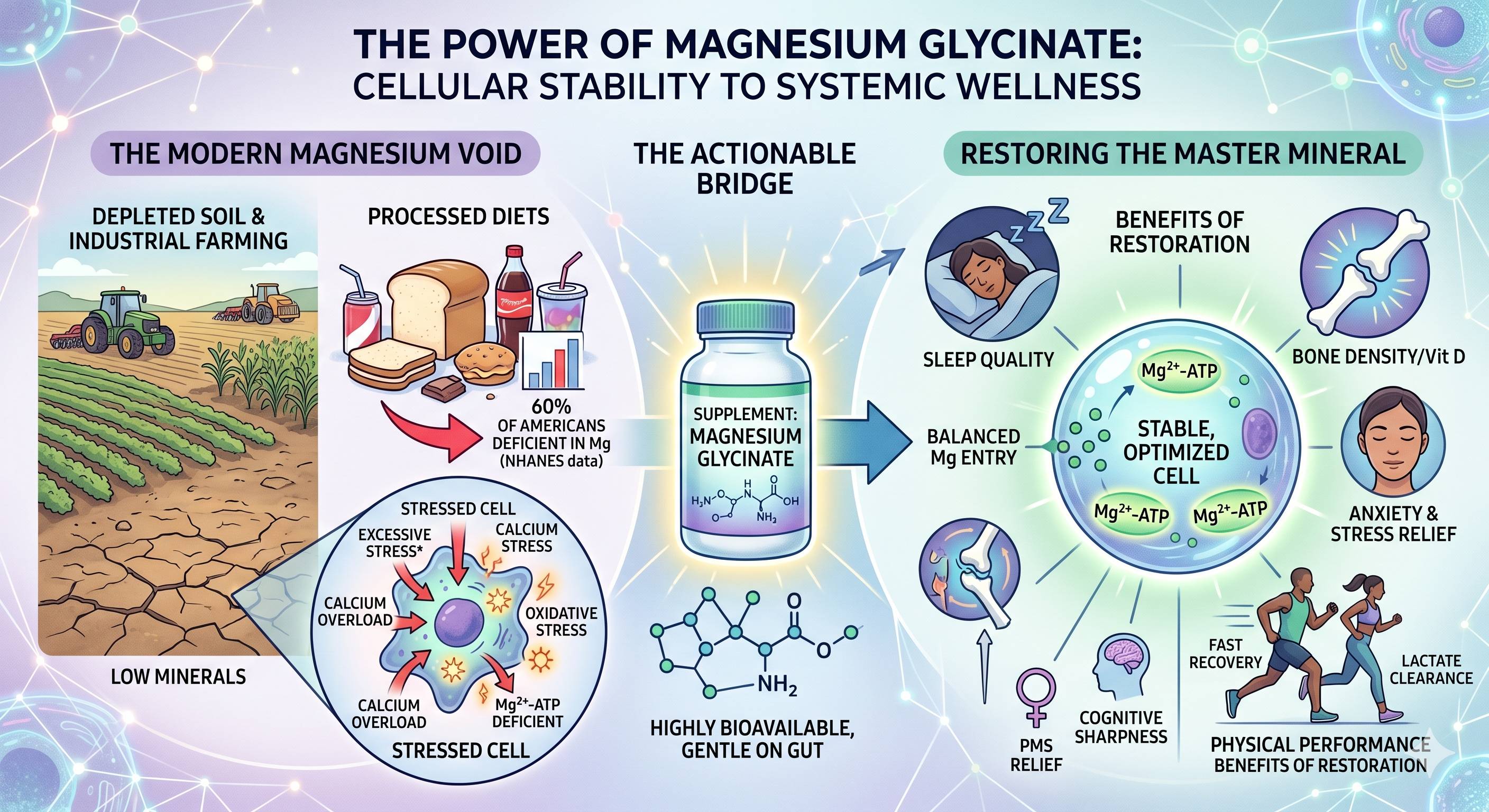
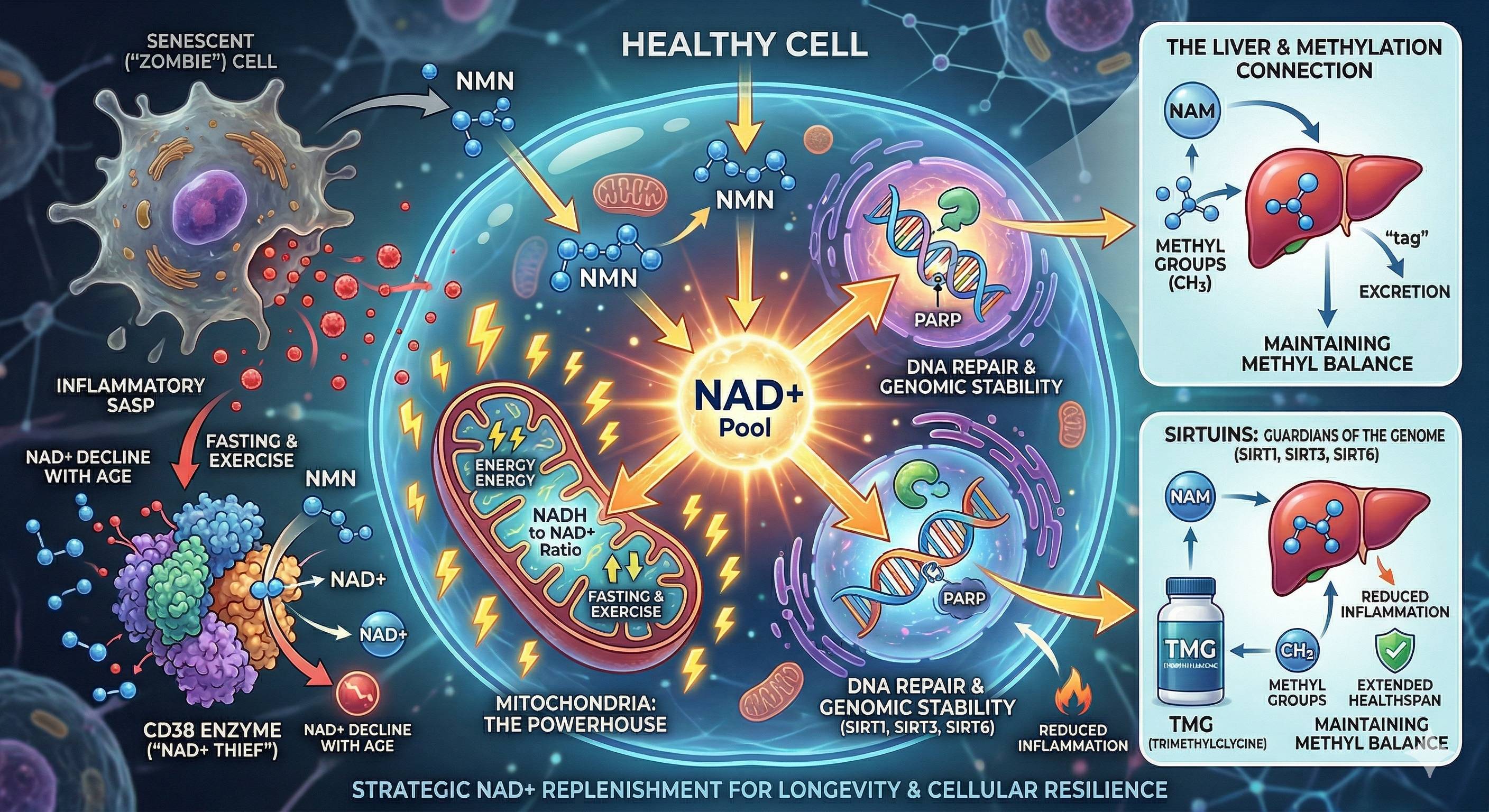
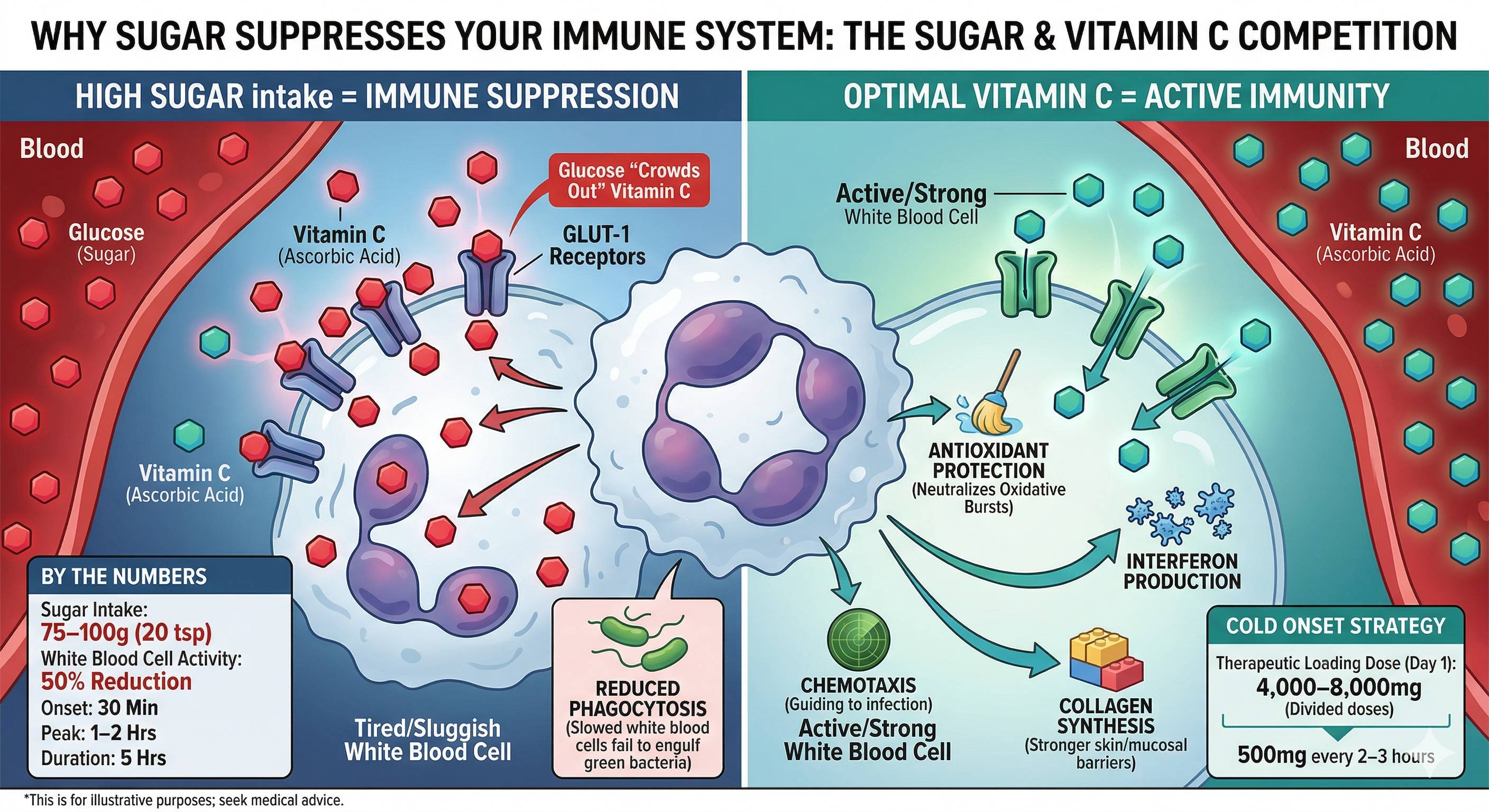
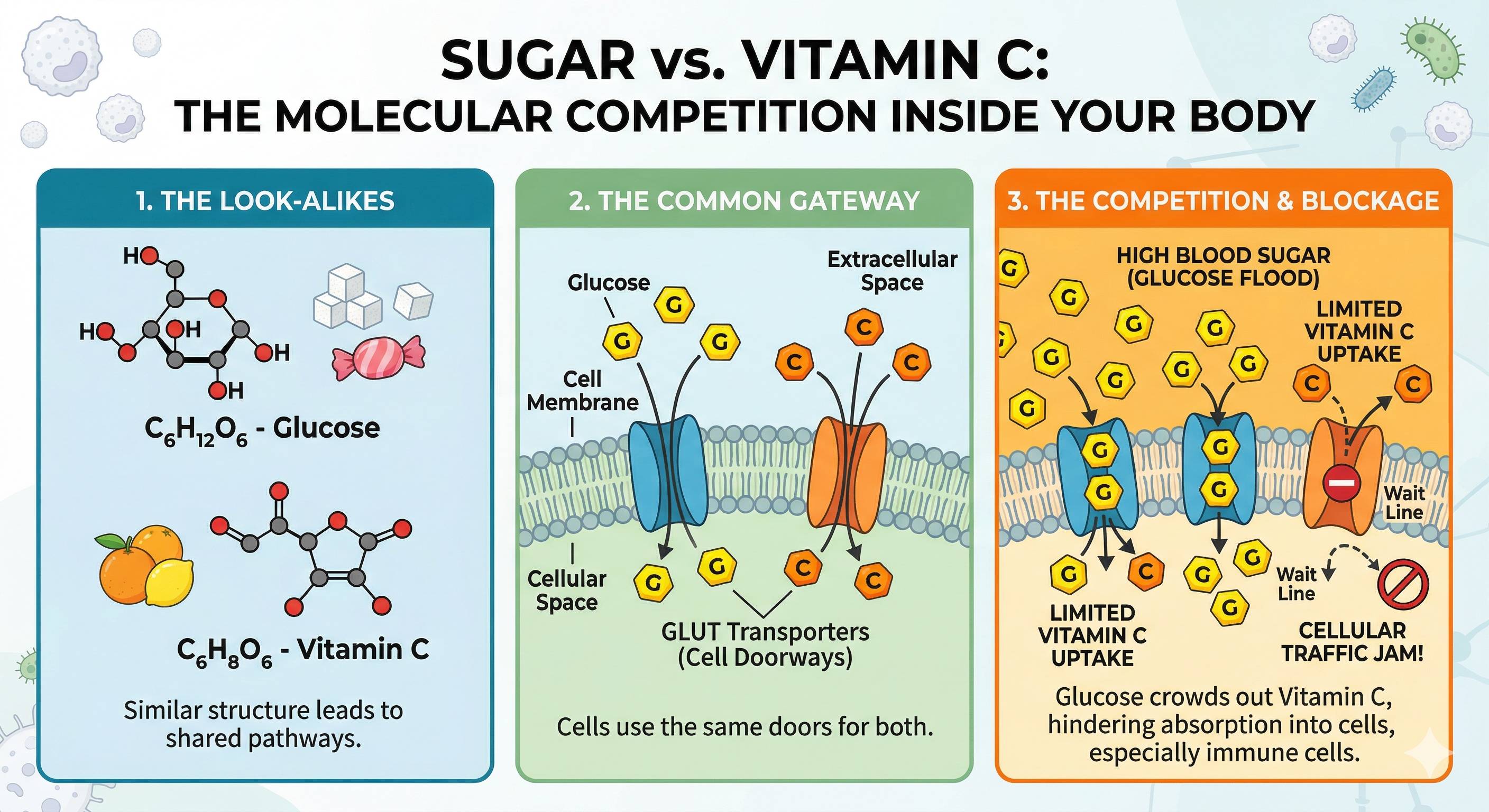
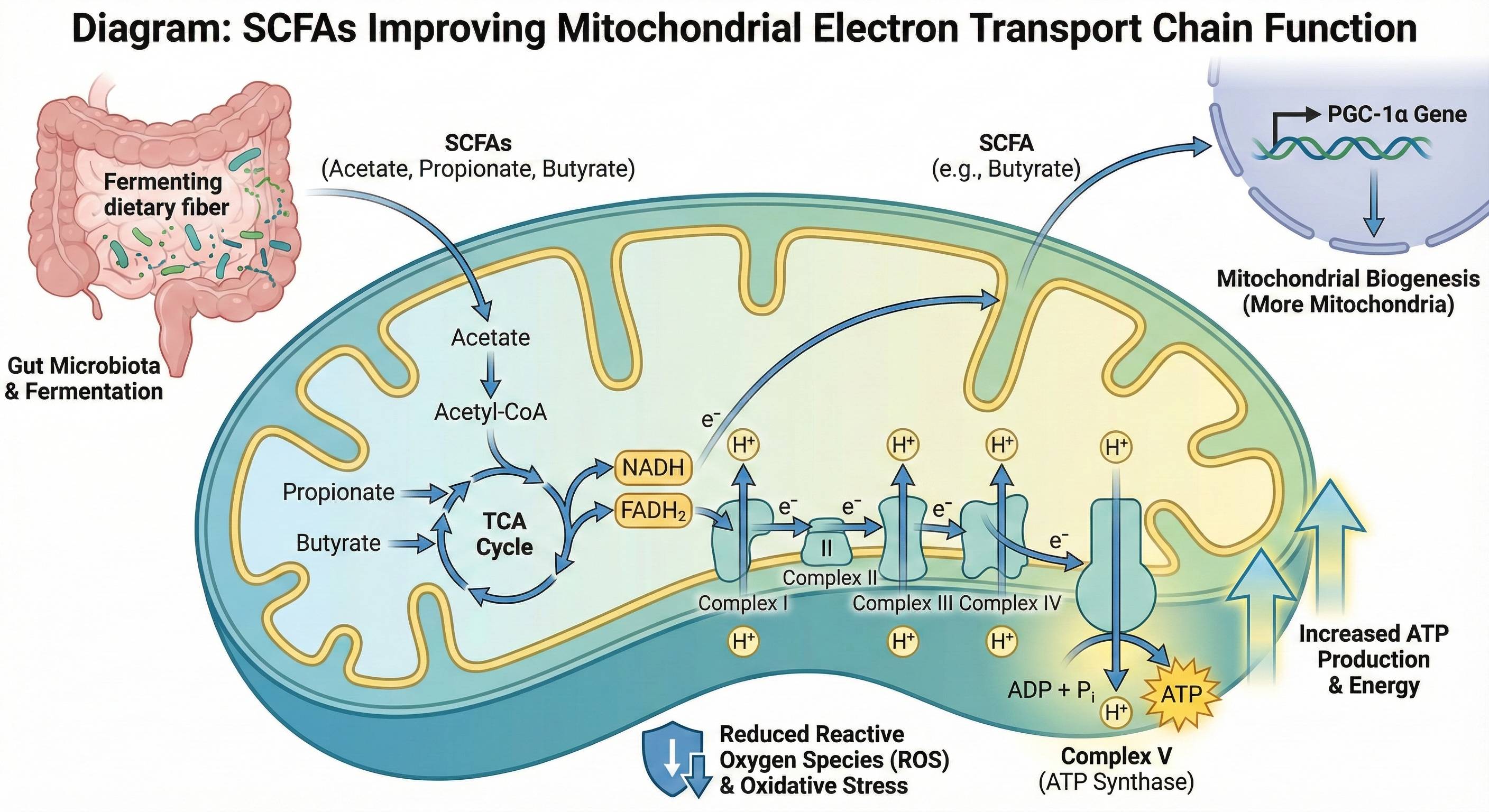

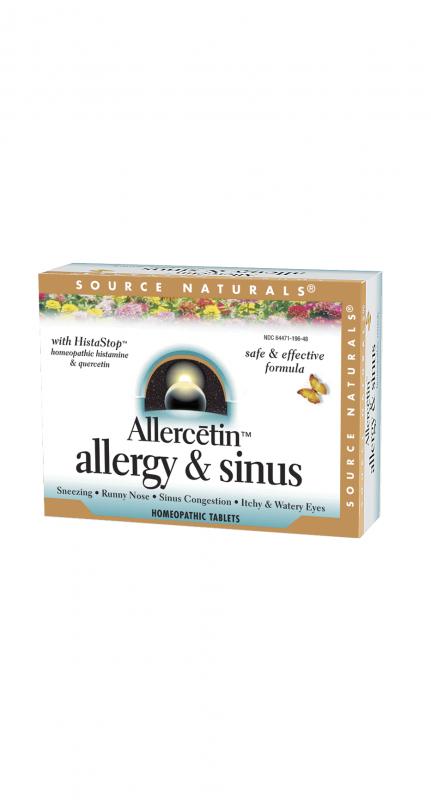



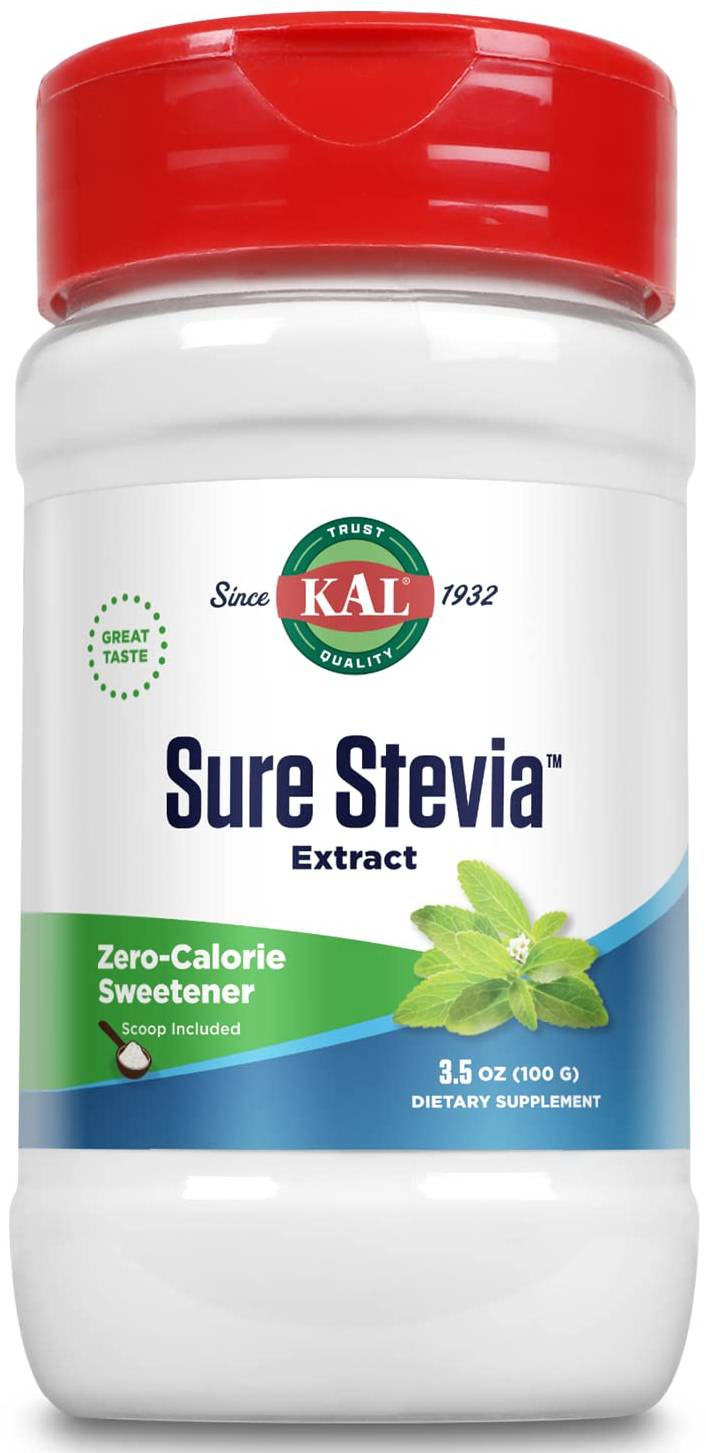


 Non ionizing radiation is all around us. It comes from many different sources, including our cell phones, laptops, and other electronics. While it is not as dangerous as ionizing radiation, it can still do a lot of damage to our bodies. This damage can lead to health problems down the road. That's why it's important to protect yourself with antioxidants. We will discuss the three best antioxidants to protect your body from non ionizing radiation: vitamin C, NAC, and greens!
  For centuries, Hawthorn Berry has been used to help support heart health. It is one of the most popular herbs for this purpose, and there is a lot of evidence to back up its use. Let's take a closer look at how Hawthorn Berry can help keep your heart healthy!
  The liver is a vital organ in the body that performs many essential functions. It can be damaged by a variety of factors, including disease, alcohol abuse, and exposure to toxic chemicals. Once the liver is damaged, can it be repaired? In this article, we will explore the answer to that question. We will also discuss the various ways that the liver can be damaged and how those damages can be repaired.