|
Search Term: " Fiber "
The Secret to Gut Health: Feeding Your Microbiome for Maximum SCFAs   
Date:
September 11, 2026 01:29 PM
Your Complete Guide to Digestive Support: Building a Thriving Gut MicrobiomeWhen we talk about digestive health, the conversation usually stops at taking a daily probiotic or drinking enough water. But true microbiome health goes much deeper. It involves feeding the good bacteria you already have, ensuring your body can properly break down fats, and timing your supplements right.If you want to optimize your digestion, you need to understand how different Fibers work, the magic of "postbiotics," and how specialized enzymes keep everything running smoothly. The Magic of Short-Chain Fatty Acids (SCFAs)To understand gut health, you have to understand a process called fermentation. When you eat dietary Fiber that your stomach can't digest, it travels down into your colon. There, your gut bacteria feast on it.When these good bacteria eat Fiber, they release beneficial byproducts called Short-Chain Fatty Acids (SCFAs) - most notably butyrate, acetate, and propionate. Think of SCFAs as the ultimate super-fuel for your digestive system. They provide the main energy source for the cells lining your colon, helping to keep the gut barrier strong and preventing "leaky gut." SCFAs also help calm inflammation throughout the body and play a massive role in healthy metabolism. But to get these benefits, you have to feed your microbiome the right type of Fibers. The Ultimate SCFA-Boosting TrioNot all Fibers are created equal. Some just add bulk to your stool, while others are "prebiotics" - meaning they actively feed your good bacteria. To maximize SCFA production, combining different types of prebiotic Fibers is incredibly effective.Here is a functional combination that acts as a powerhouse for your microbiome:
Glucomannan vs. Psyllium: Which Fiber is Right for You?If you are looking to supplement with an isolated Fiber for digestive support, you will likely encounter two heavyweight contenders: Glucomannan and Psyllium. Both are soluble Fibers, meaning they dissolve in water to form a gel in your stomach, but they act a bit differently.
Can You Take Fiber With Vitamins?A very common question is whether you can take your daily Fiber supplement alongside your morning vitamins.The short answer is no. You should separate them. Because soluble Fibers (like psyllium, glucomannan, and even high doses of acacia) form a thick, sticky gel in your digestive tract, they act like a sponge. If you take them at the exact same time as your daily vitamins or minerals, the Fiber can bind to the nutrients. Instead of absorbing those vitamins into your bloodstream, your body will simply sweep them out in your next bowel movement. The Golden Rule: Take your vitamin and mineral supplements at least 1 hour before or 2 hours after taking a heavy Fiber supplement. Beyond Fiber: The Benefits of Ox Bile for Fat DigestionFiber takes care of the carbohydrates, but what about the fats? Many people eat a healthy diet but still experience bloating, indigestion, or floating stools after a rich meal. This is often an issue with bile.Bile is a fluid produced by your liver and stored in your gallbladder. When you eat fats, your gallbladder squirts bile into your intestines. Think of bile like dish soap on a greasy frying pan—it emulsifies the fat, breaking it down into tiny droplets so your body can absorb it. If you have had your gallbladder removed, or if your liver is simply sluggish, your body might not release enough bile. This means fats pass through your system undigested, missing out on crucial fat-soluble vitamins (like Vitamins A, D, E, and K). This is where ox bile comes in. Taken as a supplement with meals, ox bile closely mimics human bile. The benefits include:
(https://vitanetonline.com:443/forums/Index.cfm?CFApp=1&Message_ID=6652) The Ultimate Guide to Cellular Longevity: NAD+, Methylation, and Senolytics 
Date:
September 10, 2026 10:57 AM
Introduction: Understanding Cellular Aging and Energy DeclineBiological aging represents a progressive decline in cellular maintenance, structural repair, and energy generation. Over decades, tissues experience an attrition of functional reserves, compromised stress resilience, and persistent low-grade systemic inflammation. At the cellular scale, biological degeneration is driven by a failure to generate bioenergetic fuel, repair genetic code, and clear metabolic waste.Cellular aging is characterized by interconnected biological disruptions known as the hallmarks of aging. These encompass genomic instability, epigenetic alterations, mitochondrial decay, loss of proteostasis, and cellular senescence. Rather than operating as isolated occurrences, these phenomena establish a self-reinforcing degenerative cycle: declining cellular power generation impairs enzymatic genetic repair, promoting the accumulation of damaged cells that enter irreversible growth arrest and poison surrounding healthy tissues. Mitigating cellular aging requires examining how microscopic bioenergetic pathways deteriorate and evaluating how targeted nutritional and biochemical interventions can restore cellular homeostasis. The Role of Mitochondria and ATP ProductionEvery biological function - from muscular contraction to continuous DNA replication - depends on adenosine triphosphate (ATP), the primary biochemical energy currency of living systems. Cells produce the vast majority of this energy within mitochondria through oxidative phosphorylation. Within these specialized organelles, metabolic intermediates derived from dietary carbohydrates and lipids donate high-energy electrons to the electron transport chain. The flow of these electrons across protein complexes establishes an electrochemical proton gradient across the inner mitochondrial membrane, driving ATP synthase to manufacture ATP.A youthful cell functions like an efficient municipal power grid, dynamically matching energetic demands with immediate ATP output. However, as biological aging progresses, mitochondrial efficiency declines. The electron transport chain becomes structurally leaky, inadvertently shedding electrons that react with ambient molecular oxygen to produce reactive oxygen species (ROS). While regulated levels of ROS participate in vital intracellular signaling, chronic excess induces widespread oxidative stress. Mitochondria are exceptionally vulnerable to this oxidative burden because they carry their own circular genetic material, known as mitochondrial DNA (mtDNA). Unlike nuclear DNA, mtDNA lacks the protective shielding of histone proteins and possesses rudimentary repair systems. As a result, mtDNA sustains cumulative oxidative damage, encoding increasingly defective electron transport chain proteins. This dynamic generates a bioenergetic deficit: degraded mitochondria synthesize progressively less ATP while emitting greater volumes of damaging free radicals. Deprived of optimal ATP reserves, cells lack the energy necessary to drive vital enzymatic repair cascades, accelerating structural degeneration and functional exhaustion. How Cellular Senescence Accelerates the Aging ProcessWhen healthy cells confront critical physiological damage - such as severe telomere attrition, persistent DNA double-strand breaks, or oxidative stress - they activate protective cell cycle arrest pathways governed primarily by the p53/p21^CIP1 and p16^INK4a/Rb molecular checkpoints. This defensive shutdown, termed cellular senescence, permanently prevents the replication of potentially premalignant or mutated cells.Senescent cells, colloquially known as "zombie cells," enter a state of permanent growth arrest while actively resisting programmed cell death (apoptosis). Over time, these cells accumulate within adipose depots, skeletal muscle, the vascular endothelium, and major organs, largely because immune surveillance and clearance pathways simultaneously lose functional efficiency. The systemic danger of senescent cells stems from their secretome. Rather than remaining biologically inert, senescent cells develop a hyperactive secretory state termed the Senescence-Associated Secretory Phenotype (SASP). The SASP is a destructive mixture of pro-inflammatory cytokines, chemokines, extracellular matrix-degrading matrix metalloproteinases (MMPs), and reactive oxygen species. Through this toxic secretome, even a small burden of senescent cells can impair whole-tissue architecture. SASP factors degrade surrounding structural proteins, induce insulin resistance in neighboring metabolic cells, and biochemically force adjacent healthy cells into secondary senescence. This persistent paracrine signaling fuels chronic, sterile, low-grade systemic inflammation, termed "inflammaging," which accelerates systemic tissue degeneration and elevates susceptibility to degenerative age-related pathologies. Nicotinamide Riboside (NR) and the NAD+ Salvage PathwayThe Biochemistry of NAD+ Depletion Over TimeNicotinamide adenine dinucleotide (NAD+) is an indispensable coenzyme present in every living cell. NAD+ fulfills a dual biological mandate: it serves as a central redox cofactor that shuttles electrons between cellular metabolic reactions, and it functions as an obligatory consumable substrate for regulatory enzymes that preserve cellular viability. In its redox capacity, NAD+ accepts electrons to form NADH during glycolysis, the tricarboxylic acid (TCA) cycle, and fatty acid beta-oxidation, subsequently donating those electrons to Complex I of the respiratory chain to power ATP synthesis.
The primary enzymatic driver of age-related NAD+ destruction is CD38, a membrane-bound glycohydrolase expressed on immune cells that is upregulated in response to chronic SASP exposure. Concurrently, lifelong genotoxic damage causes persistent activation of Poly(ADP-ribose) polymerase 1 (PARP-1), an enzyme that cleaves the glycosidic bonds of NAD+ to assemble branched poly(ADP-ribose) chains at DNA lesion sites. Because PARP-1 consumes NAD+ without directly recycling the molecule, chronic DNA damage depletes intracellular NAD+ pools, impairing bioenergetics and limiting sirtuin activity. How NR Efficiently Boosts Cellular NAD+ LevelsThe mammalian body maintains its NAD+ supply through three distinct biosynthetic routes: the de novo pathway from dietary L-tryptophan, the Preiss-Handler pathway from nicotinic acid (niacin), and the NAD+ Salvage Pathway. The de novo pathway requires substantial energy expenditure, consuming roughly sixty milligrams of dietary tryptophan to yield a single milligram of NAD+. The Preiss-Handler pathway, while effective, can induce cutaneous prostaglandin-mediated flushing at therapeutic intakes. Consequently, the salvage pathway serves as the primary mechanism for maintaining intracellular NAD+ pools.The salvage pathway recycles the breakdown product nicotinamide (NAM), which is released whenever NAD+-consuming enzymes execute their functions. Under normal conditions, cells convert free nicotinamide into nicotinamide mononucleotide (NMN) via the rate-limiting enzyme nicotinamide phosphoribosyltransferase (NAMPT), after which NMN adenylyltransferases (NMNAT1–3) complete the conversion into NAD+. However, NAMPT expression declines with advancing age, chronic inflammation, and metabolic stress, limiting the recycling capacity of the cell. Nicotinamide Riboside (NR) is a naturally occurring pyridine nucleoside that bypasses this enzymatic bottleneck. Upon cellular entry via equilibrative nucleoside transporters, NR is directly phosphorylated into NMN by nicotinamide riboside kinases (NRK1 and NRK2) using a single molecule of ATP. Because the NRK pathway remains intact and robust across the lifespan, NR provides an efficient alternative entry point into the NAD+ salvage cascade. Clinical evaluations in humans confirm the safety, bioavailability, and pharmacokinetics of oral NR supplementation. Randomized, double-blind, placebo-controlled trials reveal that oral NR chloride produces dose-dependent increases in steady-state whole blood NAD+ concentrations. Dosing regimens of 100 mg, 300 mg, and 1,000 mg daily elevate blood NAD+ levels by approximately 22%, 51%, and up to 142%, respectively, within two weeks of administration, maintaining these elevations throughout continuous use. High-resolution metabolomic analyses also demonstrate parallel elevations in nicotinic acid adenine dinucleotide (NAAD), establishing it as a reliable biomarker of active intracellular NAD+ synthesis without hepatic or systemic toxicity. Sirtuin Activation and DNA Repair MechanismsReplenishing intracellular NAD+ supports functions beyond mitochondrial ATP generation. NAD+ functions as an obligatory cofactor for sirtuins (SIRT1 through SIRT7), a family of class III histone and non-histone protein deacetylases that regulate stress resilience, metabolic homeostasis, and cell survival. Sirtuins couple the removal of acetyl groups from target lysine residues to the stoichiometric cleavage of NAD+, producing nicotinamide and O-acetyl-ADP-ribose. In states of NAD+ deficiency, sirtuin enzymes remain inactive regardless of cellular demand.In the nucleus, SIRT1 coordinates defense against cellular decline. When activated by restored NAD+ levels, SIRT1 deacetylates peroxisome proliferator-activated receptor-gamma coactivator 1-alpha (PGC-1a), the master transcriptional coactivator of mitochondrial biogenesis. This deacetylation stimulates mitochondrial replication and assembly, expanding functional respiratory capacity. Concurrently, SIRT1 deacetylates the p65 subunit of nuclear factor-kappa B (NF-kB), suppressing the transcription of pro-inflammatory cytokines. In the mitochondria, SIRT3 utilizes NAD+ to deacetylate metabolic enzymes and superoxide dismutase 2 (SOD2), enhancing the organelle's capacity to neutralize reactive oxygen species. At the same time, cellular NAD+ levels directly regulate genomic integrity through PARP-1. When genotoxic stress or oxidative damage induces single- or double-strand DNA breaks, PARP-1 binds to the damaged termini using its zinc-finger domains. Bound PARP-1 hydrolyzes NAD+ to synthesize extensive, negatively charged poly(ADP-ribose) polymers on itself and adjacent histones. This modification relaxes chromatin architecture and establishes an electrostatic scaffold that recruits base excision repair and homologous recombination complexes. Recent discoveries demonstrate close crosstalk between sirtuins and PARP-1 during DNA repair. PARP-1 recruits SIRT1 to double-strand breaks, where SIRT1 deacetylates the chromatin-remodeling ATPase BRG1 to displace nucleosomes and facilitate homologous recombination. However, because PARP-1 and SIRT1 draw from the same intracellular NAD+ pool, severe NAD+ depletion forces a biological compromise: PARP-1 consumes the scarce remaining cofactor to address DNA damage, leaving sirtuins deactivated. Restoring NAD+ via NR prevents this deficit, enabling concurrent genomic repair and sirtuin-mediated metabolic defense. Quercetin: A Powerful Senolytic and mTOR RegulatorClearing Senescent "Zombie" Cells from TissuesThe accumulation of senescent cells has driven interest in senolytics: molecules that selectively eliminate senescent cells while sparing healthy, non-senescent populations. Senolytic agents exploit a specific vulnerability in senescent cells. Because senescent cells produce cytotoxic, pro-inflammatory SASP factors that would normally induce their own death, they become dependent on upregulated Senescent Cell Anti-Apoptotic Pathways (SCAPs) to survive. The SCAP network involves anti-apoptotic proteins (such as BCL-2 and BCL-xL), the PI3K/Akt kinase cascade, and cyclin-dependent kinase inhibitors.Quercetin is a polyphenolic flavonoid found in capers, red onions, apples, and the flower buds of Sophora japonica. Beyond its classical antioxidant properties, quercetin functions as a senolytic compound that exerts multi-target inhibitory effects across the SCAP network. By inhibiting the upstream PI3K/Akt survival axis and downregulating anti-apoptotic defenses, quercetin disrupts the signaling that protects senescent cells from intrinsic apoptosis. Deprived of these survival signals, senescent cells undergo programmed cell death. Preclinical studies demonstrate that senolytic protocols utilizing quercetin - often combined with the tyrosine kinase inhibitor dasatinib - reduce senescent cell burden across multiple tissues. This targeted clearance lowers circulating SASP factors, attenuates tissue fibrosis, restores endothelial reactivity, and improves functional health span. By removing senescent cells, quercetin mitigates the primary driver of chronic, low-grade inflammaging. Modulating the mTOR Pathway for Optimal AutophagyThe mechanistic Target of Rapamycin (mTOR) is an evolutionarily conserved serine/threonine protein kinase that coordinates cellular metabolism by balancing anabolic growth with catabolic recycling. Operating within two multiprotein complexes - mTORC1 and mTORC2 - the mTOR pathway integrates signals from amino acids, growth factors, and intracellular energy levels. In nutrient-rich environments, mTORC1 promotes protein synthesis, lipogenesis, and cellular growth, while suppressing catabolic breakdown. Conversely, nutrient scarcity downregulates mTORC1, activating autophagy.Autophagy is an intracellular degradation system that packages damaged organelles, misfolded protein aggregates, and biological debris into double-membraned autophagosomes for lysosomal degradation and recycling. A specialized branch of this pathway, mitophagy, selectively targets and clears damaged mitochondria. In modern metabolic conditions characterized by continuous caloric intake, mTORC1 can remain persistently active. This persistent signaling suppresses autophagy, causing damaged organelles and toxic aggregates to accumulate within tissues. Quercetin functions as a natural modulator of mTOR signaling. By inhibiting upstream PI3K/Akt signaling and activating intracellular energy sensors, quercetin attenuates overactive mTORC1, mimicking the metabolic effects of caloric restriction. This down-regulation relieves inhibition on the ULK1 autophagy initiation complex, stimulating both general autophagy and mitophagy. As autophagy proceeds, cells clear protein aggregates and eliminate damaged mitochondria, supporting cellular longevity and proteostasis. Enhancing Absorption: Phytosomes and Dietary FatsDespite the biological activities of quercetin identified in experimental models, its clinical translation has historically been limited by poor oral bioavailability. Raw quercetin aglycone is a crystalline, hydrophobic polyphenol with poor solubility in water and gastrointestinal fluids. When ingested in unformulated powder forms, quercetin molecules aggregate in the gut lumen, resisting dissolution and passive absorption. Consequently, the vast majority of an unformulated dose passes into the colon unabsorbed, where it undergoes microbial degradation without reaching meaningful systemic concentrations.To address these pharmacokinetic limitations, advanced delivery systems such as phytosomes were engineered. A phytosome is a 100% food-grade molecular complex where individual polyphenolic molecules are bound to dietary phospholipids, typically sunflower-derived phosphatidylcholine. Unlike a classical liposome - which encapsulates water-soluble compounds inside an aqueous core enclosed by a lipid bilayer - a phytosome forms an amphiphilic complex at the molecular level. The polar head of the phosphatidylcholine molecule forms hydrogen bonds with the hydroxyl groups of the quercetin molecule, while its lipophilic fatty acid tails extend outward. This structural arrangement shields the polar regions of the flavonoid, creating a lipid-compatible complex that integrates smoothly into the intestinal mucosa.
The Importance of Methylation in Healthy AgingVitamin B-Complex and Choline as Essential Methyl DonorsMethylation is an essential biochemical process occurring billions of times each second across all human tissues. It involves the transfer of a single-carbon unit - a methyl group consisting of one carbon atom bound to three hydrogen atoms - (CH3) - from a donor molecule to diverse recipients, including DNA, RNA, structural proteins, neurotransmitters, and membrane phospholipids. This transfer of one-carbon units is coordinated by the methionine-homocysteine cycle, which sustains genetic stability, detoxification pathways, and cellular repair.At the center of this pathway sits S-adenosylmethionine (SAM), the universal methyl donor in human biology. When a methyltransferase enzyme transfers a methyl group from SAM to an acceptor molecule, SAM is converted into S-adenosylhomocysteine (SAH). SAH functions as a potent competitive inhibitor of intracellular methyltransferases. To maintain functional methylation, SAH is rapidly hydrolyzed into homocysteine, a sulfur-containing amino acid that must be remethylated or cleared through transsulfuration. Homocysteine clearance proceeds through two distinct remethylation pathways. The primary route operates across most tissues via the enzyme methionine synthase, which requires vitamin B12 in its active methylcobalamin form. Methionine synthase transfers a methyl group from 5-methyltetrahydrofolate (5-MTHF, the active form of folate) to homocysteine, regenerating methionine. The ongoing production of 5-MTHF depends on the enzyme methylenetetrahydrofolate reductase (MTHFR), which utilizes riboflavin (vitamin B2) as a cofactor. Alternatively, excess homocysteine can be routed into the transsulfuration pathway by vitamin B6 (as pyridoxal-5'-phosphate) to synthesize cystathionine, cysteine, and ultimately the antioxidant glutathione. A secondary remethylation pathway, active predominantly in hepatic and renal tissues, bypasses folate entirely. In this route, dietary choline is oxidized to betaine (trimethylglycine or TMG). The enzyme betaine-homocysteine S-methyltransferase (BHMT) then transfers a methyl group from betaine directly to homocysteine, yielding methionine and dimethylglycine. When dietary intake of active B-vitamins or choline is insufficient, or when genetic variations like MTHFR polymorphisms reduce pathway flux, the methylation cycle slows. Homocysteine accumulates in circulation, promoting vascular and neurological inflammation, while SAM reserves decline, restricting cellular methylation capacity. Understanding DNA Methylation and Epigenetic HealthEvery somatic cell in an organism carries an identical genetic code. Cellular differentiation and tissue-specific functions are governed by the epigenome: a regulatory layer of chemical modifications that dictates gene expression without altering underlying DNA sequences. DNA methylation represents the primary and most stable epigenetic modification. In this process, DNA methyltransferase (DNMT) enzymes utilize methyl groups donated by SAM to add a methyl tag to cytosine bases adjacent to guanine residues, forming 5-methylcytosine within CpG dinucleotide sites.Under physiological conditions, DNA methylation maintains genomic stability and coordinates transcription. Methylation of promoter regions condenses chromatin, repressing transposable elements and silencing genes inappropriate for a given cell type. Conversely, hypomethylated promoters maintain an open chromatin state, allowing transcription factors to bind and initiate gene expression. During biological aging, this epigenetic landscape undergoes progressive dysregulation, a phenomenon termed "epigenetic drift". Aging cells experience global hypomethylation alongside focal hypermethylation of specific gene promoters. Global loss of methyl tags destabilizes the genome, activating retrotransposons and pro-inflammatory pathways. Simultaneously, hypermethylation at targeted promoter sites silences critical tumor suppressor genes and DNA repair complexes. This systematic change in DNA methylation patterns is consistent across populations, allowing researchers to develop molecular "epigenetic clocks". Algorithms such as the Horvath clock, PhenoAge, and GrimAge quantify biological age by profiling the methylation status of specific CpG sites across the genome. These clocks assess whether individuals are aging faster or slower than their chronological years. Ensuring a steady supply of methyl donors and preventing unnecessary SAM depletion supports DNMT activity, maintaining epigenetic patterns and genomic stability. How the Methylation Cycle Impacts Energy and Cognitive FocusBeyond long-term epigenetic regulation, the methylation cycle directly modulates immediate biochemical processes that govern daily energy, neurotransmission, and cognitive focus. Compromised methylation capacity frequently manifests as cognitive slowing, executive fatigue, and reduced physical stamina.A major consumer of methyl reserves is the endogenous synthesis of creatine. Approximately 40% of all SAM-derived methyl groups in the human body are utilized by guanidinoacetate N-methyltransferase (GAMT) in the liver to synthesize creatine. Creatine then translocates to the brain and skeletal muscle, where it is phosphorylated into phosphocreatine. Phosphocreatine functions as a rapid energy buffer, donating a high-energy phosphate group to regenerate ADP into ATP in milliseconds during demanding physical or cognitive tasks. When methyl donor availability falls, endogenous creatine synthesis drops, depleting phosphocreatine reserves and increasing susceptibility to neuromuscular and cognitive fatigue. Methylation is equally central to central nervous system architecture. SAM provides methyl groups to convert phosphatidylethanolamine into phosphatidylcholine, the predominant phospholipid comprising neuronal cell membranes and the myelin sheaths that insulate axons. Intact myelin preserves rapid action potential conduction throughout the nervous system. Furthermore, free choline derived from this pathway is the direct precursor to acetylcholine, the neurotransmitter required for attention, working memory, and learning. The methylation cycle also governs monoamine neurotransmitter metabolism. SAM is required for the synthesis of adrenaline (epinephrine) from noradrenaline, while catechol-O-methyltransferase (COMT) relies on SAM to degrade dopamine and norepinephrine within the prefrontal cortex. Sluggish methylation disrupts this balance, contributing to cognitive fatigue, mood variability, and impaired mental performance. Building a Comprehensive Longevity ProtocolSynergizing NR, Quercetin, and Methylated B-VitaminsLongevity supplementation often falters when single molecules are administered in isolation, ignoring interconnected metabolic pathways. Designing an effective cellular longevity protocol requires combining complementary mechanisms that reinforce one another while preventing secondary metabolic deficits. The combination of Nicotinamide Riboside, Quercetin Phytosome, and Methylated B-Vitamins illustrates this multi-target synergy.This synergy is grounded in the direct biochemical intersection between the NAD+ salvage pathway and the methylation cycle. When high-dose NR is supplemented to boost systemic NAD+, sirtuins and PARP enzymes consume the newly synthesized cofactor, generating substantial quantities of free nicotinamide (NAM). This intracellular nicotinamide faces two primary metabolic fates: it can be recycled back into NAD+ through the NAMPT-dependent salvage loop, or it can be cleared via methylation. When the influx of nicotinamide exceeds salvage recycling capacity, the excess is cleared to avoid feedback inhibition of sirtuin enzymes. To accomplish this, the enzyme nicotinamide N-methyltransferase (NNMT) transfers a methyl group from SAM directly onto nicotinamide, forming 1-methylnicotinamide (1-MNA/MNAM), which is subsequently excreted in urine. Prolonged, high-dose precursor administration without nutritional methyl support can elevate NNMT flux, depleting intracellular SAM reserves. As methyl groups are consumed clearing nicotinamide, the cellular SAM-to-SAH ratio falls, which can elevate circulating homocysteine and reduce methyl availability for DNA methylation and neurotransmitter synthesis. Co-administering a fully methylated B-complex alongside choline or betaine addresses this potential bottleneck. Providing active methyl donors (such as 5-MTHF, methylcobalamin, and betaine) maintains the one-carbon donor pool. Even during increased NNMT activity, SAM pools remain stable, protecting DNA methylation fidelity and maintaining homocysteine within safe parameters. Quercetin reinforces this protocol through complementary mechanisms. By clearing senescent cells and reducing SASP-mediated inflammation, quercetin downregulates CD38, the primary enzyme responsible for age-related NAD+ degradation. Suppressing CD38 prevents unnecessary breakdown of newly synthesized NAD+, enhancing the efficiency of NR supplementation. Furthermore, while NR provides the NAD+ necessary to activate SIRT1-driven mitochondrial biogenesis, quercetin concurrently modulates mTORC1 to stimulate autophagy. This coordinated action ensures that newly generated mitochondria operate in an environment cleared of proteotoxic cellular debris. The Crucial Role of Magnesium Glycinate and Zinc in Cellular FunctionLongevity protocols require essential mineral cofactors to function efficiently. Without adequate divalent minerals acting as enzymatic cofactors and structural stabilizers, metabolic longevity pathways cannot operate at full capacity. Among these, magnesium and zinc are required for cellular repair, genomic stability, and energy production.Magnesium serves as an obligatory cofactor in over 300 enzymatic reactions, primarily through its interaction with ATP. In biological systems, ATP exists predominantly as a chelate with a divalent magnesium ion, forming biologically active Mg2+ -ATP. Every enzymatic reaction that synthesizes, transfers, or consumes cellular energy - including the enzymes of the NAD+ salvage pathway (NRK and NMNAT) and DNA polymerases - strictly requires Mg2+ -ATP as its substrate. Magnesium deficiency impairs these phosphorylation reactions, reducing the cellular utilization of NAD+ precursors. Additionally, magnesium is an essential cofactor for the enzymes that activate dietary B-vitamins into their active forms. Supplying magnesium as magnesium glycinate provides high gastrointestinal bioavailability, minimal laxative effect, and yields glycine to support inhibitory neurotransmission and restful sleep. Zinc serves as a vital structural component for more than 3,000 human transcription factors and enzymatic proteins. Its most prominent structural role in longevity occurs within zinc-finger motifs. These are specialized protein conformations stabilized by a zinc ion coordinated to cysteine and histidine residues. The DNA damage sensor PARP-1 utilizes three zinc-finger domains to identify, track, and physically bind to single- and double-strand DNA breaks. Without adequate intracellular zinc, PARP-1 cannot properly assemble or dock onto damaged chromosomes, impairing DNA repair and increasing genomic instability. Zinc is also an obligatory structural component of copper/zinc superoxide dismutase (Cu/Zn-SOD or SOD1), the primary cytosolic antioxidant enzyme that dismutates superoxide radicals into hydrogen peroxide, protecting mitochondrial membranes and nuclear DNA from premature senescence. Integrating Prebiotics (like Acacia and Inulin) for Gut-Derived Longevity MarkersA comprehensive cellular longevity framework must extend beyond somatic tissues to encompass the gut microbiome. The intestinal microbiome functions as a central regulator of systemic inflammatory tone, immune development, and metabolic signaling. Age-associated dysbiosis - characterized by the loss of beneficial commensals and an overgrowth of pathobionts - frequently leads to breakdown of the intestinal barrier.The gut epithelium consists of a single-cell monolayer sealed by tight junction proteins, including zonula occludens-1 (ZO-1), occludin, and claudins. When this physical barrier is disrupted by poor dietary Fiber intake or dysbiosis, gut permeability increases. This allows lipopolysaccharide (LPS), a component of the outer membrane of Gram-negative bacteria, to enter the portal and systemic circulation. The resulting "metabolic endotoxemia" activates Toll-like receptor 4 (TLR4) on immune cells, inducing NF-kB and systemic pro-inflammatory cytokine production. This persistent gut-derived inflammation exacerbates the SASP, accelerates tissue senescence, upregulates CD38, and drains systemic NAD+ reserves.
These short-chain fatty acids, particularly butyrate, exert direct protective effects on systemic longevity. Butyrate provides the primary metabolic fuel for colonic epithelial cells, supplying more than 70% of their baseline energy needs and supporting mitochondrial function within colonocytes. Furthermore, SCFAs upregulate the expression of epithelial tight junction proteins (ZO-1, occludin, and claudin-1), restoring intestinal barrier integrity and preventing the translocation of inflammatory LPS into systemic circulation. Systemically absorbed butyrate also functions as an endogenous histone deacetylase (HDAC) inhibitor, suppressing pro-inflammatory gene expression and supporting regulatory T cell (T_reg) development. Reducing metabolic endotoxemia dampens systemic inflammation, protecting vascular function and preventing premature NAD+ depletion. Conclusion: The Integrated Cellular Longevity MatrixCellular longevity is achieved not by addressing isolated biomarkers in isolation, but by systematically supporting interconnected biological pathways. As bioenergetic capacity declines, cellular senescence accelerates, epigenetic patterns degrade, and gut barrier integrity weakens. A comprehensive approach addresses these biological vulnerabilities simultaneously.
Quercetin Phytosome clears senescent cells and modulates mTORC1, stimulating autophagy while dampening the inflammatory SASP cascade that accelerates CD38-mediated NAD+ destruction. Methylated B-vitamins, active folate, and choline replenish SAM reserves, balancing the methyl requirements of NNMT-mediated nicotinamide clearance, preserving epigenetic DNA methylation, and maintaining neurotransmitter production. Magnesium glycinate and zinc provide the structural and catalytic foundation required for ATP utilization, B-vitamin activation, and PARP-1 zinc-finger DNA repair docking. Finally, prebiotic Fibers generate short-chain fatty acids like butyrate, reinforcing the intestinal barrier and preventing metabolic endotoxemia from fueling systemic inflammation. By coordinating energy replenishment, cellular waste clearance, epigenetic maintenance, and the suppression of systemic inflammation, this unified approach directly addresses the underlying drivers of cellular aging to support long-term physiological vitality.
--
(https://vitanetonline.com:443/forums/Index.cfm?CFApp=1&Message_ID=6650) The Gut Health Blueprint: How Zhou Nutrition Combines Prebiotic Fiber and Superfood Greens
Date:
August 26, 2026 01:25 PM
The foundation of effective gut support starts with a dual-action Fiber blend of psyllium husk and resistant potato starch. Psyllium husk acts like a gentle, natural broom, absorbing water to form a soft gel that sweeps metabolic waste smoothly through the intestines and supports effortless regularity. Meanwhile, resistant potato starch bypasses early digestion to travel deep into the colon. Once there, friendly bacteria feast on it and produce short-chain fatty acids like butyrate - the primary fuel that repairs and strengthens the cells lining your intestinal wall to keep your gut barrier tight and protected. Adding a vibrant spectrum of organic greens, microalgae, and botanicals takes digestive wellness to the next level. Living cereal grasses - including barley grass, wheatgrass, oat grass, and alfalfa - deliver soothing chlorophyll, trace minerals, and natural plant enzymes that help maintain a balanced internal pH. When paired with nutrient-packed kale, cell-cleansing spirulina and chlorella, immune-fortifying astragalus root, and refreshing lemon juice, this formula helps calm gut irritation, stimulates natural digestive fluids, and creates the ultimate nourishing habitat for your microbiome to flourish. Key Benefits
(https://vitanetonline.com:443/forums/Index.cfm?CFApp=1&Message_ID=6647) Clean Your Colon with Now Foods - 7 Day Colon Cleanse Formula!
Date:
August 26, 2026 12:03 PM
The primary health benefits stem from a balanced blend of synergistic ingredients. Psyllium husk (500 mg) provides essential soluble Fiber that absorbs water, expands in the intestinal lumen, and binds waste material to facilitate smooth transit. To stimulate colonic motility and relieve occasional constipation, the formula pairs Cascara Sagrada bark (300 mg) with Organic Senna leaf (300 mg), which contain natural anthraquinones that trigger gentle peristaltic contractions. To offset cramping and support intestinal comfort, the blend incorporates Organic Aloe Vera inner leaf (100 mg) and Licorice root (50 mg) to soothe delicate mucosal linings, alongside Fennel seed (50 mg) to provide carminative action that eases bloating and gas. This protocol is intended for episodic use—taking 1 to 2 capsules at bedtime with at least 8 ounces of water for up to seven consecutive days. Because the formula contains stimulant botanicals, it is designed strictly for short cycles with a recommended six-week break between programs to prevent bowel dependence. When paired with ample hydration and a post-cleanse probiotic or prebiotic routine, it serves as an effective periodic reset to restore digestive regularity and a lighter, less bloated feel.
(https://vitanetonline.com:443/forums/Index.cfm?CFApp=1&Message_ID=6646) Choline: The Liver’s Fat-Export Engine
Date:
June 24, 2026 11:48 AM
Without sufficient choline, the liver's ability to process and export fats grinds to a halt. The Liver’s Fat-Export MechanismThe primary reason the liver requires choline comes down to a specific molecule: phosphatidylcholine (PC).When you eat fats or liberate stored fatty acids, your liver processes them into triglycerides. To move these triglycerides out of the liver and deliver them to muscle or adipose (fat) tissue for energy or storage, the liver has to package them into transport vehicles called VLDL (Very Low-Density Lipoproteins). Phosphatidylcholine forms the essential outer shell of these VLDL transport "boats." If you don't have enough choline, your liver cannot manufacture this outer shell, meaning the boats cannot be built, and fat cannot leave the liver. What Happens When Choline is Deficient?When dietary choline drops below critical levels, a highly predictable cascade of liver dysfunction occurs:
Dietary Benchmarks & SourcesTo prevent fat accumulation and support proper VLDL export, the Food and Nutrition Board establishes specific Adequate Intake (AI) targets, though optimal metabolic and athletic performance may require a more robust baseline.
Summary: Choline acts as a critical logistics coordinator for liver health, serving as a non-negotiable raw material for exporting fat out of the organ. Specifically, the liver relies on choline to produce phosphatidylcholine, a molecule that forms the essential outer shell of Very Low-Density Lipoproteins (VLDL). Think of VLDLs as transport boats designed to safely carry triglycerides out of the liver and deliver them to the rest of the body for energy or storage. Without an adequate dietary supply of choline, the liver simply cannot build these outer shells, causing the entire transport system to grind to a halt and leaving processed fats stranded inside liver cells. When this export mechanism stalls, the stranded fat quickly triggers a highly predictable cascade of liver dysfunction. This buildup leads directly to fat accumulation - historically known as fatty liver disease and now classified as MASLD - which quickly overwhelms the cellular mitochondria. The resulting oxidative stress and cellular injury spark chronic inflammation (MASH), causing liver cells to die and potentially leading to permanent scarring or fibrosis over time. Furthermore, a severe shortage of dietary choline starves the body's methylation cycle, forcing it to deplete vital SAMe pools in a desperate, structurally taxing attempt to manufacture its own phosphatidylcholine.
(https://vitanetonline.com:443/forums/Index.cfm?CFApp=1&Message_ID=6643) Leaky Gut vs. The Postbiotic Fortress: Strengthening Your Microbiome Shield
Date:
February 20, 2026 01:50 PM
The "Postbiotic" Revolution: Why Your Gut’s Waste is Its Best AssetFor years, the conversation around gut health was a two-player game. You had Prebiotics (the Fiber-rich "fuel") and Probiotics (the "live bacteria"). But in 2025 and 2026, the scientific community has pivoted to the third and most important piece of the puzzle: Postbiotics.While we’ve long obsessed over the "tenants" living in our gut, we are finally realizing that it’s their work - specifically the chemical metabolites they produce - that actually runs the show. Postbiotics, particularly Short-Chain Fatty Acids (SCFAs) like Butyrate, Propionate, and Acetate, are the actual "workers" that translate bacterial activity into human health. The Big Three: Acetate, Propionate, and ButyrateWhen you eat a high-Fiber meal, your microbiome ferments those Fibers into SCFAs. These aren't just waste products; they are high-powered signaling molecules that act like a Wi-Fi signal between your gut and the rest of your body.
Feeding the Gut from the Inside OutMost cells in your body get their energy from the bloodstream. Your colonocytes (the cells lining your large intestine) are different. They are the only cells in the human body that prefer to eat "locally."Butyrate serves as the primary fuel source for these cells, providing up to 70% of their total energy requirements. Research from late 2025 emphasizes that without adequate butyrate, colon cells undergo a form of "cellular starvation," leading to a breakdown in the gut barrier—often referred to as "leaky gut." By "feeding" these cells from the inside, butyrate ensures the intestinal wall remains a tight, fortress-like seal against toxins. 2025/2026 Research: The Signaling RevolutionThe most exciting shift in recent research (2025-2026) is the discovery of how these metabolites act as "systemic messengers." They don't just stay in the gut; they enter the bloodstream and talk to your most vital systems:
Why Postbiotics are the FutureThe beauty of postbiotics lies in their stability. Unlike probiotics, which can die on the shelf or in your stomach acid, postbiotics are heat-stable and have a predictable impact.We are moving away from the "spray and pray" method of taking random bacteria and toward a precision model: delivering the specific metabolites your body needs to thrive. The "Postbiotic" Revolution marks a pivotal shift in gut health, moving beyond live bacteria to focus on the powerful metabolites they produce, specifically Short-Chain Fatty Acids (SCFAs) like Acetate, Propionate, and Butyrate. While 2025/2026 research highlights how these molecules act as systemic messengers - regulating neuroinflammation in the brain and triggering natural satiety hormones like GLP-1 - the most critical scientific breakthrough remains the role of Butyrate as the primary energy source for colon cells. By fueling colonocytes from the inside out, these postbiotics maintain the integrity of the gut barrier and serve as the "actual workers" that translate microbial activity into tangible improvements for the immune system and metabolism.
(https://vitanetonline.com:443/forums/Index.cfm?CFApp=1&Message_ID=6631) Can Inulin and Acacia Fiber, Both a prebiotic, cause friendly bacteria to produce short-chain fatty acids like Berberine helps promote the growth of beneficial Bacteria?
Date:
November 15, 2025 11:00 AM
Yes, absolutely! Both inulin and acacia Fiber are classic examples of prebiotic soluble Fibers, and their primary mechanism is to feed beneficial gut bacteria, which in turn produce short-chain fatty acids (SCFAs), including butyrate. Here’s a breakdown of how they compare to the berberine mechanism you mentioned. Prebiotic Fibers (Inulin & Acacia)This is a direct fermentation process.
BerberineBerberine's route to creating SCFAs is more indirect.As you noted, berberine isn't a Fiber that bacteria ferment. Instead, it acts as a microbiome modulator:
Key TakeawayYou are right on track. While berberine helps manage the bacterial "team" to favor SCFA production, inulin and acacia Fiber are the actual "food" or "fuel" that the team uses to create those SCFAs.Both pathways can lead to the same beneficial outcome - more of your body's own butyrate and other SCFAs.
(https://vitanetonline.com:443/forums/Index.cfm?CFApp=1&Message_ID=6627) Struggling with Weight and a Slow Metabolism
Date:
November 04, 2025 01:33 PM
Struggling with Weight and a Slow Metabolism?If you're looking for a natural way to support your goals, cloves may be able to help. This common spice has been valued for centuries, not only for its flavor but also for its medicinal properties. The Health Benefits of ClovesCloves are packed with nutrients, including manganese and Fiber. Their main active compound, Eugenol, is known for its potential to boost metabolism.Key benefits may include:
Simple Clove Drink RecipeYou only need two simple ingredients to get started:
Would you like me to shorten this, expand on the science, or adapt it for a different purpose?
(https://vitanetonline.com:443/forums/Index.cfm?CFApp=1&Message_ID=6623) Now Foods Inulin: Nurturing Your Gut Health and Strengthening Your Immune System
Date:
December 06, 2024 04:02 PM
Now Foods Inulin: Nurturing Your Gut Health and Strengthening Your Immune System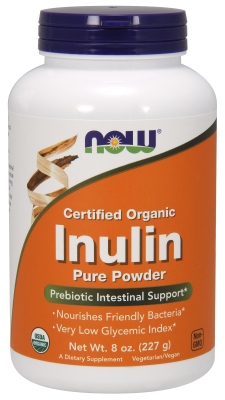 Discover the Power of Inulin, a Soluble Fiber that Feeds Friendly Bacteria The human gut is a complex ecosystem teeming with trillions of microorganisms, collectively known as the gut microbiota. This intricate network of bacteria plays a fundamental role in our overall well-being, influencing digestion, metabolism, and even immune function. Maintaining a healthy gut microbiota is crucial for optimal health, and one way to support this delicate balance is through the consumption of dietary Fibers like inulin.
Understanding InulinInulin is a type of soluble Fiber found in various plants, such as chicory root, dandelion root, and Jerusalem artichoke. It is composed of a chain of fructose molecules linked together and serves as a prebiotic—a substance that selectively stimulates the growth and activity of beneficial bacteria in the gut. Unlike other carbohydrates, inulin passes through the upper digestive tract largely intact and reaches the large intestine, where it serves as a valuable fuel source for our gut microbiota.
Nurturing Your Gut MicrobiotaThe gut microbiota thrives on diverse nutrients, with inulin serving as a key fuel source. Beneficial bacteria like Bifidobacteria and Lactobacilli ferment inulin into short-chain fatty acids (SCFAs), which energize gut cells, promote gut health, and support immune function.Strengthening Your Immune SystemA robust immune system is essential for defending against harmful pathogens and maintaining overall health. Research suggests that the gut microbiota has a profound influence on immune function, playing a pivotal role in immune regulation and response. By nourishing the beneficial bacteria in our gut, inulin supports a healthy balance of immune cells, enhances the integrity of the gut barrier, and promotes anti-inflammatory responses, ultimately bolstering immune defenses.
Incorporating Inulin into Your DietNow Foods Inulin, made from chicory root, is an easy-to-use powder that supports gut health and immunity. Mix it into drinks, smoothies, or baked goods for a simple wellness boost.To experience the benefits of Now Foods Inulin, VitaNet, a reputable online retailer specializing in health and wellness products. VitaNet is your go-to for Now Foods Inulin. Support your gut health and immune system—shop Now Foods Inulin today! Invest in your well-being today and embark on a journey towards a healthier you with Now Foods Inulin! Remember, a healthy gut lays the foundation for a healthier life. Nurture your gut microbiota, support your immune system, and embrace the transformative power of Now Foods Inulin.
(https://vitanetonline.com:443/forums/Index.cfm?CFApp=1&Message_ID=6618) The Versatility of Coconut Sugar: A Dive into its Culinary Uses, Glycemic Index, and Nutritional Profile
Date:
June 05, 2024 03:40 PM
The Versatility of Coconut Sugar: A Dive into its Culinary Uses, Glycemic Index, and Nutritional ProfileIn the world of health-conscious eating, coconut sugar has been gaining traction as a natural sweetener that boasts several benefits over traditional table sugar. Derived from the sap of coconut palm tree flowers, coconut sugar offers a unique flavor and versatile uses in a variety of culinary applications. This article delves into the numerous ways coconut sugar can be utilized in the kitchen, its glycemic index, and its nutritional profile, shedding light on why this sweetener has captured the hearts of many health enthusiasts.
Culinary Uses of Coconut SugarBaking and DessertsOne of the most popular ways to incorporate coconut sugar into your diet is through baking. Coconut sugar can be used as a one-to-one replacement for white or brown sugar in recipes, making it an easy swap for those looking to reduce their intake of refined sugars. Its caramel-like flavor enhances the taste of cookies, cakes, muffins, and other baked goods. For example, coconut sugar can add depth to chocolate chip cookies or provide a rich, molasses-like sweetness to gingerbread.
BeveragesCoconut sugar can also be a delightful addition to both hot and cold beverages. It easily dissolves in liquids, making it a great sweetener for coffee, tea, smoothies, and even cocktails. For instance, adding a spoonful of coconut sugar to your morning coffee or afternoon chai tea can give your drink a subtle, tropical sweetness without the overpowering taste that sometimes accompanies artificial sweeteners.
Cooking and SaucesIn the realm of savory dishes, coconut sugar works exceptionally well in marinades, sauces, and dressings. Its ability to balance flavors makes it a staple in many Asian cuisines, particularly in Thai cooking. Use it to create a luscious teriyaki sauce or add it to a spicy barbecue marinade. Coconut sugar’s mild sweetness can complement and enhance the umami elements of soy sauce, ginger, and garlic, resulting in a harmonious blend of flavors.
Toppings and CondimentsDon’t overlook coconut sugar as a topping for breakfast or snacks. Sprinkle it over oatmeal, yogurt, or fresh fruit for a burst of flavor and a touch of sweetness. You can also use coconut sugar in homemade granola or energy bars. Its granular texture adds a pleasant crunch, and its rich taste pairs well with nuts, seeds, and dried fruits.
Glycemic IndexOne of the significant advantages of coconut sugar is its lower glycemic index (GI) compared to regular table sugar. The glycemic index is a measure of how quickly a food raises blood sugar levels after consumption. Foods with a high GI can cause rapid spikes and crashes in blood sugar levels, which can be particularly problematic for individuals with diabetes or those managing their weight. Coconut sugar has a GI of approximately 35, which is considerably lower than the GI of table sugar, which hovers around 60-65. This lower GI means that coconut sugar causes a slower, more gradual rise in blood sugar levels. As a result, it can help maintain more stable energy levels throughout the day and prevent the sudden energy crashes that often follow high-sugar snacks or meals.
Nutritional ProfileAside from its lower glycemic index, coconut sugar also offers a more nutrient-dense alternative to refined sugars. While it is still a type of sugar and should be consumed in moderation, coconut sugar contains trace amounts of vitamins and minerals that can contribute to overall health.
Vitamins and MineralsCoconut sugar retains some of the nutrients found in the coconut palm sap. These include small amounts of iron, zinc, calcium, and potassium, all of which play crucial roles in maintaining bodily functions. For example, iron is essential for oxygen transport in the blood, while calcium supports bone health.
AntioxidantsCoconut sugar also contains antioxidants, which help combat oxidative stress and reduce the risk of chronic diseases. Antioxidants can neutralize free radicals, unstable molecules that can damage cells and contribute to aging and diseases like cancer and heart disease.
Inulin ContentAnother noteworthy component of coconut sugar is inulin, a type of dietary Fiber. Inulin acts as a prebiotic, feeding the beneficial bacteria in the gut and promoting a healthy digestive system. Its presence in coconut sugar can further contribute to its lower glycemic index by slowing down glucose absorption.
Choosing and Storing Coconut SugarWhen purchasing coconut sugar, it’s essential to select high-quality brands that don’t mix the sugar with other sweetening agents like cane sugar. Always check the label to ensure you’re buying 100% pure coconut sugar.
Storage TipsStore coconut sugar in an airtight container in a cool, dry place to maintain its texture and flavor. It’s important to keep it away from moisture, as this can cause clumping and affect its usability.
Ready to Sweeten up Your Life?Coconut sugar presents a versatile and nutritious alternative to traditional sweeteners, offering a wide range of culinary uses while providing a lower glycemic index and additional vitamins and minerals. Whether you’re baking your favorite dessert, sweetening your morning coffee, or enhancing a savory dish, coconut sugar can be a valuable addition to your pantry. Its unique flavor and health benefits make it an excellent choice for those looking to enjoy sweetness in a more wholesome form. By understanding and embracing the versatility of coconut sugar, you can make more informed and health-conscious decisions in your culinary endeavors.
(https://vitanetonline.com:443/forums/Index.cfm?CFApp=1&Message_ID=6612) Vitamin Deficiencies on the Rise: Addressing the Increasing Awareness of Micronutrient Deficiencies
Date:
May 28, 2024 03:46 PM
Vitamin Deficiencies on the Rise: Addressing the Increasing Awareness of Micronutrient DeficienciesIn recent years, there's been a significant uptick in the awareness of vitamin and mineral deficiencies across global populations. Micronutrients, though required in minuscule amounts, play a critical role in bodily functions, from metabolism to immunity. Despite advancements in healthcare and education, many individuals are still unaware of their own nutritional gaps, with modern diets contributing significantly to these deficiencies.
Factors Contributing to Micronutrient DeficienciesModern Diet TrendsThe rise in convenience foods, which are often calorie-dense but nutrient-poor, has significantly impacted nutritional intake. Fast foods, processed meals, and sugary snacks have become staples in many diets, particularly in urban settings. These foods are typically low in essential vitamins and minerals such as vitamin D, vitamin B12, iron, and magnesium. As people increasingly rely on these quick, palatable options, it often comes at the expense of nutrient-rich fruits, vegetables, lean proteins, and whole grains.
Lifestyle ChangesAnother contributing factor to vitamin deficiencies is the shift in lifestyle patterns. Longer work hours, increased screen time, and reduced physical activity mean that individuals spend less time outdoors. This has a particularly detrimental effect on vitamin D levels, which are naturally synthesized when skin is exposed to sunlight. Furthermore, high-stress levels and poor sleep quality can deplete essential nutrients, exacerbating the issue.
Agricultural PracticesChanges in agricultural practices have also had an inadvertent impact on the micronutrient content of food. Soil depletion, the use of chemical fertilizers, and genetically modified crops can lead to lower levels of vitamins and minerals in produce. Consequently, even those who consume fruits and vegetables regularly might not be getting the expected nutrient benefits.
Fast Food and Nutrient DeficienciesIt is becoming increasingly clear that the widespread consumption of fast food plays a significant role in the rise of vitamin deficiencies. Fast food items are often designed to be highly palatable and energy-dense. However, they are typically laden with unhealthy fats, sugars, and sodium while lacking essential nutrients. Regularly consuming these foods can lead to an imbalance in diet, where the body might get ample calories but insufficient vitamins and minerals. For instance, studies have shown that diets high in fast food are linked to lower intakes of vitamins A and C, dietary Fiber, calcium, and iron. These deficiencies can trigger a range of health issues, from diminished immune function and poor bone health to increased susceptibility to chronic diseases.
Addressing the Issue: Food-Based MultivitaminsTo counteract these dietary deficiencies, many nutrition experts recommend incorporating a food-based multivitamin into daily routines. Unlike synthetic supplements, food-based multivitamins are derived from whole foods and contain a spectrum of vitamins and minerals in their natural forms, which can be more readily absorbed and utilized by the body.
Benefits of Food-Based Multivitamins
Selecting a High-Quality MultivitaminWhen choosing a food-based multivitamin, look for products that:
In Summary:The rise in micronutrient deficiencies is a concerning trend that underscores the importance of balanced nutrition. While modern lifestyles and dietary habits contribute significantly to this issue, there are effective ways to address it. Reducing the intake of nutrient-poor fast foods and incorporating food-based multivitamins can help bridge the gap and support overall nutritional needs. By making informed dietary choices, individuals can foster better health and mitigate the risks associated with vitamin and mineral deficiencies.
Take Charge of Your Health TodayUnderstanding the impact of micronutrient deficiencies on overall health is the first step towards making informed dietary choices. By addressing nutritional gaps and prioritizing whole, nutrient-rich foods, you can significantly improve your well-being. We invite you to explore our range of high-quality, food-based multivitamins designed to complement your daily diet and ensure you receive the essential nutrients your body needs.
Shop Now and Transform Your HealthDon't wait until deficiencies affect your vitality. Visit our online store to find the perfect multivitamin for your lifestyle. Our products are crafted with organic, non-GMO ingredients, and are free from unnecessary additives and fillers. Embrace a healthier you with the power of natural, food-based nutrients.
(https://vitanetonline.com:443/forums/Index.cfm?CFApp=1&Message_ID=6603) Why Kal Enhanced Energy is the Superior Choice for Health Enthusiasts
Date:
May 22, 2024 01:28 PM
Why Kal Enhanced Energy is the Superior Choice for Health Enthusiasts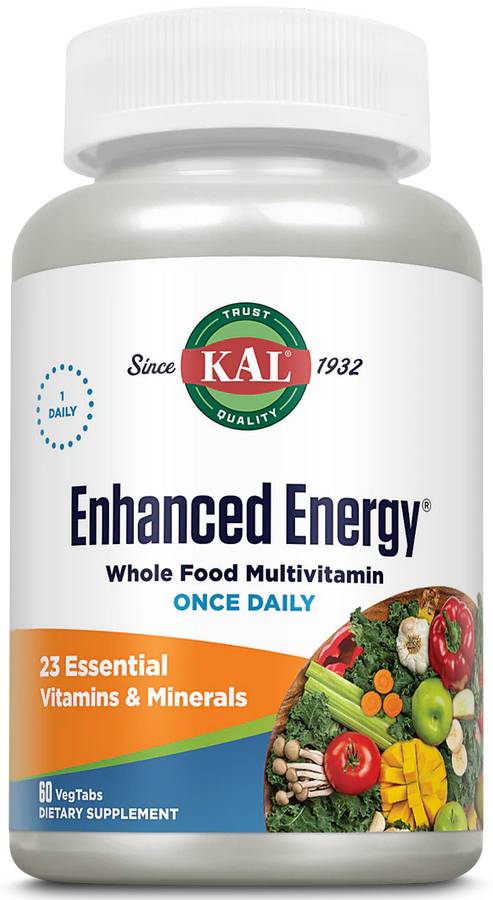 When it comes to maintaining optimal health, choosing the right dietary supplements can make all the difference. For health enthusiasts aged 30-60, Kal Enhanced Energy provides a unique mix of vital nutrients for overall well-being. With lutein, antioxidant herbs, and a rich variety of super foods, veggies, greens, fruits, and berries, this supplement offers exceptional health benefits. Kal Enhanced Energy stands out thanks to its wide range of raw ingredients that meet your body's needs. Starting with vitamins and minerals, these are crucial for various bodily functions. The inclusion of whole food multipliers means that these nutrients come from natural sources, enhancing their bioavailability and efficacy.
But that's just the beginning. Lutein, a potent antioxidant, supports eye health and shields vision from blue light's harmful effects in our digital age. Antioxidant herbs work synergistically with lutein to combat oxidative stress, helping to reduce inflammation and prevent cellular damage.
Super FoodsKal Enhanced Energy includes superfoods such as kale, spinach, acai, and blueberries. Also, packed with nutrients to enhance immunity and energy levels. One of the standout features of this supplement is its inclusion of digestive enzymes. As we age, our bodies produce fewer digestive enzymes, hindering nutrient absorption. Kal Enhanced Energy supplements these enzymes, promoting optimal digestion for maximum nutrient absorption from your food.
Raw Immune boostersThe formula is boosted with raw mushroom complexes, known to enhance immunity and vitality. Mushrooms such as Organic Turkey Tail, Organic Reishi, and Organic Agaricus have adaptogenic properties, aiding the body in managing stress. Finally, black pepper extract is added to enhance the absorption of all these powerful ingredients. Black pepper, known for boosting bioavailability, helps your body fully utilize nutrients from this superior supplement.
Recap:Besides the core benefits from essential nutrients and superfoods mentioned earlier, Kal Enhanced Energy provides other significant advantages:
These components form a comprehensive supplement that meets daily nutrition needs and boosts digestive health, immune function, and overall wellbeing. For health enthusiasts aged 30-60, Kal Enhanced Energy Once Daily provides a convenient way to support overall wellness. Boost your immune system, increase energy levels, and ensure your body gets essential nutrients with this daily supplement. Ready to take your health to the next level? Experience the benefits of whole foods, super fruits, veggies, berries, and more with Kal Enhanced Energy. Purchase now and fuel your body with the nutrients it needs to thrive!
(https://vitanetonline.com:443/forums/Index.cfm?CFApp=1&Message_ID=6599) The Unsettling Truth About Plastic: Microplastics Found in Human Stool Samples
Date:
July 29, 2023 11:04 AM
We all know that plastic pollution is a serious issue, but what we may not be aware of is that we are consuming it. Yes, you read that right. The researchers have recently discovered microplastic particles present in human stool samples, making us ingest the plastic we produced. It is not only our oceans and landfills that are clogged with plastic waste, but even our bodies, and that's alarming.
According to the study, participants from Finland, Italy, Japan, the Netherlands, Poland, Russia, the United Kingdom, and Austria were tested for ten different types of plastics, and nine types were found in their stool samples. On average, participants had 20 microplastic particles per 10 grams of stool. That's a concerning number.
As we all know, plastic is everywhere, from plastic bags to water bottles, from household items to toys, and the list goes on. A recent study revealed a frightening fact that our food, especially seafood and sea salt, and tap water and bottled water contain microplastics too. It is surprising to know that plastic is all around us, and we are consuming it daily.
Apart from being present in our bodies, research suggests that microplastics may have adverse effects on our gut microbiota. As per a study conducted by the University of Vienna, polystyrene microplastics adversely affected the gut barrier, microbiota, and metabolism of mice. Moreover, it can lead to a bacterial imbalance in our gut, decreasing our immune response.
Microplastics have a size smaller than 5 millimeters and are much smaller than the size we can see with naked eyes. Therefore, our bodies cannot filter them out. As a result, these microplastics can cause inflammation, obstruct our digestive system, and damage our gut lining.
The impact of plastic on the environment and marine life is alarming, but knowing that we, humans, are part of the problem is overwhelming. The amount of plastic waste we produce every year is immense, and if we don't change our ways, it will only get worse.
The Solution to Microplastics in Our Digestive Tract Could Be Psyllium Husk and Inulin.
Psyllium husk is a soluble Fiber that is derived from the seeds of the Plantago ovata plant. It is a powerful colon cleanser that can rid our bodies of toxins, including microplastics. When mixed with water, psyllium husk forms a gel-like substance that bulks up and moves through our digestive tract, trapping and removing microplastics along the way. Psyllium husk is also known to help regulate bowel movements and reduce inflammation in our gut.
Another solution to microplastics in our digestive tract is prebiotics, specifically inulin. Inulin is a type of soluble Fiber that feeds friendly bacteria in our gut, promoting gut health. Studies have shown that inulin can strengthen the gut lining, which can reduce the absorption of toxins like microplastics into our bodies. Inulin can also help regulate bowel movements and reduce inflammation in our gut.
In addition to psyllium husk and inulin, there are other steps we can take to reduce our exposure to microplastics. One such step is to avoid plastic packaging and utensils when possible and opt for reusable and sustainable options instead. We can also be mindful of the products we use that contain microplastics, such as cosmetics and cleaning products, and choose more natural alternatives.
It is also important to note that the effects of microplastics on our health are still being studied, and more research is needed to fully understand the extent of their impact. However, taking steps to reduce our exposure to microplastics and improve our gut health can only be beneficial for our overall well-being.
The discovery of microplastics in human stool samples is the harsh reality of the plastic pollution crisis. The studies strongly suggest that it may have severe implications for human health (we haven't even touched on the topic of endocrine disruptors due to plastics), and we must take action to reduce plastic consumption and pollution.
Reducing plastic waste from our daily lives might seem challenging, but it's essential if we want to create a healthier planet for ourselves and the generations to follow. Being more conscious of our daily habits in using plastic, choosing eco-friendly alternatives, and encouraging others to do the same can go a long way in reducing our plastic footprint.
We must work together as a community to reduce plastic waste and promote a sustainable future. The change starts with us, and together we can make a difference. You can get started to better health by adding psyllium husk and inulin to your daily supplement regiment. Your colon will thank you for it!
(https://vitanetonline.com:443/forums/Index.cfm?CFApp=1&Message_ID=6581) Gut Health 101: How Inulin Prebiotic is Considered a Resistant Starch Can Support Your Digestive System
Date:
July 11, 2023 05:02 PM
Are you tired of feeling bloated, constipated, or just plain uncomfortable after eating? If so, you're not alone. Millions of people struggle with digestive issues every day, and in many cases, the root cause is an unhealthy gut. Fortunately, there are steps you can take to improve your gut health, and one of the most effective is to incorporate an inulin prebiotic with resistant starch into your diet. What is Inulin Prebiotic Blend? Inulin is a soluble Fiber that's found in many fruits and vegetables, including wheat and chicory root. It's known for its prebiotic properties, which means that it promotes the growth of beneficial intestinal bacteria. Inulin is also considered a digestive resistant starch, is a type of carbohydrate that resists digestion in the small intestine, making its way to the large intestine where it feeds beneficial gut bacteria. Inulin causes a synergistic effect that can help support digestive wellness, butyric acid production, and a healthy gut barrier. How Does it Benefit Your Digestive System? When you consume foods that are high in inulin, it travel down to your large intestine where it is fermented by your gut bacteria. This fermentation process produces short-chain fatty acids, including butyric acid, which provides energy to the cells that line your colon. Butyric acid has been shown to have many health benefits, including reducing inflammation, improving gut barrier function, and lowering the risk of colon cancer. Furthermore, inulin prebiotic can help feed the beneficial bacteria in your gut, which can crowd out harmful bacteria and support overall gut health. Whether you choose to get these nutrients from whole foods or supplements, taking steps to support your gut health is an important part of overall wellness.
(https://vitanetonline.com:443/forums/Index.cfm?CFApp=1&Message_ID=6578) The Amazing Heart Health Benefits of Soluble Fiber
Date:
November 10, 2022 11:53 AM
Most people know that Fiber is important for maintaining a healthy digestive system. But did you know that soluble Fiber can also have some pretty amazing benefits for your heart? Soluble Fiber, which is found in abundance in psyllium seed husks, absorbs water in the intestines and forms a gel-like substance. This helps to reduce cholesterol levels and regulate blood sugar levels, both of which are important for maintaining a healthy heart. Let's take a closer look at how soluble Fiber can benefit your heart health. Reduces Cholesterol Levels One of the main ways that soluble Fiber benefits heart health is by reducing cholesterol levels. According to the American Heart Association, high cholesterol is a major risk factor for heart disease. When cholesterol builds up in the arteries, it can narrow them and cause them to harden. This puts you at risk for heart attack and stroke. Psyllium husks are especially effective at reducing LDL (bad) cholesterol levels while also increasing HDL (good) cholesterol levels. This helps to keep your arteries clear and reduce your risk for heart disease. Regulates Blood Sugar Levels Another way that soluble Fiber benefits heart health is by regulating blood sugar levels. High blood sugar levels can damage the nerves and kidneys, and it can also increase your risk for heart disease. By helping to regulate blood sugar levels, soluble Fiber can help reduce your risk for developing these problems. Psyllium husks are especially effective at this because they slow down digestion and help food to be absorbed more slowly into the bloodstream. This helps to prevent spikes in blood sugar levels after meals. If you're looking for a simple way to improve your heart health, then look no further than soluble Fiber! Soluble Fiber, which is found in psyllium husks, can help reduce cholesterol levels and regulate blood sugar levels. This helps to keep your arteries clear and reduce your risk for heart disease. So next time you're at the store, be sure to pick up some psyllium husks so you can start reaping the amazing benefits of soluble Fiber!
(https://vitanetonline.com:443/forums/Index.cfm?CFApp=1&Message_ID=6567) The Benefits of Zinc Supplements and Why OptiZinc is the best Form!
Date:
November 09, 2022 12:15 PM
Zinc is an essential mineral that is involved in hundreds of processes in the body, including cell growth and function, immune function, and protein synthesis. While it's possible to get zinc from food sources like oysters, beef, and spinach, many people don't get enough from their diet alone and may benefit from taking zinc supplements. OptiZinc® is a patented 1:1 complex of zinc and methionine, the amino acid that is best absorbed by the body. Studies show that OptiZinc® is absorbed better and retained longer than ordinary zinc supplements tested, and resists binding with dietary Fiber and phytate, organic compounds that inhibit zinc absorption. The Importance of Zinc Zinc is an essential mineral that plays a role in hundreds of biochemical reactions in the body. It's involved in cell growth and repair, immune function, fertility, and protein synthesis. While most people can get the zinc they need from food sources like oysters, beef, pork, chicken, beans, lentils, nuts, seeds, whole grains, fortified cereals, and dairy products, some people may not get enough from their diet alone and may benefit from taking zinc supplements. Zinc deficiency can lead to a host of problems like hair loss, diarrhea, impotence, eye and skin problems, delayed wound healing, depression, taste abnormalities, and reduced sense of smell. The Best Form of Zinc Is OptiZinc® OptiZinc® is a patented 1:1 complex of zinc and methionine that has been shown to be absorbed better and retained longer than ordinary zinc supplements. Unlike other forms of zinc supplementation which can bind with dietary Fiber and phytate (organic compounds found in plant foods that inhibit zinc absorption), OptiZinc® resists binding with these compounds so that your body can more efficiently absorb the zinc. In addition to being better absorbed by the body, OptiZinc® has also been shown to provide antioxidant protection against free radicals. Free radicals are unstable molecules that can damage cells and lead to inflammation. OptiZinc® has also been shown to support healthy immune function. If you're looking for a quality zinc supplement to help you meet your daily needs, OptiZinc® is an excellent option. This patented 1:1 complex of zinc and methionine is absorbed better by the body than other forms of zinc supplementation and provides antioxidant protection against free radicals. It's also been shown to support healthy immune function. All in all, OptiZinc® is an effective way to ensure that you're getting enough zinc in your diet.
(https://vitanetonline.com:443/forums/Index.cfm?CFApp=1&Message_ID=6564) NOW Real Food® Goldenberries - Your New Favorite Superfood!
Date:
October 22, 2022 11:24 AM
Here at NOW Real Food®, we're always on the lookout for new and exciting ways to help our customers live healthier, happier lives. That's why we're so excited to introduce - NOW Real Food® Goldenberries! Native to South America, goldenberries have been consumed for thousands of years thanks to their numerous health benefits. Once dried, they resemble raisins, but their taste is a unique and exotic combination of sweet-and-sour, pucker-up goodness the whole family will absolutely love! Not only are they delicious, but goldenberries are also incredibly versatile. You can enjoy them straight out of the bag, mix them with nuts and granola for an ultra-tasty trail mix, sprinkle them on salads, add them to breads and cookies, or create your own tasty jams and jellies. Goldenberries are also paired with artisan wines, cheeses and chocolates to create unique and remarkable flavor combinations. Trust us - there's nothing quite like goldenberries! So what are you waiting for? Head on over to our website and stock up on NOW Real Food® Goldenberries today. Your taste buds (and your body) will thank you! The Health Benefits of Goldenberries In addition to being delicious and versatile, goldenberries are also packed with nutrients that can help your body in a variety of ways. Here are just a few of the many health benefits associated with consuming goldenberries:
As you can see, there are plenty of good reasons to start incorporating NOW Real Food® Goldenberries into your diet! Not only are they delicious, but they offer numerous health benefits that can help improve your overall well-being. So what are you waiting for? Head on over to our website and stock up today! Your taste buds (and your body) will thank you!
(https://vitanetonline.com:443/forums/Index.cfm?CFApp=1&Message_ID=6518) The Many Benefits of Glucomannan - Konjac Root
Date:
October 20, 2022 03:19 PM
If you're looking for a dietary supplement that can help with everything from maintaining intestinal regularity to promoting satiety, look no further than glucomannan. This soluble, bulk-forming Fiber is derived from the konjac root and has a host of potential health benefits. Read on to learn more about glucomannan and how it can help you achieve your health goals. What is Glucomannan? Glucomannan is a type of dietary Fiber that is classified as a soluble, gel-forming Fiber. It is derived from the corm (or bulbous root) of the konjac plant, which is native to Asia (1). In its natural state, glucomannan is a white, powdery substance that can be dissolved in water. Once it comes into contact with water, it forms a viscous gel. This gel-like quality is what makes glucomannan so effective at promoting satiety and maintaining intestinal regularity (2). Health Benefits of Glucomannan In addition to promoting satiety and maintaining intestinal regularity, glucomannan may also offer other health benefits. For example, research suggests that glucomannan can help to support healthy lipid levels already within the normal range (3). Additionally, glucomannan may help to support healthy blood sugar levels already within the normal range (4). And because glucomannan can help you feel full after eating fewer calories (5), it may also be helpful as part of a weight management plan that includes a healthy diet and exercise program. If you're looking for a dietary supplement that has a host of potential health benefits, look no further than glucomannan. This soluble, bulk-forming Fiber derived from the konjac root can help promote satiety and maintain intestinal regularity, as well as support healthy lipid and blood sugar levels already within the normal range.* What's more, glucomannan is a convenient addition to any weight management plan that includes a healthy diet and exercise program.* Add this versatile supplement to your routine today and start reaping its many rewards tomorrow.
(https://vitanetonline.com:443/forums/Index.cfm?CFApp=1&Message_ID=6511) Are you getting enough fiber daily? Add fiber and essential fatty acids with Flax Seeds each day!
Date:
October 14, 2022 04:31 PM
Flax seeds are a versatile and nutritious addition to any diet. These small, brown seeds have a mild, nutty flavor and can be added to a variety of dishes, from cereals and pancakes to meatballs and yogurt. Flax seeds are also a good source of essential fatty acids and Fiber. In this blog post, we'll take a closer look at the nutritional benefits of flax seeds. The Nutritional Benefits of Flax Seeds Flax seeds are a versatile and nutritious addition to any diet. These small, brown seeds have a mild, nutty flavor and can be added to a variety of dishes, from cereals and pancakes to meatballs and yogurt. Flax seeds are also a good source of essential fatty acids and Fiber. In this blog post, we'll take a closer look at the nutritional benefits of flax seeds. Flax seeds are an excellent source of both soluble and insoluble Fiber. Soluble Fiber absorbs water and turns into a gel-like substance, which helps slow down digestion. This type of Fiber is beneficial for those who suffer from constipation or other digestive disorders. Insoluble Fiber, on the other hand, does not dissolve in water. This type of Fiber adds bulk to stools and helps food move through the digestive system more quickly. Both types of Fiber are important for maintaining a healthy digestive system. Flax seeds are also a good source of omega-3 fatty acids. Omega-3 fatty acids are considered "essential" because they cannot be produced by the body; they can only be obtained through diet or supplements. Omega-3 fatty acids play an important role in brain function and development as well as heart health. Research has shown that omega-3 fatty acids can help reduce inflammation throughout the body, which is beneficial for those who suffer from conditions like arthritis or Crohn's disease. Flax seeds are also rich in lignans, which are plant compounds that have estrogenic properties. Lignans may offer protection against breast cancer and other hormone-related cancers. They may also help reduce hot flashes during menopause andosteoporosisby increasing bone density. In Summary: Flax seeds are a versatile, nutrient-rich addition to any diet. These small, brown seeds offer numerous health benefits thanks to their high levels of Fiber, omega-3 fatty acids, and lignans. Adding flax seeds to your diet is an easy way to boost your intake of these important nutrients!
(https://vitanetonline.com:443/forums/Index.cfm?CFApp=1&Message_ID=6505) Date Sugar - A Raw Food Enthusiast's Delight
Date:
October 08, 2022 10:35 AM
In this blog post, we'll take a closer look at date sugar and some of its key benefits. We'll also explore how to use date sugar in the kitchen to create raw food masterpieces! The Benefits of Date Sugar Date sugar is an excellent alternative to refined cane or beet sugar for a number of reasons. First, date sugar is unrefined, meaning that it retains all of the natural nutrients found in dates. These include vitamins, minerals, antioxidants, and Fiber. Second, because date sugar is made from 100% dried dates, it contains no added sugars or artificial sweeteners. This makes it a great choice for those looking to avoid processed foods. Finally, date sugar has a lower glycemic index than refined sugars, which means it won't cause spikes in blood sugar levels. How to Use Date Sugar in the Kitchen Date sugar can be used in any recipe that calls for cane or beet sugar. However, because it is less processed and has a higher moisture content than refined sugars, date sugar is best suited for baked goods such as cakes, cookies, muffins, and quick breads. When using date sugar in place of refined sugars, you may need to make adjustments to your recipe. For instance, you may need to add more liquid to your batter or dough since date sugar will absorb moisture from the ingredients around it. If you're looking for araw food-friendly alternative to refined cane or beet sugar, date sugar is a great option. This unrefined sweetener is made from 100% dried dates and contains no added sugars or artificial sweeteners. Plus, date sugar has a lower glycemic index than refined sugars—making it a healthier choice overall. So next time you're baking up a batch of raw food goodies, reach for date sugar instead of refined cane or beet sugar—your tastebuds (and waistline!) will thank you!
(https://vitanetonline.com:443/forums/Index.cfm?CFApp=1&Message_ID=6491) The Many Health Benefits of Chia Seeds
Date:
September 28, 2022 02:53 PM
You may be familiar with chia seeds as the little black seeds that grow on the chia pet. But did you know that these same seeds offer a host of health benefits? Chia seeds are an excellent source of essential fatty acids and Fiber, and they can be easily incorporated into your diet. Let's take a closer look at the many health benefits of chia seeds. Essential Fatty Acids Chia seeds are a good source of essential fatty acids, including alpha-linolenic acid (ALA). ALA is a type of omega-3 fatty acid that is important for heart health. One study found that people who consume a diet high in ALA have a lower risk of heart disease. ALA is also important for cognitive function and brain health. In fact, one study found that people who consume a diet rich in ALA have a lower risk of developing Alzheimer's disease. Fiber Chia seeds are also a good source of Fiber. Fiber is important for digestive health and can help to prevent constipation. Fiber is also beneficial for blood sugar control and can help to prevent type 2 diabetes. One study found that people who consume a diet high in Fiber have a lower risk of developing type 2 diabetes. In Summary: Chia seeds are an excellent source of essential fatty acids and Fiber, two nutrients that are important for overall health. If you're looking for an easy way to improve your diet, consider adding chia seeds to your meals and snacks.
(https://vitanetonline.com:443/forums/Index.cfm?CFApp=1&Message_ID=6473) An Introduction to Castor Oil and Its Benefits
Date:
September 27, 2022 11:40 AM
Castor oil is an oil derived from the beans of the castor plant (Ricinus communis). Castor oil has long been recognized as a powerful laxative which may be used for the relief of occasional constipation.* In addition to its laxative effects, castor oil has also been shown to be effective in treating a variety of other health conditions. This blog post will provide an overview of some of the most well-known benefits of castor oil. Laxative Effectiveness Castor oil is most commonly known for its laxative effects. Numerous studies have shown that castor oil is an effective treatment for occasional constipation.* The active ingredient in castor oil, ricinoleic acid, acts as a stimulant laxative by increasing intestinal motility.* This increase in motility helps to move stool through the intestine more quickly, thus relieving constipation. Ricinoleic acid also has demulcent properties, which means it helps to soften stool and make it easier to pass.* In addition, castor oil can help to increase the production of bile, which also aids in the relief of constipation.* It is important to have regular bowel movements. The Importance of Regular Bowel Movements For most people, going to the bathroom is not a pleasant experience. It can be messy, smelly, and generally uncomfortable. However, having regular bowel movements is a very important part of maintaining good health. In this blog post, we'll discuss why it's so important to have regular bowel movements and offer some tips on how to make the experience as comfortable as possible. The first reason why regular bowel movements are so important is that they help to remove waste from the body. As we all know, our bodies produce a lot of waste each day. If that waste isn't removed from the body on a regular basis, it can build up and lead to serious health problems. That's why it's important to have at least one bowel movement each day. Another reason why regular bowel movements are so important is that they help to keep the digestive system healthy. When waste builds up in the digestive system, it can lead to inflammation and other problems. Having regular bowel movements helps to keep the digestive system clean and healthy. Finally, regular bowel movements can also help to prevent constipation. Constipation is a condition in which the stool becomes hard and dry, making it difficult to pass. This can be very uncomfortable and can lead to other problems such as hemorrhoids. Having regular bowel movements helps to keep the stool soft and easy to pass, which can help to prevent constipation. As you can see, there are many reasons why it's so important to have regular bowel movements. So, if you're not having at least one bowel movement each day, now is the time to make some changes. There are a few things you can do to make the experience more comfortable, such as drinking plenty of water and eating high-Fiber foods. And if you're still having trouble, talk to your doctor about potentially using a laxative or stool softener. Don't wait; take action today and start having regular bowel movements! Now more on Castor oil. Skin Benefits In addition to its laxative effects, castor oil has also been shown to be beneficial for the skin. Ricinoleic acid, the main active ingredient in castor oil, has anti-inflammatory and antimicrobial properties.* These properties make castor oil an effective treatment for various skin conditions such as acne, eczema, and psoriasis.* Castor oil can also be used as a moisturizer and can help to reduce the appearance of wrinkles and fine lines.* Hair Benefits Castor oil can also be used to improve the health of your hair. When used regularly, castor oil can help to stimulate hair growth.* It can also help to prevent split ends and tame frizzy hair.* In addition, castor oil can help to strengthen hair follicles and make your hair look thicker and fuller. As you can see, there are a variety of benefits associated with castor oil. Whether you are looking for a natural laxative solution or wanting to improve the condition of your skin or hair,castor oil may be a good option for you. As with any new supplement or treatment, it is always best to speak with your healthcare provider before starting use.
(https://vitanetonline.com:443/forums/Index.cfm?CFApp=1&Message_ID=6466) The Benefits of NOW Real Food® Organic Raw Cacao Powder
Date:
September 20, 2022 05:36 PM
Cacao powder is made from raw cacao beans that have been slowly fermented to bring out their rich flavor and then sun-dried, instead of roasted, to retain all of their valuable nutrients. With NOW Real Food® Organic Raw Cacao Powder you can enjoy the intensely rich flavor and nutritional benefits of dark chocolate without added sugar and unhealthy ingredients. Cacao powder is ideal for wholesome, natural recipes, and it’s a great addition to a variety of desserts and beverages, including hot chocolate and ice cream. Raw cacao has naturally occurring polyphenols and flavanols, making it a true superfood! Nutritional Benefits of Raw Cacao Powder Raw cacao powder is an excellent source of antioxidants, vitamins, and minerals, including magnesium, iron, calcium, copper, zinc, and potassium. It is also a good source of dietary Fiber and protein. Raw cacao powder has a higher antioxidant content than roasted cacao powder or even blueberries! Antioxidants are important because they help protect our cells from damage caused by free radicals. Free radicals are unstable molecules that can damage cells and cause inflammation. Allowing free radicals to build up in our bodies can lead to chronic illnesses such as heart disease, cancer, and Alzheimer’s disease. Including RAW cacao powder in your diet is a delicious way to help reduce the risk of these chronic diseases! Health Benefits of Raw Cacao Powder In addition to its high antioxidant content, raw cacao powder has been shown to improve heart health, lower blood pressure, reduce inflammation, improve cognitive function, and even improve your mood! One study showed that participants who drank 2 cups of hot cocoa made with raw cacao powder daily for 30 days had lower blood pressure than those who didn’t drink cocoa. Another study showed that people who consumed high amounts of flavonoids (such as those found in raw cacao) had a lower risk of death from cardiovascular disease and stroke. The polyphenols in raw cacao have also been shown to reduce inflammation and improve cognitive function in older adults. Finally, raw cacao contains compounds that can improve your mood by increasing levels of serotonin (the “happy hormone”) in your brain. So next time you’re feeling down, try making yourself a cup of hot cocoa with NOW Real Food® Organic Raw Cacao Powder! NOW Real Food® Organic Raw Cacao Powder is a delicious way to get the nutritional benefits of dark chocolate without the added sugar or unhealthy ingredients. Raw cacao powder is rich in antioxidants, vitamins, and minerals that can help improve heart health, lower blood pressure, reduce inflammation, improve cognitive function, and even improve your mood! So what are you waiting for? Buy some NOW Real Food® Organic Raw Cacao Powder today and start reaping the benefits!
(https://vitanetonline.com:443/forums/Index.cfm?CFApp=1&Message_ID=6456) The Various Health Benefits of Moringa Oleifera
Date:
September 20, 2022 11:04 AM
Moringa Oleifera is a tree that is native to India, Pakistan, and Bangladesh. For centuries, it has been used as a food source because of its many nutrients. It is only recently that studies have been done to confirm the health benefits that are attributed to the tree. These benefits are a result of the numerous bioactive components that are naturally occurring in Moringa, including phenolic acids, flavonoids, isothiocyanates, tannins, and saponins. Some of the potential health benefits of consuming Moringa Oleifera include: 1) Boosts immune system – This is due to the presence of vitamins and minerals such as Vitamin C, Potassium, and Zinc.* 2) Regulates blood sugar levels – This is beneficial for those who suffer from diabetes.* 3) Reduces inflammation – This can help with conditions such as arthritis.* 4) Protects against bacterial infections – This is due to the presence of compounds such as Quercetin and Chlorogenic Acid.* 5) Aids in digestion – This is due to the presence of Fiber.* 6) Increases energy levels – This is due to the presence of Vitamin B6.* 7) Improves cognitive function – This is due to the presence of Rutin.* 8) Moisturizes skin – This helps to keep skin looking young and healthy.* In Summary: Moringa Oleifera has a multitude of health benefits that have been attributed to its naturally occurring bioactive components. It is important to consume organic moringa leaf in order to reap these benefits. NOW uses only non-GMO organic moringa leaf in their products. By adding this superfood into your diet, you can improve your overall health and well-being.
(https://vitanetonline.com:443/forums/Index.cfm?CFApp=1&Message_ID=6455) The Many Benefits of Chia Seeds, Omega-3, and more
Date:
September 14, 2022 03:59 PM
You might know chia seeds best as the things that grow on those weird Chia Pets you can buy at the store. But did you know that chia seeds are actually really good for you? Yes, those little seeds that make your Chia Pet grow a green coat are actually packed with essential nutrients. Lets take a look at some of the many benefits of chia seeds. Chia seeds are an excellent source of fatty acids. In fact, nearly two-thirds of the fat in chia seeds is comprised of Omega-3s. Omega-3 fatty acids are essential for maintaining heart health, preventing chronic diseases, and reducing inflammation throughout the body. Chia seeds are also a great source of Fiber. Fiber is important for keeping our digestive system healthy and preventing constipation. Additionally, Fiber can help to lower cholesterol levels and regulate blood sugar levels. Another benefit of chia seeds is that they are a great source of protein. Protein is essential for building and repairing tissues, muscles, and organs. It's also necessary for producing enzymes and hormones. And because chia seeds contain all nine essential amino acids, they are considered a complete protein source. This makes them especially beneficial for vegetarians and vegans who may have difficulty getting enough protein from their diet. Finally, chia seeds are rich in vitamins and minerals like calcium, phosphorus, magnesium, and manganese. These nutrients are essential for maintaining strong bones and teeth, balancing electrolytes, and regulating blood pressure. They also play a role in energy production and metabolism. As you can see, there are many reasons to add chia seeds to your diet. Whether you sprinkle them on your cereal or add them to your favorite smoothie recipe, you're sure to benefit from their nutrient-rich goodness. So go ahead and give them a try - your body will thank you!
(https://vitanetonline.com:443/forums/Index.cfm?CFApp=1&Message_ID=6450) The Sweet Taste of Sugar Beets
Date:
September 12, 2022 04:05 PM
Most people think of sugar beets as the large, red, ugly root vegetables that farmers grow in fields. But did you know that sugar beets are actually a type of candy? That's right - sugar beets are one of the sweetest vegetables around! In fact, sugar beets have a high sugar content, up to about 20% of the unprocessed plant root. This makes sugar beets a perfect 1:1 substitute for cane sugar in most recipes. persons with intolerance to refined cane sugar will find beet sugar to be a worthy replacement. NOW Real Food® Organic Beet Sugar is delightfully pure with no added ingredients. The History of Sugar Beets Sugar beets have been cultivated for centuries. The first recorded instance of sugar beet cultivation was in 1747 by Andreas Marggraf, a German chemist who discovered that sugar could be extracted from these unusual looking roots. Marggraf's discovery revolutionized the sugar industry and made it possible to produce large quantities of refined Sugar. How Sugar Beets are Grown Sugar beets are typically grown in cool climate regions with long growing seasons. They are a hardy vegetable that can tolerate frost and cold weather. Sugar beets are usually planted in the spring and harvested in the fall. The roots are typically white or cream-colored with reddish-brown skin. Sugar Beet Nutrition Sugar beets are an excellent source of dietary Fiber, vitamins, and minerals. They are also low in calories and fat-free. A 100 gram serving of sugar beets contains only 43 calories and 0 grams of fat. Whether you're looking for a healthier alternative to cane sugar or you're simply curious about this humble root vegetable, NOW Real Food® Organic Beet Sugar is the perfect choice for all your baking needs! Deliciously sweet and naturally gluten-free, our organic beet sugar is sure to please everyone in your family. Try it today!
(https://vitanetonline.com:443/forums/Index.cfm?CFApp=1&Message_ID=6442) IGF-1: How to Improve Muscle Gain
Date:
July 20, 2022 03:38 PM
If you're looking to improve muscle gain, IGF-1 is a hormone you'll want to know about. This hormone is responsible for increasing muscle mass and strength, and has been shown to be incredibly effective in doing so. We'll discuss what IGF-1 is, how it works, and the best ways to increase its levels in your body for improved muscle growth. IGF-1 is from Deer Antler Velvet. What is IGF-1 and what does it do? IGF-1, or insulin-like growth factor 1, is a hormone that plays an important role in the growth and development of the human body. While it is most commonly associated with childhood growth, IGF-1 continues to be produced throughout adulthood and is involved in a variety of physiological processes. In addition to promoting cell proliferation and differentiation, IGF-1 has been shown to stimulate collagen production, increase bone density, improve muscle growth, and improve glucose tolerance. Despite its many beneficial effects, excessive levels of IGF-1 can lead to a number of health problems, including cancer. For this reason, it is important to maintain healthy levels of IGF-1 throughout life. How does IGF-1 work? IGF-1, or insulin-like growth factor 1, is a hormone that plays an important role in childhood growth and development. In the body, IGF-1 is produced in response to growth hormone (GH) stimulation. Once released, it travels through the bloodstream and binds to IGF-1 receptors on cells, provoking a range of different cellular effects. These include cell proliferation, differentiation, and survival. In addition, IGF-1 has been shown to promote angiogenesis (the formation of new blood vessels) and to inhibit apoptosis (programmed cell death). Together, these effects make IGF-1 an important regulator of tissue growth and repair. Consequently, serum levels of IGF-1 are closely monitored in children with GH deficiencies, as well as in those who are at risk for cancer or other diseases involving abnormal cell growth. IGF-1 an important regulator of tissue growth and repair, lifting weights tears down muscle Fibers and the body can rebuild faster. IGF-1 is a protein that plays an important role in the growth and repair of tissues throughout the body. It is particularly well-known for its ability to help the body rebuild muscle tissue after exercise. When we lift weights, we cause tiny tears in our muscle Fibers. In response, the body releases IGF-1 to help repair the damage. This results in an increase in muscle size and strength. Additionally, IGF-1 has been shown to promote healing after injuries and to protect against cell damage caused by stress and inflammation. Therefore, it is not surprising that IGF-1 is often referred to as the "body's repairman." While more research is needed to fully understand the role of IGF-1 in health and disease, there is no doubt that this protein plays a vital role in maintaining our bodies' peak performance. The benefits of increased IGF-1 levels? However, IGF-1 levels decline with age, which may contribute to the age-related decline in muscle mass and strength. Therefore, maintaining high levels of IGF-1 throughout life may be important for preserving muscle mass and function. How to increase your IGF-1 levels for improved muscle growth? As we already know, levels of IGF-1 decline with age, which may explain why older adults tend to have less muscle mass than young people. However, there are several ways to increase IGF-1 levels and improve muscle growth. One of the most effective methods is to take deer antler velvet, which is the highest natural source of IGF-1. Deer antler velvet can be taken in pill form or made into a liposomal supplement, which helps the body absorb the IGF-1 more effectively. Additionally, regular exercise and proper nutrition are important for supporting muscle growth and keeping IGF-1 levels high. Fortunately, Now Foods makes a liposomal IGF-1 supplement. Low levels of IGF-1 have been linked to a variety of health problems, including muscle wasting, osteoporosis, and heart disease. Fortunately, Now Foods makes a liposomal IGF-1 supplement that can help to raise IGF-1 levels and improve overall health. Liposomal delivery is the most efficient way to increase blood levels of IGF-1, and the fact that this supplement is also affordably priced makes it an attractive option for many people. If you are looking for a way to improve your health, consider giving Now Foods liposomal IGF-1 a try.
(https://vitanetonline.com:443/forums/Index.cfm?CFApp=1&Message_ID=6417) High Fiber Diet May Reduce Risk of Dementia
Date:
April 29, 2022 03:54 PM
A high Fiber diet may reduce the risk of developing dementia, according to a study published in the journal Neurology. The study found that people who ate the most Fiber were 30% less likely to develop dementia than those who ate the least Fiber. This is an important discovery, as dementia is becoming increasingly common around the world. There are currently about 47 million people living with dementia, and this number is expected to grow to 135 million by 2050. What is dementia and what are the symptoms? Dementia is a general term for a decline in mental ability due to disease or injury. symptoms can vary greatly from person to person, but may include problems with memory, mood, and thinking. People with dementia may have difficulty remembering recent events or familiar faces, and they may become confused about time and place. They may also have trouble completing familiar tasks, such as cooking a meal or getting dressed. As the disease progresses, people with dementia may lose the ability to communicate or take care of themselves. Dementia is not a normal part of aging, and it can affect people of all ages. There is no one test that can diagnose dementia, and doctors often use a combination of medical tests, brain scans, and neurological exams to make a diagnosis. There is no cure for dementia, but there are treatments that can help people manage the symptoms and improve their quality of life. What causes dementia? Dementia is a complex neurological disorder with no known underlying cause. While some theories suggest that environmental factors such as exposure to certain toxins or injuries may play a role, the exact mechanisms underlying dementia remain uncertain. Some researchers have proposed that dementia may be related to problems in the functioning of certain proteins in the brain, while others have suggested that chronic inflammation may also be involved. However, there is still much work to be done in terms of understanding the biological mechanisms underlying this debilitating and often devastating illness. Ultimately, identifying the precise causes of dementia will help inform more targeted and effective treatments for this disease, allowing those affected by it to live fuller and healthier lives. How can a high Fiber diet reduce the risk of developing dementia? A diet rich in Fiber has been linked with a reduced risk of developing dementia. Fiber is a type of carbohydrate that the body cannot digest, and it is found in plant-based foods such as fruits, vegetables, and whole grains. Foods high in Fiber are known to promote gut health, and some studies have suggested that gut inflammation may play a role in the development of dementia. In addition, Fiber-rich foods tend to be high in antioxidants and other nutrients that have been linked with brain health. For these reasons, increasing your intake of Fiber-rich foods may help to reduce your risk of developing dementia. What are some good sources of Fiber? There are many good sources of Fiber, including both plant-based and animal-based foods. Psyllium husk, which is made from the soluble Fibers found in the seeds of a Mediterranean shrub called Plantago ovata, is a popular option due to its high concentration of dietary Fiber and other nutrients. Inulin, meanwhile, is a type of carbohydrate that is naturally found in many fruits, vegetables, and legumes. Both psyllium husk and inulin are excellent sources of nutrition that can help promote good digestive health and overall well-being. Other common sources of dietary Fiber include whole grains like oats and barley, as well as beans, lentils, nuts, and seeds. Whether you are looking for plant-based or animal-based sources of Fiber, there are plenty of options out there to suit your needs. How much Fiber should you eat each day? There is no single answer to the question of how much Fiber you should eat each day. The amount of Fiber that your body needs will depend on a number of factors, including your age, sex, and overall health status. In general, most health experts recommend consuming between 25 and 35 grams of Fiber per day. This can typically be achieved by eating a balanced diet that includes a variety of Fiber-rich foods, including fruits, vegetables, nuts, seeds, whole grains, and legumes. Furthermore, it is important to remember that Fiber needs can vary depending on your symptoms or underlying condition. So if you are experiencing any gastrointestinal issues or other health concerns, it is best to consult with your doctor to determine the right amount of dietary Fiber for your body. Are there any risks associated with eating a high Fiber diet? While Fiber is an essential part of a healthy diet, it is important to be aware of the potential risks associated with eating too much Fiber. Fiber is a type of carbohydrate that the body cannot digest, and it is typically found in plant-based foods such as fruits, vegetables, and whole grains. When Fiber is not broken down by the body, it can bind to other nutrients and substances in the digestive tract and cause them to be eliminated from the body before they are absorbed. This can lead to nutrient deficiencies and other health problems. In addition, consuming large amounts of Fiber can also cause bloating and gas. How can you prevent dementia from developing? There is no one definitive cause of dementia, but there are a number of risk factors that have been identified as contributing to its development. These can include things like a genetic predisposition, lifestyle factors like drinking and smoking, and certain health conditions. Because these risk factors can vary widely from person to person, there is no one strategy that will prevent dementia in everyone. However, there are some general measures that anyone can take to lower their risk of developing dementia. These might include maintaining healthy eating habits, staying physically active, and avoiding excessive exposure to environmental toxins. Additionally, early diagnosis and treatment for any existing health conditions can also play an important role in reducing the likelihood of dementia. By taking these proactive steps, it is possible to greatly reduce your risk of developing this debilitating condition. Vitamins and Dementia Some studies have suggested that certain vitamins may help to prevent dementia. Vitamin B6, B12, and folic acid are involved in the metabolism of homocysteine, a substance that has been linked to an increased risk of Alzheimer's disease. Vitamin E is an antioxidant that helps to protect cells from damage, and it has been suggested that this may help to slow the progression of dementia. Fruits and vegetables can help the body combat dementia Recent studies have suggested that diet may also play a role in the development of dementia. In particular, fruits and vegetables appear to offer some protection against the disease. The antioxidants found in these foods help to fight inflammation and damage to cells, both of which are thought to contribute to the development of dementia. In addition, fruits and vegetables are a good source of vitamins and minerals, which are essential for brain health. Thus, incorporating more fruits and vegetables into your diet may help to reduce your risk of developing dementia.
(https://vitanetonline.com:443/forums/Index.cfm?CFApp=1&Message_ID=6400) The Kidneys and Your Health: Everything You Need to Know
Date:
April 29, 2022 03:10 PM
The kidneys are two bean-shaped organs that sit in the lower back, on either side of the spine. They play a vital role in your health, filtering toxins from the blood and regulating fluid balance in the body. We will discuss everything you need to know about the kidneys, including common kidney problems and how to keep them healthy! What are the common kidney problems The kidneys are a pair of organs that filter waste products from the blood and excrete them in urine. They are also responsible for regulating fluid and electrolyte balance in the body. Kidney problems can range from mild to severe, and can be acute or chronic. Common kidney problems include kidney stones, urinary tract infections, and Nephrotic Syndrome. Kidney stones are small, hard deposits that form in the kidney when there is an imbalance of minerals in the urine. Urinary tract infections occur when bacteria enter the urinary system and multiply. Nephrotic Syndrome is a kidney disorder that causes the body to excrete large amounts of protein in the urine.Kidney problems can often be treated with medication, but in some cases, surgery may be necessary. Early diagnosis and treatment is important to prevent serious complications. Acute renal failure Acute renal failure is a sudden onset of kidney failure that can be life-threatening. The kidneys are responsible for filtering waste from the blood and balancing fluids in the body. When they are not working properly, waste can build up in the blood and cause serious health problems. Acute renal failure can be caused by a number of factors, including dehydration, infection, and certain medications. Symptoms include decreased urine output, swelling, fatigue, and confusion. If left untreated, acute renal failure can lead to coma and death. Early diagnosis and treatment is essential for a successful outcome. Chronic renal failure Chronic renal failure, or CRF, is a serious medical condition that affects the kidneys. In this condition, the kidneys become damaged and unable to function properly. As a result, toxins can build up in the body, causing a variety of symptoms. Some of these symptoms may include fatigue, bloating and swelling, nausea, diarrhea or constipation, poor appetite, changes in urination frequency or color, and anemia. Diagnosing CRF involves examining several factors like blood test results and overall medical history. Treatment for the condition typically involves managing any associated symptoms with medication or dietary changes. In some cases, dialysis may also be necessary to support patients with severe CRF. Overall, chronic renal failure is a serious but manageable condition that requires careful monitoring and management by patients and their healthcare providers. Renal artery stenosis Renal artery stenosis refers to a condition in which one or more of the arteries that deliver blood to the kidneys becomes narrowed or blocked. This can lead to a number of adverse health effects, including increased blood pressure, chronic kidney failure, and possibly even heart attack or stroke. While there are a number of possible causes for this condition, including genetic factors, certain lifestyle choices such as smoking can also increase the risk of developing renal artery stenosis. Fortunately, treatments are available for this condition, including medications and medical procedures like angioplasty. For those who are diagnosed with renal artery stenosis, early and effective treatment is essential for maintaining overall health and wellbeing. Renal cancer Renal cancer begins in the kidneys, which are a pair of bean-shaped organs that filter waste from the blood and produce urine. The most common type of renal cancer is clear cell renal cell carcinoma (RCC), which accounts for about three-quarters of all cases. RCC typically affects middle-aged adults and is more common in men than women. Other types of renal cancer include papillary renal cell carcinoma, chromophobe renal cell carcinoma, and collecting duct carcinoma. Treatment for renal cancer may include surgery, radiation therapy, chemotherapy, targeted therapy, or immunotherapy. The type of treatment will depend on the stage of the cancer and the patient's overall health. Early diagnosis and treatment is essential for the best possible outcome. Polycystic kidney disease Polycystic kidney disease, or PKD, is a complex condition that affects the kidneys and other organs in the body. This disorder occurs when small cysts grow in the kidneys, gradually interfering with their ability to filter waste products from the blood. As these cysts start to expand, they can cause a number of severe symptoms such as high blood pressure, chronic pain, nausea and fatigue. In some cases, PKD also results in serious complications such as renal failure or a stroke. However, there are treatments available that can help people manage this disorder and slow its progression over time. By working closely with a medical team and making lifestyle changes to support kidney health, it is possible for people living with PKD to have long and healthy lives. Urinary tract infection A urinary tract infection (UTI) is an infection that can occur in any part of the urinary system, including the kidneys, ureters, bladder, or urethra. UTIs are most commonly caused by bacteria, but they can also be caused by fungi or viruses. Symptoms of a UTI may include pain or burning during urination, increased frequency or urgency of urination, cloudy or blood-tinged urine, and pelvic pain. If left untreated, a UTI can lead to serious complications, such as kidney damage or sepsis. Early diagnosis and treatment is essential for preventing serious health problems. UTIs are typically diagnosed through urinalysis, which can detect the presence of bacteria or other organisms in the urine. Treatment usually involves antibiotics to kill the infection-causing bacteria. In some cases, hospitalization may be necessary to treat a severe UTI. Additionally, drinking plenty of fluids and emptying the bladder frequently can help to flush out bacteria and prevent reinfection. Wiping from front to back after using the restroom can also help to reduce the risk of UTI development. Avoiding masturbation devices would good idea if you get frequent urinary tract infections because they can introduce new bacteria into the urethra. UTI and D-Mannose A urinary tract infection, or UTI, is a common medical condition that can cause symptoms such as painful urination, abdominal discomfort, and sometimes even fever. While conventional treatments typically involve antibiotics, these medications often come with unwanted side effects like nausea and diarrhea. Fortunately, there is another alternative in the form of D-Mannose, a naturally-occurring sugar that has been shown to help treat UTIs by eliminating bacterial biofilms and relieving symptoms. Unlike antibiotics, which can damage gut health by killing off beneficial bacteria along with the harmful ones, D-Mannose does not disrupt this critical ecosystem. As a result, D-Mannose is becoming an increasingly popular treatment for UTIs, offering an effective and safe alternative to antibiotics. Kidney stones Kidney stones are one of the most painful medical conditions to experience. These small, hard deposits form when there is an imbalance in the levels of certain minerals in the body. As they grow larger, kidney stones can cause severe pain as they move through the urinary tract. Treatment typically involves drinking plenty of fluids and taking pain medication. In some cases, surgery may be necessary to remove the kidney stone. Prevention is the best way to avoid kidney stones, and maintaining a healthy diet and lifestyle is the best way to do this. Drinking plenty of fluids, especially water, and eating a diet high in Fiber can help to prevent kidney stones from forming. Glomerulonephritis Glomerulonephritis is a serious kidney condition that occurs when the tiny filtration units in the kidneys, known as glomeruli, become inflamed and damaged. This can disrupt normal kidney function, causing a buildup of waste products in the bloodstream, resulting in numerous symptoms such as swelling and joint pain. While there is no cure for glomerulonephritis, treatment options can help to reduce inflammation and manage symptoms. These may include medications to control blood pressure or reduce harmful inflammatory chemicals, along with lifestyle changes to support overall kidney health. With proper medical care and close monitoring, many people with glomerulonephritis are able to live healthy lives despite this chronic condition. Kidney disease is a serious condition that can lead to a variety of health problems. If you have kidney disease, it is important to monitor your symptoms and seek medical treatment as soon as possible. There is no one-size-fits-all approach to managing kidney disease, but by working with your healthcare team and following their recommendations, you can help improve your health and quality of life. Remember, knowledge is power, so be sure to educate yourself about kidney disease and its treatment options. With the right information and support, you can live a full and productive life despite this serious condition.
(https://vitanetonline.com:443/forums/Index.cfm?CFApp=1&Message_ID=6399) Why would I want to take Beet Root Powder?
Date:
March 12, 2022 10:19 AM
Some people also add it to smoothies or juices. beet root powder is generally considered safe, but there’s a small risk of it causing kidney stones in some people. If you have a history of kidney stones, talk to your doctor before taking beet root powder. Also, beet root can interact with certain medications, so be sure to check with your doctor or pharmacist before taking it. Overall, beet root powder is a healthy, low-calorie addition to your diet that may offer several potential health benefits. It’s easy to incorporate into your diet and is generally safe for most people to consume. However, as with any supplement, it’s always best to speak with a healthcare professional before starting root powder or any other new supplement. Improved blood flow can help with diabetes. Beetroot powder can improve blood flow by widening blood vessels and delivering more oxygen to the muscles. This can be beneficial for people with diabetes, as they often have trouble getting enough oxygen to their muscles. beetroot powder may also help to lower blood sugar levels. A small study found that drinking beetroot juice helped people with type 2 diabetes reduce their blood sugar levels after a meal. More research is needed to confirm these effects, but beetroot powder may be a helpful addition to the diet of people with diabetes. Beetroot powder can boost exercise performance. The nitrates in beetroot powder can improve blood flow and deliver more oxygen to the muscles. This increased oxygen delivery can enhance exercise performance, especially during endurance activities. beetroot powder can also help reduce the amount of oxygen needed during exercise, which can lead to longer and more intense workouts. More research is needed on this topic, but beetroot powder may be a helpful addition to the diet of athletes or people who are looking to improve their fitness levels. Beet root powder can improve cognitive function. Some studies suggest that the nitrates in beetroot powder can improve cognitive function, especially in older adults. One study found that drinking beetroot juice improved memory and decision-making skills in older adults. Another study found that beetroot juice helped people with Alzheimer’s disease to think more clearly and remember more information. More research is needed on this topic, but beetroot powder may be a helpful addition to the diet for older adults or people with Alzheimer’s disease. Beet root powder is a good source of dietary Fiber. Beetroot powder is a good source of dietary Fiber, which can be beneficial for overall health. Fiber helps to keep us regular and can also reduce the risk of diseases like heart disease and type 2 diabetes. beetroot powder is also a good source of other nutrients, including magnesium, potassium, and zinc. All of these nutrients can offer various health benefits. Have you had your beetroot today? You should if you want to improve blood flow, reduce blood pressure, and lower your risk of heart disease. beetroot powder is a healthy, low-calorie addition to your diet that may offer several potential health benefits. It’s easy to incorporate into your diet and is generally safe for most people to consume.
(https://vitanetonline.com:443/forums/Index.cfm?CFApp=1&Message_ID=6385) New Gut Guru Probiotic + Chicory Root Prebiotic Fiber in a Gummy
Date:
July 20, 2021 04:42 PM
New from Zhou Nutrition, Gut Guru is a great tasting blue raspberry flavor gummy probiotic and prebiotic supplement. If you are looking for chicory root look no further, Zhou has a new gummy that will provide a spore based probiotic with chicory root Fiber to feed the spore based probiotic. Spore based probiotics can multiply and support gut health and immunity much better than other non spore based probiotics. For adults, this product will last you 30 days (2 gummys per serving) and for children the supplement can last for 60 days (1 gummy per serving). Have you had your probiotic and Fiber today? Give Zhou Nutrition Guy Guru a try today!
(https://vitanetonline.com:443/forums/Index.cfm?CFApp=1&Message_ID=6381) Common Causes of a Zinc Deficiency
Date:
July 31, 2020 01:53 PM
A decreased intake and absorption of zinc can happen when you have the following going on:
The following can cause decreased absorption:
Other causes of deficiencies:
If you fall into any of these categories, consider taking a zinc supplement to help improve absorption of zinc and maintain good immunity.
(https://vitanetonline.com:443/forums/Index.cfm?CFApp=1&Message_ID=6359) Non-Intoxicating Hemp and CBD
Date:
December 03, 2019 04:37 PM
Benefits of Hemp Non-Intoxicating Agricultural hemp keeps you healthy, doesn't get you "high." Nutrient Rich Hemp contains excellent nutritional value, providing essential nutritional components called Essential Fatty Acids (EFA) that the human body does not product naturally, and must be consumed through the diet. Further, emerging scientific research supports the consumption of CBD from hemp oil for general well-being. Good for the Earth Hemp sequesters CO2 and leaves the soil in better condition than before it was planted. Eco-friendly Not only is hemp renewable and fast-growing, nearly every part of the plant is useable - for food, Fiber, building materials and fuel, with an estimated 25,000 uses! Agricultural Hemp (Outdoor Grown)
The Bad Side of Medical Cannabis (Indoor Grown)
Industrial Hemp based CBD has many uses have you given it a try yet?
(https://vitanetonline.com:443/forums/Index.cfm?CFApp=1&Message_ID=6351) Used in moderation, nutritional yeast can boost immunity andimprove digestion
Date:
May 17, 2019 09:33 AM
Nutritional yeast, with the scientific name Saccharomyces cerevisiae, is sometimes called nooch and is made from beet molasses and sugar cane. This yeast uses sugar for energy in its yeast cells and are believed to help improve digestion. It is rich in nutrients and B vitamins like vitamin B1, B2, B3 and B6 and can also give a rich, nutty, and savory flavor to food; that is why vegans and vegetarians use it often. Even non-vegans can use it for its high nutritional content. It is noted that only fortified nutritional yeast contains the added B vitamins since unfortified yeast contains the vitamins that were produced by the yeast itself but one can buy both the fortified and unfortified varieties and blend them together. It is naturally low in sodium and calories. It is also free of fat, free of gluten, free of sugar and as I said before, vegan. Properly stored it can last for up to two years in the home. Some of the health benefits of nutritional yeast are that it boosts immunity, improves digestion, is a vegan source of vitamin B12 and lowers cholesterol and blood pressure. Key Takeaways: "Vegans and vegetarians use nutritional yeast because it is rich in nutrients and B vitamins, but you can also add it to your diet if you are looking for a natural ingredient with a cheesy, nutty, and savory flavor." Read more: https://www.naturalnews.com/2019-04-04-used-in-moderation-nutritional-yeast-can-boost-immunity-and-improve-digestion.html
(https://vitanetonline.com:443/forums/Index.cfm?CFApp=1&Message_ID=6327) The nutritional content and health benefits of pecans and walnuts
Date:
May 13, 2019 04:21 PM
Walnuts and pecans are both healthy snacks with lots of benefits. Walnuts have more fat and more protein, while pecans have more fiber and more natural sugars. The fat in both pecans and walnuts consists predominantly of healthy fats like monounsaturated and polyunsaturated fatty acids, as well as omega-3s. Both pecans and walnuts are good for brain health and rich in antioxidants. Their polyphenols help to protect the brain, while their healthy fats help to safeguard the heart and prevent atherosclerosis. Key Takeaways: "Walnuts have the B vitamins choline and niacin, while pecans show tiny amounts of vitamin A." Read more: https://www.naturalnews.com/2019-03-31-nutritional-content-and-health-benefits-of-pecans-and-walnuts.html
(https://vitanetonline.com:443/forums/Index.cfm?CFApp=1&Message_ID=6312) 4 reasons you should eat more mushrooms
Date:
May 09, 2019 04:52 PM
Mushrooms are a nutritious food with many health benefits. Mushrooms can provide one of the few completely vegan foods with lots of vitamin D, although that is only if they’re exposed to sunlight and not grown in the dark. They’ve got tons of fiber, and are also full of niacin, phosphorus and other minerals. Evidence to support claims that mushrooms help prevent specific diseases is weak, but what is definitely clear is that sautéed mushrooms are delicious, and there’s no reason not to eat them. Key Takeaways: "You only need 10 to 15 minutes of sunshine three times a week to get your necessary dose of vitamin D, but if you’re still running low you can supplement with food sources." Read more: https://www.popsci.com/mushrooms-health-benefits
(https://vitanetonline.com:443/forums/Index.cfm?CFApp=1&Message_ID=6297) This Delicious Sweet Fruit Is Called The Fruit Of The Angels:Weight Loss And Other Benefits - Doctor NDTV
Date:
May 07, 2019 04:07 PM
The papaya fruit has been called the "fruit of the angels" because of its nutrients which are needed for your body to function normally. Papaya has enzymes in them which are often included in dietary supplements and chewing gum. These enzymes can also help reduce inflammation. Papaya also has antioxidant nutrients such as carotene, flavonoids, and vitamins C and K. The fiber in papaya can aid you in weight loss and also can help control your appetite, Key Takeaways: "Papaya is a natural source of essential vitamins and minerals which are required for the normal functioning of the body." Read more: https://doctor.ndtv.com/living-healthy/this-delicious-sweet-fruit-is-called-the-fruit-of-the-angels-weight-loss-and-other-benefits-1981442
(https://vitanetonline.com:443/forums/Index.cfm?CFApp=1&Message_ID=6271) Study shows that a diet full of fiber and whole grains can helplower your risk of disease
Date:
May 06, 2019 03:36 PM
As everyone knows, fiber is an important part of the diet of what we consume. The more whole healthy grains we eat, the better off we are. Fiber first acts like a broom through the body system. It helps to keep our colons and cardiovascular system functioning and debris free. This is critical to avoid events such as colon cancer, heart attacks and strokes. Grains also are a rich source of vitamins and minerals one cannot get from meat of vegetation. Key Takeaways: "New research adds another benefit of fiber and whole grain consumption: They may lower the risk of non-communicable diseases." Read more: https://www.naturalnews.com/2019-03-31-fiber-and-whole-grains-can-help-lower-your-risk-of-disease.html
(https://vitanetonline.com:443/forums/Index.cfm?CFApp=1&Message_ID=6265) High-Fiber Diet: Can This Lengthen Your Life?
Date:
May 01, 2019 09:30 AM
Fiber is very important to our heart and digestive health. Recent New Zealand research showed that people with low fiber diets had significantly higher risk of heart disease, diabetes and colon cancer than people who get plenty of it from whole grains, fruit and vegetables. Separately, American research indicates that a high fiber diet may enhance the growth of beneficial strains of gut bacteria while helping to fight inflammation. This is important because chronic inflammation is a key component of most chronic health conditions. Key Takeaways: "A report shows that curcumin helps the body manage inflammation and anti-ageing (known as inflammaging) and Ascencao says the powerful turmeric extract, Bio-Curcumin, has shown to help deliver significant amounts of bio-active curcumin into the body, assisting this process." Read more: https://www.longevitylive.com/health-living/lifestyle-tips/high-fiber-diet-improve-longevity/
(https://vitanetonline.com:443/forums/Index.cfm?CFApp=1&Message_ID=6231) 10 Benefits of Fennel and Fennel Seeds, Based on Science
Date:
April 30, 2019 04:14 PM
Culinarily, fennel is appreciated for its mild licorice flavor, but it should also be cherished for its many medicinal properties. Fresh fennel bulb and its seeds (both are edible) are low in calories and high in manganese. The bulbs are also a good source of Vitamin C, while the seeds have the ability to curb one's appetite, according to some research, and thus abet weight loss. Antioxidants have been shown to provide numerous health benefits, and fennel bulb and seeds are loaded with them. There are even studies suggesting (although not conclusively proving) that fennel can help fight cancer. Overall, fennel is as healthy as it is delicious. Key Takeaways: "Aside from its many culinary uses, fennel and its seeds offer a wide array of health benefits and may provide antioxidant, anti-inflammatory, and antibacterial effects." Read more: https://www.healthline.com/nutrition/fennel-and-fennel-seed-benefits
(https://vitanetonline.com:443/forums/Index.cfm?CFApp=1&Message_ID=6226) Follow your gut to digestive health
Date:
April 30, 2019 04:02 PM
"Microbiome" is the term that refers to the good and bad bacteria that resides within your digestive system. When that bacteria is in healthy balance, you have optimal equilibrium in your gut. Prebiotics and probiotics can contribute to this balance, enhancing your overall digestive health. You can get prebiotics and probiotics from both supplements and food. By making an effort to maintain a healthy microbiome, you will reap the benefits of overall immune support, heart health, an improved mood, and regularity in your bowel movements. Key Takeaways: "While all fiber is important to feeling your best every day, only certain fibers are what we call prebiotics." Read more: https://www.austindailyherald.com/2019/03/follow-your-gut-to-digestive-health/
(https://vitanetonline.com:443/forums/Index.cfm?CFApp=1&Message_ID=6224) 8 Great Reasons To Start Eating Okra
Date:
April 29, 2019 05:03 PM
Okra is a popular vegetable found in both African and Asian foods. Okra is used in both soups and stews because of its ability to thicken those meals. Okra is also a great source of fiber, antioxidants, folic acid, calcium, and also vitamins B and C. The antioxidants found in okra can fight off free radicals, which increase the chances to get cancer. The fiber in okra can help maintain a healthy digestive system and can also protect your heart. Key Takeaways: "The antioxidants found in okra can fight off free radicals and thus reduce the risk of cancer. In fact, lectins (a form of protein) taken from the vegetable were found to have lowered the growth of breast cancer cells by over 50% (1)." Read more: https://www.longevitylive.com/nutrition-body/healthy-eating/okra-health-benefits/
(https://vitanetonline.com:443/forums/Index.cfm?CFApp=1&Message_ID=6216) 9 Health and Nutrition Benefits of Oat Bran
Date:
April 29, 2019 04:14 PM
Oat bran can provide benefits such as helping with blood sugar, producing healthy bowels, lowering cholesterol, and lowering blood pressure. Oat bran offers more protein and fiber than regular oatmeal, and has antioxidants that can help in reducing inflammation and chances of diseases such as cancer. It also has a soluble fiber that may help with prevention of heart diseases and control of blood sugars. Oat bran will also help relieve constipation and produce healthy stools, while lowering inflammation, and may aid in weight loss since it makes you feel full. Key Takeaways: "Oat bran is linked to many health benefits, such as improved blood sugar control, healthy bowel function, and lower blood pressure and cholesterol." Read more: https://www.ecowatch.com/oat-bran-health-benefits-2632264462.html
(https://vitanetonline.com:443/forums/Index.cfm?CFApp=1&Message_ID=6214) Go nuts with the cancer-protective properties of walnuts
Date:
April 29, 2019 02:48 PM
Despite some of the negative press that the nut group receives overall, there is some significant proof that incorporating nuts, specifically walnuts into your diet can have positive effects. From assisting with cancer prevention, boosting your mood, weight loss assistance and even strengthen your bones, the benefits could outweigh your negative mindset. Also be aware that the method in which you prepare your walnuts could also change the properties of the un-roasted nut structure. Remaining natural with your nut selection is usually best. Key Takeaways: "These results, which were published in the journal Nutrition Research, indicated that walnuts reduce the risk of colon cancer by inducing expression of genes involved in detoxification and by causing growth inhibition and apoptosis in colon adenoma cells." Read more: https://www.naturalnews.com/2019-03-14-go-nuts-with-the-cancer-protective-properties-of-walnuts.html
(https://vitanetonline.com:443/forums/Index.cfm?CFApp=1&Message_ID=6212) Is celery the powerful anti-cancer weapon we have all been waitingfor?
Date:
April 27, 2019 09:53 AM
Celery is known for being a low calorie vegetable that is also a good source of vitamins, minerals and dietary fiber. However, the biggest (and perhaps most overlooked) health benefit of celery lies in its cancer-fighting properties. Two important antioxidants found in celery - apigenin and luteolin - are the key. Among other benefits, Apigenin has been shown to inhibit the growth of tumors, while Luteolin interferes with cancer cells' replication cycles. Whether you eat it raw or incorporate it into smoothies, soups or stews, celery doesn't just taste good, it can extend your life. Key Takeaways: "Research has shown that celery contains two important antioxidants, called apigenin and luteolin, which have exhibited some potent chemopreventive effects." Read more: https://www.naturalnews.com/2019-03-06-is-celery-the-powerful-anti-cancer-weapon-we-have-all-been-waiting-for.html
(https://vitanetonline.com:443/forums/Index.cfm?CFApp=1&Message_ID=6202) A healthy gut is a more efficient gut: Prebiotic fiber found tobreak down a high-fat diet better, reducing accumulation and inflammation
Date:
April 26, 2019 03:23 PM
Many of us are aware of fiber being an important nutrient, but what about prebiotic fibers? These are essential when it comes to cleansing the colon and regulating the metabolism, as well as digestion. A study showed that mice who were living on a high-fat diet without the presence of prebiotics showed to have troublesome symptoms such as a slower metabolic rate and less weight loss. This is in comparison to the mice who were given the replica of a high fat diet with prebiotic fibers present. Key Takeaways: "People consistently overlook the importance of eating healthy foods, especially fibers which are known to cleanse the colon." Read more: https://www.naturalnews.com/2019-03-07-prebiotic-fiber-breaks-down-a-high-fat-diet.html
(https://vitanetonline.com:443/forums/Index.cfm?CFApp=1&Message_ID=6199) Why Fibre: The One Effective Macronutrient For Constipation AndWeight Loss
Date:
April 25, 2019 04:31 PM
Fiber is a critical macronutrient that can help to alleviate constipation by increasing the size and weight of the stool. However, consuming too much fiber can cause discomfort, gas and bloating. The recommended daily intake of fiber for adults is 25 grams for women and 35 grams for men. Unfortunately, most people take in only about 15 grams of fiber per day. It's important to drink plenty of water so that the body can absorb fiber properly without any negative effects. While fiber is not a magic pill, it can aid in weight loss by eliminating toxins, boosting gut health, and balancing blood sugar. Key Takeaways: "This means that a lack of fibre can invite a host of health problems ranging from plummeting sugar and lipid profiles, overeating which can in turn lead to obesity, constipation and gut dysbiosis which can pave way for even more serious illnesses." Read more: https://www.ndtv.com/health/why-fibre-the-one-effective-macronutrient-for-constipation-and-weight-loss-2003400
(https://vitanetonline.com:443/forums/Index.cfm?CFApp=1&Message_ID=6181) Pistachios: Discover 7 reasons to eat this delicious nut
Date:
April 24, 2019 02:19 PM
Tree nuts can be a great addition to a healthy diet, and there is no better example of this than the pistachio. Pistachios are rich in antioxidants that help fight against aging, cancer and inflammation. Eating pistachios can also improve your blood pressure and blood glucose levels. They're a good source or protein, fiber and healthy fats. In fact, snacking on pistachios can actually help you lose weight because they make you feel full. Note that one serving of pistachios is about one ounce of unshelled nuts, which is just under 50 kernels. How you eat them (alone or added to salads, rice, desserts, etc.) and buy them (pre-shelled vs. shelling them yourself) is up to you. Key Takeaways: "They’re super gut healthy and can increase the number of bacteria which produce the anti-inflammatory fatty acid called butyrate (which protects against everything from obesity to autoimmune disorders)." Read more: https://www.naturalhealth365.com/pistachios-food-news-2805.html
(https://vitanetonline.com:443/forums/Index.cfm?CFApp=1&Message_ID=6174) Fiber doesn't just do wonders for your gut: It also can also keepbreast cancer at bay
Date:
April 23, 2019 03:29 PM
We're all well aware of the digestive benefits associated with high amounts of fiber in out diets, but research is now showing that increasing your fiber can actually reduce one's vulnerability to breast cancer. Problems with insulin and glucose levels are often a primary culprit in the development in breast cancer, and fiber actually has the ability to regulate glucose levels. Since glucose levels remain more stable after regularly taking in fiber, the odds of developing breast cancer can be reduced. Key Takeaways: "On its way out, insoluble fiber brushes the insides of the colon. This helps eliminate harmful substances so that they don’t accumulate in the body." Read more: https://www.naturalnews.com/2019-02-28-fiber-keeps-breast-cancer-at-bay.html
(https://vitanetonline.com:443/forums/Index.cfm?CFApp=1&Message_ID=6166) High-Fiber Diet Found Beneficial To Cancer Patients
Date:
April 22, 2019 04:35 PM
A study recently unveiled by its researchers at the American Association for Cancer Research's news conference shows that melanoma patients undergoing PD-1 blockade immune therapy had improved chances of reducing or shrinking tumors by eating a diet high in fiber along with their treatment. 46 patients out of the study's 113 showed improved response to the immune therapy, due to improved beneficial microbes in their stomachs. The researchers are planning a full presentation at the Cancer Research Association's annual meeting on April 2nd. Key Takeaways: "Patients who had a high-fiber diet were found five times likely to reduce the growth or shrink tumors while taking an immune therapy." Read more: https://www.medicaldaily.com/high-fiber-diet-found-beneficial-cancer-patients-430607
(https://vitanetonline.com:443/forums/Index.cfm?CFApp=1&Message_ID=6154) Why do I have so much gas?
Date:
April 22, 2019 04:26 PM
Gas and bloating can have a variety of causes. Constipation allows fecal matter to ferment and feed bacteria in the colon, for example. Cruciferous vegetables can also cause excess gas because they contain indigestible raffinose. Carbonated beverages, artificial sweeteners and chewing gum are some additional common causes. People with lactose intolerance can get bloated if they consume dairy products, as can people who consume too much fiber or are too sedentary. In some cases, excess gas can be a sign of an underlying condition like celiac disease or pancreatic insufficiency. Key Takeaways: "While gas is usually just a normal part of gut function, it can, rarely, be the sign of an illness. Celiac disease, an autoimmune disorder triggered by gluten, can lead to gas and bloating. Excessive gas can also be the result of pancreatic insufficiency, a disease in which the pancreas doesn’t produce enough of the enzymes needed to digest food." Read more: https://www.today.com/health/why-do-i-have-so-much-gas-t150006
(https://vitanetonline.com:443/forums/Index.cfm?CFApp=1&Message_ID=6151) 9 Reasons You’re Not Losing Weight on Keto
Date:
April 22, 2019 04:13 PM
The keto diet can be a very effective way for individuals to shed excess pounds, but if it is not practiced correctly, the results will remain limited. In order to optimize the diet’s effectiveness, dieters who find their progress stalling should attempt to reduce the amount of carbohydrates and proteins they are eating, assess whether their overall food intake might be either too low or too high, focus on triggering ketosis, get regular sleep and exercise. If these strategies fail, it might be time to adjust inflated expectations or consider the possibility of a medical condition that is inhibiting weight loss. Key Takeaways: "To calculate net carbs, simply subtract the total grams of fiber from the total grams of carbs in your foods. High-fiber keto foods like certain veggies are great choices to help keep carb consumption low while squeezing in plenty of vitamins and minerals to support better health." Read more: https://draxe.com/reasons-not-losing-weight-on-keto/
(https://vitanetonline.com:443/forums/Index.cfm?CFApp=1&Message_ID=6147) 6 Benefits of Chia Seed During Pregnancy
Date:
April 18, 2019 01:48 PM
Chia seeds are a super food that have multiple health benefits for you when you are pregnant. They are easy to add to your diet as well. Chia seeds can be added to yogurt or smoothies. It is not necessary to soak them prior to digestion, but it is helpful. Chia seeds are full of Omega 3s, vitamins, minerals and antioxidants. This includes being a good source of iron which is especially important during pregnancy. They also are a good source of fiber which can help blood sugar levels. Key Takeaways: "Chia seeds contain essential vitamins and nutrients, plus they’re so easy to incorporate into your diet on a daily basis." Read more: https://draxe.com/chia-seed-during-pregnancy/
(https://vitanetonline.com:443/forums/Index.cfm?CFApp=1&Message_ID=6140) The Best Keto Fiber Foods & Why You Need Them
Date:
April 18, 2019 01:43 PM
The Keto diet is well-known for emphasizing the value of healthy fats, but that doesn't mean it neglects the importance of fiber. It is not uncommon for those transitioning to the low-carb, high fat Keto diet to experience problems with digestion. The solution is to consume high fiber foods that keep you in a state of ketosis. These include non-starchy vegetables (e.g., cabbage and asparagus) as well as seeds and nuts. Keto fiber supplements - such as Gum arabic and Chia seeds - can also serve to maintain digestive regularity. Key Takeaways: "Eighty percent of your total daily calories should be coming from foods like olive oil, coconut oil, grass-fed butter, nuts and seeds." Read more: https://draxe.com/best-keto-fiber-foods/
(https://vitanetonline.com:443/forums/Index.cfm?CFApp=1&Message_ID=6139) Fiber reduces inflammation, reducing risk of inflammatory diseasesand the rate of mortality
Date:
April 17, 2019 01:45 PM
Chances are, you or someone you love has dealt with the ramifications of cardiovascular disease (CVD) in some way. While there may not be any way to completely safeguard you and your loved ones from early mortality due to CVD, research is now showing that fiber consumption may play a promising role. A recent study showed that those who consume more fiber are much less likely to face an early demise due to the presence of CVD. Key Takeaways: "A study reports that having a fiber-rich diet lowers the risk of contracting chronic CVDs and Type 2 diabetes, as well as some cancers and inflammatory diseases like rheumatism." Read more: https://www.naturalnews.com/2019-02-27-fiber-reduces-inflammation-reducing-risk-of-inflammatory-diseases-and-the-rate-of-mortality.html
CBD can reduce inflammation and east pain through out the body as well!
(https://vitanetonline.com:443/forums/Index.cfm?CFApp=1&Message_ID=6137) Pecans are delicious, nutrient-packed powerhouses that reduce therisk of certain cancers
Date:
April 01, 2019 03:50 PM
Pecans can help the heart because they have vitamin E and beta carotene; these can help chronic inflammation issues in the heart and lower overall cholesterol levels. The nuts are also full of flavonoids which protect people from diseases like diabetes, heart issues, and cancer. Since the nuts are also low in sugar, they can help with blood sugar, and they also provide, fiber, protein, minerals, and unsaturated fats. One of those fats is oleic acid which is good for you because it makes you feel full. The antioxidants and vitamin E can also help with stress and inflammation which protects brain functions. Finally, the copper and manganese can also help with blood pressure. Key Takeaways: "But did you know that pecans also offer several health benefits, such as boosting your heart health and immunity?" Read more: https://www.naturalnews.com/2019-02-02-pecans-reduce-the-risk-of-certain-cancers.html
(https://vitanetonline.com:443/forums/Index.cfm?CFApp=1&Message_ID=6106) Health benefits of inulin.
Date:
March 08, 2019 08:02 AM
Fiber can improve digestion and promote a healthy gut. Inulin is a type of soluble fiber that is found in plants and contains a variety of health benefits, such as acting as a critical source of prebiotic bacteria in the digestive system. On top of this, inulin can support weight loss, help prevent bowel disorders such as IBS or colon cancer, and has the potential to control blood sugar. Side effects of inulin are incredibly rare- so be sure to fill up on inulin-rich foods, such as leeks, asparagus, wheat, or oats to get your daily fix. Key Takeaways: "Here, learn everything you need to know about inulin fiber's health benefits, where it’s found naturally in food, and how to incorporate more into your diet." Read more: https://www.mindbodygreen.com/articles/inulin-foods-and-benefits
(https://vitanetonline.com:443/forums/Index.cfm?CFApp=1&Message_ID=6068) Pineapples offer you enormous health benefits and can even help thebody fight off chronic disease
Date:
March 07, 2019 09:27 AM
Pineapples are more than just a sweet summer treat. They are filled with minerals and vitamins such as B6, copper, manganese, vitamin C, and an enzyme called bromelain. Bromelain is a bioactive compound that has many health benefits. It improves digestive health through rich soluble and insoluble fibers that can stimulate food in the digestive tract. Bromelain is also a natural cough remedy and can be five times more effective than syrup from the store. A lesser-known benefit is bone strengthening due to the high manganese content. Copper in the pineapple boosts blood circulation and wound healing. People who have arthritis also can benefit due to the great anti-inflammatory properties found within the fruit. Rich in potassium, pineapple can also help lower blood pressure as it counteracts the effects of sodium. It is a a great fruit with great benefits. Key Takeaways: "Because of these bioactive compounds, people can enjoy a lot of health benefits just by eating pineapples." Read more: https://www.naturalnews.com/2019-01-13-pineapples-health-benefits-fight-off-chronic-disease.html
(https://vitanetonline.com:443/forums/Index.cfm?CFApp=1&Message_ID=6067) Following a fiber-rich diet has a positive effect on chronicinflammatory joint diseases
Date:
February 19, 2019 07:53 AM
A diet that is high in levels of fiber as well as short-chain fatty acids can improve many areas of your physical health. For those looking to lose weight, diets high in fiber helps you fill up faster, and it also helps you stay fuller for longer periods of time. This naturally leads to a reduction in body mass. Over 22 studies have also documented how these high-fiber diets can promote heart health by reducing cardiovascular risk by nine percent. Key Takeaways: "A study published in Nature Communications revealed following a fiber-rich diet has a positive effect on chronic inflammatory joint diseases like arthritis, resulting in stronger bones." Read more: https://www.naturalnews.com/2019-01-14-fiber-rich-diet-for-chronic-inflammatory-joint-diseases.html
(https://vitanetonline.com:443/forums/Index.cfm?CFApp=1&Message_ID=6042) Top 8 Vegan Omega-3 Sources: How to Get Vegan Omega-3 Into the Diet
Date:
February 11, 2019 12:50 PM
Omega-3s have a wide variety of health benefits, from controlling inflammation to improving brain health. For vegans who wish to avoid fish-based omega-3 sources, a number of good vegan sources exist. Brussels sprouts are a superb source of omega-3s, as well as many other nutrients, as are walnuts. Algal oil — derived from algae — is another good source, and makes an excellent substitute for fish oil. Other good vegan sources include chia, flaxseed, hemp seed and spirulina. Key Takeaways: "Fortunately, there are plenty of ways to get a good amount of all three forms of omega-3 fatty acids into a plant-based diet, including docosahexaenoic acid (DHA), eicosapentaenoic acid (EPA) and alpha-linolenic acid (ALA)." Read more: https://draxe.com/vegan-omega-3/
(https://vitanetonline.com:443/forums/Index.cfm?CFApp=1&Message_ID=6017) Eating more high-fiber foods can reduce food allergies
Date:
February 07, 2019 10:42 AM
Studies have shown that eating a high fiber diet may reduce food allergies. Researchers bred a group of mice to obtain an artificial peanut allergy and fed them a high fiber diet to produce healthy gut bacteria. They gave the bacteria to mice with no allergy then exposed them to peanuts. The results were that the mice exposed had a less severe response to the allergen. One researcher's theory was that consumption of fiber promote the regulation of T-cells thus promoting that the bacteria has a healthy, anti-inflammatory system to thrive in. The study ultimately determined that there is a connection between allergies and proper gut bacteria health. Key Takeaways: "A study has shown that eating more foods rich in fiber can help reduce food allergies and their side effects." Read more: https://www.naturalnews.com/2019-01-29-eating-more-high-fiber-foods-reduces-food-allergies.html
(https://vitanetonline.com:443/forums/Index.cfm?CFApp=1&Message_ID=6006) Chia Seeds vs Flax Seeds: Which Is Healthier?
Date:
February 07, 2019 10:42 AM
Although chia and flax seeds both have distinct benefits that provide consumers with health advantages, each of these seedling varieties excel in different areas. For instance, if you are experiencing some constipation, the high amounts of fiber located within chia seeds may help relieve your discomfort. When it comes to other ailments such as Crohn's Disease, flax seeds may help due to their significant amount of selenium. Both chia seeds and flax seeds have over 4 grams of protein per serving, making them a go-to treat for body builders. Key Takeaways: "Chia seeds and flax seeds nutrition both include a good amount of fiber and protein. They both also have an extensive nutrient profile and provide a type of omega-3 fatty acid called alpha-linolenic acid (ALA)." Read more: https://draxe.com/chia-seeds-vs-flax-seeds-which-is-healthier/
(https://vitanetonline.com:443/forums/Index.cfm?CFApp=1&Message_ID=6005) Top 8 Health Benefits of Artichokes and Artichoke Extract
Date:
January 23, 2019 09:42 AM
Artichokes and artichoke extract should both be included in your diet and if they're not it is time to make a change. Consuming each of these items has extravagant benefits to your health and will certainly improve the way that you feel. What are the benefits of eating artichokes and artichoke extract? First, it can help prevent cancer. Second, it can improve your heart health. Third, artichokes and extract improve liver health. These benefits are just some of the perks that come your way! Key Takeaways: "Its alleged health benefits include lower blood sugar levels and improved digestion, heart health, and liver health." Read more: https://www.healthline.com/nutrition/artichoke-benefits
(https://vitanetonline.com:443/forums/Index.cfm?CFApp=1&Message_ID=5985) Mushrooms and turmeric may help to ward off winter infections
Date:
December 15, 2018 10:22 AM
During the winter season, most people are more prone to getting sick. That is just how it works. It is cold and windy and during this time period, people are catching sicknesses more easily. This has been the way of the world for a long period of time. However, there is hope from doctors that natural methods can lower the chances of you getting an infection. Mushrooms are one method while turmeric is another one that can help avoid these things. Key Takeaways: "Channeling this frustration, I dove into the realm of holistic health and learned about two of the most potently regarded immune-boosters — turmeric and mushrooms." Read more: http://www.thegauntlet.ca/mushrooms-and-turmeric-may-help-to-ward-off-winter-infections/
(https://vitanetonline.com:443/forums/Index.cfm?CFApp=1&Message_ID=5903) Agave and gut health: Research finds freeze dried stems are aneffective prebiotic
Date:
December 13, 2018 03:33 PM
Scientists are constantly looking at new ways in which they can measure people's health. It is not easy to be someone who never has a health issue in their life. However, making sure that your gut and agave is healthy should be a priority in many people's minds. Doctors are finding new things that are helpful for treating people with issues related to these two things. Freeze dried stems are actually an effective prebiotic for these things. Key Takeaways: "The agave plant (Agave salmiana) has potential prebiotic benefits, according to a study published in the journal LWT – Food Science and Technology. The Mexican plant is found to contain fructooligosaccharides, a prebiotic sugar that can be food for the beneficial bacteria in our gut called probiotics, which in turn provide us with a plethora of health benefits." Read more: https://www.naturalnews.com/2018-11-21-freeze-dried-agave-stems-are-an-effective-prebiotic.html
(https://vitanetonline.com:443/forums/Index.cfm?CFApp=1&Message_ID=5897) 4 health benefits of drinking Okra Water and how to make your ownat home
Date:
December 12, 2018 09:09 AM
Okra water is one of those things that is getting a lot of hype right now. People are talking about it and really feel as if it better than the typical water that you would get in the store. First and foremost, Okra water is rich in fiber. If you have a deficiency in this area, this kind of water can help solve that for you. Also, it is now possible for you to make your own Okra water at home. Key Takeaways: "A 2015 study published in Nutrients found that, in combination with daily physical activity, adding okra to your diet can enable you to exercise longer without tiring as quickly and recover faster." Read more: https://www.healthnutnews.com/4-health-benefits-of-drinking-okra-water-and-how-to-make-your-own-at-home/
(https://vitanetonline.com:443/forums/Index.cfm?CFApp=1&Message_ID=5894) Pumpkin Seeds: The Antioxidant Seeds that Combat Diabetes, HeartDisease & Cancer Cells
Date:
December 11, 2018 11:22 AM
Pumpkins don't get the attention of other vegetables. Even during their season, it's the pies made from the meat of the pumpkin that get most of the table time. However, pumpkin seeds should not be relegated to the trash. Like sunflower, and other seeds, they make good snacking. And they have a lot of health benefits for users. For example, they're full of antioxidants, like many veggies, which makes them useful for warding off many unwanted conditions. They're good for hearts and for leveling blood sugar. Study has shown that the seeds benefit the heart in an array of ways. Nitric oxide is enhanced, while blood pressure and cholesterol are lowered. The seeds are protein-packed and fiber-rich, which means that sugar is absorbed more slowly. The seeds are also rich in tryptophan and magnesium, known to promote optimal sleep. Study has also shown that sperm count was enhanced and abnormalities were improved when rodent subjects were given pumpkin seeds. Certain seed properties may have anti-cancer effects as well, even the ability to help with overactive bladder syndrome. Key Takeaways: "However, there are many benefits of pumpkin seeds that make them a worthy addition to your diet, both during the holidays and all year round." Read more: https://draxe.com/pumpkin-seeds/
(https://vitanetonline.com:443/forums/Index.cfm?CFApp=1&Message_ID=5892) Almonds may boost heart health in diabetic people
Date:
November 23, 2018 08:51 AM
Almonds are a versatile, portable, tasty and nutritious snack food. However, new research suggests that the salad topper may also have more to impart to eaters, particularly if the eaters in question number among the millions struggling under the burden of type 2 diabetes. Of the more than 400 million who struggle with the disease, worldwide, nearly 80 million cases can be found in the country of India, alone. One study, using Indian subjects with type 2 diabetes and elevated cholesterol levels, discovered some interesting results. The subjects were given whole un-roasted almonds in place of 20 calories in an otherwise balanced eating plan. The subjects heart health showed marked improvement. Another study used Chinese participants and allowed 60 grams of almonds a day. Blood sugar levels and cardiovascular aspects were not affected by this study's regime. However, for some subjects with otherwise well-controlled type 2 diabetes, blood sugar serum levels dropped. Almonds may improve inflammation, which is a factor in cardiovascular disease. They also provide vitamins, minerals and fiber. Key Takeaways: "While the almond diet offered better overall nutritional quality, neither diet with or without almonds improved blood sugar status, nor most cardiovascular risk factors as was expected. However, researchers found that among a subset." Read more: https://indianexpress.com/article/lifestyle/health/almonds-may-boost-heart-health-in-diabetic-people-5444785/
(https://vitanetonline.com:443/forums/Index.cfm?CFApp=1&Message_ID=5853) Does Fiber Lower High Blood Pressure? What to Eat to ReduceHypertension
Date:
November 21, 2018 09:57 AM
There are a lot of people out there that struggle with high blood pressure. It is a real problem that affects many people in the world and the people who do not have to worry about it are very lucky. Now, there have always been a couple of set ways to combat high blood pressure. However, now doctors are saying that Fiber, and the intake of more of it, can be the key to reduce hypertension and high blood pressure. Key Takeaways: "The best diet to reduce high blood pressure happens to contain plenty of foods high in Fiber." Read more: https://www.cheatsheet.com/health-fitness/does-Fiber-lower-high-blood-pressure-what-to-eat-to-reduce-hypertension.html/
(https://vitanetonline.com:443/forums/Index.cfm?CFApp=1&Message_ID=5848) How To Make Vitamin C Powder At Home For Immune System Support
Date:
November 17, 2018 10:25 AM
Vitamin C is an absolutely essential vitamin for human bodies, especially as human bodies can not replenish their supply without consuming it from outside sources. Scurvy, which is a disease which manifests when vitamin C stores become dangerously low, is notable via symptoms such as bleeding gums, slow wound-healing and joint pain. Before vitamin C and its uses were understood, it was not unusual for the disease to take hold among sailing crews. Traveling for long distances, usually without recourse to fresh stores, the seamen made an unfortunate and easy target for the disease. Although it is now considered a rare occurrence the disease can and still does manifest under circumstances of unvaried diet. Regardless of one's diet, however, it is possible to supplement one's use of vitamin C. There is even an easy DIY way to make vitamin C powder for individual use. Besides providing the needed daily minimum quota of an essential nutrient that builds immunity and supports the cardiovascular system, the organic vitamin C powder recipe ensures the recipient garners valuable fiber and enzymes. It's also more absorbable than pill variants. To make the powder, first peel some oranges. Blend the peels, then place them in a glass dish and inside an oven set to low heat. Stir the peels from time to time. You'll want to use about 10 oranges and no water. To make sure the temperature is not too high, leave the oven door cracked open. Once the peels are thoroughly dehydrated, put them through the blender again and make a flour of them. Strain the flour and put the results in a glass jar. Use this golden powder as a nutritious additive to soups, teas and more. Key Takeaways: "Human beings, just like other mammals, are unable to produce their own vitamin C." Read more: https://www.youtube.com/watch?v=4f3TEaodS8E
(https://vitanetonline.com:443/forums/Index.cfm?CFApp=1&Message_ID=5842) Flaxseed is one of the world's most important medicinal foods
Date:
November 15, 2018 09:51 AM
Flaxseed is available in an oil and in liquid form and can be consumed through many different means. Considering that it is a food that has been labeled a 'superfood' and one that has considerable medicinal properties, it is worth adding to your diet. Flaxseed is loaded with fiber, omega-3 fatty acids, and many other good-for-you ingredients that help you ward-off cancer, high cholesterol, and other health concerns that have a negative impact on your life. Key Takeaways: "Flaxseed is the latest of many superfoods that can provide a bounty of nutritional value while improving your overall health." Read more: https://www.naturalnews.com/2018-11-12-flaxseed-important-medicinal-food.html
(https://vitanetonline.com:443/forums/Index.cfm?CFApp=1&Message_ID=5833) 8 health benefits of oatmeal
Date:
November 08, 2018 08:51 AM
Oatmeal is known as a great breakfast food but it can also help one's health as well. It is very high in fiber and contains a specific fiber called beta-glucan which help lower cholesterol, blood sugar, and even makes you feel "full." It also ease inflammation in the stomach and boosts one's metabolism. Oatmeal is beneficial for skin and is very rich in antioxidants and immensely help's ones immune system. It also supports weight lose, lowers blood pressure and blood sugar. Key Takeaways: "Oatmeal is packed with nutrients—including five grams of protein—but it only has about 150 calories per serving." Read more: https://www.wellandgood.com/good-food/benefits-of-oatmeal/
(https://vitanetonline.com:443/forums/Index.cfm?CFApp=1&Message_ID=5822) Nip it in the bud: Natural remedies that prevent colon cancer
Date:
October 10, 2018 03:26 PM
Having natural remedies is something that we have all heard about. The older people in our life all praise the remedies that come from the old timers. It is something that is ingrained in them as it has worked for many years. A lot of remedies are something that resides in the mental capacity of someones brain. People need to believe that something is working. If they believe this, then they will feel much better no matter the circumstance. Key Takeaways: "One of the ways to prevent the development of colon cancer is to cleanse your colon at least once a year. This can be done by undergoing liquid fast for three days. Within these three days, you can only drink fresh juices or other liquids to stimulate the decomposition of damaged tissues and deposits in the colon." Read more: https://www.naturalnews.com/2018-09-13-nip-it-in-the-bud-natural-remedies-that-prevent-colon-cancer.html
(https://vitanetonline.com:443/forums/Index.cfm?CFApp=1&Message_ID=5782) Common Herbs to Help Soothe Constipation
Date:
September 21, 2018 08:52 AM
About a fifth of Americans suffer from the discomfort of constipation, but luckily there are several natural remedies for this common nuisance. Constipation happens when either food moves too slowly through your system, or the colon sucks too much of the water content out of waste as it passes through. Slippery elm can both soothe and lubricate the digestive tract. Aloe can likewise both help constipation and help soothe other digestive problems. Fenugreek is both an effective constipation remedy and a tasty spice. Key Takeaways: "If you have trouble going to the restroom regularly, don’t worry because this can be easily remedied by knowing what’s making you constipated and implementing a few herbs in your diet that are specifically used to help relieve constipation." Read more: https://www.zliving.com/featured/herbs-to-help-constipation-116076/
(https://vitanetonline.com:443/forums/Index.cfm?CFApp=1&Message_ID=5770) Protein Powder: 7 Best Types + How to Use
Date:
September 19, 2018 04:42 PM
Protein powder is commonly used amongst body builders, athletes, and every day people working out. Recent research has shown that it could improve your skin health and even improve you immunity. Protein powder is made from animal and plant-based sources. The common forms of protein powder include; hemp, egg, pea, rice, bone broth, soy, whey and more. There are three common forms of protein powder called concentrates, isolates, and hydrolysates. Protein powdering containing bone broth is one of the best kinds. Key Takeaways: "Produced from both plant-based and animal sources, there are many types of protein powders available to tailor to any diet plan, taste palate or personal preference." Read more: https://draxe.com/protein-powder-best-types/
(https://vitanetonline.com:443/forums/Index.cfm?CFApp=1&Message_ID=5768) Lycopene Can Help in Preventing Cancer And Cardiovascular Diseases
Date:
September 06, 2018 05:52 PM
Tomatoes are a widely-used and highly nutritious fruit whose juice contains abundant amounts of the antioxidant lycopene, as well as both beta and alpha carotene and many other vitamins and minerals. Tomato juice can help you lose weight and trim your waistline due to its high fiber and low sodium, and can also help improve your cholesterol. Lycopene also appears to have cancer-fighting properties as well. Tomato juice can also help your body detoxify itself, and foster healthy skin. Key Takeaways: "Tomato is a very commonly used fruit which we use in our day to day diet. Tomato can be consumed raw in many recipes as well. It can also be consumed as a juice. The taste of tomato juice is similar to that of a raw tomato which tastes salty." Read more: https://tophealthjournal.com/1554/lycopene-can-help-in-preventing-cancer-and-cardiovascular-diseases/
(https://vitanetonline.com:443/forums/Index.cfm?CFApp=1&Message_ID=5750) Researchers look at the potential of rice bran in treatingcardiovascular disease
Date:
August 31, 2018 09:53 AM
Malaysian and Chinese researchers recently published a study in BMC Complementary and Alternative Medicine that explores the potential of rice bran to reduce the platelet aggregation that contributes to harmful blood clots in people with atherosclerosis and other cardiovascular diseases. The rice bran policosanol extract used in the study significantly reduced both aggregation induced in response to a mixture of adenosine diphosphate (ADP), arachidonic acid and collagen, as well as adhesion of platelets to surfaces. More research is needed to explore whether this could be beneficial to a variety of cardiac conditions Key Takeaways: "Research has found that rice bran can potentially be used as an alternative treatment for cardiovascular diseases." Read more: https://www.naturalnews.com/2018-08-29-rice-bran-treating-cardiovascular-disease.html
(https://vitanetonline.com:443/forums/Index.cfm?CFApp=1&Message_ID=5735) Here's Why Eating Oatmeal Every Morning Is Beneficial For YourHealth
Date:
August 26, 2018 09:53 AM
Oatmeal can be very beneficial to one's health, so including it in every day meals is ideal. Oats are very nutritious containing lots of carbs and fivers. Oats help to lower blood sugar levels and may help some to lose weight. Because of its high fiber, it helps with constipation as well. Oats are full of magnesium, which is important for enzymes and the production of energy. It also relaxes blood vessels which decrease the chance of stroke or heart attack. Key Takeaways: "We all know oats are among the healthiest grains on earth. They are a gluten-free whole grain and a great source of important vitamins." Read more: https://doctor.ndtv.com/living-healthy/oatmeal-for-weight-loss-heres-why-eating-oatmeal-every-morning-is-good-for-health-1902053
(https://vitanetonline.com:443/forums/Index.cfm?CFApp=1&Message_ID=5723) 5 reasons why you should start eating mushrooms
Date:
August 16, 2018 09:53 AM
The consumption of mushrooms leads to several health benefits, many of which are fast-acting and highly prominent. For instance, one serving of mushrooms contains over three grams of fiber which leads to the production of insulin. For those who are insulin resistant or diabetic, this may be a good way to naturally aid in increasing the presence of insulin as long as their doctor approves it. The Vitamin C and potassium within mushrooms also helps promote optimal heart health. Key Takeaways: "Mushrooms also contain selenium which has also been found to improve immune response to infection by stimulating the production of killer T-cells. The beta-glucan fibres found in the cell walls of mushrooms stimulate the immune system to fight diseases." Read more: https://www.pulse.ng/lifestyle/food-travel-arts-culture/5-reasons-why-you-should-start-eating-mushrooms-id8577207.html
(https://vitanetonline.com:443/forums/Index.cfm?CFApp=1&Message_ID=5709) Avocados are one of the simplest and most satisfying ways to prevent degenerative disease 
Date:
August 06, 2018 09:53 AM
Avocados are an incredibly nutritious food rich in fiber, potassium, a plethora of vitamins and healthy fats like oleic acid. Avocados have a lot of uses in protecting against degenerative diseases. For example, the healthy fats in avocados can lower cholesterol. Avocado also contains compounds that can help to control blood sugar, protect your joints from arthritis and reduce the impact of oxidative stress on your liver. Avocados are also tasty and satiating, which can be useful qualities for helping people stick to diets and keep their weight under control. Key Takeaways: "Without a doubt, the avocado is a fruit that needs to be part of everyone’s diet." Read more: https://www.naturalnews.com/2018-08-02-avocados-are-one-of-the-simplest-ways-to-prevent-degenerative-disease.html
(https://vitanetonline.com:443/forums/Index.cfm?CFApp=1&Message_ID=5693) | |||||||||||||||||||||||||||||||||||||||||||||||||||||||||||||||||||||||||||||||||||||||||||||||||||||||||||||||||||||||||||||


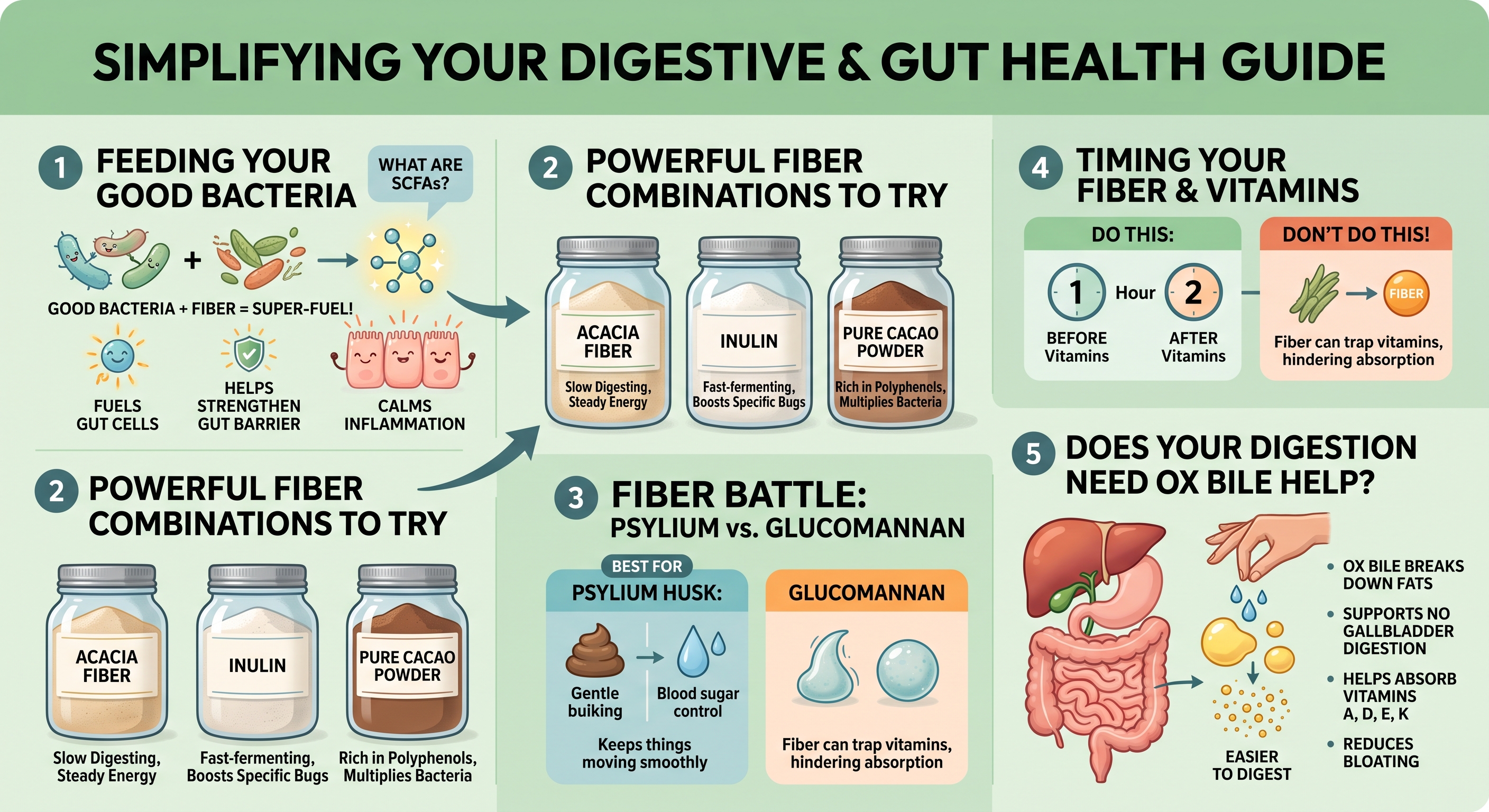
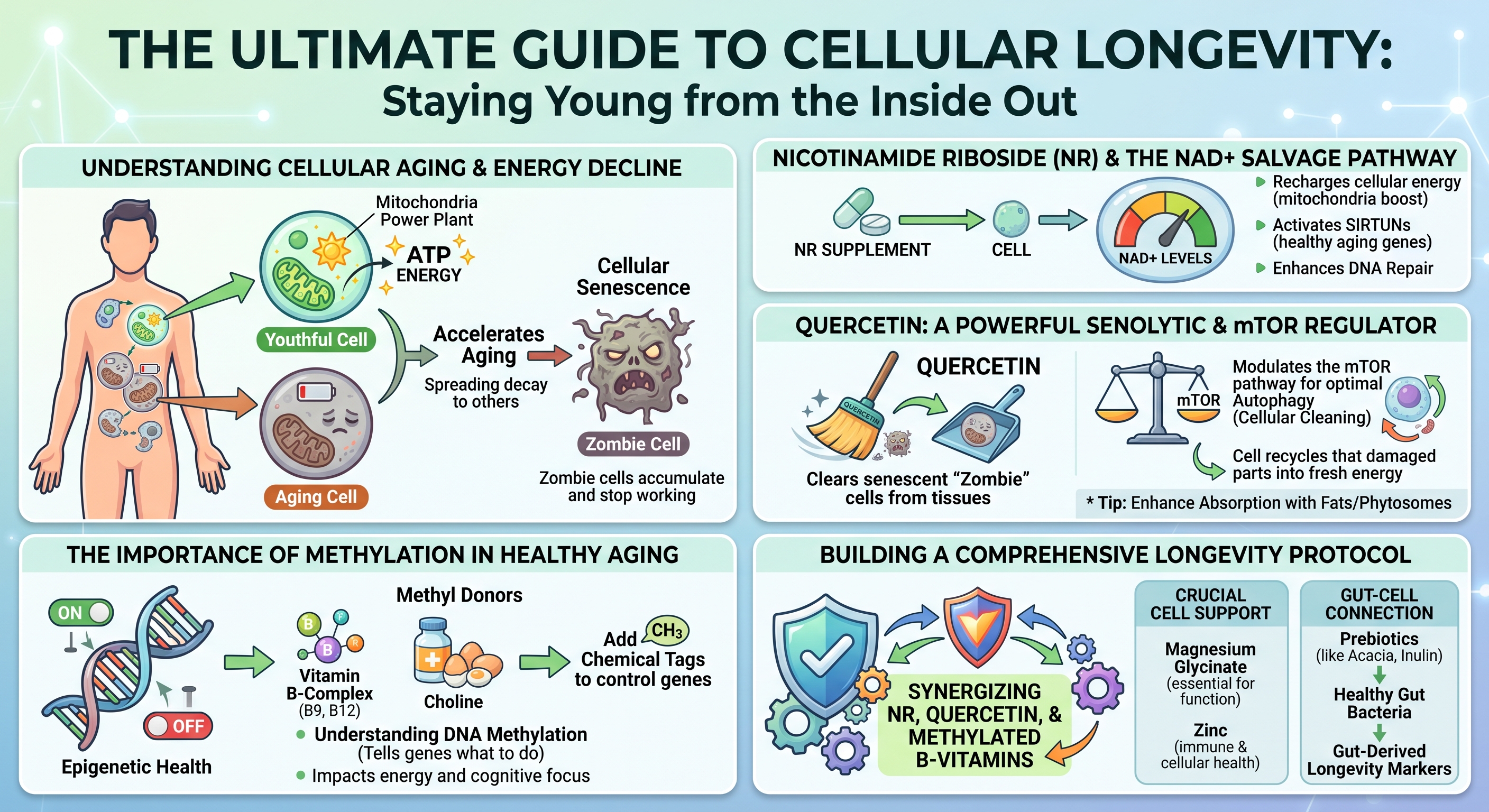
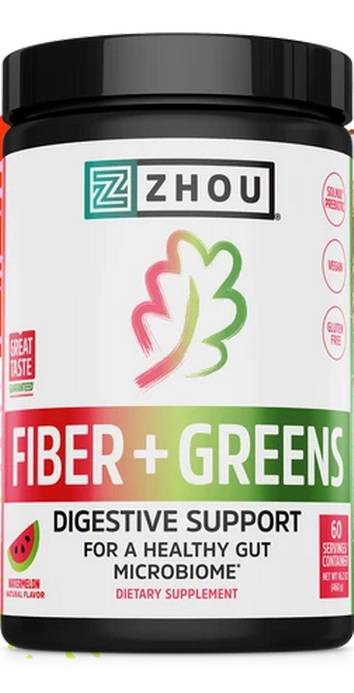
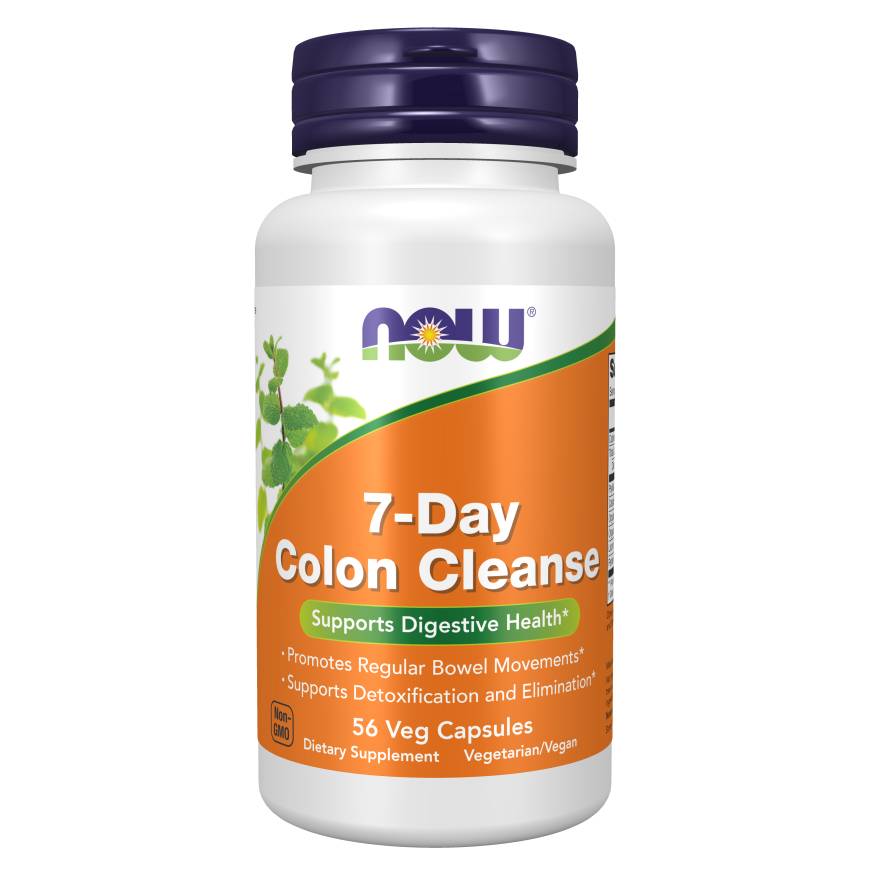
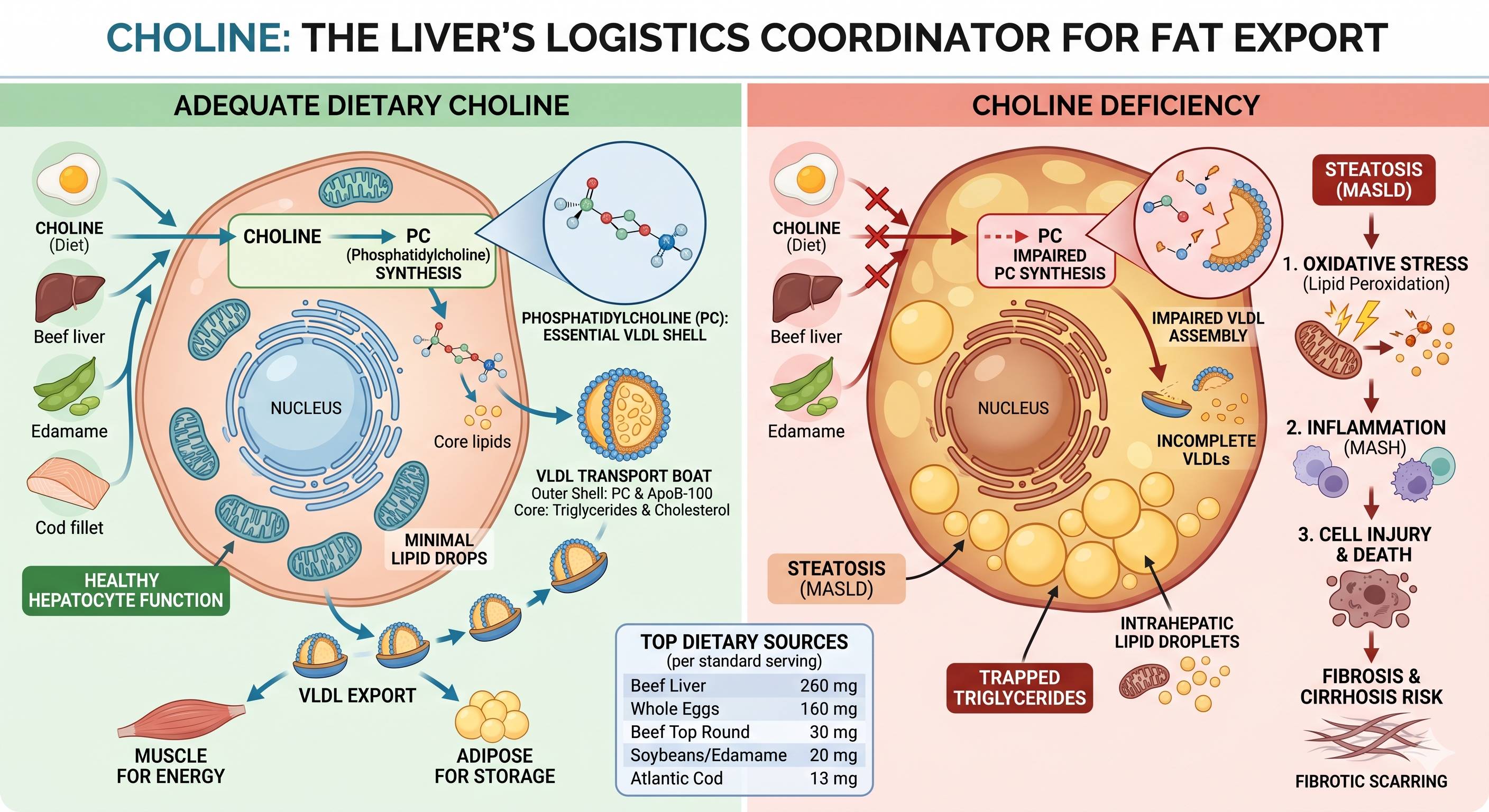
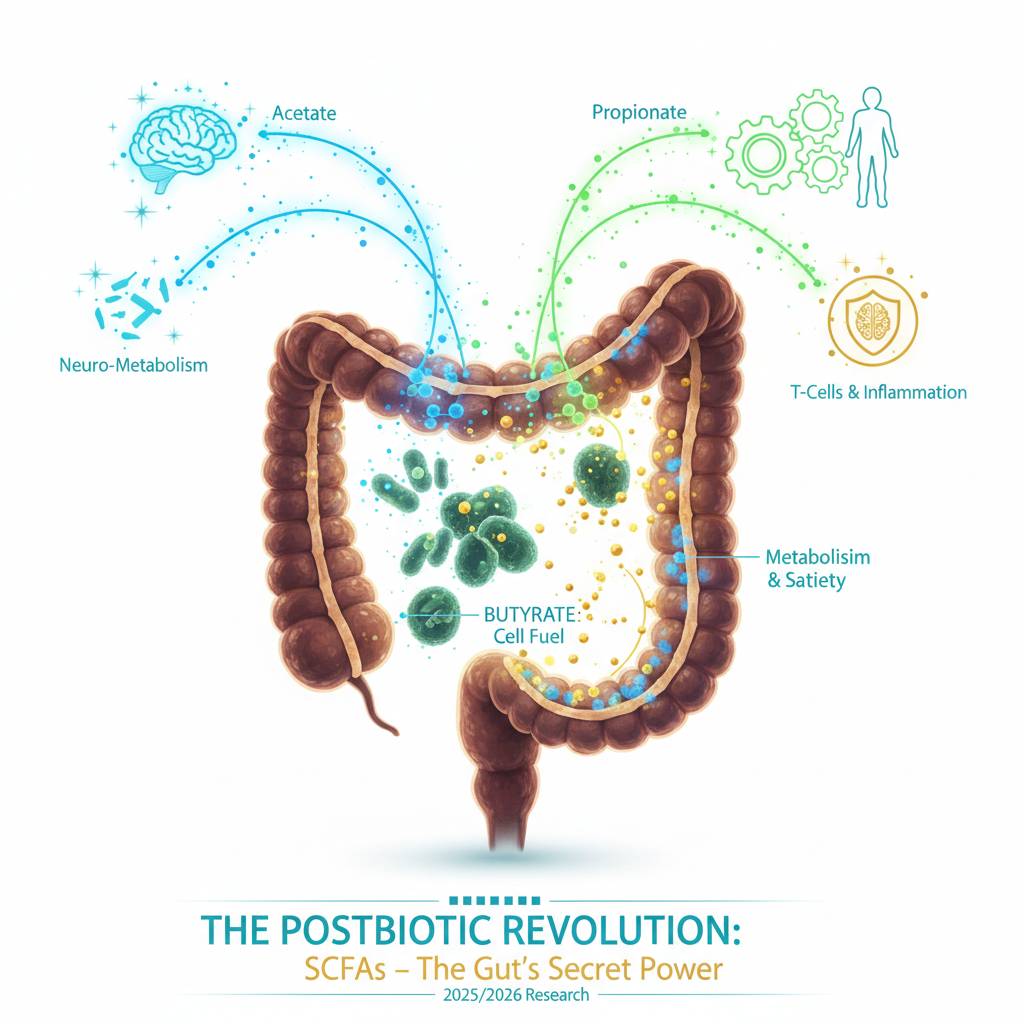
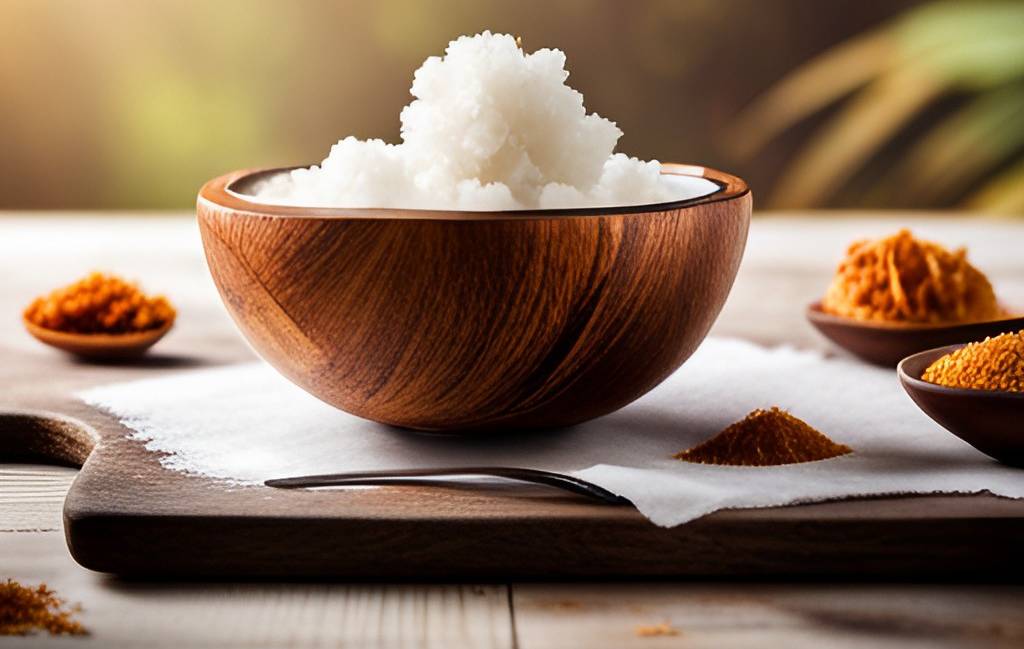
 For raw food enthusiasts, you can't get much better than date sugar. Unlike typical refined sugar from cane or beets, date sugar is actually finely chopped dry dates. There's no processing whatsoever, so you get an unrefined sweetener that's uniquely suited to certain culinary applications.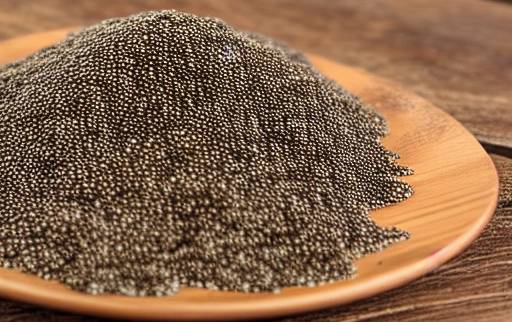

 As the name suggests, beet root powder is made from ground-up beets. It’s a natural source of nitrates, which the body converts into nitric oxide. This gas helps to widen blood vessels and improve blood flow. In turn, this can help lower blood pressure. Beet root powder may also increase blood flow in the brain, leading to better cognitive function. Additionally, beet root powder is a good source of dietary Fiber, minerals (including magnesium, potassium, and zinc), and vitamins (especially vitamin C and beta-carotene). All of these nutrients can offer various health benefits. Beet root powder is typically available in capsules or as a loose powder that can mixed into a drink.